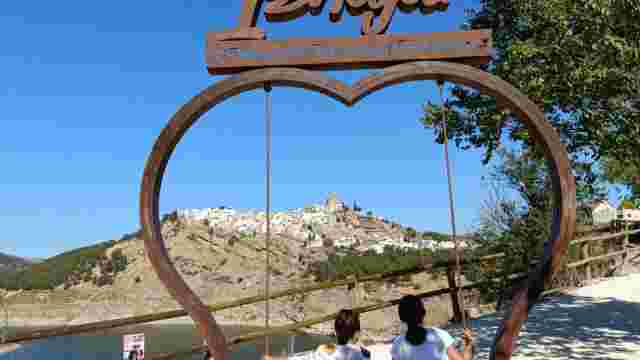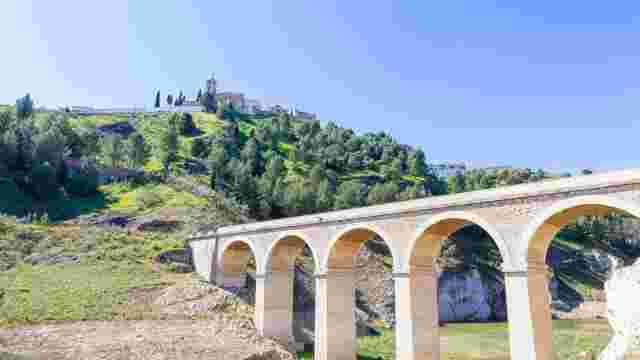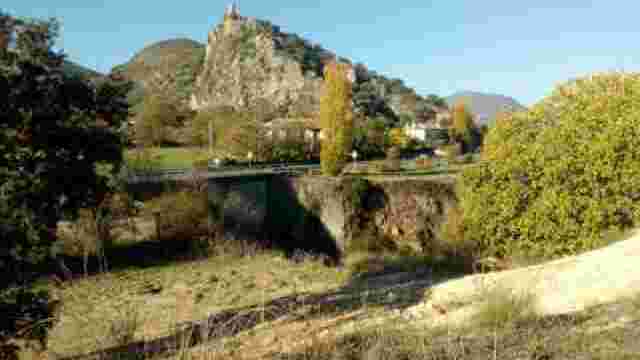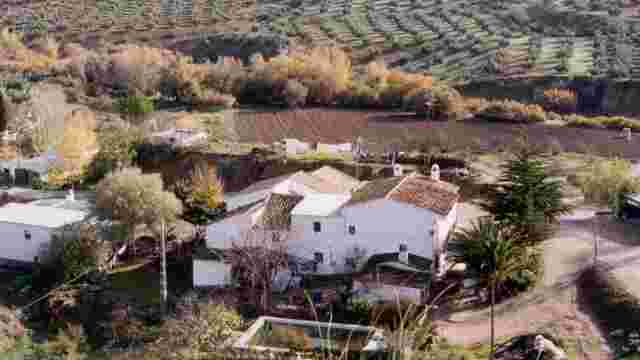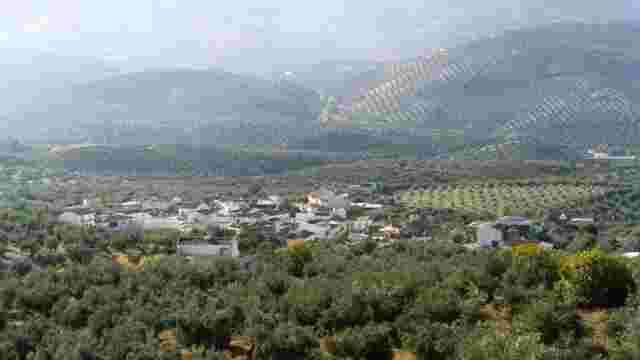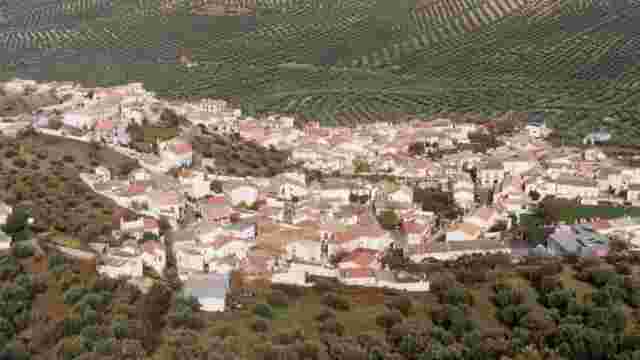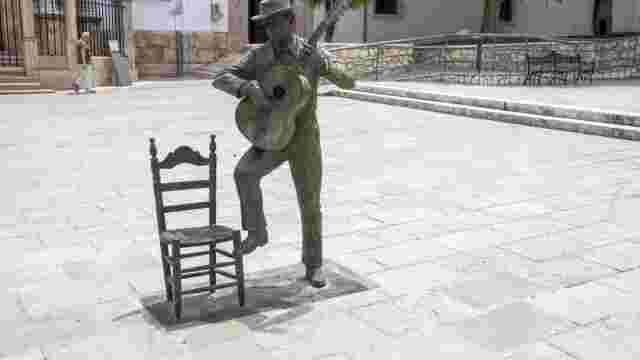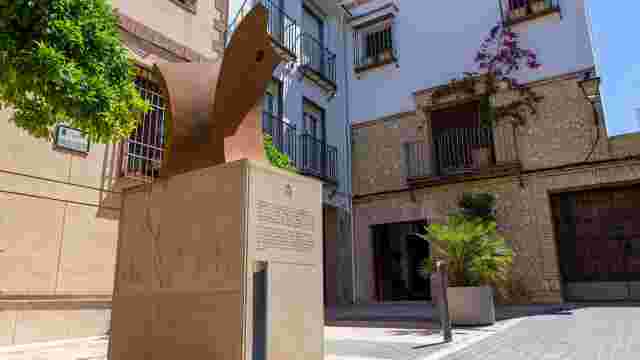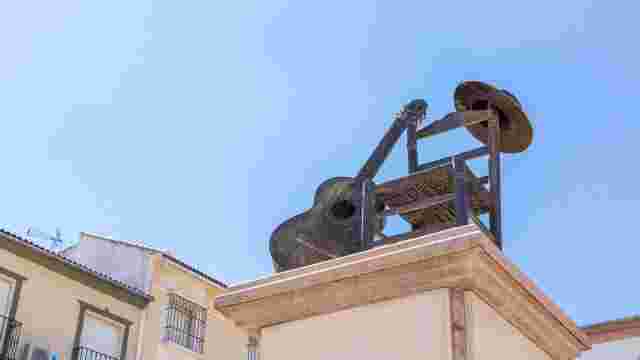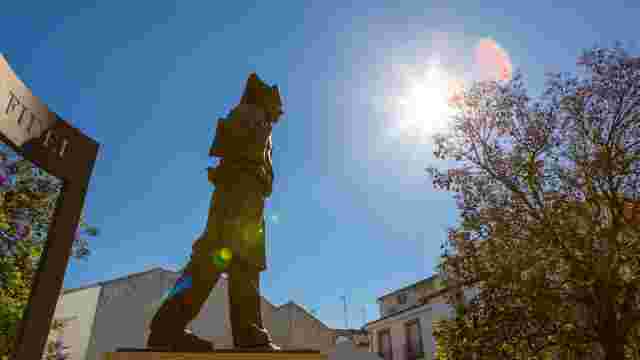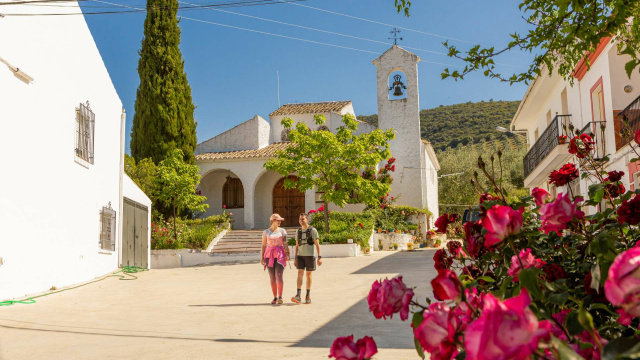
ALGAR (VILLAGE OF CARCABUEY)
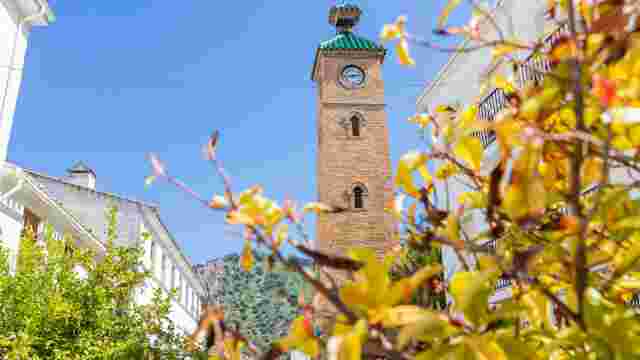
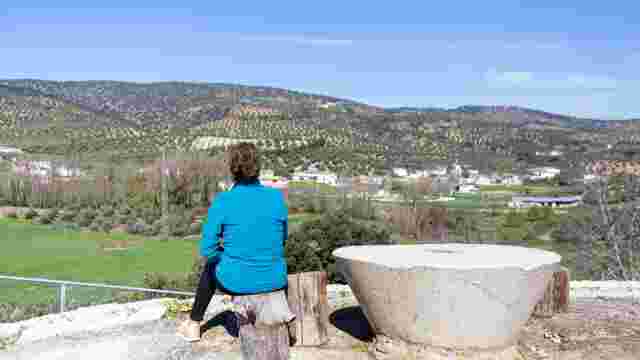
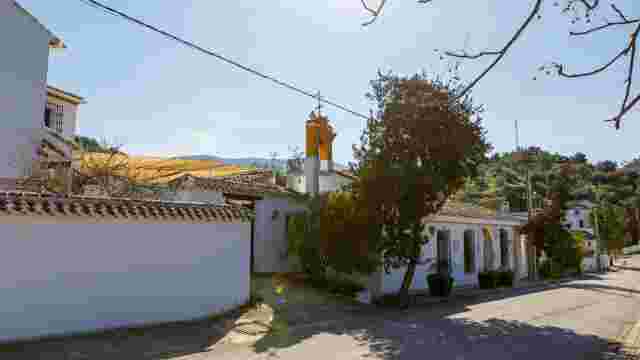
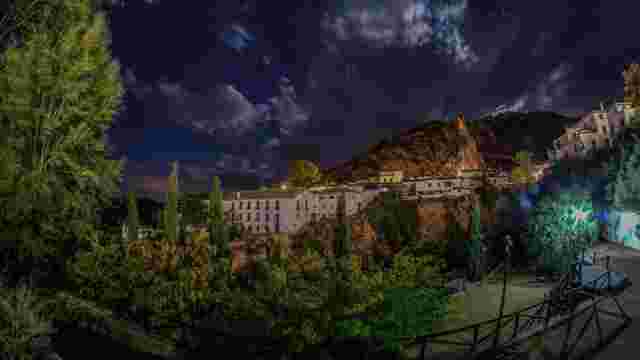
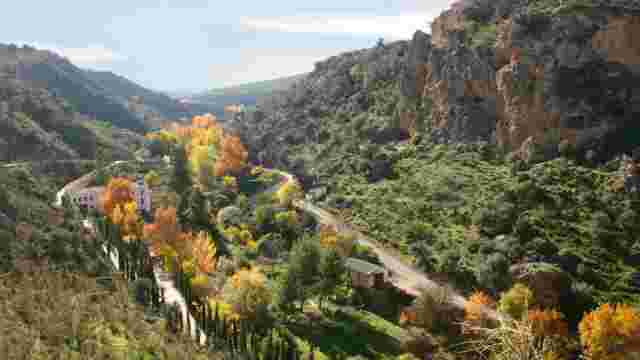
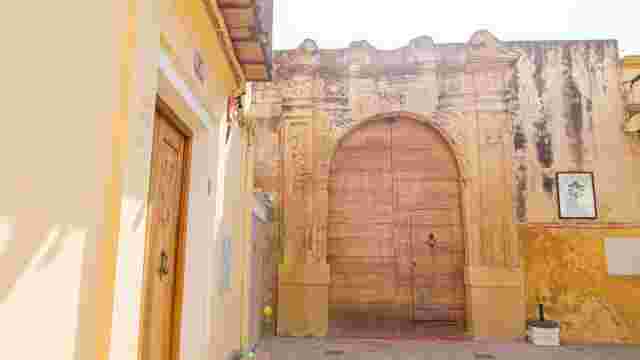
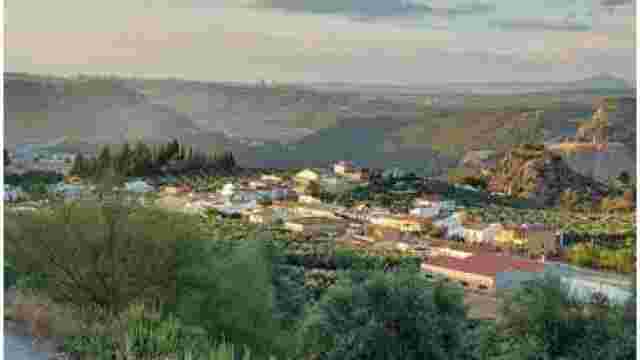
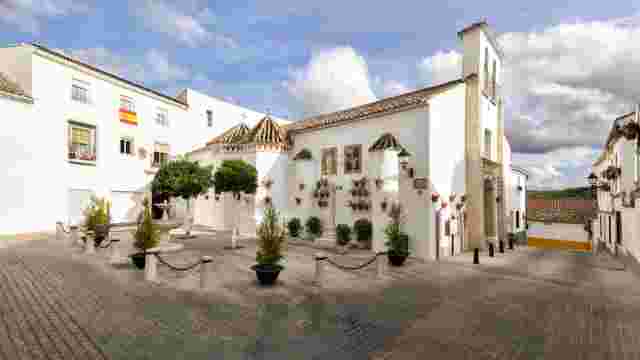
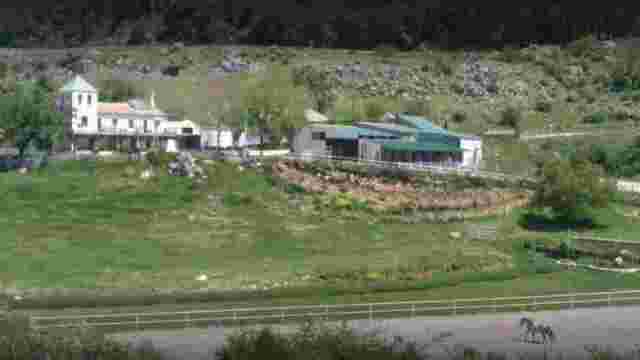
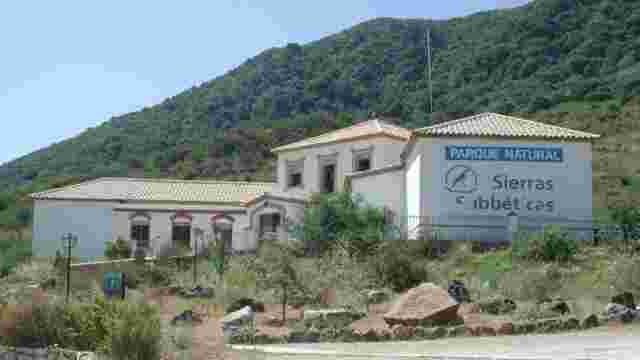
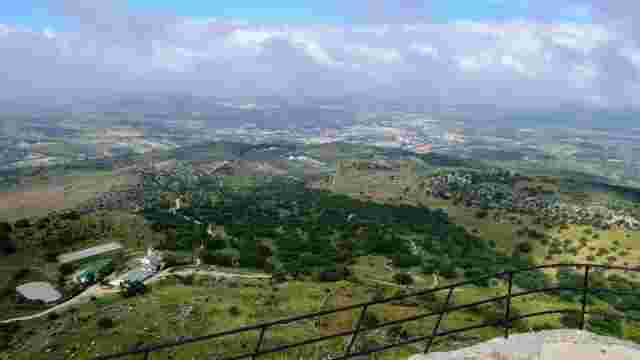
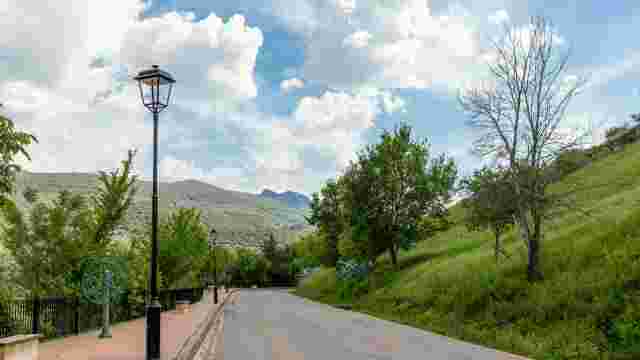
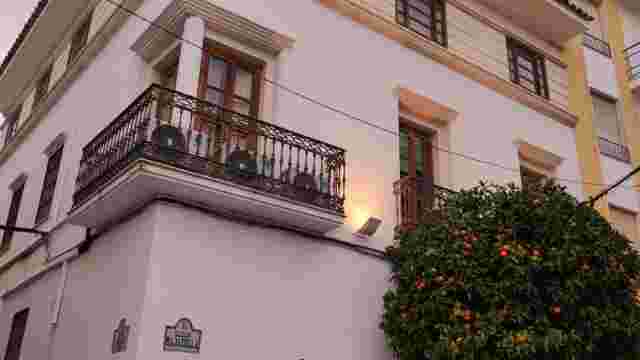
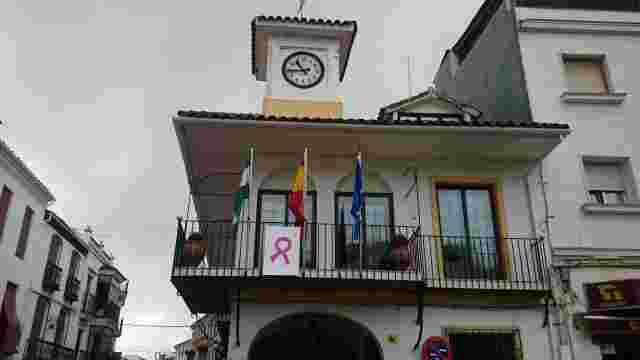
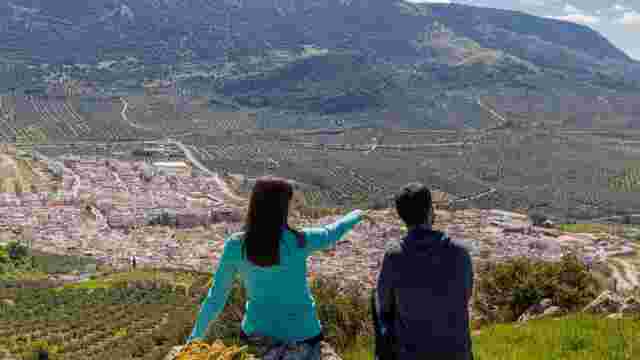
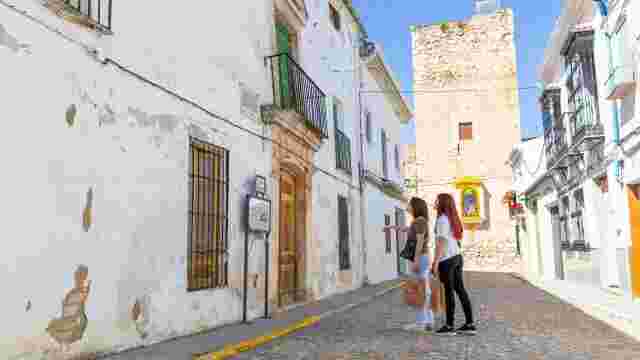
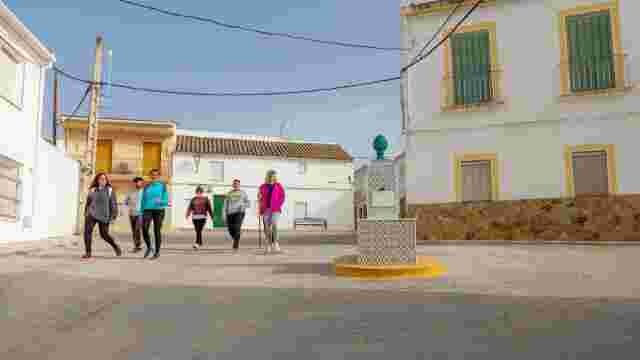
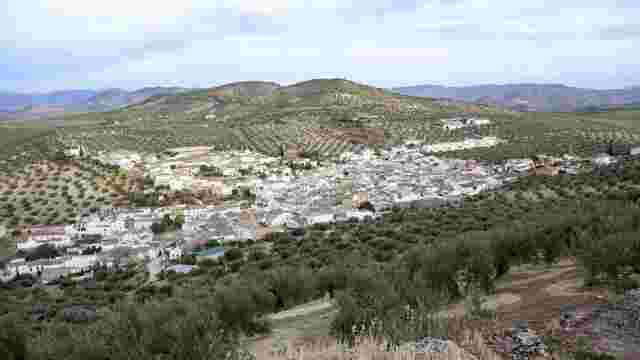
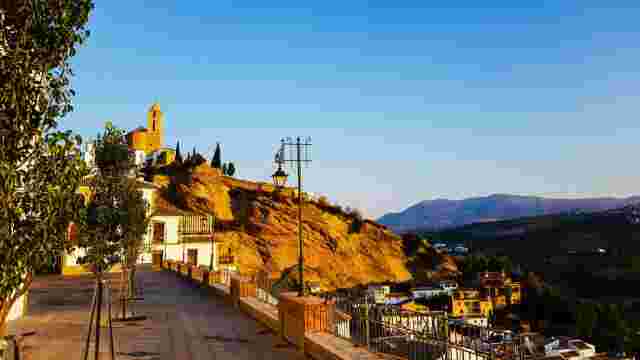
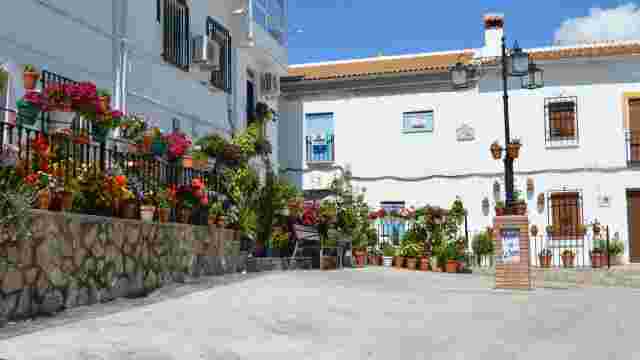
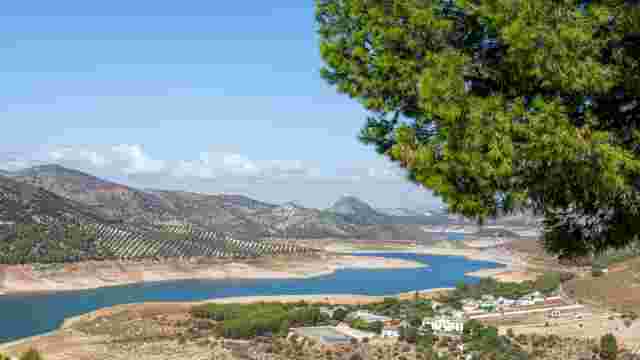
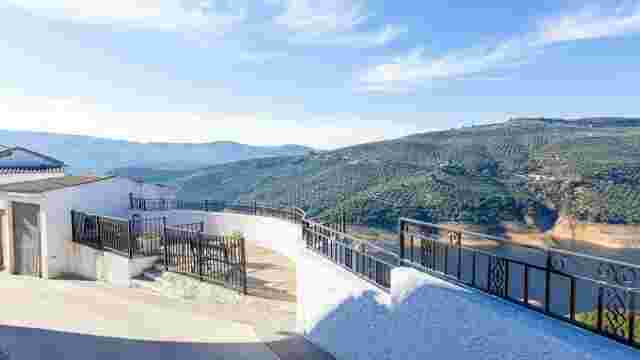
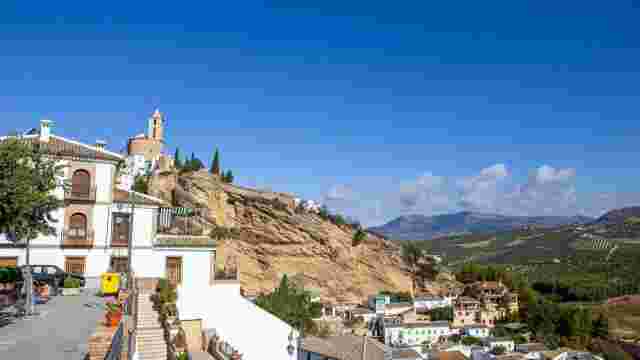
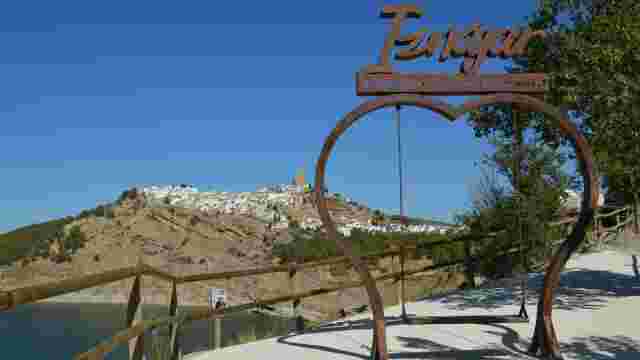
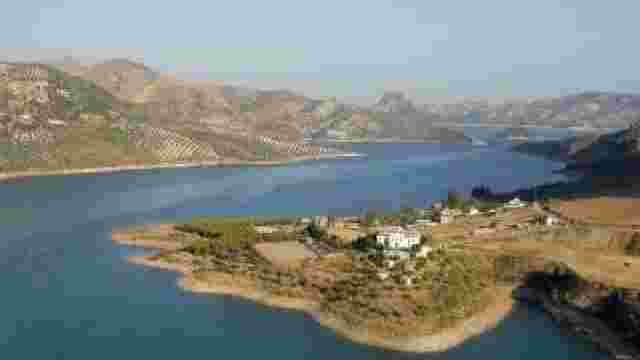
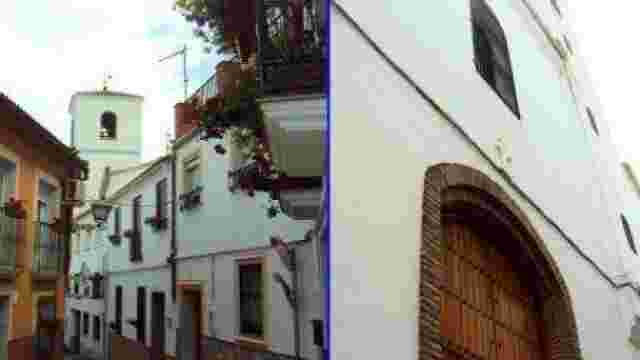
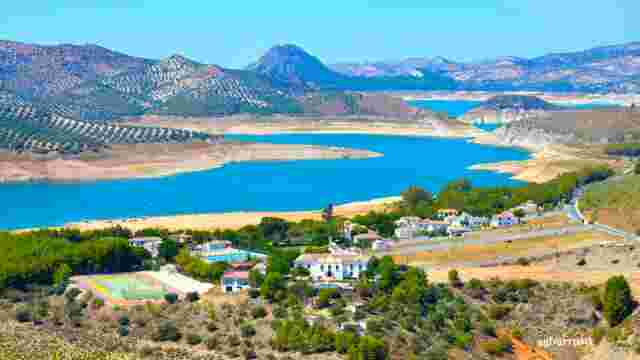
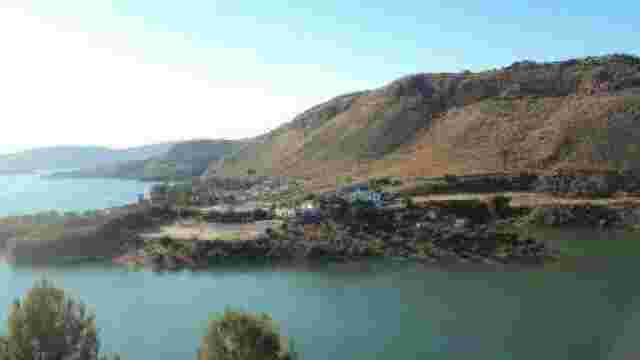
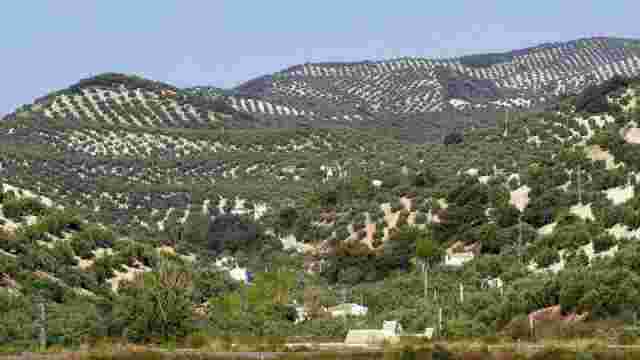
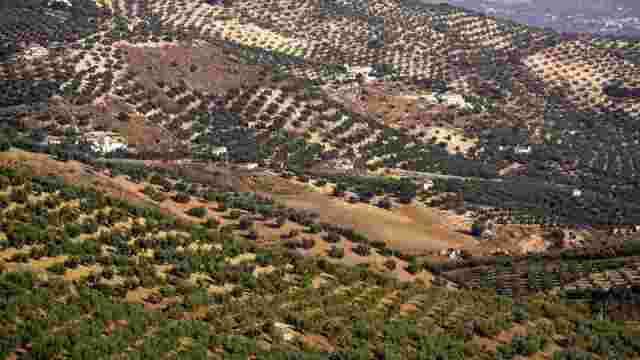
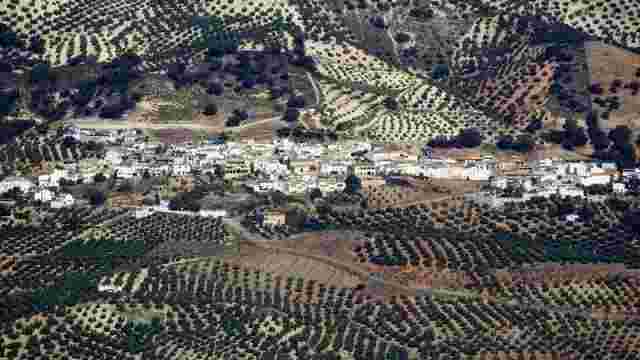
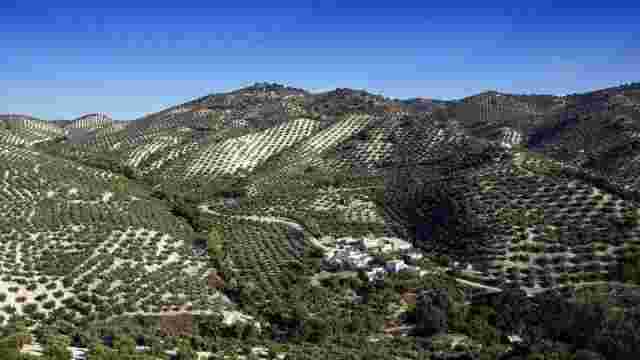
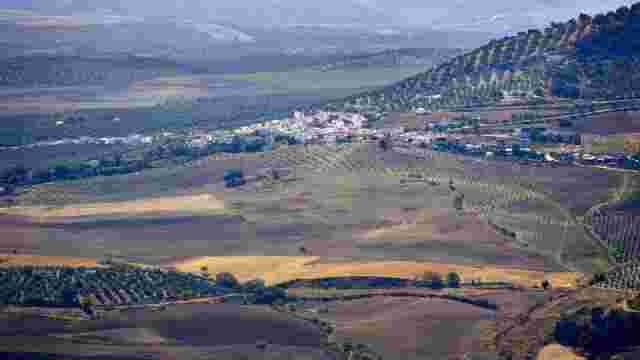
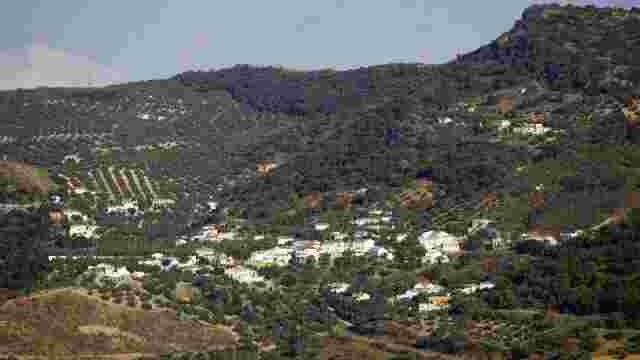
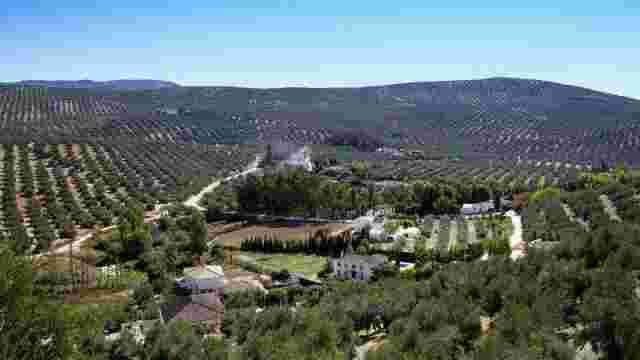
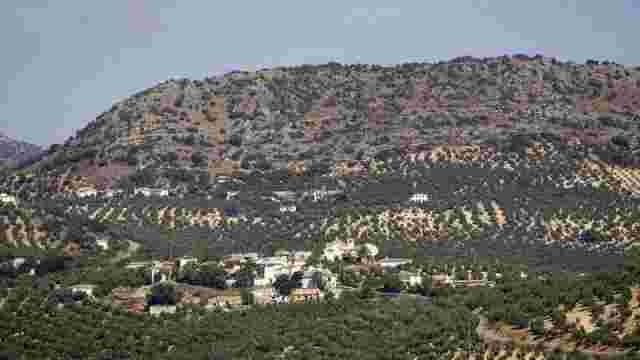
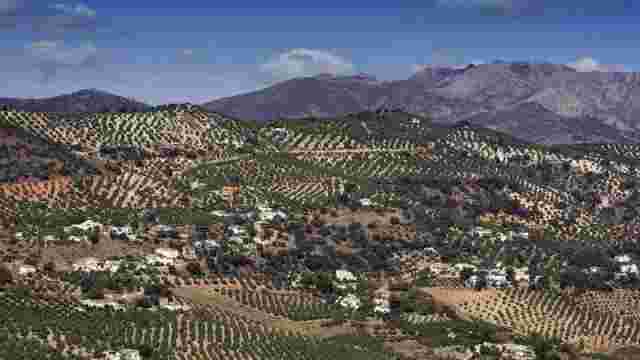
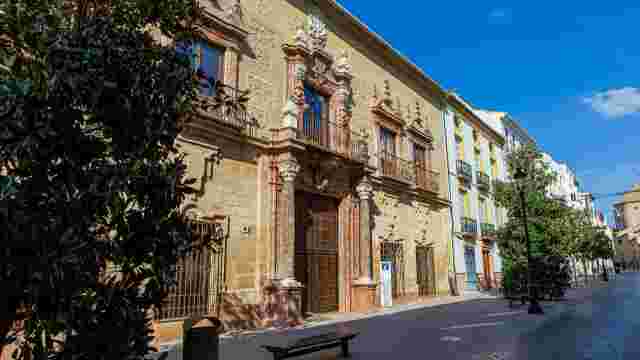
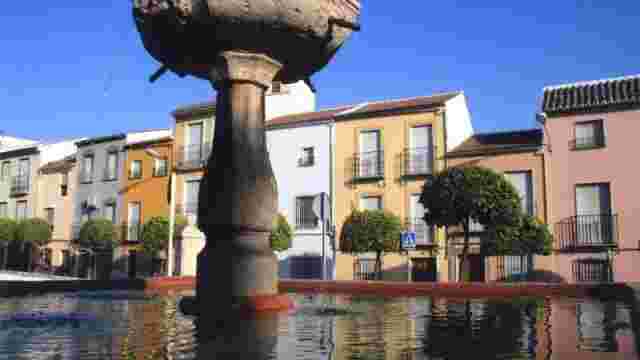
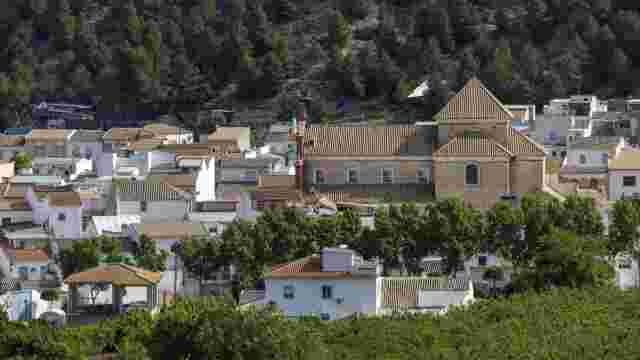
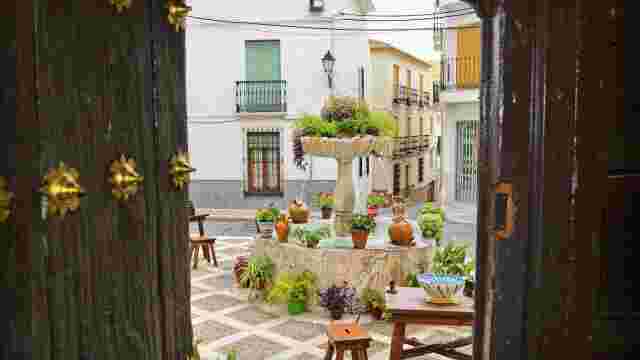
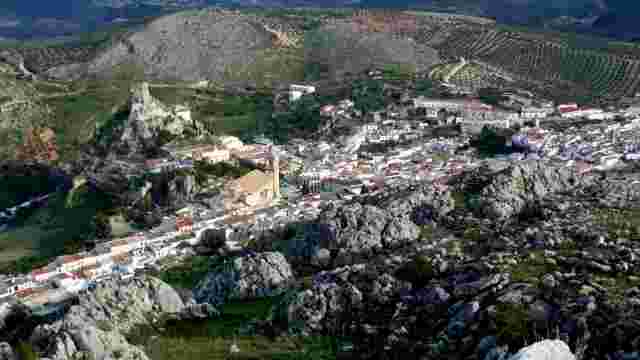
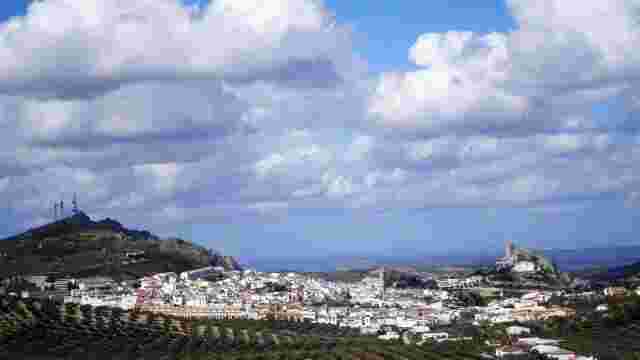
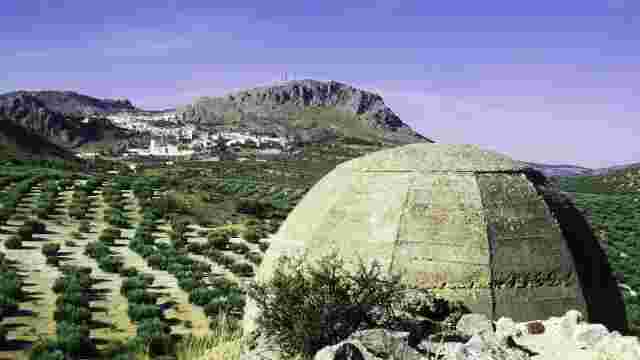
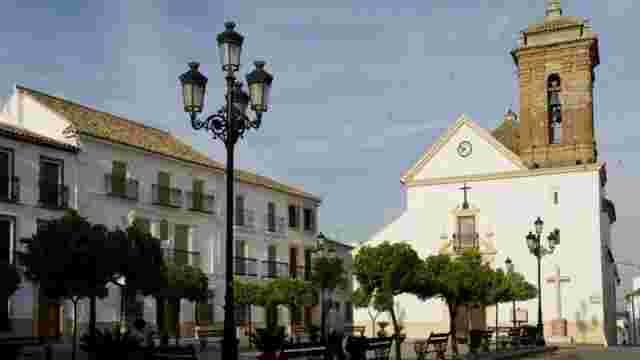
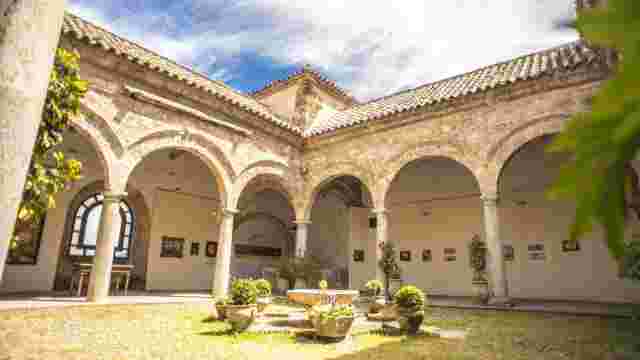
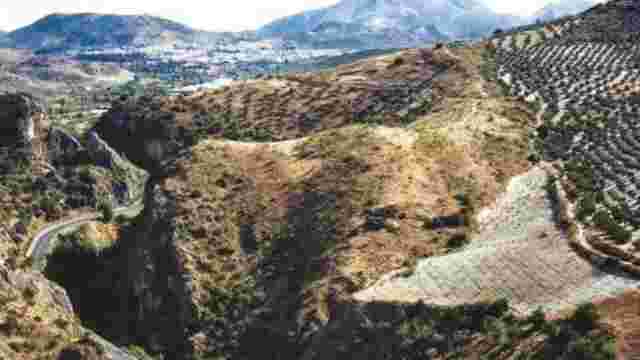
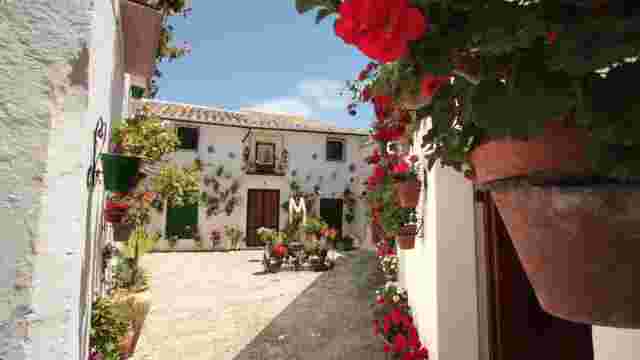
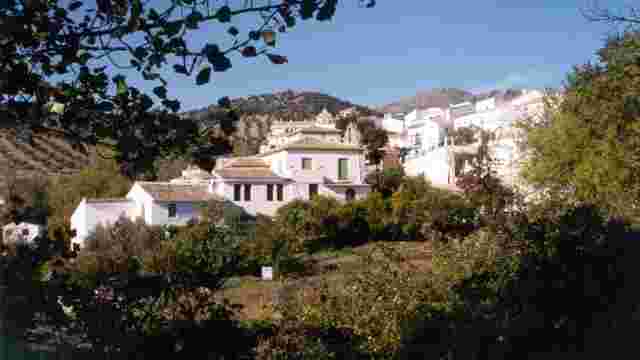
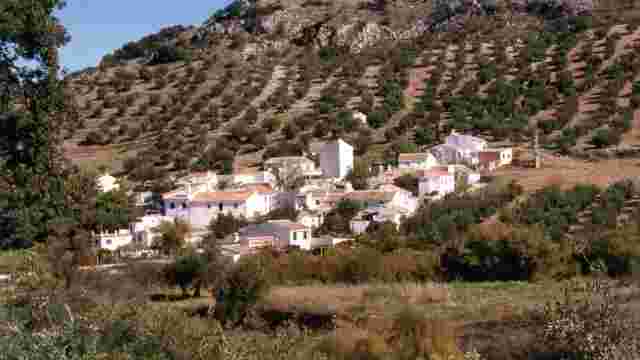
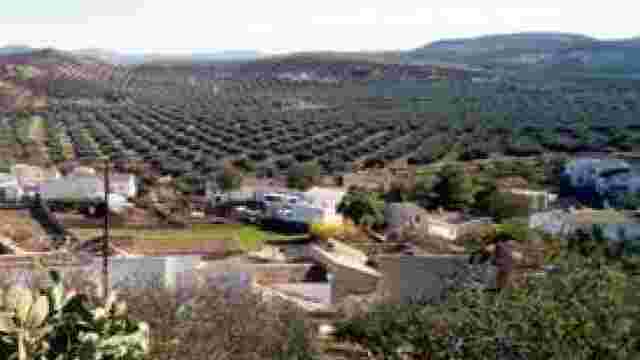
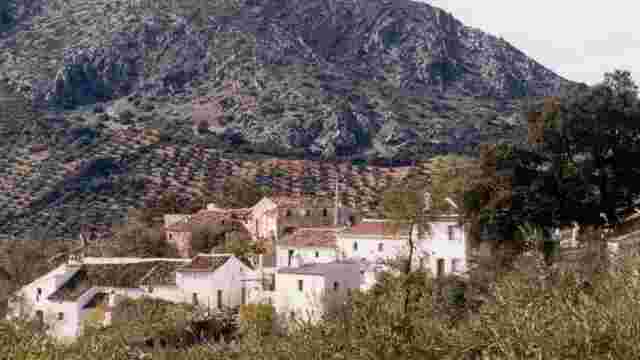
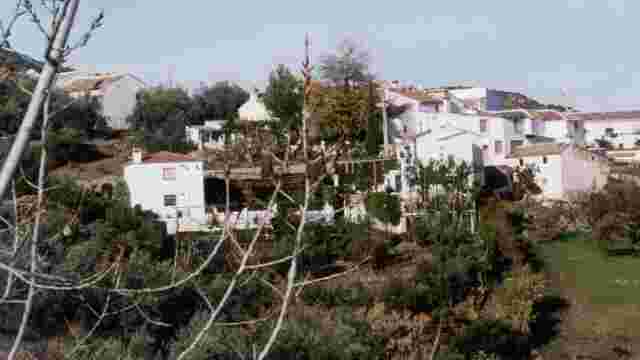
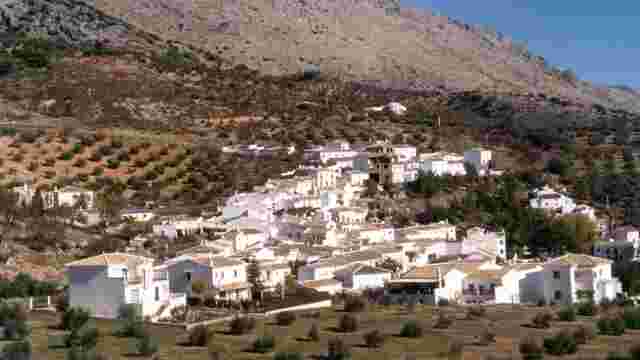
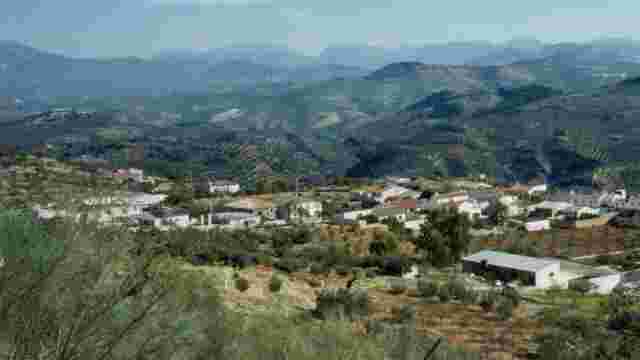
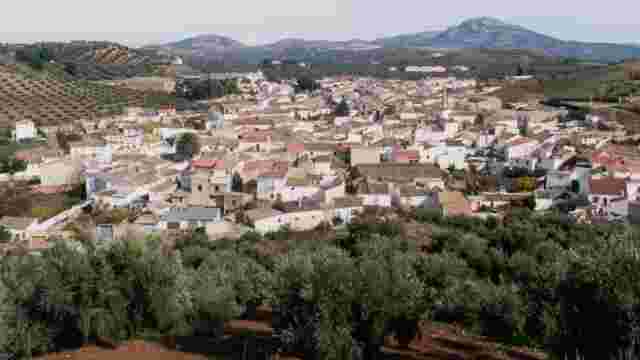
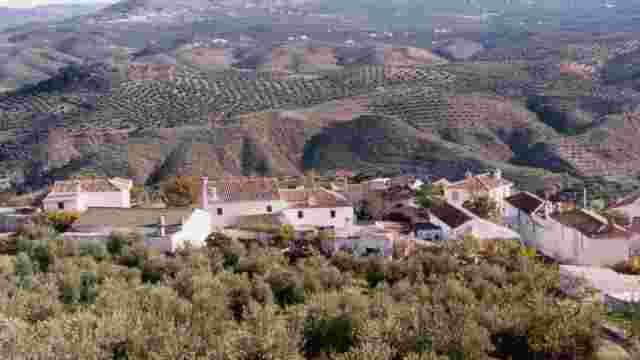
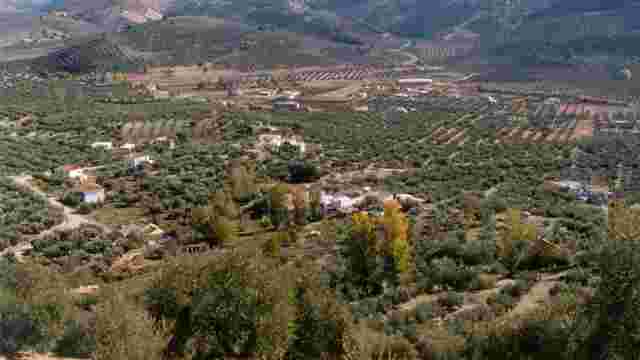
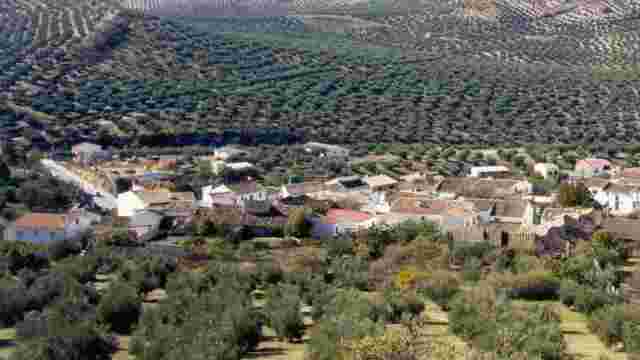
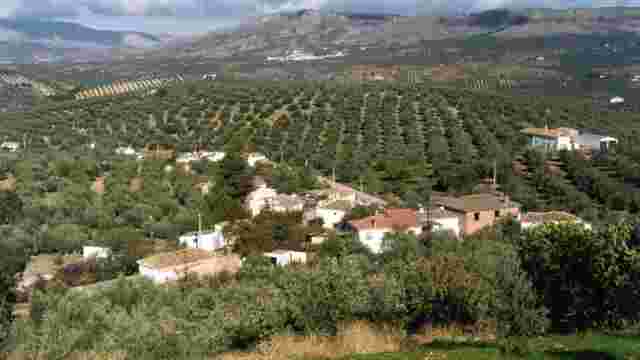
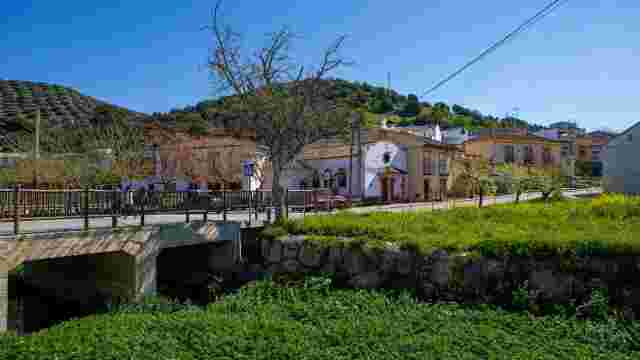
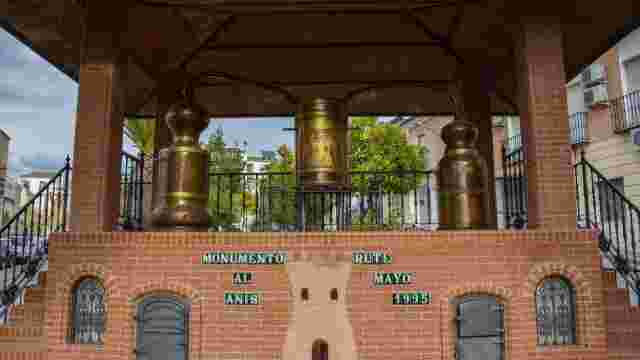
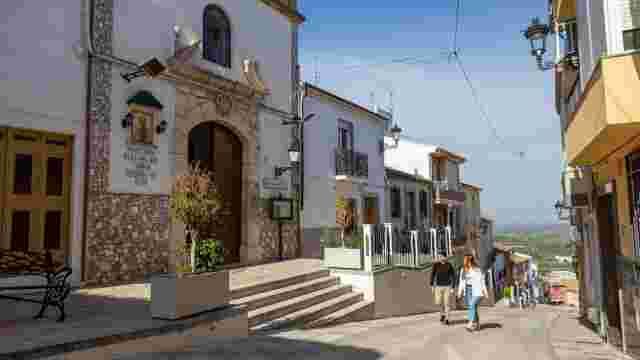
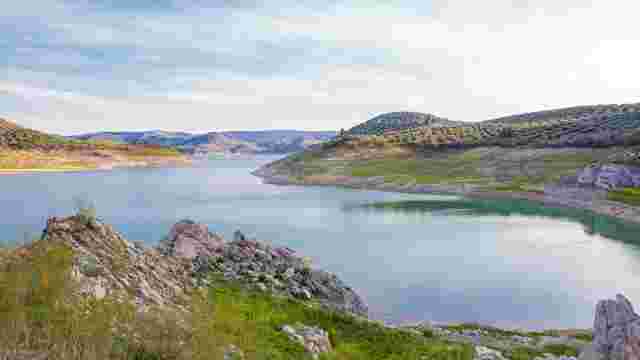
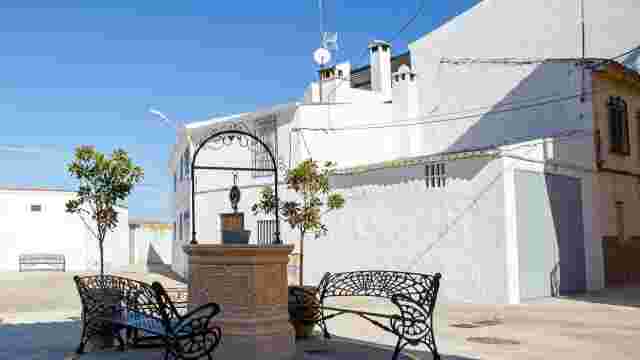
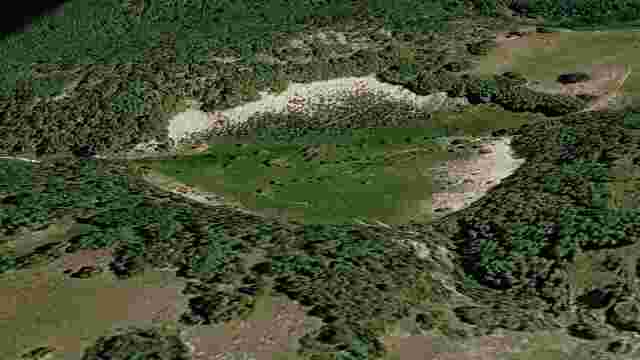
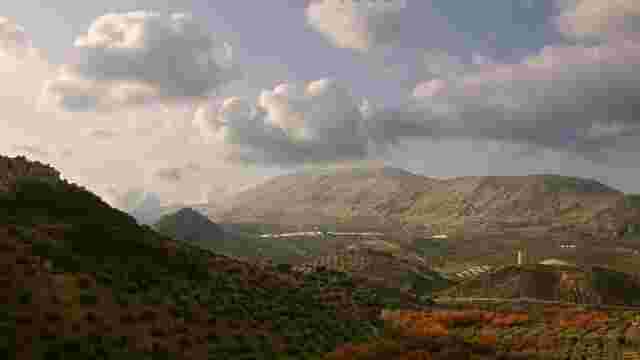
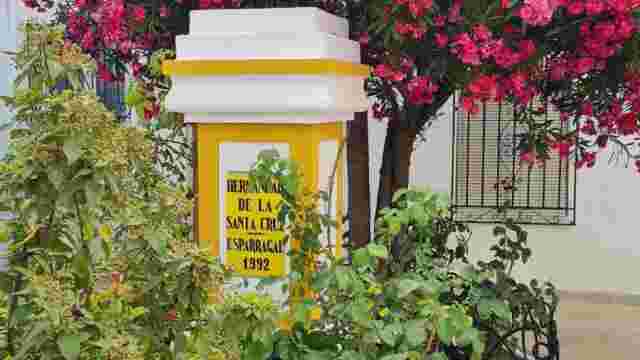
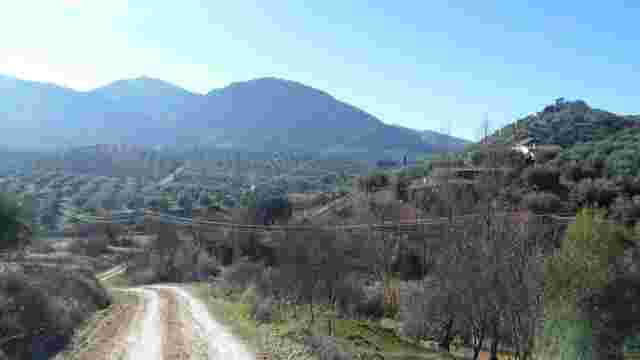
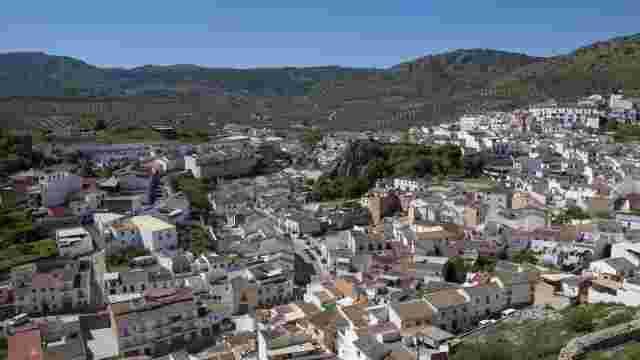
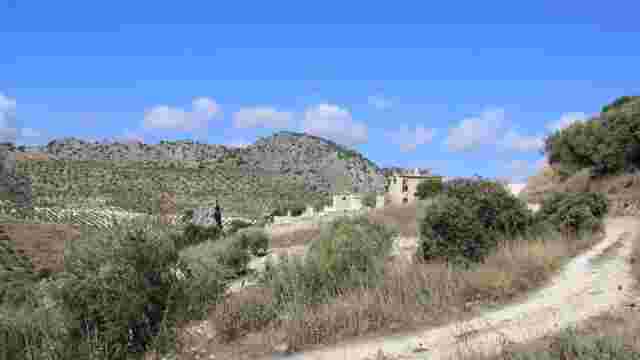
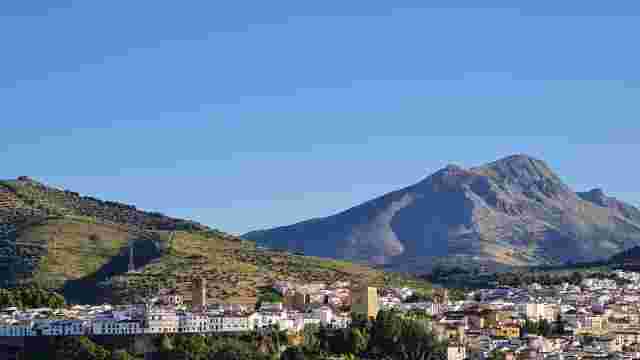
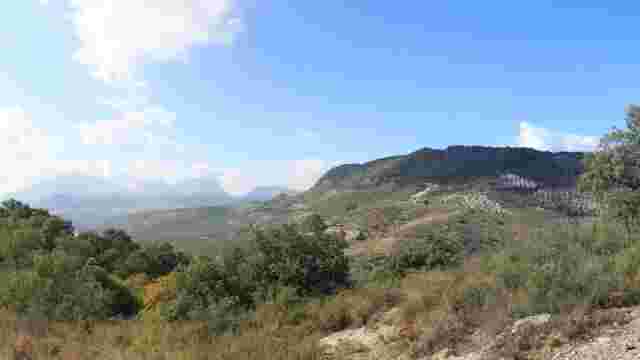
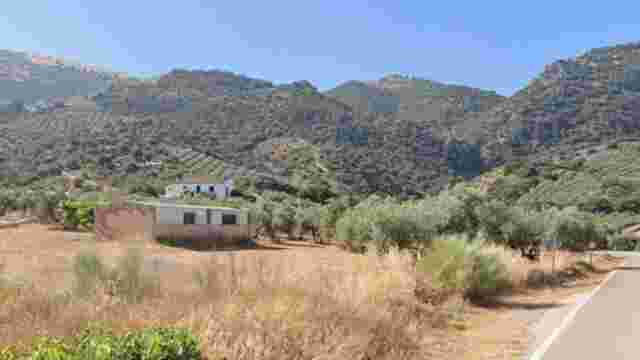
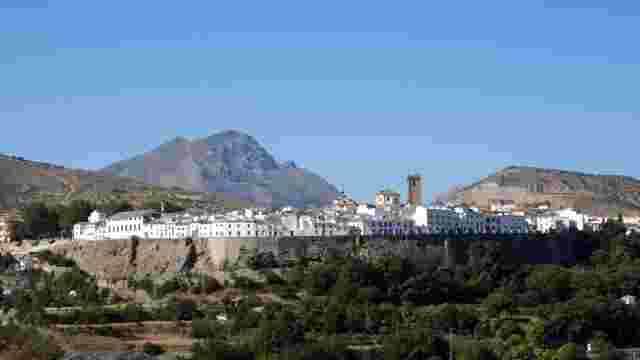
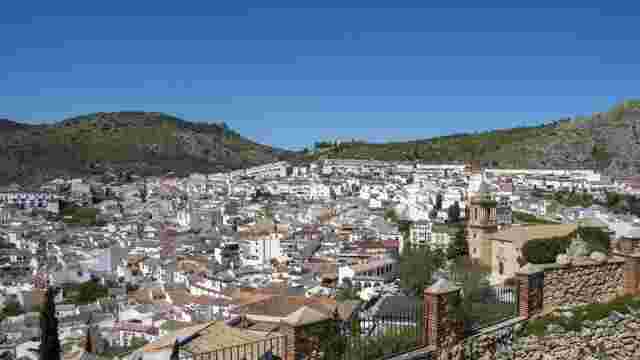
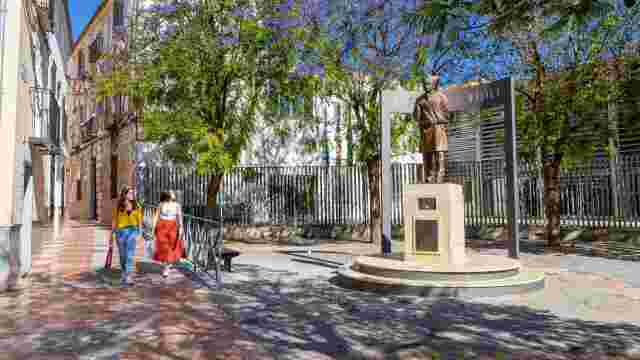
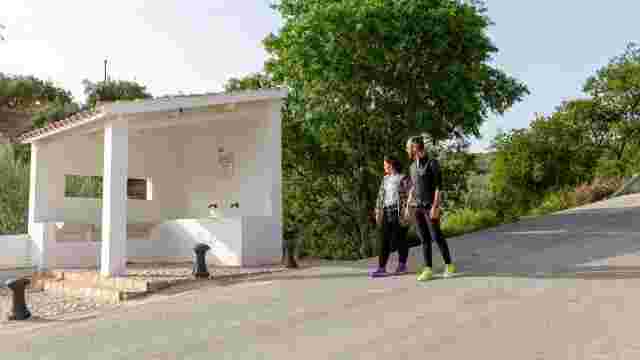
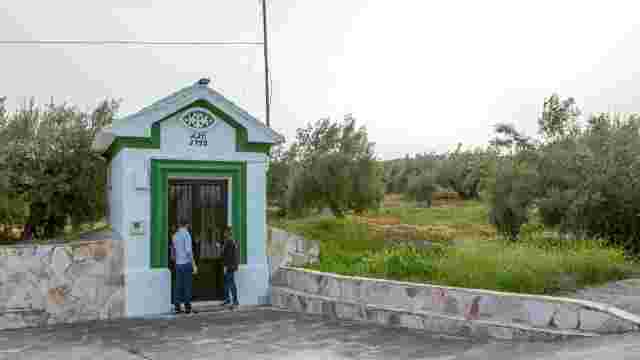
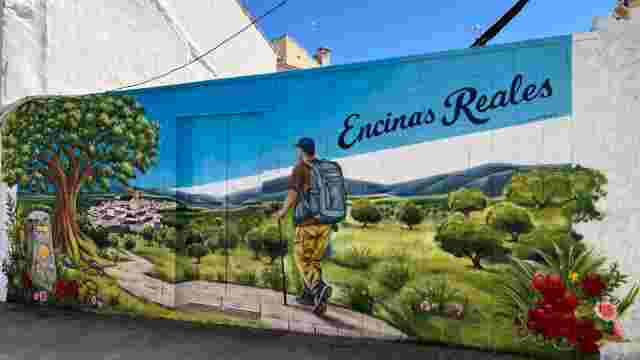
Algar is situated about 8 km south-west of Carcabuey. The area stretching from Cortijo los López to Peñarubia is generally considered to be Algar, but the town centre is defined by the following streets: Avenida Prado Vicaría, Natalia Benítez, Plaza Horcajo, La Venta, La Garduña, El Barrio, El Ranal, El Ventorrillo, Barrás, Salazar and Humillas.
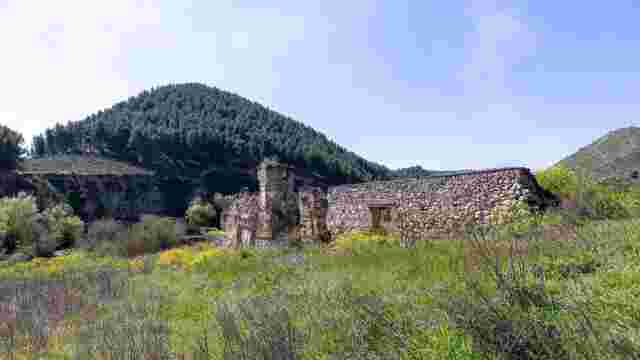
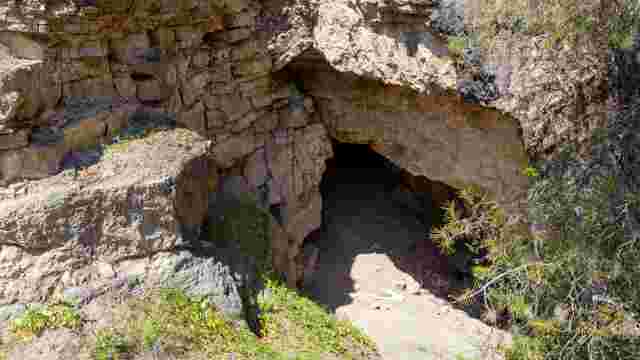
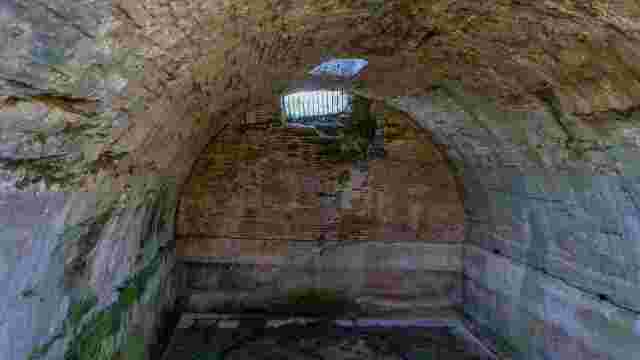
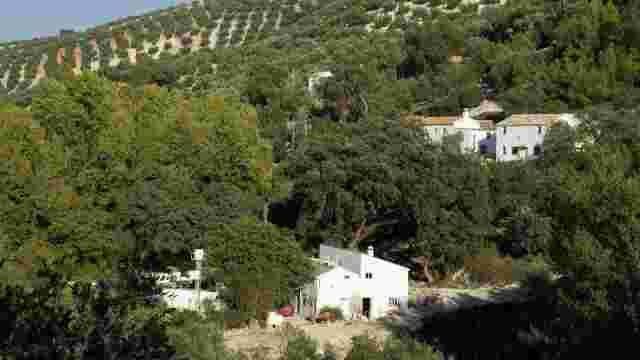
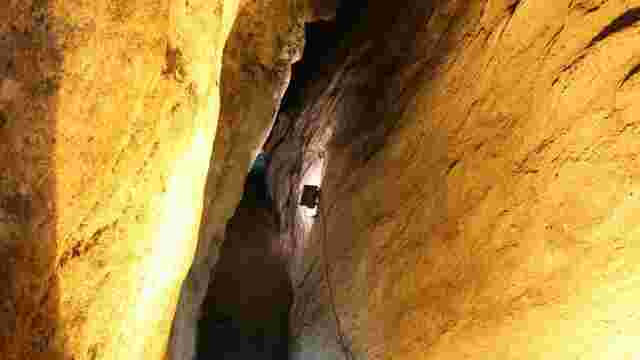
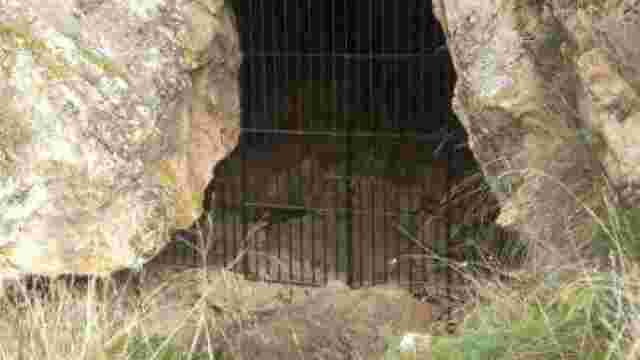
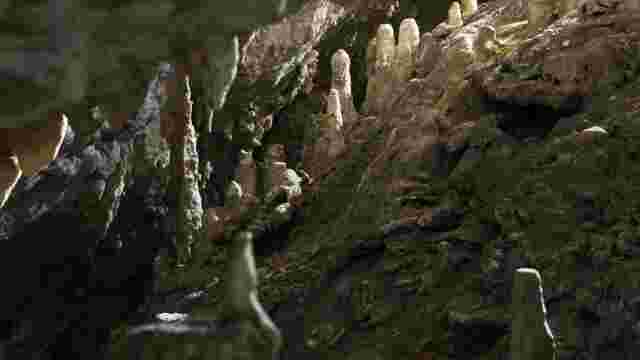
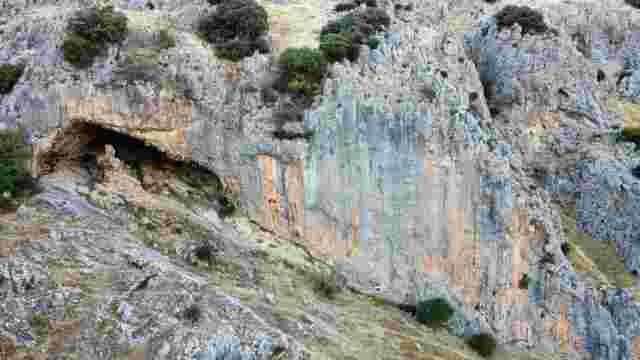
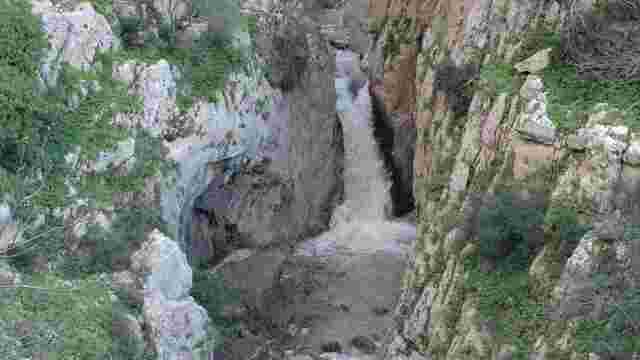
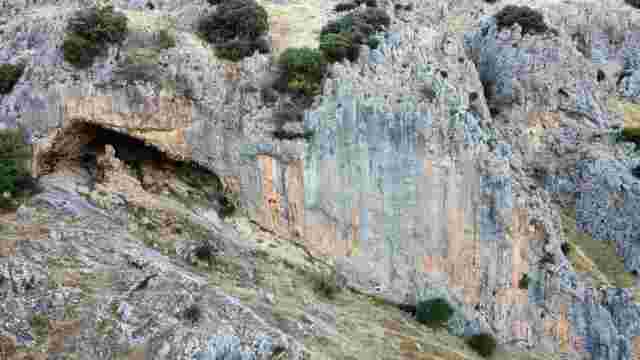
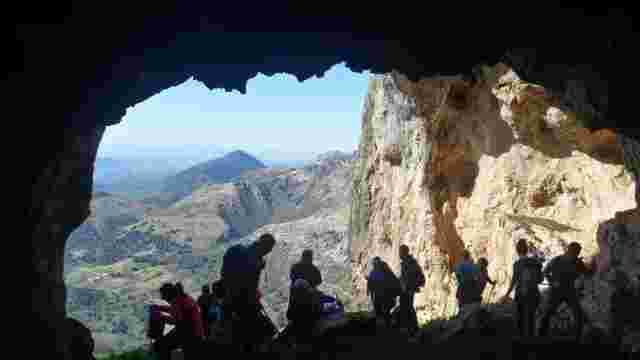
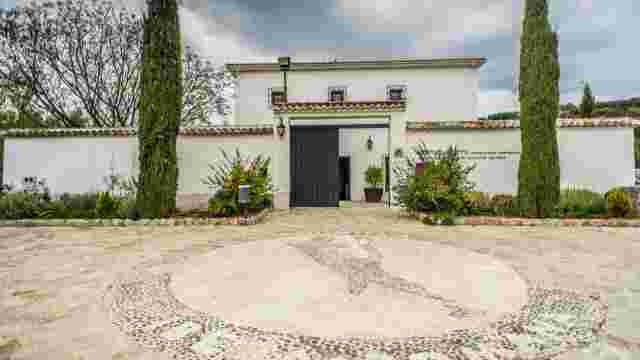
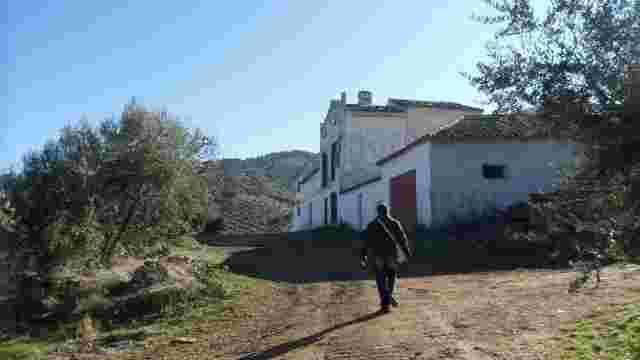
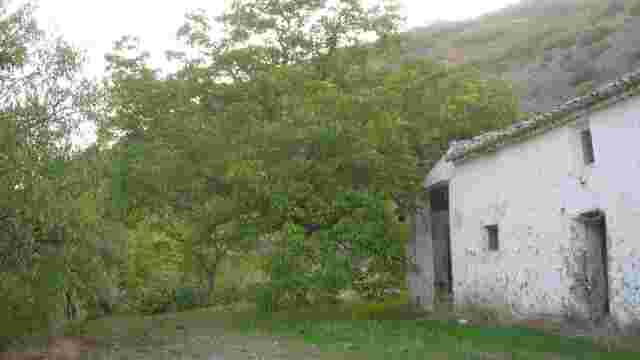
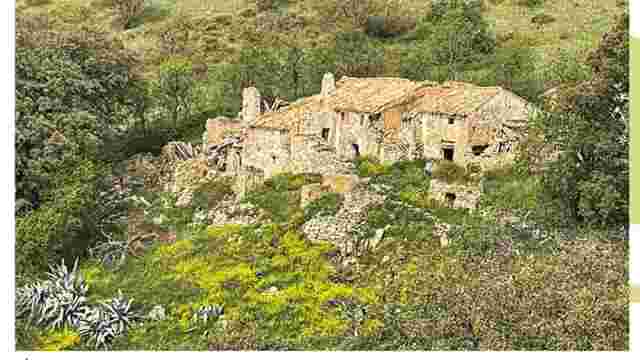
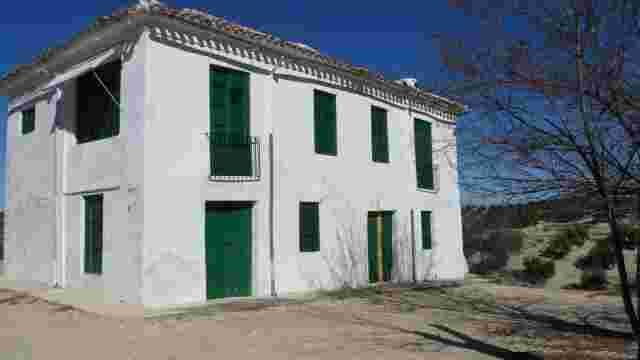
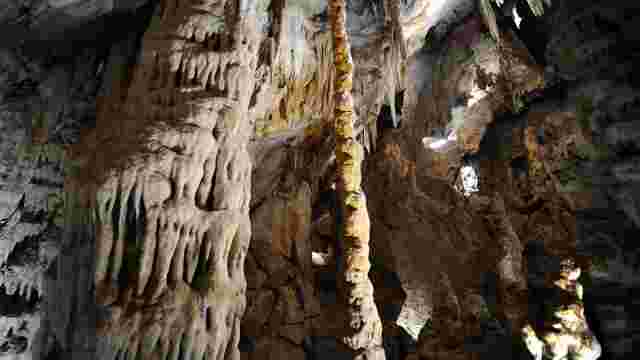
The name Algar comes from the Arabic Al-Gar and means ‘cave’ or ‘cavern’. There is a gloomy cave next to a farmhouse. As for the history of this small settlement, it is closely linked to that of the parent municipality of Carcabuey. Algar must have been one of the settlements donated by Ferdinand III to the Order of Calatrava on the border with the Bishopric of Jaén.
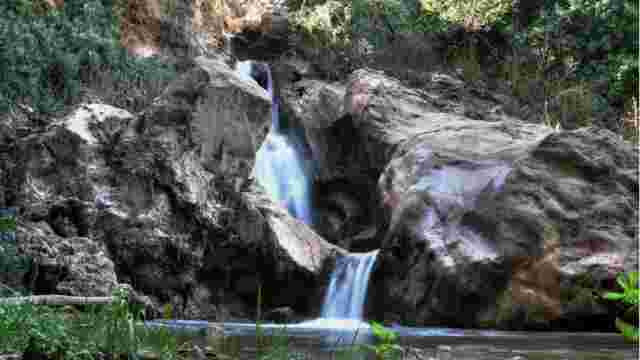
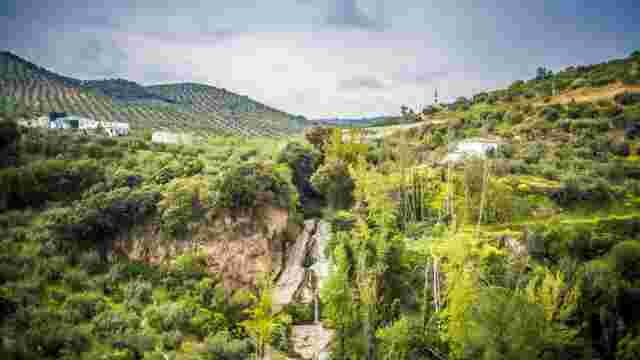
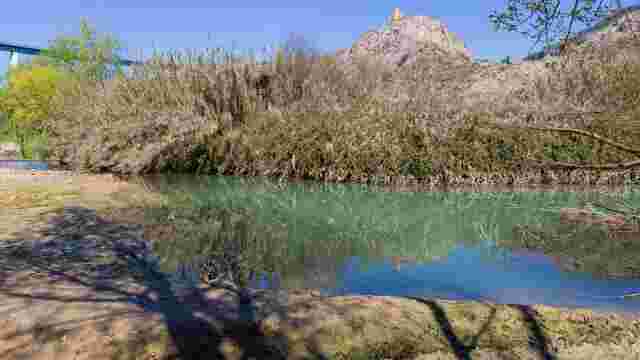
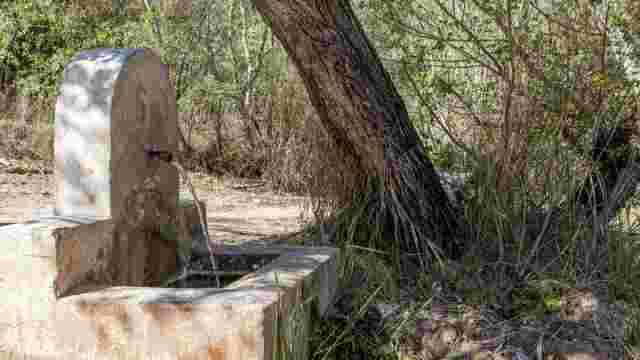
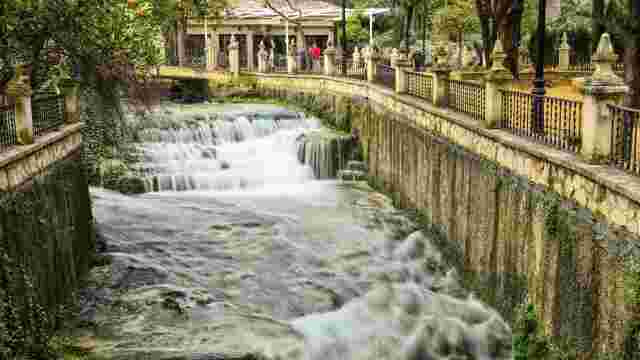
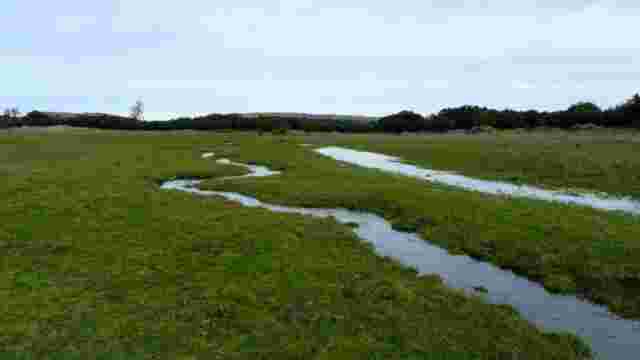
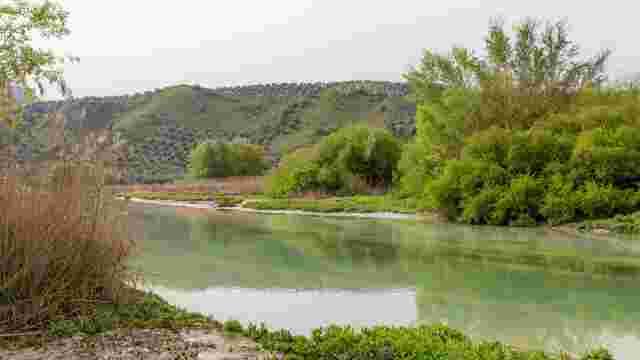
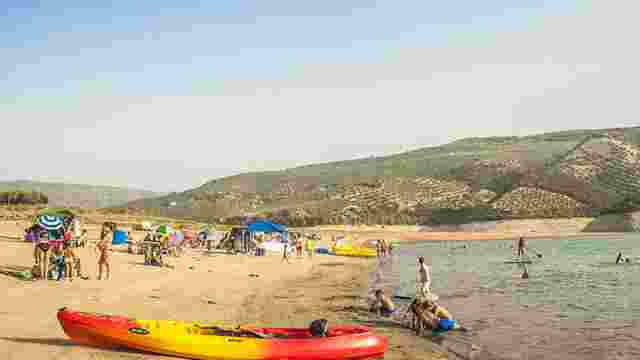
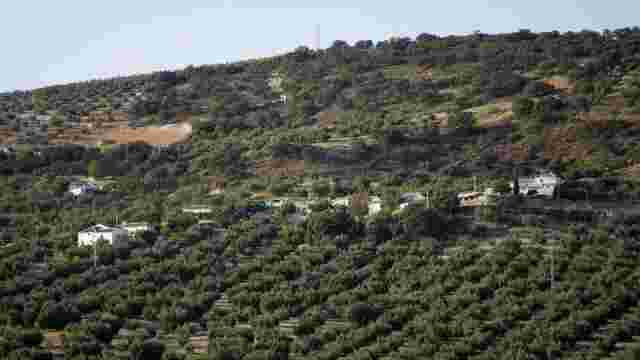
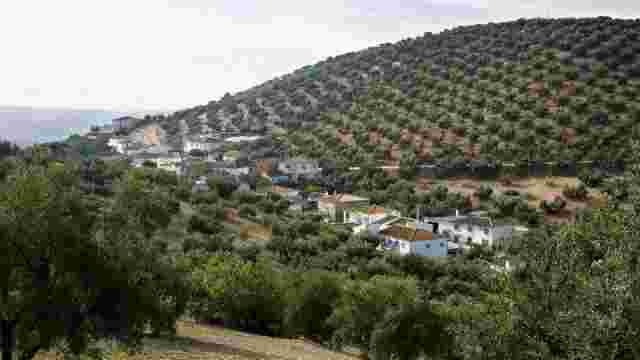
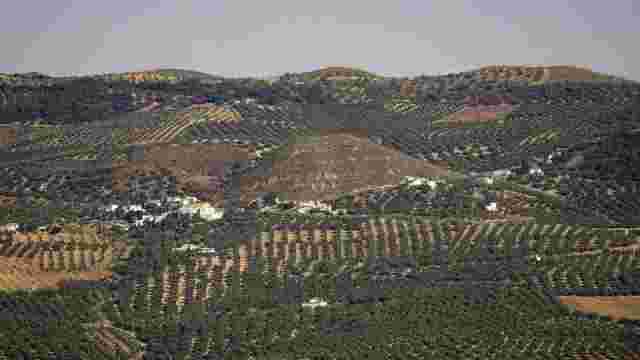
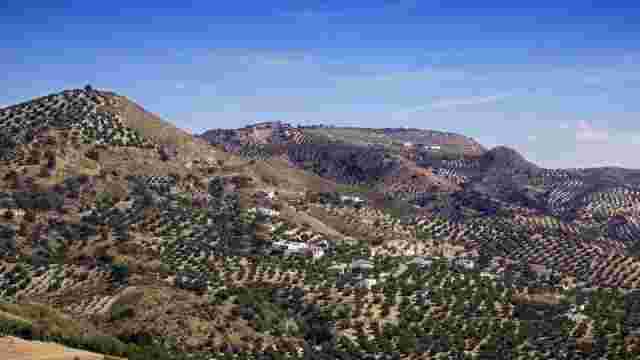
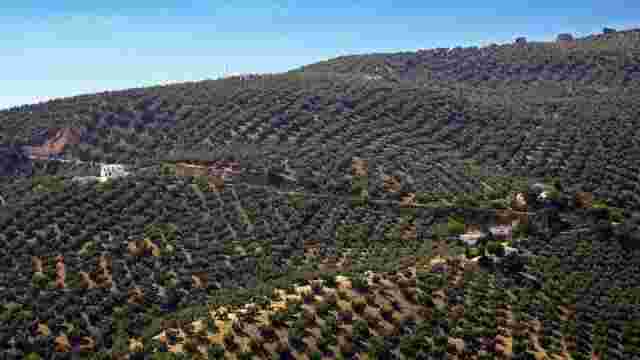
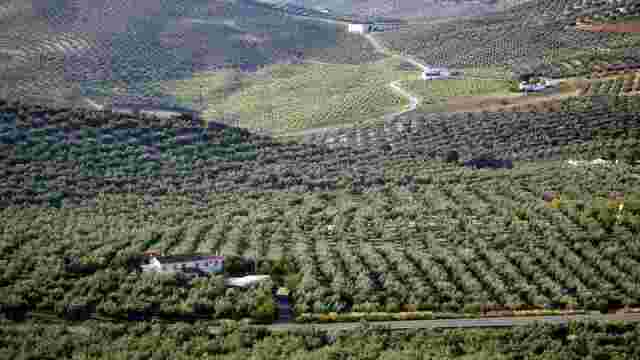
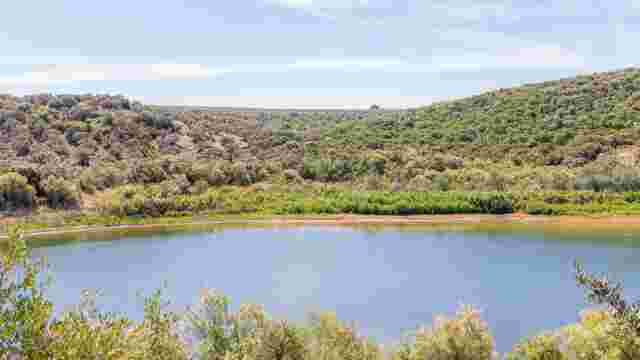
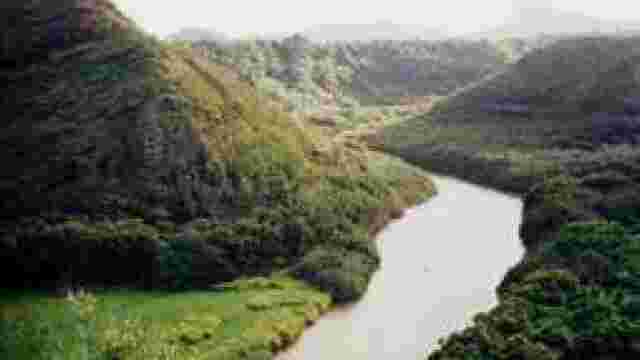
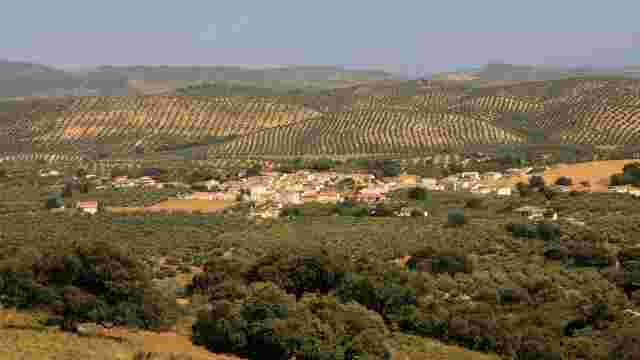
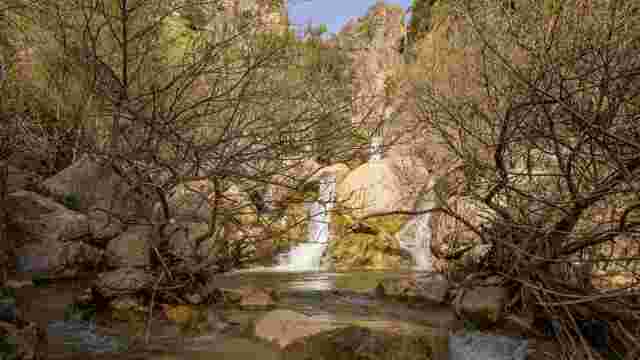
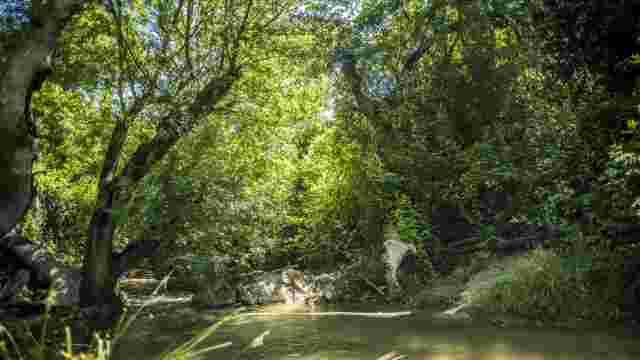
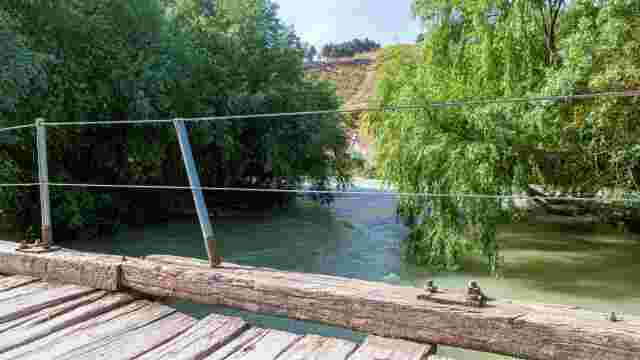
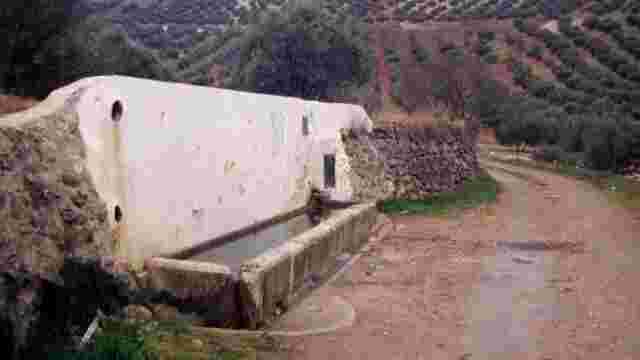
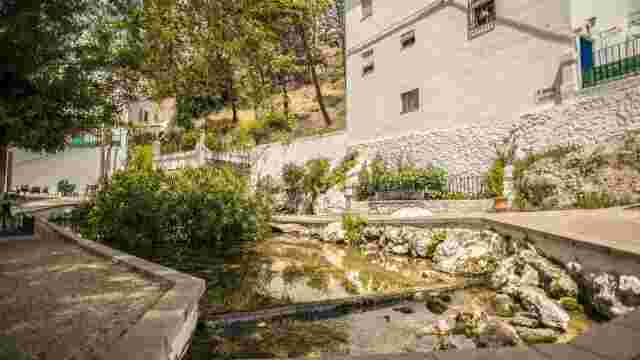
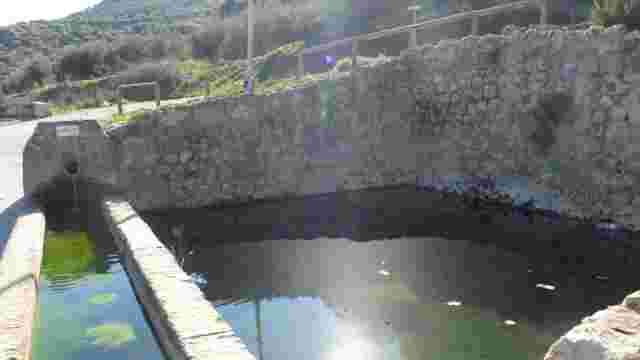
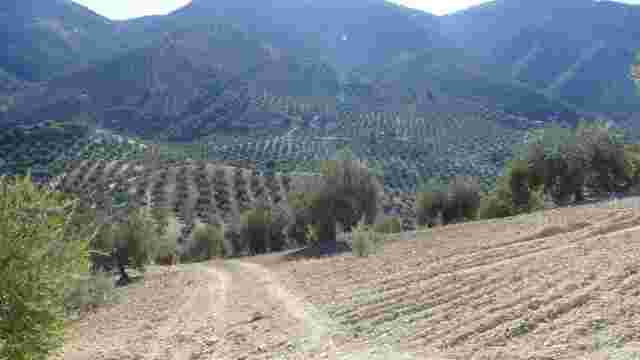
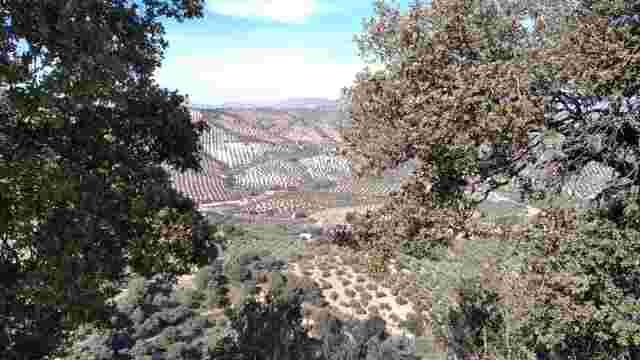
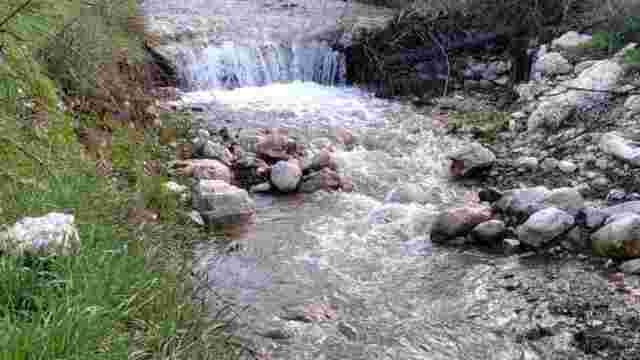
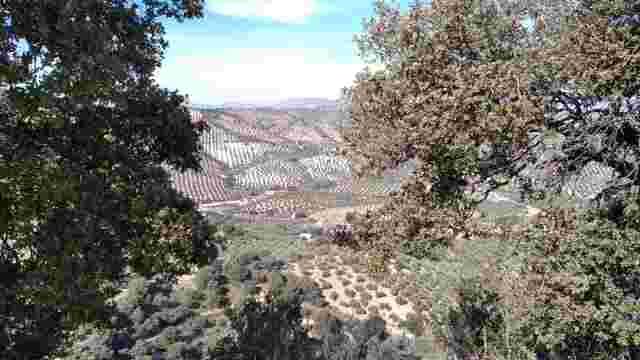
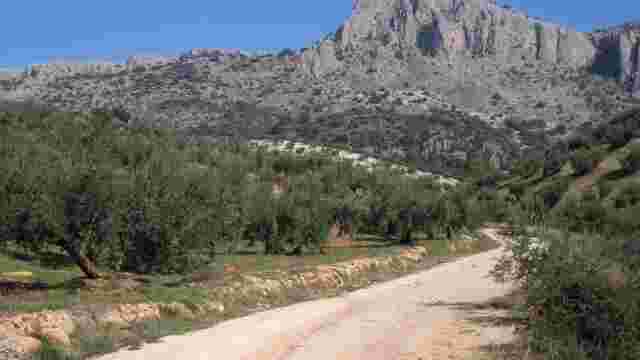
Today, the population of Algar is smaller; a few hundred inhabitants live in the village, mainly engaged in agriculture and olive harvesting. The Arroyo de las Tijeras stream runs through it.
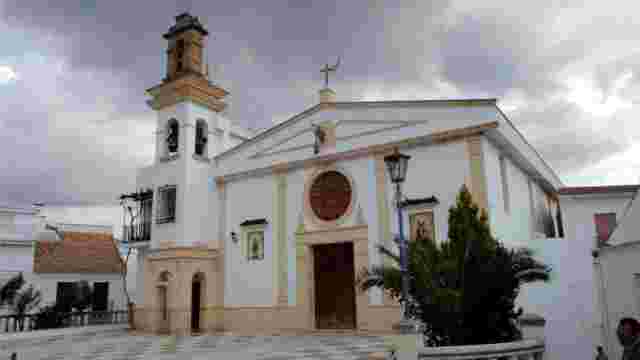
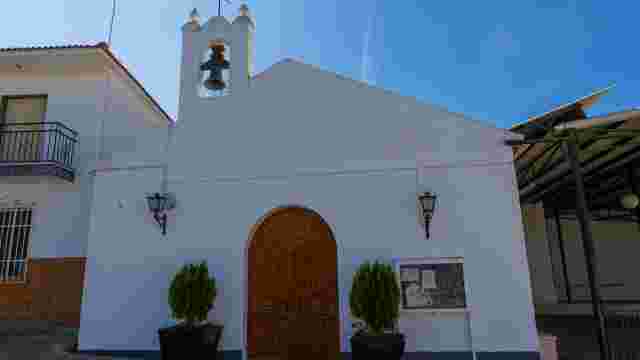
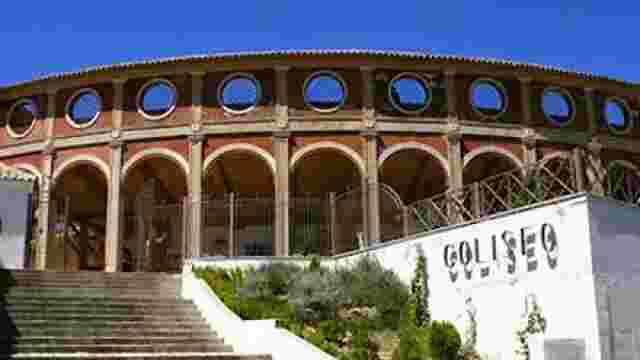
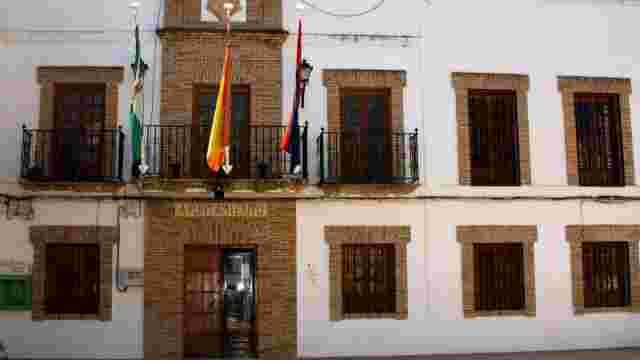
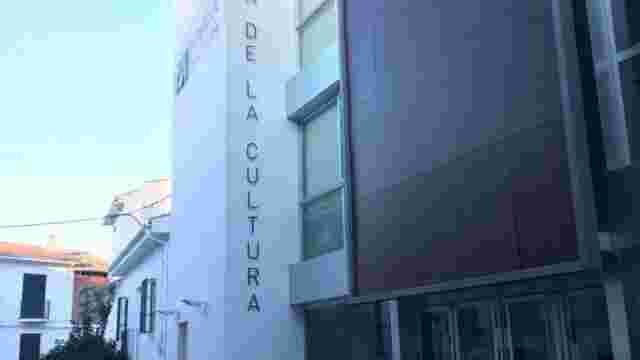
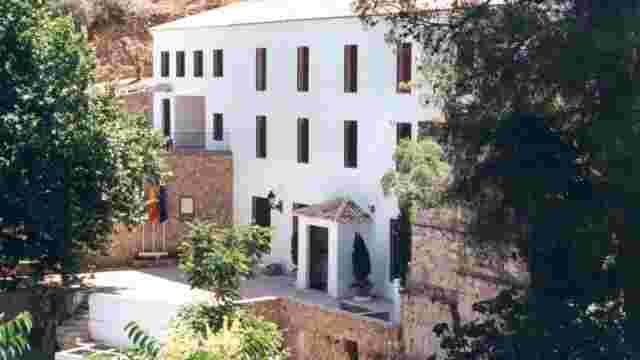
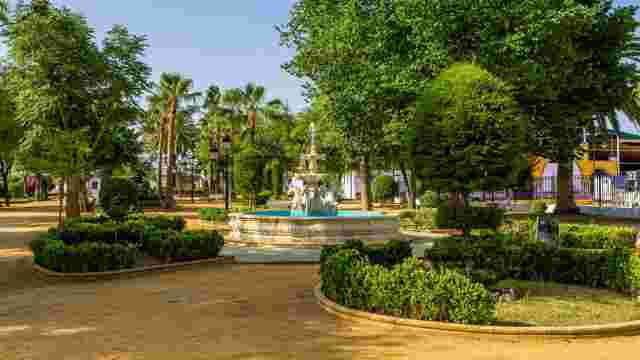
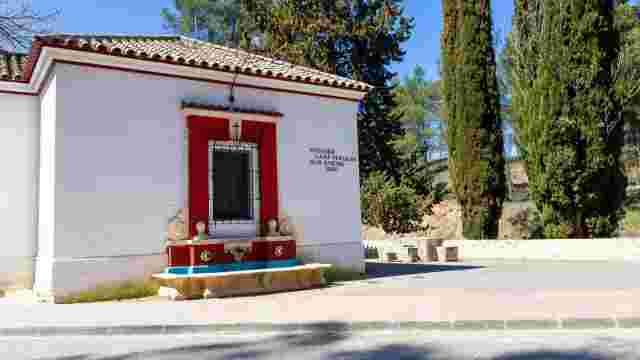
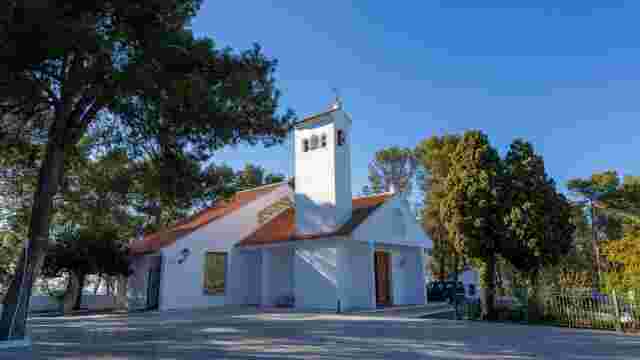
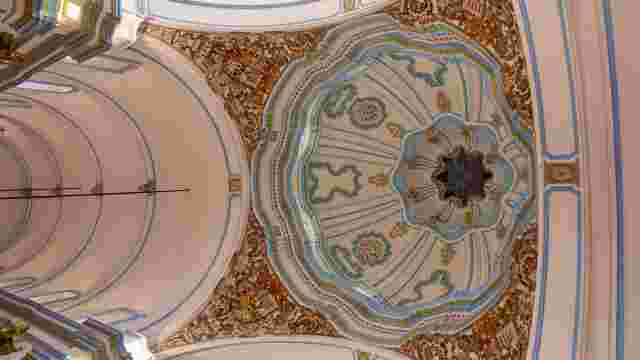
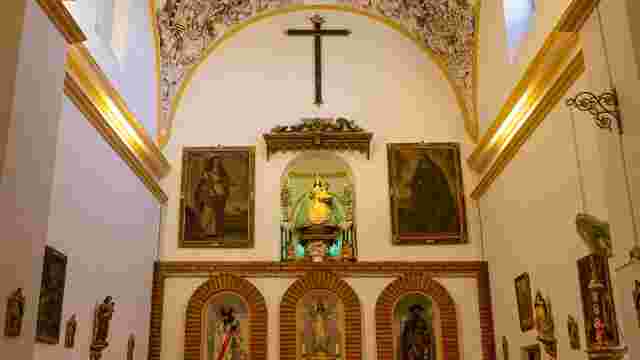
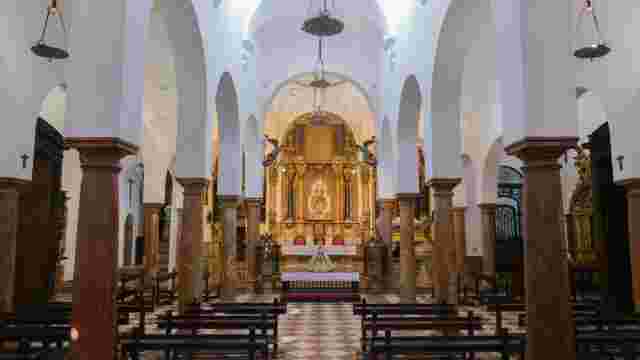
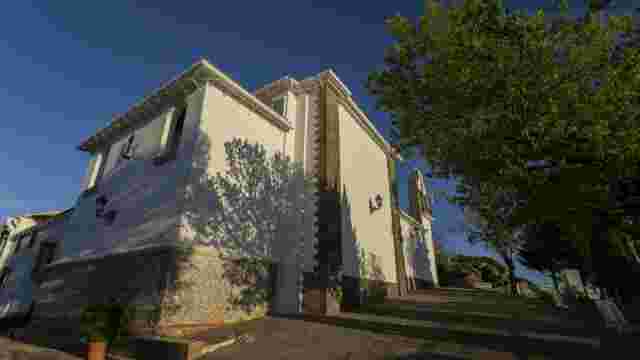
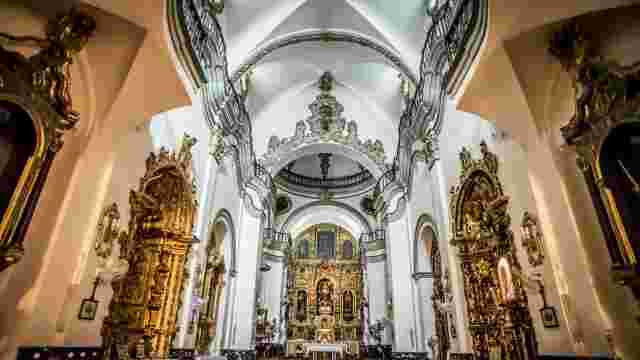
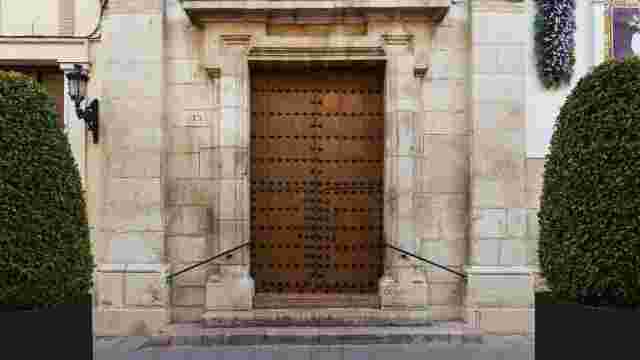
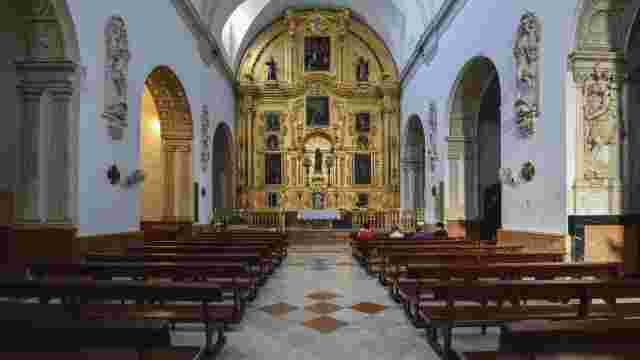
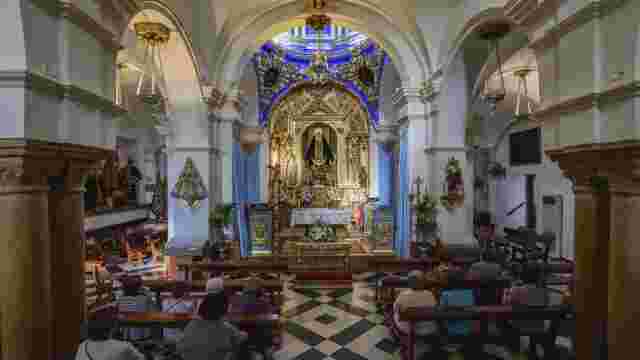
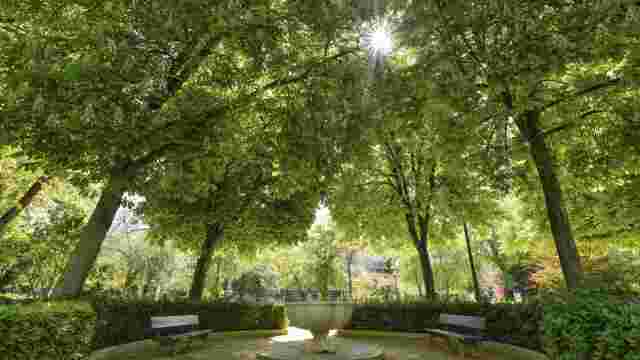
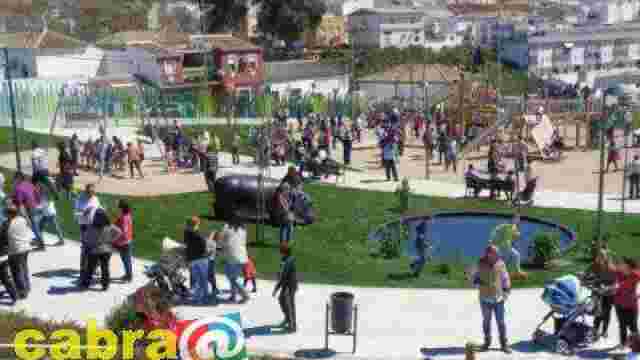
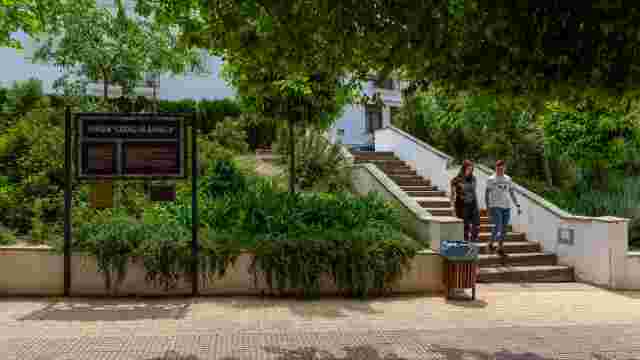
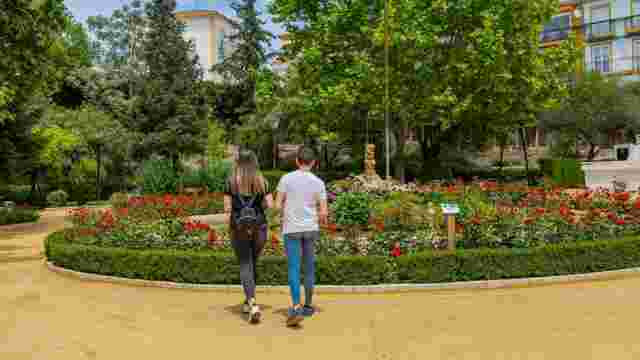
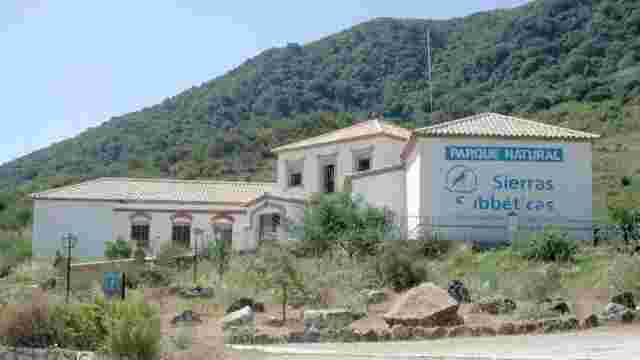
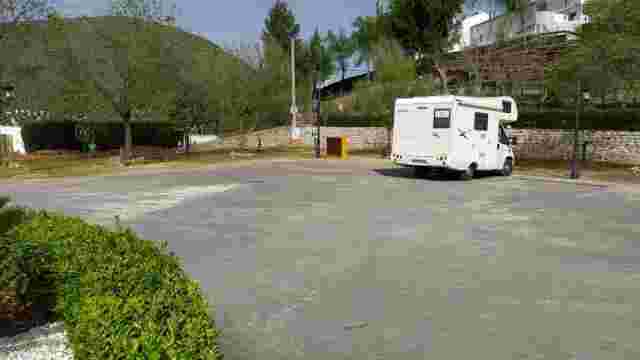
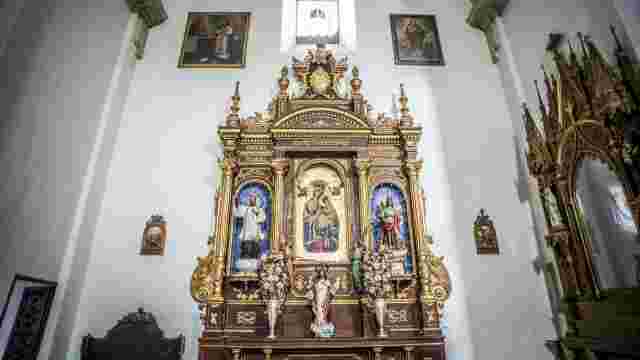
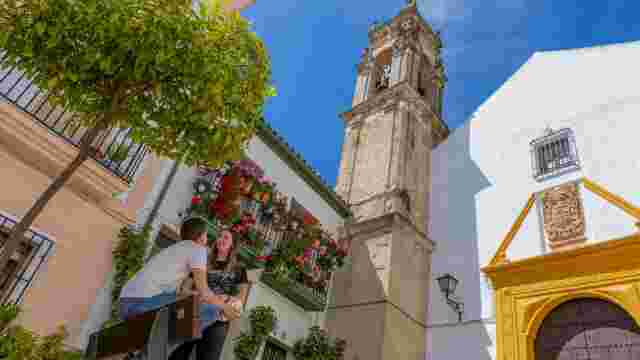
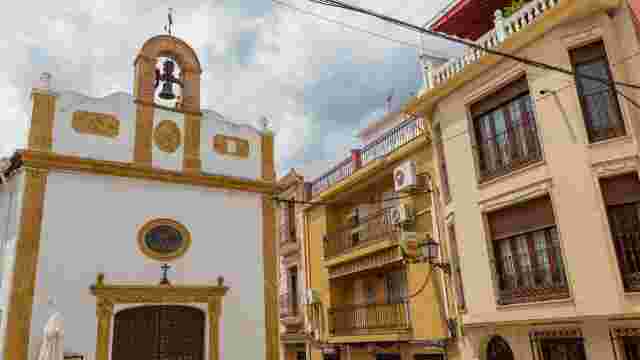
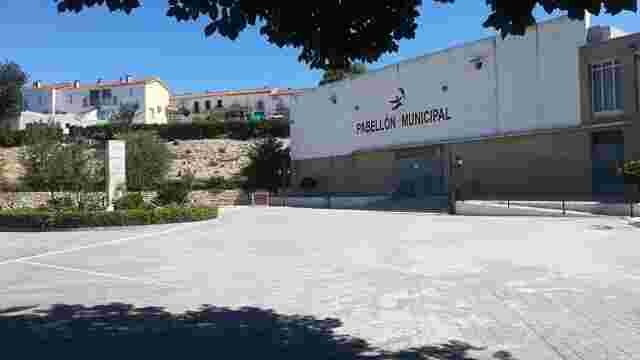
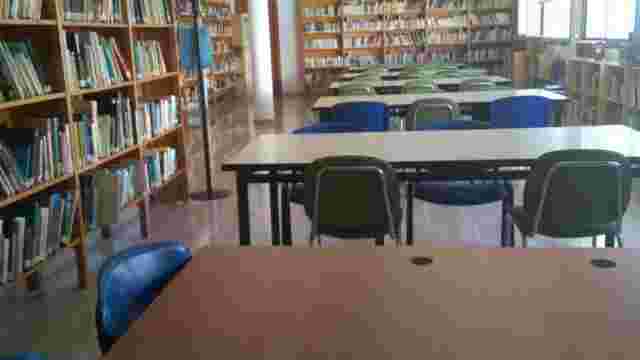
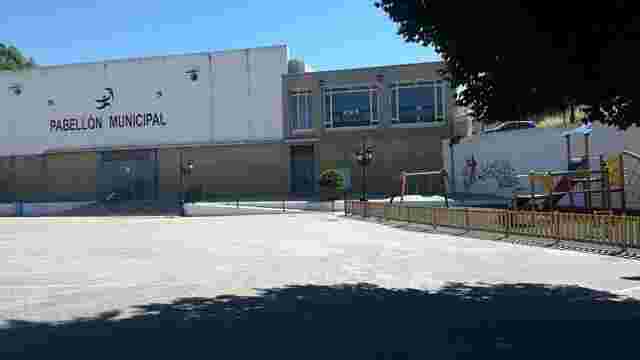
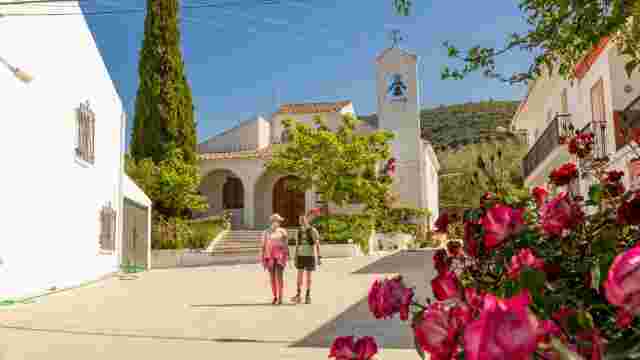
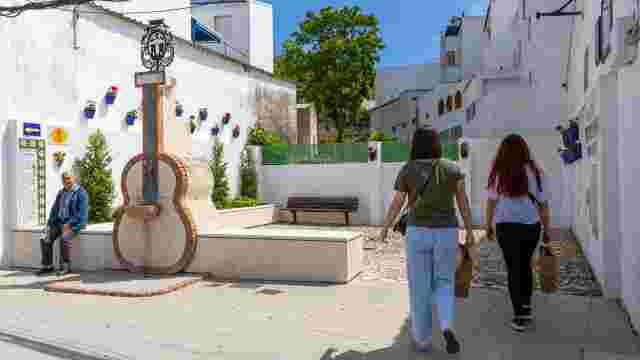
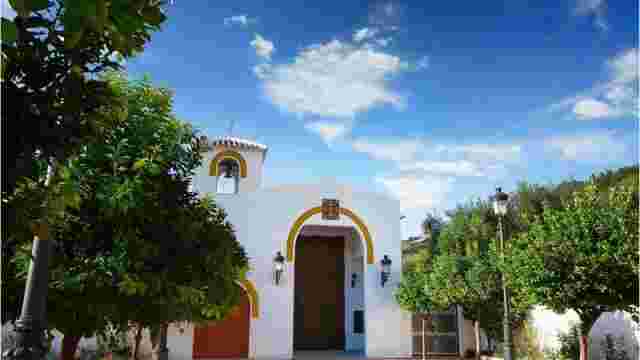
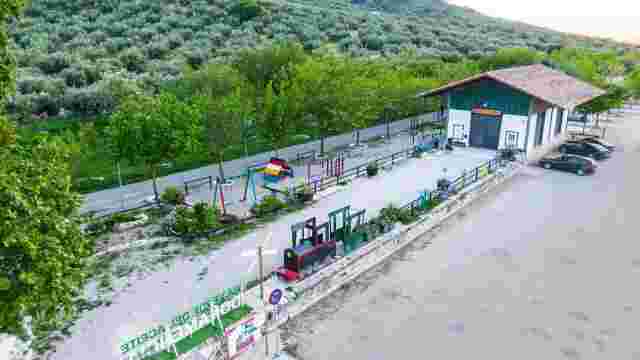
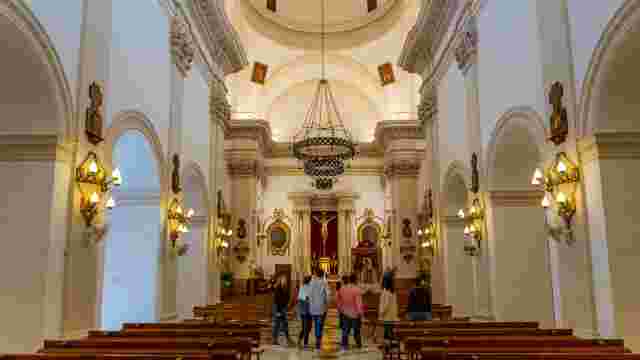
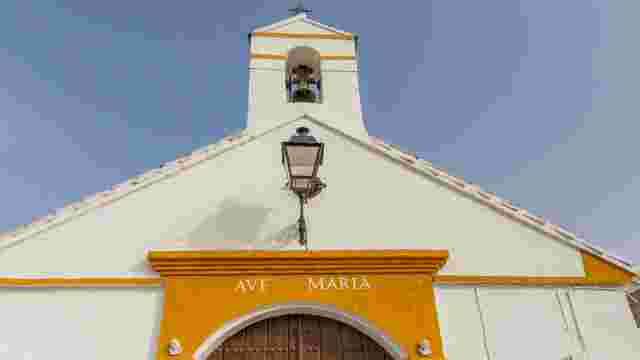
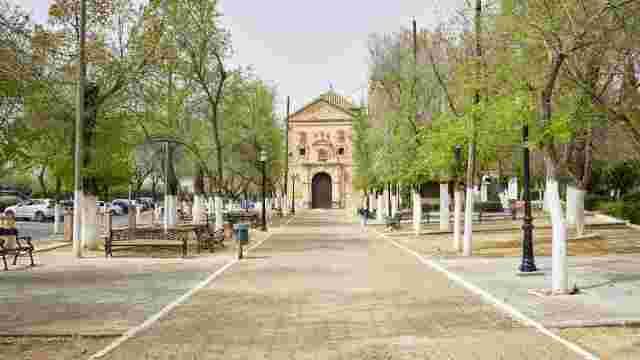
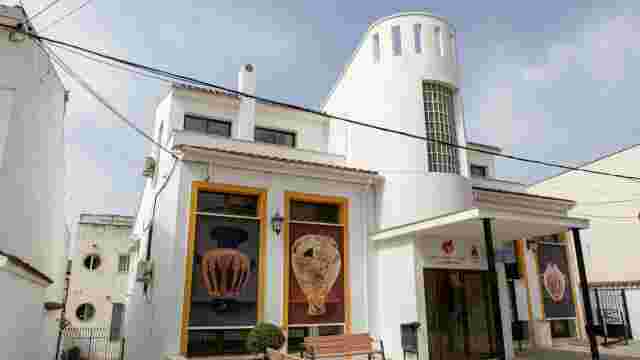
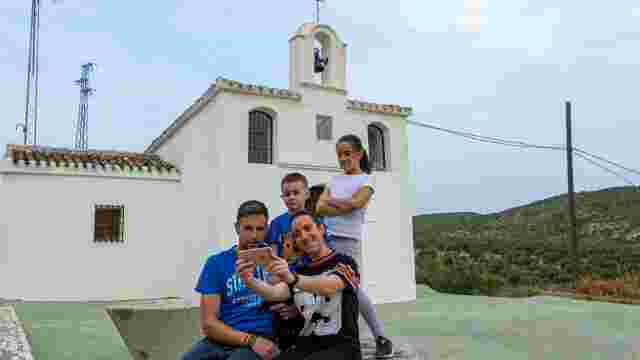
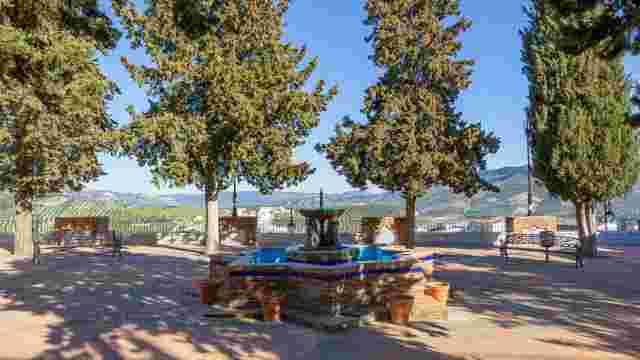
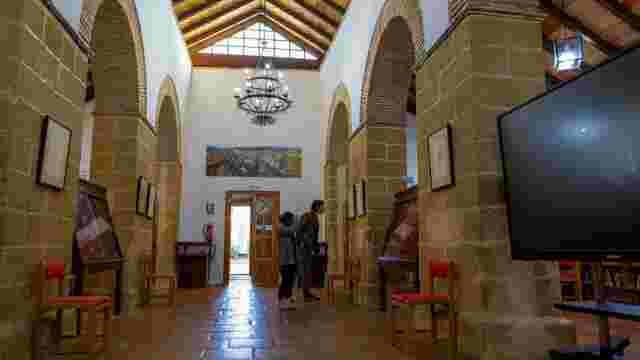
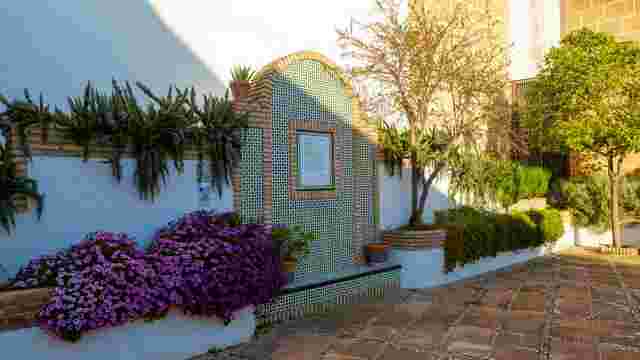
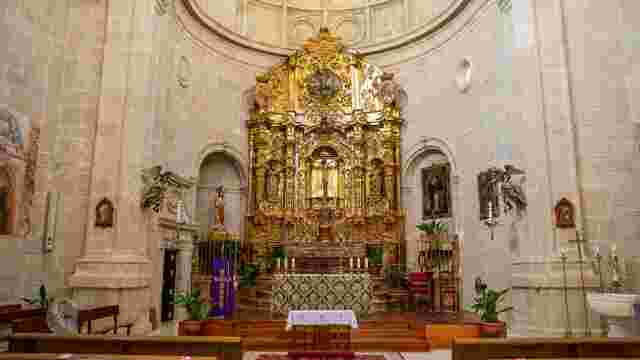
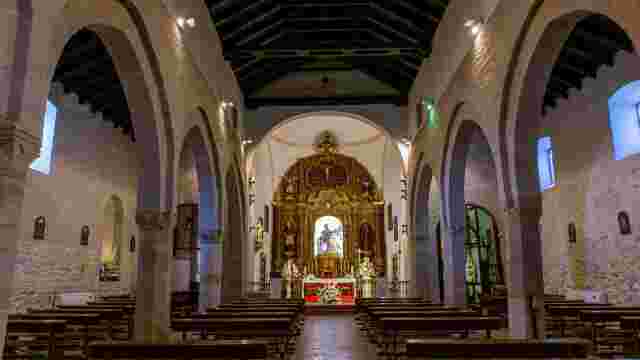
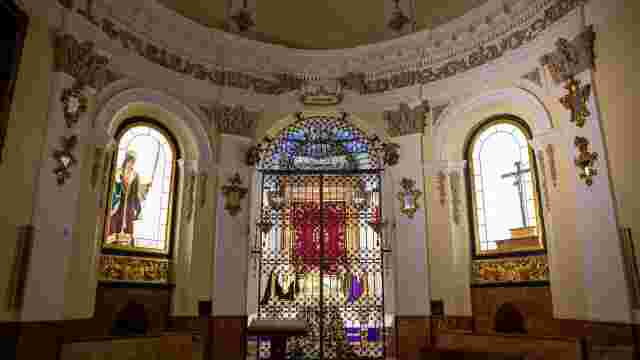
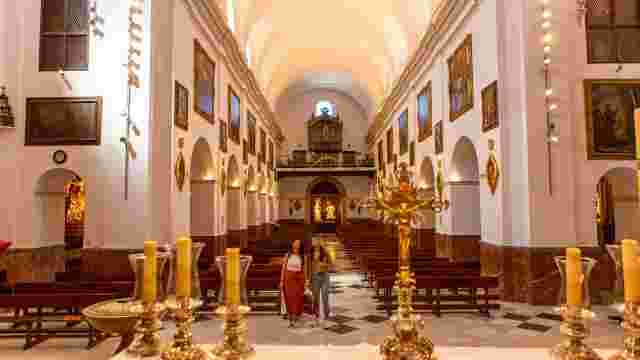
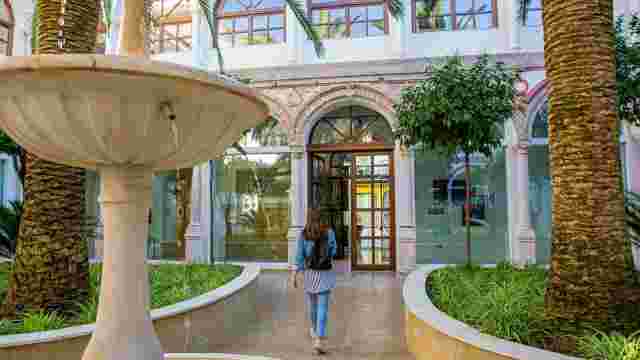
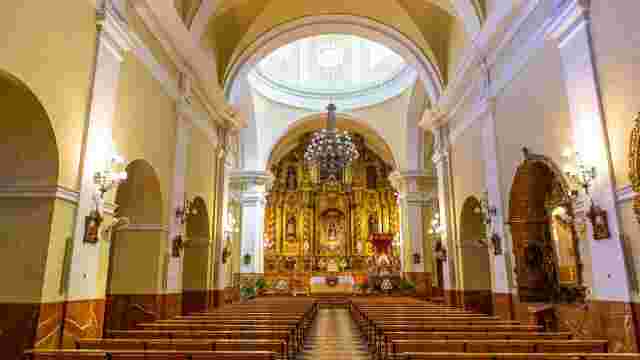
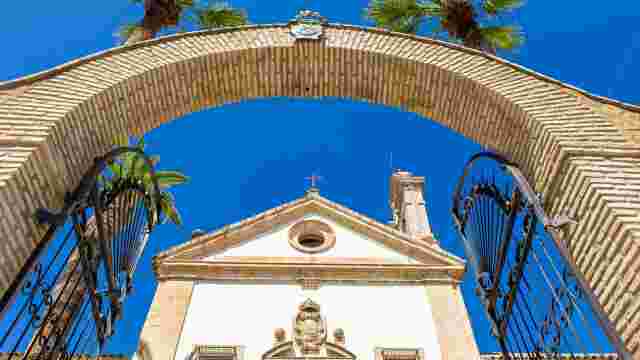
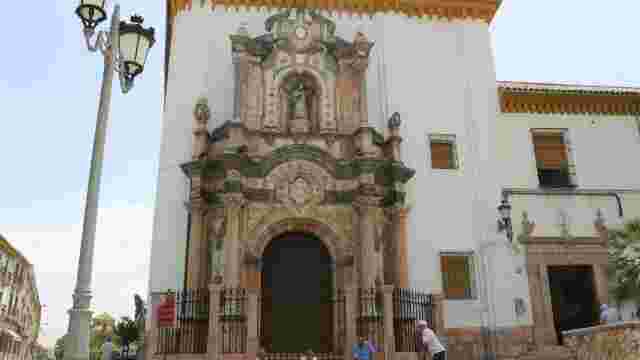
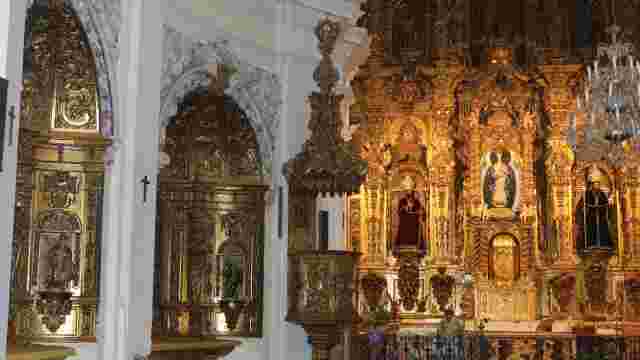
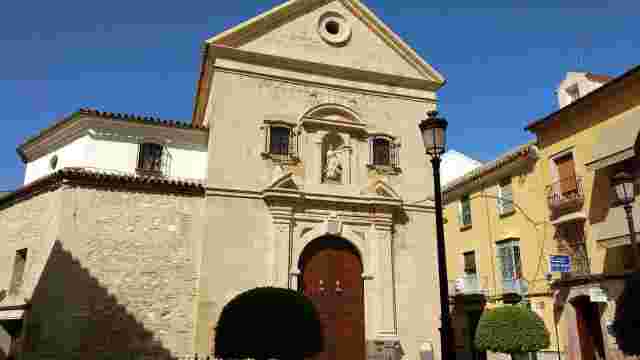
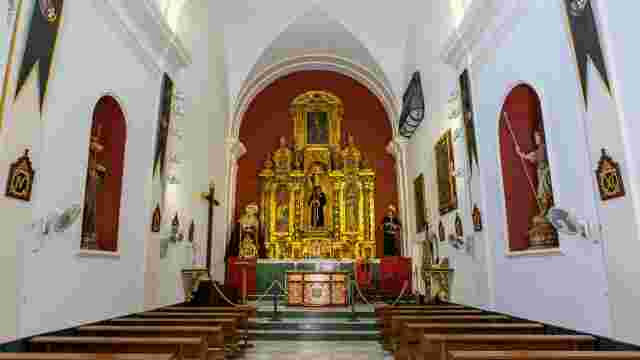
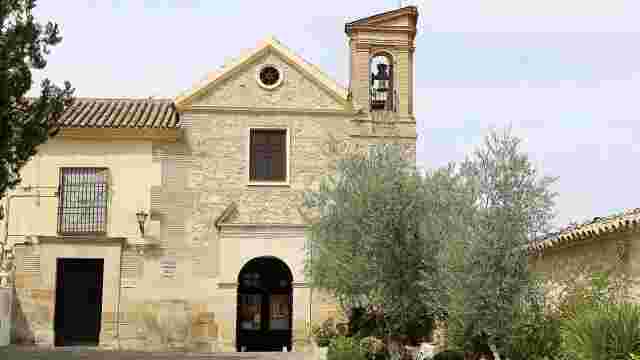
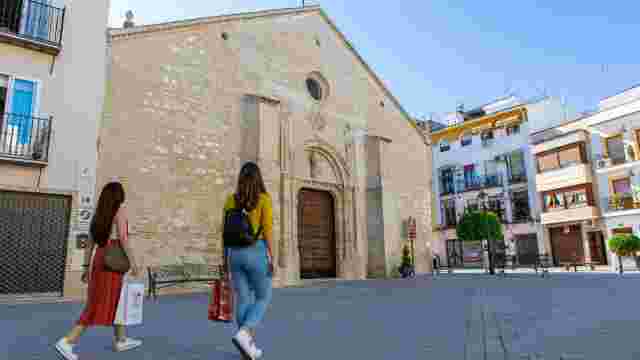
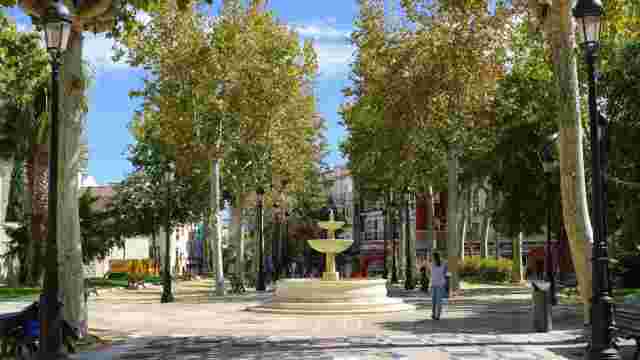
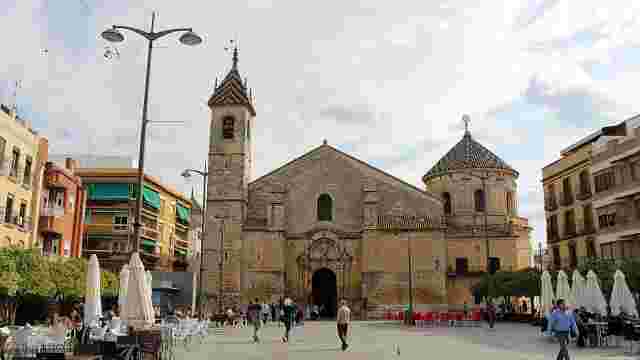
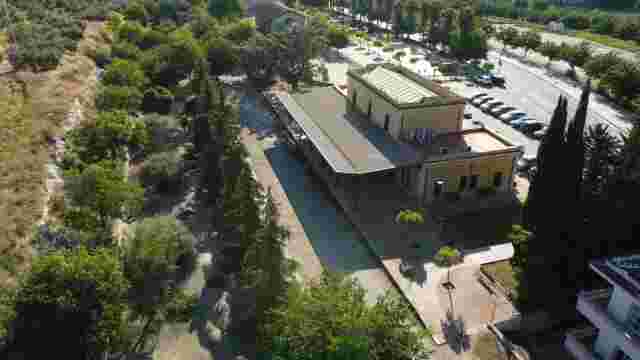
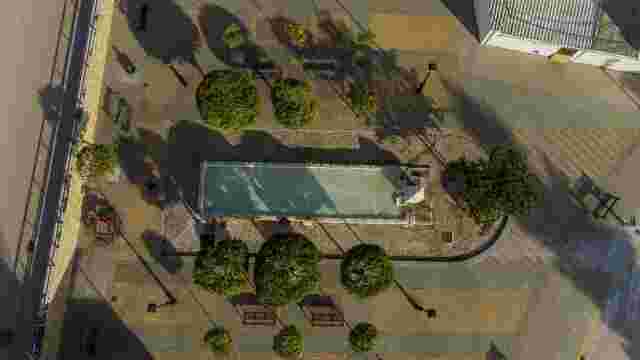
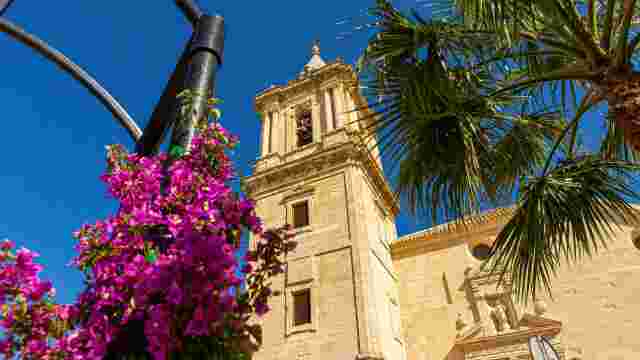
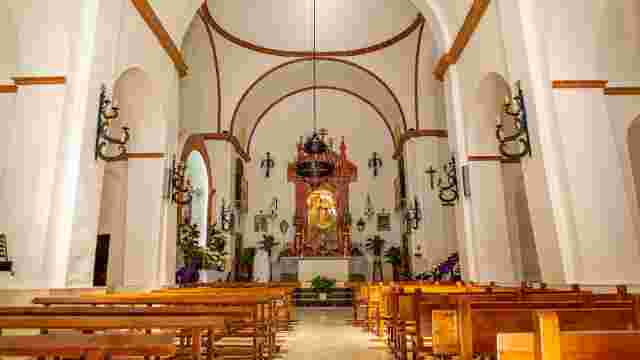
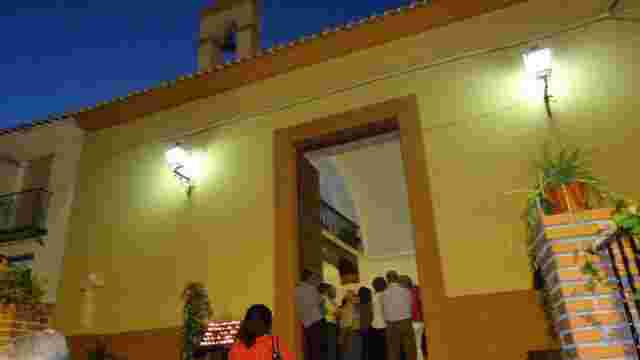
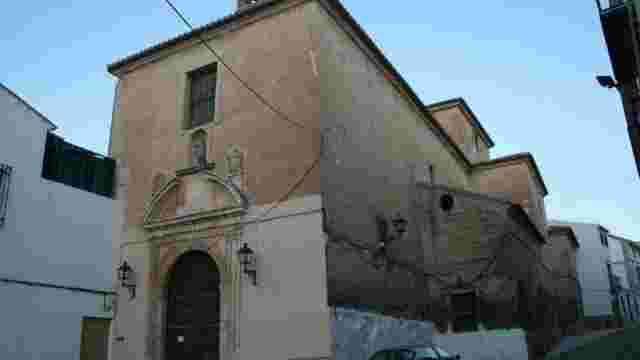
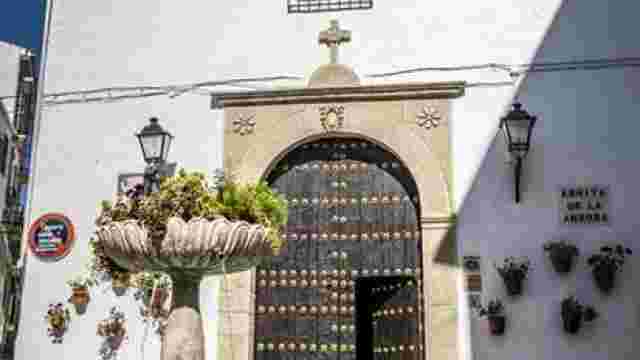
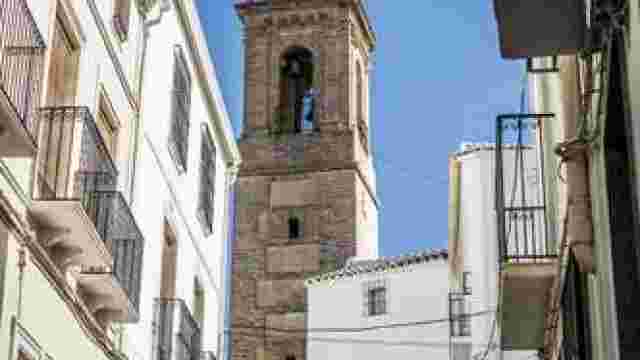
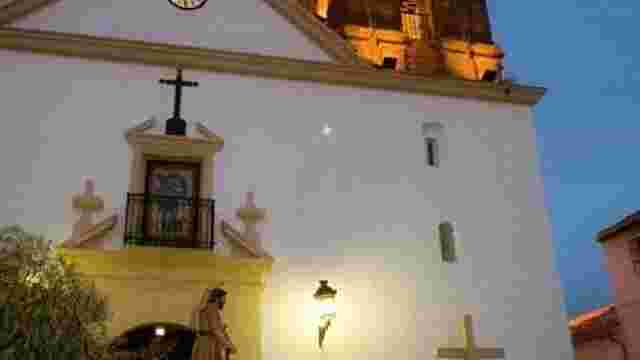
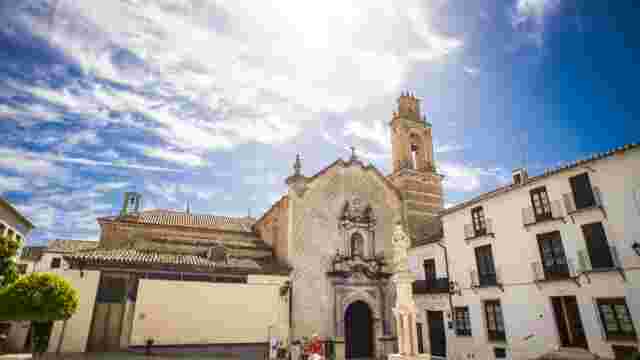
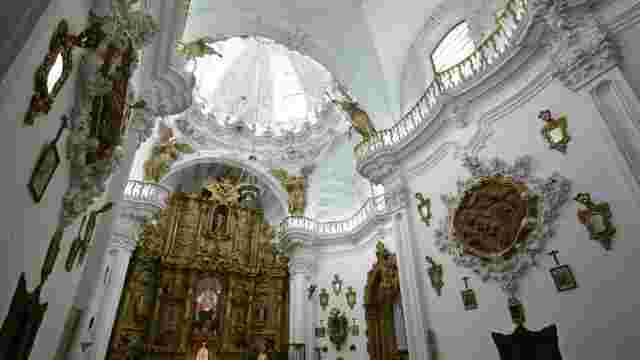
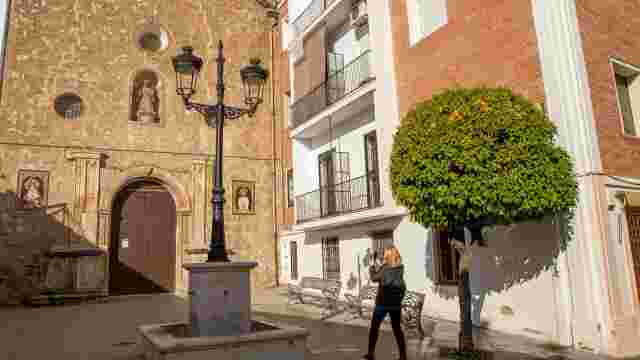
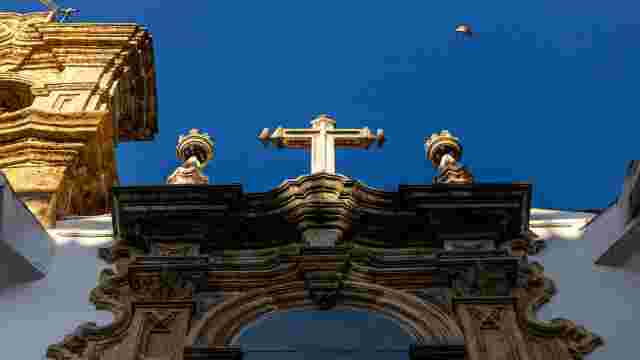
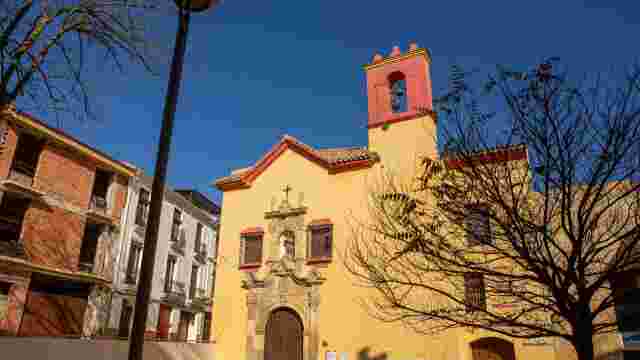
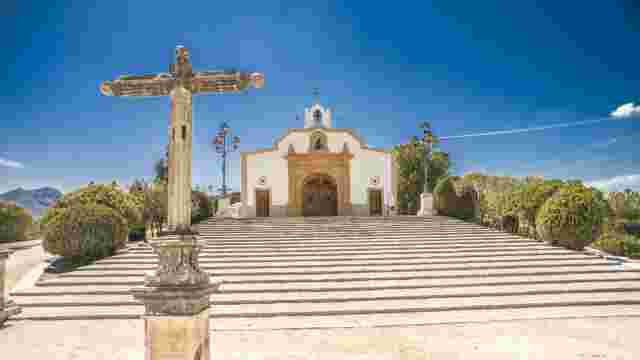
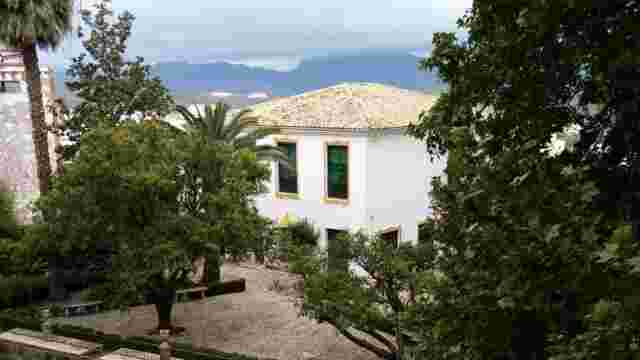
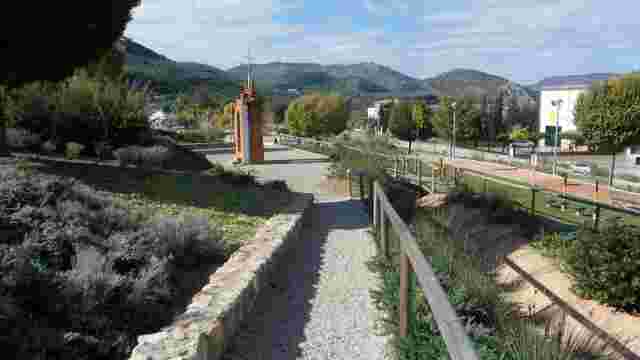
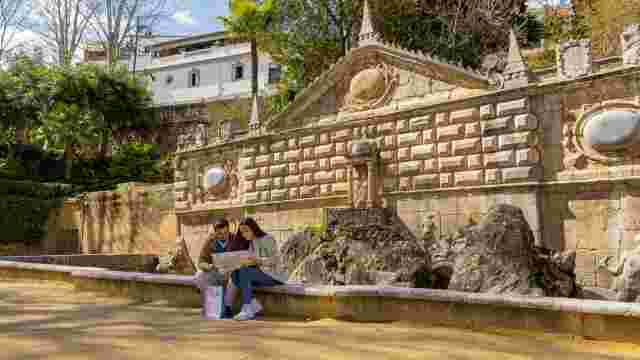
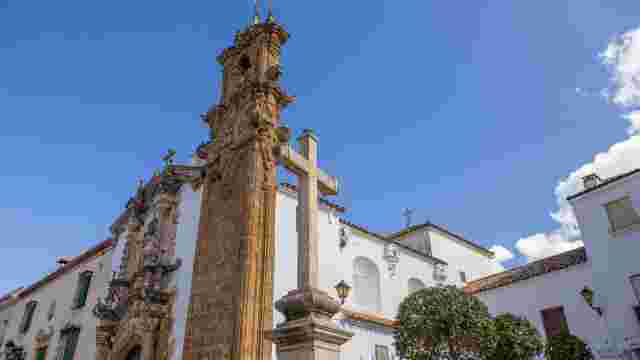
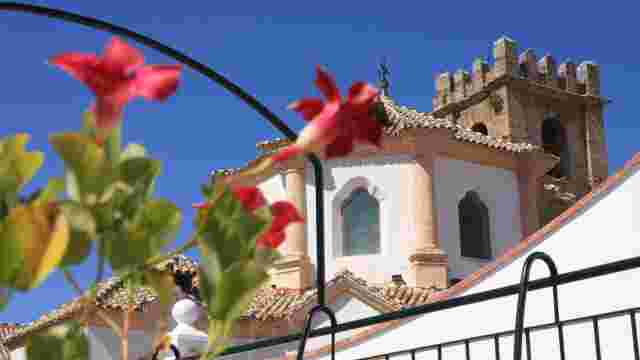
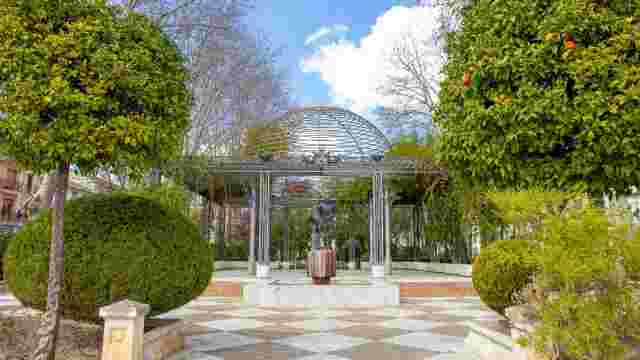
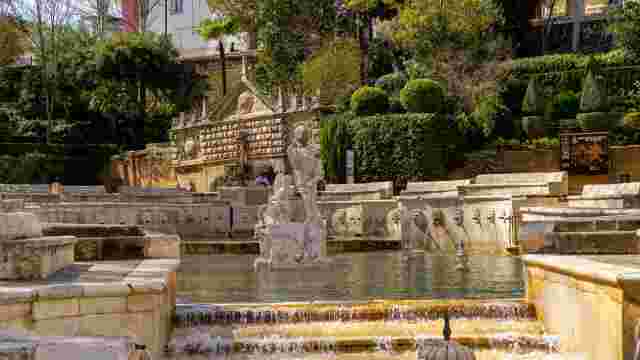
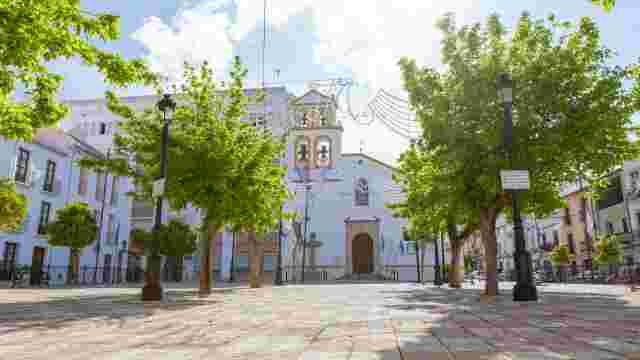
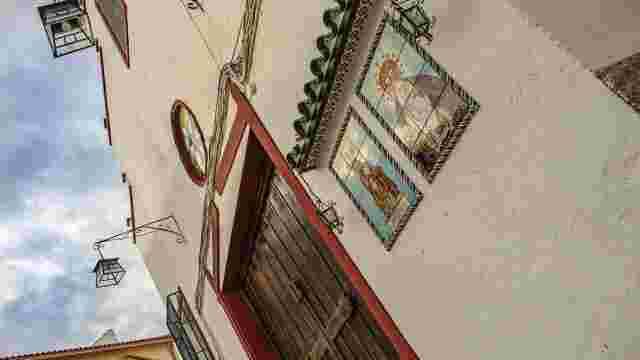
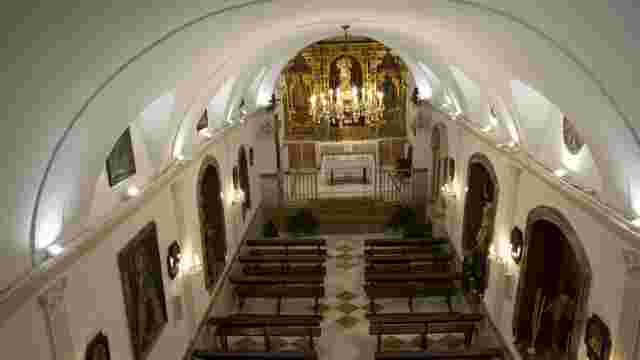
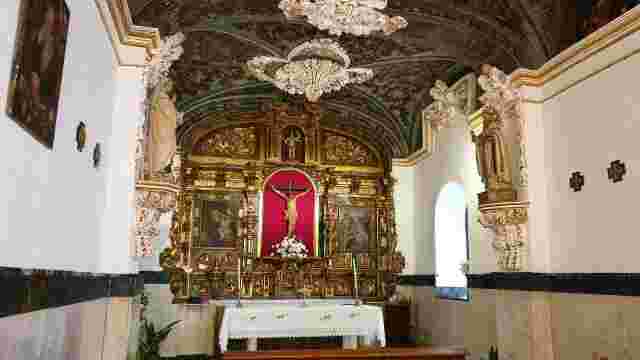
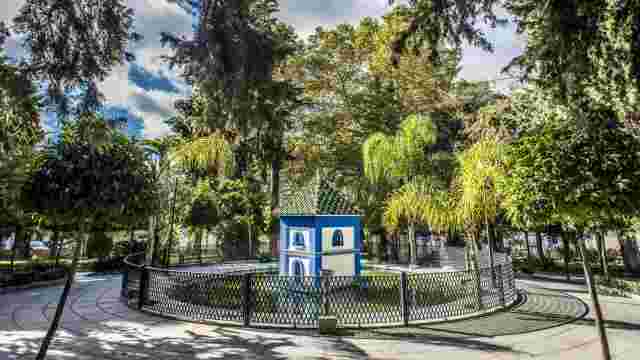
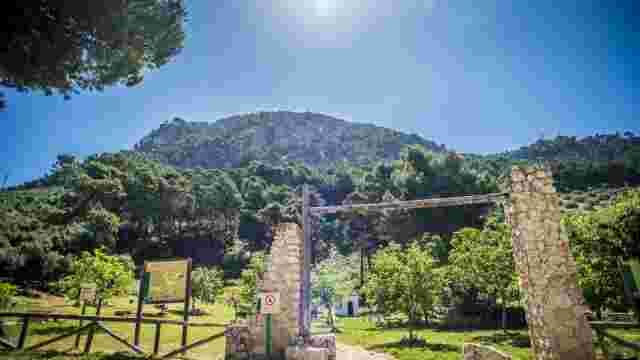
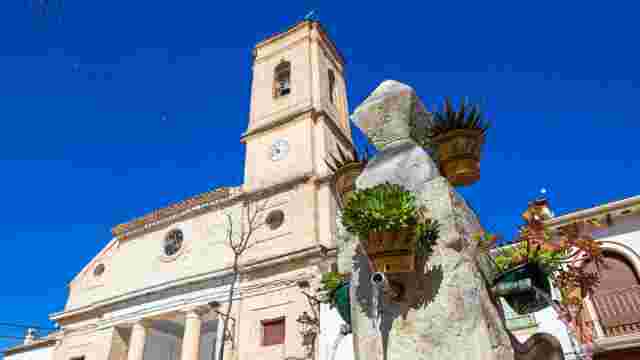
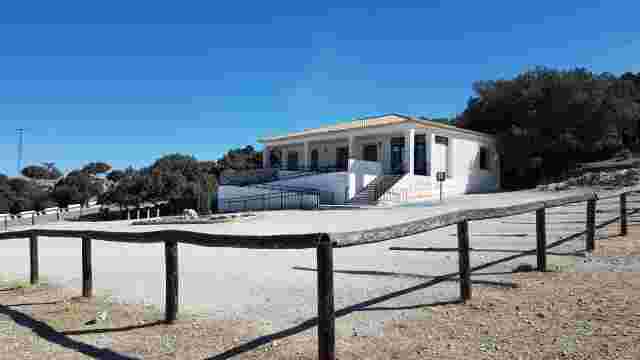
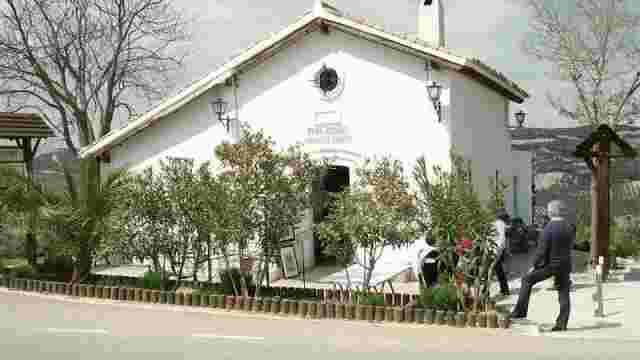
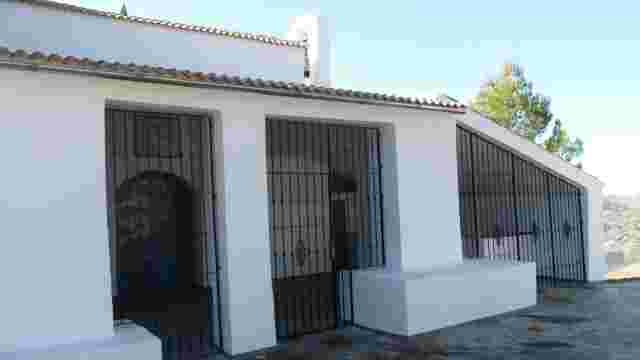
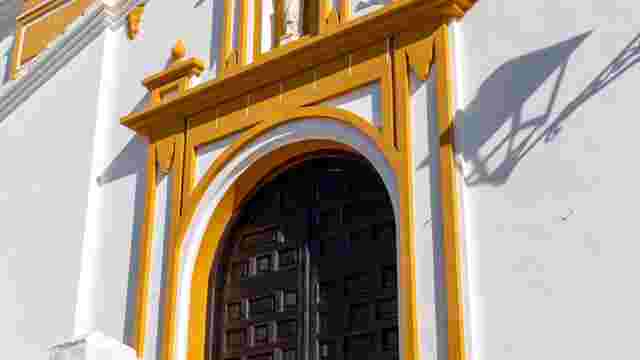
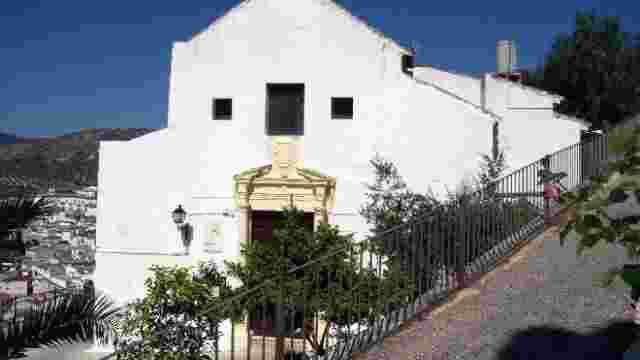
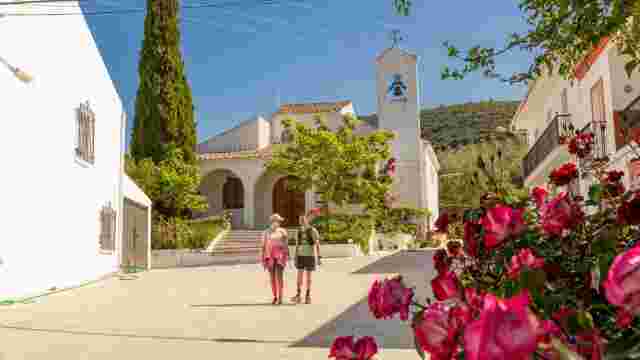
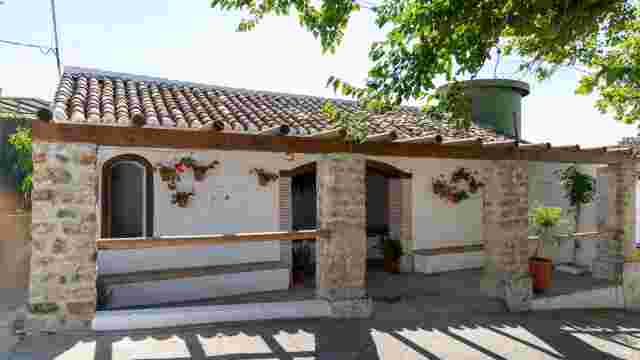
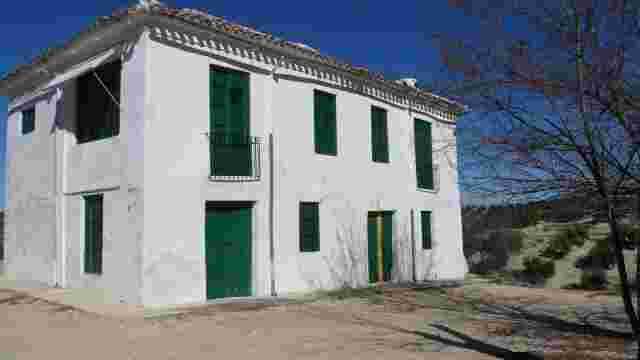
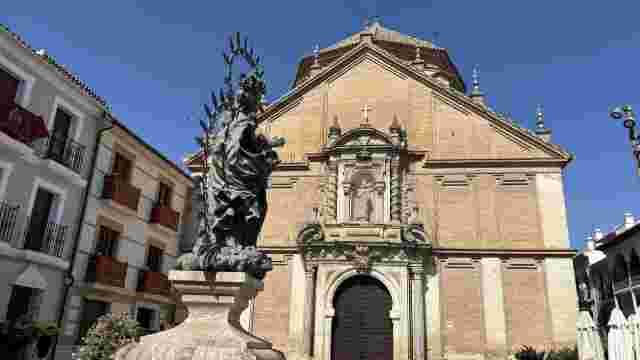
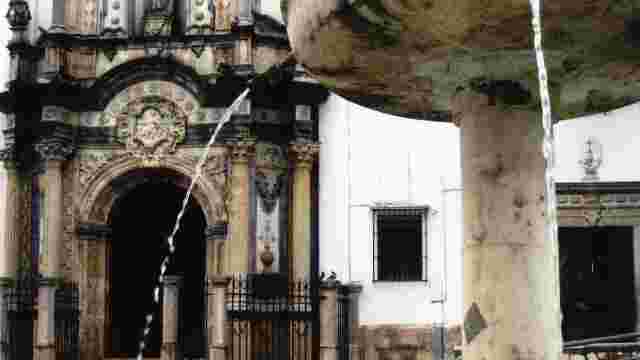
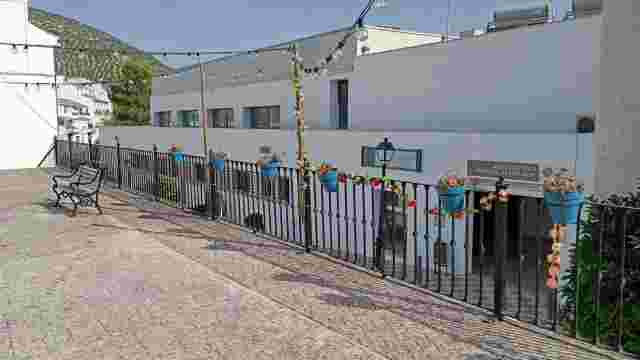
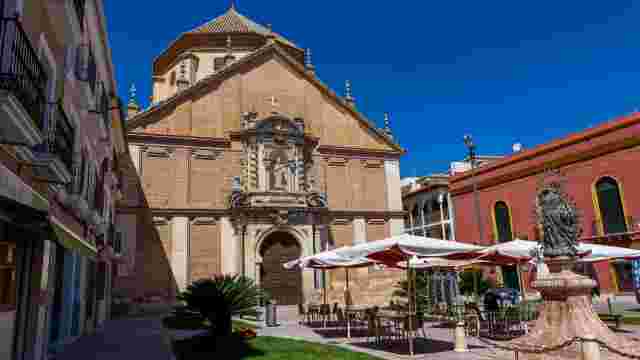
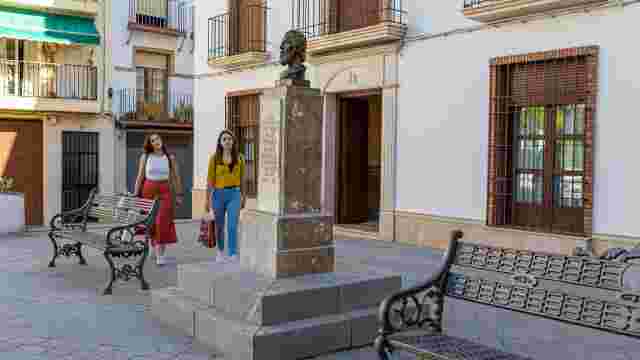
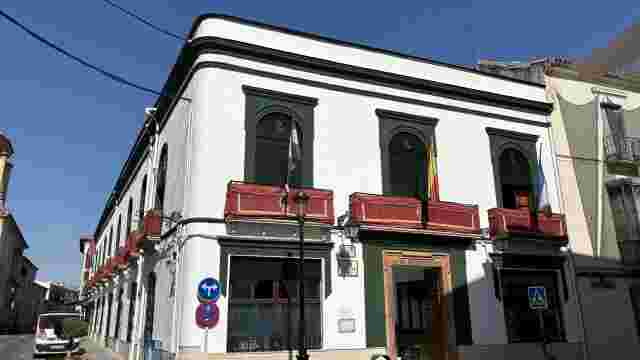
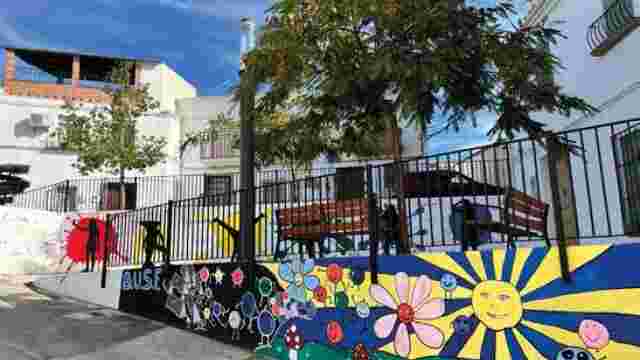
The village of Algar features the Bar-Restaurant La Venta, multi-purpose buildings, a park, a church, and so on.
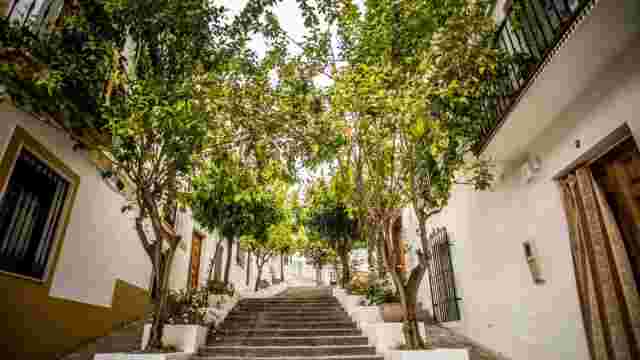
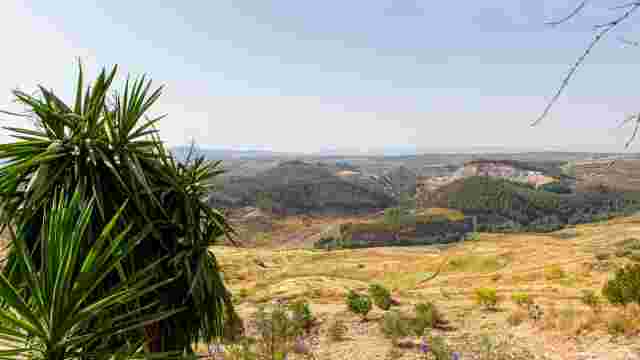
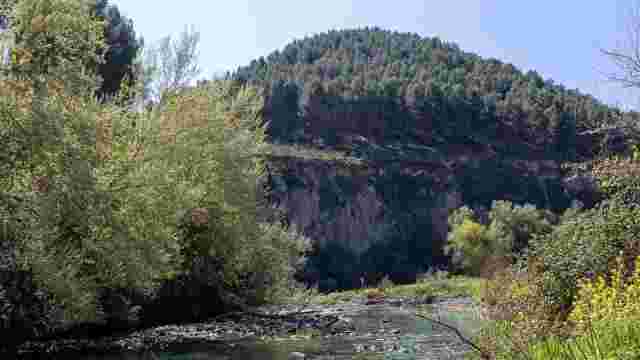
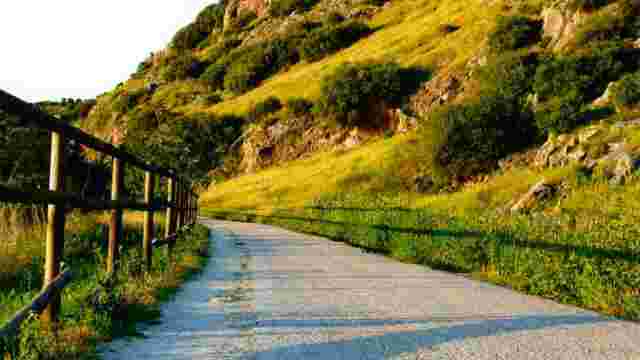
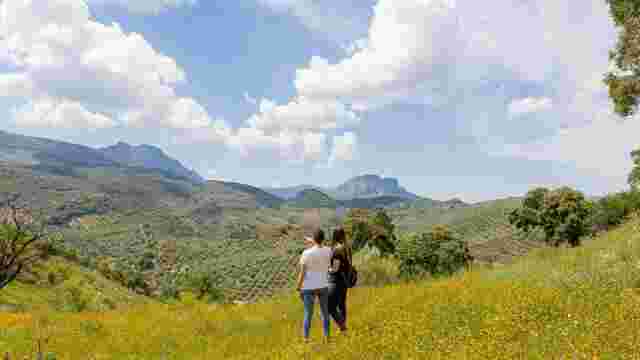
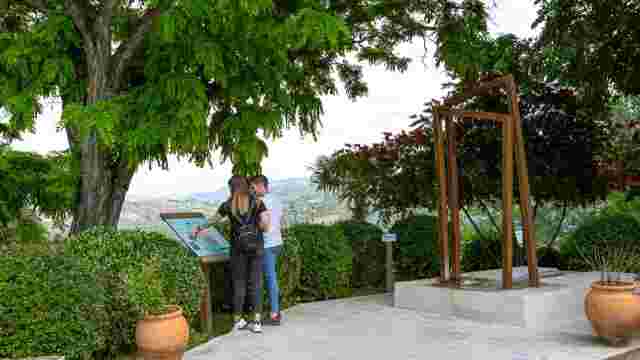
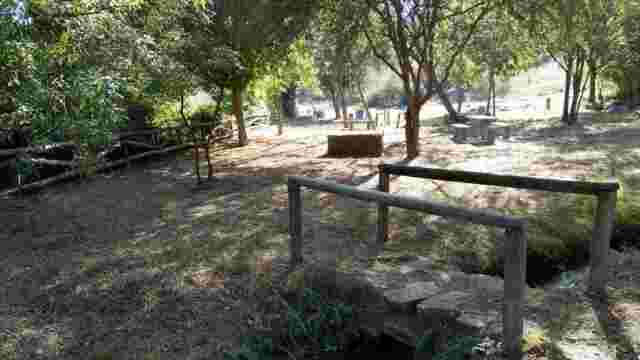
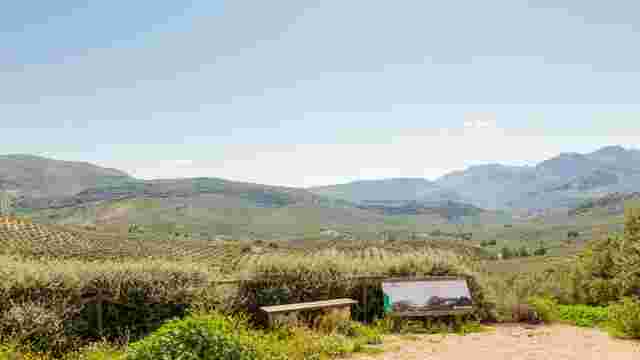
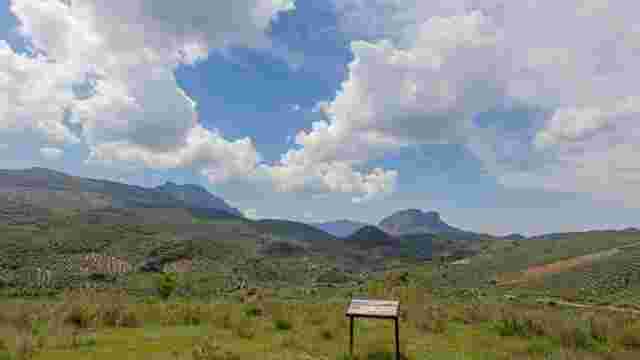
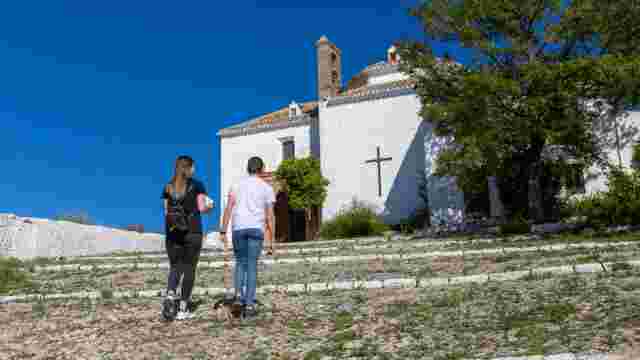
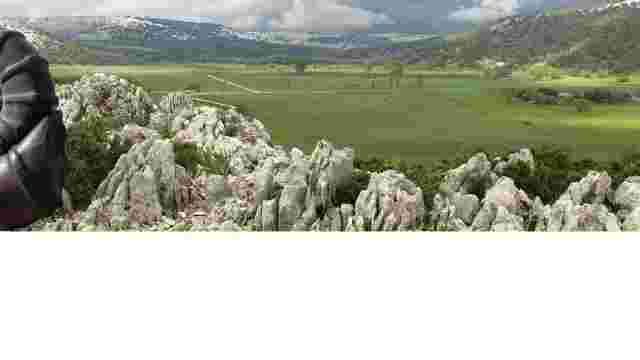
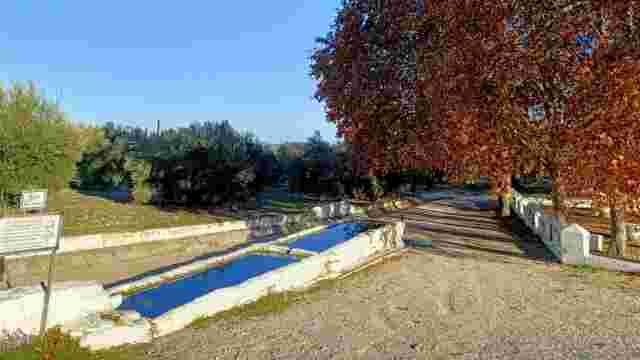
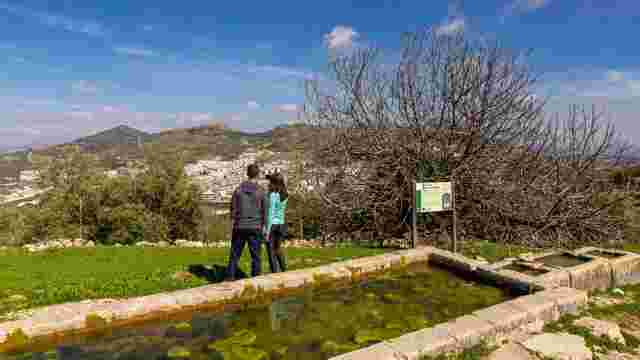
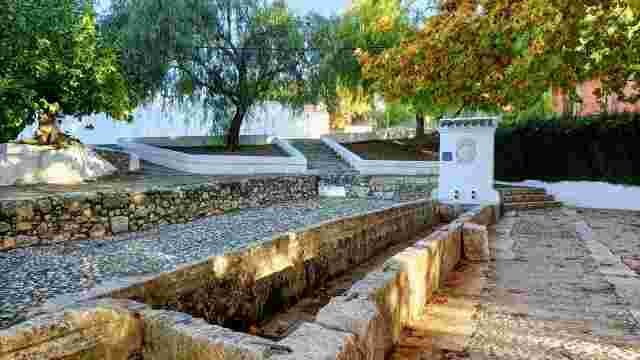
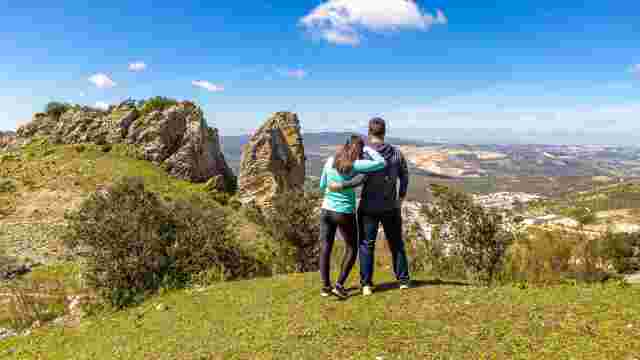
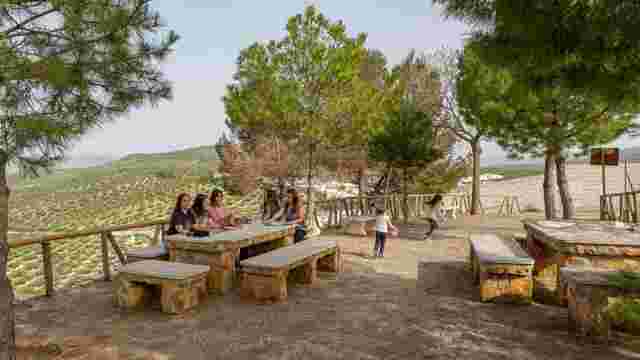
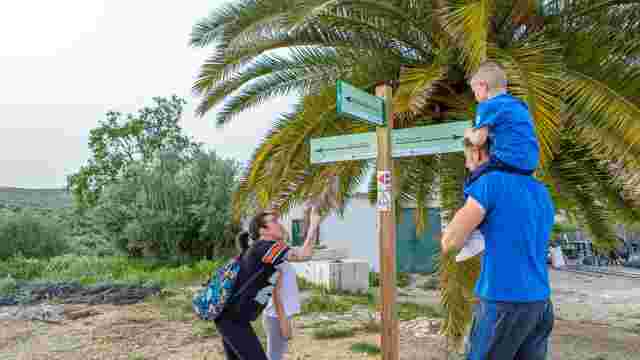
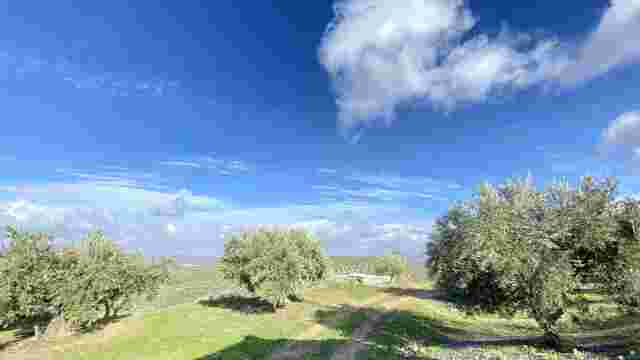
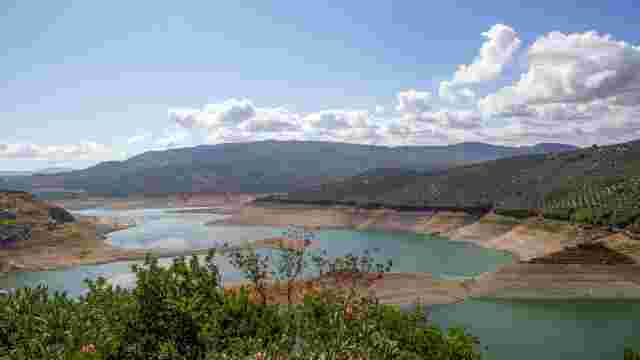
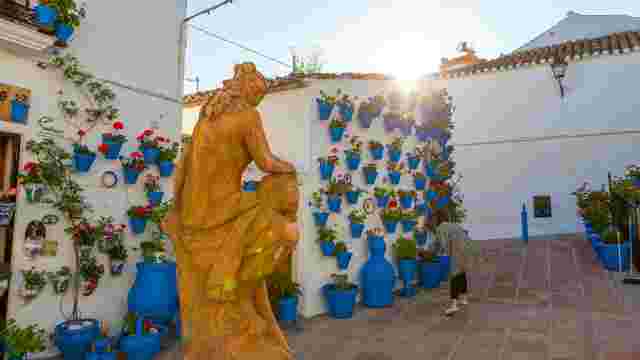
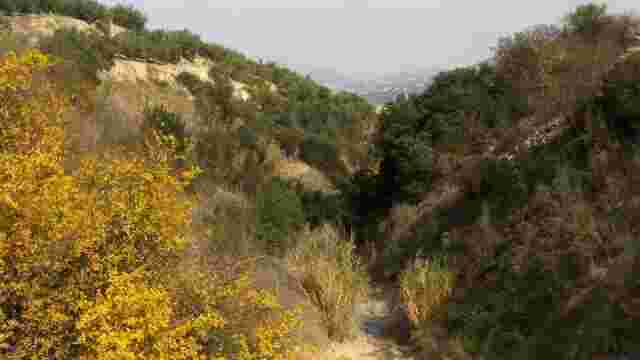
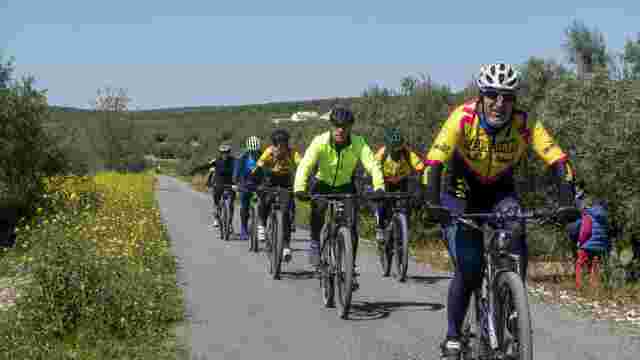
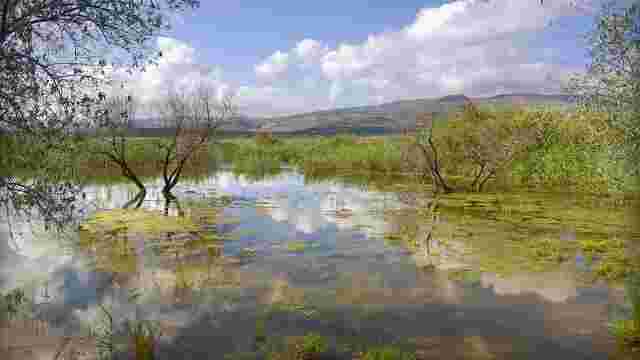
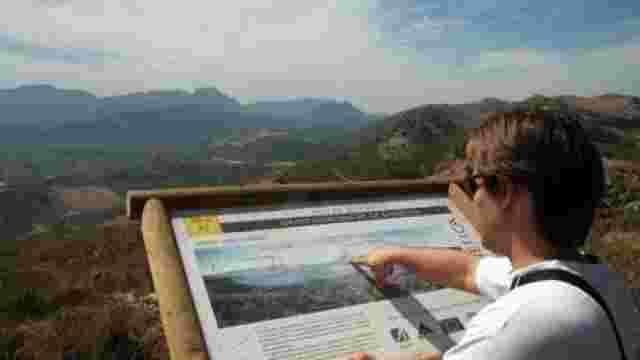
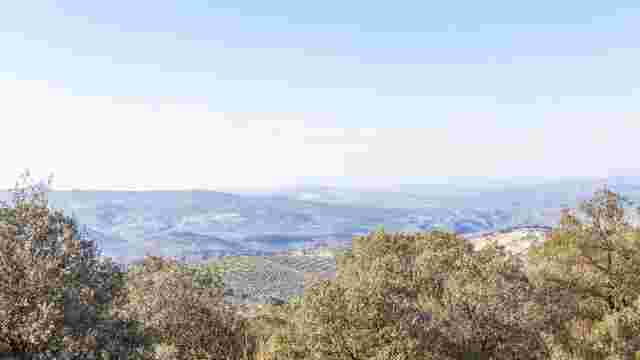
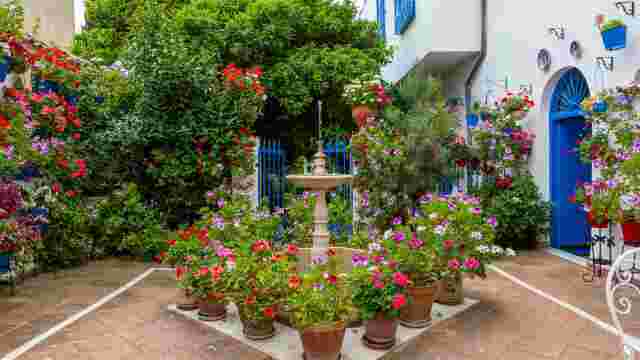
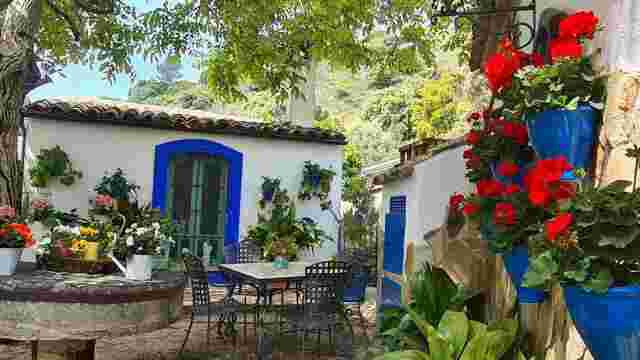
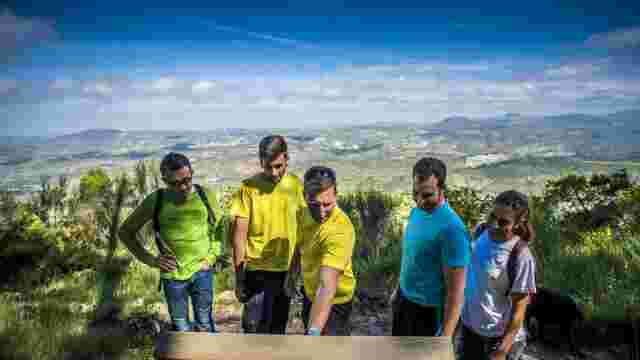
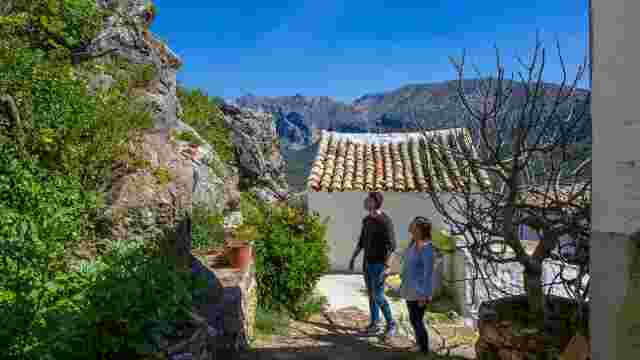
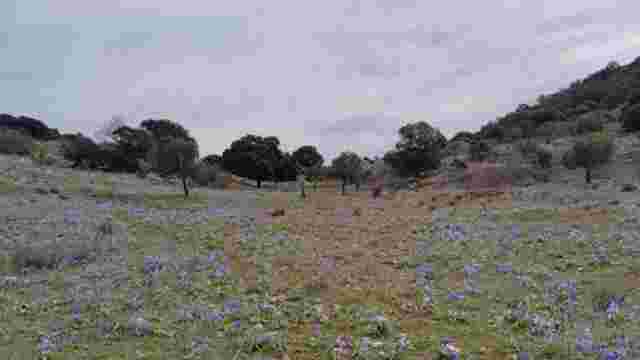
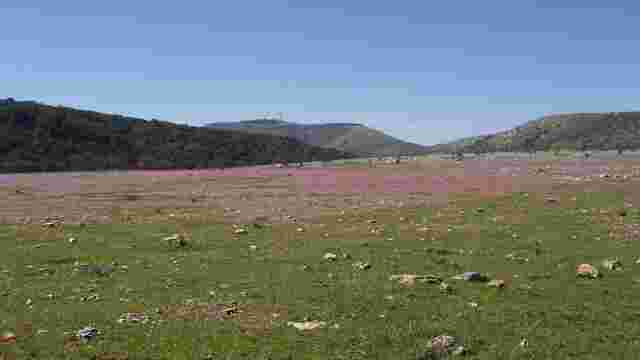
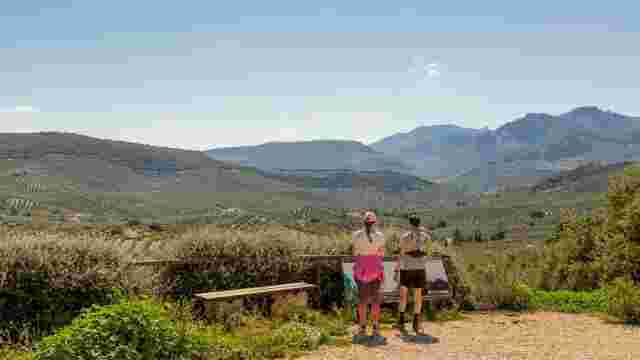
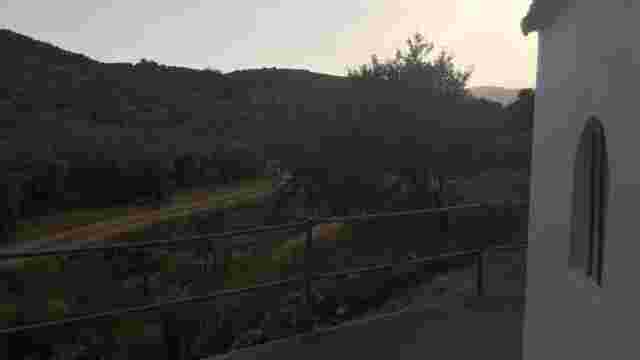
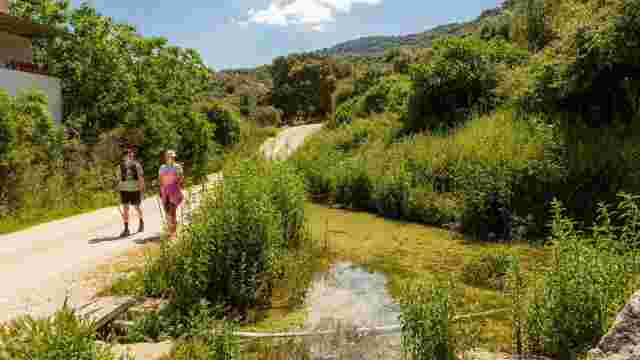
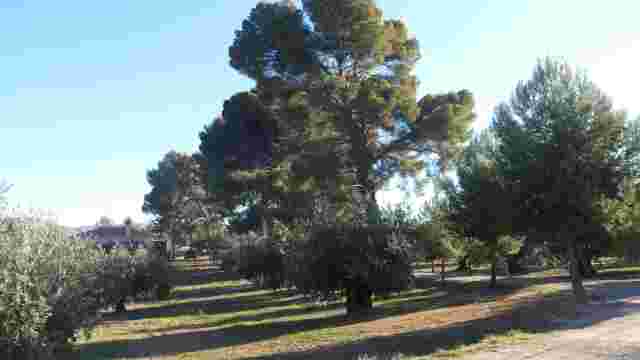
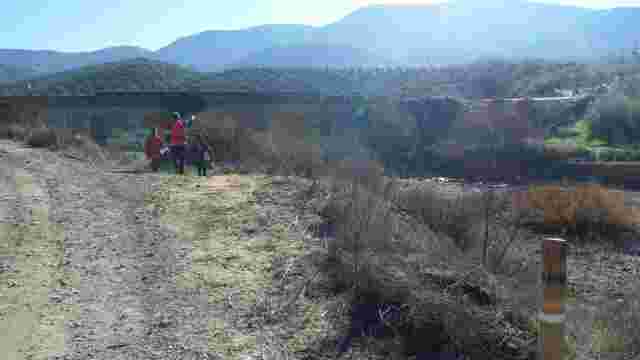
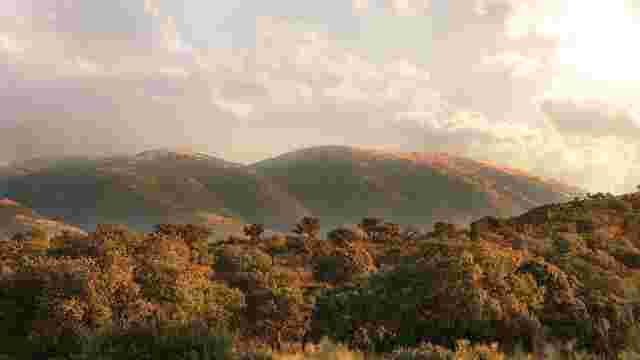
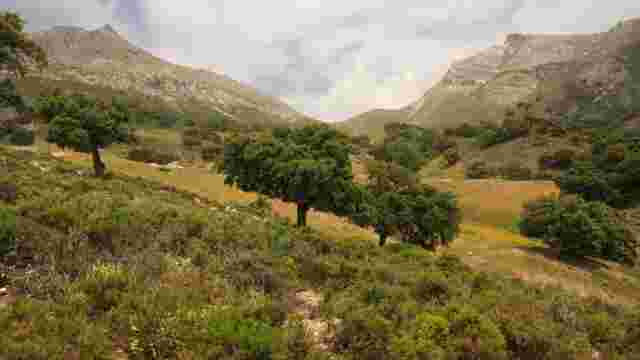
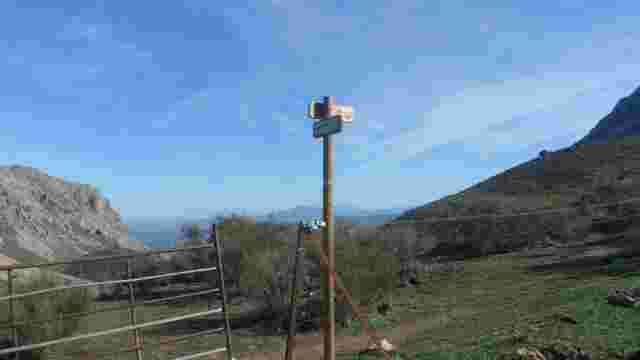
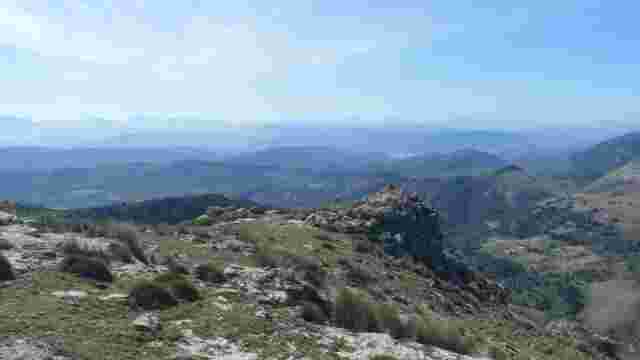
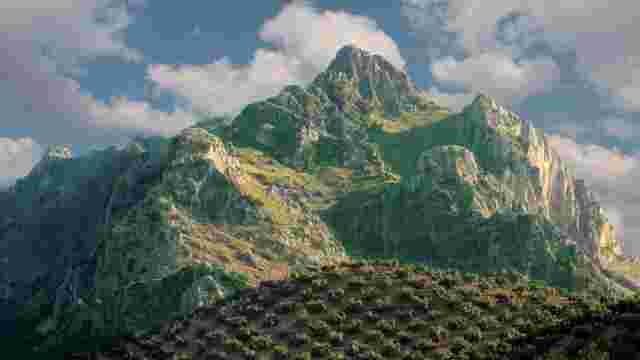
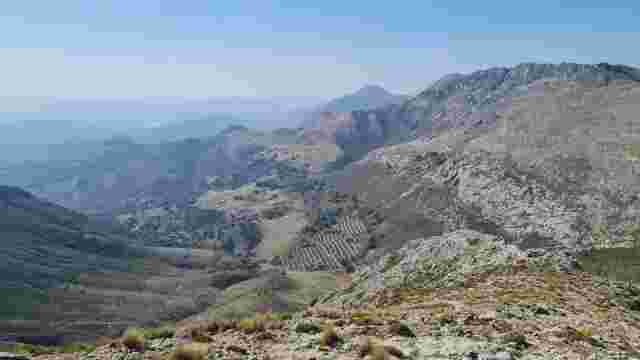
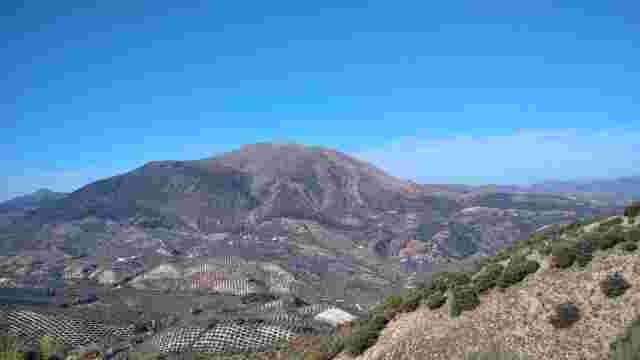
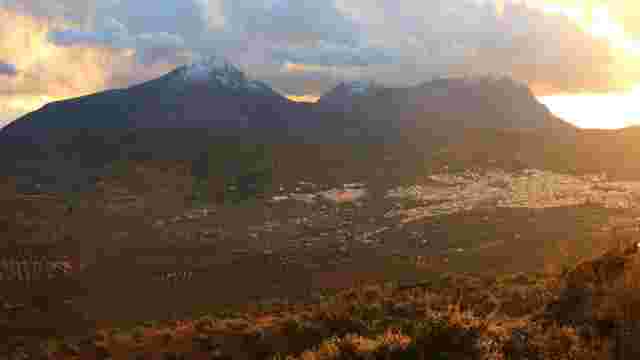
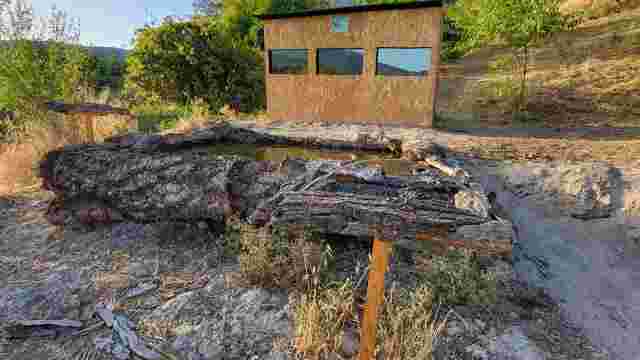
A very peaceful and beautiful place where you can enjoy nature, go hiking and breathe in the fresh air.
FESTIVITIES IN ALGAR
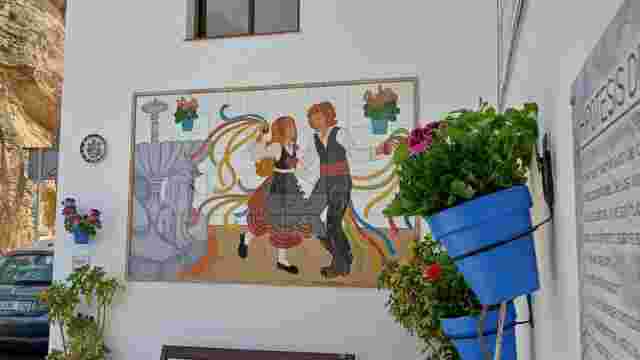
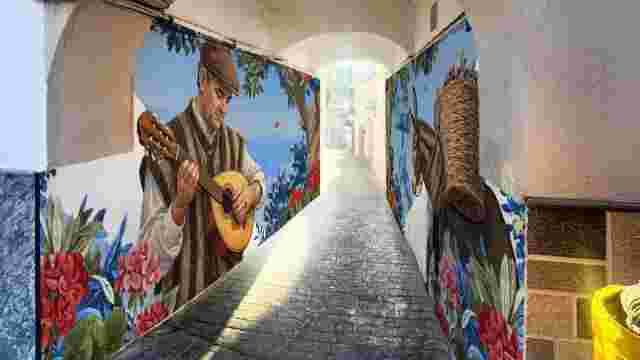
Christmas Eve in Algar is a gathering featuring traditional Christmas carols and songs from Algar, which have even caught the attention of RNE’s music and folklore research team led by Fernando. Los Mochileros de Gaena, a musical group from another nearby village, often attend such gatherings, where Christmas Eve is celebrated with the same spirit as centuries ago.
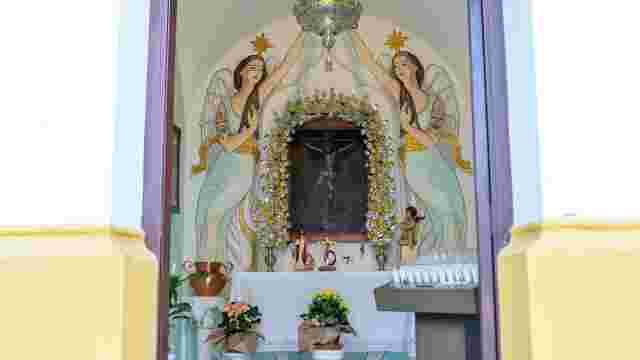
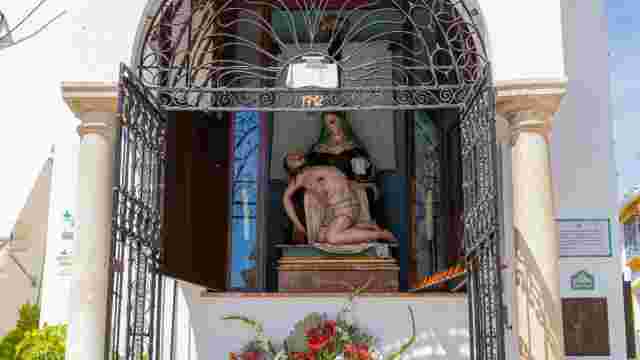
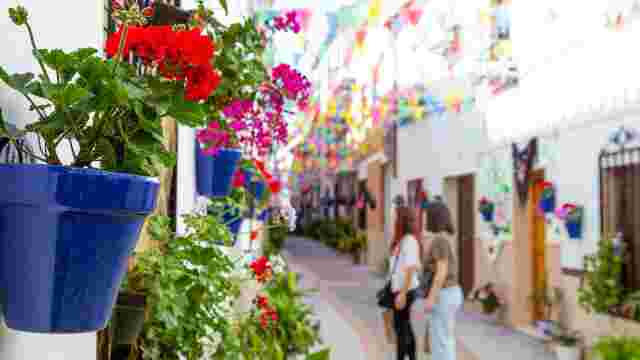
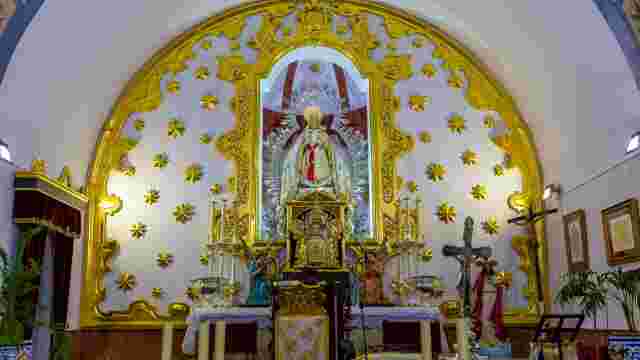
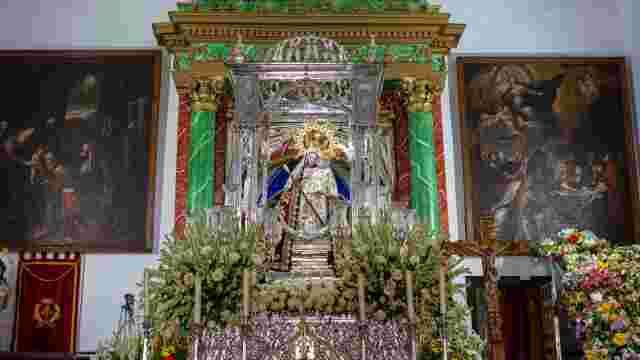
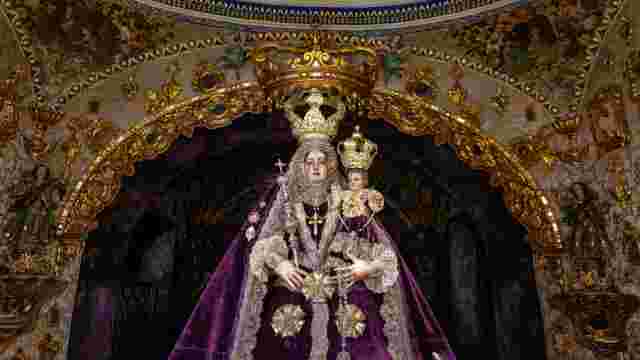
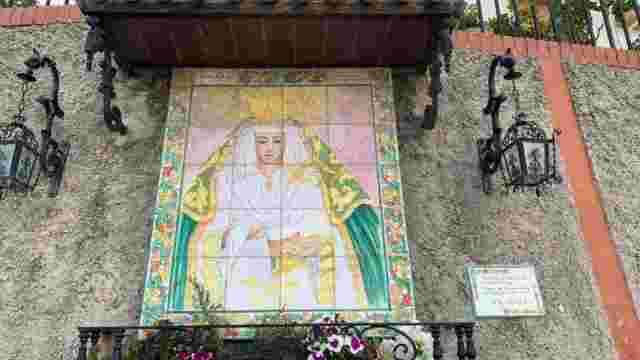
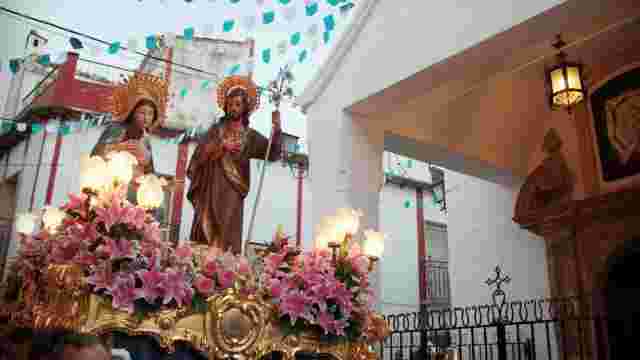
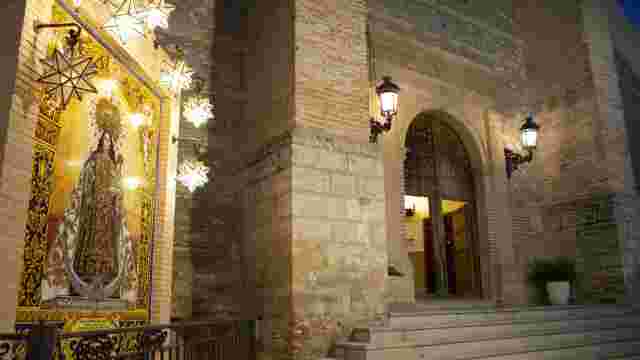
Algar’s patron saint’s festival: in the first or second week of June, the festivities for the Virgin of Fátima, patron saint of Algar, are held. A procession takes place on Sunday afternoon, with women carrying the statue on a platform through the whole village. Recreational activities and guaranteed fun throughout the weekend (sports, a night of traditional songs, a street party, flamenco, music, paella, churros).
ALGAR CASTLE
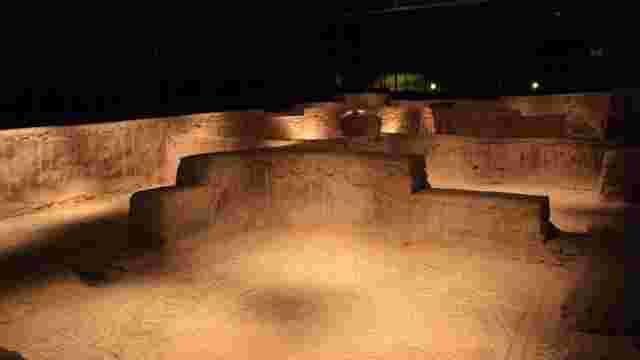
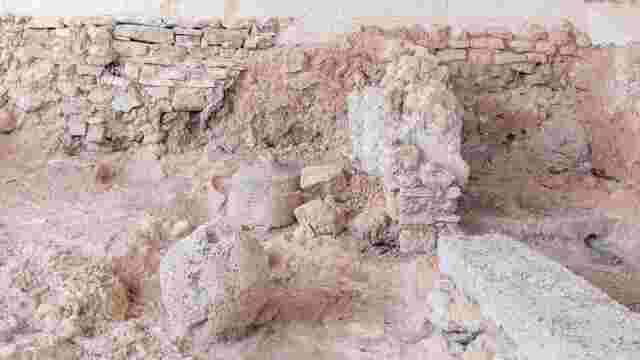
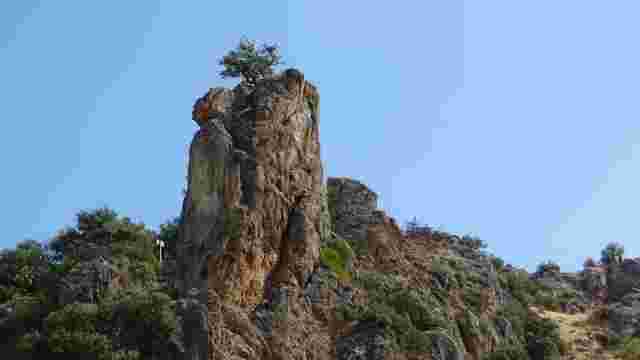
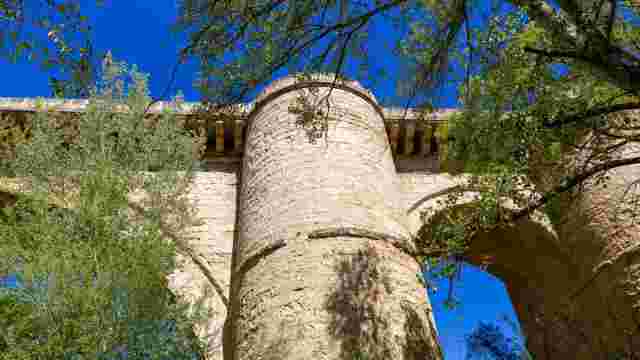
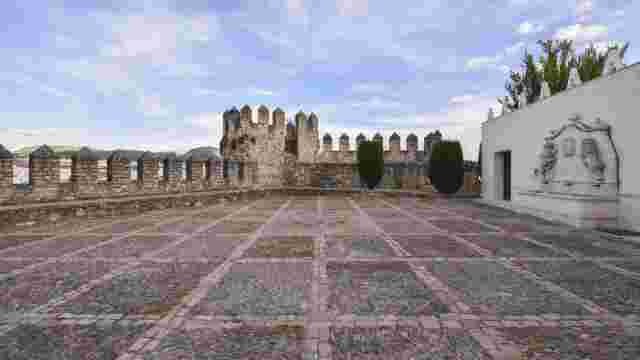
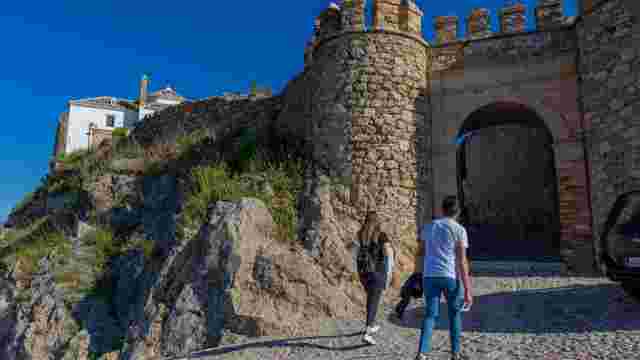
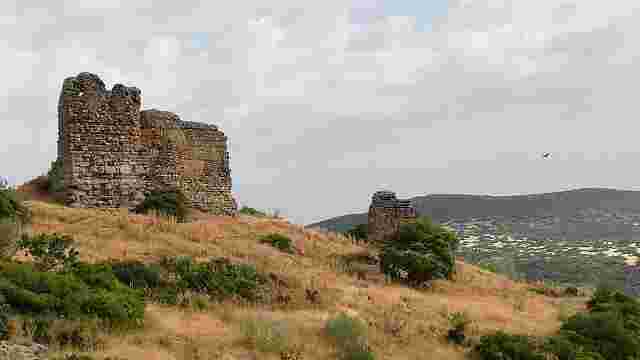
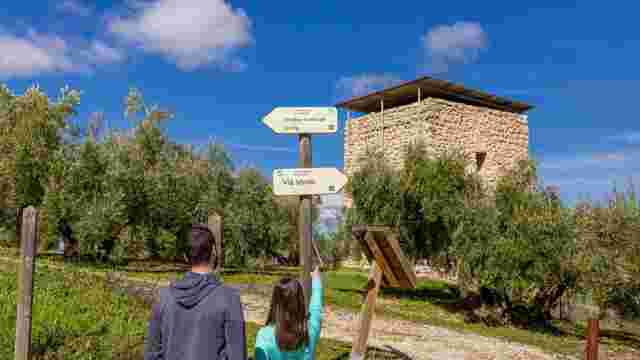
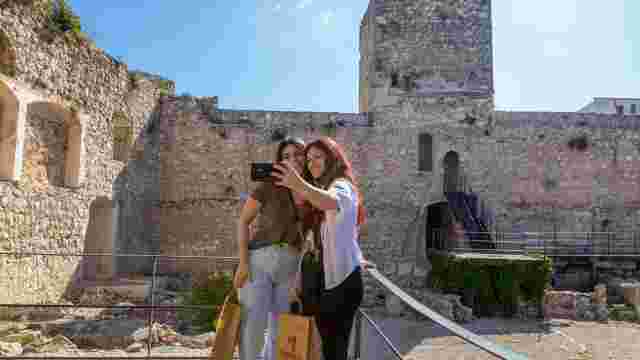
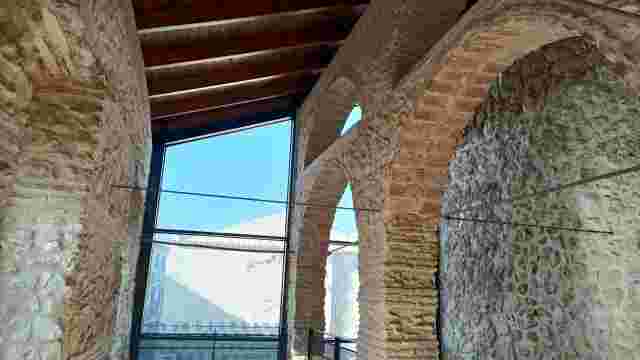
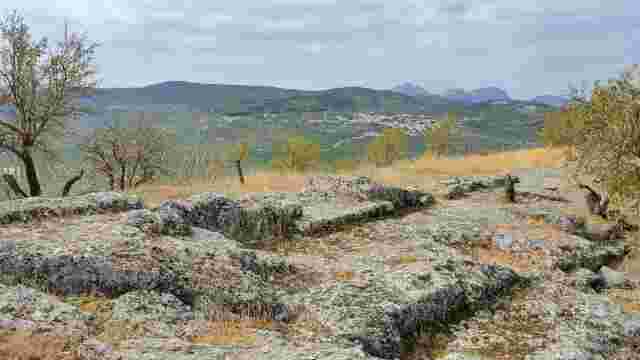
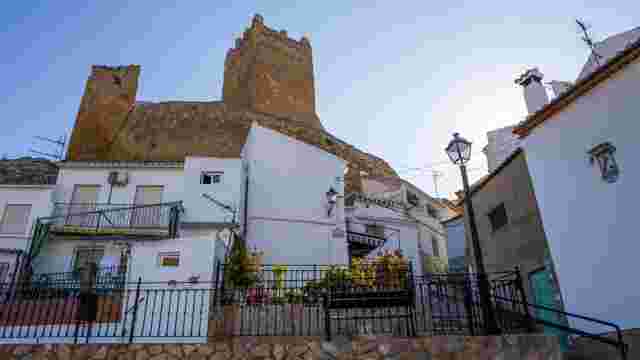
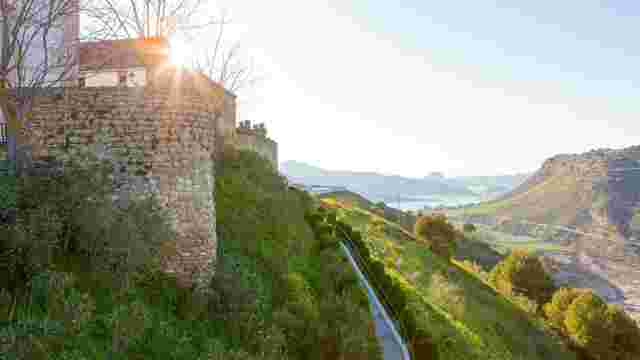
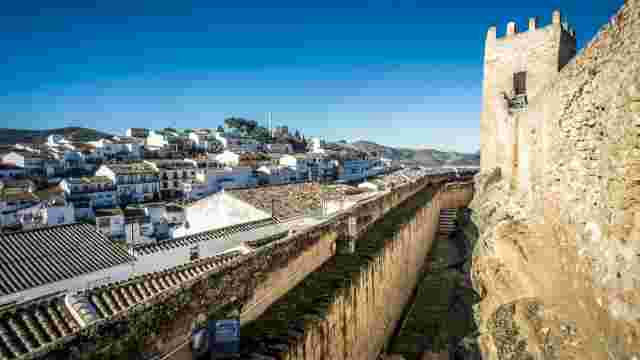
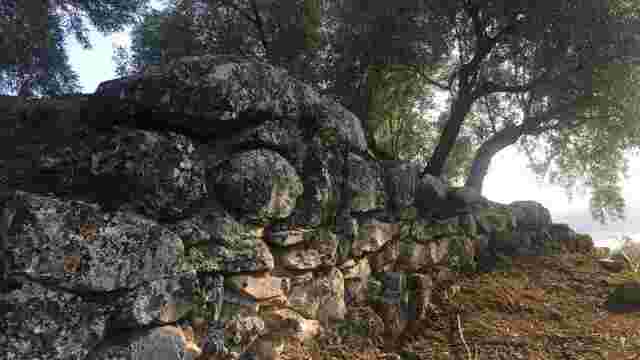
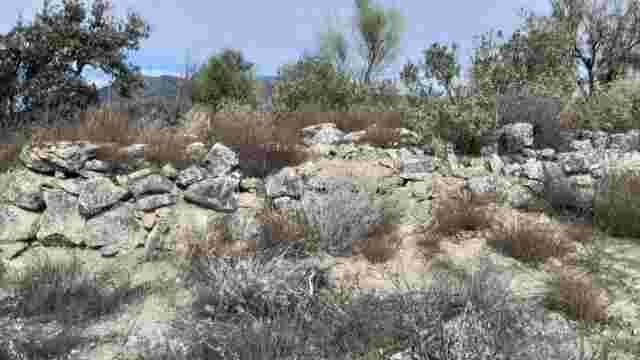
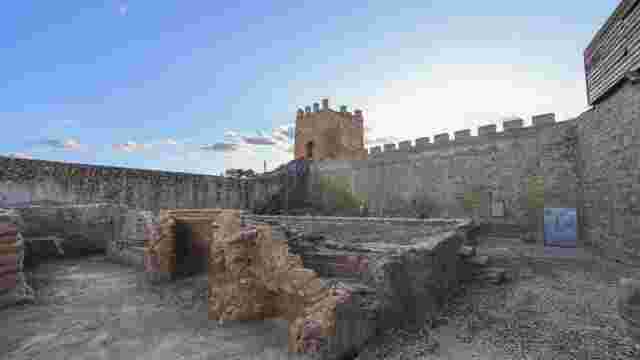
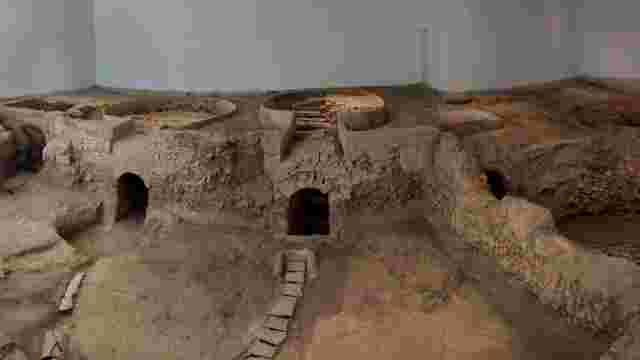
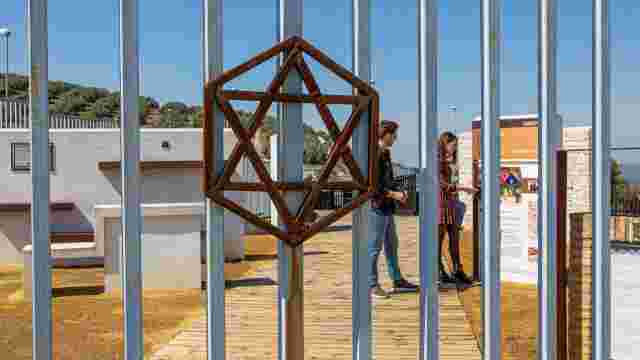
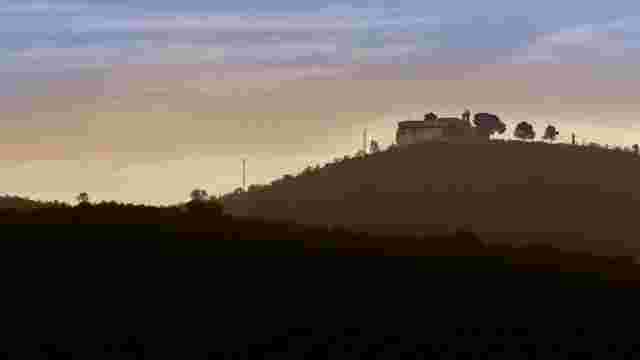
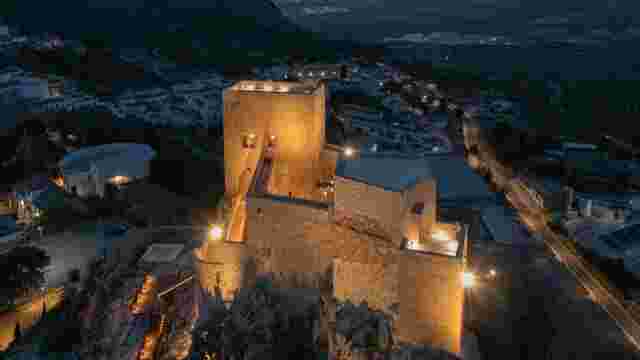
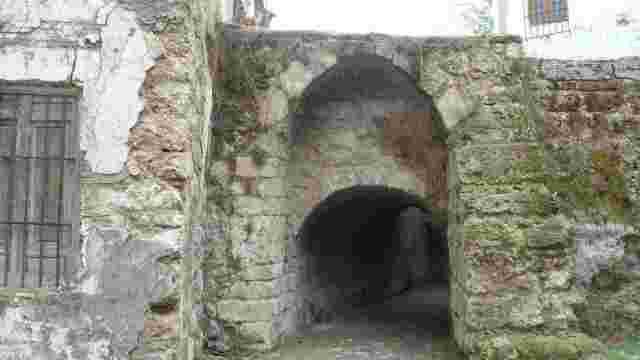
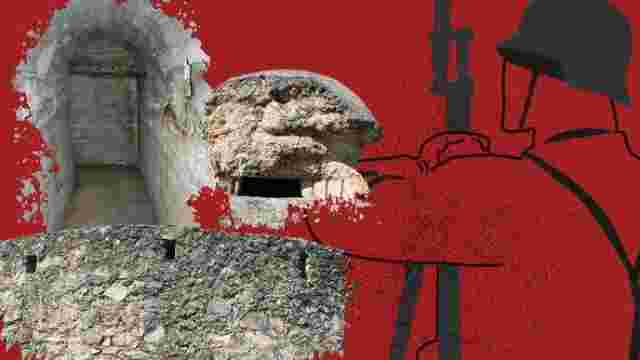
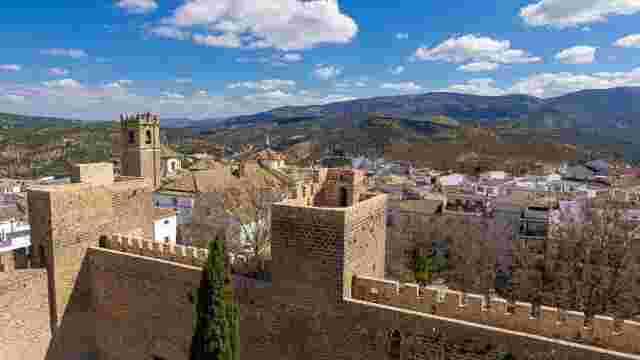
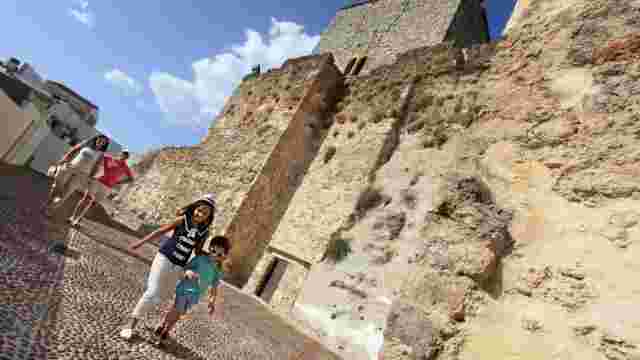
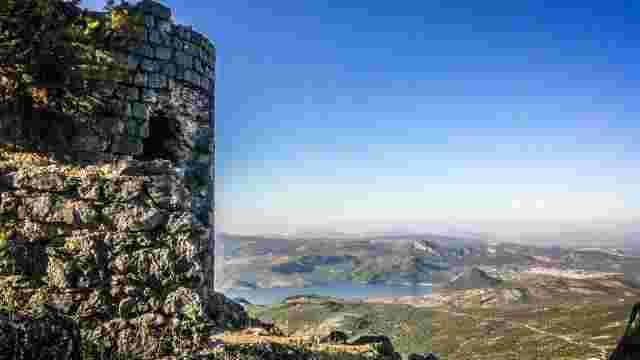
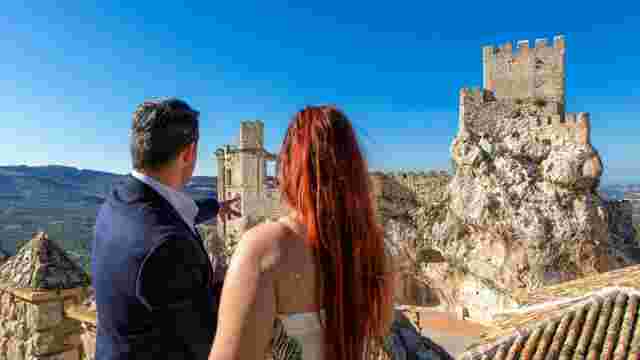
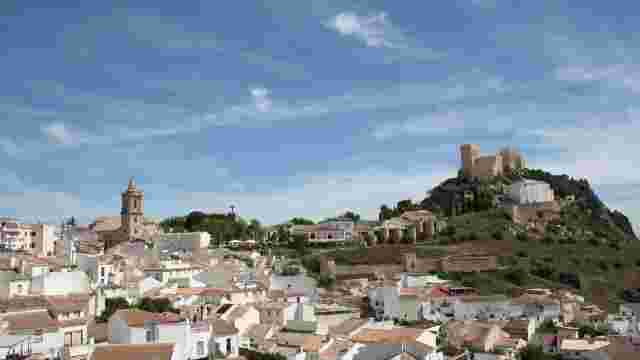
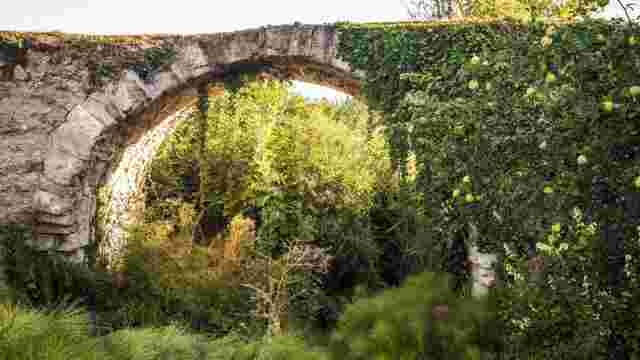
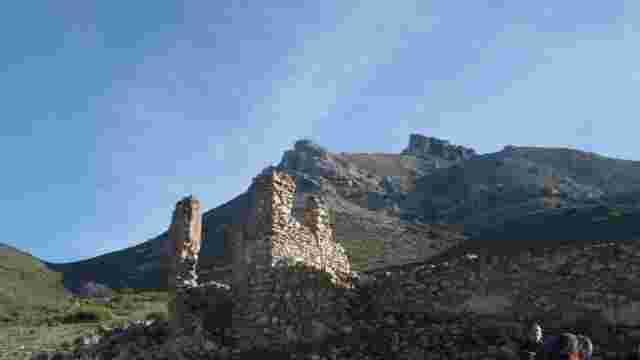
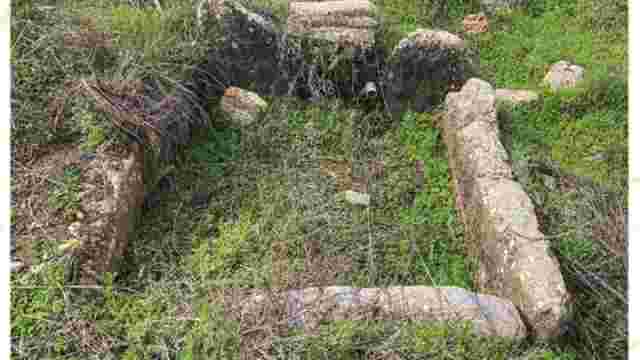
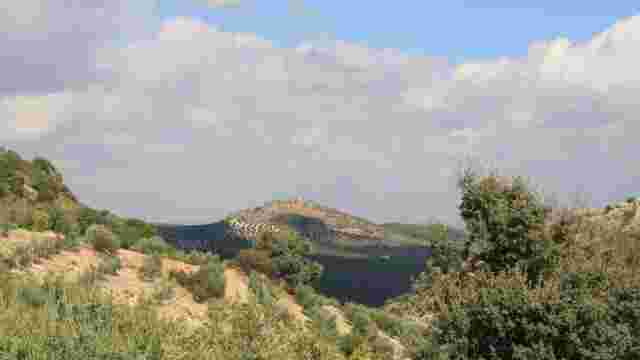
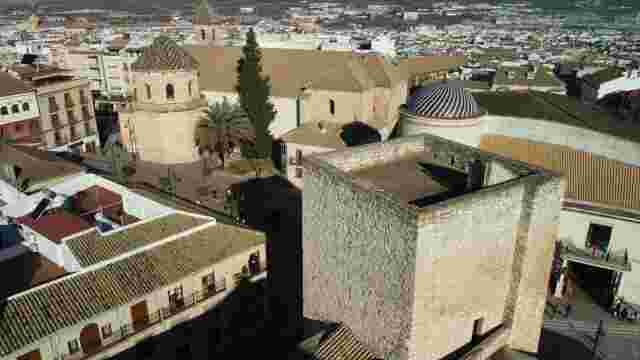
Algar Castle stands atop a hill, now in ruins or as archaeological remains, possibly of Roman origin, as ceramic remains from both the Bronze Age and the Roman period have been found in the surrounding area. The present-day castle can be dated to the Nasrid period; although rebuilt several times by Christians, it held some defensive importance given the materials used—large stone blocks joined by mortar, capable of withstanding enemy attacks. All that remains of this original structure is the open ruin of a two-storey tower and a wall that connected to another tower, which once housed an internal well that supplied the fortress.