Iznájar Castle
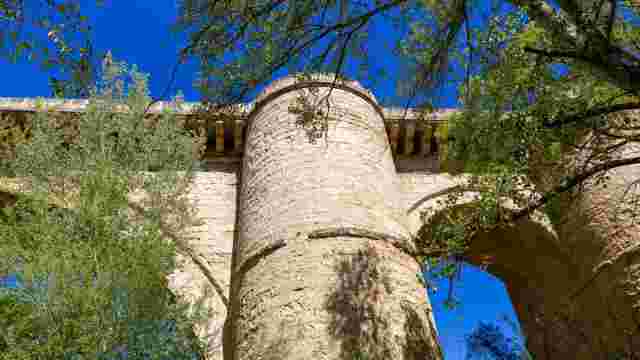
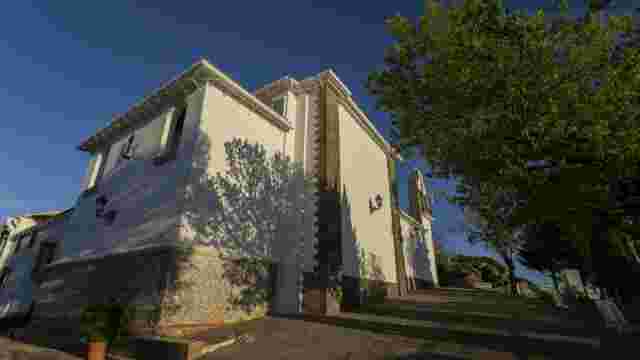
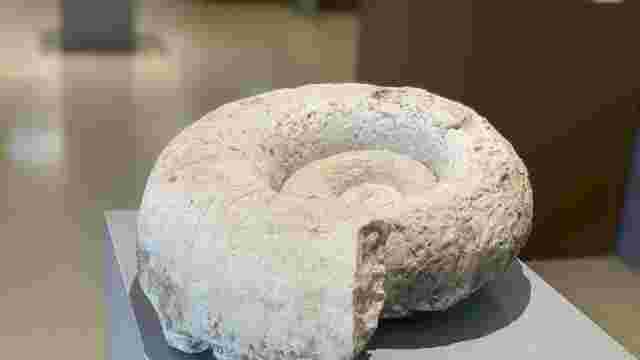
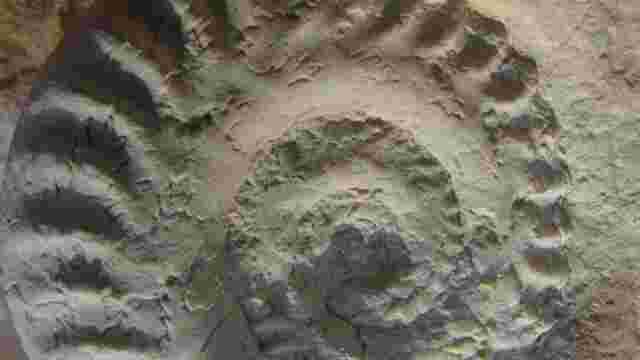
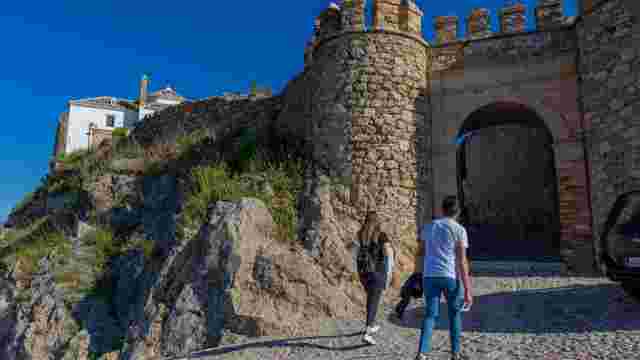
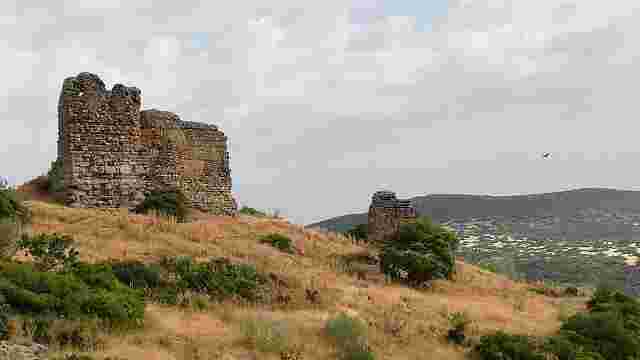
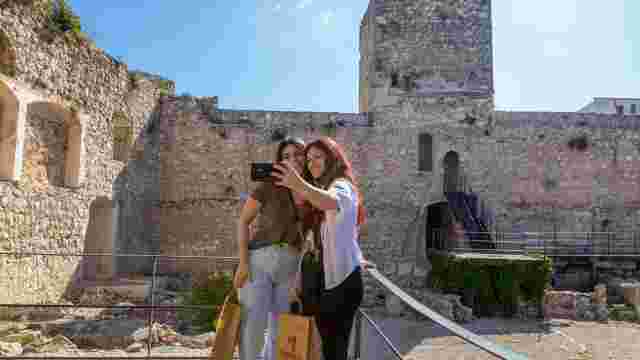
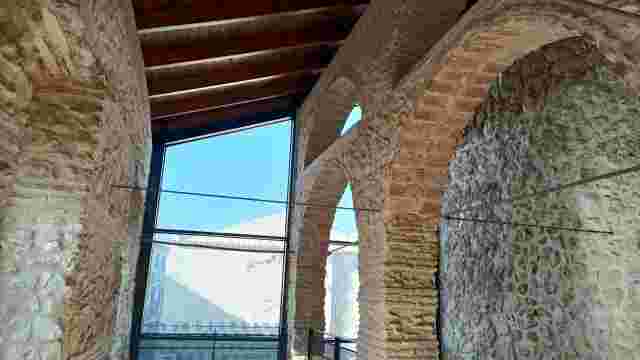
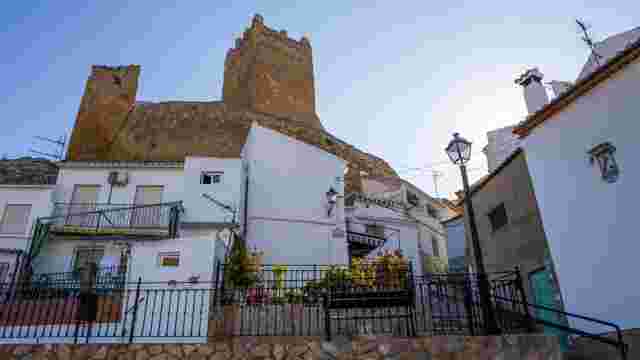
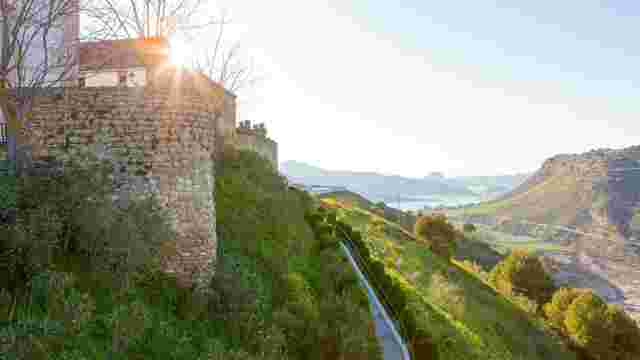
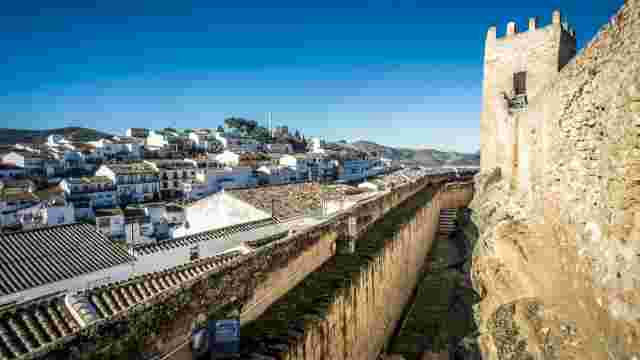
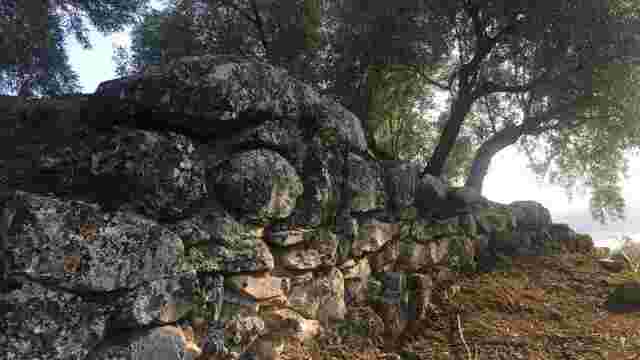
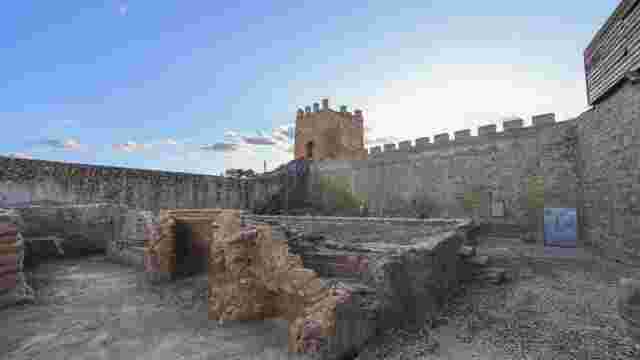
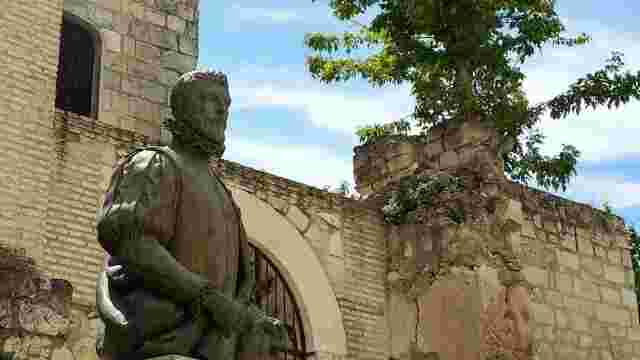
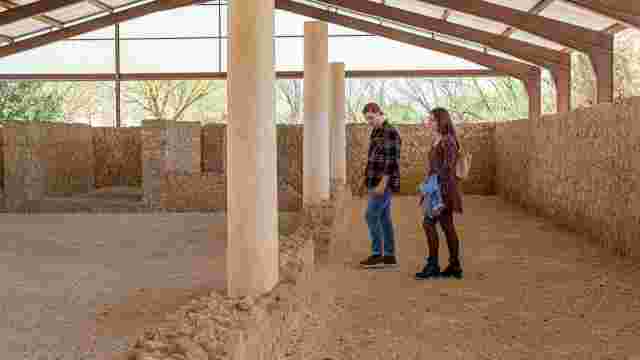
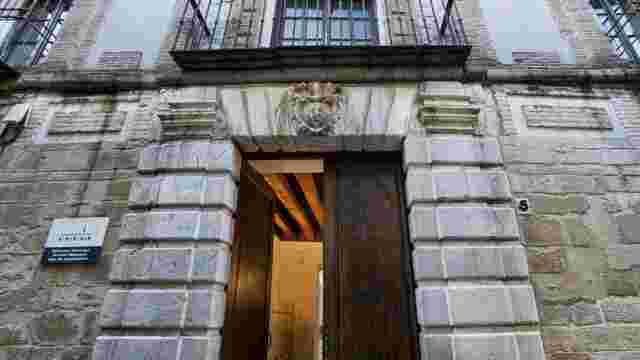
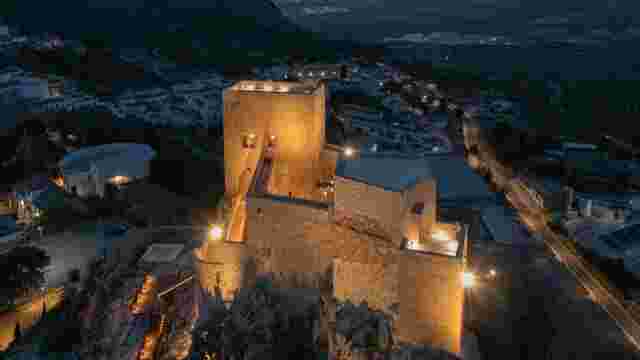
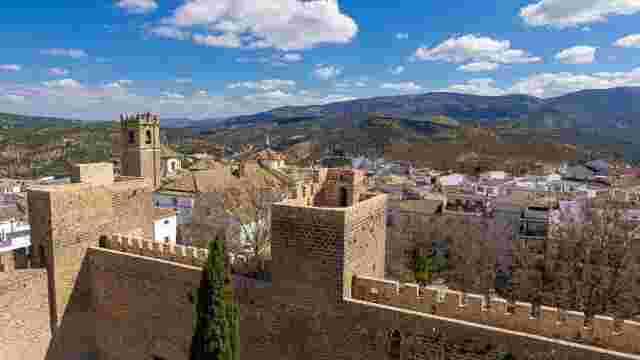
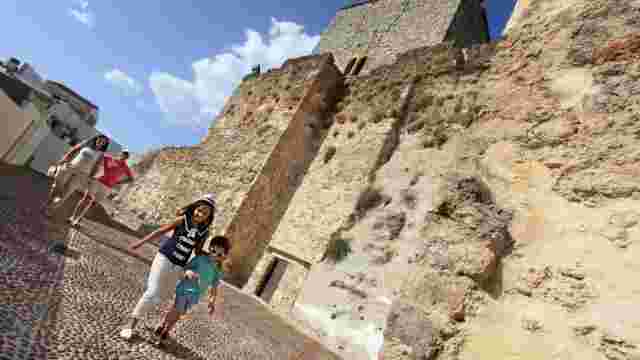
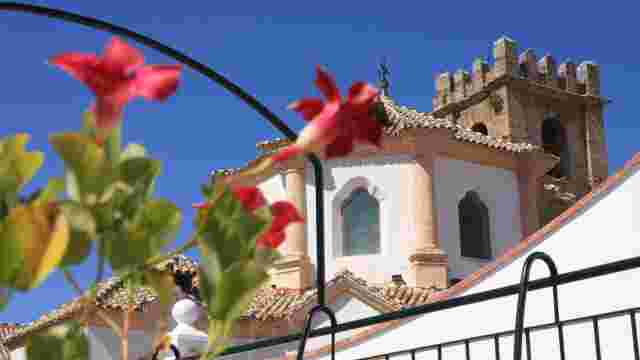
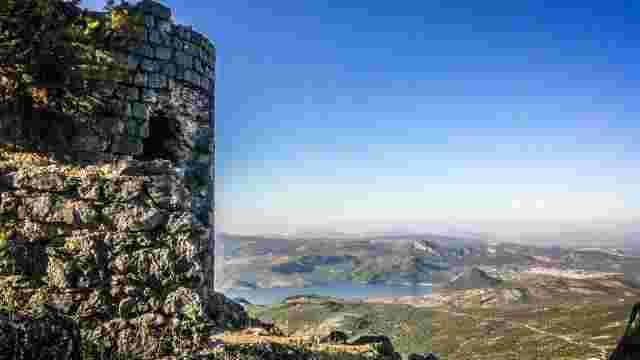
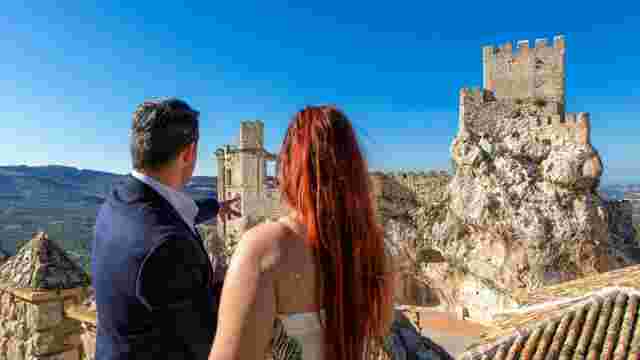
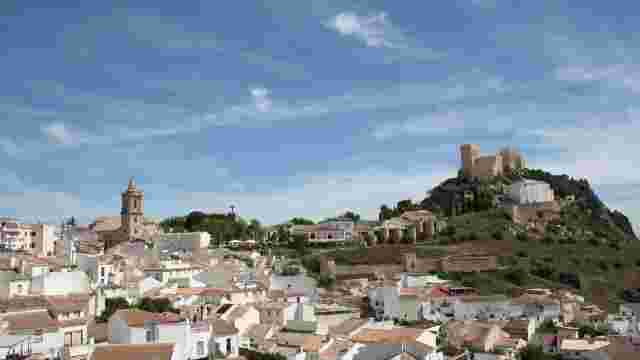
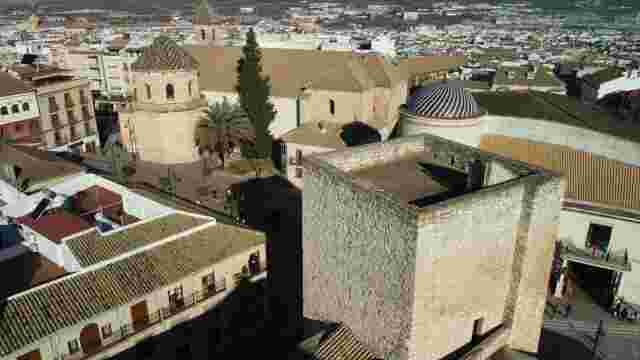
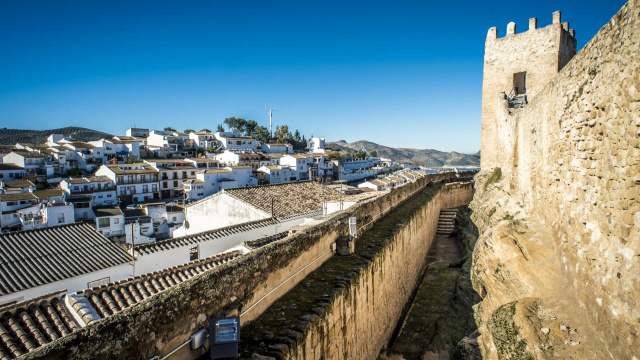
The castle is built of ashlar stone, with medium-sized ashlars on the exterior. The walls, constructed of small ashlars, display a distinctive laying pattern: a vertical herringbone pattern between courses of two or three rows of small ashlars, subsequently covered with courses of masonry. The towers feature stone ashlars at their corners, laid alternately on their long and short sides. The masonry is bonded with mortar. Finally, the exterior surface of the walls was originally finished with plaster, but this plasterwork is now preserved only in a few places. Above the crowning course of the stone blocks, the battlements are constructed with mortar, finished with a lime and sand plaster. These ashlars are made of sedimentary rock from the late Tertiary period, specifically the Upper Miocene, known as calcarenite, a calcareous rock sometimes cemented with a large quantity of petrified fossils. The keep is constructed of rammed earth, with dressed stones on its exterior.
Following the purchase of the castle by the Town Council in 1991, cleaning and restoration work was carried out.
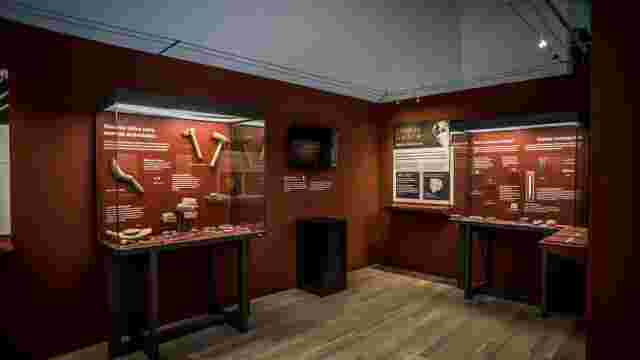
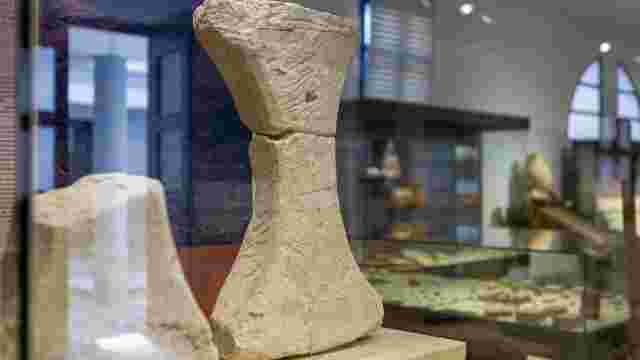
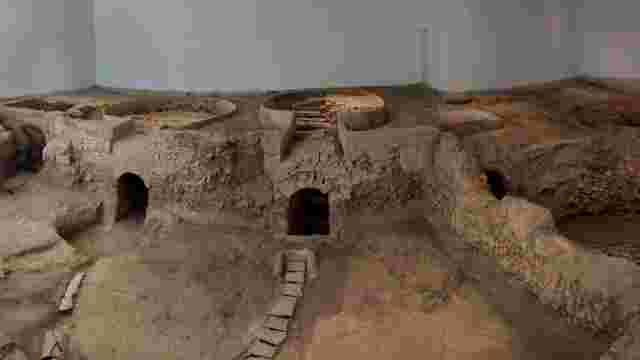
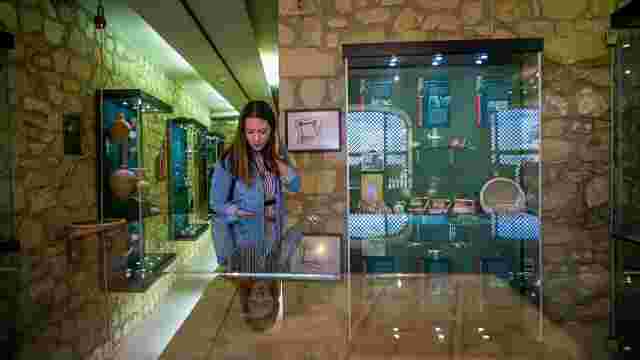
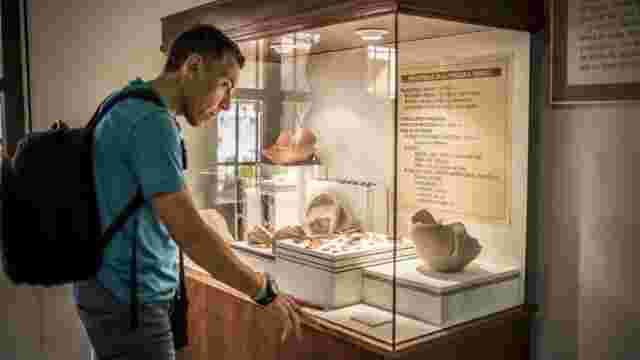
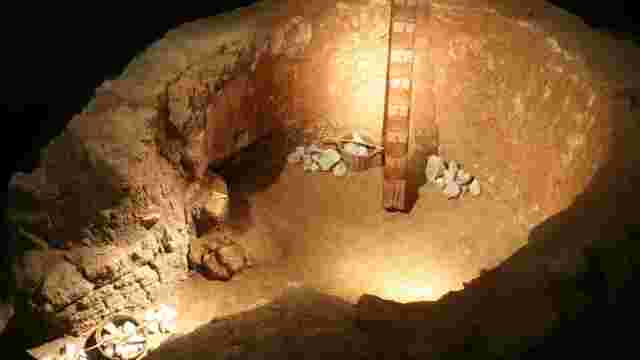
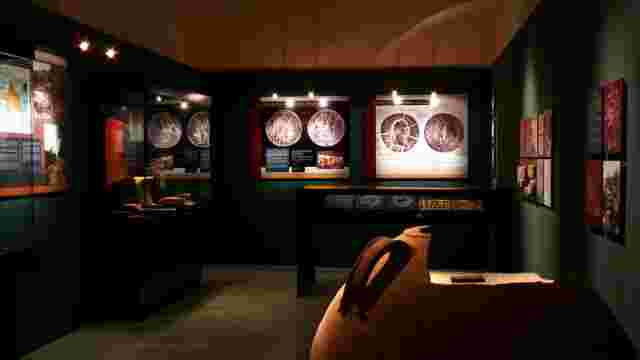
During the clearance work, remains of pottery, arrowheads and cannonballs were found. Other archaeological remains were discovered by the workers themselves whilst clearing the rubble. Some of these remains can be viewed at the Archaeological Museum of Córdoba.
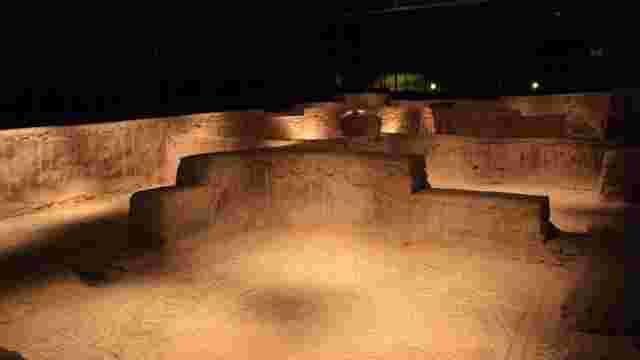
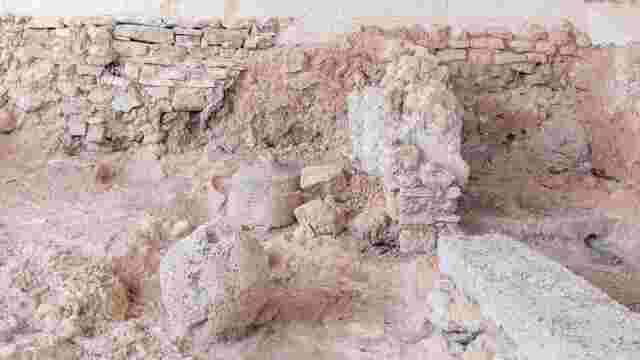
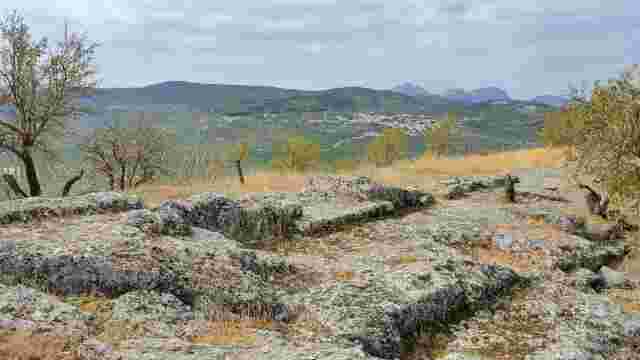
Between 2015 and 2017, a major archaeological excavation was carried out at Iznájar Castle.
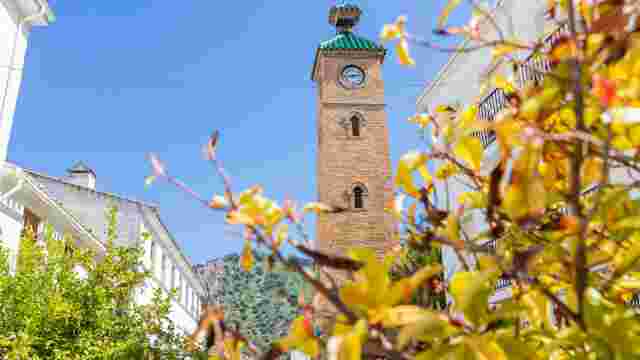
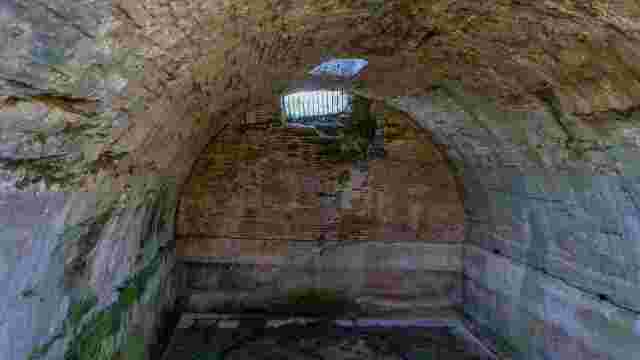
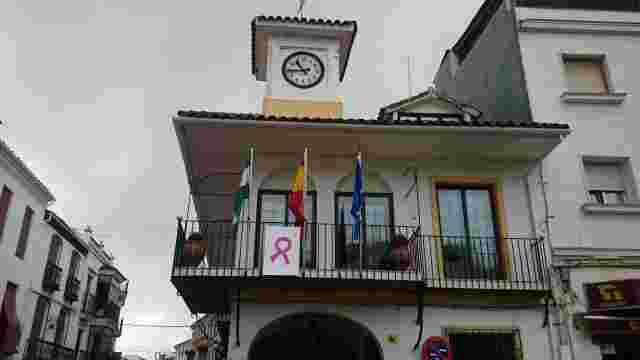
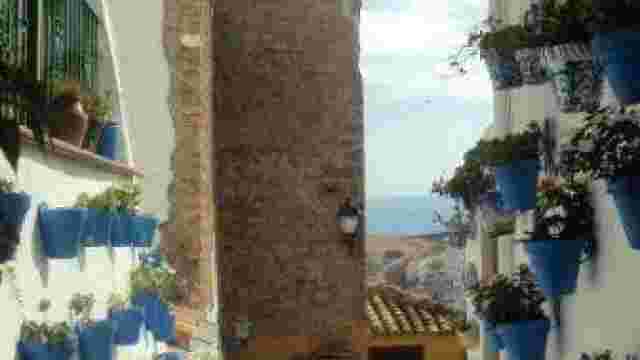
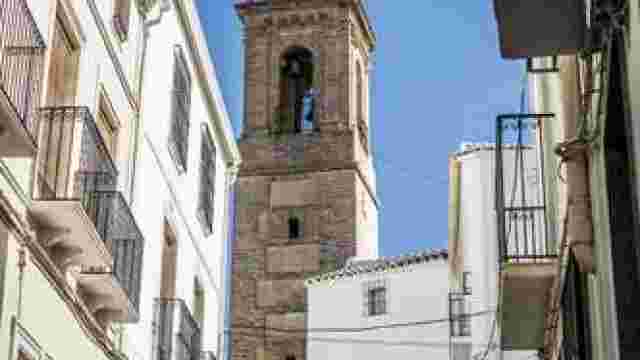
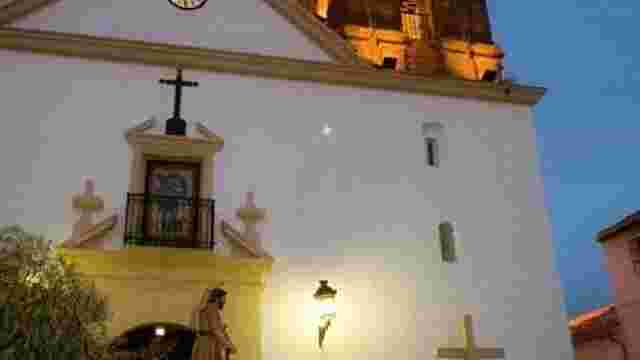
The 2015 archaeological project focused on the Clock Tower, one of the towers of the barbican built by Pedro I in the 14th century, and on specific areas of the castle itself. This project focused on consolidating the stonework inside the building and restoring the legibility of the masonry, which had been obscured by sediment deposits, the presence of microorganisms and salt crystallisation, whilst preserving the characteristics of the sandstone blocks.
On the exterior of the tower and its roof, which are coated with mortar, the original joints were consolidated and the cement-based mortars were removed, replacing them with lime and sand mortars similar to the originals. The work was completed by grouting cracks and protecting the structure with a water-repellent treatment to prevent moisture penetration.
At the castle, work was carried out on the timber structure covering the first floor of Pedro I. Comprising laminated fir timber in beams and columns, and horizontal daoma slats, the work first consolidated the elements in poor condition, either through repair or replacement.
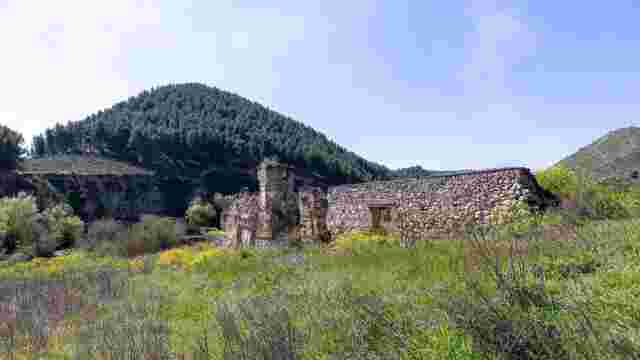
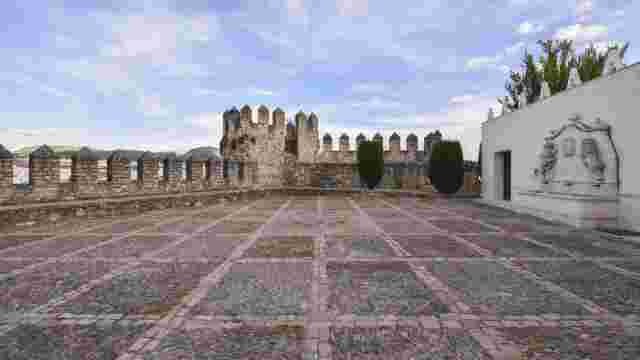
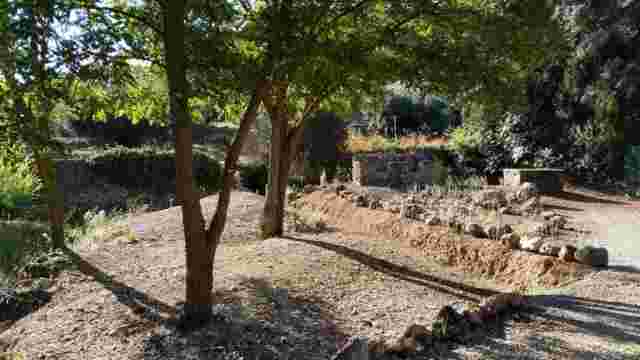
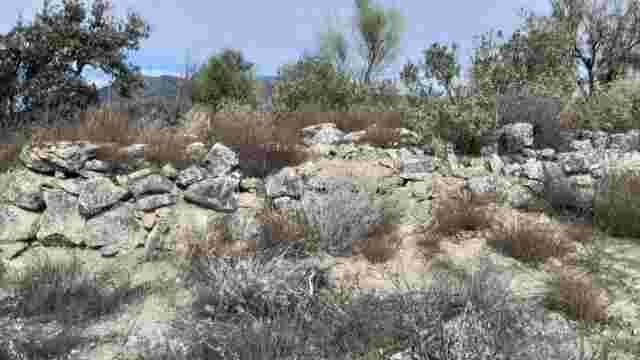
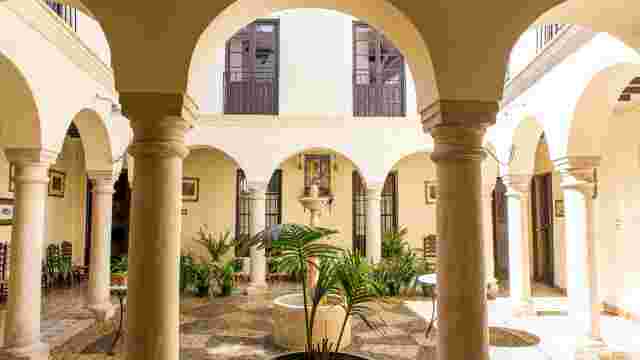
In a second phase – 2016 – work was carried out on the paving of the parade ground to improve access to these areas, replacing the lime paving with new paving of similar characteristics; and finally, in 2017, work was carried out on the 18th-century buildings in the central courtyard, which retain walls with an average height of 1.30 metres. Once the stonework had been generally and locally consolidated, the cement mortars were removed, sediment, deposits of microorganisms and efflorescence were cleaned away, and the volumes were partially restored using hydraulic lime mortars.