Ceramic kiln (12th–13th centuries)
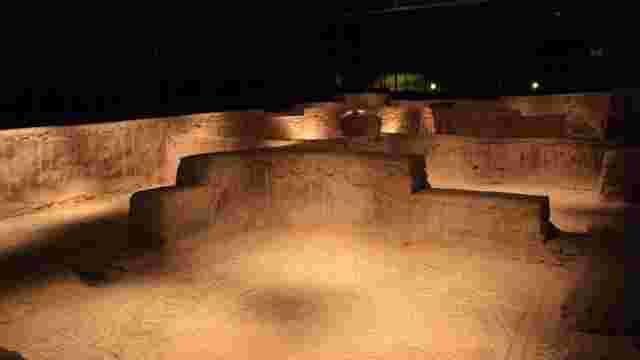
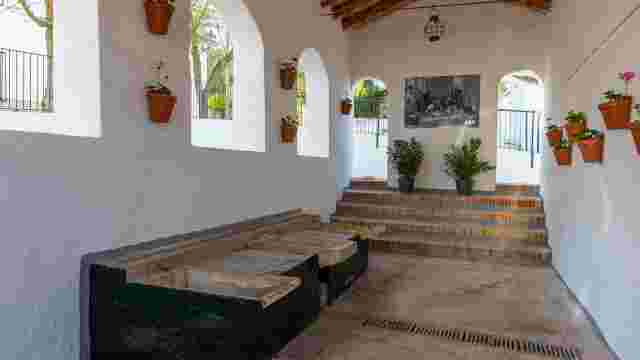
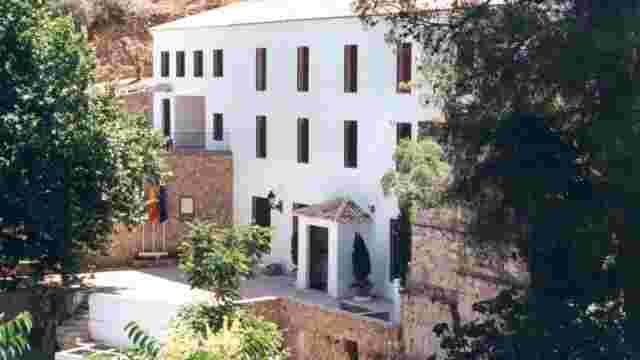
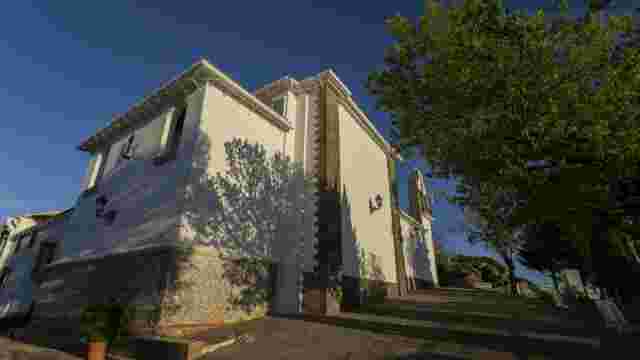
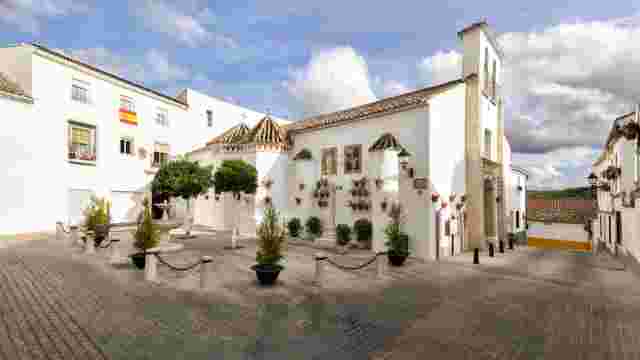
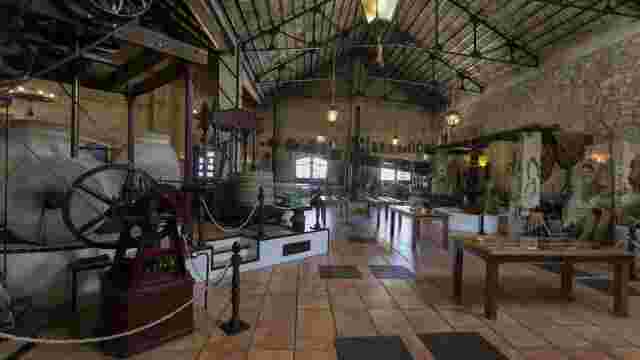
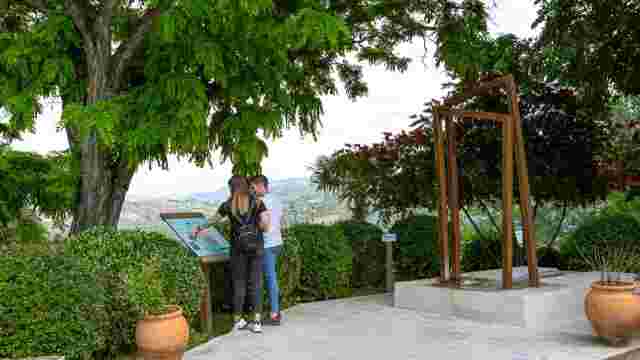
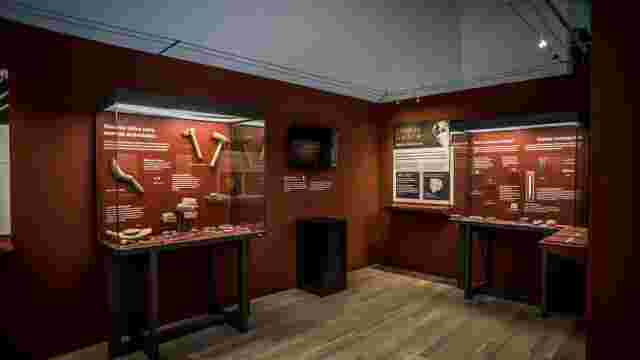
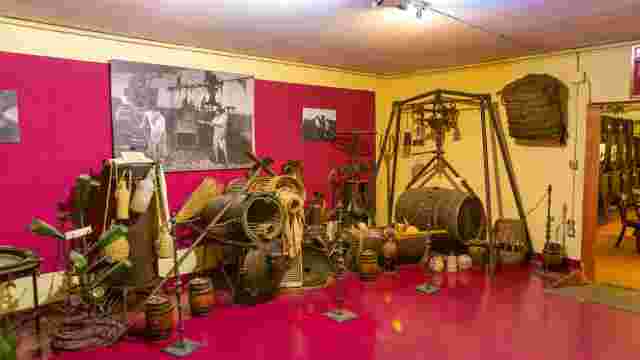
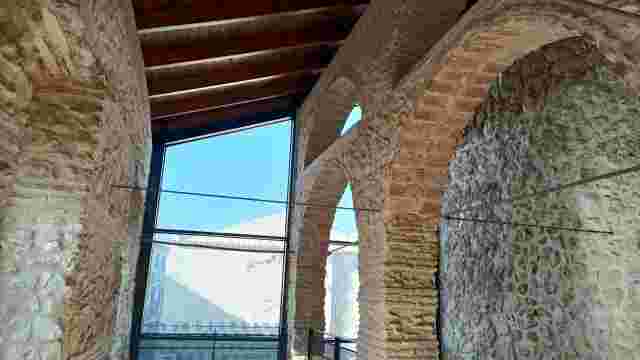
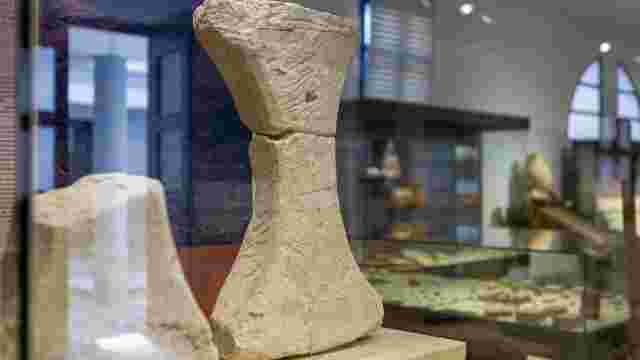
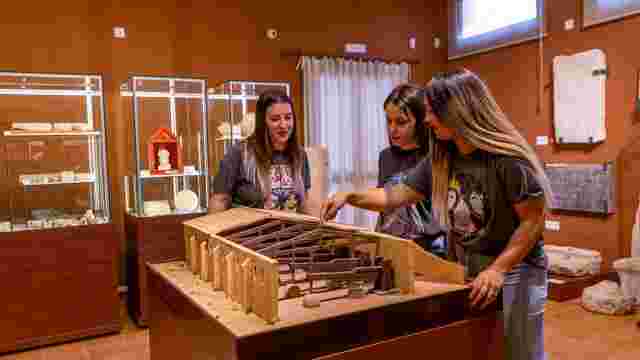
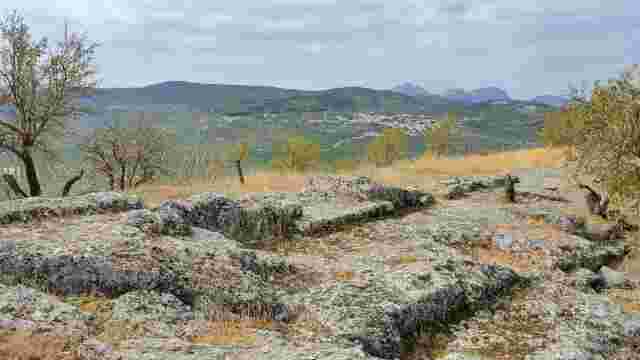
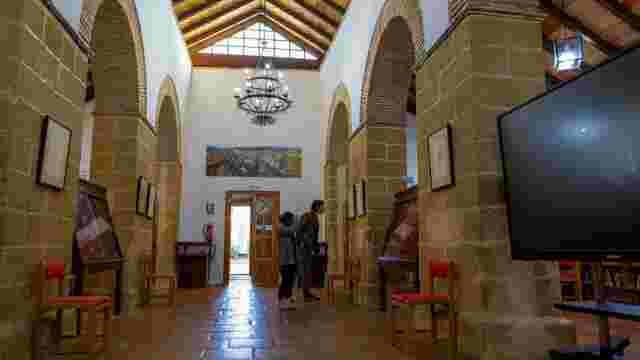
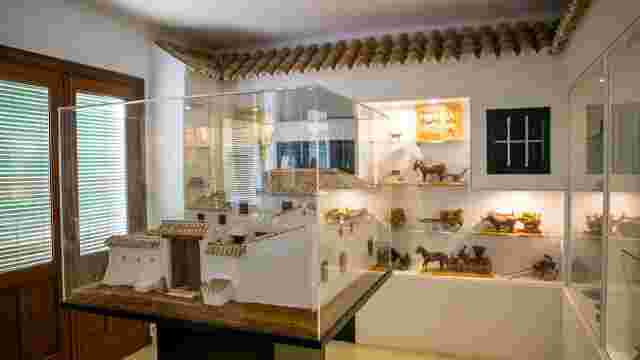
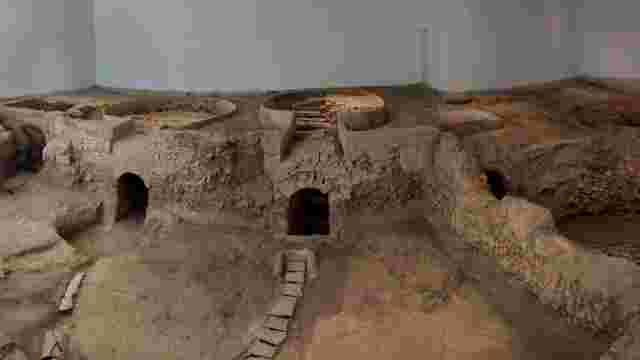
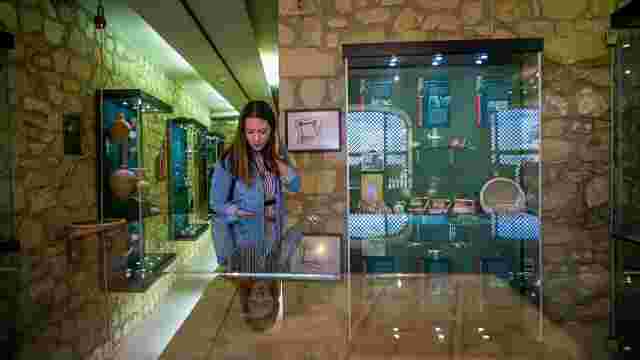
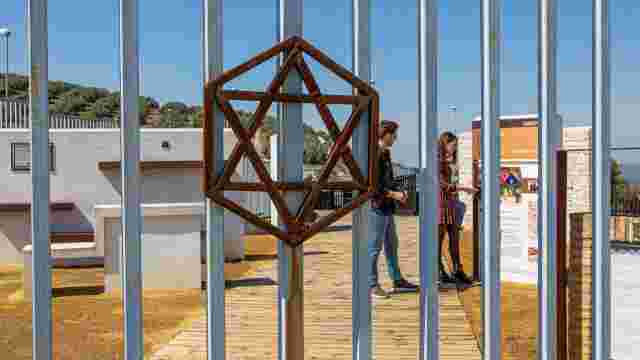
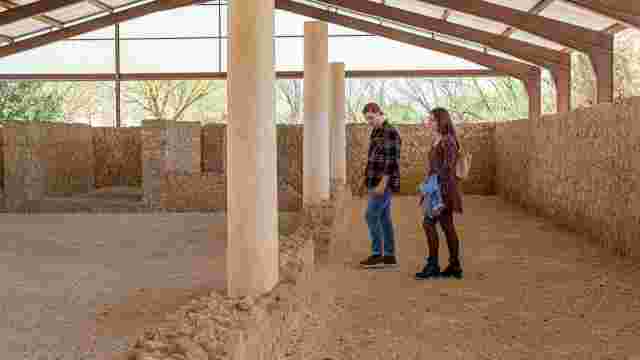
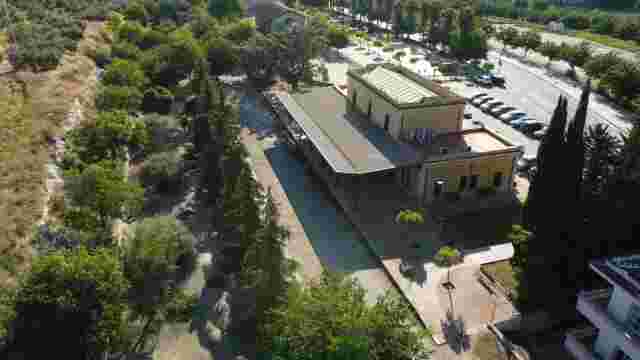
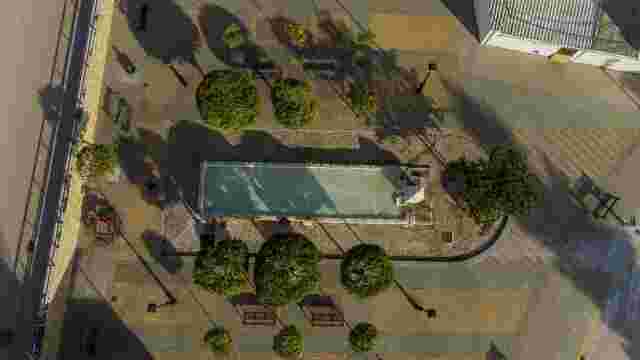
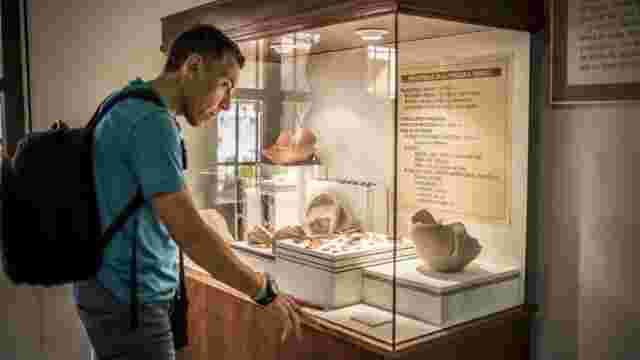
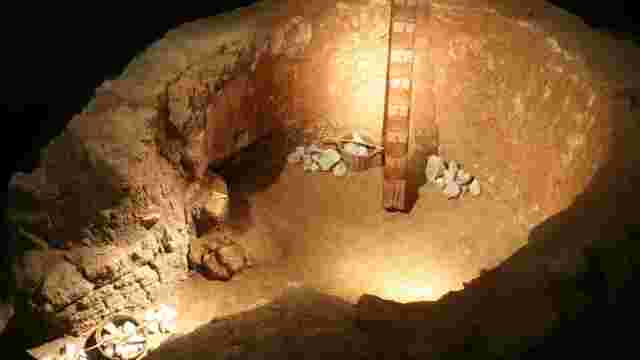
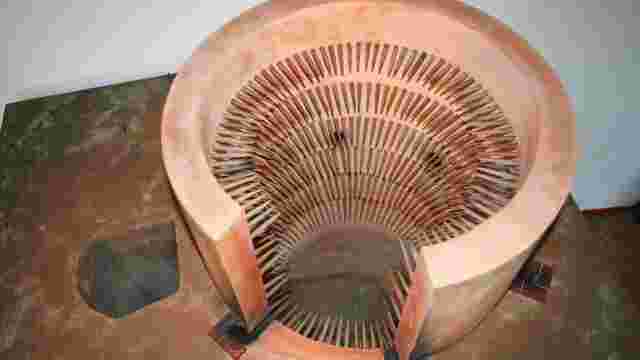
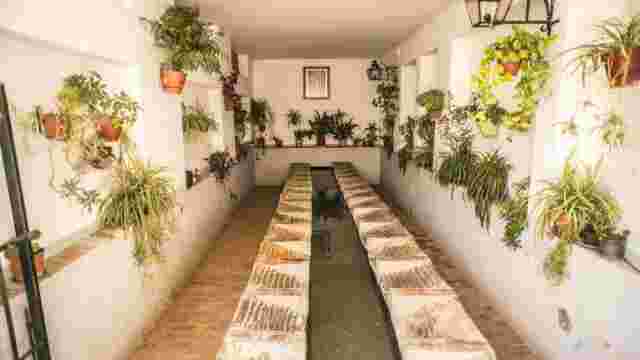
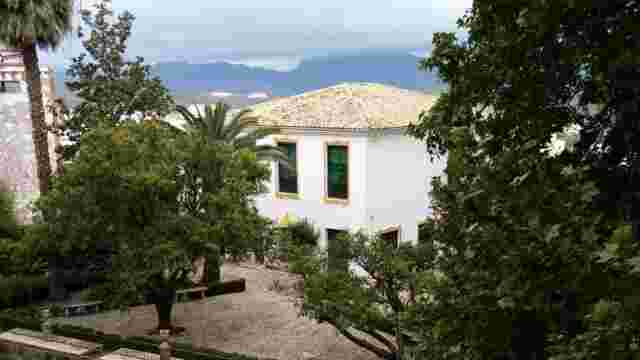
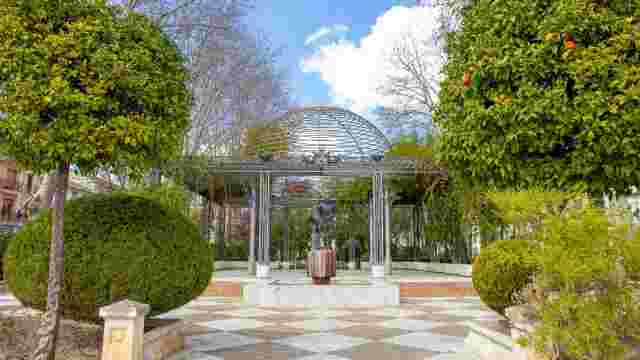
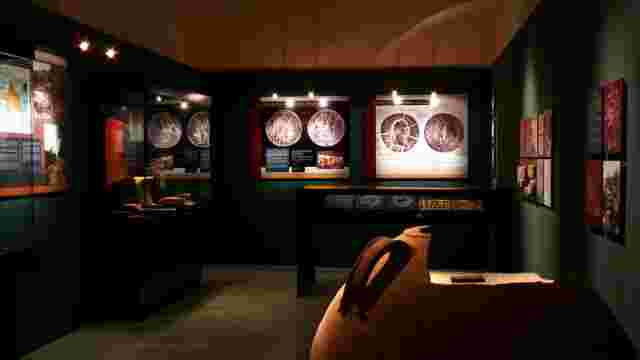
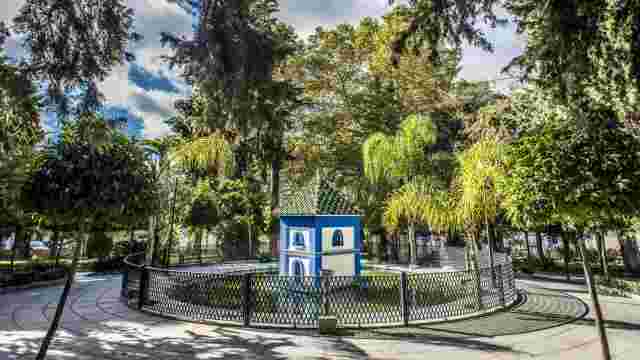
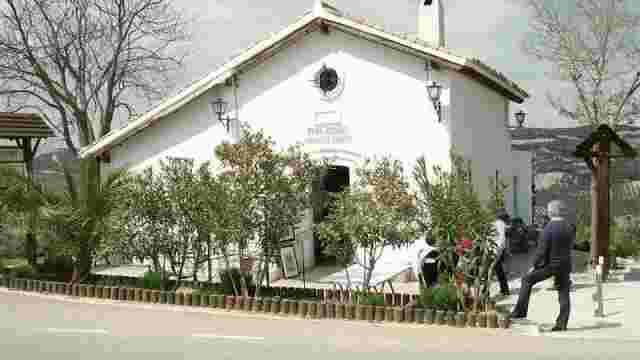
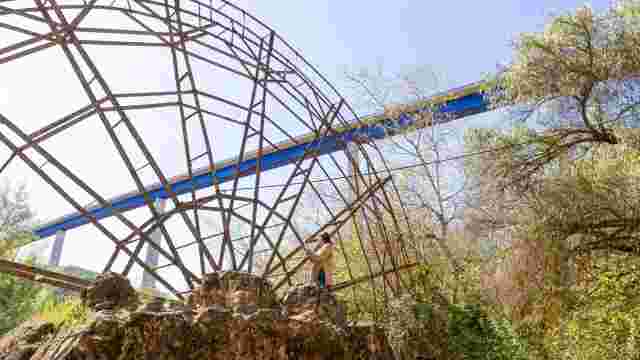
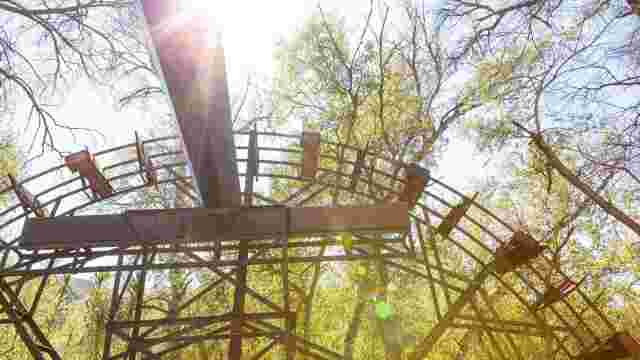
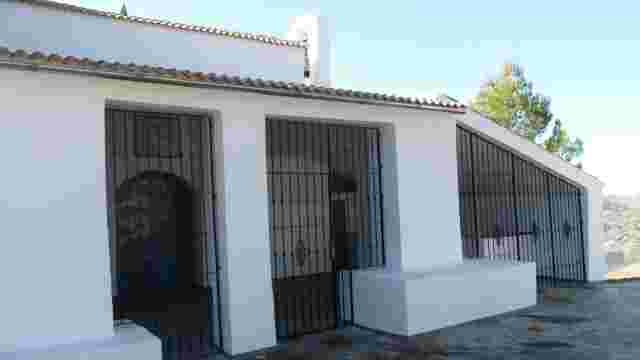
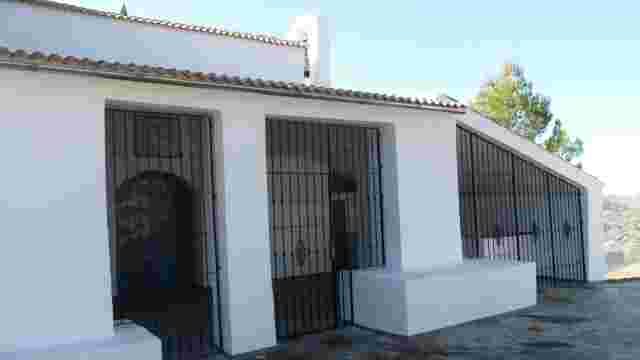
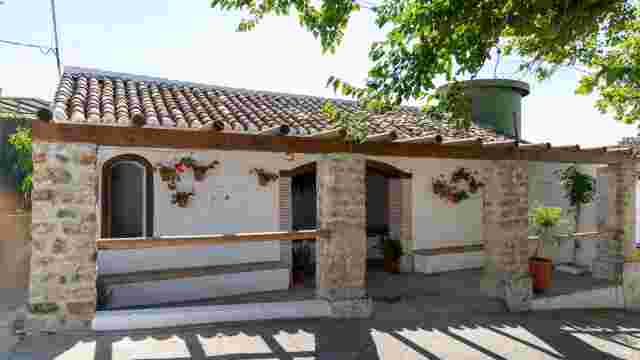
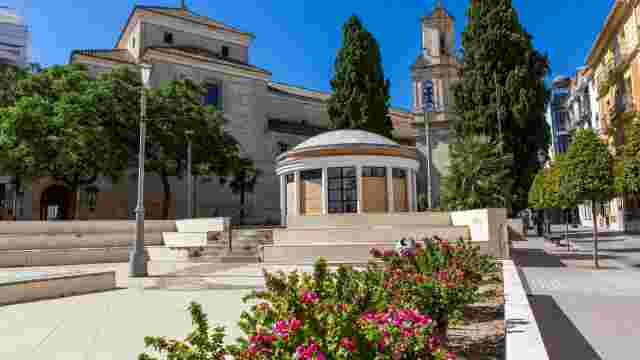
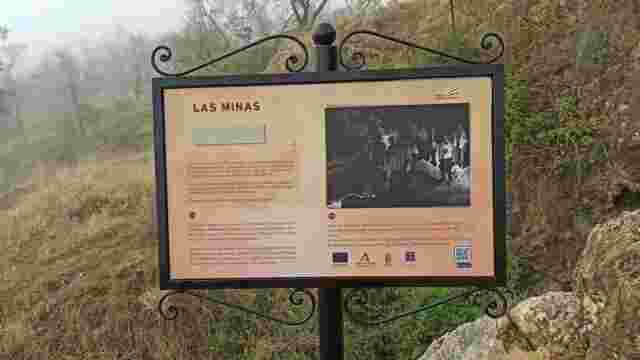
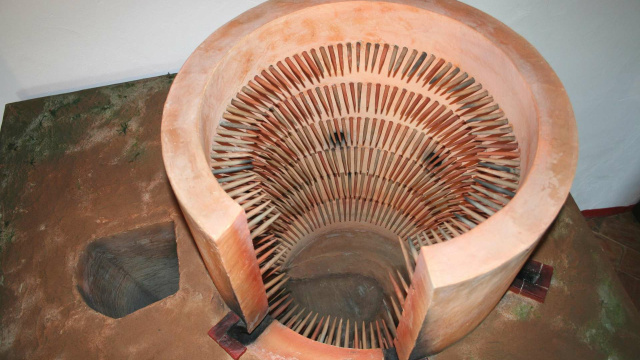
This kiln was excavated in 1993 by the Museum (Municipal Archaeology Service). The restoration work involved the construction of an octagonal pergola, featuring a metal framework with glass panelling and a ceramic-tiled roof. Inside, the kiln is situated in a central position, alongside various museum displays (signs relating to medieval Islamic Priego and its pottery district, and a model of the reconstructed kiln).
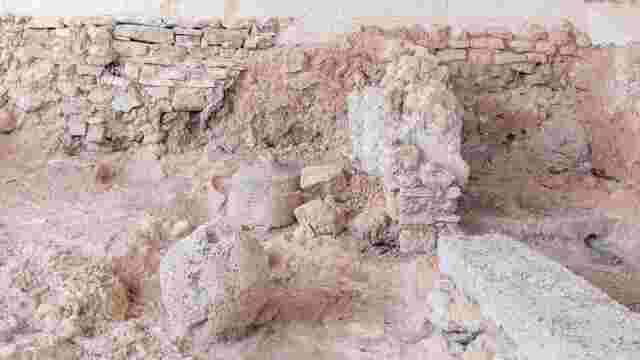
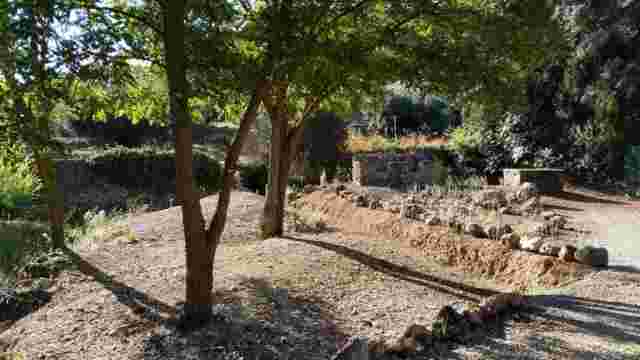
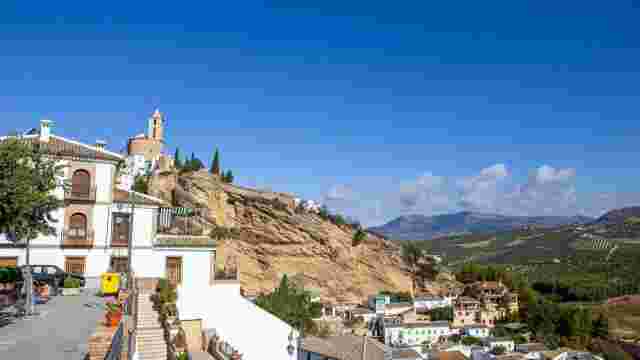
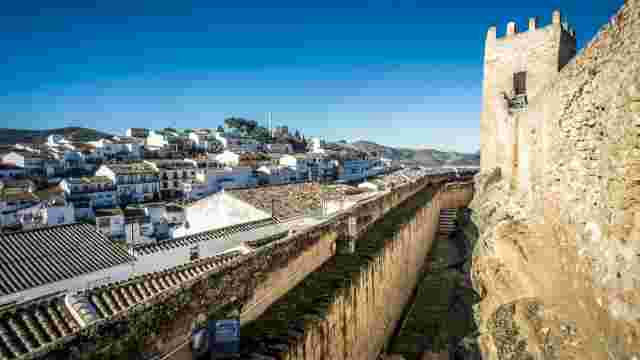
The pottery quarter of Madinat Baguh, in the 12th and 13th centuries, was situated in the area of the present-day streets of Lozano Sidro and San Marcos, covering an area of approximately 1.5 hectares. Since 1993, numerous ceramic kilns of various types have been excavated in this area, along with other structures of interest: clay extraction pits, storage pits, walls, floor surfaces...
The location of the potteries in this part of the town is no coincidence. There was an abundance of water here, drawn from wells, and a suitable geological substrate rich in clay suitable for modelling. Furthermore, the quarter was on the outskirts of the town, so its activities (smoke emissions, accumulation of waste, etc.) did not unduly disturb the neighbours.
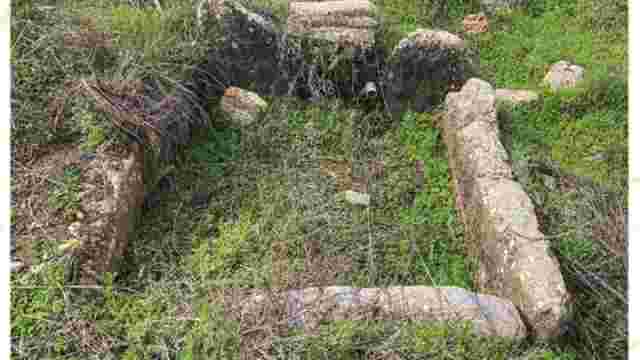
The kiln is partially dug into the ground, with a keyhole-shaped floor plan, and consists of the following parts:
· Firing chamber: Circular in plan, it features a series of perforations in the walls which were used to insert ceramic rods or rolls, forming shelves that supported the pottery during firing. This cylindrical chamber was open at the top and had several side flues.
· Fire chamber: This is a structure with a roughly rectangular floor plan attached to the firing chamber. This is where both the entrance to the kiln and the area where the fire was controlled were located.
Despite its medium size, this kiln was capable of firing up to several hundred pieces at a time. The fully preserved row of holes comprises 77 openings, which supported a linear shelf measuring 6.10 m in length and approximately 35 cm in width. Given that, following the study of the fragments from the collapse, we know the kiln could have had up to six shelves, the total usable linear shelf length stands at around 39 m. It should also be noted that the central space of the firing chamber was used to place large items, such as jars.