The Ammonites
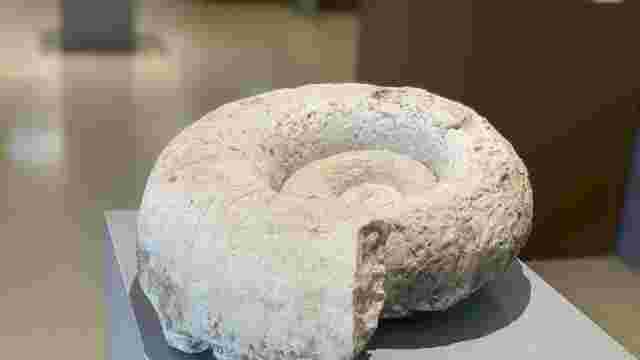
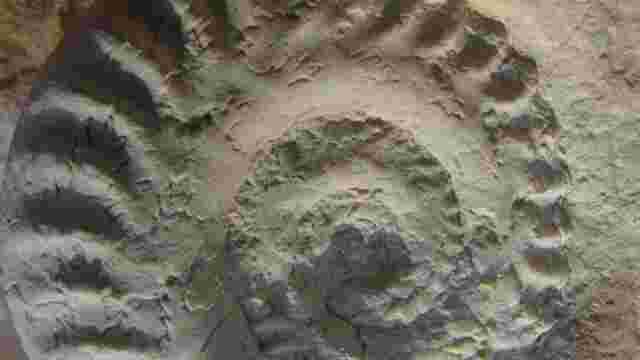
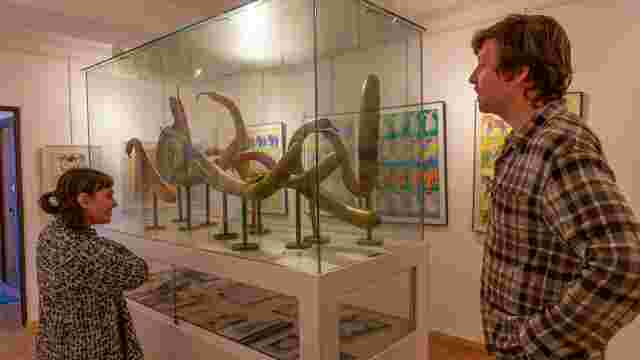
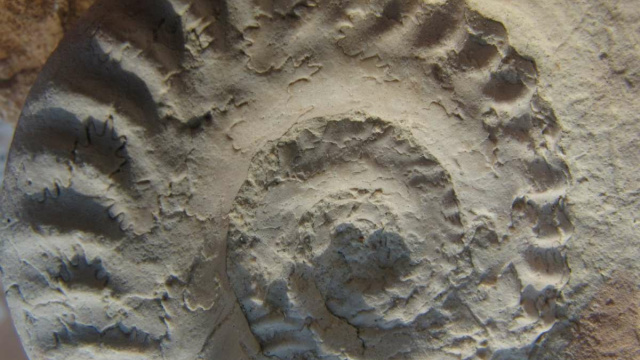
The most representative group of fossils are the ammonites, species related to modern-day octopuses and squids. They are excellent indicators of the passage of time and provide insights into the evolution of the Baetic System; by analysing their internal structure, we can better understand how they lived and, above all, that they were not actually snails, as many people believe. These are now-extinct cephalopods, distant relatives of octopuses and squids, which possessed an external shell, usually coiled. They inhabited practically all the seas of the Jurassic and Cretaceous periods (Mesozoic era). The shell protected them from external threats and acted as a kind of pressure capsule, allowing them to ascend and descend in the water with minimal energy expenditure.
Ammonites evolved very rapidly over time, resulting in a surprising number of different species, which developed shells with highly diverse shapes and patterns of ornamentation.
They are therefore excellent geological time markers, also useful as palaeogeographical and palaeoenvironmental indicators. They enable the development of biostratigraphic studies, which complement and refine the Geological Time scale.
The ammonite shell was divided into chambers. The outermost chamber, the habit chamber, housed the soft parts of the animal’s body. It is believed that some were good swimmers, possessing a highly hydrodynamic shell.
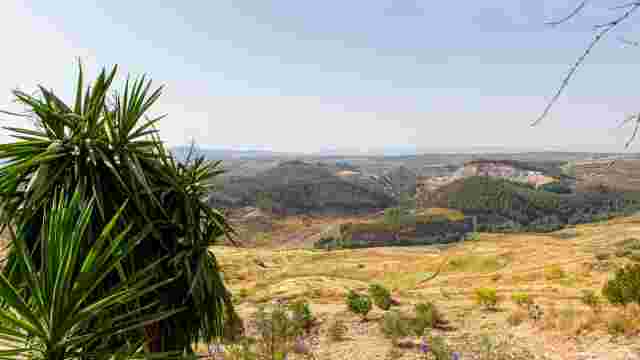
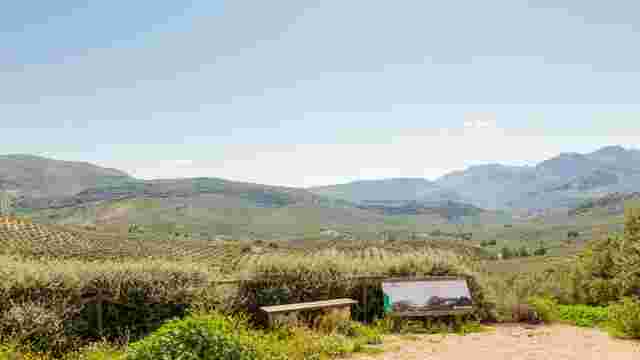
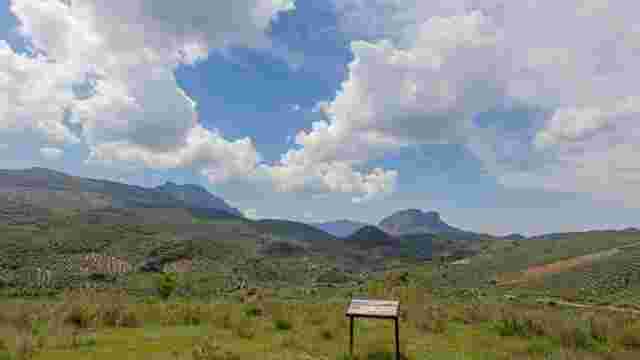
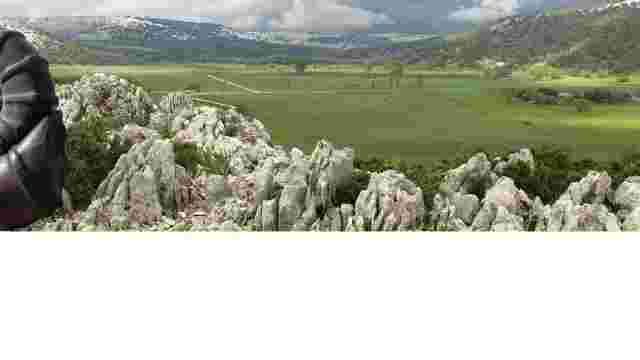
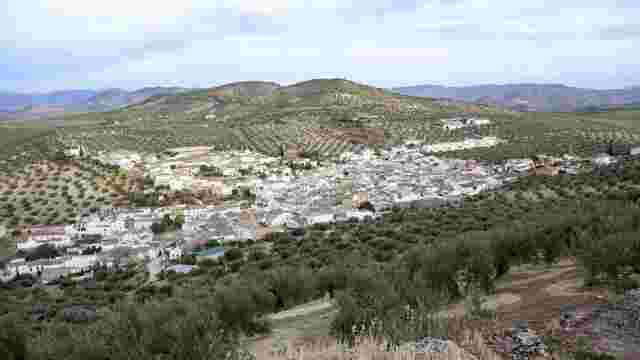
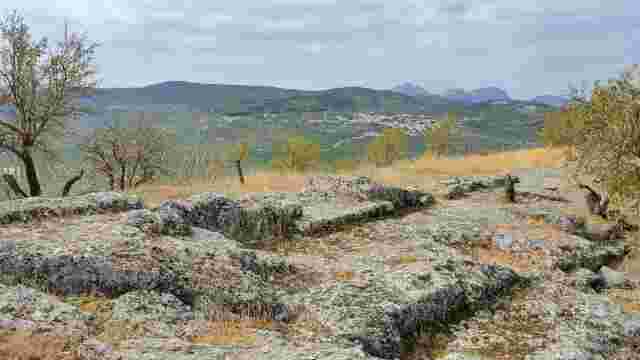
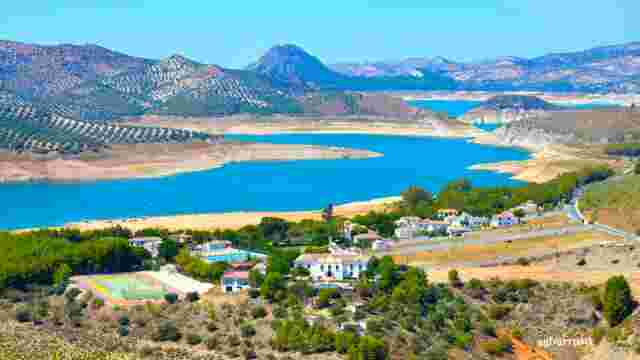
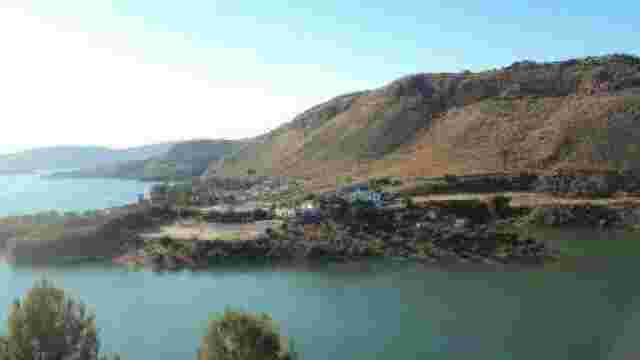
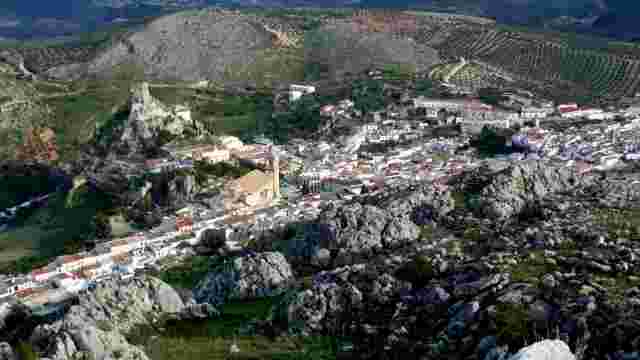
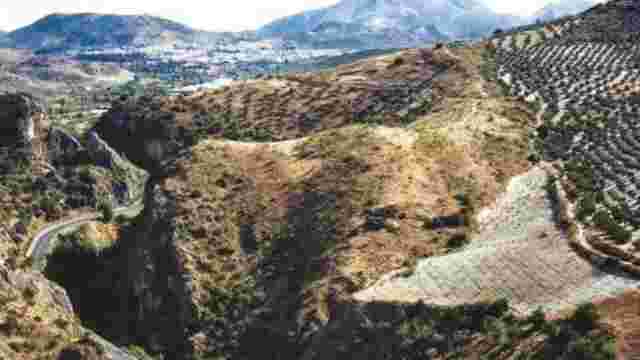
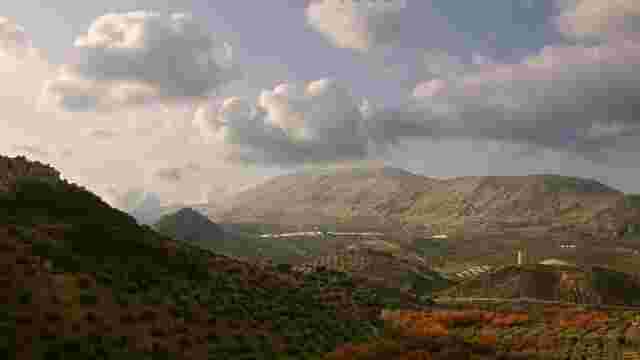
This region is recognised worldwide as one of the most interesting areas for understanding the evolution of these animals.