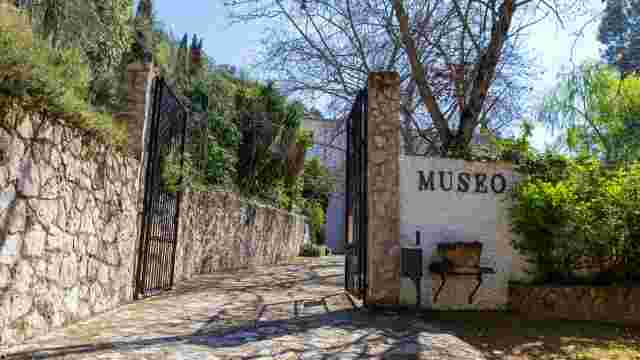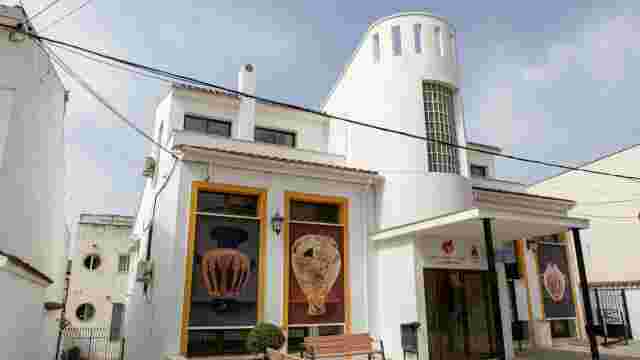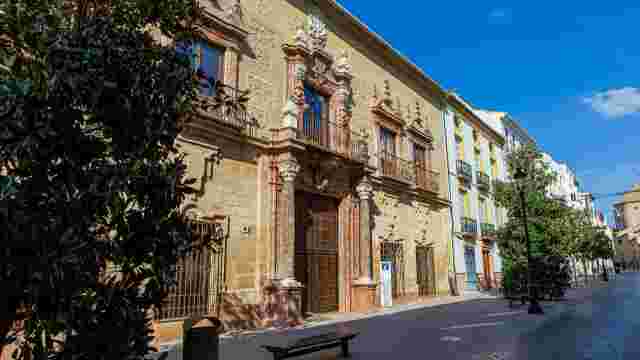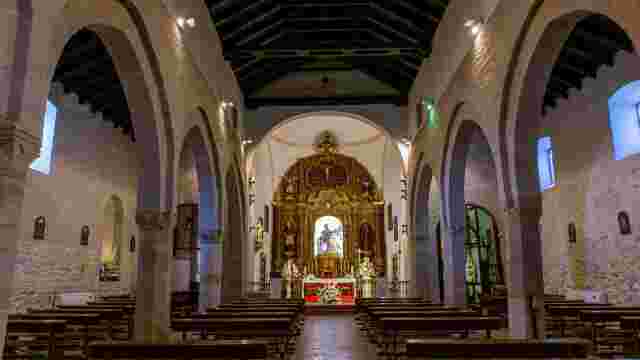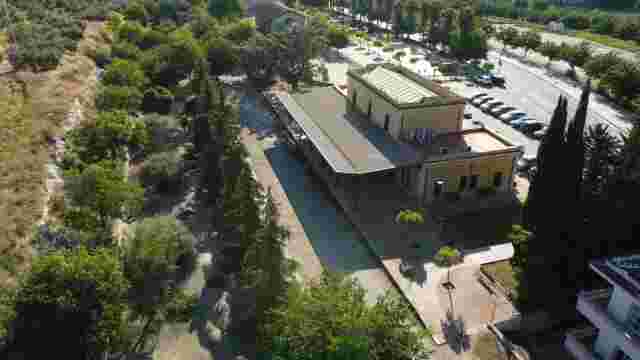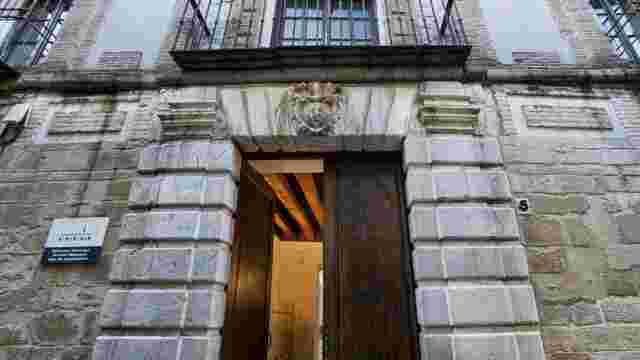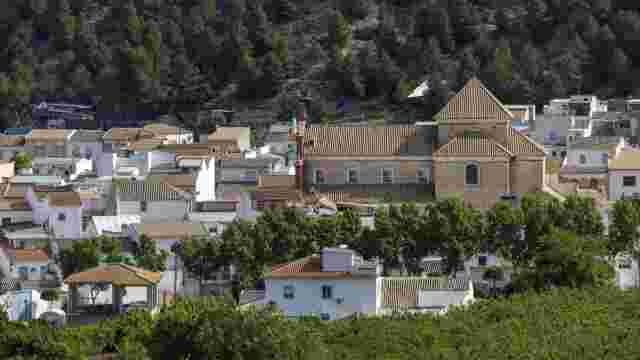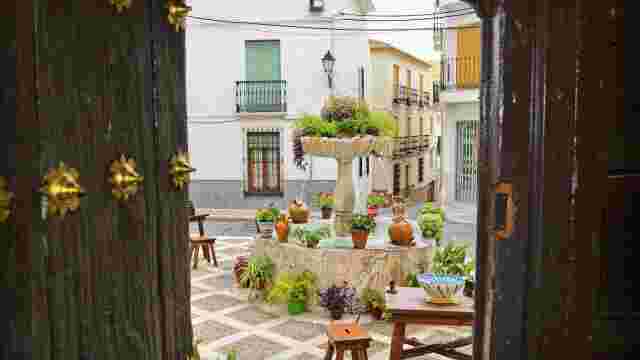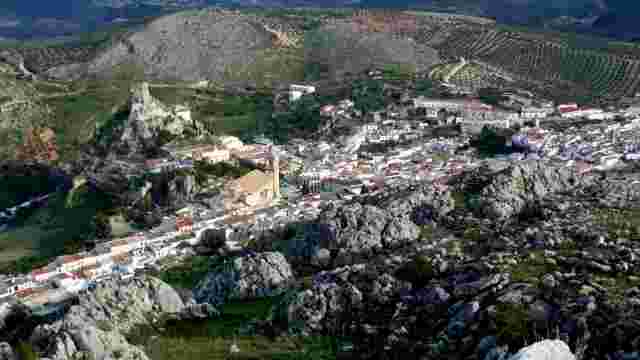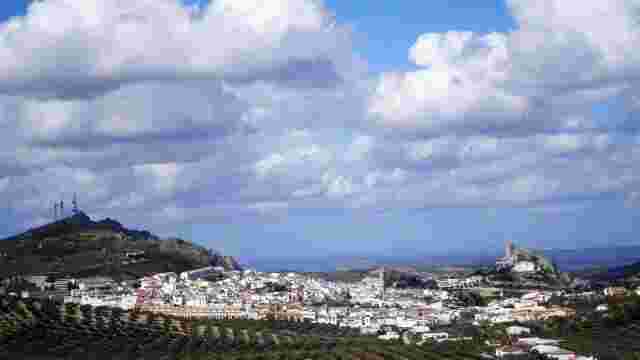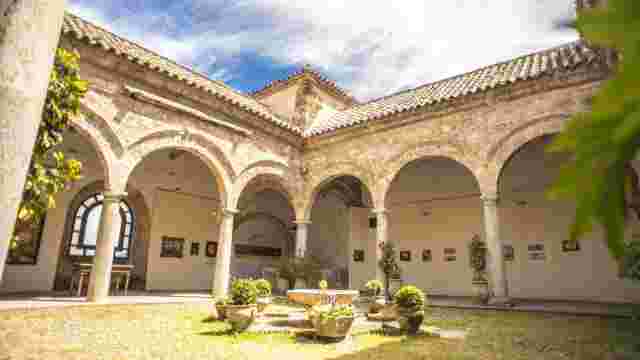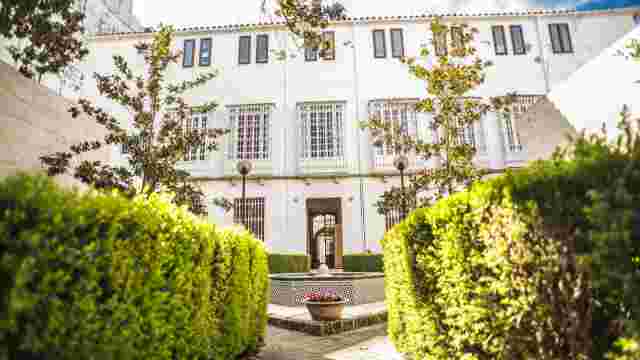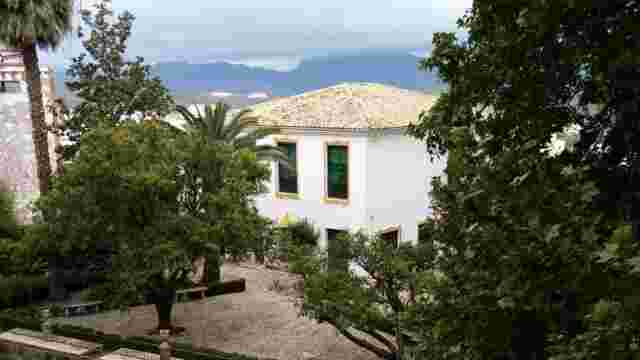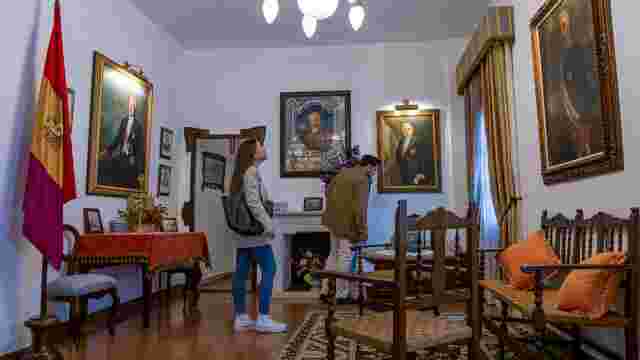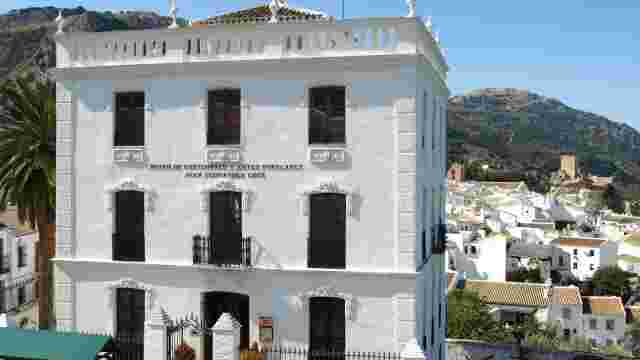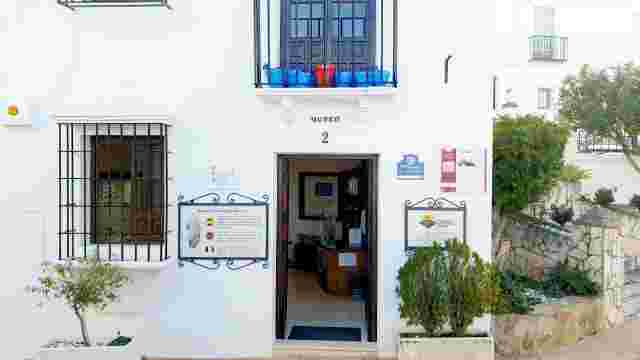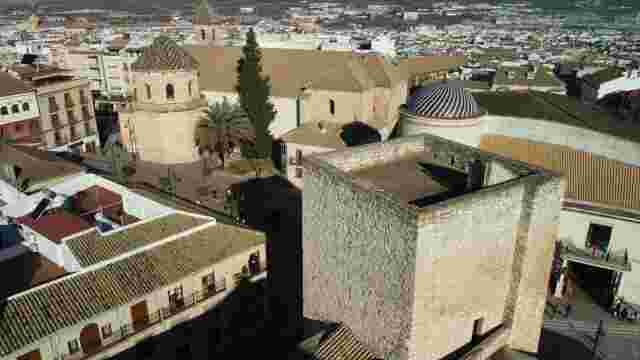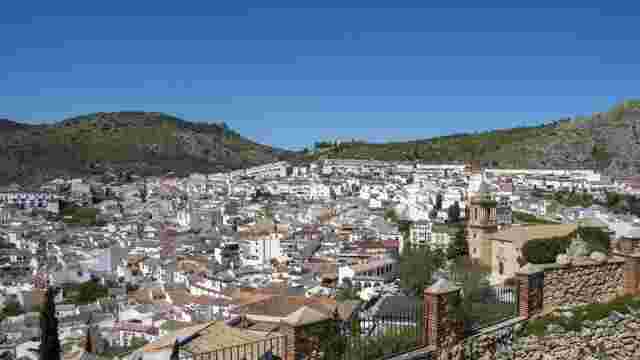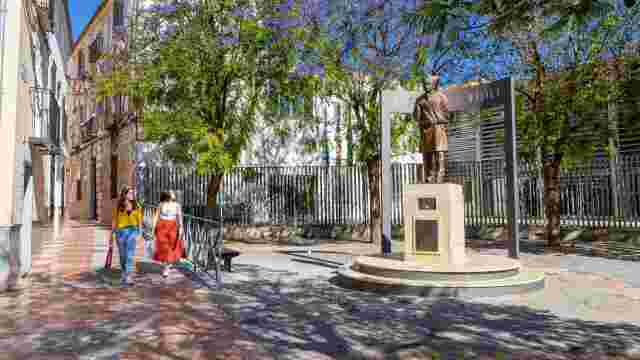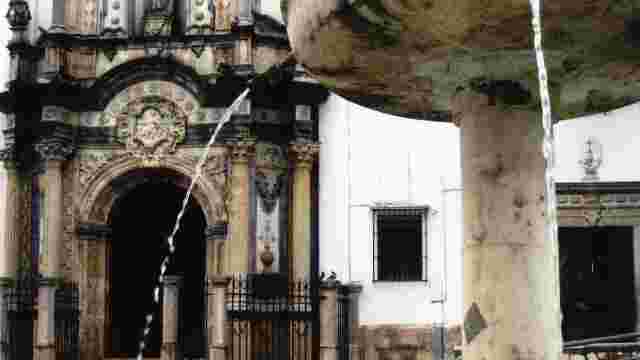
CARCABUEY MUNICIPAL HISTORICAL MUSEUM
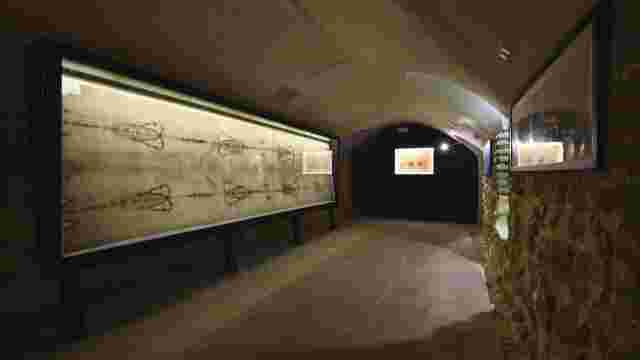
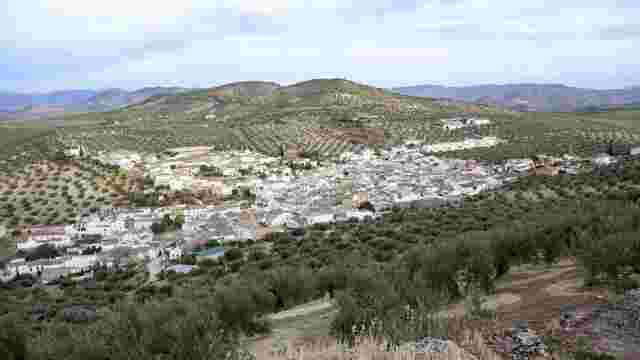
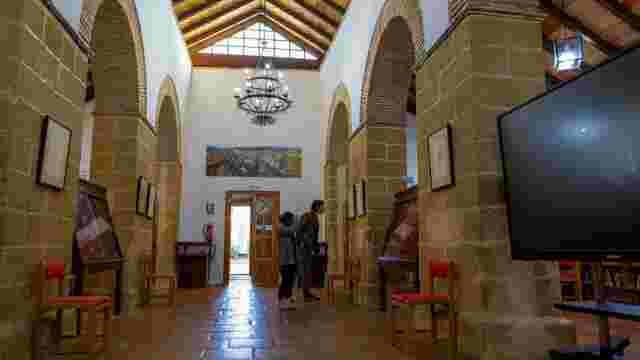
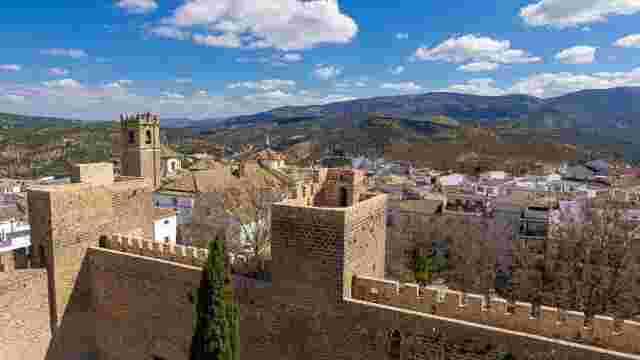
Wander through its rooms and discover the history of a town whose roots stretch back to ancient times.
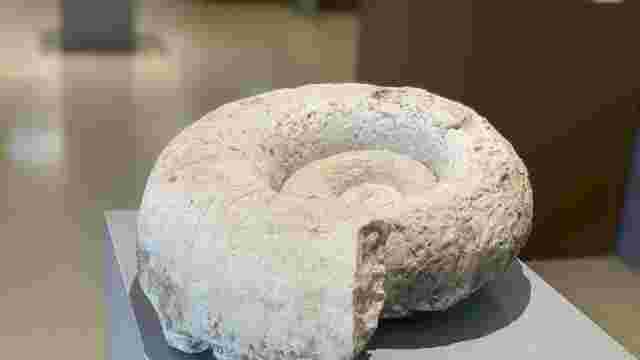
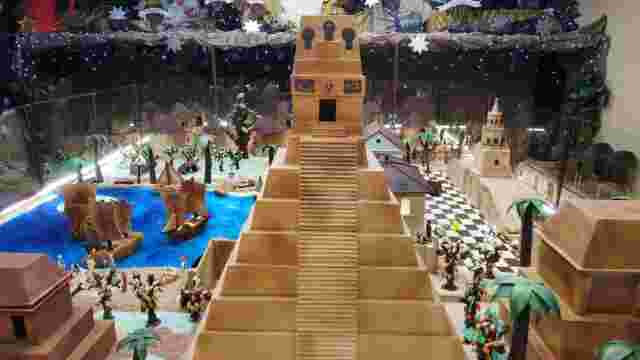
Picture in your mind a landscape that was once an ancient sea and etch the image of petrified animals into your memory.
Witness the evolution of the first human groups to inhabit the area and embark with them on the path of technological development.
Contemplate the arrival of earlier Mediterranean peoples and receive from them the wisdom they have treasured for centuries.
Experience our history first-hand and become part of it; only in this way can you discover the ways of life of the communities that, from prehistoric times to the present day, have shaped our cultural identity.
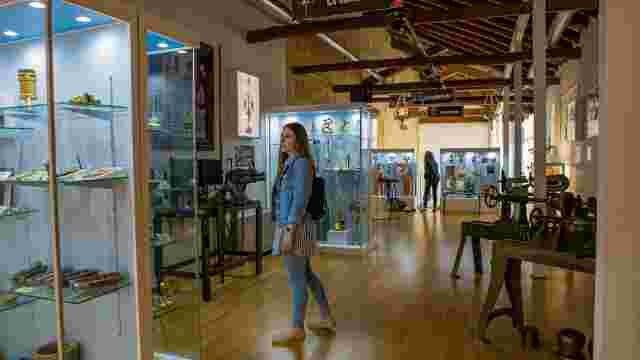
The museum is organised into 7 galleries, distinguished by colour and historical period:
• Gallery 1: The Natural Environment
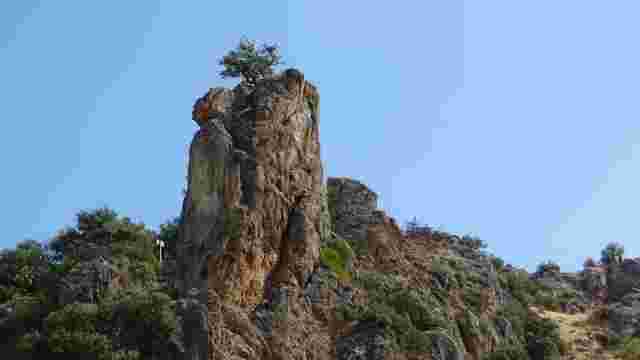
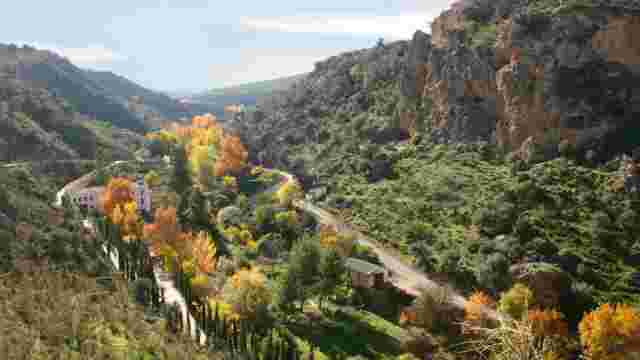
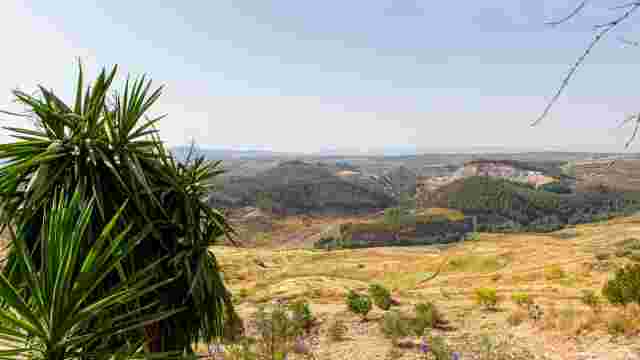
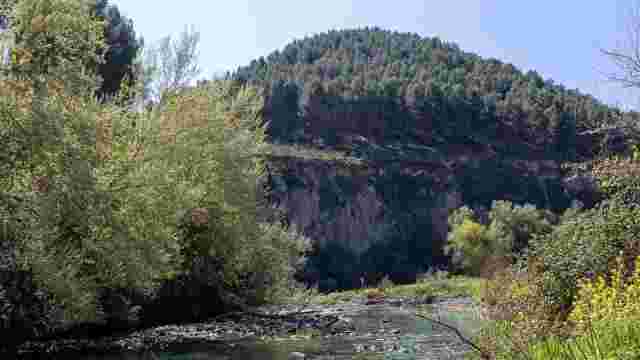
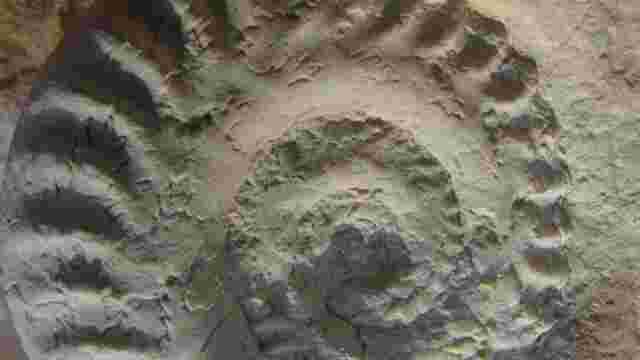
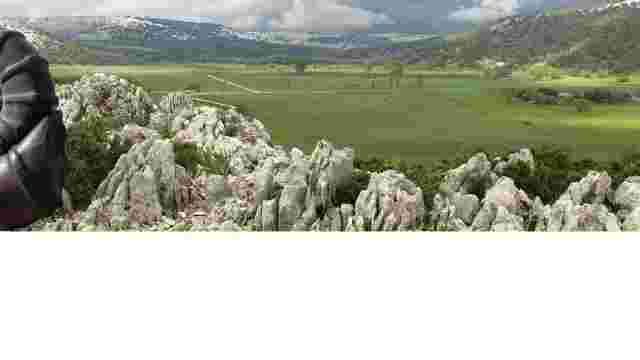
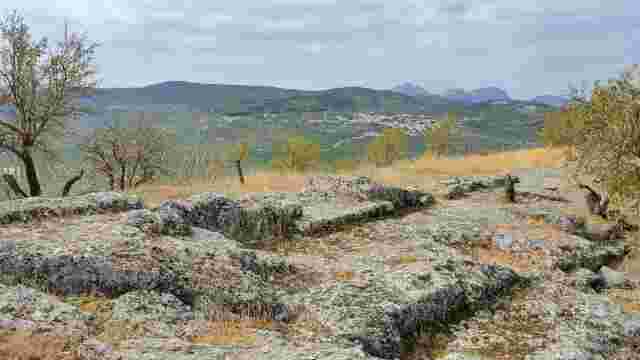
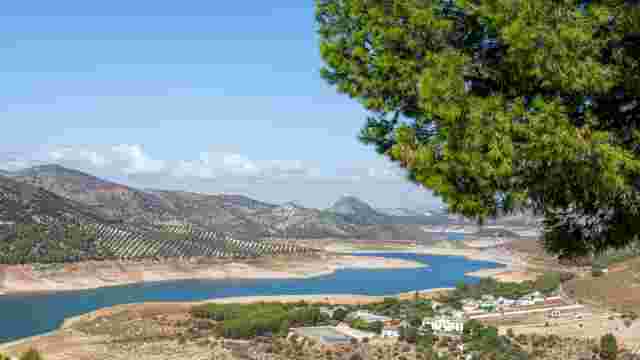
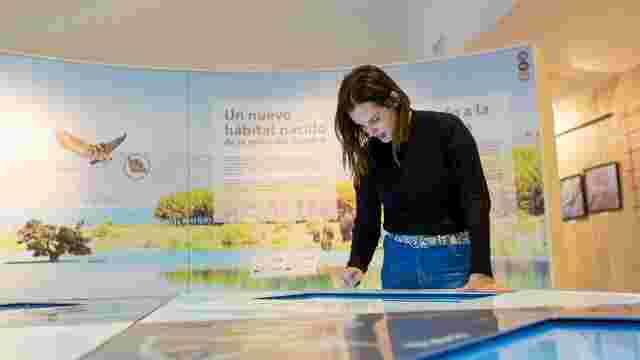
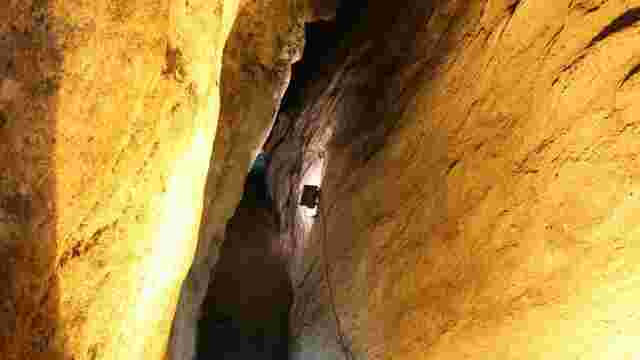
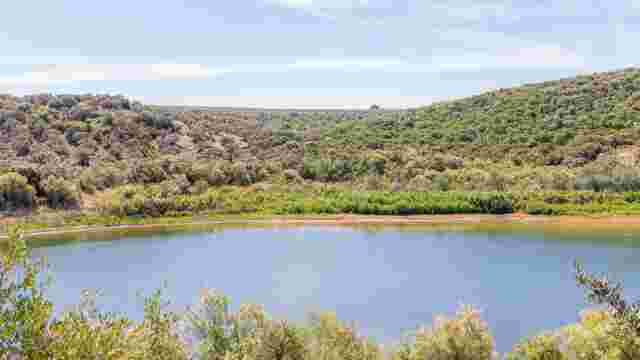
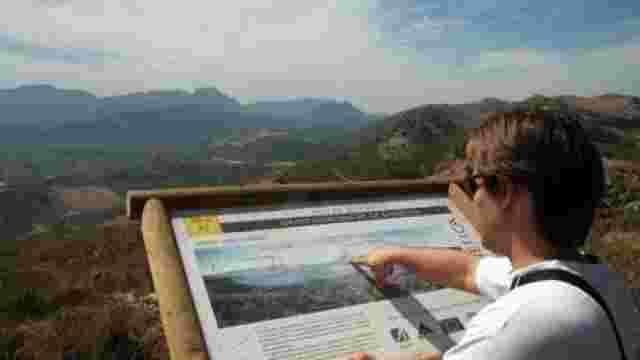
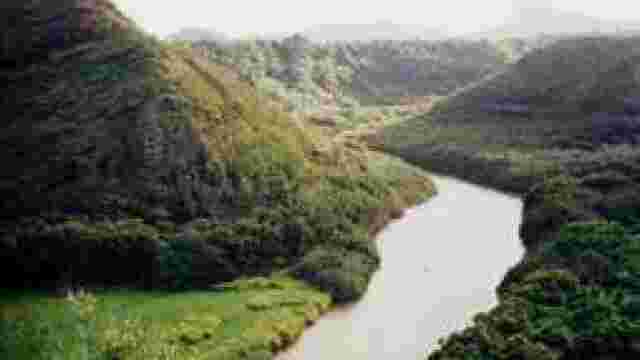
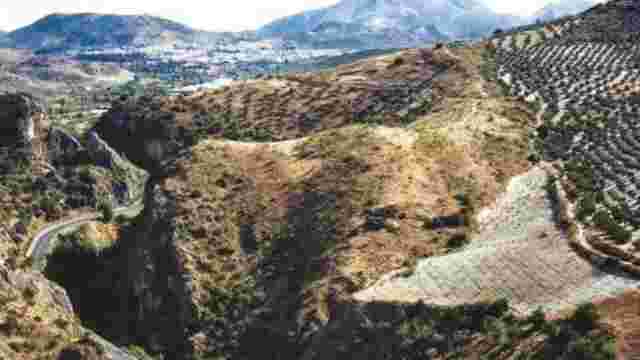
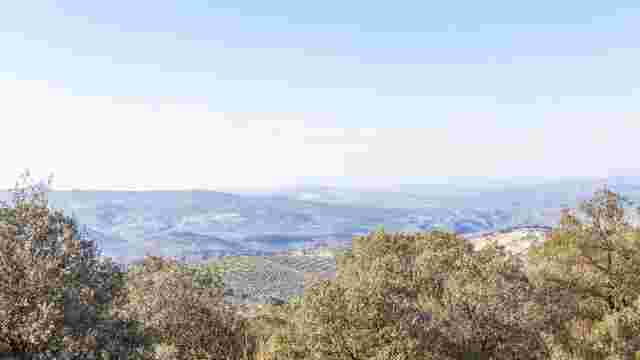
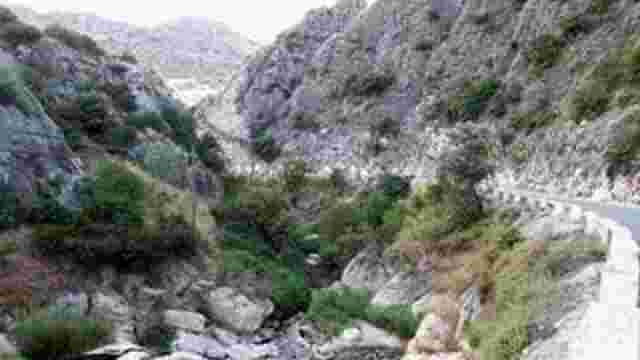
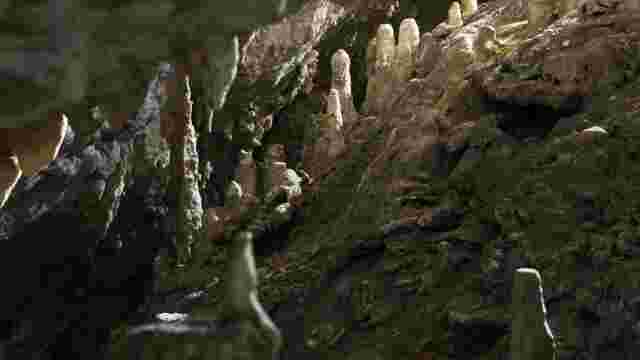
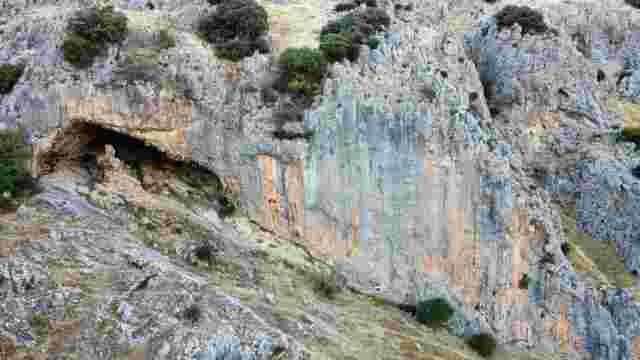
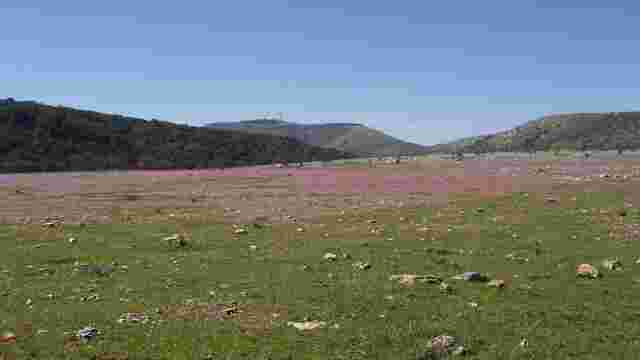
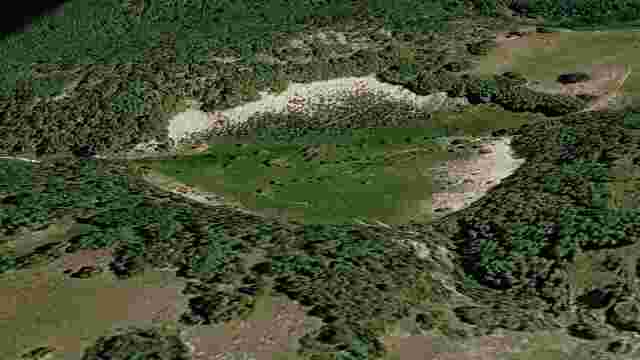
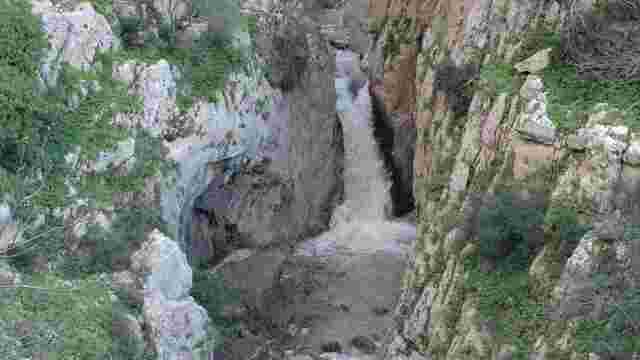
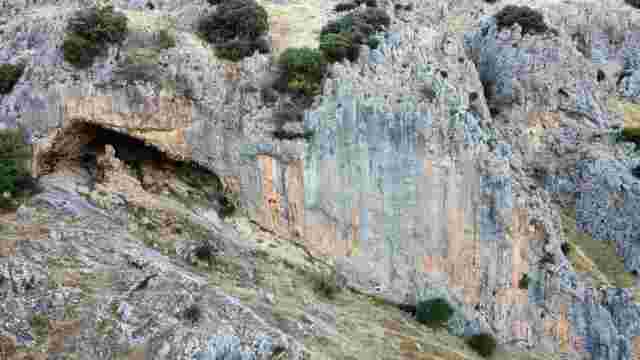
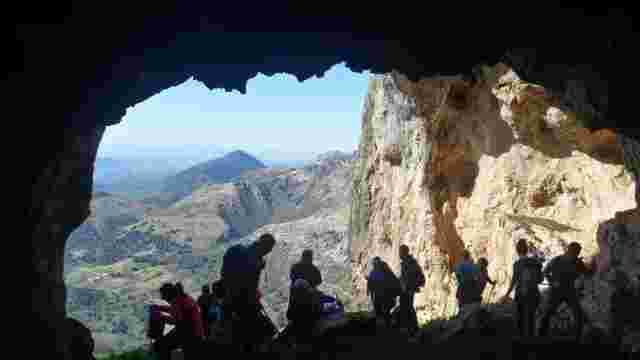
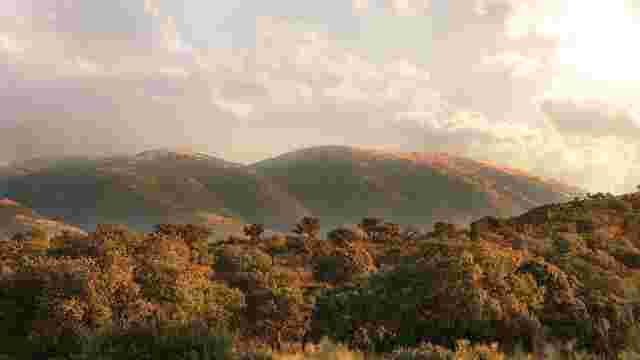
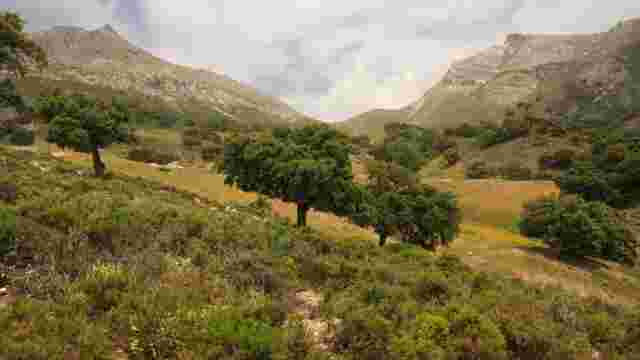
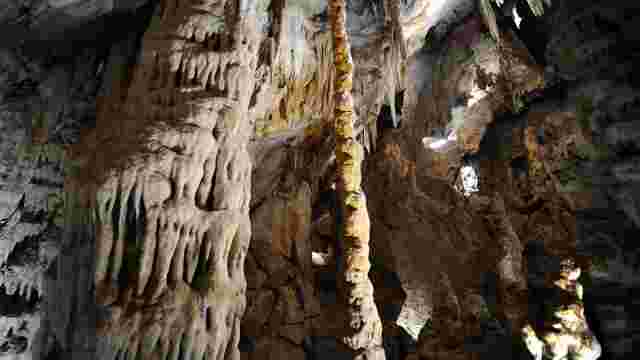
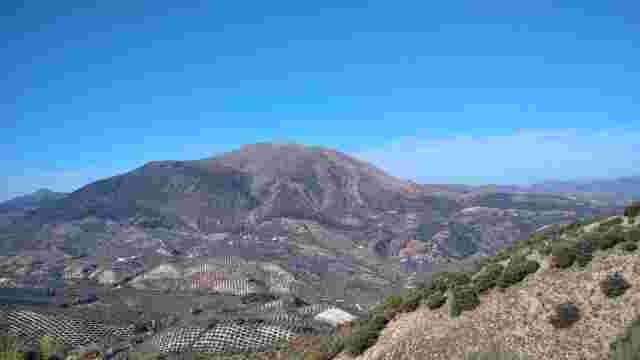
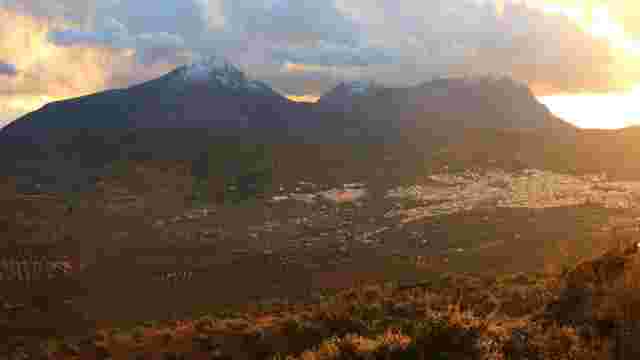
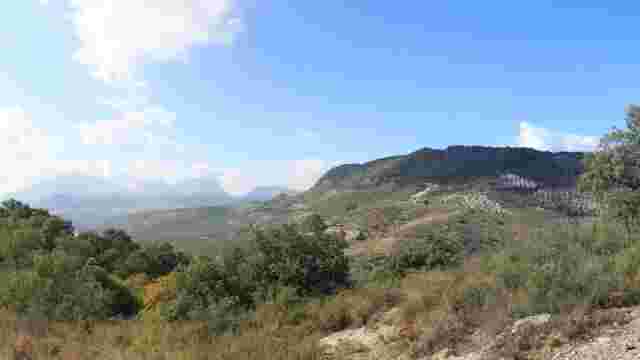
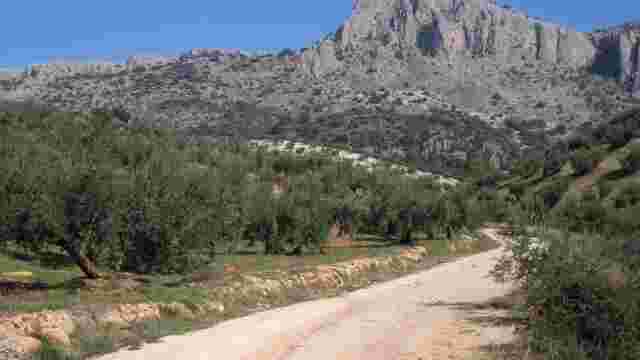
Karst formations and geological and palaeontological riches. The landscapes around us are the result of astonishing geological processes that took place millions of years ago. The sequence of these transformations has been etched into the marl, gypsum, limestone and dolomite rocks, with the imprints of ammonites and sea urchins still visible.
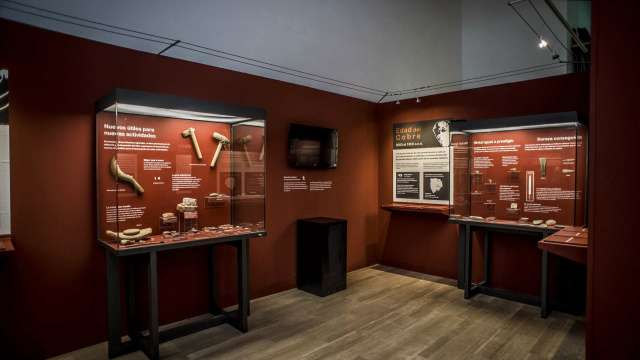
• Room 2: Prehistory Room
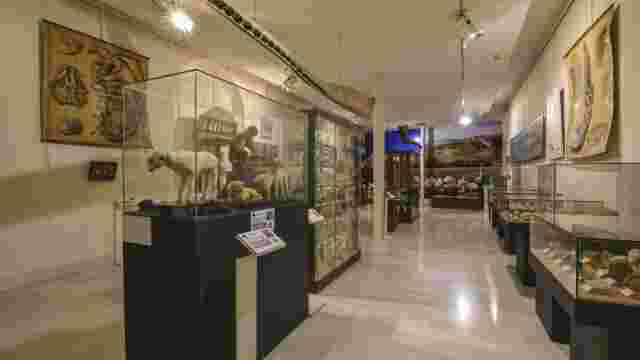
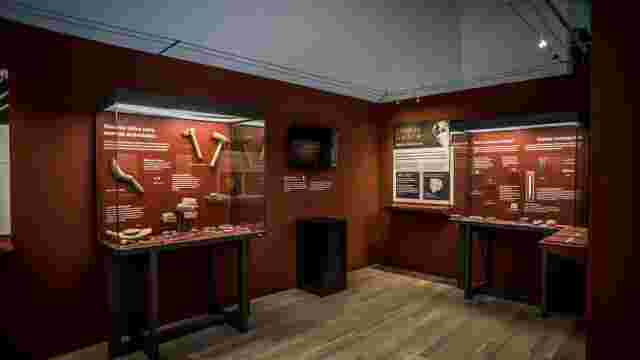
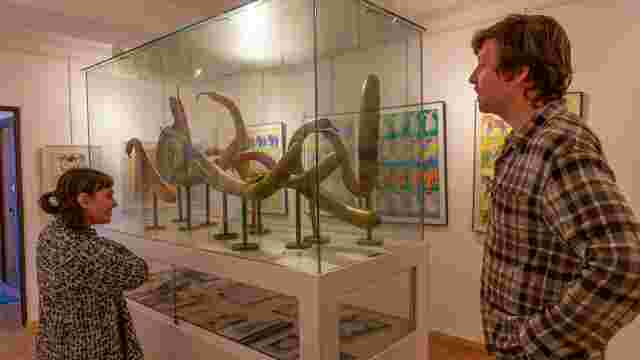
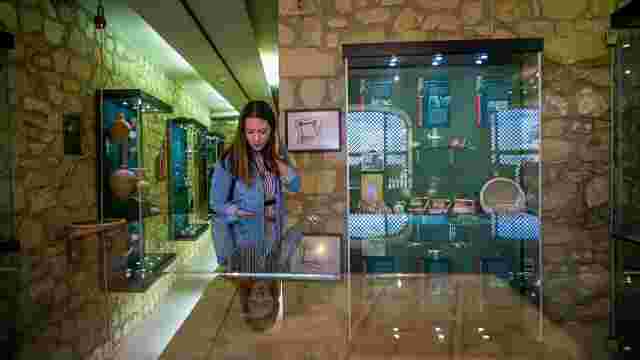
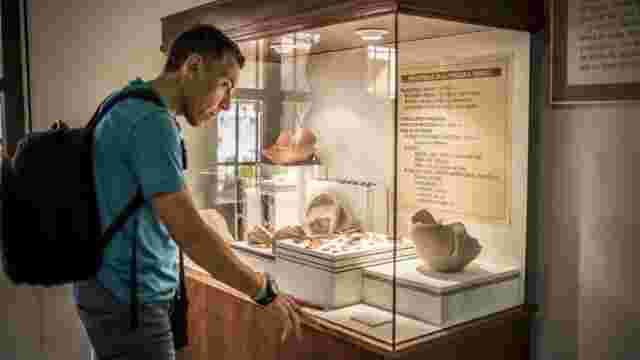
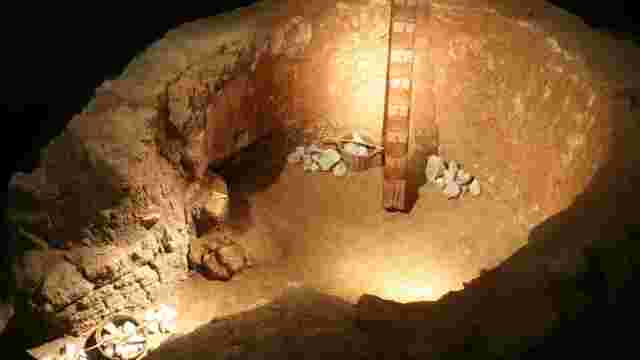
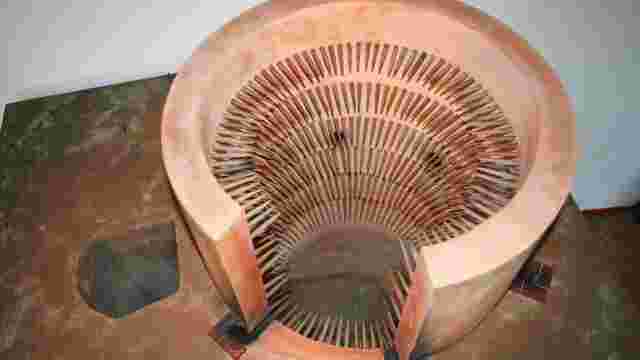
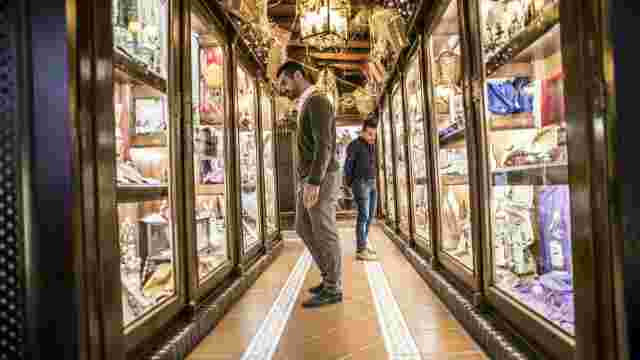
The display cases contain artefacts from the Stone Age – Palaeolithic and Neolithic – and the Metal Ages, Copper and Bronze. Prehistoric communities obtained raw materials from nature (bone, wood, copper, flint, etc.) with which to make containers, clothing and tools for their daily lives.
• Room 3: Protohistory Room
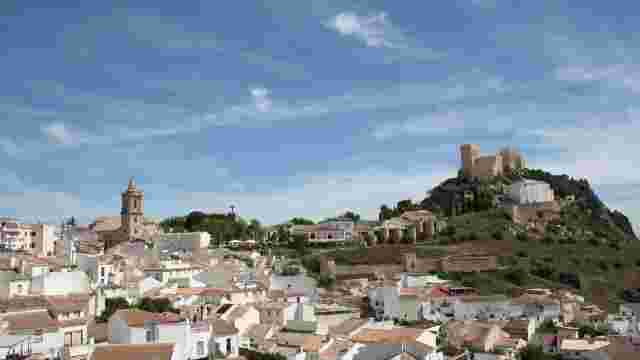
This room displays artefacts from the Tartessian and Iberian periods. Of particular note is the 7th-century ‘Cruz del Negro’ type ceramic urn (Orientalising Period), found on the Cerro del Castillo.
• Room 4: Roman Room
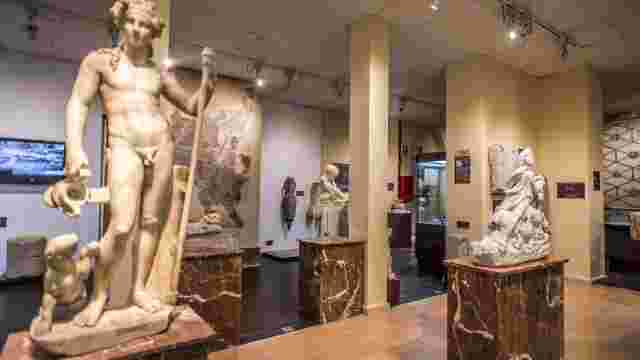
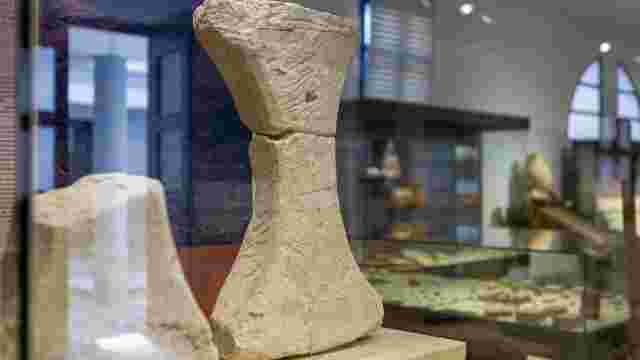
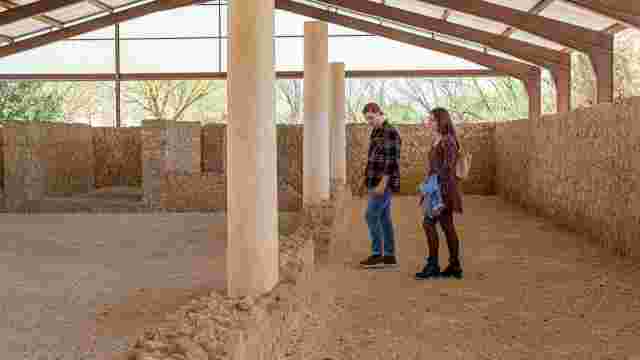
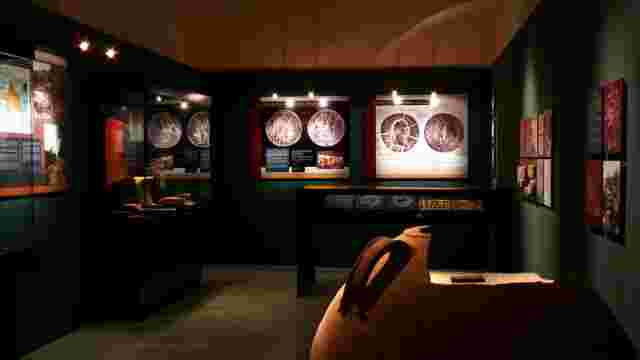
Artifacts from the Roman period are on display, with the epigraphy being particularly interesting, as it demonstrates the importance of the Roman town of Ipolcobúlcola (Carcabuey), as well as millstone bases from oil mills, dolium-type ceramic containers, ceramic materials, etc.
• Room 5: Medieval Room
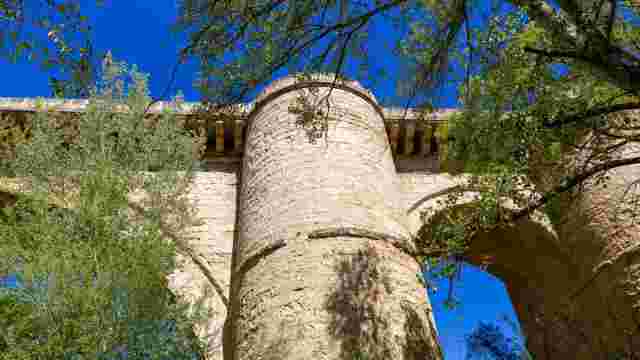
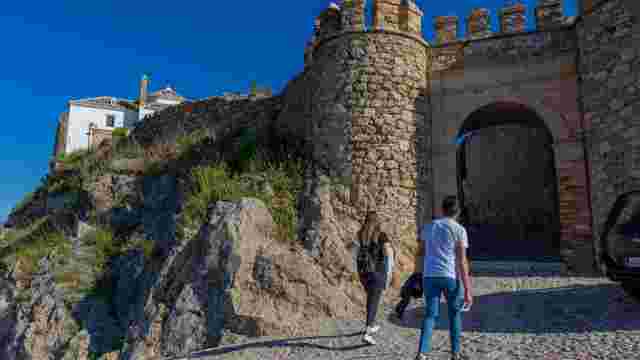
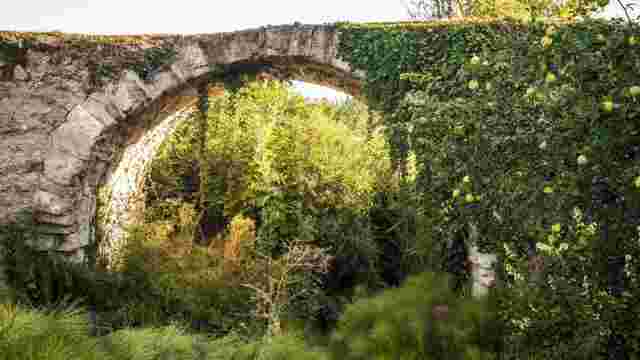
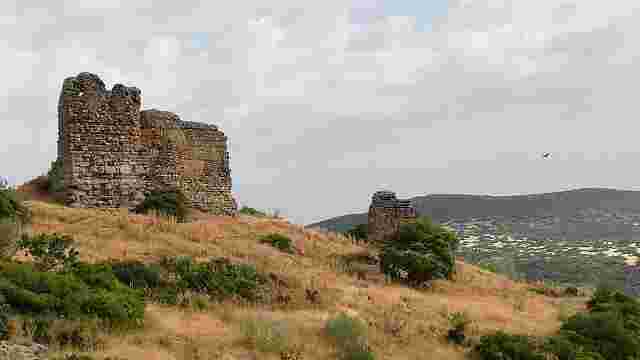
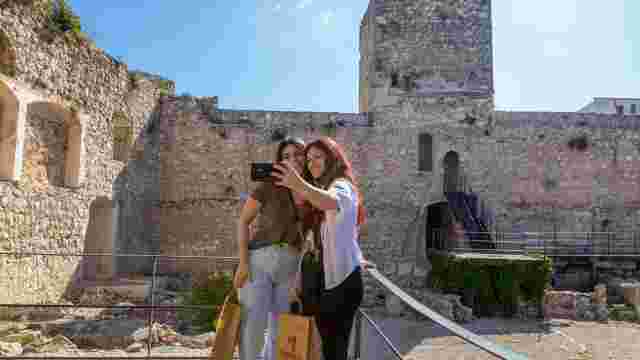
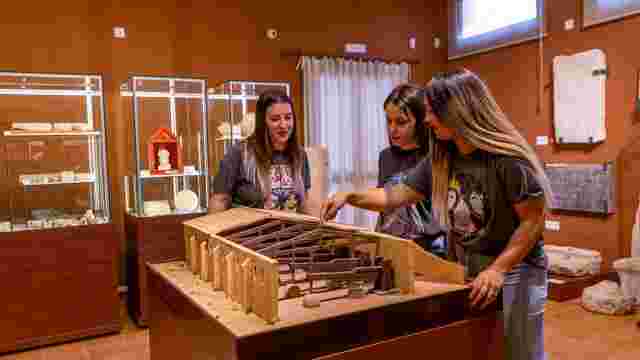
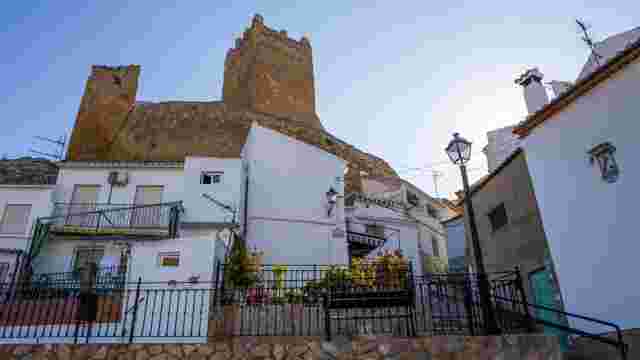
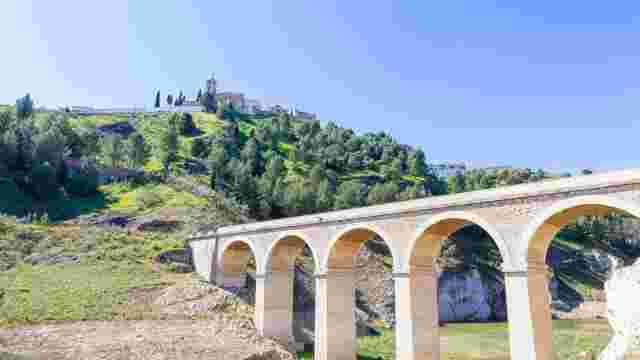
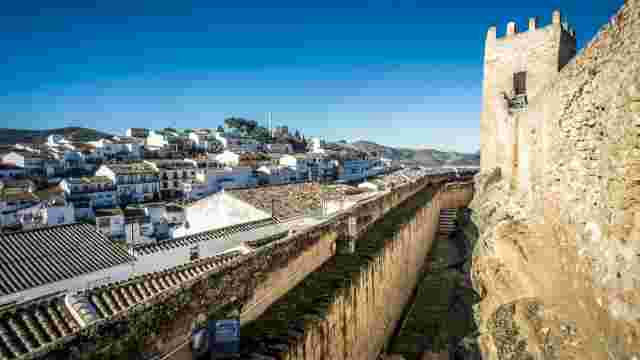
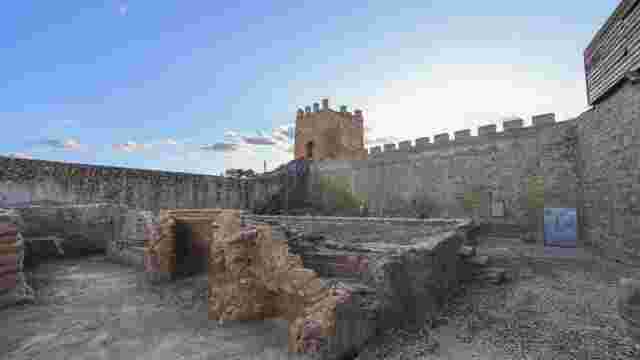
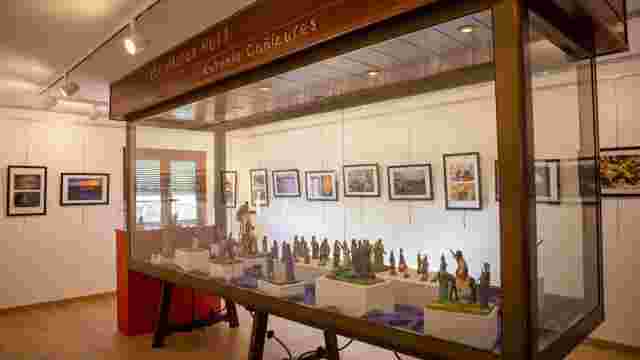
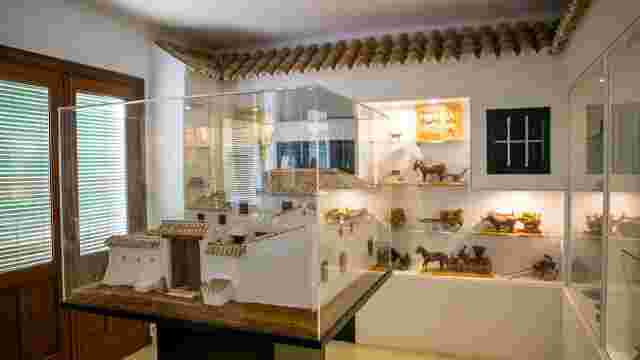
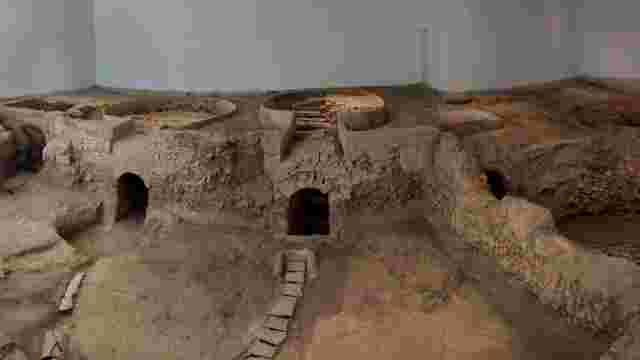
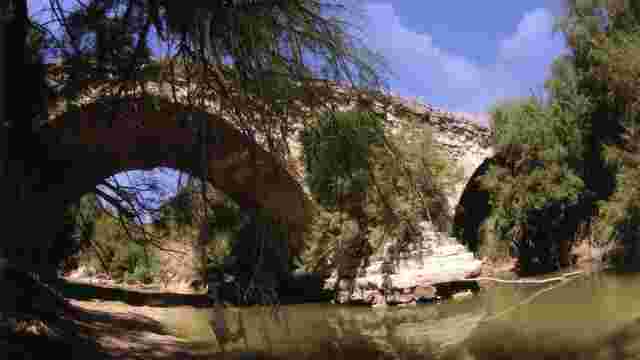
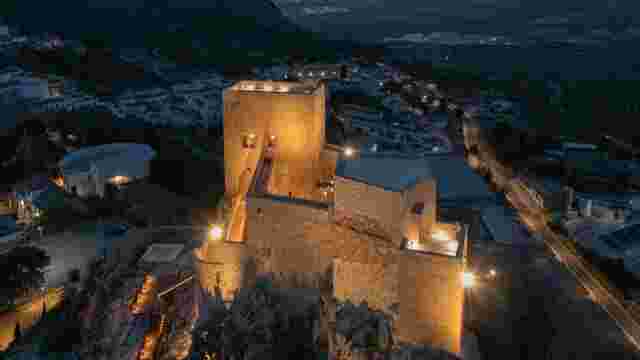
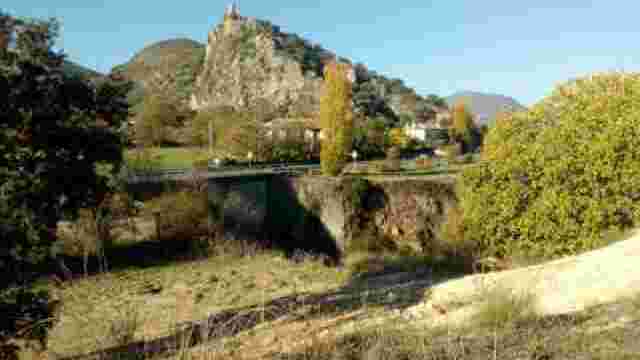
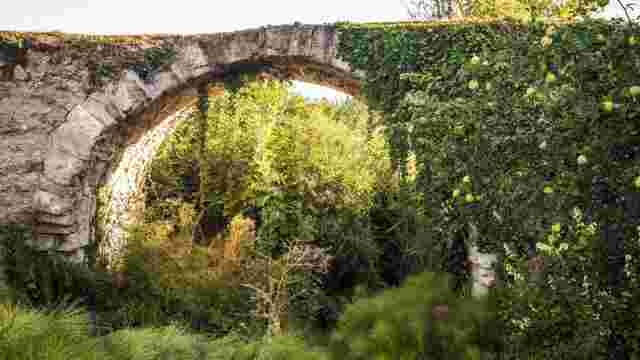
It consists of two sections: the Visigothic period, represented by metal artefacts, and the Arab-Andalusian and Castilian periods. It is complemented by two models of the Castle and Puente Piedra.
• Room 6: Modern Room
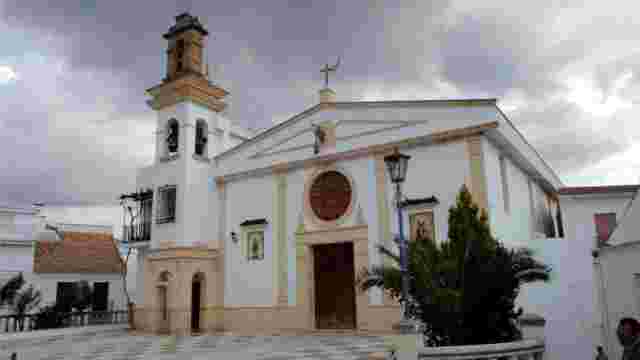
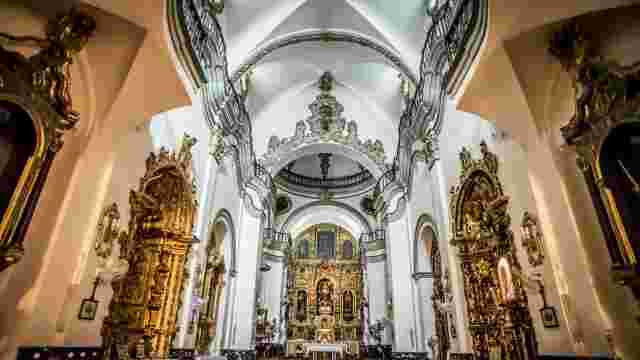
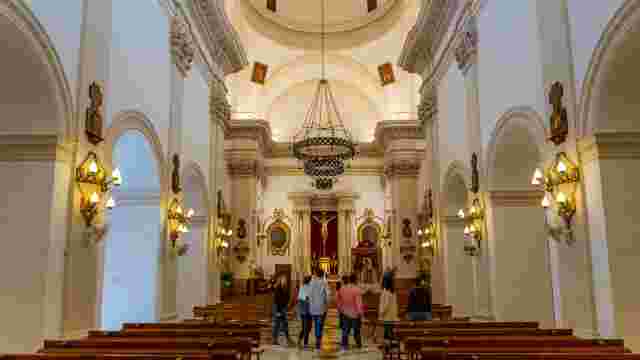
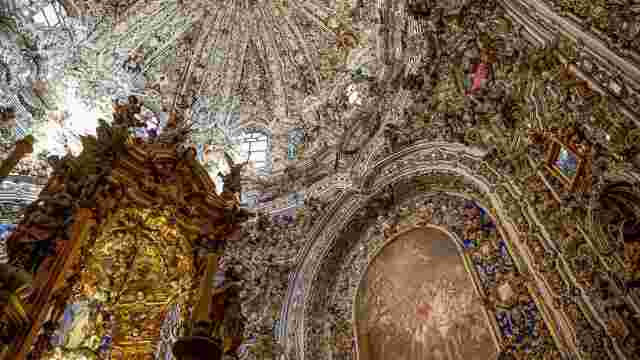
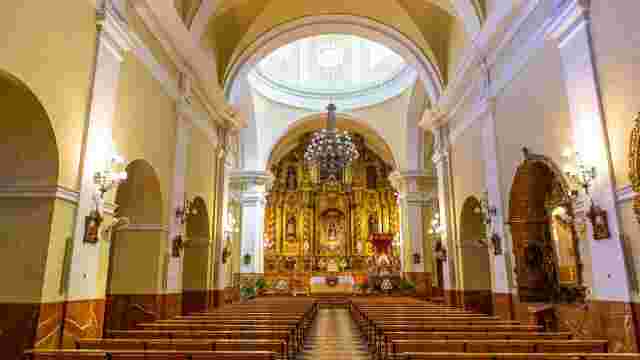
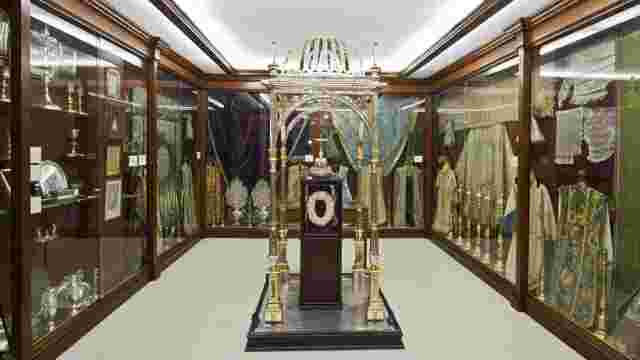
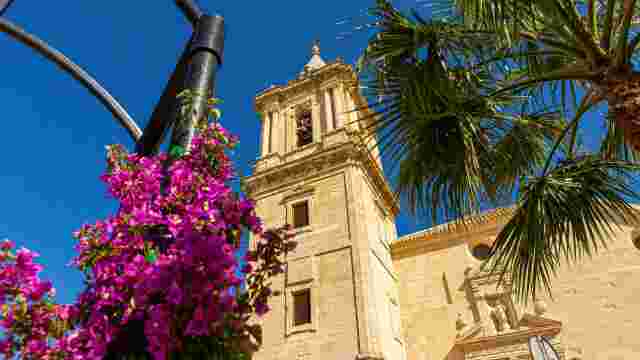
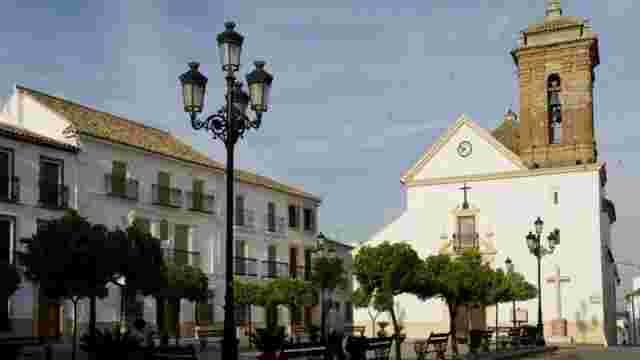
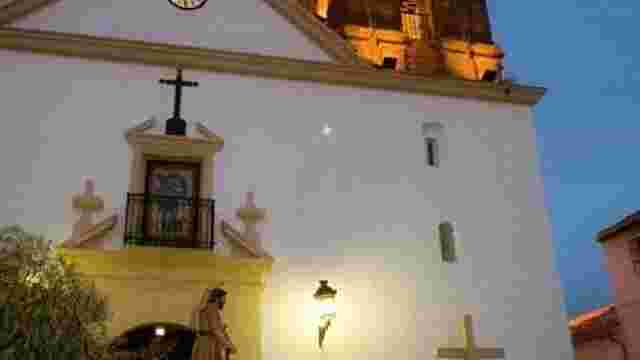
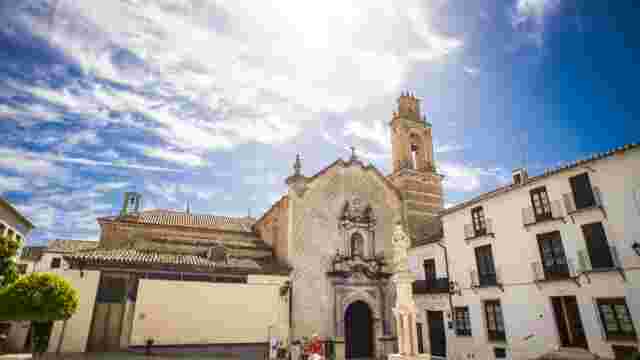
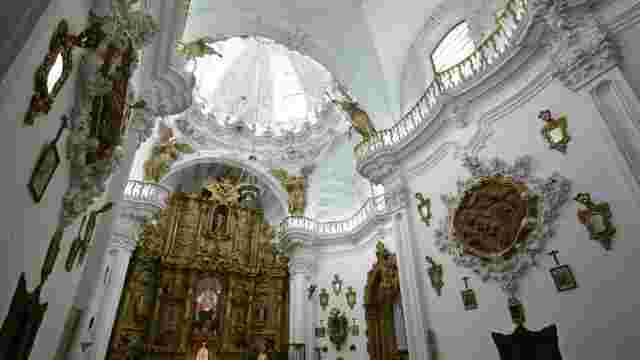
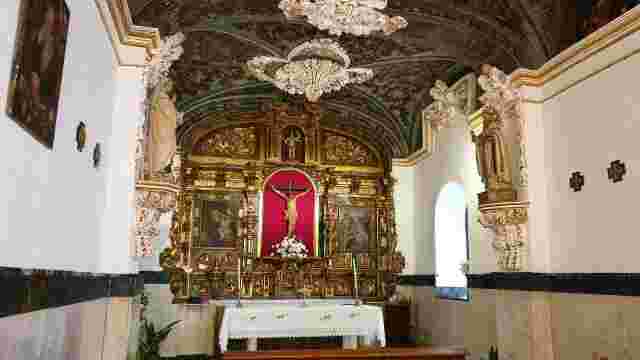
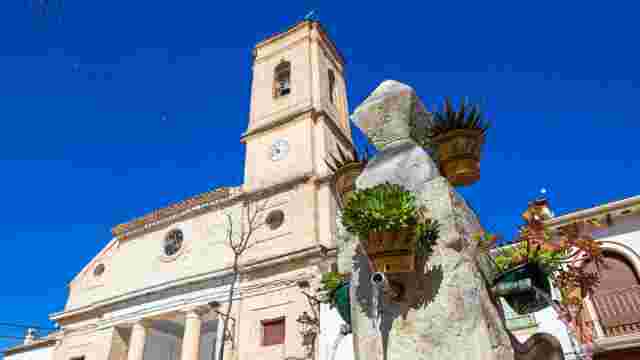
It is documented primarily through information panels, complemented by an overview of Baroque architecture and a model of the Church of La Asunción.
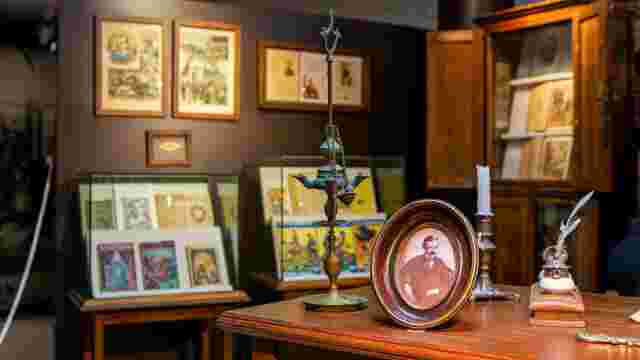
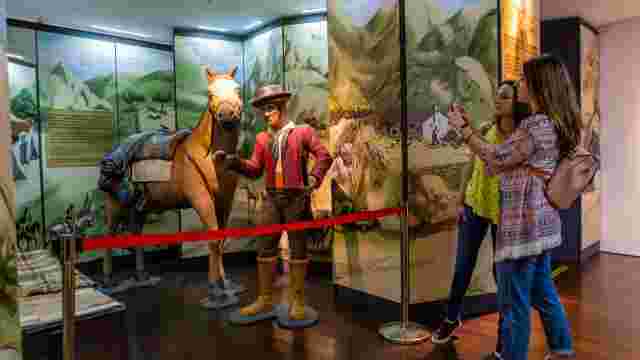
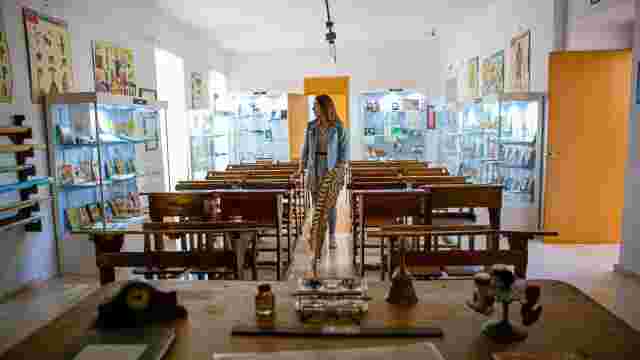
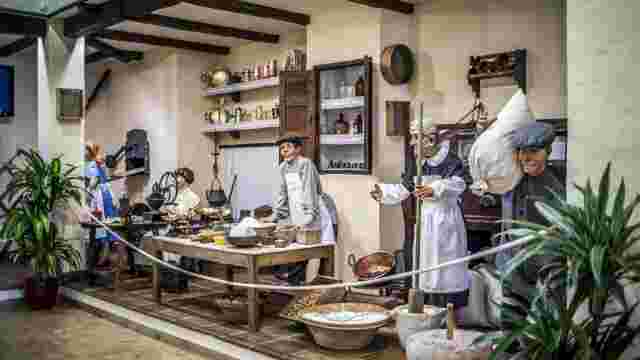
• Room 7. 19th and 20th Centuries: this room documents the historical, social, economic and political situation experienced by Carcabuey during these two centuries. It is characterised as an era of light and shadow, in which the municipality made great strides, such as the conversion of paths into cobbled streets, but also suffered setbacks, such as political patronage, unemployment and illiteracy.
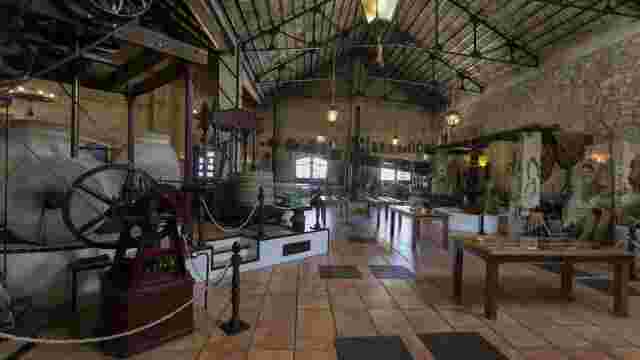
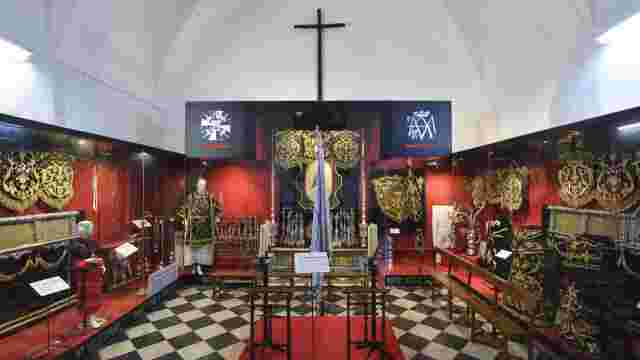
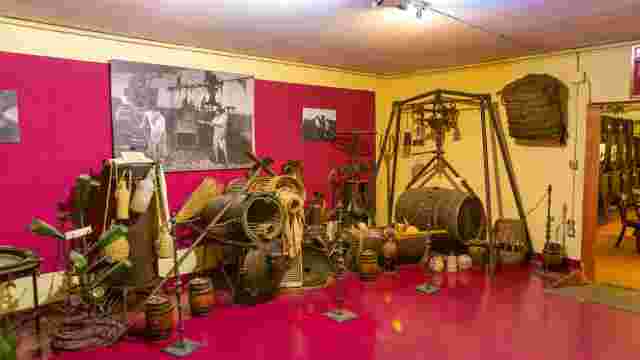
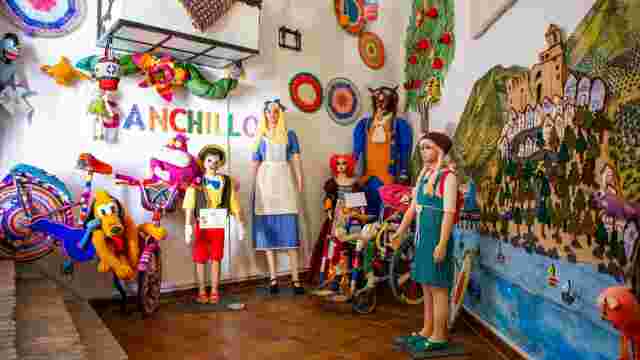
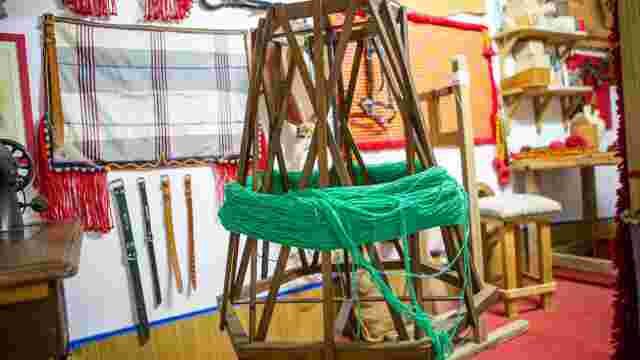
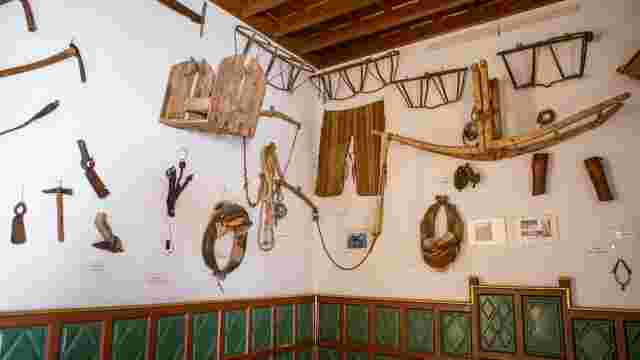
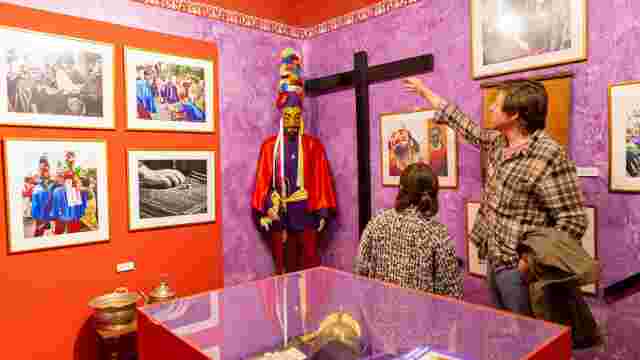
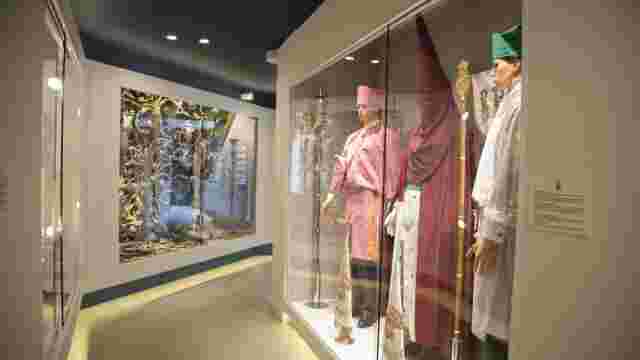
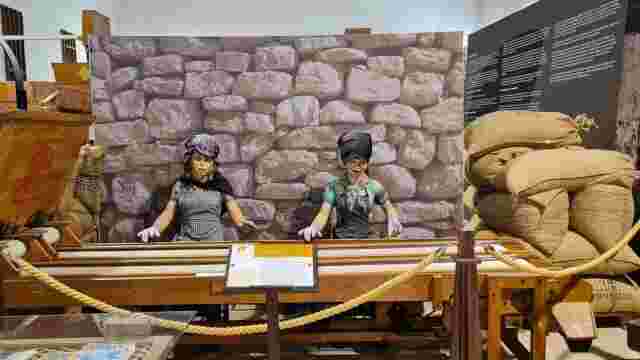
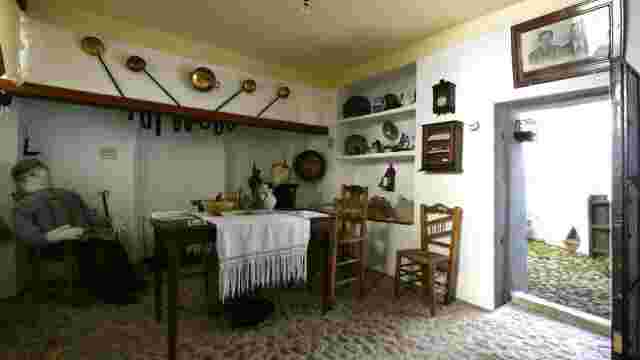
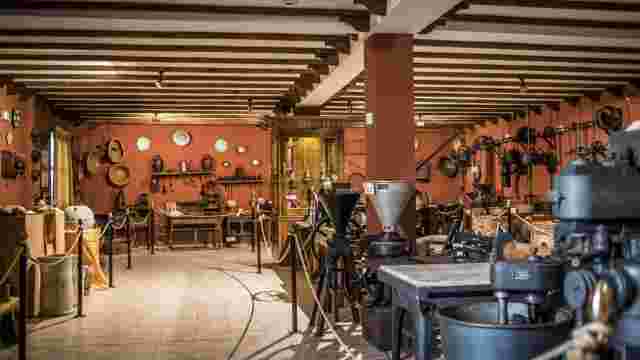
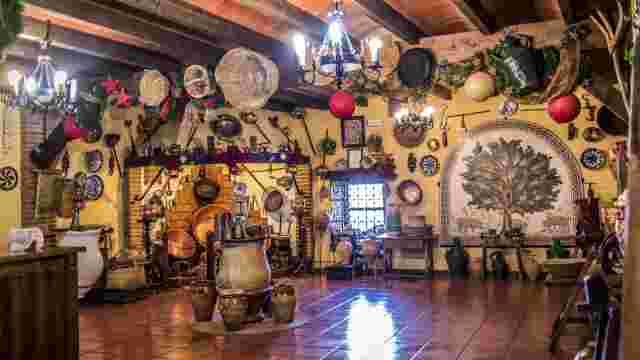
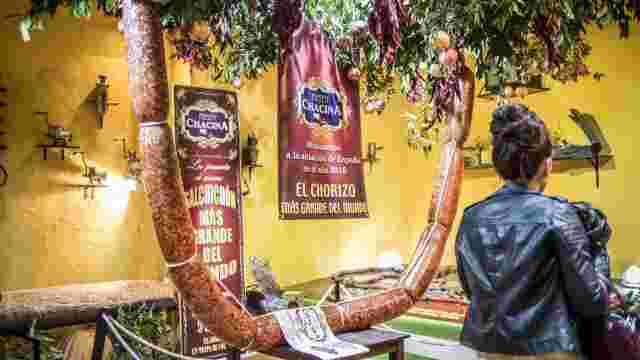
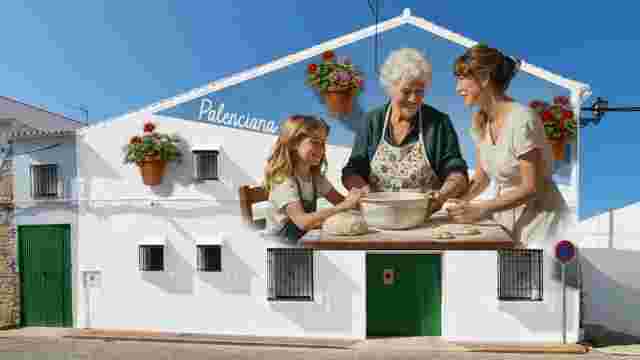
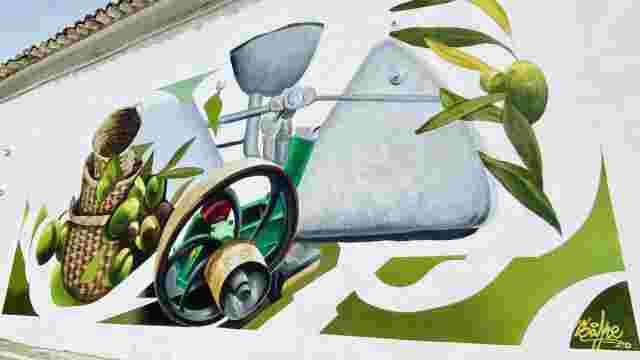
• Contemporary Gallery: A gallery covering the 19th, 20th and 21st centuries, dedicated to the town’s ethnological heritage, such as its festivals, customs, traditions and cuisine, notably olive oil and quince, which shape the identity and uniqueness of the people of Carcabuey.