The River Anzur
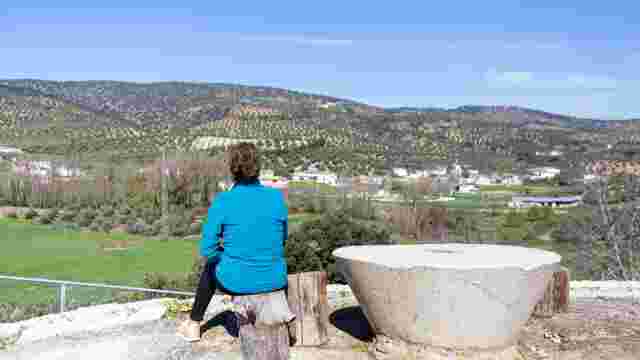
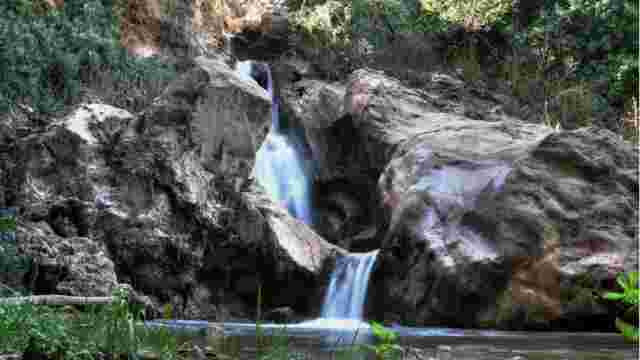
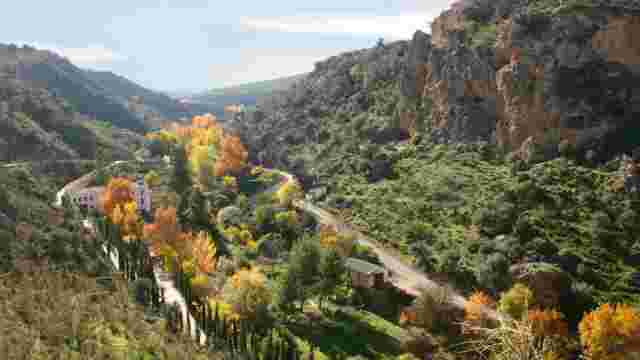
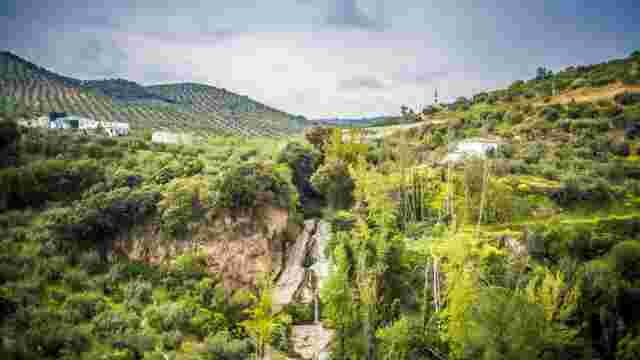
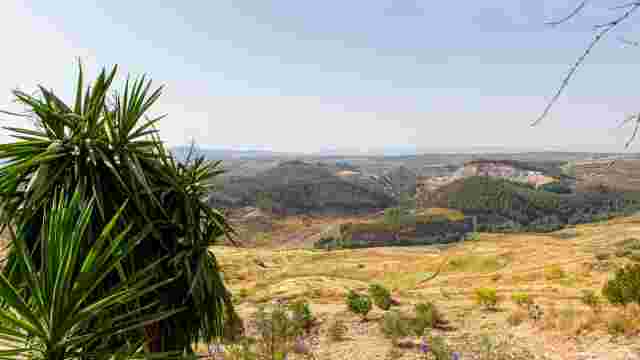
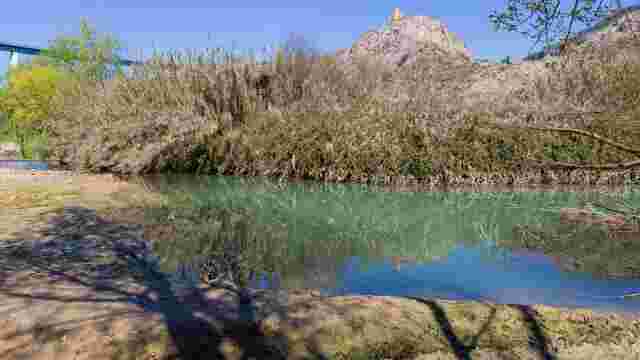
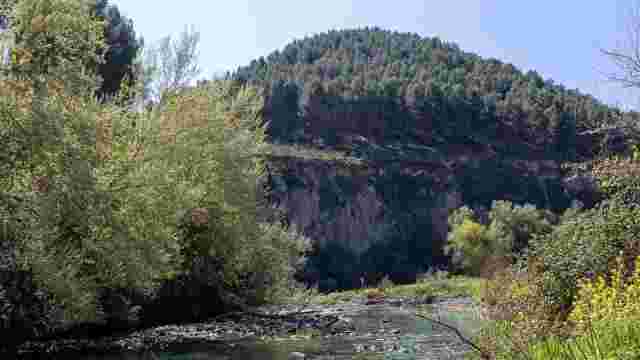
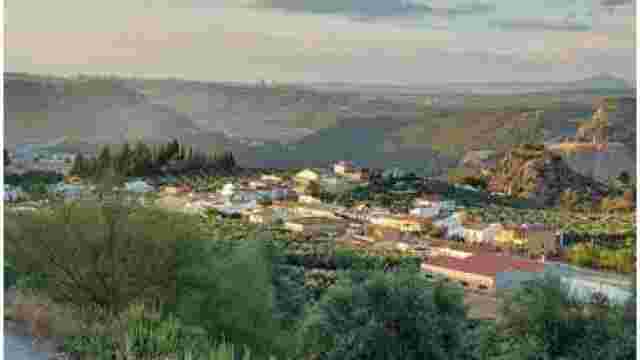
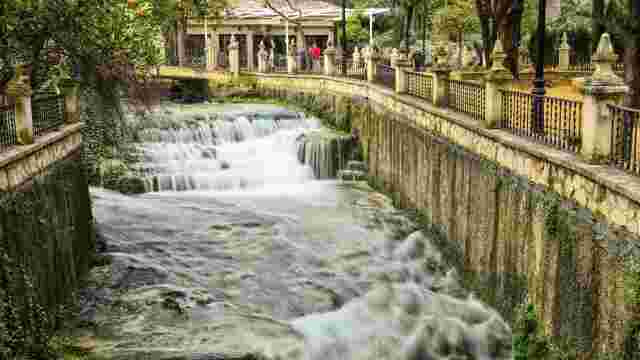
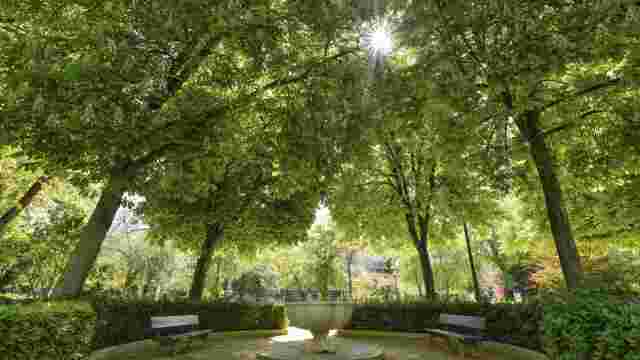
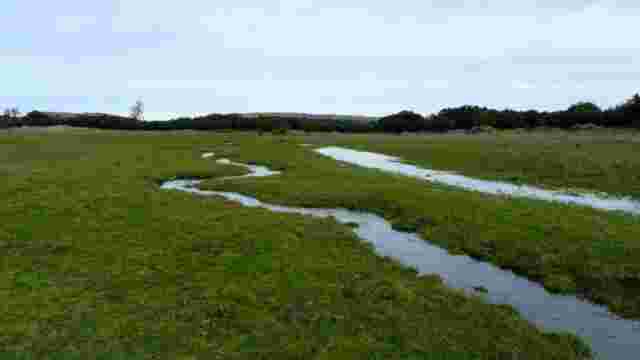
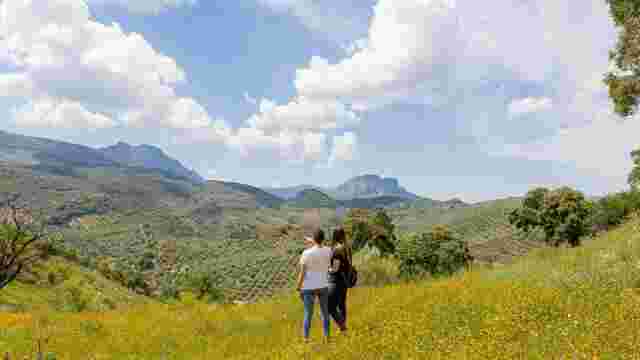
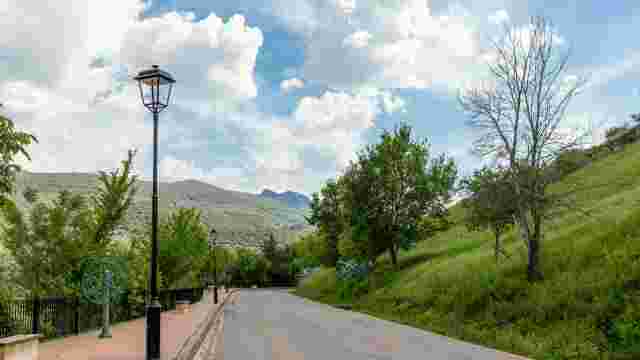
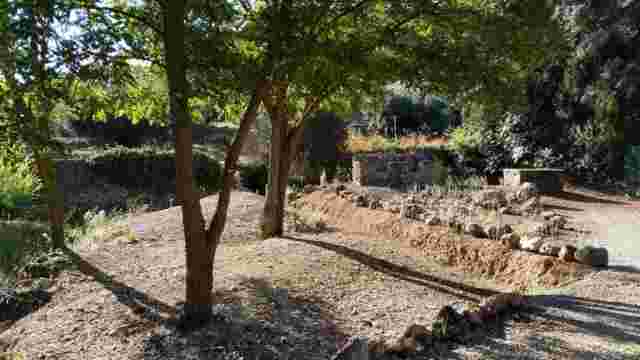
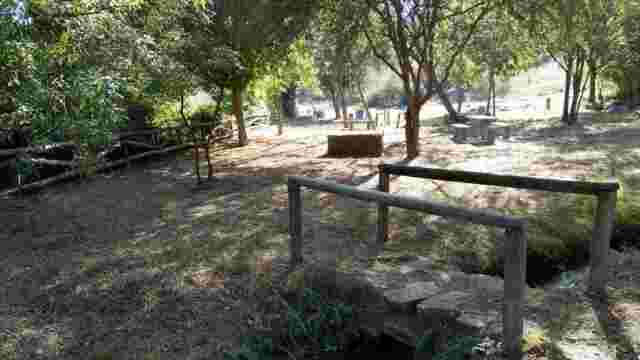
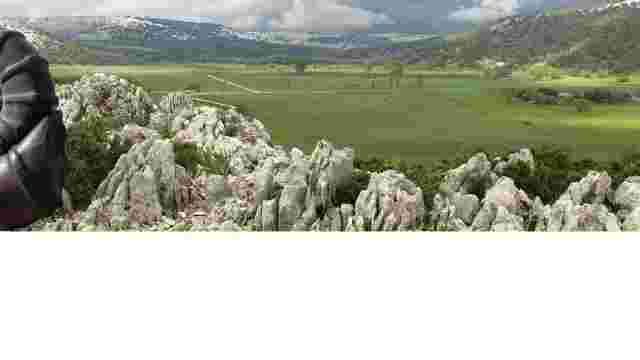
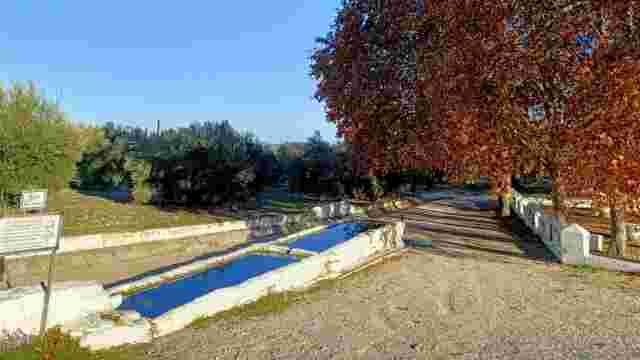
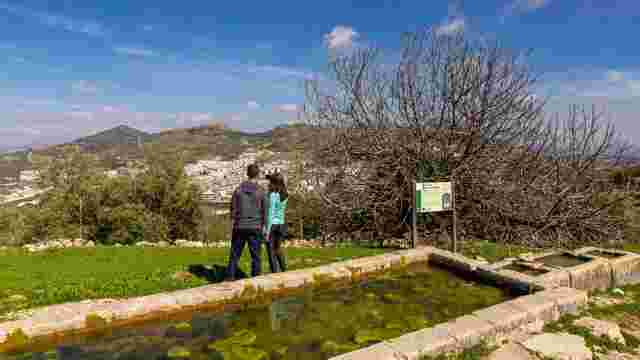
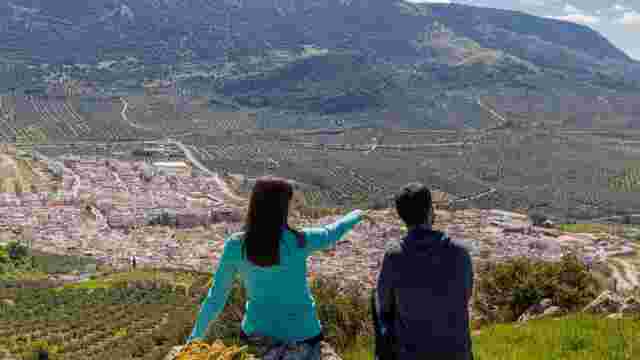
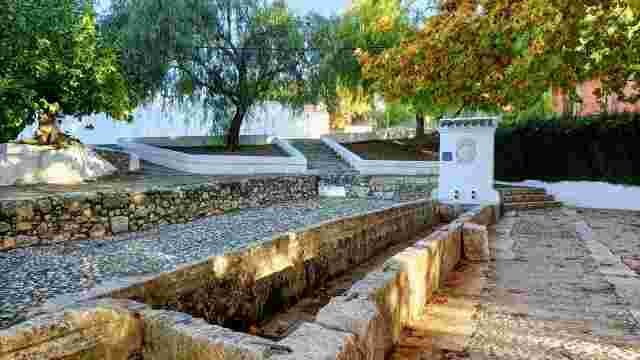
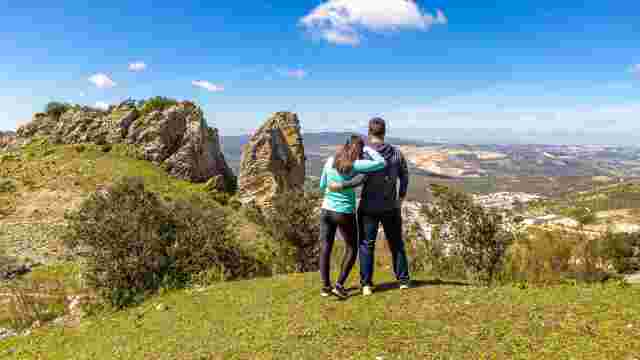
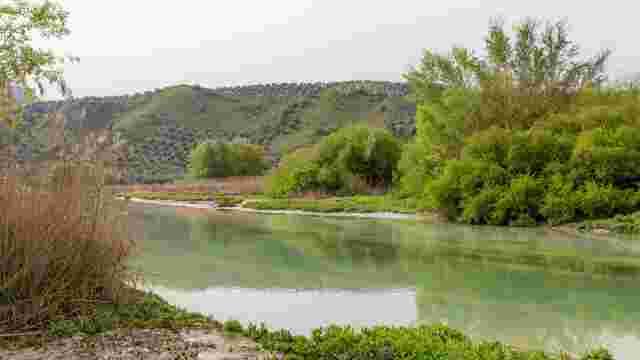
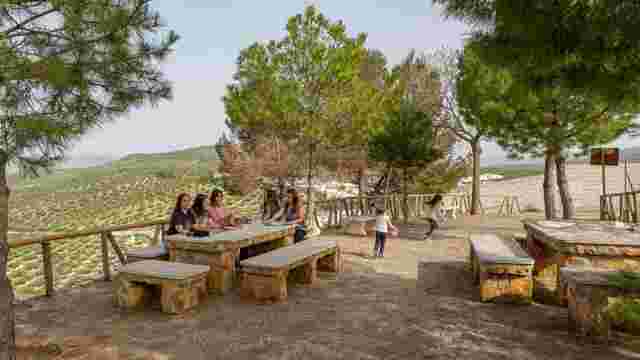
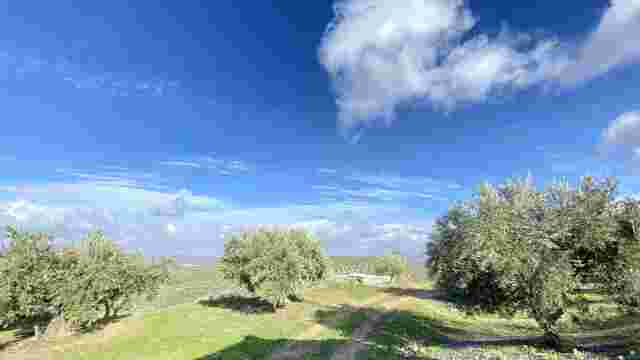
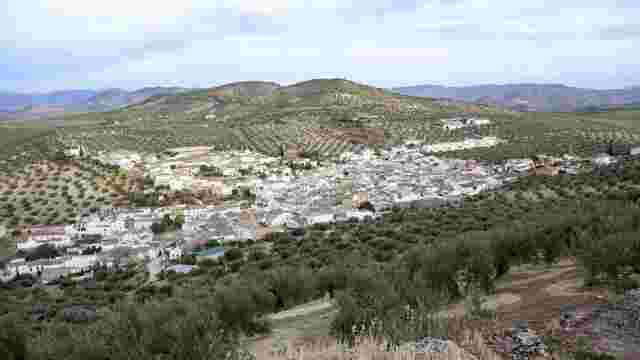
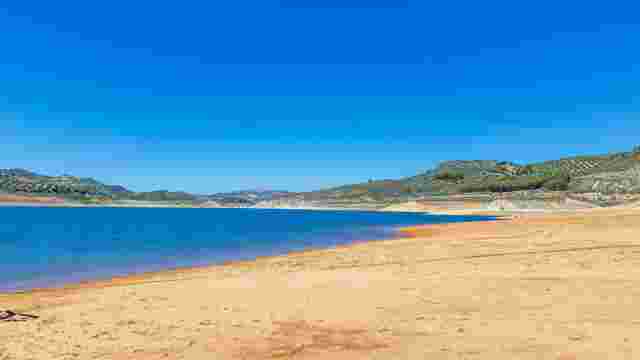
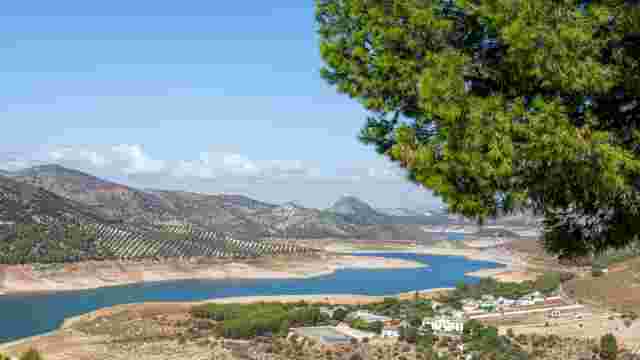
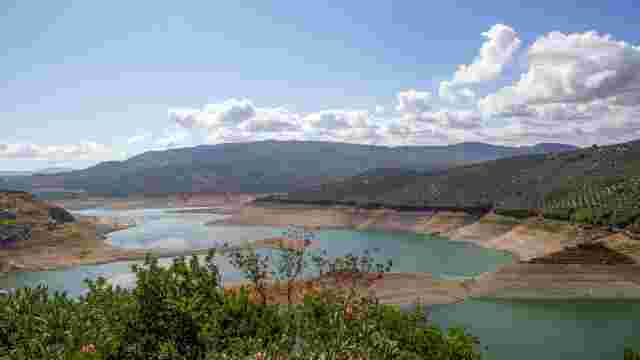
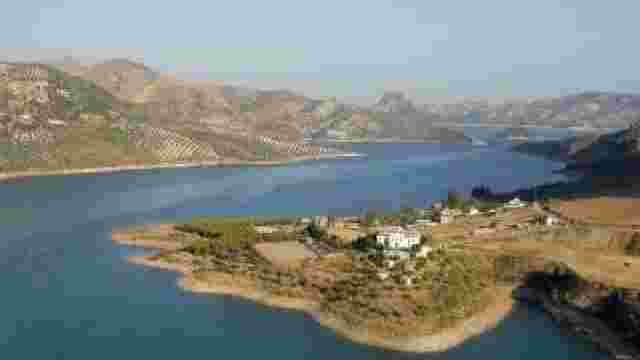
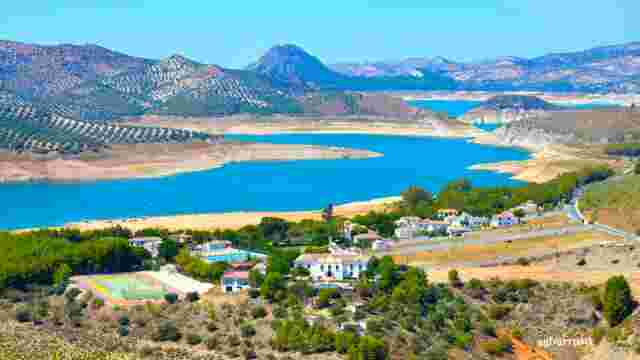
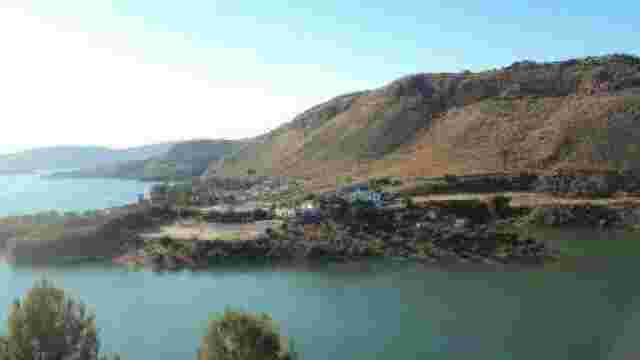
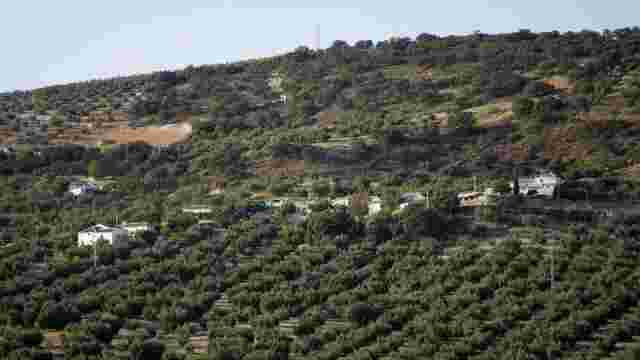
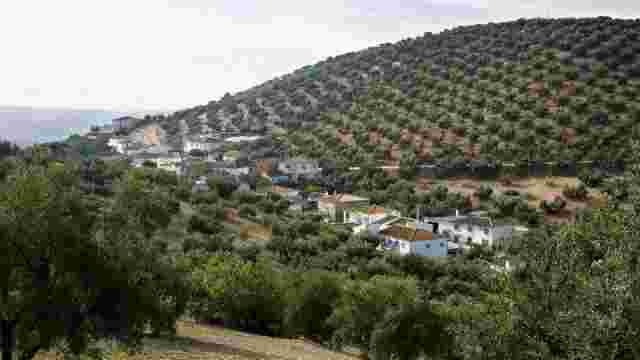
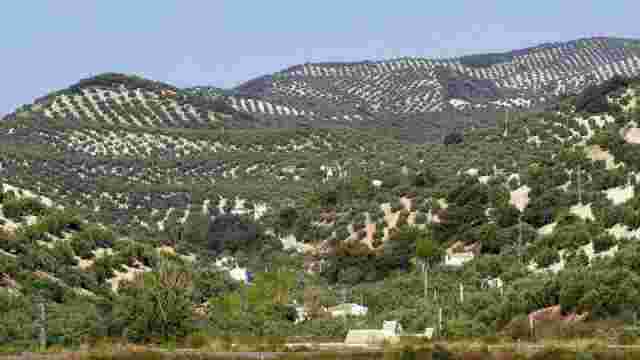
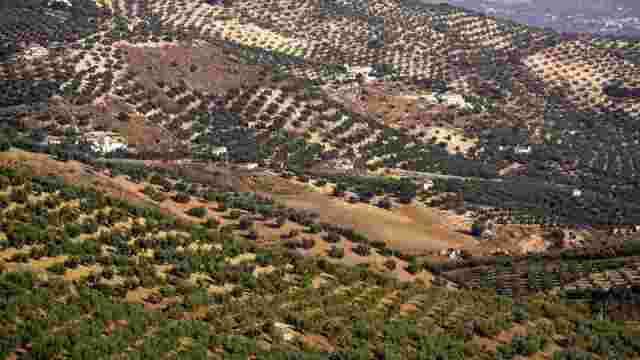
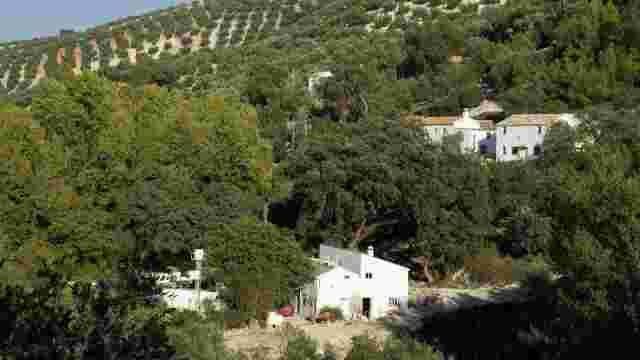
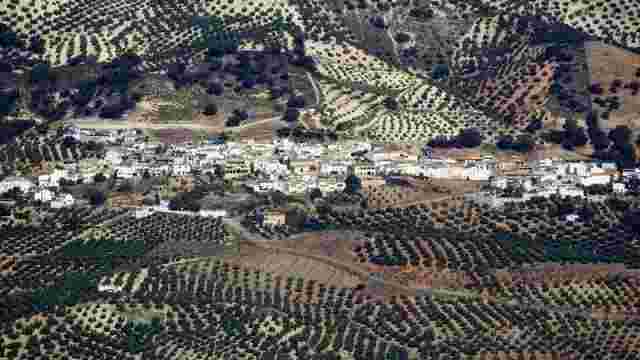
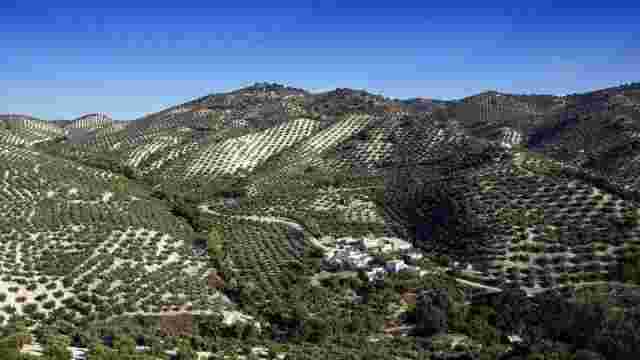
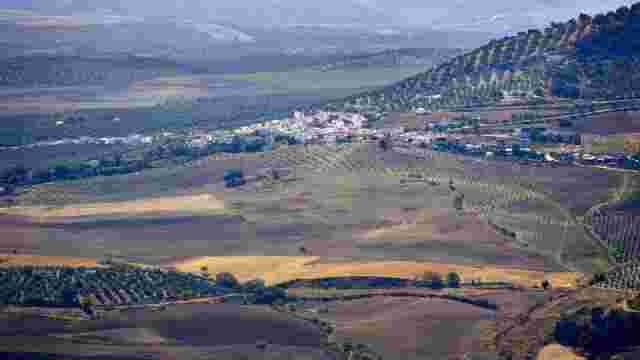
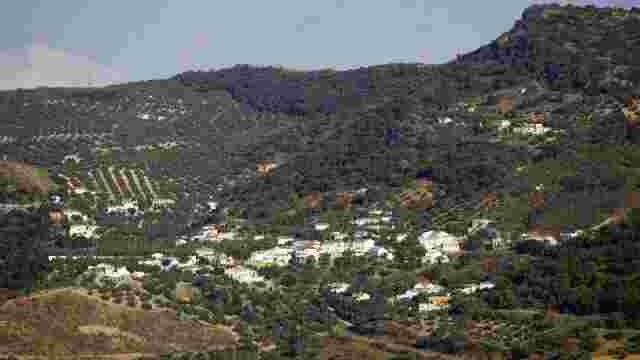
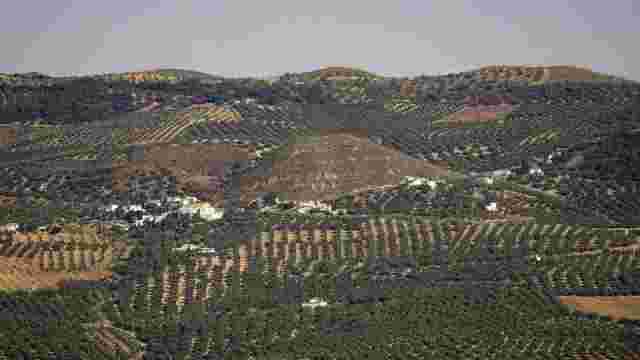
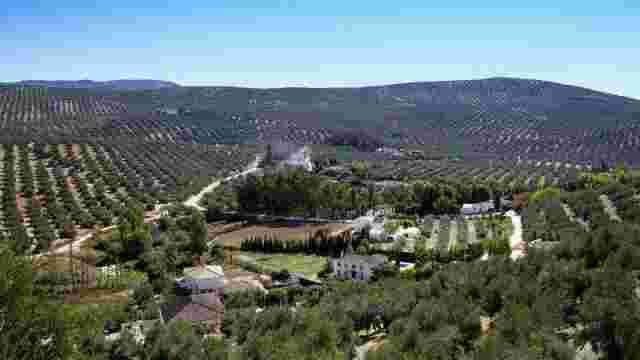
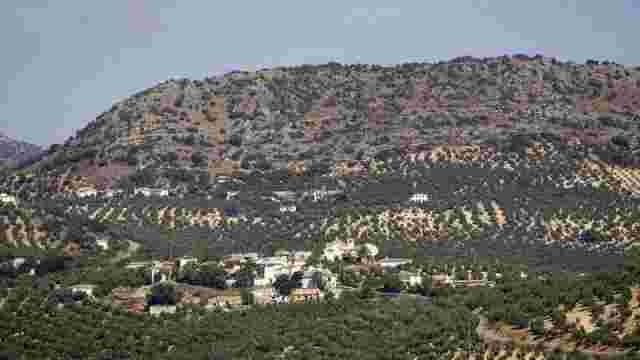
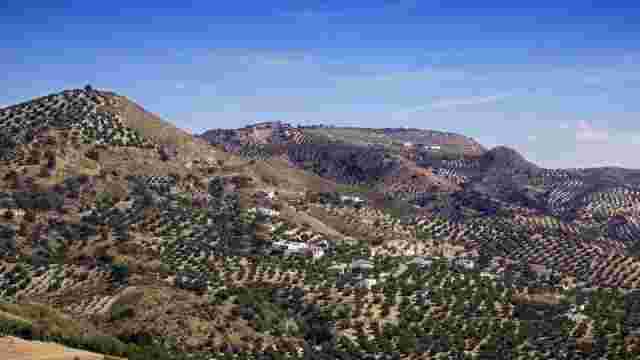
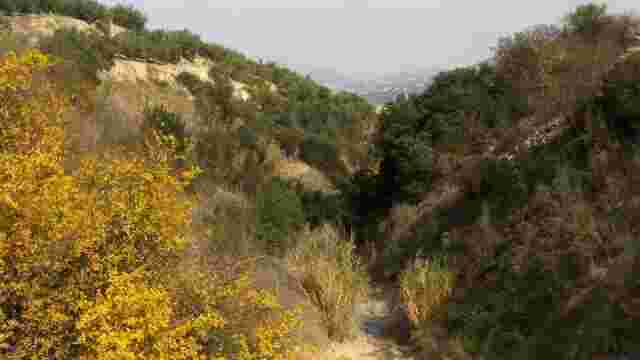
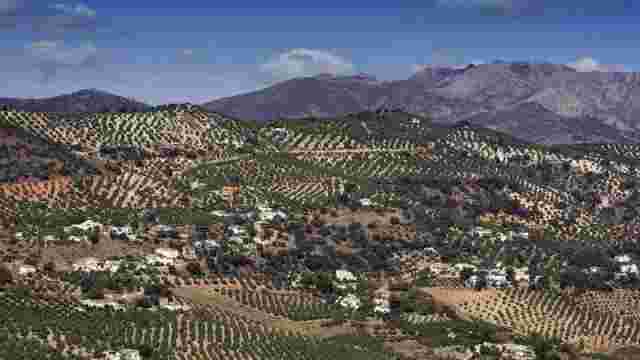
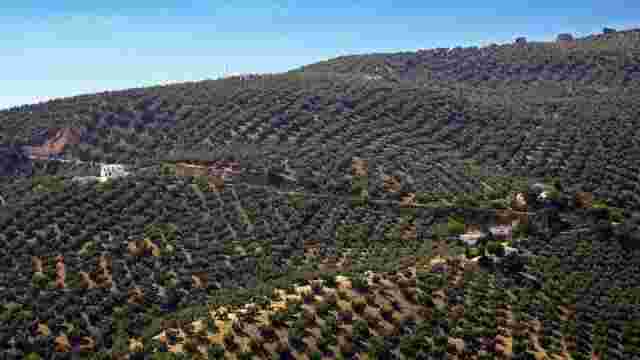
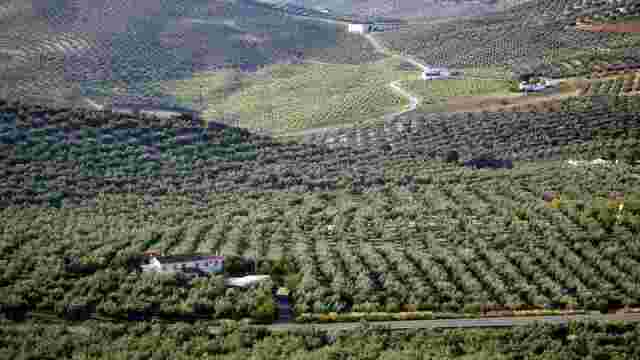
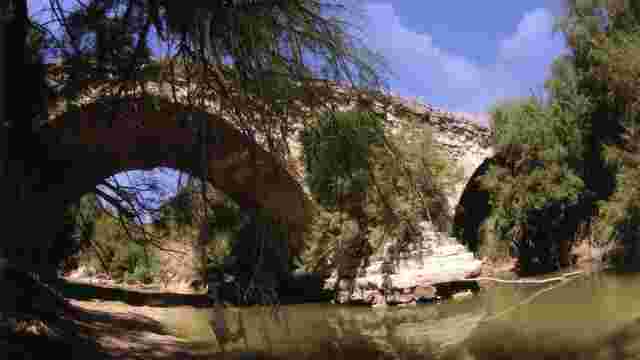
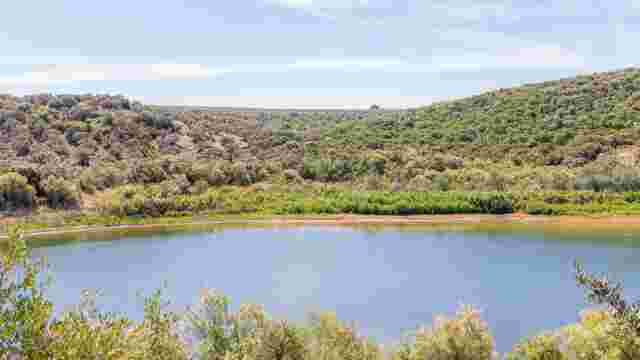
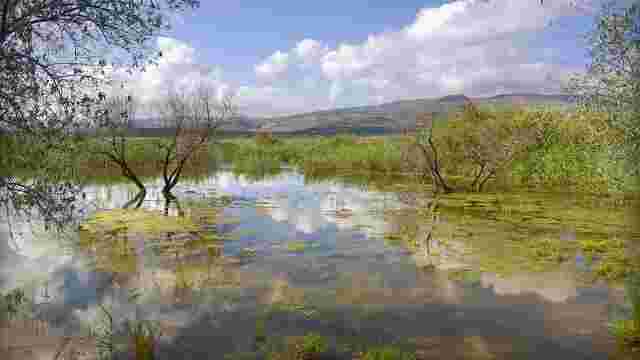
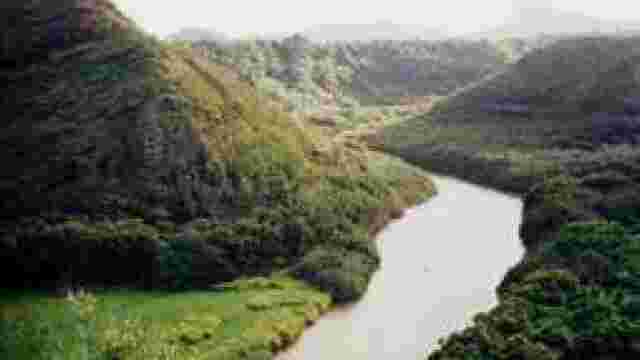
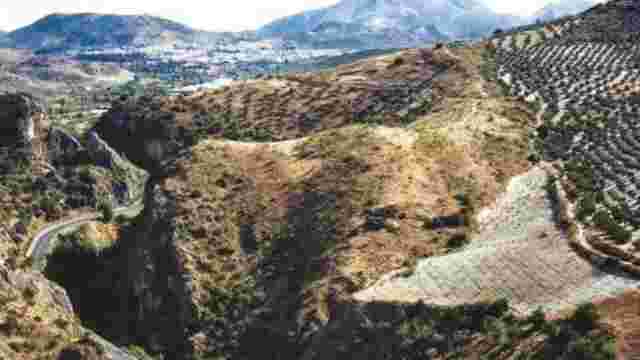
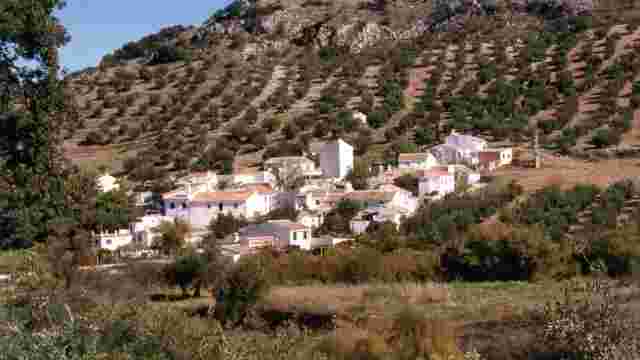
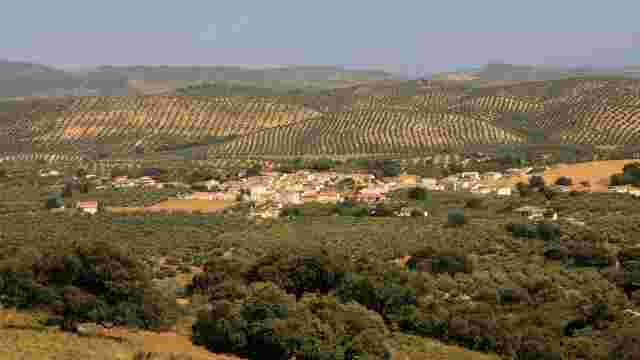
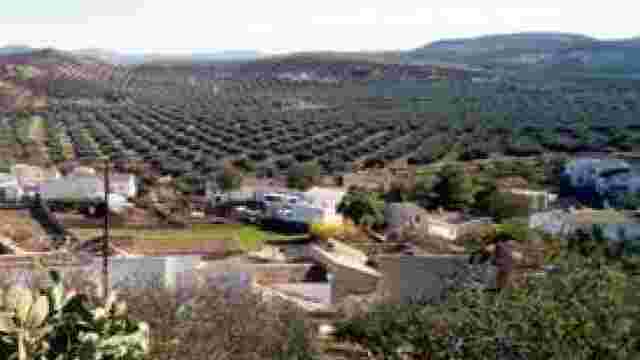
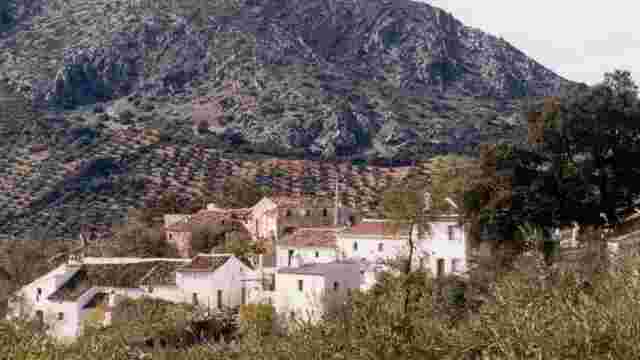
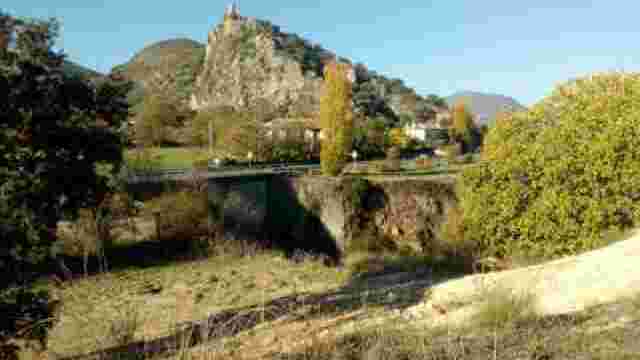
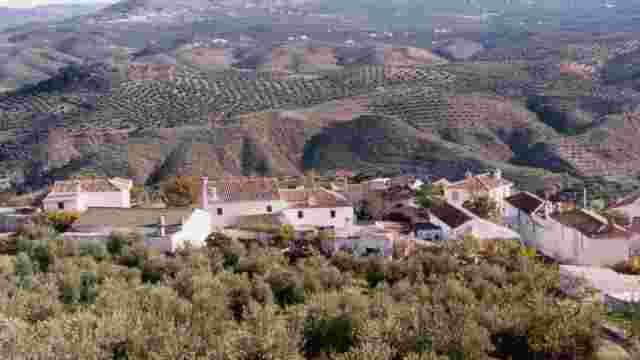
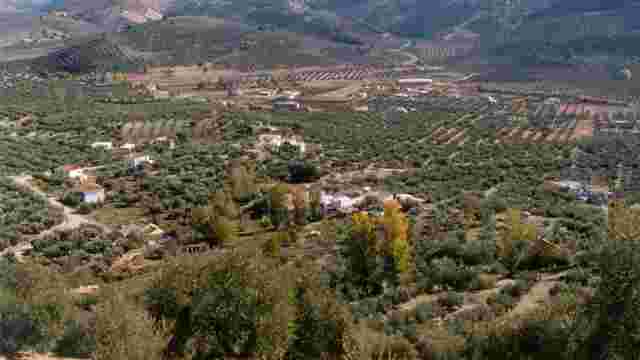
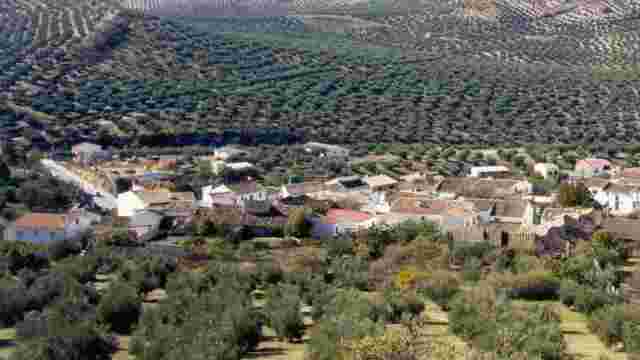
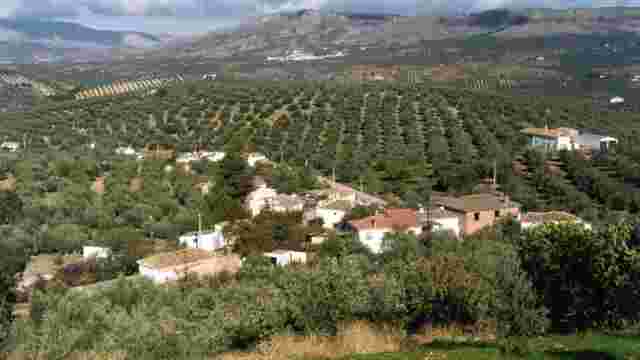
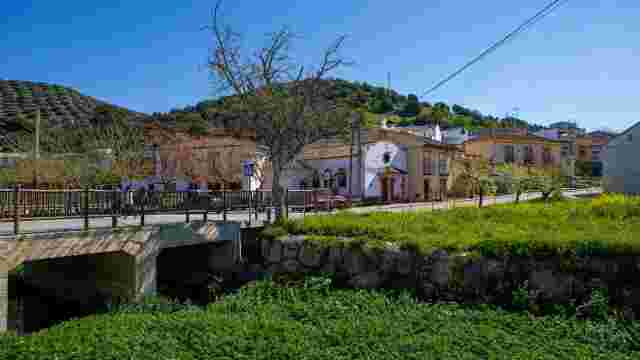
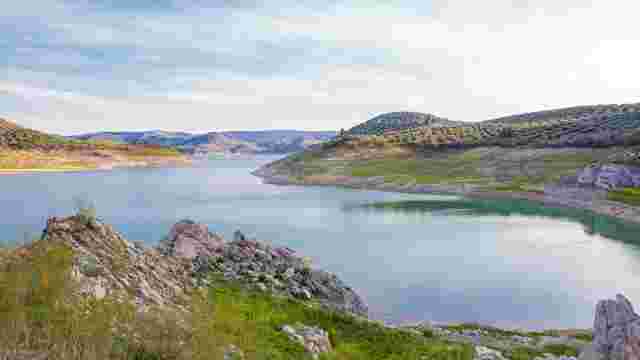
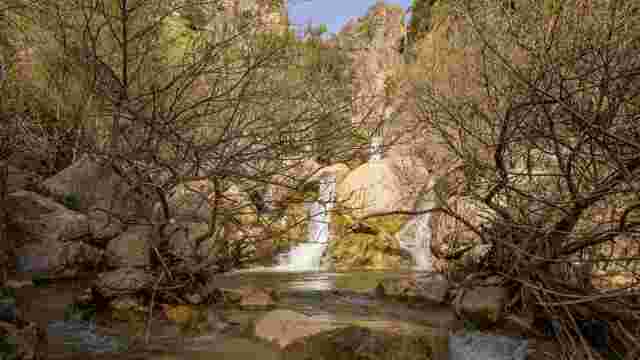
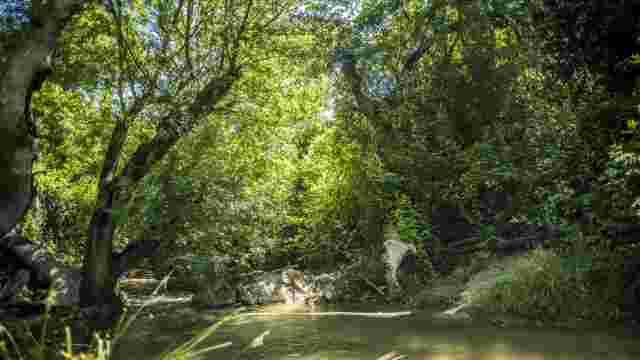
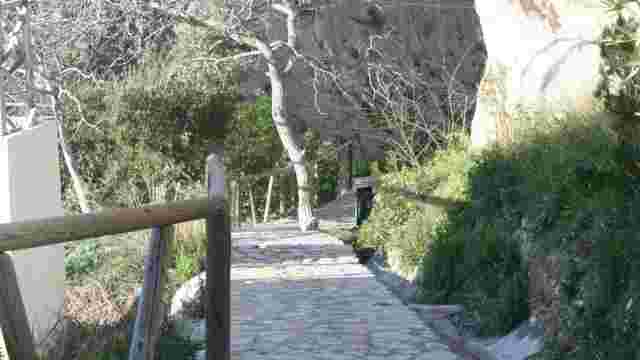
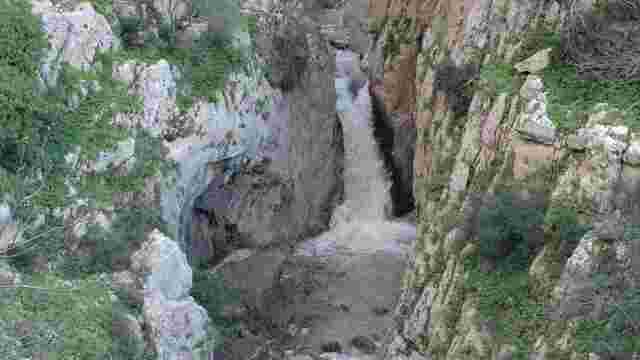
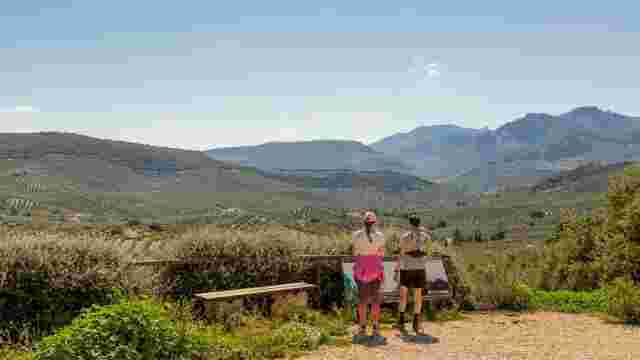
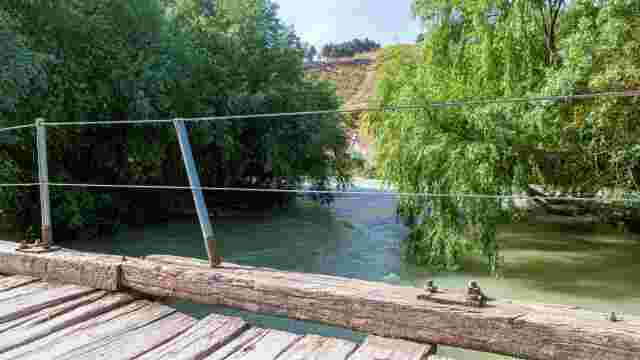
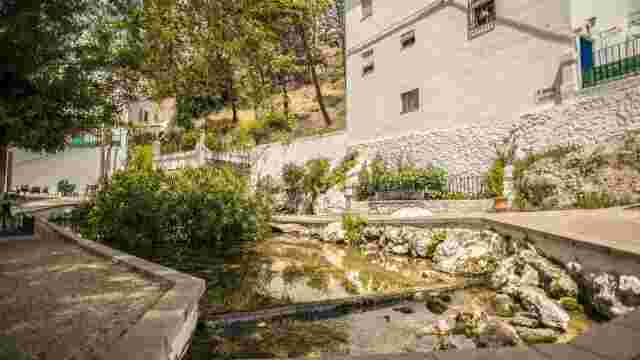
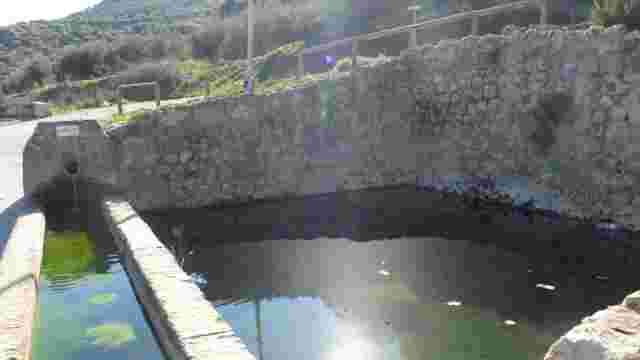
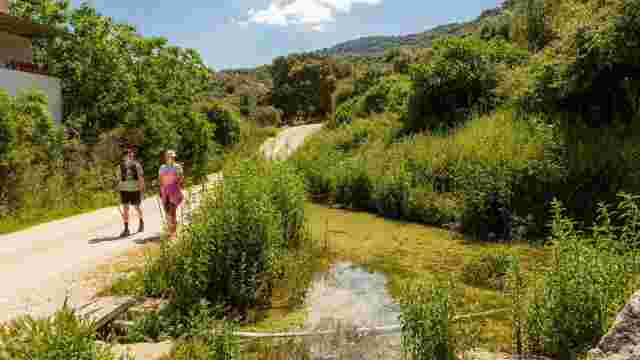
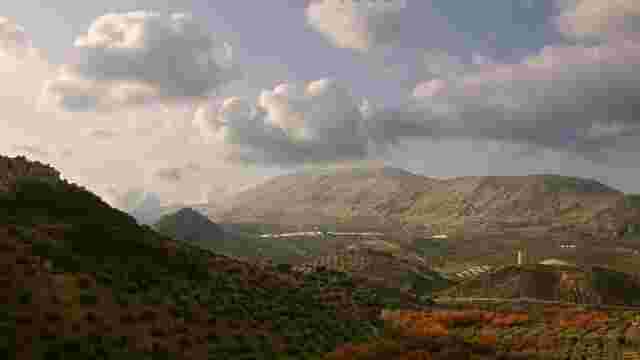
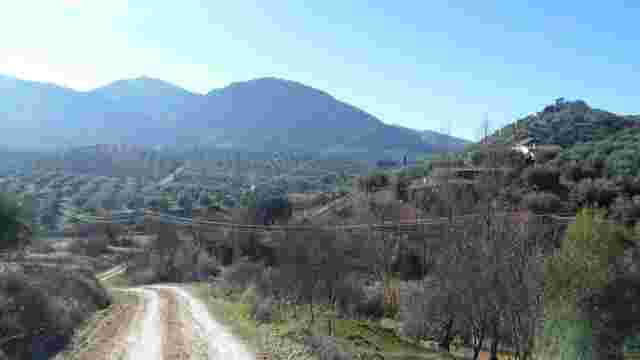
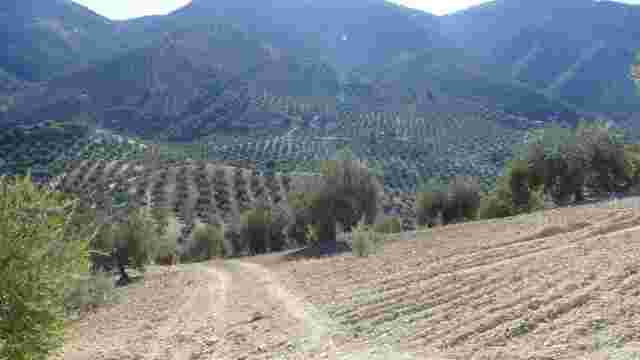
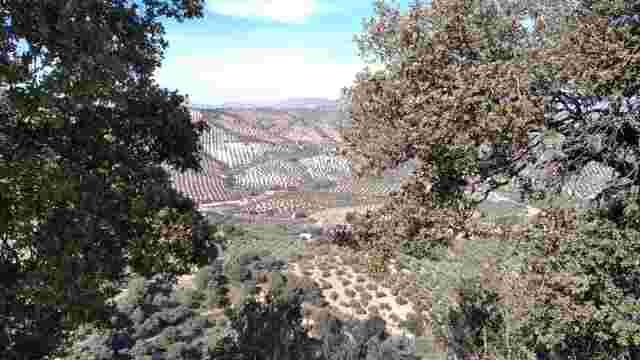
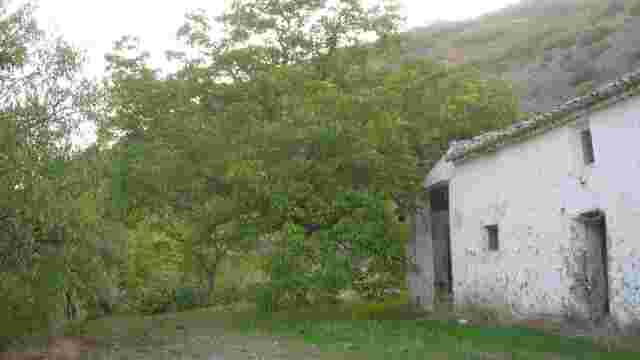
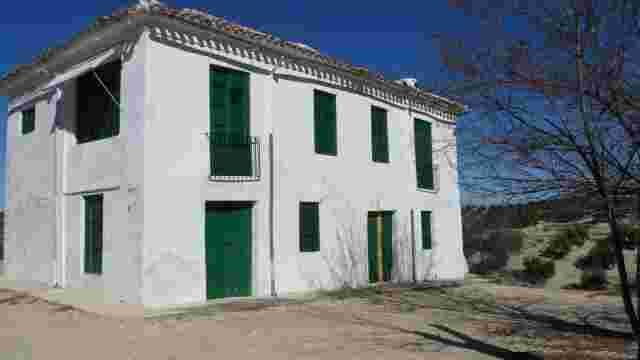
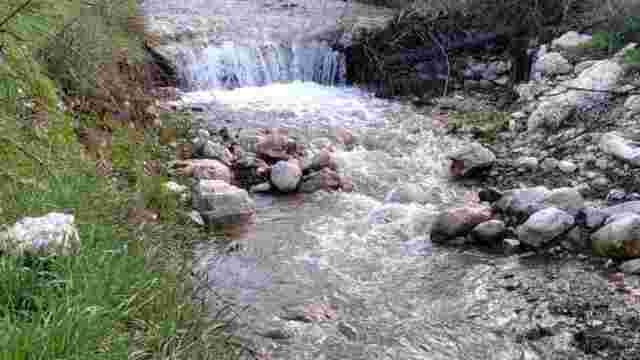
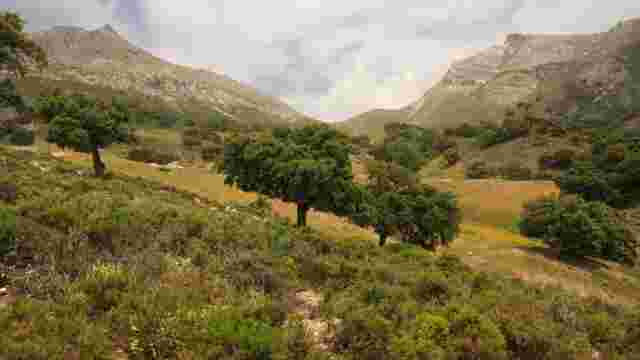
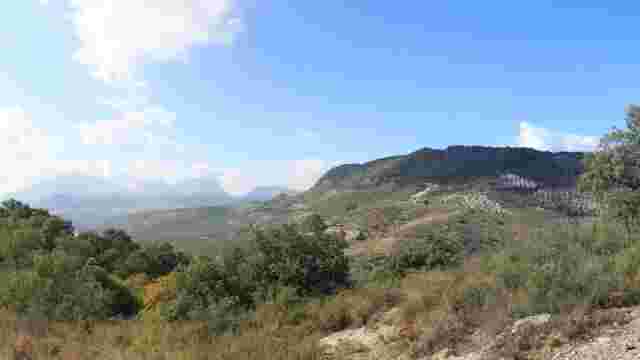
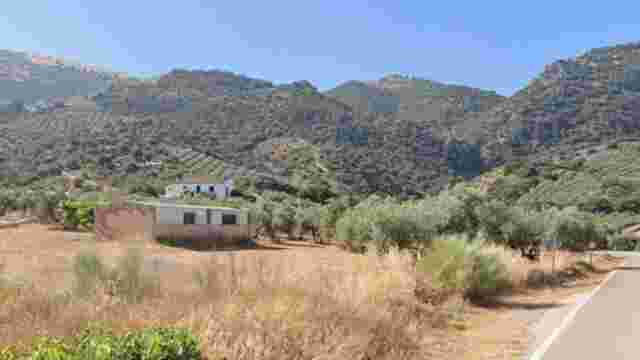
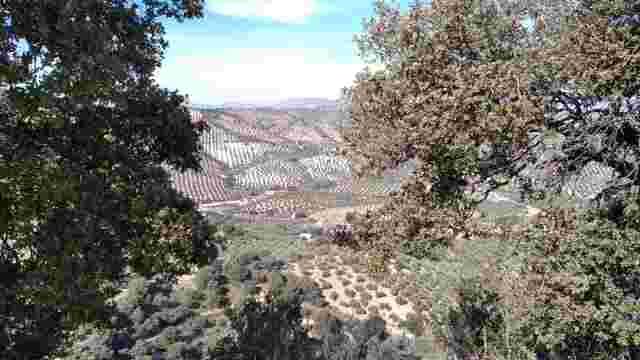
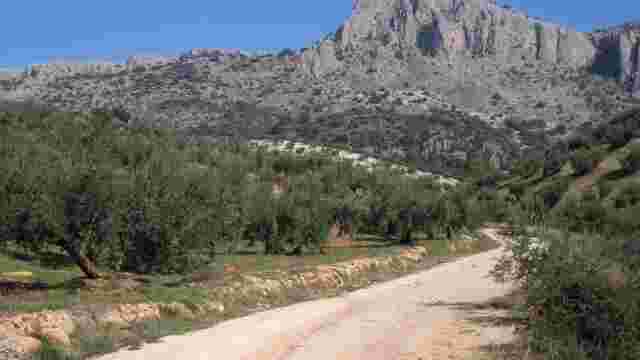
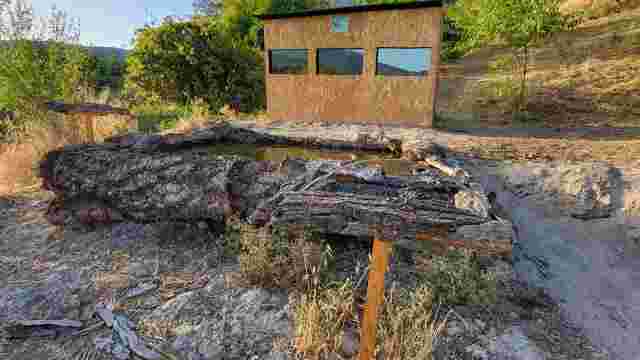
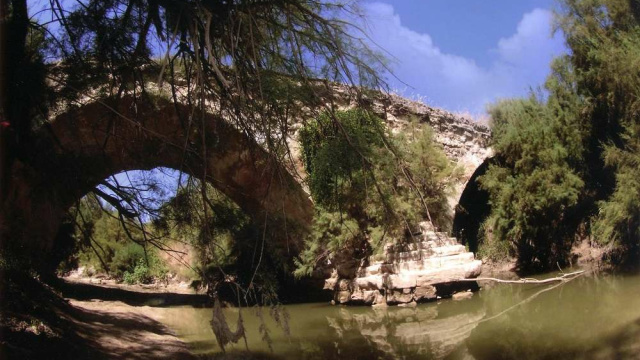
Part of the Genil river basin, this river, which rises in the Subbética mountains, is one of the most interesting in the Campiña Alta region due to the excellent state of conservation of its riparian vegetation. Its course is somewhat unusual, as it forms a sort of ‘V’ shape; at the apex, it approaches the Genil but does not flow into it, as the topography prevents this. At its source, near the famous Zambra spring, the Anzur flows alongside poplars, willows and elms, which provide striking shades of green amidst the monotony of the surrounding olive groves. The landscape is further enriched by a network of small vegetable gardens, although these can be considered practically on the verge of extinction as they are affected by the agricultural crisis and the advance of urbanisation. As the river flows on, its waters become contaminated by urban and agricultural pollutants, such as the products used in olive grove management. Occasionally, the riparian vegetation becomes more lush through artificial means, as some areas have been replanted with poplars, which provide shelter for animals associated with both aquatic and forest environments. Consequently, one may spot kingfishers, moorhens or woodpeckers. Reed beds are occasionally abundant and give their name to some farmhouses, such as the Dehesa del Cañaveral, although the dominant species in the gallery forest is the tamarisk, which gives rise to typical vegetation formations known as tamarisk thickets. These take on a spectacular appearance at the confluence of the Anzur and Lucena rivers, which in turn flow into the Cordobilla reservoir. Without a doubt, this species has its most extensive stands in the province here, a veritable forest where the songs and calls of many birds can be heard.