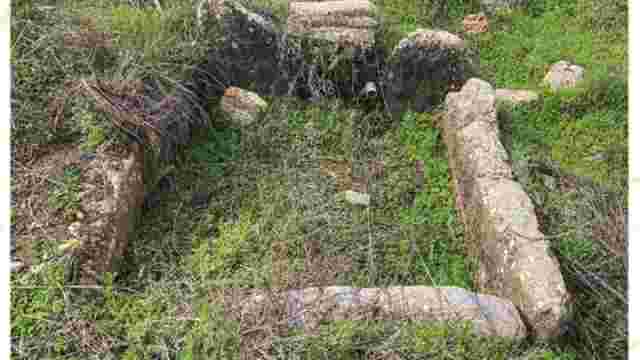
Lime kiln (1st–2nd centuries)
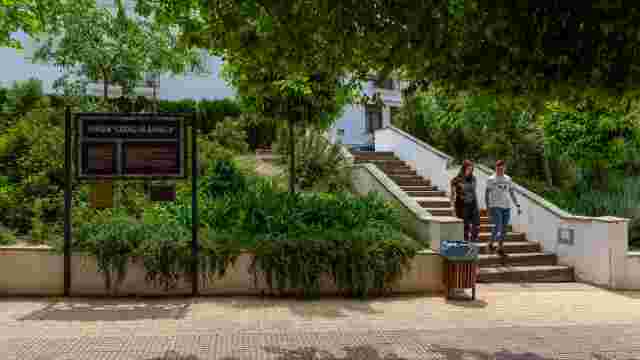
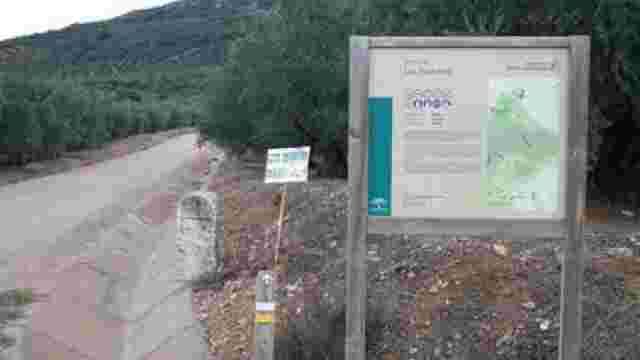
Location: UE 29 housing estate (Ramón y Cajal Street, next to Camacho Melendo State School).
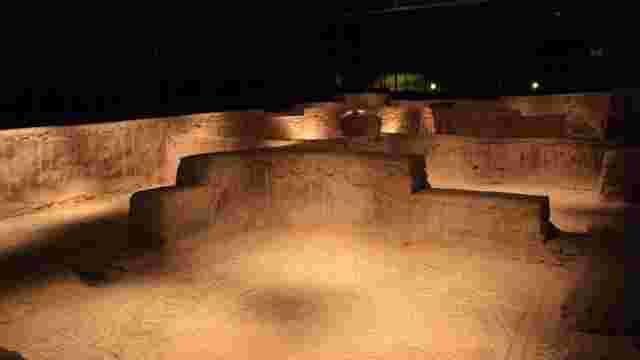
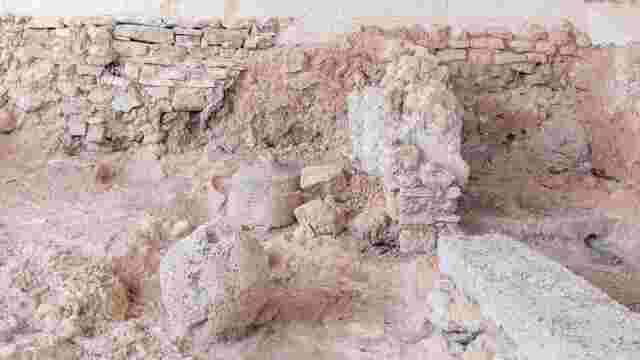
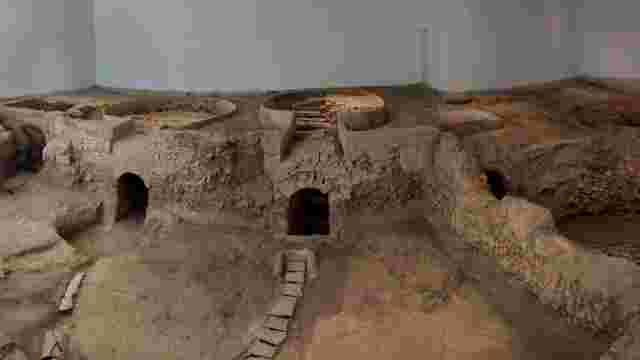
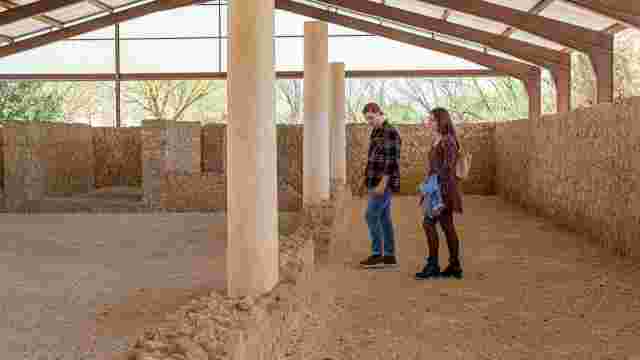
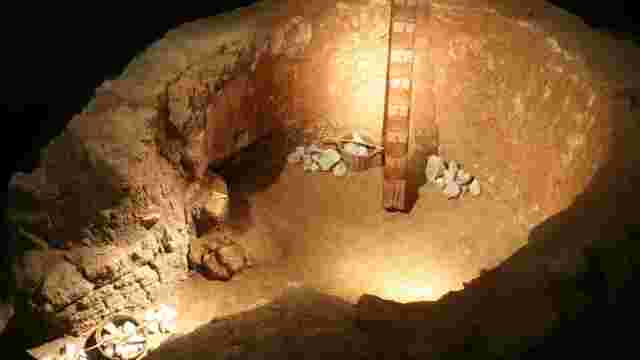
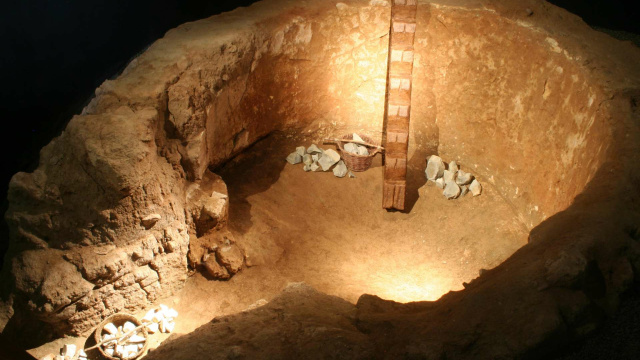
The kiln was discovered during archaeological excavations carried out in 2007 by the Museum (Municipal Archaeology Service). During this work, a lime kiln (1st–2nd centuries) and a necropolis (3rd–5th centuries) were documented. Both features are showcased in the exhibition open to the public.
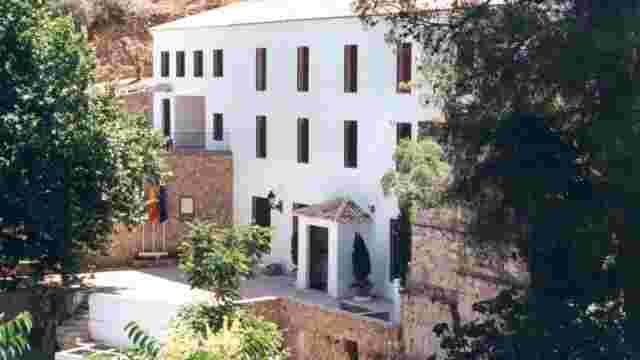
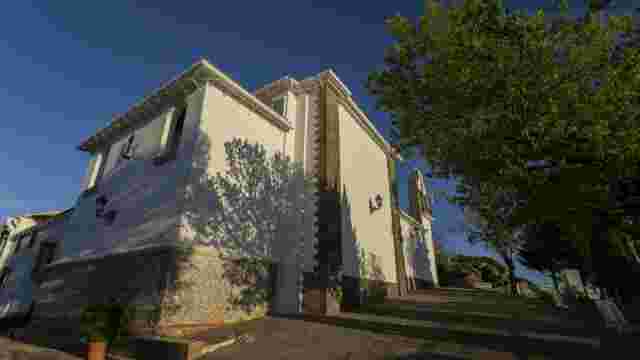
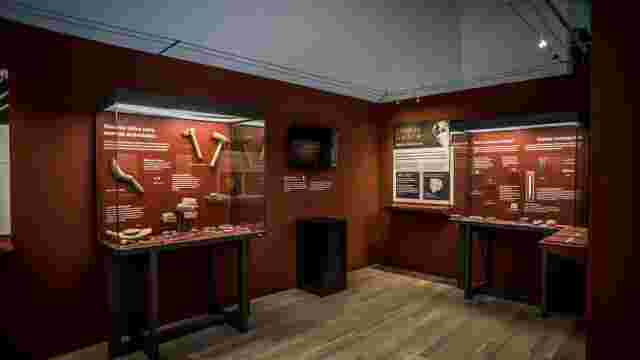
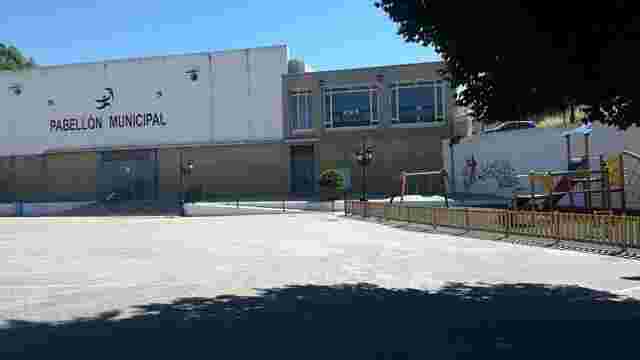
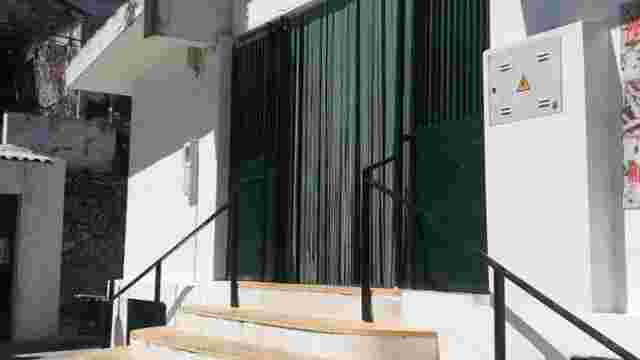
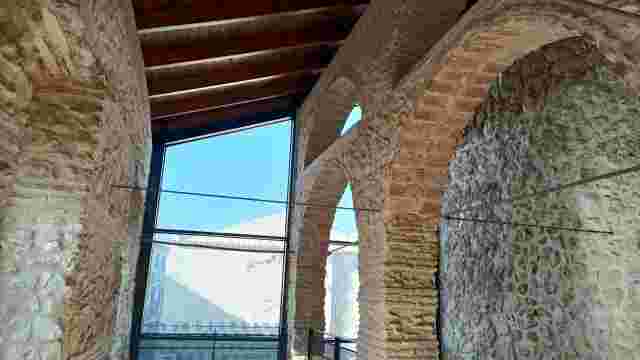
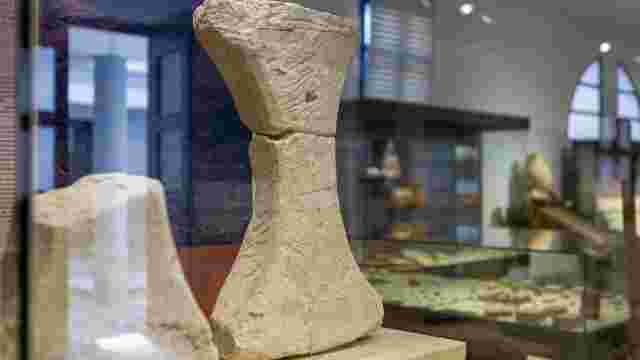
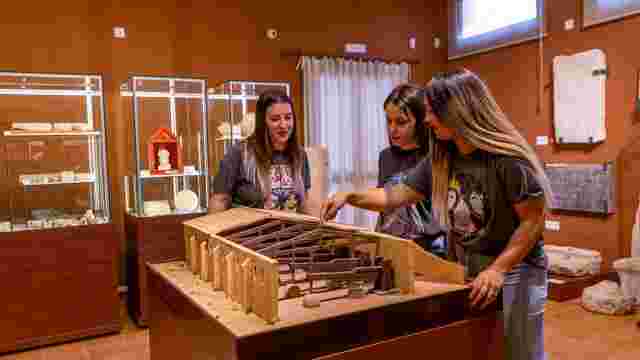
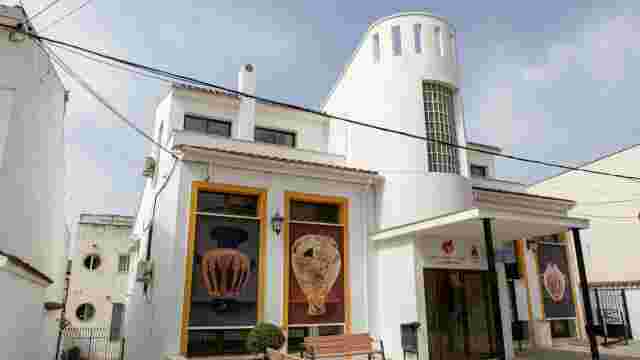
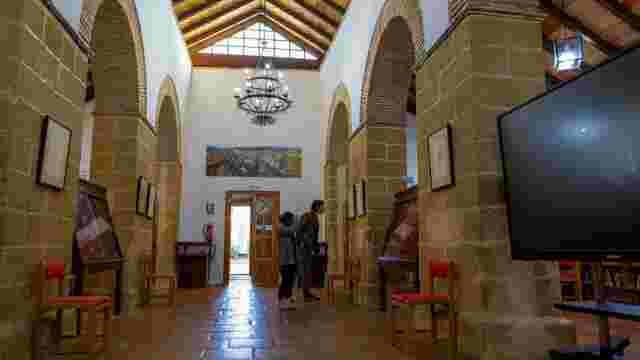
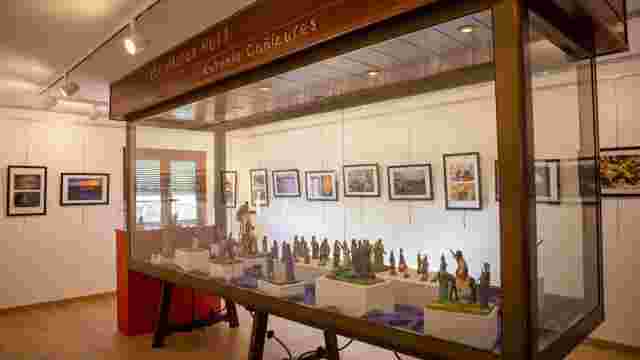
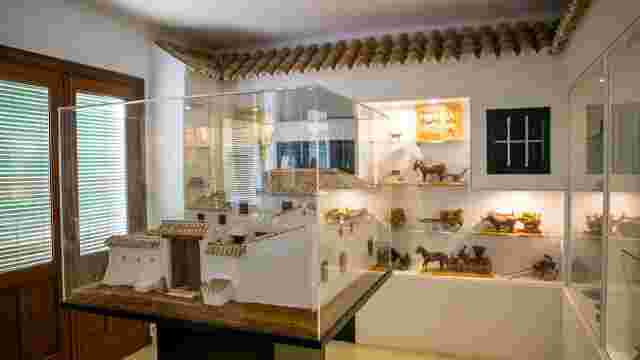
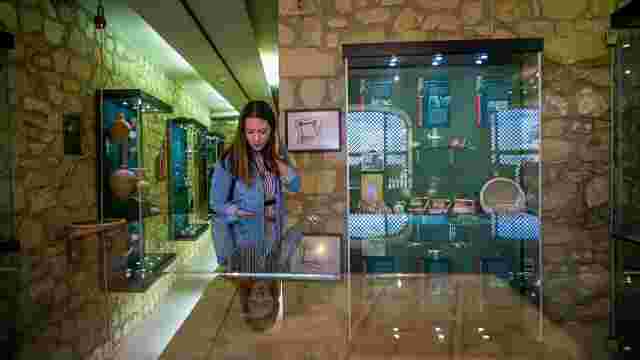
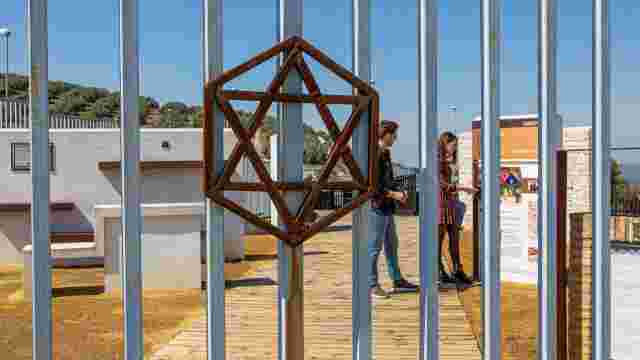
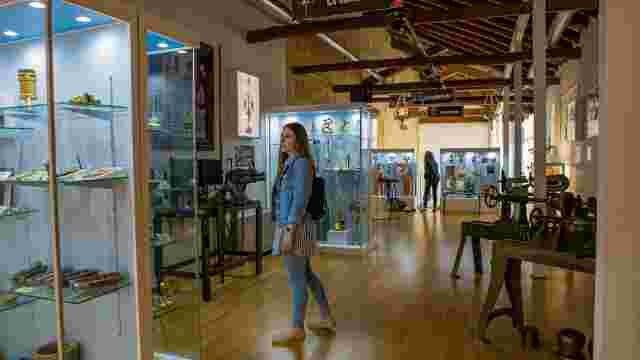
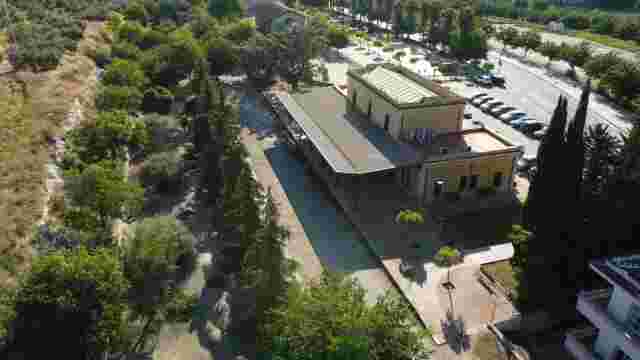
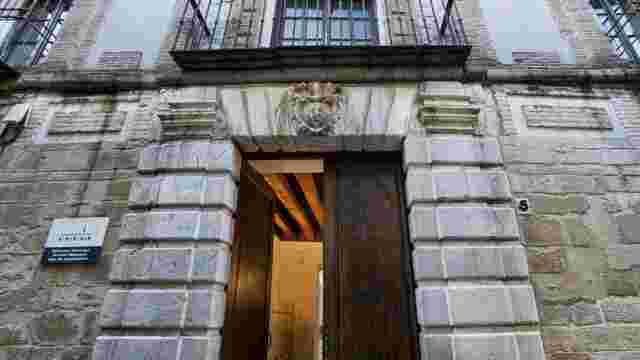
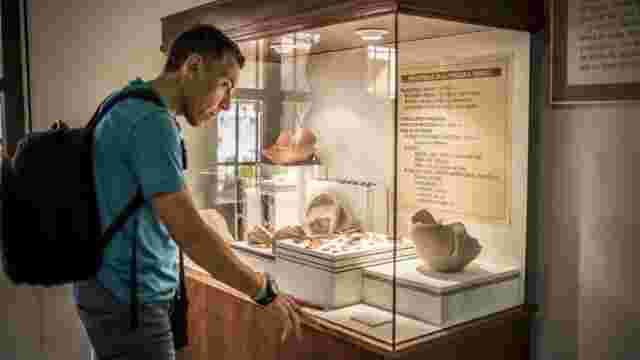
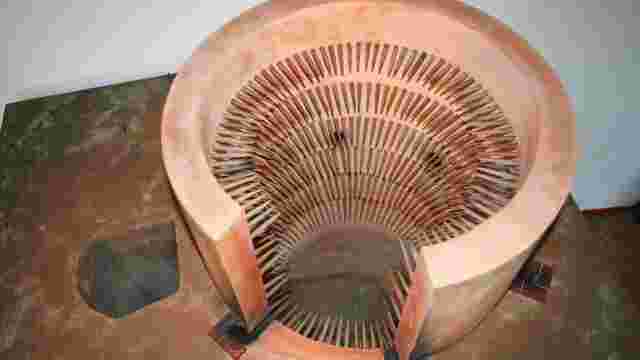
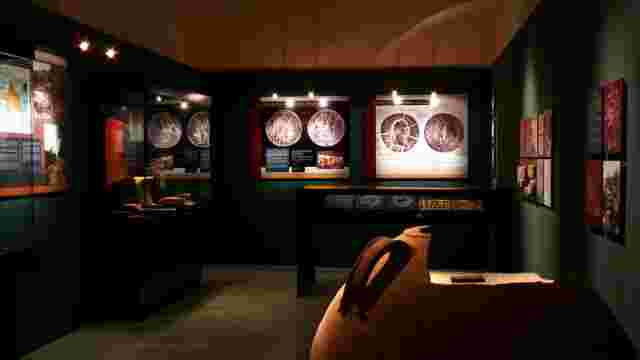
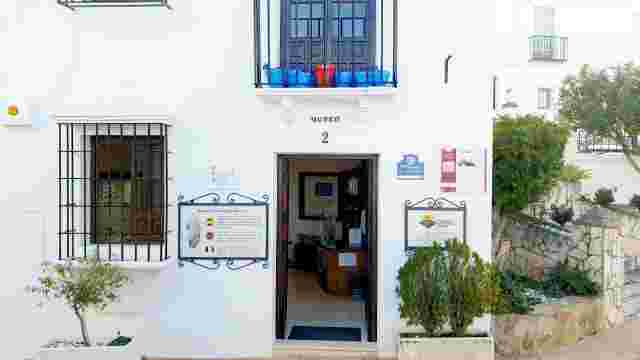
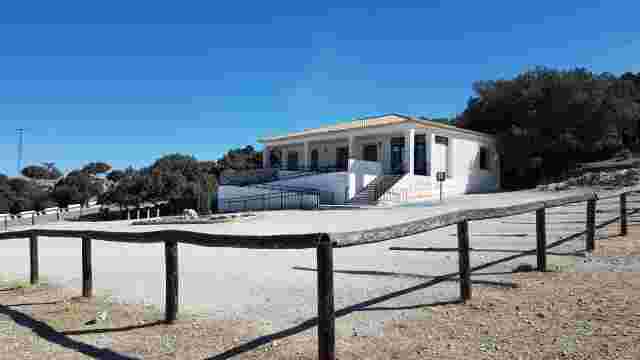
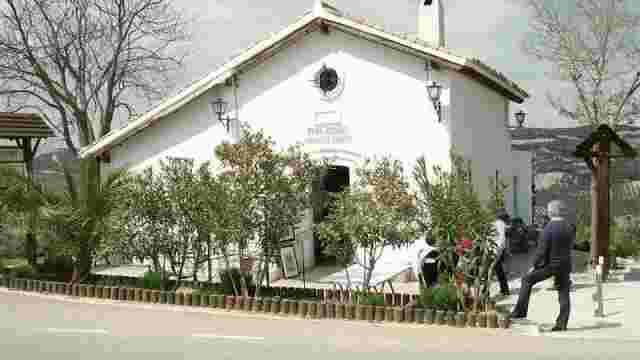
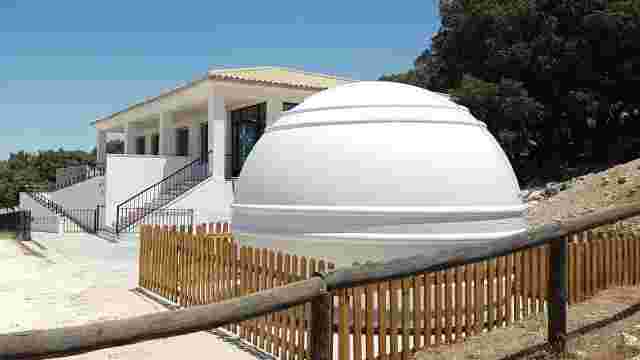
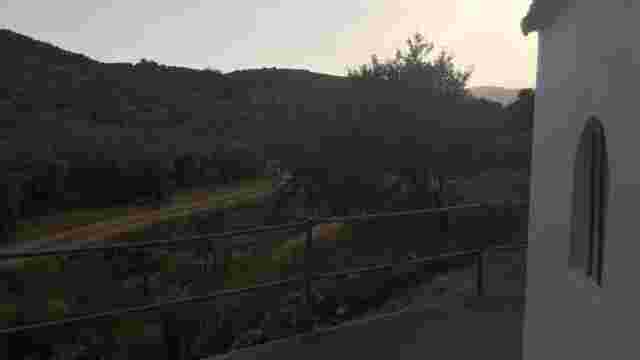
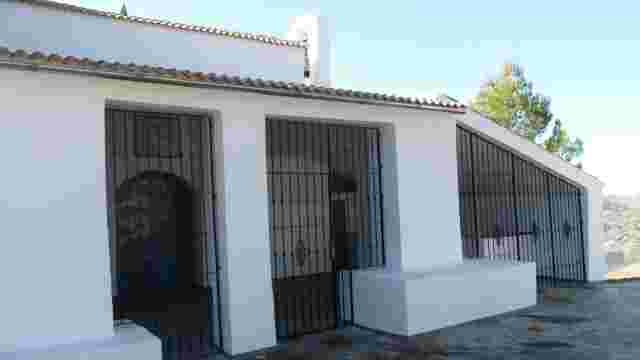
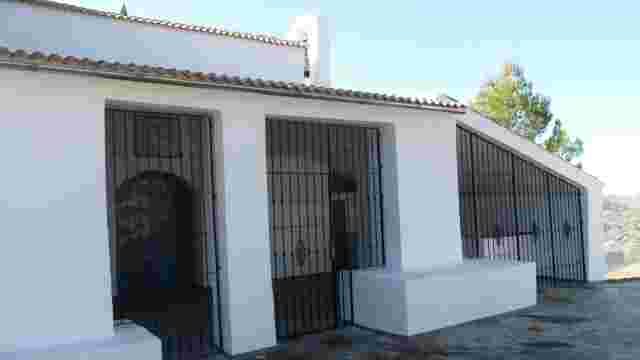
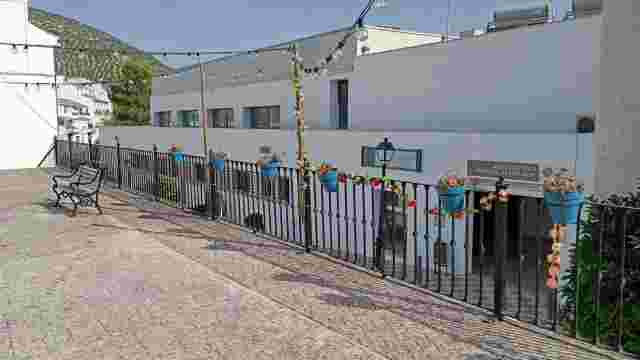
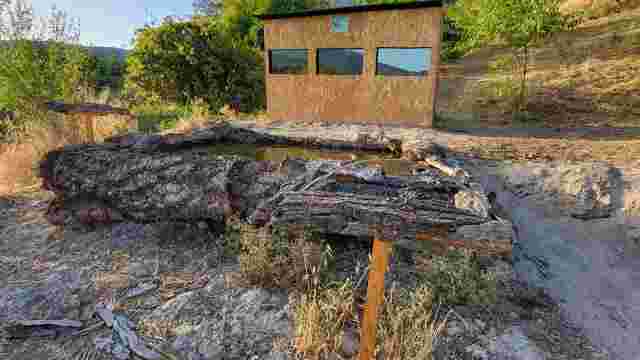
The enhancement has consisted of the construction of a rectangular building divided into two separate spaces. The first contains the entrance, as well as the corresponding educational signage, alongside an exhibition of two tombs from the same site and other museum displays, including a model of the reconstructed kiln. The second space houses the lime kiln for display, accompanied by a thematic display.
The construction of the Roman settlement required numerous resources available in the surrounding area: stone, bricks, roof tiles, earth and lime mortar, as well as other less significant materials. Lime mortar was the most commonly used mortar in antiquity for building. It was composed of sand, lime and water. Once the sources of supply had been identified, the sand and water were used with hardly any processing. This is not the case with lime.
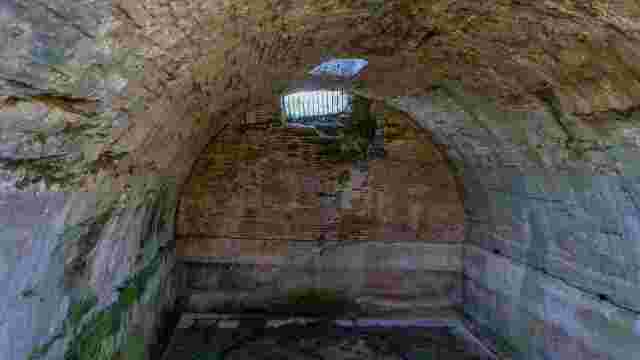
To obtain lime, the appropriate limestone must be calcined, that is, subjected to high temperatures (approx. 1,000°C) during a process that can last several days, so that the calcium carbonate it contains is converted into calcium oxide. This calcium oxide is ‘quicklime’, which needs to be mixed with water to form a plastic mass that can then be used as mortar. This is the function performed by the lime kiln on display.
Main parts of the kiln:
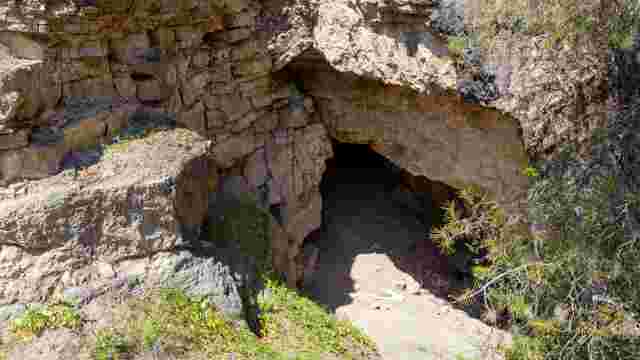
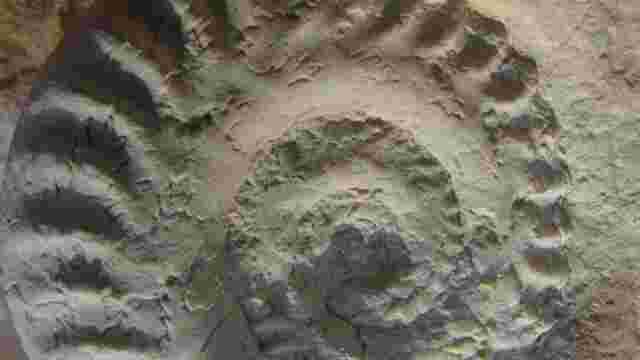
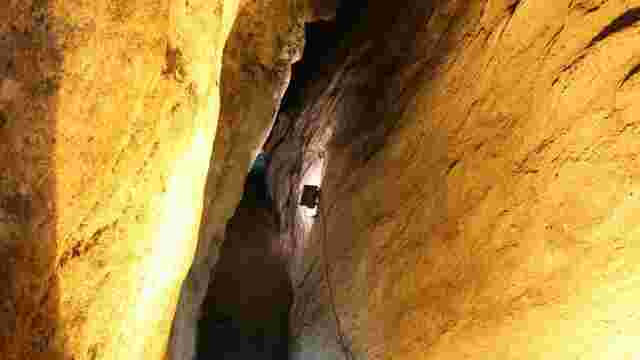
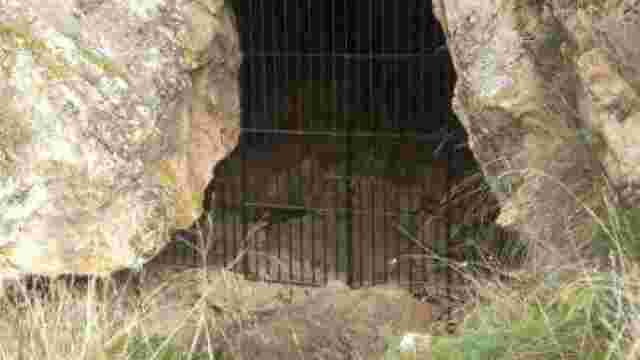
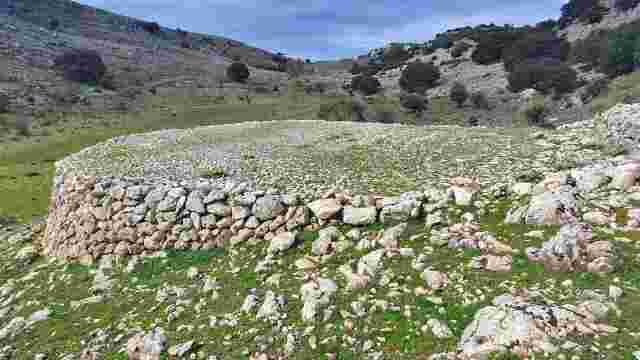
- Calcination chamber: This is where the limestone blocks to be calcined were placed, using a fire set at the bottom. This semi-underground chamber is partially carved out of the natural rock (travertine or rough stone) and was built up with an adobe wall, which formed the visible above-ground part of the structure. It has a circular floor plan.
- Entrance door, preceded by a small corridor.