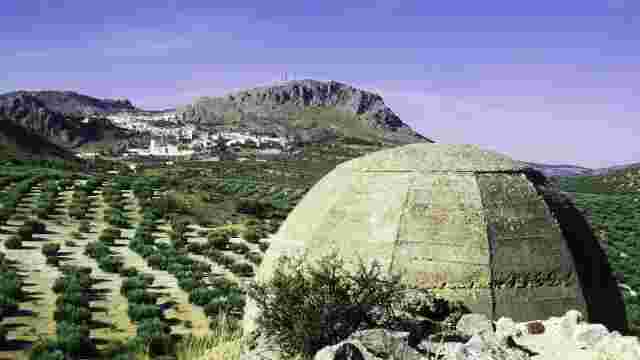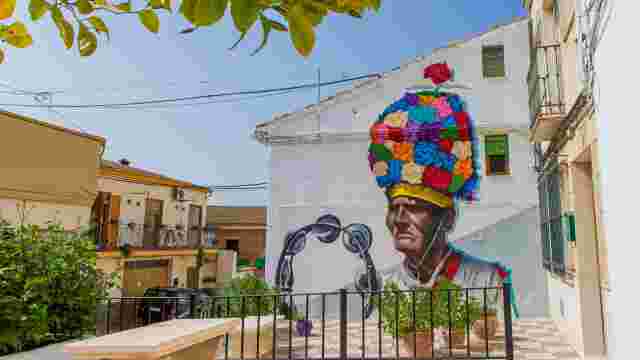
The Helmet
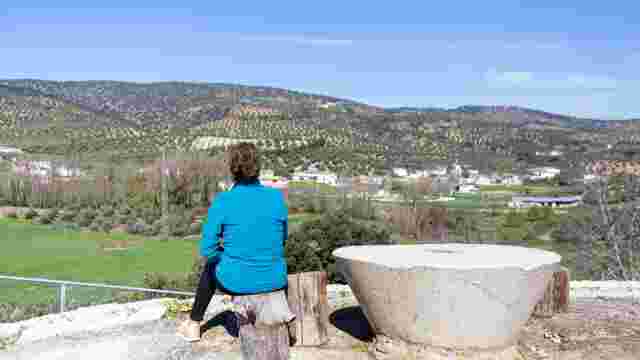
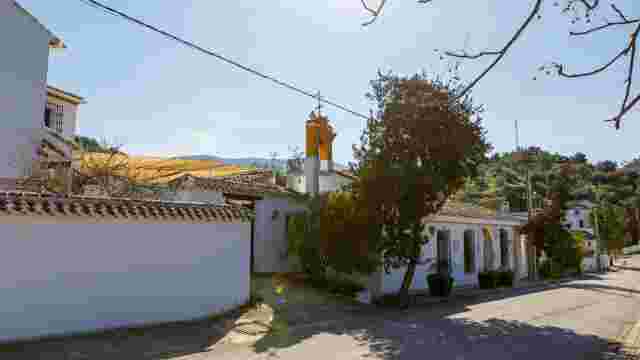
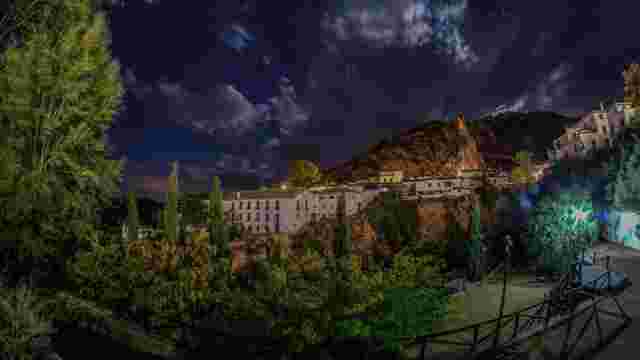
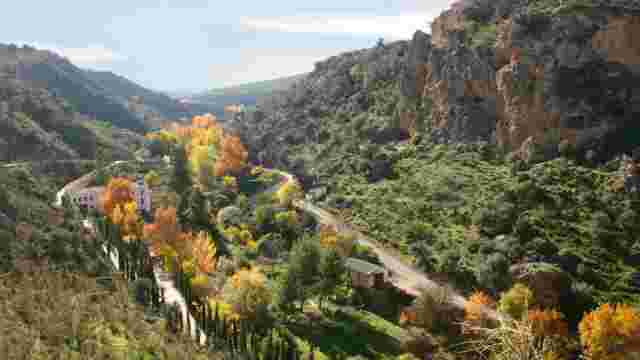
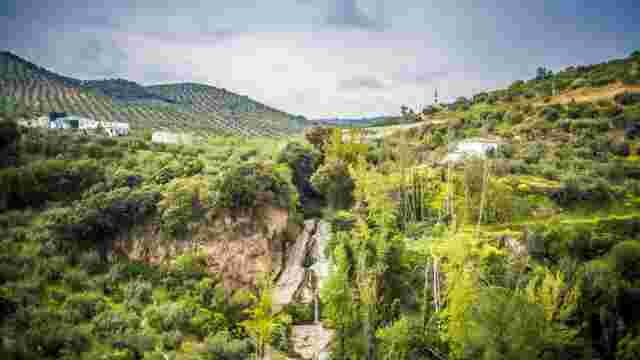
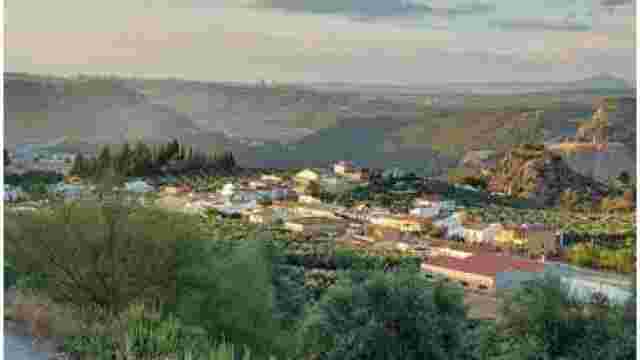
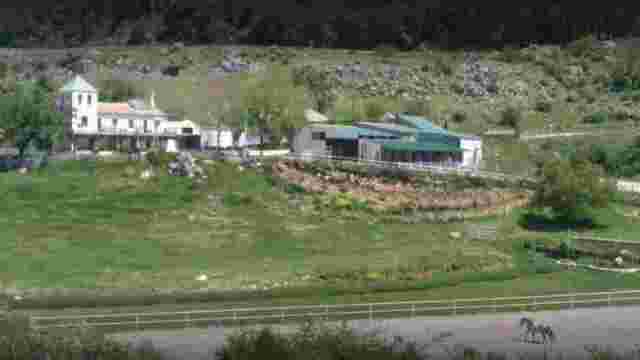
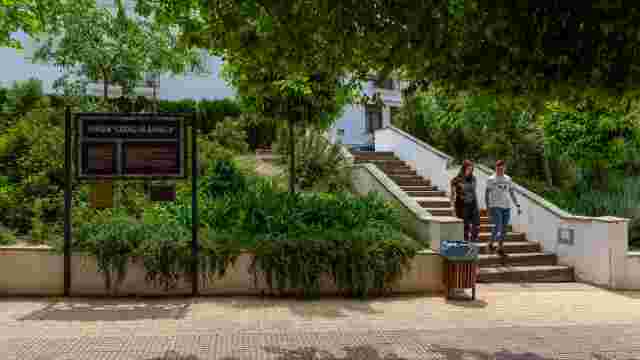
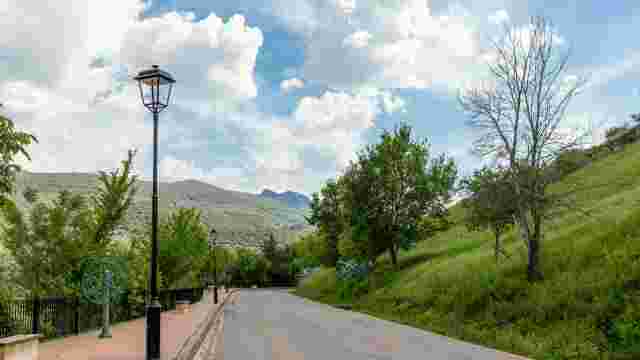
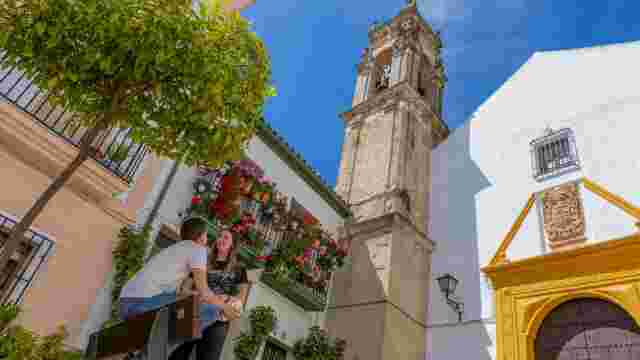
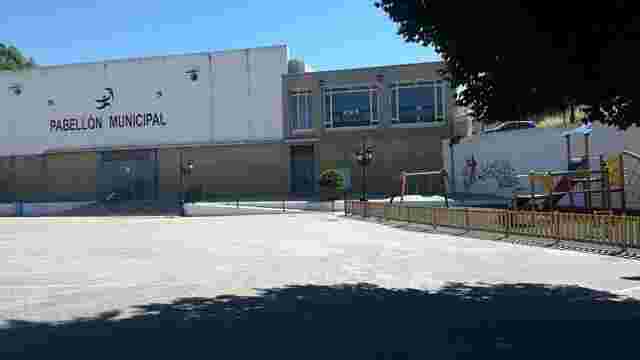
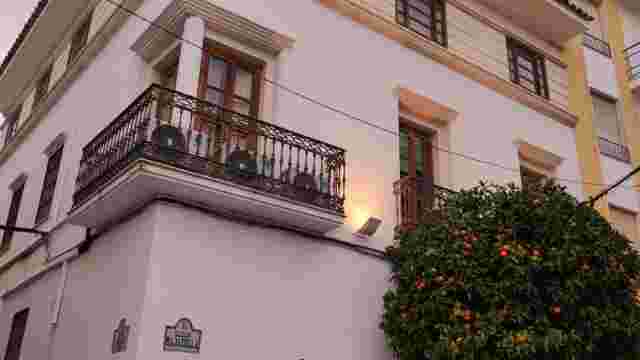
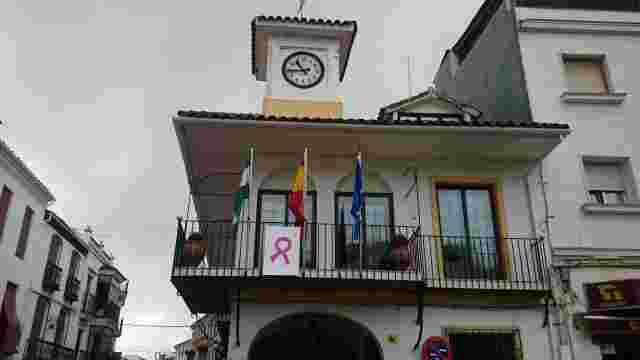
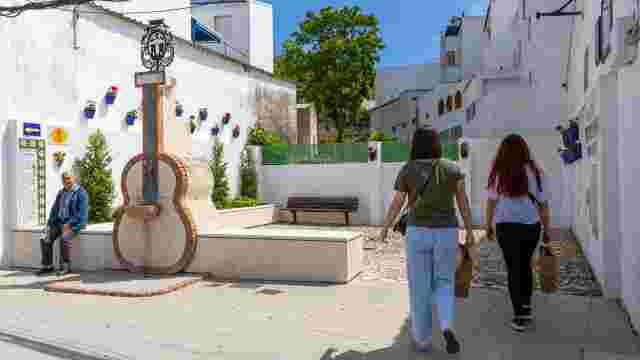
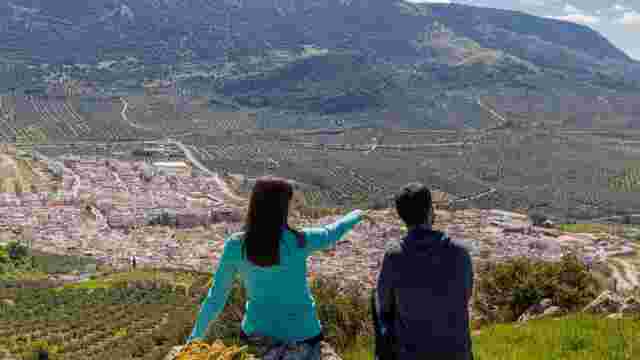
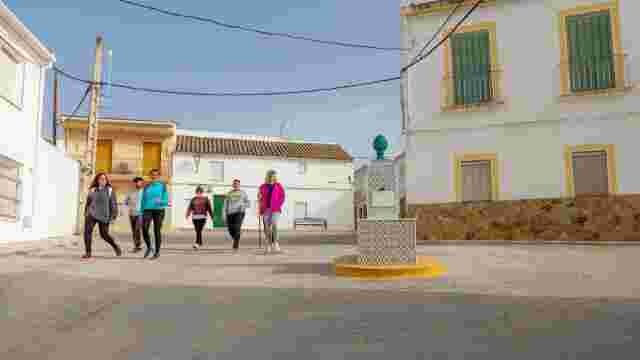
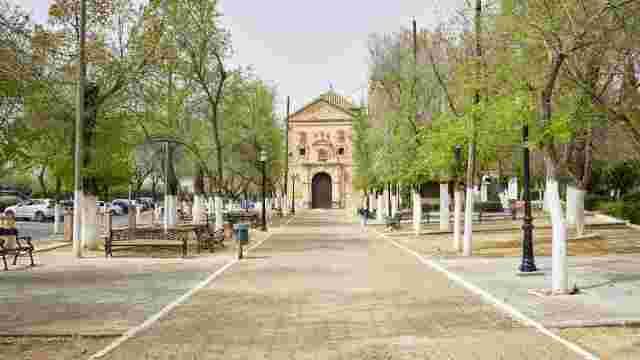
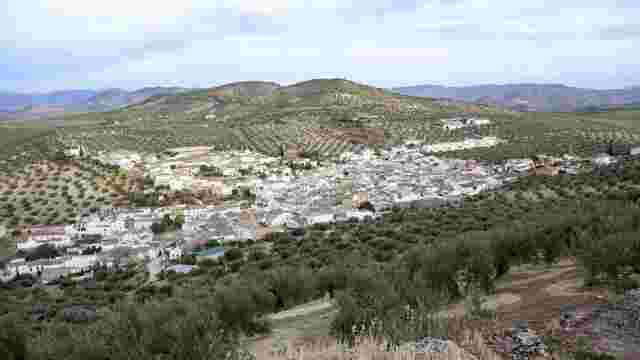
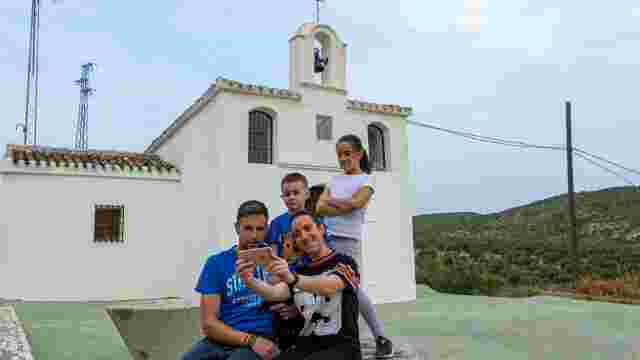
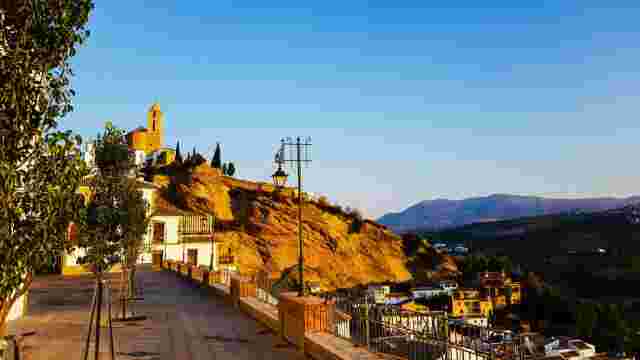
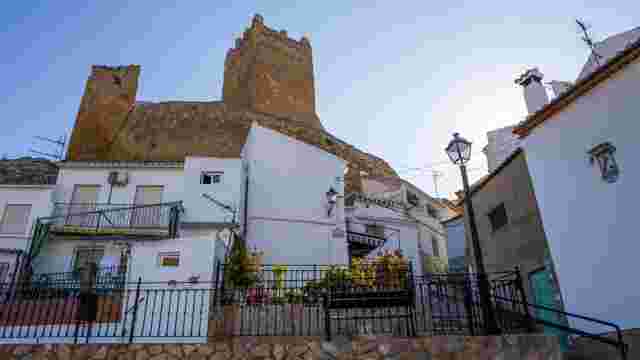
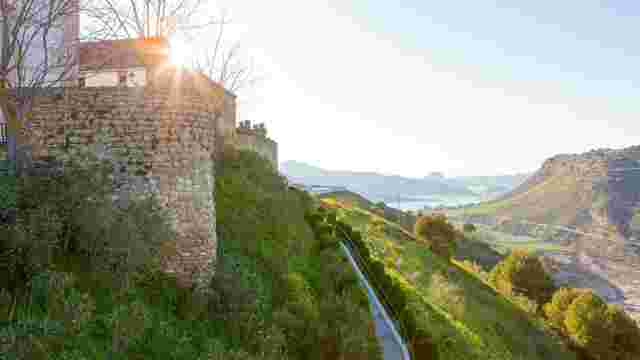
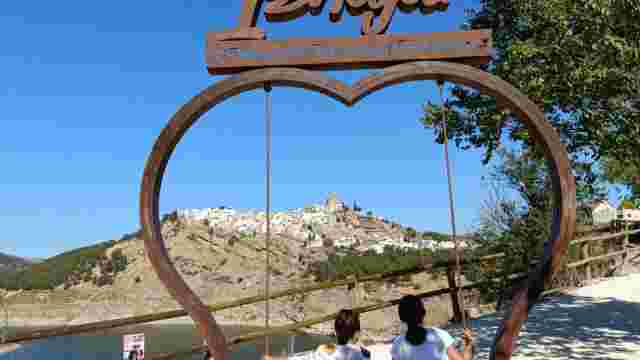
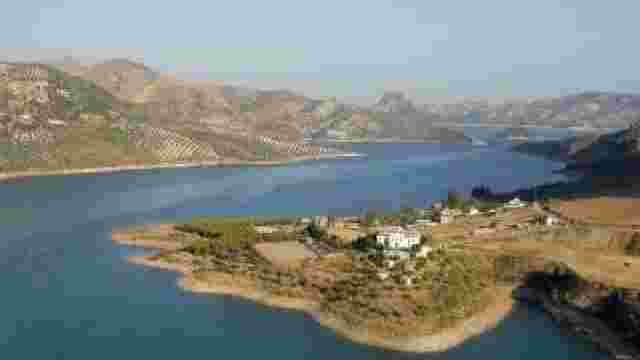
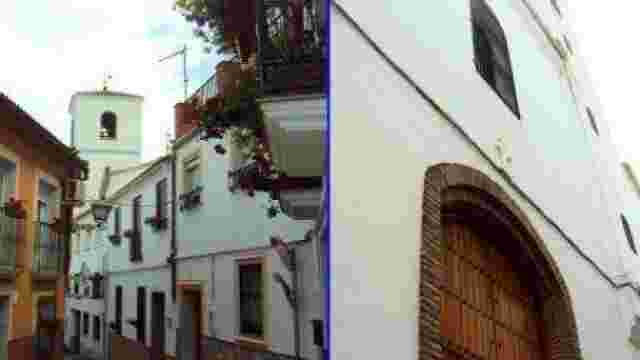
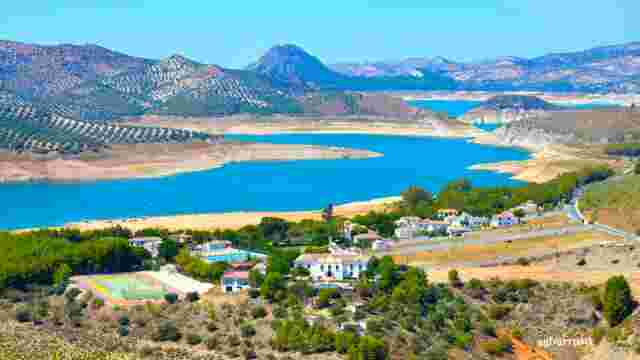
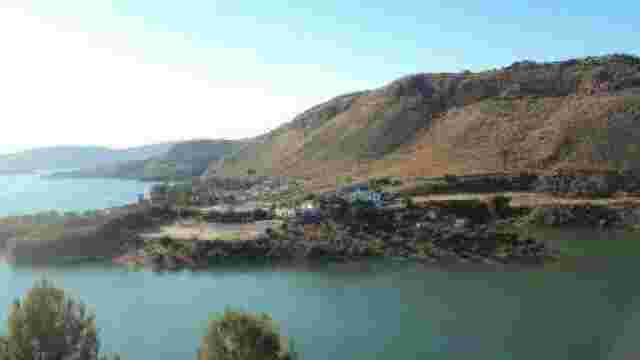
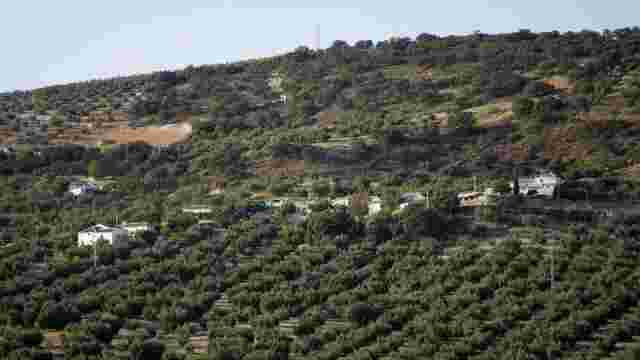
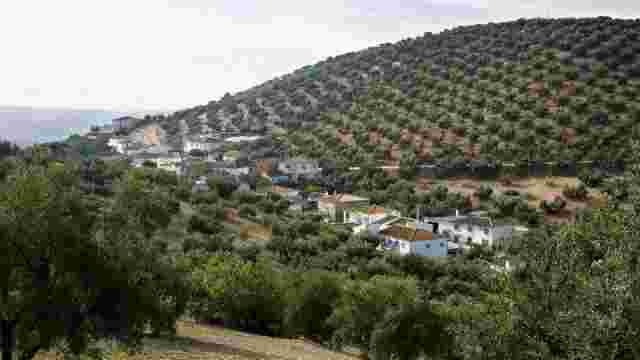
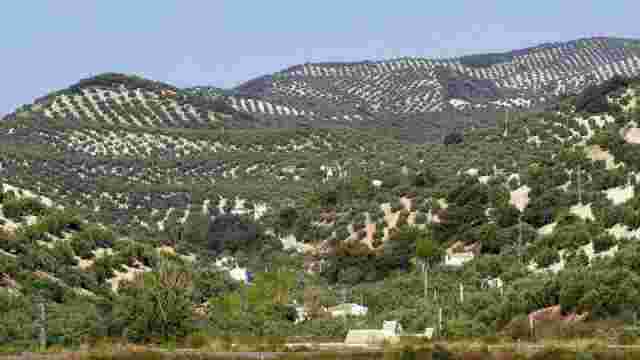
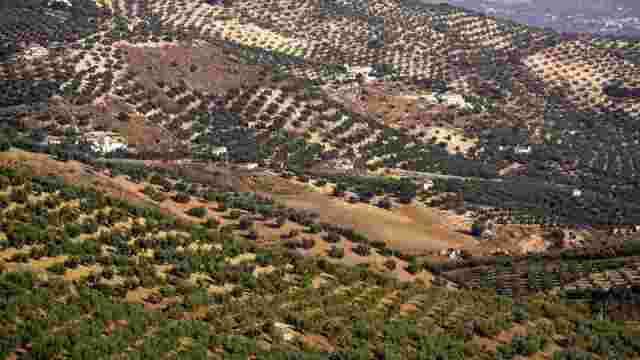
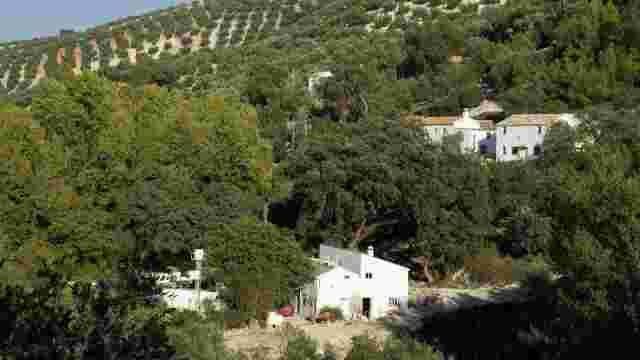
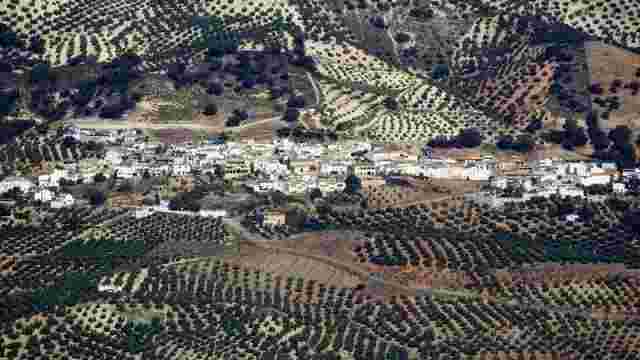
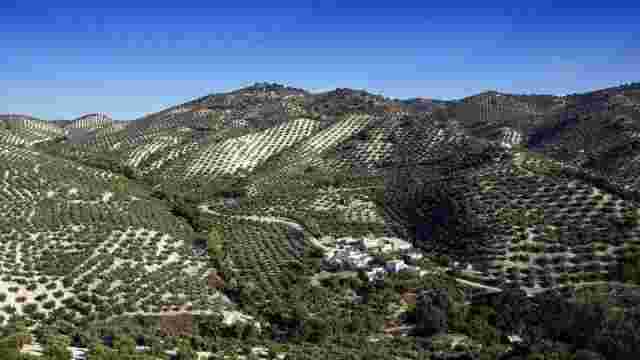
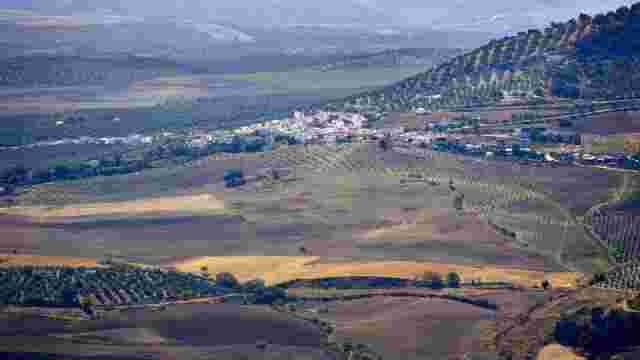
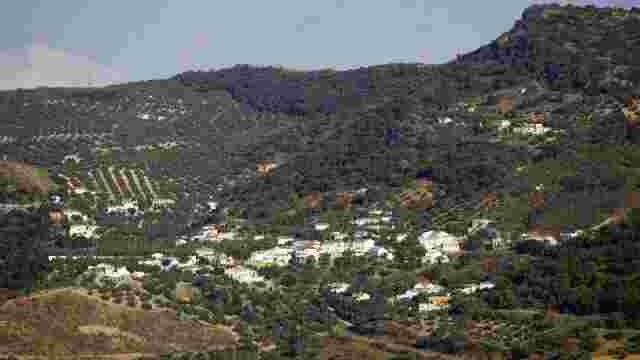
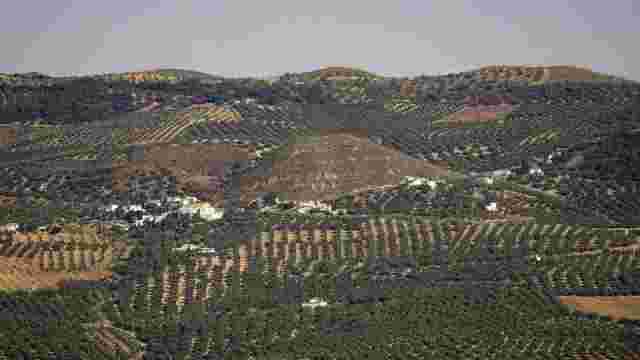
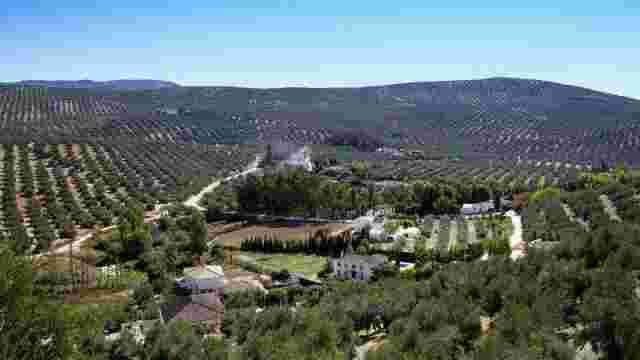
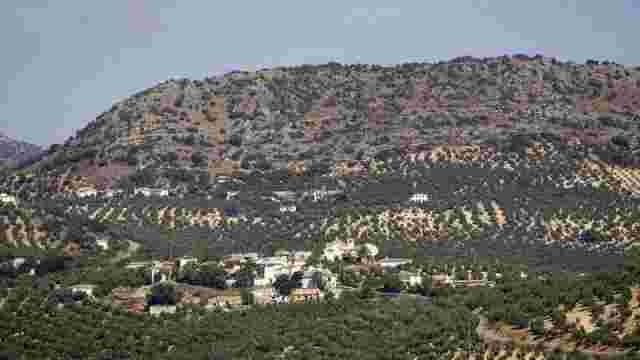
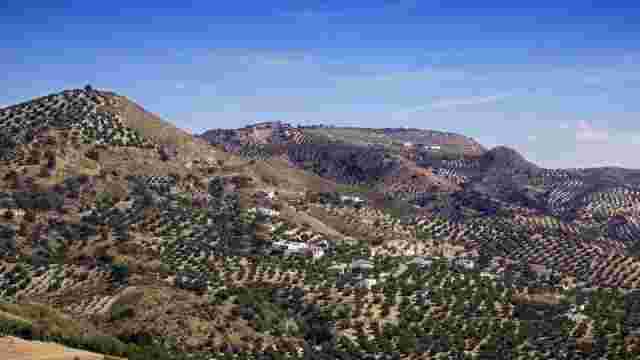
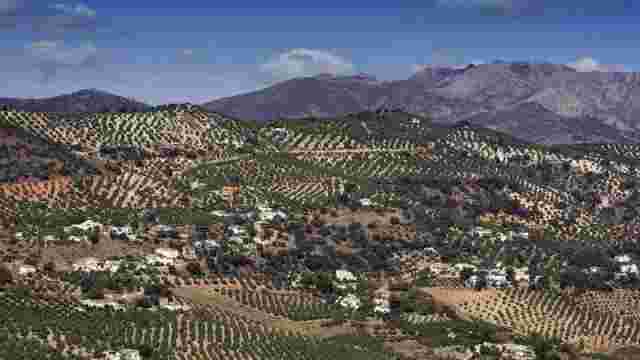
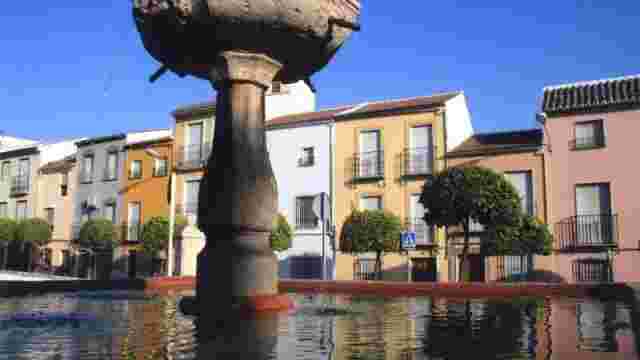
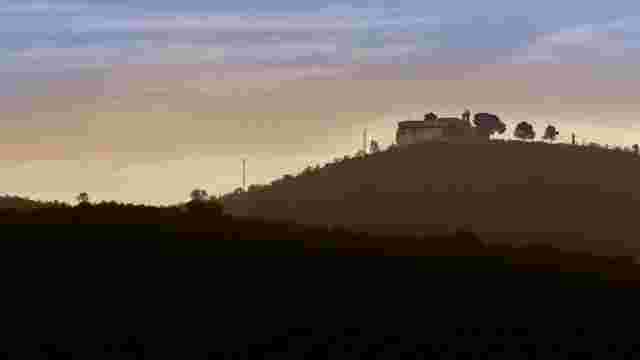
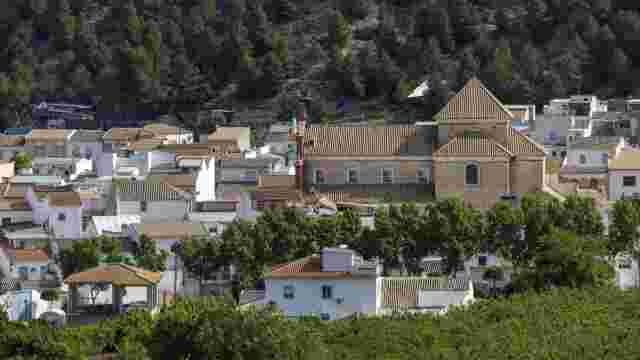
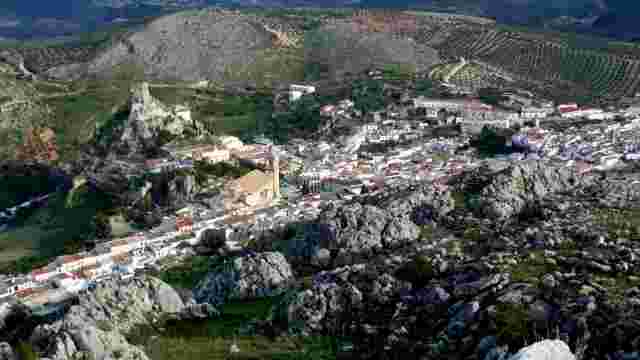
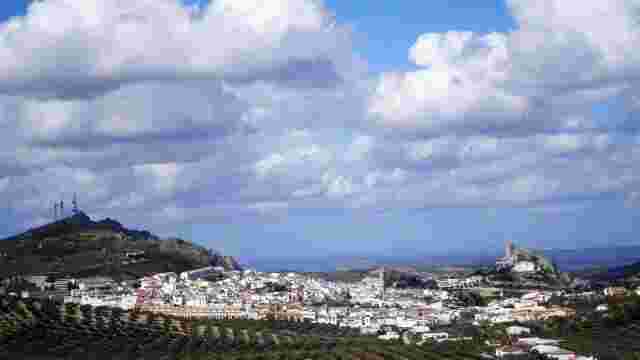
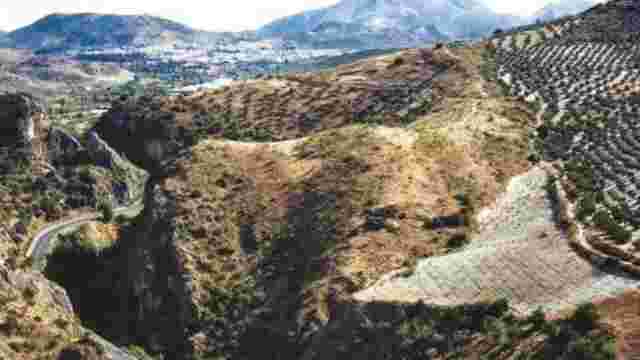
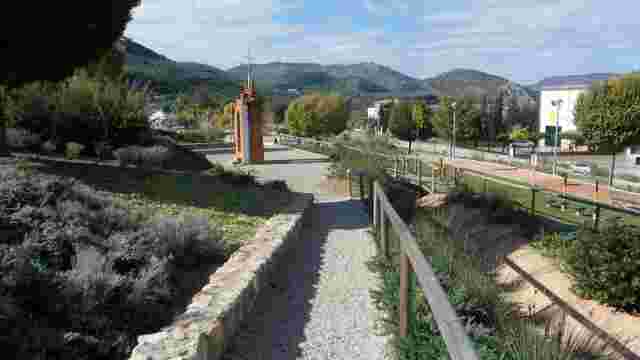
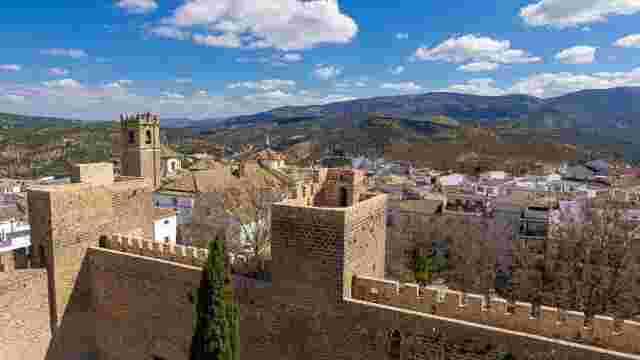
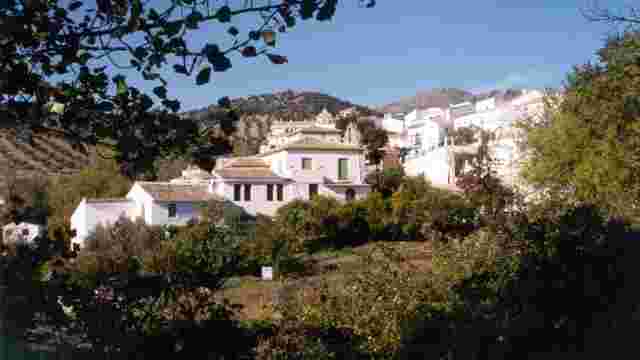
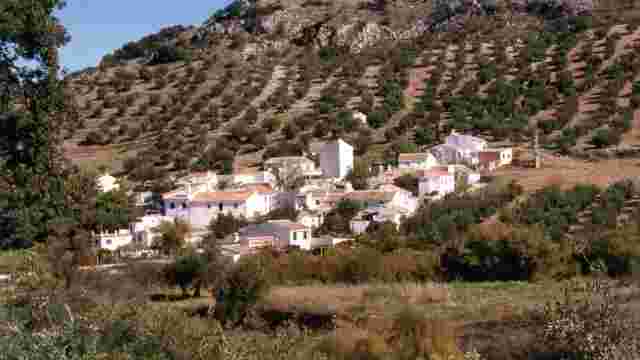
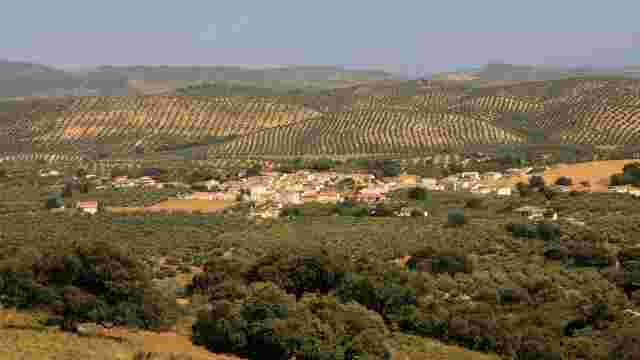
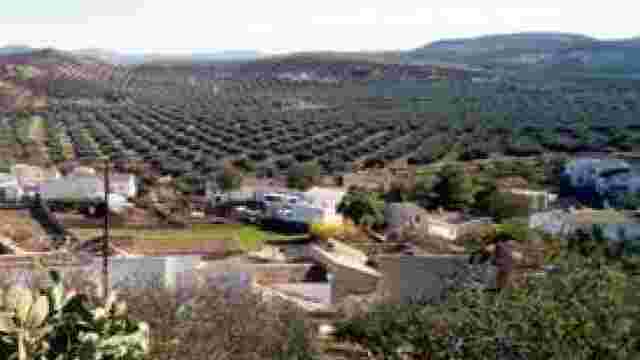
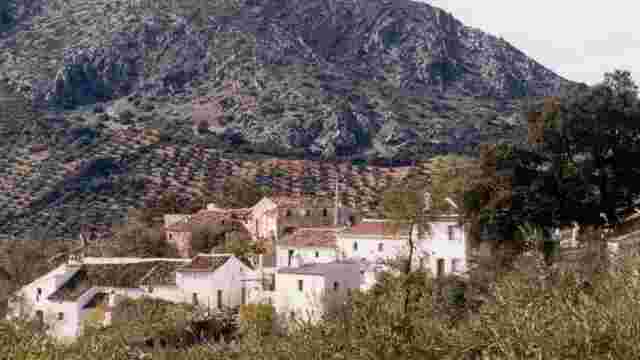
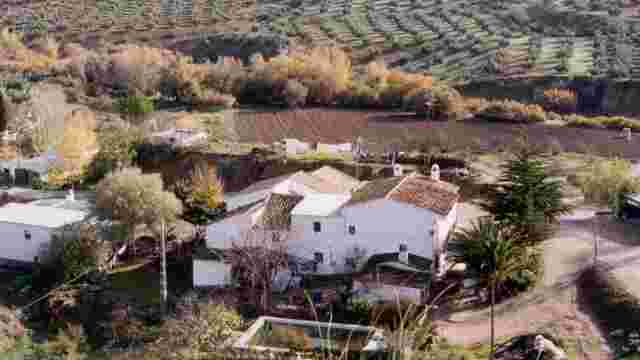
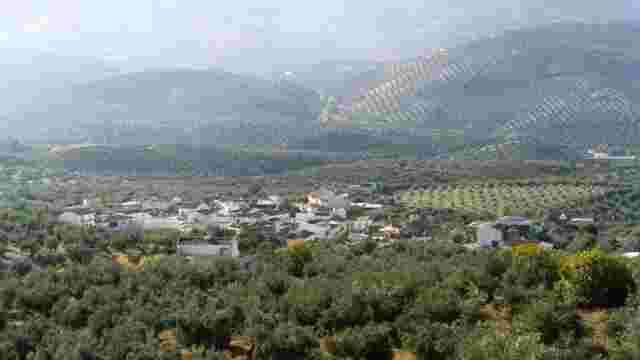
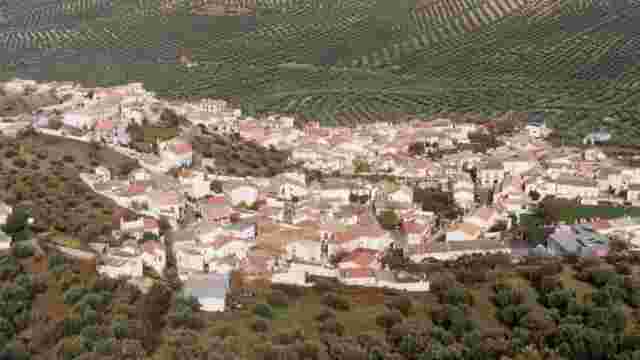
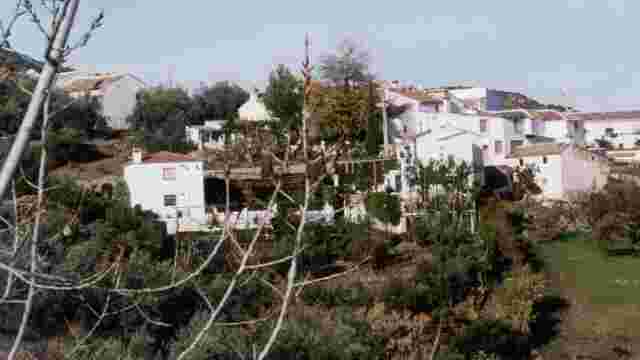
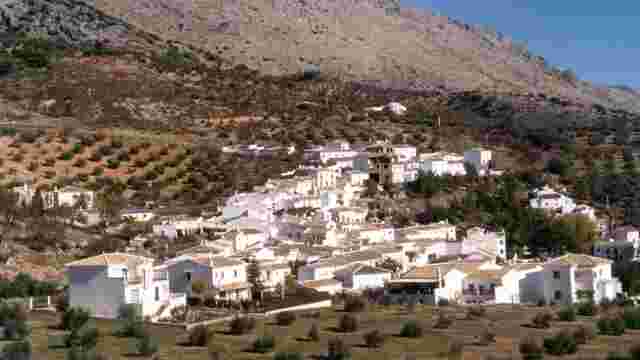
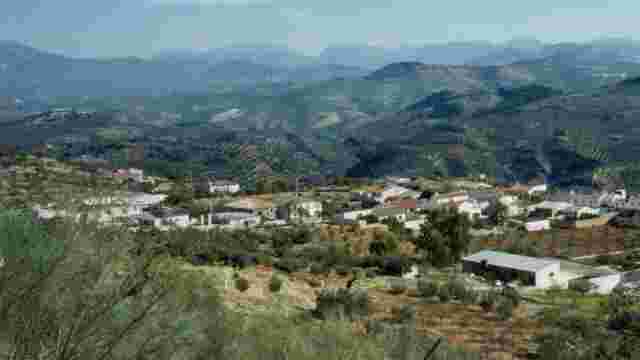
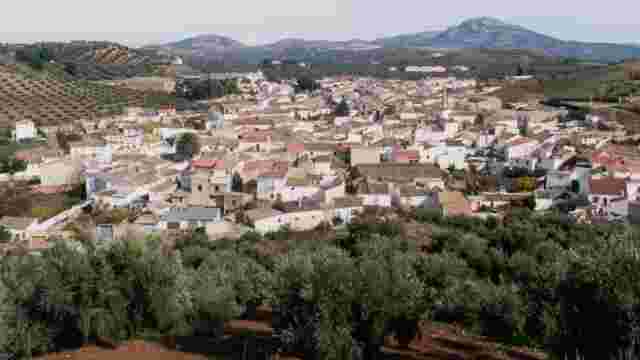
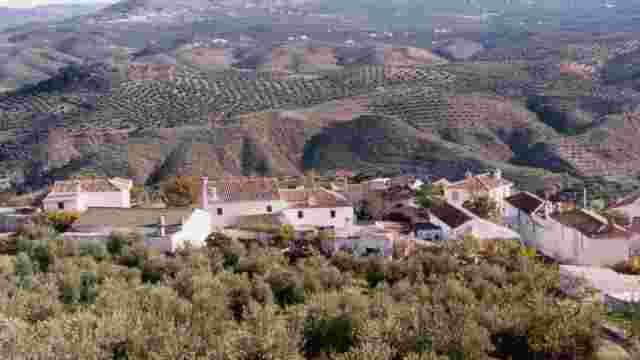
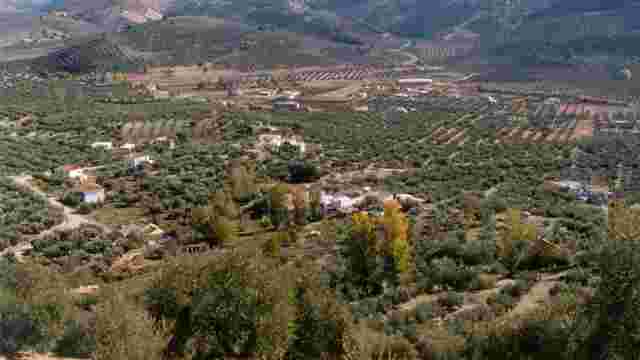
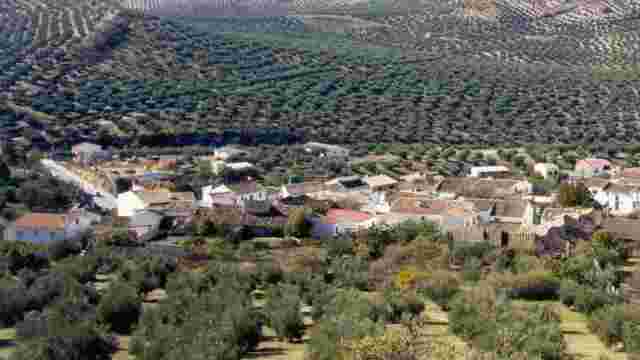
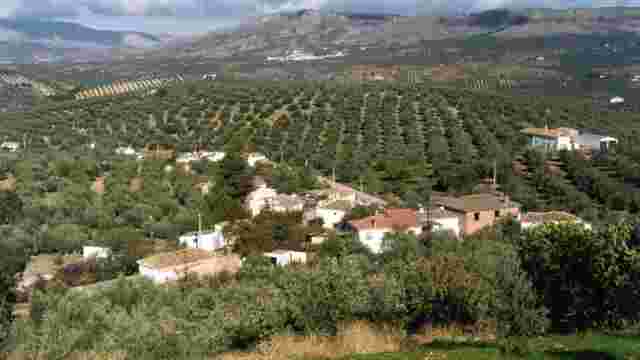
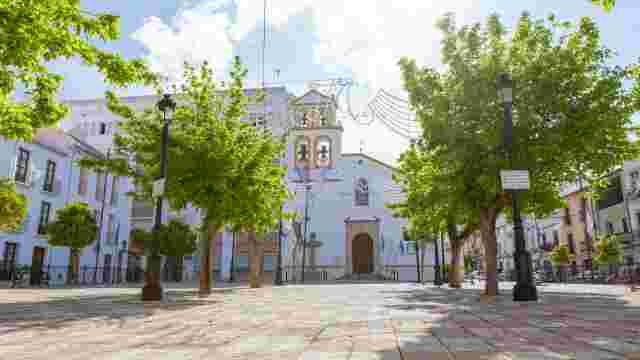
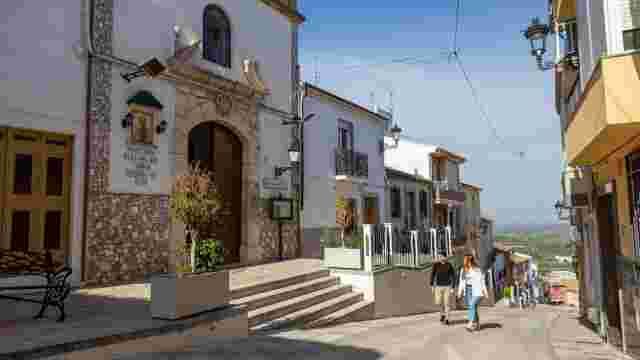
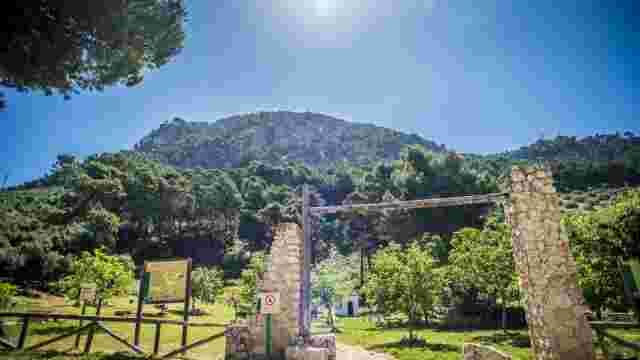
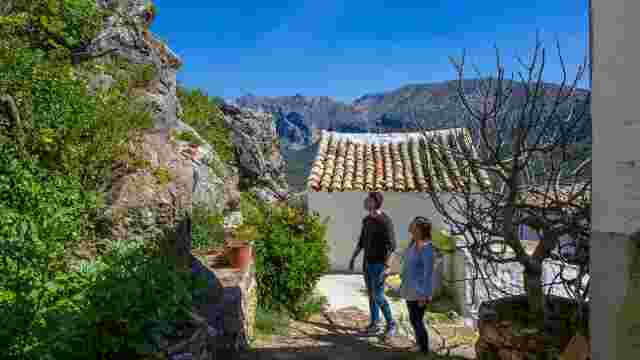
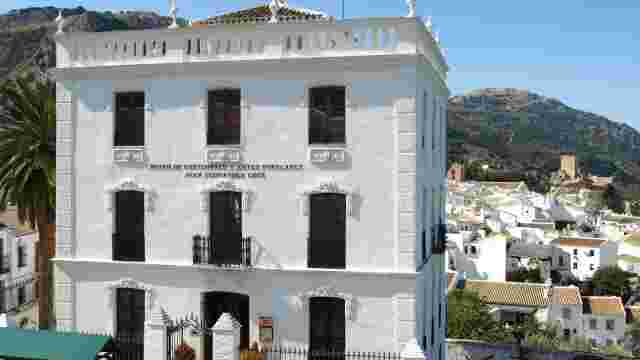
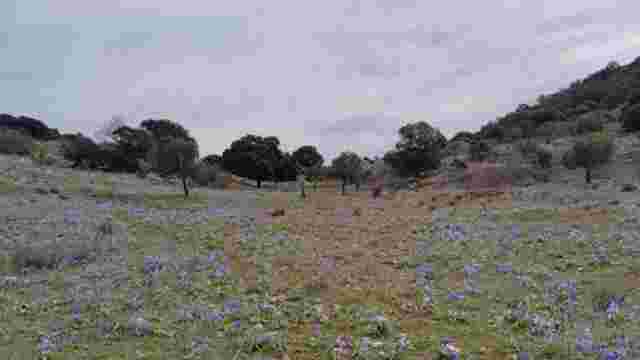
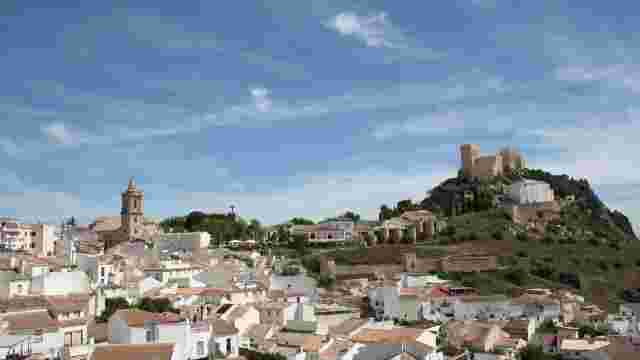
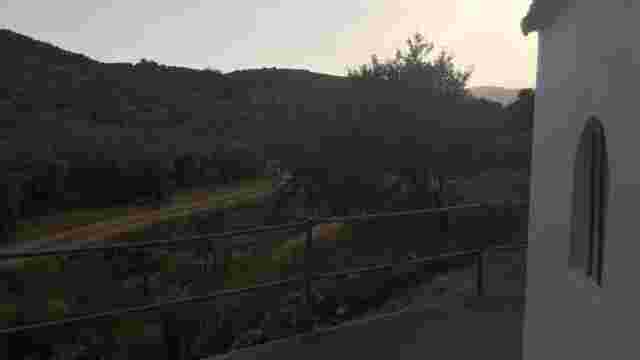
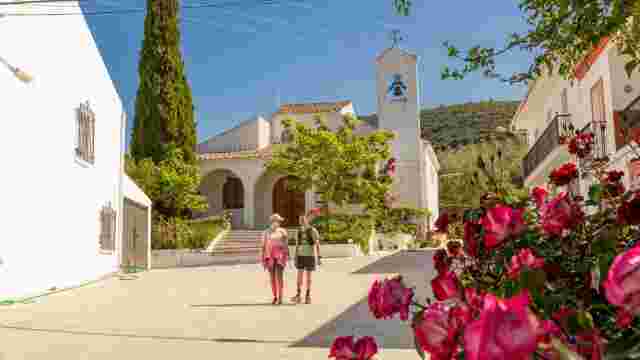
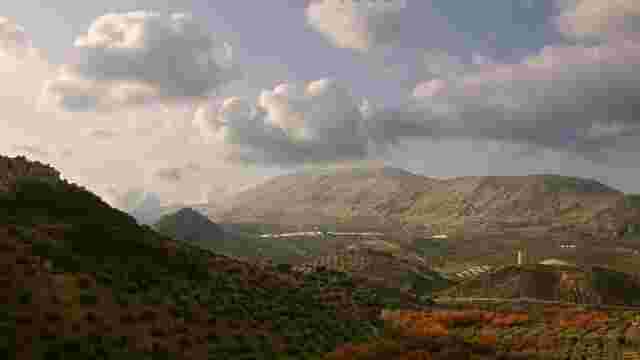
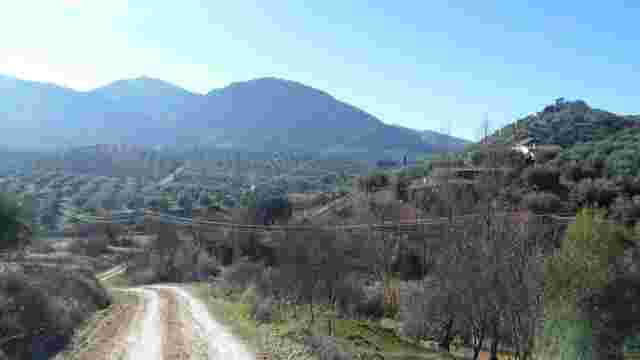
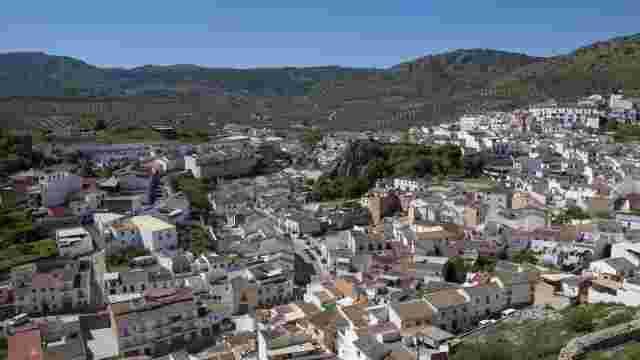
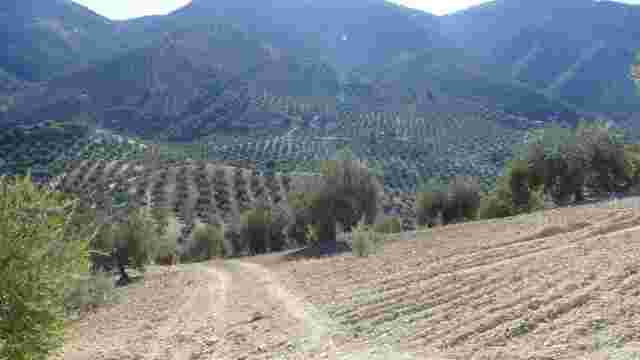
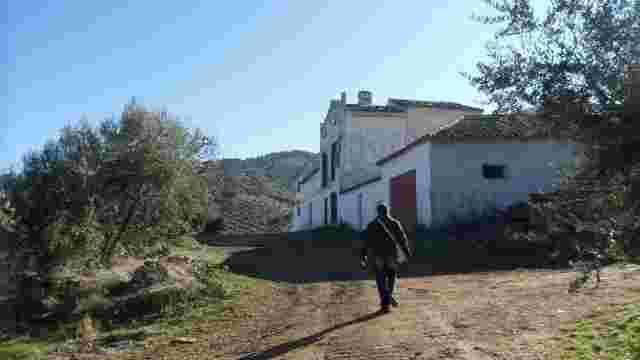
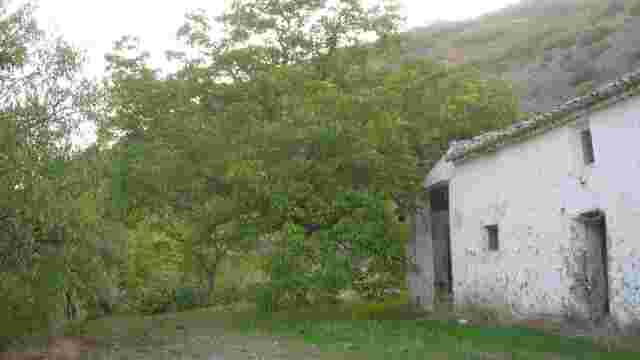
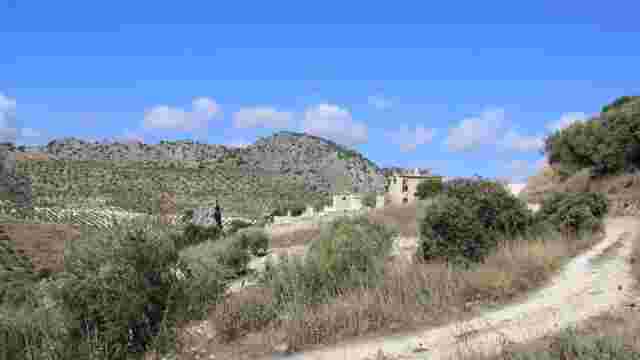
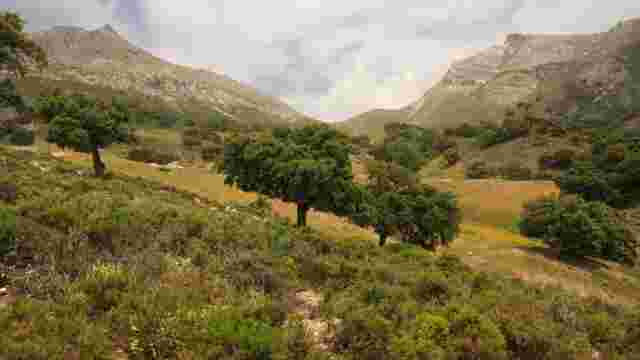
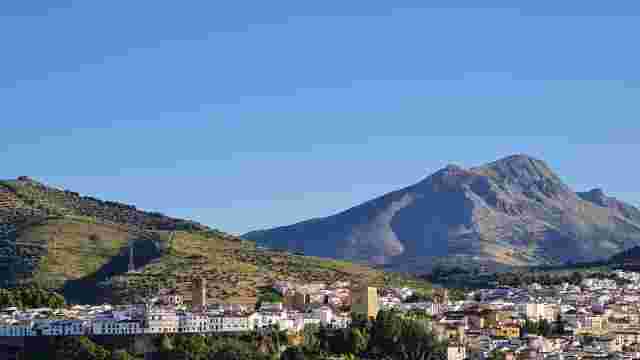
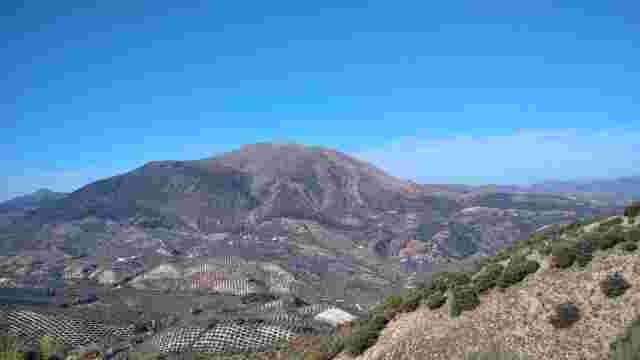
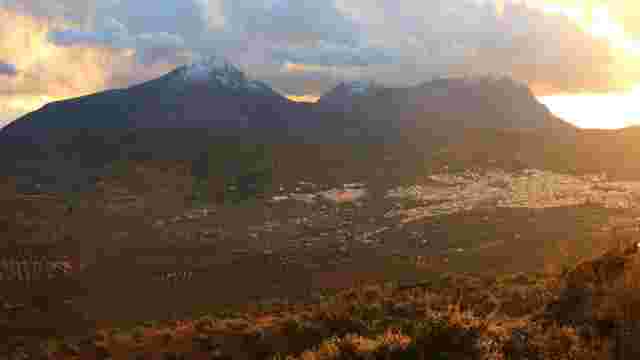
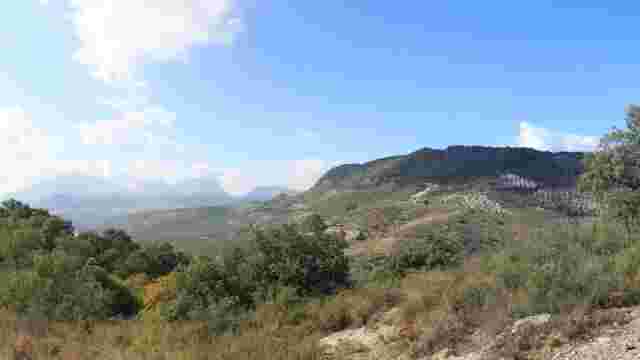
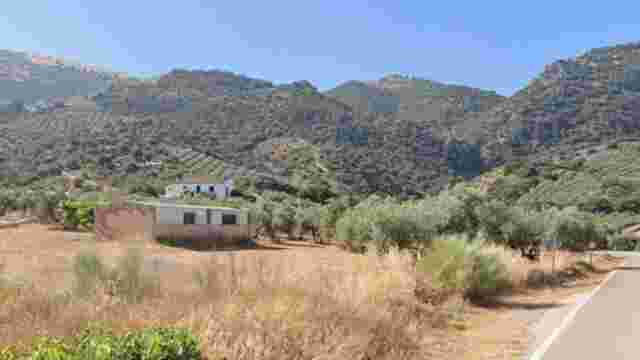
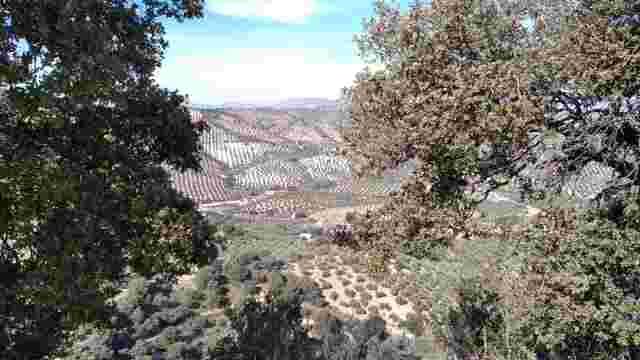
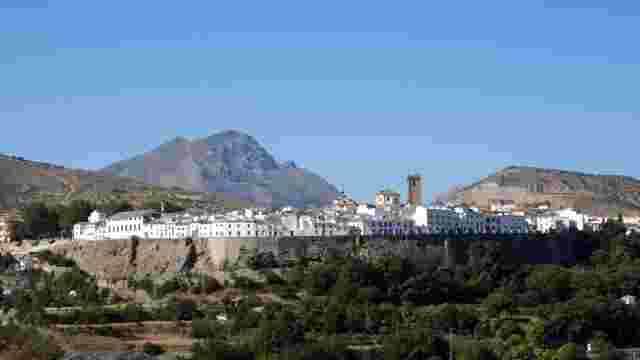
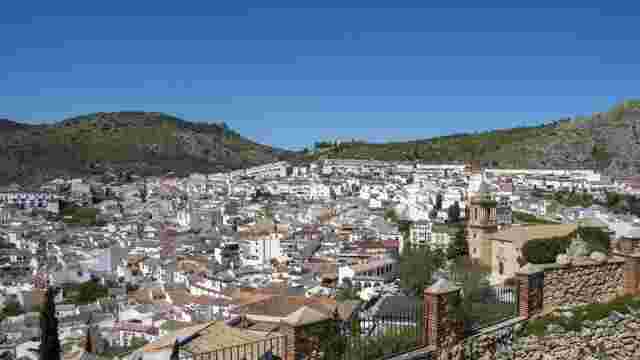
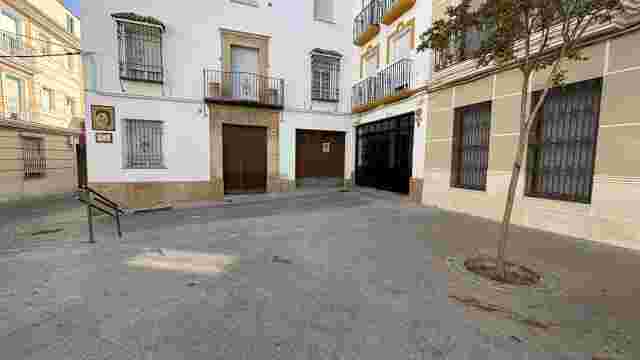
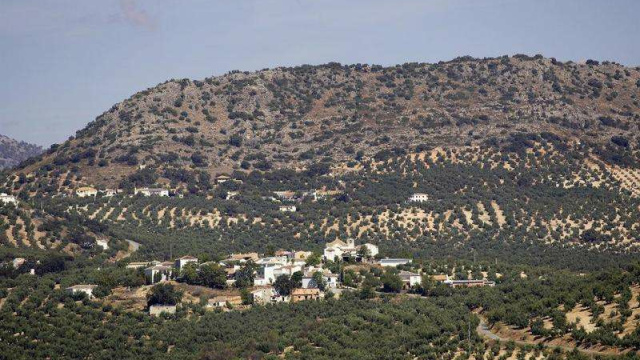
The village of La Celada is situated in the north of the municipal area, between “Cerro del Azucarón” and “Loma de las Ventanas”.
The village’s name derives from Latin (celada means ‘hidden village’), and La Celada certainly lives up to its name, being sheltered amongst mountains and hills. However, to be more precise, it seems that the true origin of the name refers to the site of an ancient ambush or ambush in a hidden spot.
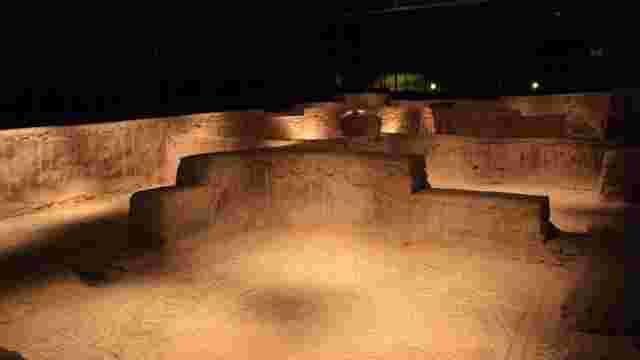
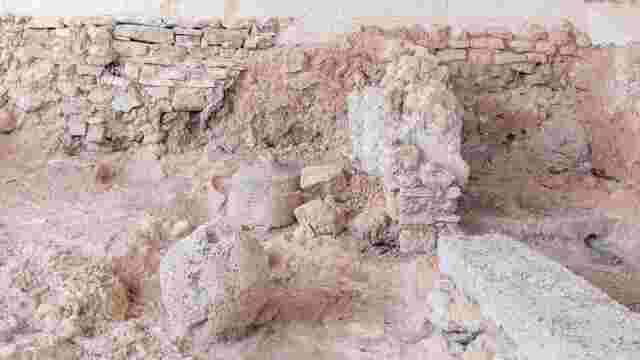
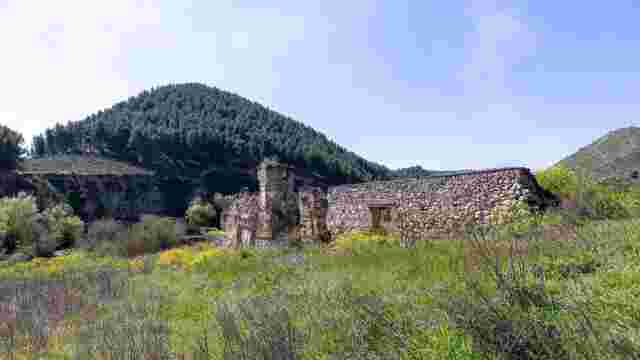
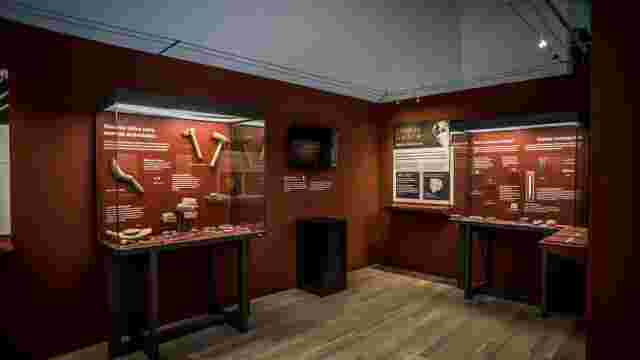
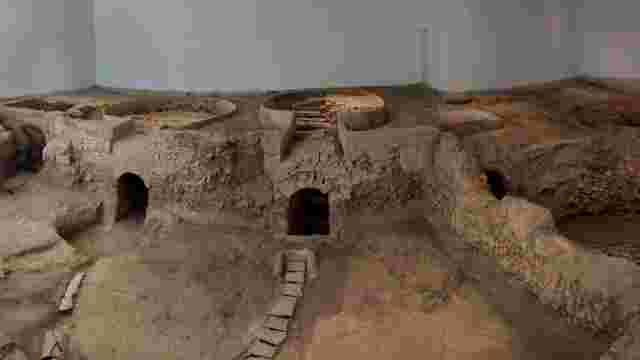
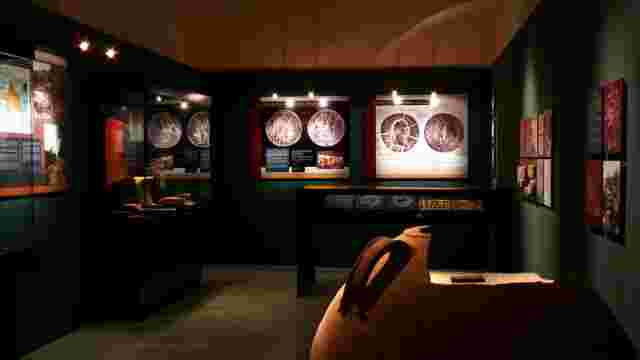
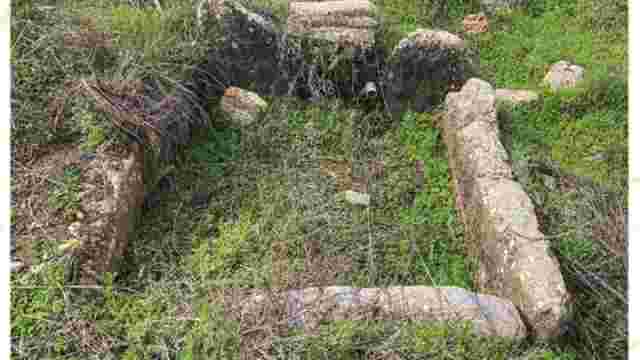
The earliest remains found in the village reveal Iberian and Roman presence, although the Arabs also inhabited the village, with some Almoravid coins and medieval texts having been found, which mention the existence of a farmstead called La Ariza.
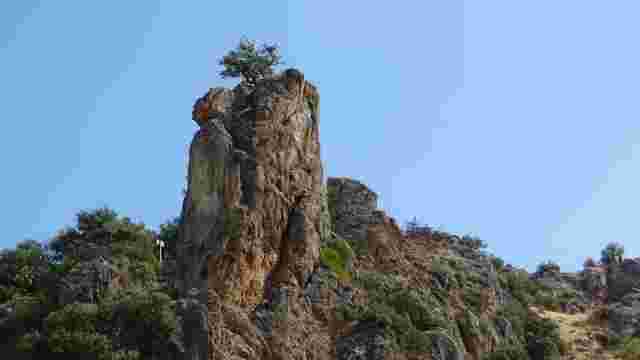
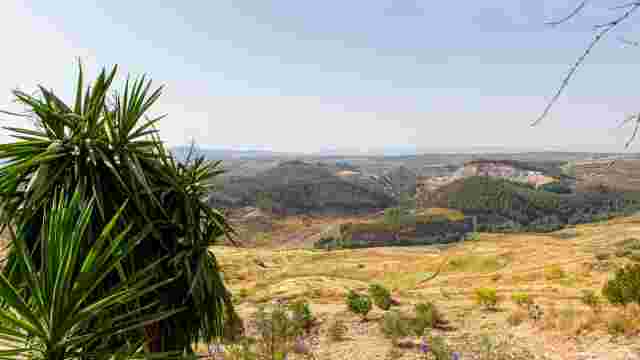
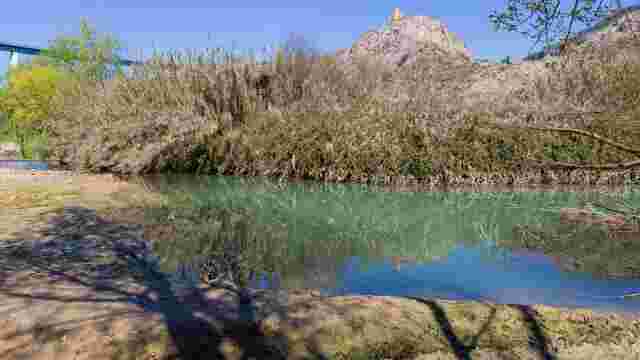
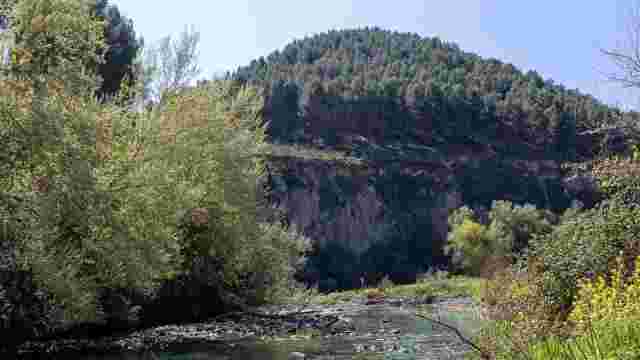
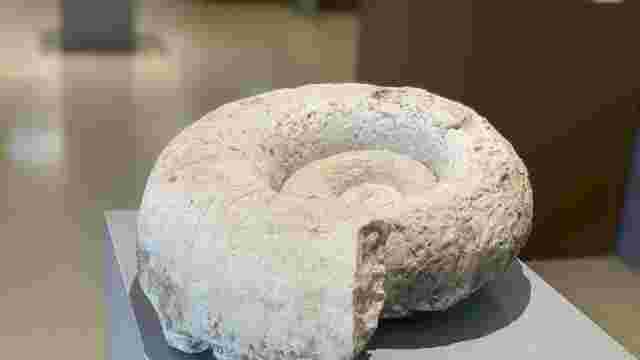
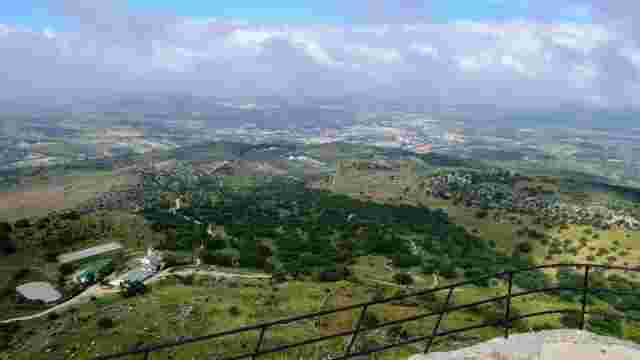
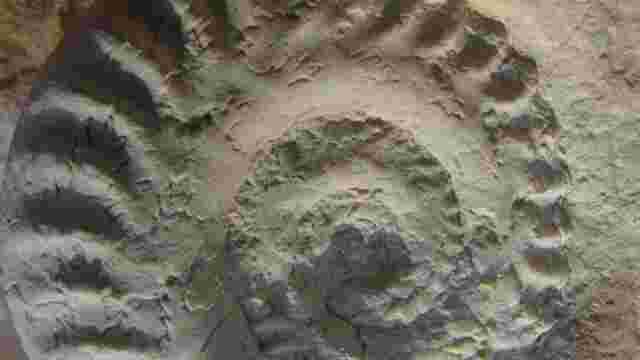
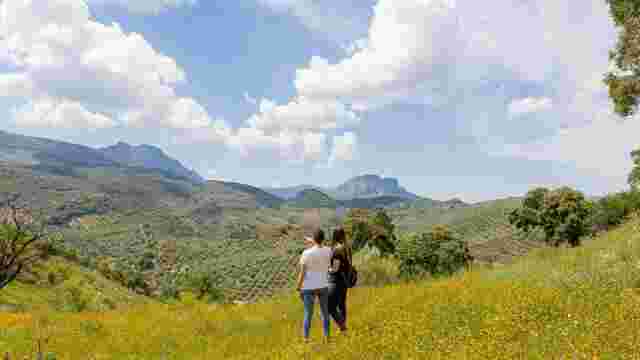
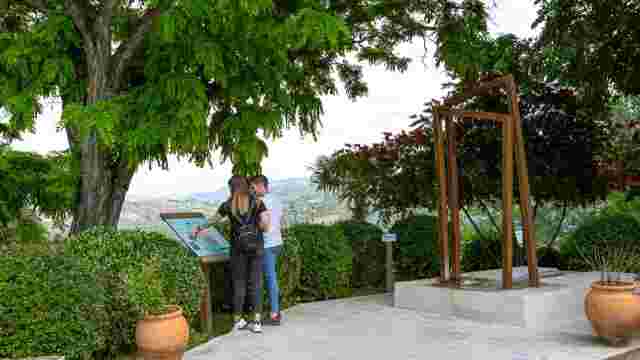
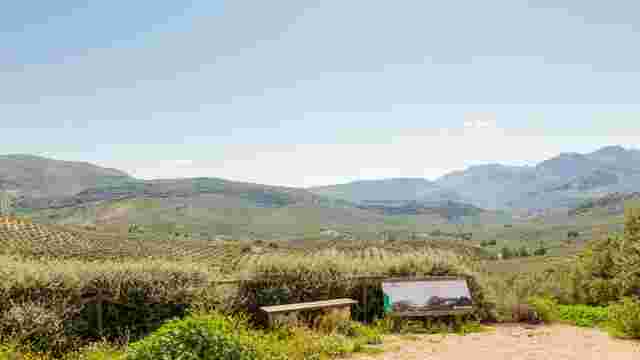
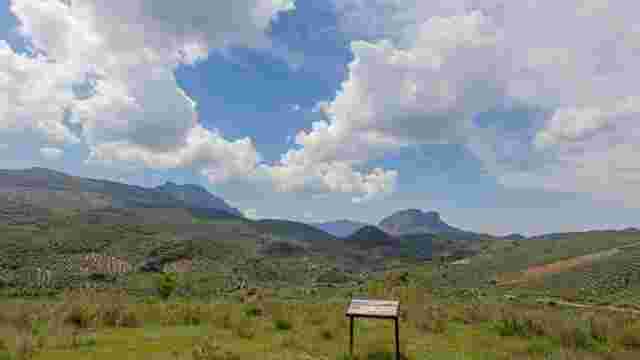
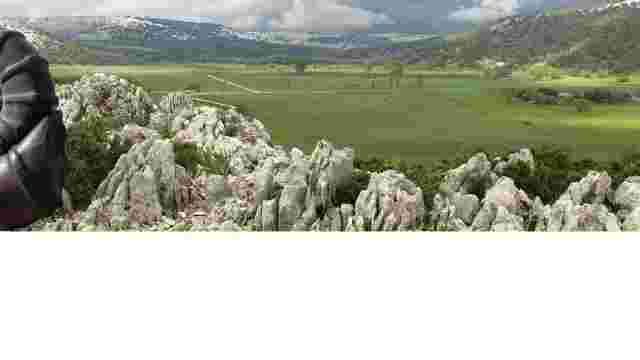
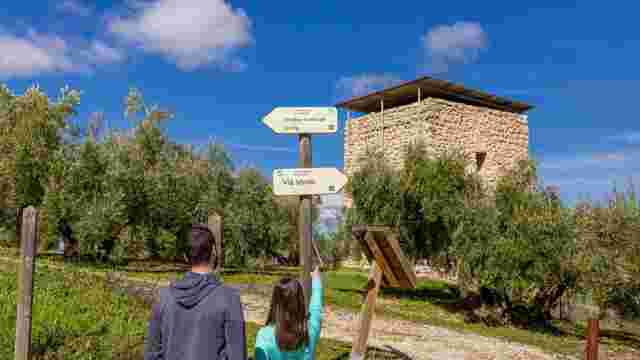
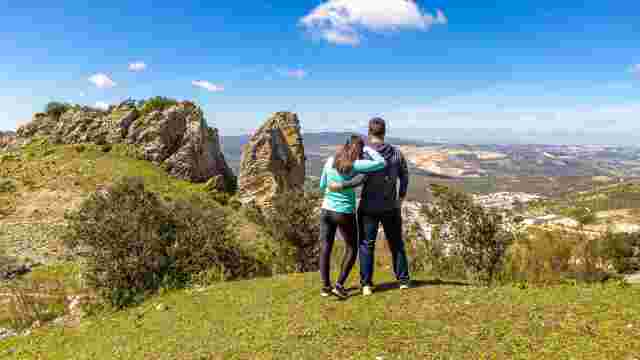
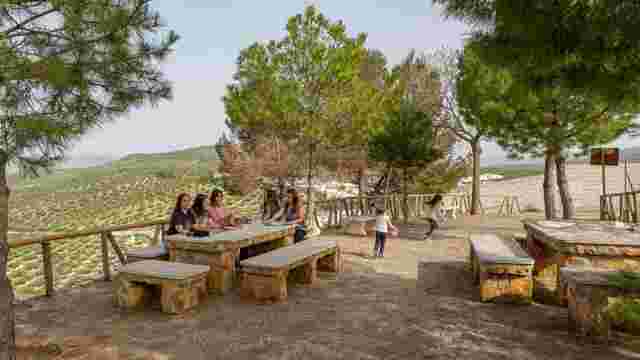
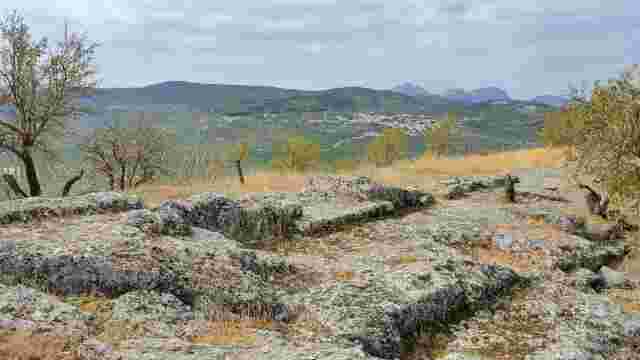
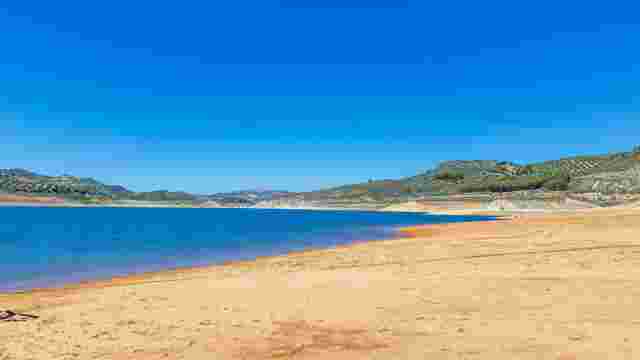
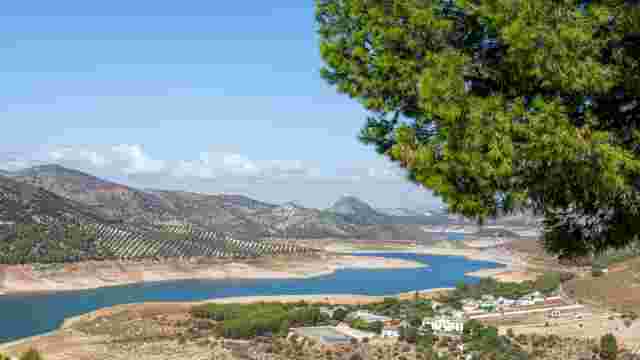
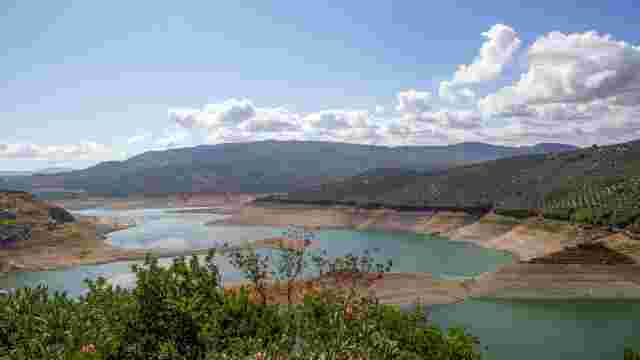
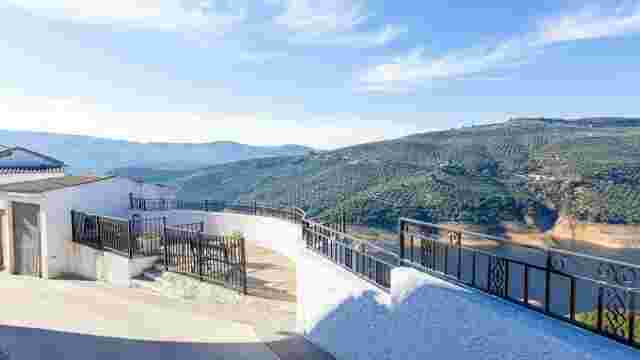
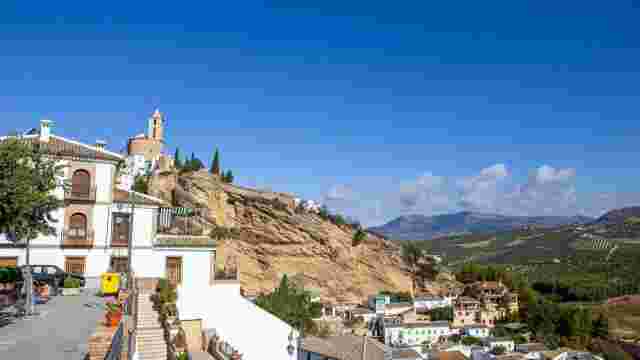
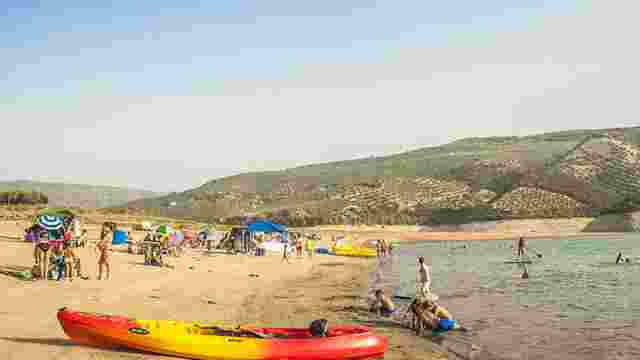
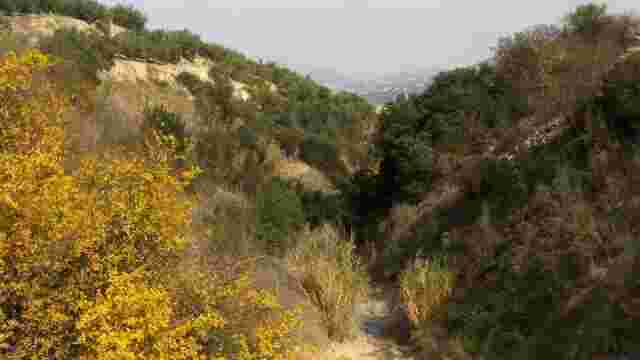
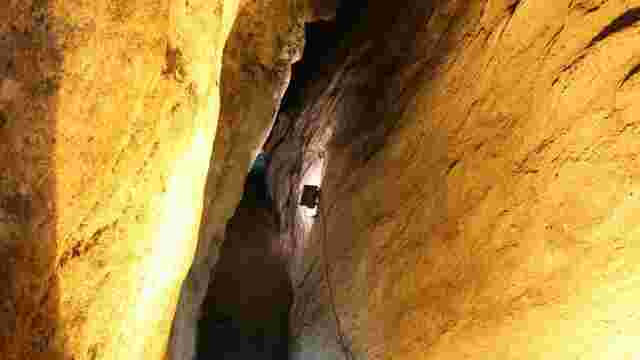
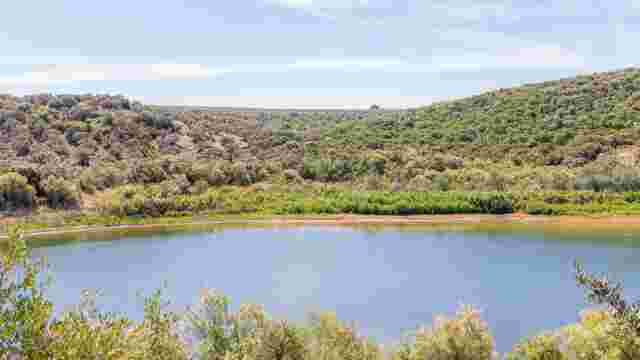
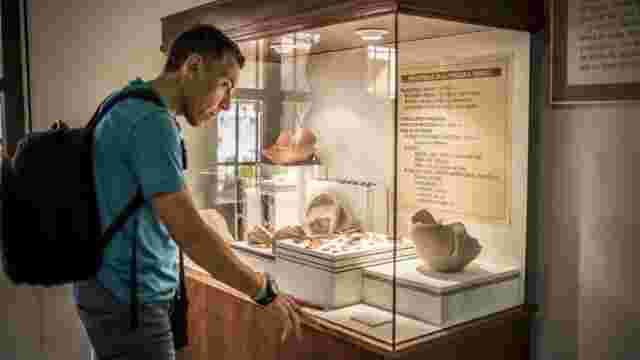
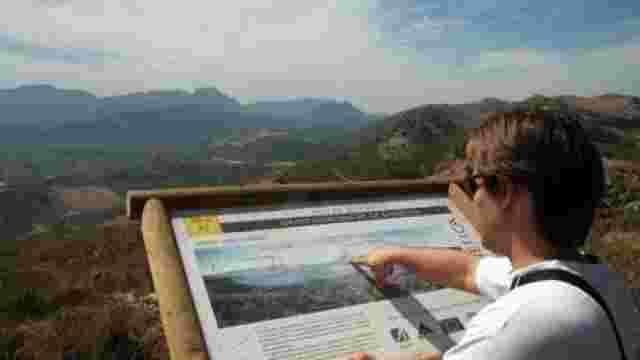
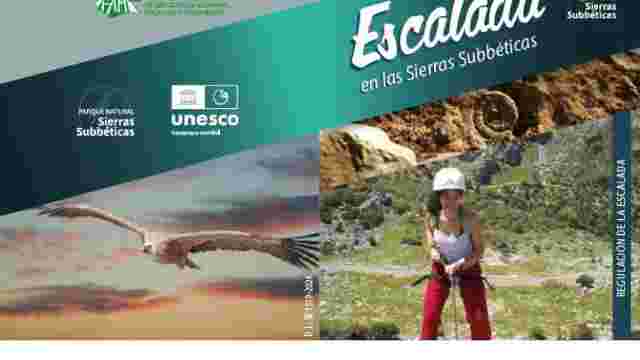
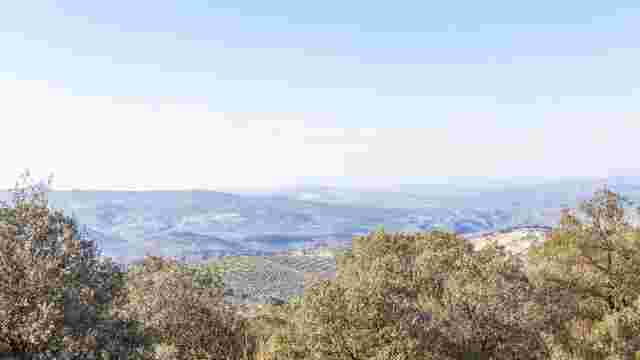
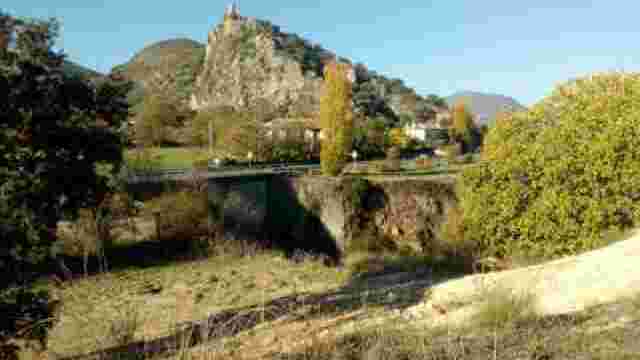
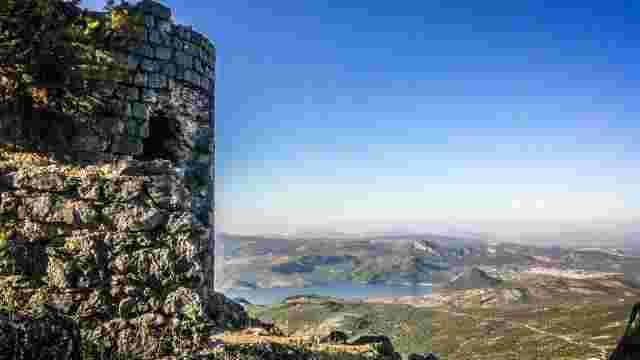
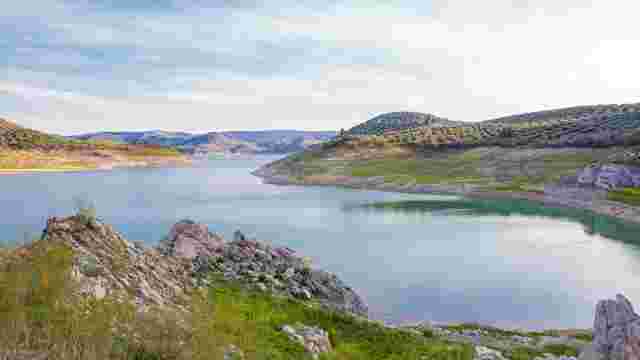
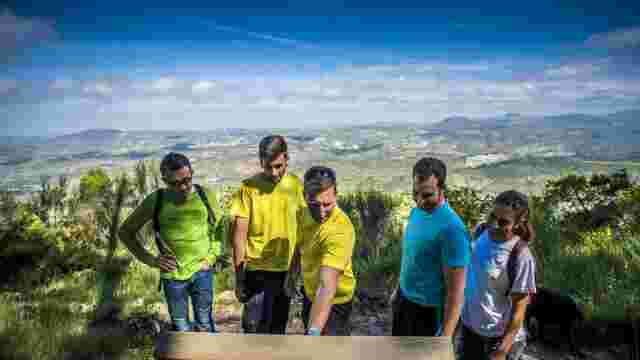
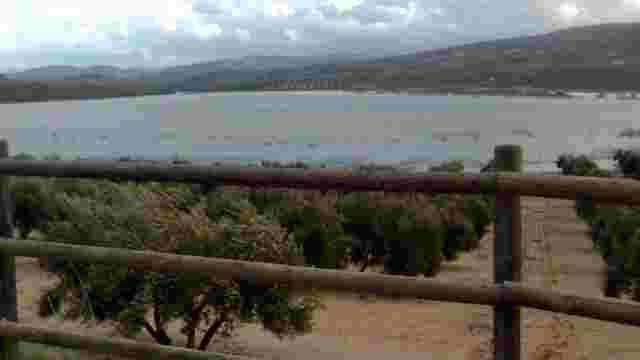
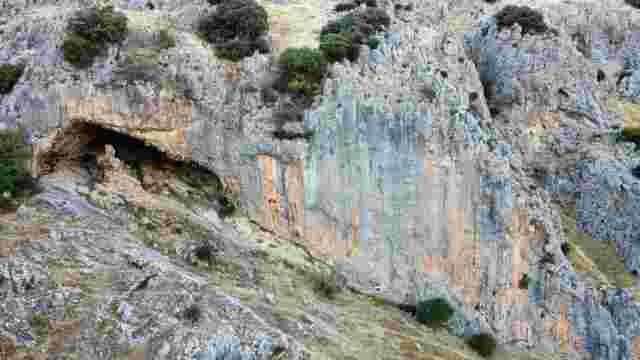
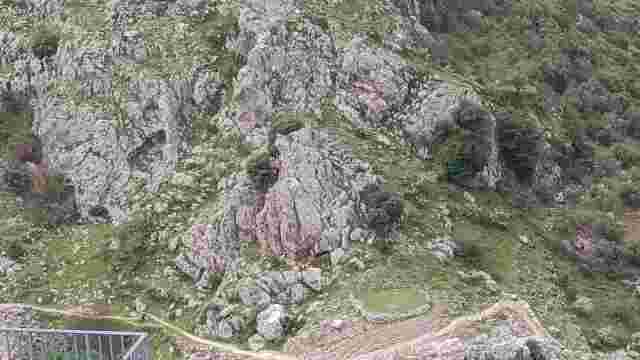
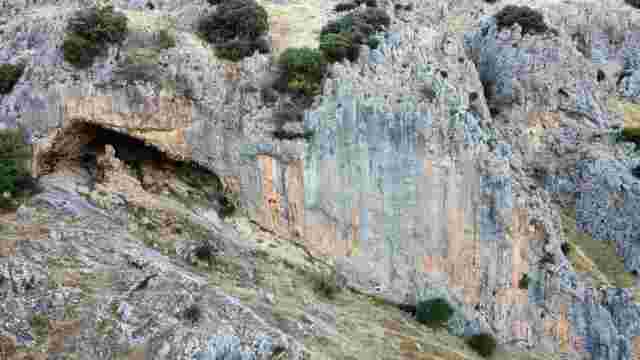
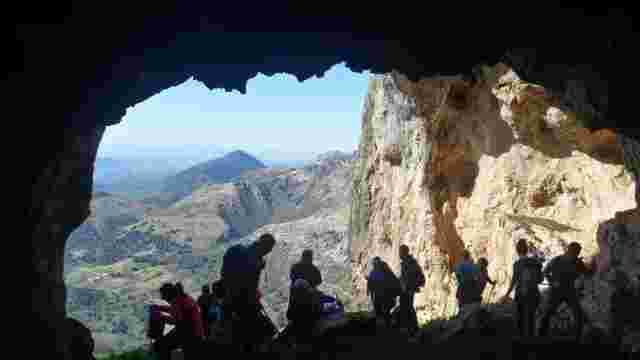
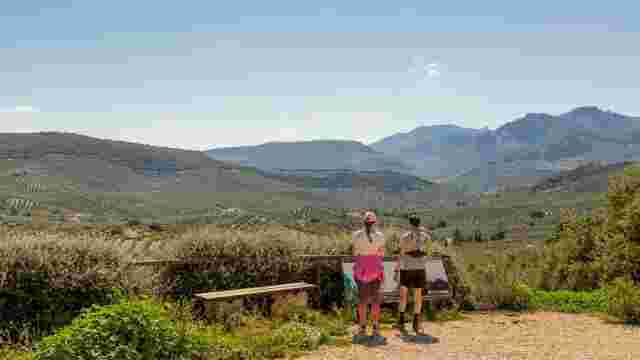
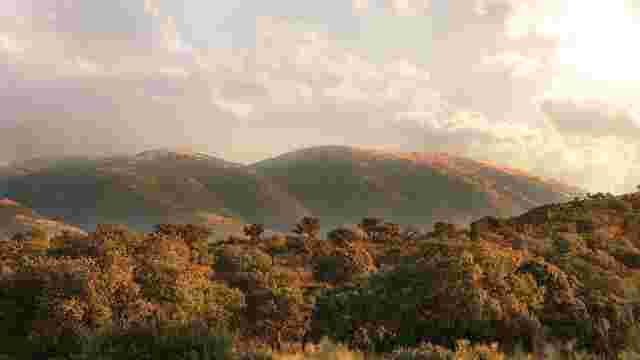
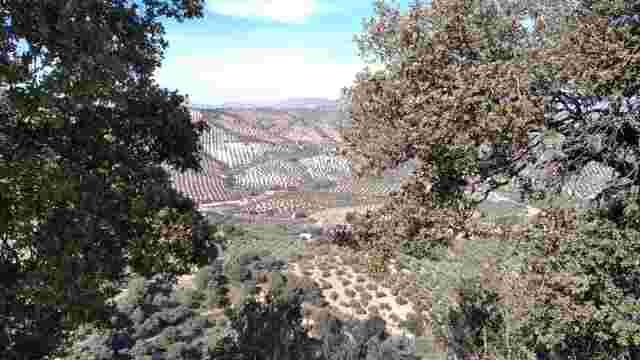
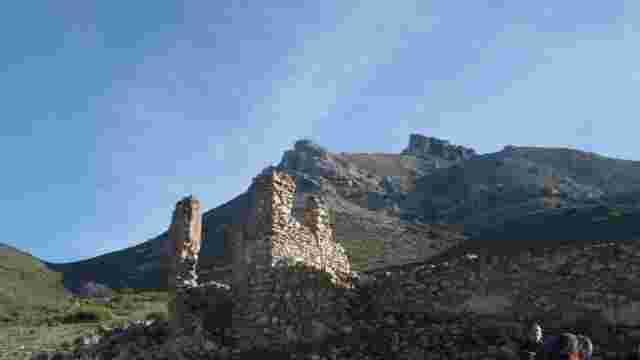
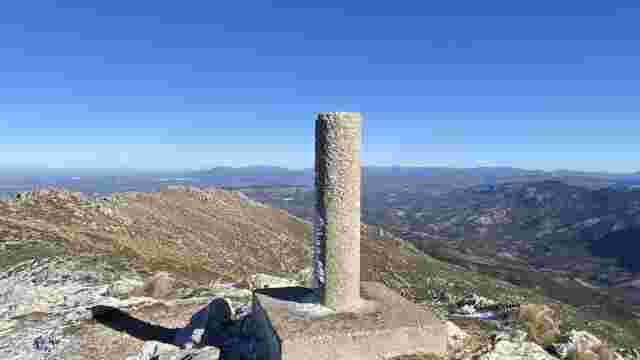
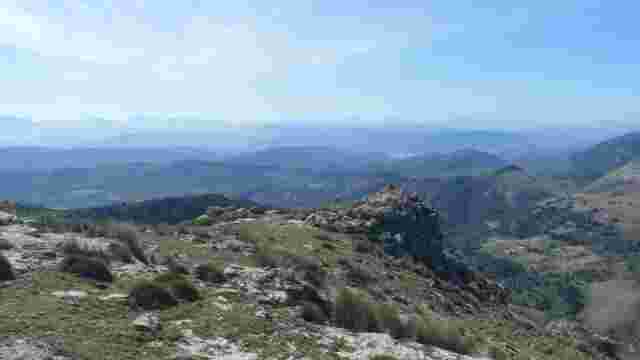
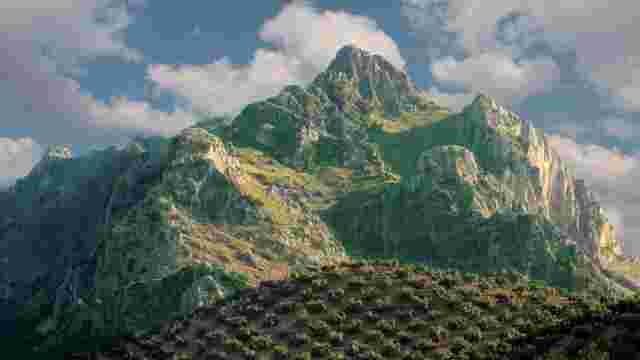
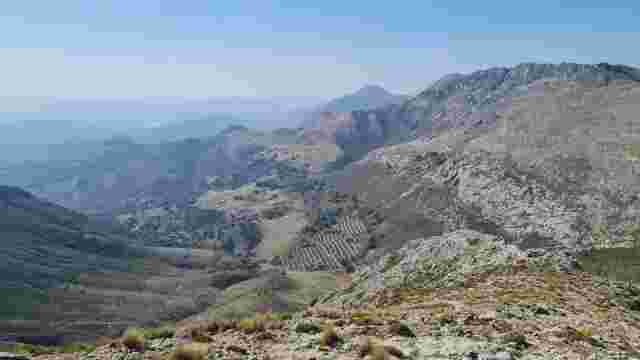
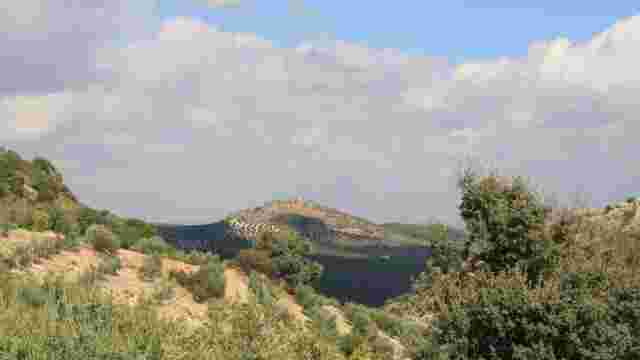
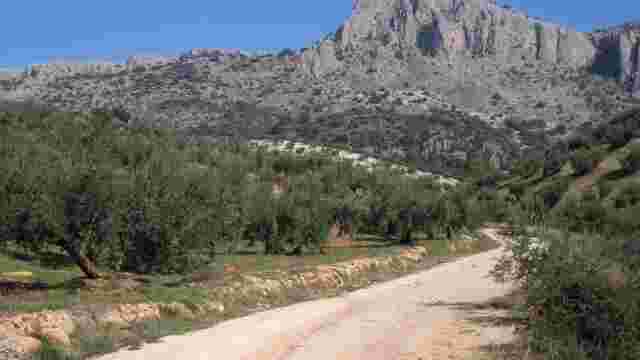
Rising majestically above the village is the “Sierra de las Ventanas”, whose name is associated with its appearance, as it seems to be pierced by windows in the rock. Its origins date back to the Tertiary Period, and numerous fossilised shells of ammonites and belemnites can be found there. Its summit is a magnificent natural viewpoint, from which one can enjoy splendid views over the reservoir and the municipality of Iznájar; it features the typical Mediterranean flora and fauna of sun-baked slopes, with esparto grasslands, broom thickets, gorse, rockroses and rock laurels, as well as reptiles such as the ocellated lizard and ladder snakes.
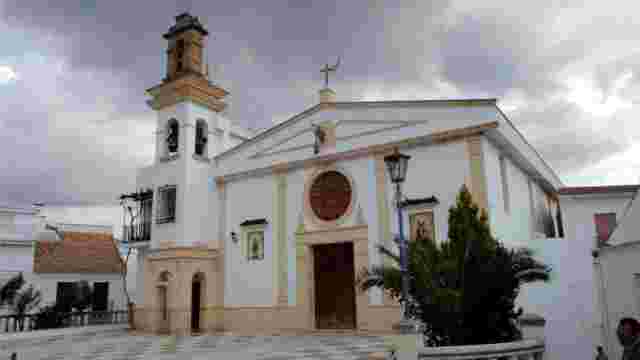
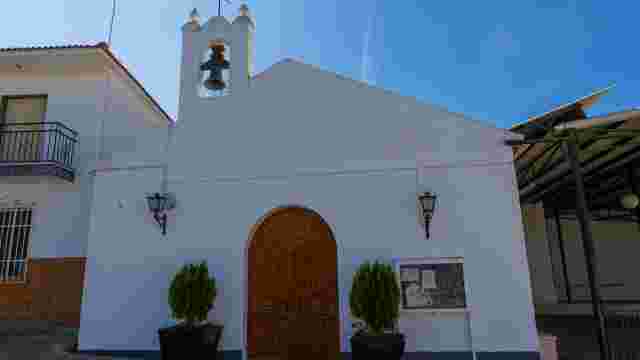
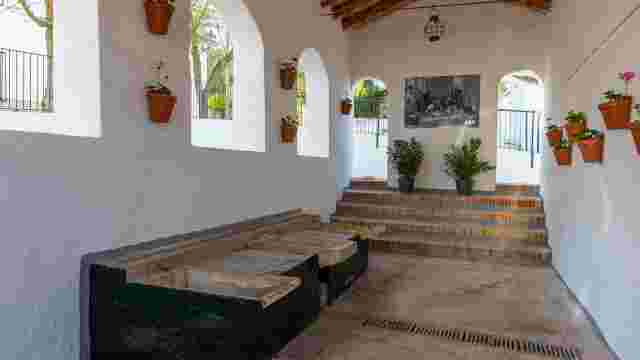
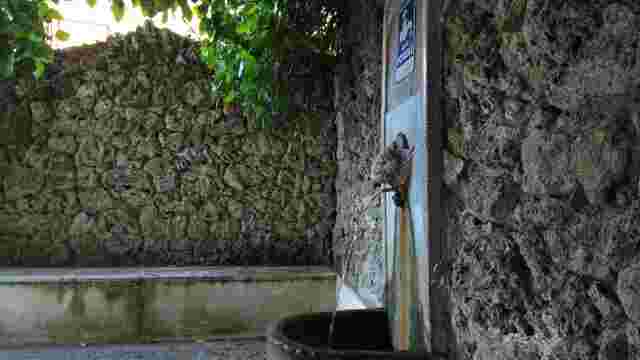
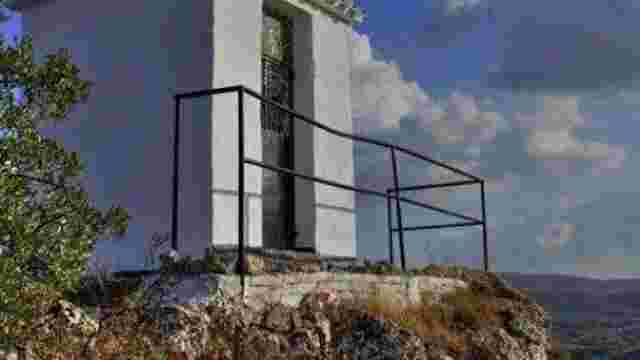
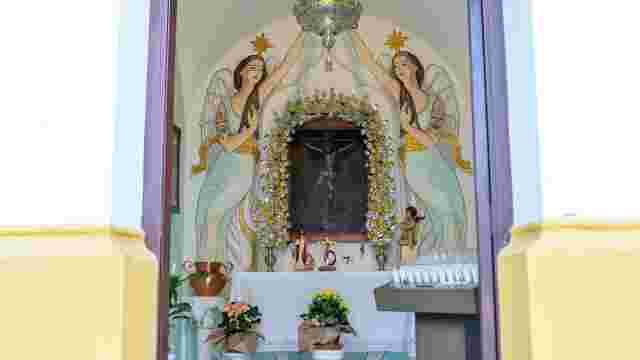
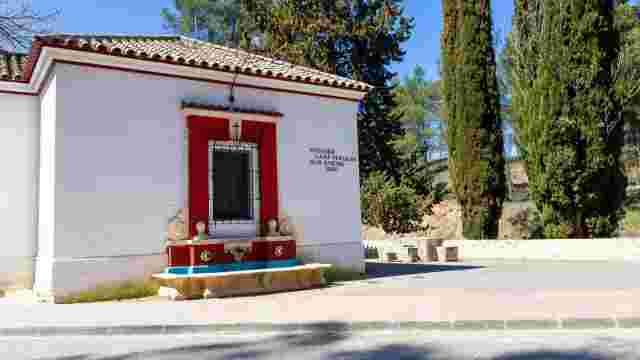
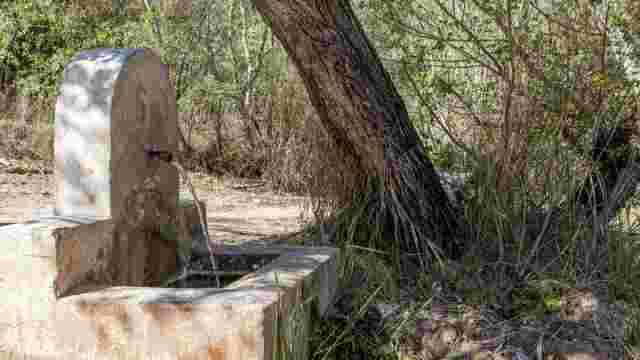
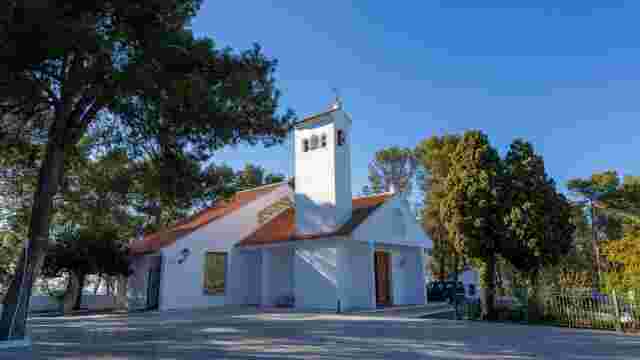
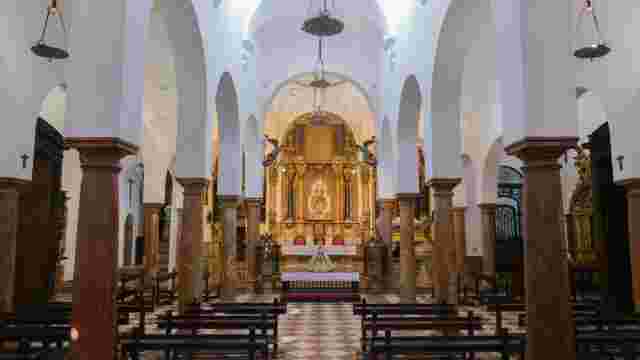
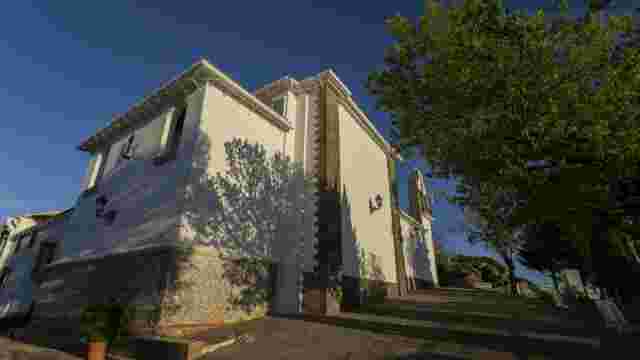
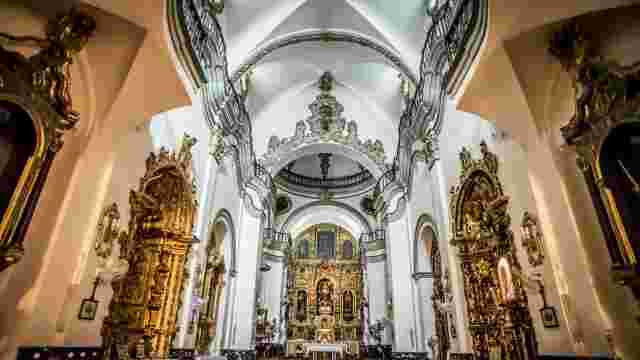
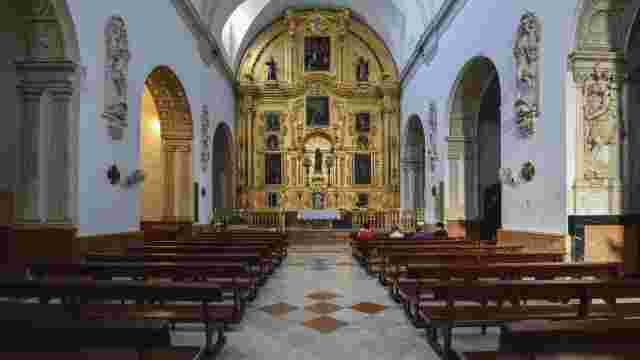
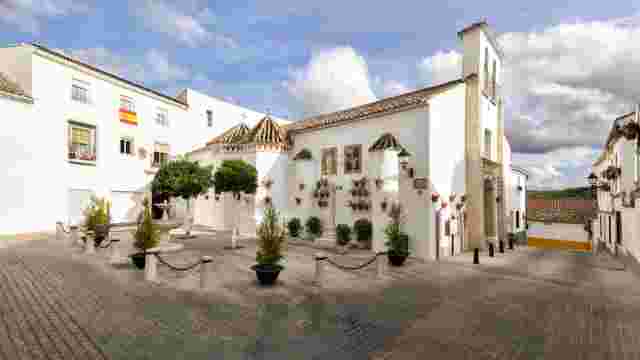
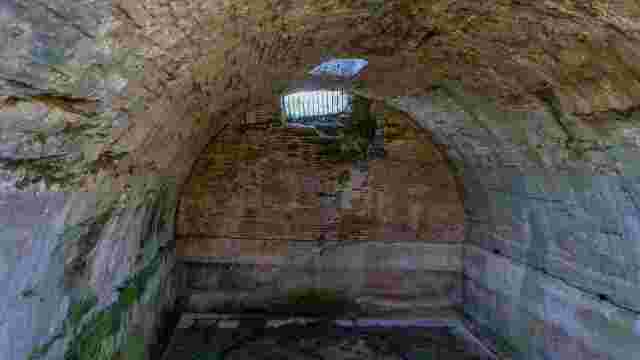
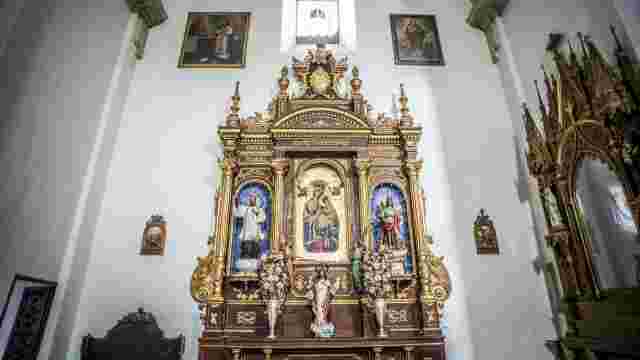
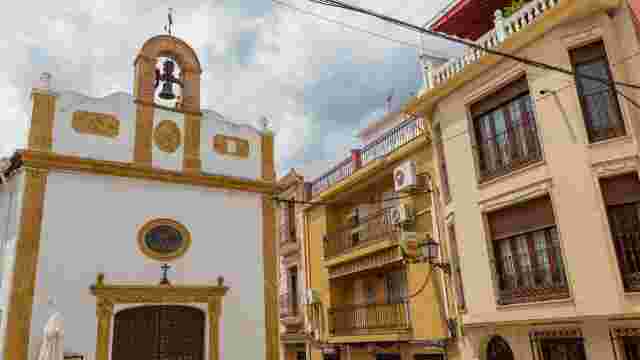
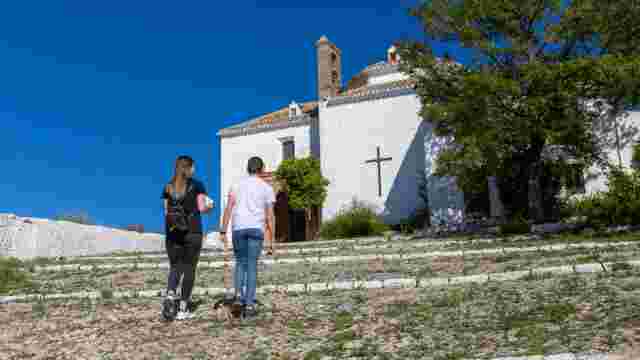
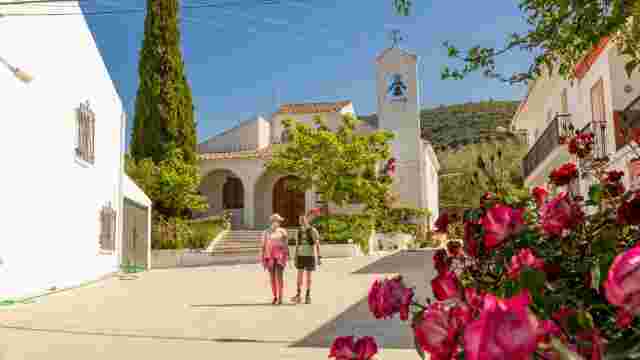
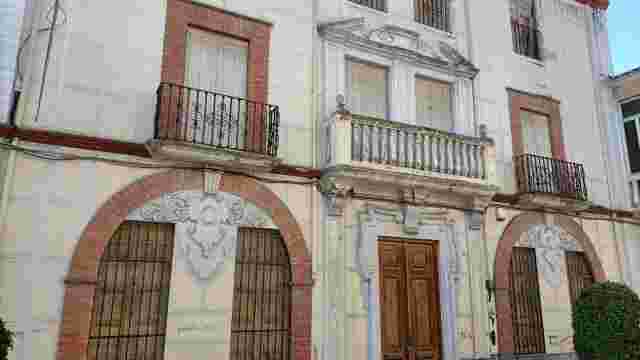
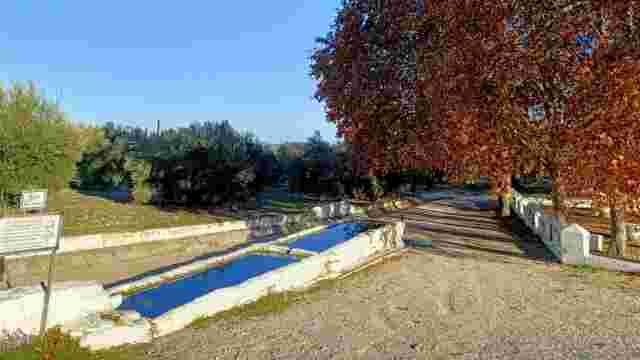
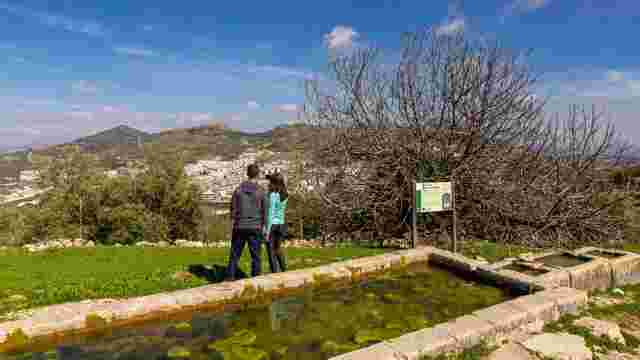
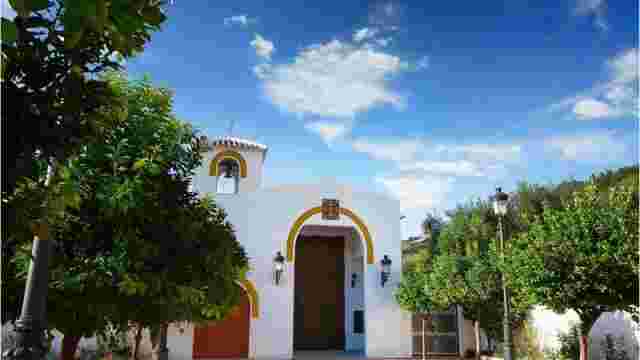
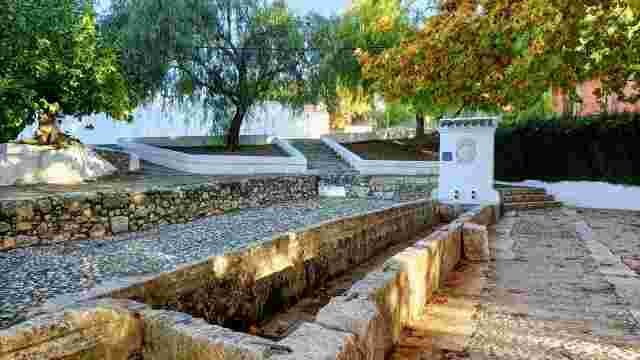
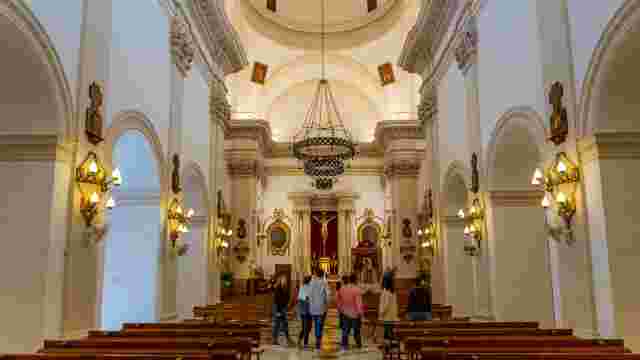
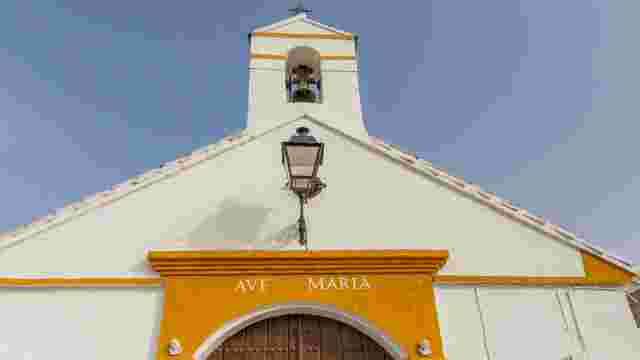
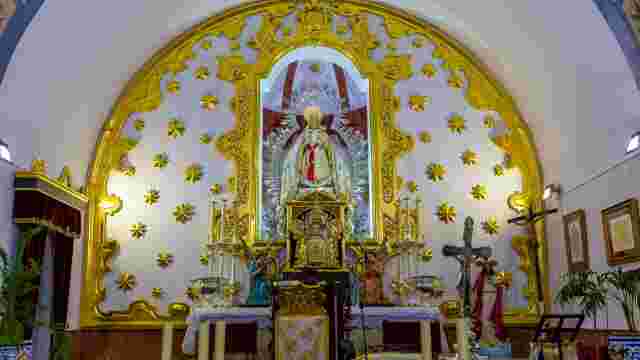
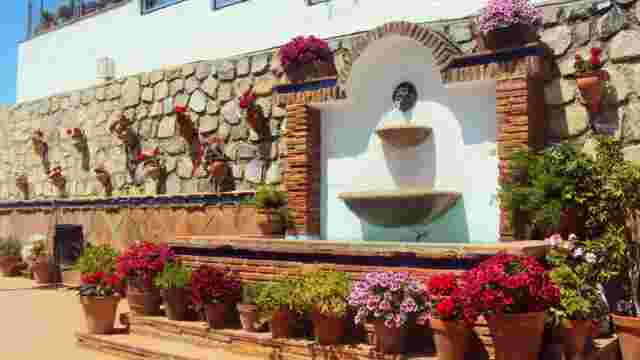
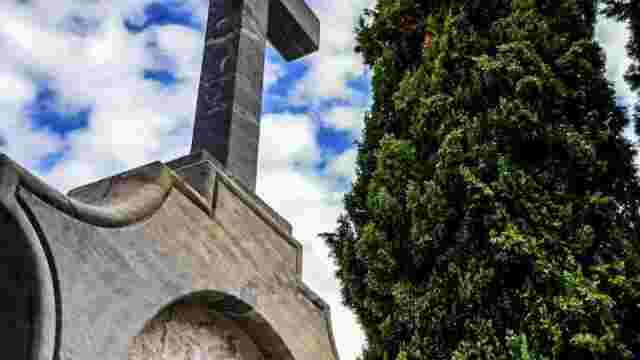
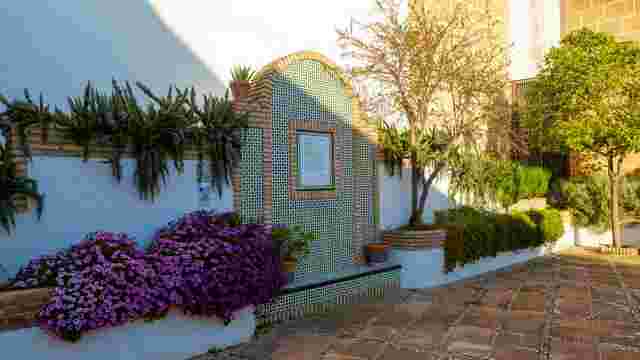
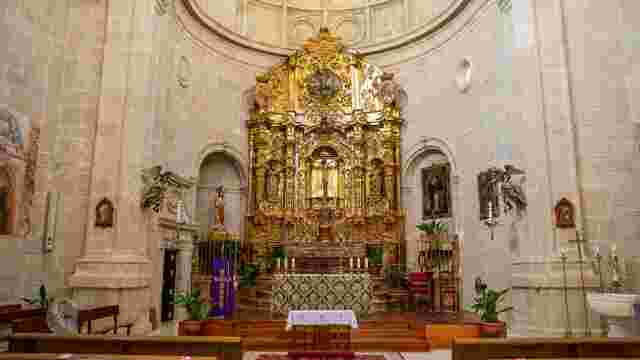
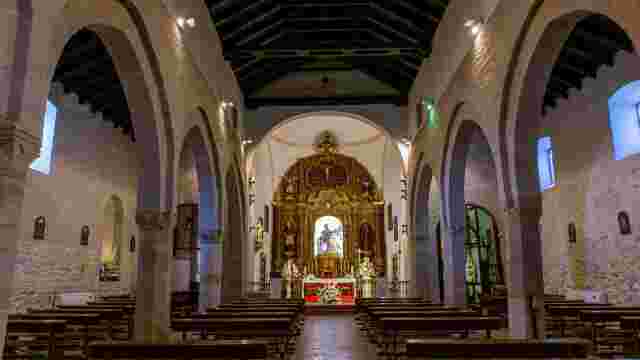
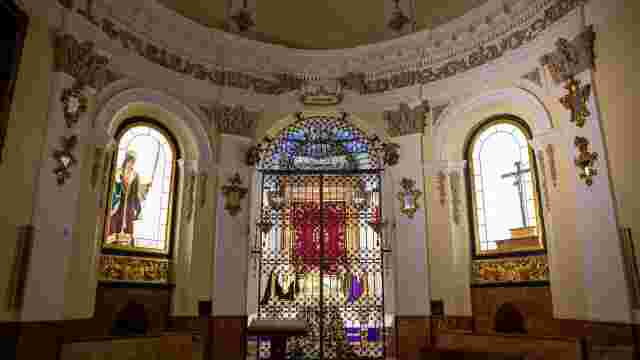
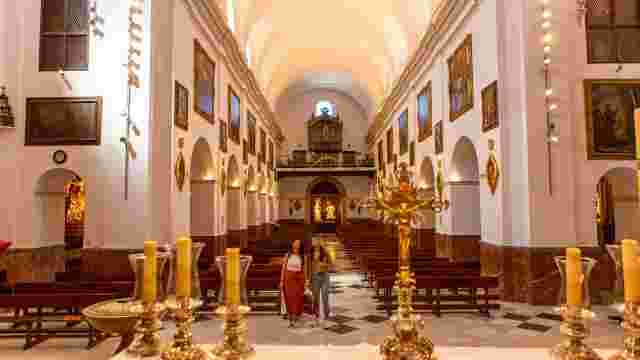
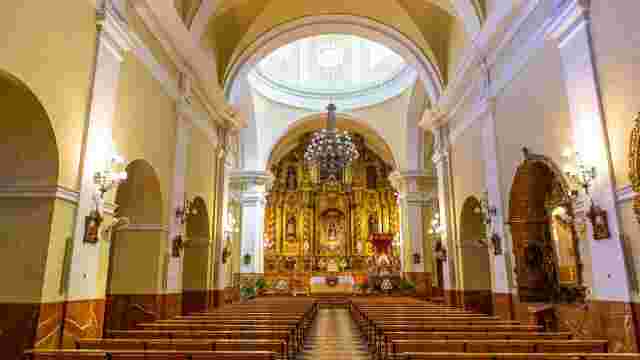
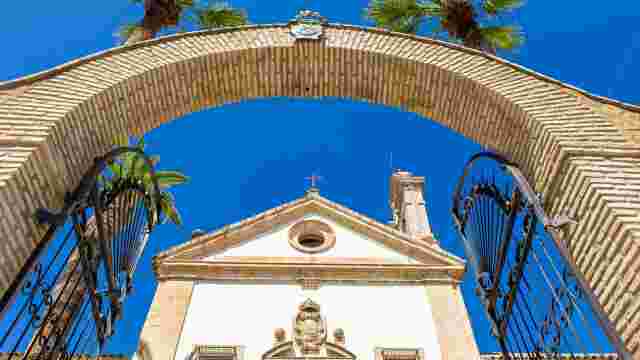
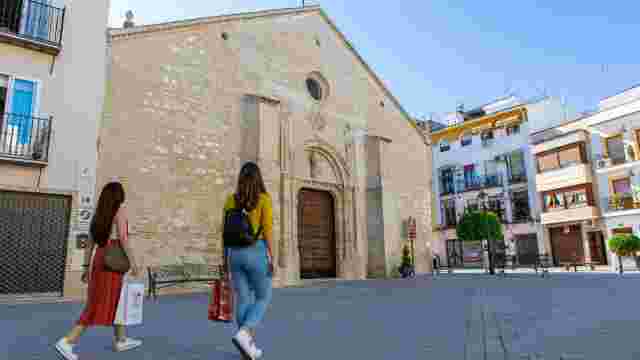
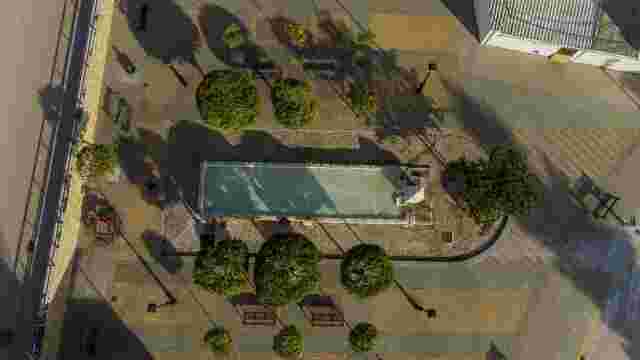
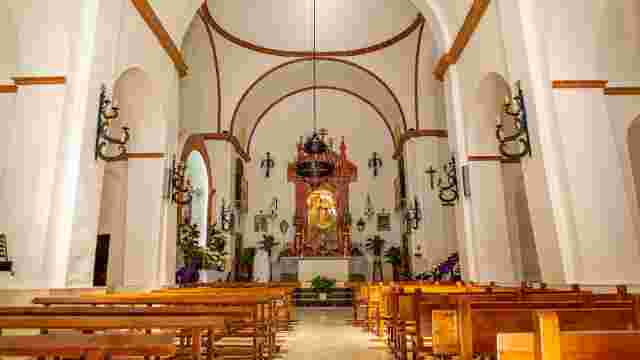
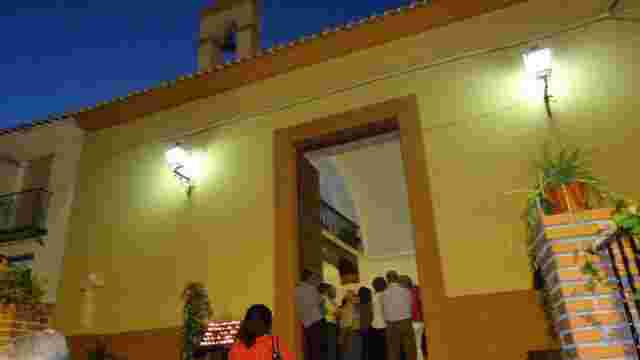
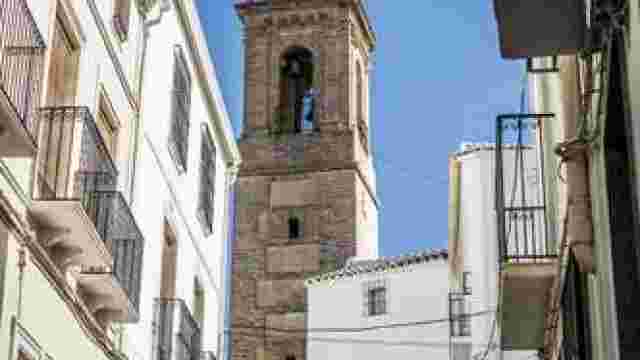
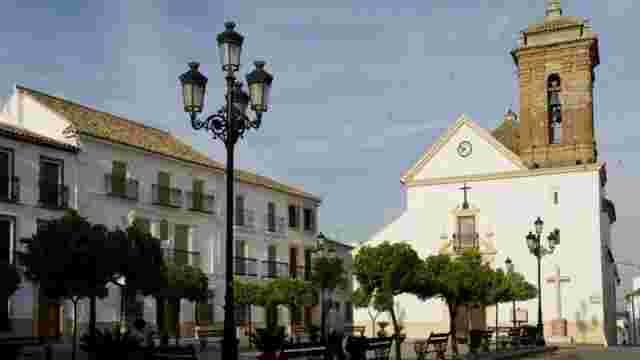
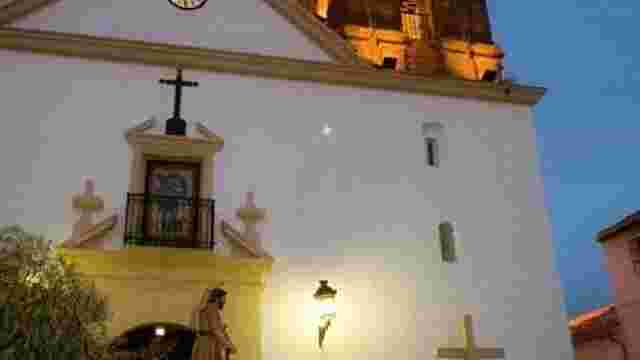
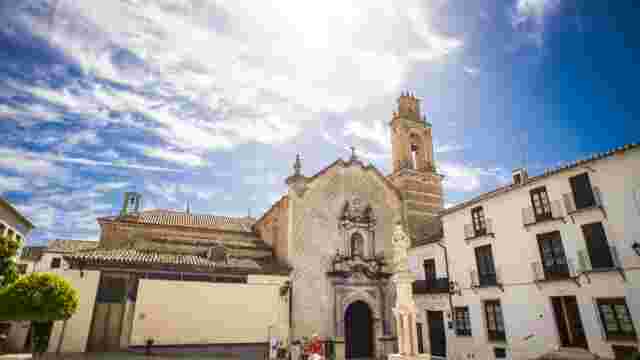
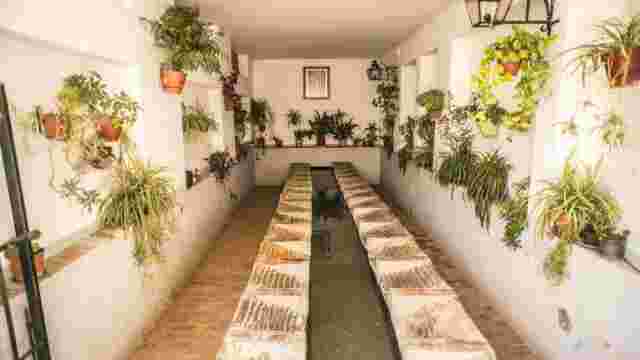
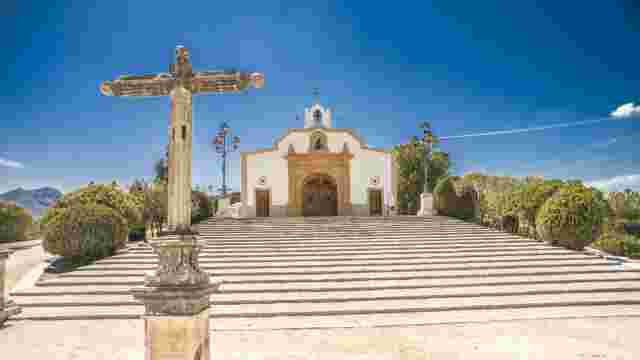
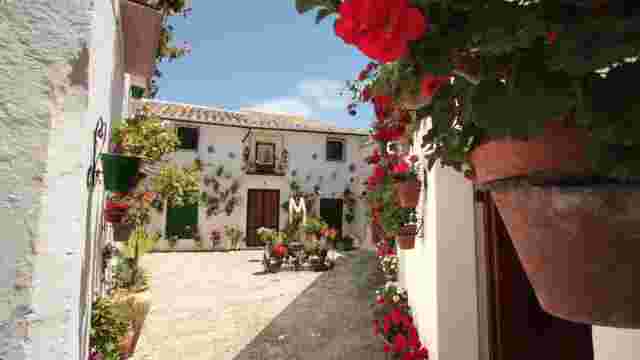
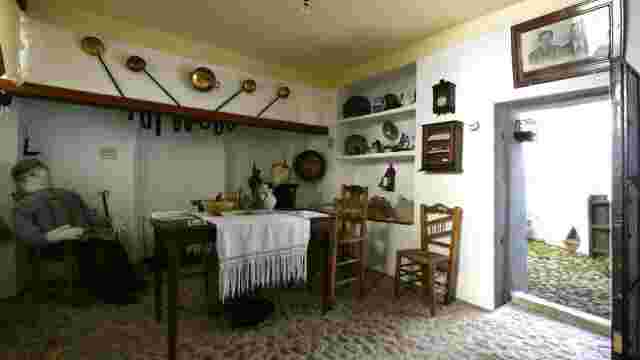
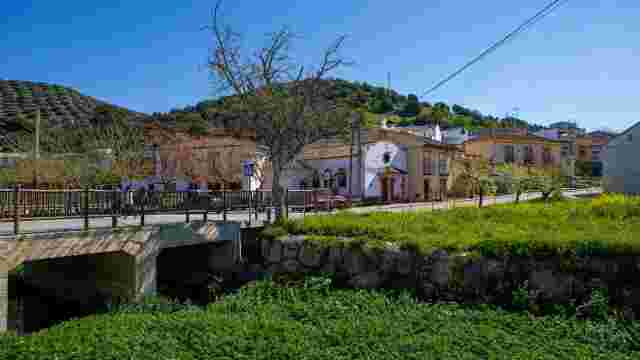
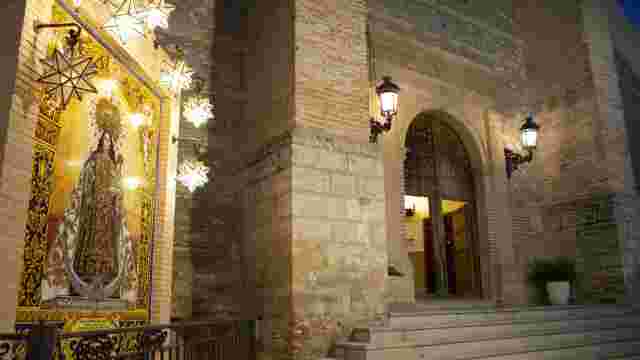
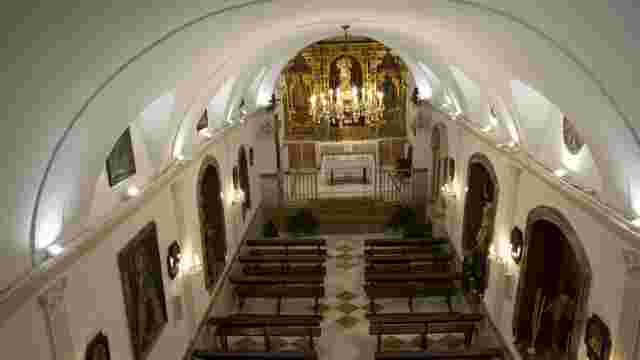
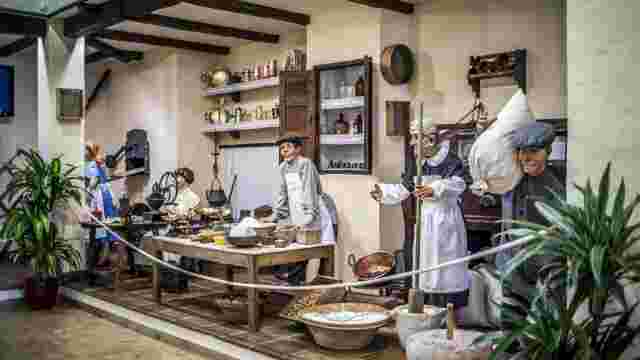
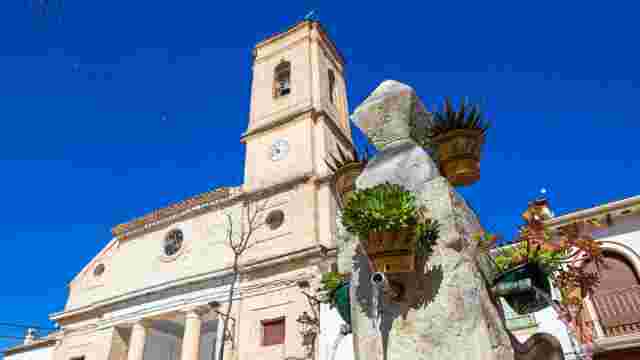
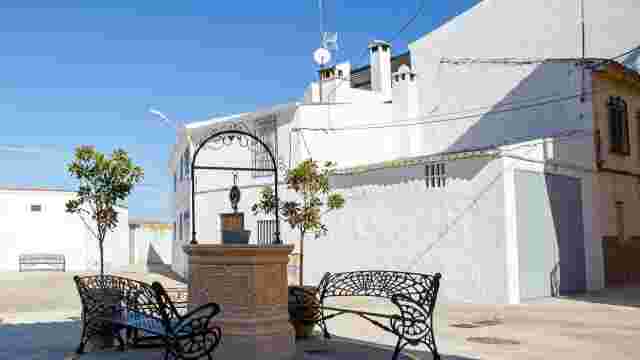
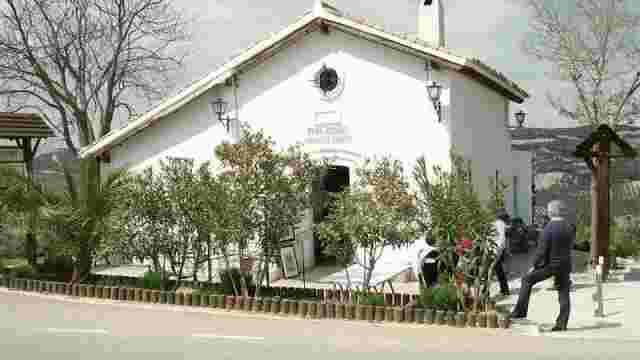
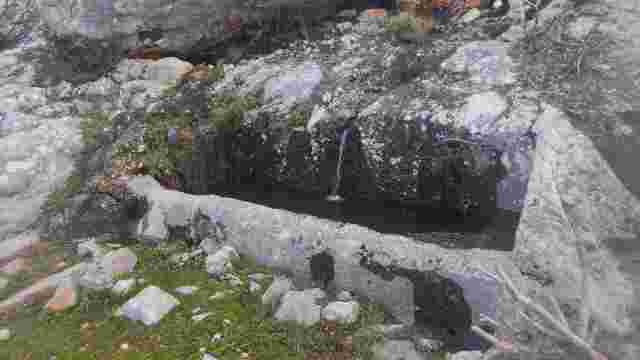
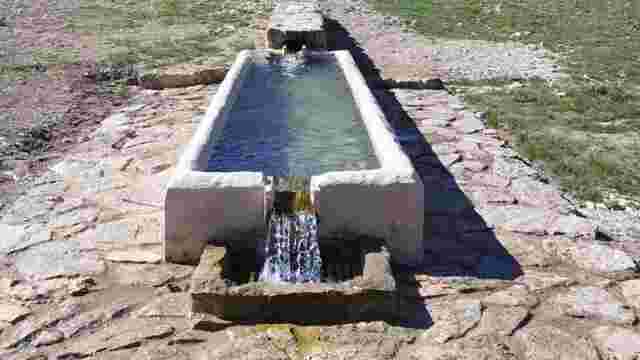
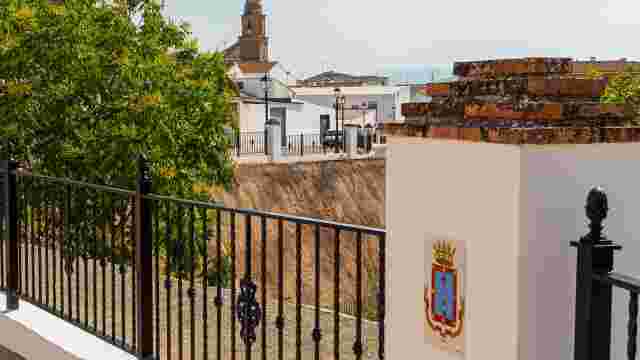
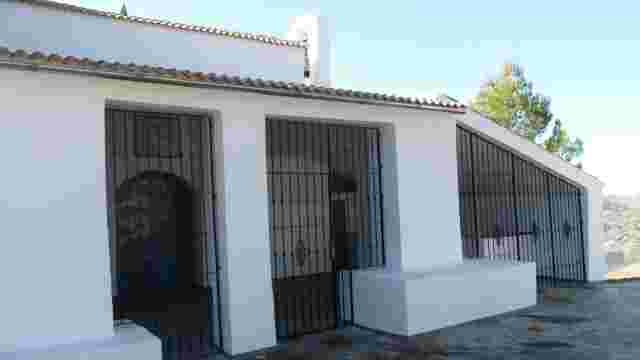
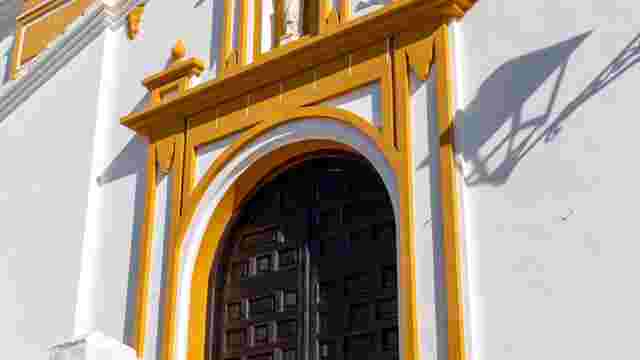
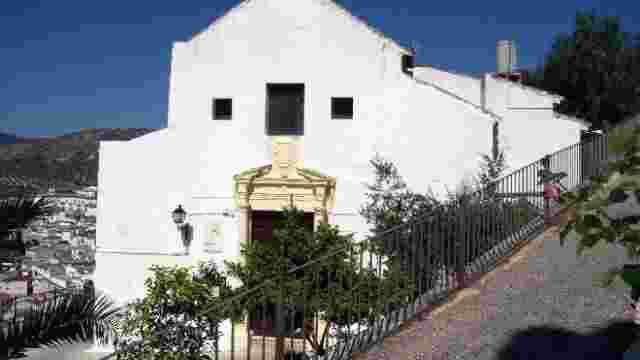
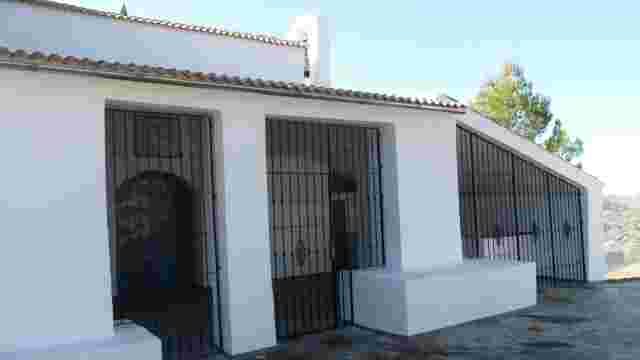
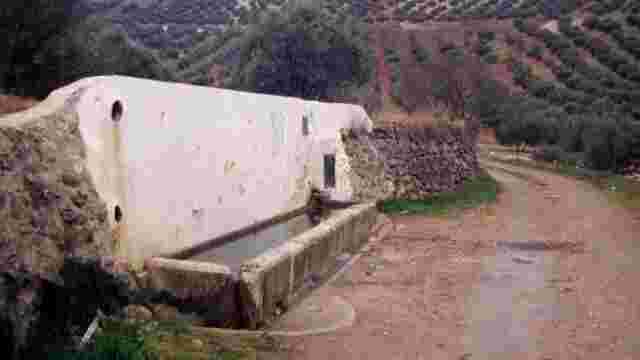
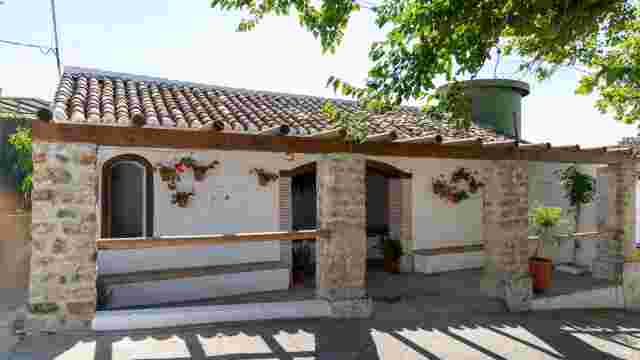
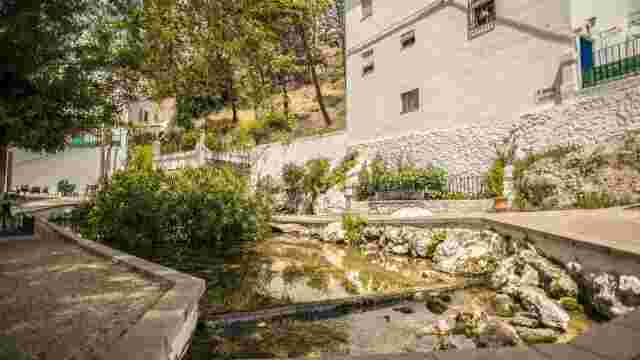
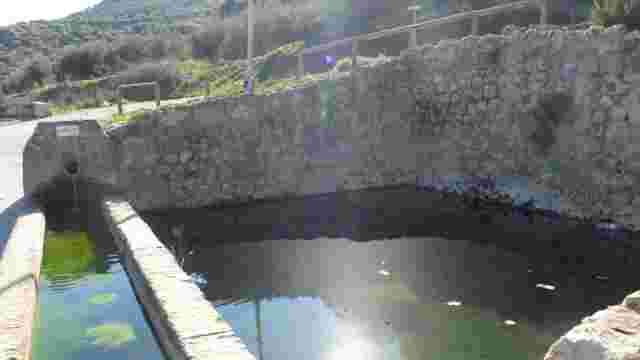
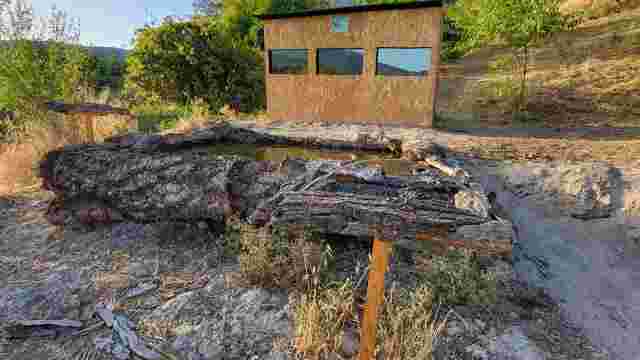
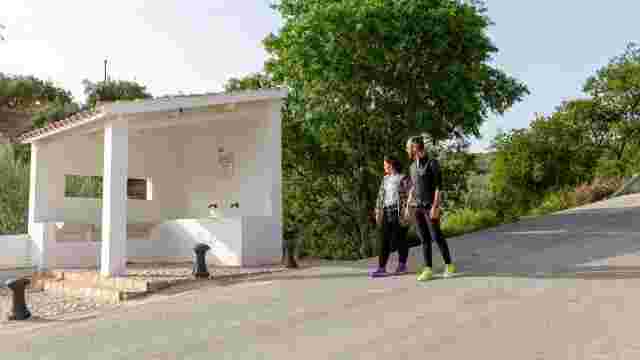
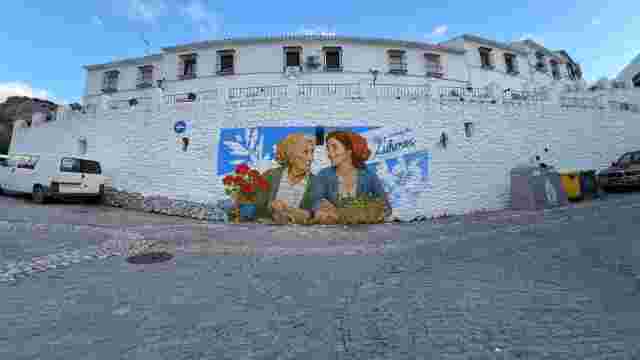
The most notable architectural features are the Church of San José and the Public Washhouse. The church was designed by the architect Fernando Angulo and inaugurated on 19 March 1979, the feast day of its patron saint. The Public Washhouse recalls not-too-distant times when these places were a private spot and an essential meeting place for women who came to wash their clothes; today it evokes human activities that are fading from our collective memory as they have fallen into disuse, bearing witness to social activities of great importance from an ethnographic perspective.
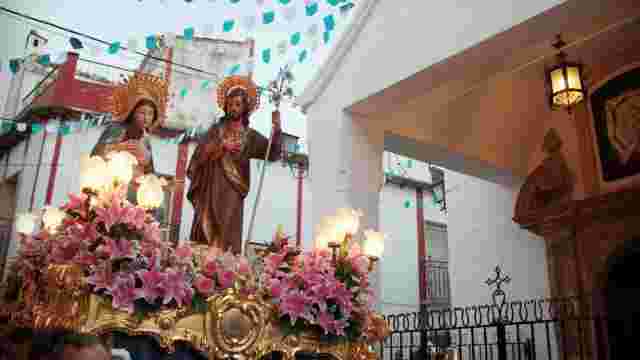
The village celebrates its festivities around 19 March, in honour of Saint Joseph, the village’s patron saint.