St Francis of Assisi Parish
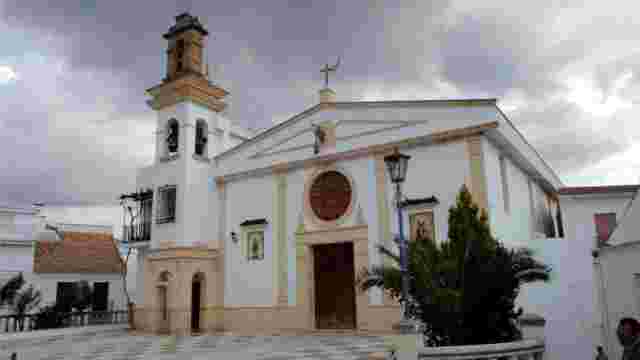
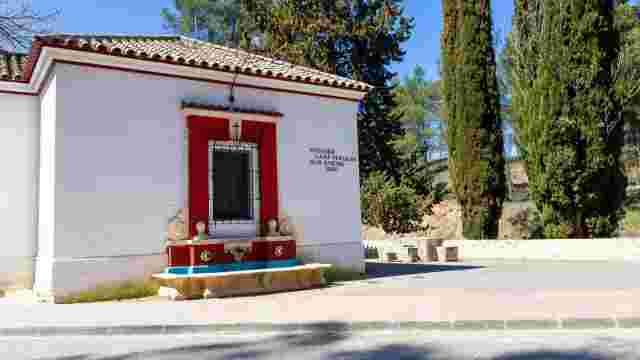
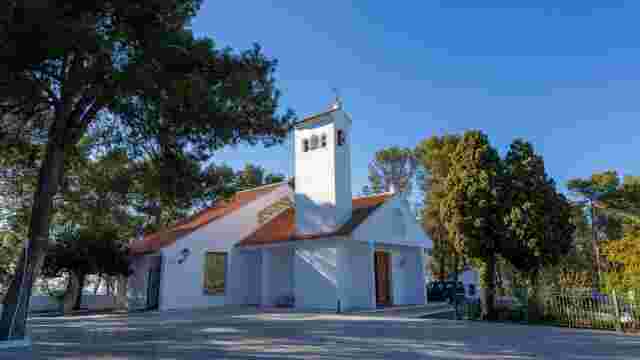
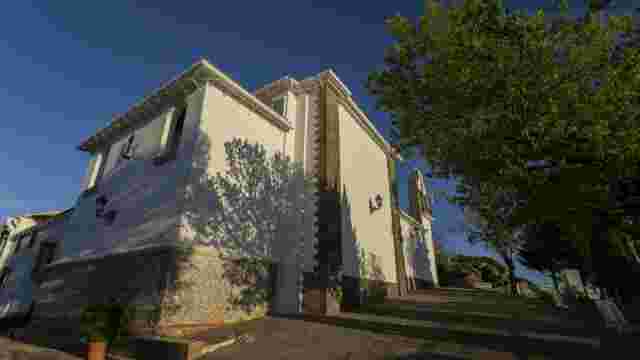
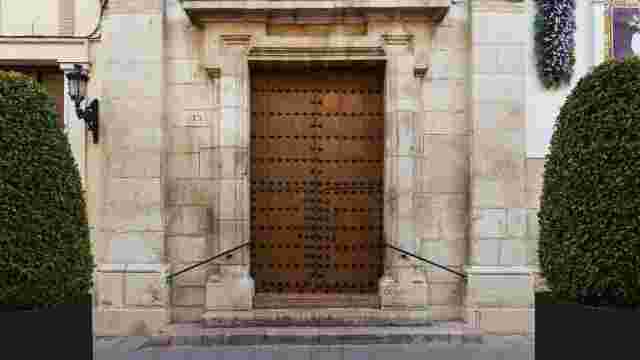
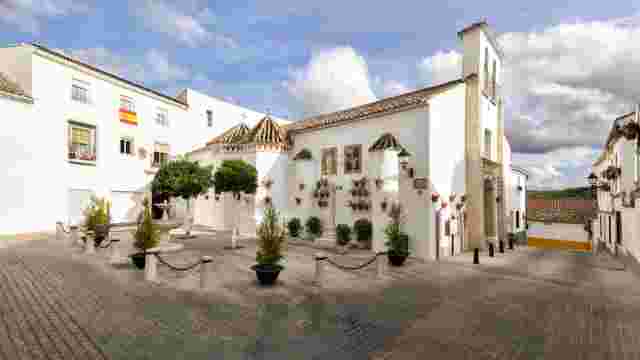
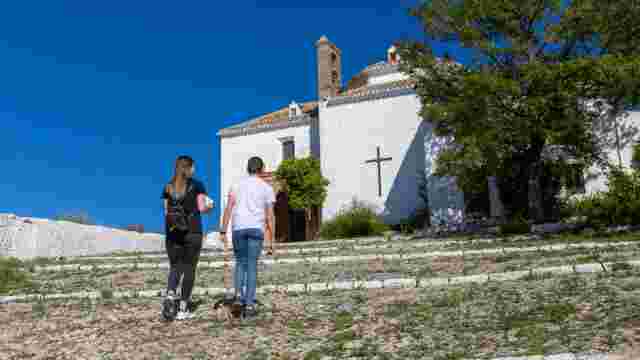
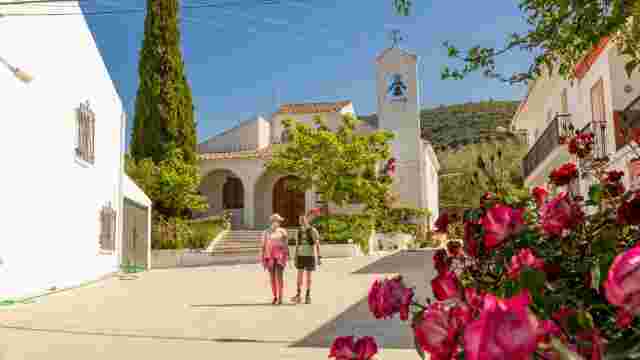
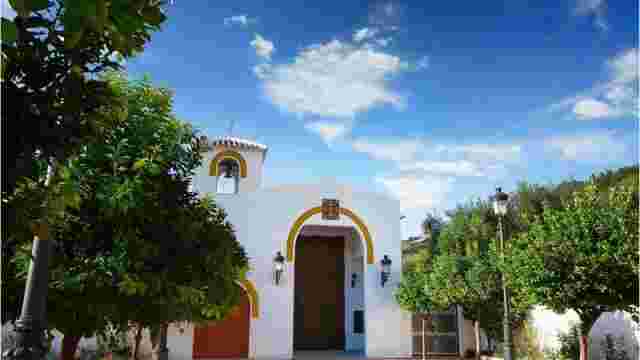
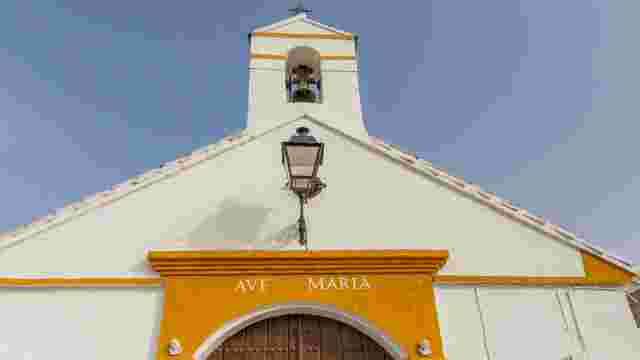
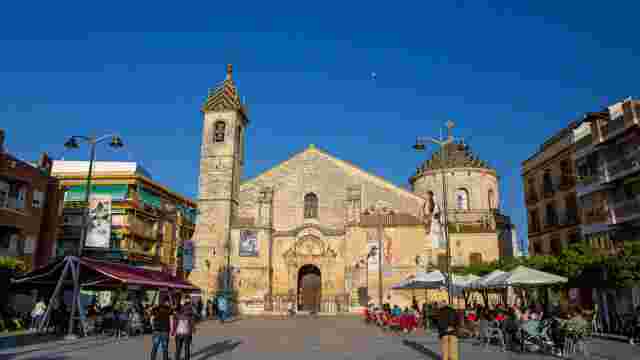
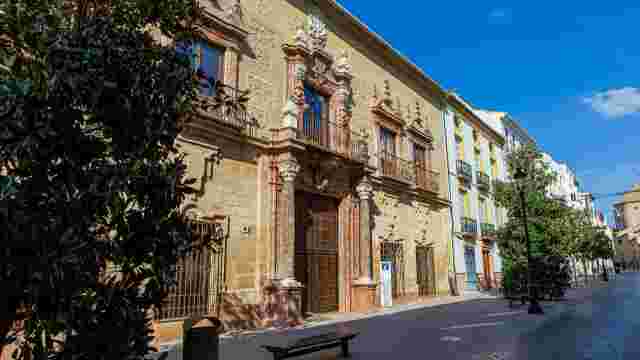
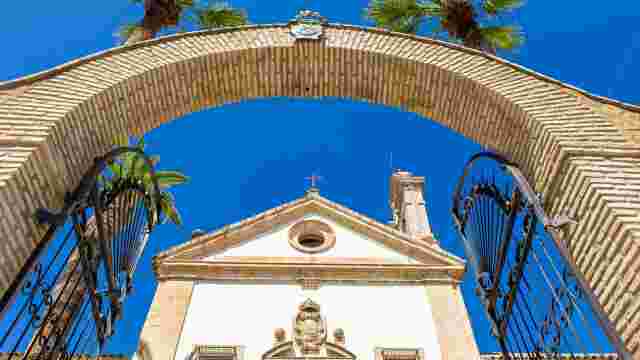
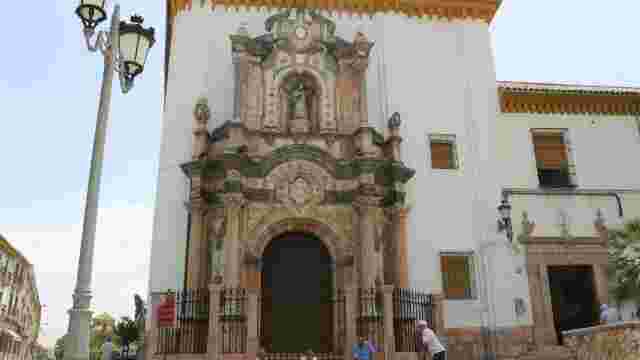
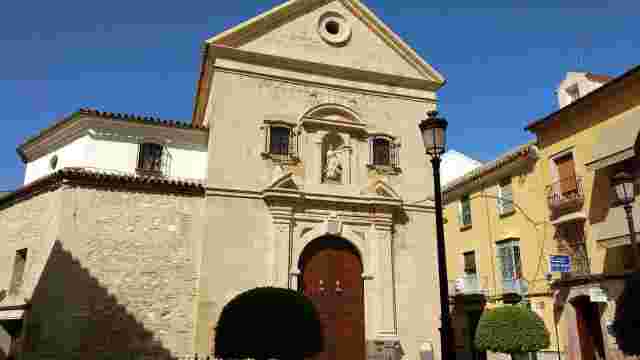
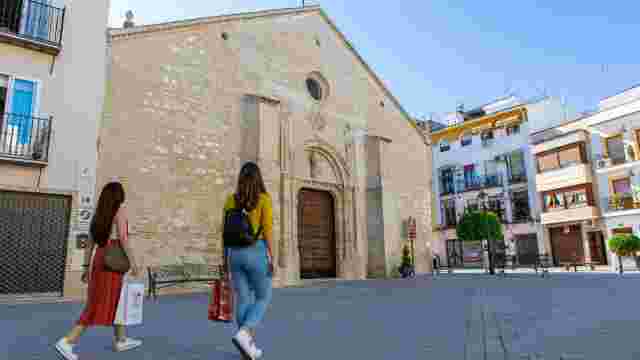
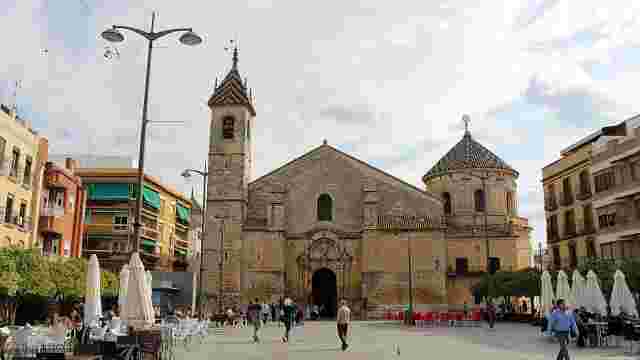
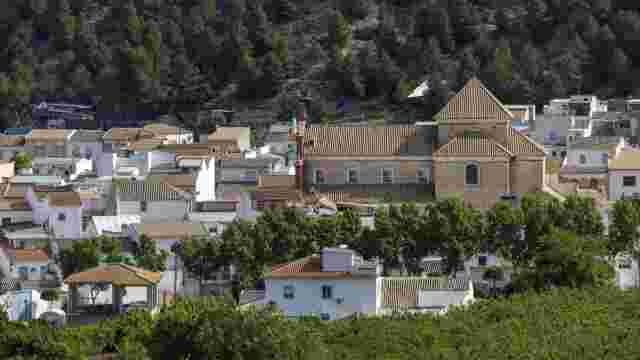
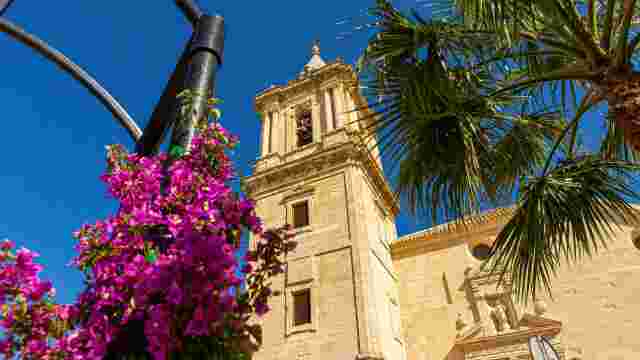
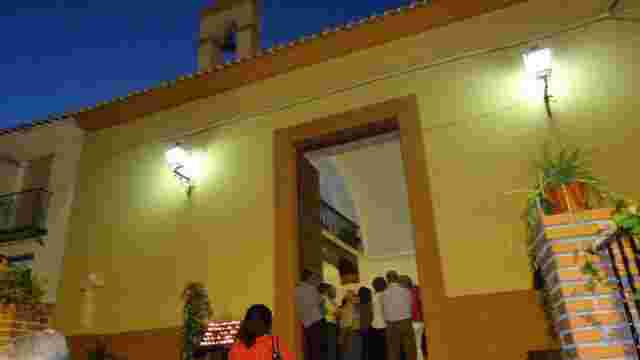
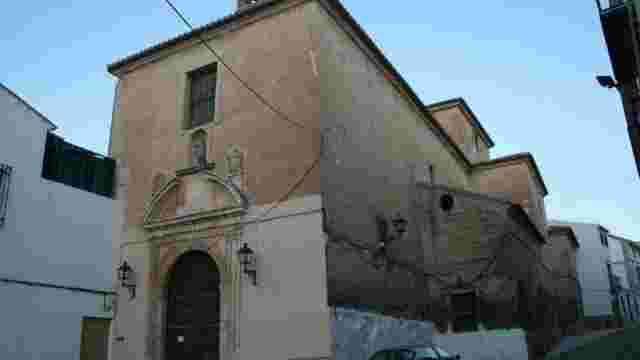
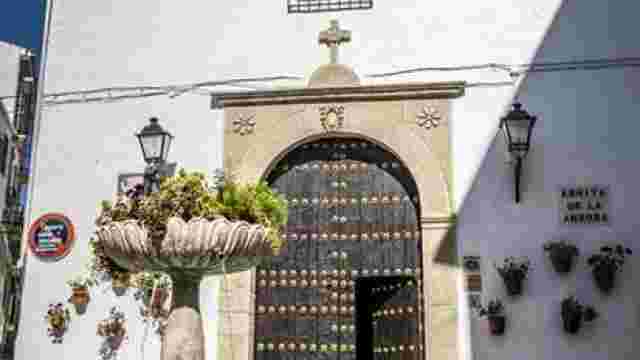
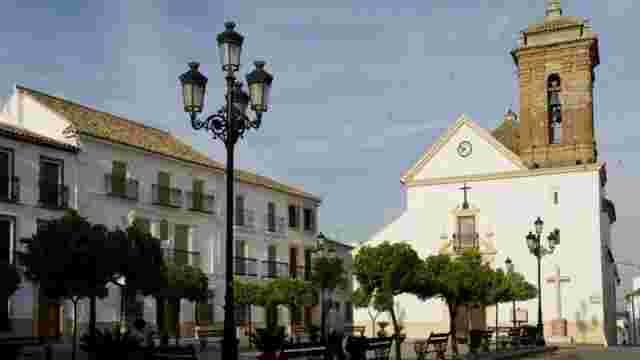
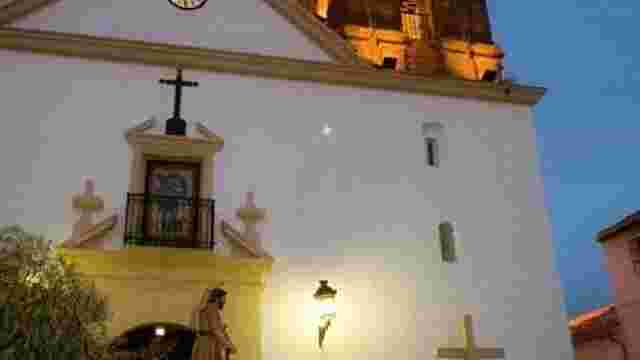
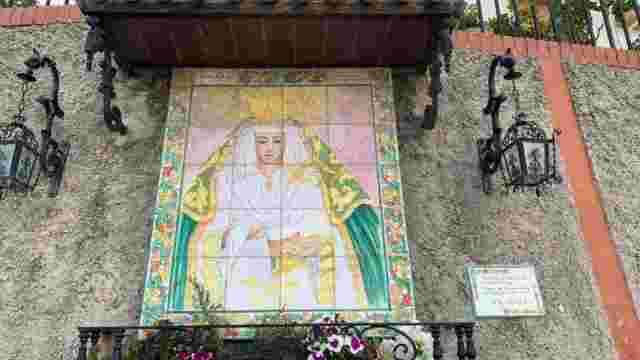
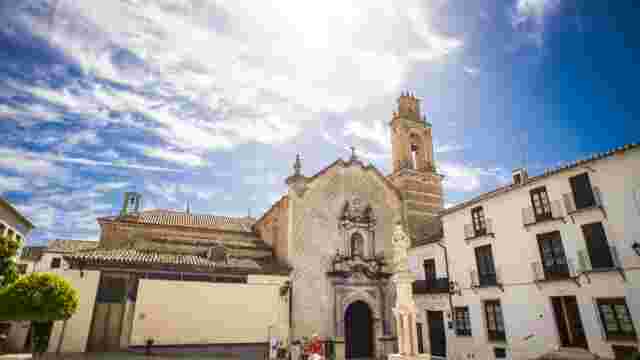
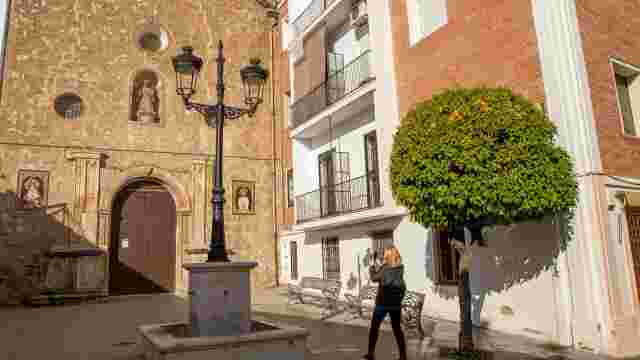
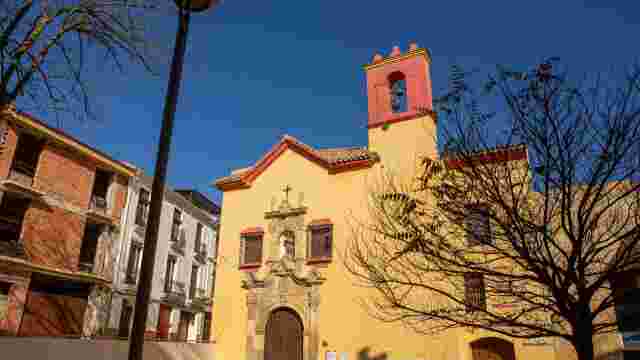
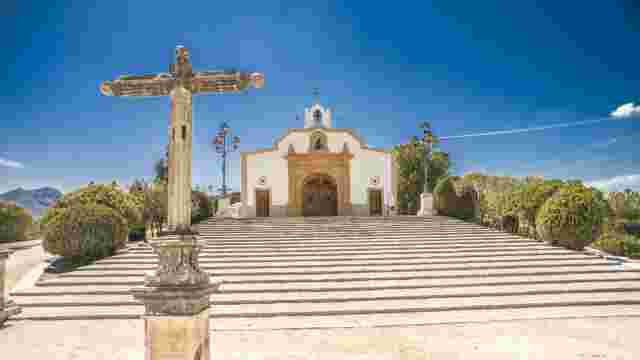
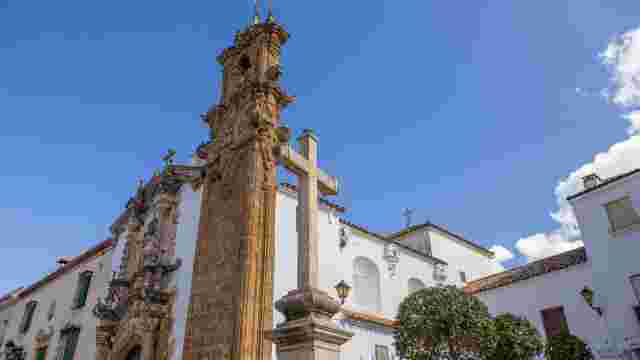
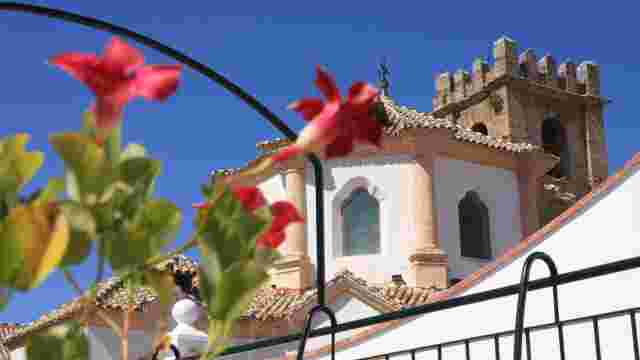
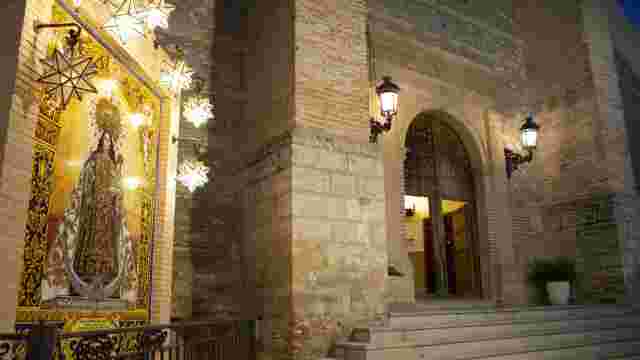
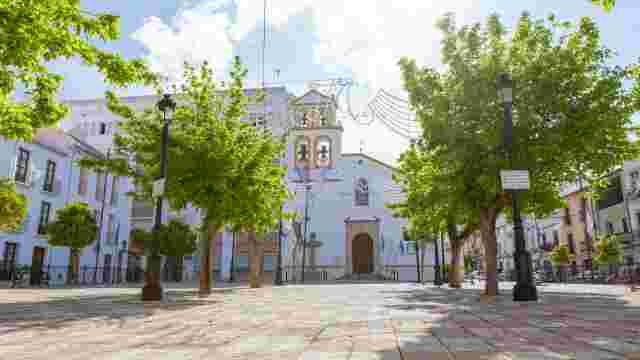
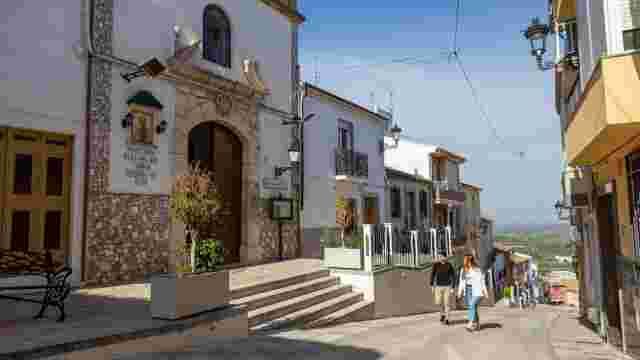
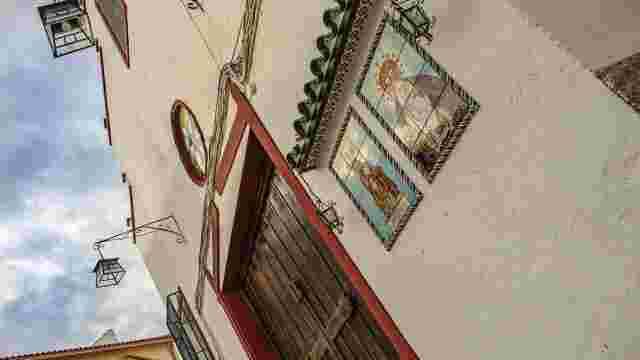
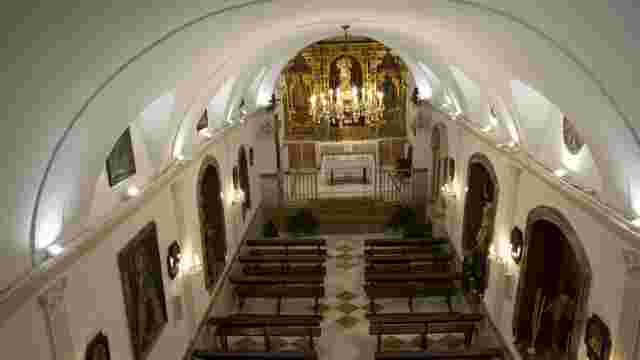
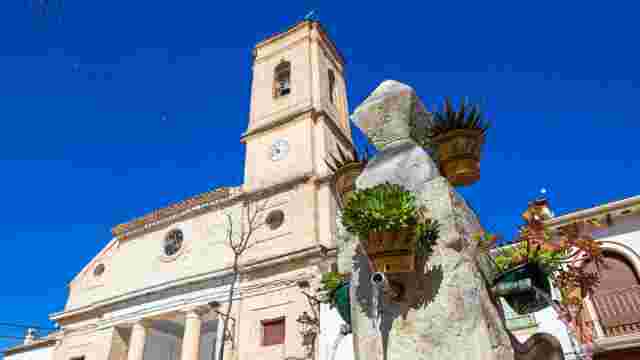
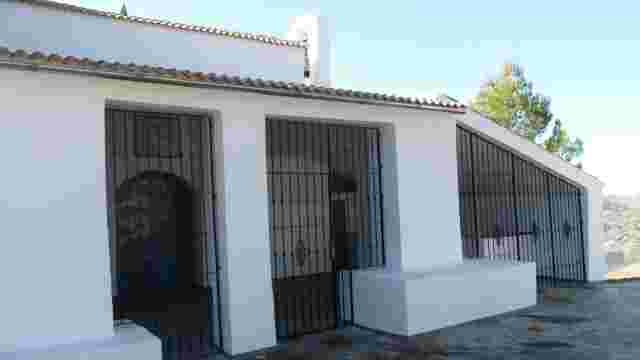
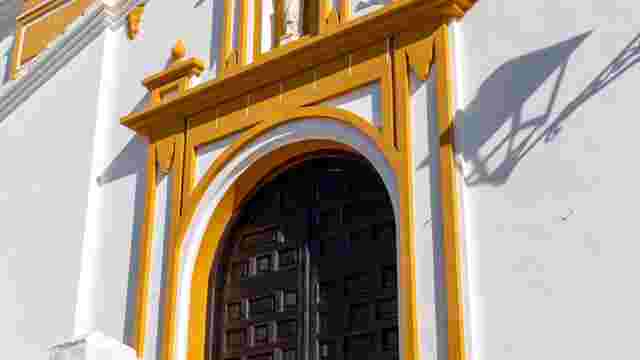
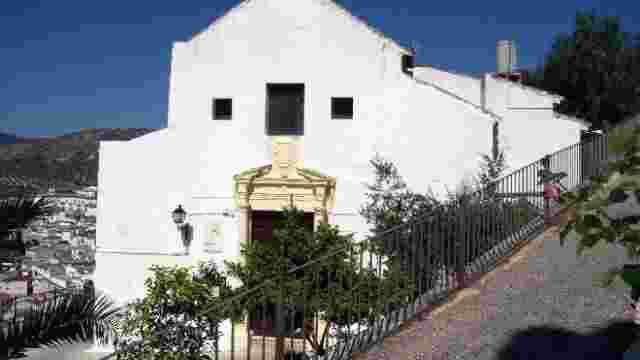
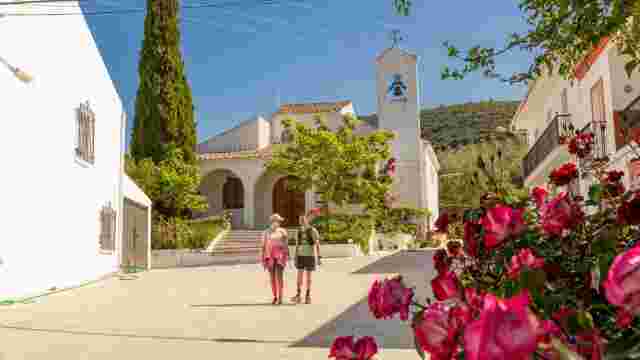
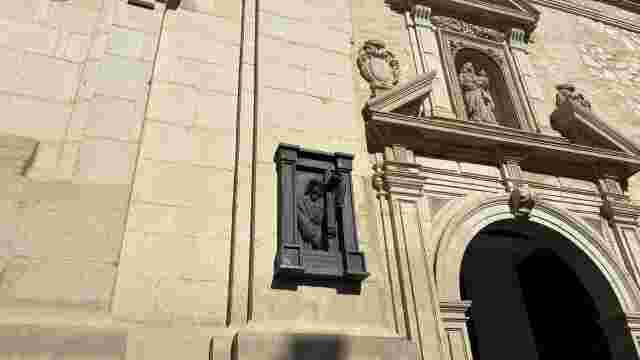
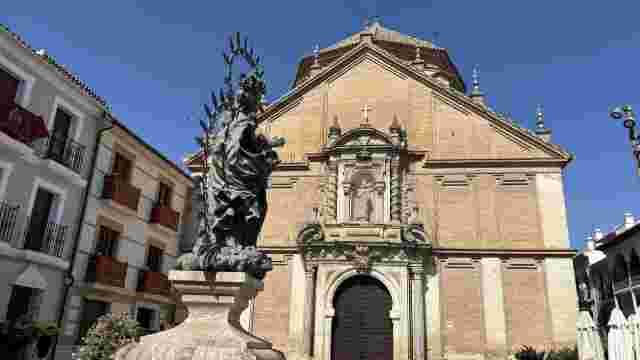
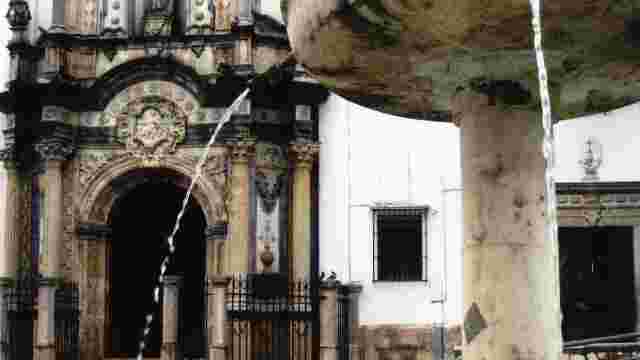
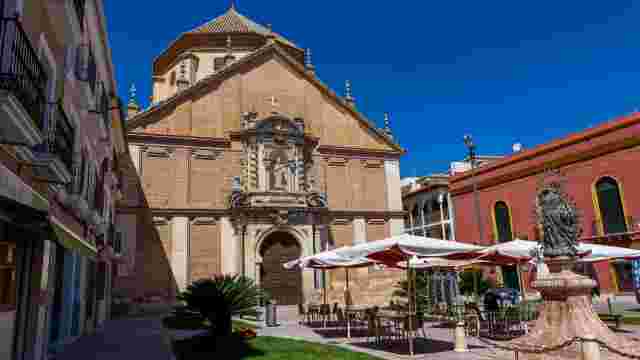
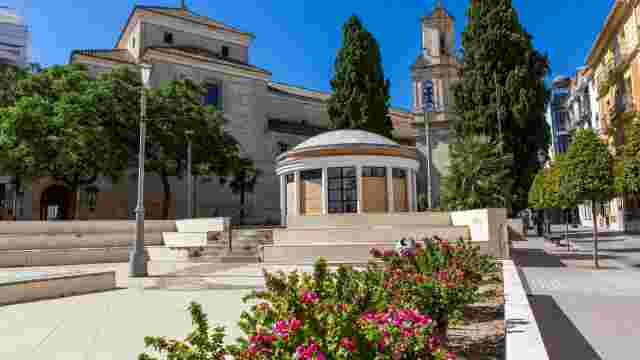
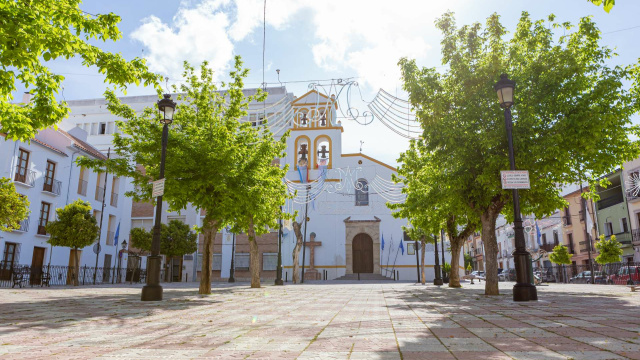
The church originated as the Chapel of Our Lady of La Cabeza, which is known to have existed as early as 1584, although its current appearance is the result of an extension begun in 1731. In 1736, it became a Franciscan convent following the relocation of the community from the nearby Paraje de la Hoz, and was subsequently established as a parish church in 1889.
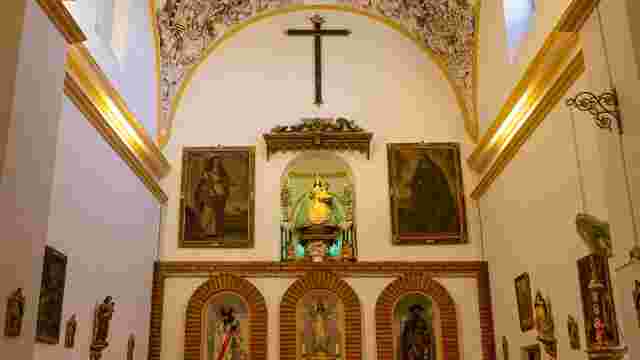
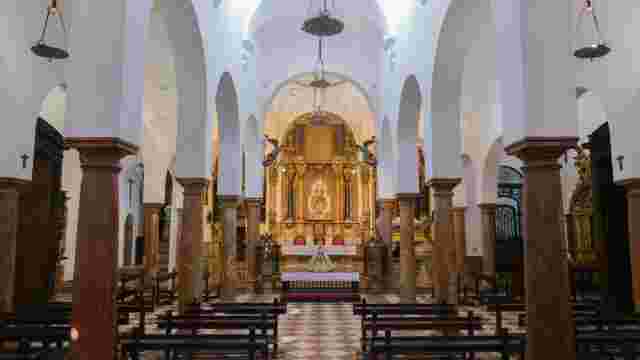
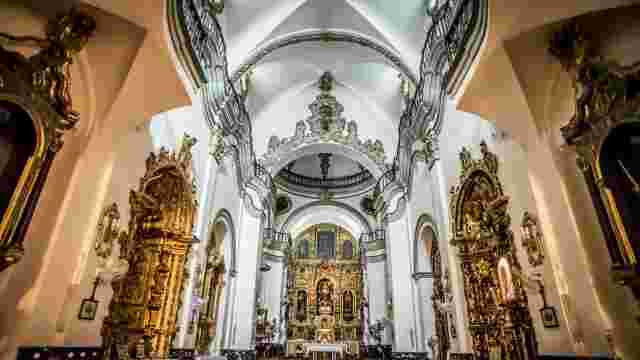
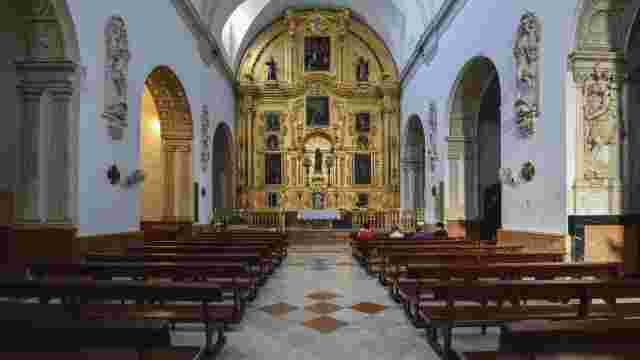
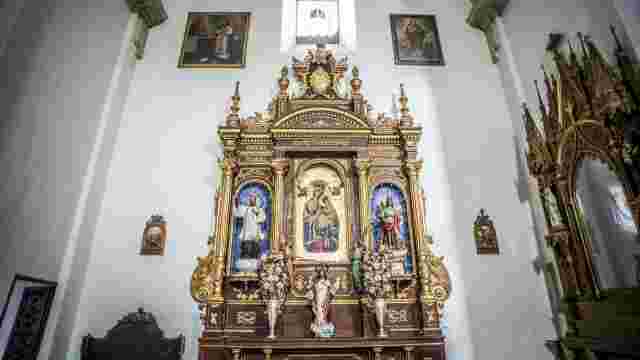
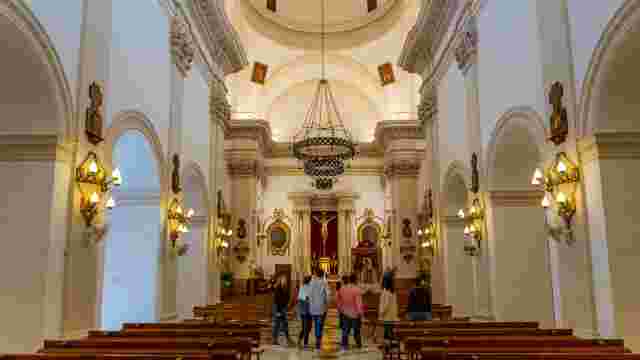
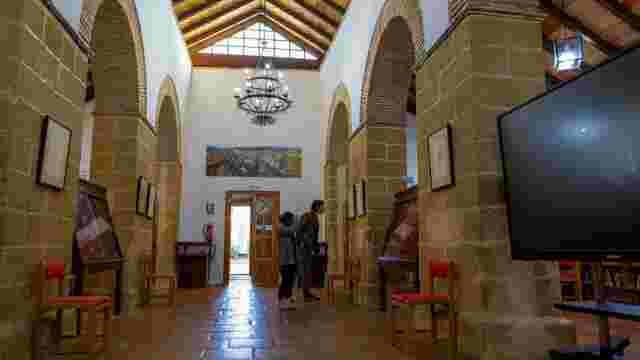
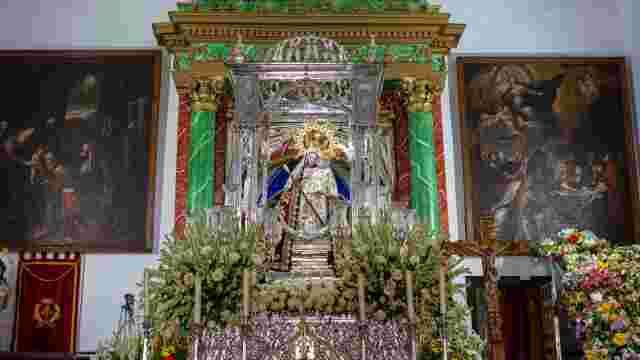
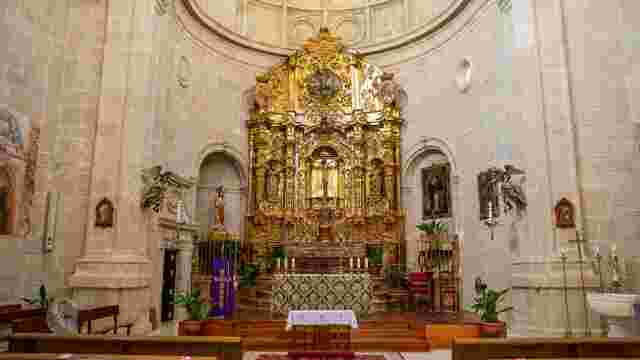
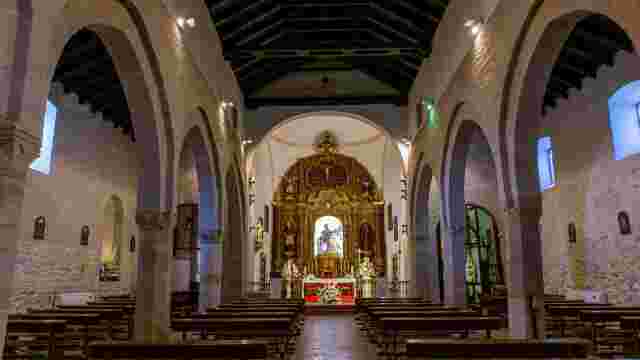
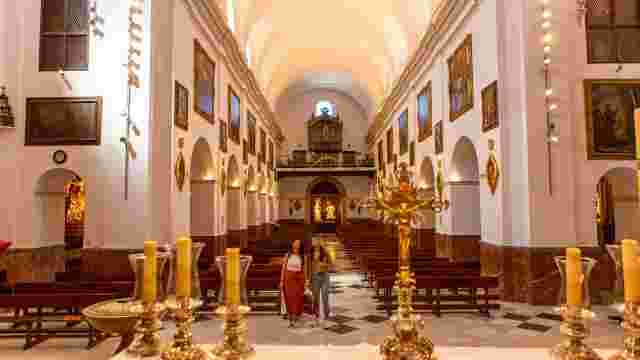
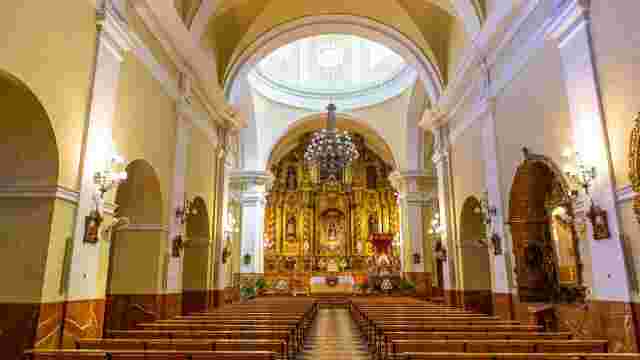
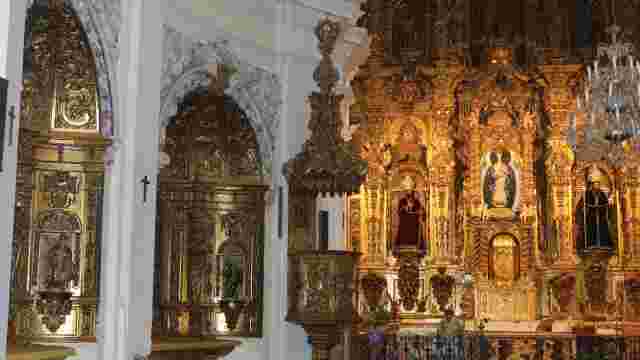
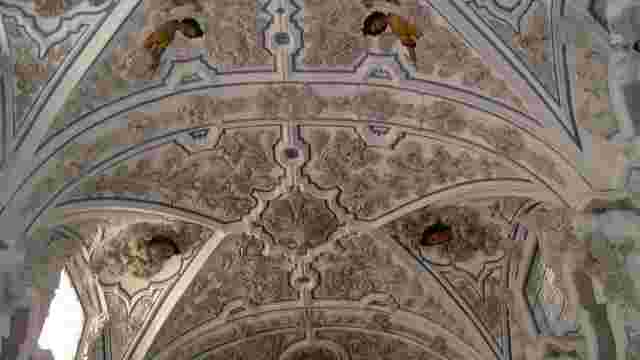
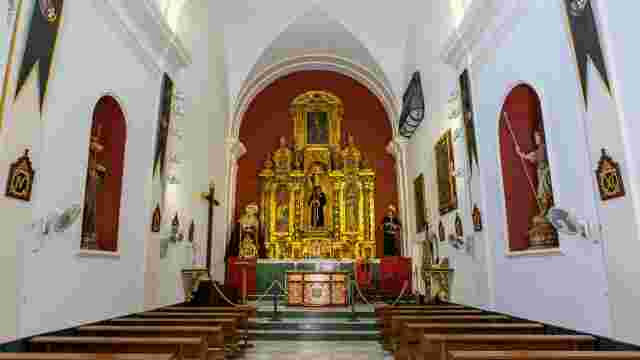
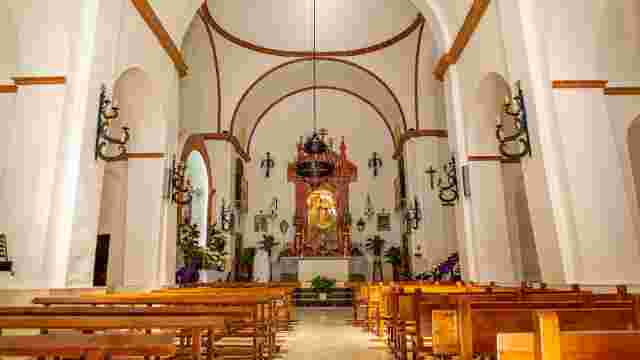
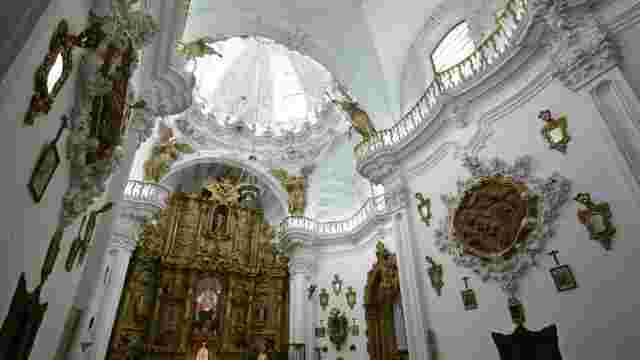
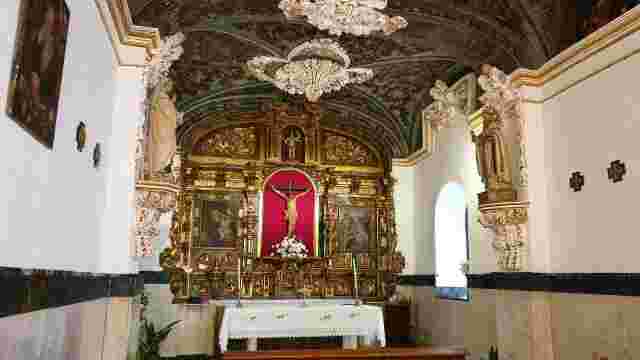
It has a three-nave layout separated by semicircular arches resting on Tuscan columns; the central nave, which is taller, is covered by a flattened barrel vault, whilst the side naves feature fluted domes supported by corbels. The main altarpiece was created in 1725 by the Antequera-born master Antonio de Rivera, with a central opening leading to the niche of Our Lady of La Cabeza; on either side, separated by pilasters, are interesting sculptures of Saint Dominic and Saint Francis of Assisi, dating from the late 16th century.
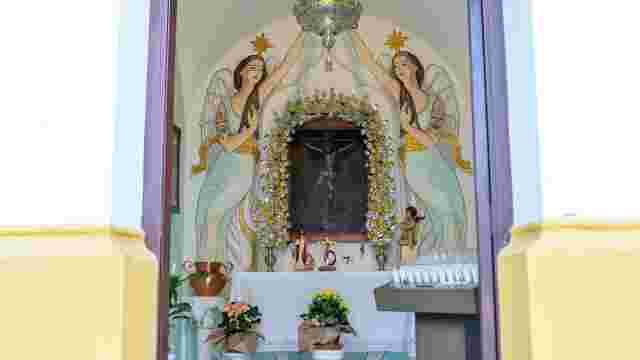
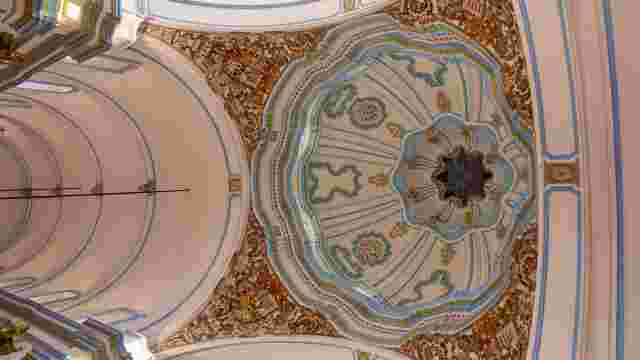
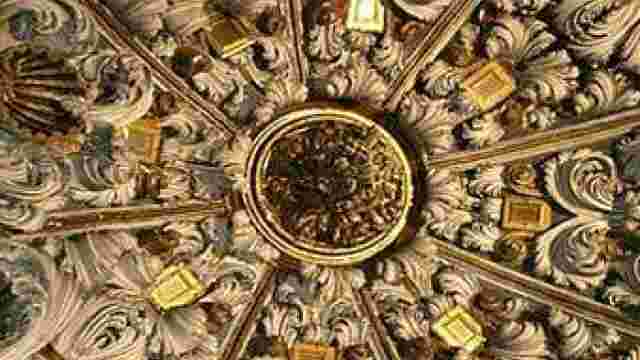
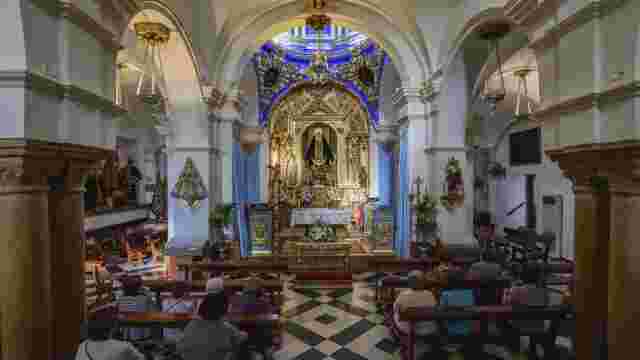
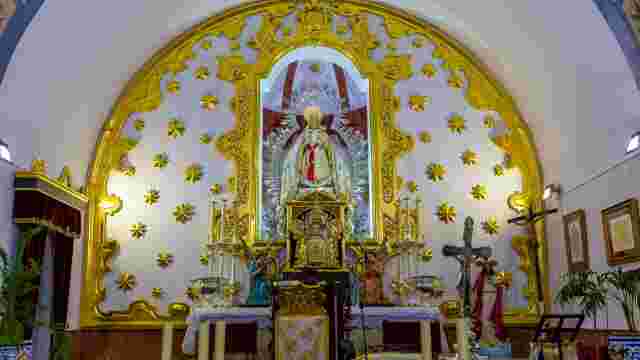
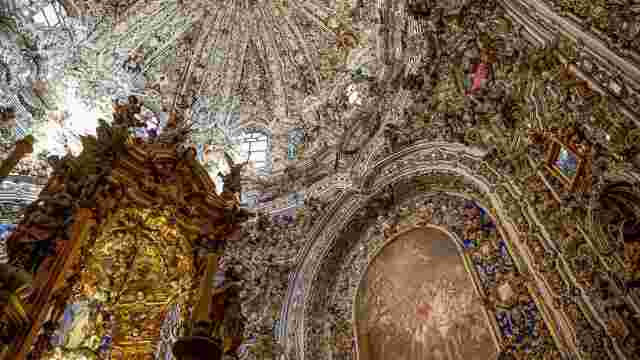
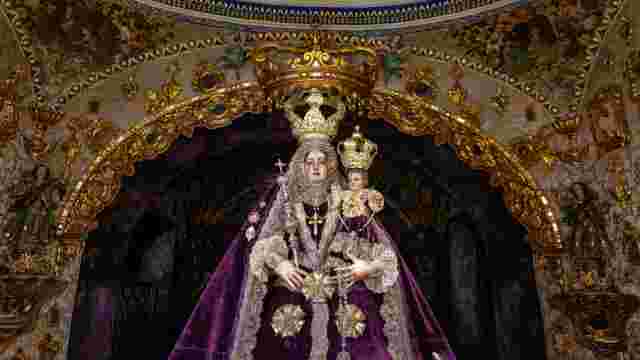
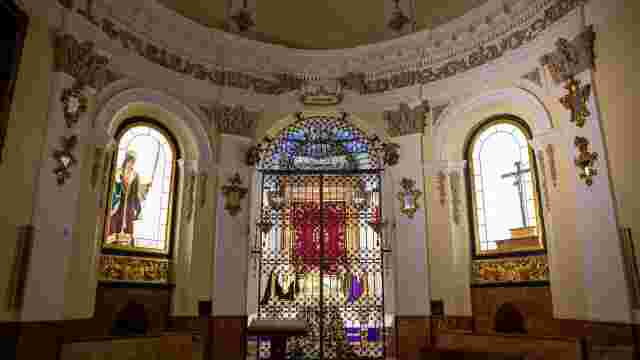
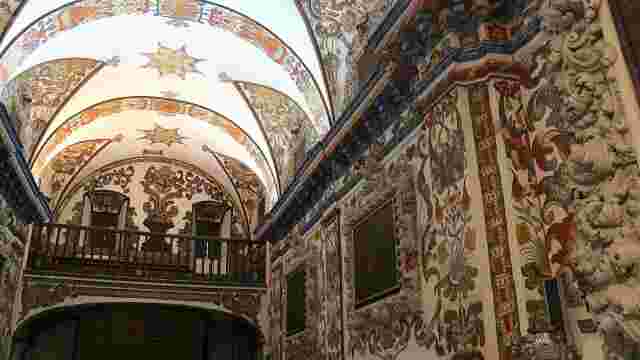
The most notable feature of the church is the niche of Nuestra Señora de la Cabeza, richly decorated with Rococo-style plasterwork by the Priego-born sculptor Cecilio Antonio Franco Roldán, who completed it in 1763; he was also responsible for the decoration of the dome and pendentives of the chancel.
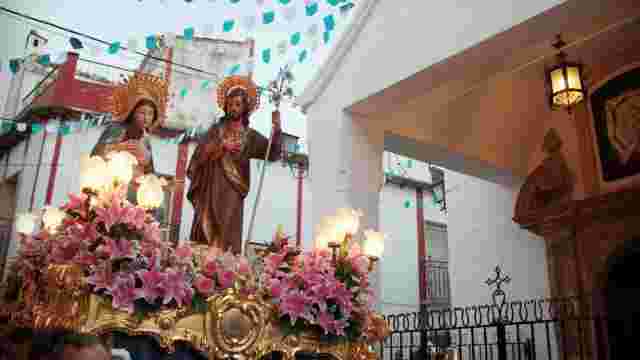
Throughout the church stand numerous altars, all in the Rococo style of the second half of the 18th century, including niche-style altarpieces in the Gospel aisle, amongst which those of Saint Anthony and the Virgin of the Pópulo stand out; whilst in the Epistle aisle we find the shrines of Nuestro Padre Jesús de la Rosa and Nuestra Señora del Mayor Dolor, works attributed to the sculptor Ruiz del Peral, and the chapels of the Tabernacle and the Baptistery.