Oratory of Our Lord of Mercy (18th to 20th centuries)
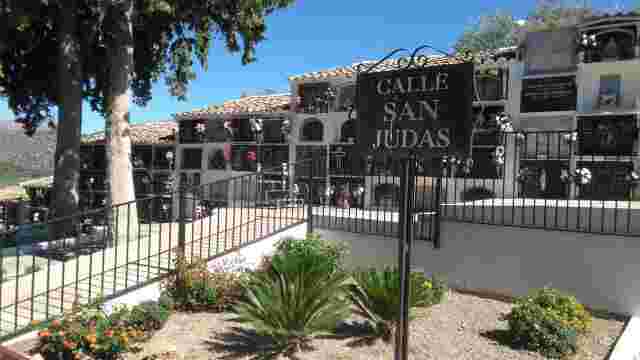
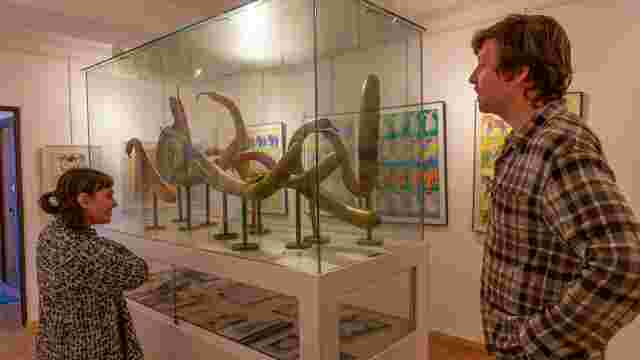
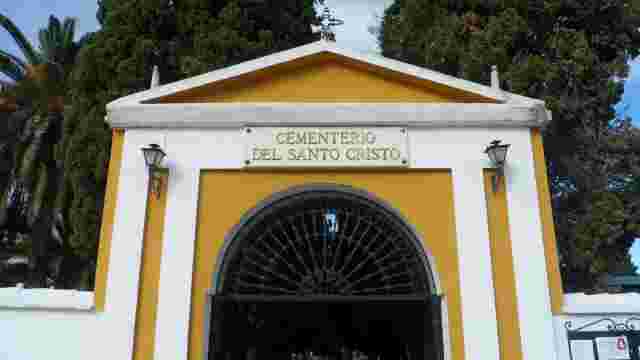
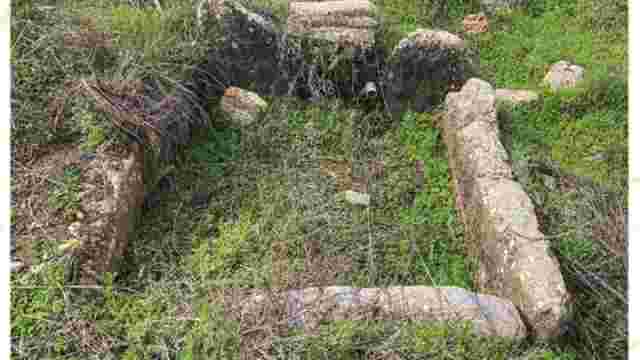
It has its origins in the chapel known as the “Old Cemetery”, very close to this spot, where it stood until the early 20th century, when the beautiful new cemetery on the road to Jesús del Alto was built. In the 1878 book “El Chato de Benamejí”, preserved in the Benamejí Museum, it is recounted how “El Chato’s” beloved lived in the chapel of the old cemetery and died upon the grave of the famous bandit. This chapel is today the sole remaining evidence of the existence of that cemetery and its chapel.
Stories are told of the original chapel, such as that of Felisa, who, set alight by the candles, ran burning to throw herself into the wheat fields, where she was consumed by the flames. They also recount how the farmhands from Río Anzur would leave donations and oil for the candles in their wake, which in times of need the people would take to pour over their bread.
Francisca Díaz Caballero looked after the original cemetery chapel and later this oratory until her death; it is now in the care of her descendants.
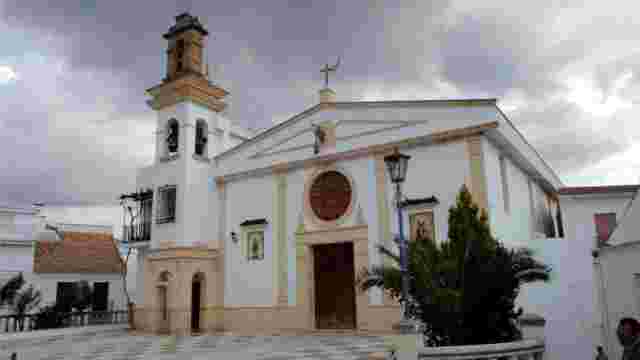
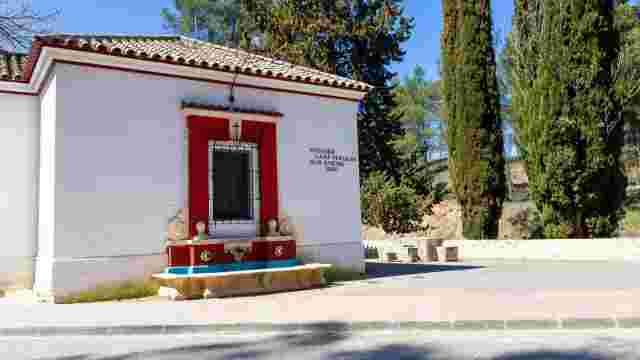
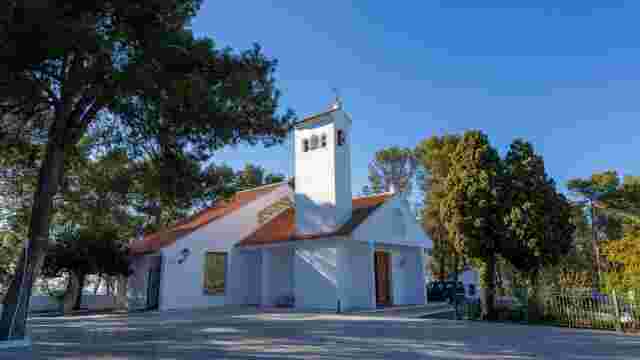
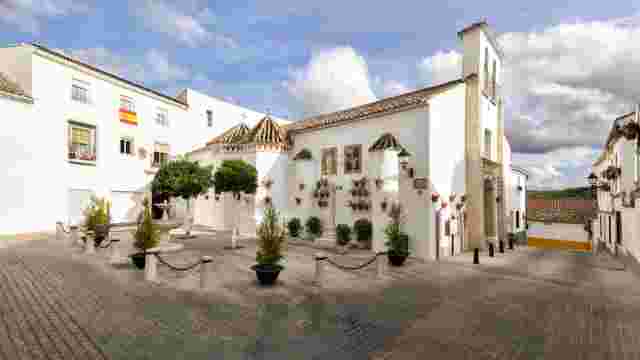
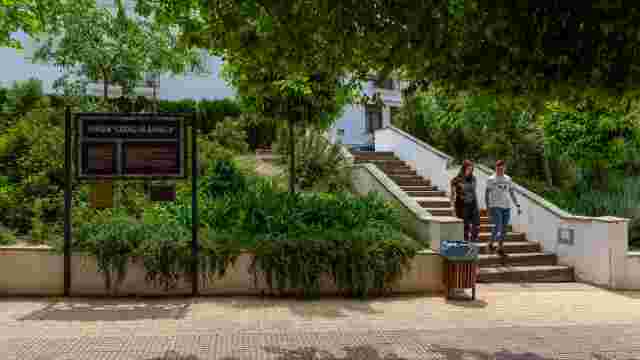
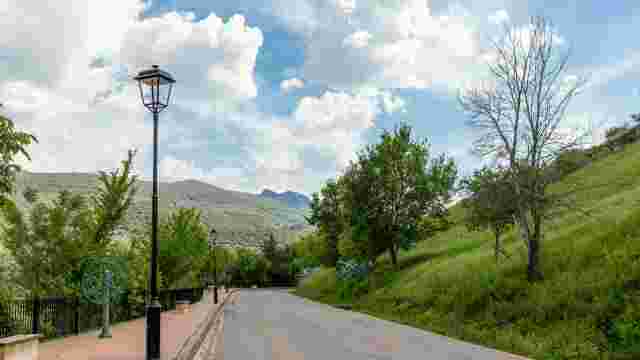
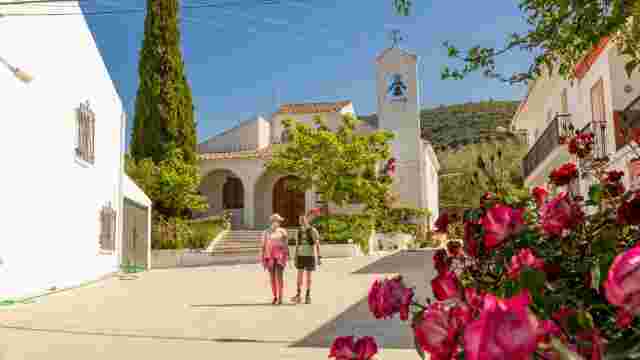
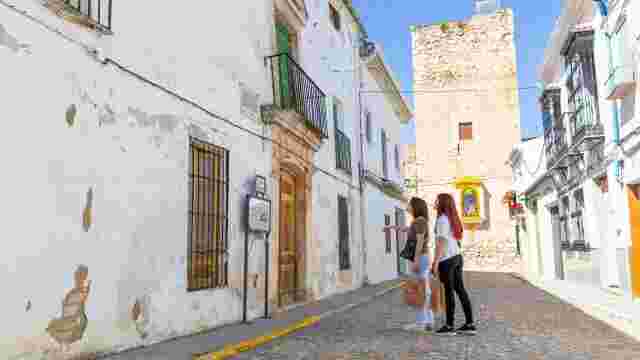
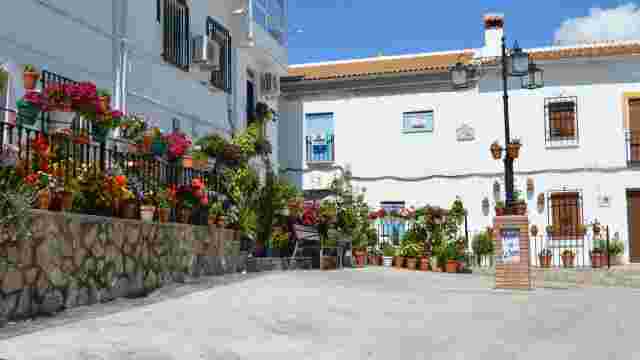
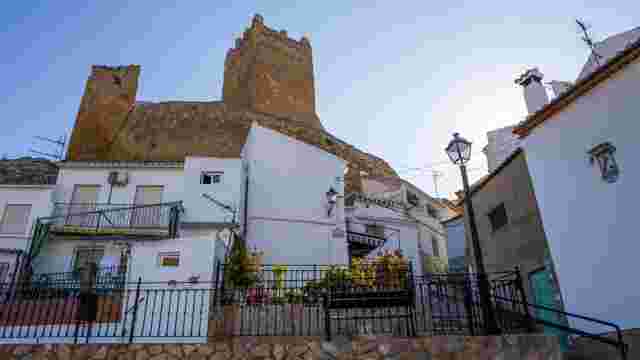
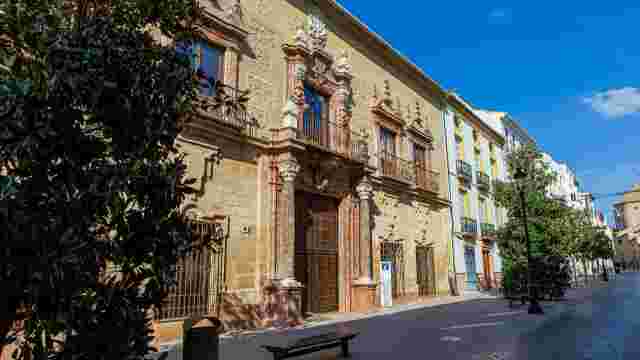
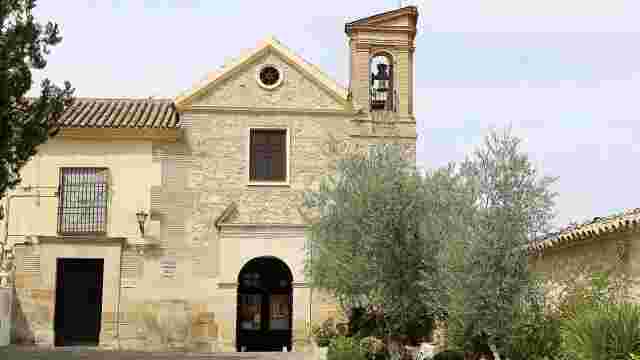
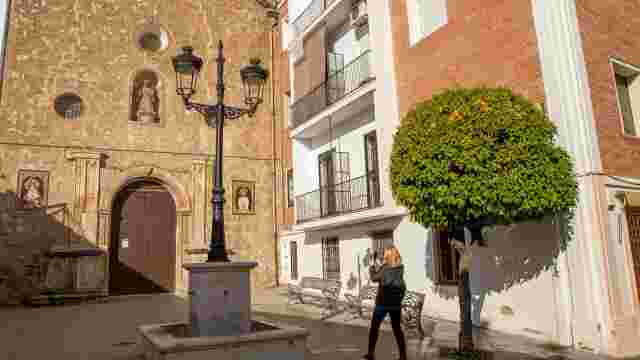
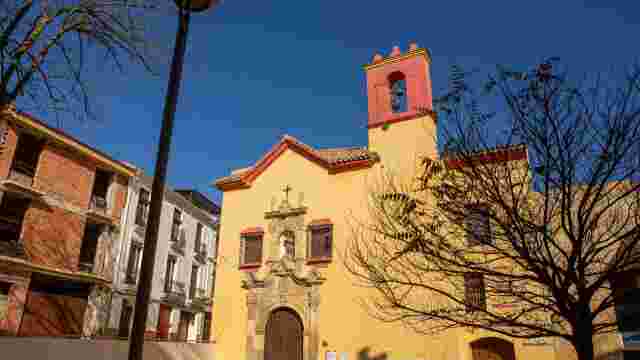
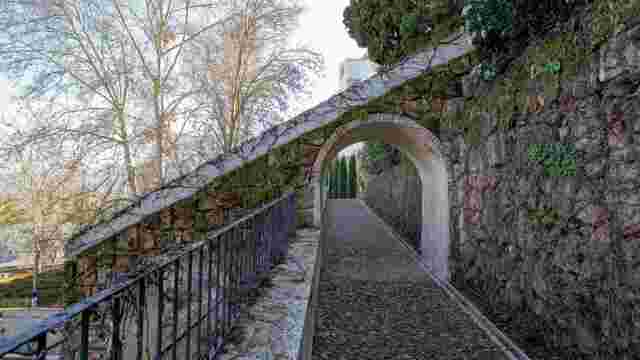
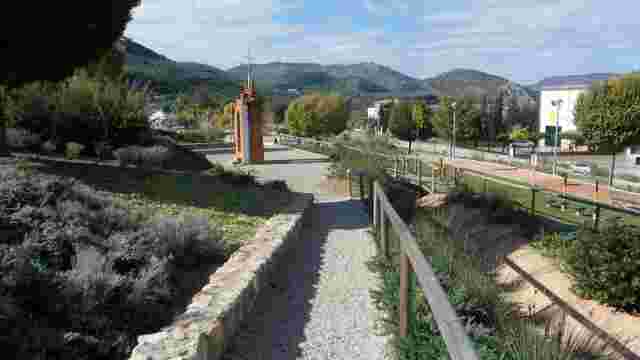
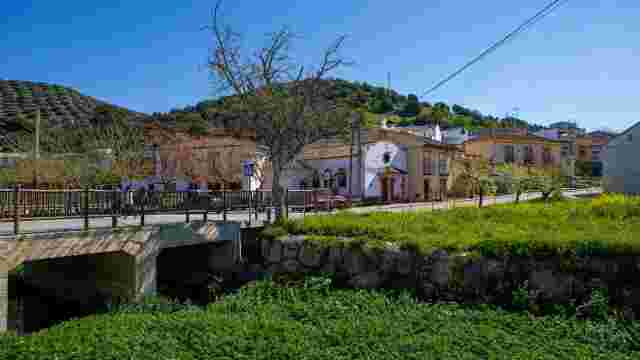
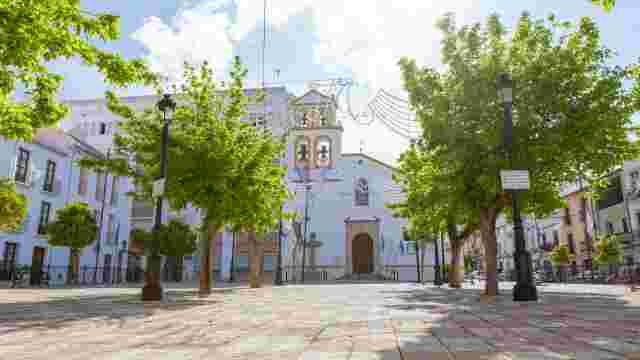
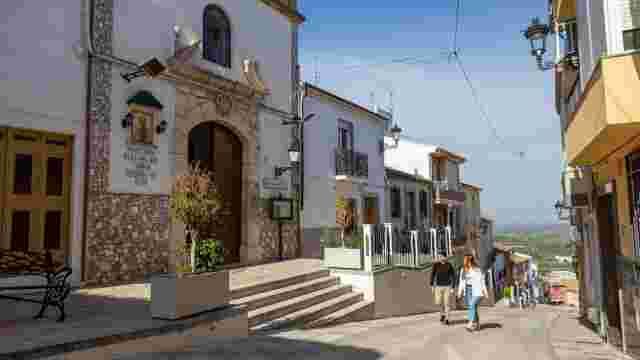
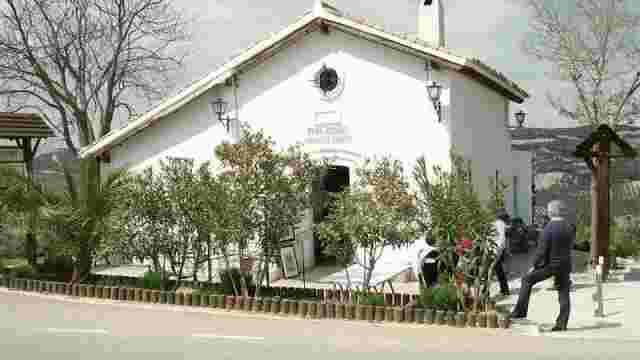
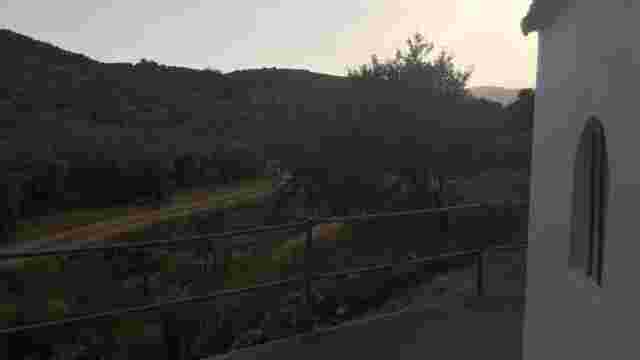
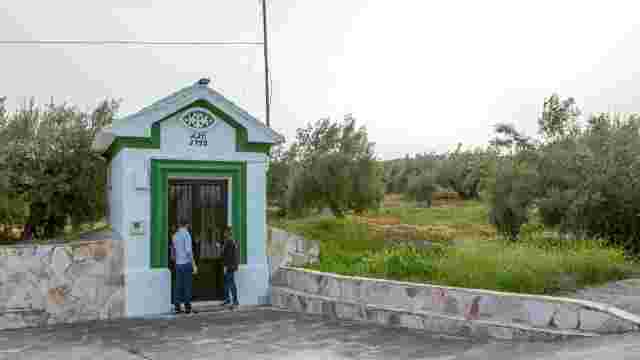
Moved to this site in 1967 and built on land donated by sisters Rosario and Martina Nieto del Pino, the current chapel of Cristo de la Misericordia gave its name to this neighbourhood and, in the late 20th century, to the present-day Calle Sevilla. It is located in the area formerly known as ‘El Ejido’, later ‘La Ronda’, and lies near the so-called ‘Callejón de los Muertos’ (Alley of the Dead), so named because coffins used to pass through it on their way to the old cemetery.
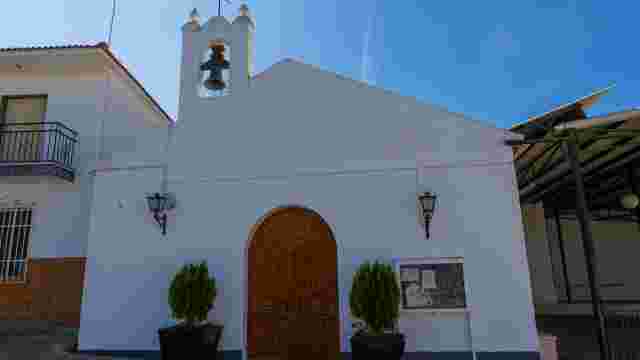
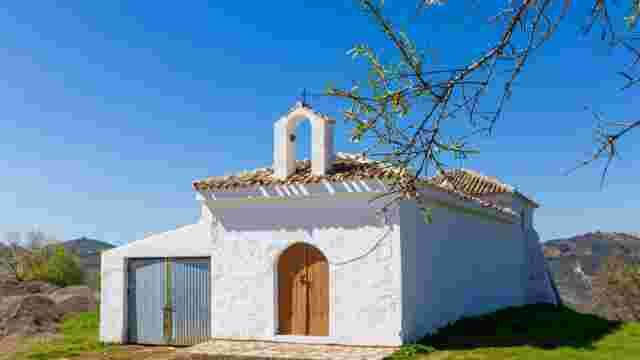
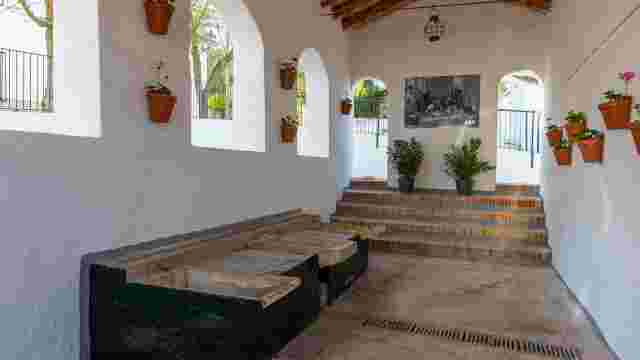
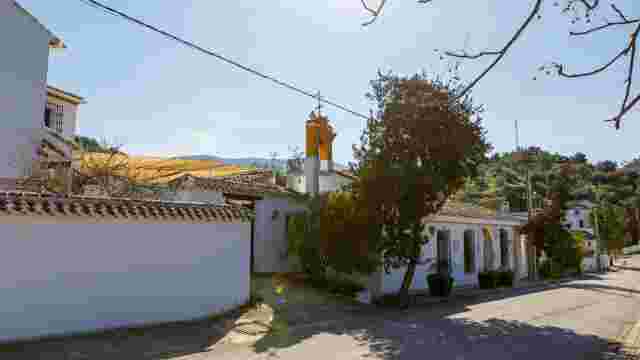
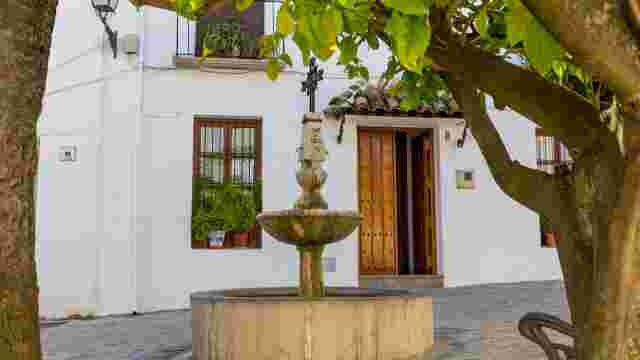
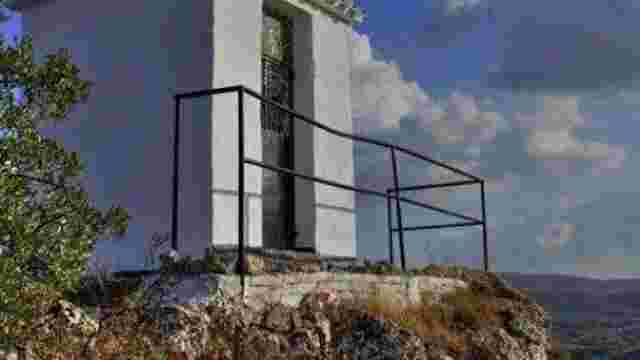
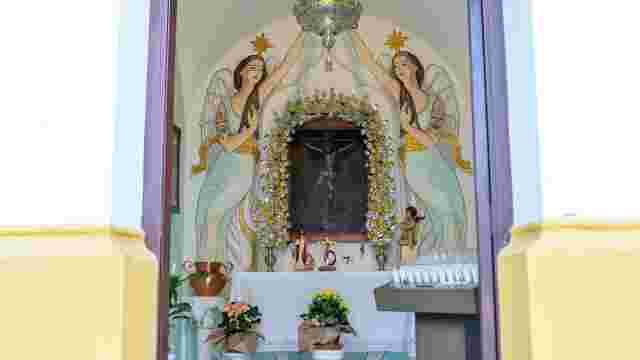
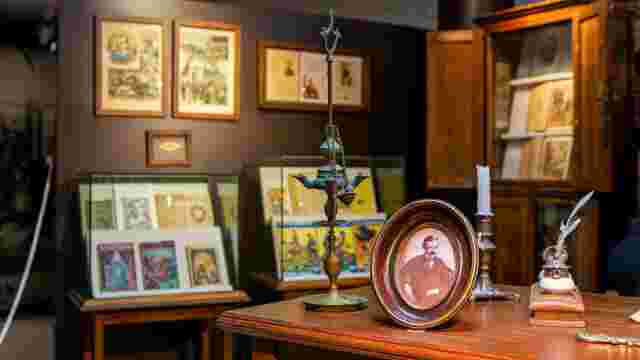
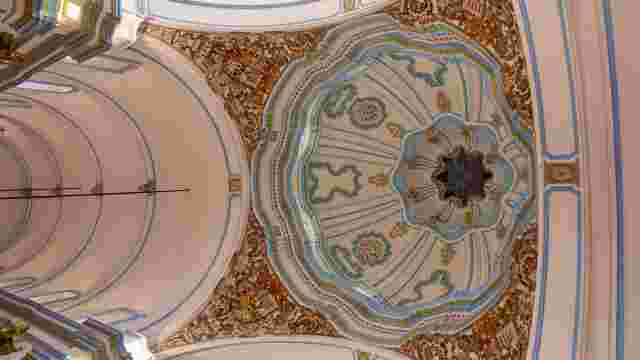
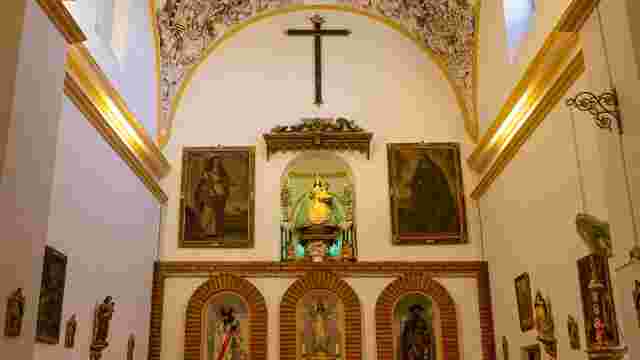
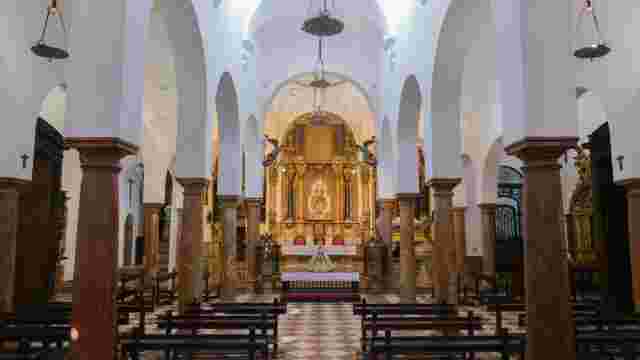
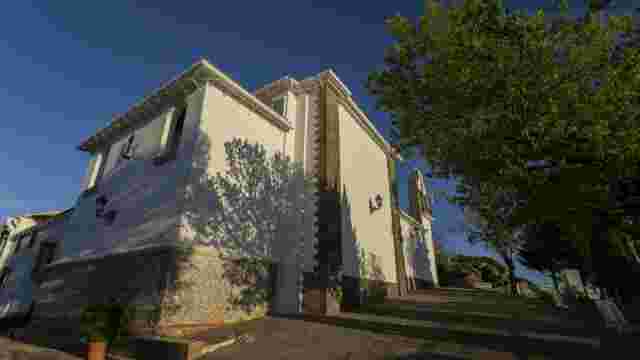
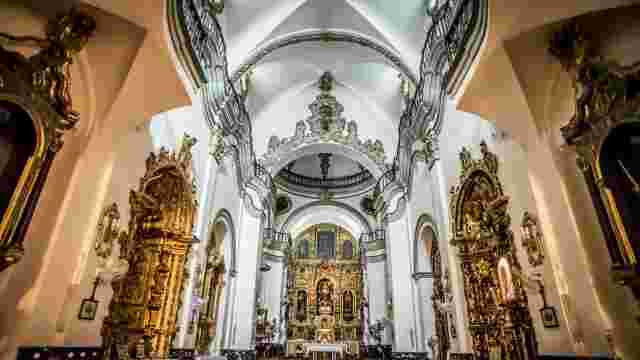
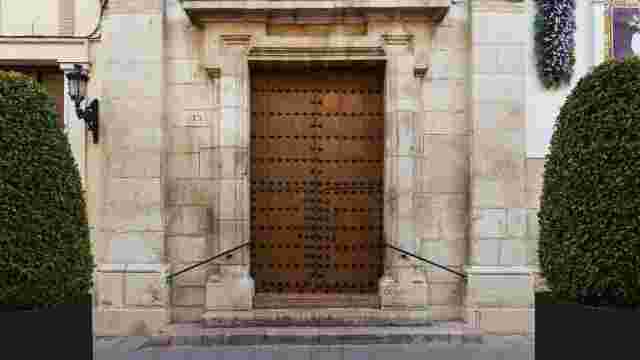
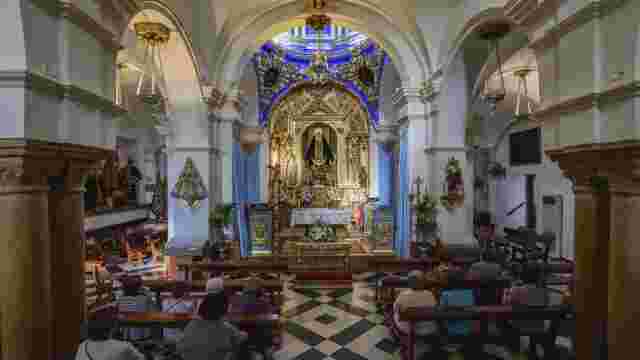
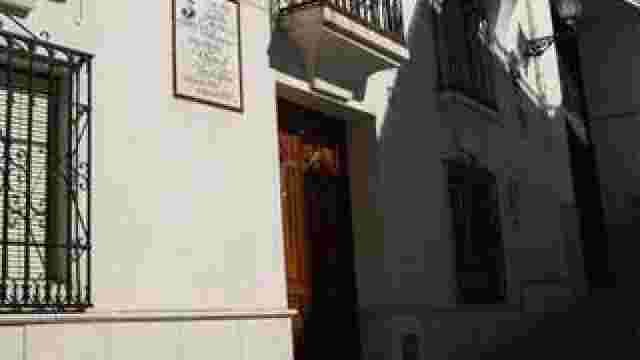
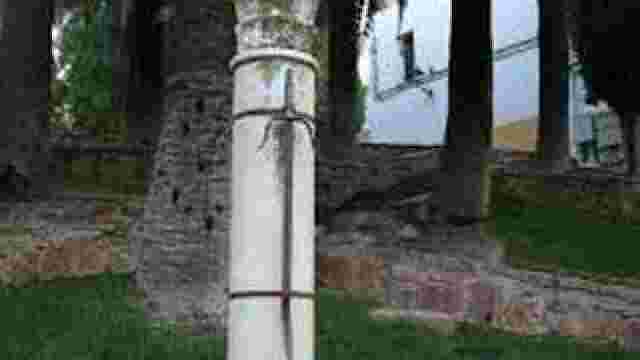
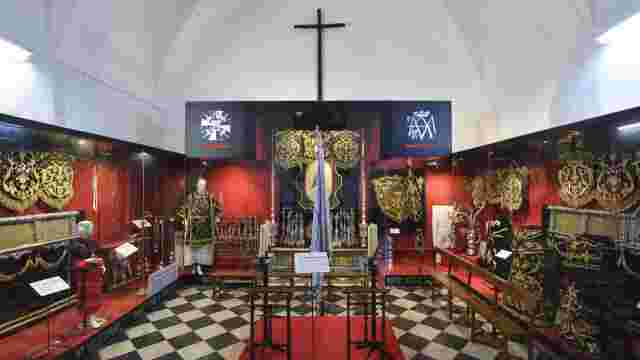
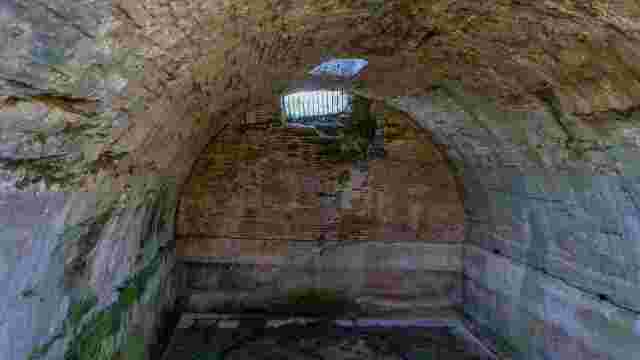
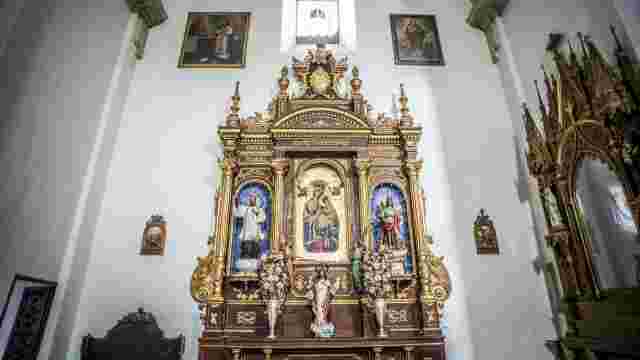
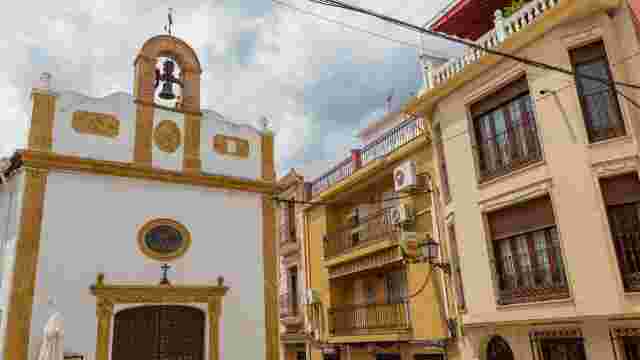
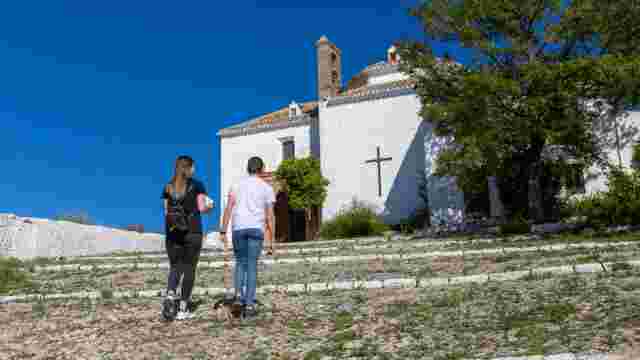
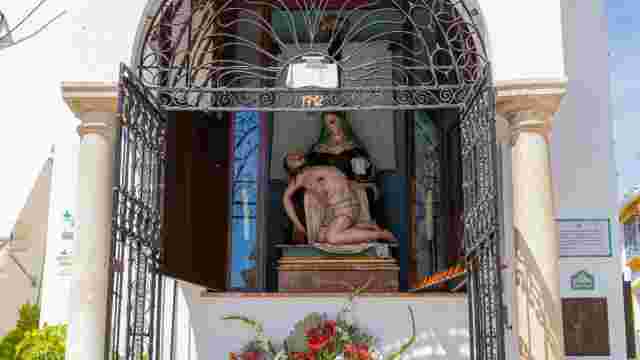
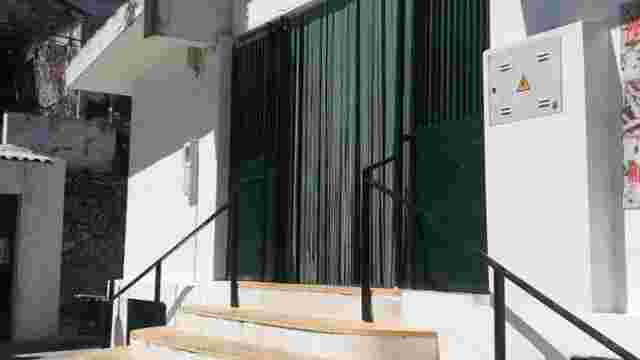
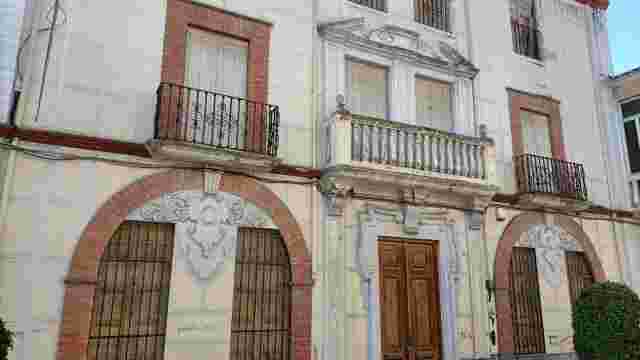
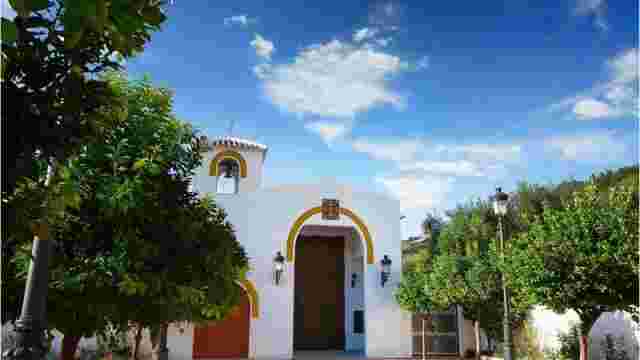
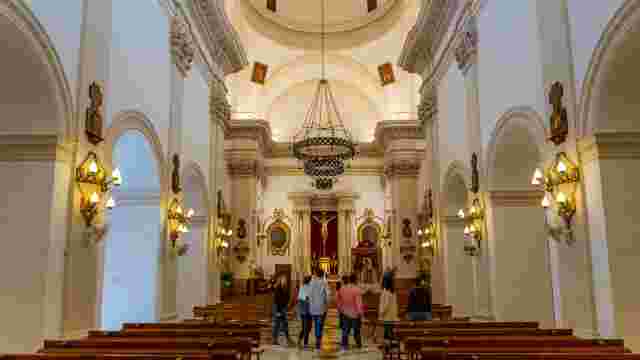
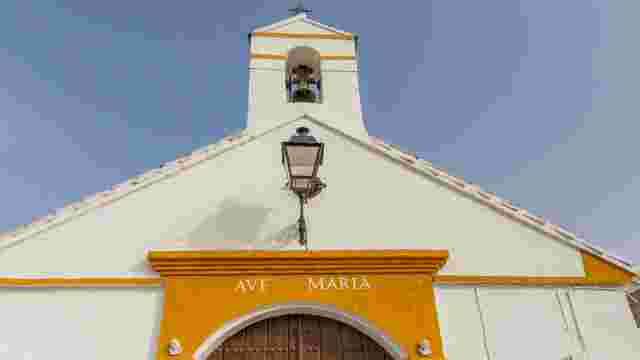
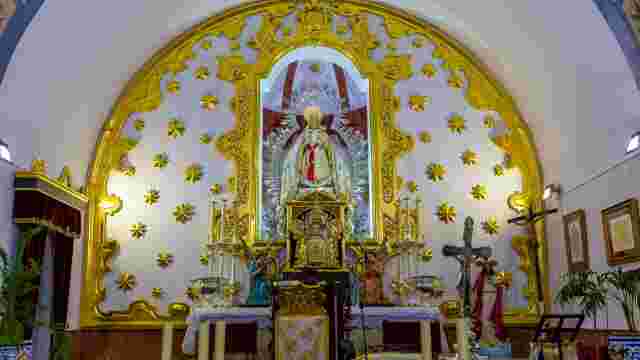
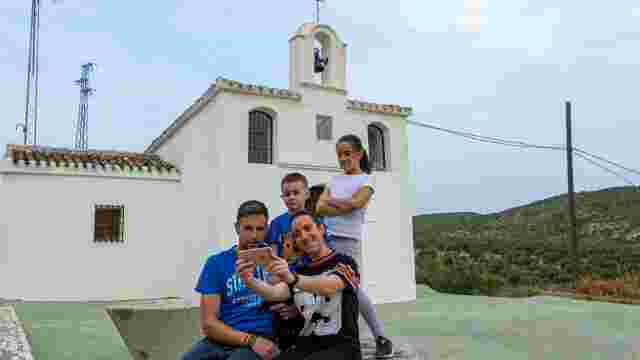
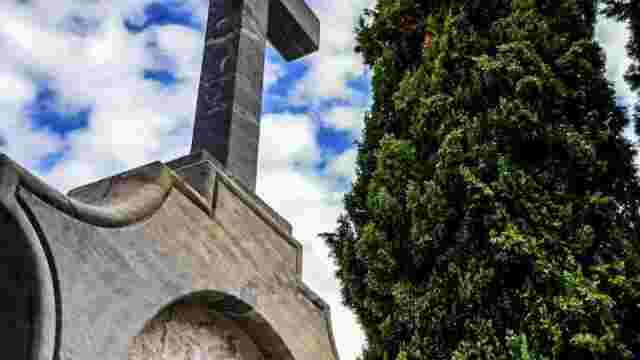
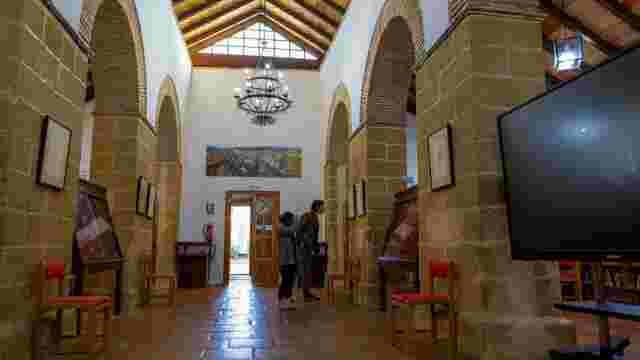
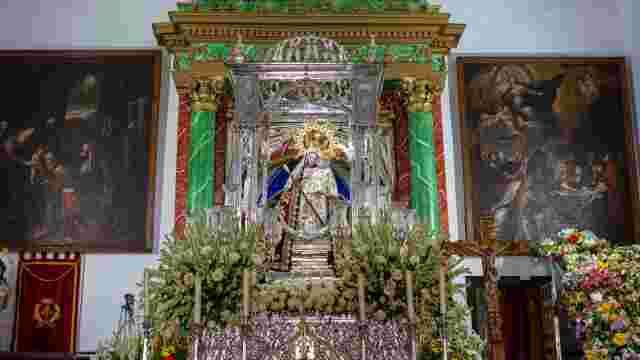
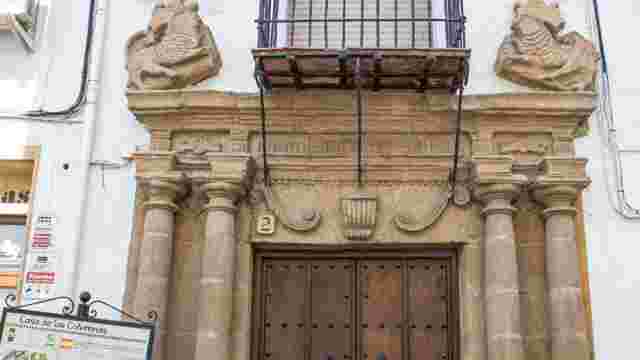
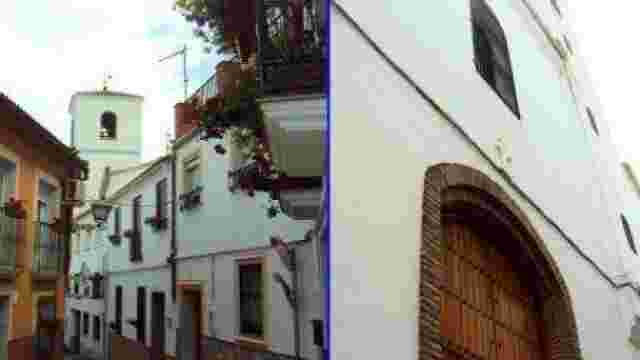
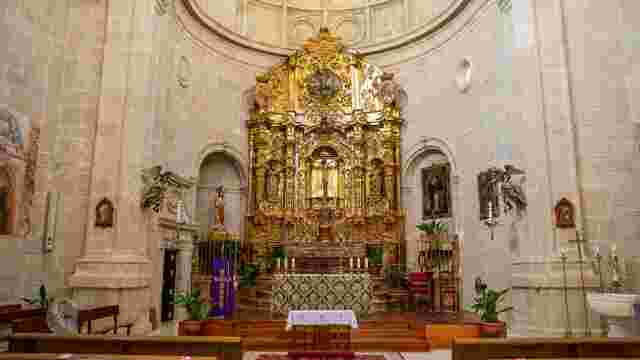
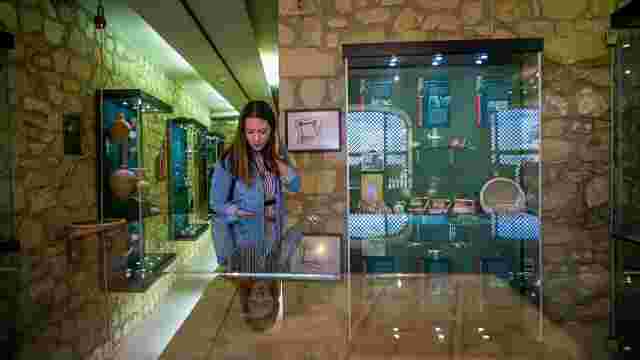
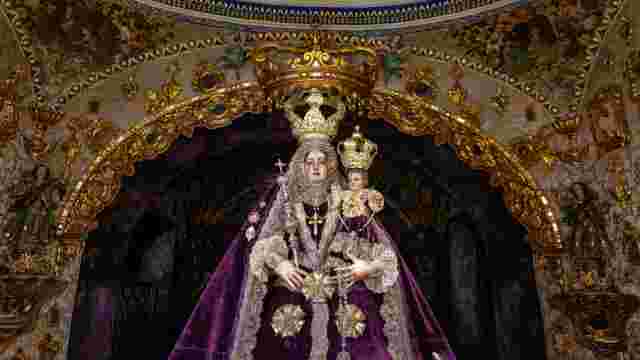
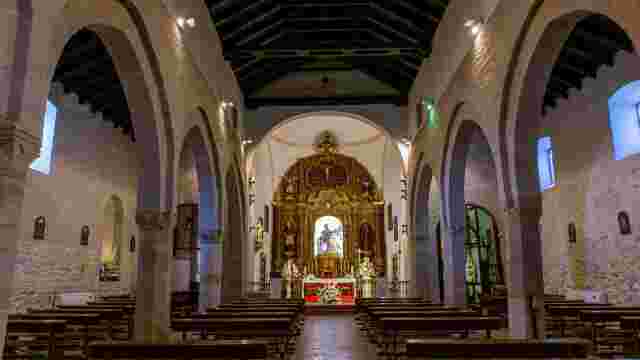
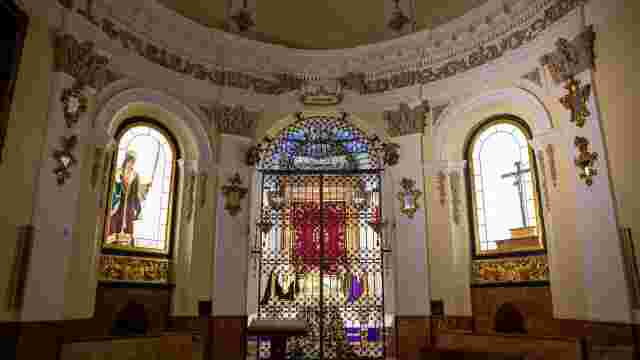
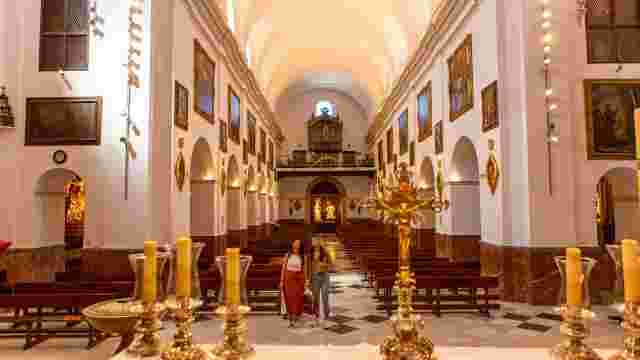
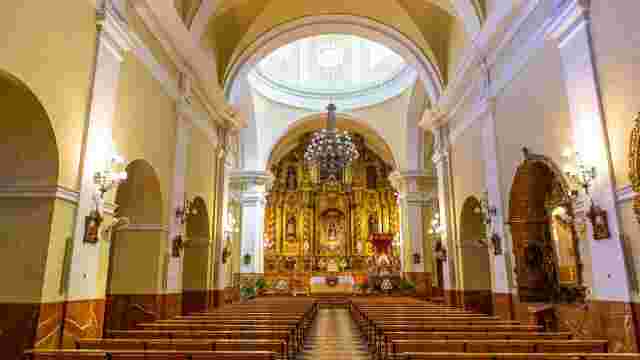
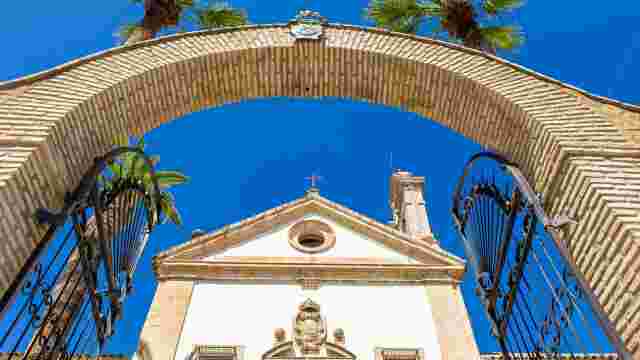
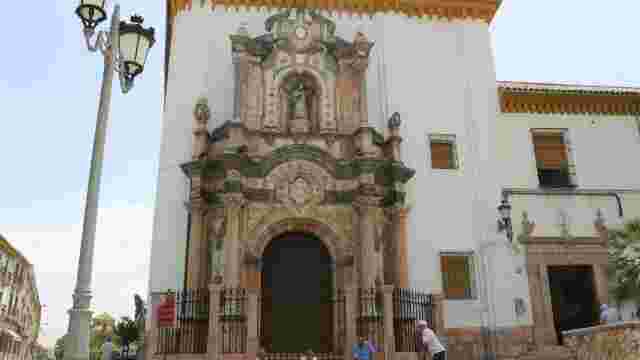
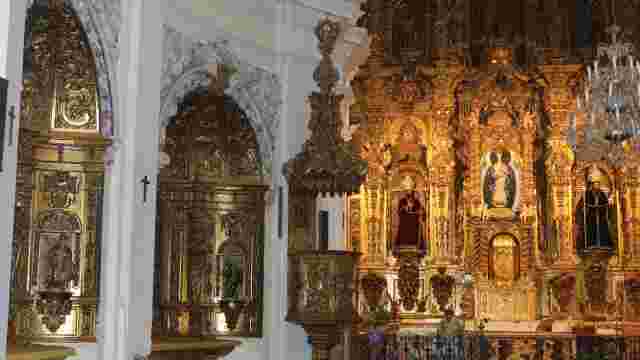
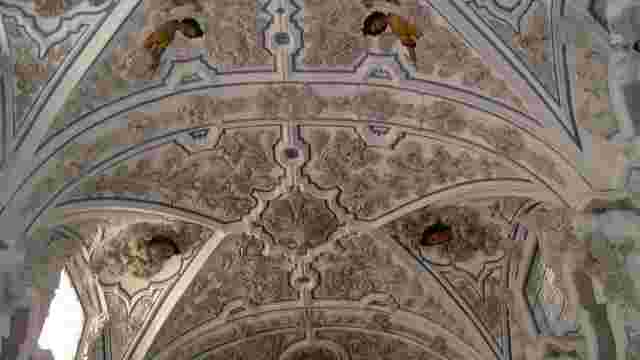
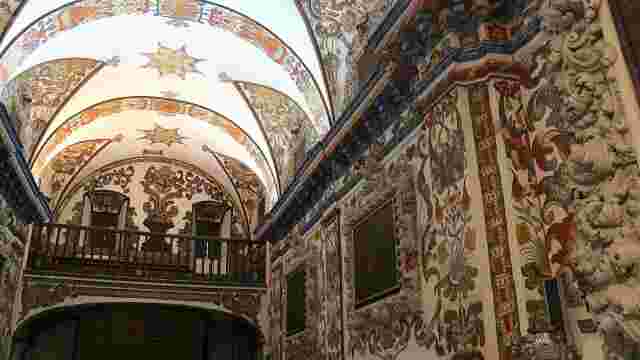
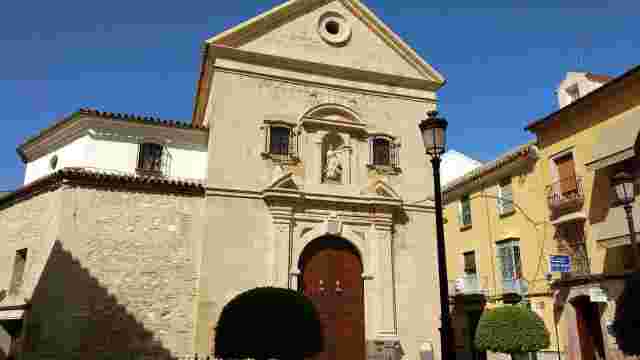
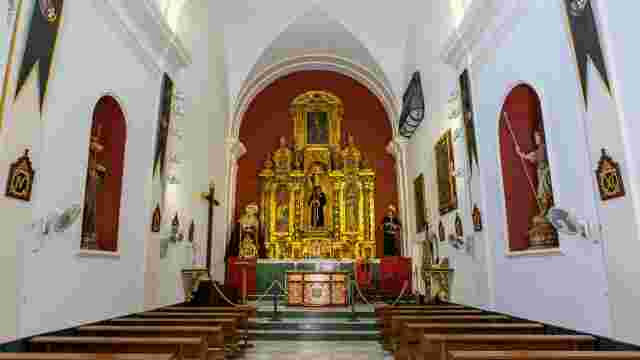
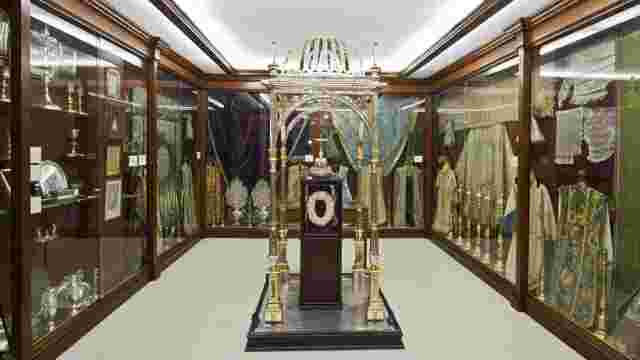
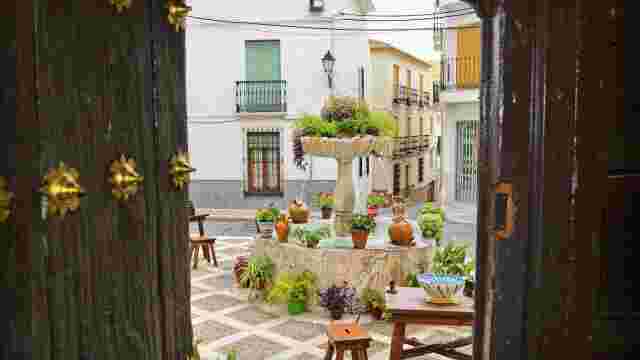
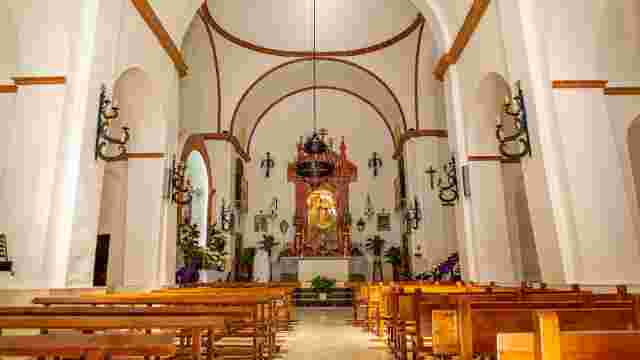
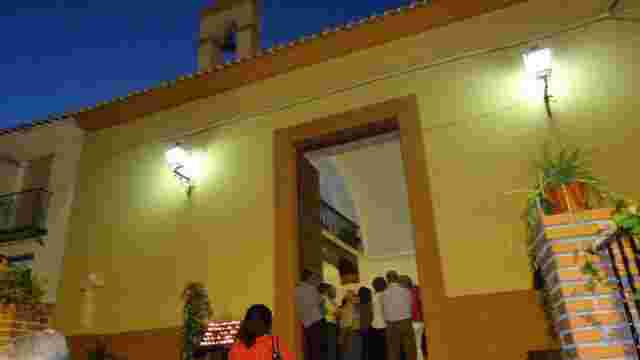
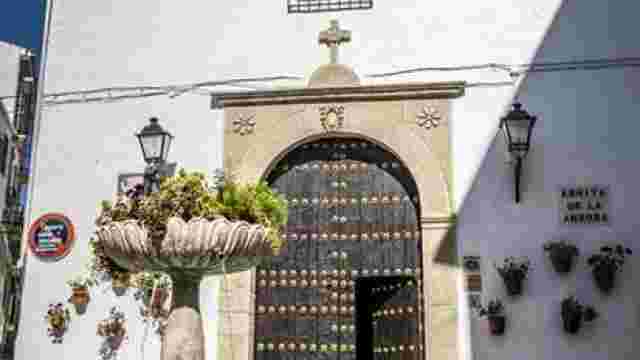
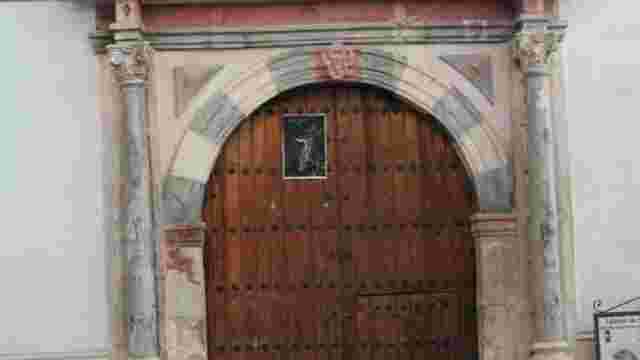
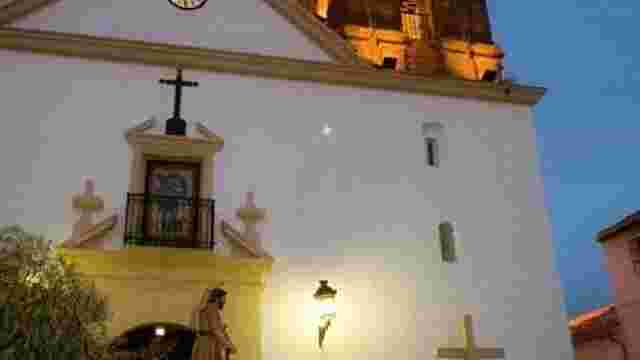
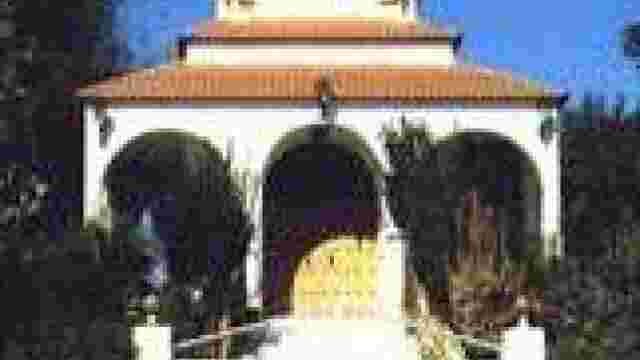
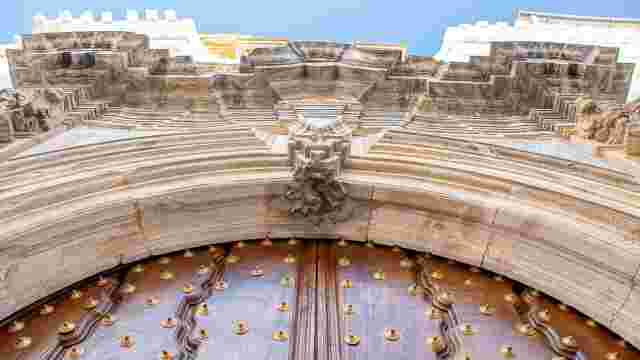
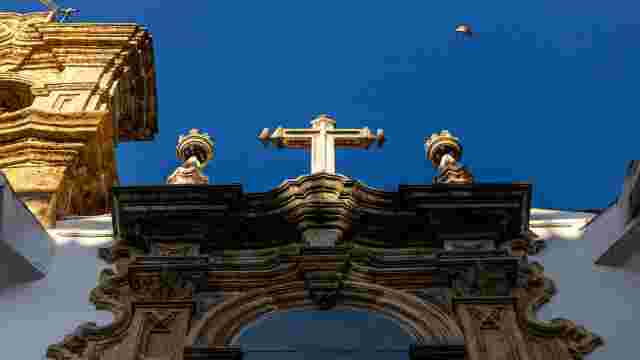
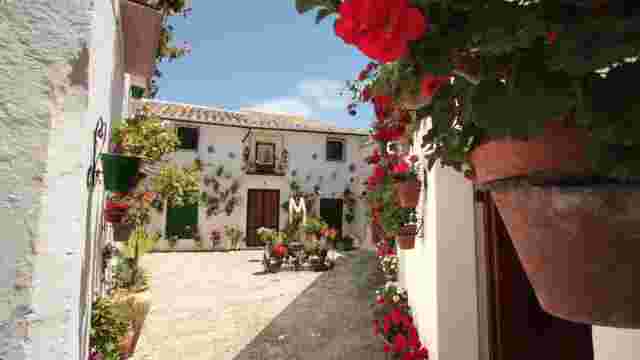
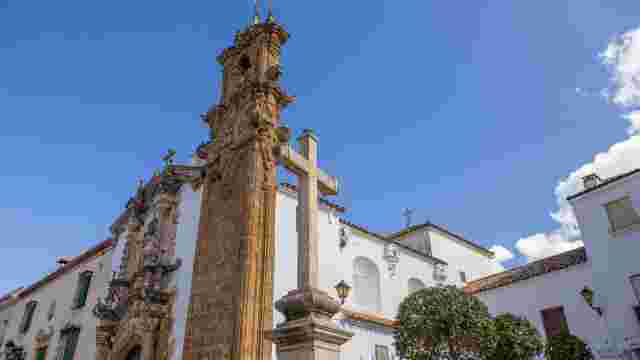
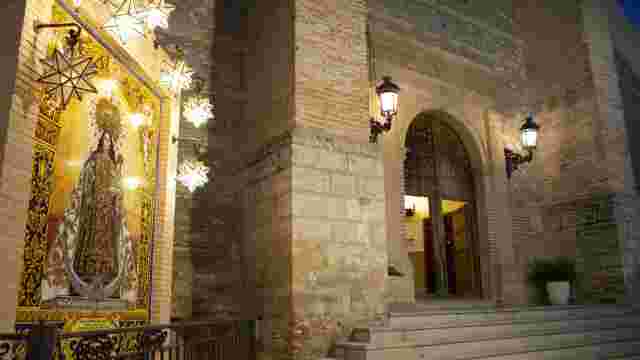
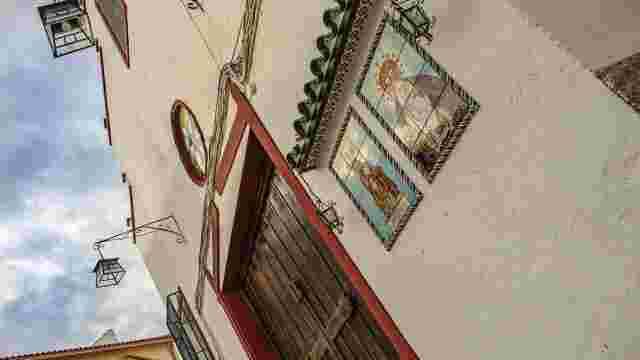
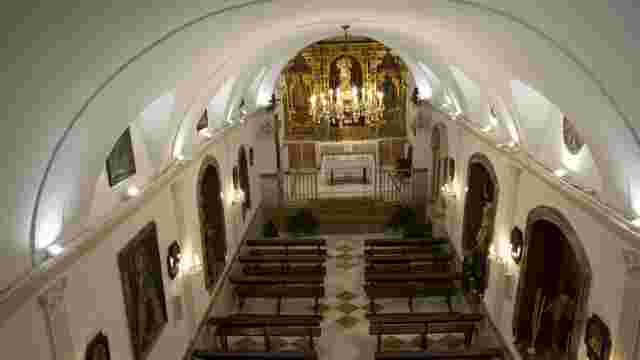
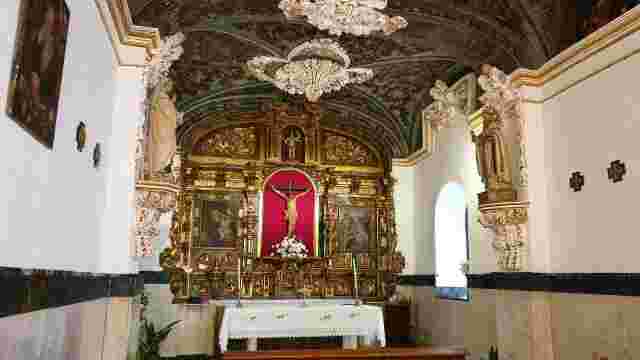
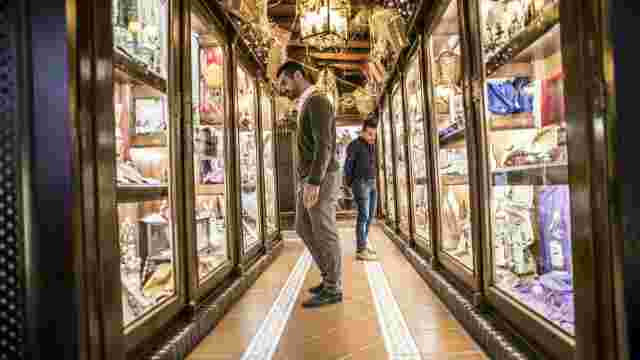
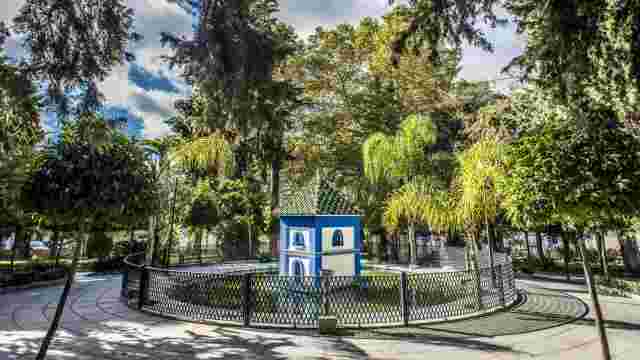
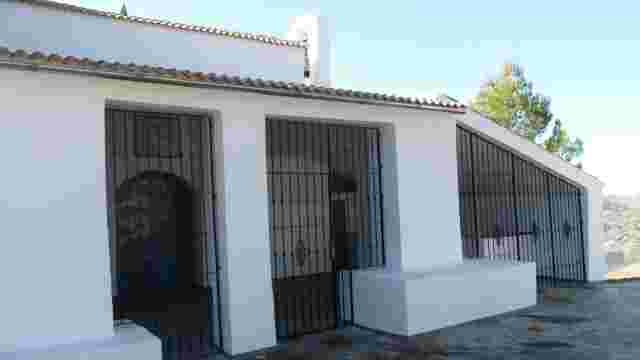
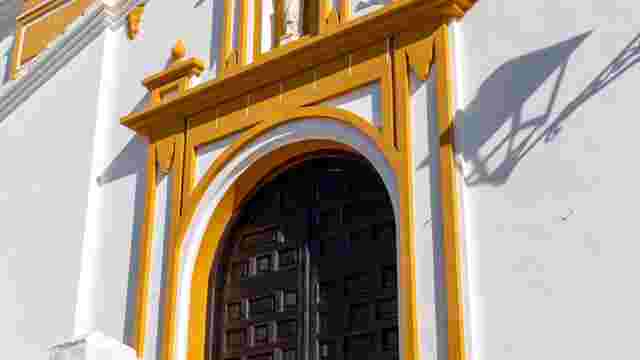
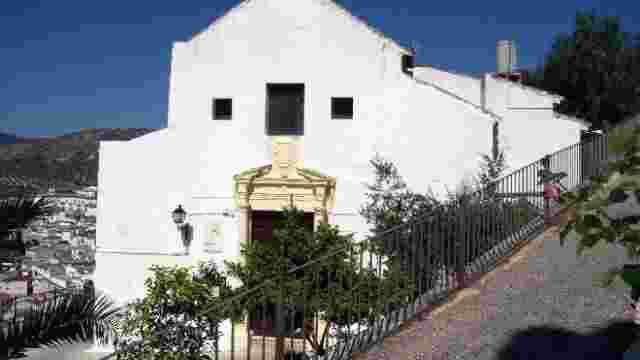
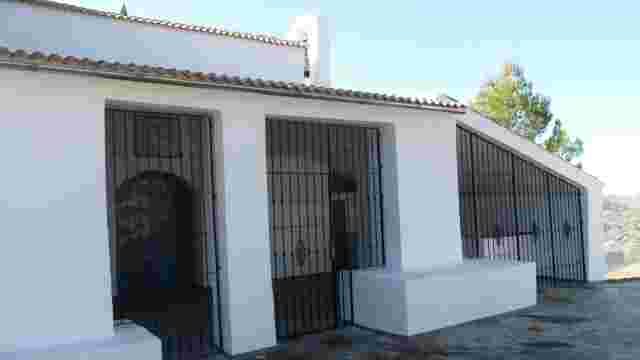
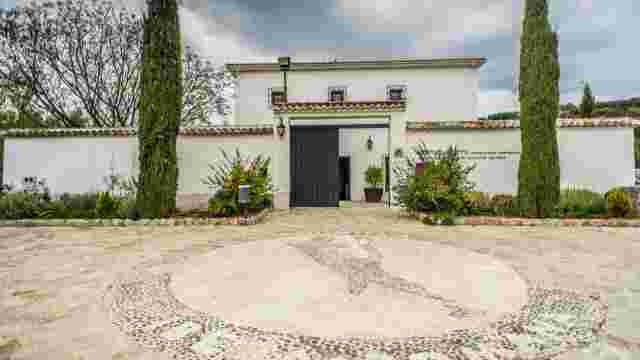
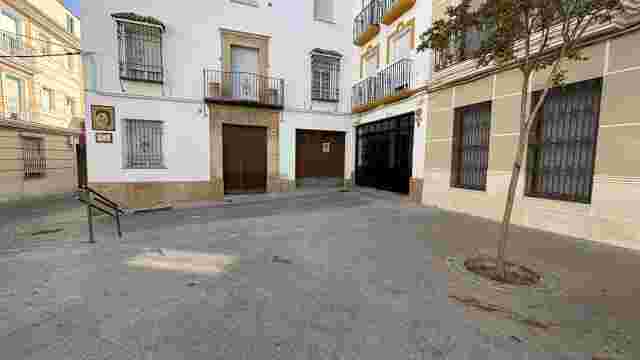
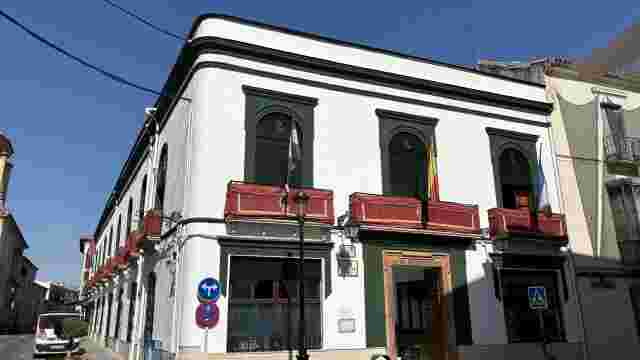
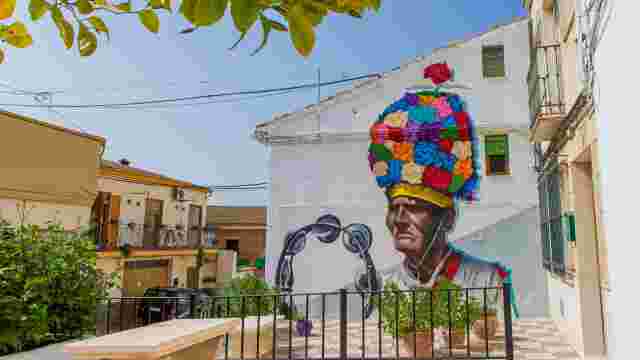
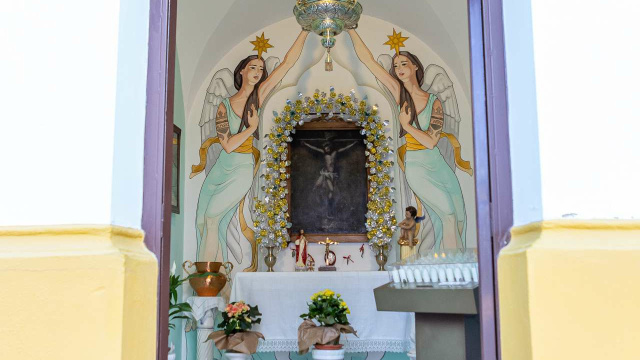
Its white façade features plaster mouldings, ceramic finials, an iron cross—taken from one of the old graves in the former cemetery—and nail-studded doors with original grilles. Its interior has been painted in the traditional Benamejí green since its inception and revives the tradition of plasterwork with its built-in altarpiece and groined vault. It also preserves the old popular painting of the Crucified Christ known as the ‘Christ of Mercy’, as well as beautiful lithographs and silver votive offerings from the 18th and 19th centuries, of great ethnographic value, and a complete Baroque and theatrical ensemble from the original chapel. Both the painting and several crucifixes inside are ‘adorned’ with the traditional crowns of talcum powder flowers typical of Benamejí, which are still handmade today.
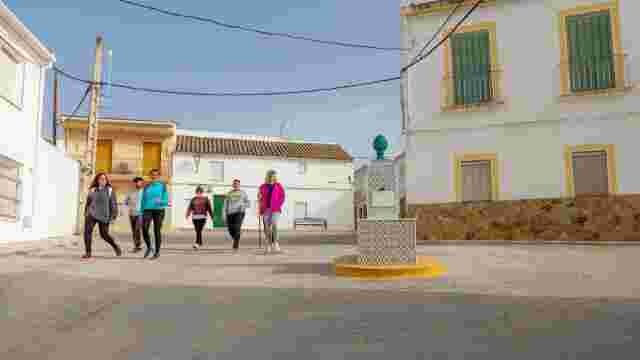
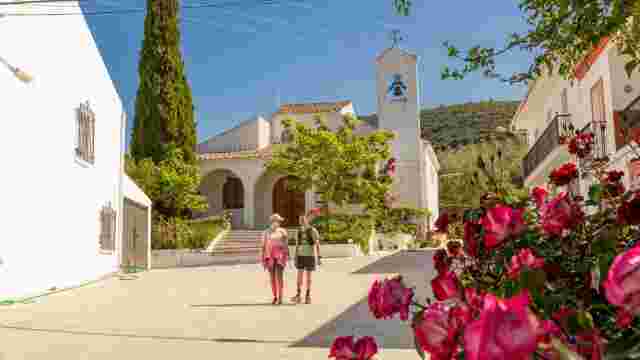
It is situated in a busy thoroughfare, where many people still observe the custom of making the sign of the cross, pausing to express their wishes, reciting ancient litanies or stopping to admire its interior. During the month of May, the oratory, also popularly known as ‘La Cruz’, forms part of the group of May crosses that are adorned with flowers and copper decorations; this is the time of year when it is decorated and opened to showcase its unique, ancient, authentic and popular beauty, now restored.