St James the Apostle Parish
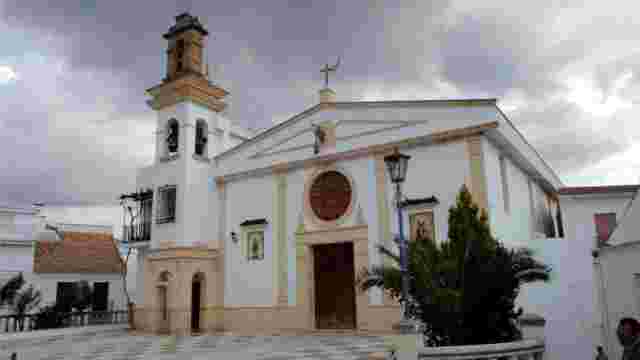
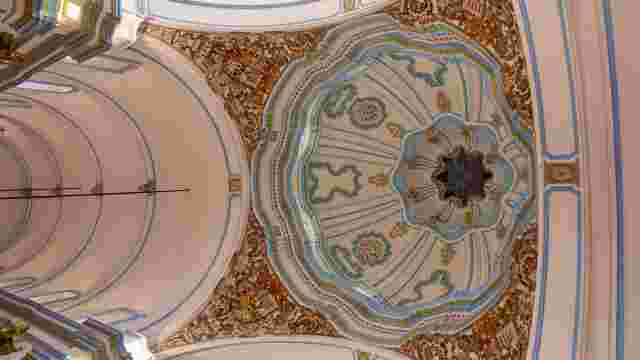
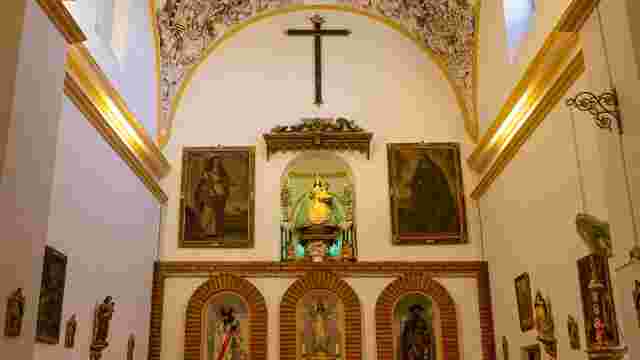
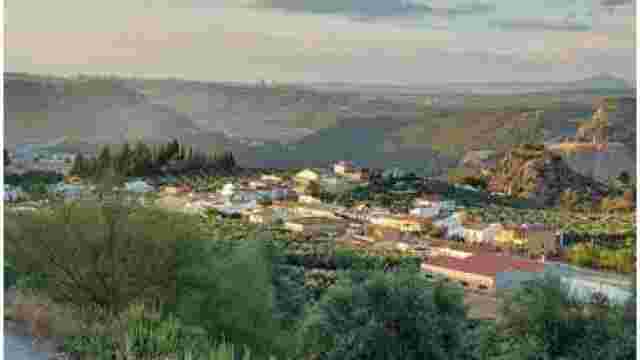
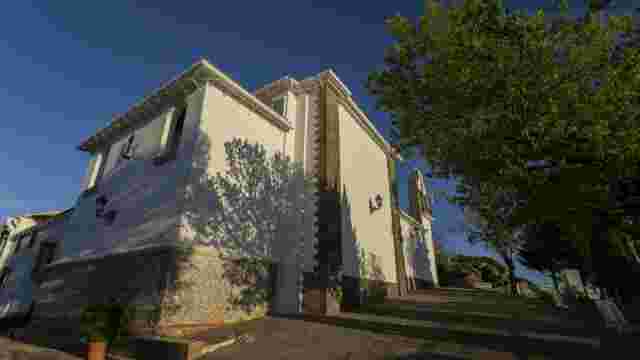
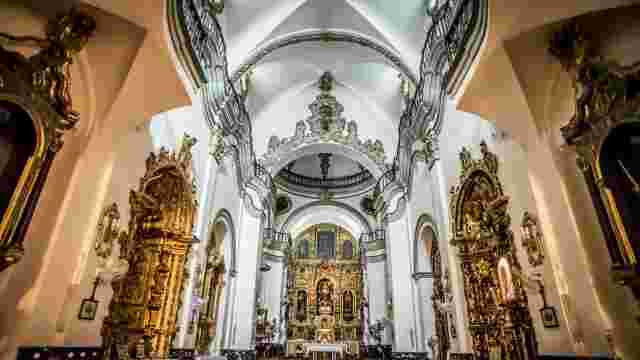
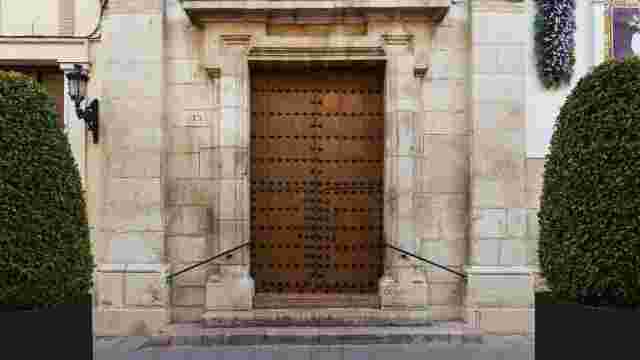
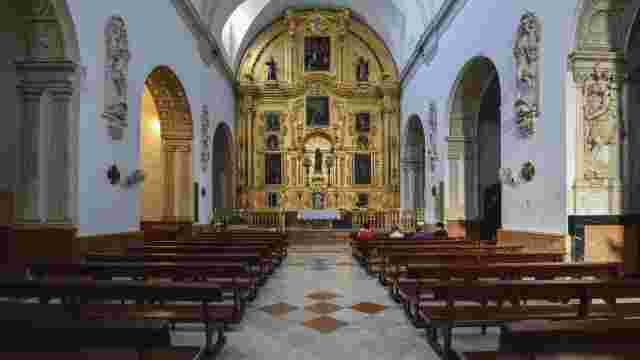
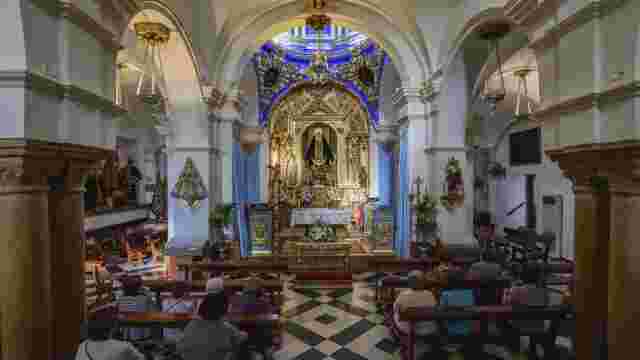
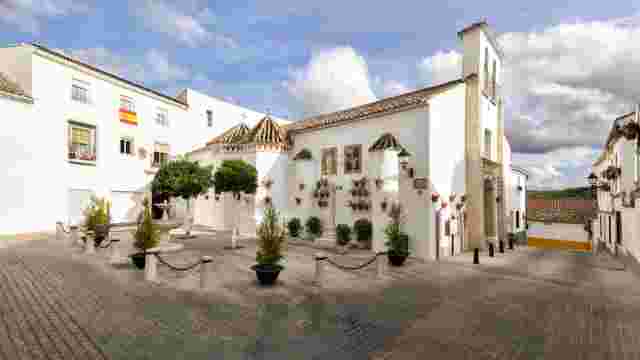
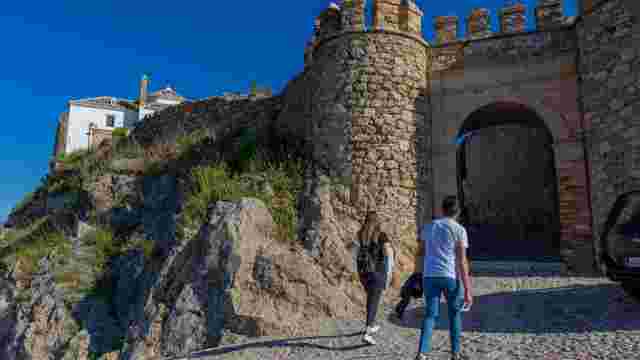
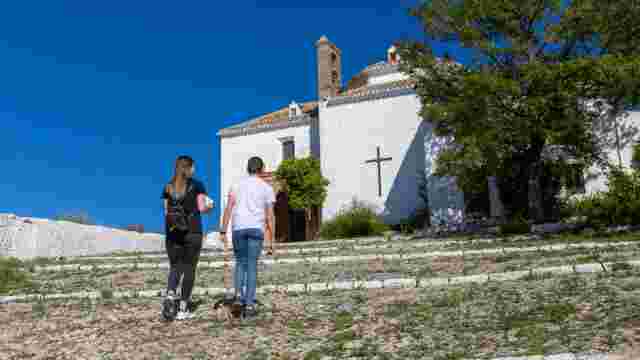
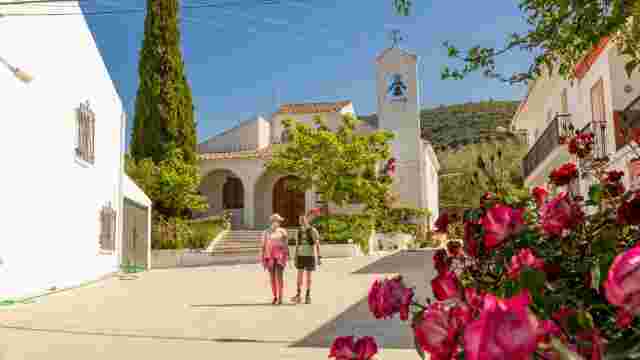
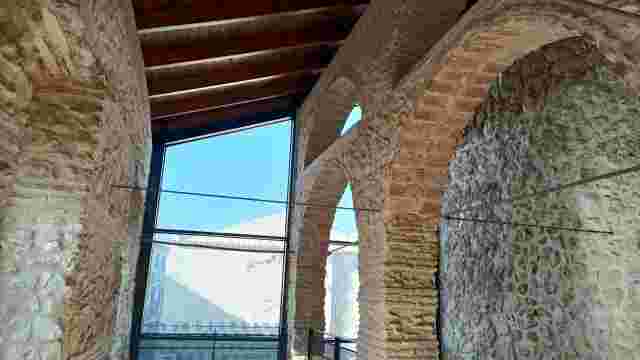
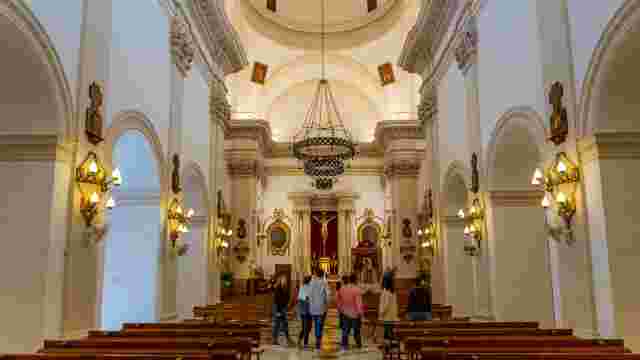
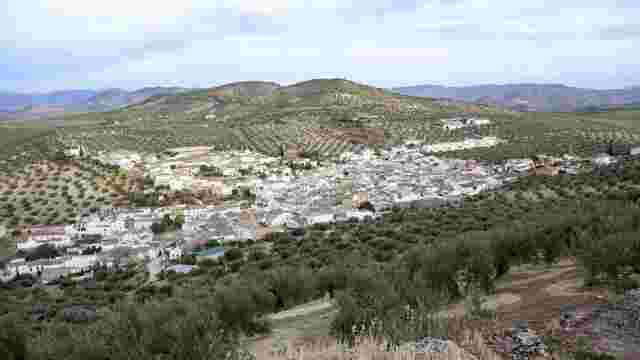
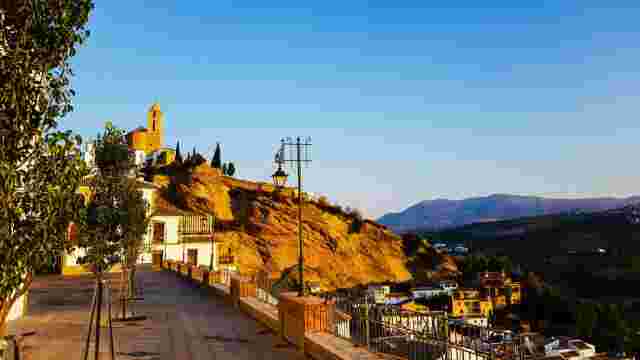
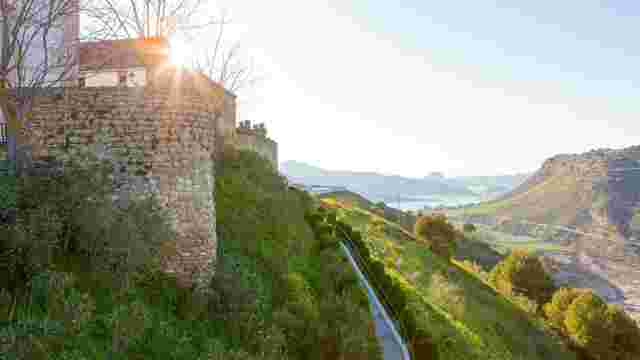
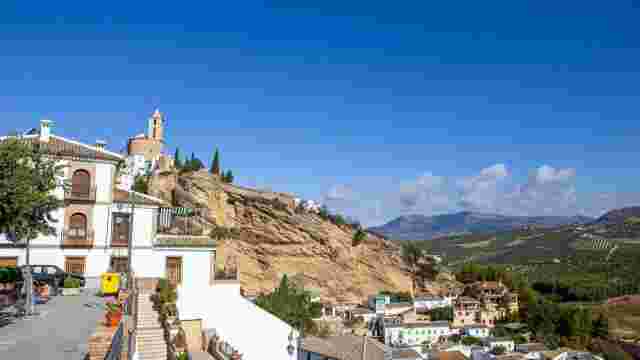
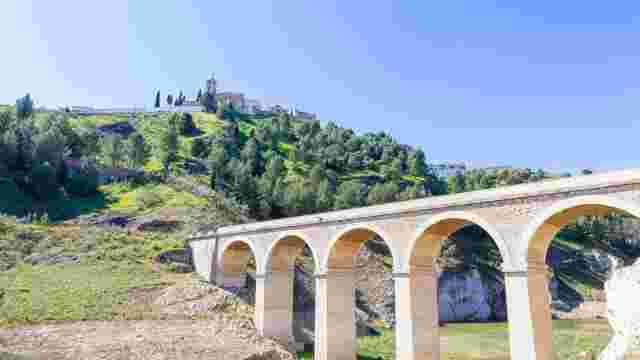
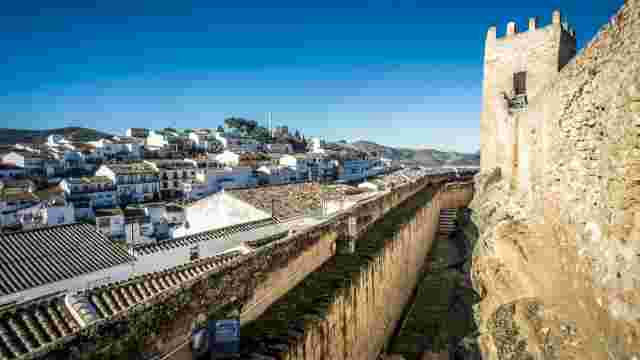
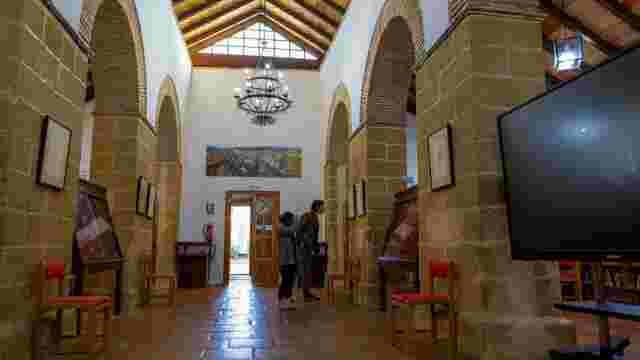
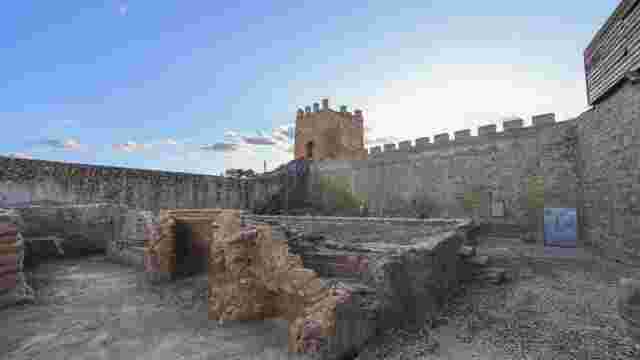
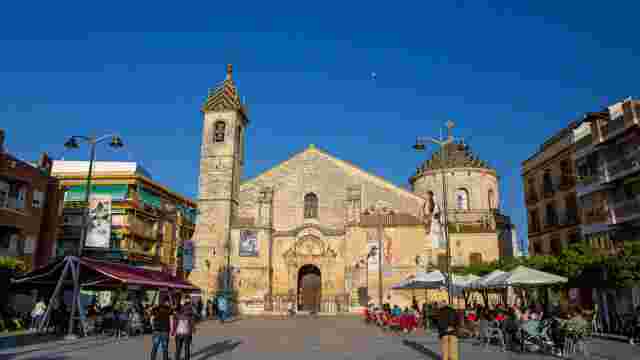
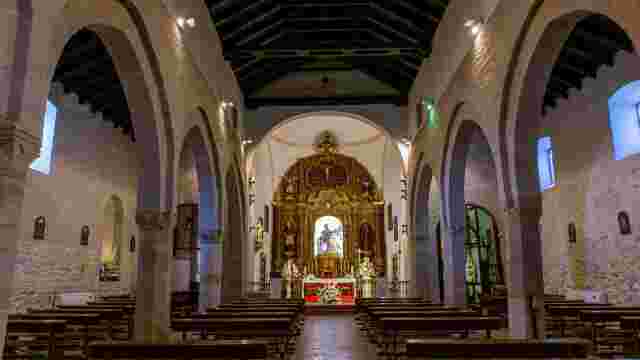
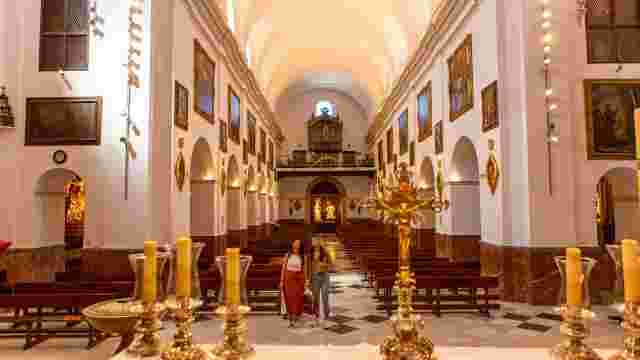
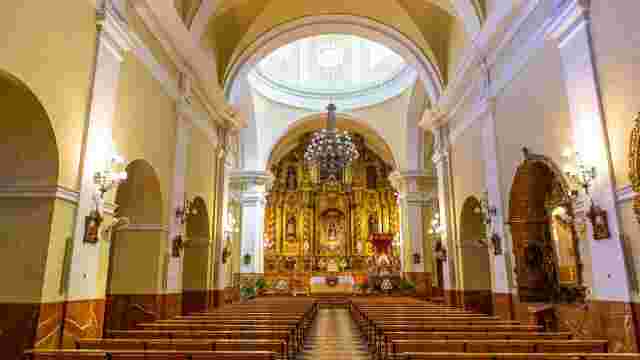
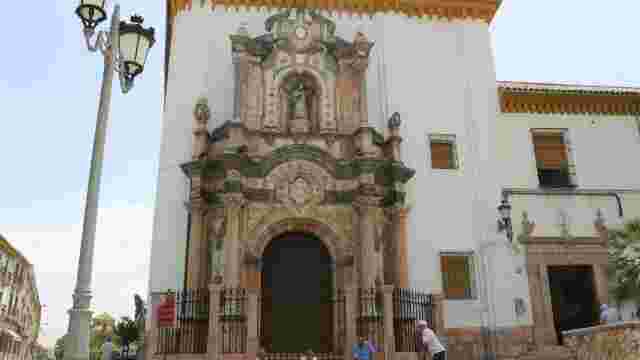
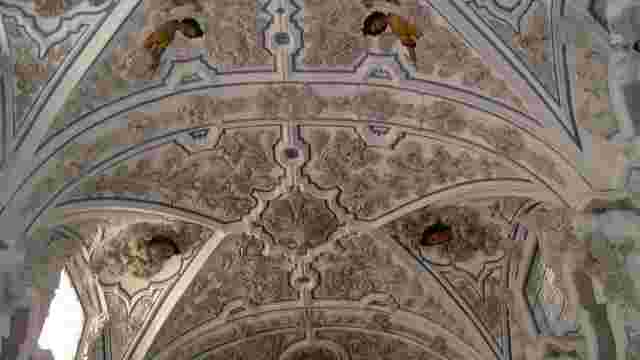
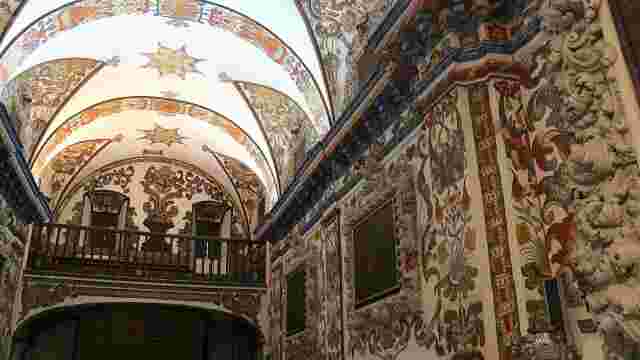
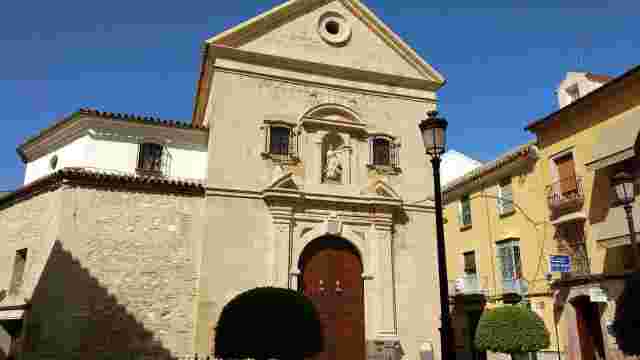
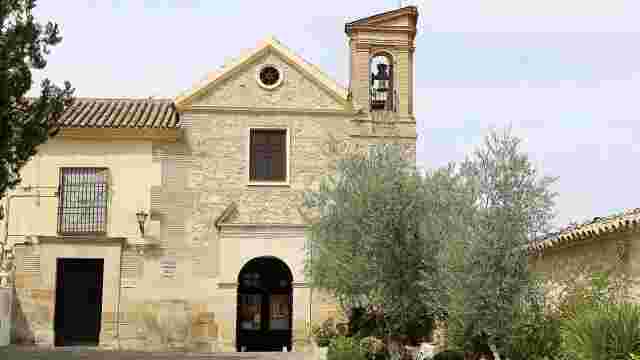
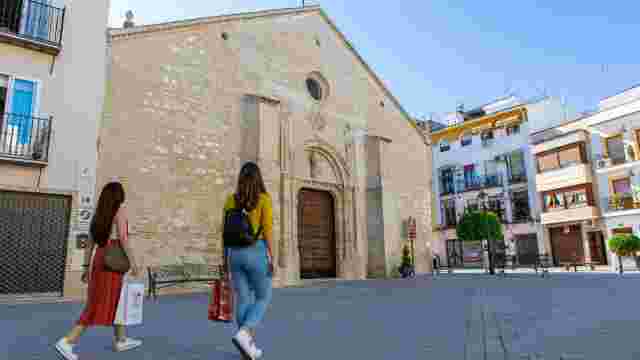
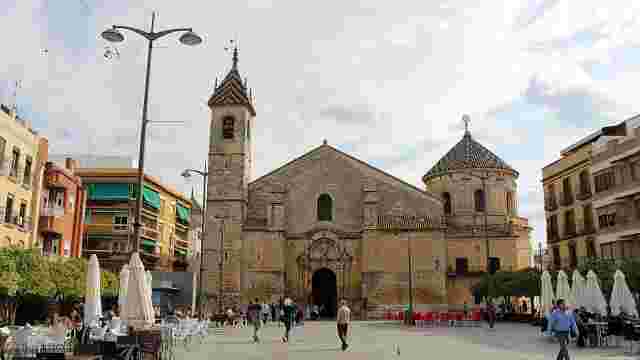
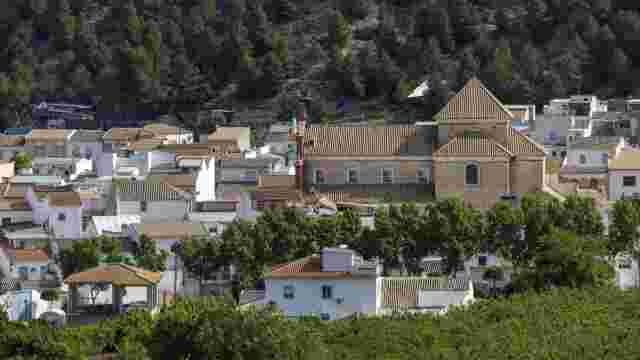
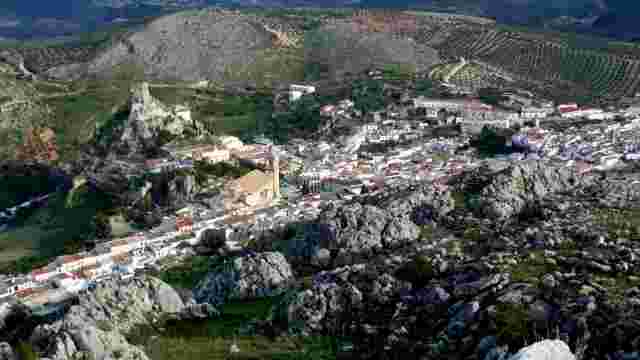
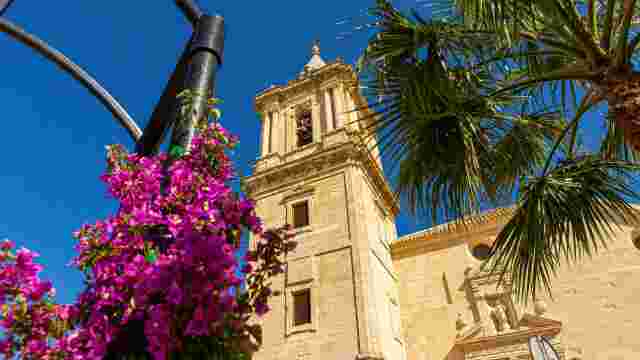
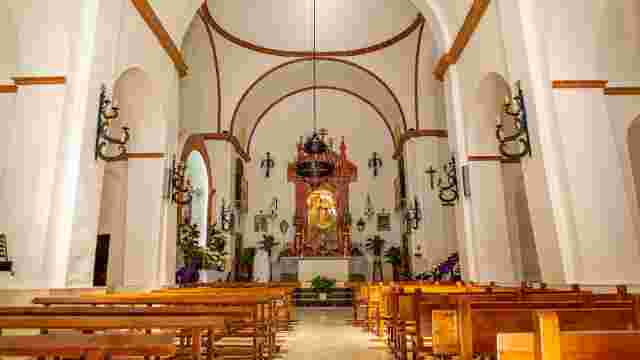
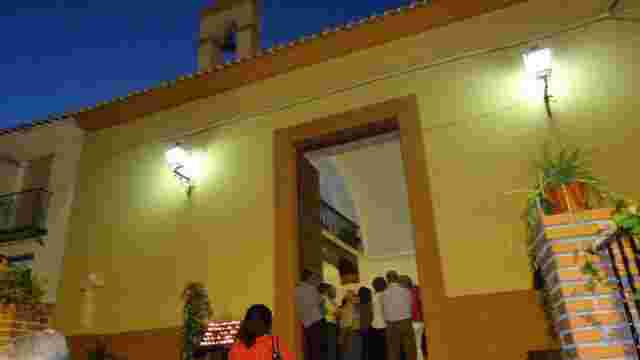
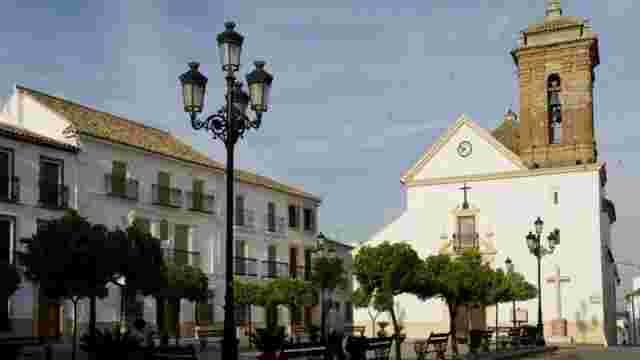
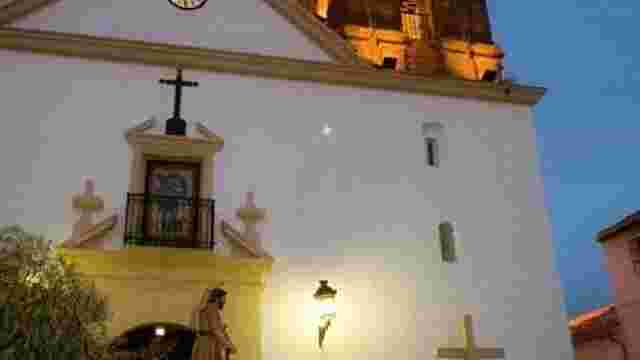
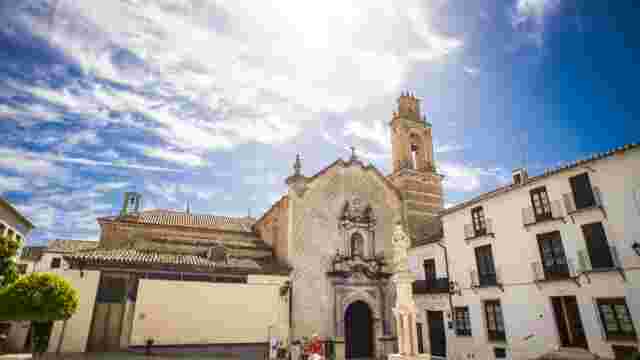
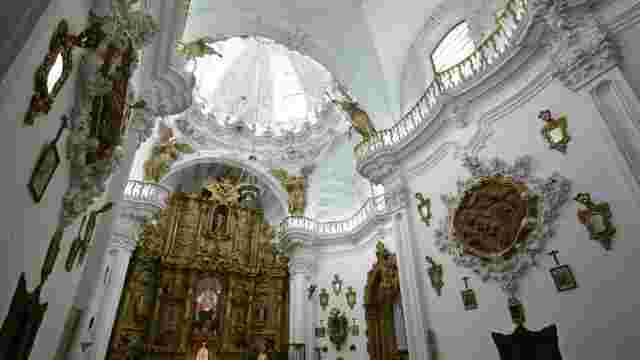
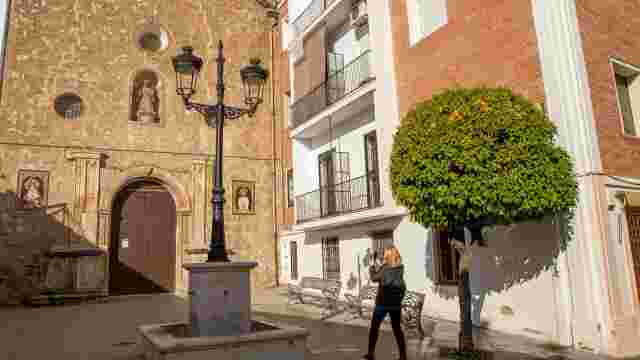
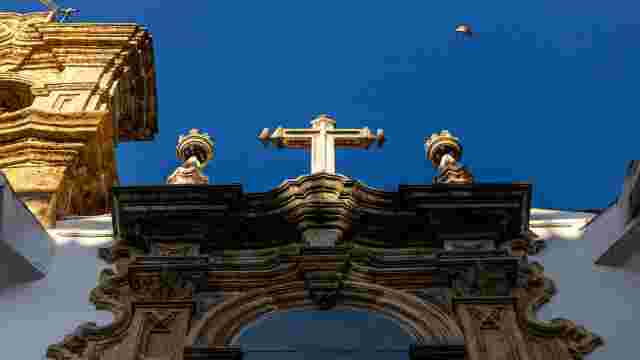
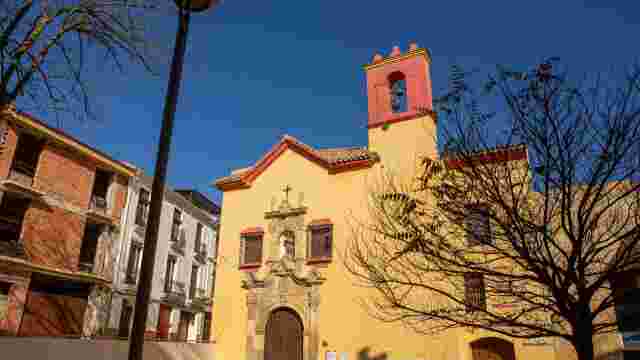
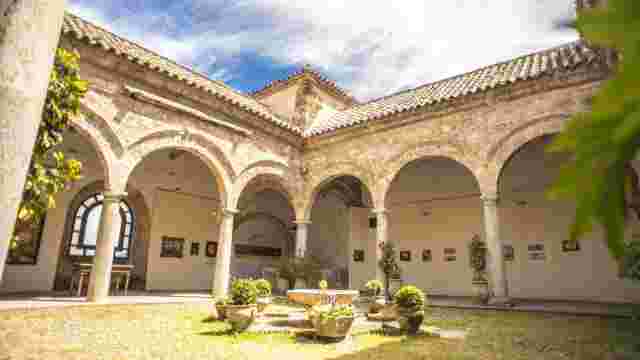
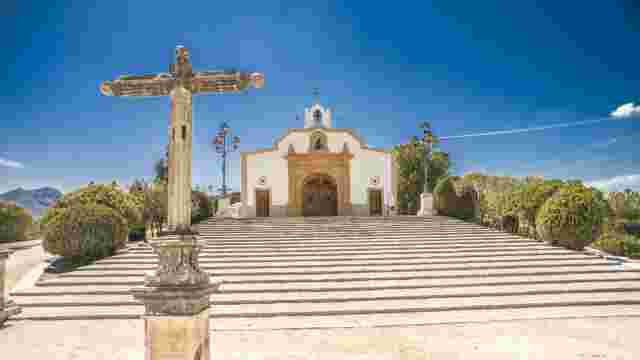
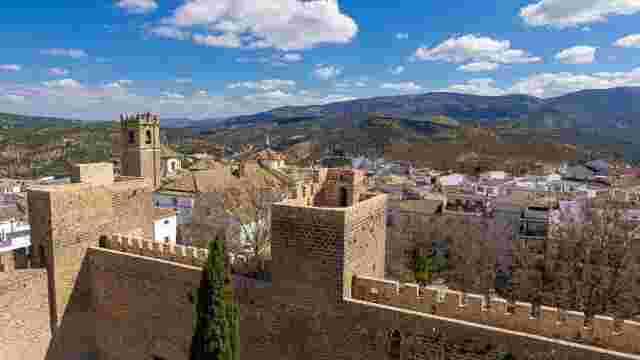
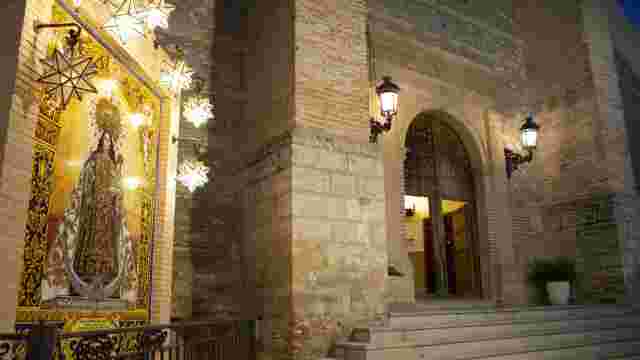
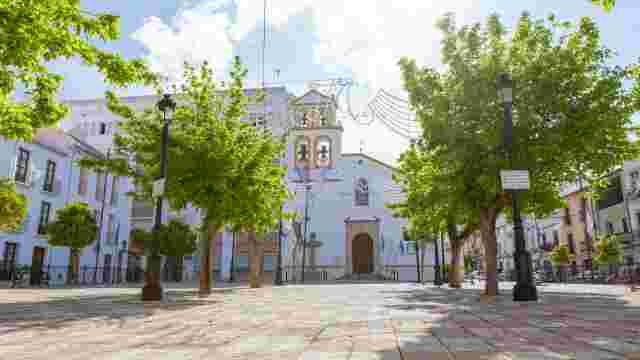
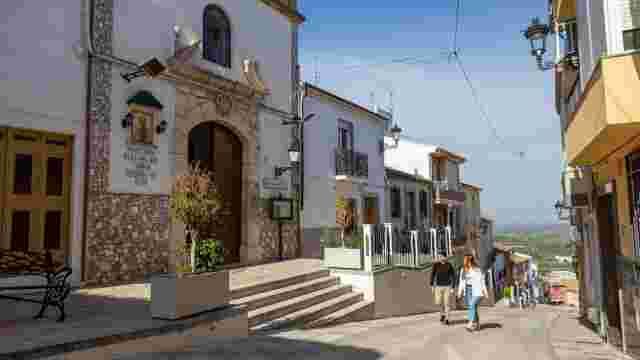
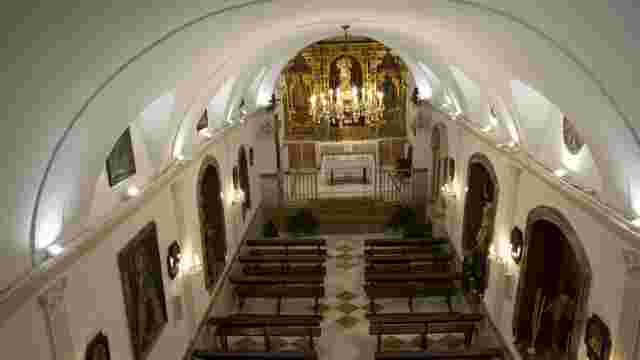
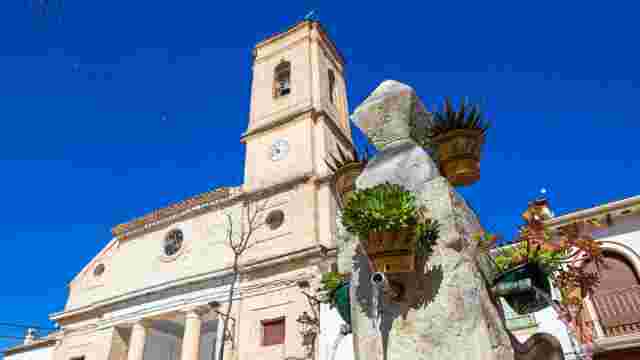
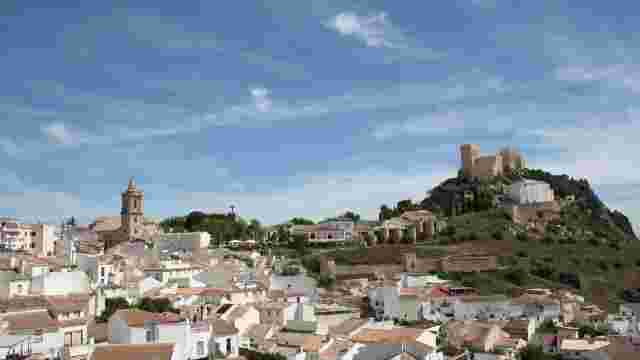
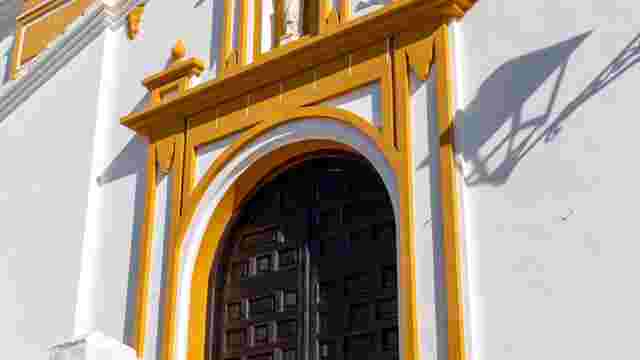
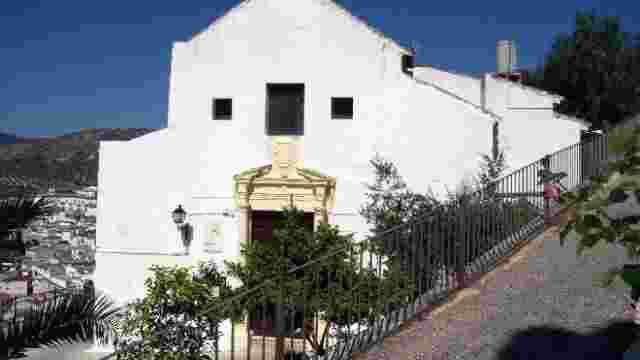
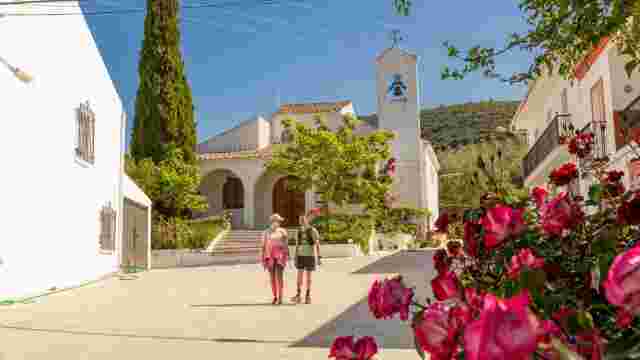
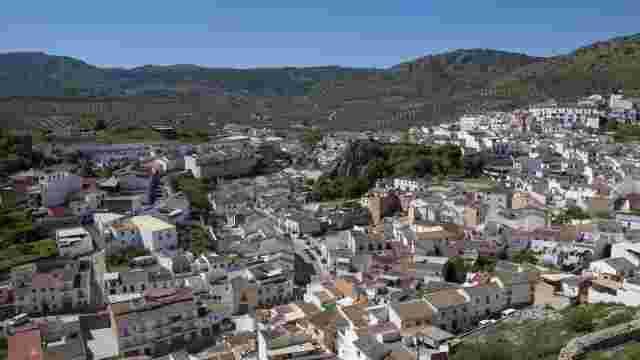
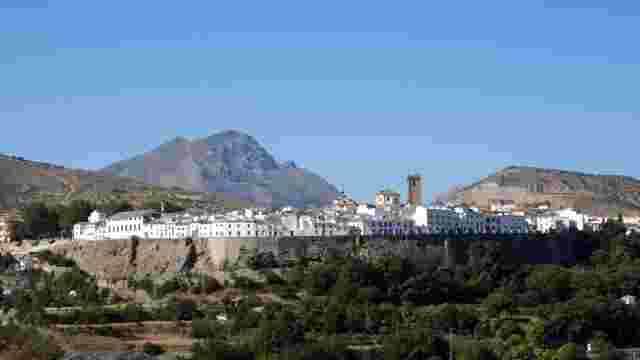
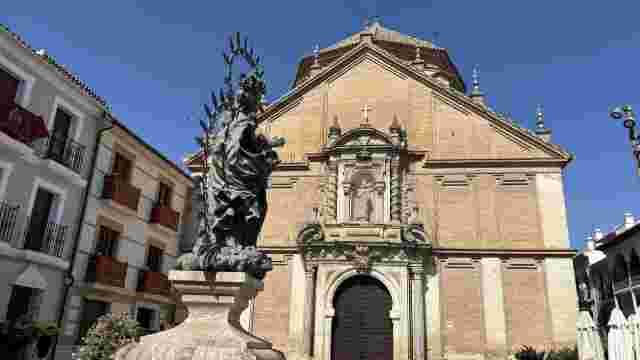
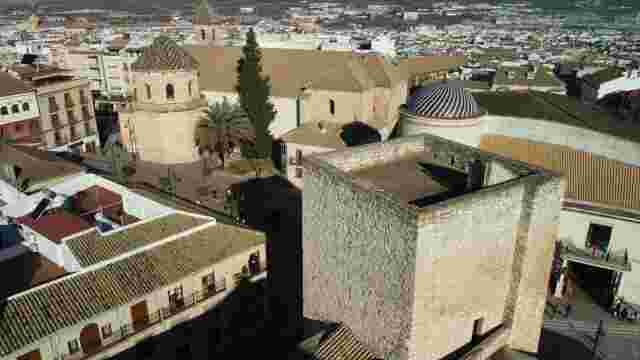
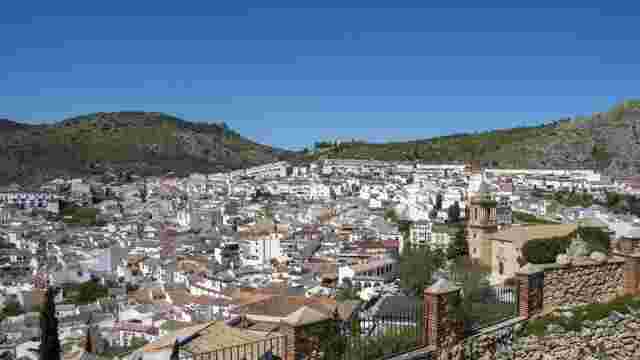
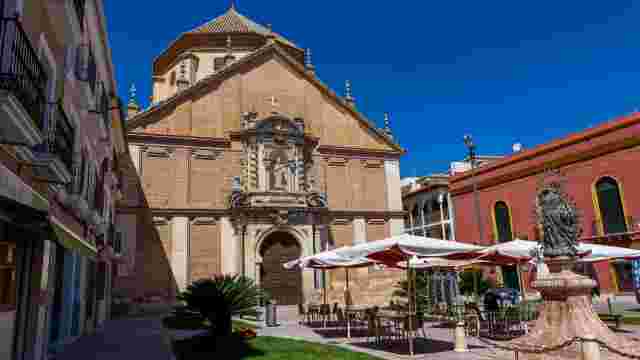
The parish church of Iznajar, dedicated to St James the Apostle, is situated in the highest part of the village, within the medieval town walls. Construction began with the intention of building a church of considerable size, but it was never completed. It was built during the Renaissance period between 1547 and 1638, and is attributed to Hernán Ruiz el Joven. Extensive restoration work, both externally and internally, was carried out between 2005 and 2008, with the interior work being particularly noteworthy; the walls of the church had been painted with lime, and this work restored them to their original state, revealing the stonework beneath. Beneath this lime, original 17th-century frescoes were discovered, which can be seen on the side walls near the altar.
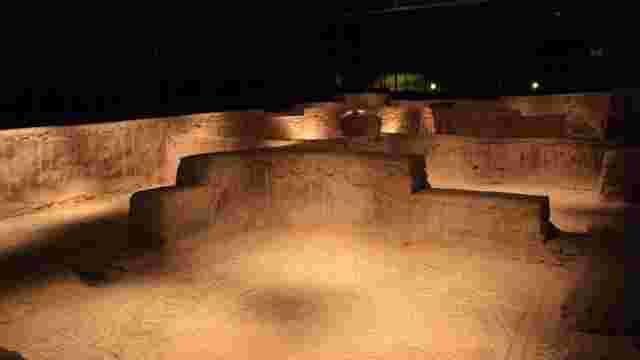
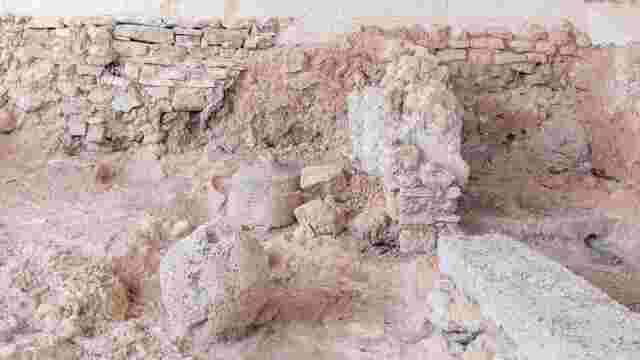
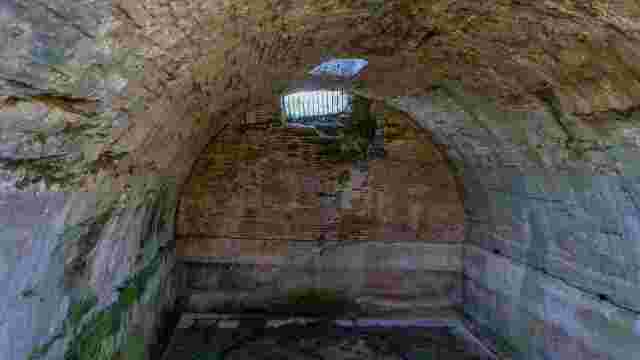
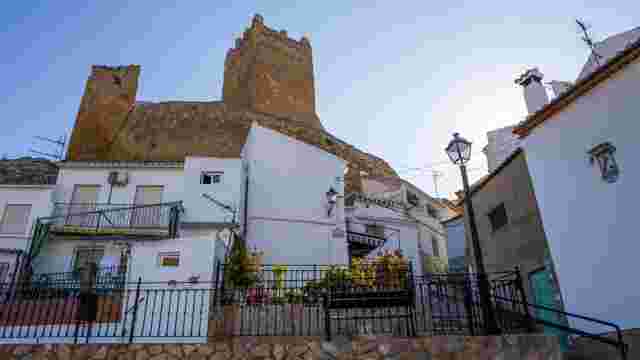
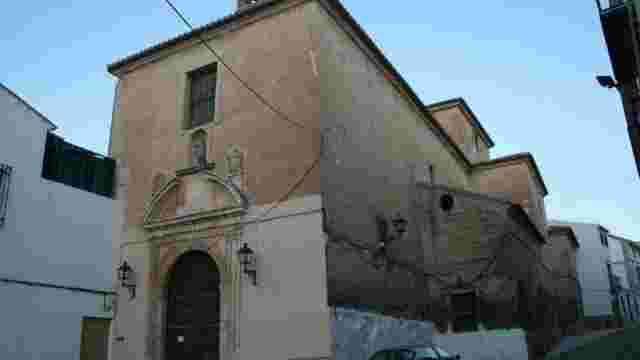
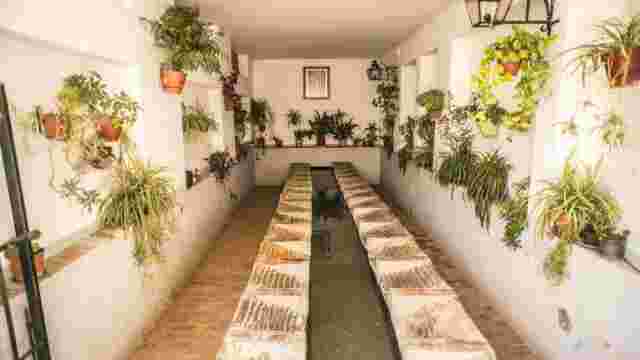
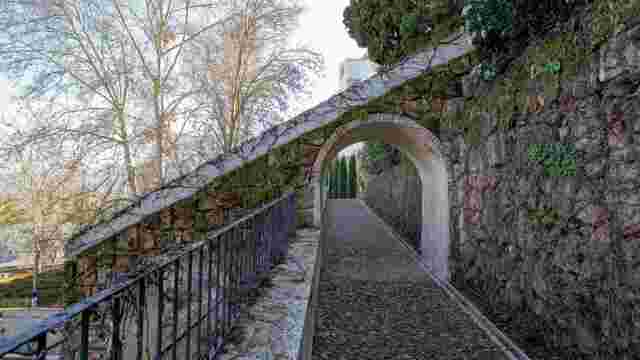
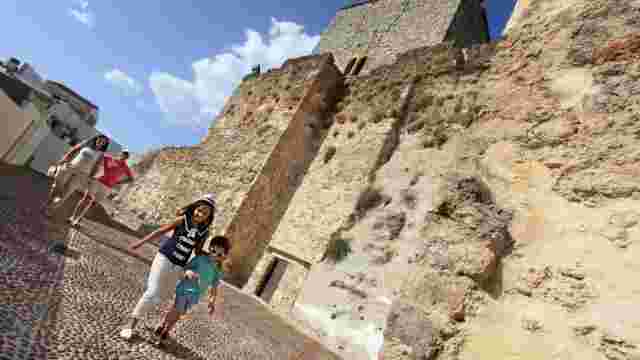
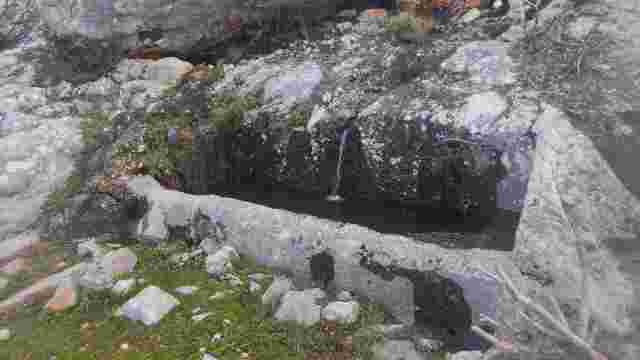
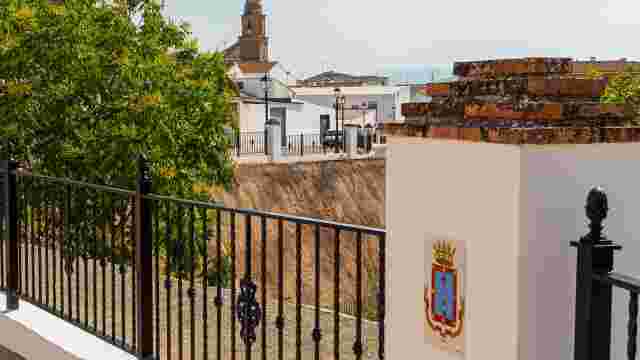
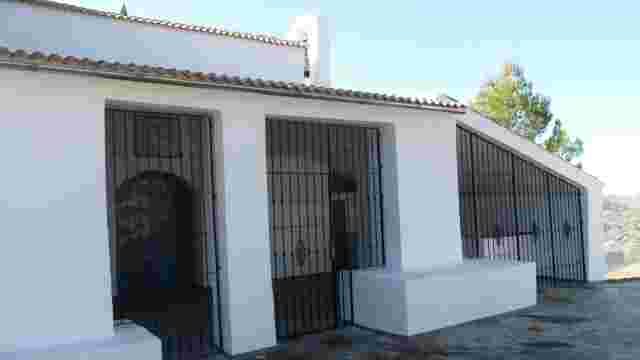
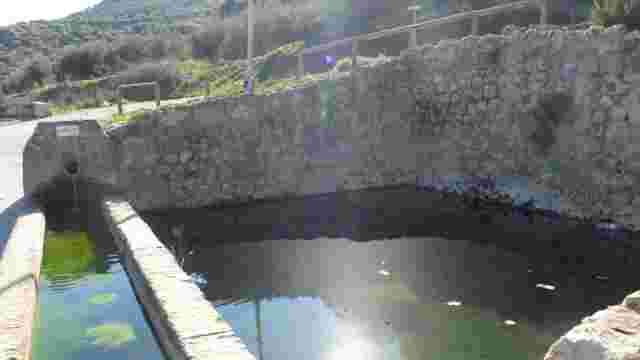
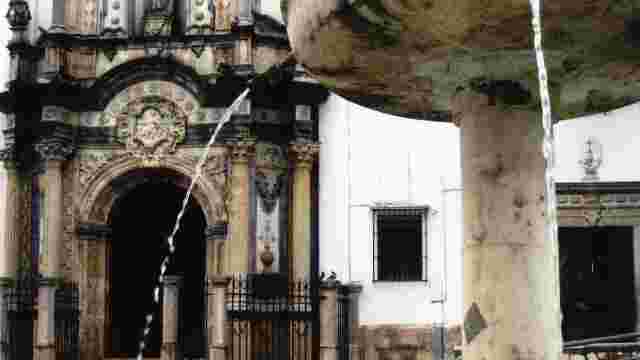
The church suffered from subsidence from the outset. In the early 18th century, a large buttress with flying buttresses was erected above the street to support the corner of the transept opposite the tower. Beneath the transept wall on the Epistle side lies a large cistern beneath an arched structure. For some time, water was drawn directly from the church itself, until 1595 when it was adapted for use solely from the street.
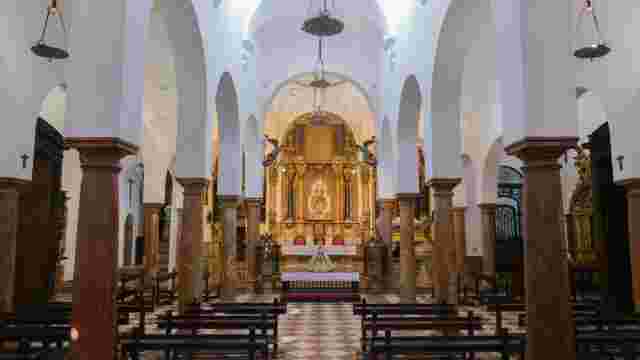
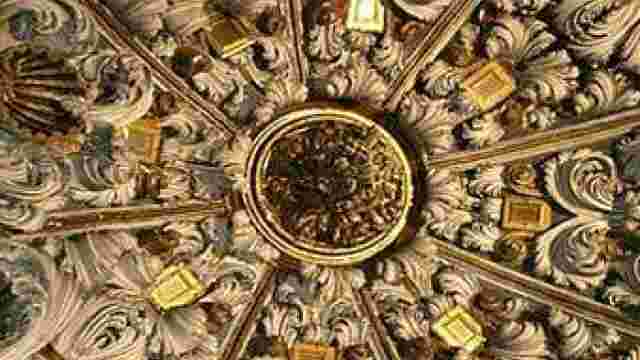
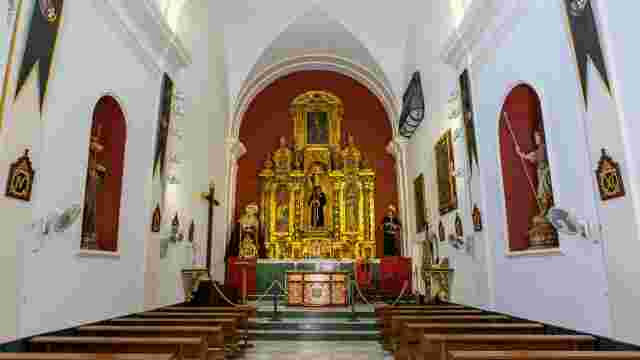
The church is designed as a single-nave structure, with a semicircular apse and a spacious transept whose transverse nave is very short but considerably wider than the main nave, which remained unfinished. The chancel is quite high, which is unusual as it measures 1.40 m in height. The extension of the church was constructed using masonry walls with courses of flat-laid bricks, in a triple-layer arrangement, and with walls considerably lower than the rest, giving the whole structure a rather shabby appearance. The apse is covered by a semi-dome of coffers, following a style frequently seen in the Siloe school.
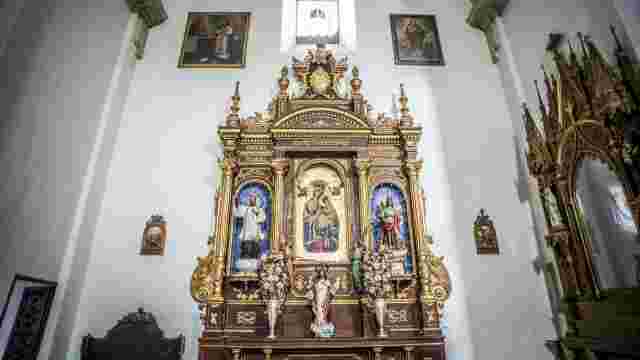
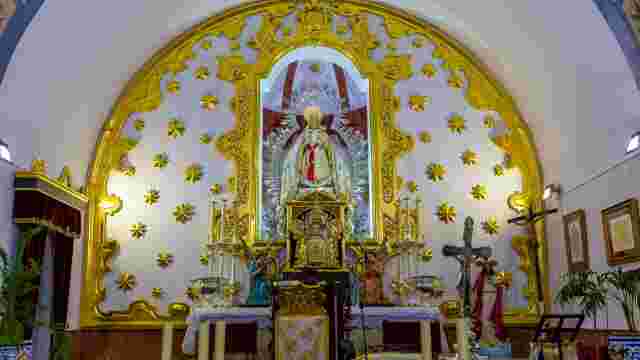
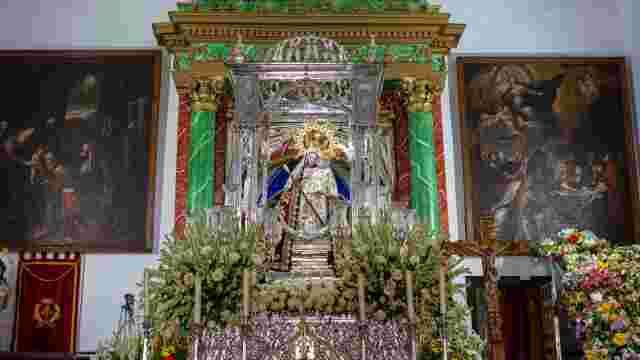
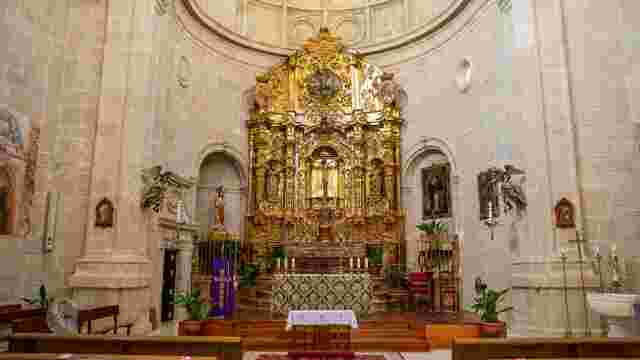
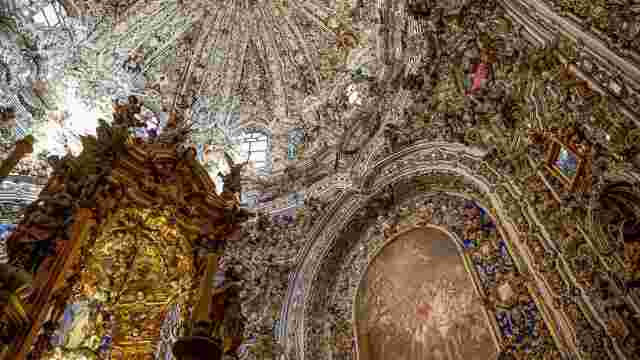
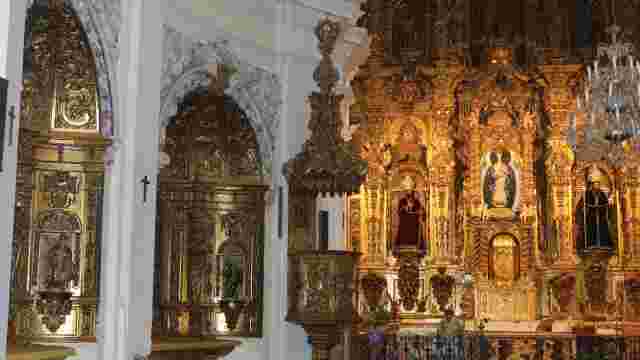
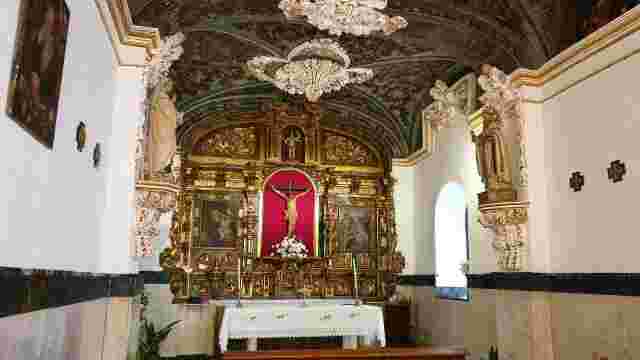
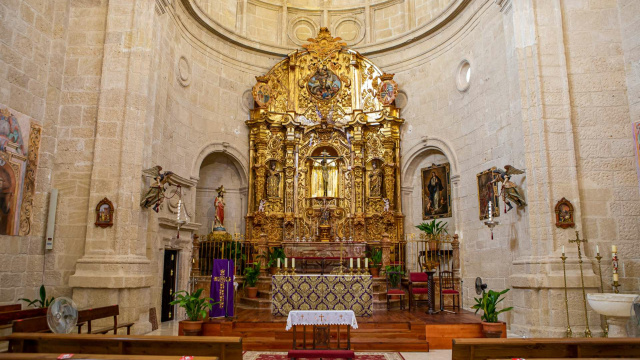
The Baroque-style High Altarpiece features fine carving and was constructed between 1749 and 1760 by Cecilio Antonio Franco Roldán; it was gilded in 1789 by the Lucena-born artist Juan Ramírez de Zúñiga.
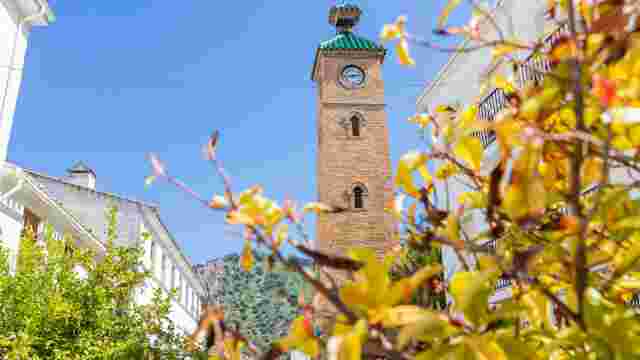
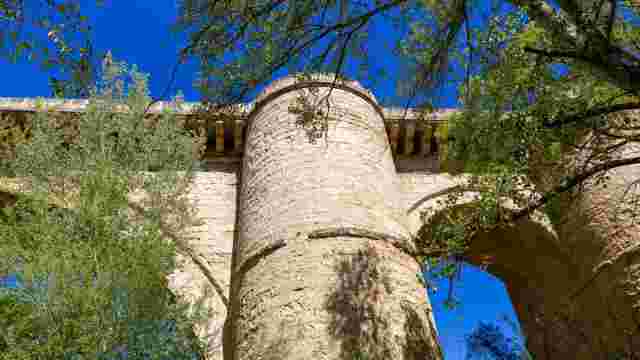
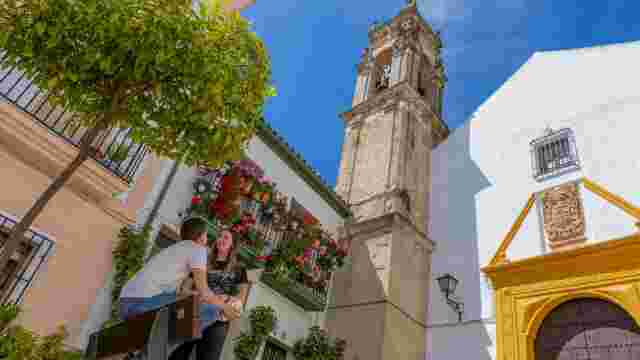
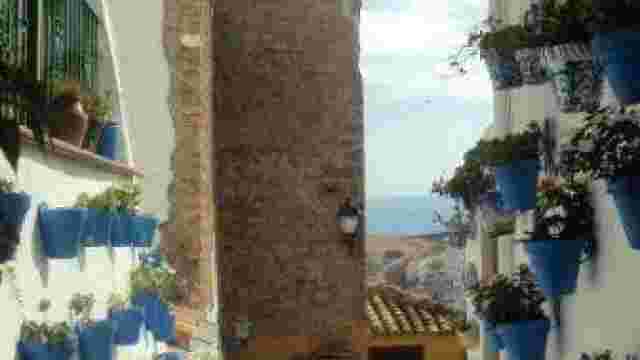
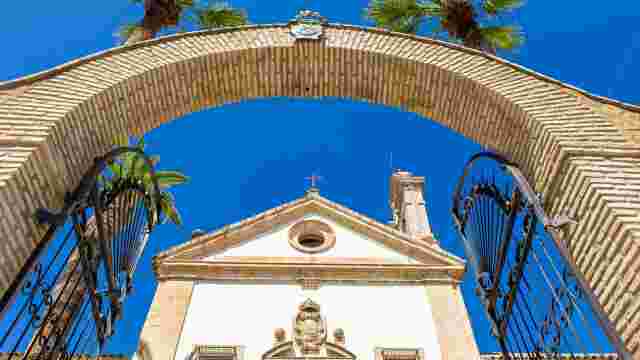
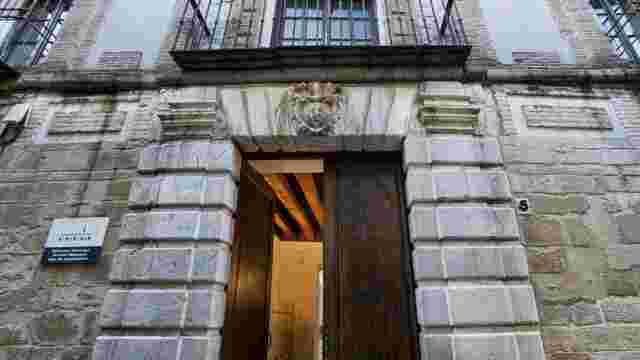
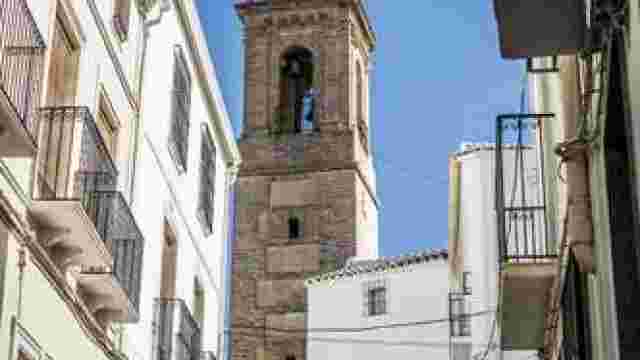
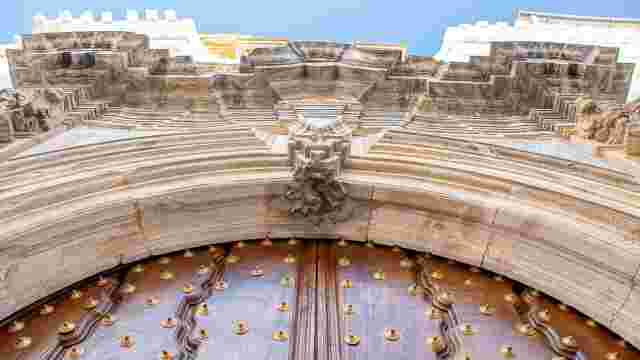
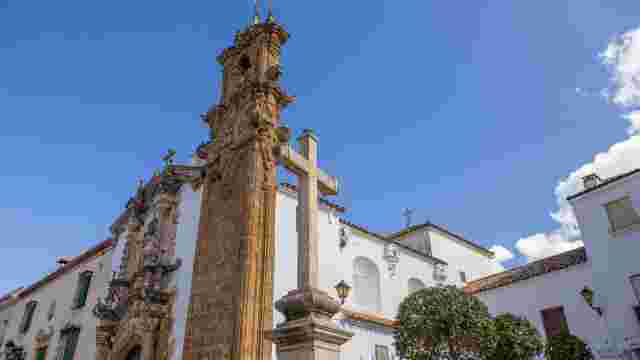
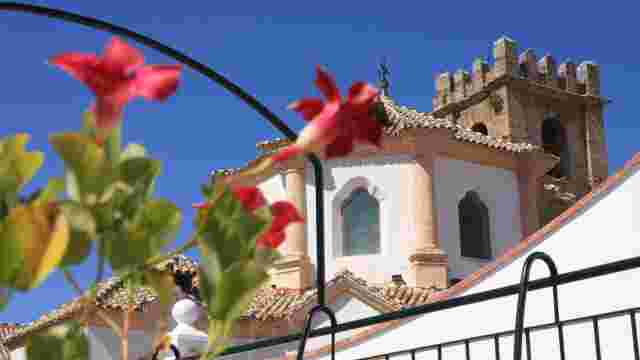
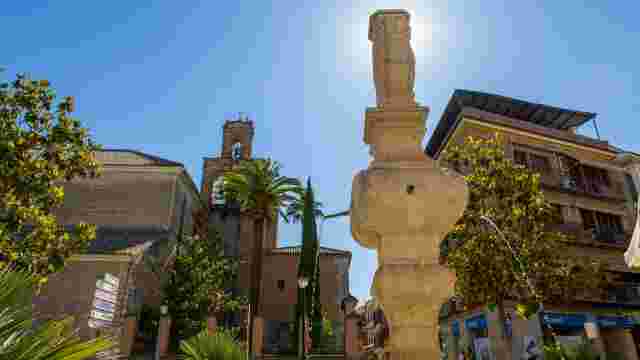
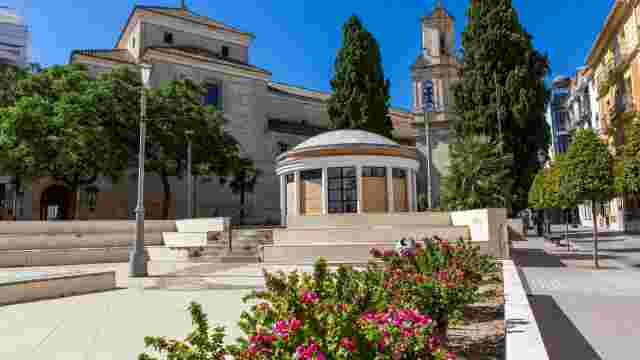
Externally, the church has a stately appearance with its architecture of well-carved stone ashlars. The tower is simply a large stone prism, into which, over time, several openings have been cut, weakening its structure. It also remained unfinished, and a brick bell chamber with no decoration whatsoever was added to it. The interior of this bell tower has a rather interesting vertical division. Due to the slope of the ground next to the church, the base of the tower lies below the level of the church, where there is a sort of vaulted cellar. Above this is the sacristy, and further up another space with a segmental vault. The ascent to this tower is via a spiral staircase forming a cylindrical structure attached to the tower.
OPENING HOURS
- 11am to 1pm
- Friday: 9am–1pm
- Sunday: 10am–1pm
Also during service times.
- Or via the company Isnaxar, Cultural and Tourist Services
Contact: telephone: 641568020; email: castillo@iznajar.es; website: www.isnaxar.com
Limited to pre-booked groups.