History and archaeology
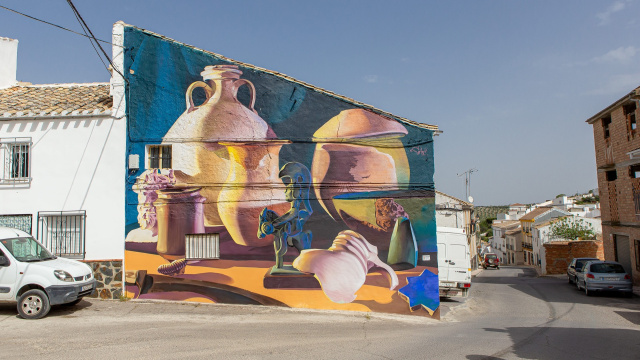
Mural dedicated to various archaeological remains
This mural takes us back to Fuente-Tójar’s most ancient past. Before the village we know today existed, this area was already inhabited by various cultures that left their mark on the landscape and in the historical memory of the place.
The artwork brings together pieces inspired by the municipality’s archaeological remains. The composition functions almost like an open display case on the street, where objects from different eras appear side by side to commemorate the rich history of Fuente-Tójar.
Among the most significant periods are the Iberian and Roman eras. At sites such as Cerro de las Cabezas and La Mesa, remains of great interest have been discovered, including the Iberian-Roman settlement of Iliturgícola and an Iberian necropolis containing more than fifty tombs. These sites allow us to gain an insight into the way of life, beliefs and rituals of the communities that inhabited this area centuries ago.
The significance of the Roman presence is also evident at Cerro del Lucerico, where remains associated with a large olive oil mill, complete with six presses, have been preserved. This finding is particularly significant, as it shows that olive oil production was already important in this region in ancient times.
In this way, the mural connects the past with the present. Olive oil, so closely associated today with Fuente-Tójar and the Subbética region, is not merely a contemporary economic activity, but a tradition with very deep roots.
The artist sought to bring together elements from different cultures to show that a town’s identity is built up over time. Each era leaves something behind: a tool, a tomb, a way of working, an everyday object or a way of understanding the world.
This mural invites us to look more deeply at Fuente-Tójar. Beneath the tranquil life of the village today lies an ancient, rich and diverse history. To learn more about it, visitors can also visit the Municipal History Museum, where artefacts and resources are preserved that help to understand the archaeological significance of the area.
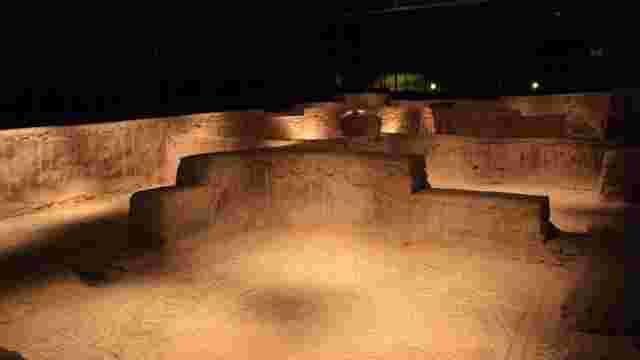
Roman Villa ‘El Ruedo’
An archaeological treasure in the Subbética region of Córdoba, featuring mosaics, sculptures and two distinct areas: a luxurious residence and an agricultura...
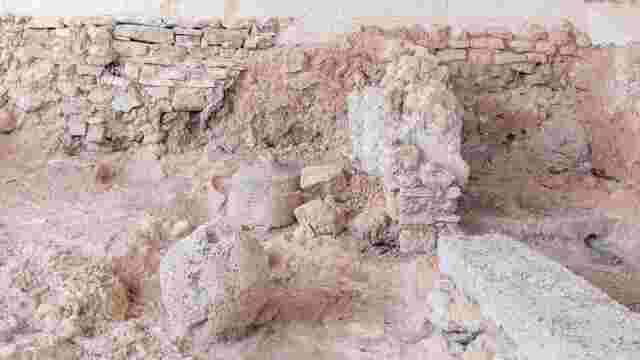
Iberian settlement ‘El Cerro de La Cruz’
Explore an Iberian settlement featuring ancient structures and reconstructions, set amidst picturesque countryside that’s ideal for hiking in Almedinilla.
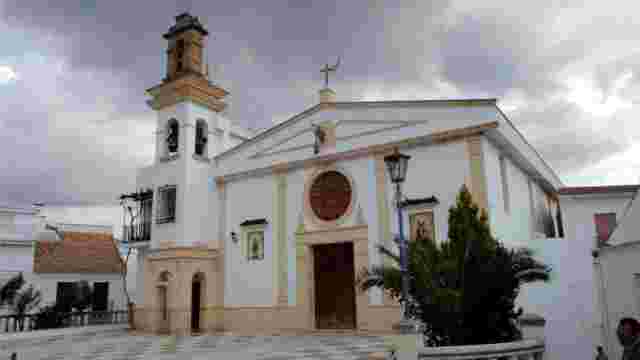
ST JOHN THE BAPTIST PARISH
A contemporary church with a simple façade, featuring a 17th-century crucifix from Seville, a statue of St John the Baptist by Alonso de Mena, and the Virgin...
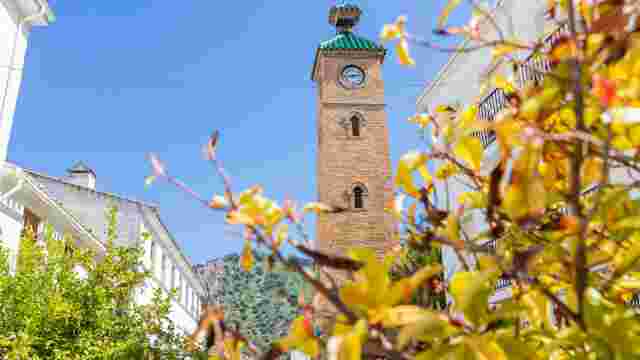
CLOCK TOWER
Almedinilla’s iconic tower, visible from every angle, with green roof tiles and restored in 2017. It used to mark the hours with chimes.
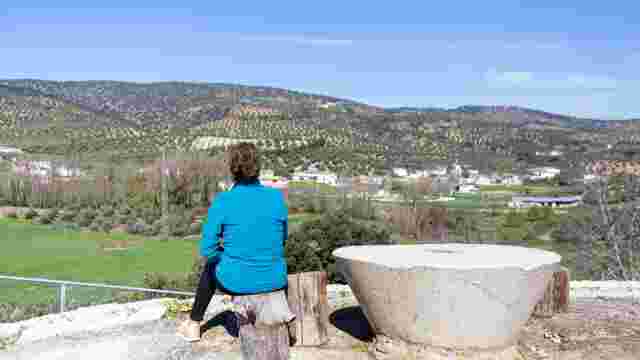
FUENTE GRANDE
A charming village in Almedinilla, famous for its San José festival, its production of extra virgin olive oil and its peaceful countryside to explore.
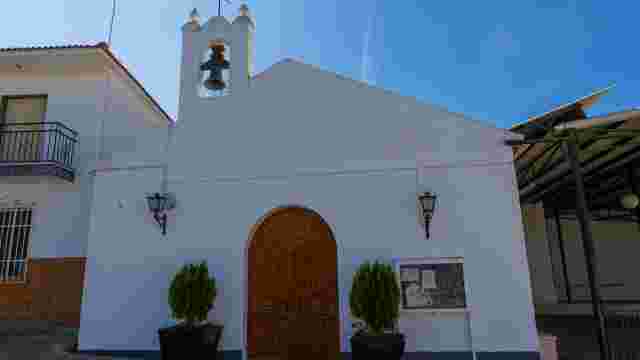
BRACANA
A village steeped in tradition and culture, famous for its vibrant carnival, devotion to Our Lady of Fátima and exquisite olive oil with a designation of ori...
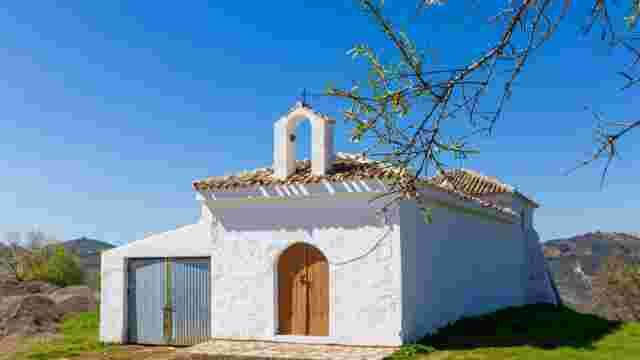
VALERO SALE
A peaceful village in Almedinilla, perfect for unwinding. It offers beautiful scenery, walking trails, warm local hospitality and delicious traditional cuisine.
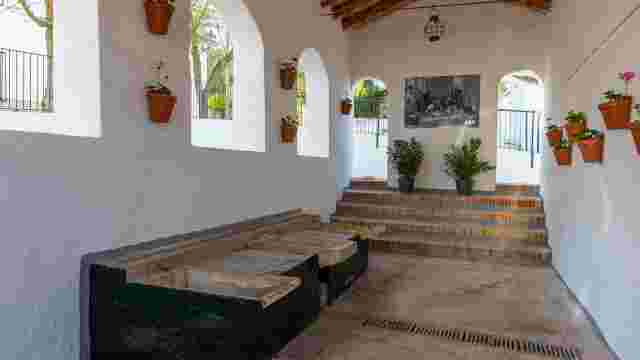
SILERAS
A historic village with old washing places, a small church and stunning natural surroundings. Enjoy the local cuisine and the peaceful countryside.
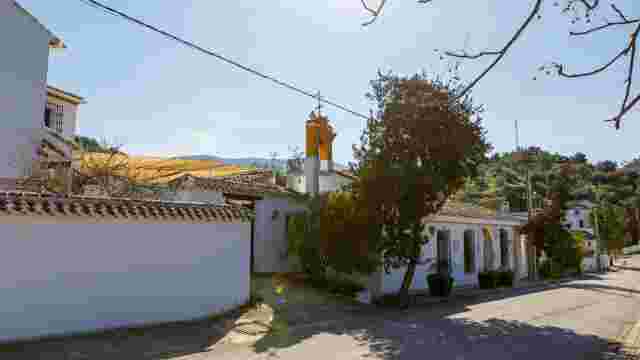
THE RIVERS
A charming village with white houses, a winding river, a rich historical heritage, lively festivals and walking trails through lush countryside.
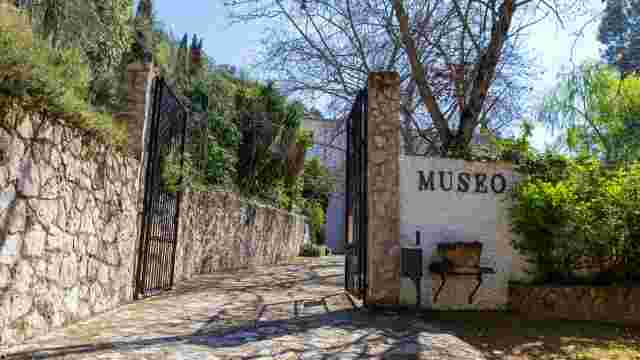
Almedinilla History and Archaeology Museum
Set in a natural setting, it features rooms dedicated to mills, olive oil, and Iberian and Roman culture, with particular highlights including sculptures and...
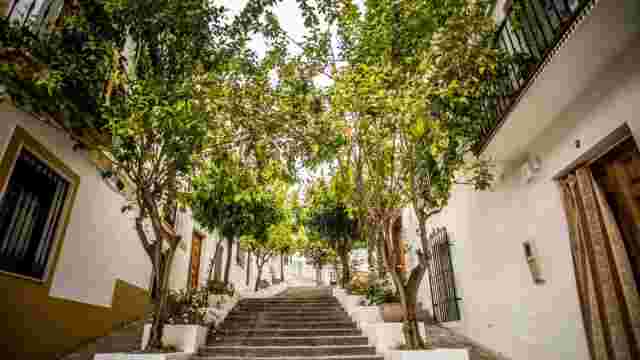
RAMÓN Y CAJAL STREET
Narrow streets scented with orange blossom, lined with orange trees and white houses, offer visitors a charming and authentic stroll.
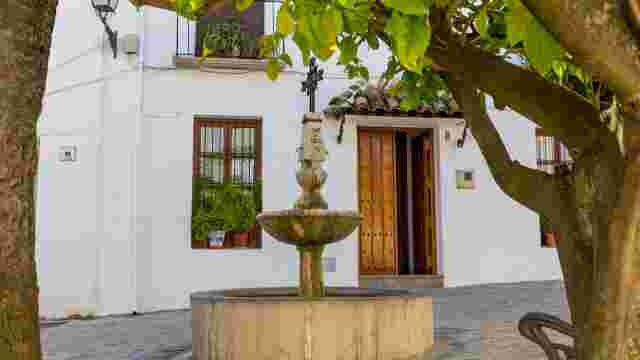
The Plaza de los Cuatro Caños
A charming fountain with a pilaster and an iron cross, ideal for seeking shelter from the heat and enjoying a pleasant atmosphere. Built in 1950.
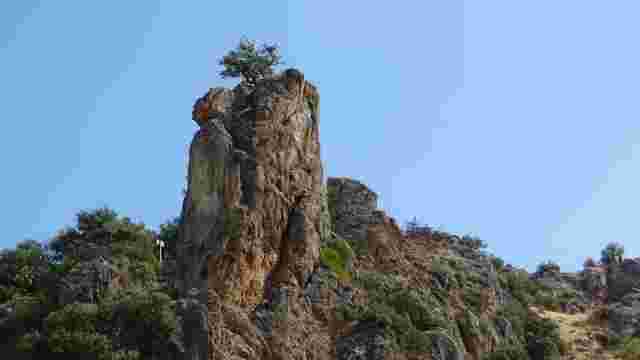
“El Pingorote” Viewpoint
It offers panoramic views of Almedinilla, surrounded by mountains and olive groves, with fertile orchards and picturesque spots that blend tradition and nature.
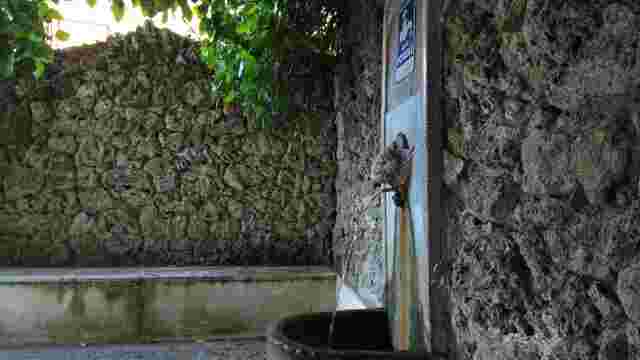
The Lion Fountain
A historic fountain featuring a red granite pediment and a carved lion’s head, surrounded by a marble-paved area with benches for visitors to rest on.
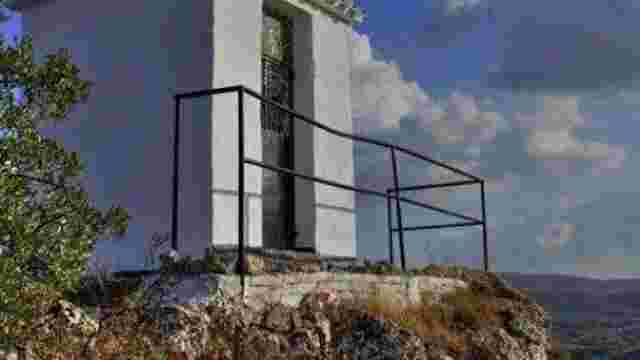
“Cerro de la Cruz” Chapel and Viewpoint
The viewpoint in Almedinilla offers panoramic views of olive groves, winding streets and nearby villages such as Priego de Córdoba and Alcaudete.
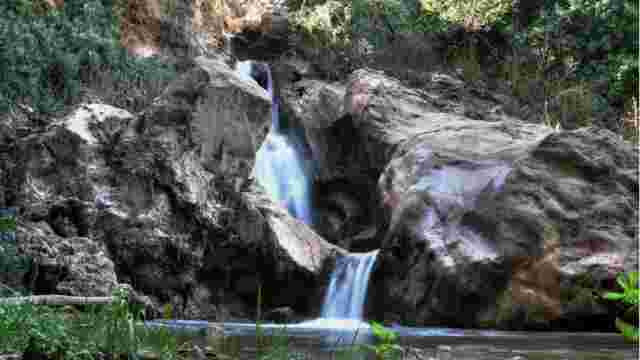
‘El Zurreón’ Waterfall
A spectacular waterfall in Almedinilla offers shade and pools where you can cool off, making it a popular spot in summer.
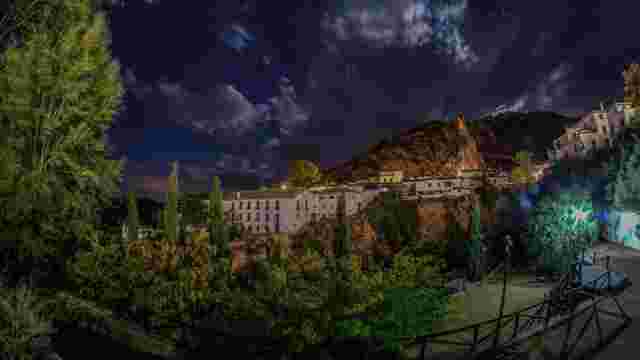
‘El Huerto de San Juan’ Park
A central park overlooking the River Caicena and offering access to the Zurreón waterfall, ideal for enjoying the great outdoors.
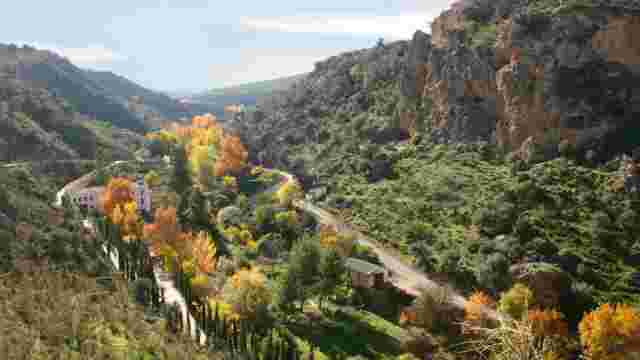
Fuente Ribera
Discover a historic trail alongside the River Caicena, featuring irrigation channels, a spring, old washing places and a tower that powered a mill and genera...
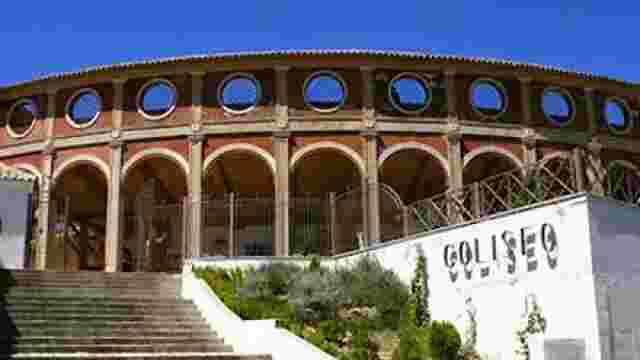
Almedinilla Amphitheatre
Inspired by Roman amphitheatres, it hosts a craft market, Roman banquets, historical re-enactments, concerts, sporting events and bullfighting events.
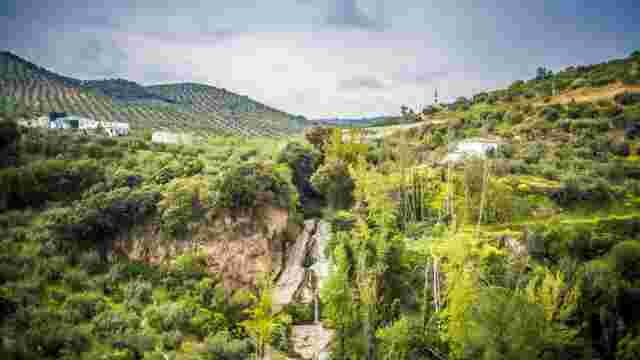
‘El Salto del Caballo’ Waterfall
A spectacular waterfall in the Subbética region of Córdoba, accessible via a historic footpath, ideal for a swim in its large pool surrounded by nature.
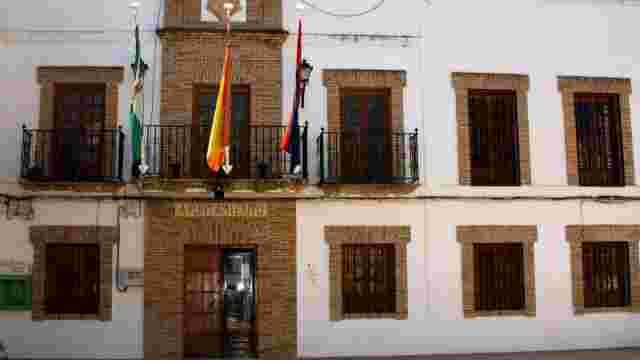
Almedinilla Town Council
The historic centre, home to the Clock Tower and Constitution Square, is the perfect place to explore local traditions and architecture.
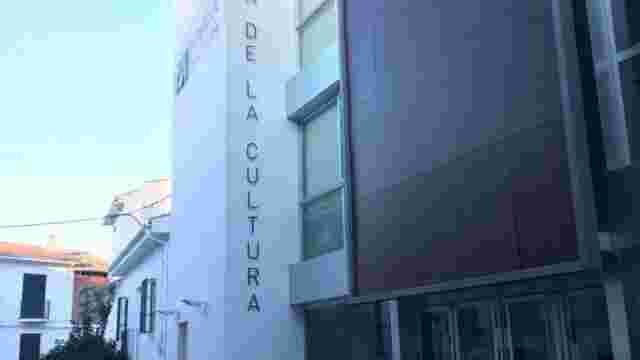
House of Culture
A cultural centre featuring a cinema-theatre, an amphitheatre, a library, multi-purpose rooms and a radio station, ideal for tourist and cultural activities.
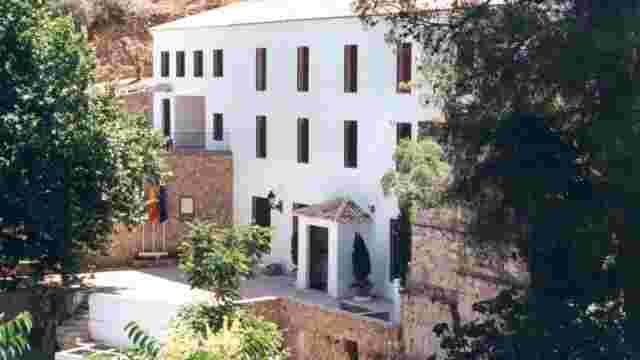
The ‘La Encantá’ Cave
A mystical spot by the River Caicena, perfect for discovering local legends and enjoying the natural surroundings near the History Museum.
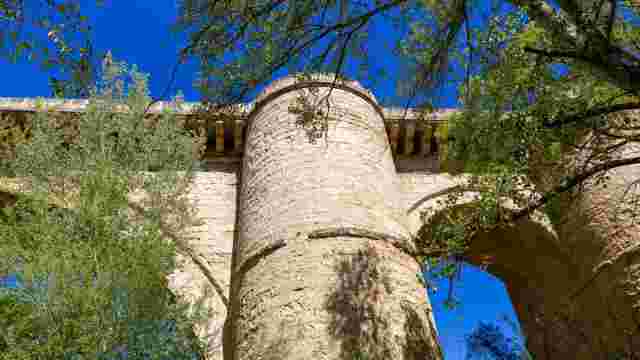
Hernán Ruiz II Renaissance Bridge
A 16th-century bridge over the River Genil, featuring a Renaissance design and panoramic views. It is notable for its engineering and harmonious proportions.
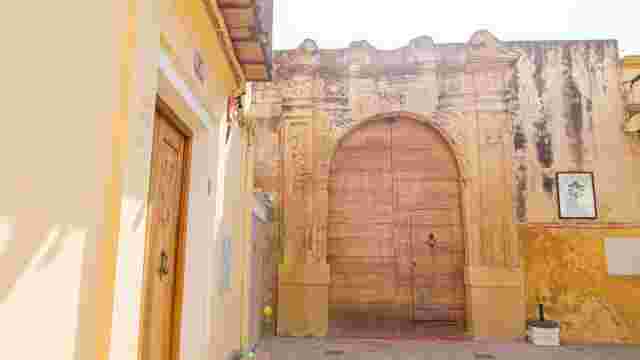
Façade of the former Convent of Our Lady of Los Remedios (of the Order of Discalced Carmelites)
A 17th-century Baroque façade, steeped in history and art. It will soon be restored and will house the Benamejí Museum, showcasing its cultural splendour.
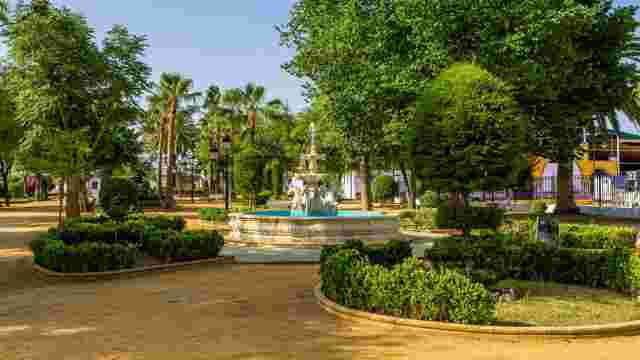
The Gardens of the Poet Amparo Lara Fuentes
This place is home to a variety of plant species, including Canary Island palm trees and the unique 'Tree of Paradise', making it ideal for botany enthusiasts.
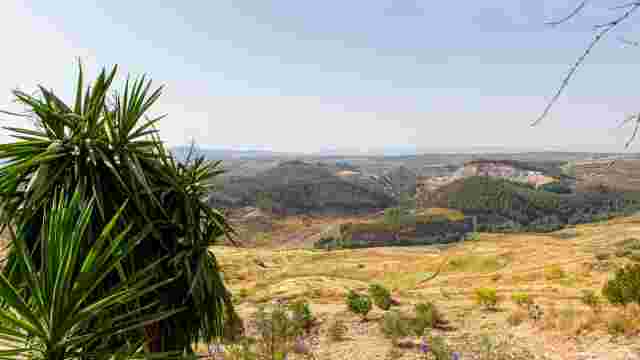
Paseo Reina Sofía (commonly known as ‘La grieta’)
The viewpoint offers views of Gómez Arias Castle, the Renaissance Bridge of Hernán Ruiz II, and the natural landscapes of the River Genil, Aceña and the haml...
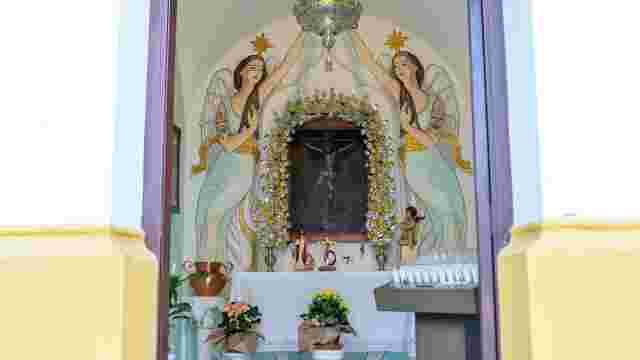
Oratory of Our Lord of Mercy (18th to 20th centuries)
A white façade with mouldings, a Baroque altarpiece, silver votive offerings and wreaths of talc flowers. It stands out in May with its floral crosses and vi...
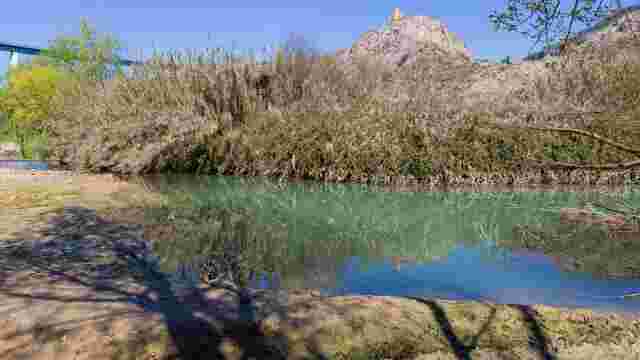
HINS BANI BASHIR ARAB FORTRESS
A historic fortress near Mount Hacho, offering panoramic views and a journey back to the Middle Ages, ideal for lovers of history and architecture.
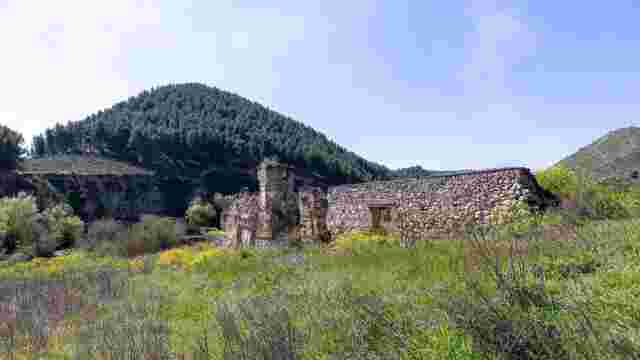
LA ACEÑA
A Renaissance flour mill featuring an ancient coat of arms, perfect for admiring historic architecture and enjoying picturesque surroundings.
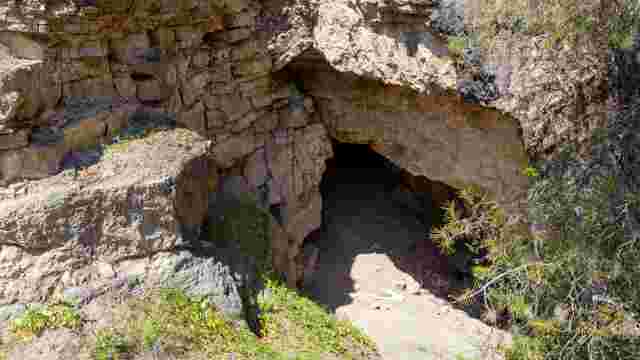
Grey Rock
A rocky cave near the River Genil, accessible via a footpath, offers a journey into the past through its history and natural surroundings.
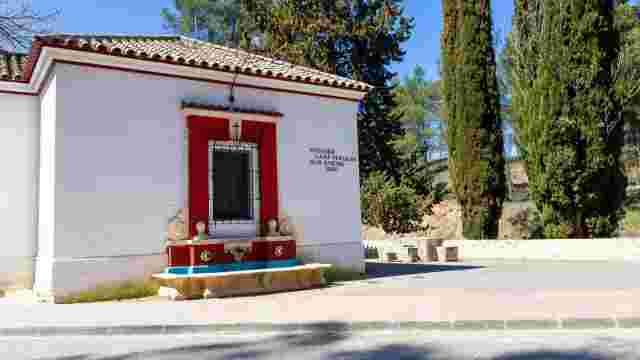
LOS CAÑOS NATURE RESERVE
A historic fountain with three spouts, surrounded by pine trees and a recreational area, ideal for relaxing and enjoying nature near Benamejí.
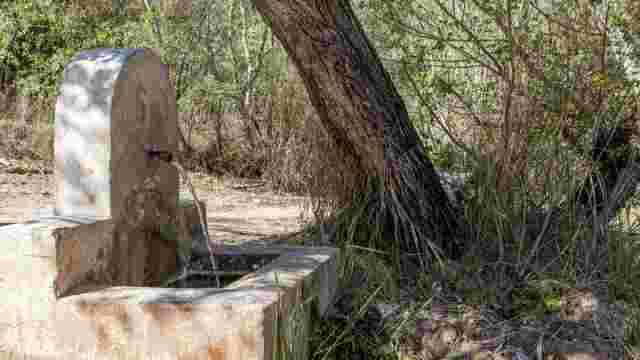
THE DEHESILLA SPRING
A semi-circular fountain with a spout feeding into a basin, which flows into the River Genil, making it the perfect spot to enjoy the picturesque natural sur...
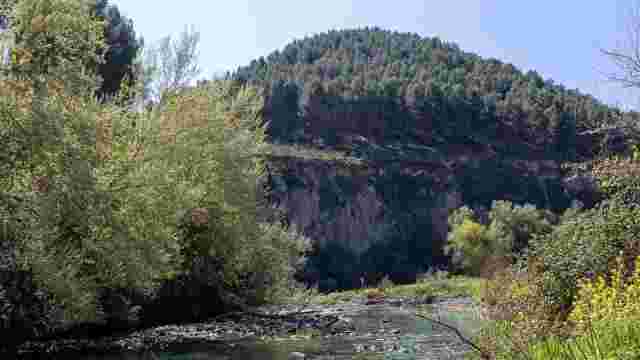
UNDERSTORY OF THE GENIL RIVER
Riverbanks with lush vegetation, centuries-old tamarisk and poplar trees, and historic orchards enriched by the river’s floods offer a unique natural and cul...
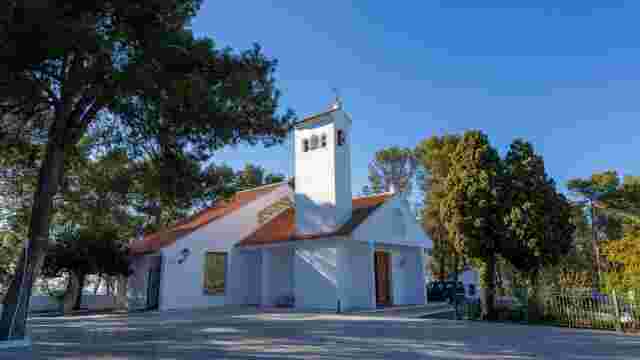
Shrine of Our Lady of Grace Crowned
Set amongst olive groves and pine forests, it offers views of the village and the Stations of the Cross, standing out for its simplicity and cultural signifi...
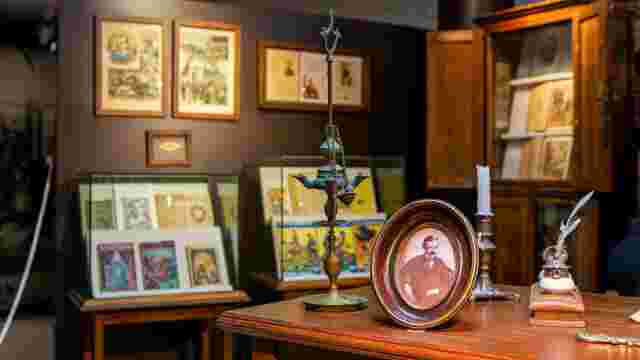
Duchess of Benamejí Museum
A centre dedicated to 19th-century romantic banditry, it is notable for its focus on the performing arts and the work of the Machado brothers.
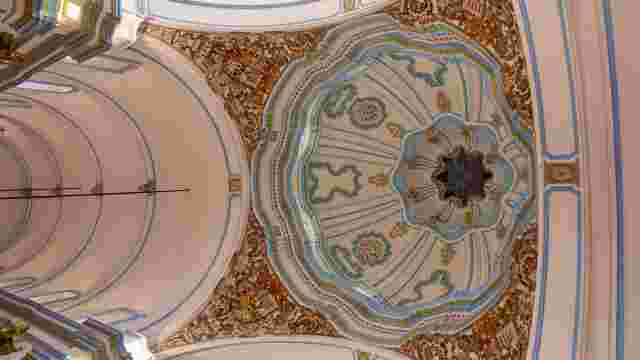
Parish of the Immaculate Conception
A fine example of the Cordoban Baroque style, featuring its original dome, catacombs open to visitors, an 18th-century organ and chapels adorned with artisti...
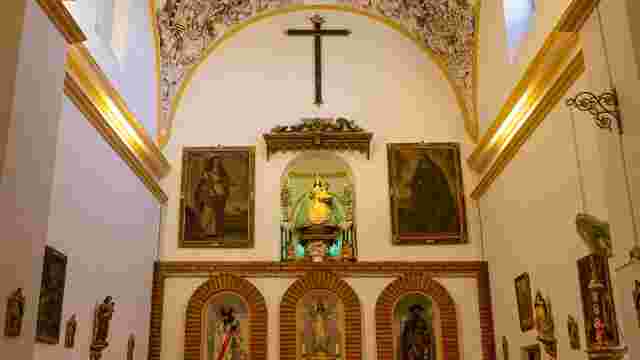
Chapel of Saint Sebastian
An 18th-century chapel featuring devotional images and art from Granada. Notable features include its neoclassical façade, brick bell gable and the Bernuy fa...
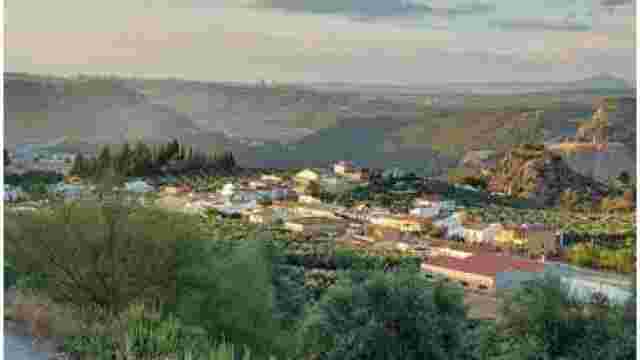
El Tejar
A village with a rich pottery tradition, Roman ruins and a traditional pottery workshop. Ideal for exploring its history and enjoying the local cuisine in it...

Greenway tourist hostel
Former railway station.

Gaena – Galician Houses

Huertas Bajas

Cerro de la Merced
A fortified Iberian settlement dating from the 5th century BC, and part of the ‘Iberian Andalusia’ tourist route, it offers a glimpse into the ancient histor...

La Beleña Cemetery
A prehistoric burial site in Cabra, Córdoba, featuring some of the oldest underground tombs on the Iberian Peninsula – perfect for archaeology enthusiasts.
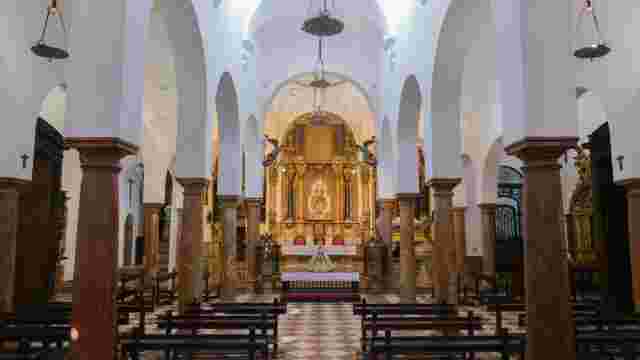
Main Parish Church of the Assumption
Located in the historic centre, it is notable for its five naves with arches and red marble columns, a marble altarpiece and an impressive organ.
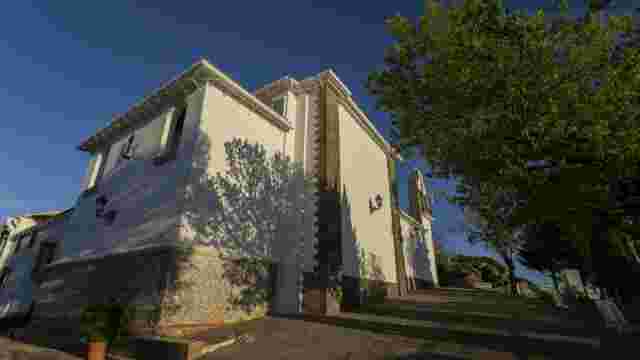
Chapel of Our Lady of the Mountains
An Andalusian sanctuary featuring a Baroque altarpiece carved from local marble attracts worshippers and tourists alike with its history and panoramic views.
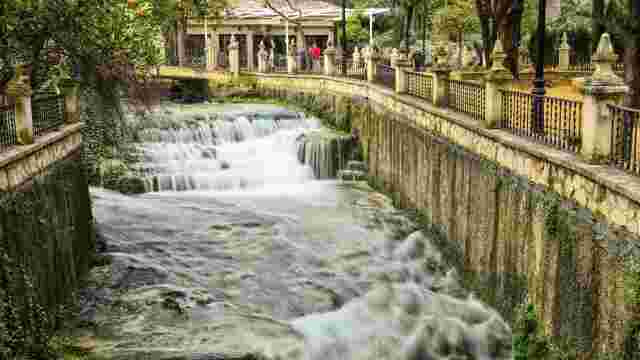
Source of the River
A karst spring surrounded by gardens and ornamental trees, designated as a 'Site of Cultural Interest' and a 'Distinctive Grove', ideal for nature tourism.
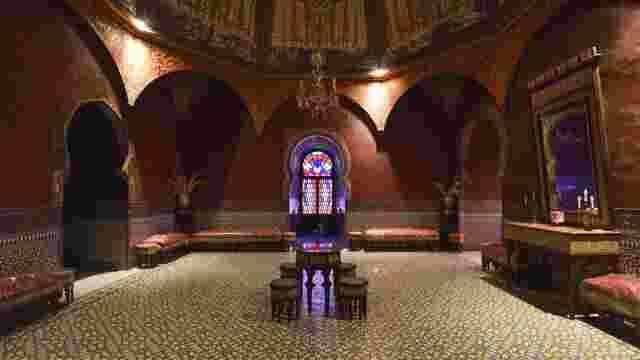
CASTLE OF THE COUNTS OF CABRA
Arabic walls, historic towers and panoramic views are the highlights of this old neighbourhood, which is ideal for lovers of history and architecture.
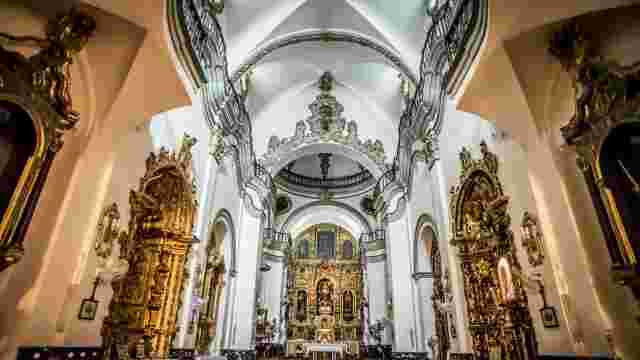
Church of St John of God
A 17th-century church with a single nave, a cross vault and a dome. Its elaborate cornice and beautiful altarpieces are particularly noteworthy, making it an...
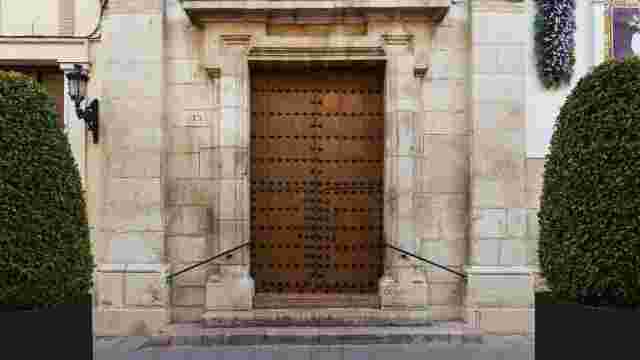
Church of the Augustinian Sisters
A simple church with a semi-spherical dome and a gilded altarpiece. Of particular note is the sculptural group depicting Our Lady of Sorrows and the Recumben...
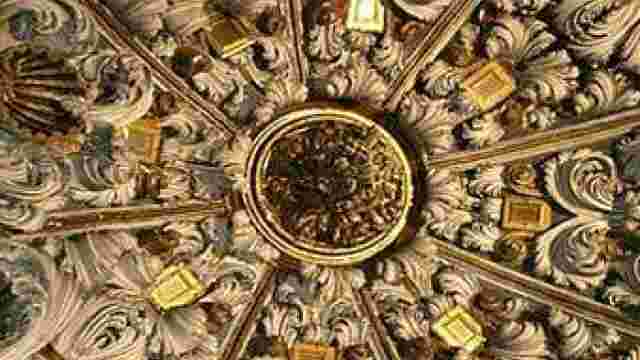
Church of San Juan del Cerro
The city’s oldest church houses a Gothic altar dating from 650 AD and is notable for its Marian devotion, which is unique in Córdoba and rare in Andalusia.
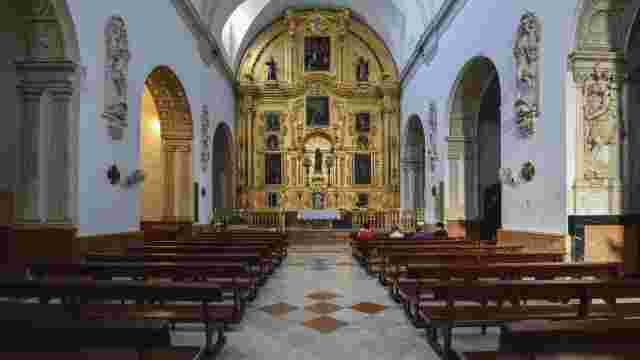
Church of Santo Domingo
A historic convent with a brick façade and a limestone entrance, it is notable for its barrel vault and the statue of the Immaculate Conception in a niche.
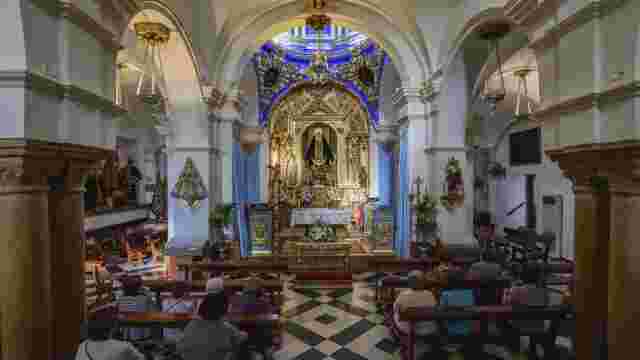
Church of Los Remedios
This historic church, with its ornate dome and gilded altarpiece, houses the venerated image of the Virgin of Solitude, a work by Pedro de Mena.
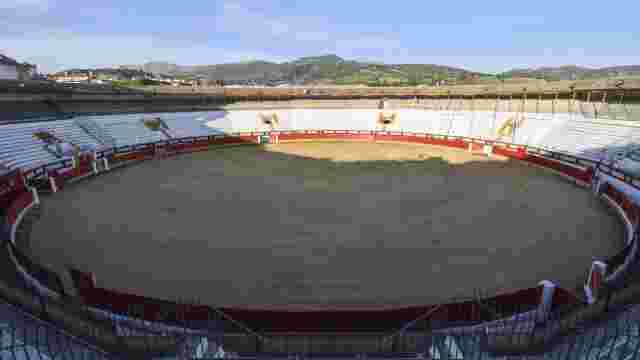
Cabra Bullring
An old bullring with a 16-sided polygonal layout, a 43-metre arena and a capacity of 6,167, ideal for lovers of bullfighting history.
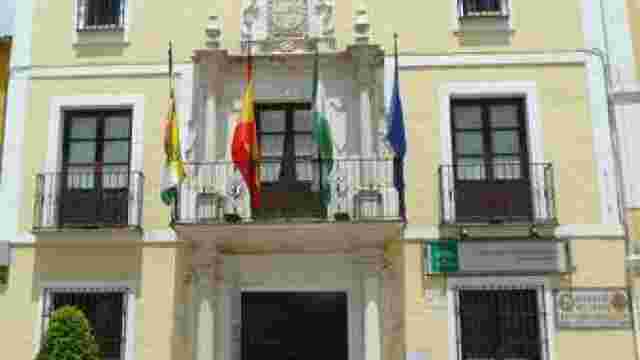
Birthplace of Juan Valera
Located on Avenida José Solís, this venue houses a music conservatoire and displays information about the life of a prominent historical figure.
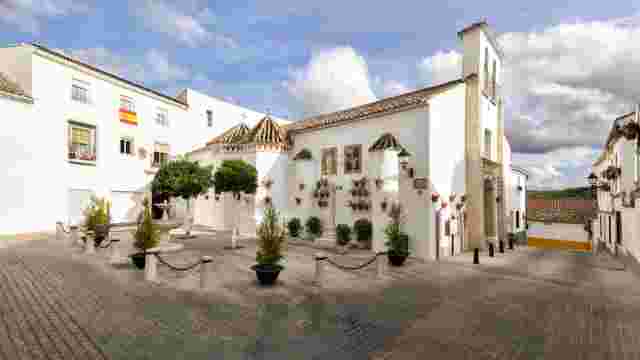
Cerro neighbourhood
White houses, flower-filled balconies and the Church of St John the Baptist stand out in a neighbourhood that offers unique colours and scents, especially in...
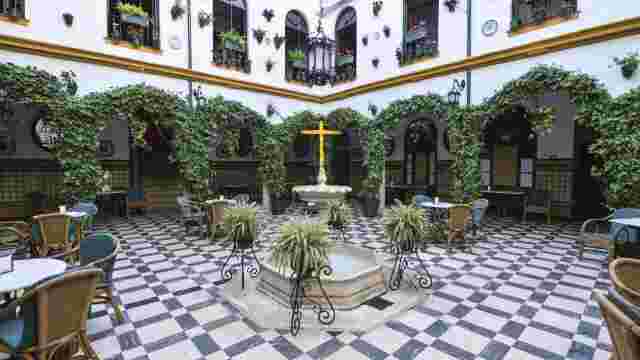
Friendship Circle
Housed in a former convent, it is notable for its marble courtyard with a fountain and a museum of local customs, making it the perfect place to soak up the ...
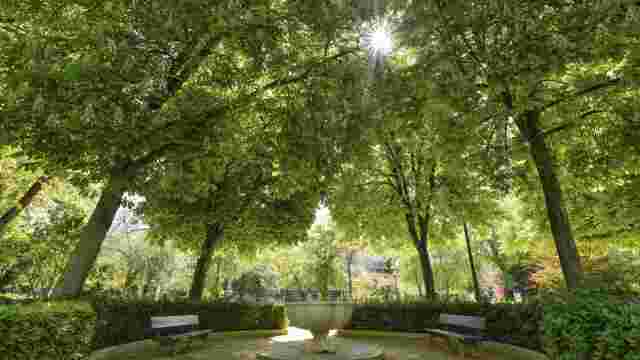
Alcántara Romero Promenade
A 19th-century park boasting unique biodiversity, centuries-old sequoias and distinctive architecture, designated as a "Distinctive Garden" and "Distinctive ...
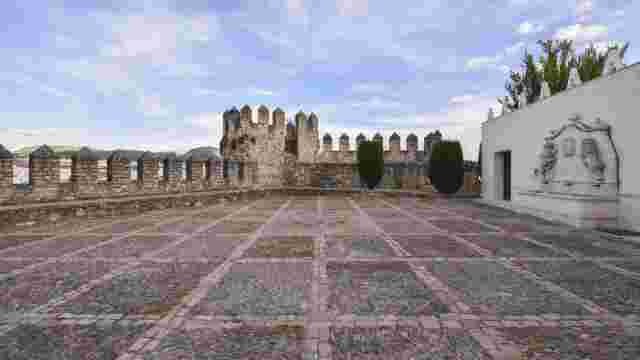
DEFENSIVE WALLS
A historic fortification with external towers, ideal for exploring medieval architecture and enjoying panoramic views.
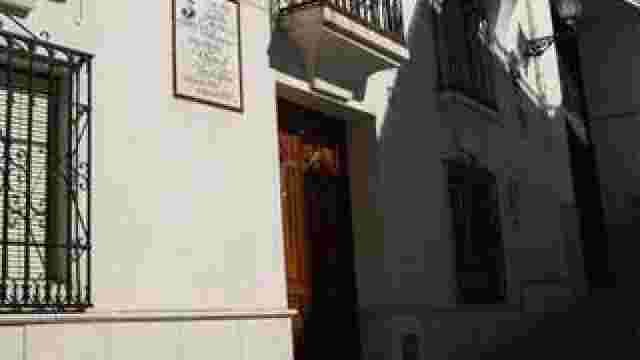
Cayetano Muriel's House
In the Cerro neighbourhood stands the birthplace of a famous flamenco singer, renowned for his history and legacy in Cordoba’s flamenco scene.
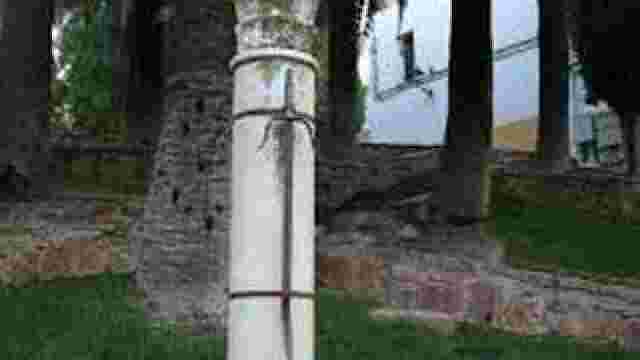
THE SWORD OF EL CID THE CHAMPION
A historical sword mounted on a column commemorating El Cid’s great victory at the Battle of Cabra, attracting tourists for its cultural and legendary signif...
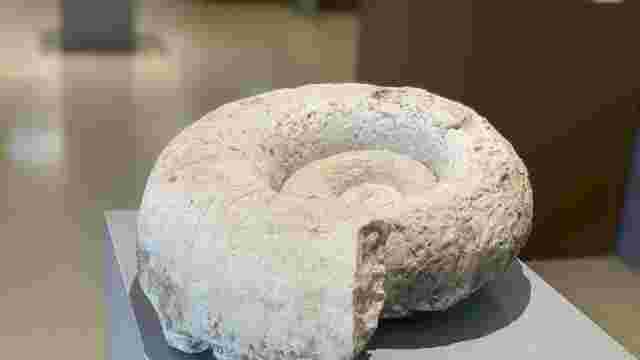
Jurassic Goat Interpretation Centre. Currently being relocated
A geological journey into the past in Cabra, Córdoba: ancient seas, ancient rocks and fossils of prehistoric creatures to explore and touch.
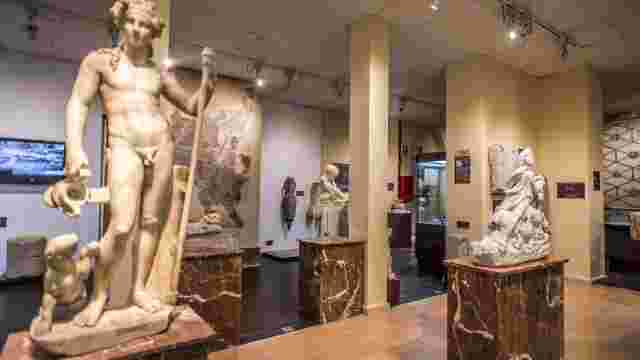
Archaeological Museum
Housed in a historic building, it is notable for its "Patio de Columnas" (Courtyard of Columns), featuring red marble and a multicoloured stained-glass windo...
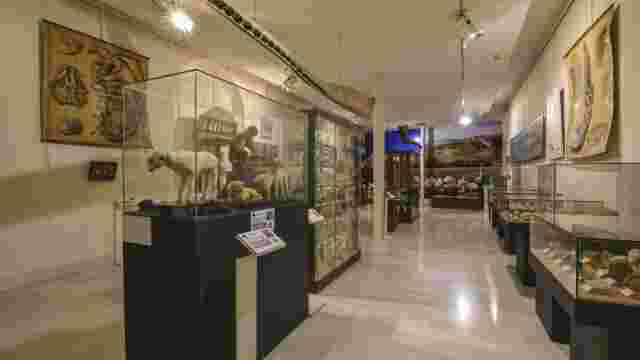
Natural History Museum
A century-old museum stands out for its rich educational and historical collection, which has been revitalised by a modern interest in ecology and nature.
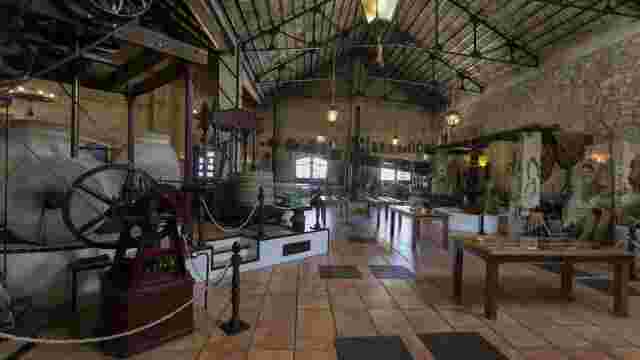
“El Molino Viejo” Olive Oil Museum
Housed in a 19th-century stone building, the museum offers a journey back in time, featuring old mills and historical engravings illustrating the importance ...
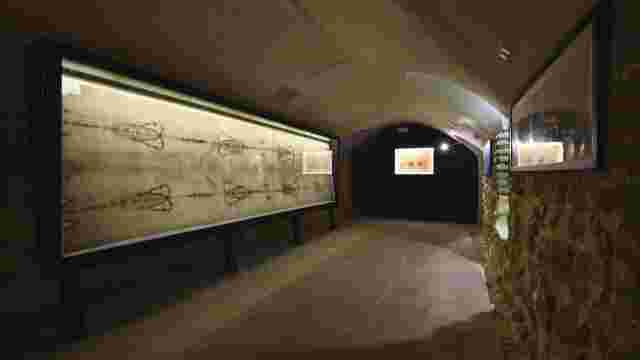
Museum of the Passion
A unique exhibition on the first Holy Week, combining history, archaeology, science and art, ideal for those interested in ethnographic and religious tourism...
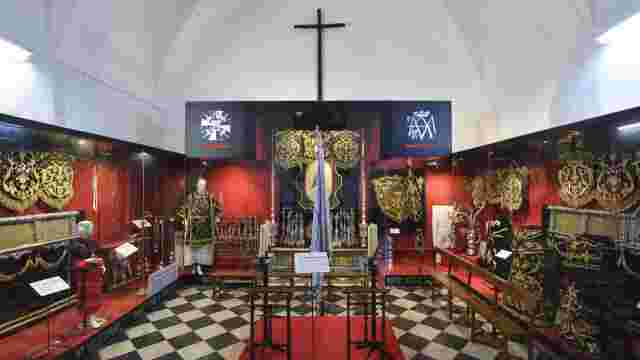
Museum of Sacred Art of the Brotherhood of the Buen Fin
A museum comprising four sections: the Capuchin Chapel, Heritage, Cabra’s Holy Week, and temporary exhibitions. Ideal for lovers of religious art.
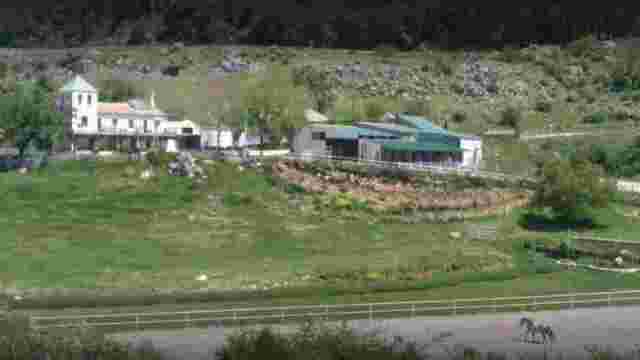
La Viñuela Estate
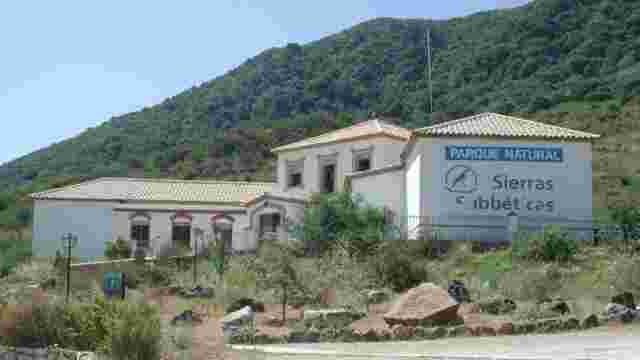
Sierras Subbéticas Natural Park ‘Santa Rita’ Visitor Centre
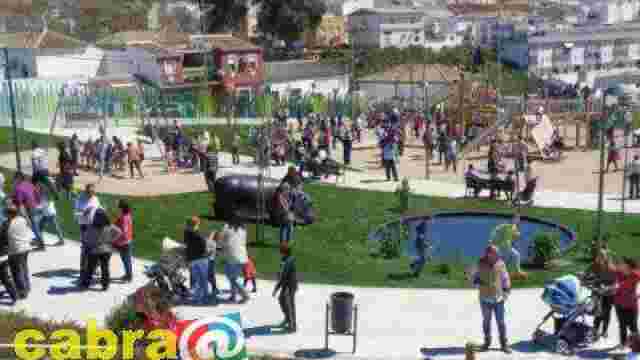
Children's City
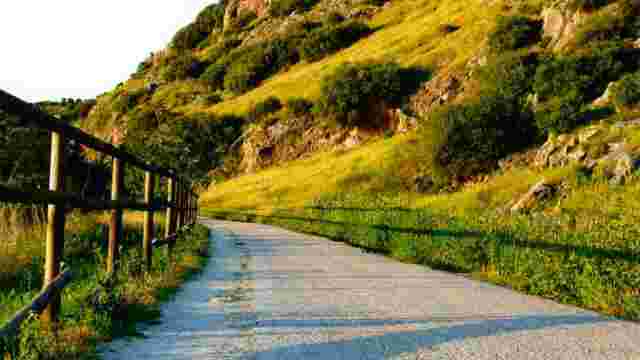
Greenway
Cycling and walking routes along old railway lines offer views of the Sierras Subbéticas Natural Park and historic railway architecture.
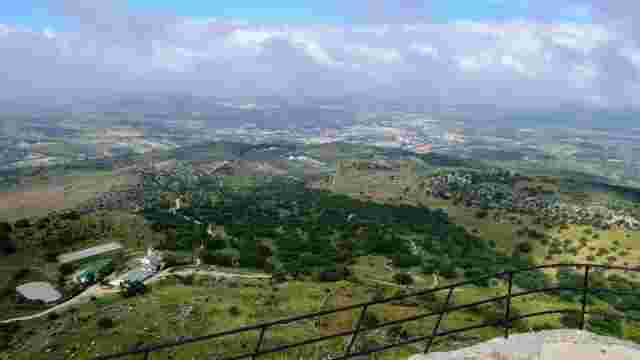
Picacho – The Sierra de Cabra mountain range
It offers breathtaking views, unique geological formations and opportunities to spot griffon vultures, and is a UNESCO-protected geopark.
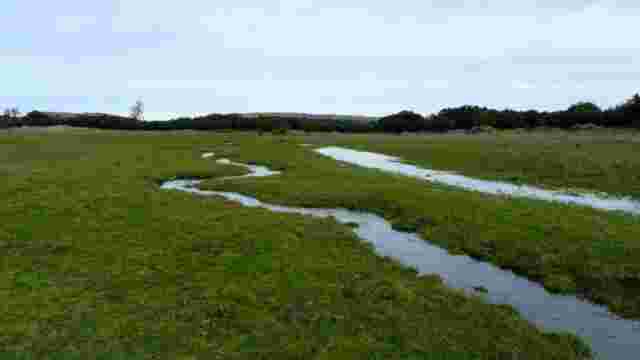
KARST LANDSCAPE
A landscape featuring unique poljes, dolines and lapiaz, caves such as the Cueva de los Murciélagos and the Cueva de la Cabra, and springs that reveal a pitt...
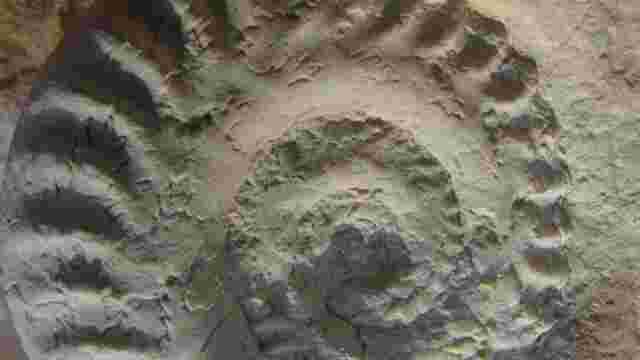
The Ammonites
An ideal area for exploring fossils of extinct cephalopods with a variety of shells, which are useful for geological and palaeogeographical studies. A fascin...
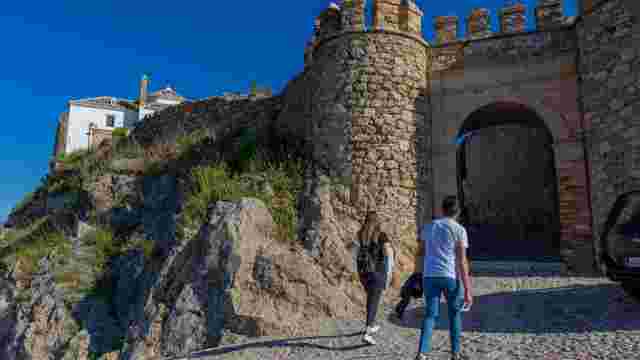
Carcabuey Castle
A strategic fortress in the Subbética region, offering breathtaking views, historical ruins and archaeological finds dating back to the Late Bronze Age.
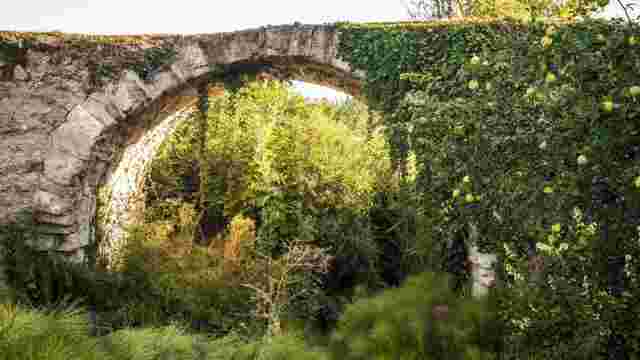
"The Stone Bridge (Caliphate Bridge). The Caliphate Route"
The Caliphate-era bridge over the River Palancar, the only one of its kind in southern Córdoba, is a testament to the medieval road network between Córdoba a...
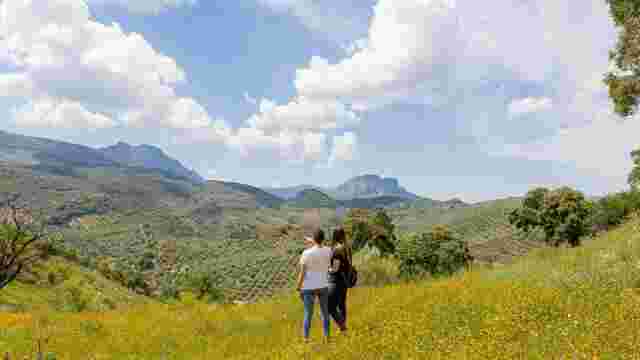
MOUNT CALVARY
A natural viewpoint overlooking Carcabuey and the Sierras Subbéticas, notable for its Mediterranean woodland and an 18th-century chapel at the summit.
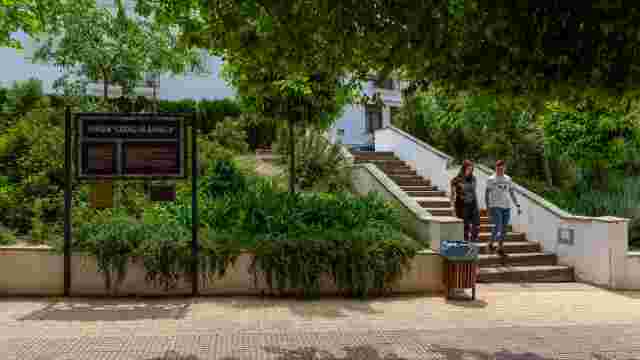
Rafaela Park
A park with a children’s play area, gardens, fountains, a grove of trees, public facilities and a sports court, ideal for all ages.
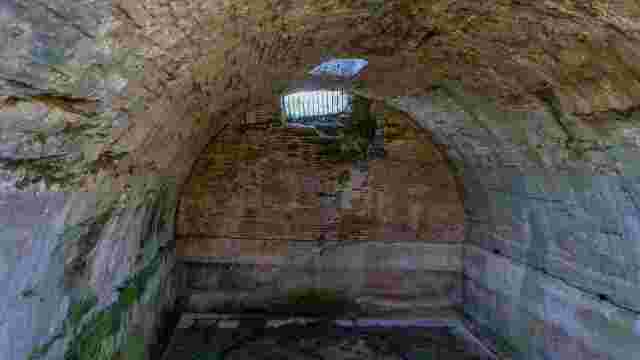
THE Cistern
To the west of the castle stands a historic structure featuring a semicircular vault and a capacity of 500 m³, making it the perfect place to explore ancient...
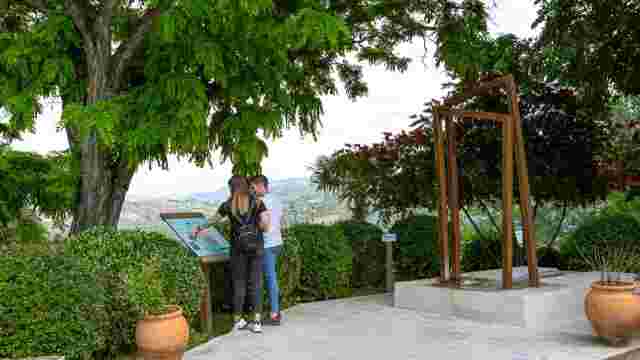
MONUMENTS TO EMIGRANTS AND CENTRE FOR DESCENDANTS
A monument overlooking the castle and a mural bearing the names of emigrants from Carcabuey to Rafaela, Argentina. Unveiled in 2013, it is a moving place.
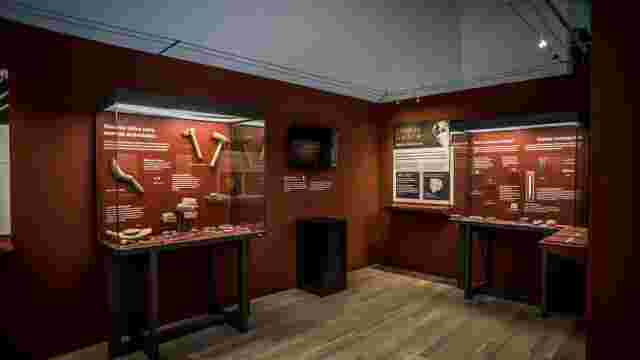
CARCABUEY MUNICIPAL HISTORICAL MUSEUM
Explore local history through its seven themed galleries, ranging from fossils to contemporary traditions, highlighting the area’s geological and cultural ri...
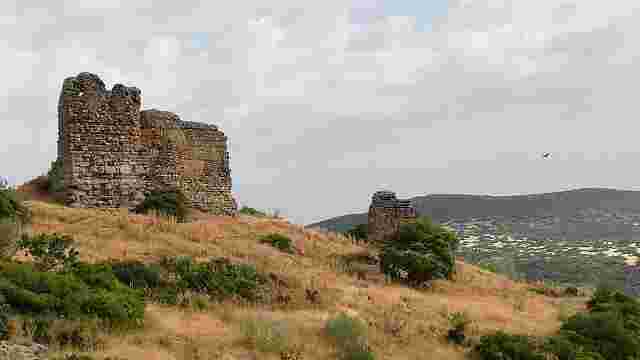
ALGAR CASTLE
Archaeological ruins on a hill, featuring pottery remains from the Bronze Age and the Roman period, are notable for their tower and wall, which once protecte...
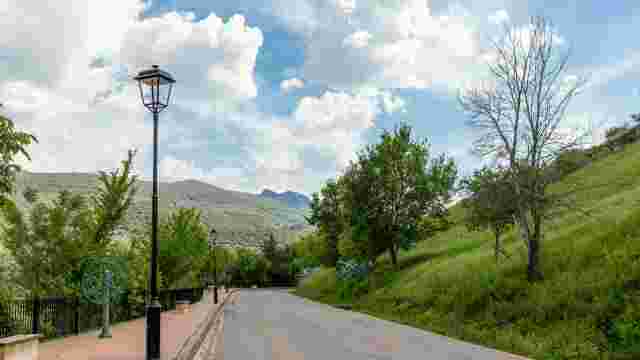
CAÑUELO PROMENADE
A charming walk with benches to rest on and a historic fountain, ideal for taking in the scenery and snapping a few photos.
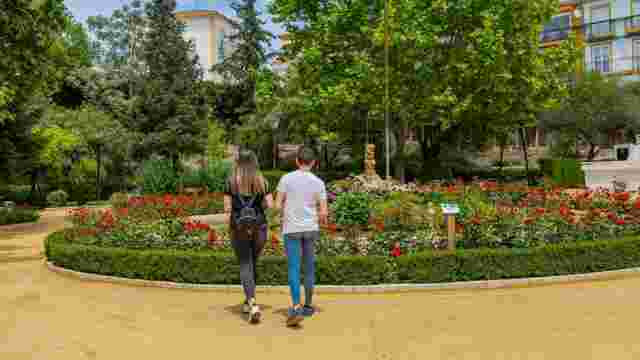
CARCABUEY MUNICIPAL PARK
A park featuring a central fountain, a bandstand, a café, a restaurant, a stage, a children’s play area and gardens with large trees – ideal for a visit in s...
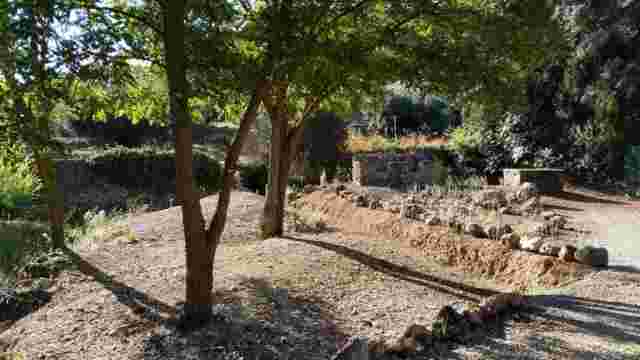
LAS FUENTES DEL CASTILLEJO RECREATIONAL AREA
A historic spring with a lively recreational area, ideal for walking and relaxing, accessible from the old road between Cabra and Carcabuey.
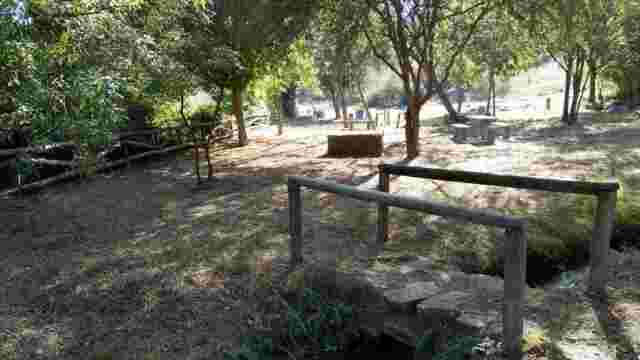
EL PALANCAR RECREATIONAL AREA
A cool spot with natural springs by the river, ideal for enjoying the countryside near Carcabuey.
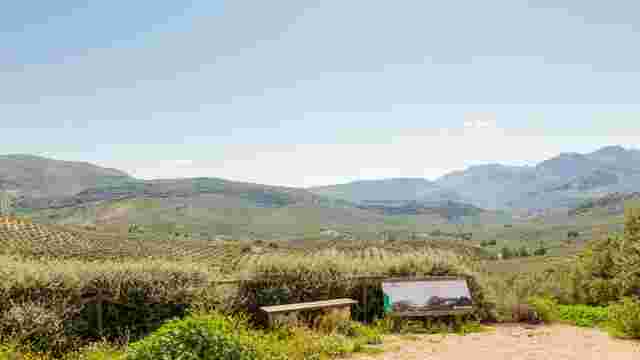
ALGAR VIEWPOINT
It offers a breathtaking view of rugged mountains, valleys and the majestic Pico de la Tiñosa, the highest point in Córdoba.
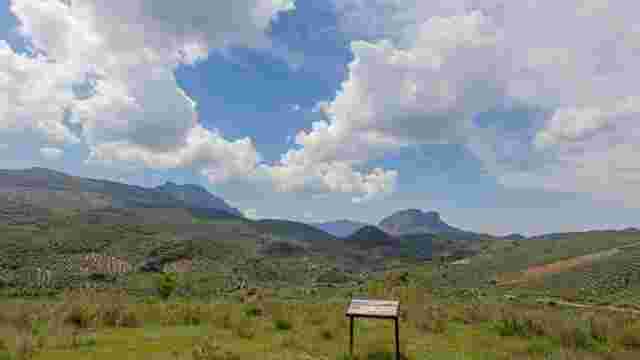
CERRO MORO VIEWPOINT
It offers unique views of a karst landscape featuring marine fossils from the ancient Tethys Sea, formed as a result of Alpine orogeny.
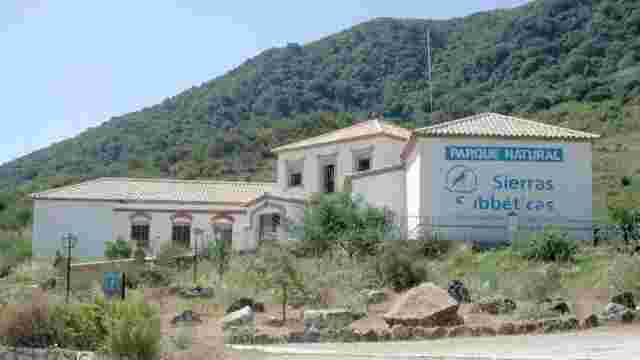
SANTA RITA VISITOR CENTRE
Located near Carcabuey, it offers an underground tour through limestone formations and interactive displays on the local natural and cultural heritage.

TRUFFLE MYCOLOGICAL GARDEN
Situated within a UNESCO Geopark, this site offers unique natural beauty and is ideal for birdwatching, as it is a Special Area of Conservation and Protection.
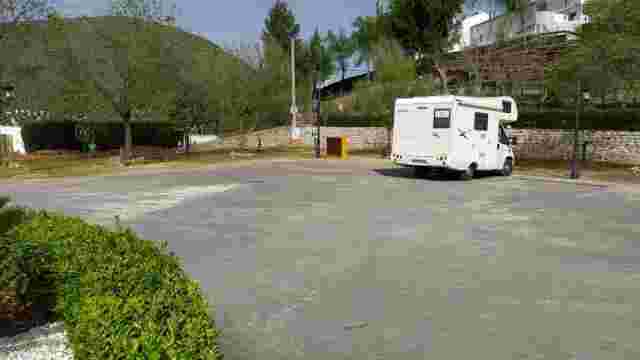
VEHICLES AND HOUSING DEPARTMENT
An area with pitches, toilets, a children’s play area, outdoor fitness equipment, a swimming pool, car park and tourist information. Closed during Easter and...
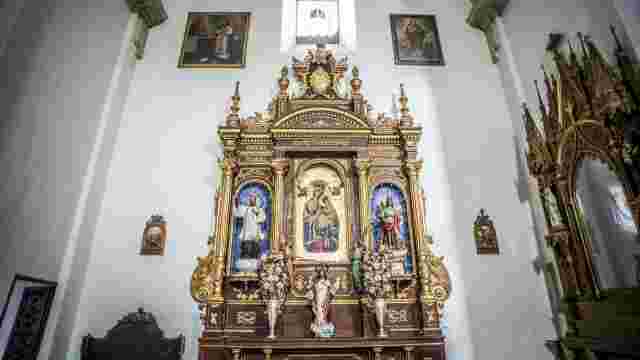
Church of the Assumption
Situated at the foot of Cerro del Castillo, it is notable for its 18th-century tower, high altarpiece and barrel vaults with lunettes.
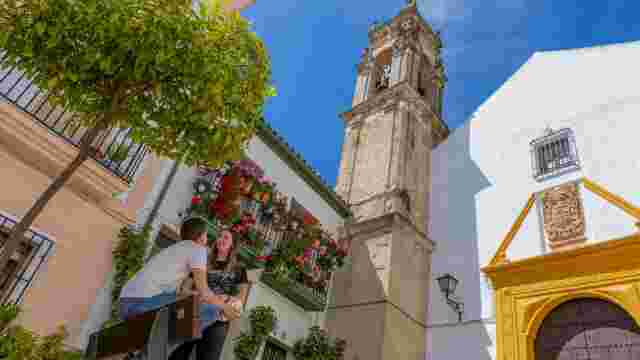
St Mark's Church
A historic chapel with a simple, unadorned façade, notable for its sloping approach and an 18th-century coat of arms, ideal for history buffs.
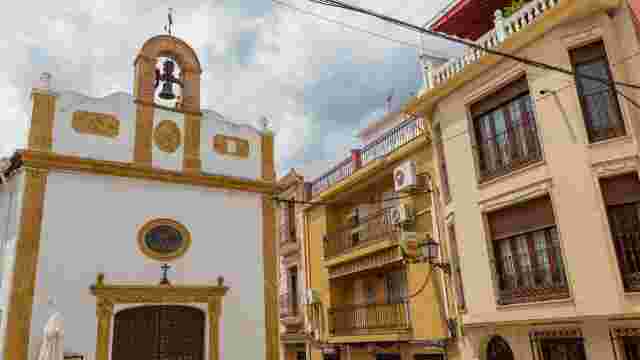
Hermitage of Saint Anne
A small historic building housing altarpieces dating from 1770, featuring statues of saints and a devotional image of the Virgin Mary that is carried in a pr...
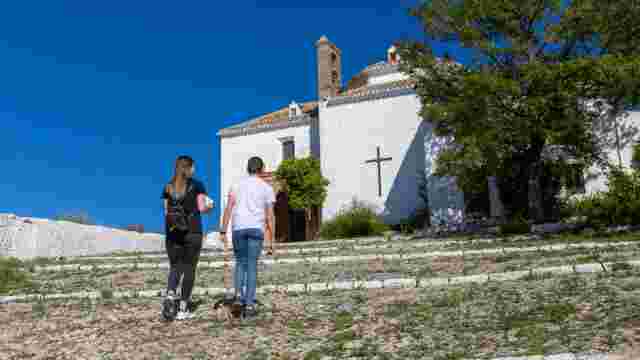
Castle Chapel
A Baroque church with a Latin cross plan and rocaille decoration, notable for its simple bell gable and the renovations carried out following the 1951 earthq...
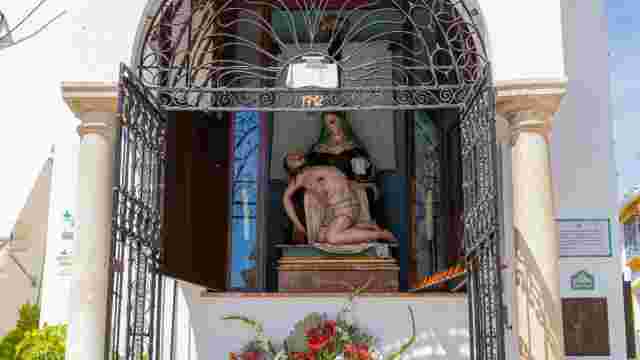
Shrine of Our Lady of Sorrows
A unique altar in Córdoba, renowned for its artistic value and the materials used in its construction. It has no owners and is maintained by local residents....
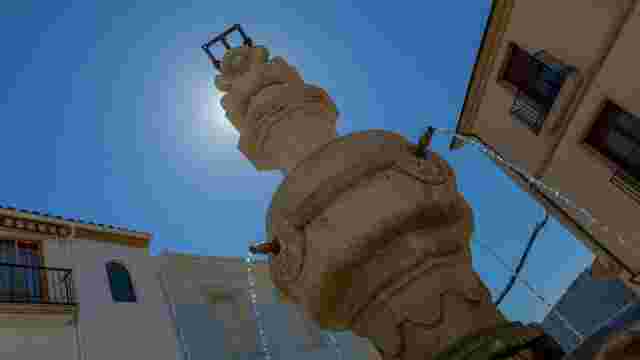
Fuente del Pilar
An 18th-century fountain with a circular design and four lobes, decorated with geometric panels and scrolls, offering a fine example of local architecture.
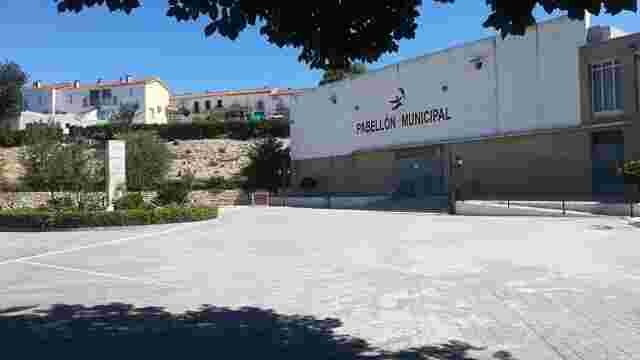
LA CHARCUELA
An open-air area with a central garden and a sports monument, ideal for events. A market is held on Thursdays, and facilities are available for fairs and car...
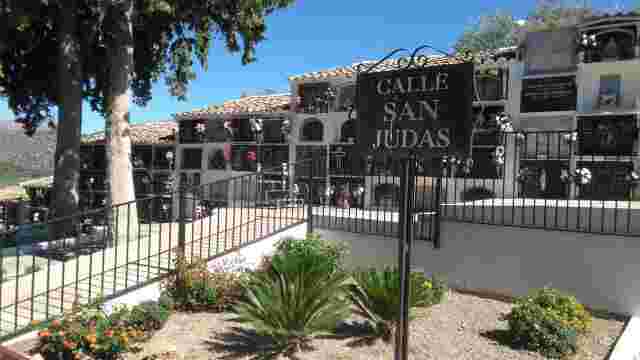
CEMETERY
A charming, unpretentious spot with well-tended gardens, good lighting, plenty of sunshine and stunning views. Ideal for a peaceful stroll.
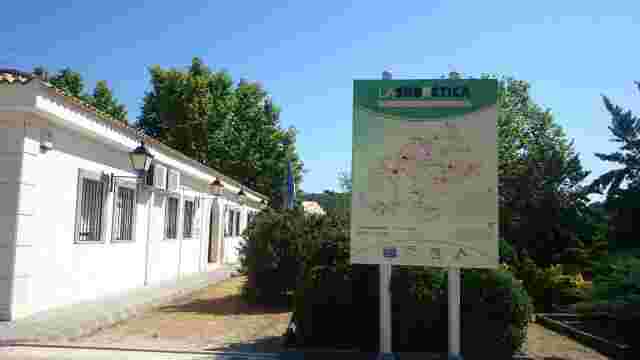
SUBBETICA ASSOCIATION OF MUNICIPALITIES
A region with charming villages, a rich culture, natural landscapes and outdoor activities, ideal for rural and cultural tourism.
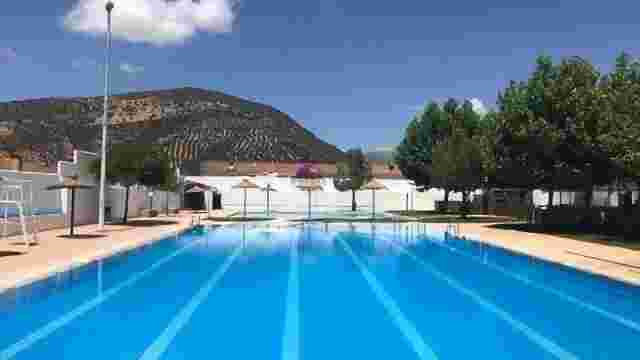
SWIMMING POOL
Swimming pool with a children’s area, changing rooms, a restaurant with a terrace, and a lawn for sunbathing, overlooking the church and the castle. Open fro...
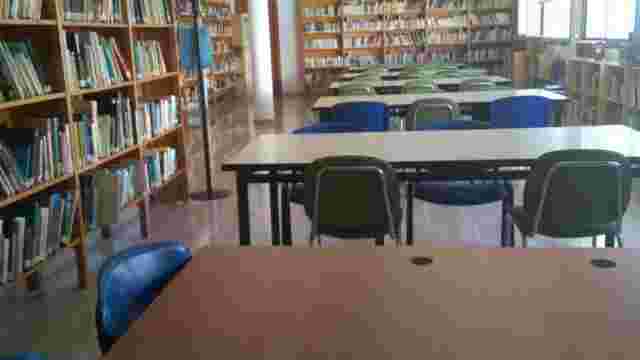
LIBRARY
It offers a lending service, free Wi-Fi, reading activities for children and adults, and has computers and a printing service.

FLY GUADALINFO
A public centre in Andalusia offering free internet access and ICT facilities, equipped with modern technology and providing advice, ideal for tourists inter...
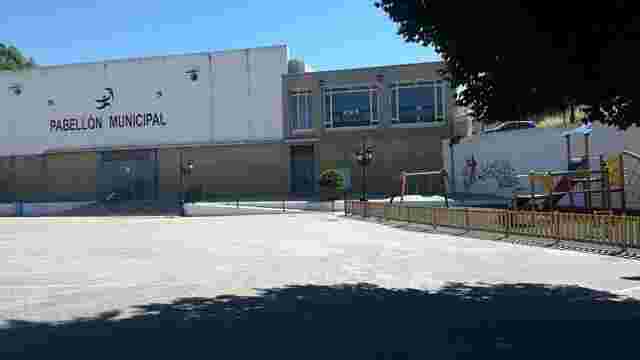
SPORTS HALL
It features a gym, multi-purpose halls, a sports court and fully equipped changing rooms. Ideal for sports activities and events.
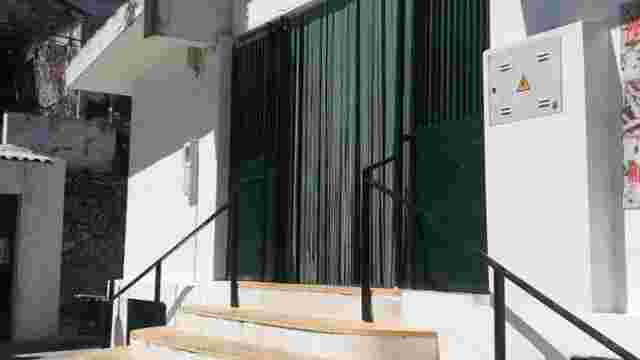
FOOD MARKET
A traditional market with a churros shop and a fishmonger’s, ideal for experiencing the local culture. Open every morning, perfect for early-rising tourists.
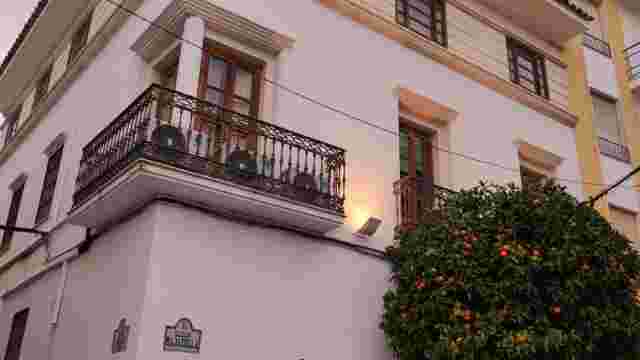
MULTI-PURPOSE BUILDINGS
A modern building with a listed façade, featuring an auditorium and a courtyard. Ideal for enjoying in fine weather. It offers social and educational services.
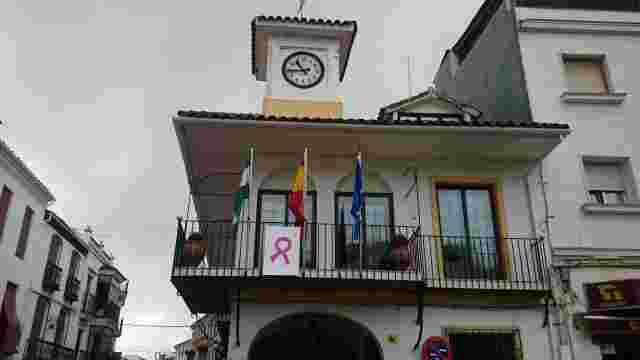
CARCABUEY TOWN COUNCIL
A historic building with a charming appearance, featuring a tourist information office and access to archives, ideal for exploring the area. Open from 9am to...
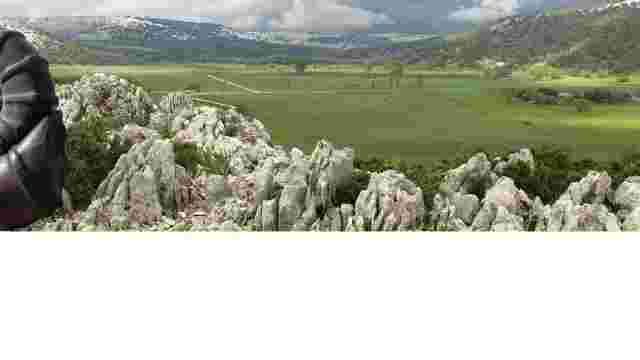
SUBBÉTIC MOUNTAINS NATURAL PARK
Located in the heart of Andalusia, it boasts karst landscapes, diverse flora and unique fauna. Highlights include the peregrine falcon and the highest peak i...
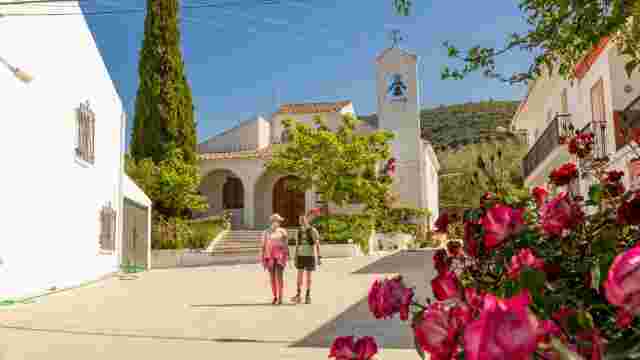
ALGAR (VILLAGE OF CARCABUEY)
A peaceful village, ideal for enjoying nature and hiking. Highlights include the castle ruins and traditional festivals such as the Feast of Our Lady of Fátima.
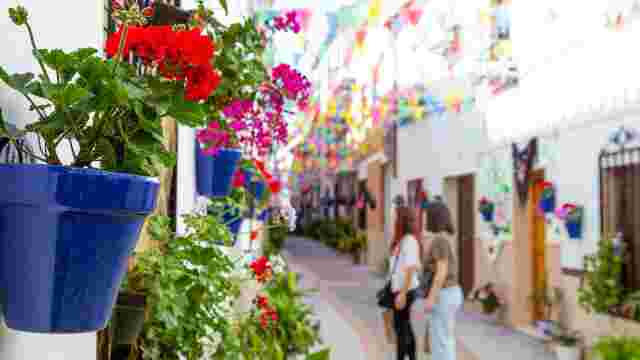
Streets of Flowers
Narrow, cobbled streets adorned with murals and blue flower pots make for a vibrant, colourful stroll, notable for its beauty and the active involvement of t...
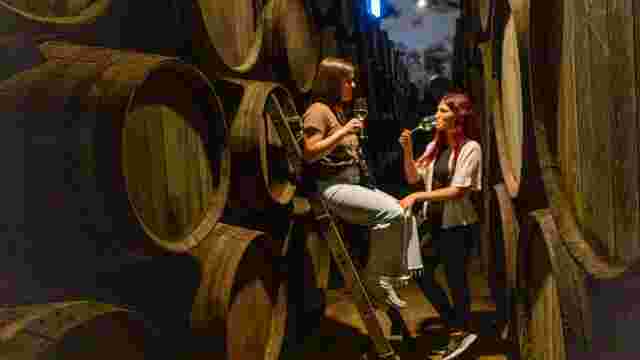
Luque Wineries
It was founded in 1920 and combines traditional methods of wine-making with a modern winery in its approach to production.
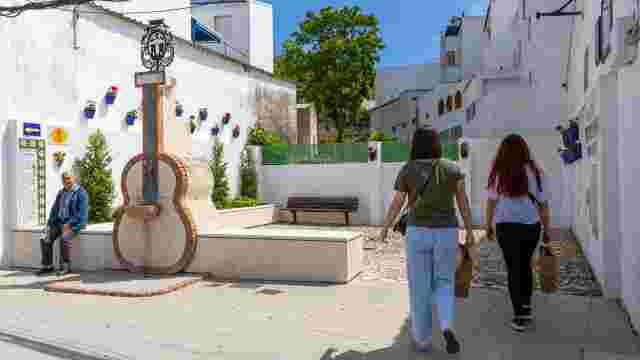
Guitar neck
A site in Doña Mencía featuring a commemorative plaque dedicated to the painter and ceramist Fernando Moreno, ideal for tourists interested in local art.
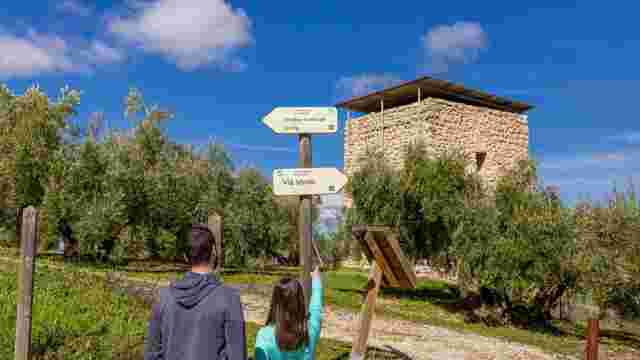
The Silver Tower
A medieval tower in the Subbéticas Natural Park, featuring a 7th-century AD necropolis, making it the perfect place to explore history and nature.

Mural: "The Lady of Fenghuang"
A mural in Doña Mencía stands out for its depiction of a bird goddess, symbolising wisdom and nobility, and attracting lovers of contemporary art.

Frasquito Priego Shop
A century-old shop in Doña Mencía, steeped in local history since 1898 and now run by the fourth generation.
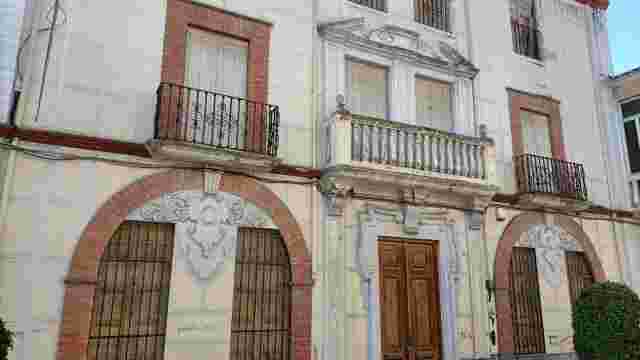
Manor houses on Granada Street
One of the most charming streets in Doña Mencía, featuring houses with impressive façades and coats of arms.
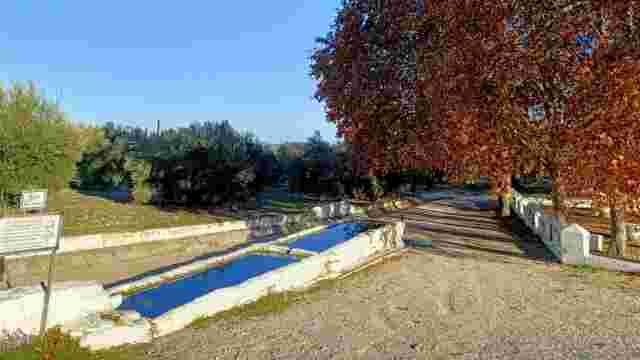
Pilar de Henazar
A scenic spot situated along the old Baena road (CO-6202). A recreational area with picnic benches and an old stone pillar.
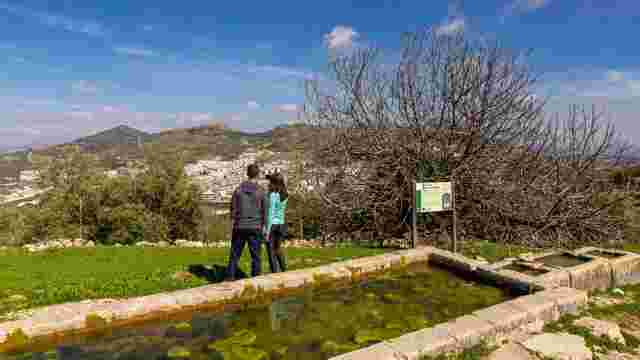
Source: Las Pilas
An old watering trough with rectangular, stepped basins, accessible from the Greenway, ideal for walking.
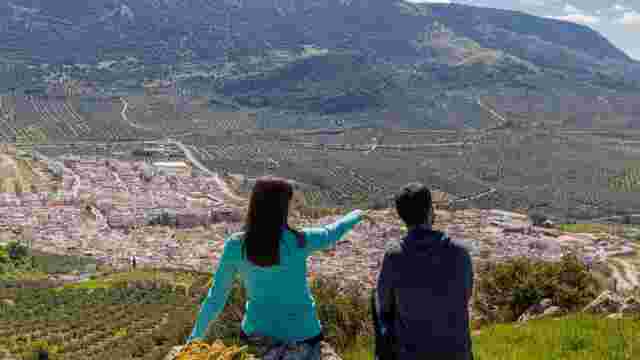
El Laderón
A historic site offering panoramic views of Córdoba, Jaén and Seville, it spans 3,000 years of history, from the Bronze Age to the Middle Ages.
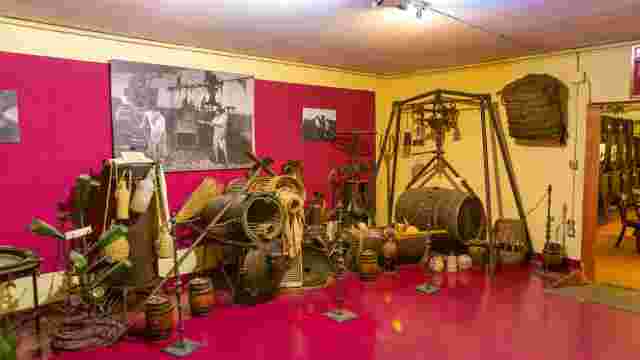
Menciano Wine Museum
Discover the local wine-making history through traditional techniques and tastings of unique wines in a setting steeped in tradition and heritage.
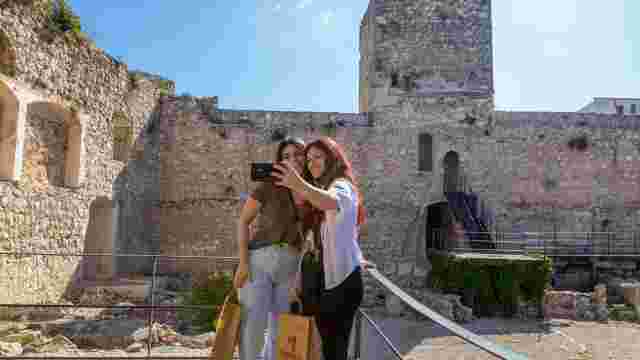
Doña Mencía Castle
A medieval fortress with cylindrical and square towers, set within the town centre, offers tourists a historical and architectural attraction.
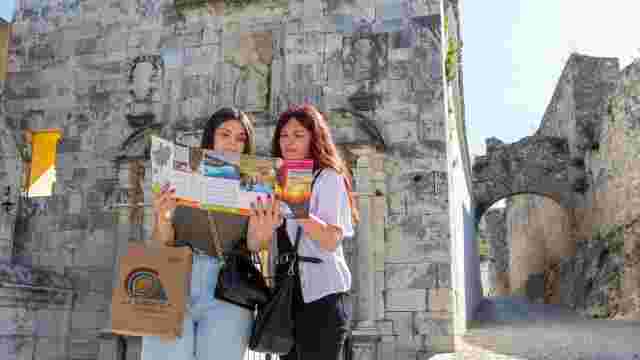
Old Church
The Baroque façade and the niche featuring a stone-carved Christ are the standout features of this open-air auditorium, which hosts cultural events in the su...

Chapel of the Holy Spirit
This historic church, a key venue during Holy Week, houses processional statues and serves as both a place of worship and a tourist attraction.
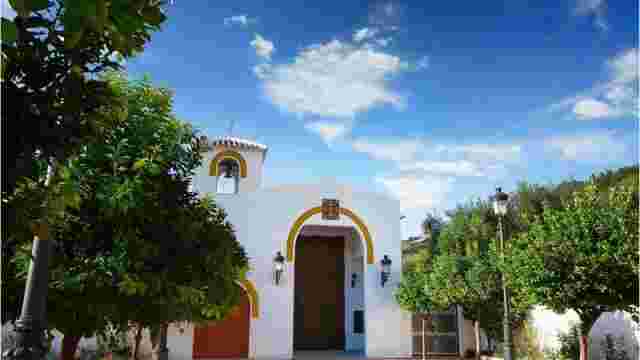
Calvario Chapel and Viewpoint
It offers spectacular views of the surrounding countryside and marks the start and end of the Fortified Sites Route.
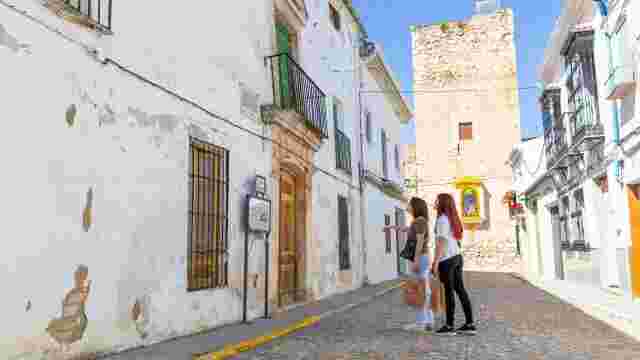
Llana Street
Located in the old town, it stands out for its proximity to the castle walls and the iconic keep, offering a journey back in time.
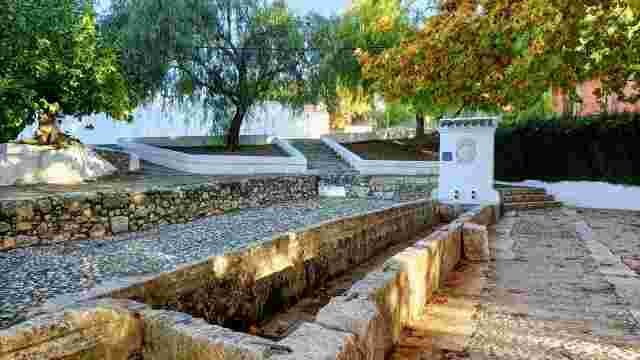
Lower pillar
A historic fountain with a drinking trough and a washing area concealed by walls, where women wash clothes even in winter, according to Juan Valera.
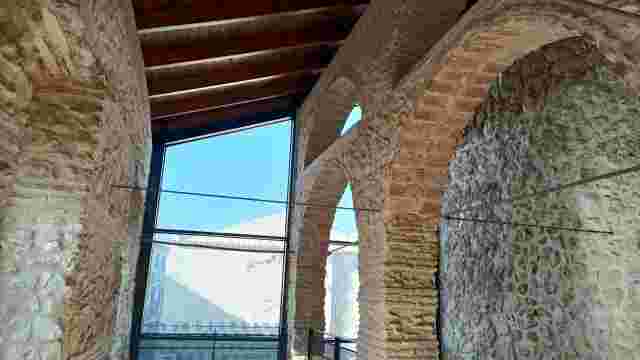
Municipal Quay
A historic building with original arches in the ceiling, now a tourist information centre, next to the castle.
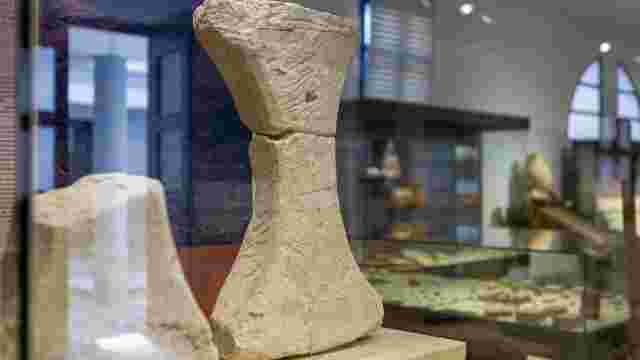
Doña Mencía Historical and Archaeological Museum
The museum in Andalusia offers an educational and chronological tour of artefacts dating from the Palaeolithic period to the Islamic era, featuring items fro...
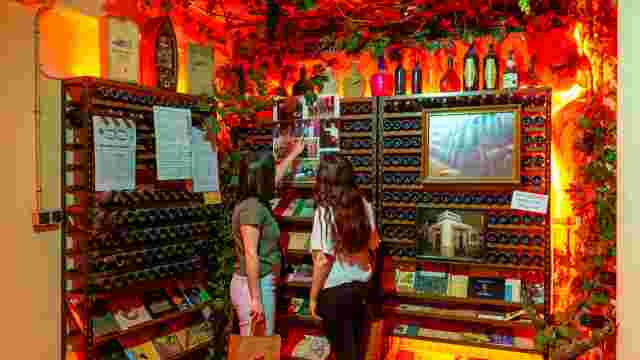
Menciano Wine Museum
An exhibition on the history of wine, viticulture and wine tasting at a historic winery founded in 1885. Ideal for lovers of wine and culture.
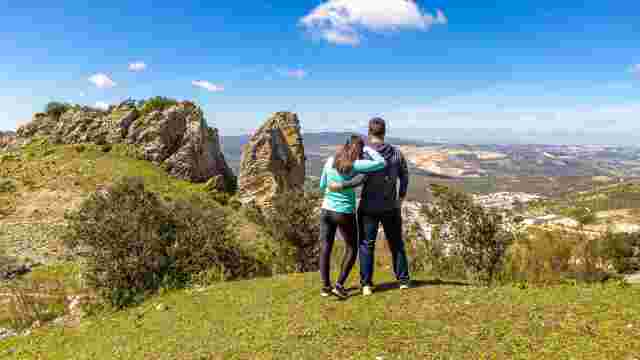
The Mule's Ear
A cyclopean structure built from limestone blocks, perfect for exploring its ancient architecture and enjoying panoramic views from the summit.
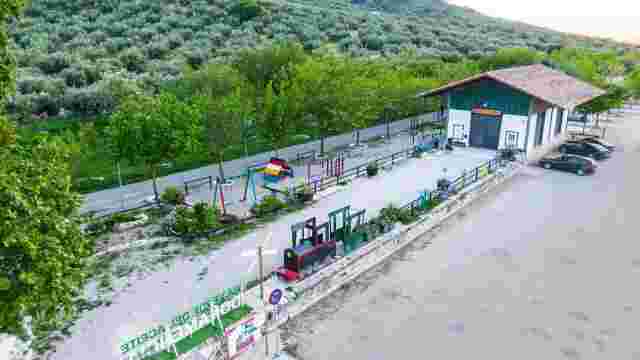
GREENWAY AND SUBBÉTIC MOUNTAINS NATURAL PARK
Cycling and walking routes through natural landscapes and railway architecture, with tourist facilities such as bike hire and a restaurant.
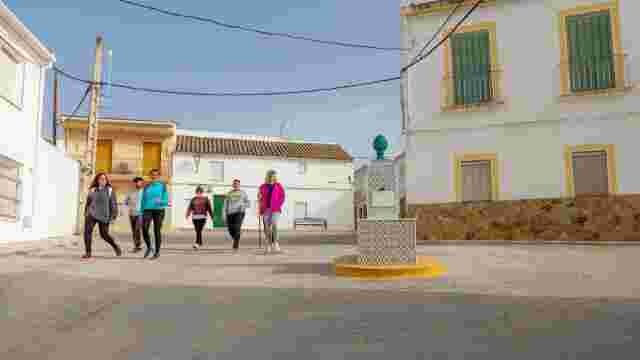
Village of Vadofresno
Located between Málaga and Córdoba, this spot offers peace and quiet, stunning views and fresh air, and is ideal for birdwatching. Its 18th-century chapel is...

Skunk
El Zurreón is situated on the banks of the Genil and is another stunning natural spot.
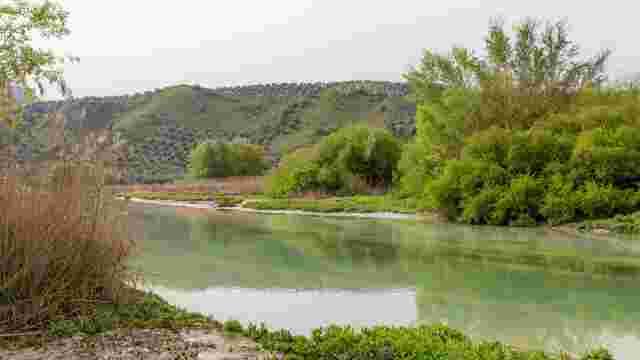
The natural surroundings of Encinas Reales and the River Genil
Olive groves, rivers and diverse flora offer unique walks amidst nightingales and turtle doves, creating an unforgettable natural experience for visitors.
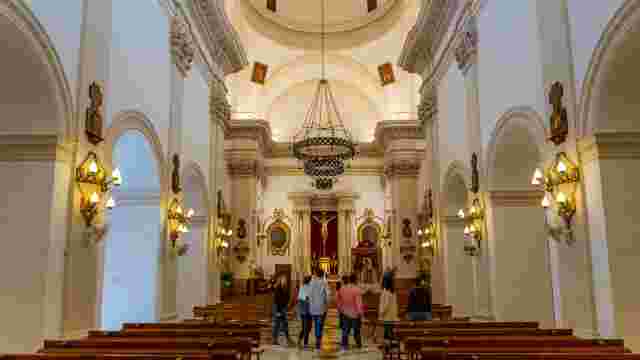
Church of Our Lady of Hope
A neoclassical church with a Latin cross plan, notable for its semi-spherical dome and a gilded high altarpiece, ideal for lovers of religious art.
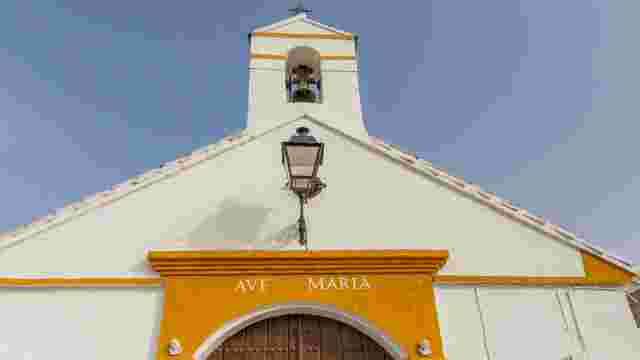
Chapel of Our Lady of Bethlehem, in Vadofresno
It was built by the Duke of Medinaceli in 1705 and consecrated on 12 December 1705; it is dedicated to Our Lady of Bethlehem.
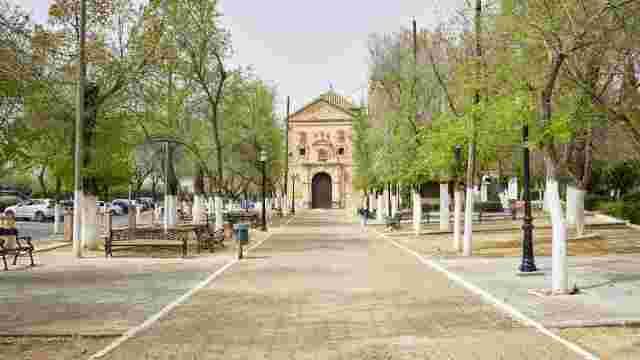
Chapel of Our Father Jesus of Sorrows, El Calvario
A Baroque church in Córdoba with a richly decorated interior, a semi-spherical dome and a gilded high altarpiece, designated an Asset of Cultural Interest in...
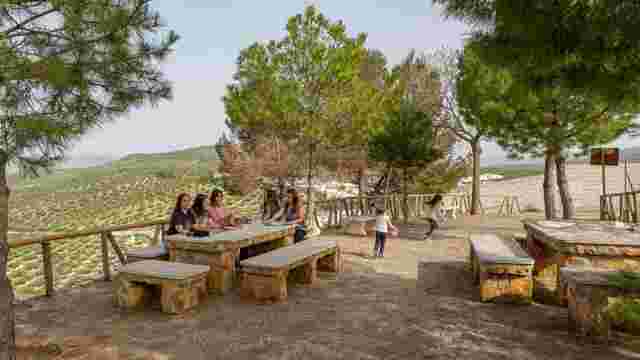
Lookout of the Canteruela
It offers unique views of the village and the Subbética mountains, with a picnic area that’s perfect for enjoying with family and friends.
Trowel
A small village with a scenic route, a spring with healing properties and a chapel dating from 1920, ideal for experiencing local traditions and festivals.
All-air
An area dotted with farmhouses and a bar with a terrace that opens in summer, ideal for escaping the evening heat.
Cerro de la Mesa
It offers stunning panoramic views and the remains of Iberian settlements, making it the perfect place to enjoy the natural beauty and history.
"El Lucerico" Mill
A Roman oil-producing complex featuring oil presses, masonry walls and settling tanks, ideal for exploring the history of olive oil in Europe.
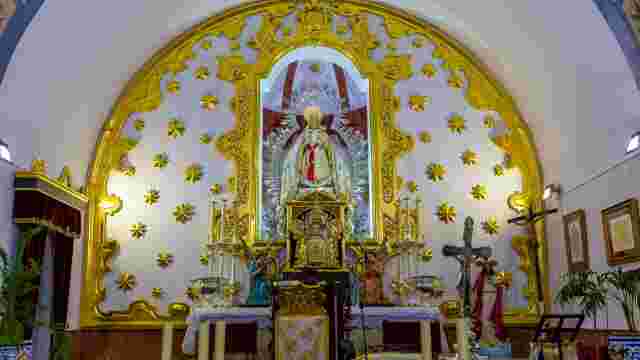
Parish Church of Our Lady of the Rosary
A church with its original orchards, an enclosed garden, a façade featuring a brick bell gable, and a single-nave interior with vaulted ceilings and side cha...
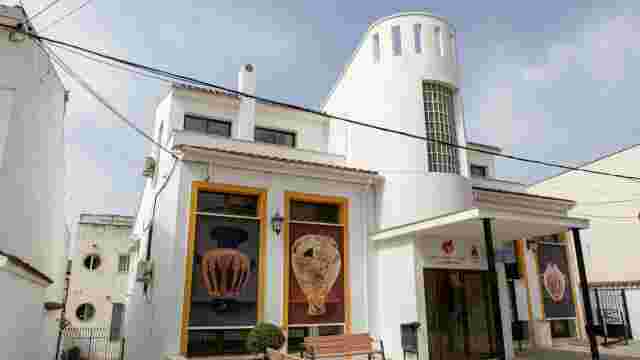
Fuente Tójar Municipal History Museum
A museum with three galleries tracing the local history, from its earliest settlers. An audio guide is available to enhance your visit.
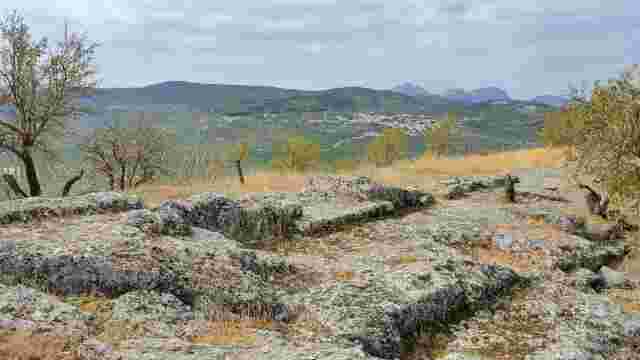
Cerro de las Cabezas
An archaeological site featuring walls, residential structures, marble statues and strategic vantage points, ideal for exploring history and the surrounding ...
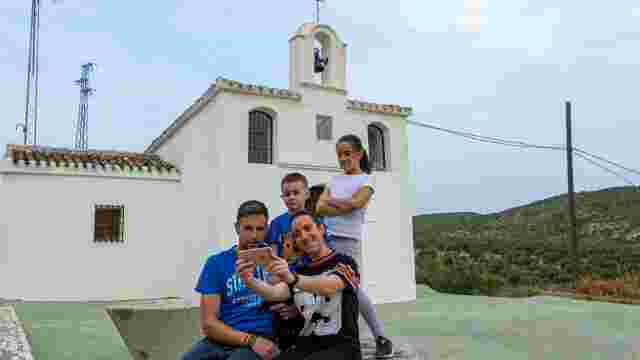
Calvary Chapel
Located near the last house on Calle del Calvario, this historic building features a bell tower and offers an atmosphere of peace and reflection.
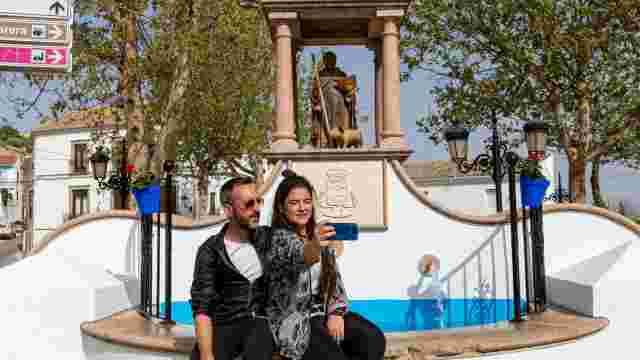
Fountain Square
A spacious central area for major events, featuring an iconic three-spout fountain and a small shrine dedicated to Saint Isidore the Farmer.
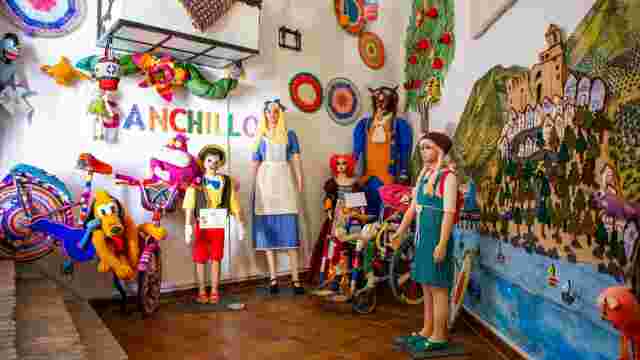
Urban Knitting Museum
Located in a corner of the castle, this space showcases crocheted street art, featuring highlights from previous exhibitions. Free entry.
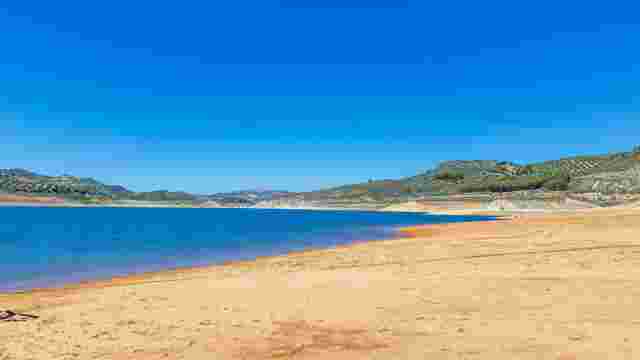
Valdearenas Nature Reserve and Beach
An ideal location for water sports, fishing, hiking and birdwatching, with leisure facilities including a hotel, campsite and restaurants.
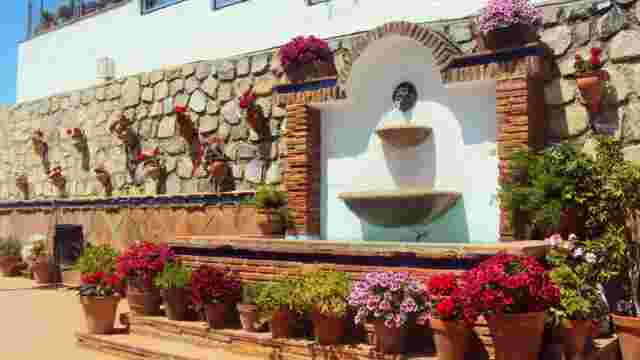
Corral de la Pacheca
A small Andalusian square on the Iznájar Route of Hidden Gems and Balconies, ideal for tourists thanks to its historic charm and panoramic views.
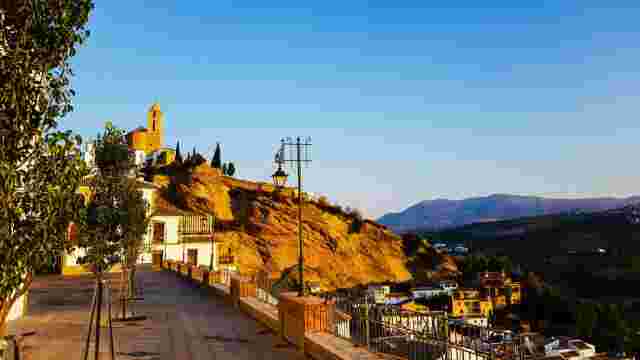
Tajos and Barrio del Coso
Winding streets, lush gardens and breathtaking views of the gorges surround this picturesque spot, which forms part of the Iznájar Courtyards and Hidden Gems...
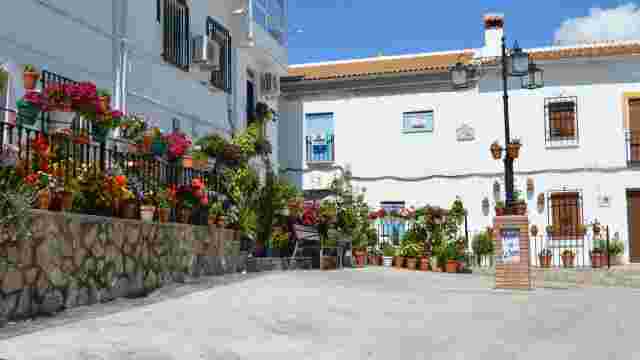
Plaza de la Torre
A small square overlooking the castle and the Peñón neighbourhood, famous for the flowers adorning its façades and balconies, and part of the Iznájar Courtya...
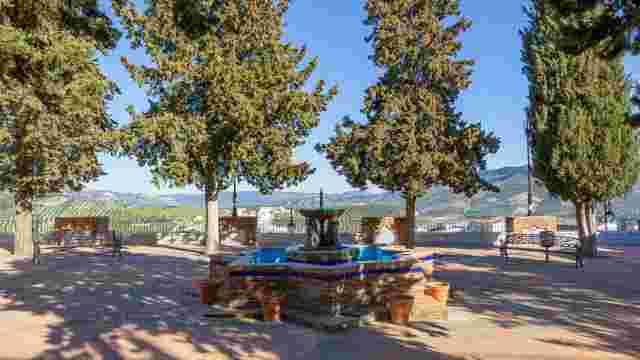
Plaza Nueva
This historic site in Córdoba, famous for its 1861 uprising, offers visitors a glimpse into social movements and the struggle for social justice.
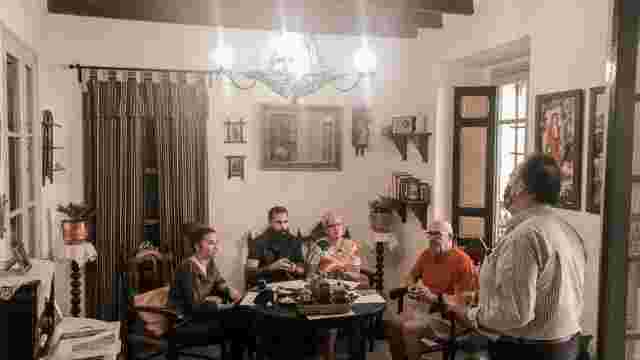
Moltura Cultural Centre
A cultural and culinary venue in Iznájar, offering local produce, olive oil tastings and organic wines in a traditional and sustainable setting.

Micla Museum Gallery
A unique cultural space that allows visitors to engage with contemporary art and its creators, highlighting the beauty of imperfection and environmental awar...
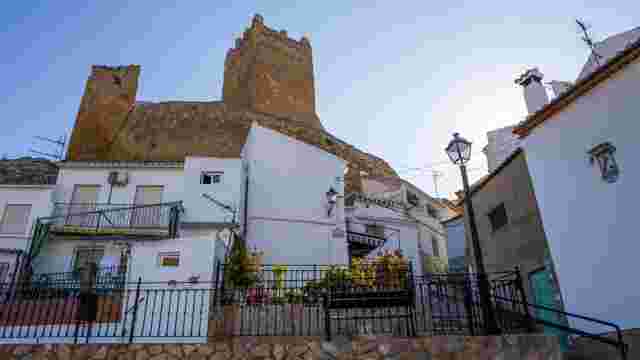
The Peñón Neighbourhood and the Cave House
Cave houses maintain a constant temperature of 18°C, making them ideal for staying cool in summer and warm in winter, and attracting tourists with their uniq...
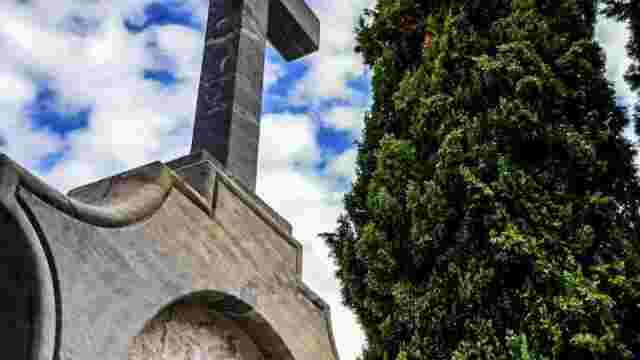
Cemetery
It offers spectacular views of the reservoir and the Sierras Subbéticas, with its narrow whitewashed streets and tiled tombs, making it one of the most beaut...
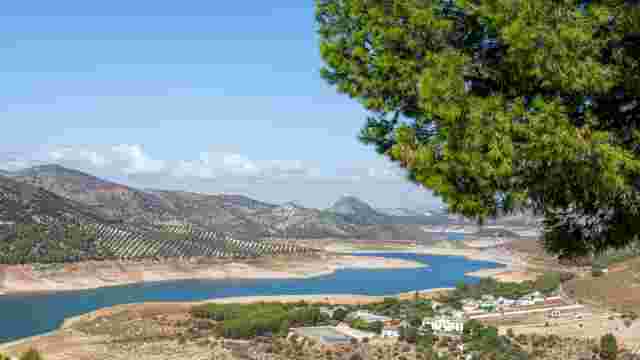
Cruz de San Pedro Viewpoint
It offers panoramic views of the reservoir and the historic quarter, with access to natural viewpoints and cultural activities in the summer.
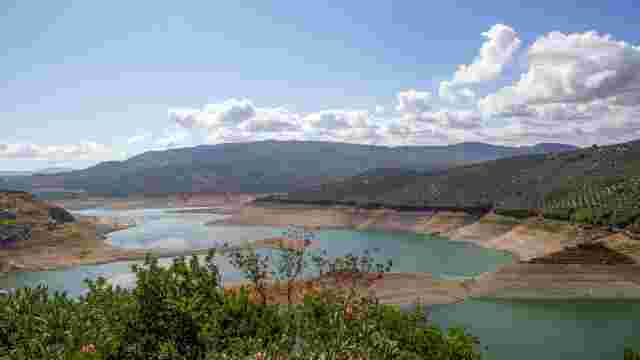
Cruz del Postigo Viewpoint
It offers panoramic views to the south, featuring the Agromán Bridge and mountainous landscapes dotted with olive groves, reflecting the local economy.
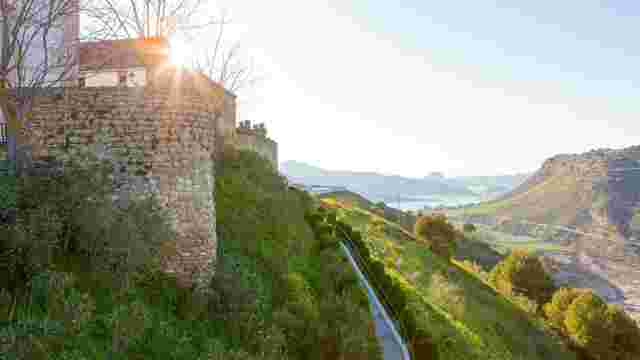
Villa Viewpoint
Located in the historic quarter, it offers views of the Sierra de la Ventana and the Priego stream, revealing ancient structures when the reservoir is low.
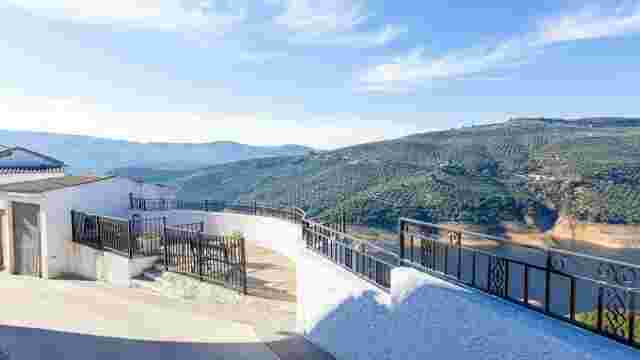
Las Peñas Viewpoint
The balconies offer panoramic views of the reservoir and the aquatic ecosystem, surrounded by the mountains of the Sierra Subbética, making them ideal for na...
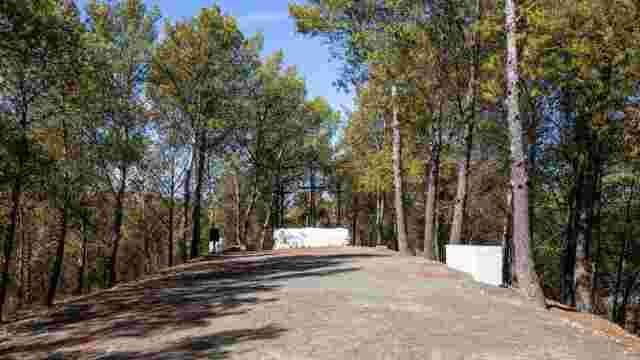
The Three Crosses
A pine forest with squirrels, views of the reservoir, a recreational area and an urban footpath ideal for family walks in the countryside.
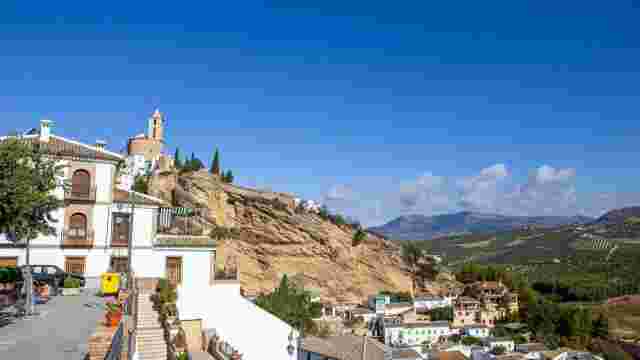
Constitution Promenade
Located in Iznájar, it offers views of the mountains, the reservoir and local landmarks. It’s the perfect spot to enjoy summer evenings at its beach bar with...
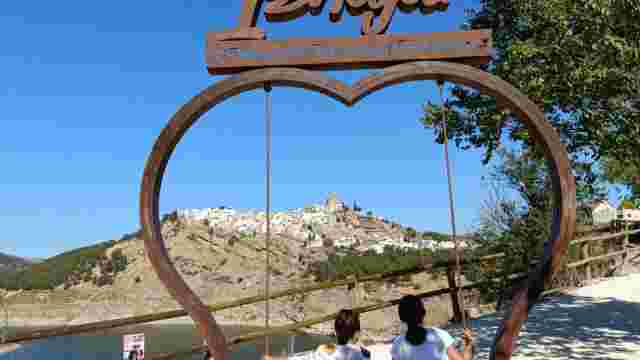
Tourist swing on the Paseo de las Canteras
A viewpoint with a heart-shaped swing offers idyllic views of the white village, the castle and the Iznájar reservoir – the perfect spot for photos and takin...
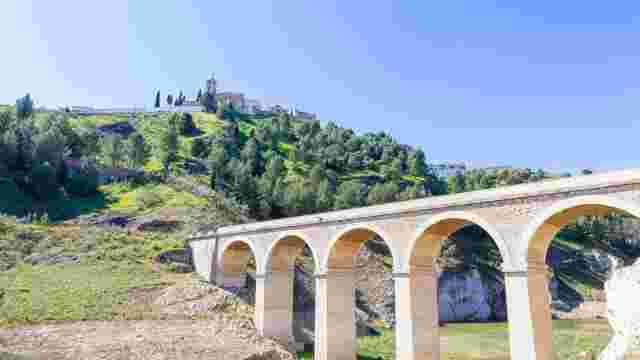
Molinillo Bridge
A historic bridge with five arches that become visible when the water level in the reservoir drops, ideal for safe walks and for admiring its excellent state...
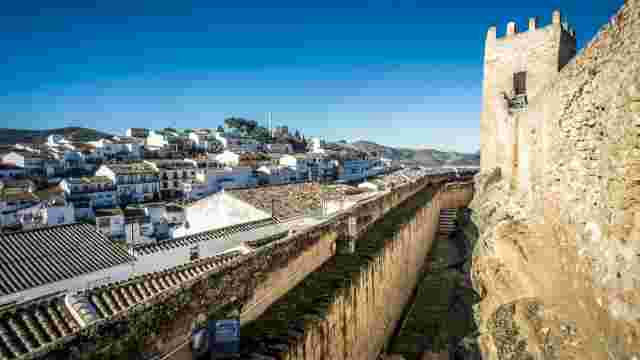
Iznájar Castle
A historic fortress featuring stone architecture, restored towers and archaeological finds, offering panoramic views and a nearby museum in Córdoba.
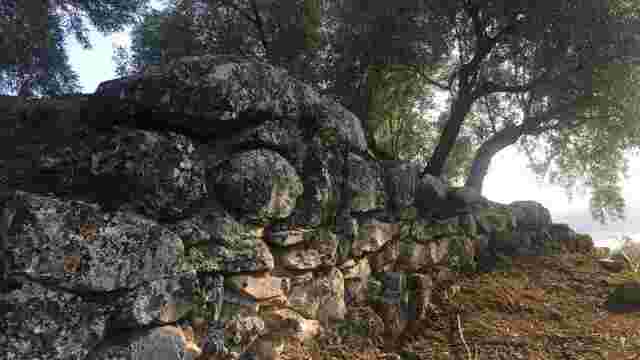
Iberian fortified settlement on Cerro del Castillejo (La Hoz)
An Iberian fortification featuring strategic escarpments, commanding views of the river and footpaths, and walls built into the natural rock, making it ideal...

Archaeological remains at Cerro del Hachuelo
A site featuring a cultural sequence spanning from the Palaeolithic to the Middle Ages, with notable Roman remains and a necropolis, making it ideal for hist...
The Iberian fortified settlement of La Torre
A strategically important archaeological site featuring the remains of walls and Iberian and Roman pottery, ideal for history and archaeology enthusiasts.
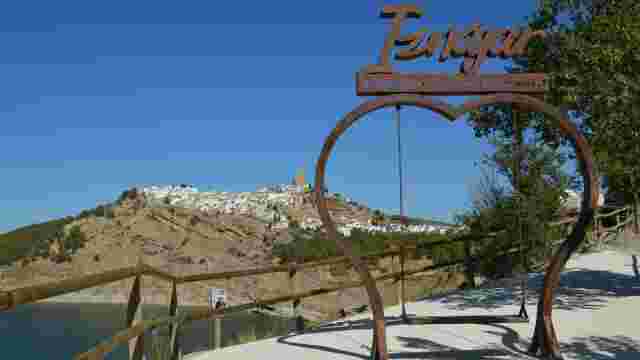
Iznájar Tourist Swing
A viewpoint with a heart-shaped swing offers idyllic views of the white village of Iznájar and its reservoir, making it the perfect spot for photos and for e...
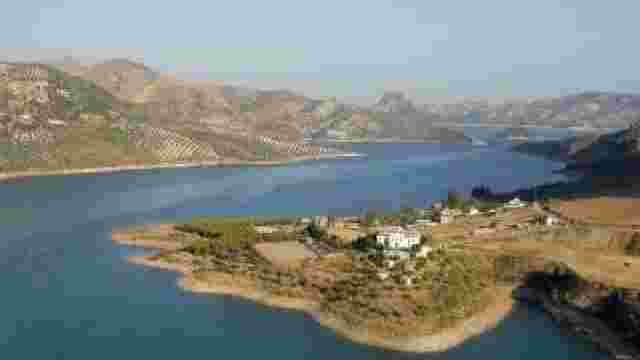
Viewpoints in Iznájar
Spectacular views of the reservoir and olive groves, with historic and cultural viewpoints, ideal for enjoying the peace and quiet and the natural surroundings.
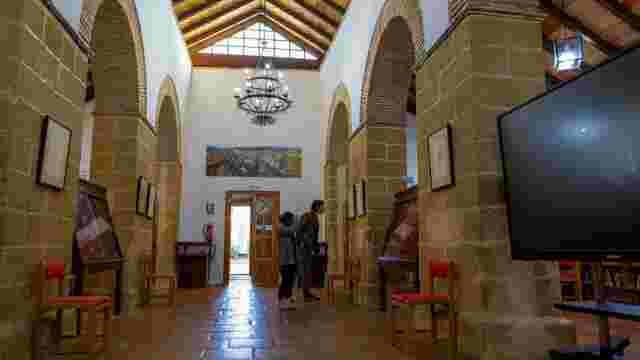
Julio Burell Municipal Public Library (Former Granary)
A historic 18th-century building with its original arcades, housing unique engravings and works by local artists. Free entry; opening hours are the same as t...
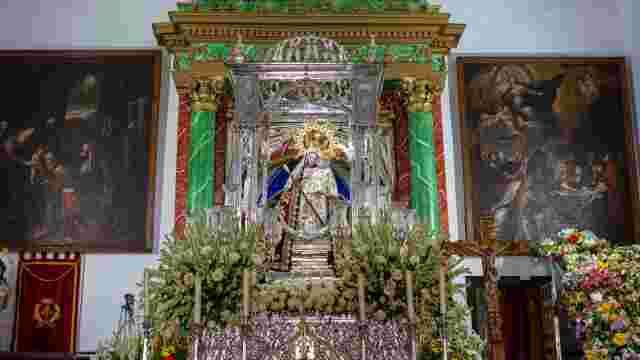
Shrine of Our Lady of Mercy
A 17th-century chapel with a vaulted nave and a single niche. It is notable for its Flemish-Burgundian art and its Renaissance altarpiece. Free admission.
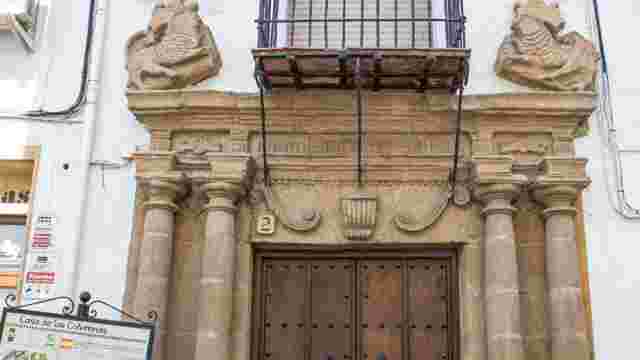
House of the Columns
An 18th-century historic house featuring coats of arms and a central grille on the façade, ideal for admiring the architecture and learning about local history.
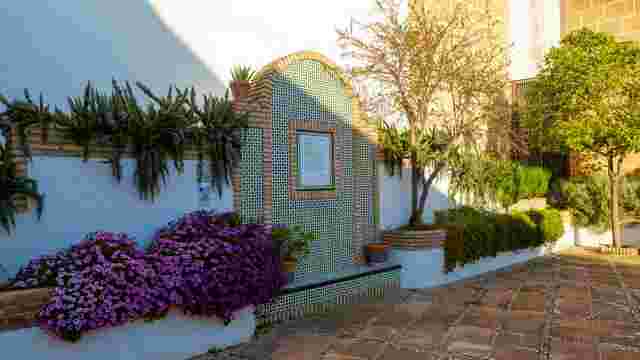
Rafael Alberti Square
A square featuring a tiled mosaic depicting the poem "Torre de Iznájar". It won an award in the Subbética Courtyard Competition in 2018.
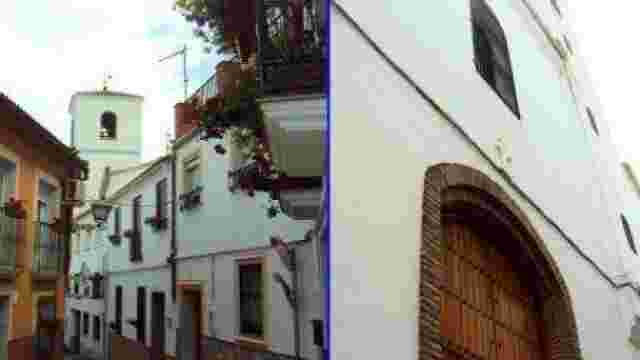
Church of St Joseph
A 17th-century church, which has been refurbished, featuring a prismatic tower influenced by the style of Granada and a side choir. It is notable for its sim...
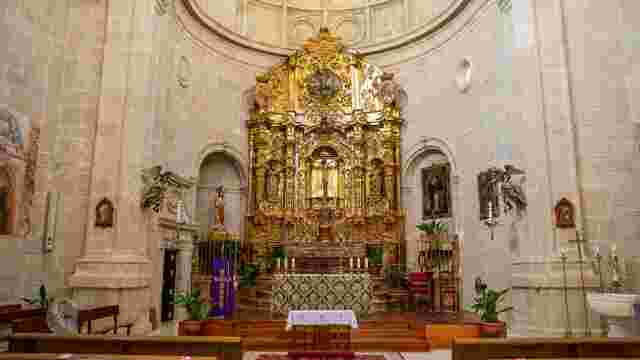
St James the Apostle Parish
Situated at the top of the village, it is notable for its 17th-century frescoes and Renaissance architecture. It offers limited tours and access via Isnaxar.
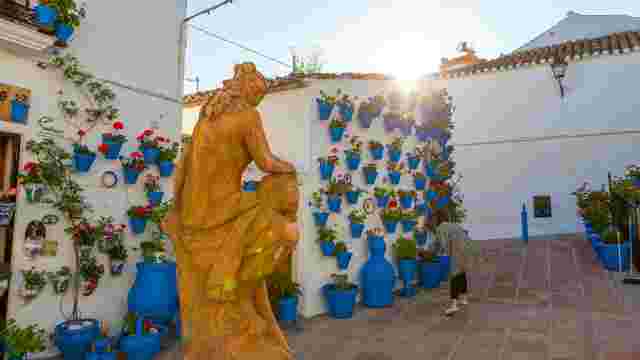
Las Comedias Courtyard and San Rafael Tower
It is notable for its viewpoint and historic tower, as well as a cave house once used by an old brotherhood. It has won awards for its charm.
San Rafael Tower
A tower featuring a statue of Saint Raphael and a cave house, which serves as the headquarters of a historic Holy Week brotherhood.
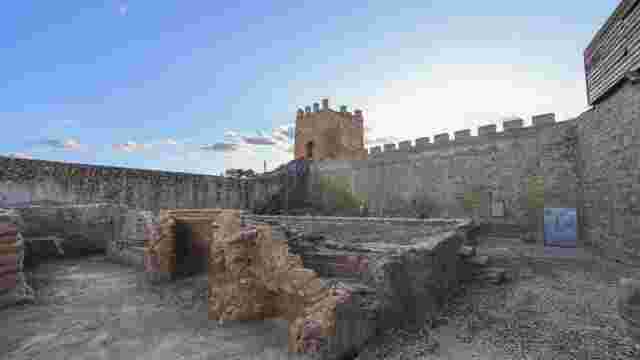
Iznájar Castle (Hisn-Ashar)
A historic fortress surrounded by nature, offering guided tours and unique experiences. Ideal for exploring its rich history and enjoying panoramic views.
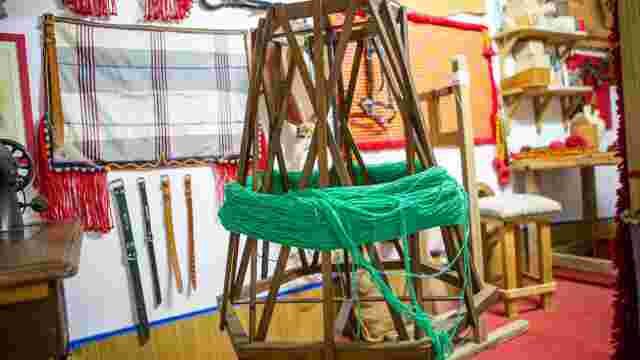
Museum of Arts and Crafts
Housed in a castle, this venue features rooms dedicated to traditional crafts such as saddlery and blacksmithing. Free entry; open every day.
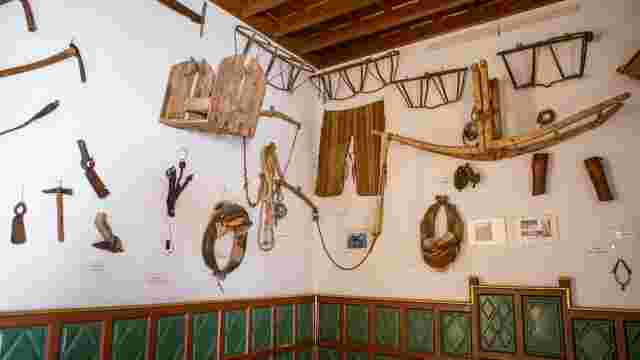
Museum of Farming Implements
A museum displaying agricultural tools and showcasing traditional crafts, offering an insight into the local cultural and ethnographic heritage. Free admission.
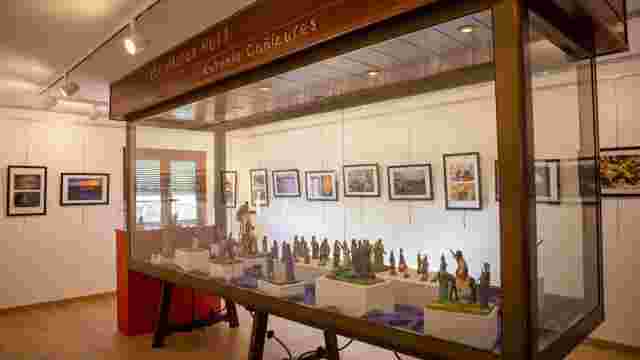
Antonio Cañizares ‘el Perlo’ Exhibition Hall
An exhibition hall featuring naïve sculptures and a variety of art displays, located within the castle’s walled grounds. Free admission.
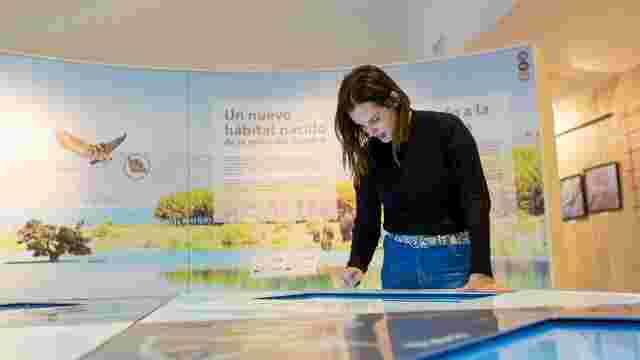
Iznájar Reservoir Visitor Centre
A centre set in natural surroundings, featuring scale models, signposted trails, an aromatic garden and educational activities about the reservoir and its ec...
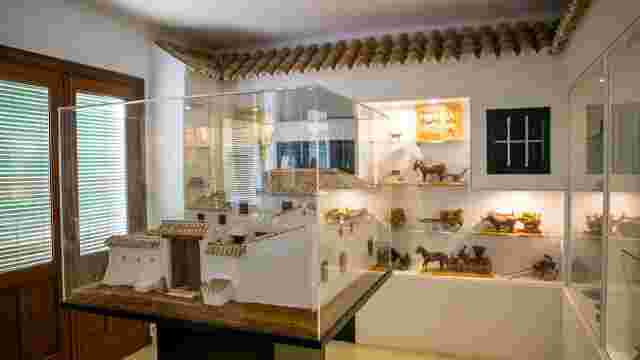
The ‘Juan Pérez’ Museum of Ironwork and Wooden Miniatures
An exhibition of miniature ironwork and woodwork, recreating antique pieces in great detail. Free admission.
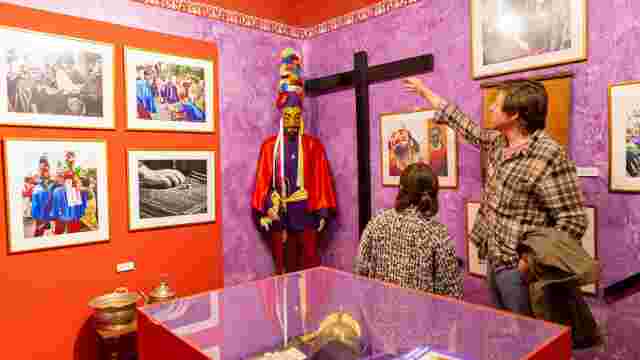
Judea Museum
The exhibition hall features colourful medieval costumes and a hierarchical procession of historical figures, which are a highlight of the Holy Week processi...
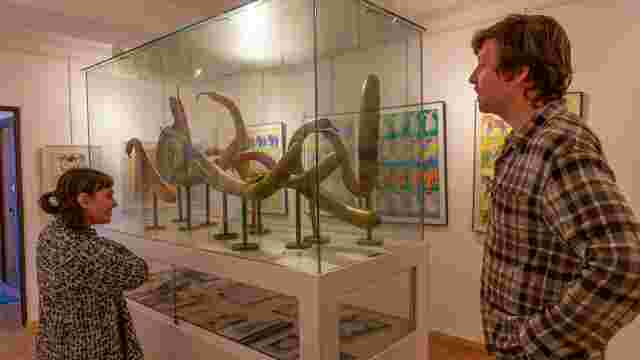
Antonio Quintana Museum Gallery
Located in Plaza Muhamad ben Cabeha, this venue offers a rich collection of works by a prominent local artist, with free admission for visitors.
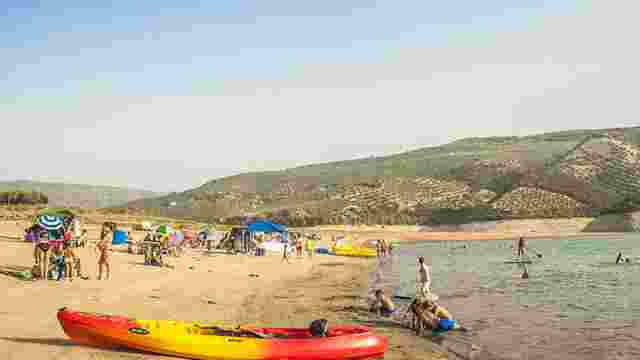
Valdearenas (Iznájar)
An ideal natural setting for fishing, birdwatching, water sports and hiking, with a freshwater beach and a rich variety of wildlife.
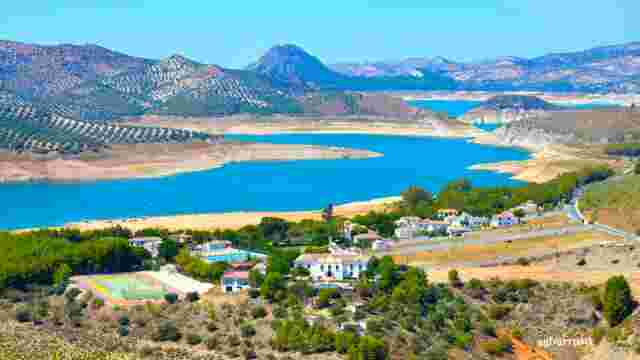
The Iznájar Reservoir
Located in the heart of Andalusia, it offers stunning scenery, river beaches and water sports such as stand-up paddleboarding and sailing, as well as local p...
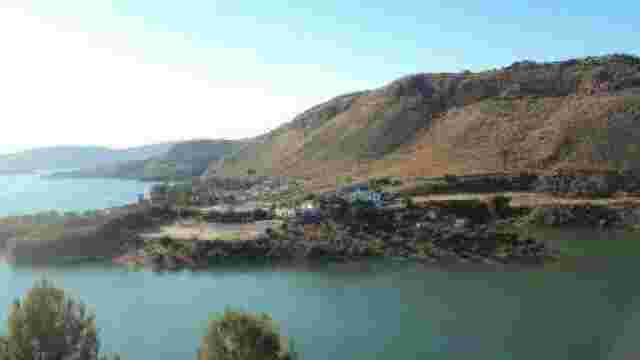
Nature in Iznájar
An Andalusian reservoir with over 100 km of shoreline, ideal for water sports and rural tourism, supplies water to 200,000 people.
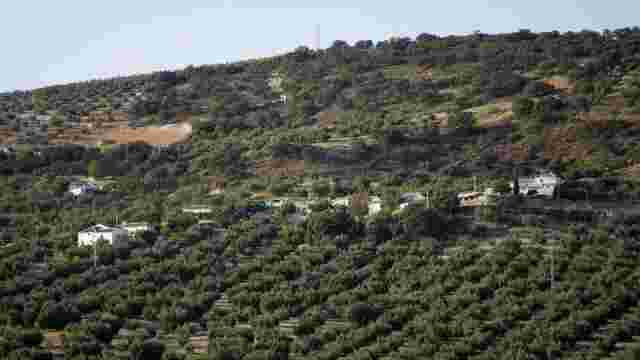
The Adelantado
A splendid landscape of olive groves and hills, a historic fountain with tempered water, and a tradition of pig slaughtering in December.
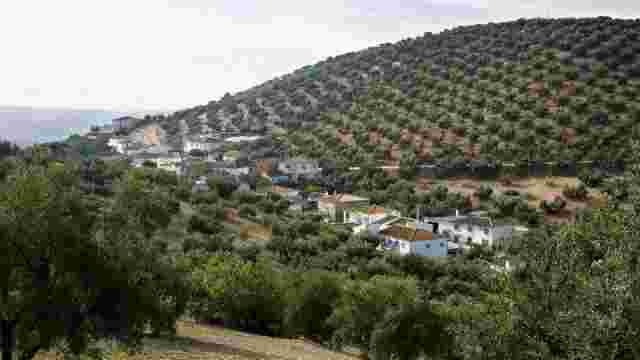
Corona, Algaida and Gata
Located south-east of Iznájar, it boasts a rich Mediterranean ecosystem with diverse flora, the Church of the Good Shepherd and the picturesque Fuente de la ...
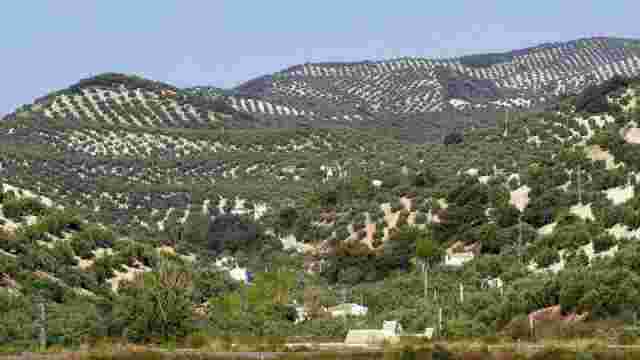
Solerche
A viewpoint overlooking the reservoir, a rich ecosystem alongside the stream, Iberian archaeological remains and the tradition of pig slaughtering are partic...

Hornets and Torches
Set in a natural setting, it offers walking and cycling routes, viewing points overlooking the reservoir and a diverse range of birdlife, as well as Mediterr...
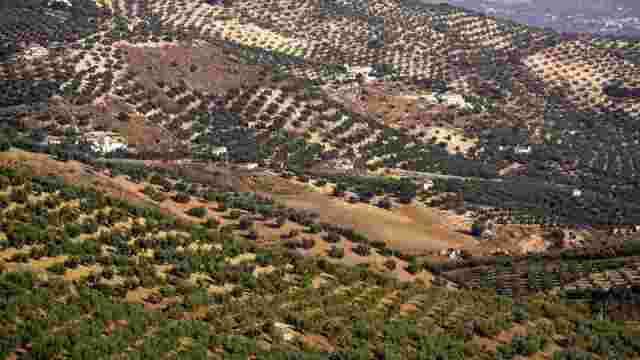
Arroyo del Cerezo
A village boasting a rich ecosystem with diverse flora, scenic walking trails and archaeological remains from the Iberian, Roman and Arab periods, making it ...
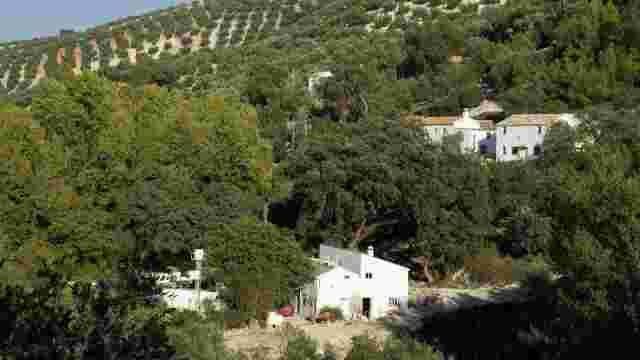
Priego Stream, Córdoba
A picturesque location with Mediterranean scenery, ideal for fishing and birdwatching. Highlights include traditional farmhouses and the pig-slaughtering fes...
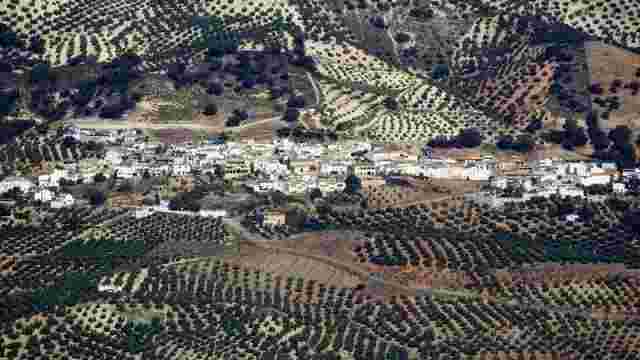
El Higueral
Set amidst a natural landscape of hills and olive groves, it boasts a rich ecosystem and historic architecture, such as the Church of El Carmen and the Publi...
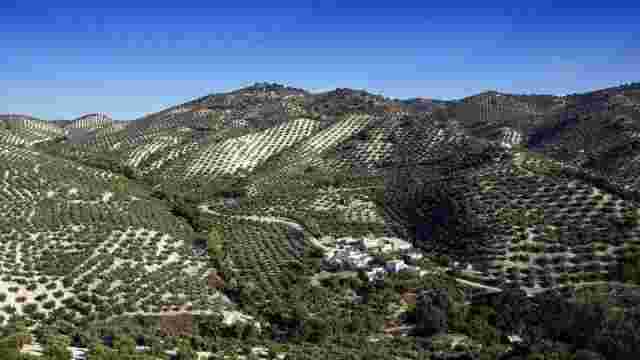
Jaramillo and Lorite
Rugged terrain with lush vegetation, public fountains and historic washing places, ideal for exploring the region’s natural beauty and traditional culture.
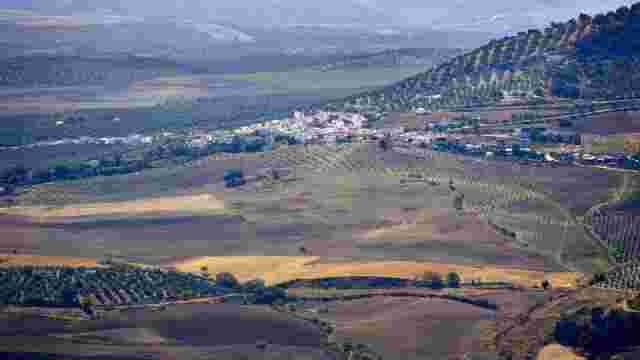
Ventorros de Balerma
The Chapel of San Isidro, historic fountains and a panoramic viewpoint offer unique views between Córdoba and Granada. A pilgrimage and traditional fair take...
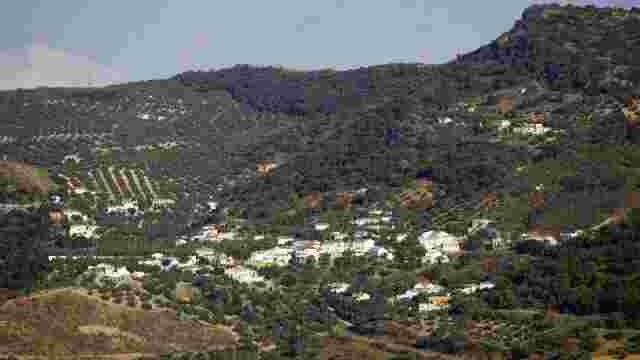
Fuente del Conde
A viewpoint with a chapel, Neolithic caves, archaeological remains and remarkable holm oaks; the Santa Cruz festival with a pilgrimage in May.
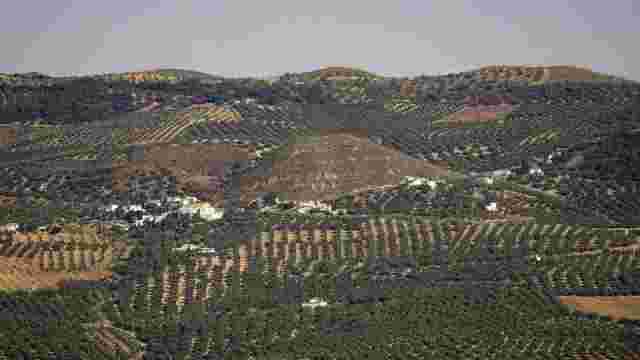
Las Chozas
This village in the mountains offers stunning views of Iznájar. It has preserved traditional architecture, such as the public washhouse, and holds festivals ...
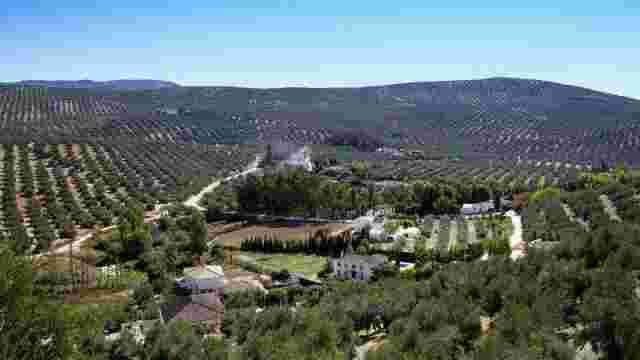
La Hoz
Situated at the foot of the Sierras Subbéticas, it boasts a rich river ecosystem, landscapes of orchards and olive groves, and a strategically important Iber...
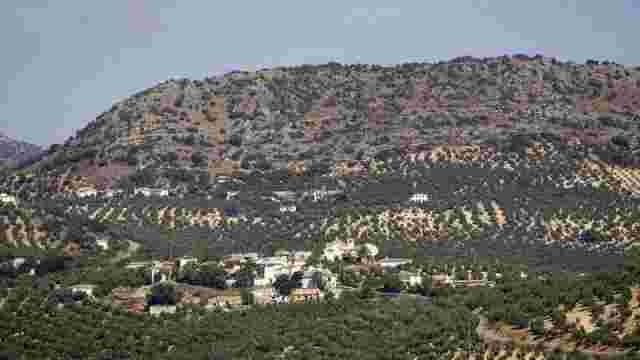
The Helmet
Nestled amongst the mountains, it offers breathtaking views from the Sierra de las Ventanas, featuring fossils and Mediterranean wildlife. Its church and his...
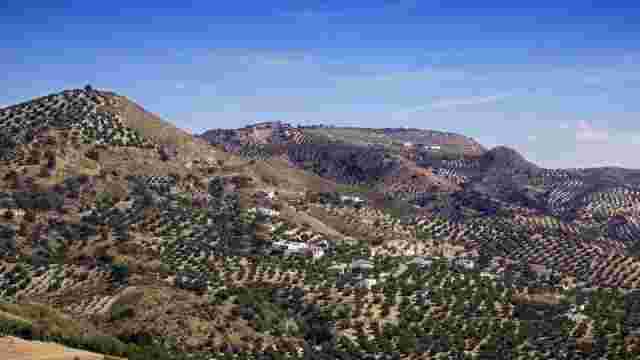
Cierzos and Cabreras
A location offering panoramic views, winding paths and Iberian archaeological remains. Highlights include historic fountains and stunning natural surroundings.
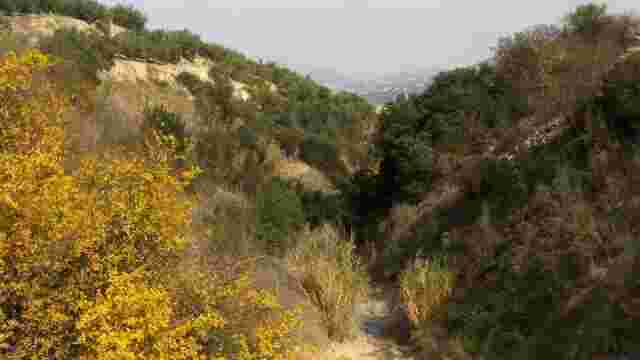
The Councils
Situated between the mountains and a reservoir, it offers scenery that is ideal for hiking and cycling, with viewing points for birdwatching and a historic I...
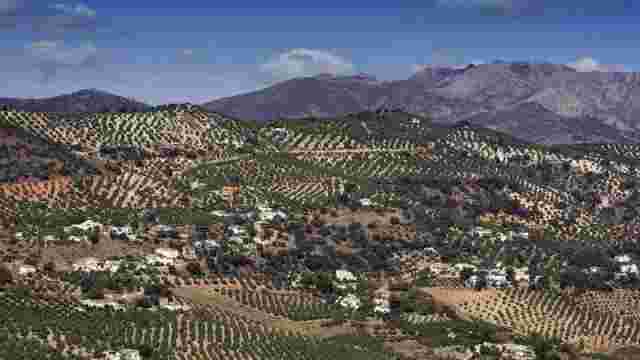
Los Juncares
A picturesque village featuring archaeological remains, Moorish architecture, traditional fountains and lush Mediterranean vegetation. Notable festivals incl...
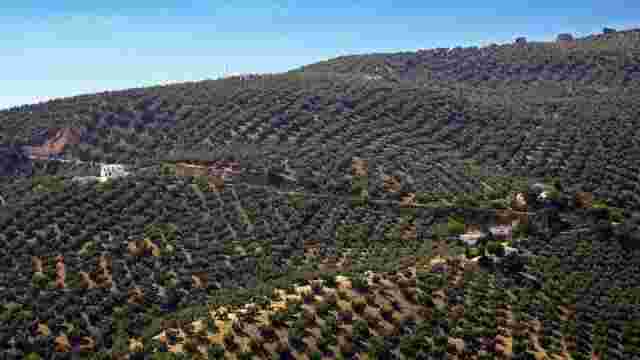
Montes Claros
High vantage points offer panoramic views and opportunities for birdwatching. Highlights include Mediterranean species and the traditional pig slaughter in D...
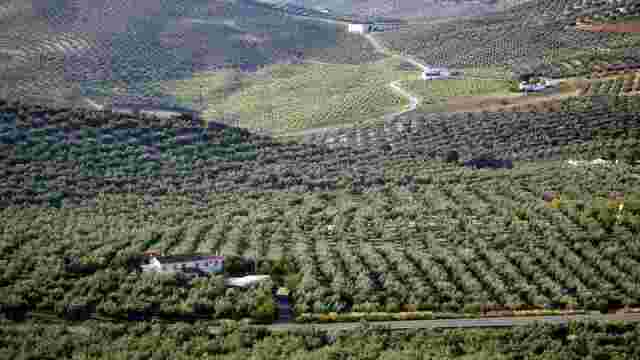
Valenzuela and Llanadas
A Mediterranean setting with lush vegetation and a historic fountain featuring archaeological remains, ideal for exploring the local history and culture.
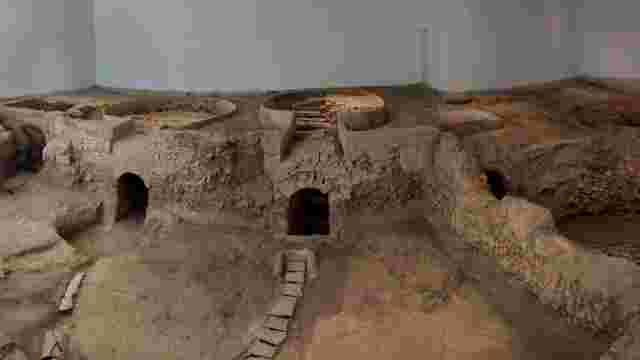
Roman pottery workshop
Roman archaeological site featuring kilns and exhibition spaces, accessible to visitors with visual impairments. Guided tours available by prior booking.
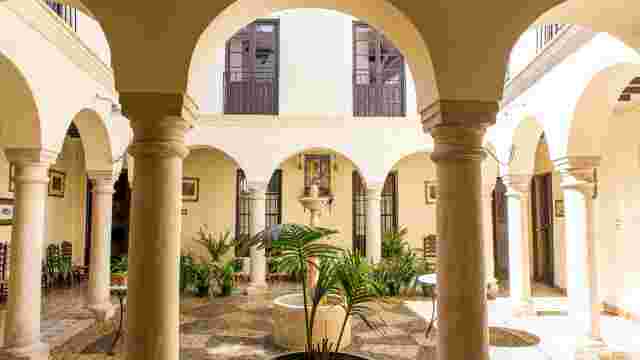
González Palma Manor House
An 18th-century building featuring a central courtyard, a keep, an arched loggia and Baroque coats of arms. Ideal for admiring the historic architecture and ...
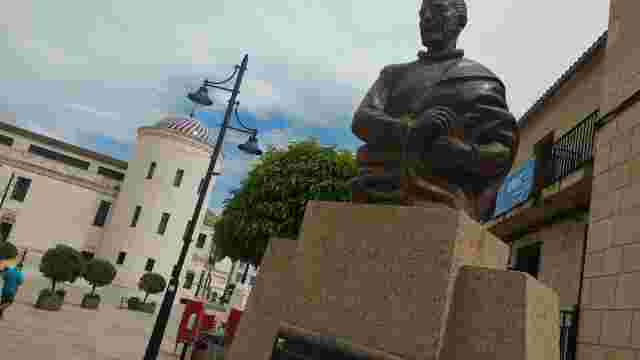
Sculpture by Luis Barahona de Soto
A Renaissance bust in Lucena, by Amadeo Ruiz Olmos, perfect for lovers of 16th-century literature and art.
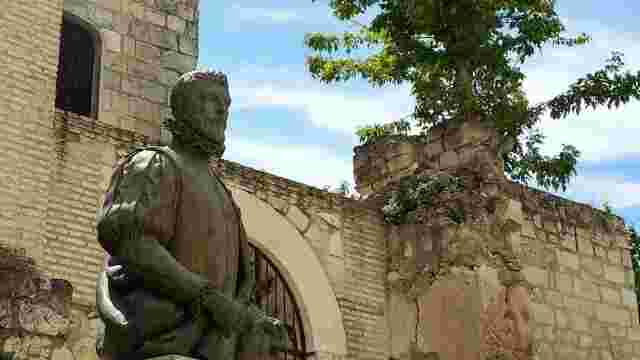
Sculpture by Luis Fernández de Córdoba
A historical sculpture at the entrance to Castillo del Moral, commemorating an event from the 16th century, perfect for lovers of history and art.
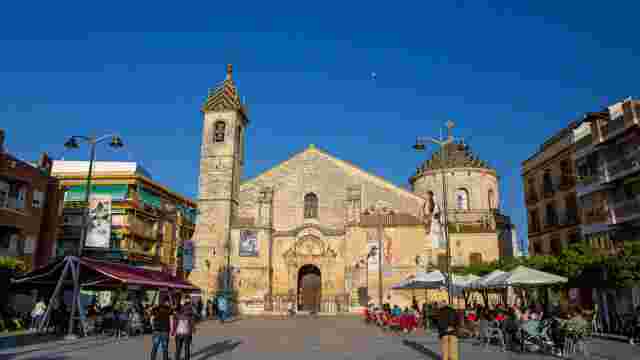
St Matthew's Parish
A Gothic-Mudejar and Renaissance church featuring a Mannerist altarpiece and a Baroque chapel, a jewel of Cordoba’s Baroque architecture, ideal for lovers of...
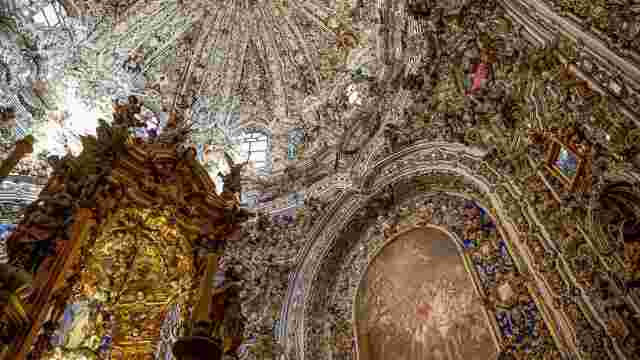
Chapel of the Tabernacle of Saint Matthew
It is notable for its jasper façade and its Baroque decoration featuring Eucharistic symbols and sculptures, making it a jewel of Andalusian Baroque architec...
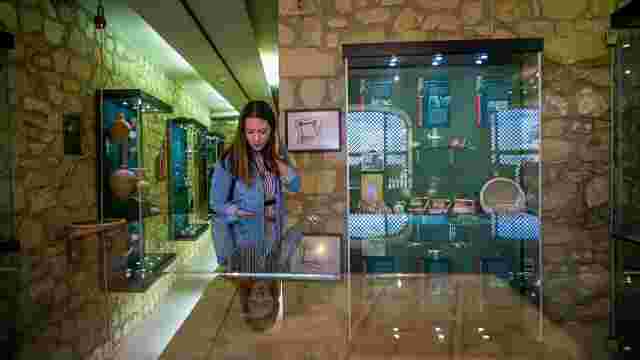
Castillo del Moral – Archaeological and Ethnological Museum
A medieval fortress with historic towers and a museum that explores the cultural and physical development of Lucena, highlighting its Jewish heritage and the...
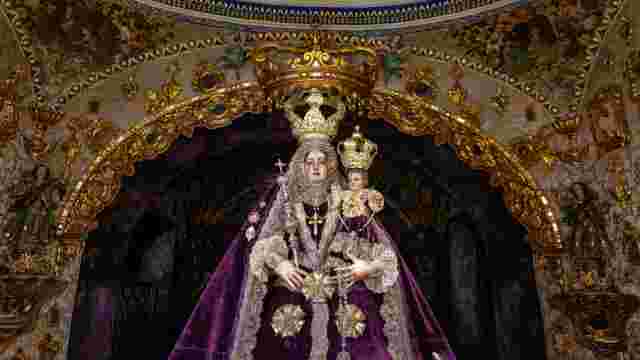
Royal Shrine of Our Lady of Araceli
Situated in the Sierra de Aras, it offers stunning views, Baroque architecture, sporting activities and traditional mountain cuisine, making it ideal for tou...
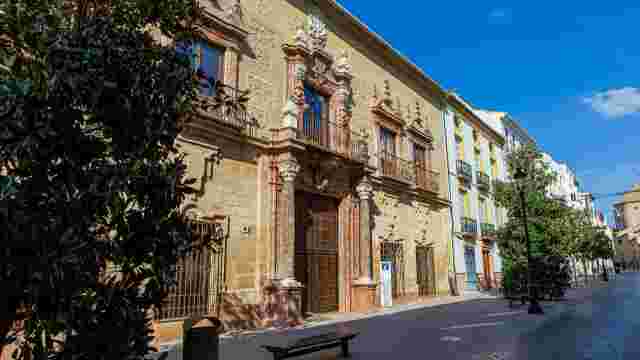
Palace of the Counts of Santa Ana – City Interpretation Centre
It is notable for its 18th-century architecture, featuring two courtyards and a vaulted staircase. It houses an interpretation centre and a Roman sculpture o...
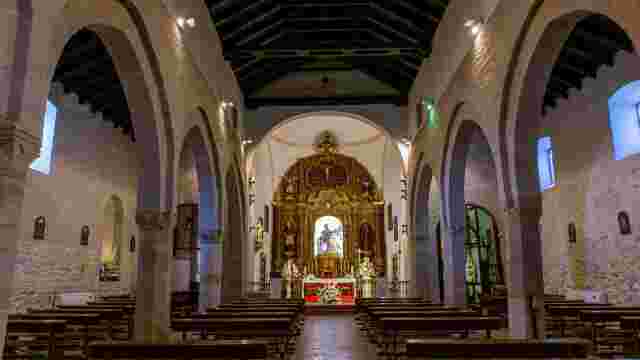
Parish of Santiago
A Gothic-Mudejar church featuring coffered ceilings and sculptures by Pedro Roldán, the perfect place to admire historic architecture and religious art.
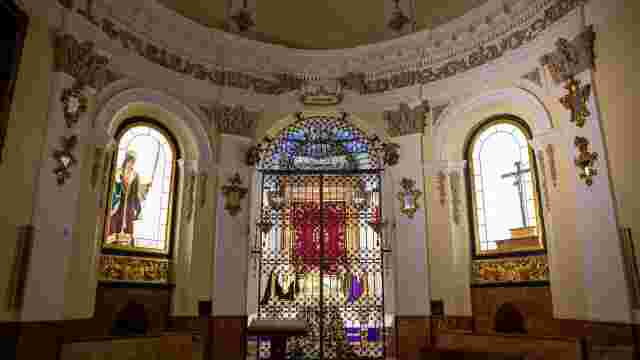
Church of Saint Peter the Martyr of Verona and Chapel of Our Father Jesus of Nazareth
This restored church, featuring Mannerist and Baroque architecture, is notable for its central nave with wooden vaults, transept and historic sculptures.
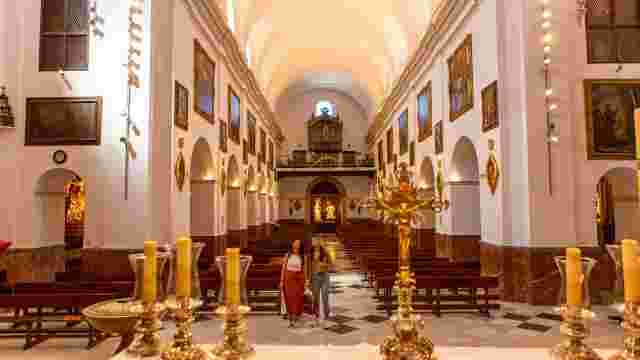
Parish of Saint Dominic of Guzmán
A church featuring stucco work in the transept and a Baroque altarpiece. It houses works of art such as the ‘Cristo de la Sangre’ and sculptures of Saint Jos...
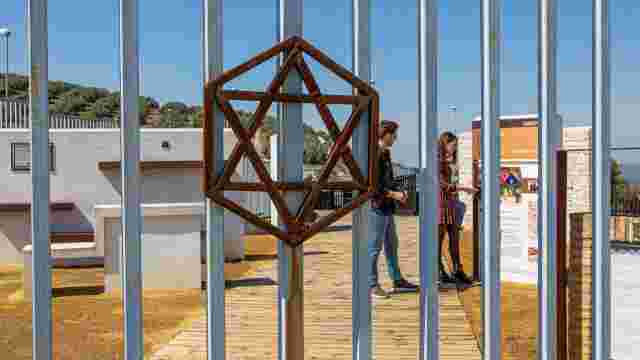
Jewish cemetery
A medieval Al-Andalus cemetery with 346 graves, educational displays, accessible to people with reduced mobility, and the only one of its kind in Spain.
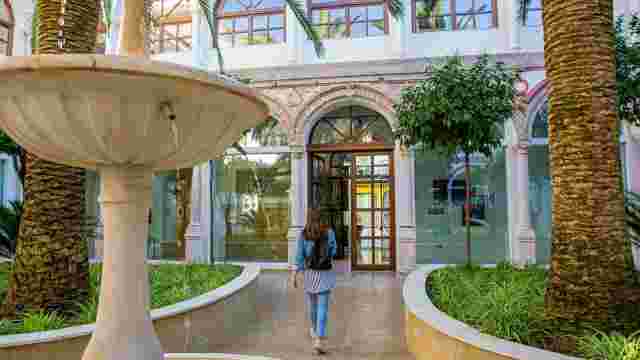
Mora House
A historic building featuring a Mannerist courtyard, a central fountain and gardens. It offers versatile spaces for exhibitions and events, showcasing local ...
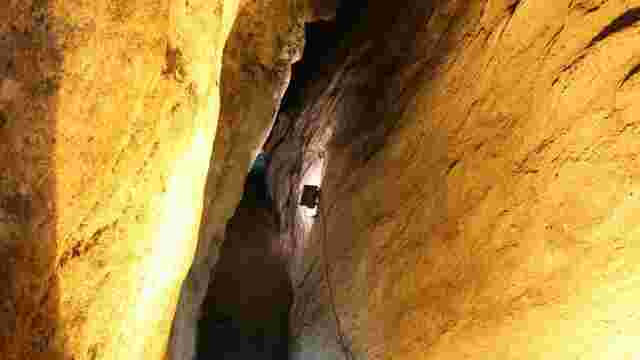
The Abyss and Archaeological Site of Cueva del Ángel
A unique Palaeolithic settlement in Spain, featuring hominid remains and geological deposits of great scientific interest.
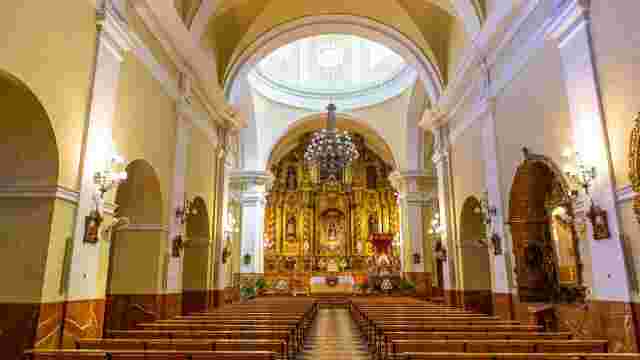
Church of Our Lady and the Convent of the Franciscan Friars
A church featuring a luminous semi-spherical dome, a Baroque altarpiece, sculptures by Pedro de Mena, and a convent with a cloistered courtyard and a monumen...
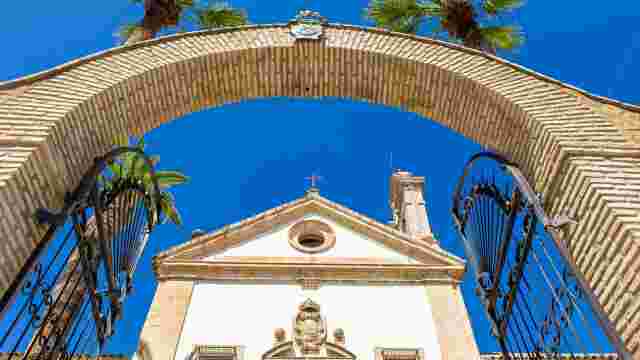
St Carmen's Parish
A 17th-century church with a dome decorated with frescoes and an altarpiece in the style of El Escorial, housing paintings influenced by Zurbarán, situated o...
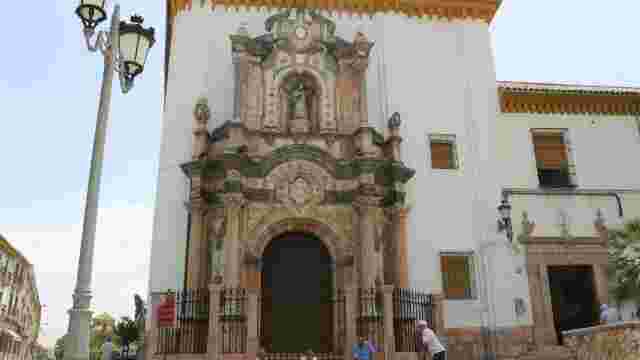
Church of St John the Baptist and the former Hospital of St John of God
An 18th-century church and hospital in Lucena, notable for its polychrome marble façade and ornate dome. The hospital is now a care home.
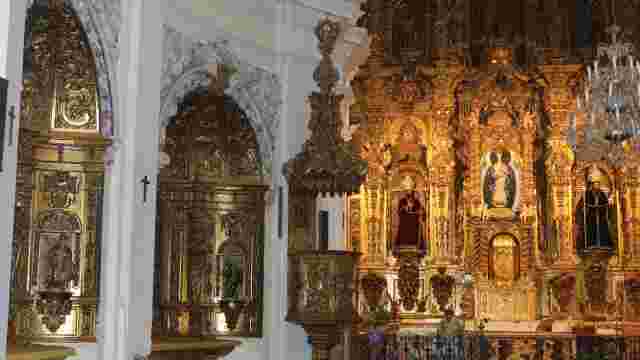
Convent Church of San Martín (San Agustín)
It is notable for its impressive elliptical interior and tall dome. The main altarpiece and five smaller ones are 18th-century masterpieces.
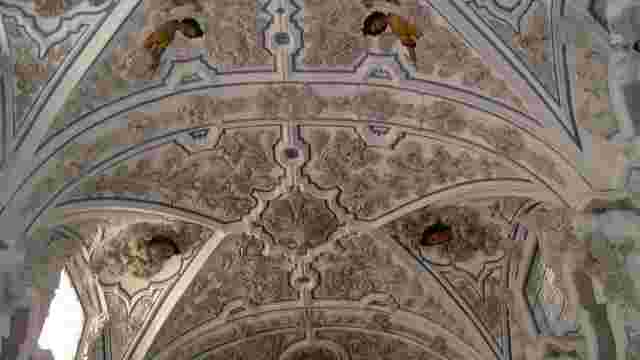
Aurora Chapel
A beautiful chapel in southern Córdoba with a decorated dome, a high altarpiece by Guerrero and a circular niche, ideal for admiring Baroque art and local tr...
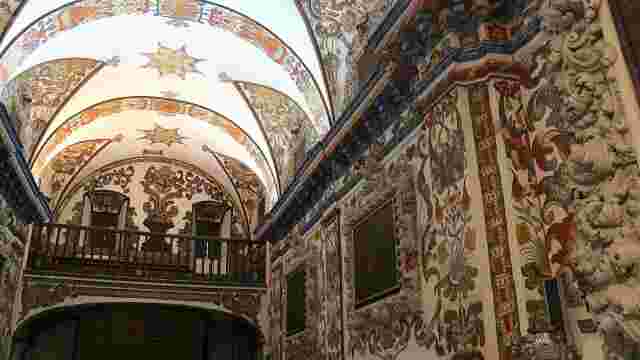
Chapel of God the Father
An 18th-century chapel featuring a decorated dome, a high altarpiece influenced by Leonardo Antonio de Castro, and notable sculptures such as the Sacred Lava...
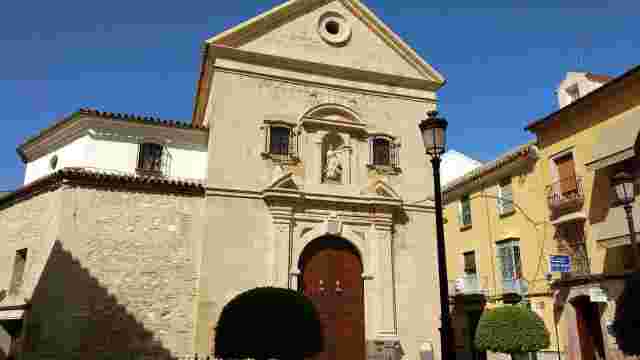
Church of the Immaculate Conception
A Baroque church dating from 1718, featuring a decorated dome, a Herrerian façade and a Neoclassical altarpiece. Notable works of art include the colonial st...
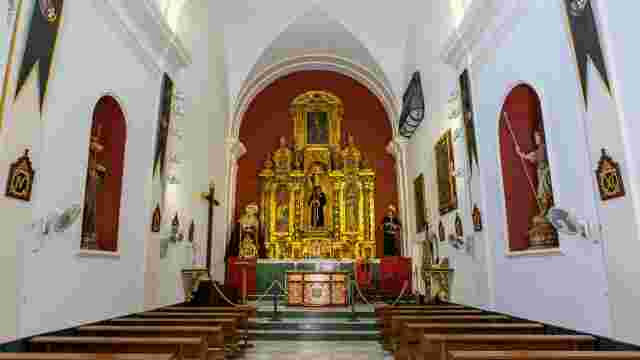
Church of St Philip Neri
A neoclassical church with a simple façade; its 18th-century high altarpiece, a combination of painting and sculpture influenced by Castro and Izquierdo, is ...
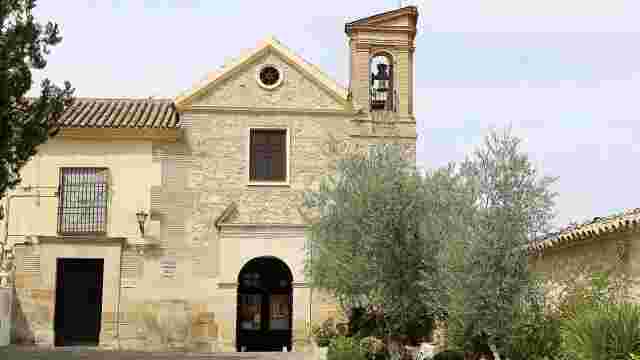
Parish of the Holy Family (El Valle)
A church featuring a high altarpiece by Juan Abundio de Burgos, carved from Flemish pine. Of particular note are the side chapels and the niche housing the V...
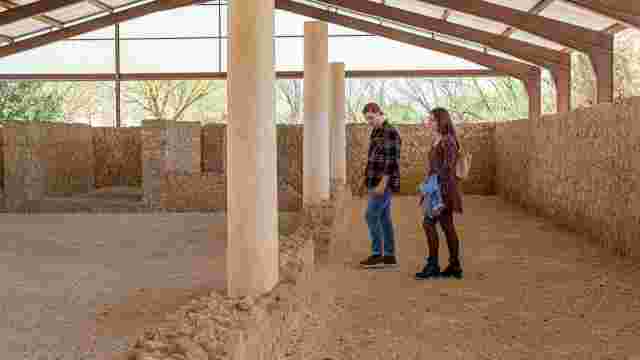
Early Christian Basilica of Coracho
The Interpretation Centre features a central nave with columns, semicircular apses and a baptistery, highlighting the origins of Christianity in Hispania.
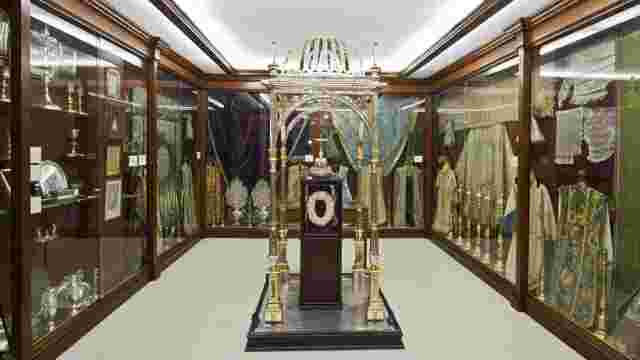
The House Museum of Our Lady of Araceli
A museum with a rich collection of books, prints and illustrations, featuring items of worship and vestments associated with the Virgin Mary. Visits by appoi...
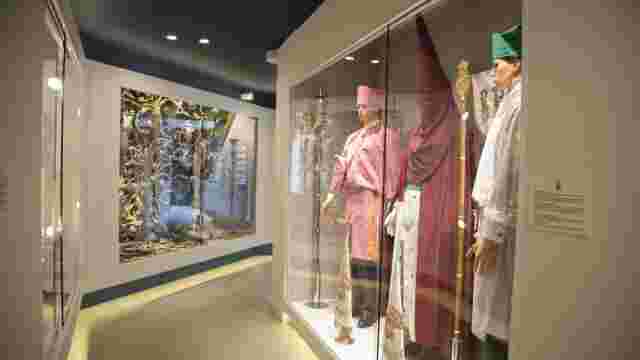
Brotherhood House & Museum of Christ of Love and Mary of Peace
A cultural centre featuring religious art and artefacts, including an auditorium equipped with audiovisual facilities and an exhibition of processional floats.
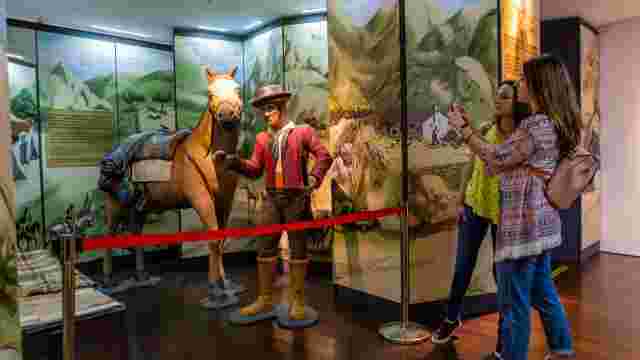
Theme Centre on Romantic Banditry (Jauja)
Innovative exhibitions featuring holograms and 3D projections on romantic banditry, housed in a building with a cutting-edge design.
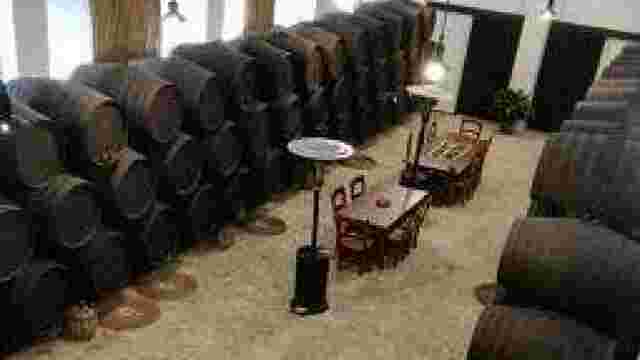
El Alfoli Museum and Winery
Steeped in history and tradition, it offers tastings, workshops and events in a welcoming setting, surrounded by olive oil mills and 18th-century architecture.
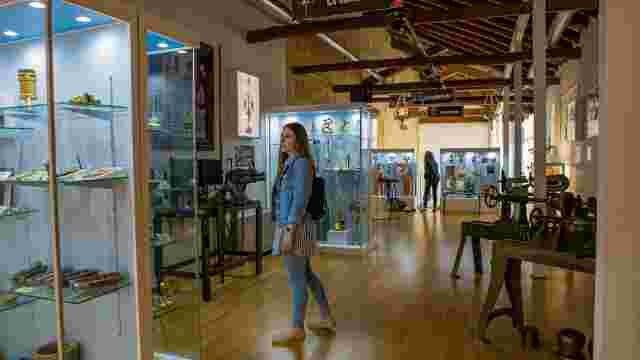
Permanent exhibition of Lucena candle-making crafts – Casa de los Mora
Discover the traditional craft of candle-making and other metalworking industries on a detailed tour, a cultural symbol of the city.
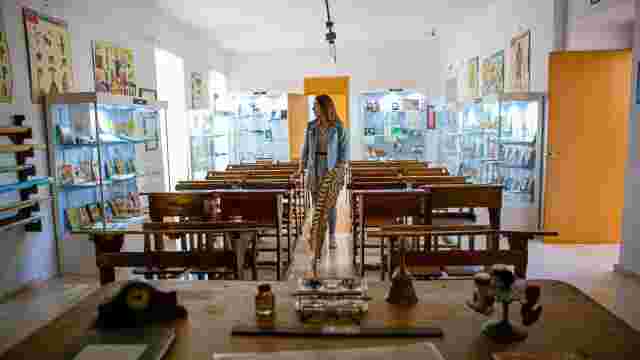
Permanent exhibition ‘Our School’ – Casa de los Mora
An educational space featuring rooms displaying 20th-century materials, including a recreation of a traditional classroom and historical audiovisual equipment.
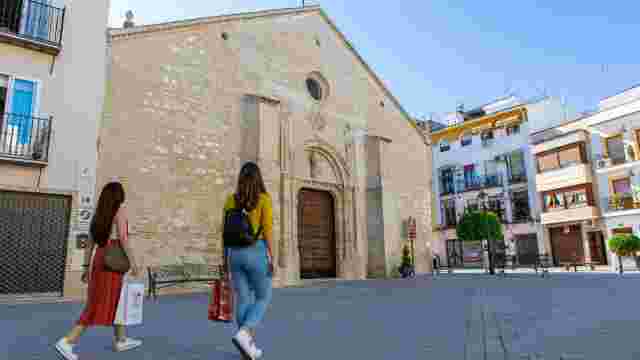
Santiago neighbourhood
A historic neighbourhood featuring a Gothic-Renaissance church, traditional pottery crafts and the veneration of the Cristo de la Columna by Pedro Roldán.
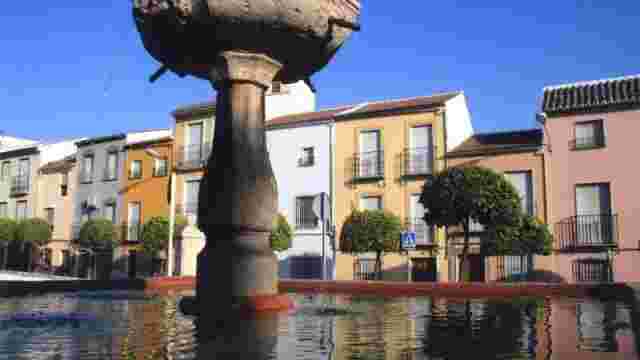
La Barrera neighbourhood
A traditional neighbourhood featuring a fountain dating from 1773 and the remains of a 17th-century chapel, ideal for exploring the local history and archite...
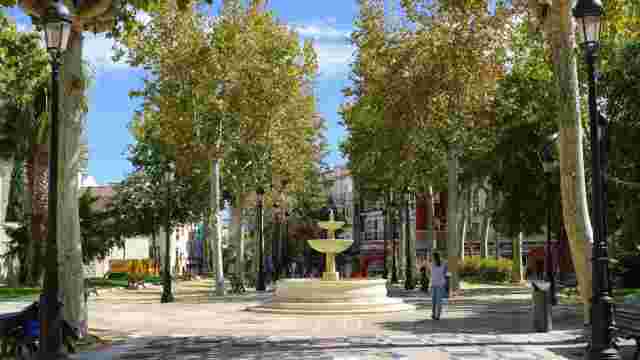
Paseo del Coso, ‘Plaza de España’
The historic centre, with its rich and varied history, is notable for its 18th-century bronze sculpture, originally from the Ducal Palace of Medinaceli.
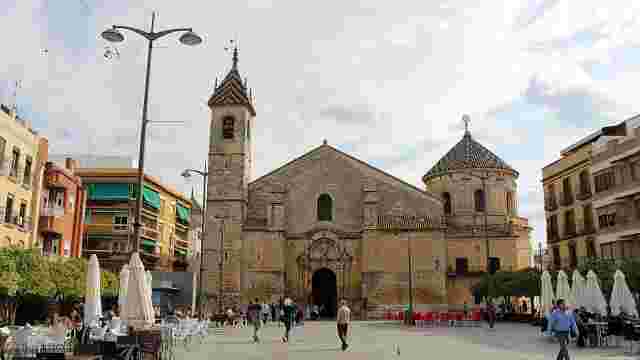
Plaza Nueva
Located in Lucena, this historic square is a meeting place with centuries of history and a long list of former names, making it the perfect spot to soak up t...
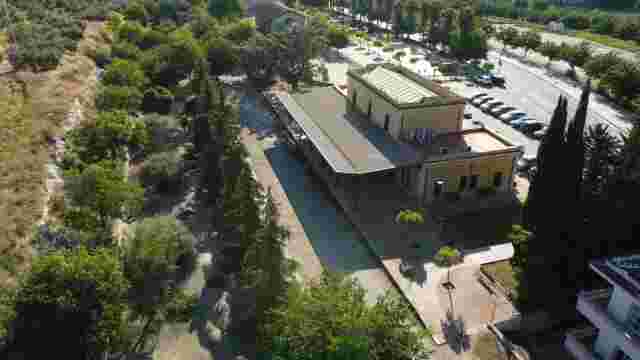
The Station - Nature Classroom
A nature reserve offering eco-friendly activities, an urban park with an auditorium, play areas, a skate park, climbing areas and motorhome parking.
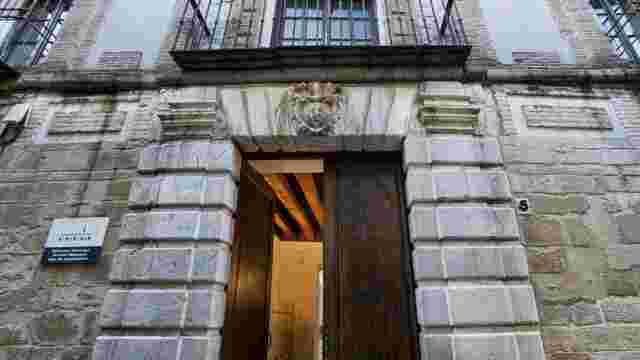
Palace of the Counts of Hust – Municipal Library
A former 17th-century manor house in the Mannerist style, with a brick façade and Baroque details. It houses a library, an archive and exhibition rooms.
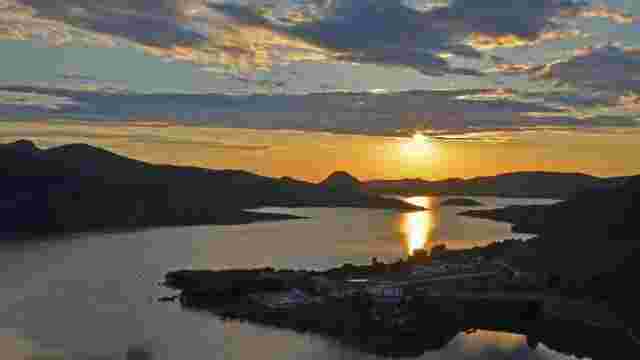
The area around Lake Andalucía
Located in the heart of Andalusia, this reservoir offers stunning scenery and activities such as kayaking, rafting, hiking and paragliding.

Lucena: the gateway to the Subbética Geopark
A unique karst landscape featuring sinkholes, caves and ammonite fossils. It offers geological history, biodiversity and Mediterranean culture. Ideal for nat...
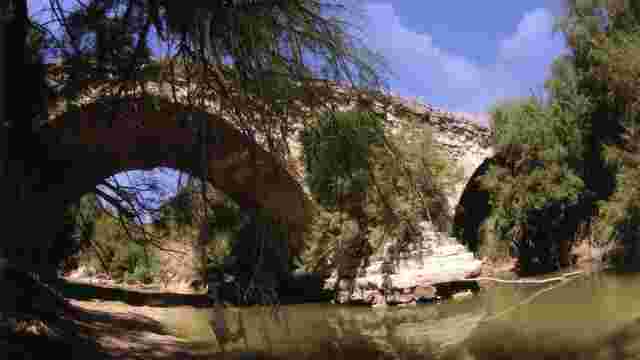
The River Anzur
A well-preserved riverside area featuring poplars, willows and elms, a rich variety of birdlife, spectacular tamarisk thickets and lush green landscapes stan...
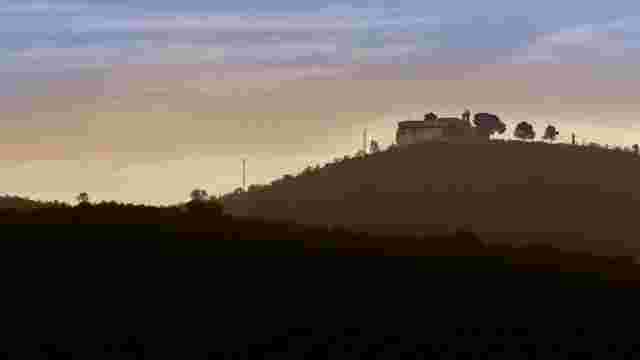
The Sierra de Aras, a Natural Monument
An ideal spot for paragliding and hang-gliding, with panoramic views. It is particularly noted for its fossil sites and trails for hiking and caving.
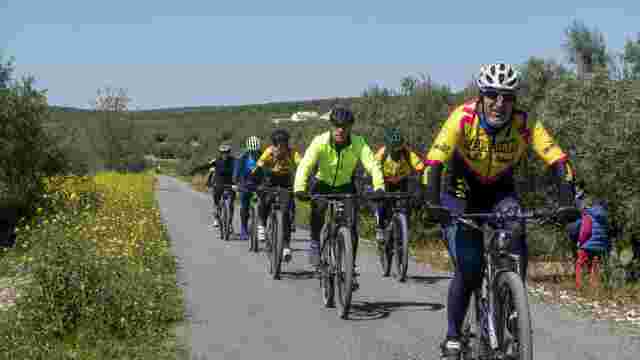
Olive Oil Greenway
Routes for cyclists and walkers, featuring the landscapes of the Subbética region, birdlife, castles, caves and tourist facilities in restored former railway...
The Wetlands of Lucena
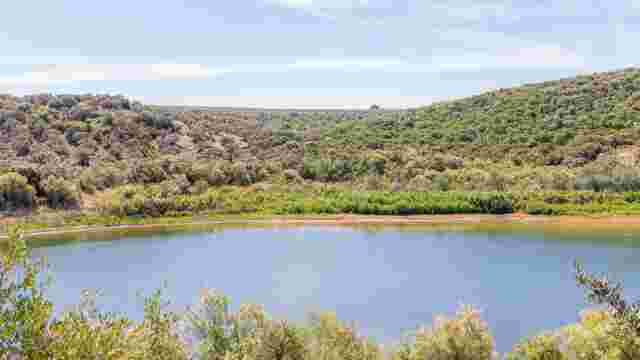
Nature reserves featuring a variety of lakes, providing a habitat for protected bird species, and ideal for birdwatching and enjoying nature in a rural setting.
Navas del Selpillar
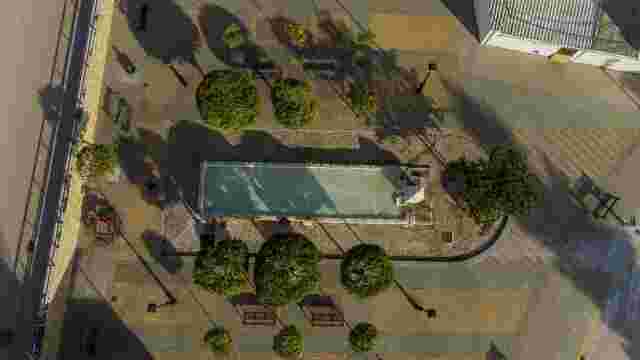
A hamlet surrounded by hills, it is notable for its Roman drinking trough and the Olive Oil Greenway. It holds festivals in honour of the Virgin of Health an...
Jauja, the Bandit
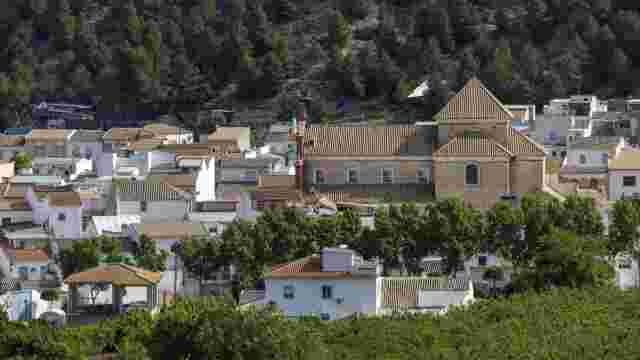
Highlights include the olive grove landscape, the River Genil, the Arab watermill, the Church of San José, the Banditry Museum, water sports and traditional ...
Four Corners Square
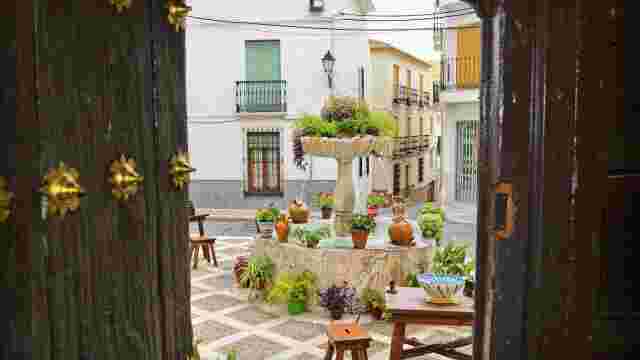
This award-winning spot is notable for its historic two-spout fountain and the Ermita de la Aurora chapel, attracting tourists with its unique charm.
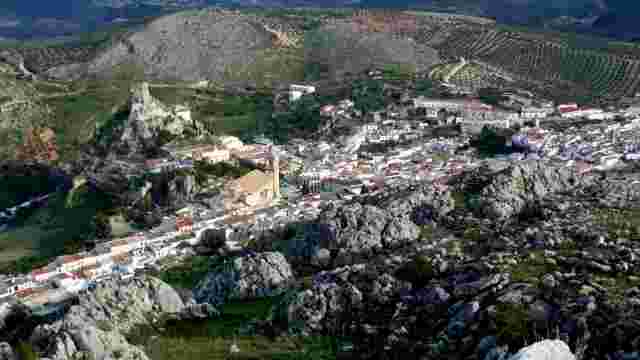
Viewpoint on the Paseo de las Fuentes
Stunning views of the Sierras Subbéticas Geopark, with access to schematic cave paintings on Cangilones Hill.
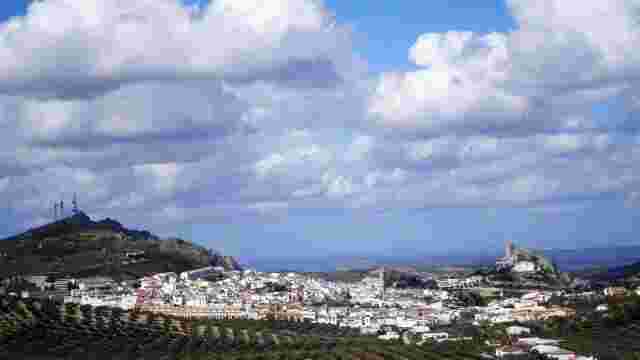
Viewpoint at the Cueva de la Encantada
This spot offers stunning views of the Sierra de Ahillos, the Alamillo bunkers, La Laguna del Salobral and the Vía Verde del Aceite.

The Cave Paintings of Castillarejos
Rock art featuring Levantine and schematic paintings from the Neolithic and Chalcolithic periods, found in two rock shelters that are ideal for exploring pre...

Luque Station
A small village home to the Olive Oil Interpretation Centre, a bunker trail and the Olive Oil Greenway, ideal for food tourism and hiking.
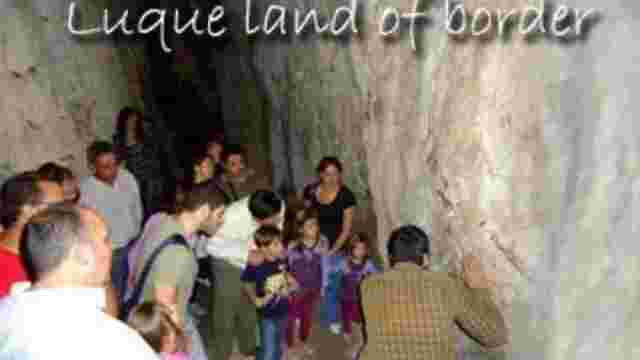
The Enchanted Cave
Located in the town centre, it features Neolithic and Chalcolithic paintings. Ideal for educational visits and workshops on prehistoric painting and cave art.
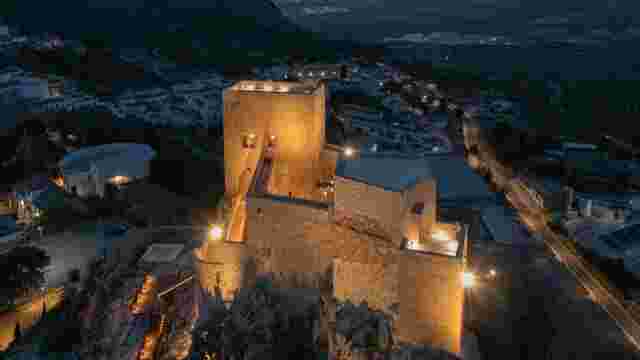
Luque Castle (Hisn Lukk)
A historic fortress with stunning views, offering access to a museum and a cave. Ideal for guided tours. A combined ticket is available at weekends.
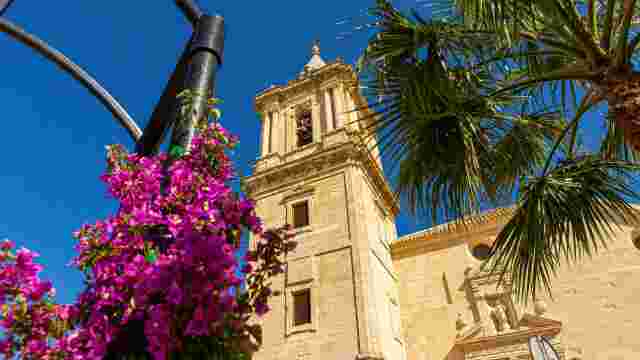
Parish of Our Lady of the Assumption
A Renaissance church with three spacious naves and large side chapels, ideal for guided tours. It is notable for its magnificent stonework and historic locat...
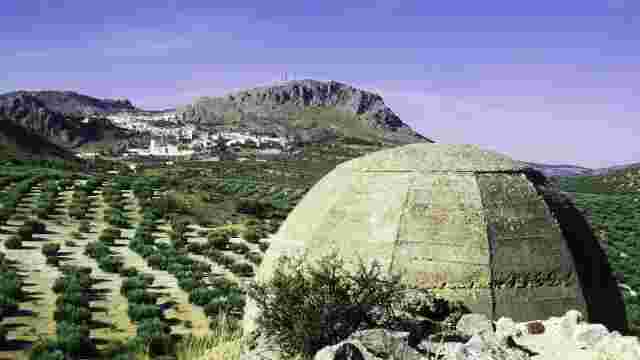
The Alamillo bunkers
Impressive Civil War bunkers, complete with casemates, trenches and underground tunnels, offer a unique educational and architectural experience.
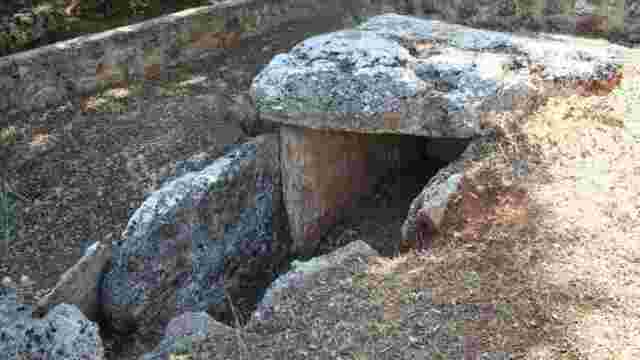
Dolmen of La Lastra
The only dolmen south of Córdoba, facing north, with a square chamber and a narrow passageway, ideal for lovers of archaeology and history.
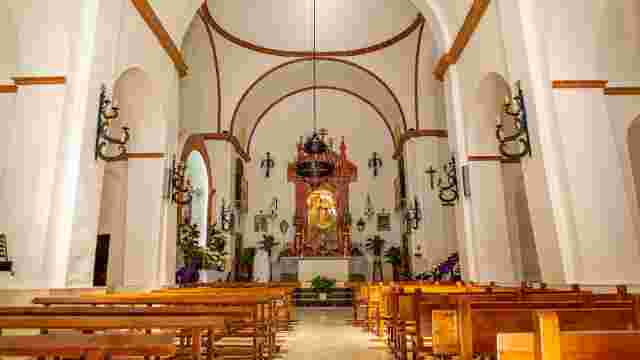
Chapel of Our Lady of the Rosary
Located near Plaza de España and Venceaire Castle, it is notable for its barrel-vaulted architecture and Tuscan columns.
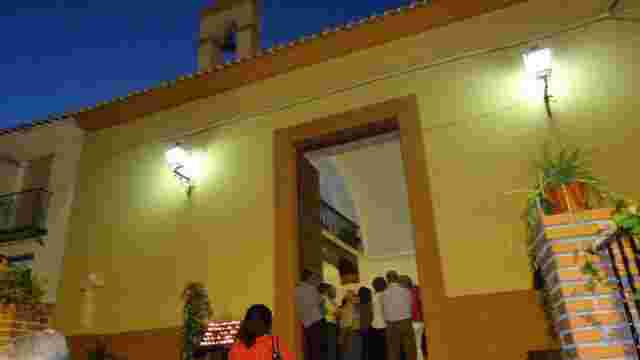
Chapel of St Bartholomew
A chapel with a bell gable, a single nave and a barrel vault. Of particular note is the 17th-century polychrome carving of the local patron saint, depicted w...
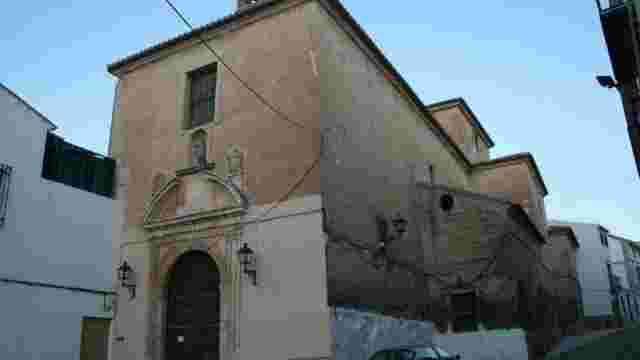
Convent Church of Our Lady of Grace
An 18th-century Baroque church with a Latin cross plan, notable for its dome supported by pendentives and its rich plasterwork decoration. The façade is simp...
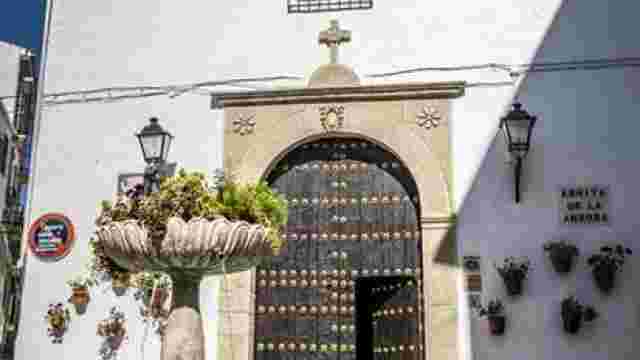
Aurora Chapel
Traditional architecture with a whitewashed façade and stone doorway, notable for its 18th-century Neoclassical architectural style.
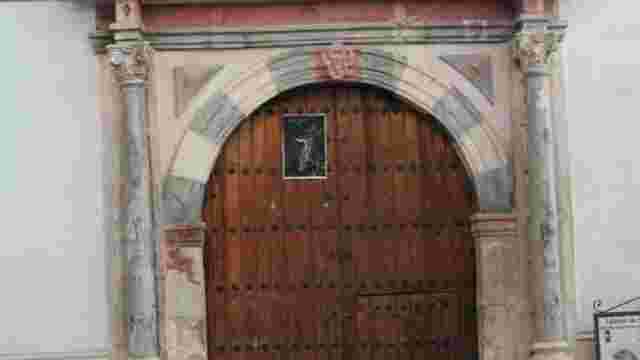
Jesús Nazareno Hospital
An 18th-century building featuring a courtyard and cloister, notable for its façade of multicoloured jasper and marble, making it the perfect place to admire...
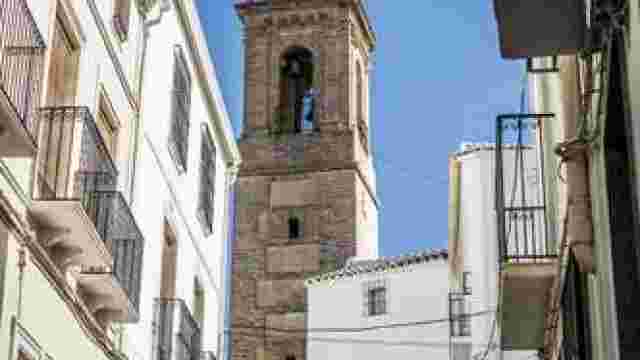
Civil clock tower
The Luque town tower, a rare example of 19th-century civil architecture in Andalusia, is notable for its bell clock, which has been stopped since the 19th ce...
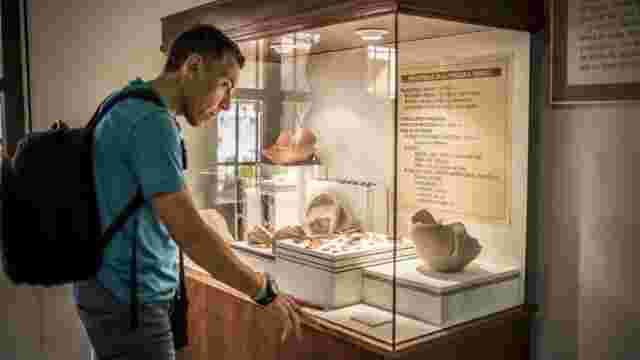
Luque Municipal Museum: Land of Frontiers
Located in a historic area, the museum features galleries dedicated to prehistory, ancient and medieval frontiers, and the Spanish Civil War.
Luque Olive Oil Interpretation Centre
Located next to the Vía Verde, it offers olive oil tastings, food tastings, film screenings and a shop selling local olive oils, immersing you in olive culture.
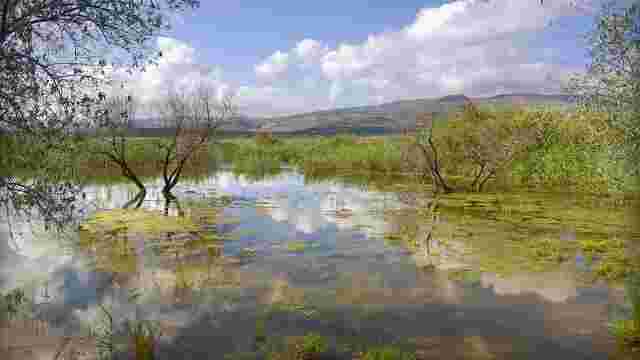
Laguna del Salobral
This wetland in Córdoba is ideal for spotting waterbirds and waders; it is surrounded by olive groves and vineyards and is home to a diverse range of wildlif...
Las Buitreras
A path winding through olive and almond groves, offering stunning views from the lookouts, and home to the largest colony of griffon vultures in the nature r...
Discover the Greenway
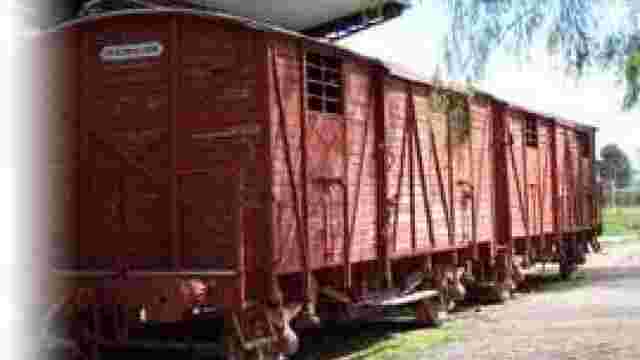
Cycling and walking routes in Andalusia offer views of the Sierras Subbéticas Natural Park, featuring viaducts, stations and rest areas.
Nature reserve
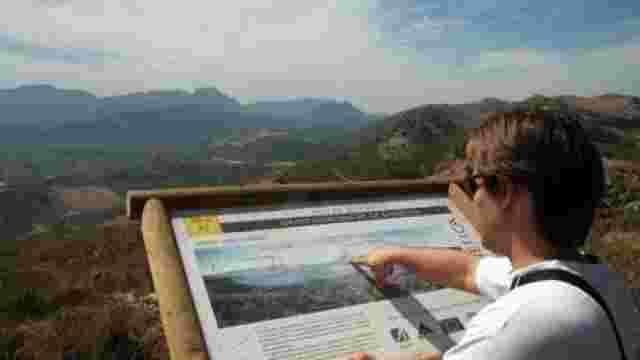
Situated in the Sierras Subbéticas, it offers karst landscapes, hiking trails, a wealth of endemic flora and fauna, and breathtaking views from El Picacho.
19th-century houses in Plaza del Carmen
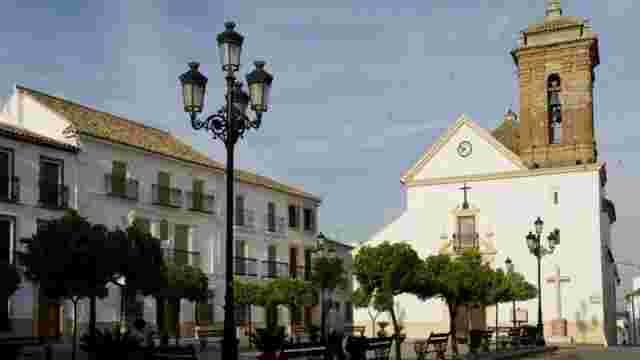
19th-century houses with balconies and massive pilasters line the central square, complementing the parish church’s façade for the benefit of tourists.
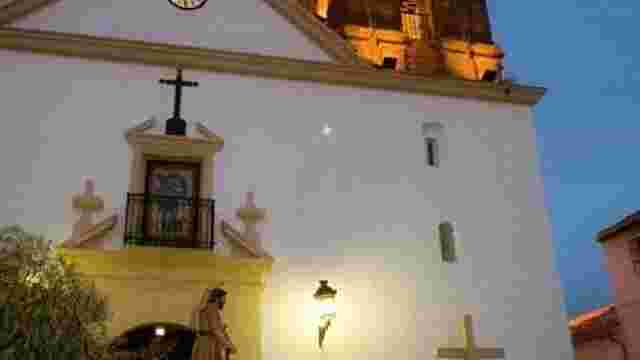
Parish of Saint Michael
An 18th-century Baroque church with a star-shaped dome and Rococo details, situated in a central square, making it the perfect spot to admire historic archit...
Chapel of St Luke
Particularly noteworthy are the arched porticos, inspired by the chapels of northern Córdoba, which offer a unique architectural attraction for tourists.

Natural Landscape Theme Centre (Palenciana)
It showcases the rich natural and cultural landscape of Tierras de José Mª El Tempranillo, with activities such as hiking and rafting, making it ideal for ac...
Vegetation of Palenciana
A rural landscape dotted with olive and almond groves, perfect for exploring country lanes and enjoying views of the River Genil.
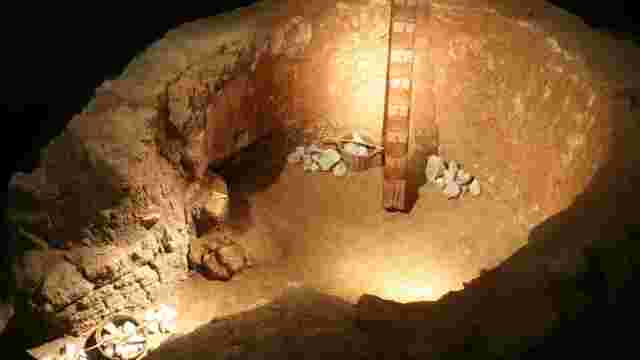
Lime kiln (1st–2nd centuries)
An archaeological exhibition featuring an ancient kiln and a necropolis, highlighting the reconstruction of the kiln and its firing process within a museum s...
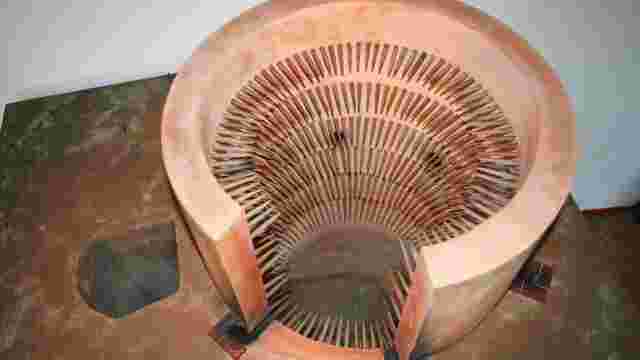
Ceramic kiln (12th–13th centuries)
An octagonal structure featuring a pergola and glass panels, housing a medieval Islamic kiln and museum exhibits. Ideal for exploring the history of pottery.
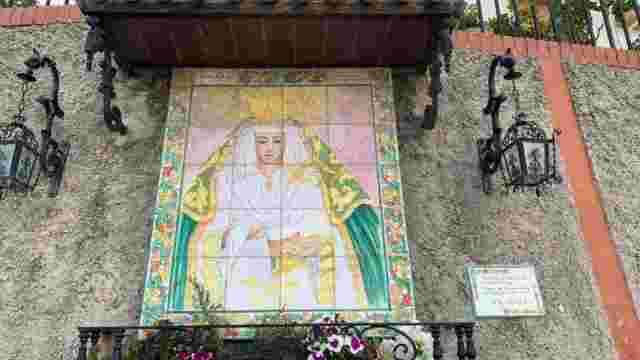
Santo Cristo Square
A historic square overlooking iconic fountains and steeped in religious history, ideal for tourists interested in local history and culture.
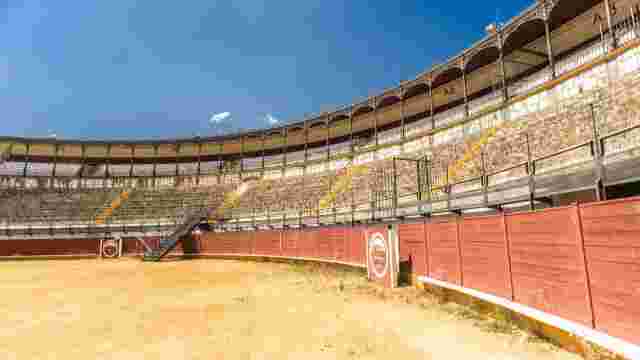
Priego de Córdoba Bullring
Built in 1892, this unique amphitheatre is carved out of rock; it has two tiers of seating and a capacity of 7,000 people, making it a major tourist attraction.
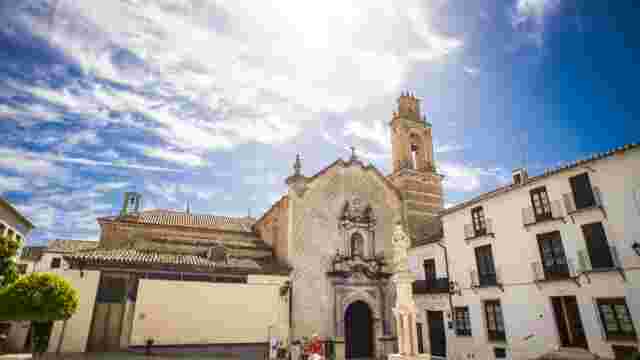
Church of St Francis
A Gothic-Mudejar church with 18th-century Baroque alterations, notable for its cross vaults, fluted domes and rich plasterwork decoration.
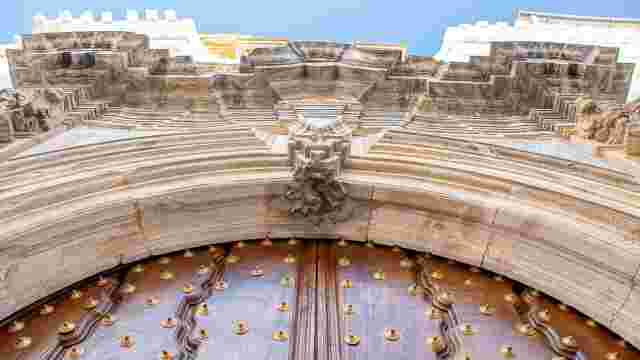
Church of Our Lady of Mount Carmel
A Baroque-Neoclassical transitional church with a single nave, a fluted dome and a mixture of decorative styles. Of particular note are the high altarpiece a...
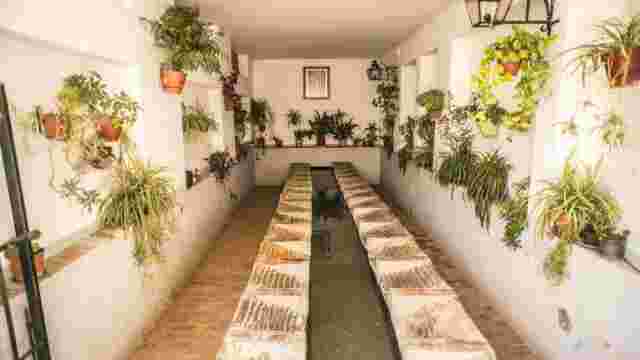
Public Washhouse on Calle Loja
The only surviving urban washhouse, supplied with water from a nearby spring, is notable for its historical significance and the local community’s efforts to...
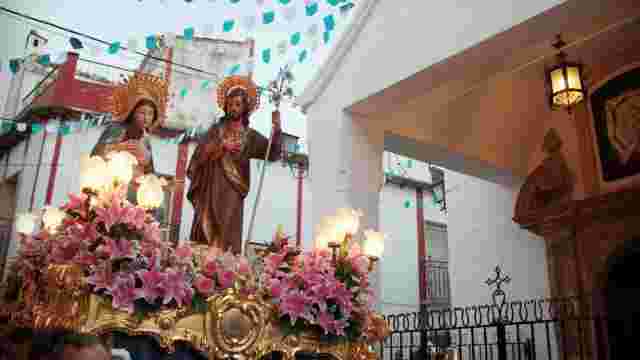
Chapel of Bethlehem
A façade featuring an arch and volutes, with a simple interior. It houses 17th- and 18th-century paintings and a statue of the Virgin Mary with Saint Joseph ...
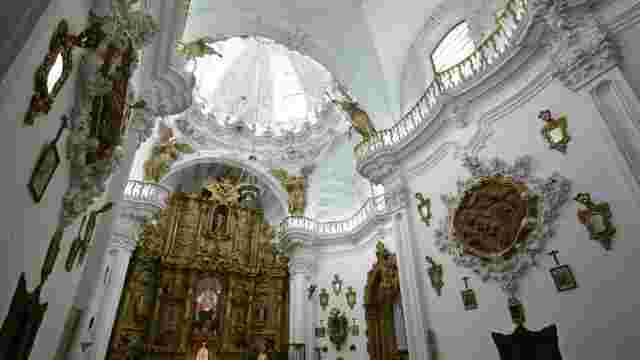
Church of Las Mercedes
A church with a fluted dome, Rococo plasterwork and archangels, illuminated by stained-glass windows. Ideal for admiring historic architecture and artistic d...
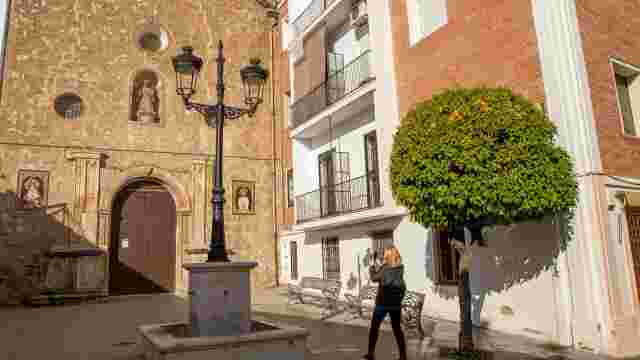
San Juan de Dios Hospital and Church
Located in Priego, it is notable for its Baroque architecture, featuring a half-dome and a barrel vault, making it ideal for lovers of art and history.
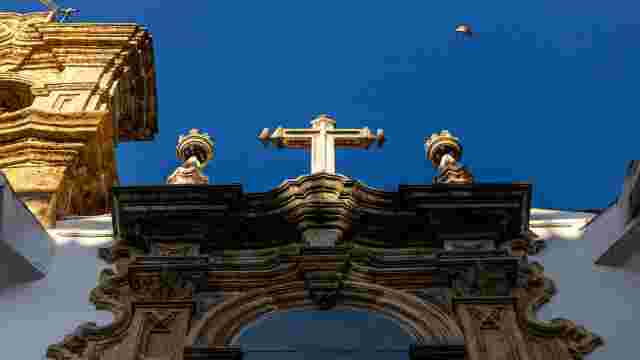
Church of Our Lady of Sorrows
A Rococo church dating from 1773, featuring a fluted dome and altarpieces by Santaella. Highlights include 18th-century sculptures from Granada and a façade ...
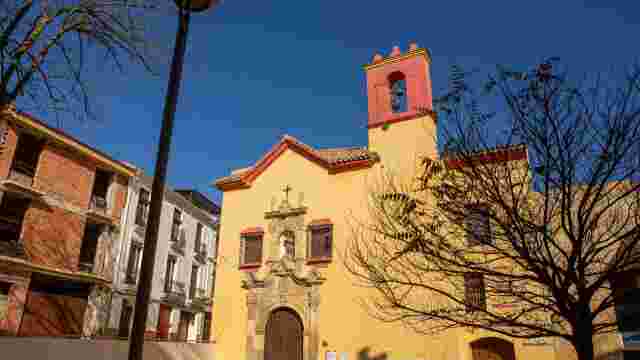
St Peter's Church
A Baroque church dating from 1690, featuring a Latin cross plan, a dome supported by pendentives, and a high altarpiece with Solomonic columns and rich polyc...
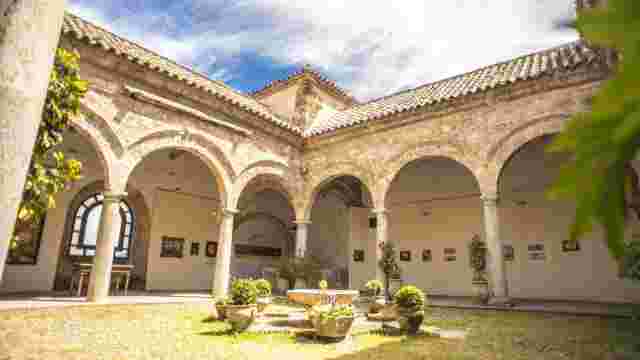
Royal Butchers
A 16th-century building in the Mannerist style, notable for its Italian-style façade, central courtyard with arches and a spiral stone staircase.
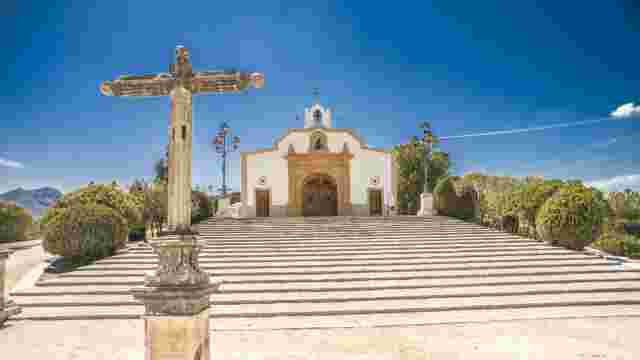
Calvary Chapel (Priego de Córdoba)
A chapel on a plateau with panoramic views of the mountains and olive groves, surrounded by stone crosses, and a popular spot on Good Friday for blessings.
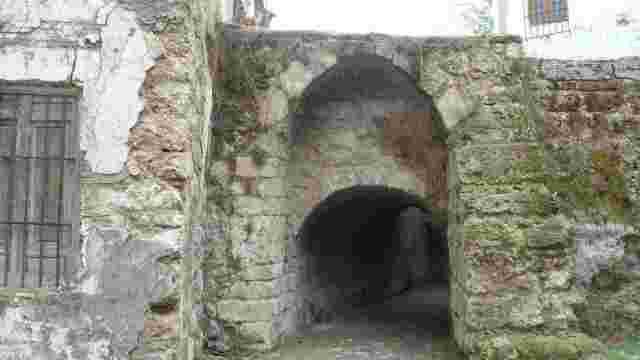
The Bridge It Was Raining
A 15th-century gateway to a flour mill, notable for its historic architecture and its integration into the public thoroughfare.
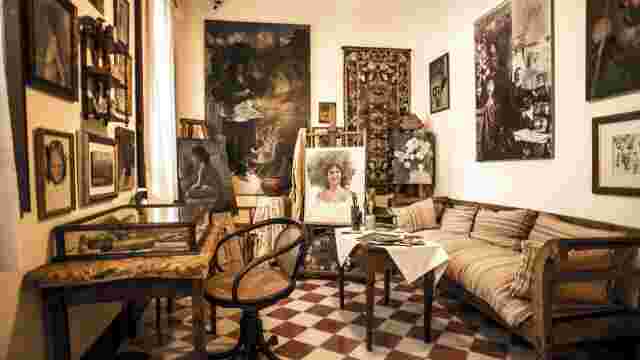
D. Adolfo Lozano Sidro Museum
A stately Andalusian house with a porticoed courtyard and Art Nouveau décor; it houses a living museum dedicated to the painter, as well as the Municipal His...
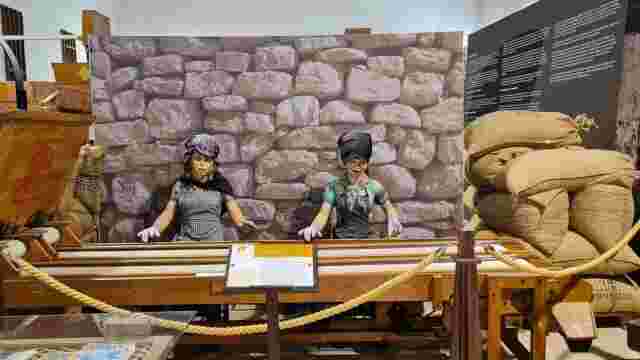
Francisco Morales Almond Museum
Located in Zamoranos, this modern museum is renowned for showcasing the history, cultivation and properties of almonds, attracting food lovers.
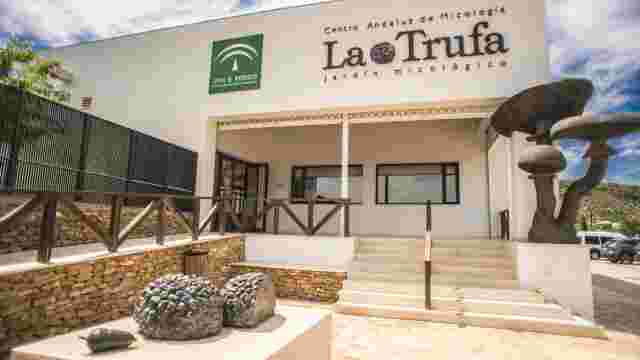
Truffle Mycological Garden
Located near Zagrilla, it offers unique Andalusian ecosystems and natural mushroom production, with a particular focus on wild mushrooms and truffles from th...
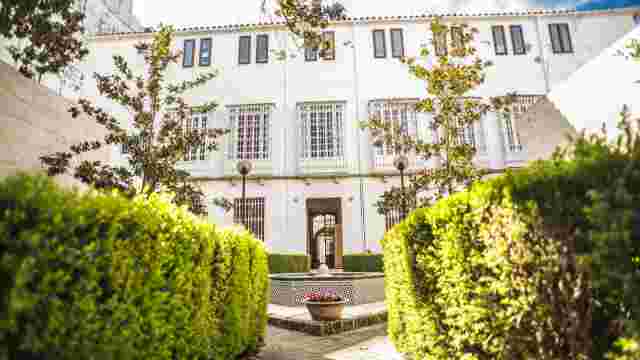
“Antonio Povedano” Centre for Contemporary Spanish Landscape Art
A unique venue in Spain dedicated to landscape art, featuring exhibitions and talks that showcase artistic diversity, ranging from realism to abstraction.
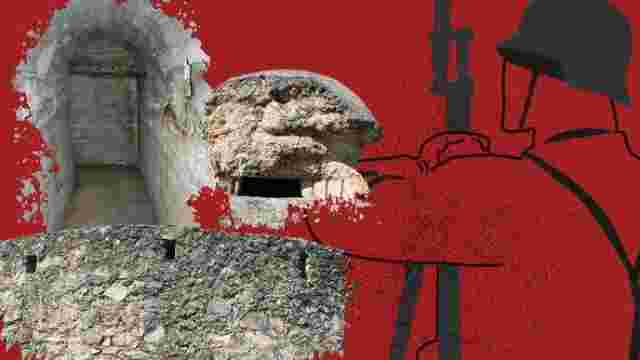
The Civil War (1936–1939) Archaeological Trail in Priego de Córdoba
Explore bunkers, air-raid shelters and rifle pits in a unique historical and natural setting. Ideal for history and nature lovers.
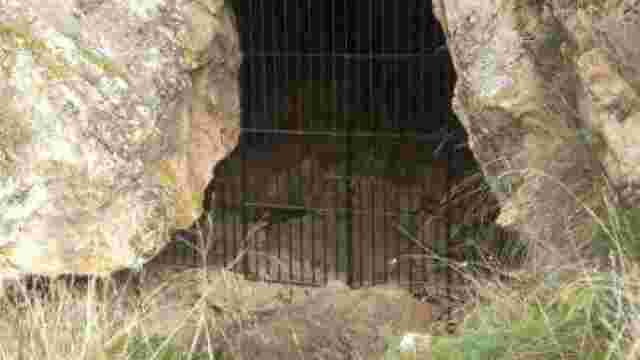
Rock art in Priego de Córdoba
Rock art is renowned for its stunning prehistoric cave paintings, making it a must-see for lovers of archaeology and history.
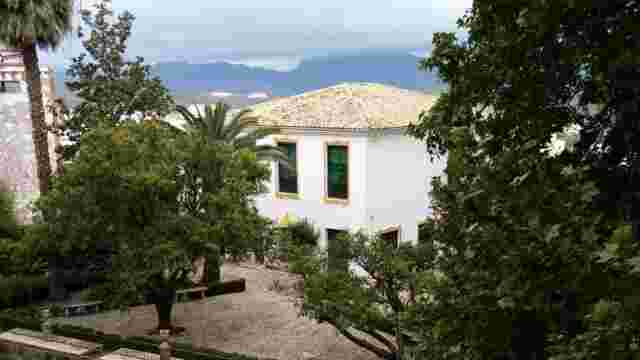
PRIEGO DE CÓRDOBA TEXTILE INDUSTRY INTERPRETATION CENTRE
Discover the history of textiles in Priego through historic cotton-producing machinery, from handlooms to complex warping systems.
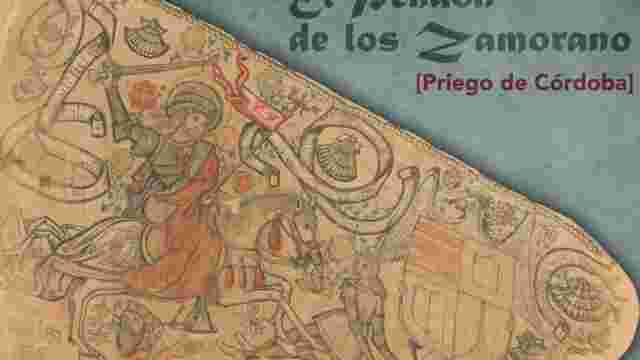
The Zamorano Banner
A historic emblem of Priego de Córdoba, used in ceremonies and festivities, offers visitors a glimpse into the region’s military and cultural heritage.
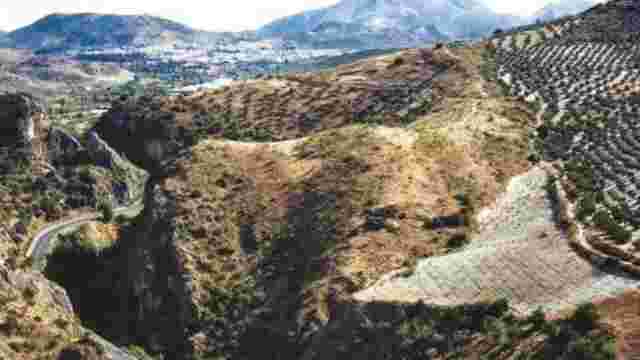
Las Angosturas in Priego de Córdoba
A picturesque gorge ideal for hiking and photography, offering stunning natural views and a rich industrial history.
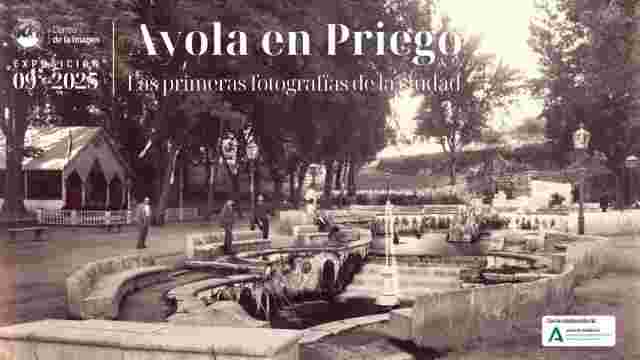
CENTRO DE LA IMAGEN, PRIEGO DE CÓRDOBA
Historical photography exhibitions and the public archive invite visitors to explore and preserve the visual heritage of Priego de Córdoba.
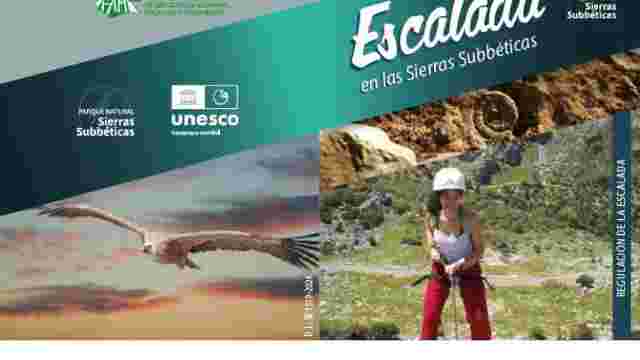
Climbing in Las Angosturas
Climbing in Las Angosturas
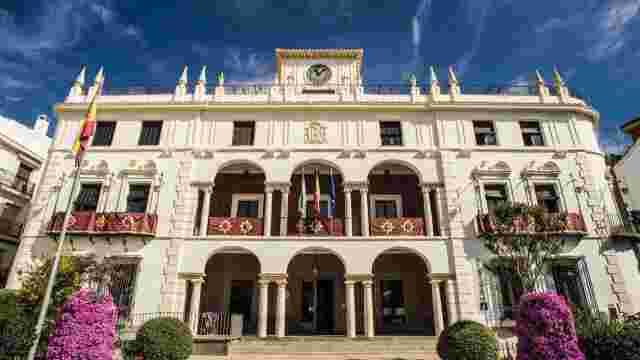
Priego de Córdoba Town Council
Located in "El Paseíllo", it is notable for its large paintings from the former Convent of Santa Clara, making it a must-see for lovers of art and history.
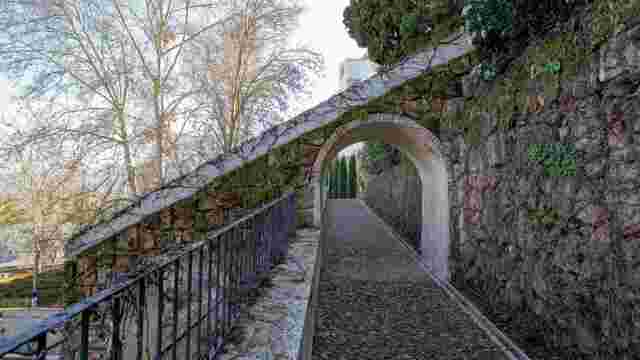
Recreo de Castilla or Huerta de las Infantas
A romantic garden featuring water features and tales of secret passageways, ideal for concerts and cultural events, offering unique views from the city walls.
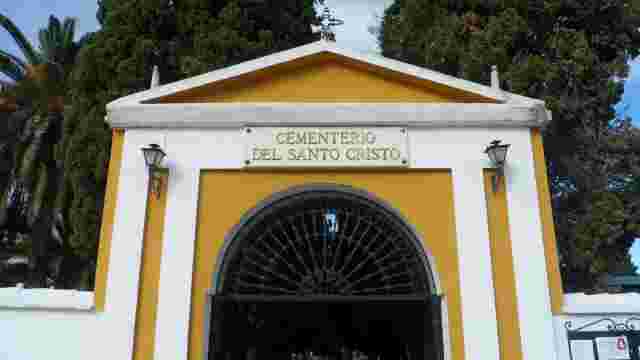
Priego de Córdoba Cemetery
It is notable for its main chapel, the mausoleum of the Brotherhood of Charity, and its 19th-century wrought-iron gate.
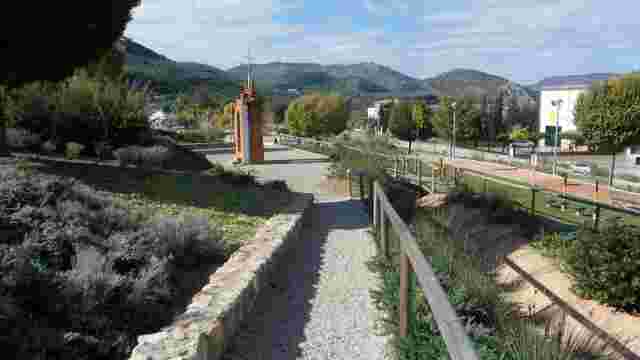
Children's City
A park featuring a river, footpaths, an artificial cave, life-size replicas, a bandstand, a children’s play area and landscaped gardens – ideal for family ou...
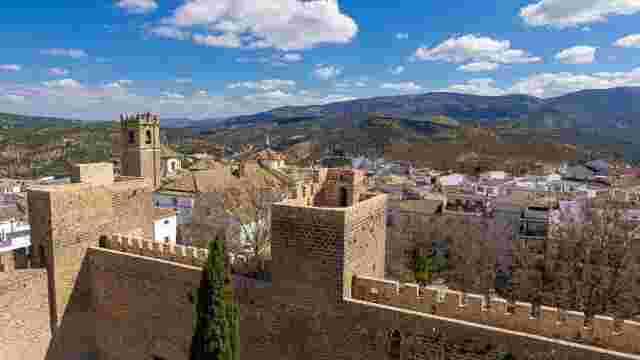
Priego de Córdoba Castle
An Islamic fortress featuring towers and horseshoe arches. The keep, a National Monument, is a highlight and a must-see for lovers of history and architecture.
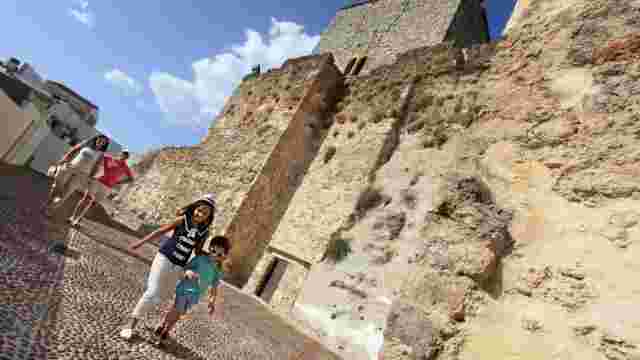
Road to Priego de Córdoba Castle
A pedestrianised street nestled between medieval walls, featuring traditional building techniques and a 20th-century flour mill – the perfect place to explor...
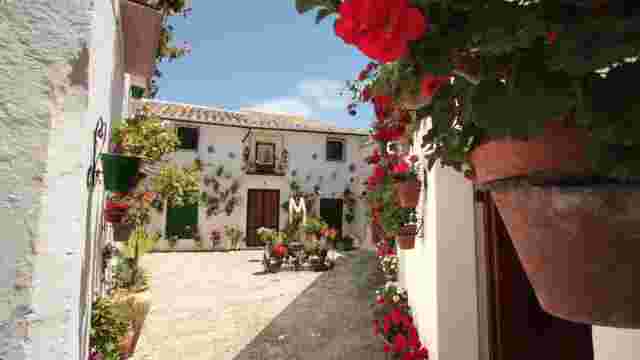
The Villa District and the Adarve Balcony
Winding, narrow streets, flowers, peace and quiet, and a balcony overlooking the Andalusian countryside make this a charming tourist destination.
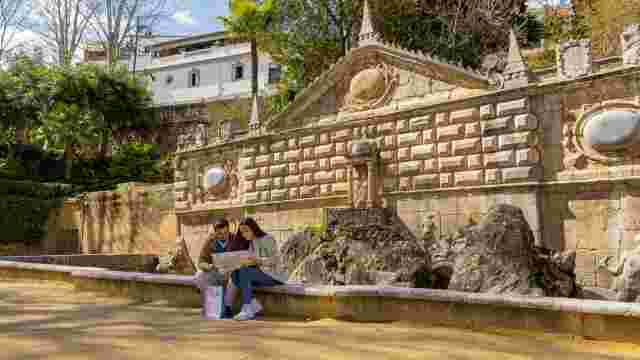
Fuente de la Salud Spring
A historic site with Mannerist influences, combining water, nature and sculpture. Of particular note are the mythological and religious bas-reliefs carved fr...
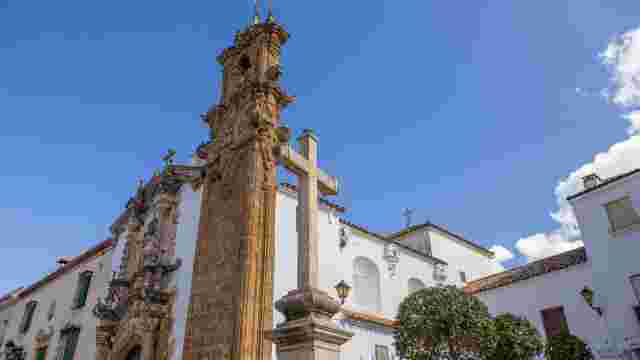
Church of Our Lady of the Dawn
A 15th-century chapel with lavish Baroque decoration, a dome supported by pendentives and a high altarpiece featuring pilasters, making it the perfect place ...
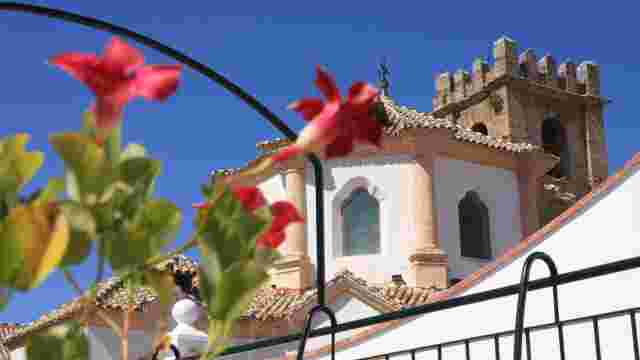
Church of Our Lady of the Assumption
A 16th-century Gothic-Mudejar building with a stunning Baroque dome and Rococo decoration, it is notable for its tabernacle, a masterpiece of Spanish Baroque.
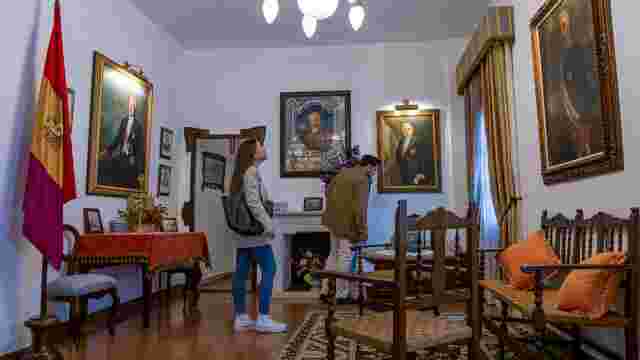
House of D. Niceto Alcalá-Zamora
Situated on a historic street, this house museum offers visitors a tour featuring personal belongings, documents and photographs of cultural interest.
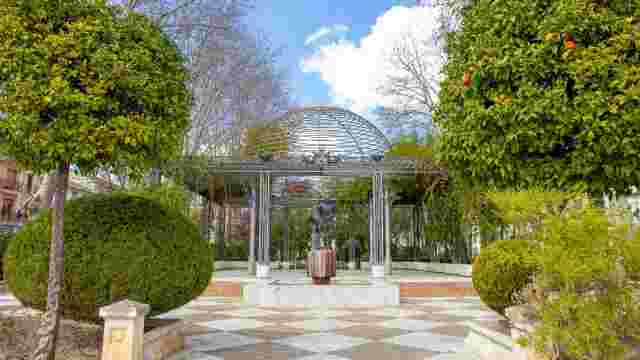
Colombia Promenade
A park featuring scenic walkways, filigree lanterns, gardens and various fountains; highlights include a pergola and a sculpture of Ganymede.
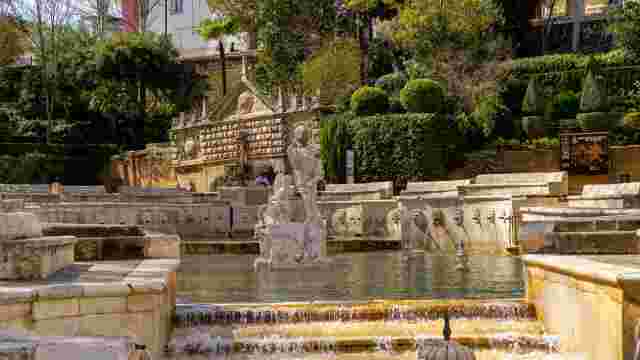
Fuente del Rey
A Baroque monument featuring tiered pools, sculptures of a lion and Neptune, 139 spouts and ghostly gargoyles. Ideal for admiring art and architecture.
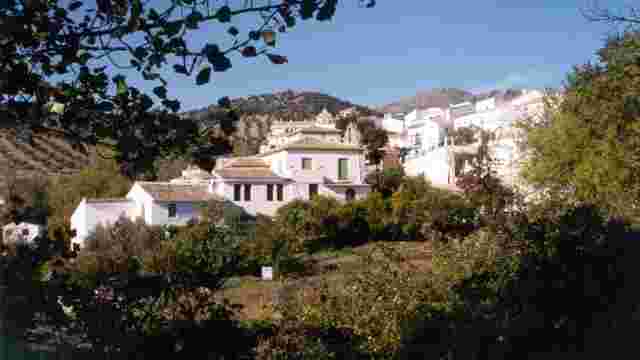
Lower Zagrilla
A village with 19th-century farmhouses, famous for its quince harvest in autumn and the "La Trufa" Mycological Garden.
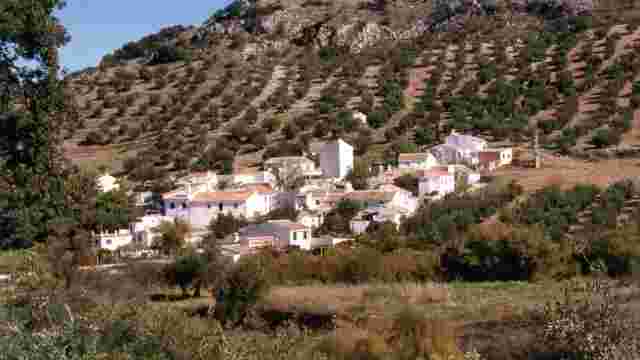
El Tarajal
Villages with historic fortifications, unique shrubbery and a traditional washing place offer tourists an authentic cultural experience in August.
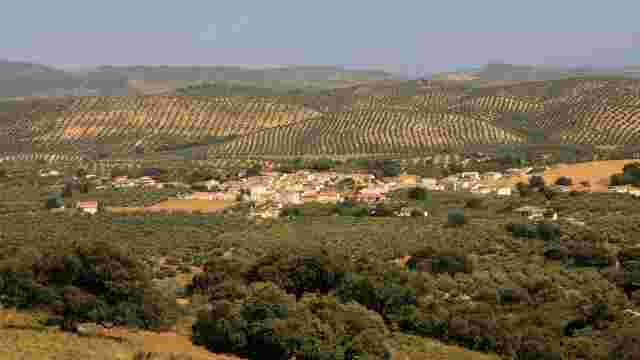
The Little Ponds
At the foot of La Tiñosa, this spot boasts crystal-clear waters at the source of the River Salado and is known for its high rainfall.
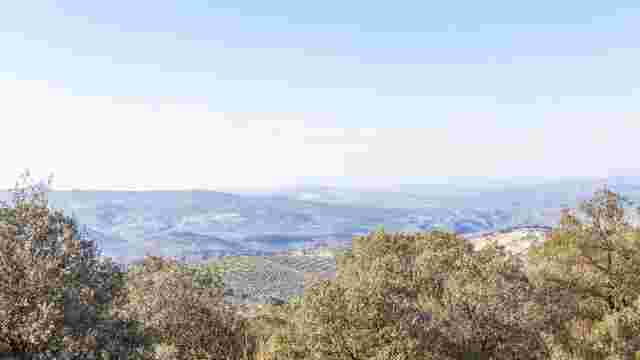
Colour. Earth and air. Sun and water in Priego de Córdoba
Priego de Córdoba offers unique landscapes in the Sierras Subbéticas Natural Park, which is ideal for hiking, cycling and caving.
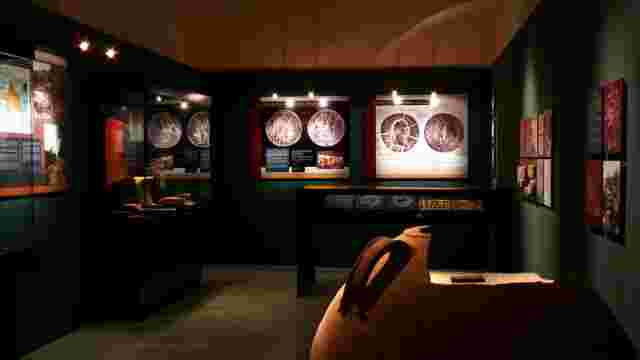
Priego de Córdoba Municipal History Museum
Housed in a 19th-century building with a colonnaded courtyard, it offers archaeological exhibitions and a versatile venue for cultural events.
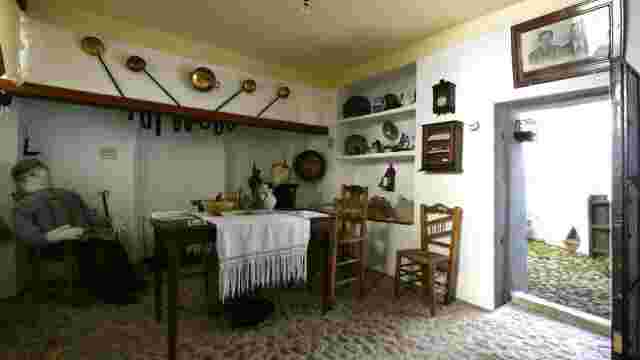
Castil de Campos Museum of Folk Arts and Traditions
A traditional 19th–20th-century house in Castil de Campos, showcasing local tools and customs. A restored property featuring a kitchen, stable and barn.
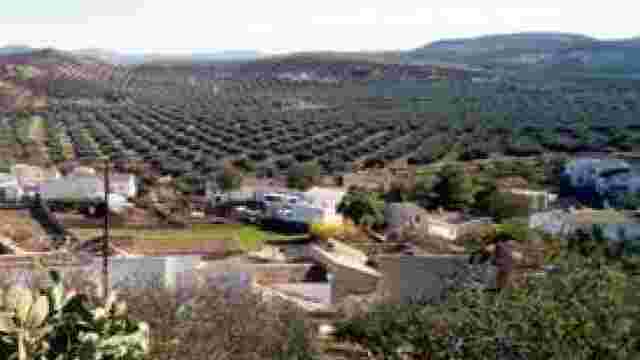
Camponubes
A historic village with a medieval tower and an old cattle track, ideal for exploring and enjoying its mining heritage linked to red ochre.
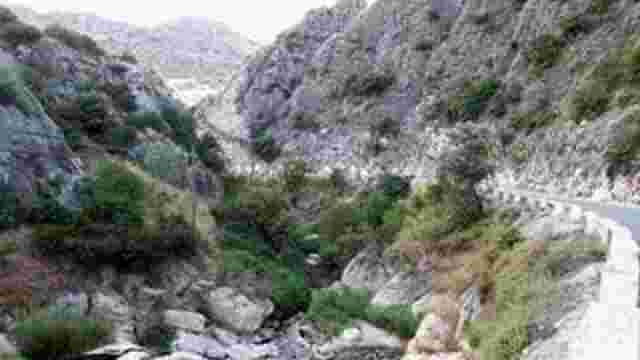
Azores
Set in a natural setting, the area features a spring high up on the hillside and the remains of a medieval path with its original cobblestones, making it ide...
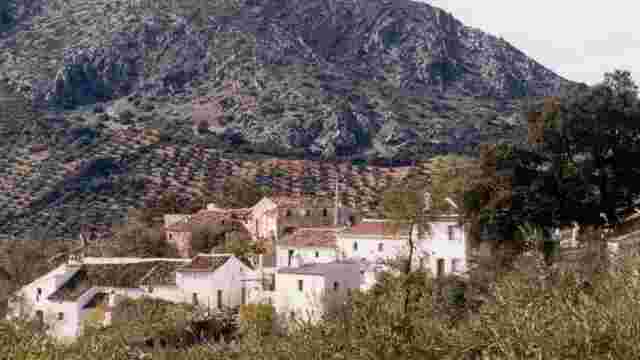
Los Villares
A chapel dedicated to Saint Isidore, hiking trails such as Puerto del Cerezo and the GR-7, ideal for nature lovers, and festivals in May.
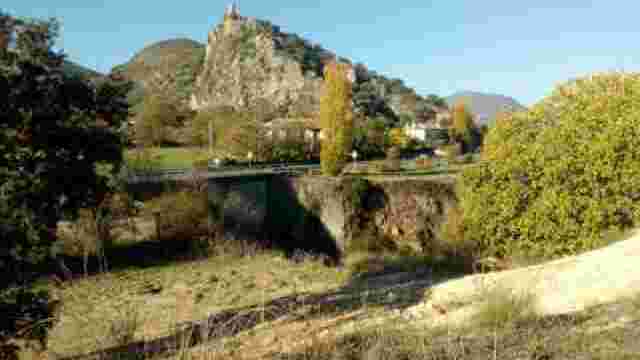
Knee cap
In the area surrounding this rock formation, you can go canyoning in the Jaula Canyon and visit the La Tomasa site.
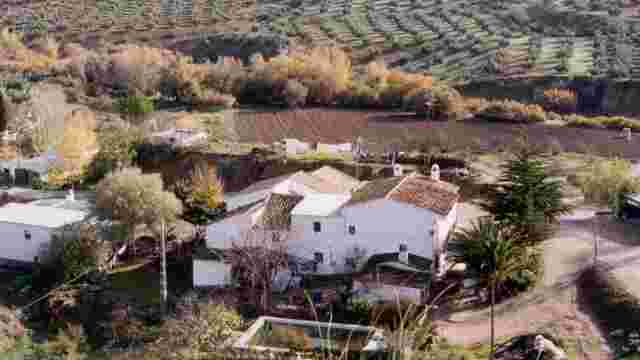
The Solvito
Situated on the banks of the River Caicena. The chapel is dedicated to Our Lady of Mercy, and its annual festivities take place in August.
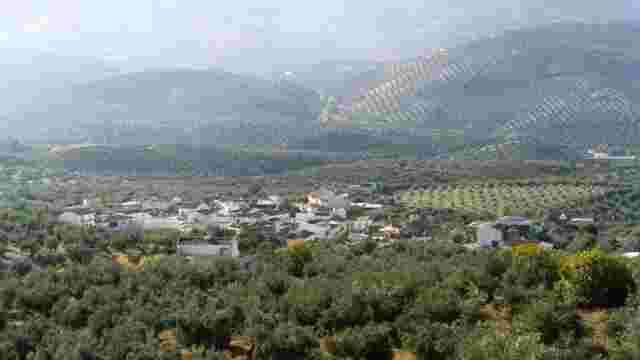
La Concepción
Located in the Sierra de los Judíos, it is renowned for the Pilgrimage of the Virgin of La Cabeza in June, attracting tourists with its traditions and natura...
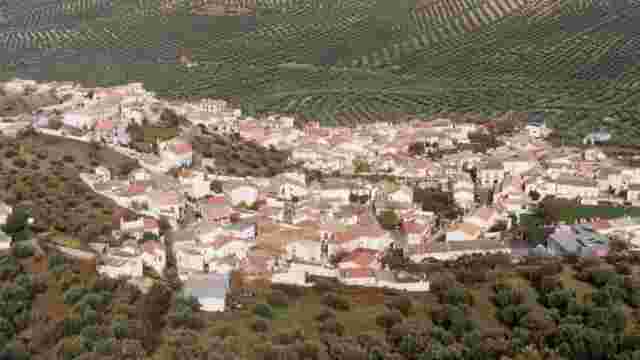
Castile of Campos
A village worth visiting for its church, which features an 18th-century altarpiece, and its ethnological museum. Festivals are held here in January, March an...
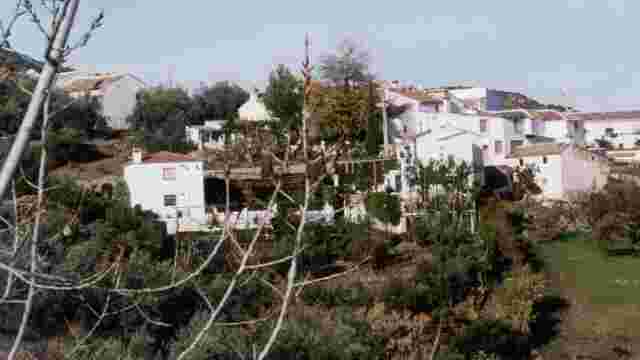
Las Higueras
A peaceful spot steeped in history, perfect for enjoying the tranquillity and the festivities in May.
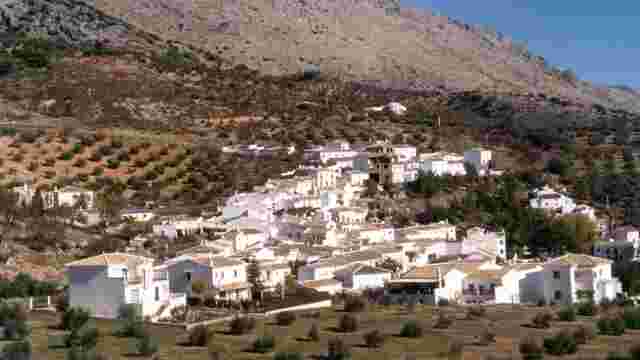
High Zagrilla
A medieval village with a historic spring and a wash house dating from 1935. It celebrates the festival of Our Lady of Mount Carmel in July.
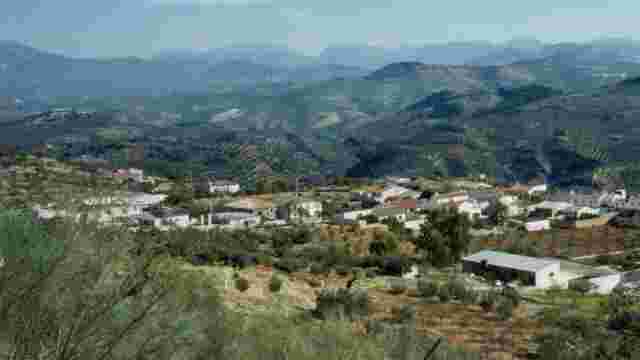
The Asparagus
A historic 18th-century village, perfect for taking in the moment and surrounded by asparagus fields.
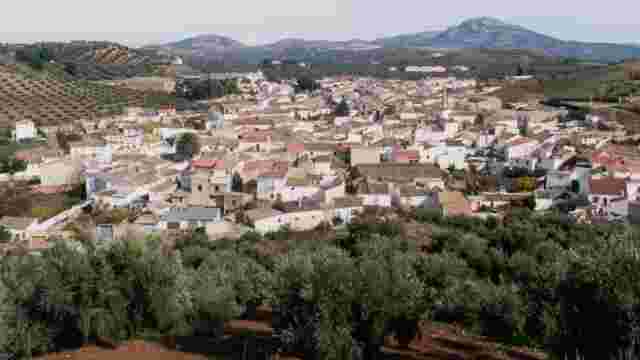
Zamoranos
A village with an almond museum, renowned for its almond industry. Festivals are held in August in honour of the Virgin of Carmen.
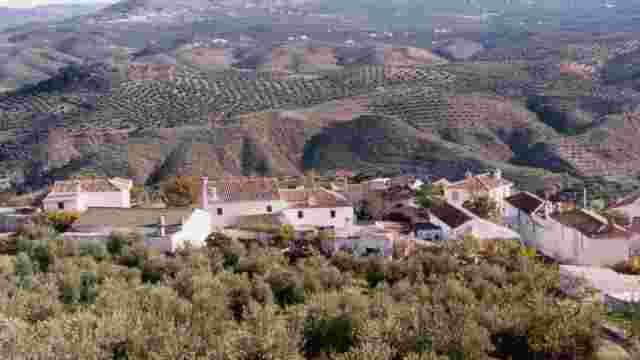
Pennyroyal
A 19th-century rural village with stunning views from the El Tajo viewpoint, ideal for enjoying nature and the countryside.
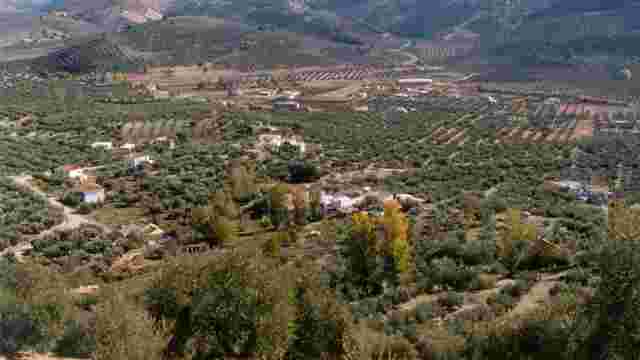
The Navas and La Poyata
These are the most remote hamlets of Priego, beyond the Albayate mountain range. Of particular note is the chapel of San José, built in 1923 in the hamlet of...
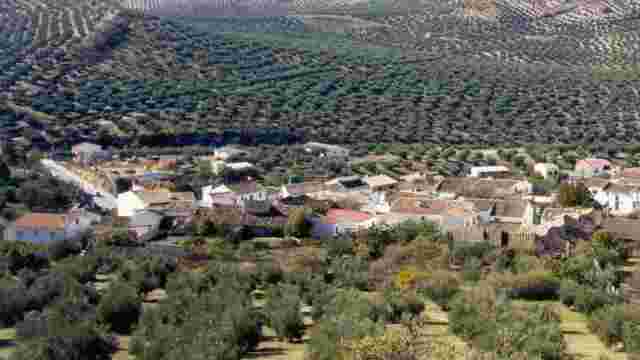
El Cañuelo
A historic village with a Roman fountain, the Fuente de la Salud, which still flows, attracting tourists with its charm and ancient heritage.
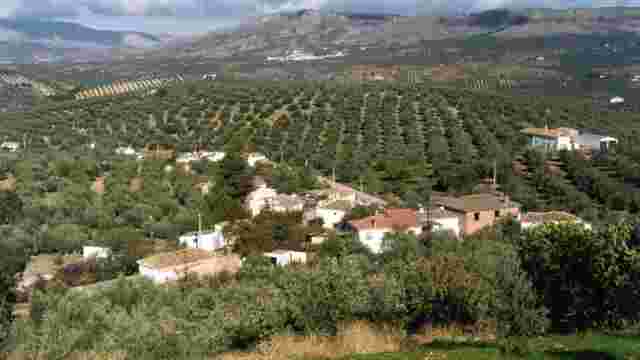
El Castellar
Situated in the Albayate mountains, it offers exceptional hiking trails and hosts the San Miguel festival in September.
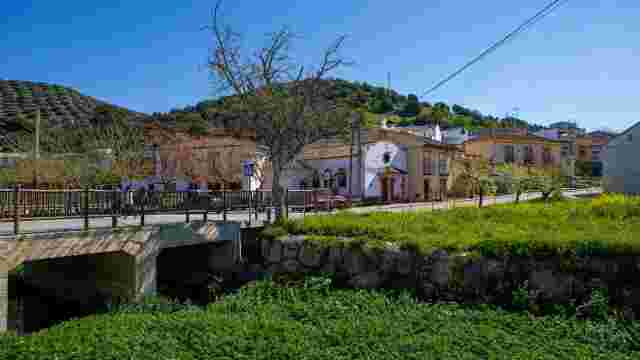
The Birth of Zambra
A stunning natural setting with walking and mountain biking trails, traditional architecture and customs such as the Mochileros at Christmas. Festivals in May.
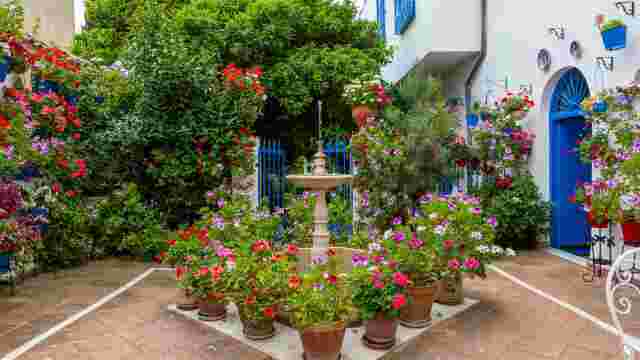
Aurora Sánchez Courtyard
A 19th-century stately home with courtyards filled with flowers, centuries-old fruit trees, a central fountain and decorative features that delight the senses.
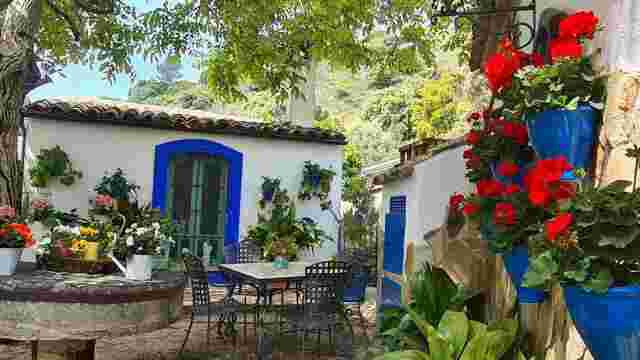
Carmen's Corner
A century-old Andalusian farmhouse, blending traditional and modern architecture, surrounded by nature in the Sierras Subbéticas Natural Park.
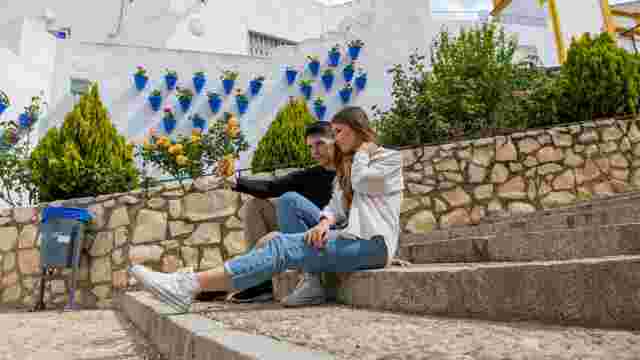
El Chorraero Corner
A 61-step staircase connects neighbourhoods, surrounded by gardens and spring flowers, offering a picturesque and iconic walk in Rute.
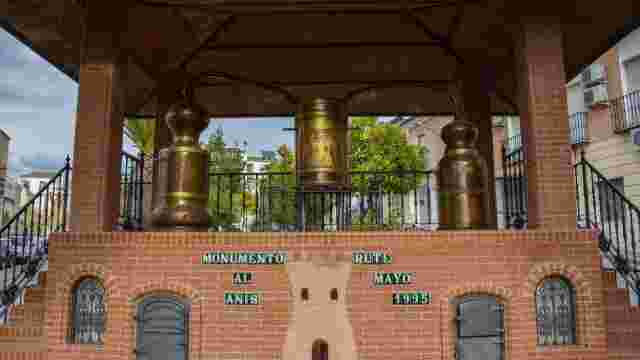
Monument to Aniseed
An old still stands out as a cultural symbol in Rute, evoking the tradition of aniseed distillation and attracting tourists with its history.
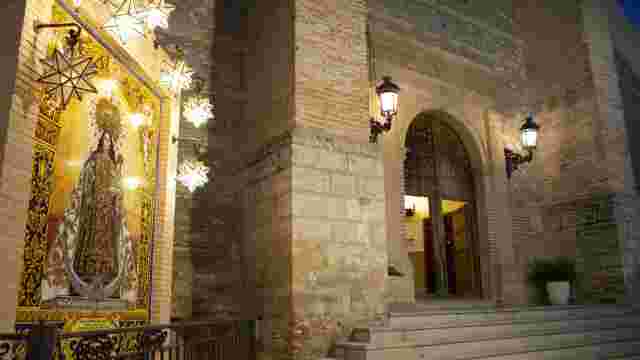
Parish of Saint Catherine the Martyr
A neoclassical church featuring an altarpiece by Alonso Gómez de Sandoval, dedicated chapels and valuable sculptures, including Rococo silverwork.
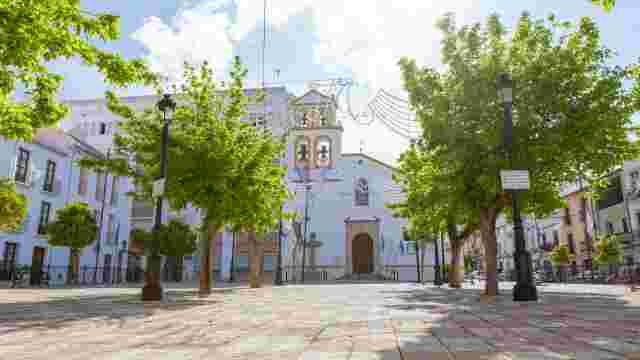
St Francis of Assisi Parish
A historic church with rich Rococo decoration, featuring the niche dedicated to Our Lady of La Cabeza and 16th-century sculptures. Ideal for lovers of religi...
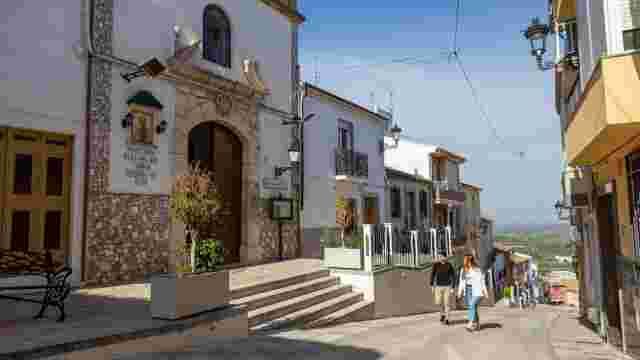
Shrine of Our Lady of Carmen
A 17th-century chapel featuring an altarpiece by Guzmán Bejarano, notable for its statue of the Virgin of Carmen and the Christ of the Greatest Sorrow, both ...
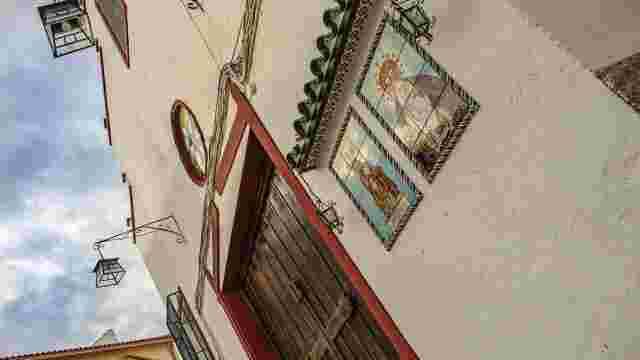
Chapel of St Peter
A historic 16th-century chapel featuring a barrel vault, stucco decorations and religious statues, ideal for admiring sacred art and ancient architecture.
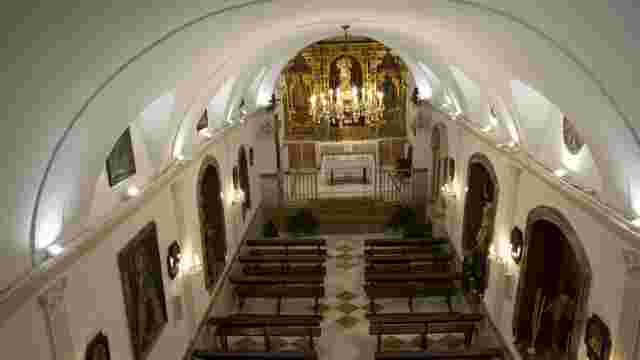
Chapel of La Vera Cruz
A simple interior with a barrel vault, 18th-century frescoes and historic sculptures, ideal for lovers of art and history.
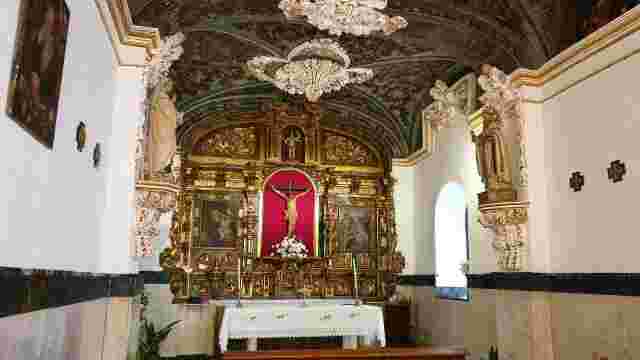
Chapel of Saint Sebastian
A 16th-century chapel with decorated ceilings and gold-leaf murals, housing a Baroque altarpiece and a 17th-century image of Christ on the cross.
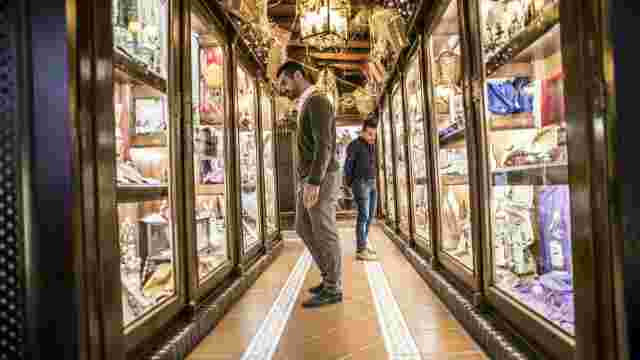
Aniseed Museum
Housed in a century-old distillery, it offers a sensory experience featuring copper stills, macerations and tastings of traditional spirits.
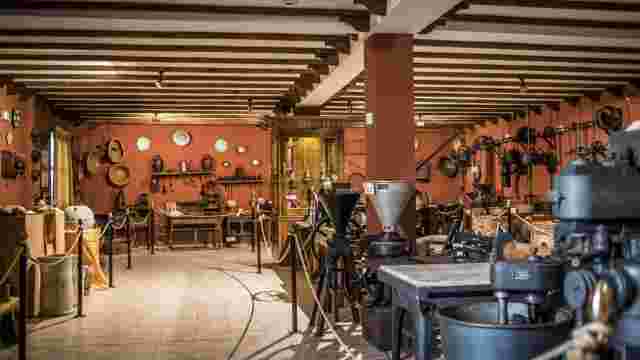
Museum of Nougat, Mantecado and Marzipan
A museum showcasing the artisanal production of nougat, marzipan and shortbread, combining tradition and technology. Ideal for learning about historical proc...
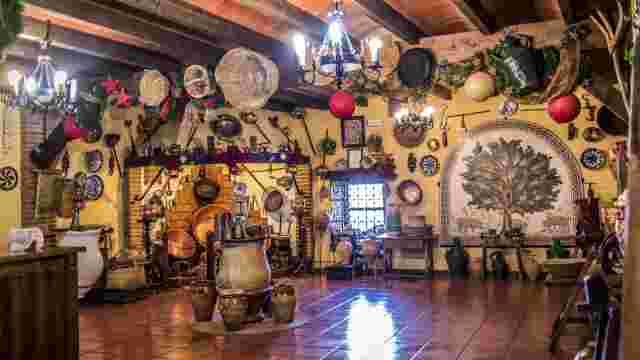
Ham Museum
A museum dedicated to the local ham-making tradition, displaying historical tools and offering a cultural insight into the artisanal production of hams.
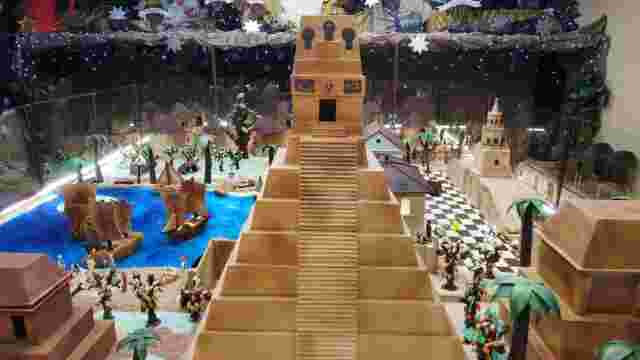
Chocolate Nativity Scene
The venue features an impressive chocolate nativity scene – the largest in Spain – with detailed scenes and 1,500 kg of chocolate, open from October to Decem...
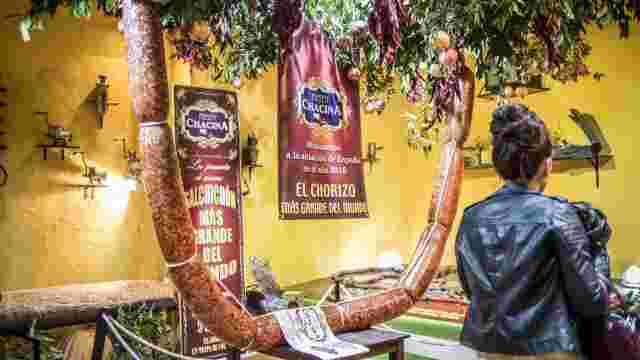
La Chacina Museum
It showcases unique artisanal cured meats, such as the world’s longest salchichón, and offers special Christmas experiences in a natural setting.
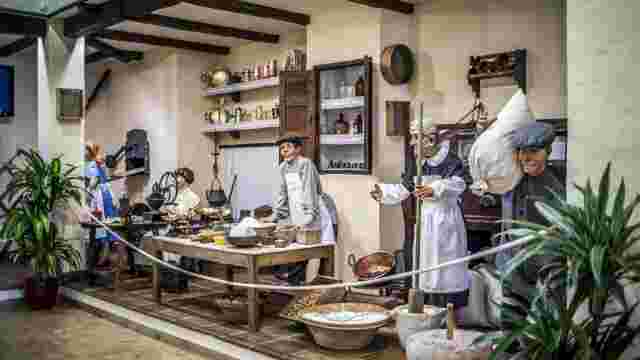
Sugar Museum
An exhibition of sugar sculptures and figures, featuring unique pieces such as the Disney Castle and famous works of art. Open from October to December.
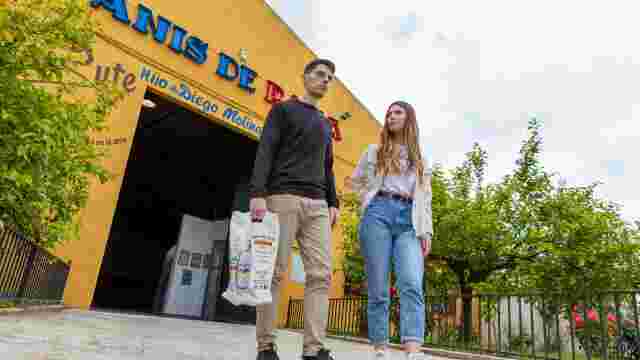
Anís Raza
A historic distillery using a traditional double-distillation process in copper stills, perfect for aniseed liqueur enthusiasts and guided tours.
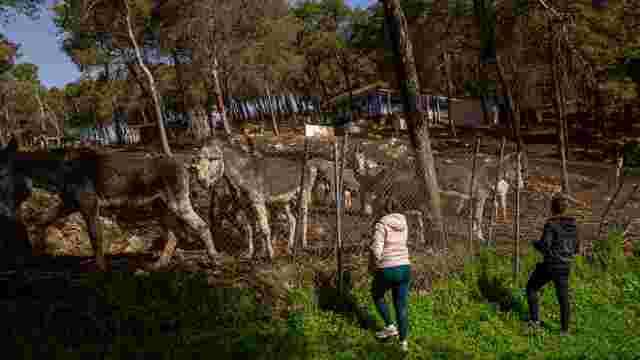
ADEBO Reserve
A retreat in the Sierras Subbéticas, combining woodland and farmland scenery, rescuing donkeys and offering unique cultural experiences with artists and writ...
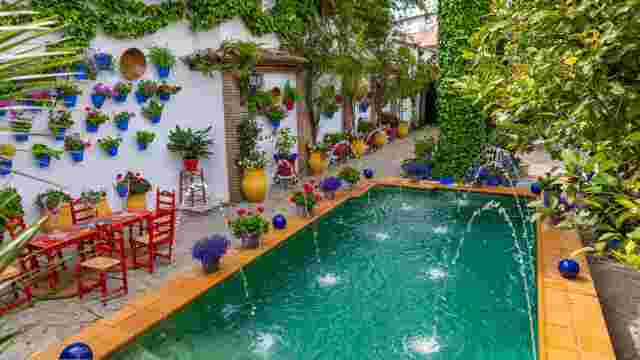
A charming courtyard
This award-winning courtyard in Córdoba offers a unique sensory experience with its fountains, fragrant flowers and traditional décor.
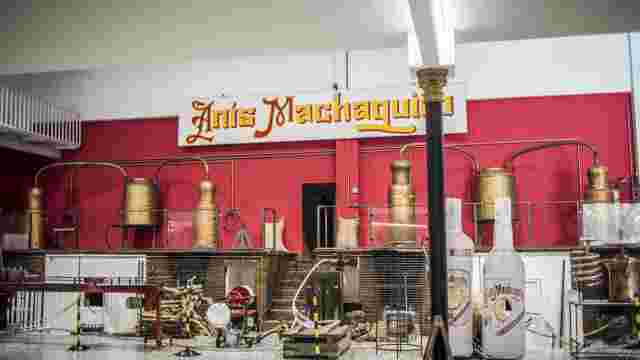
Machaquito Aniseed Museum Distillery
Located in Rute, it offers guided tours and tastings to explore the traditional process of distilling aniseed in copper stills.
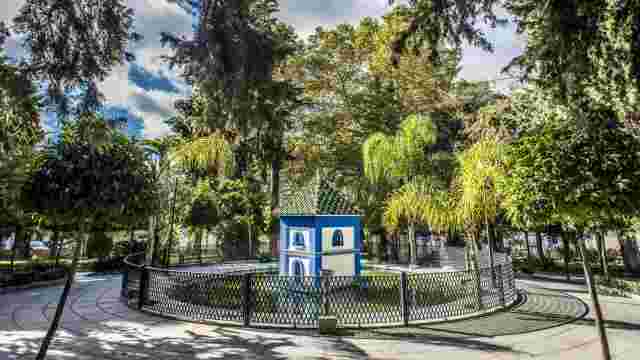
Our Lady of Carmen Park
Located in the centre of Rute, it features an open-air theatre, cultural activities, a tourist information office, a terrace with ducks and a children’s play...
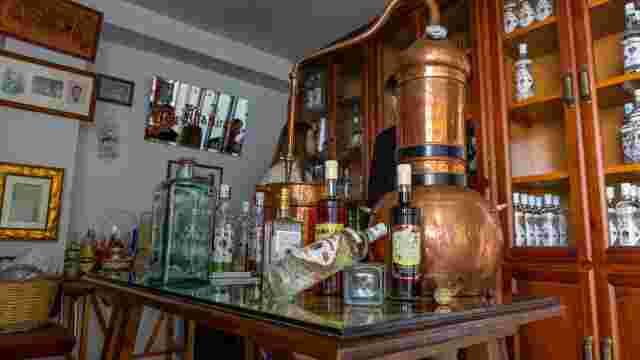
Anise Altamirano
This traditional distillery offers high-quality aniseed liqueurs and artisanal spirits, including extra-dry aniseed liqueur and aniseed cream liqueur. Tours ...
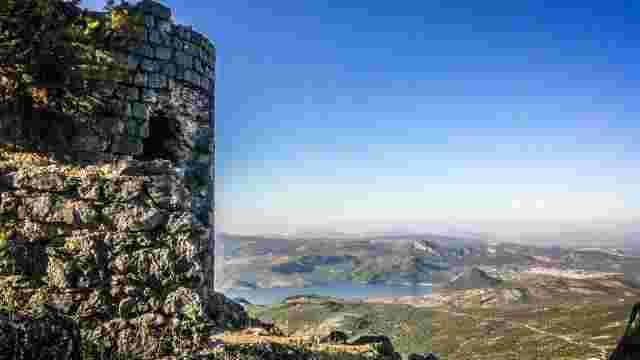
THE JOINT
A Christian watchtower perched on a mountain peak, offering panoramic views of Iznájar, Loja, Rute and Lucena – the perfect spot to take in the historic scen...
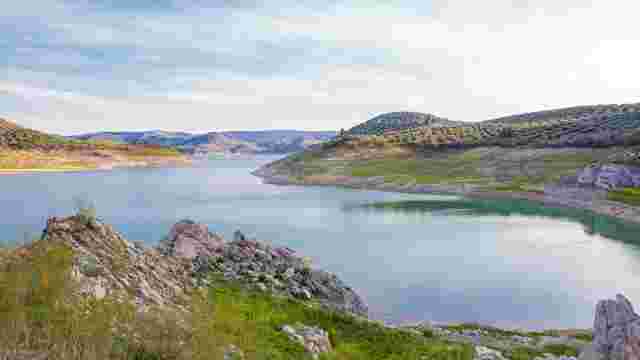
Iznájar Reservoir
In Andalusia, a perfect destination for water sports, hiking, fishing and birdwatching, with a rich variety of bird and fish species.

Millennial Holm Oak
A monumental tree in Andalusia, notable for its 29×21-metre crown and height of 17.5 metres, providing 600 m² of shade. A natural attraction for visitors.
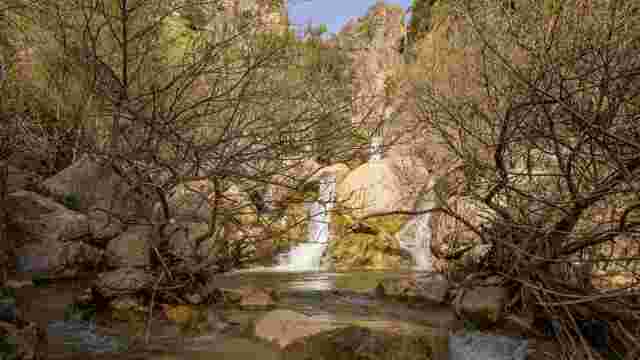
The Gorge of the River La Hoz
A spectacular landscape featuring limestone gorges, small waterfalls and cascades, ideal for nature lovers and hikers.
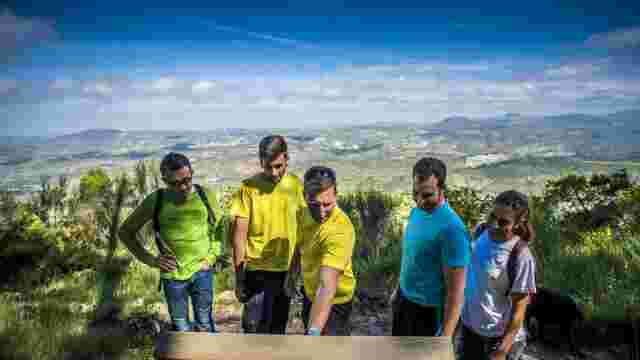
Route Mountain Range
Situated in a nature reserve, it offers ideal scenery for hiking, mountain biking and paragliding, with viewing points and a rich variety of wildlife, includ...
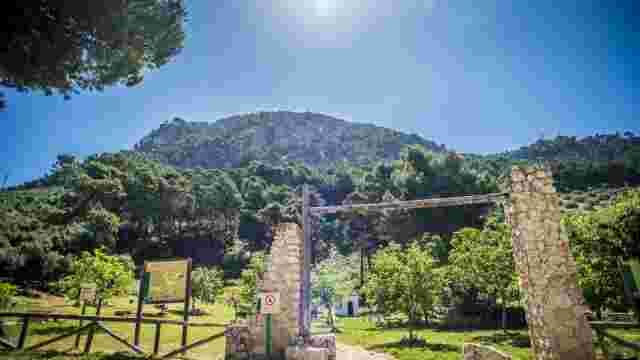
Fuente Alta and Old Rute
An ideal recreational area for enjoying nature, with nearby Visigothic ruins, in the Subbética Natural Park.
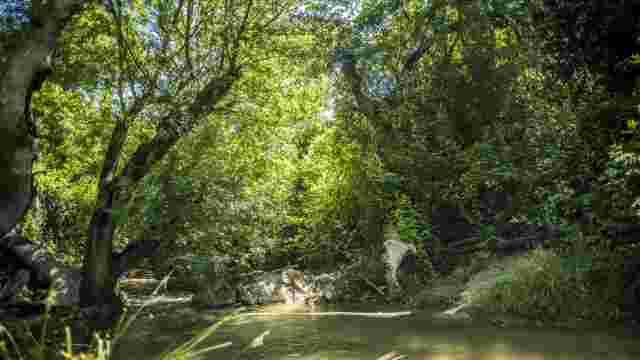
La Hoz
Located 5 km from Rute, this village offers views of vegetable gardens, olive groves and wooded areas, with a limestone gorge where a river has its source, m...
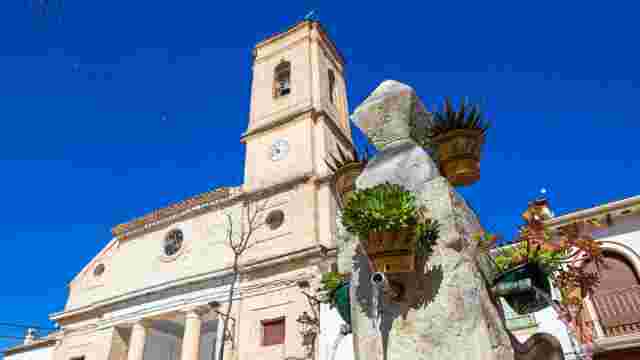
Zambra
A location featuring the ruins of a Moorish castle, a historic church and traditional festivals in October and August, offering a rich cultural and festive h...
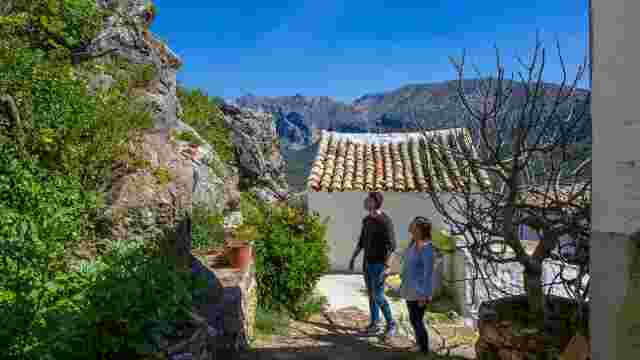
Las Piedras - Palomares
Six kilometres from Rute, two villages offer spectacular views of the Sierra Horconera and the Tiñosa, with white houses and a chapel for the San Isidro pilg...
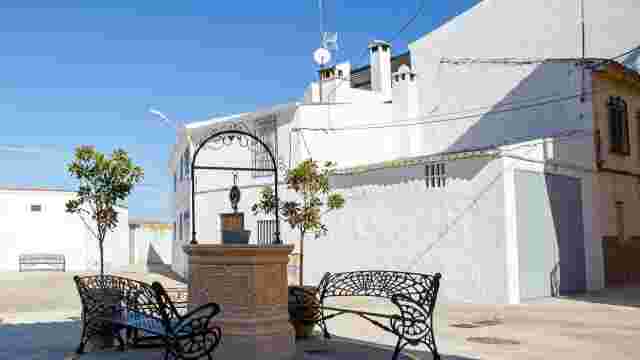
The Plains of Don Juan
A village surrounded by beautiful countryside, featuring the Millennium Holm Oak Natural Monument and a chapel dedicated to the Virgin of Carmen, which is ce...
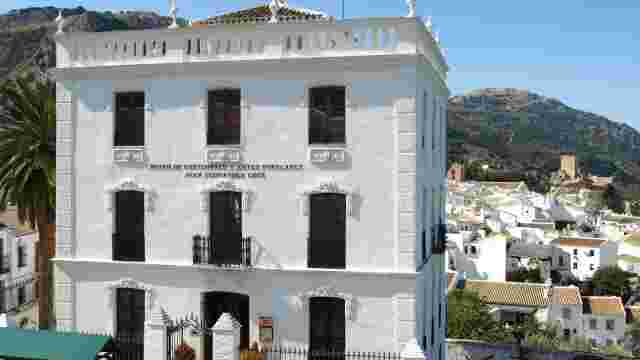
“Juan Fernández Cruz” Museum of Folk Customs and Arts
Housed in a historic building, this museum displays over 3,000 artefacts illustrating traditional life and crafts, and is a cultural landmark in the region.
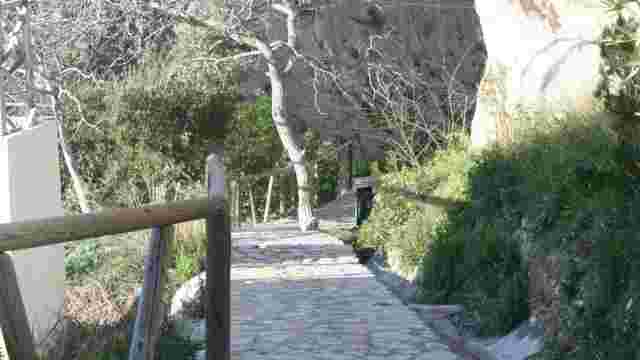
Peri-urban Park
Located in Zuheros, it features a stunning suspension bridge and offers unique views of the surrounding countryside and the castle. Ideal for nature lovers.
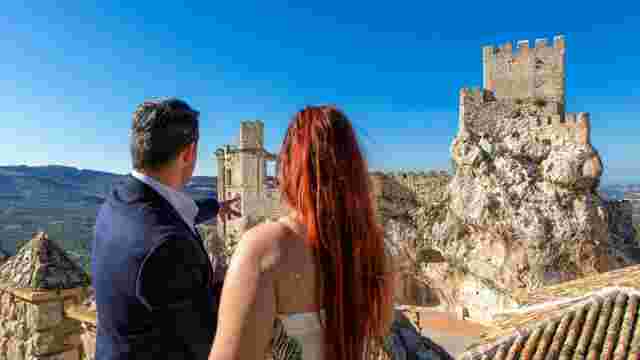
Zuheros Castle-Palace
A fortress perched on cliffs offering panoramic views, historic trails and a blend of cultures. Ideal for exploring medieval history and enjoying the scenery.
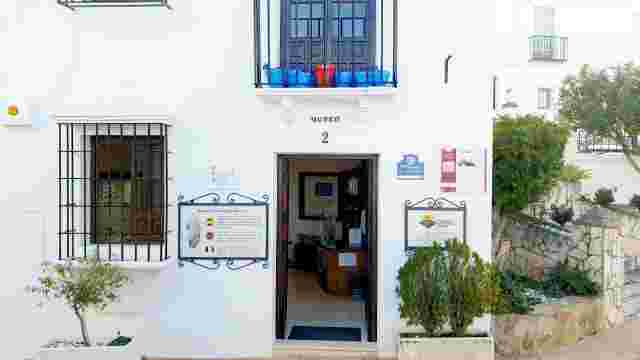
Zuheros Municipal Museum of History and Archaeology
It displays archaeological finds from the Cueva de los Murciélagos, such as bones and pottery, offering a unique insight into the area’s rich history.
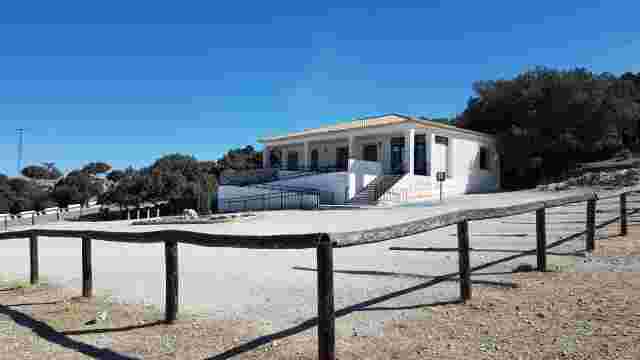
The Cueva de los Murciélagos Ecomuseum
Interpretation centre in Zuheros, ideal for enhancing a visit to a nearby cave, with opening hours varying by season.
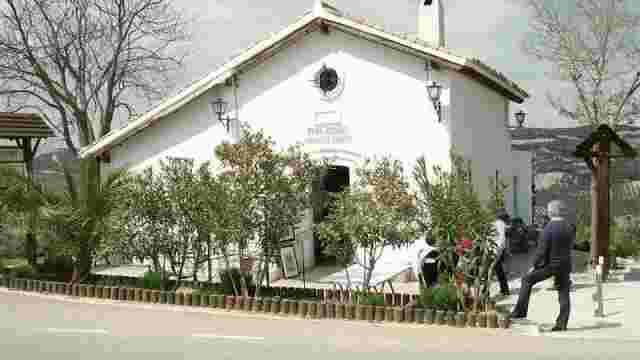
Francisco Poyato Museum-Studio
Located near Zuheros, this venue showcases surrealist art in a historic setting, making it ideal for art and culture lovers.
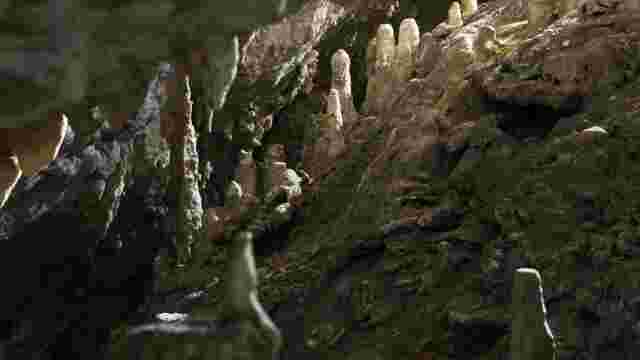
Bat Cave
Set on a mountainside, it features limestone formations, cave paintings and archaeological remains. Its 700 steps and the Organ Hall are particular highlights.

Subbetic Fauna
Located in Zuheros, it offers encounters with Iberian wildlife, birds of prey displays and an educational farm. Ideal for learning about and enjoying nature.
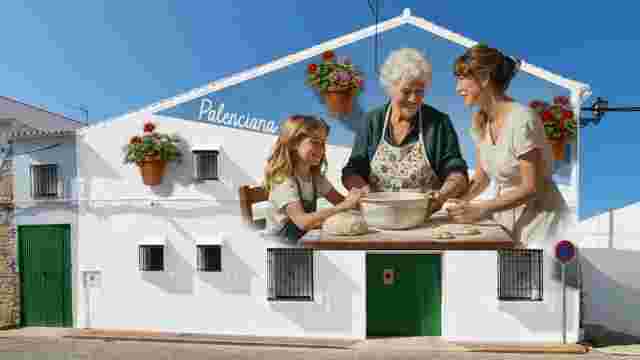
THE SUBBÉTICA MURAL ROUTE
Eight murals painted by the Seville-based artist Kato and a further six ceramic works created by the ceramicist Merche López will form part of the art exhibi...
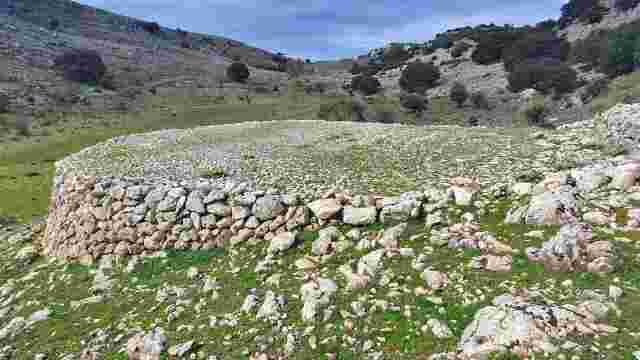
Great Subbeticana Route
A multi-stage walking and cycling route around the Sierras Subbéticas Natural Park Geopark.
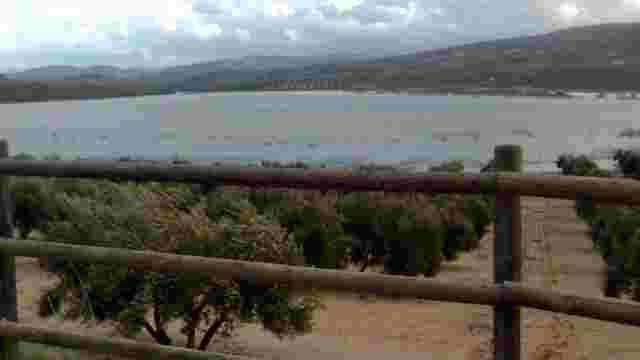
THE OLIVE OIL GREENWAY
It is a 67-kilometre route (within the province of Córdoba) that crosses the southern part of the province, winding its way through a sea of olive trees and ...
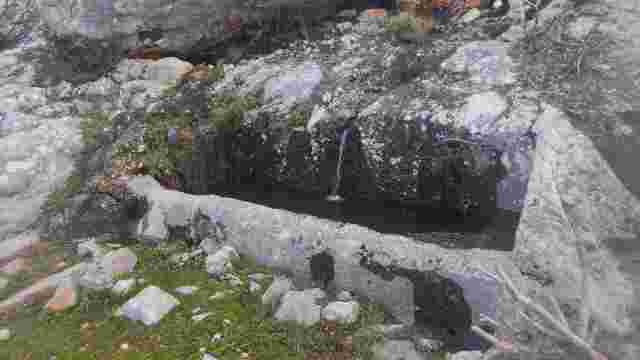
Pilar del Pozuelo
This magnificent pillar is situated just a few metres above the Carretera de la Cueva de los Murciélagos (CV-247).
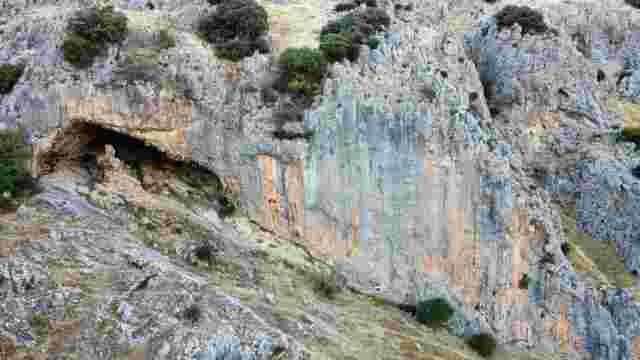
Panoramic view of the Cueva del Fraile
The cave takes its name from a cluster of stalagmites that resembles a monk’s hood.
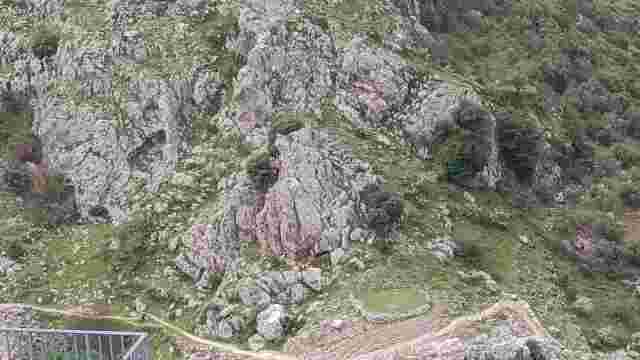
The Portillo Alto Era
An agricultural site designed to separate the grain from the rest of the plant.
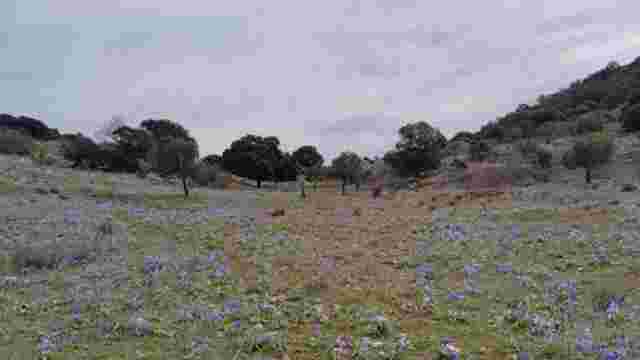
Pozo
Located in the Malos Vientos valley, there are several in the immediate vicinity
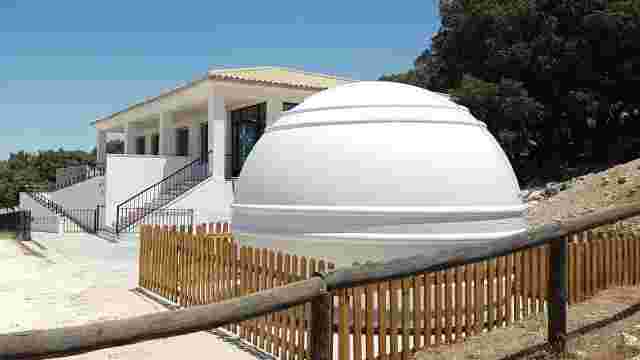
Zuheros Astronomical Observatory
The gateway to the universe
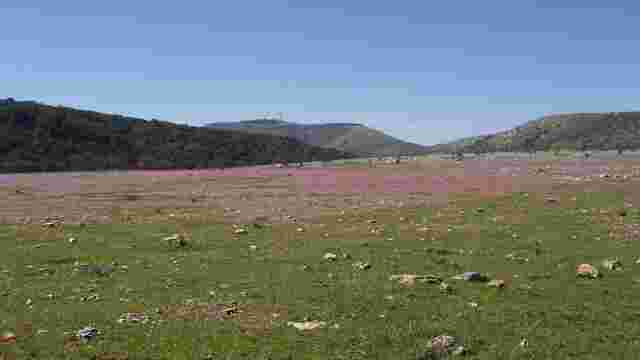
Polje de la Nava
A polje is a large, enclosed, elongated depression with a flat floor found in karst terrain.
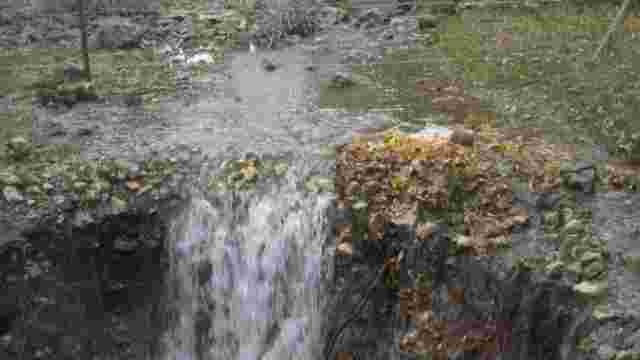
Dive
A ponor is an opening through which surface water (from a river or lake) flows wholly or partly into a karst groundwater system.
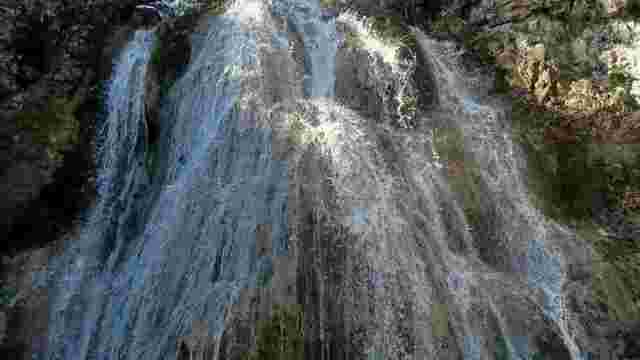
The waterfalls
Waterfalls located near the polje
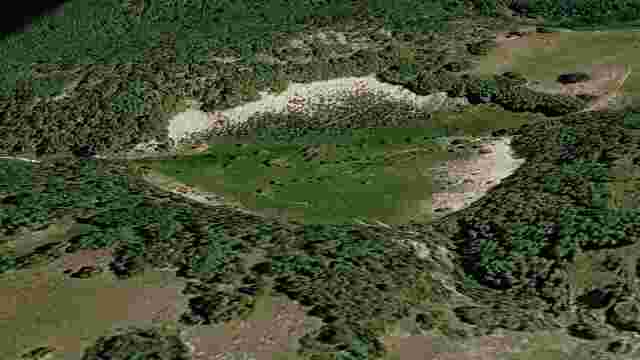
Paleodolina
A doline (a word of Slovenian origin meaning ‘valley’ or ‘depression’) refers to a specific type of geological depression characteristic of karst landscapes....
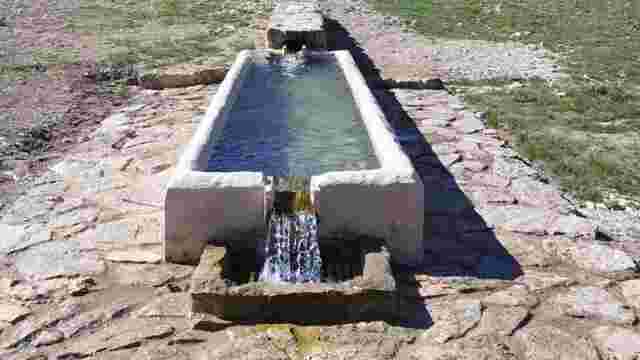
Fuenfria
A spring that supplies drinking water to the people of Zuheros.
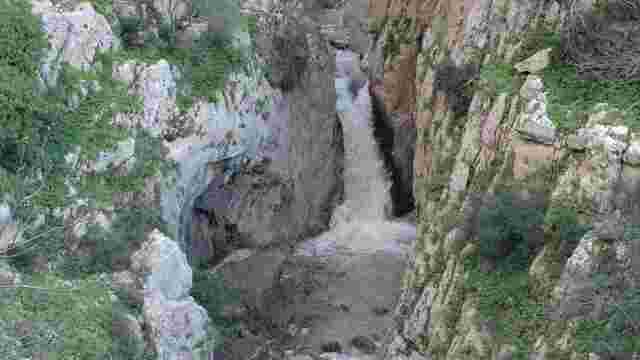
Bailón River Gorge
Along with the Nava polje, it is one of the most characteristic karst features in the Sierras Subbéticas Natural Geopark. Over thousands of years, the action...
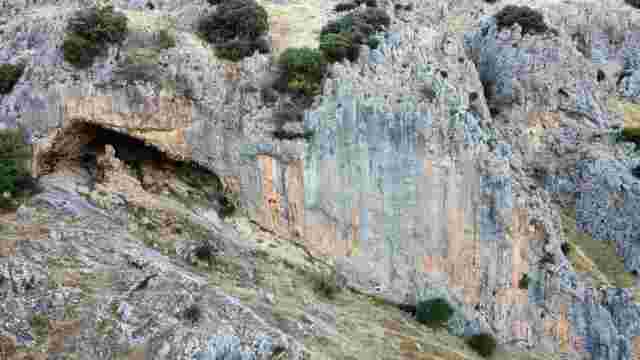
Fraile's Cave
The cave takes its name from a cluster of stalagmites that resembles a monk’s hood.
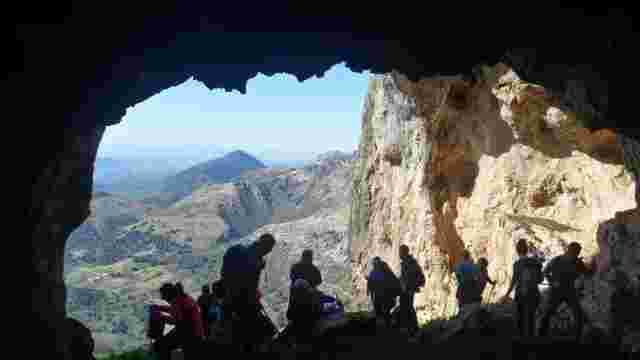
Morrión Cave.
A mountain refuge located just a few metres from the summit of La Tiñosa, where you can take some stunning photos of the landscape and have a drink and a bit...
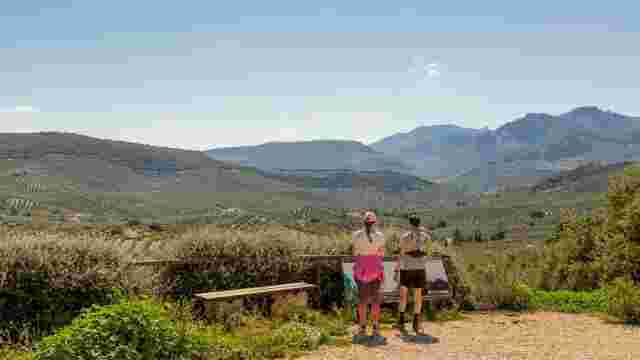
ALGAR VIEWPOINT
A trail that winds through areas of great natural and scenic beauty, notably the surroundings of Peñarrubia, the Algar stream and the views from the Mirador ...
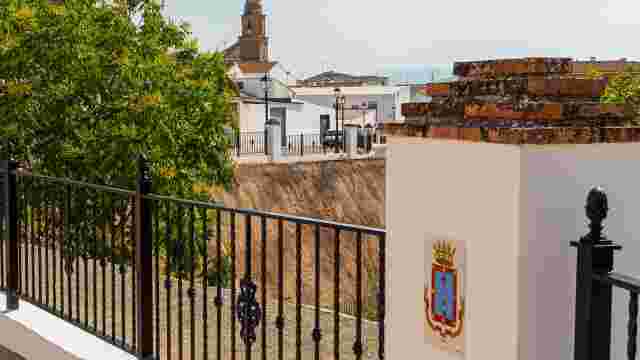
La Grieta Viewpoint
A natural balcony and iconic geological feature offering sweeping views of the banks of the Genil and part of the town.
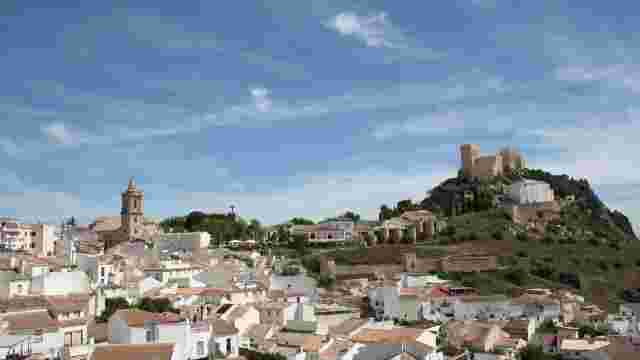
CASTLE VIEWPOINT
Spectacular views from this viewpoint; it is undoubtedly the best place to see Luque Castle and the fortified town in all their glory
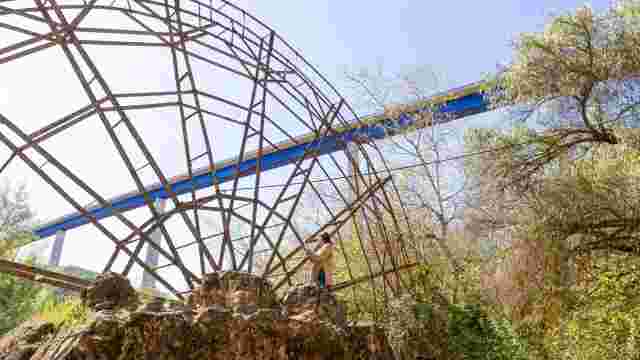
The Waterwheel at Huerta de las Cruces
The historic Genil watermill, one of the three major landmarks on the Watermill Trail.
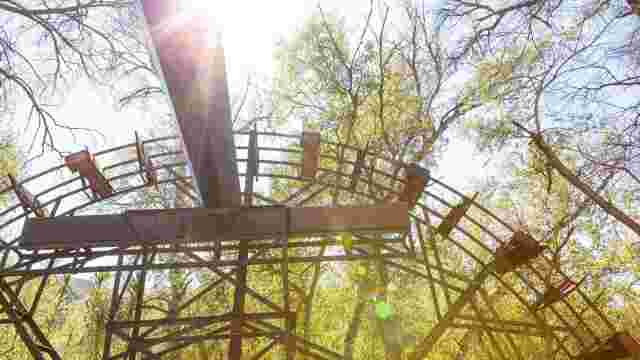
The Waterwheel on the Island of San Miguel
A historic watermill set amidst the orchards and riverbanks of the Genil.
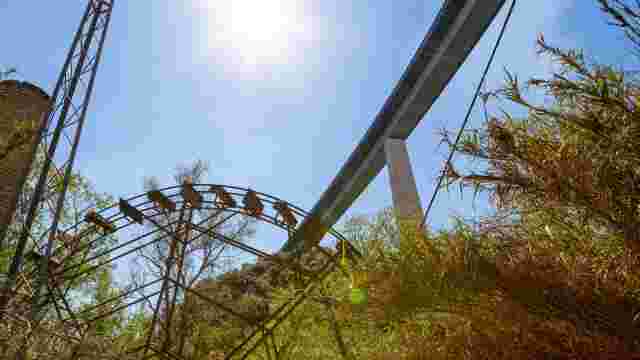
Noria del Campo del Castillo
The third large waterwheel in the Genil hydraulic system, an integral part of Benamejí’s historic landscape.
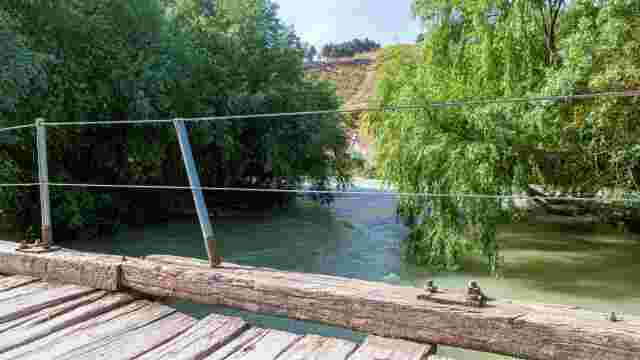
La Barca
A natural area included on the cycle route and associated with the agricultural and riverside landscapes of Benamejí.
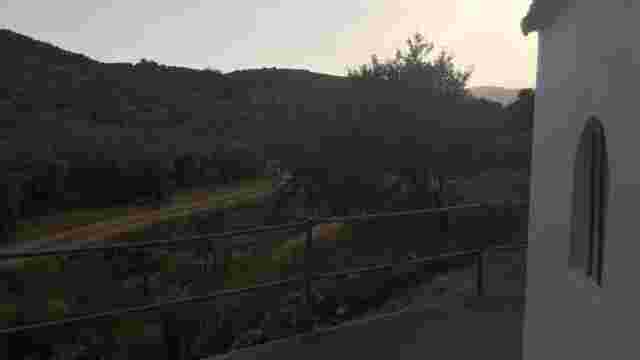
Hermitage Arroyo Granada
A small rural chapel in Fuente Grande, situated beside the Granada stream.
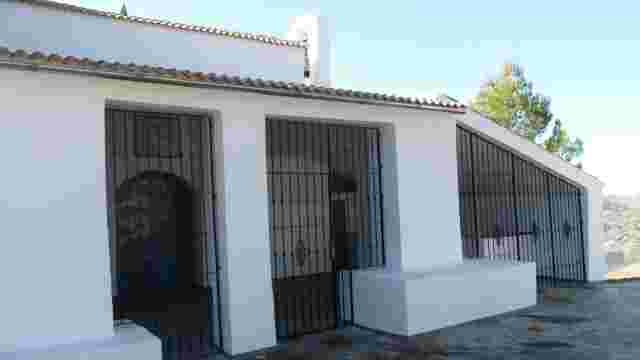
Hermitage of Saint Michael of the Castellar.
A chapel dating from the 18th century, offering views across the entire area of Priego de Córdoba. It is the venue for the Aldea del Castellar festivities at...
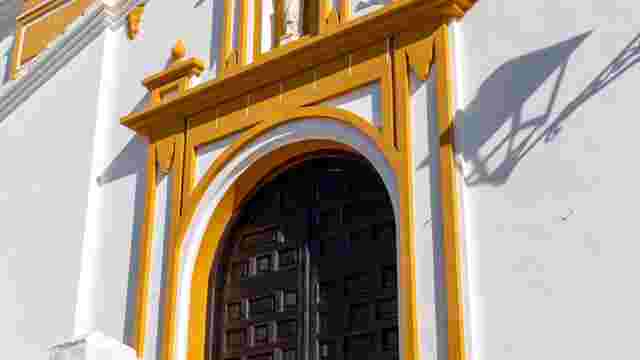
Zagrilla Alta Chapel
Dedicated to Our Lady of Mount Carmel
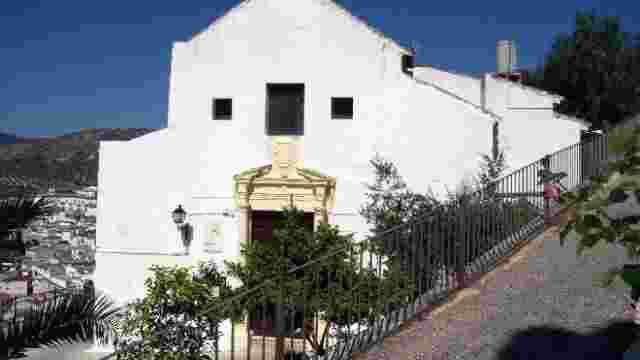
ROSARY CHAPEL
At the foot of the castle stands this chapel, which houses the town’s patron saint.
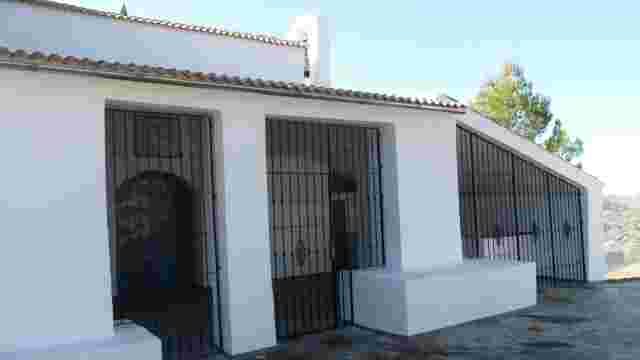
Hermitage of Saint Michael of Castellar
A semi-circular route that starts near the Red Cross post, next to the A-4154 road, in the municipality of Priego de Córdoba, and follows country lanes and t...
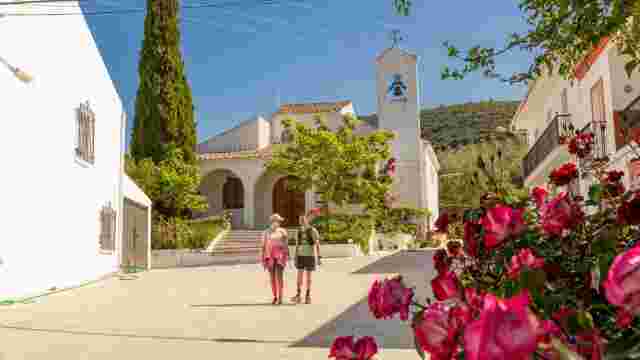
Chapel of Our Lady of Fátima
The Chapel of Our Lady of Fátima is the heart of the hamlet of Algar (Carcabuey). This humble white chapel hosts its famous and joyful pilgrimage every May.
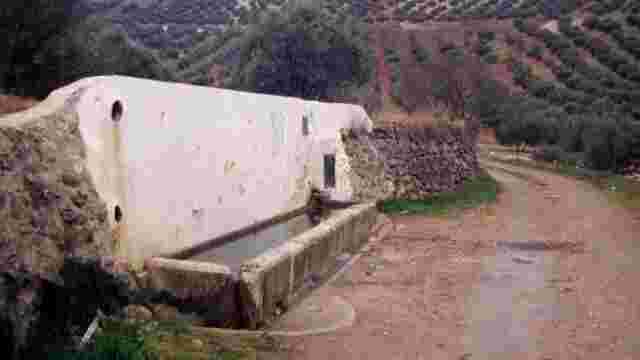
QUEEN'S FOUNTAIN
An oasis in the middle of the desert. At the end of the route, it appears as a place where you can enjoy a refreshing drink of water flowing from the mountains.
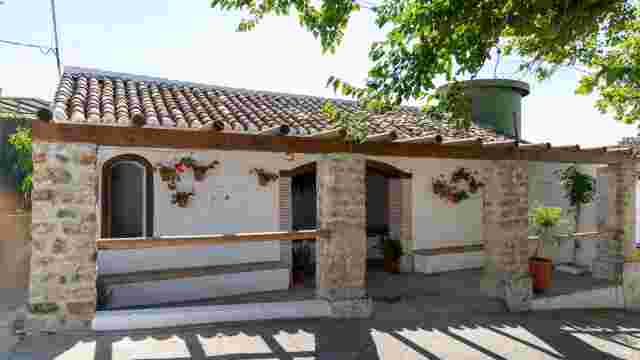
Fuente de las Majadas
A spring and drinking trough, also known to the residents of El Esparragal as ‘El Pilón’.

JARCAS SPRING
The trail starts in the municipality of Cabra, next to some water tanks about 100 metres from the old railway station, which has now been converted into the ...

Gancha Spring
The Fuente de la Gancha is a traditional spring in Carcabuey. Surrounded by olive trees, it offers shade and fresh water, making it an ideal spot for hikers ...
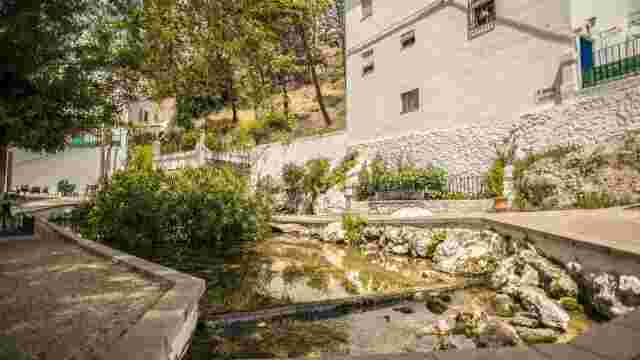
Zagrilla Alta Spring
A natural spring of great importance to the entire northern part of the municipality of Priego
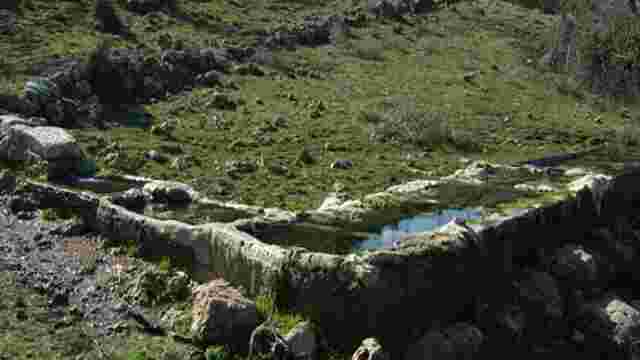
FUENTE DEL ESPINO
A haven along the way, a place to rest, recharge your batteries, have a drink of cool water and set off again.
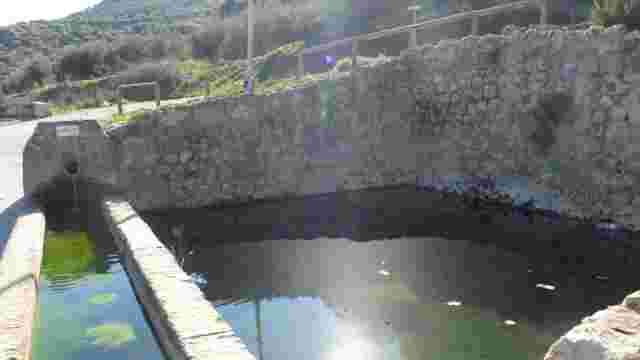
Fontanar Fountain.
A spring that flows constantly throughout the year, supplying the local vegetable gardens. Serving as a rural spring, a drinking trough and a pool, its water...
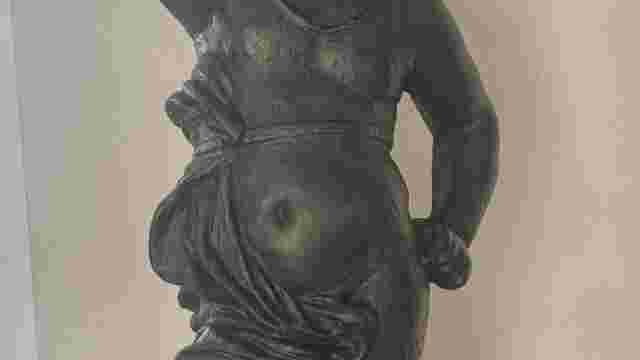
The Niño del Coso Fountain
A Rococo fountain featuring a child and a shell, situated on a corner of the Coso. It is located near the Gonzalez-Palma mansion.
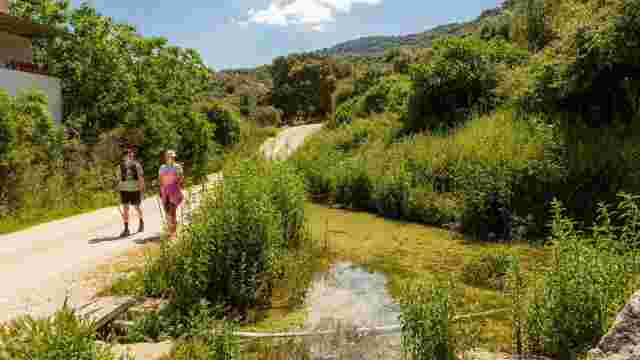
HARD SPRING
A trail that combines agricultural and mountainous landscapes, offering sweeping views over Carcabuey, passing through olive groves, Mediterranean vegetation...
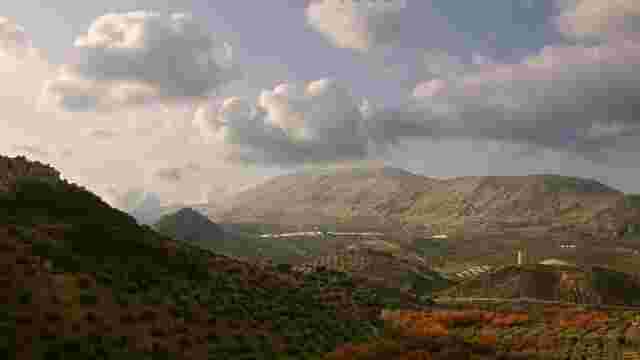
Sierra Alcaide
A mountain range of great scenic beauty and geological and environmental significance between Zagrilla and El Esparragal
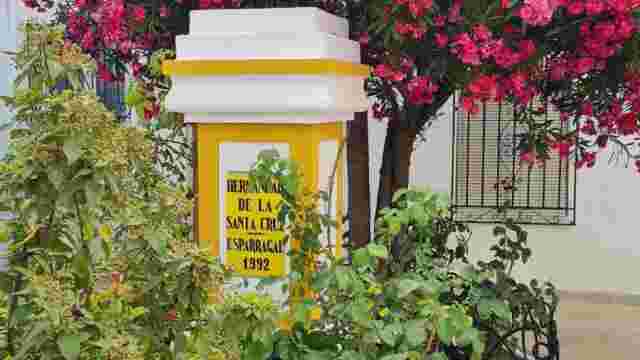
Esparragal Church
A church dedicated to Our Lady of Mount Carmel, situated in the well-kept little square in the centre of the village
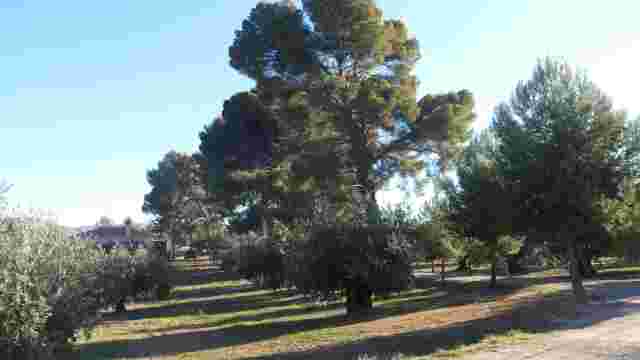
Buenavista.
From this area, there are interesting views to the east of the municipal area
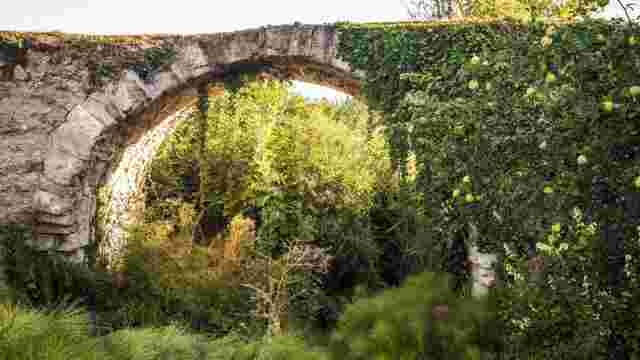
CALIPHATE BRIDGE
A trail that combines outstanding scenery and heritage, offering views of the castle and the mountains, passing by the River Palancar and the area around Cer...
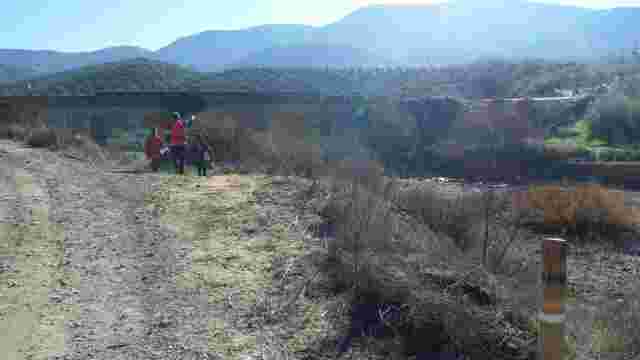
Bridge over the Arroyo Salado.
Communications and water infrastructure of great importance to Priego de Córdoba, linking it to the southern part of the municipal area.
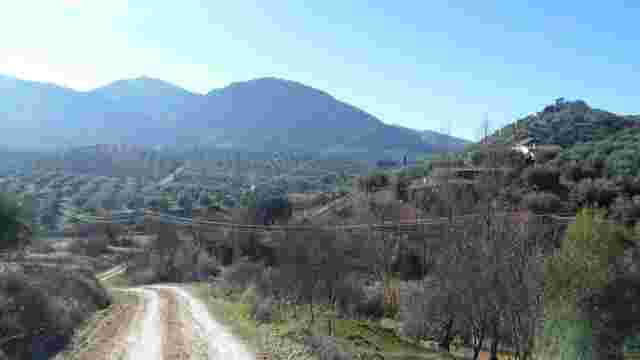
Views over the Arroyo Salado.
Along the trail, you can enjoy some beautiful views of the surrounding countryside, with the Arroyo Salado stream forming the backbone of the landscape.
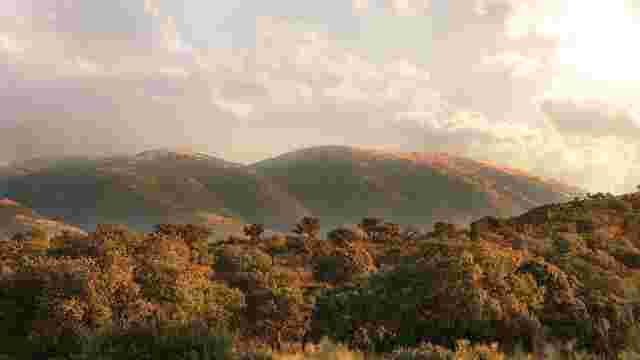
Views towards Albayate,
Running parallel to the path, we are accompanied by the mountainous beauty of the Sierra del Albayate, with the Sierra Nevada in the background.
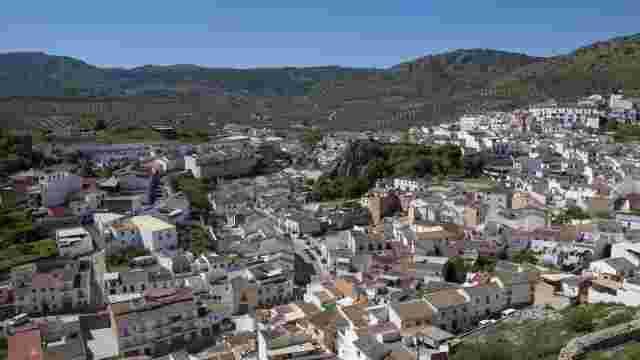
VIEWS OF LUQUE
Stunning views of the village, with its castle perched atop a rock, standing guard over the village.
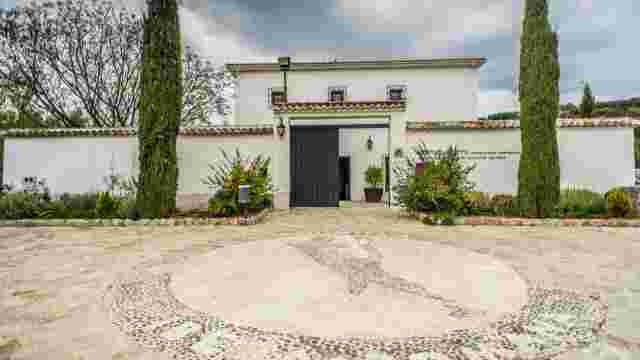
Almedinilla Visitor Centre
The Almedinilla Tourist Office serves as an information and welcome centre for visitors to the town. Located opposite the Roman villa ‘El Ruedo’, it offers t...
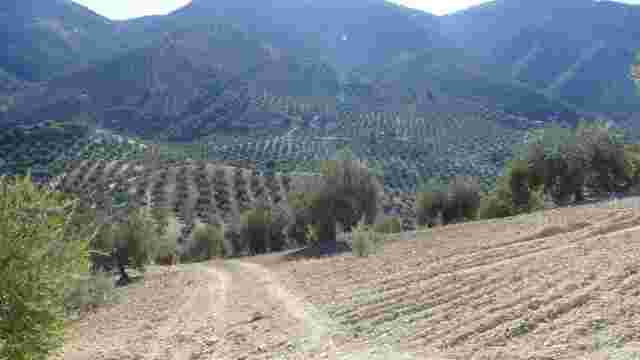
Hike up to San Miguel del Castellar.
This climb involves a considerable elevation gain and is around one and a half kilometres long. It’s a challenge well worth taking on for the spectacular vie...
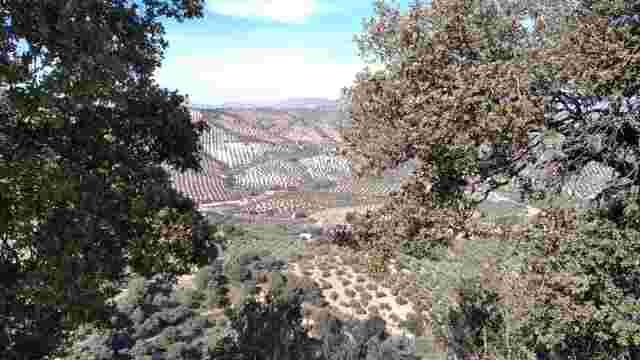
Landscape of Arroyo Salado.
Along the trail, you can enjoy some beautiful views of the surrounding countryside, with the Arroyo Salado being one of the main attractions
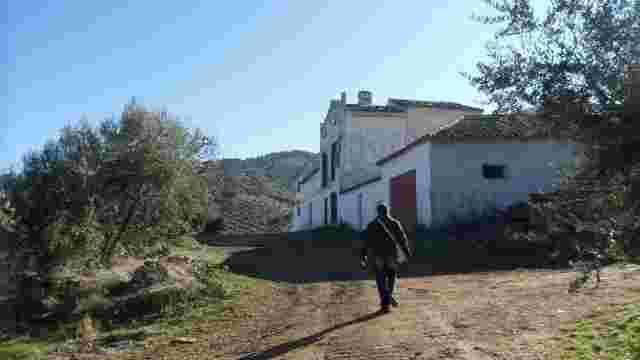
Rural farmhouses.
Along the route, we will come across beautiful traditional farmhouses typical of the Priego de Córdoba area, some of which are still in use and active, whils...
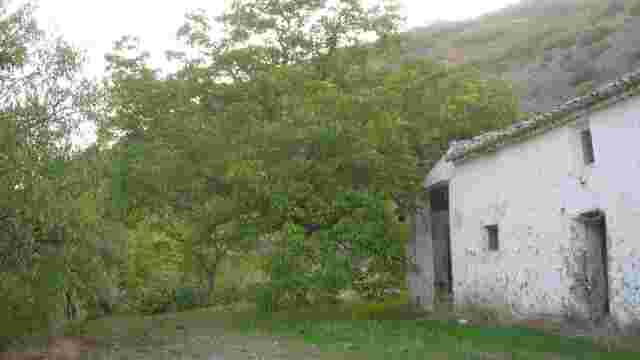
Cortijo Alborazor.
Along the route we come across two examples of traditional rural architecture, the Cortijo del Guirri and the Cortijo del Alborozor, which bear witness to ti...
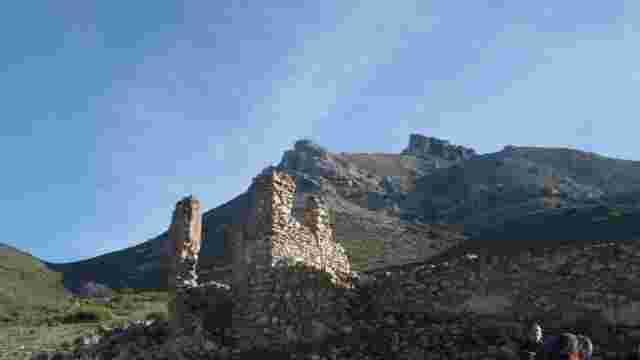
Cañatienda Farmhouse.
One of the most unique farmhouses in the province of Córdoba, situated at the highest altitude. The ideal place to make your first stop, recharge your batter...
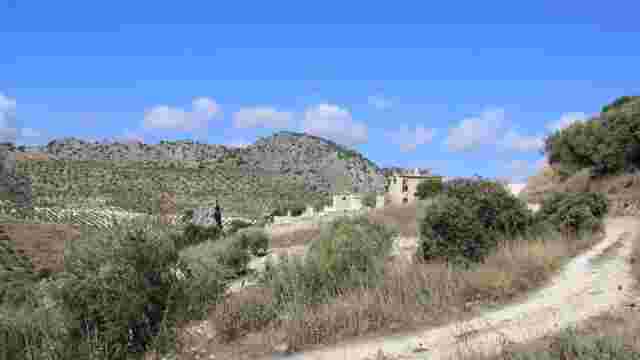
Cortijo El Guiri.
Along the route we come across two examples of traditional rural architecture, the Cortijo del Guirri and the Cortijo del Alborozor, which bear witness to ti...
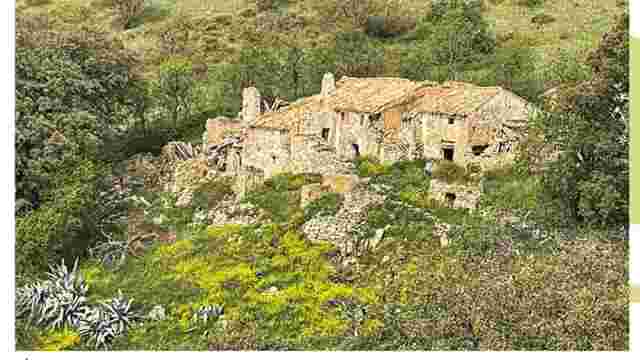
Cortijo Eras Altas.
Now abandoned, it was once a farmstead of great importance in the area, situated at an altitude of over 1,000 metres. It features several threshing floors wh...
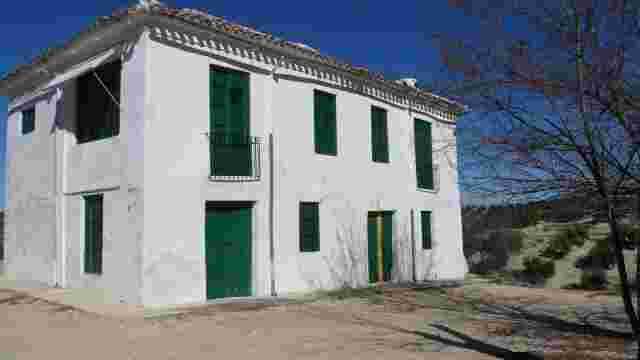
Abandoned and occupied farmhouses
Along the route, we will come across beautiful traditional farmhouses typical of the Priego de Córdoba area, some of which are still in use and active, whils...
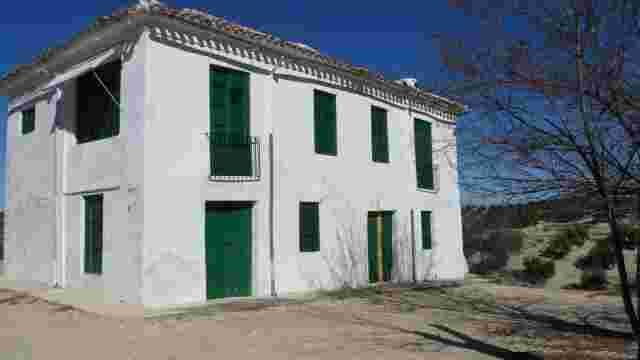
Farmhouses that are still in use and those that have been abandoned.
Along the route, we will come across beautiful traditional farmhouses typical of the Priego de Córdoba area, some of which are still in use and active, whils...
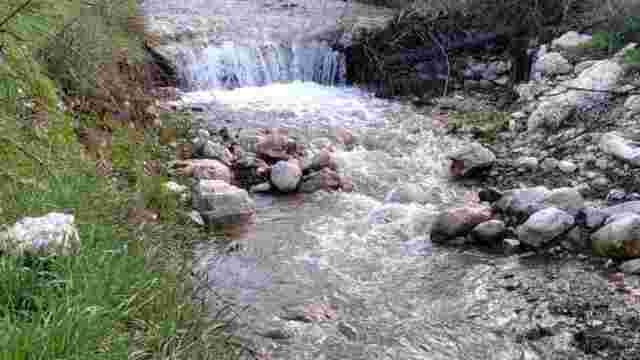
Cañatienda Stream.
A stream that accompanies hikers on the first section of their ascent to La Tiñosa. It offers a beautiful landscape with lush vegetation. The stream usually ...
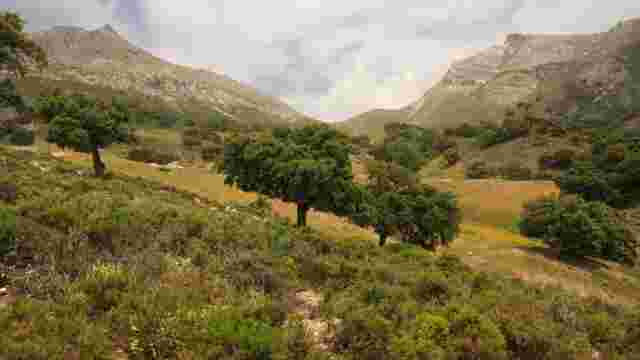
Encina del Tejón.
A hundred-year-old holm oak located near the footpath. Its stature
Weak Port.
A mountain pass at an altitude of over 1,000 metres, linking the northern (Priego de Córdoba) and southern (Las Lagunillas) slopes of La Horconera. Another m...
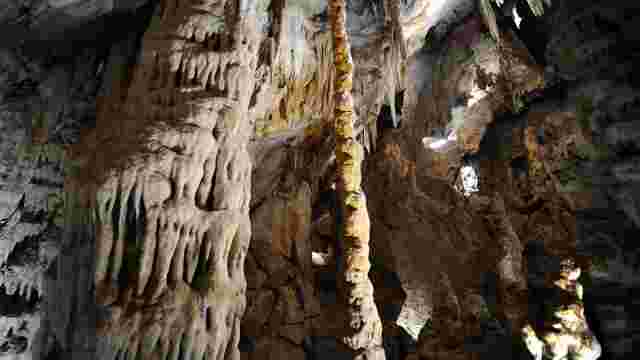
BAT CAVE
This is one of the most impressive caves in the whole of Andalusia.
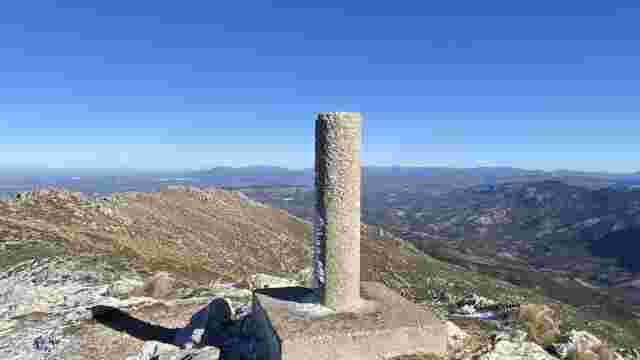
Geodetic point.
You are at the highest point in the province of Córdoba, some 1,570 metres above sea level. It is a very special place for the people of Priego and for natur...
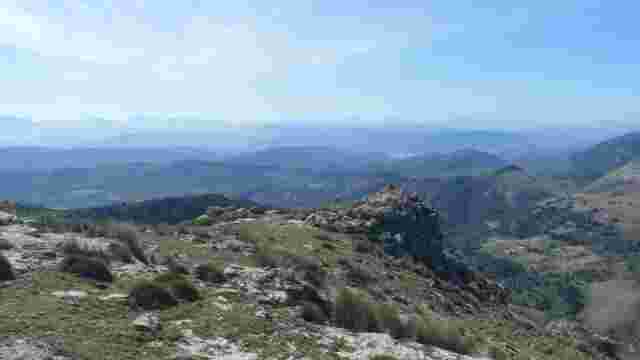
A panoramic view from the summit.
The landscape around us is unique: the Sierra Nevada, La Maroma, the Sierra de Cabra, the Iznájar Reservoir... Enjoy the silence, the breeze, the sunshine, g...
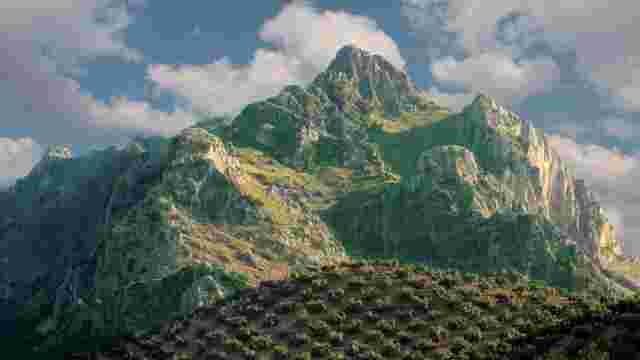
Pico Bermejo
The second highest peak in the province of Córdoba, standing at 1,474 metres above sea level. Less well-known than La Tiñosa, but no less important or beauti...
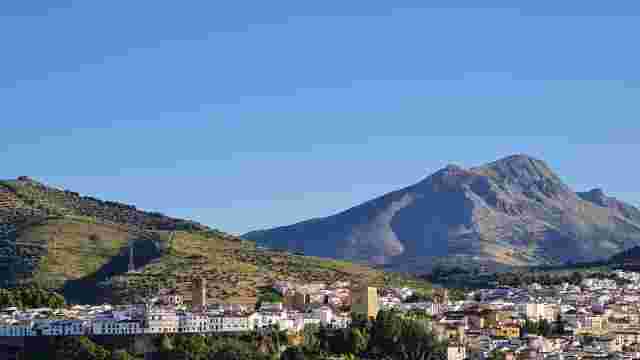
Tiñosa Peak
This trail starts in the village of Las Lagunillas and leads to Pico de la Tiñosa, the highest point in the province of Córdoba at 1,570 metres
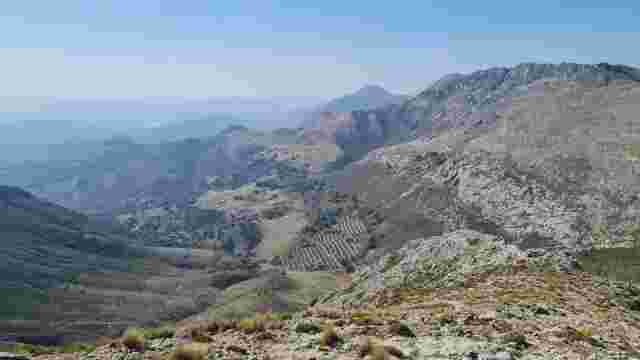
Crest of Alhucemas
The third mountain in the Sierra de la Horconera range. It is of great environmental and scenic value.
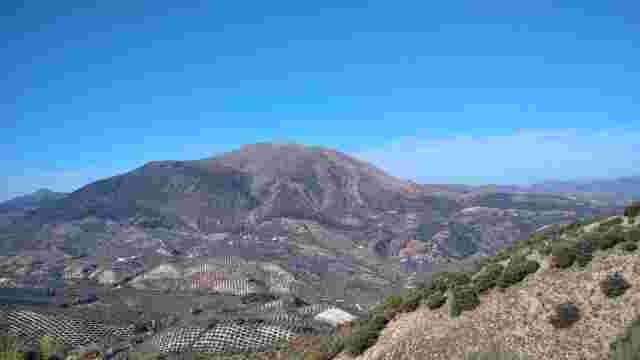
Landscape of the Sierra Horconera.
From this area, there are spectacular views of the Sierra de la Horconera, including La Tiñosa, Bermejo and Alhucemas.
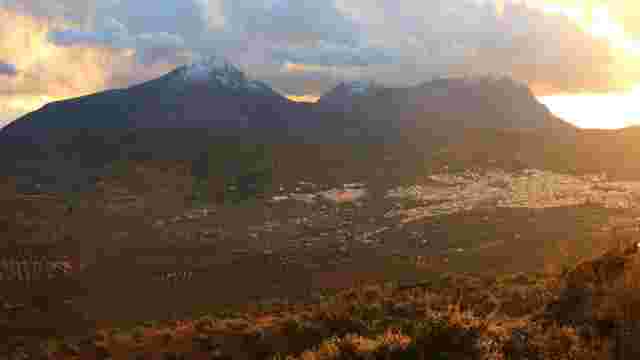
Landscape of La Horconera
From the chapel of San Miguel del Castellar, the Sierra de la Horconera will accompany us along much of the trail with its distinctive silhouette, featuring ...
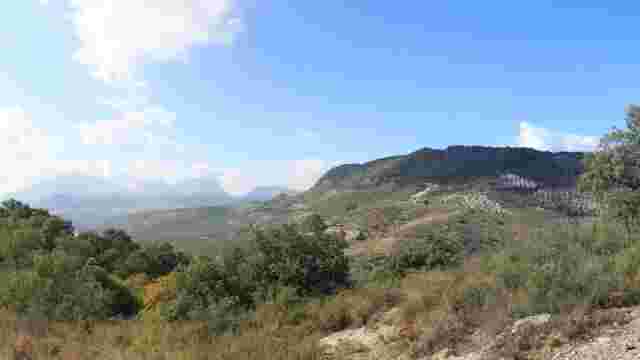
Olive Grove Landscape.
Throughout the route, the traditional olive groves will accompany us, offering spectacular views with the Sierra del Albayate and the Sierra de la Horconera ...
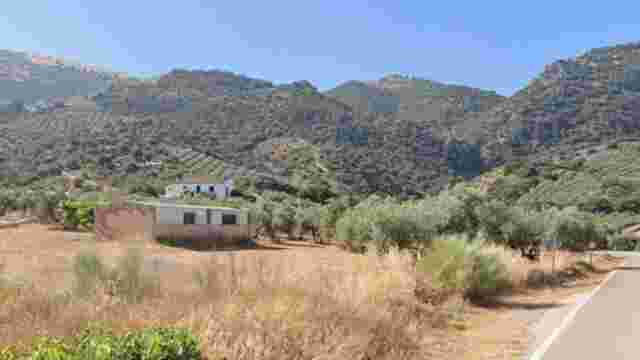
The Old School in El Salado.
A rural school, sadly now closed, where children from El Salado, Los Ricardos and the local farmsteads used to go to learn in a setting surrounded by nature.
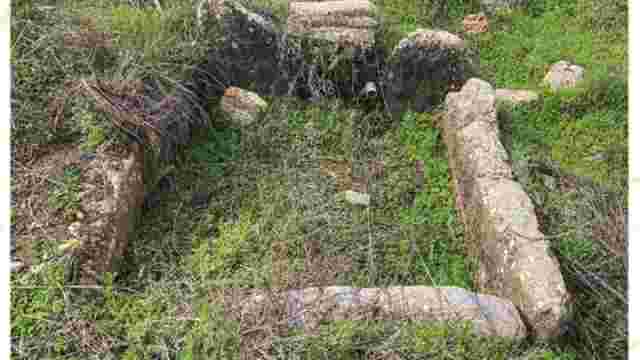
Peñas Doblas.
This rural settlement, now deserted, appears in historical records from the 18th and 19th centuries as Ciudad or Prado de Obras, in reference to the walls an...
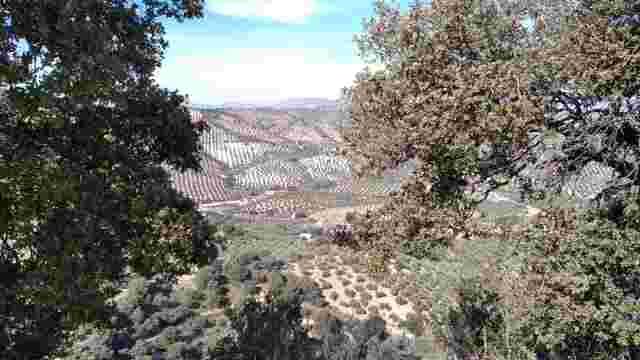
Salinas.
A unique spot in the municipality of Priego de Córdoba, as this is where the water of the Arroyo Salado changes from fresh to salt water. In the last century...
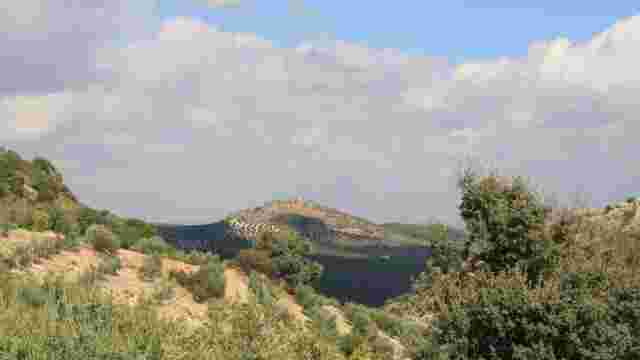
Presence of watchtowers
Stop for a moment and take in the horizon around you; in the landscape between the mountains and the olive groves, you will find watchtowers that once served...
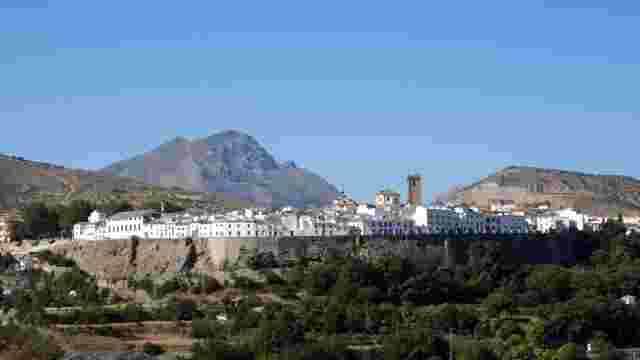
Priego de Córdoba and Horconera.
From this spot, there are spectacular views of the Sierra de la Horconera, including La Tiñosa, Bermejo and Alhucemas, as well as the town centre of Priego d...
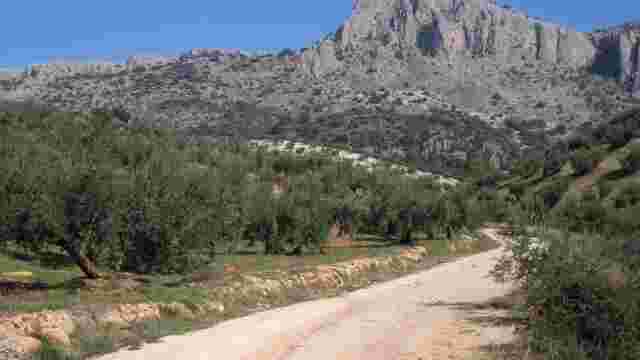
The Buitreras area.
This is an area of outstanding environmental importance, as it serves as a nesting and resting place for the griffon vulture. Its shade will accompany you al...
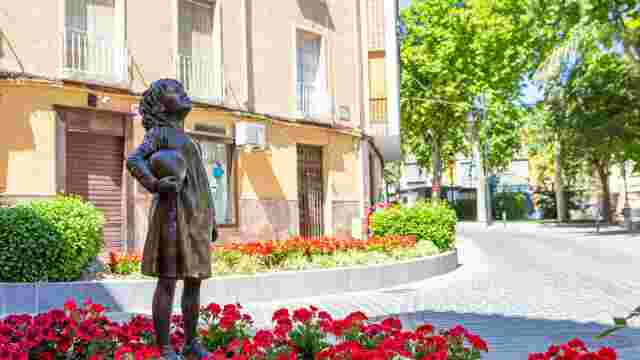
Sculpture of the Girl with the Ball
Admire the Torre del Moral and enjoy the lively bars and restaurants in Plaza de España, which reflect Lucena’s rich past and present.
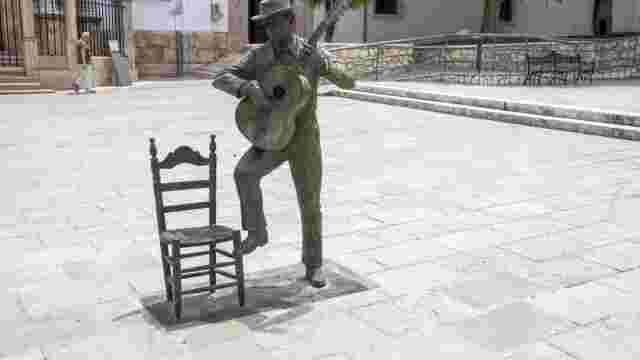
Monument to Paco de Lucena
Opposite a historic church stands a work of art paying tribute to an influential flamenco guitarist. Be sure to visit the nearby parish church as well.
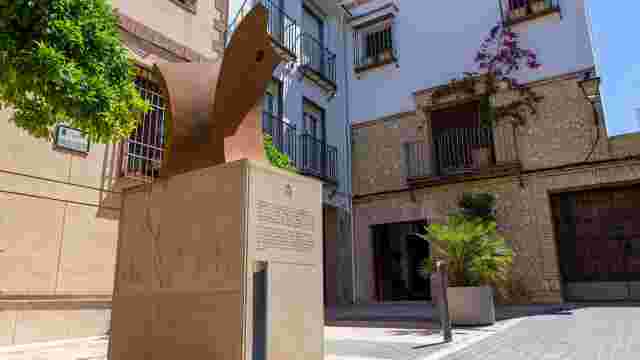
Monument to Christ on the Column
A modern monument that captures the procession on Maundy Thursday. Visits to the Brotherhood House offer an insight into the local brotherhood culture.
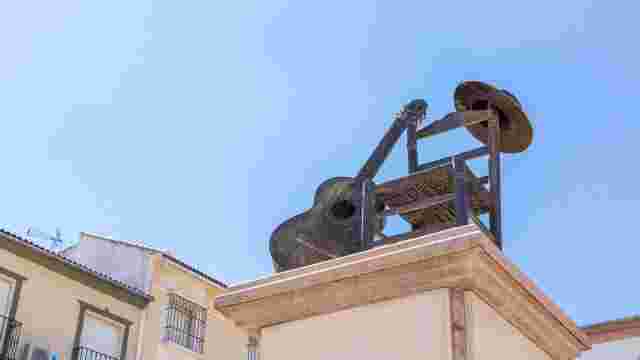
Monument to the Fandango in Lucena
In Plaza de la Barrera, flamenco and fandango are celebrated, paying tribute to leading artists. It’s the perfect place to visit flamenco clubs and local fes...
Monument to the Santero
A unique cultural tradition is celebrated in a square, where local artisans create thrones and sacred images in bronze and wood, and visitors can tour their ...
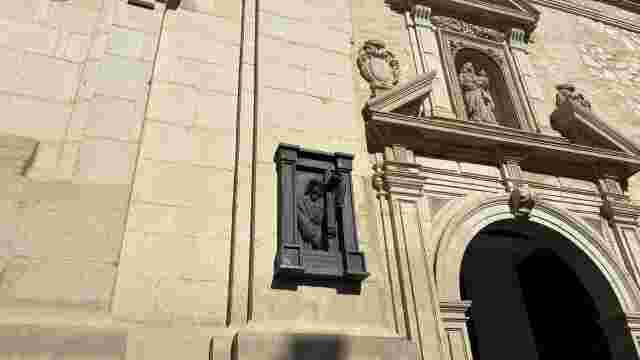
Monument to Jesus of Nazareth
Devotional reliefs on the façade, near churches and palaces housing permanent and temporary exhibitions that stand out for their architectural beauty.
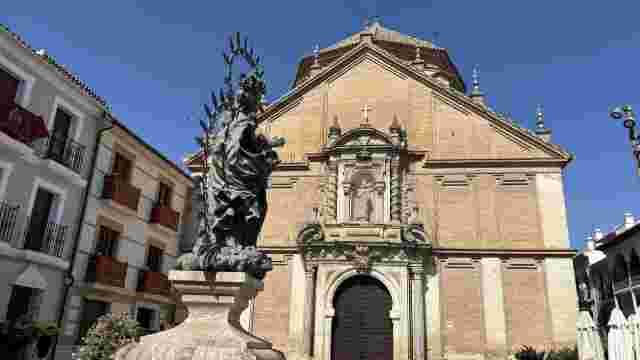
Monument to the Immaculate Conception
A beautiful Marian monument opposite the church of San Martín, the perfect place to visit the Círculo Lucentino and enjoy the local cuisine.
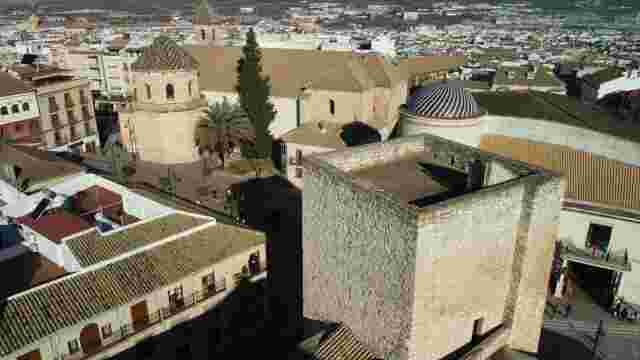
Archidona Square
Located between the Castillo del Moral and the Plaza de Abastos, it offers views of the Torre del Homenaje, famous for having held Boabdil, the last king of ...
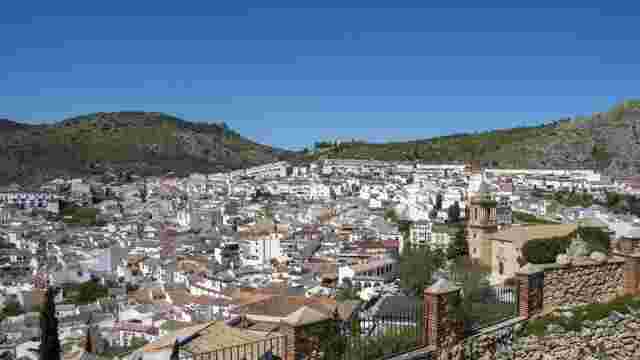
PLAZA DE ESPAÑA
The true heart of the town, everything in Luque revolves around this magnificent, monumental square.
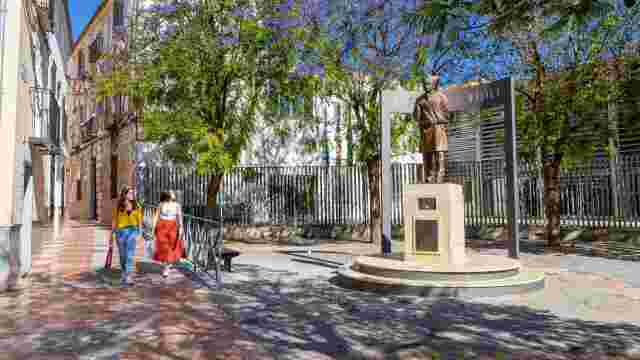
Juan Parejo Square
An iconic spot during Holy Week, with processions that are a real challenge due to the narrow streets. Of particular note is a monument to the santero, featu...
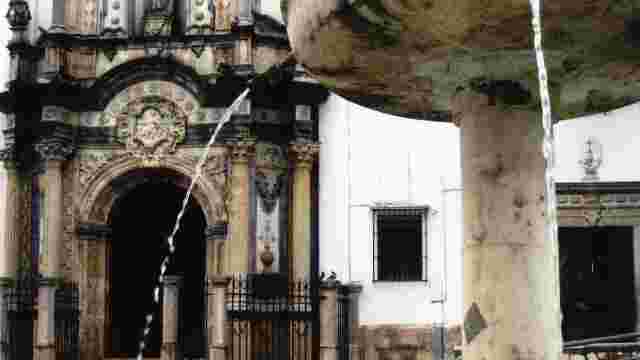
Plaza de la Calzada
This historical site and Jewish necropolis—the largest ever excavated on the Iberian Peninsula—offer a unique attraction for visitors.

St Michael's Square
A historic square featuring a Gothic-Renaissance façade dating from 1544, the remains of a sacristy and a bust of Barahona de Soto, a Renaissance poet mentio...
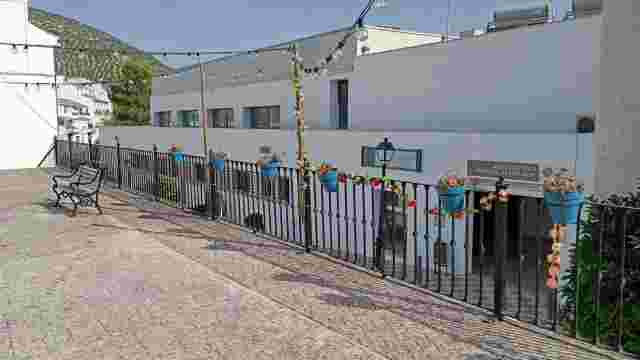
Flamenco Square
The Plazuela del Flamenco in Carcabuey is home to a monument celebrating this art form and borders the "El Aljibe" club, the heart of the local flamenco scene.
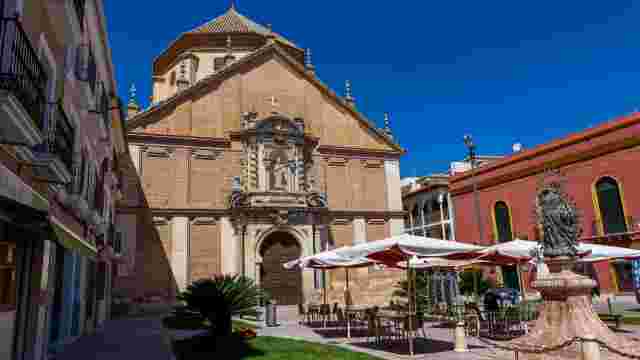
Llanete de San Agustín
An iconic square for processions and the singing of saetas, notably the 'perrilleja' saeta and the ringing of the Torralbo bell during Holy Week.
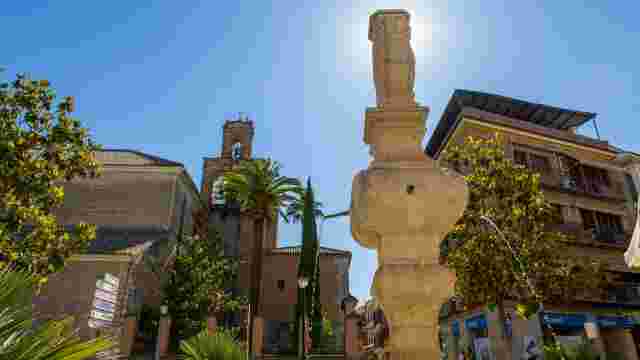
Llanete de San Francisco
A small triangular square with an octagonal fountain and a decorated central pillar, featuring the coats of arms of Lucena and Spain, ideal for admiring hist...
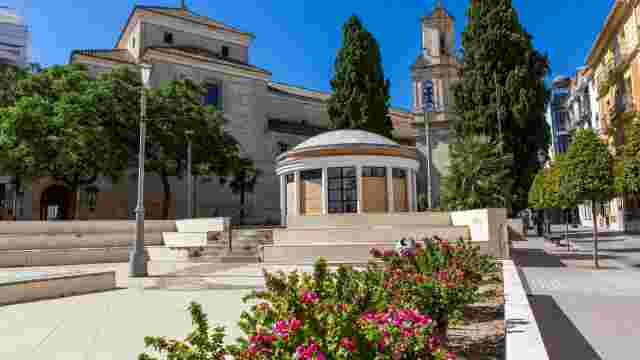
Llanete of the Christ of the Blood
A historic square featuring a devotional image associated with Holy Week, next to a parish church built on the site of a 17th-century chapel. Ideal for cultu...
Llanete Virgen de la Estrella
A small square featuring a stately home bearing a coat of arms, notable for its Baroque façade and heraldic crest, making it the perfect spot to admire local...

Santa Rita Botanical Garden
A trail featuring botanical species, with a viewpoint at 1,025 m offering views of the Lapiaz de los Lanchares and Picacho de la Ermita. Information panels e...

The Dancing River (Cabra-Zuheros)
To reach this route, take the A-339 road towards Cabra-Priego de Córdoba; at around the 19–20 km mark, turn off onto the road leading up to Picacho de la Erm...

GOAT'S GULLY
The trail takes us on a journey past breathtaking views of the Sierras Subbéticas and the Guadalquivir Valley basin, to one of the most historic and legendar...
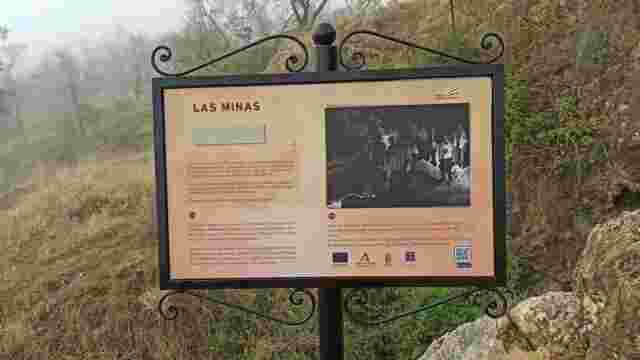
Carcabuey Mines
The lignite mines at Carcabuey (19th–20th centuries) brought prosperity in the post-war period. Now disused, their remains form part of the local industrial ...
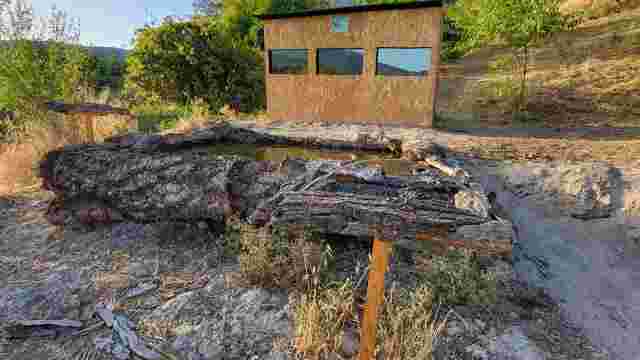
Subbética Bird Park
The Carcabuey Bird Park is an ecotourism site featuring an observation point, a pond and interactive displays for birdwatching in the Subbética region.
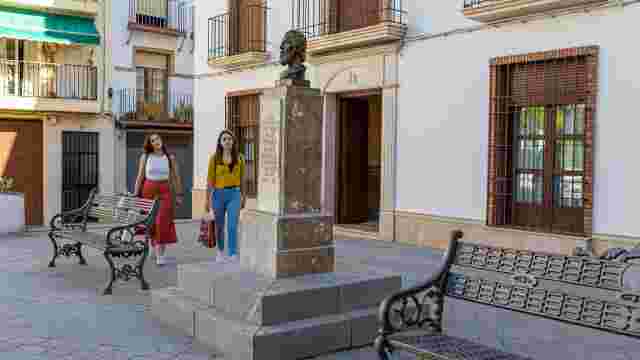
Bust of Yosef Ibn Meir Ha-Levi Ibn Megas
In a historic neighbourhood, next to a church, stands a bust honouring distinguished Jewish figures. Visit Europe’s largest Jewish cemetery and the nearby ch...
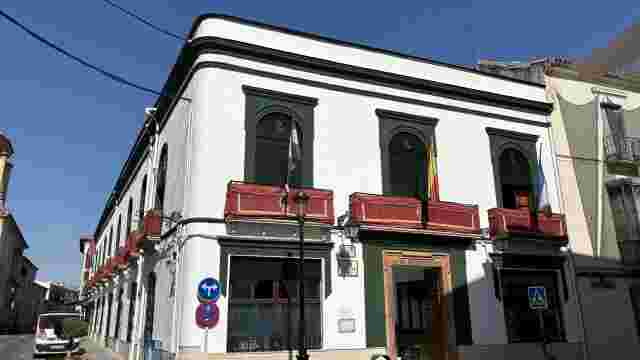
Palace of the Marquesses of Torreblanca
A 19th-century palace with a porticoed courtyard and traditional tiles. Of particular note is the Hall of Mirrors, featuring French mirrors by the painter Ju...
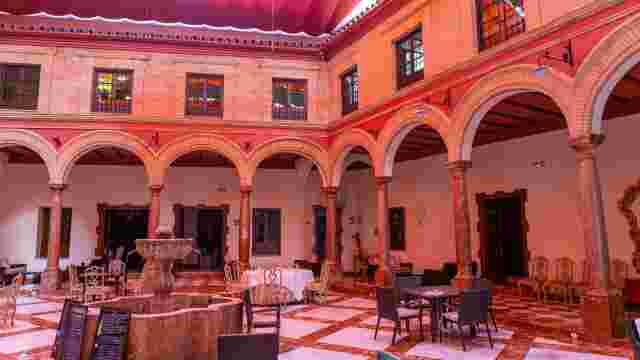
Patio Hotel, Santo Domingo
A historic hotel with a central cloister, a façade of masonry and brick, and balconies featuring mouldings and a triangular pediment – ideal for tourists.
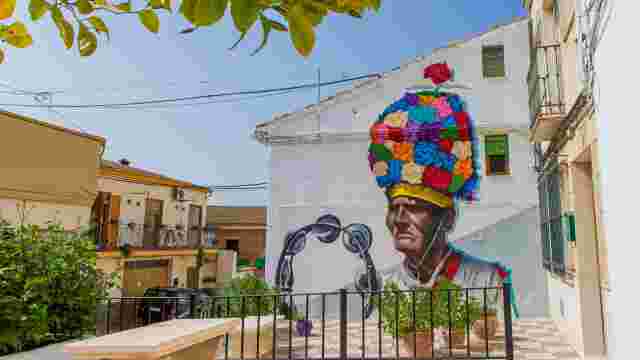
Dance teacher
Mural dedicated to Vicente Fernández, master dancer
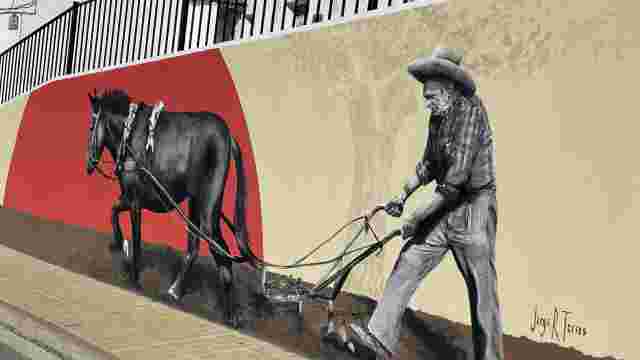
Ploughing the land
Mural depicting rural life
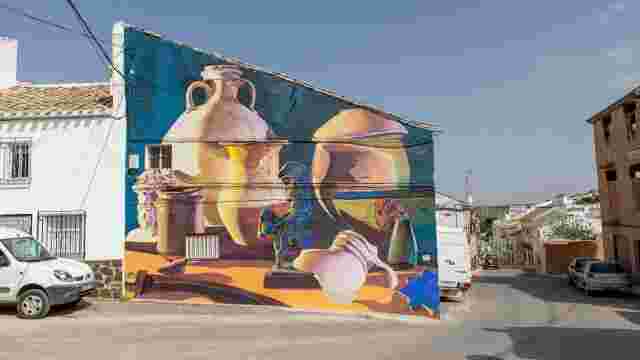
History and archaeology
Mural dedicated to various archaeological remains
Sanitex Soft Drinks Factory
Mural located at the former Sanitex soft drinks factory
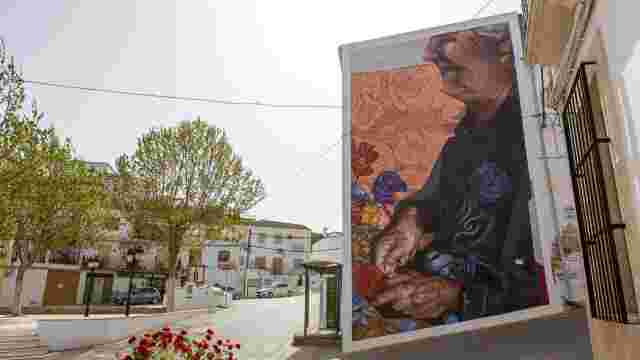
Elvira Salazar Vílchez
Mural dedicated to Elvira Salazar Vílchez

The old oil mill in San Rafael
Mural dedicated to olive oil production
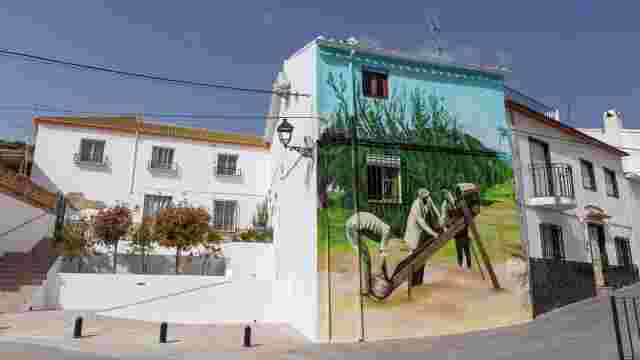
Sorting the olives
Mural dedicated to olive cultivation

A tribute to women in science. A mural dedicated to Rachel Carson
Mural dedicated to women in science
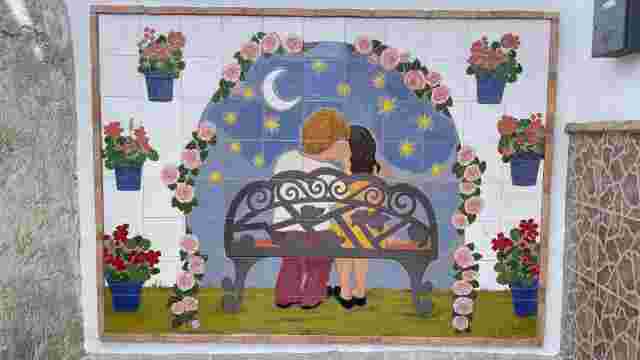
Where the stars share their secrets
Mural commemorating the town’s award of ‘Starlight Town’ status
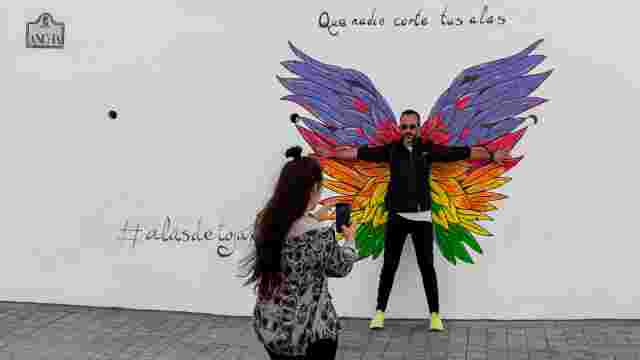
Alas de Tójar
Protest mural
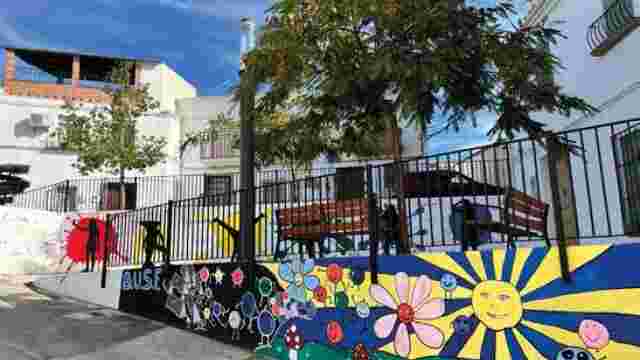
Youth and diversity
A mural dedicated to young people, featuring various pictorial motifs
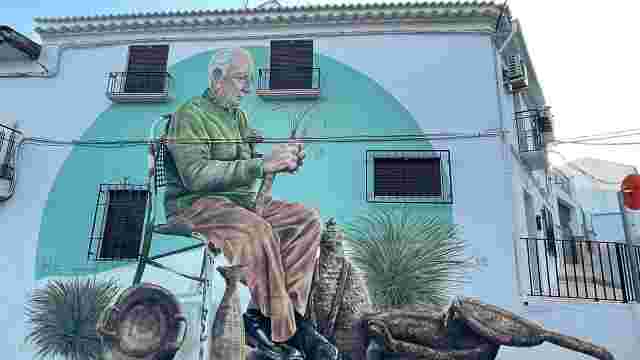
‘The cows’ little bottle’. The art of esparto
Mural dedicated to esparto craftsmanship
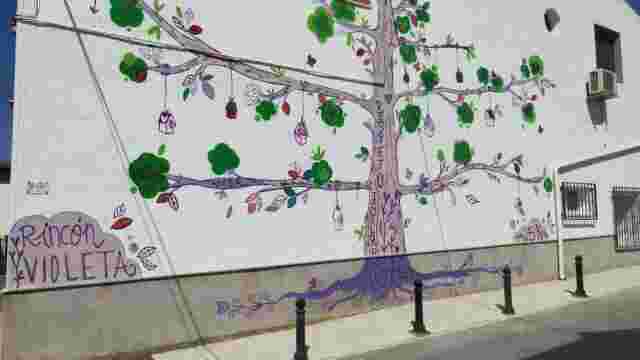
Violet Corner
Mural dedicated to gender equality and the International Day for the Elimination of Violence against Women
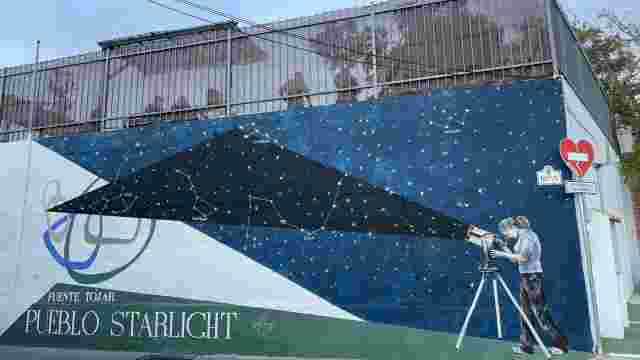
Fuente-Tójar. Starlight village
Mural commemorating the town’s award of ‘Starlight Town’ status

International Day of Rural Women
Mural dedicated to International Rural Women’s Day
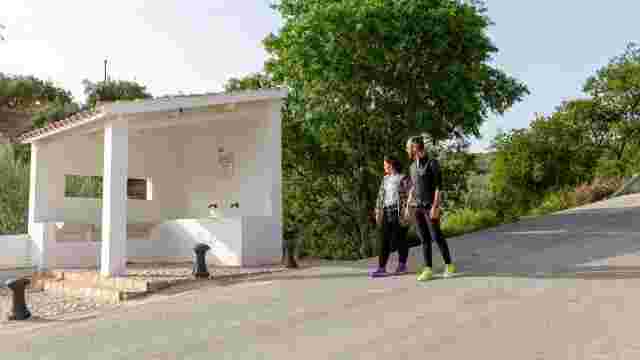
Cubertilla Spring
Old fountain/washhouse
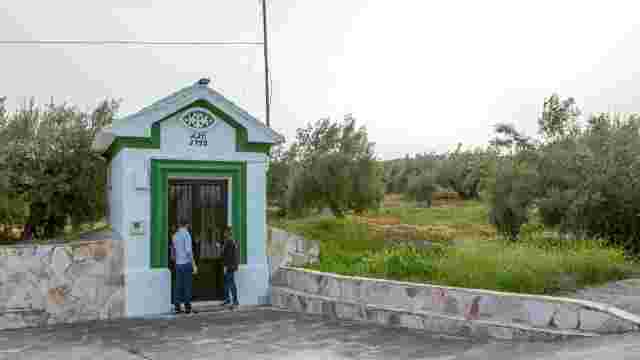
Chapel of the Holy Cross
A small chapel built in 1920 and dedicated to the Holy Cross
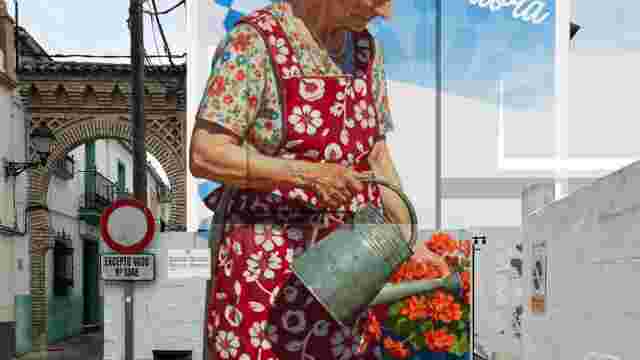
Goat
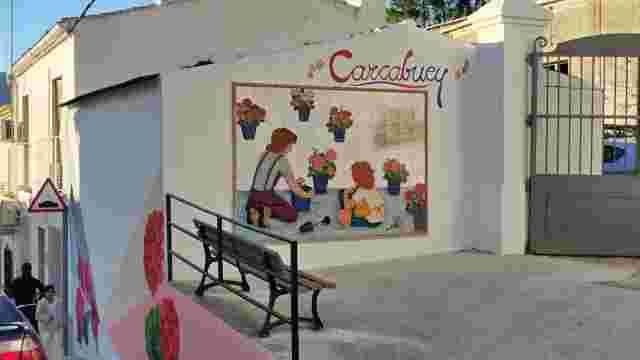
Carcabuey
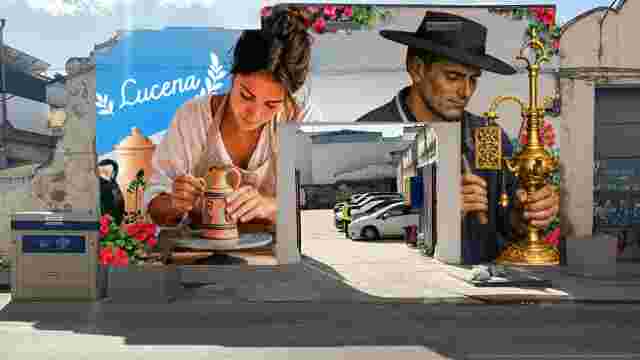
Lucena
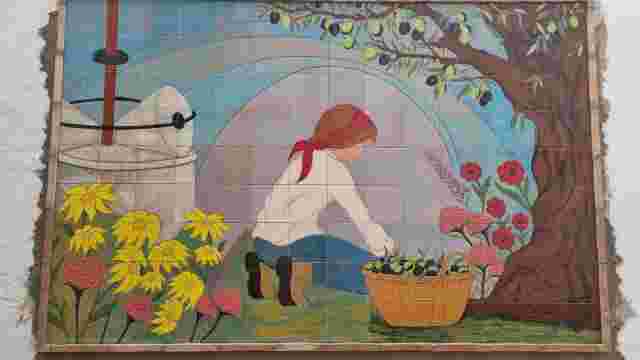
Doña Mencía
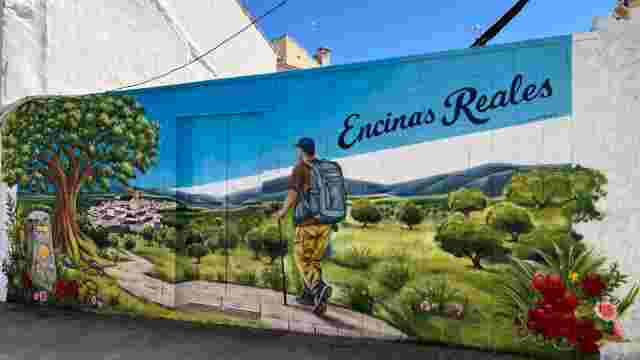
Royal Holm Oaks
Tójar Spring
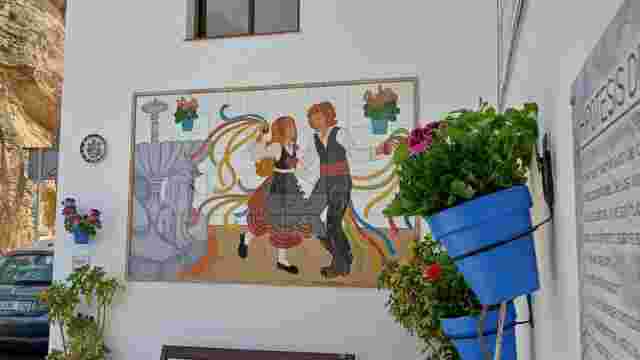
Iznájar
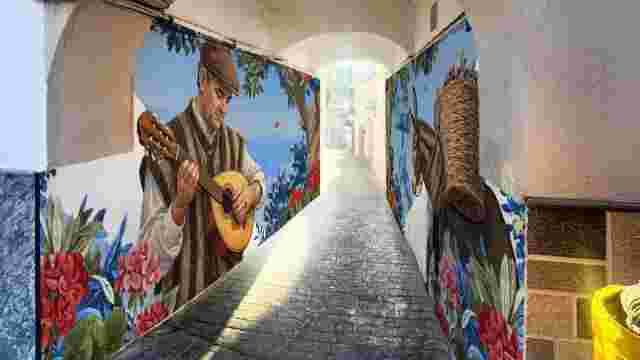
Luque
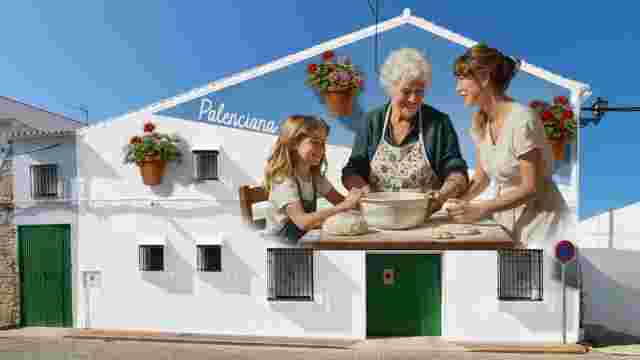
Palenciana
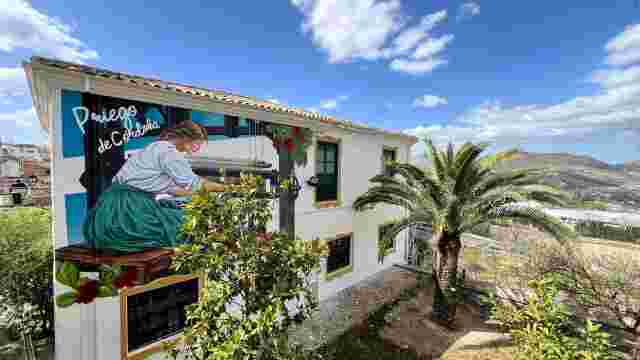
Priego de Córdoba
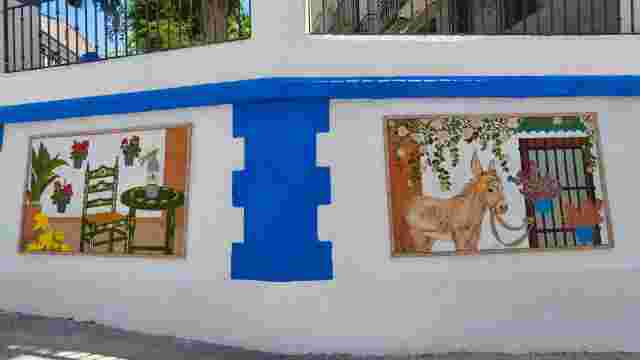
Route
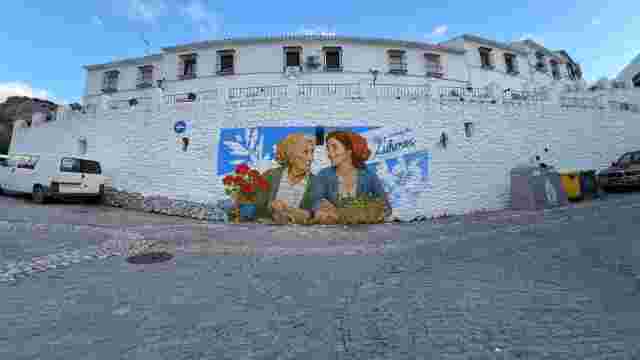
Zuheros