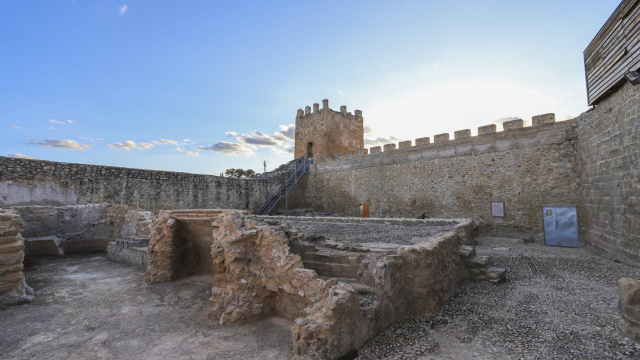
Iznájar Castle (Hisn-Ashar)
OPENING HOURS OF THE CASTLE AND THE TOURIST INFORMATION POINT
FROM 1 OCTOBER TO 31 MARCH (AUTUMN-WINTER)
Monday to Sunday: 10 am to 2 pm
Friday and Saturday: 4 pm to 6 pm
FROM 1 APRIL TO 16 JUNE (SPRING)
Monday to Sunday: 10 am to 2 pm.
Friday and Saturday: 5 pm to 8 pm.
FROM 16 JUNE TO 30 SEPTEMBER (SUMMER)
Monday to Sunday: 10 am to 2 pm.
Friday and Saturday: 7 pm to 10 pm.
NOTE:These opening hours may be subject to change on an ad hoc basis due to activities or events organised on specific dates. Any changes will be announced on social media or on the Castle’s website.
PRICES:
Standard admission: €2
Concession: €1 (Ages 5–12; pensioners and disabled visitors)
Free: Children under 5 and residents of Iznájar.
NO ADVANCE BOOKING IS REQUIRED FOR GENERAL OR REDUCED-RATE ENTRY.
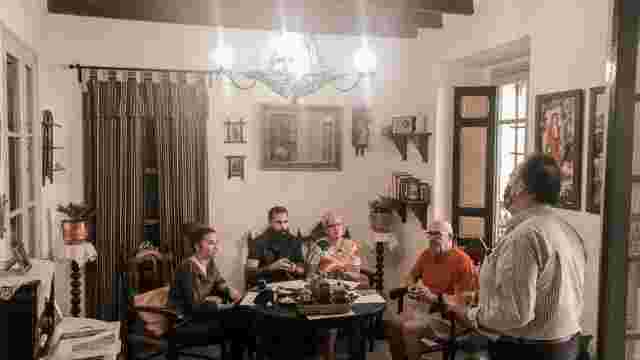
FOR THE GUIDED TOUR OR THE ESCAPE CASTLE, BOOKINGS MUST BE MADE ATcastillo@iznajar.es
FURTHER INFORMATION:
641568020
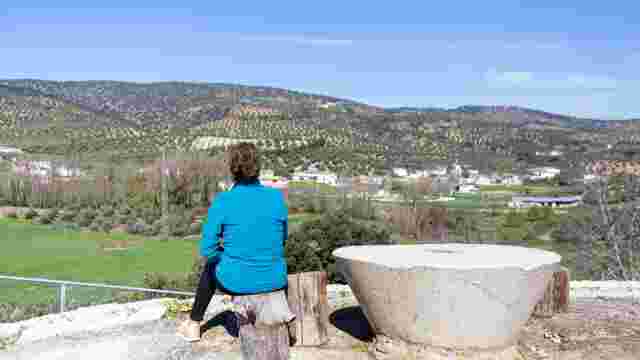
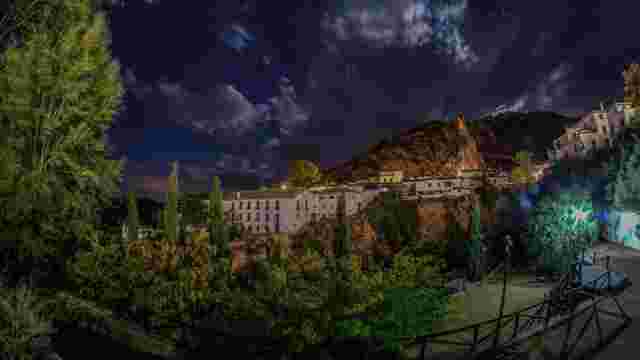
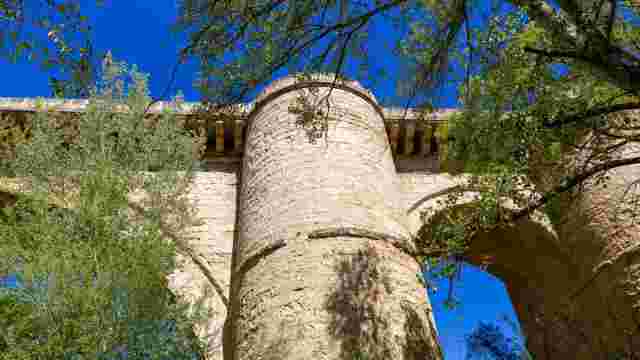
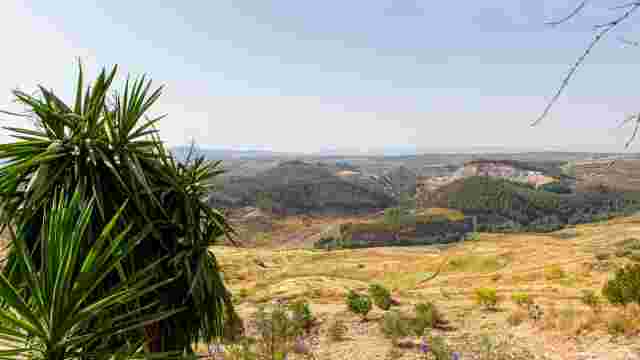
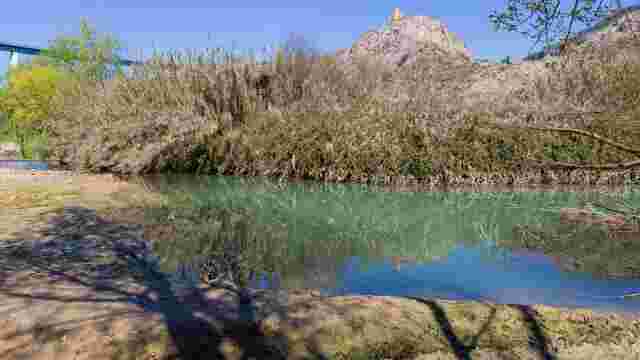
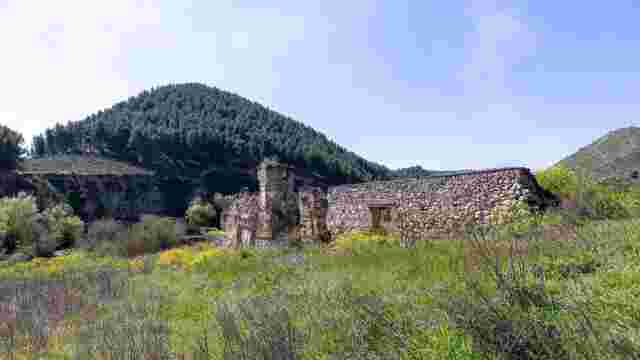
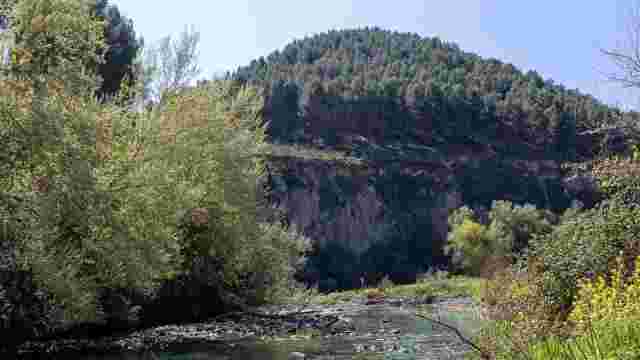
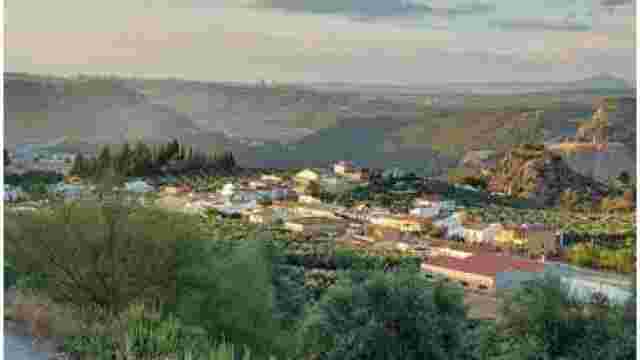
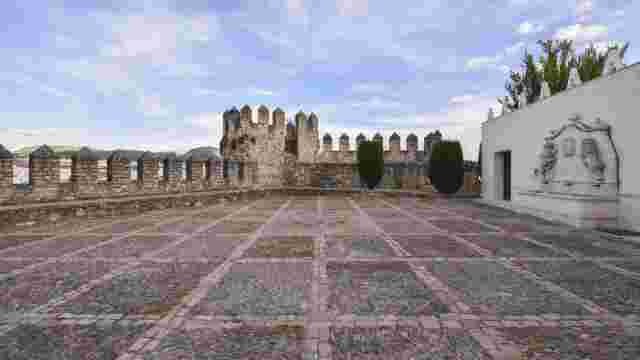
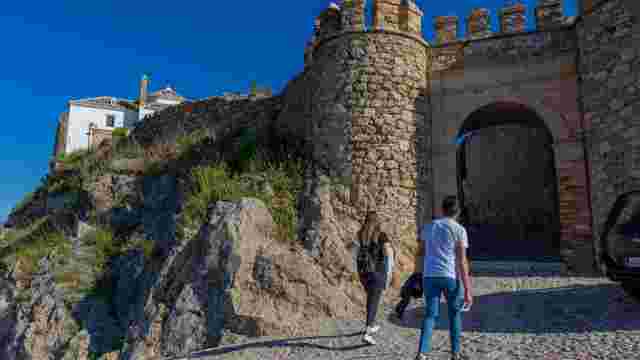
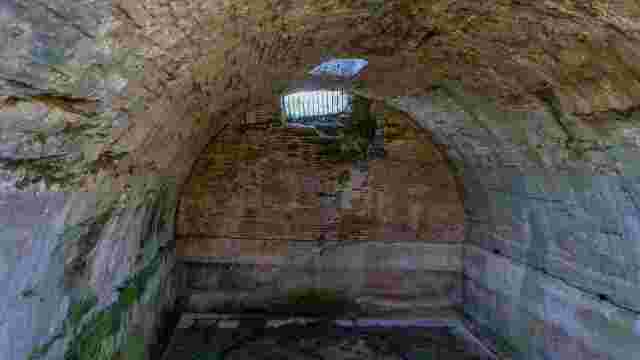
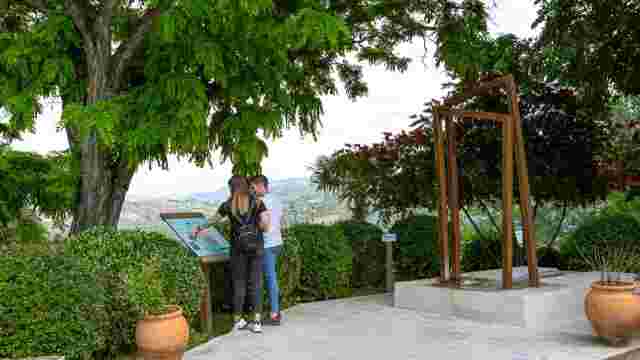
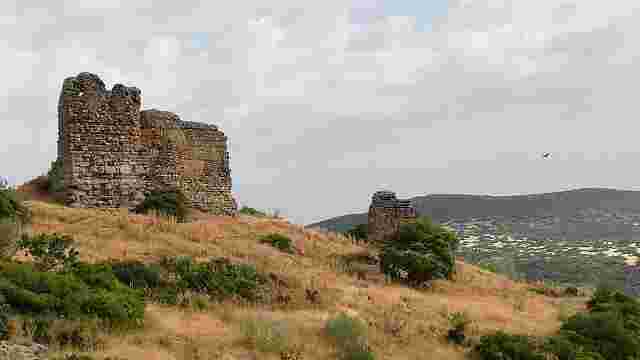
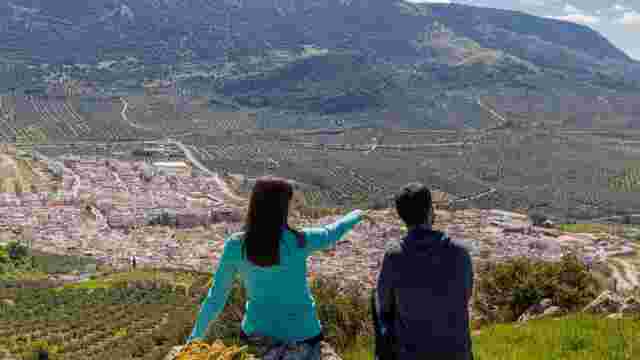
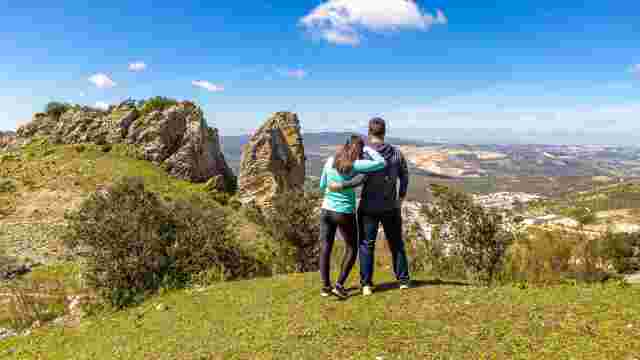
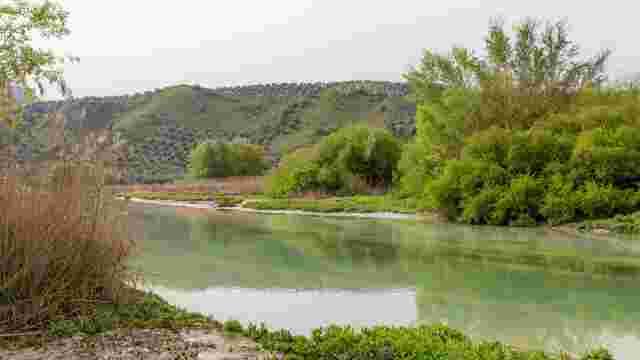
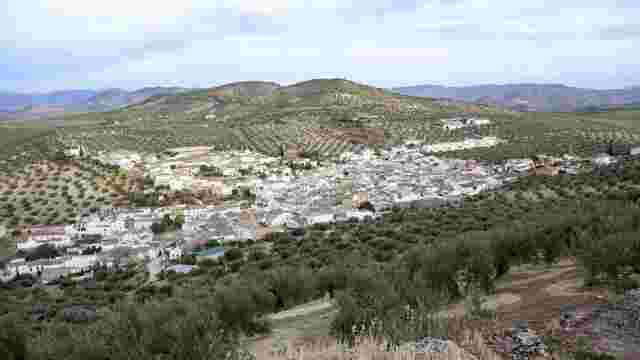
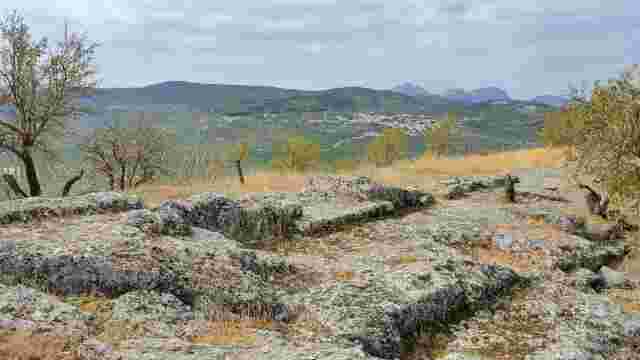
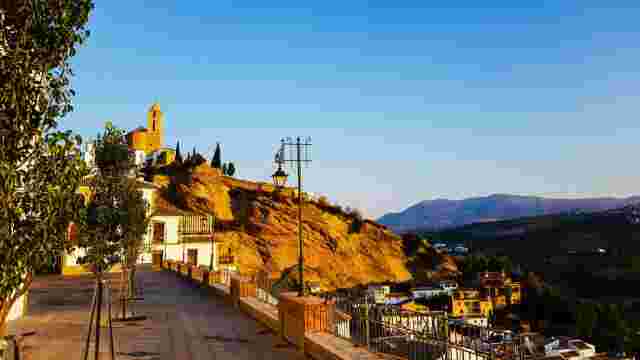
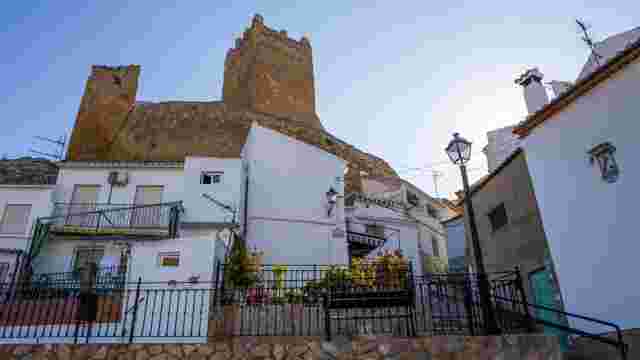
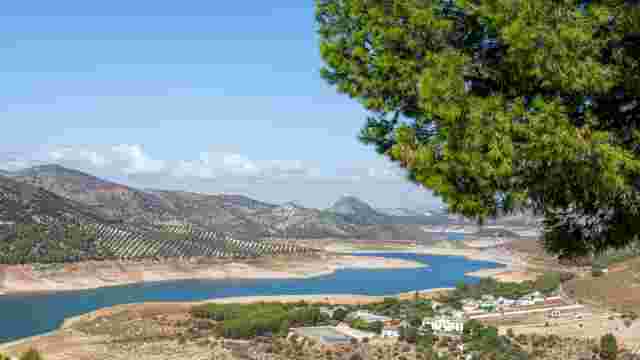
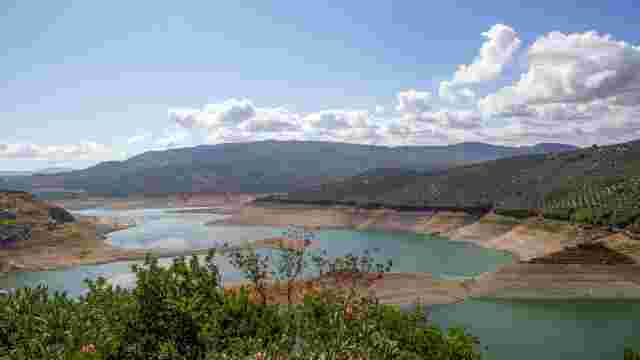
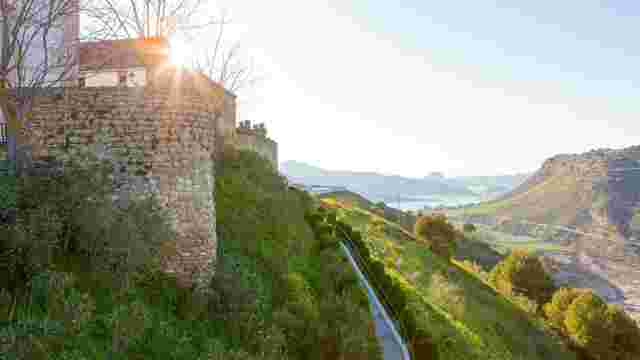
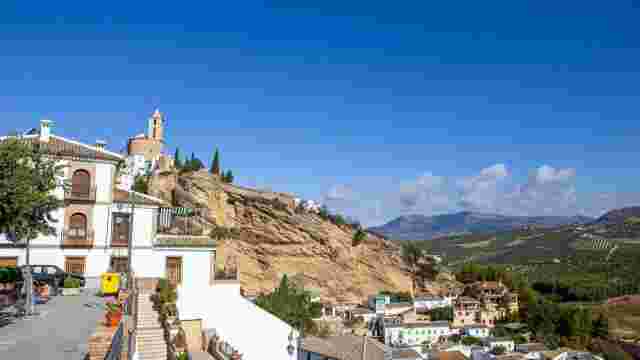
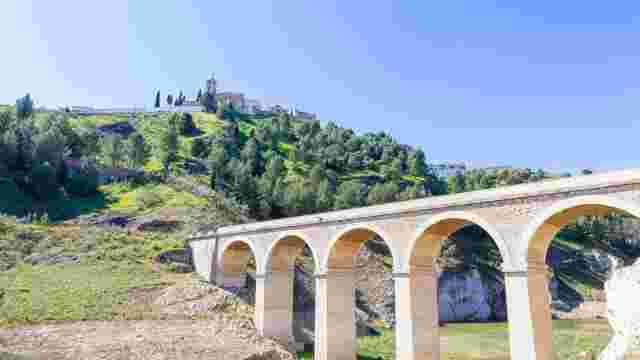
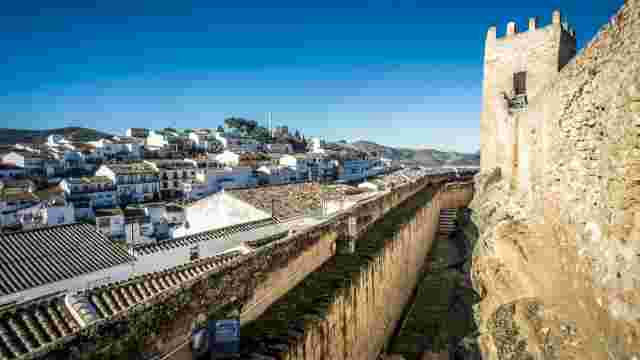
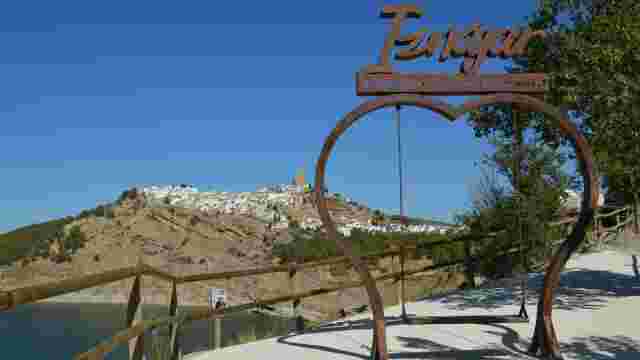
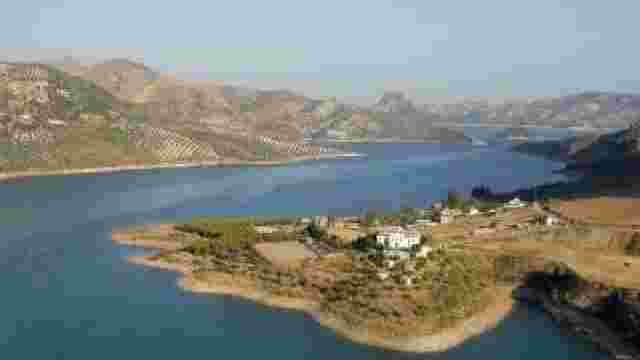
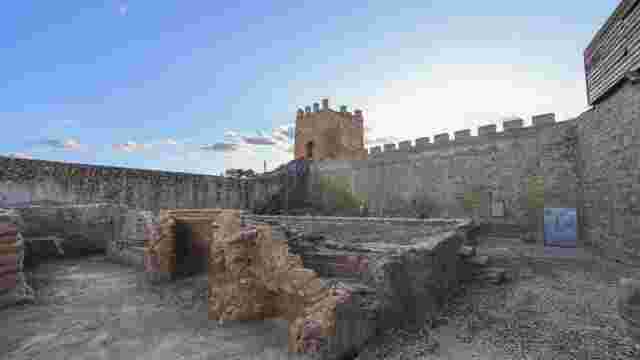
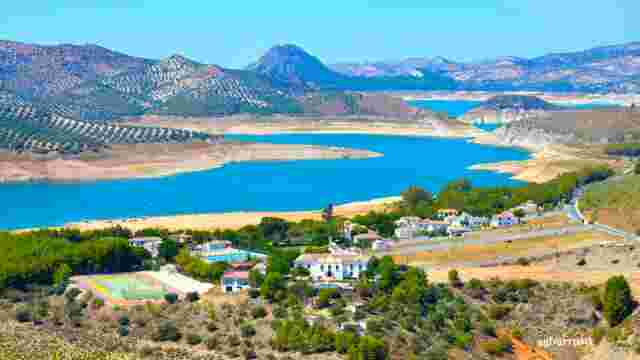
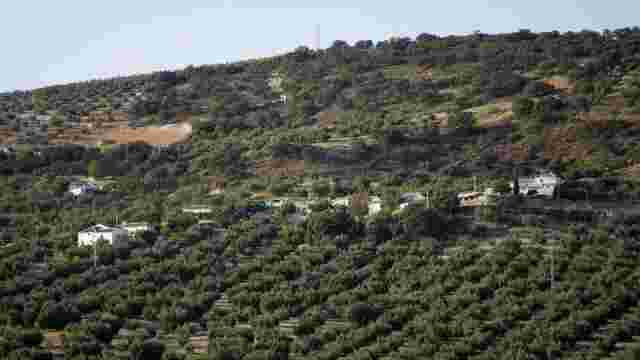
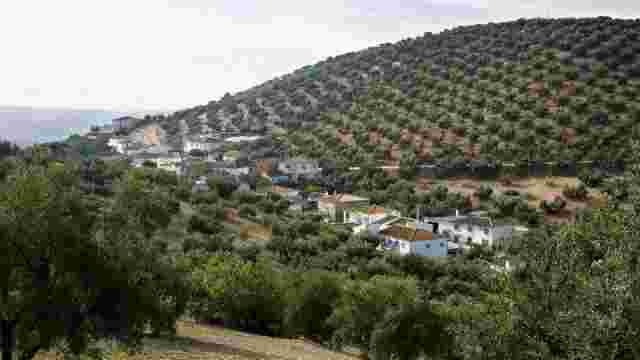
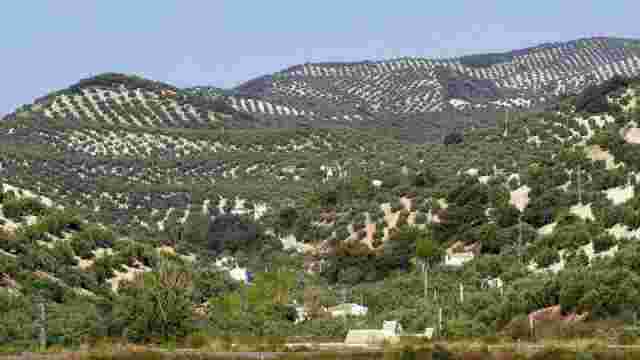
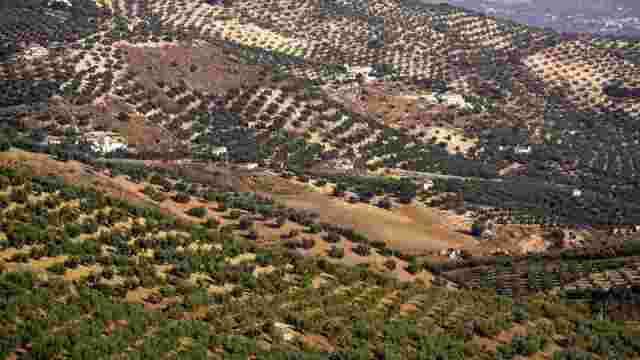
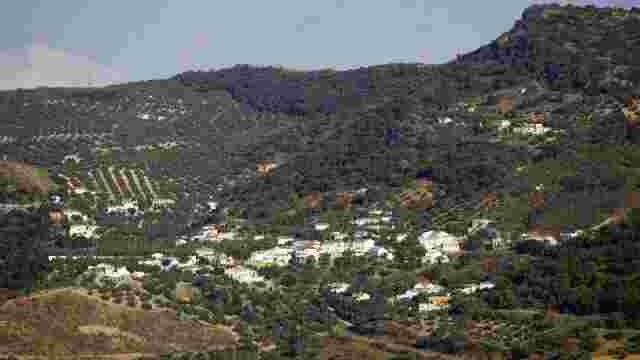
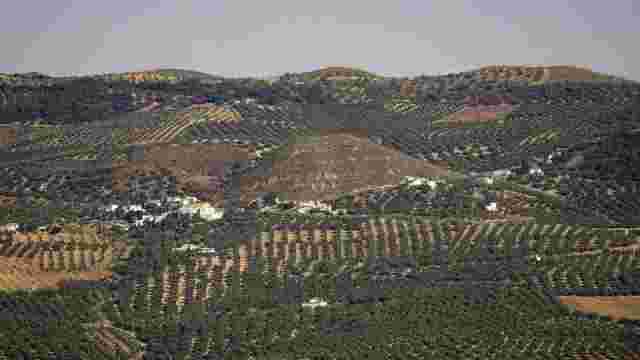
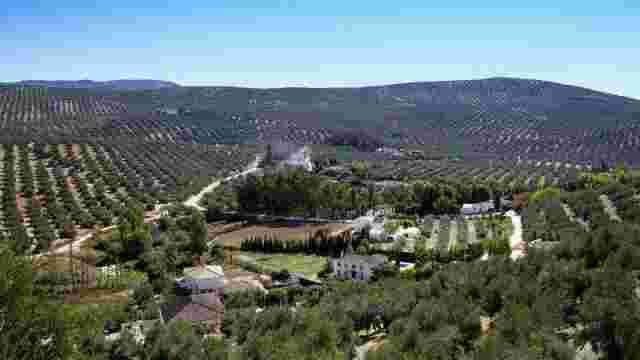
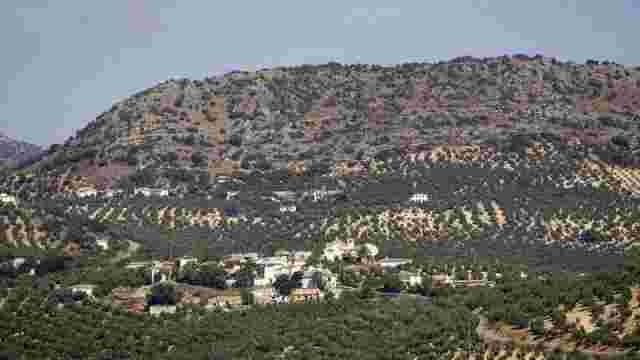
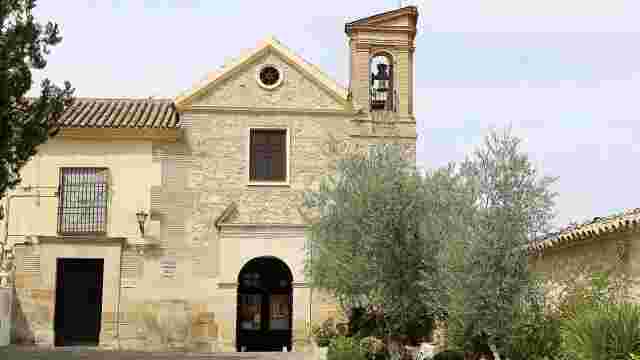
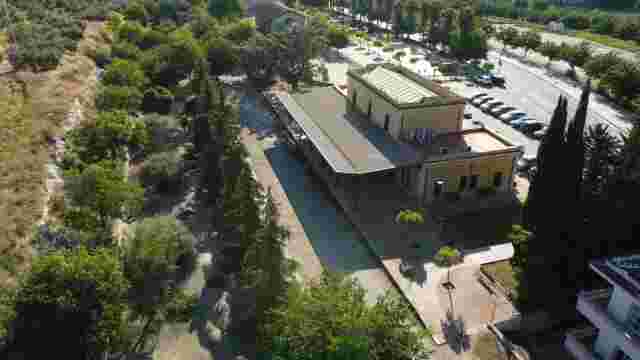
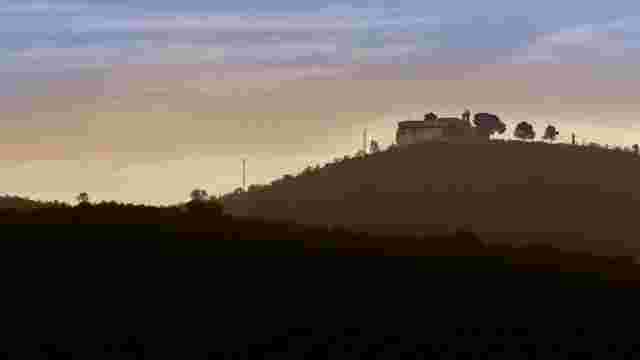
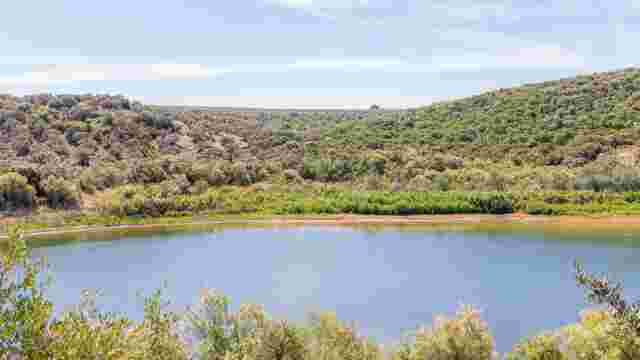
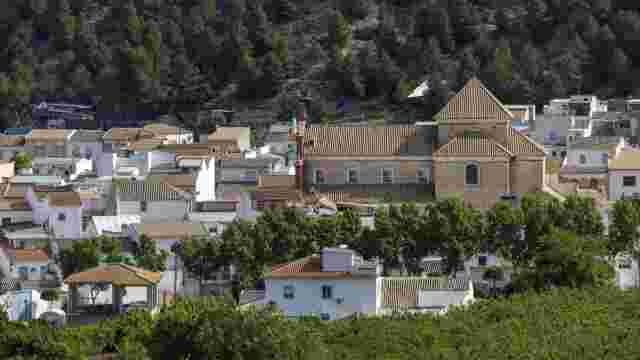
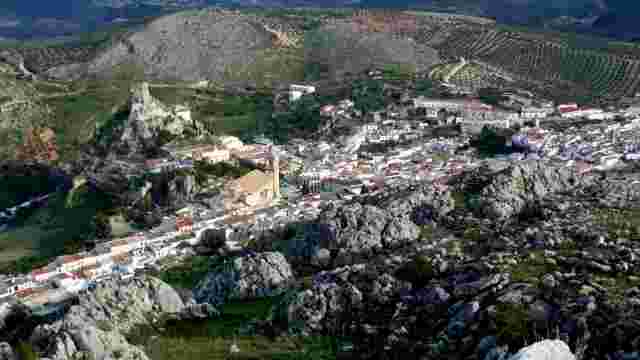
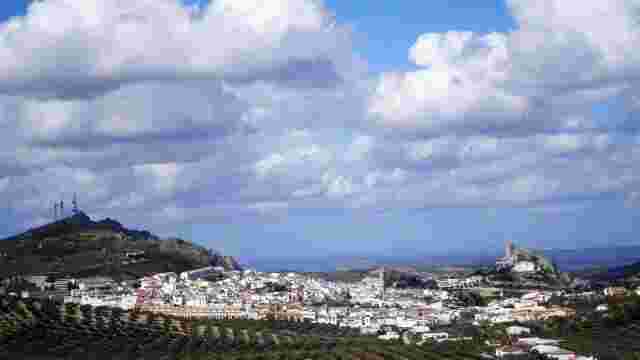
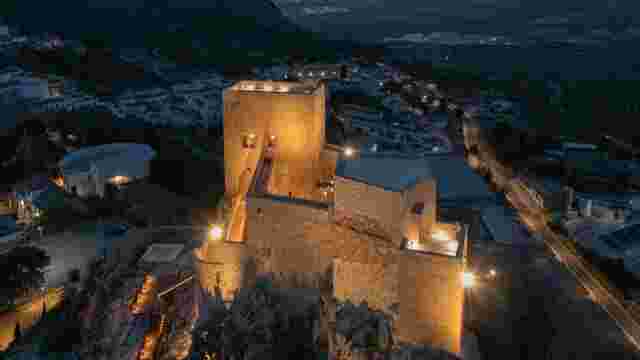
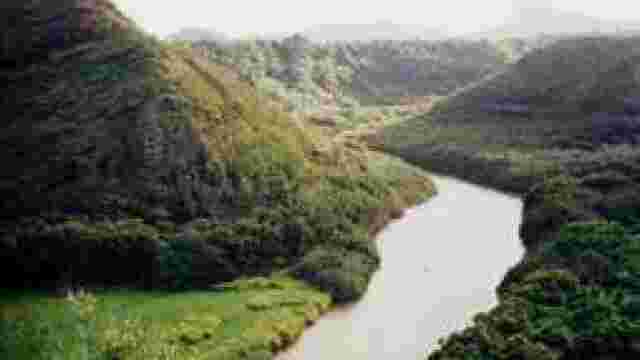
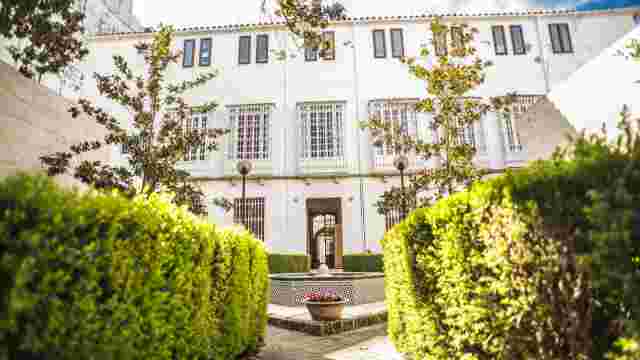
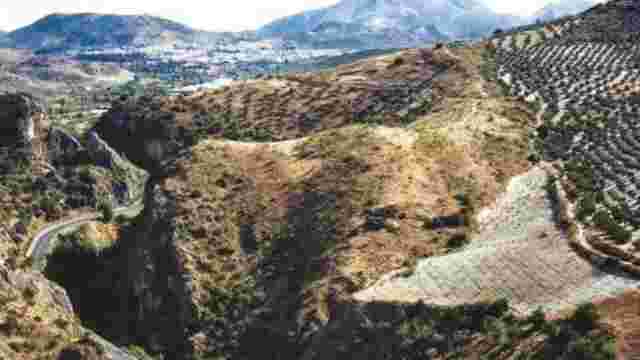
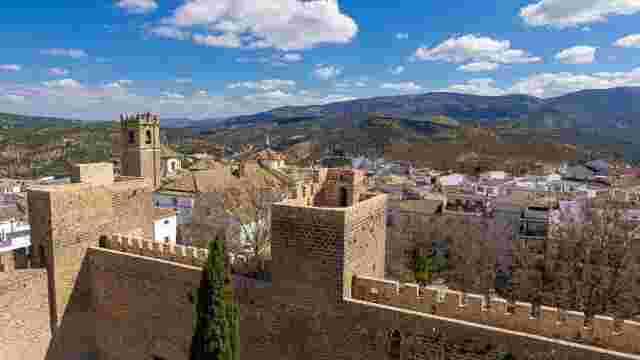
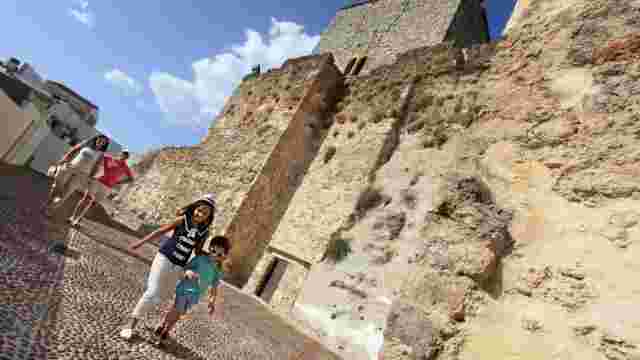
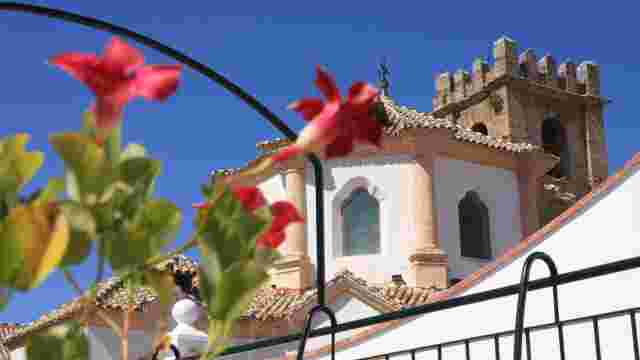
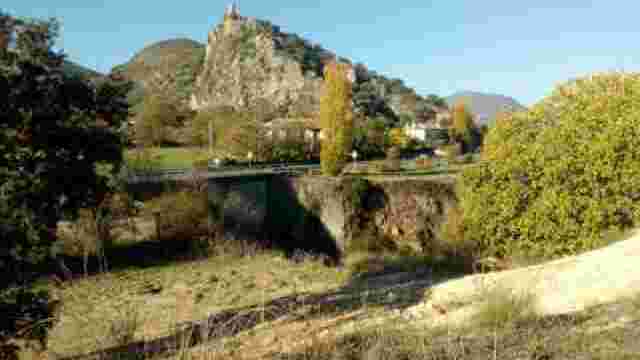
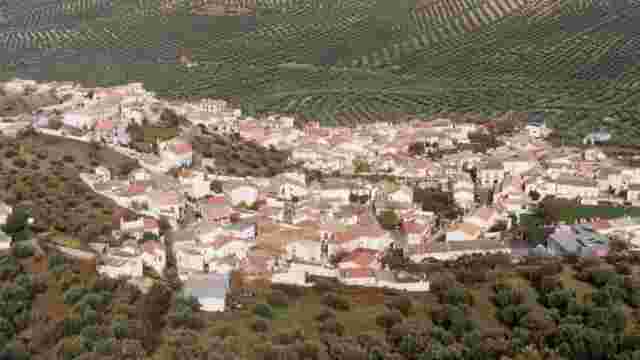
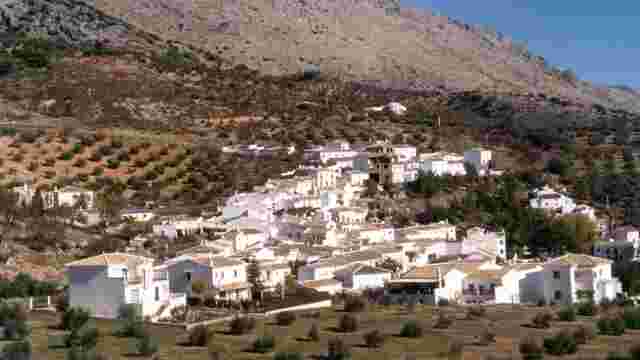
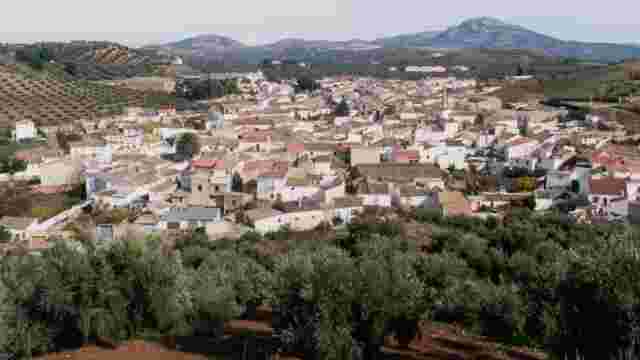
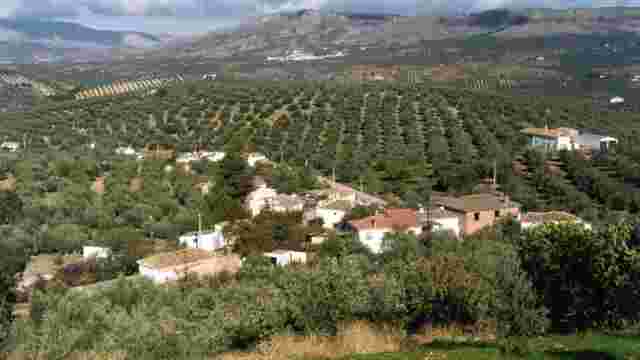
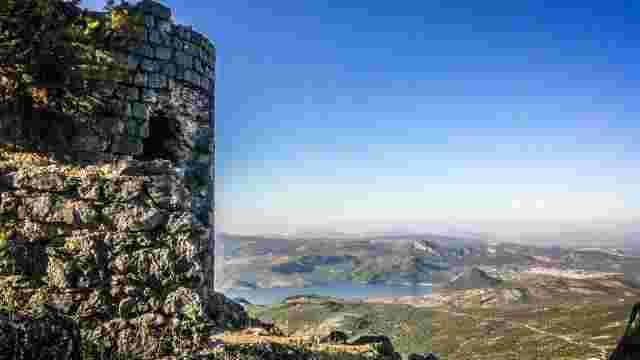
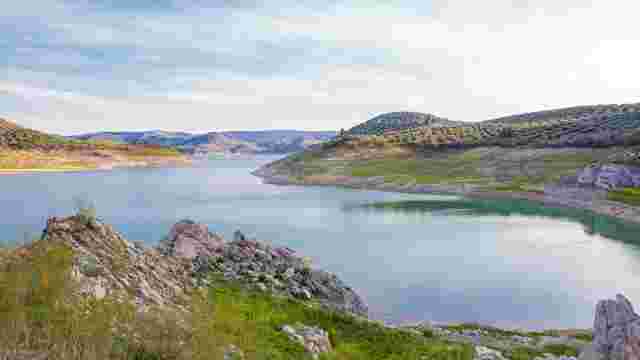
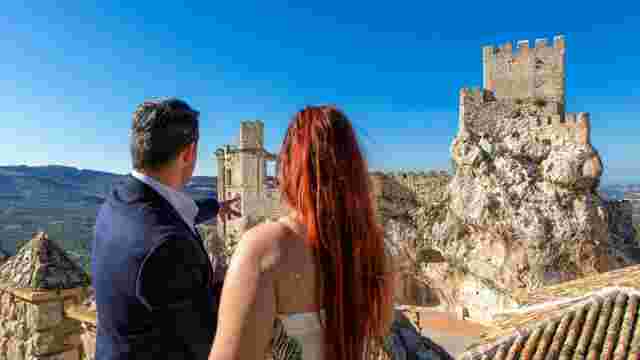
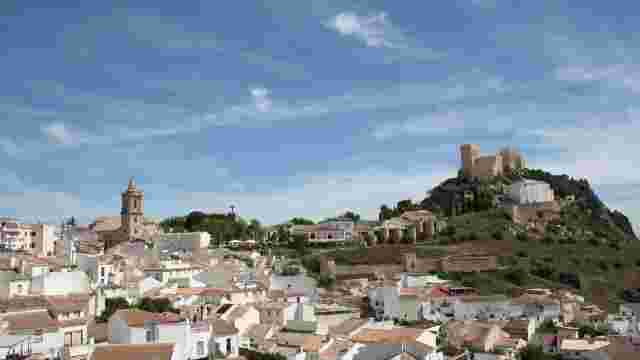
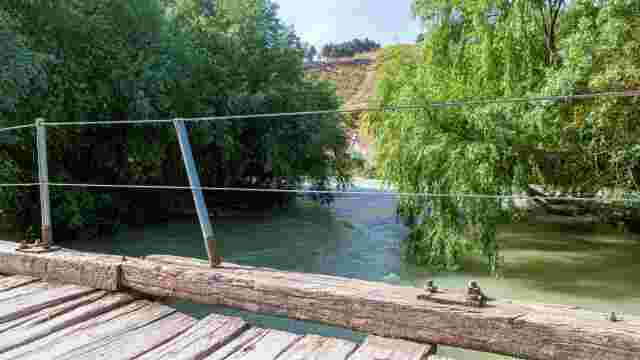
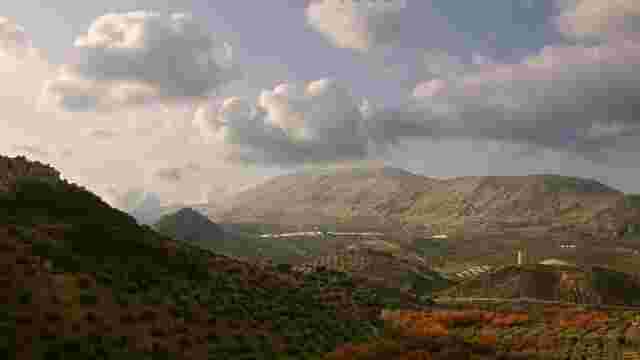
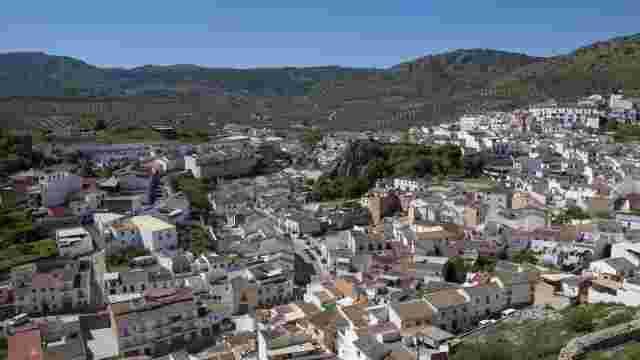
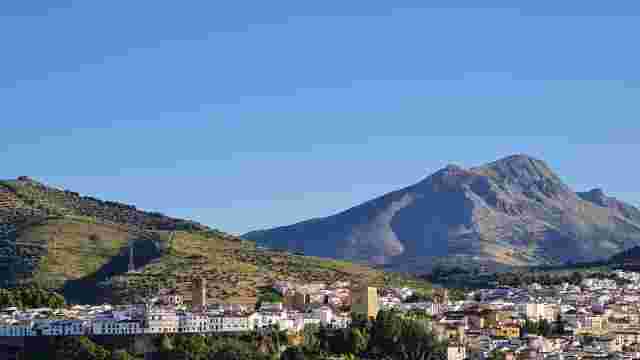
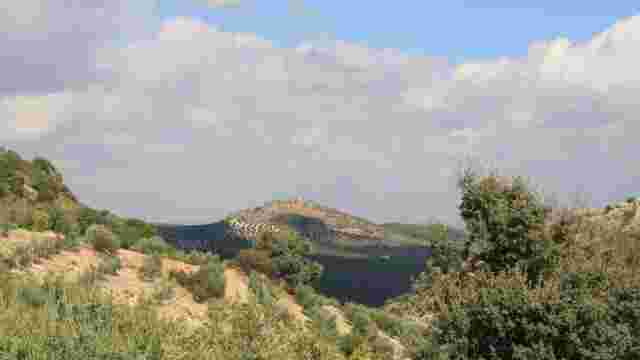
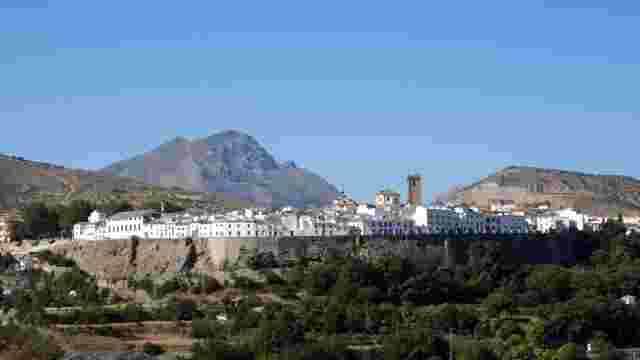
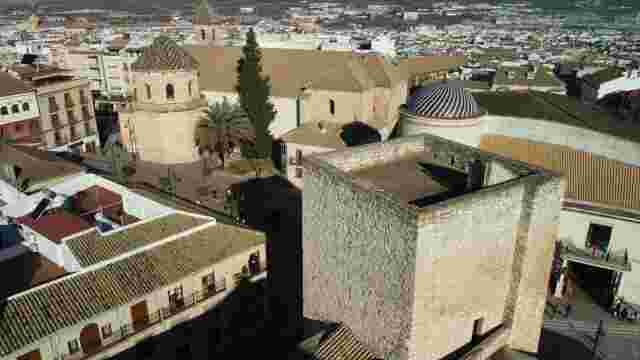
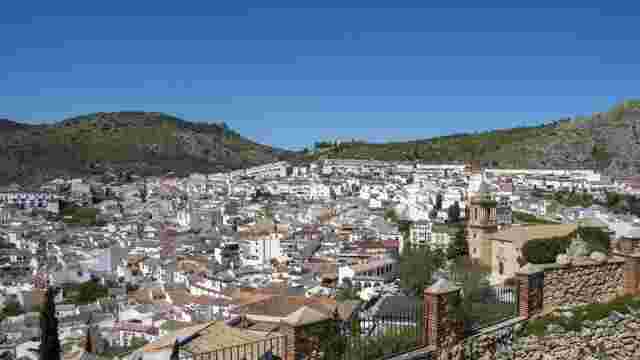
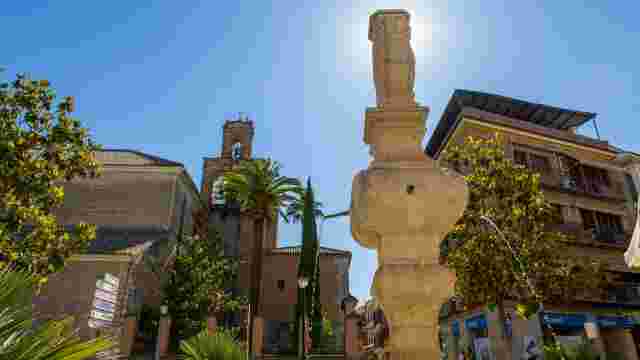
Iznájar Castle stands at an altitude of 533 metres, surrounded by the River Genil and the Priego stream. The castle, the symbol and origin of the town, began construction in the mid-8th century, probably by Hispano-Gothic builders, and underwent successive reconstructions and extensions until the 15th century.
Of Arabic origin, it gives the town its name, derived from the noun ‘hisn’ (castle) and the adjective ‘al-ashar’ (joyful).
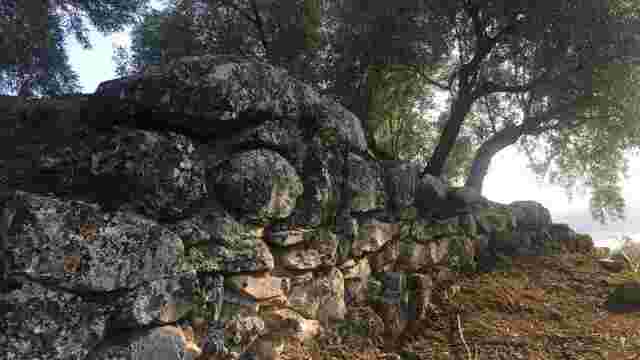
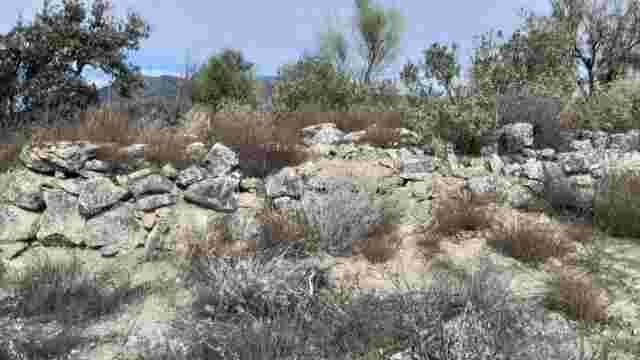
It was not until the 10th century that the layout we see today took shape; in the 11th century, the walls surrounding the parade ground were raised and an initial enclosure was built, which was reinforced during the Nasrid period to encompass the present-day Villa district.
The earliest historical records of the castle date back to the second half of the 9th century, following the Muladi rebellion led by Umar ben Hafsún. During this period, Iznájar changed hands several times, and its population suffered greatly. It was the fear of reprisals that led its inhabitants to behead their governor, Fadl ben Salama (a Muladi, considered by many to be the founder of Iznájar), and send his head to Emir Abd Allah as a sign of submission, thus averting the reprisals against the town that had been carried out during previous uprisings.
The Christian reconquest led by Ferdinand III the Saint did not reach the lands of Iznájar, which remained part of the Kingdom of Granada until the first half of the 15th century; their border location led to frequent periods of war. The definitive incorporation into the Kingdom of Castile took place during the reign of John II, and subsequently, around 1468, Diego Fernández de Córdoba, Lord of Baena and Count of Cabra, received the jurisdiction and lordship of this town in recognition of his allegiance to King Henry IV, thereby establishing the Viscountcy of Iznájar—a noble title that remains in force today among the heirs of the Fernández de Córdoba family.
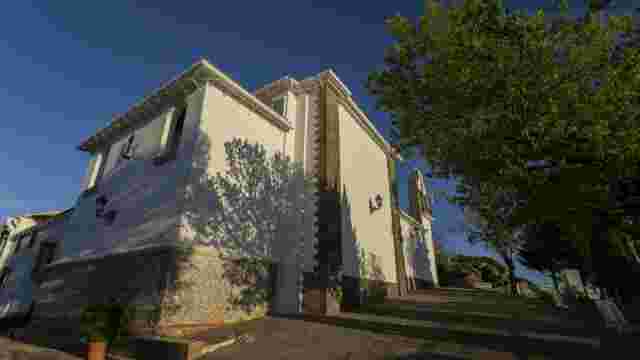
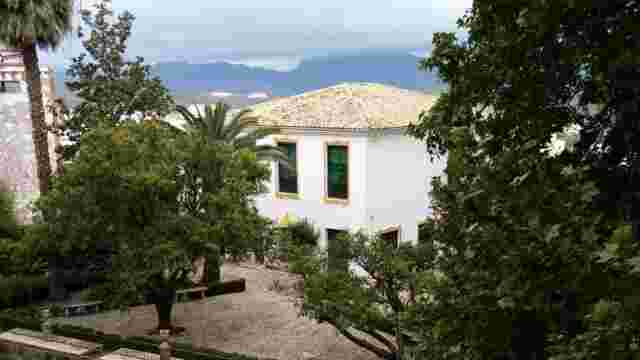
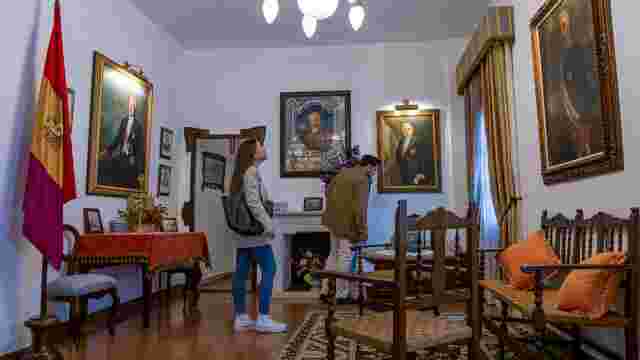
The castle was converted into the residence of the Duke of Sesa’s administrator in the 18th century, retaining this function until the 20th century, when it was acquired from its last owners (the Count of La Revilla and his brothers) by the Town Council in 1991, becoming part of the local heritage.
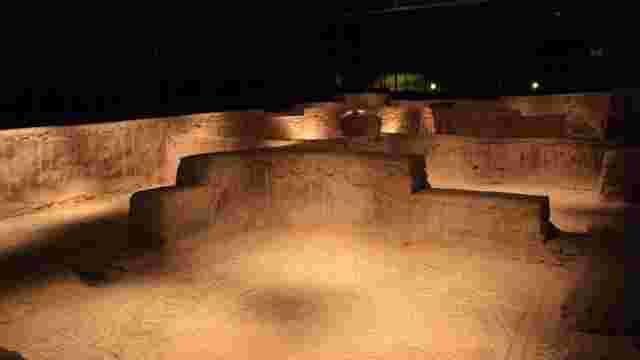
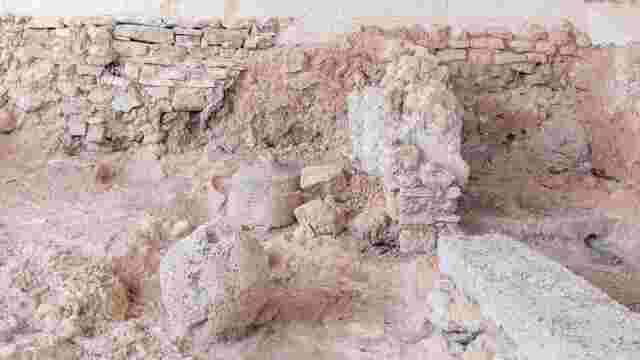
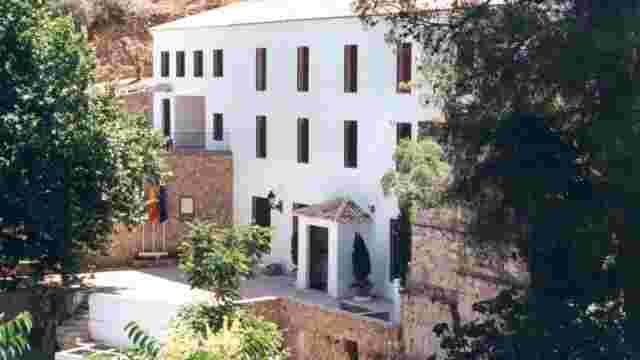
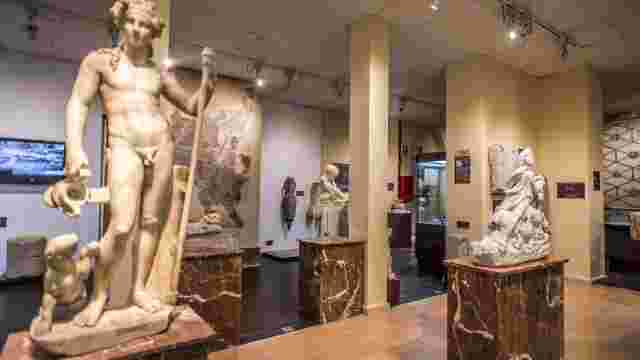
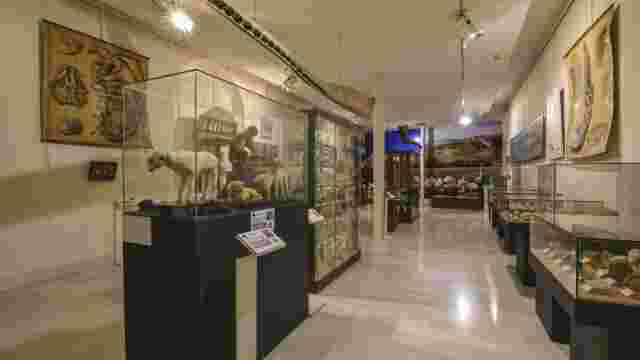
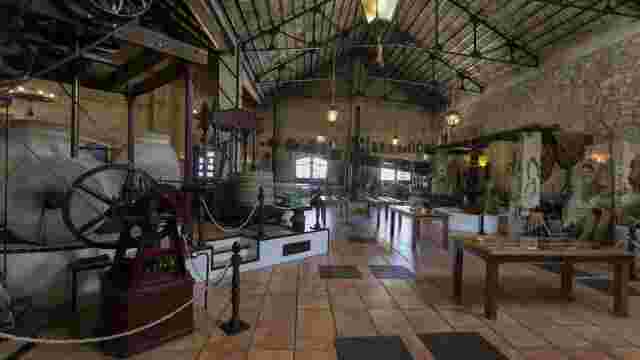
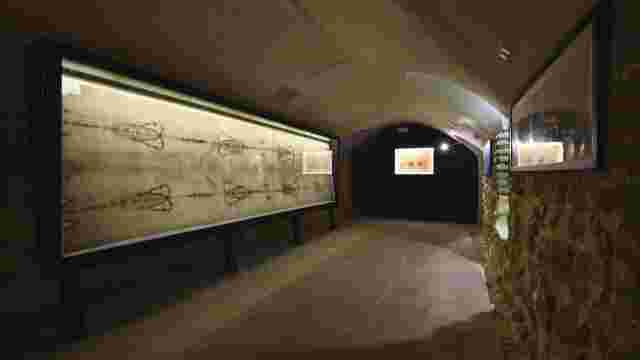
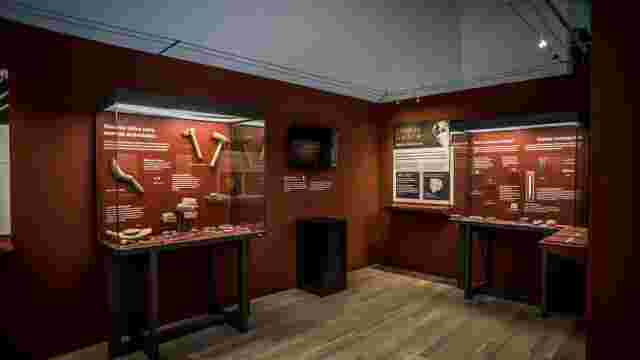
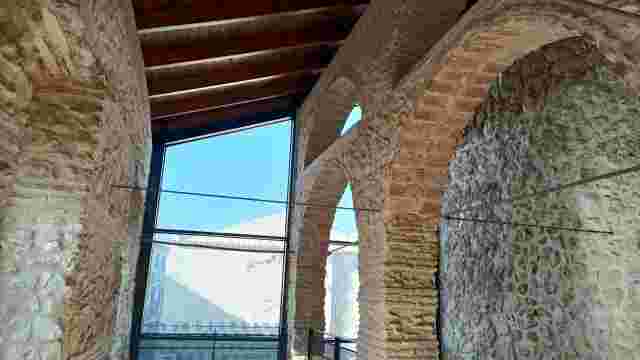
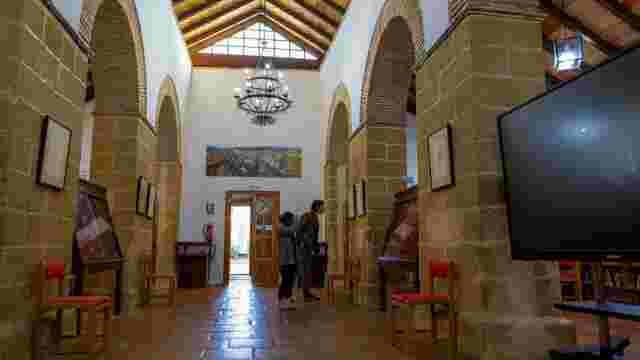
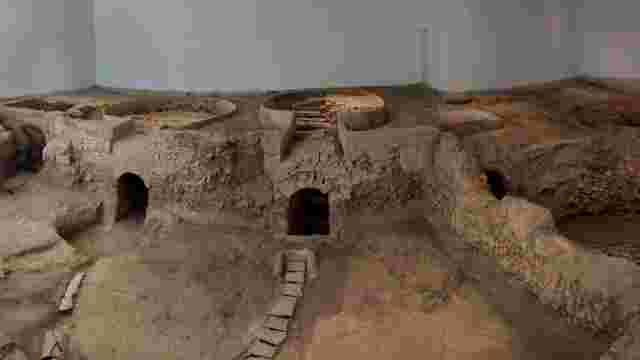
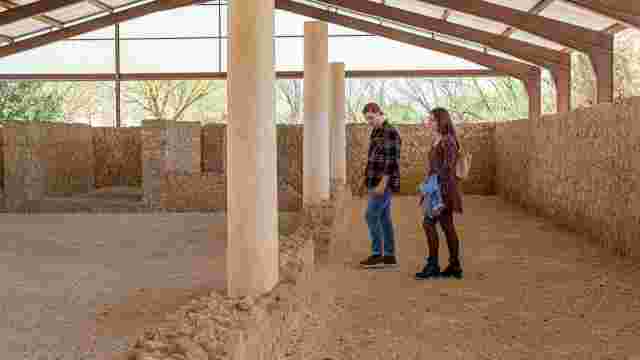
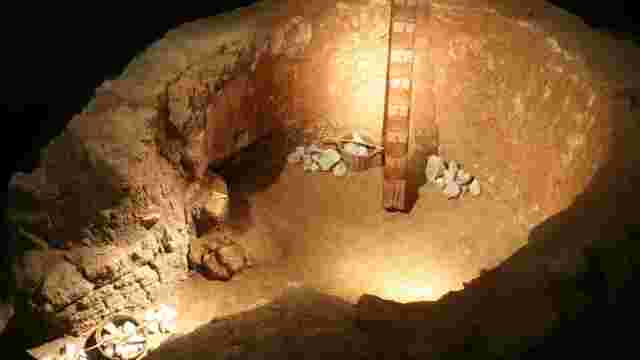
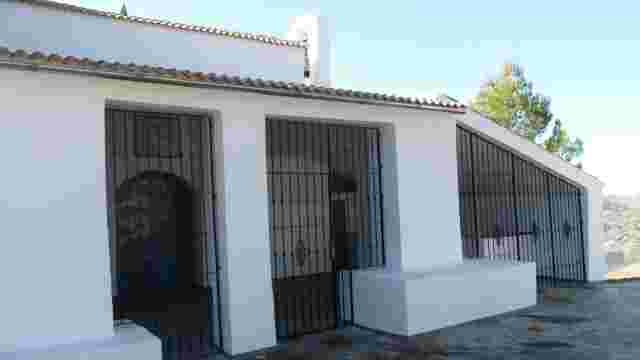
Following a major archaeological restoration between 2006 and 2008, Iznájar Castle has regained some of its former splendour and is now open to visitors.