Bat Cave
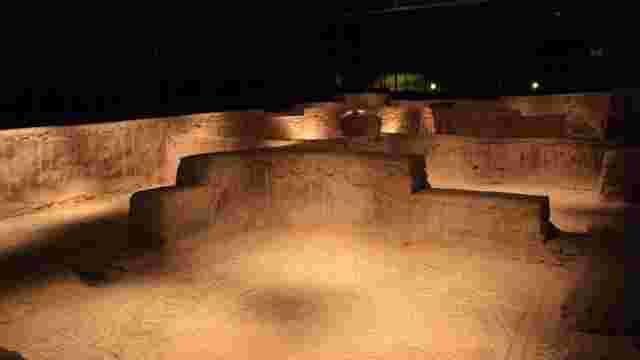
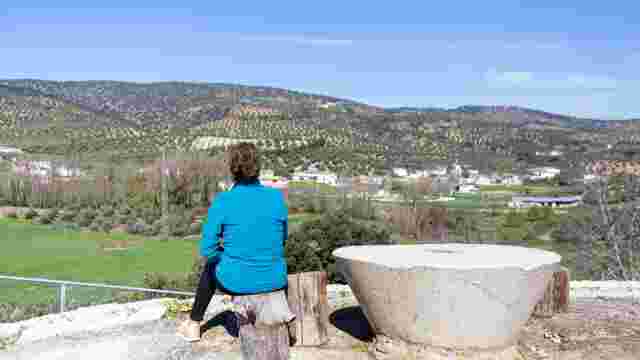
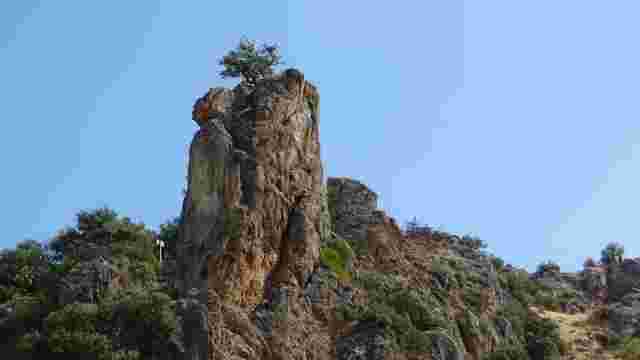
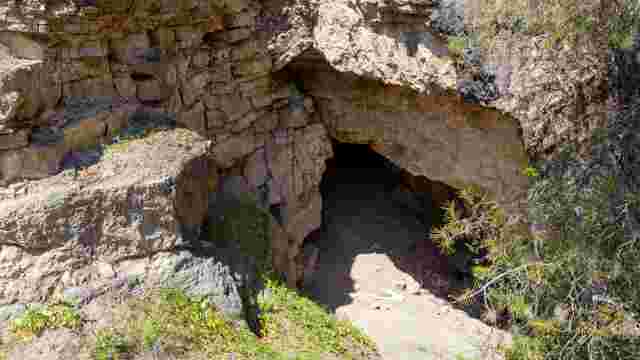
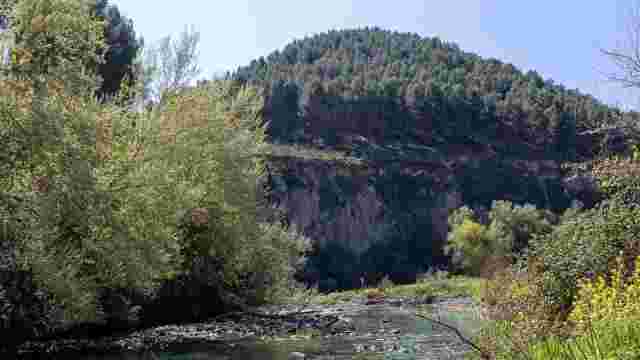
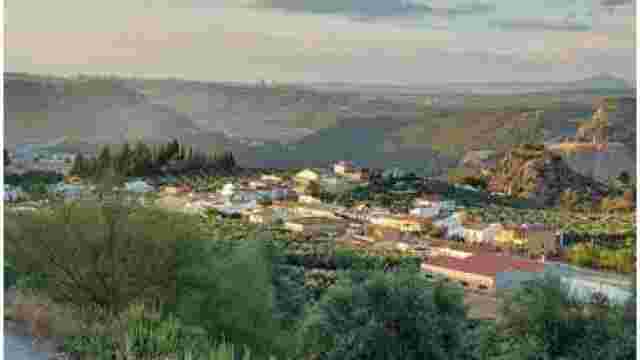
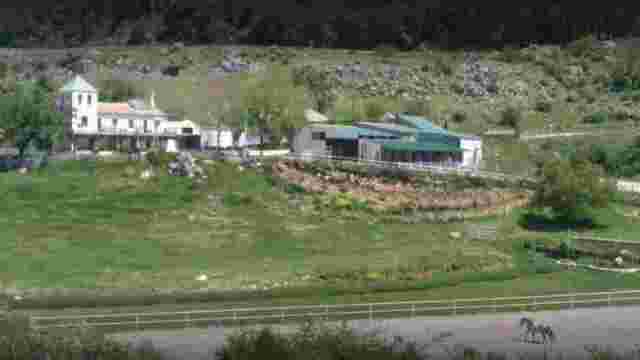
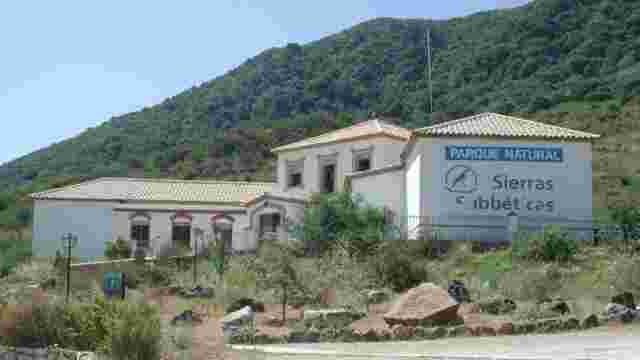
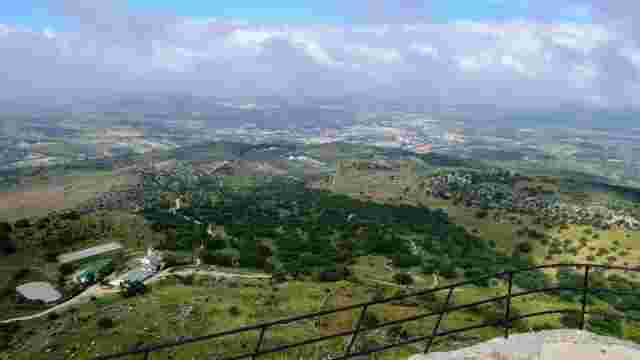
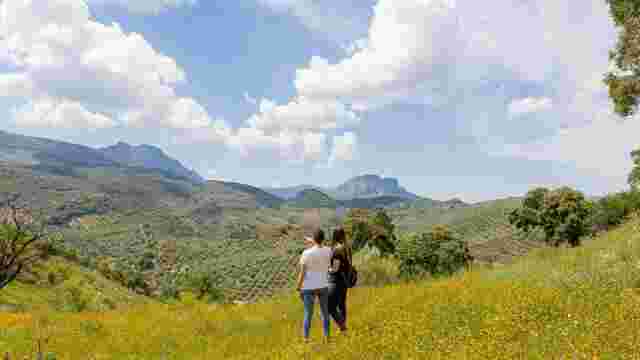
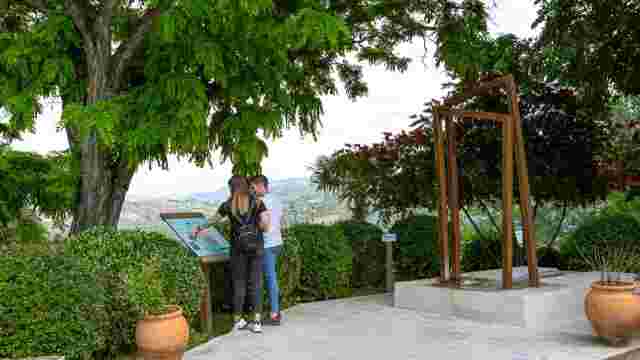
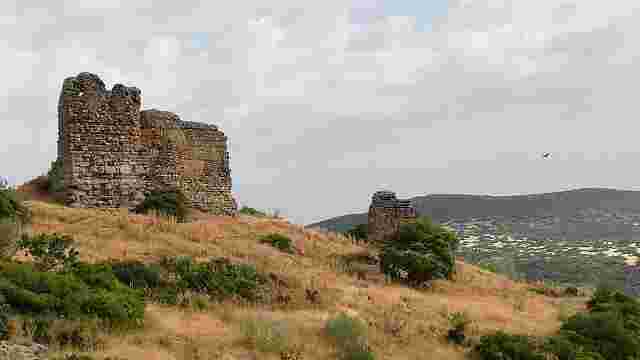
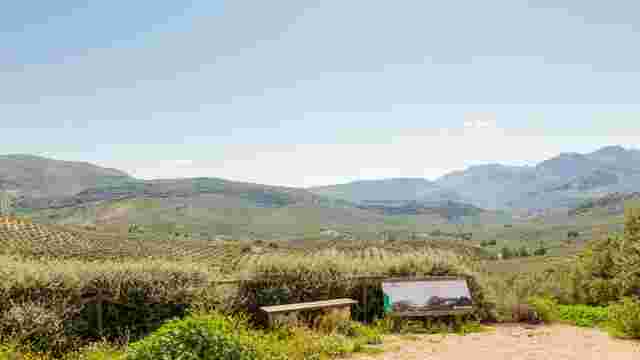
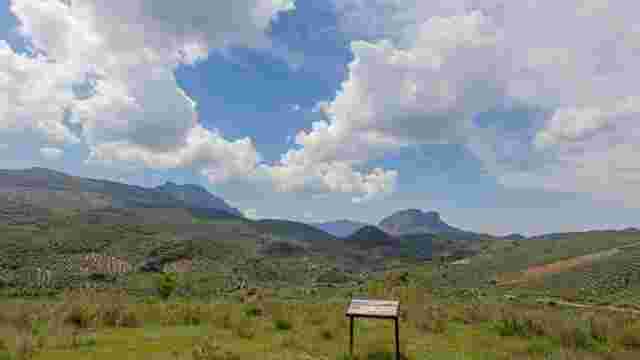
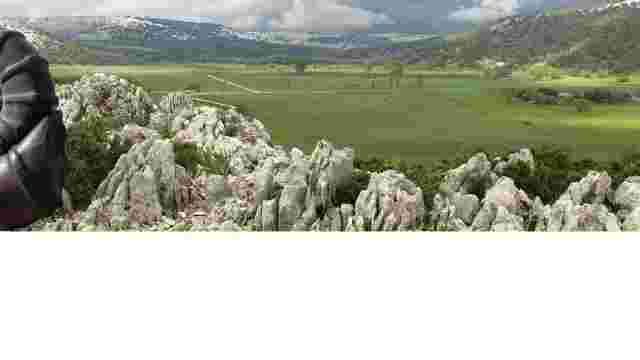
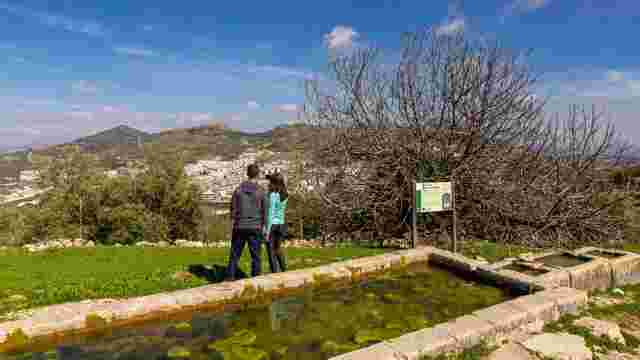
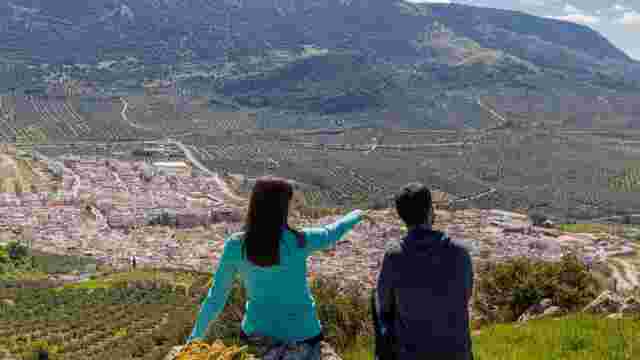
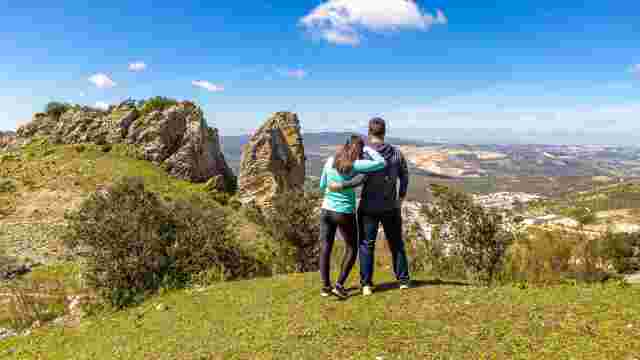
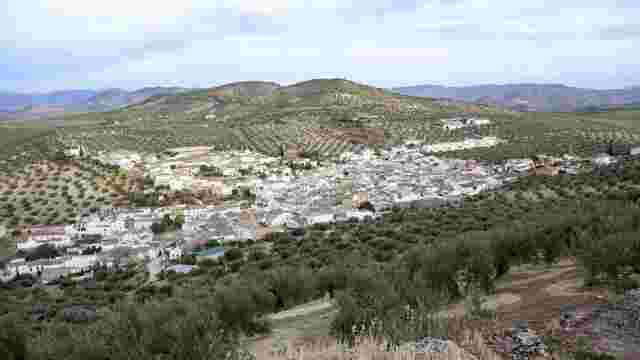
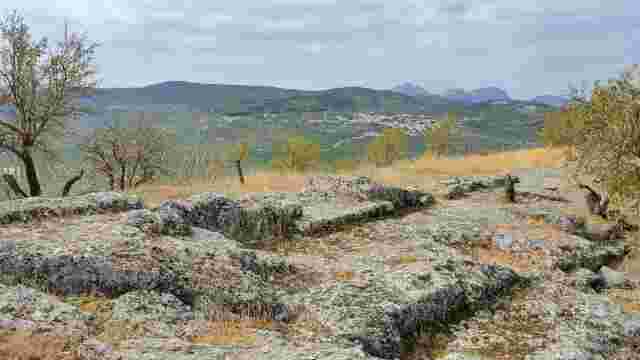
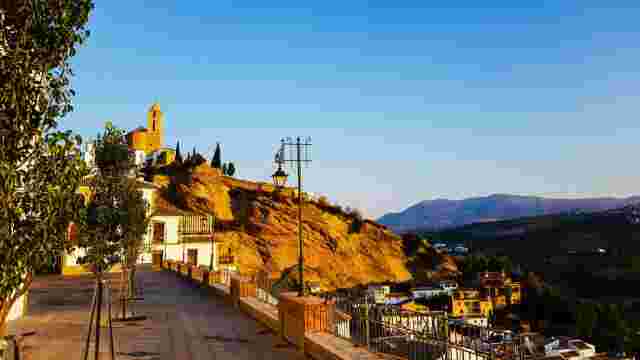
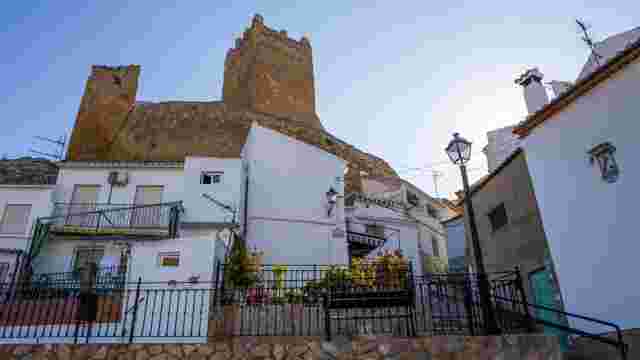
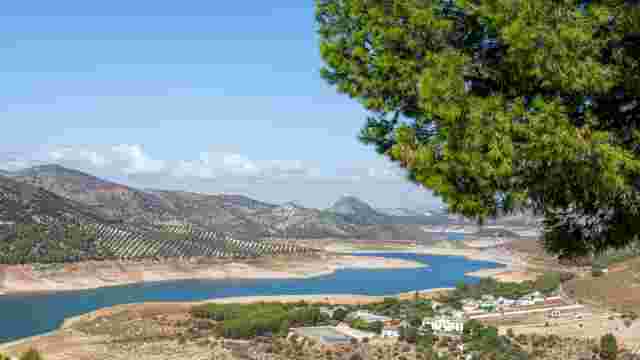
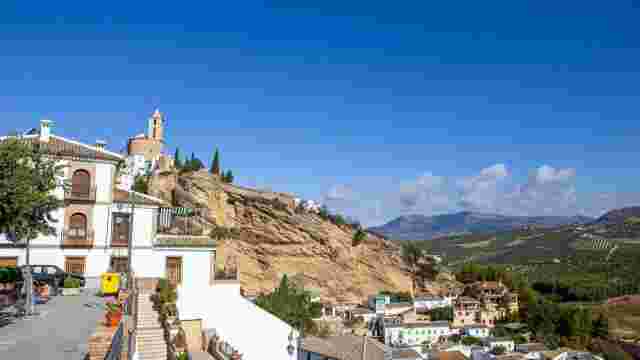
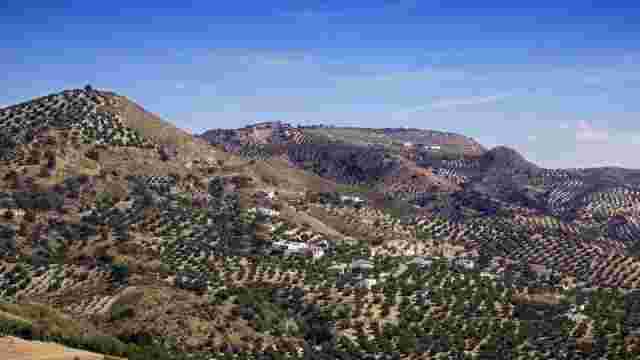
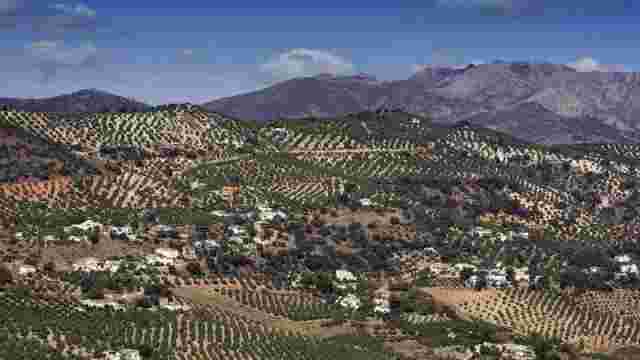
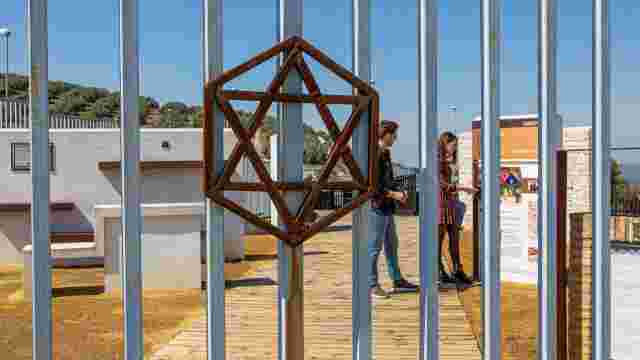
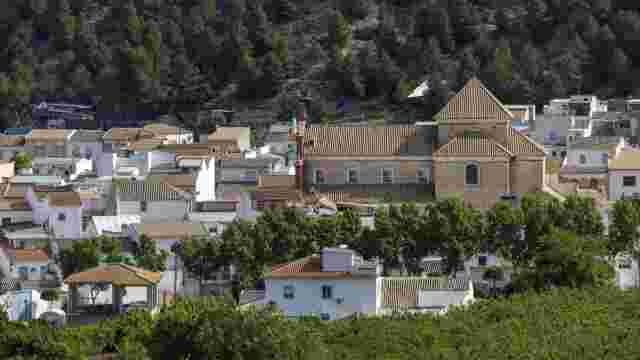
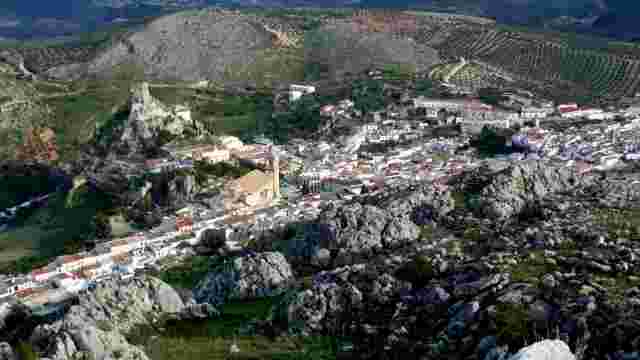
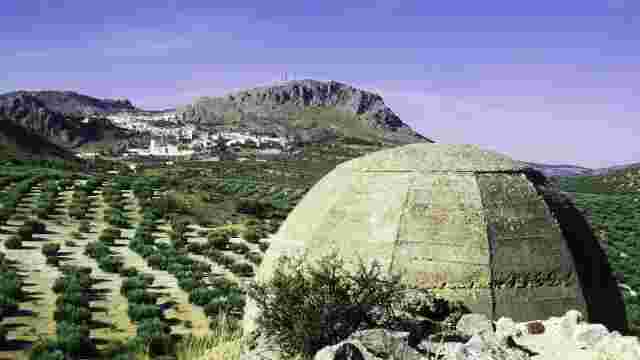
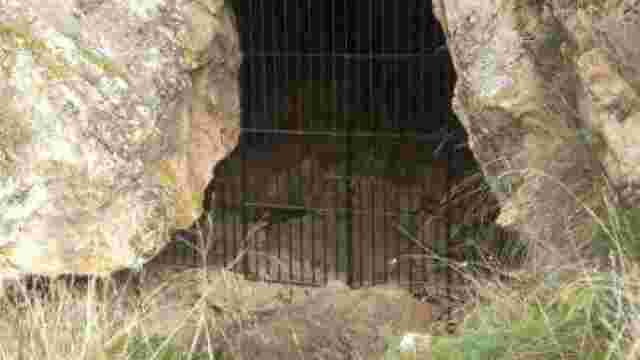
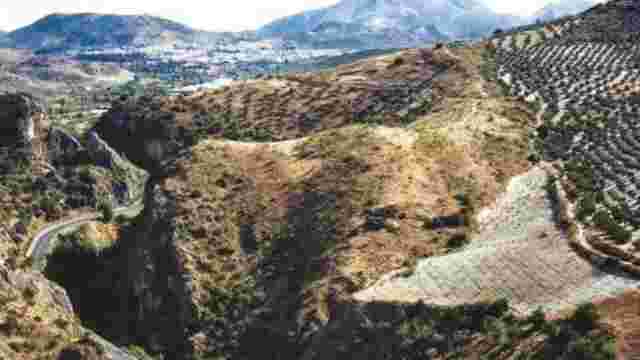
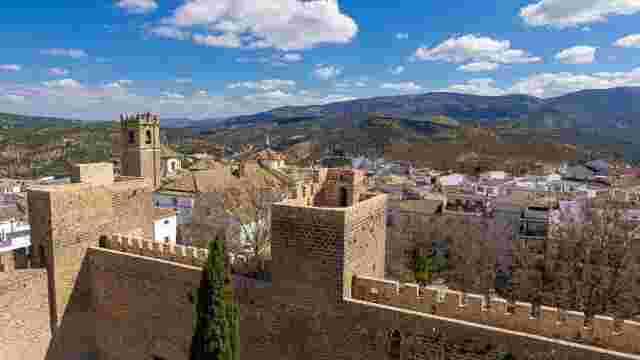
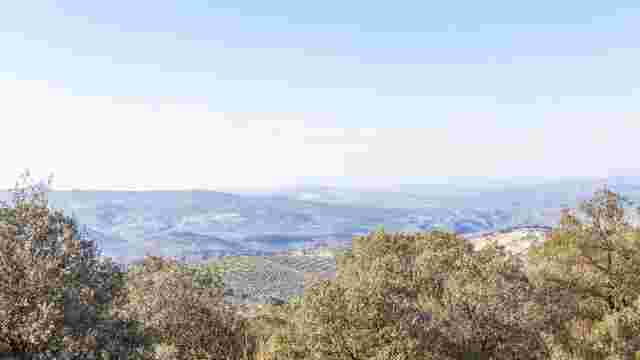
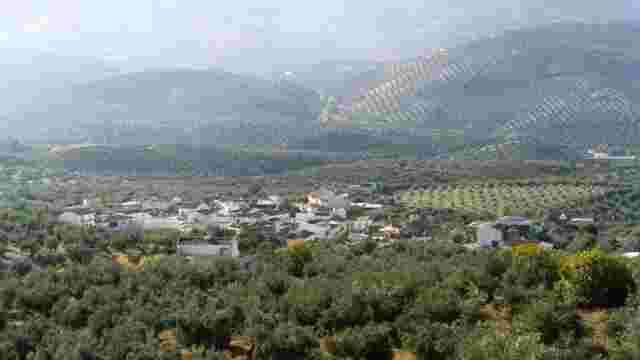
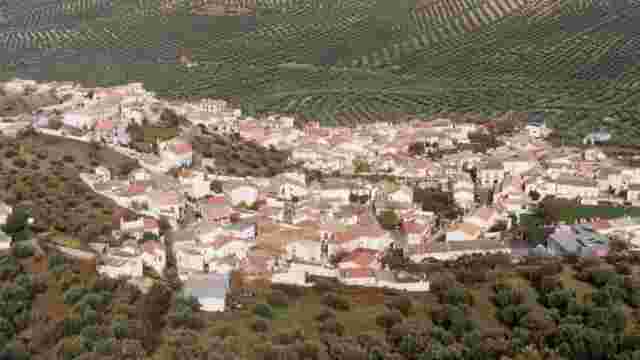
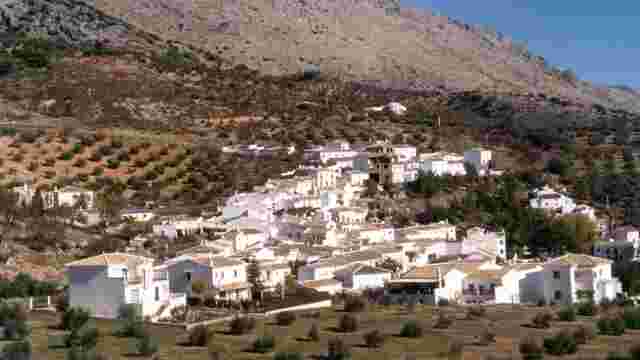
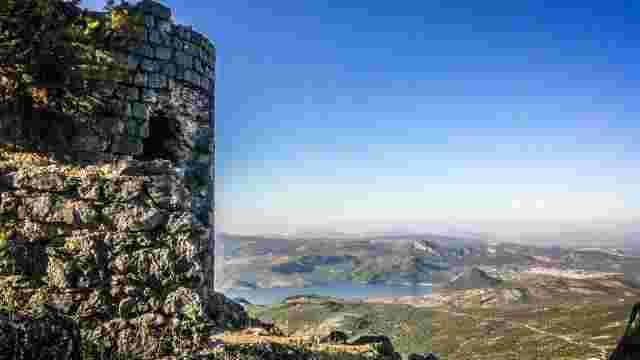
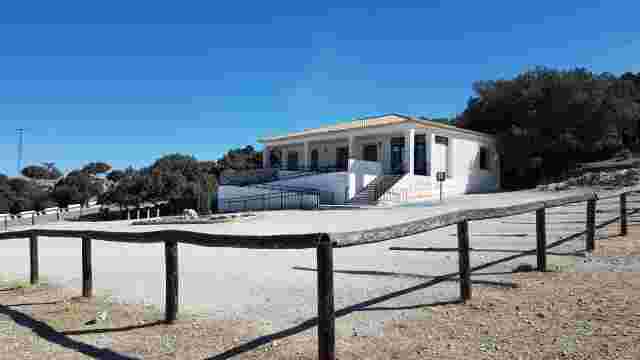
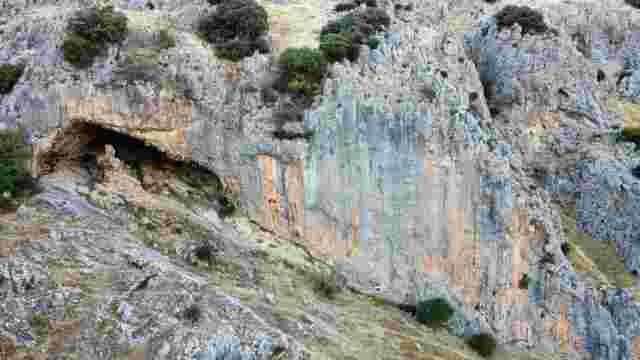
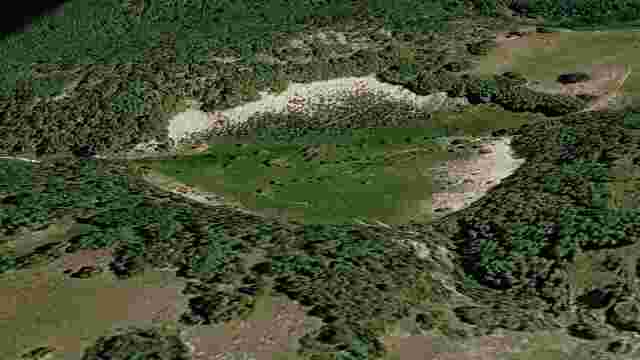
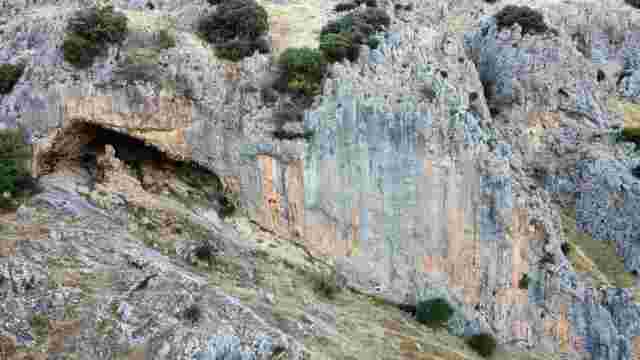
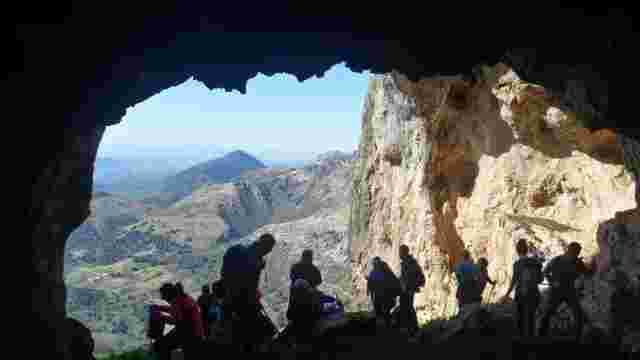
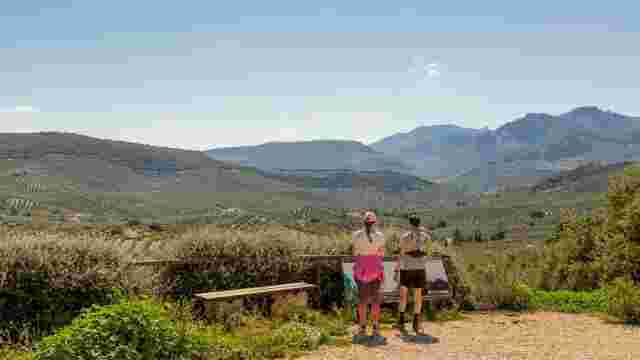
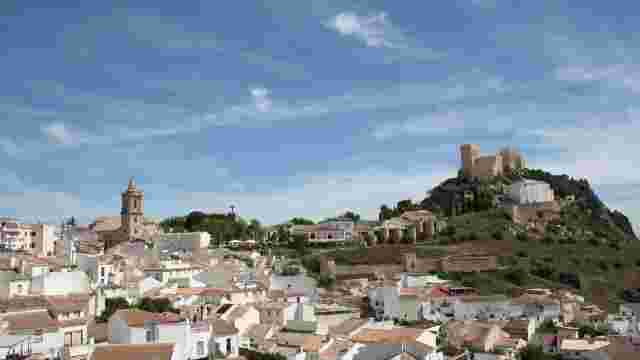
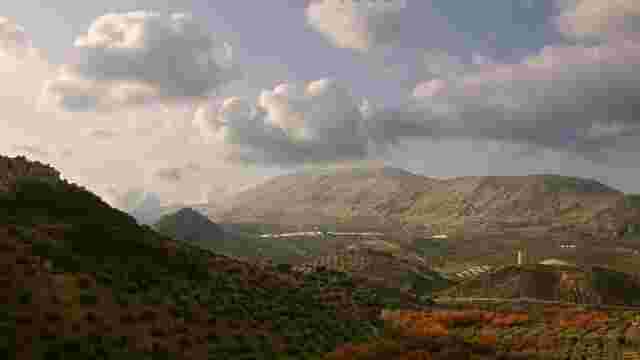
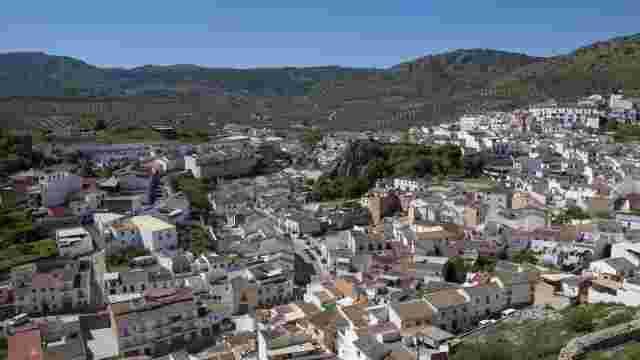
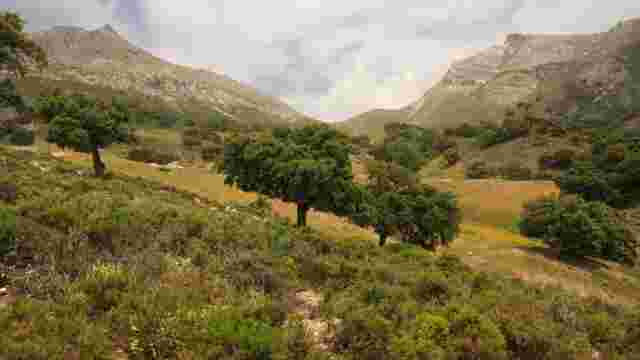
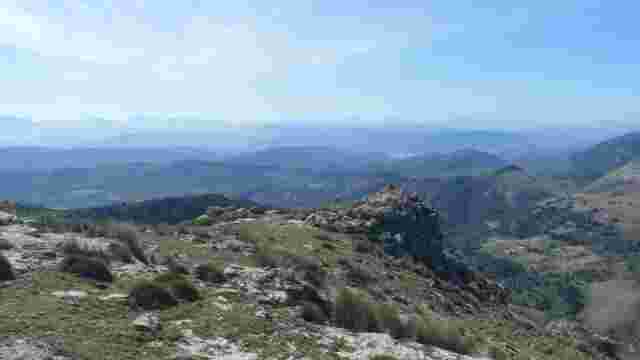
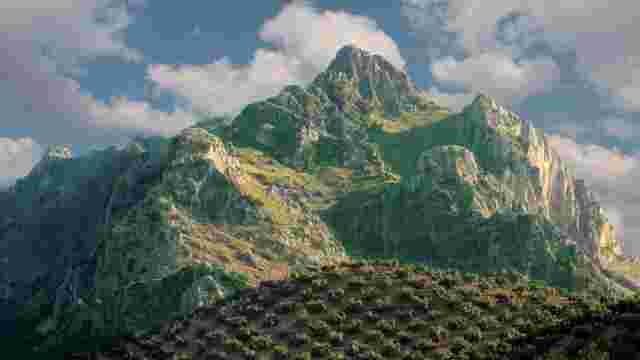
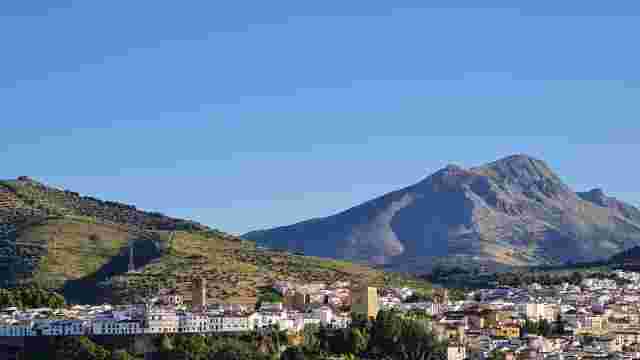
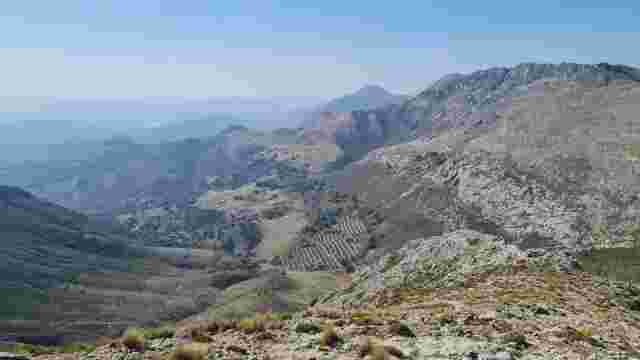
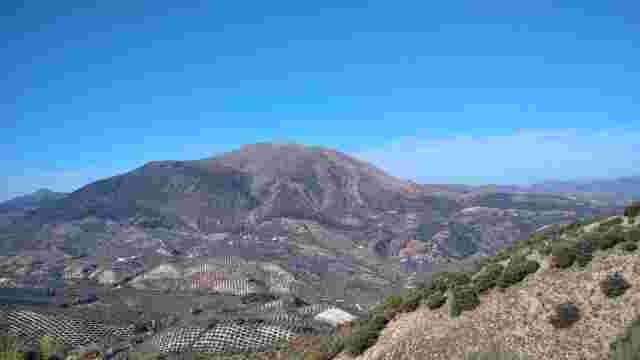
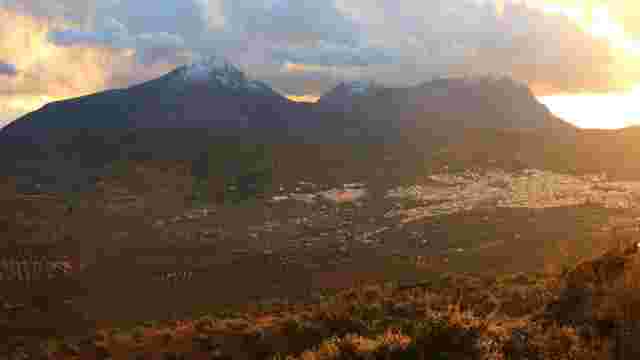
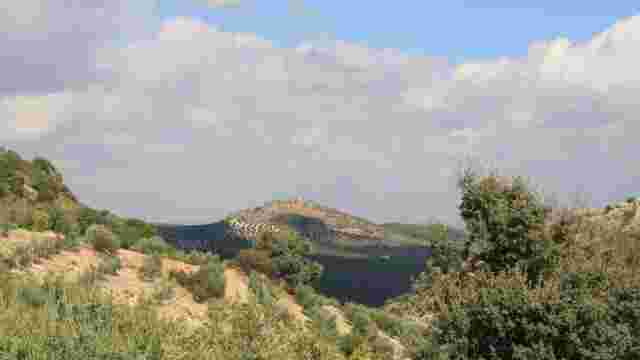
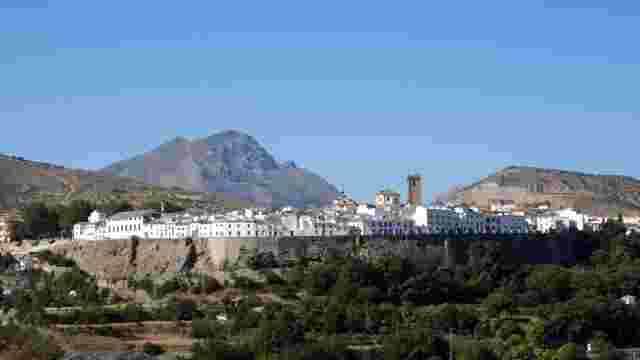
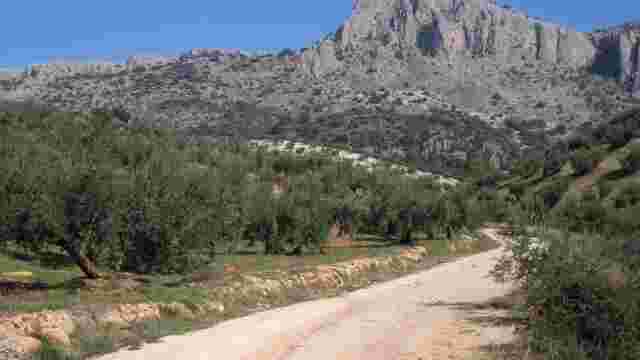
Situated on the mountain summit, overlooking Zuheros, it is renowned for its archaeological site. Designated a Natural Monument and a Site of Cultural Interest, it is justly famous for the beauty of its limestone formations, cave paintings and human remains. It is known throughout Spain and most of Europe for the highly significant archaeological site it contains, which bears witness to its history.
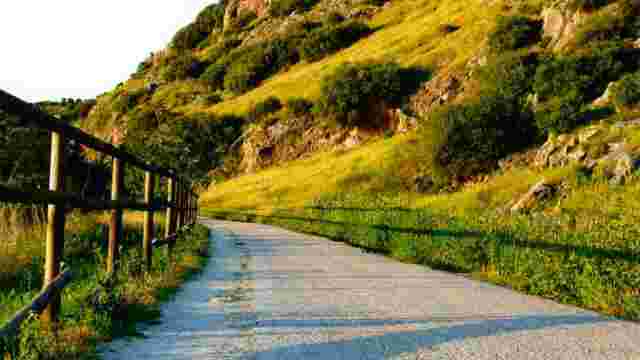
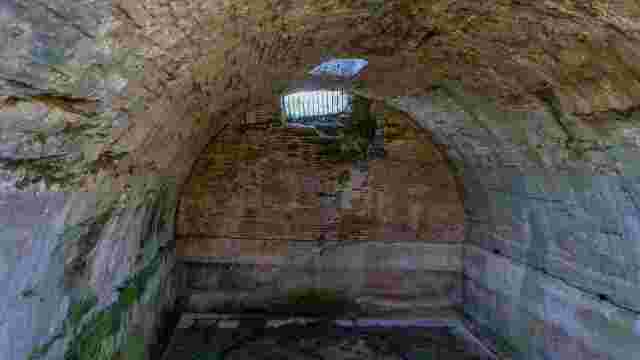
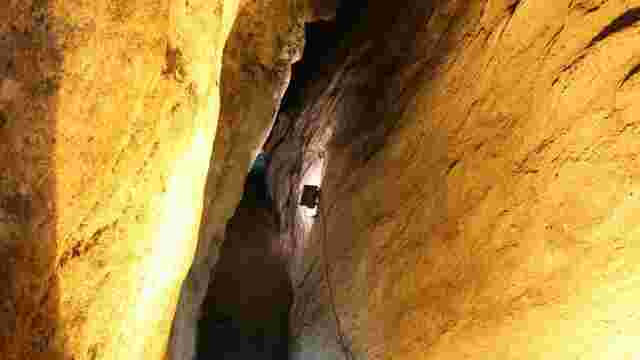
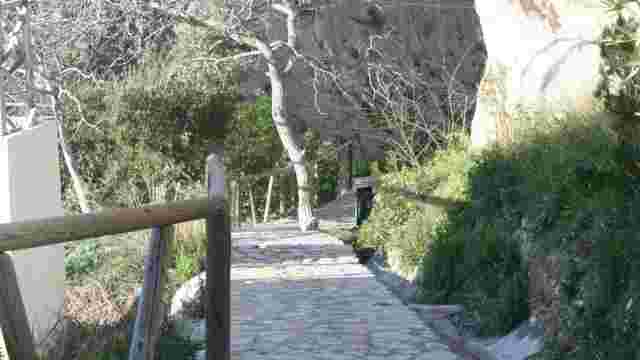
The physical characteristics of the route make it one of the most unique tourist caves in Spain, as visitors descend 65 metres, walk 415 metres and climb around 700 steps (half of which are downhill and the rest uphill).
The name derives from the fact that it is inhabited by four species of bat: Rhinolophus hipposideros (lesser horseshoe bat), Rhinolophus ferrumequinum (greater horseshoe bat), Myotis emarginata (long-eared bat) and Myotis myotis (greater mouse-eared bat). The latter has a wingspan of between 35 and 45 centimetres. They are shy animals and usually inhabit the inaccessible parts of the cave, as well as being nocturnal. Observing them is subject to the reasons outlined above.
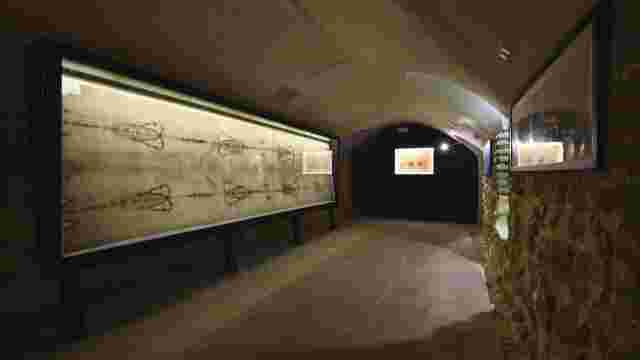
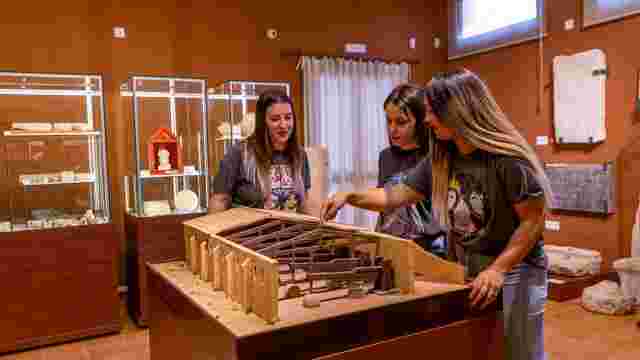
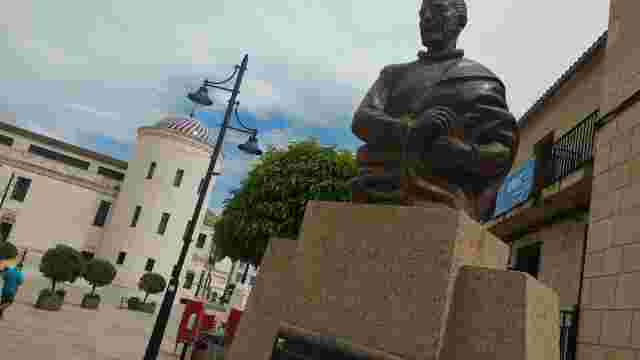
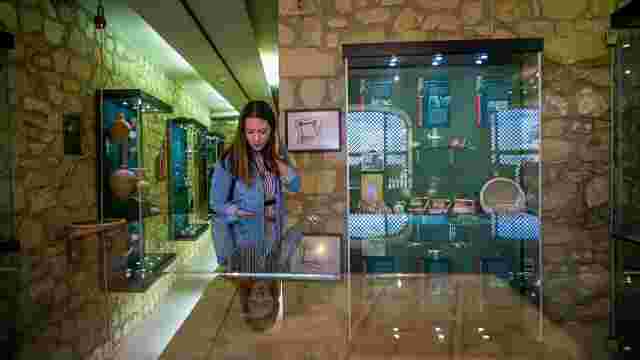
The first written account of the Cave of the Bats appears in the book “Prehistoric Antiquities of Andalusia” by the archaeologist Manuel de Góngora y Martínez, in 1868. This cave was not discovered by any particular individual, but has been known since ancient times. During the Spanish Civil War (30 April 1938), the first official exploration of the deeper sections of the cave took place.
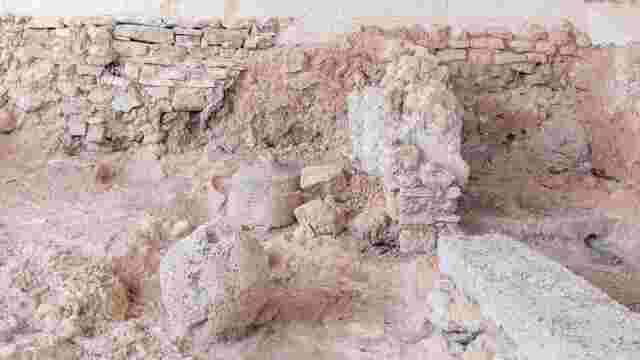
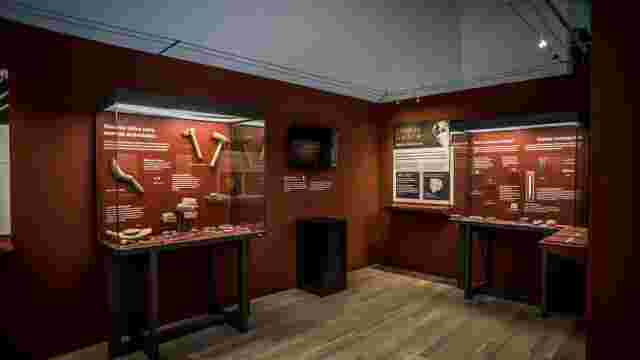
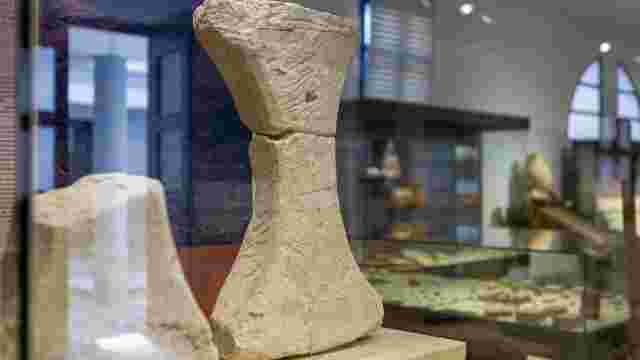
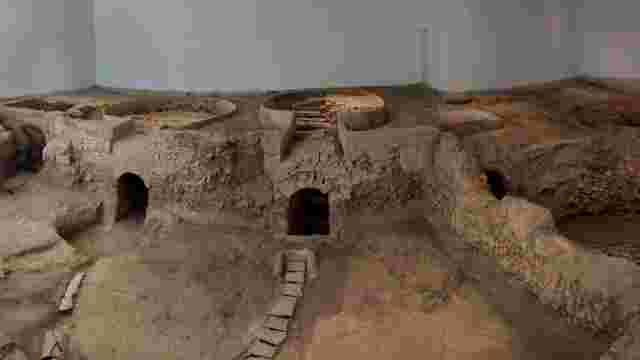
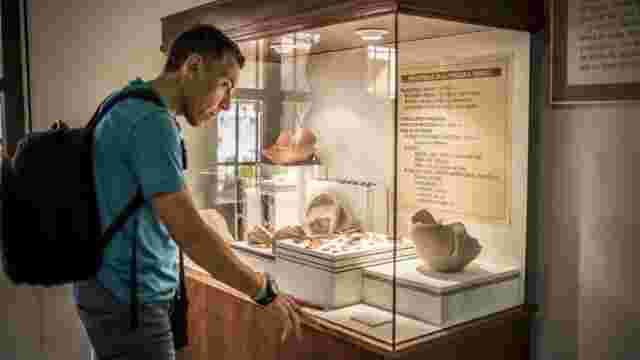
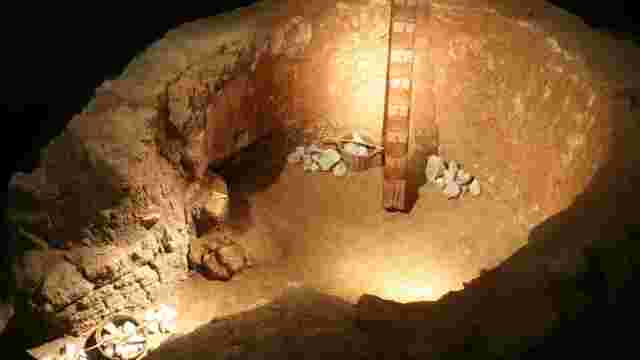
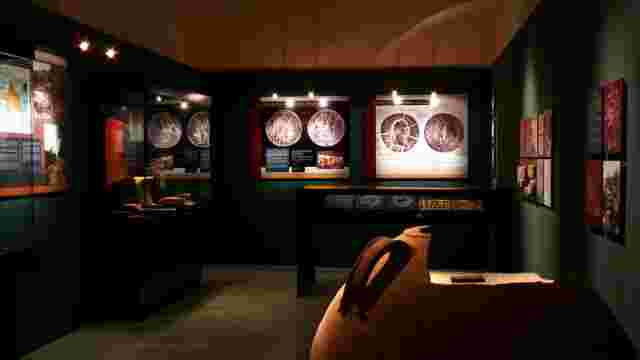
This was carried out by army officers, and it is to them that the discovery of the human remains found at the bottom is attributed. However, it was not until the 1960s (1962 and 1969) that the first archaeological work was carried out, the most notable result being that the Andalusian Neolithic period began a millennium earlier than had previously been believed. Between 1990 and 1993, and again in 2002, the latest excavations were carried out with the aim of creating a short route for those who find the official itinerary difficult to manage.
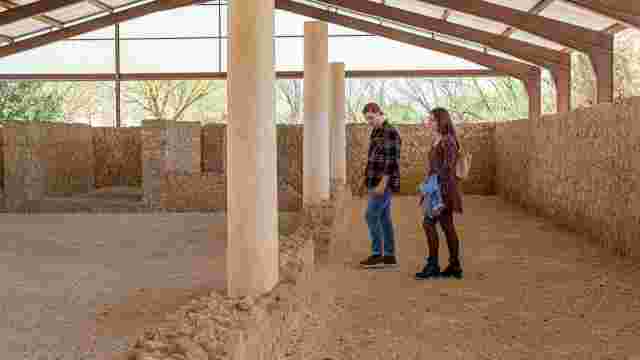
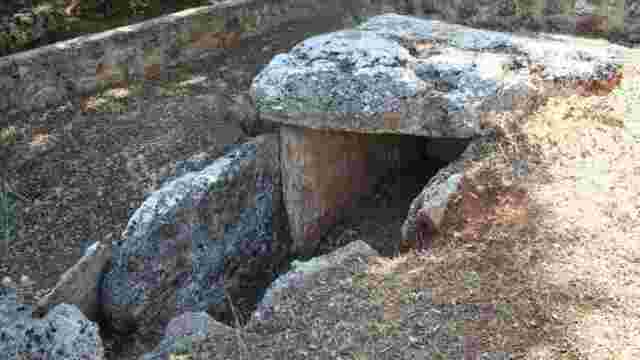
Just as in a town, Neolithic people organised the cave according to their needs: the entrance, known as the ‘Vestíbulo de la Cueva Grande’, served as a living area, as it receives sunlight and offers easy access to the outside. A few metres away lies the religious or sanctuary area, where Neolithic and Chalcolithic cave paintings can be seen. At the back lies a skeleton which, thanks to DNA tests published in 2018, is considered to be one of the first farmers on the Iberian Peninsula, dating back 7,245 years.
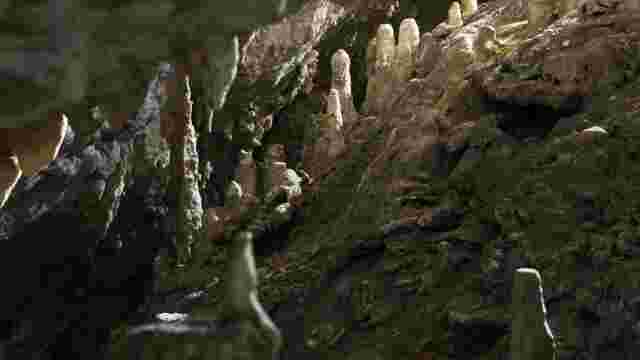
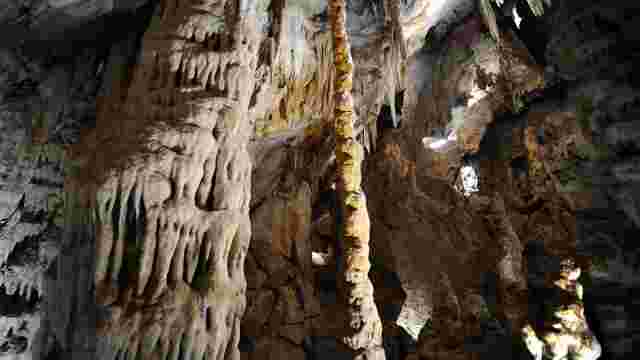
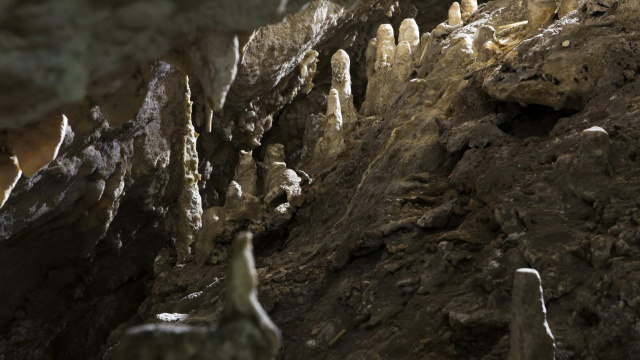
But the cave is not just an archaeological site; it is also a geological gem, both for its formation and for the presence of numerous limestone formations created by water over thousands of years. Of particular note are the Hall of Formations and the Organ Chamber, with their flowstones and columns. But without a doubt, the most famous formation in the Cueva de los Murciélagos is the ‘Espárrago’ (Asparagus), which stands some 4 metres tall, yet the stalactite on which it depends for its growth measures barely 10 centimetres. Since 2014, thanks to the collaboration of the G-40 caving group from Priego de Córdoba, the Cueva de los Murciélagos has been recognised as one of the major caves on the Iberian Peninsula, as over 3,300 metres have been mapped to date, with high hopes for the future development of this underground network.