Greenway
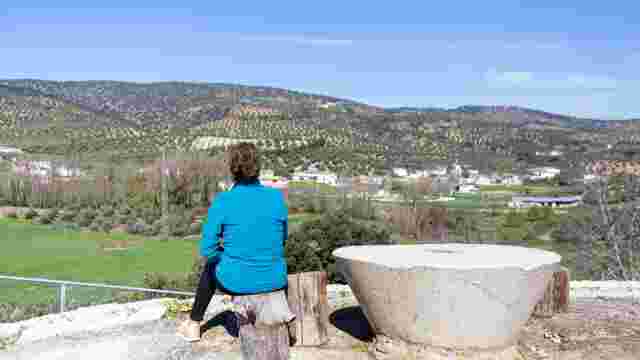
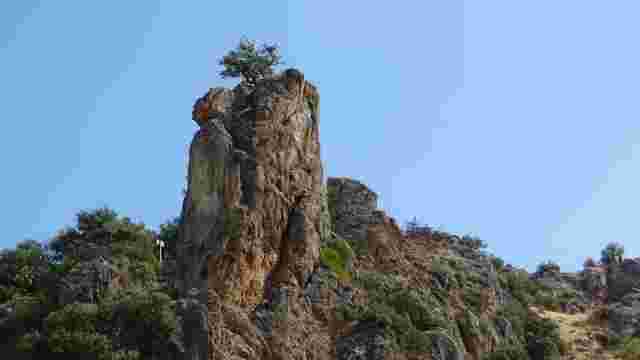
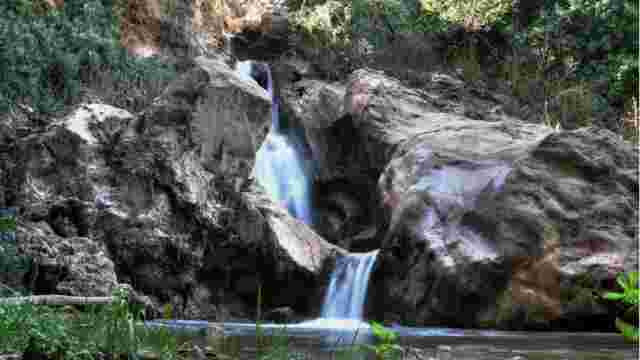
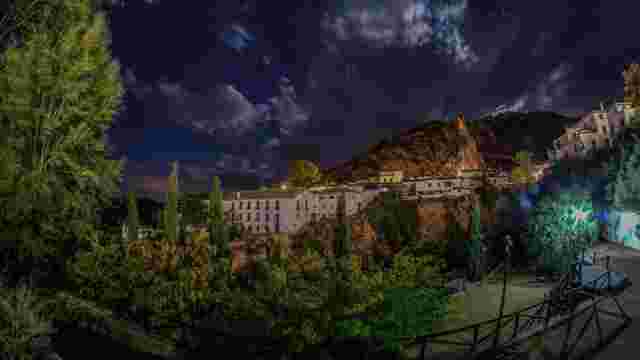
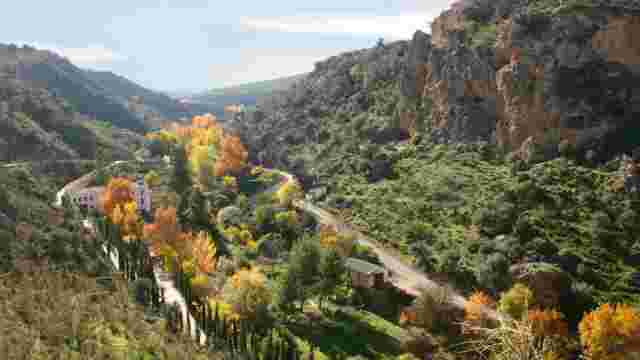
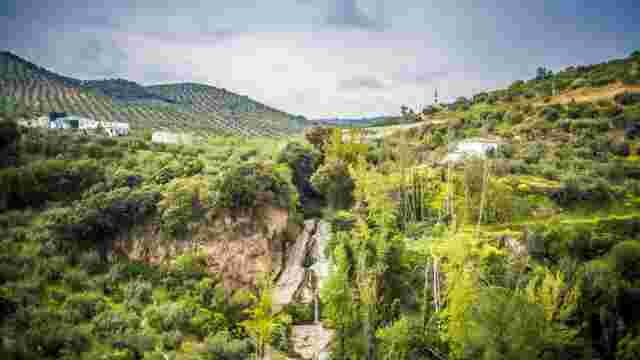
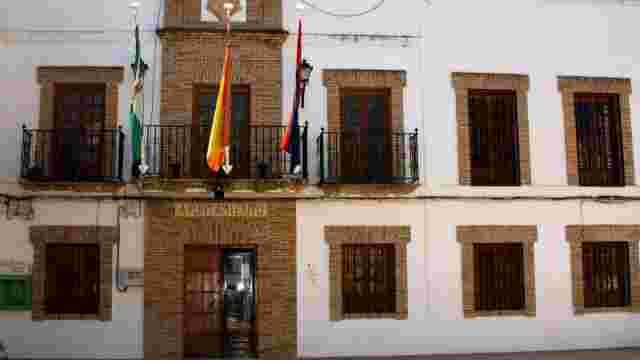
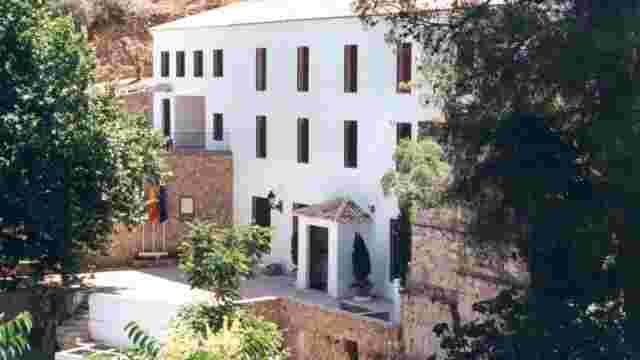
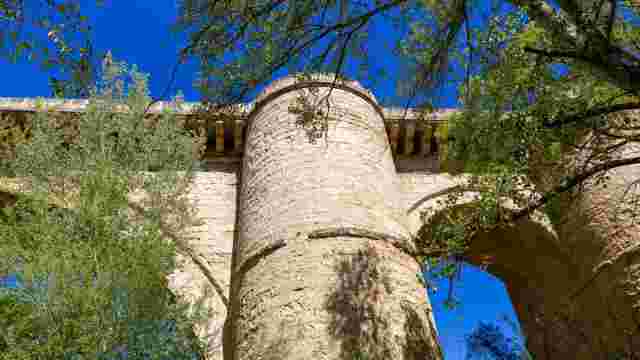
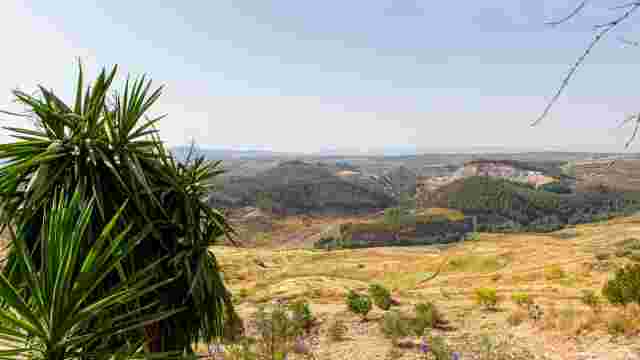
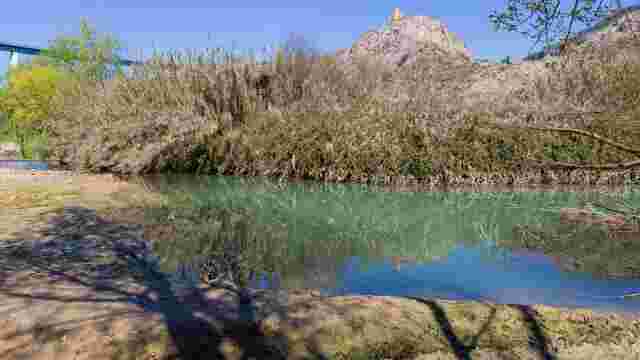
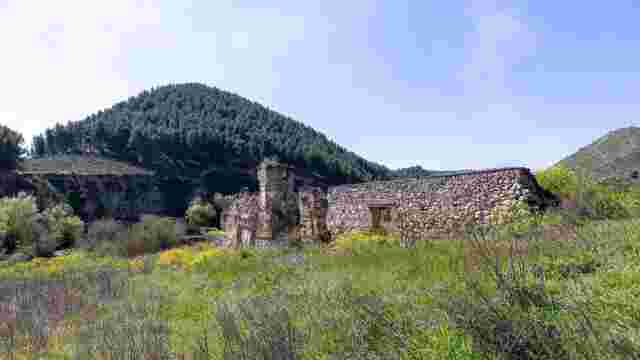
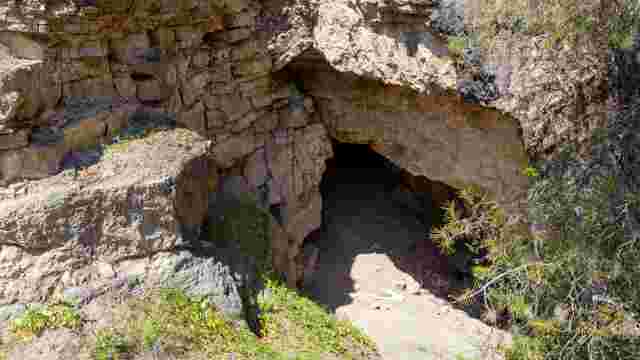
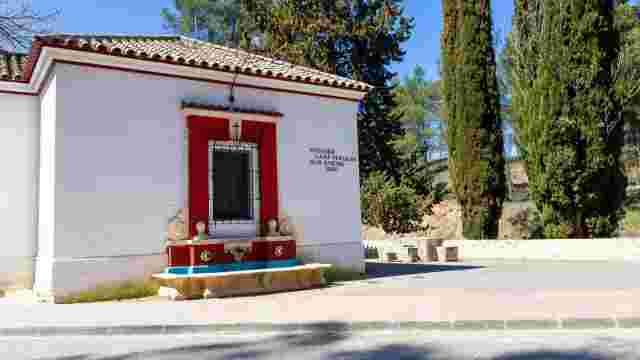
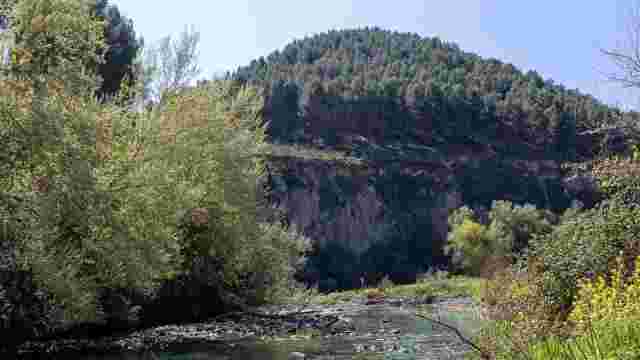
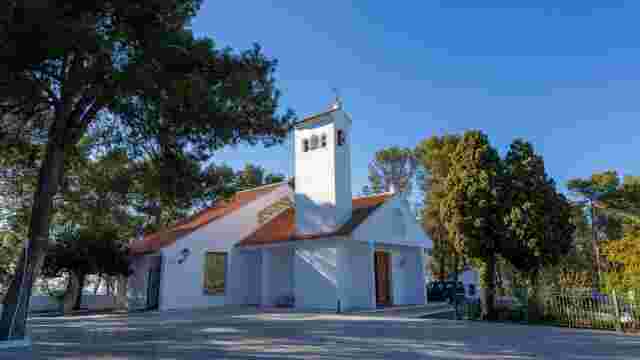
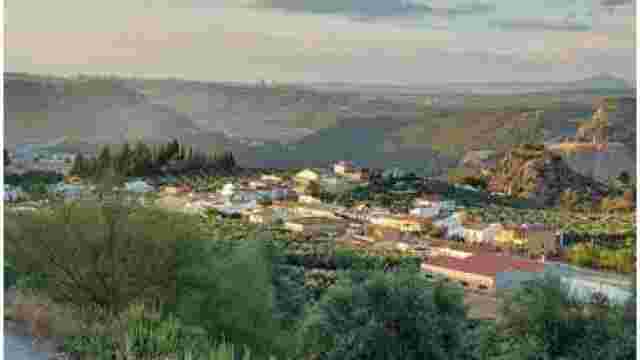
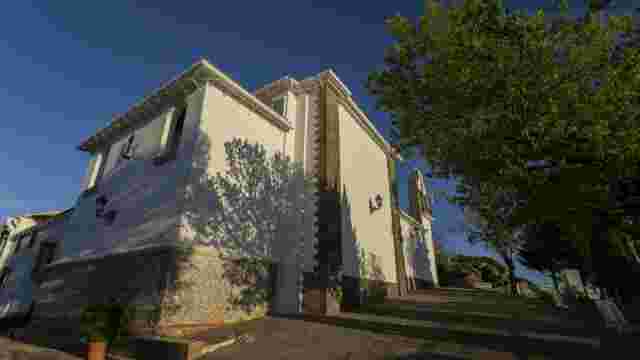
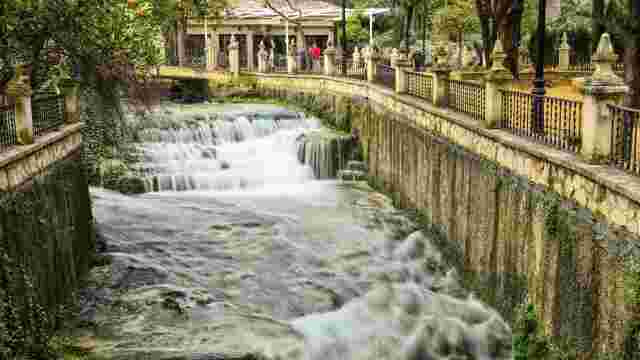
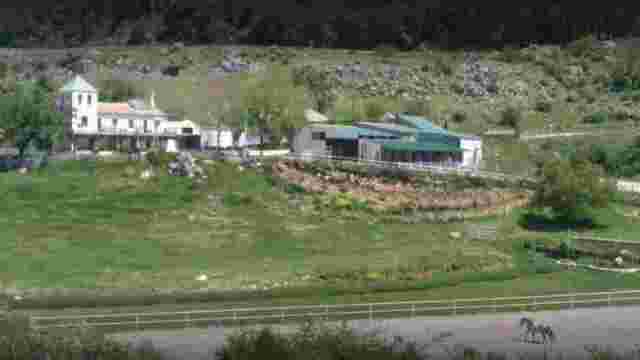
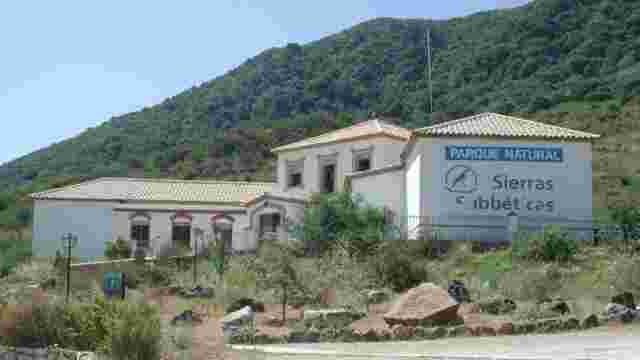
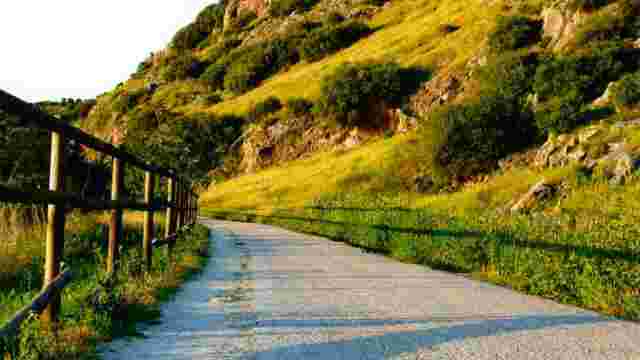
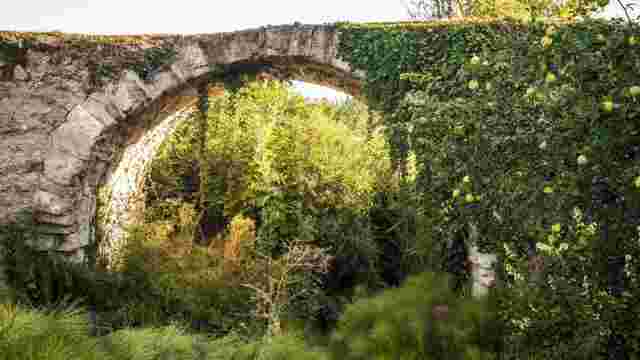
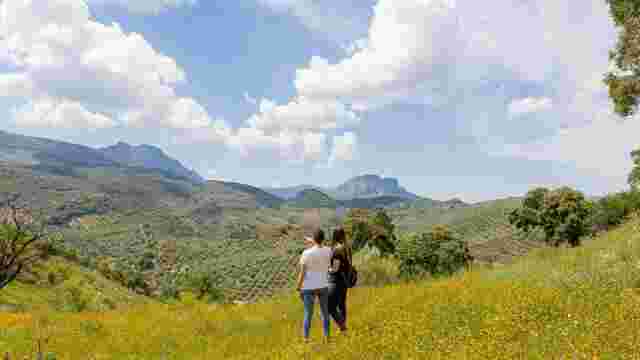
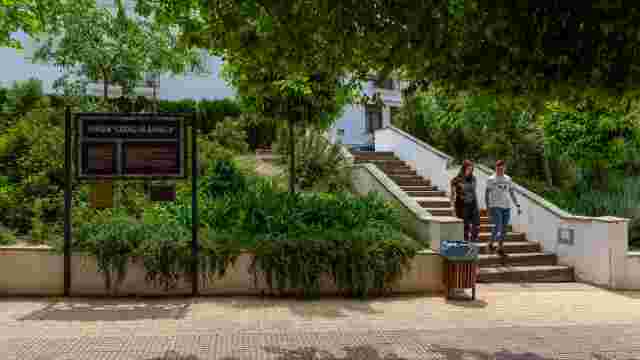
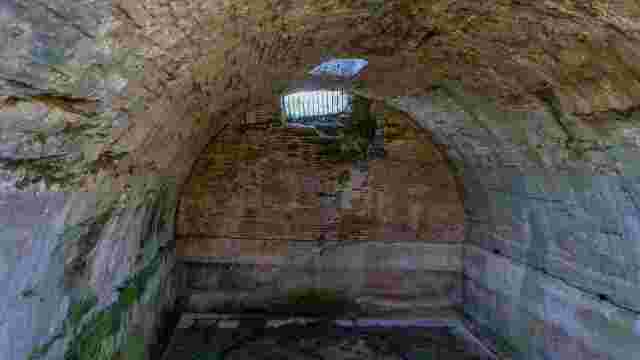
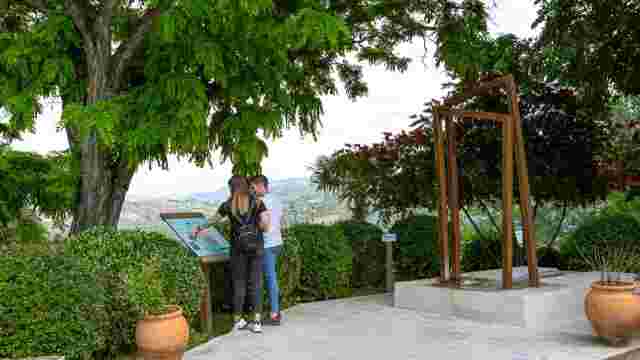
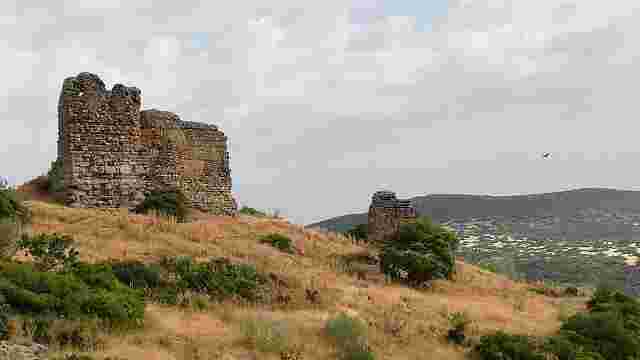
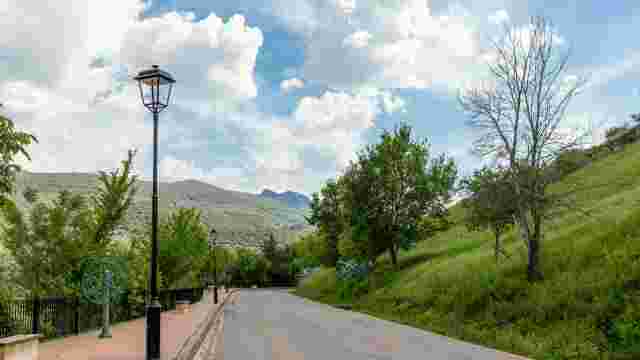
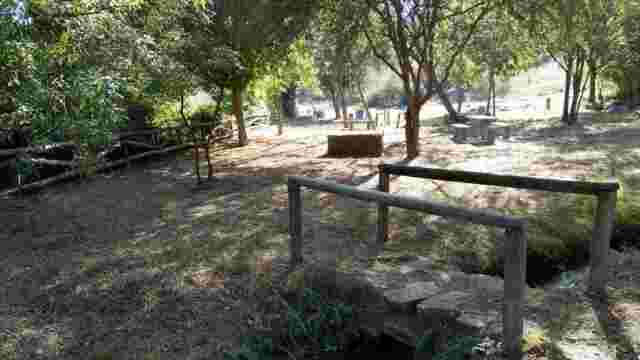
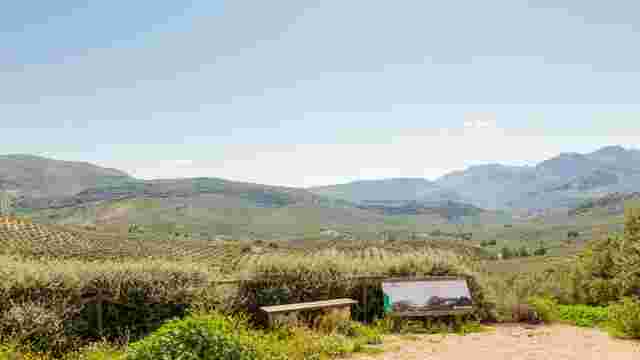
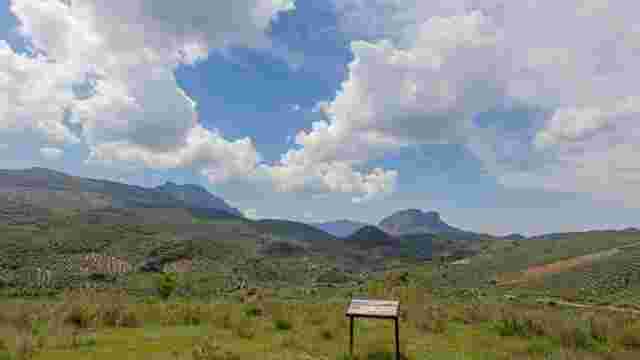
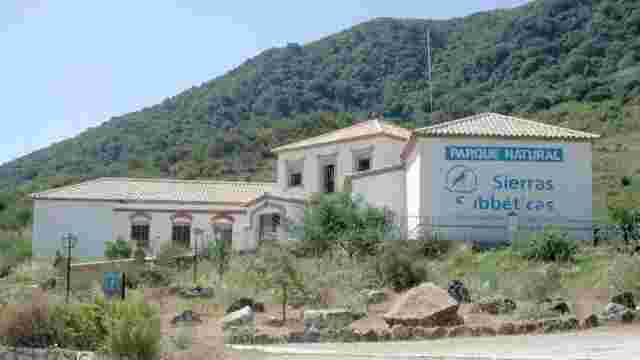
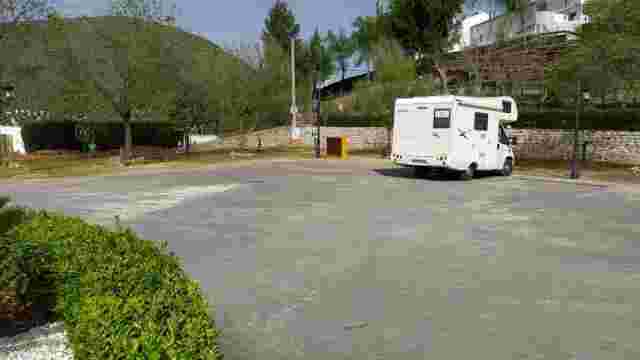
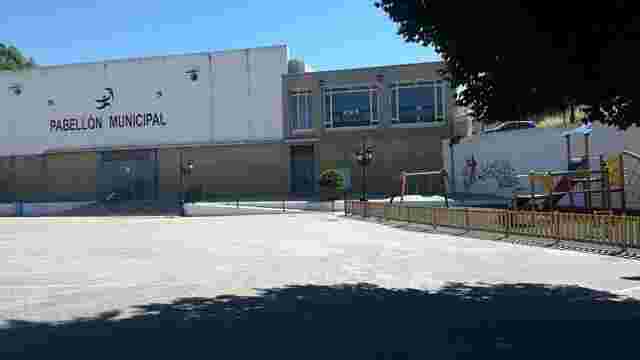
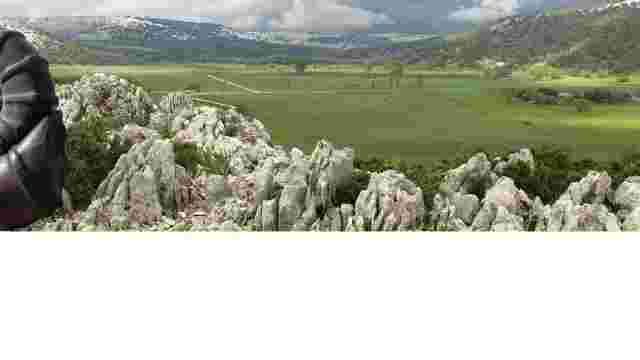
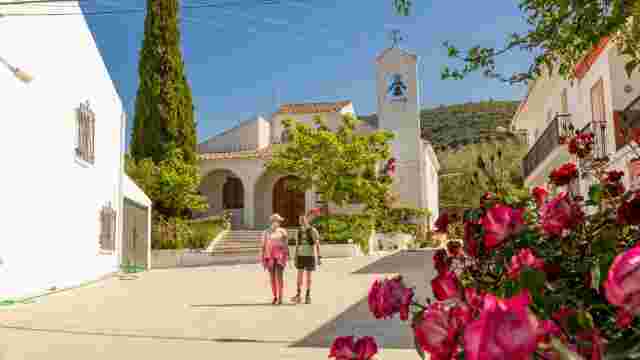
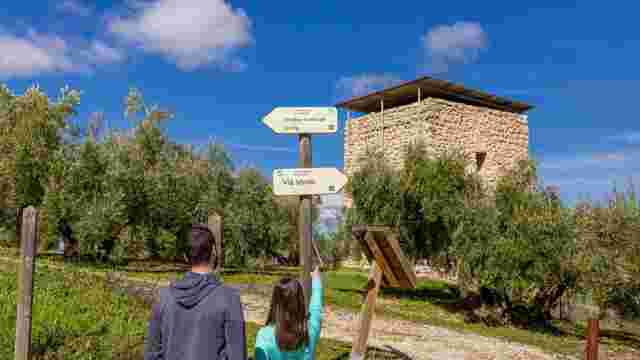
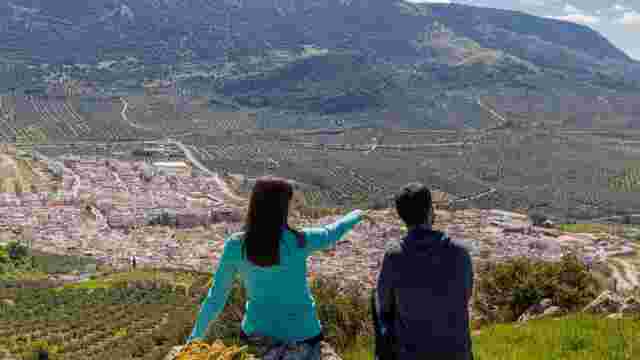
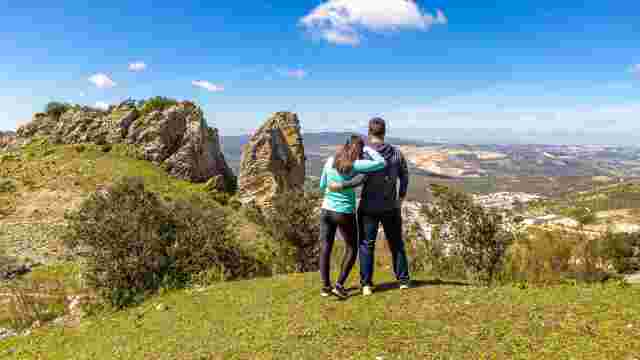
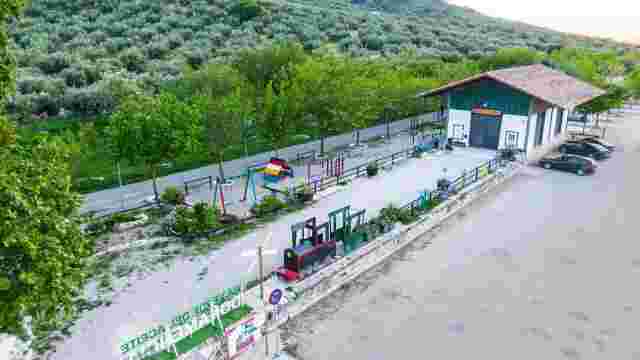
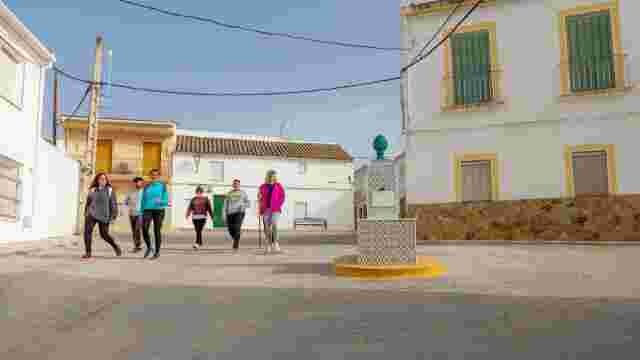
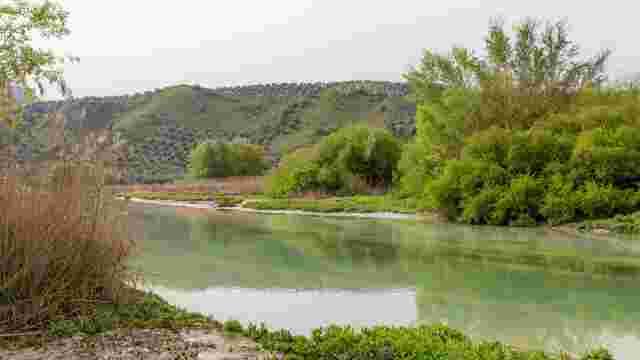
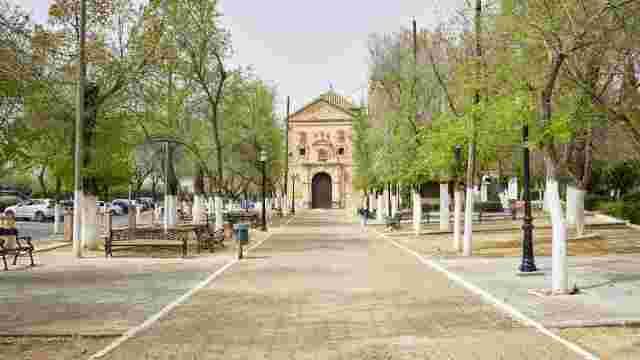
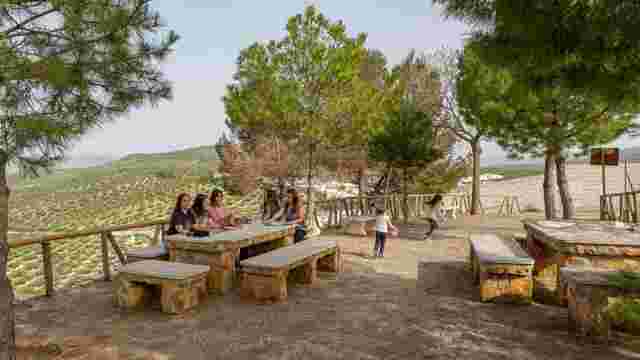
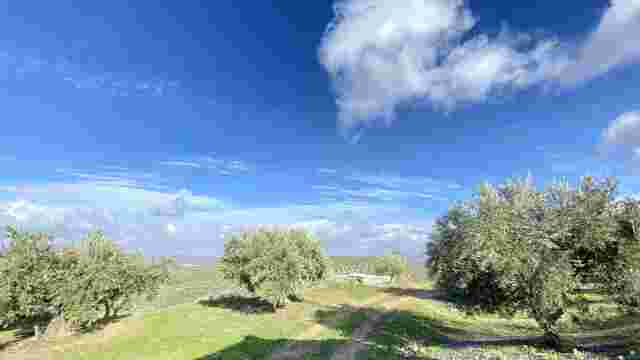
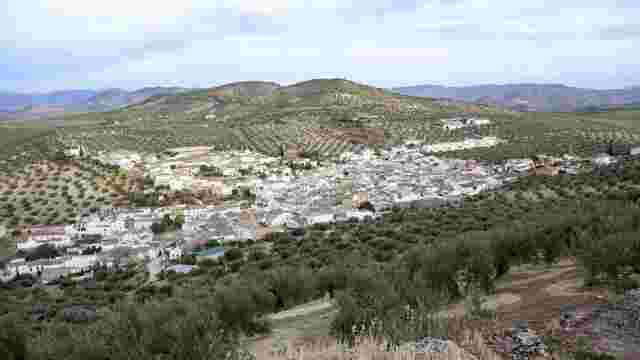
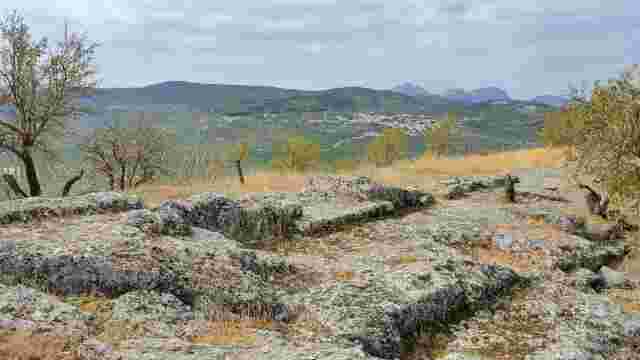
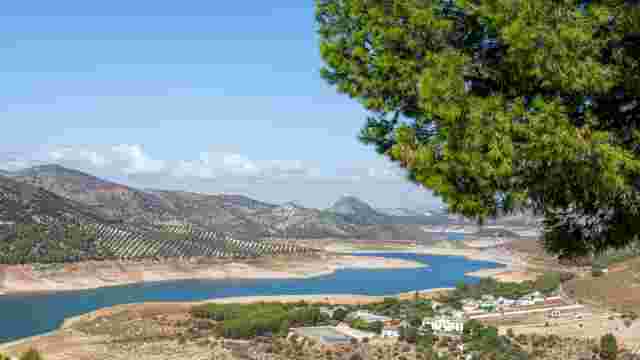
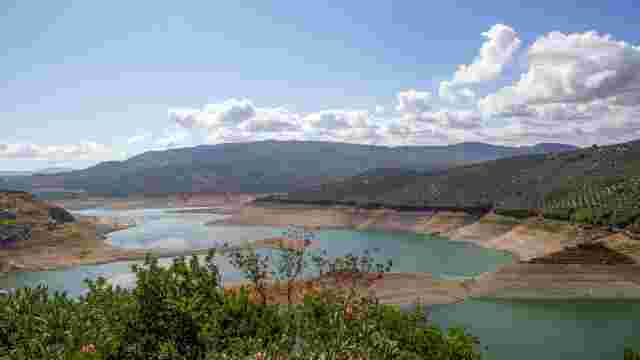
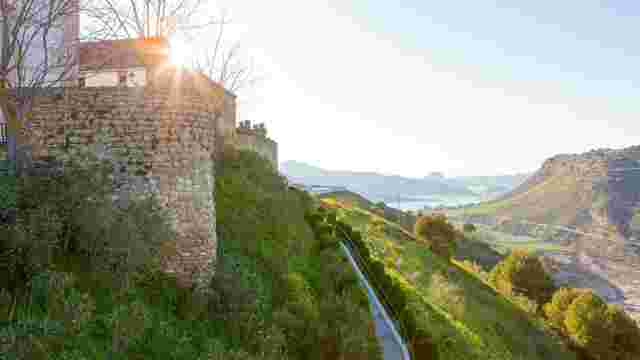
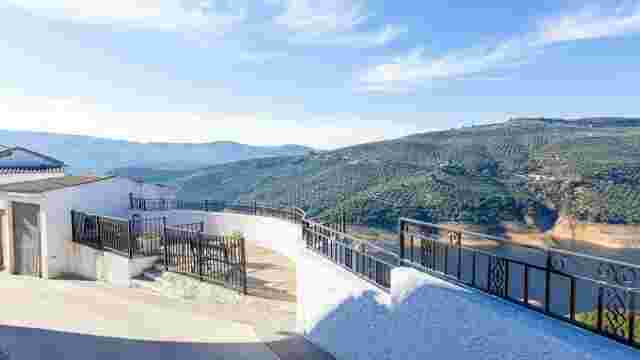
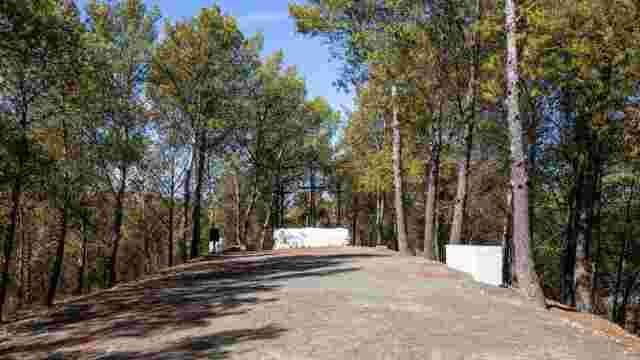
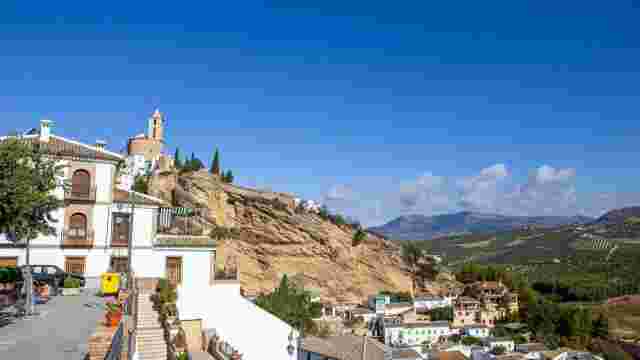
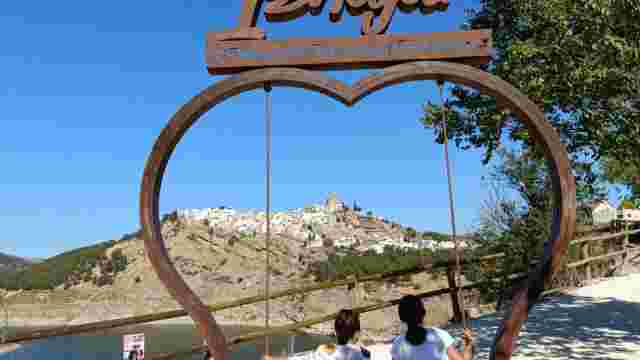
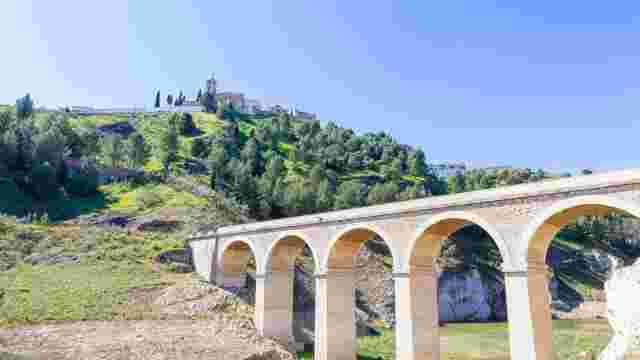
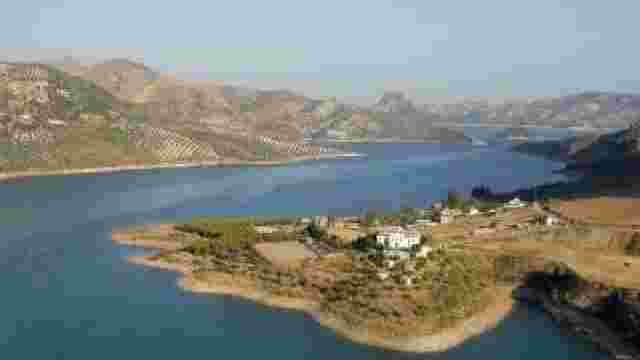
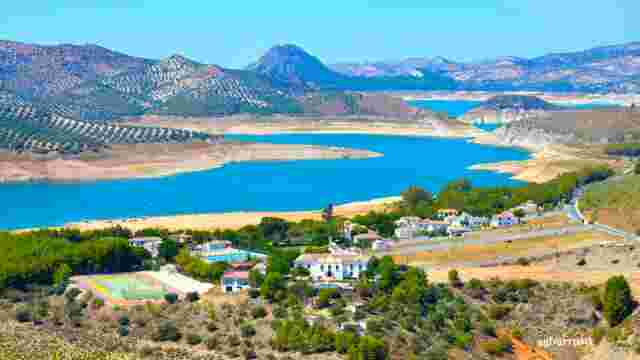
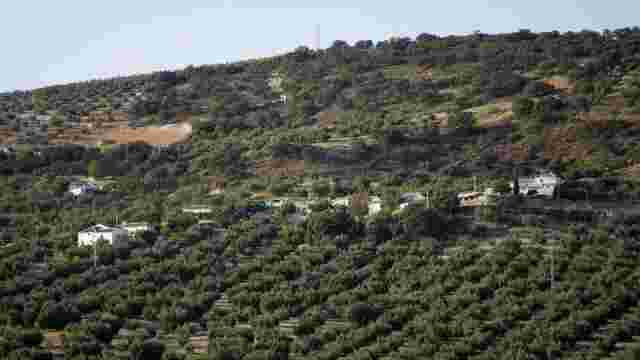
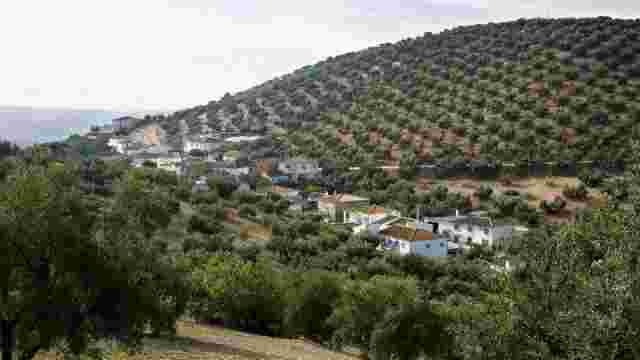
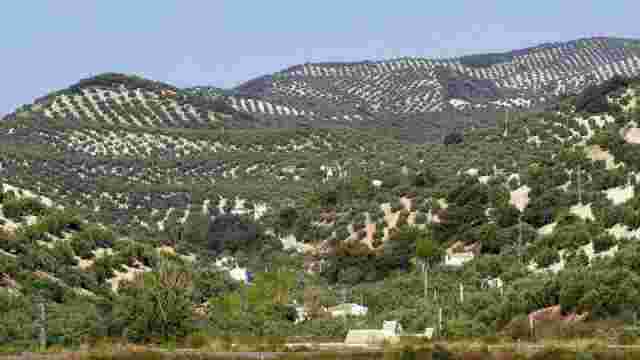
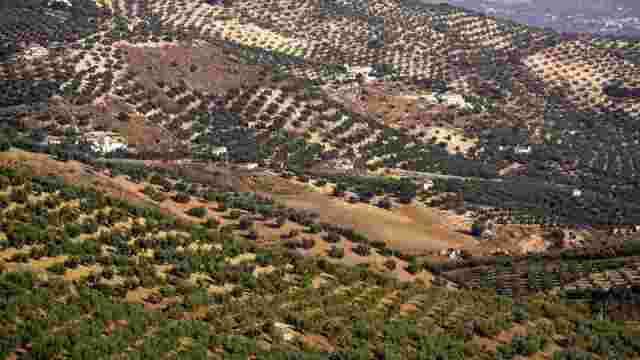
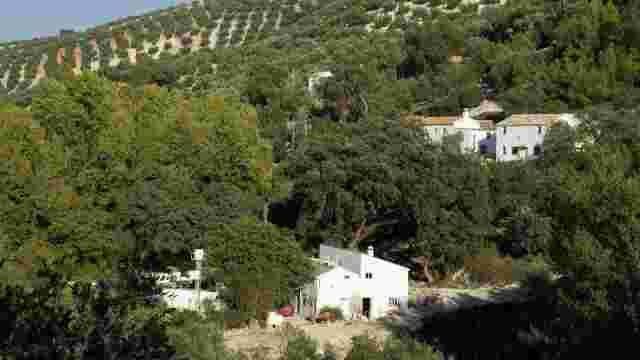
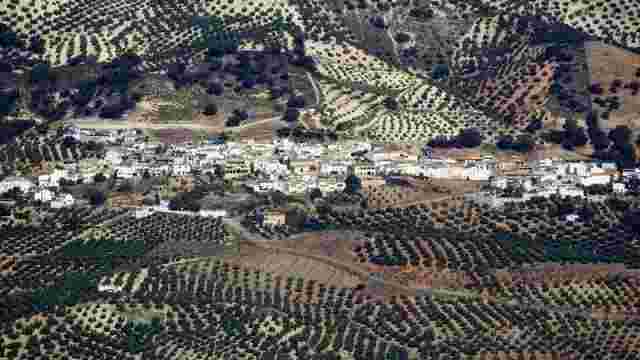
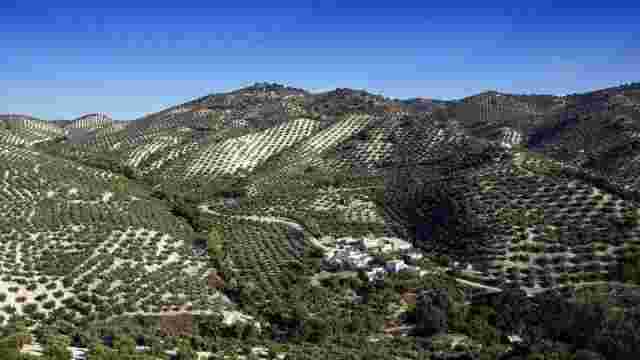
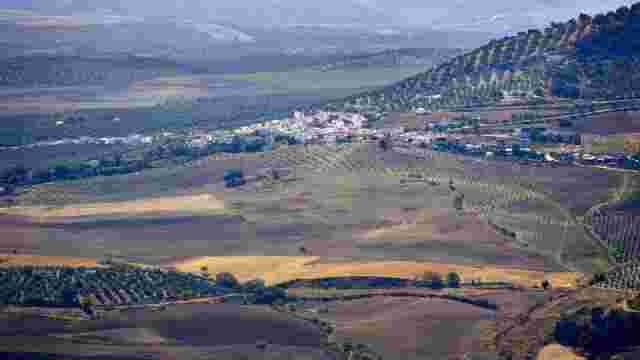
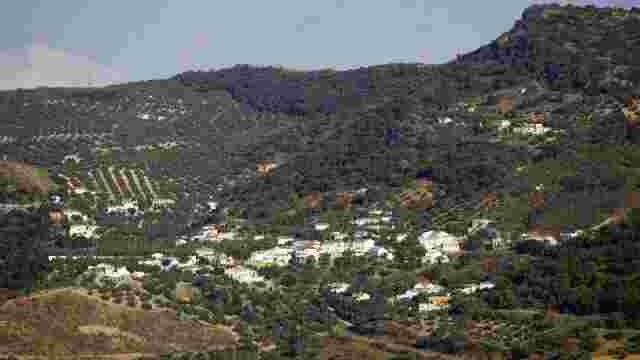
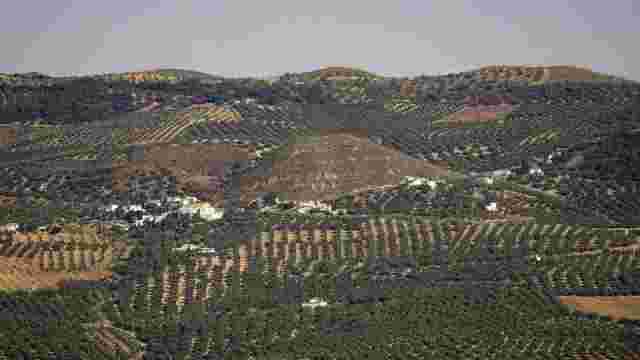
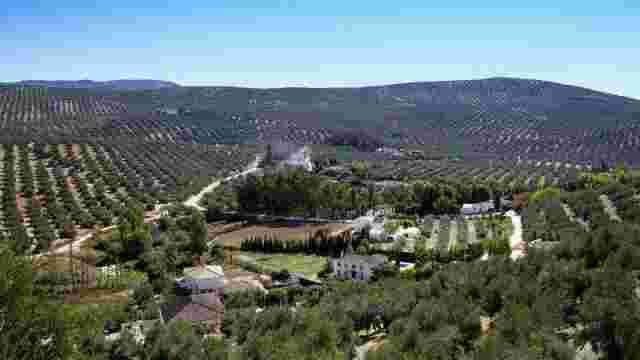
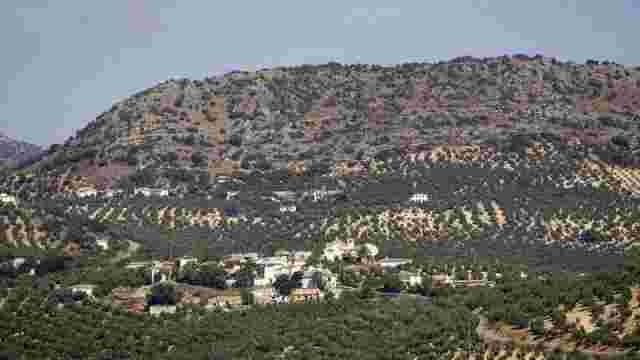
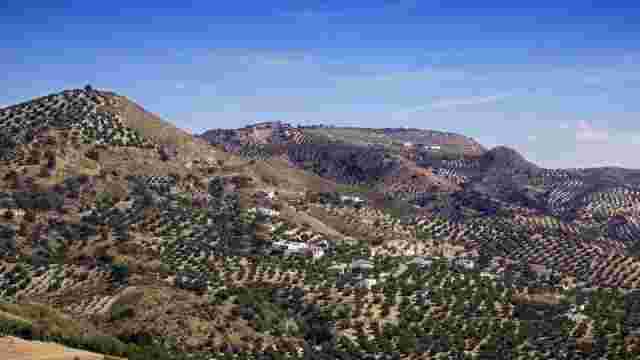
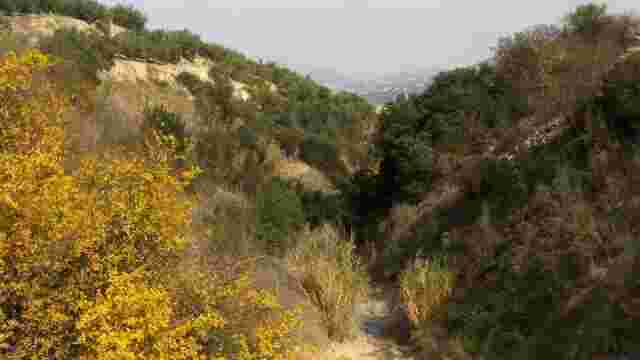
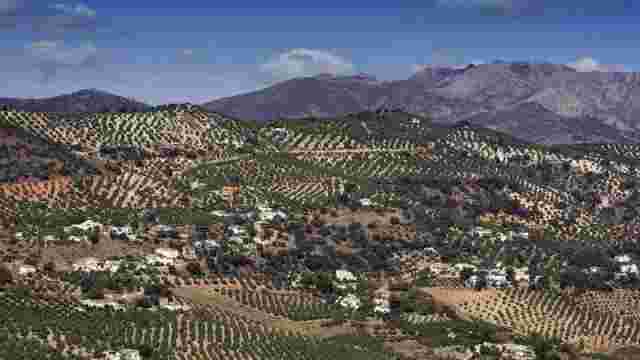
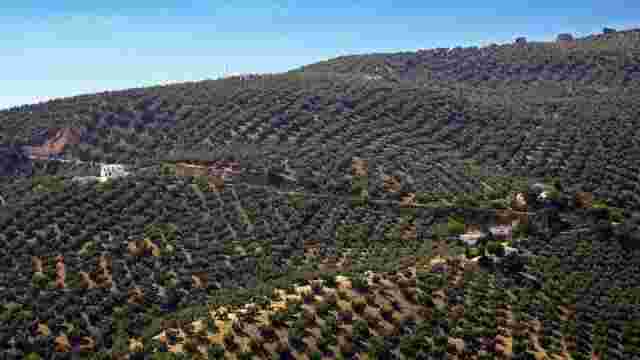
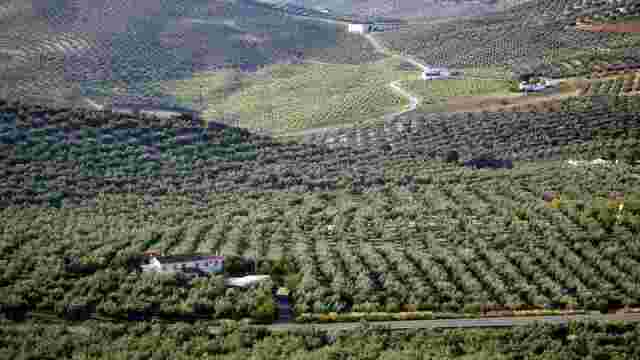
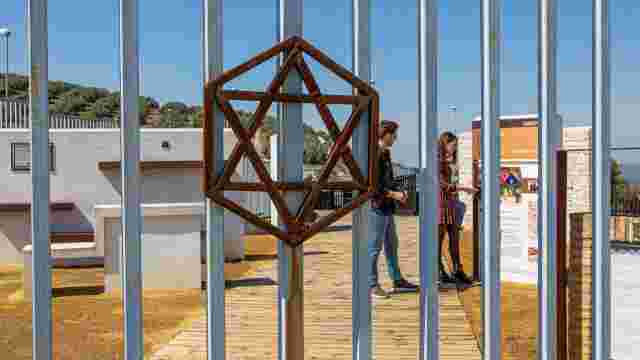
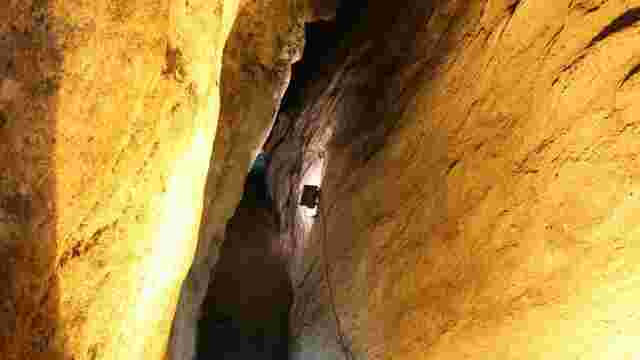
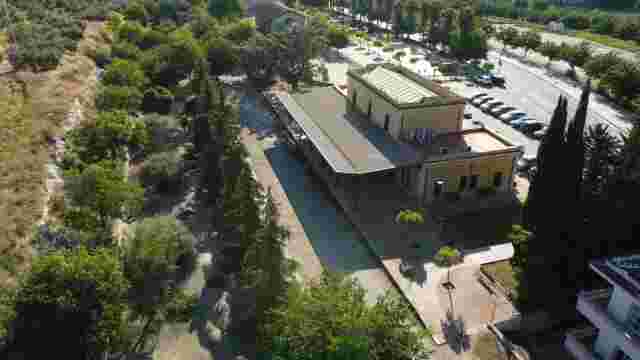
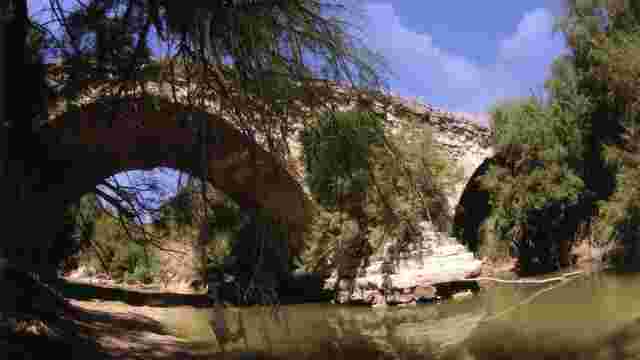
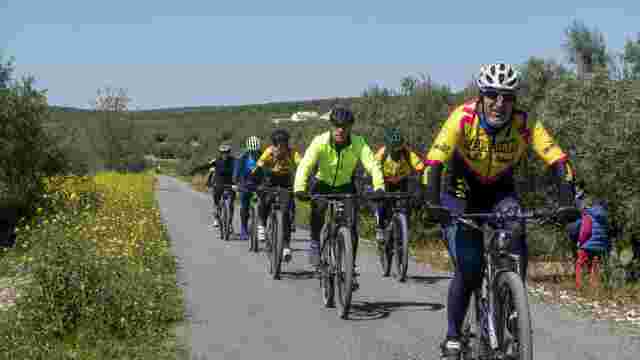
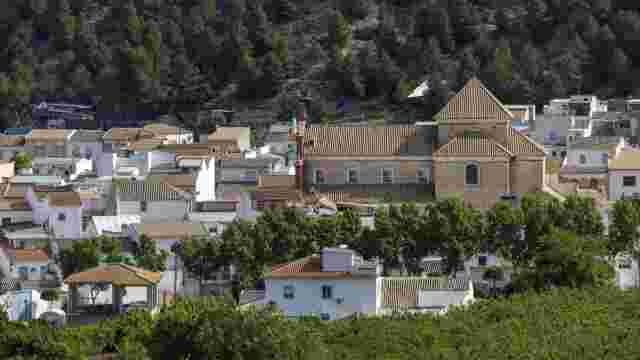
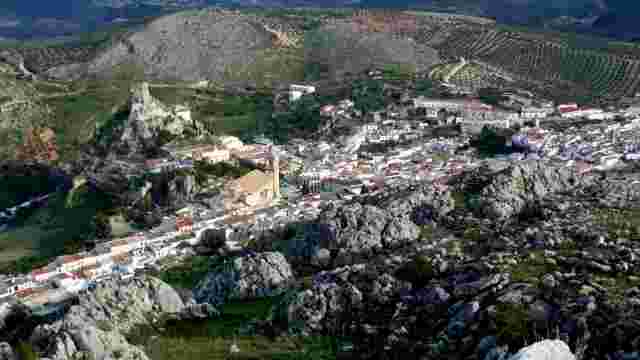
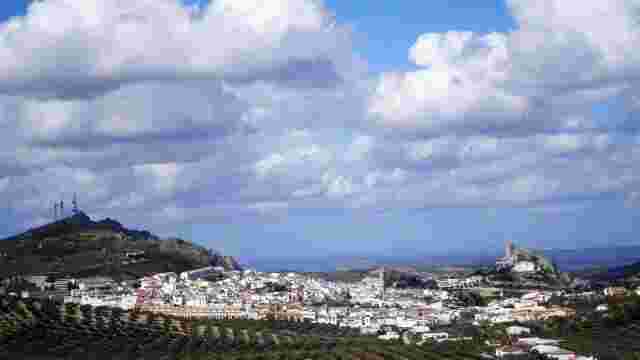
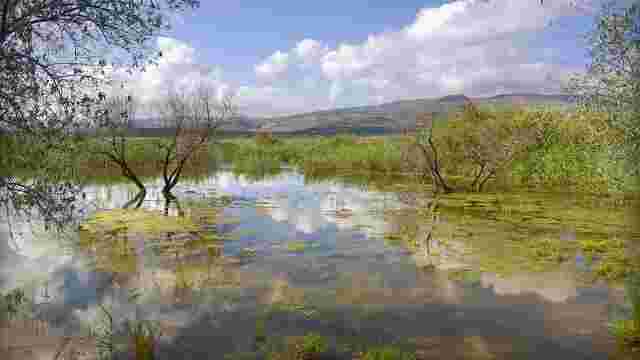
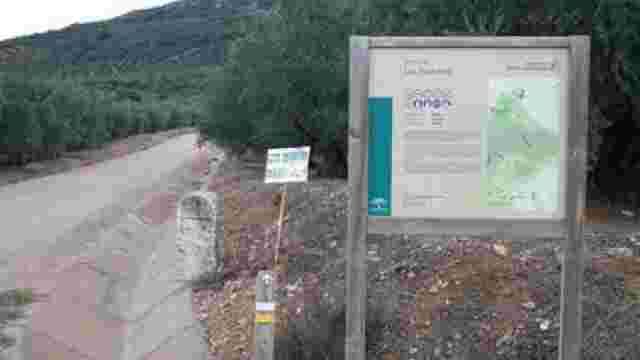
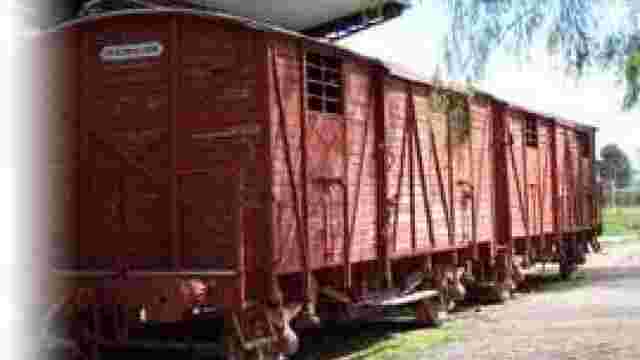
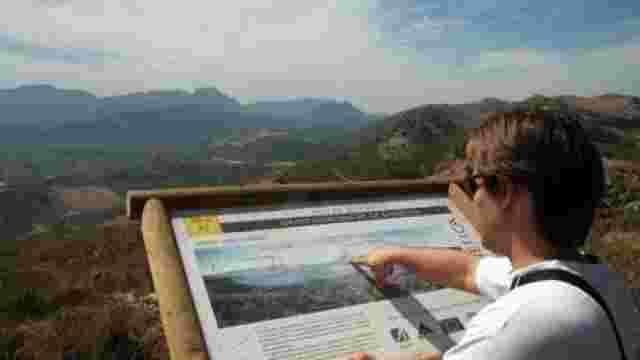
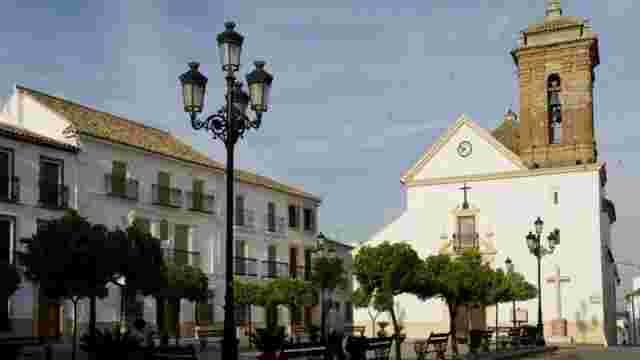
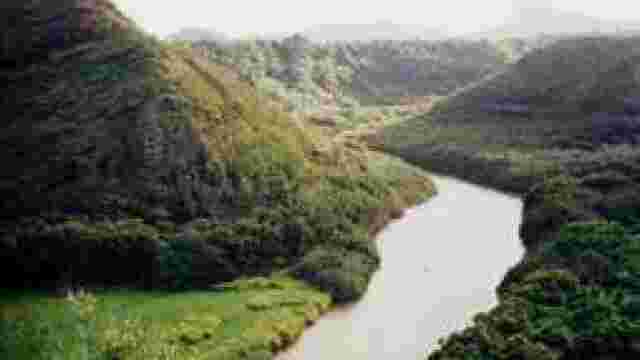
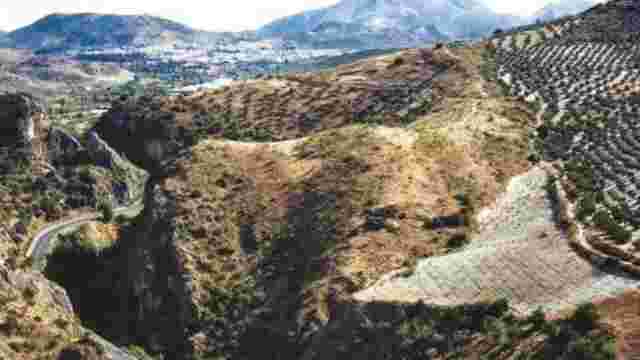
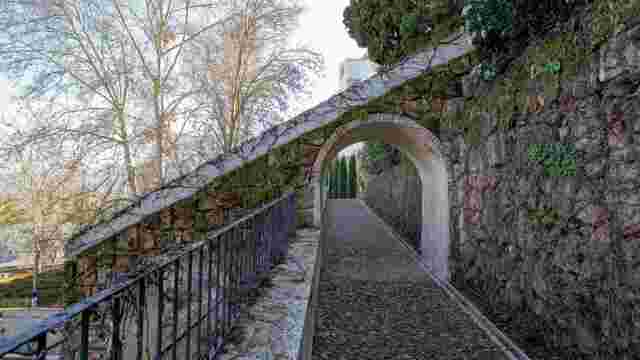
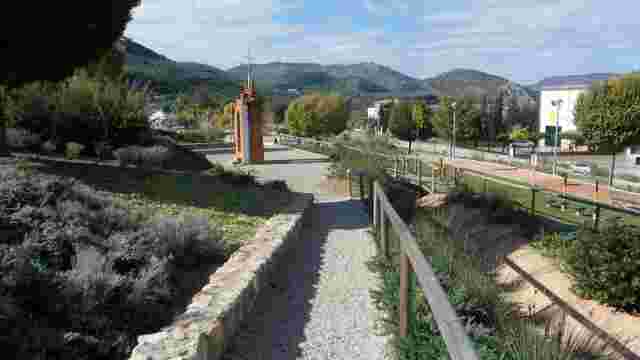
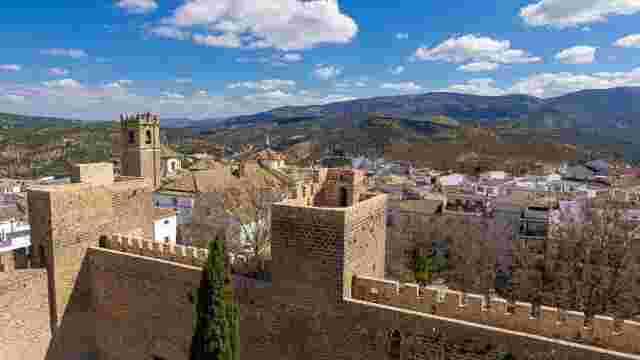
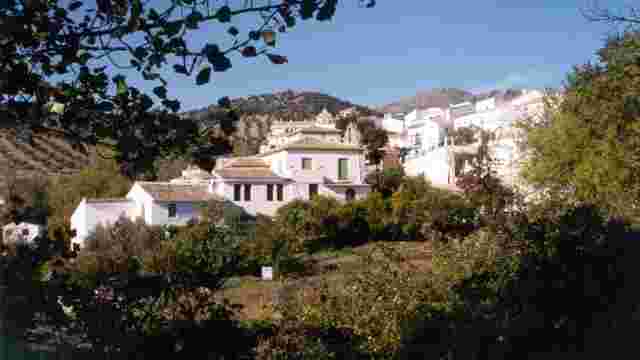
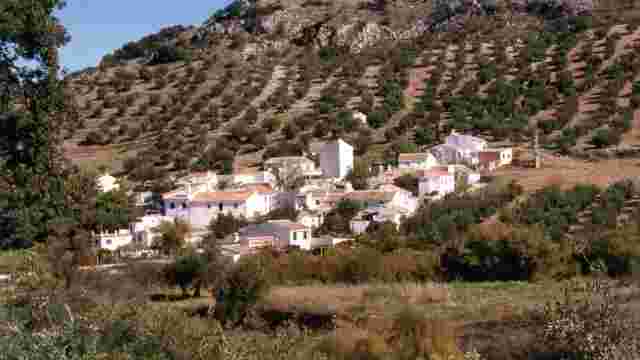
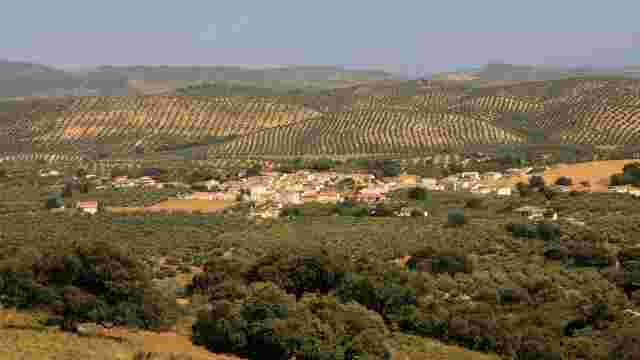
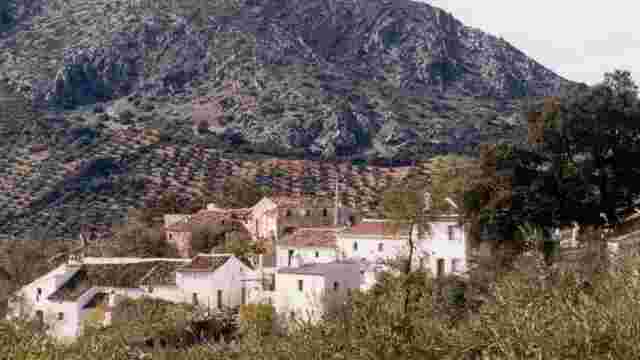
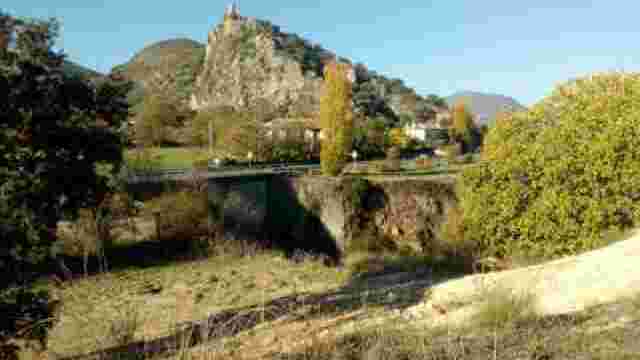
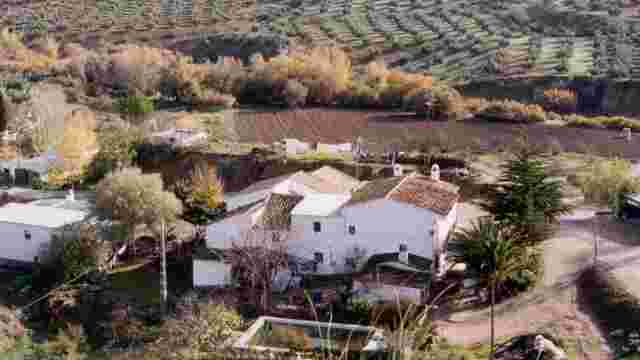
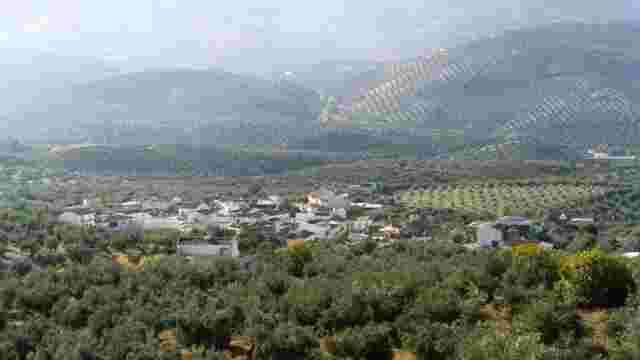
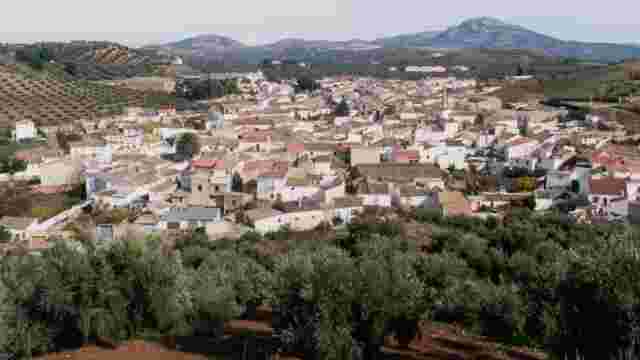
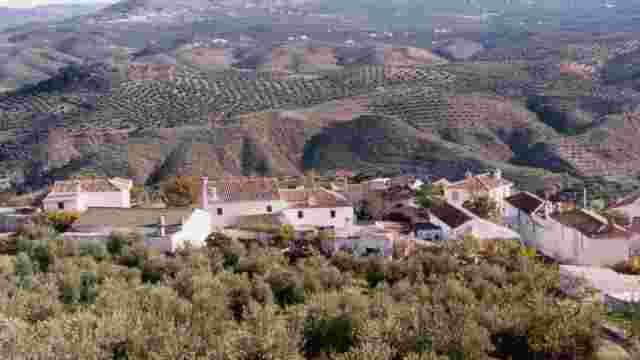
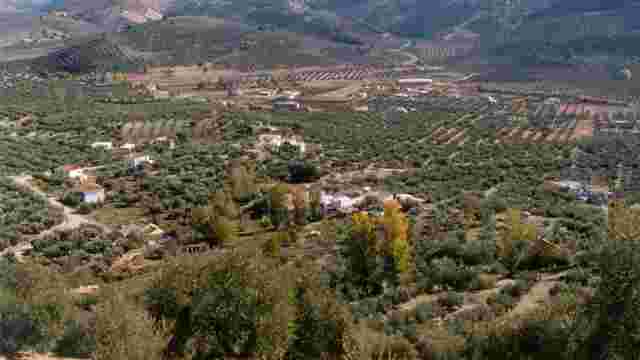
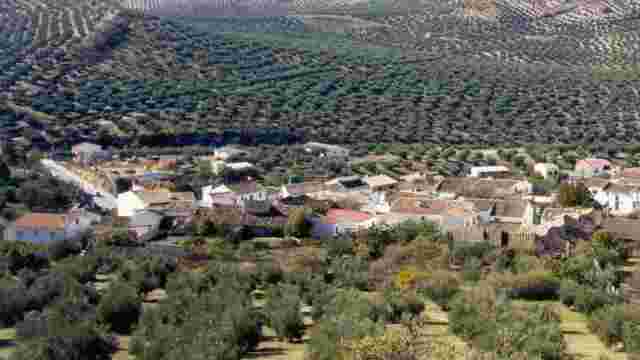
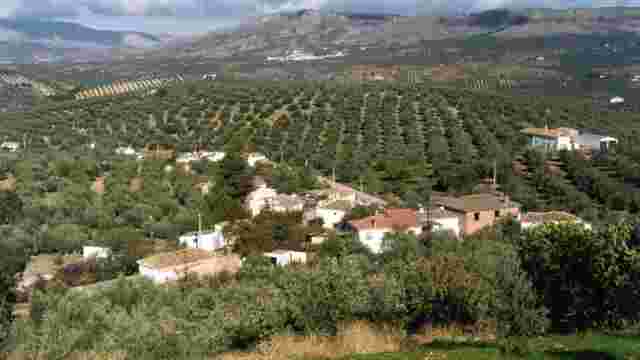
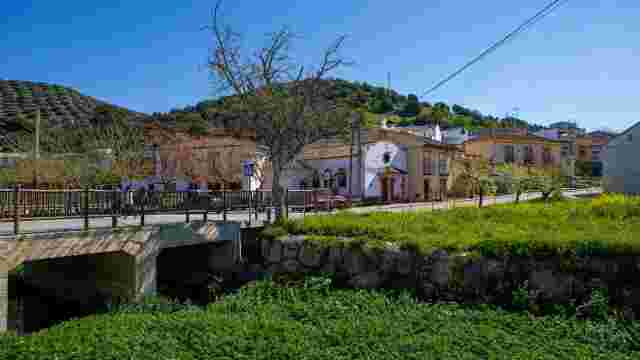
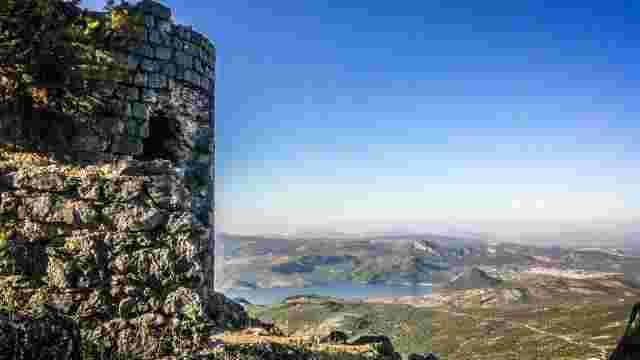
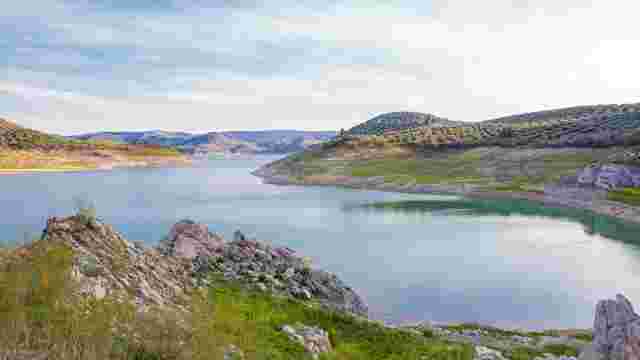
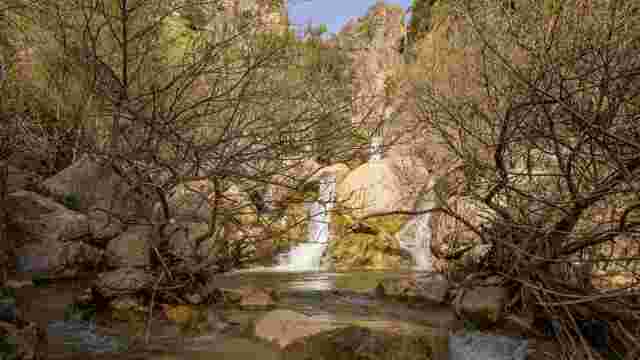
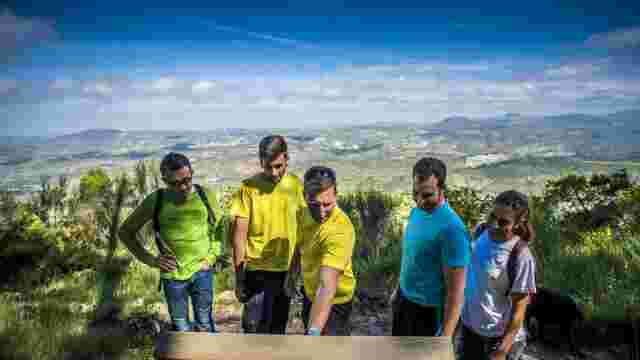
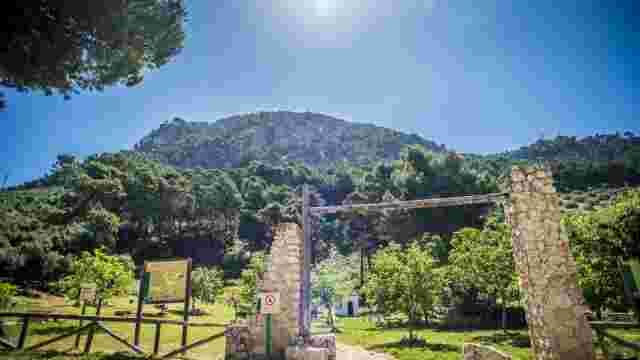
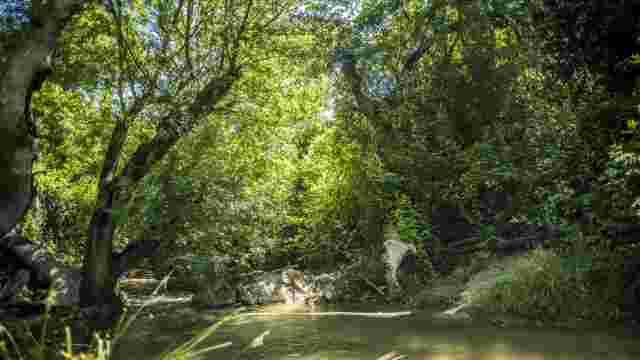
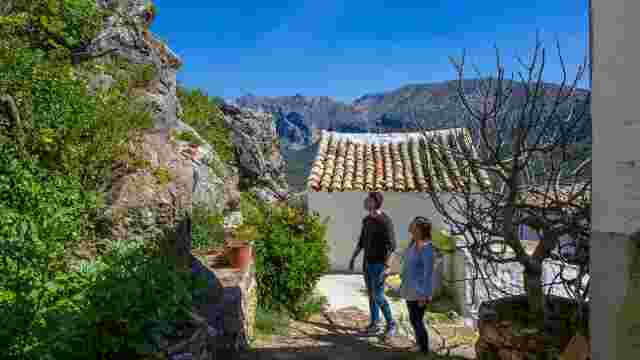
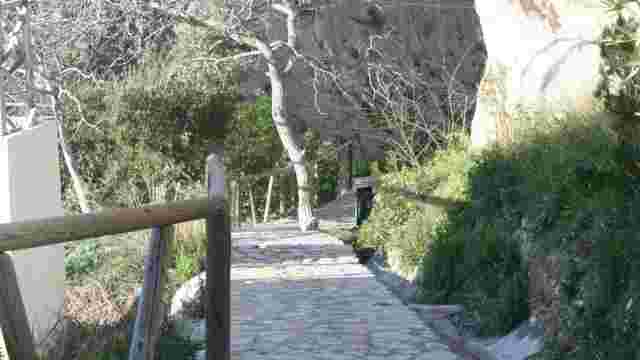
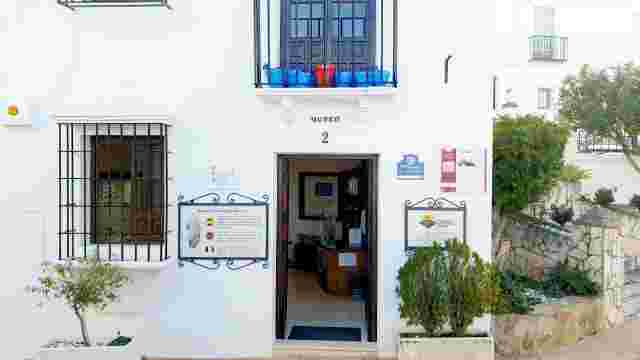
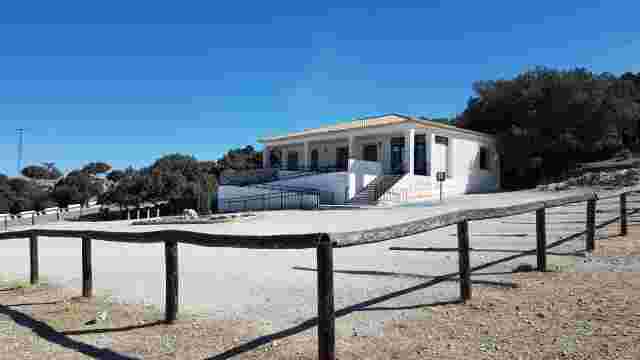
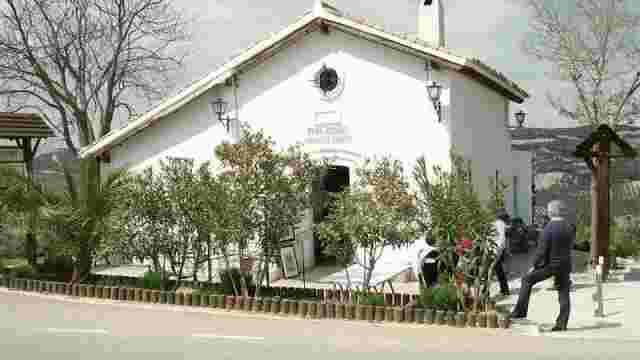
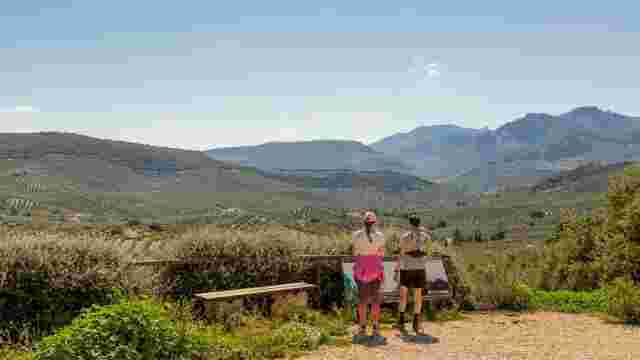
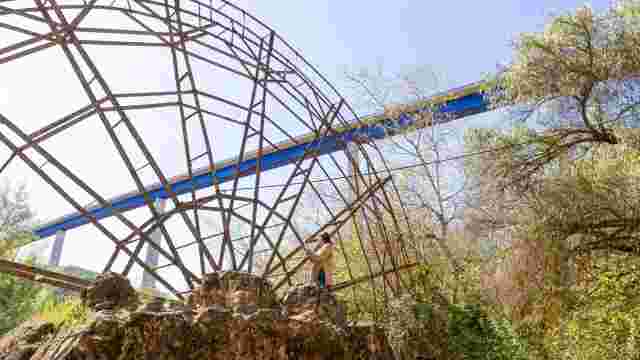
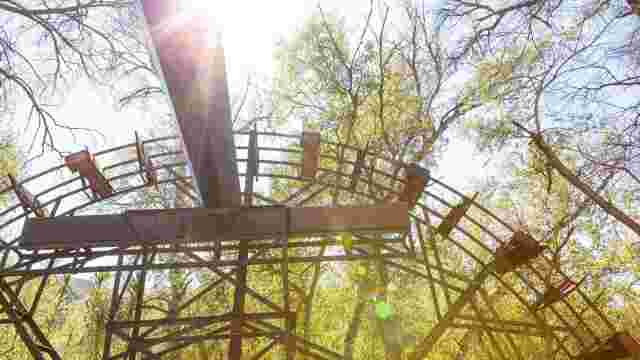
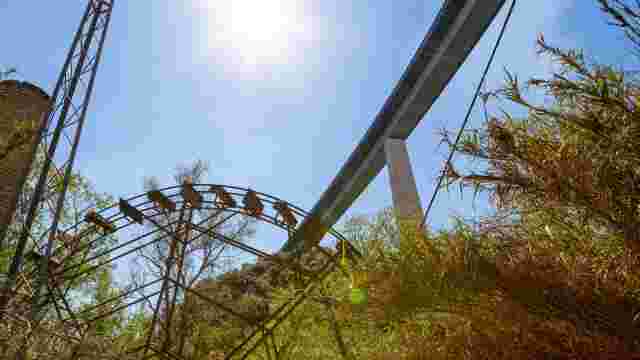
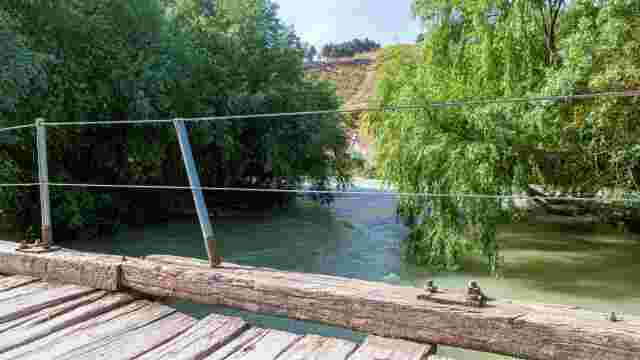
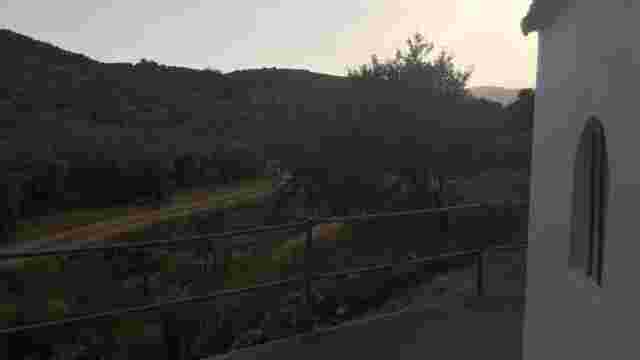
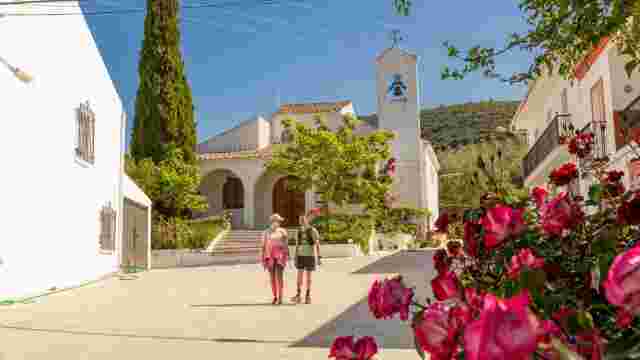
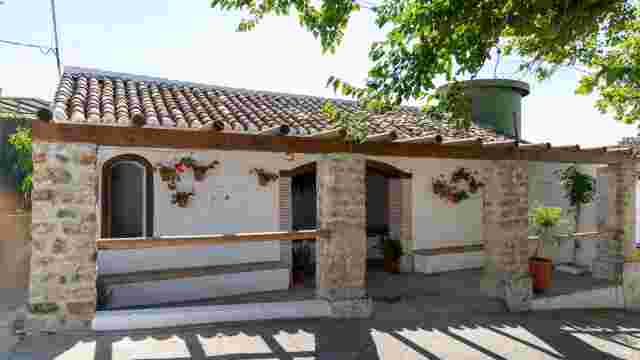
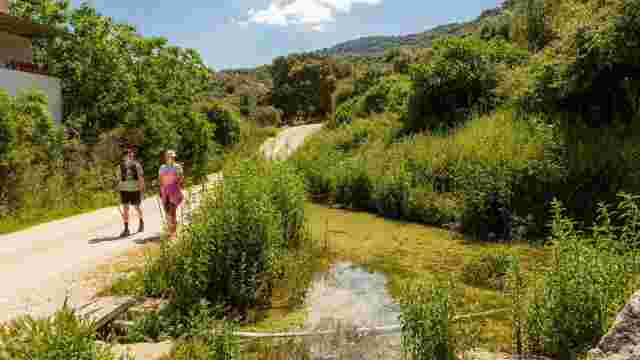
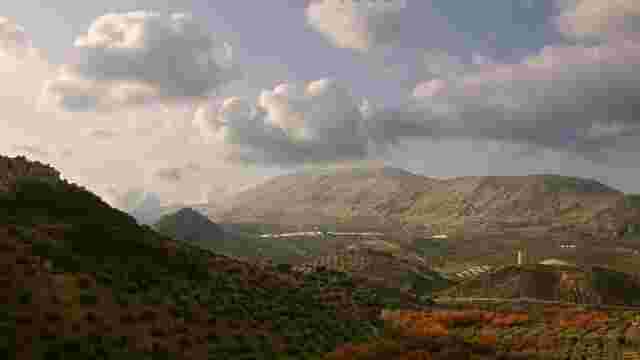
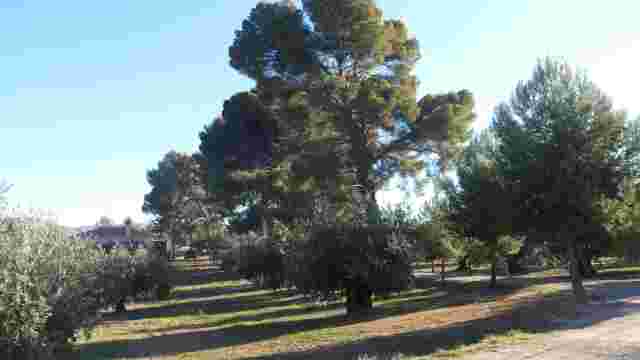
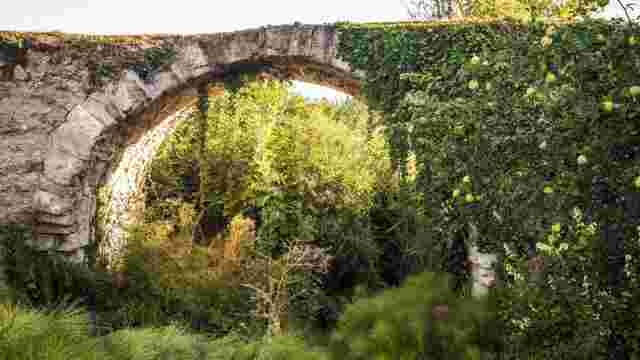
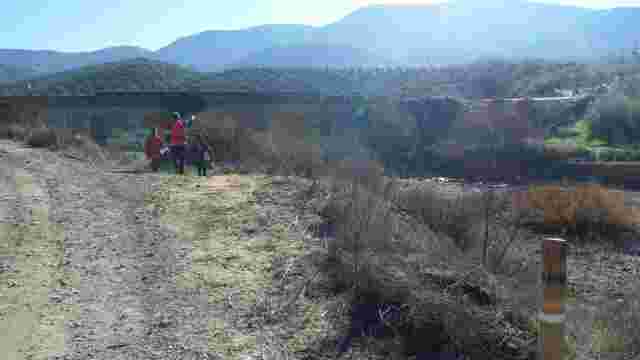
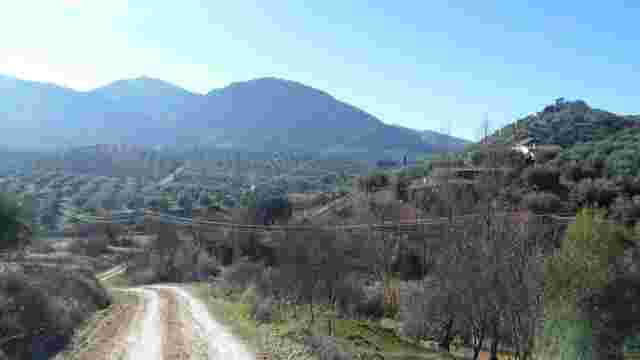
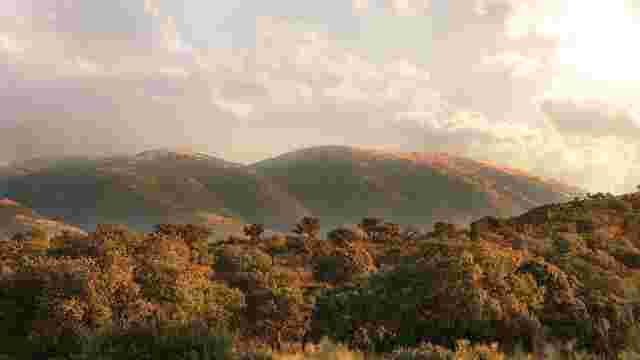
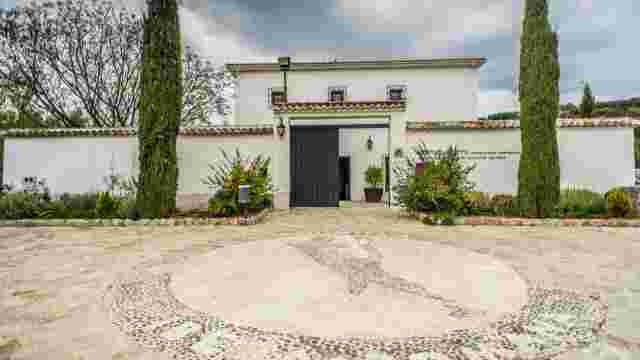
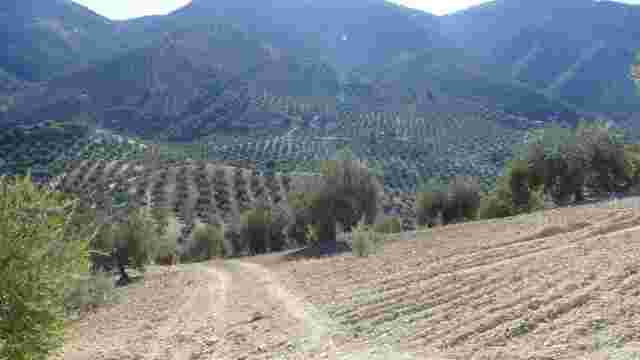
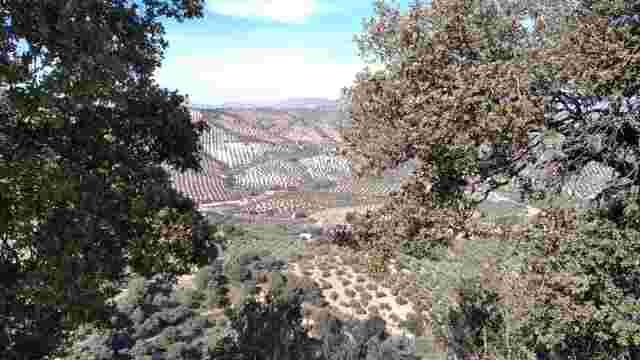
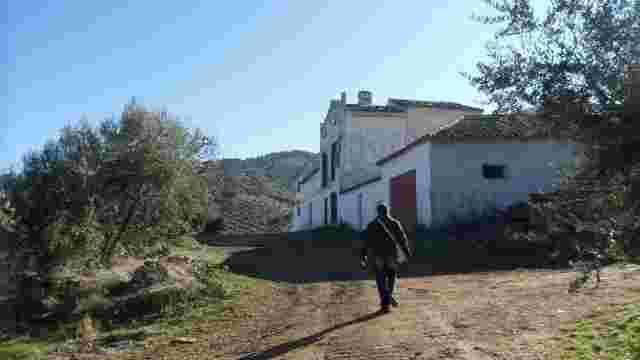
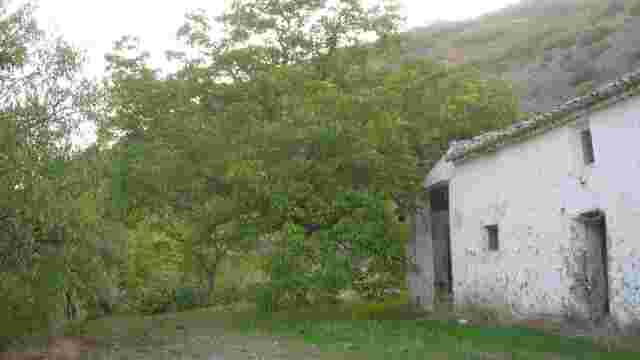
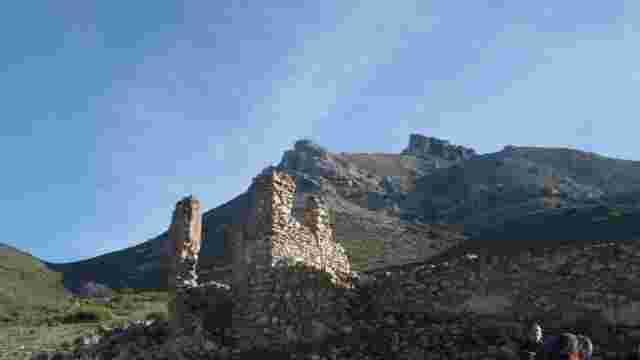
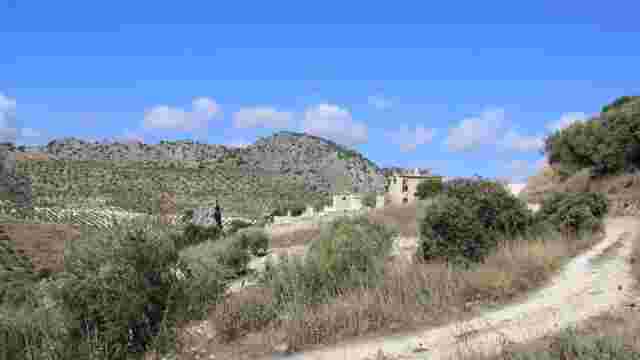
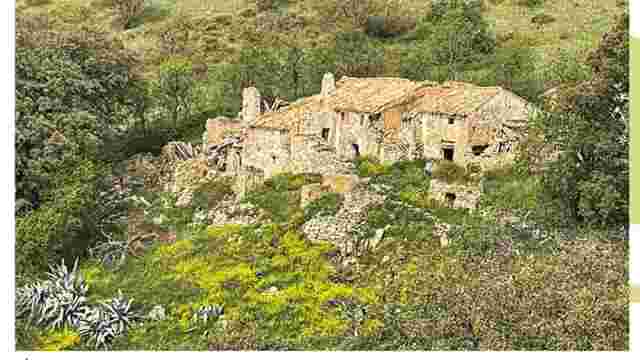
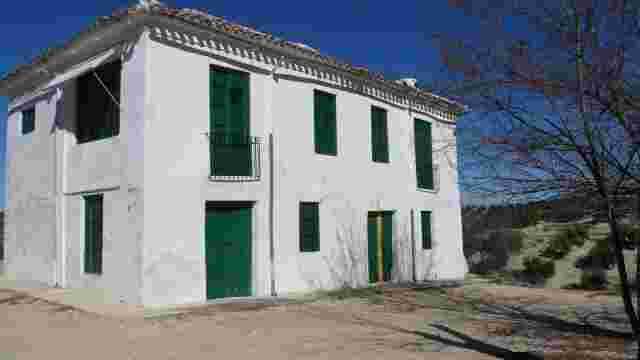
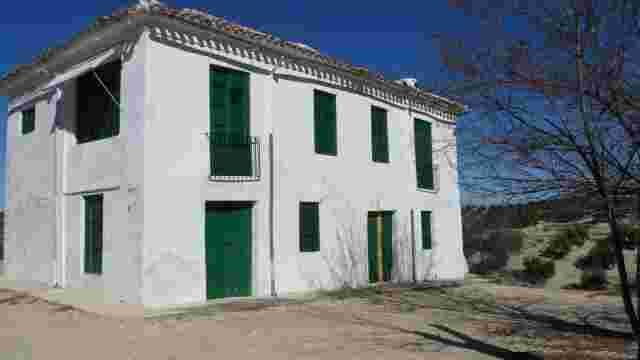
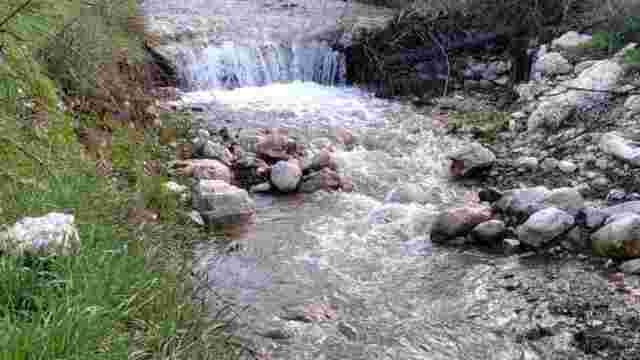
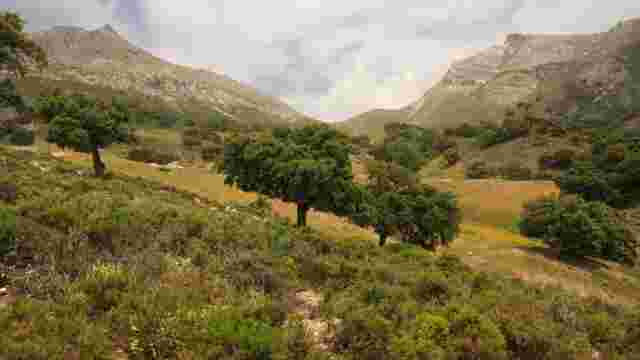
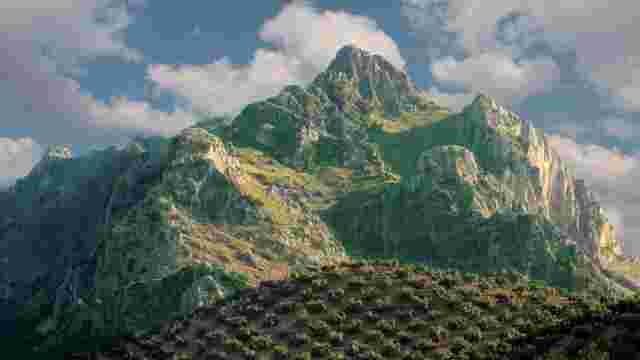
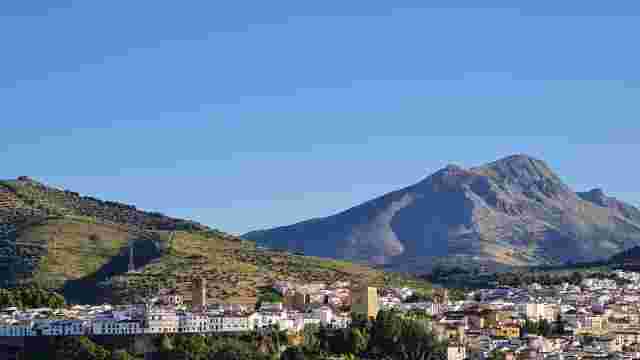
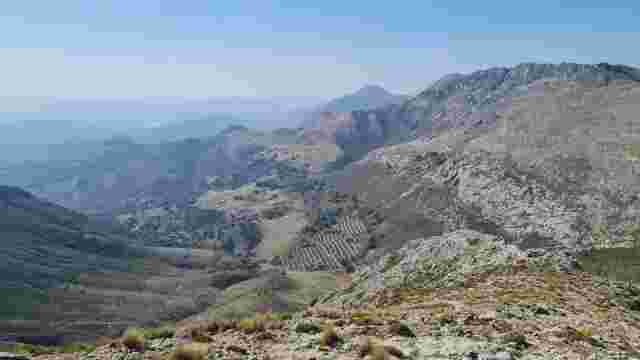
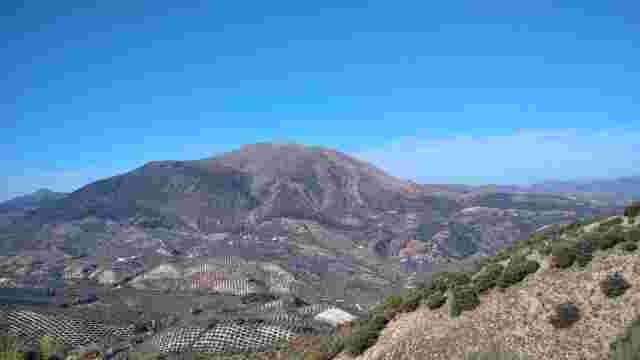
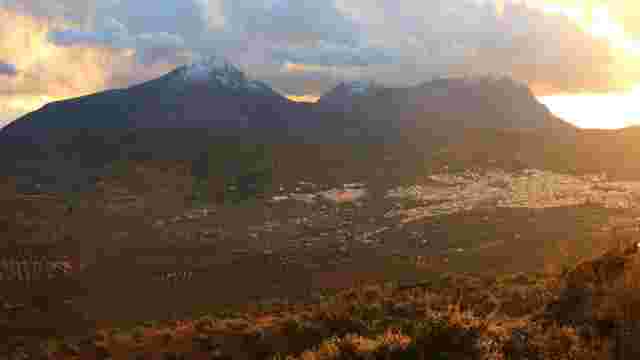
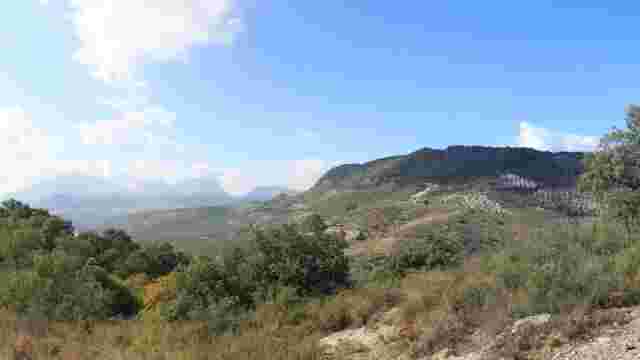
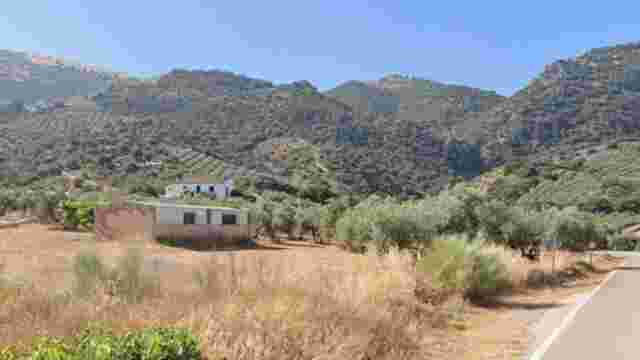
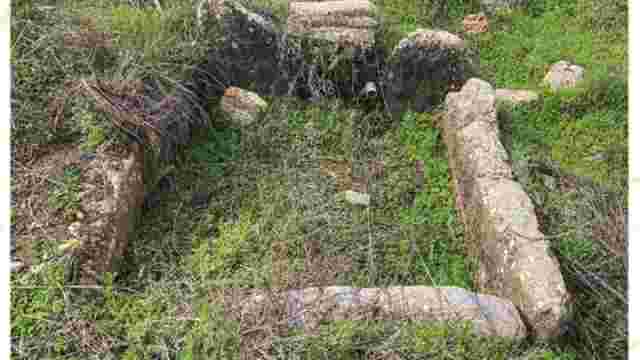
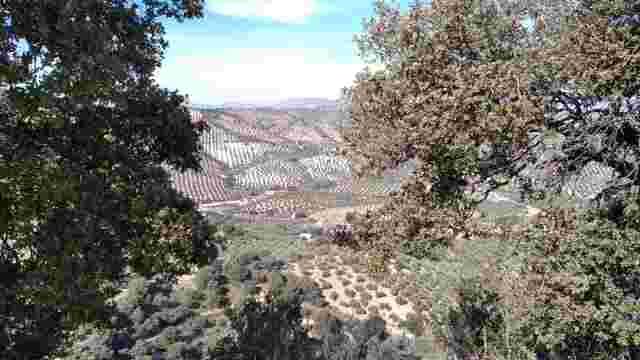
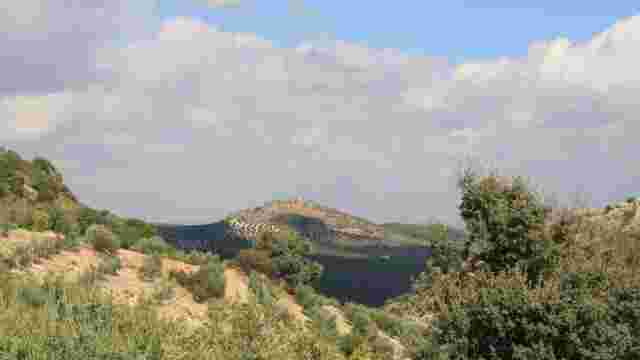
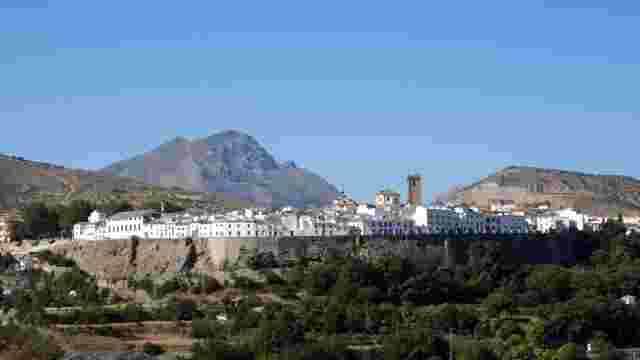
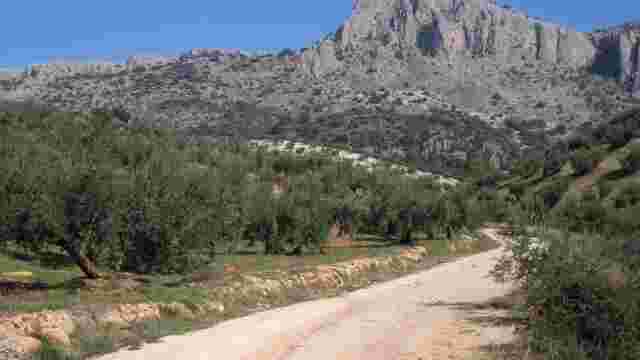
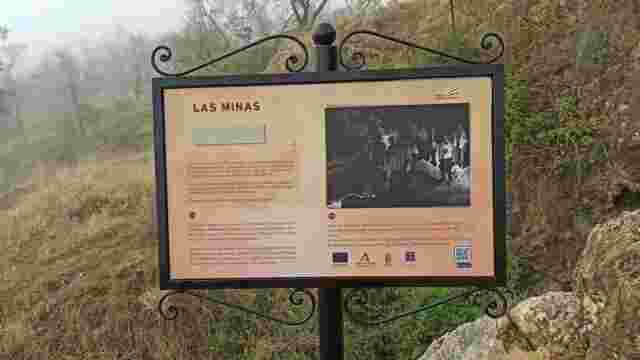
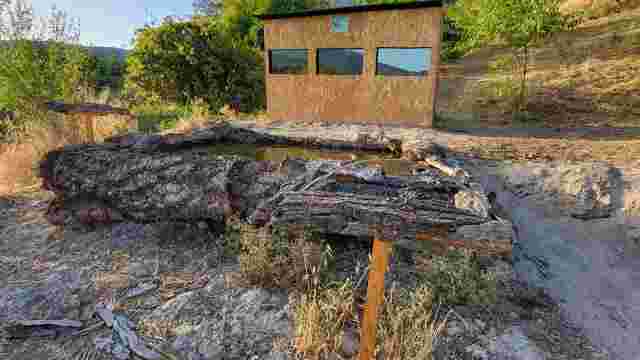
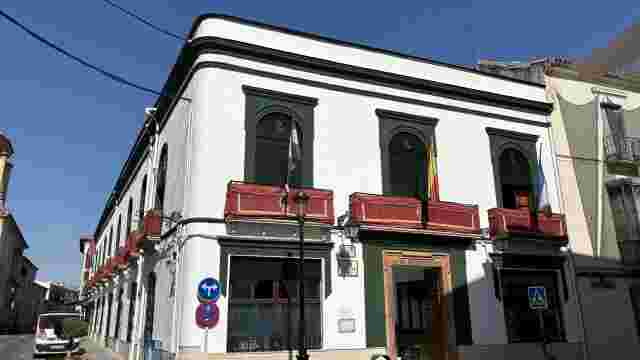
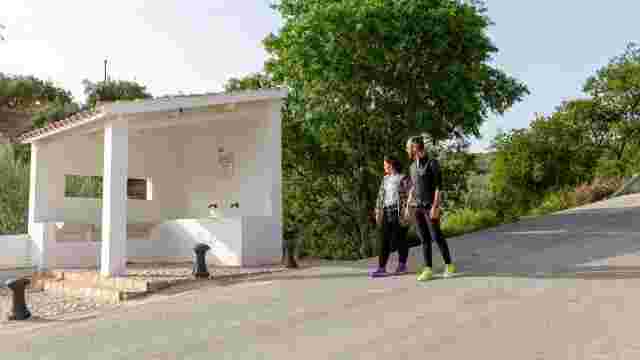
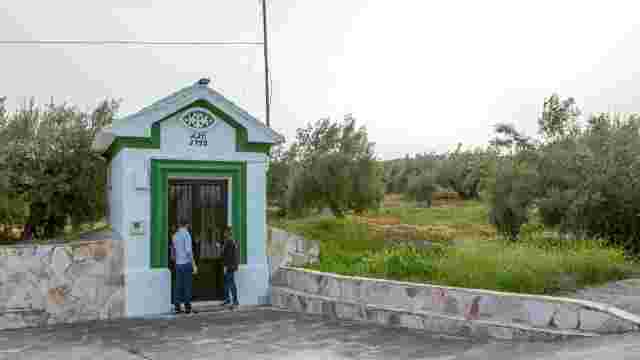
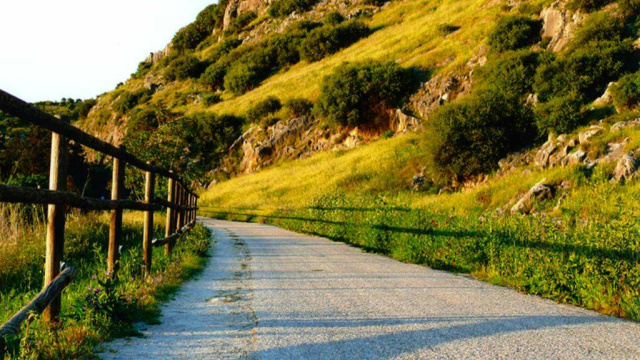
Along the disused railway lines of the Subbética region, formerly used by the ‘oil train’, visitors can explore the heart of Andalusia via cycling and walking routes. The beautiful landscapes of the Sierras Subbéticas Natural Park blend perfectly with the preserved railway architecture, comprising four viaducts, five stations, a 139-metre tunnel, thirteen residential buildings, ranging from level crossing huts (road crossings) to workers’ huts and railway workers’ homes, all in varying states of repair. In addition, there are a total of six rest areas equipped with benches, bench-tables, litter bins and bicycle racks.
HISTORY OF THE OIL TRAIN
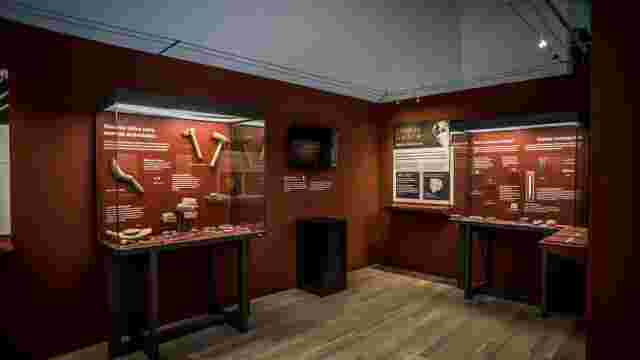
On 30 April 1875, Mr Jorge Loring (later the Marquis of Loring) signed the construction project for the line, as set out in the project’s specifications. The great agricultural importance of towns such as Lucena, Cabra, Martos and Jaén is well known; their main source of wealth lies in the export of oil, grain and wine, yet, being further removed from the railway lines, their trade is hampered by the slow and unreliable means of transport. To mitigate the radial effect of the railway routes laid out by the major companies, the Andalusian Railway Company, founded in 1877, undertook the construction of a shorter route to link Madrid with Algeciras and Málaga, whilst at the same time providing a rail service to an emerging region, opening up access to both ports for the heavy metal industry of Linares and the agri-food products of Jaén and southern Córdoba, and this is how ‘The Oil Train’ came into being. On 22 January 1893, Mr Contreras, Chief Engineer of the new company, sent messages to the governors of Córdoba and Jaén, stating: ‘I have the honour of informing Your Excellency that yesterday, the entire railway line from Puente Genil to Linares was opened for operation.’ The line faced its first crisis in the 1950s and saw its last train pass along the tracks in 1985.