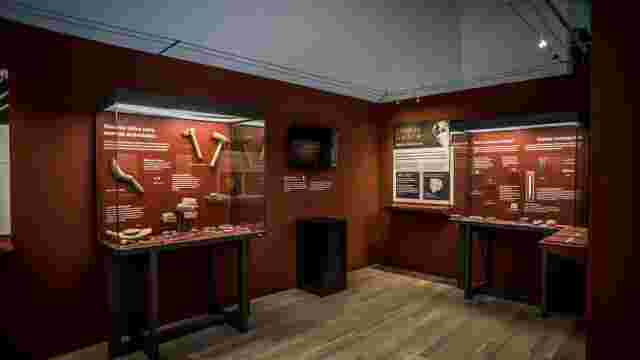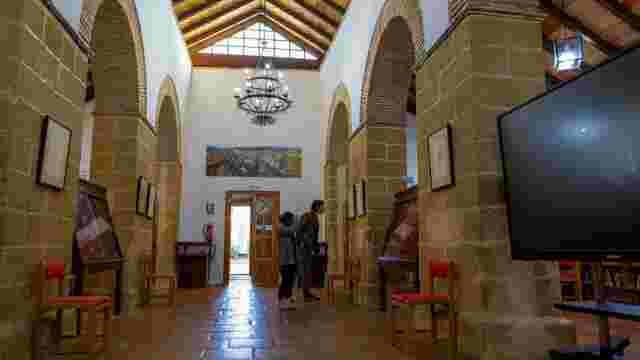
PRIEGO DE CÓRDOBA TEXTILE INDUSTRY INTERPRETATION CENTRE
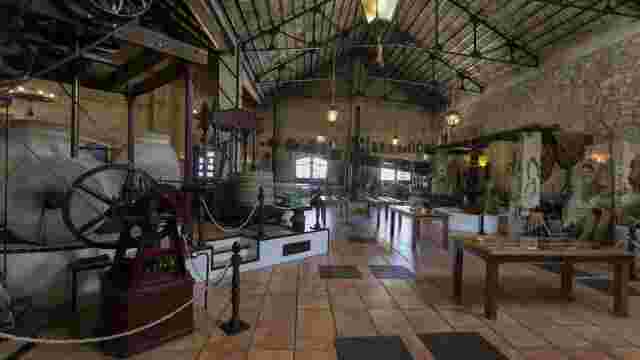
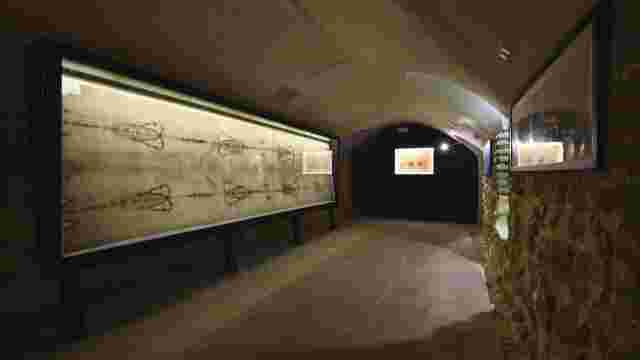
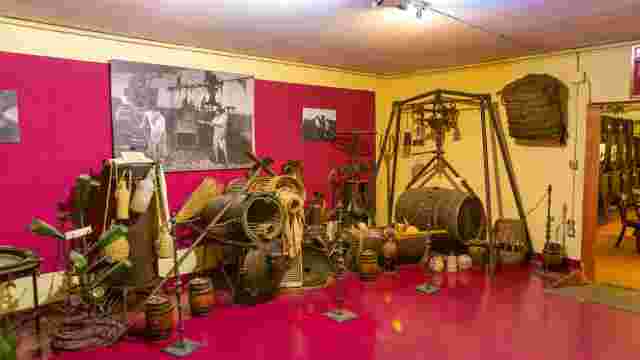
Since the Middle Ages, Priego has been a town with an industrial heritage. This heritage has developed in three successive phases: 1. The production of silk fabrics, up until the early decades of the 19th century. 2. The production of cotton fabrics, from 1860 until the penultimate decade of the 20th century. 3. The manufacture of clothing, from 1961 to the present day. The machinery on display in this centre belongs to a factory from the second phase: the production of cotton fabrics. Silk weaving reached its peak in Priego in the 17th and 18th centuries, but the Industrial Revolution (new fibres, new machines, new manufacturing methods) led to the decline of the silk industry, which collapsed in Priego in the first third of the 19th century.
THE COTTON TEXTILE INDUSTRY
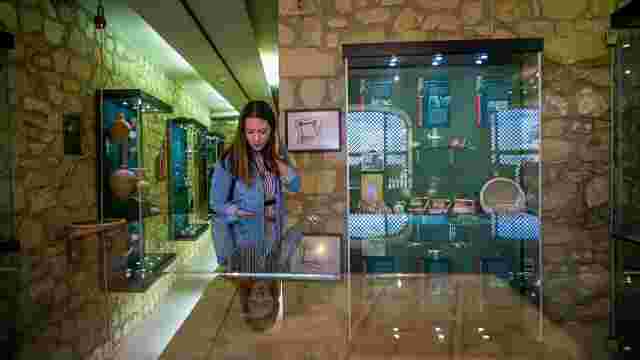
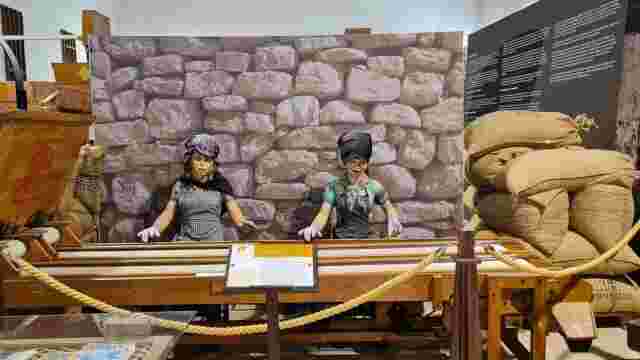
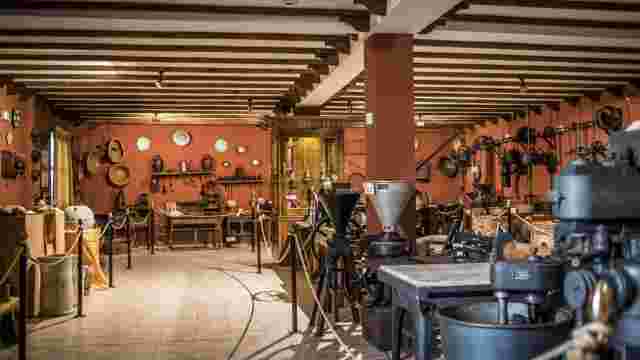
The first cotton textile factories in Priego were established around 1870. They used hand-operated looms known as ‘de palo’. At one point, there were nearly 40 textile factories registered in Priego, with over 1,000 looms in operation.The machinery on display at the Interpretation Centre was donated by Mr Domingo Pedrajas. His wife, Mrs Trinidad Ávila López, and his sister, Mrs Trinidad Pedrajas Jiménez, have fulfilled his wishes by donating it free of charge to Priego Town Council.
SOME MACHINES
WINDING MACHINE
The yarn from the spinning process is wound onto large-capacity bobbins. During the winding process, the yarn is cleaned to remove defects or weak sections, thereby reducing the likelihood of interruptions in the operation of the looms.
BOBBIN WINDER
A machine that wound the weft yarn onto a wooden bobbin (canilla). The bobbins were inserted into the shuttles, which passed through, leaving the yarn between the warp threads on the loom.
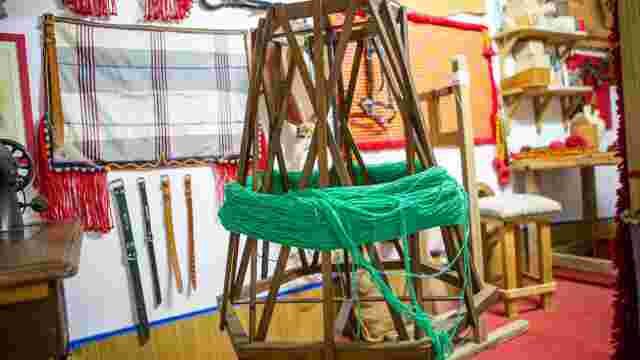
WARPING MACHINE
The warping machine arranges and aligns the threads coming from the bobbins and winds them onto the beater, forming what will become the warp of the fabric.
LOOMS
The loom is a machine used for weaving. Its mechanism works as follows. Once arranged on the bobbin, the warp threads are grouped horizontally in even and odd pairs, separating alternately up and down under the action of the heddles, allowing the shuttle—loaded with the weft thread—to pass between them. The weft thread crosses over the warp threads. The pressure applied to each weft thread binds the crossed threads together, forming the fabric.
For further information and details, we recommend a careful reading of the fascinating work THE COTTON TEXTILE INDUSTRY IN PRIEGO DE CÓRDOBA by the local chronicler Miguel Forcada Serrano