Recreo de Castilla or Huerta de las Infantas
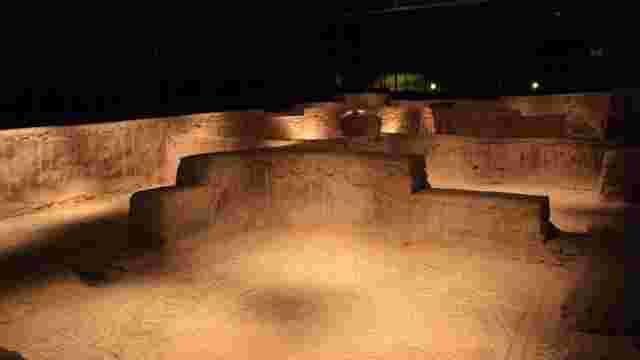
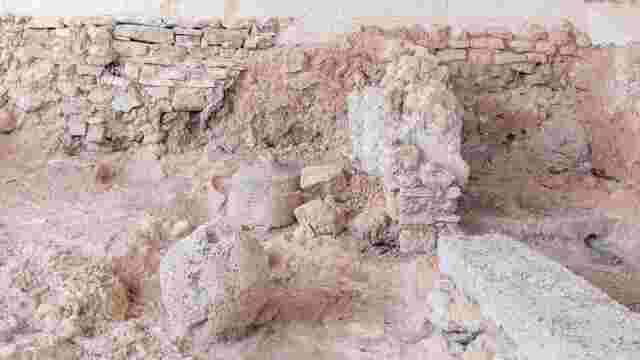
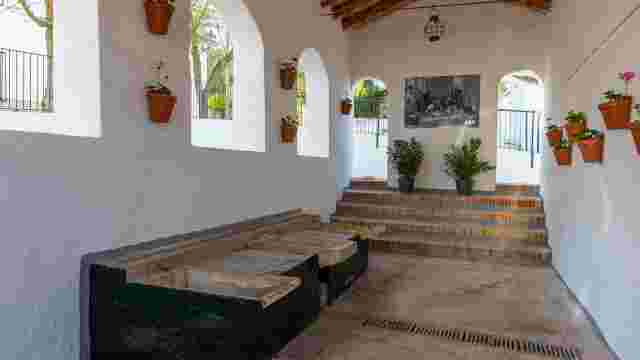
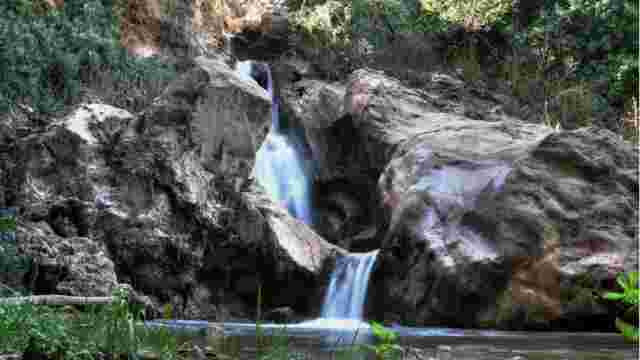
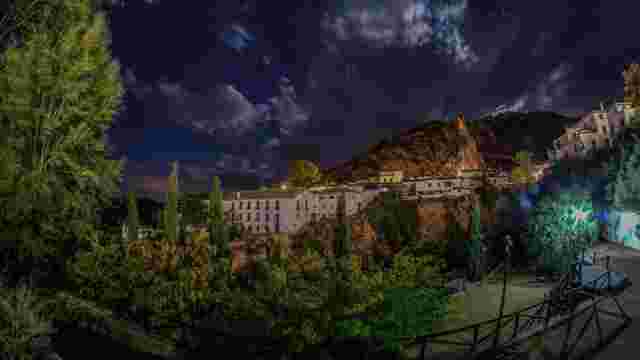
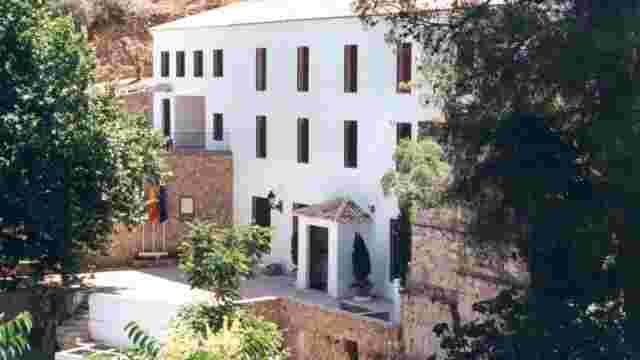
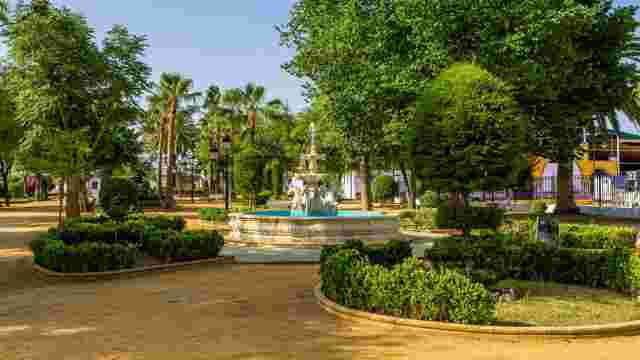
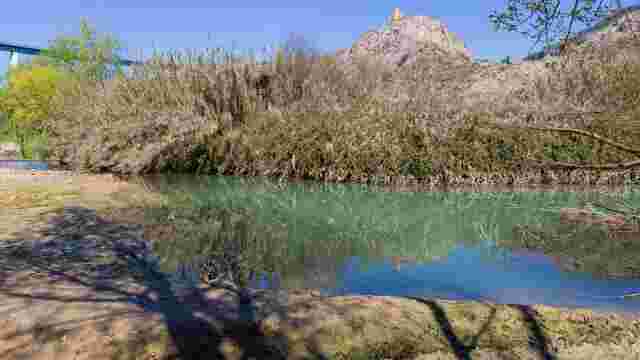
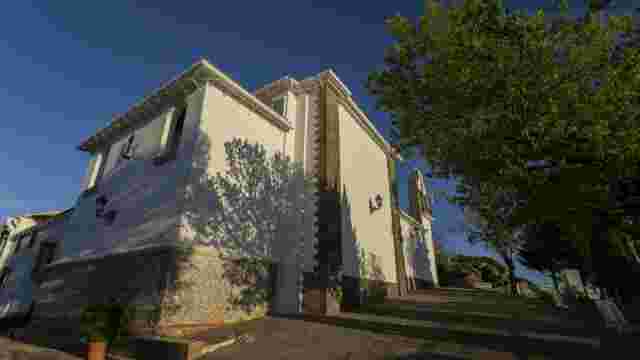
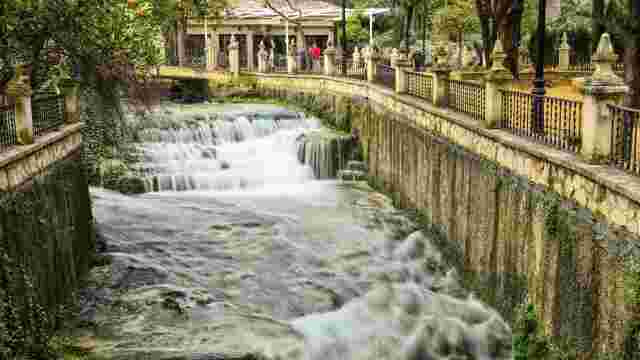
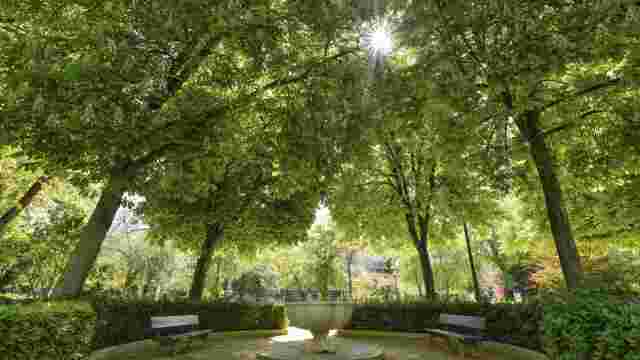
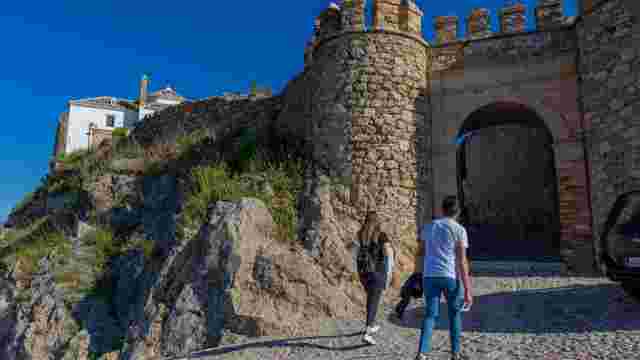
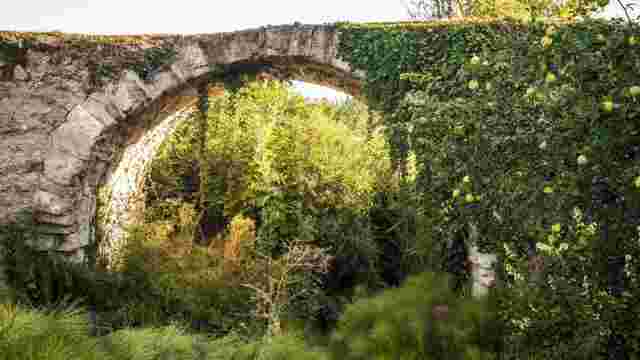
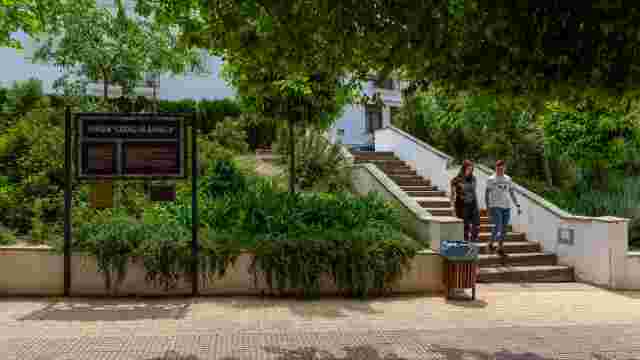
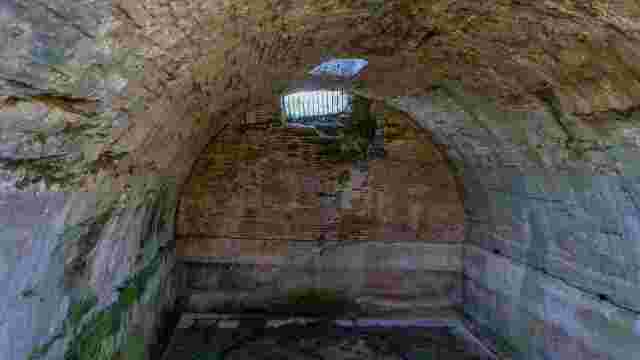
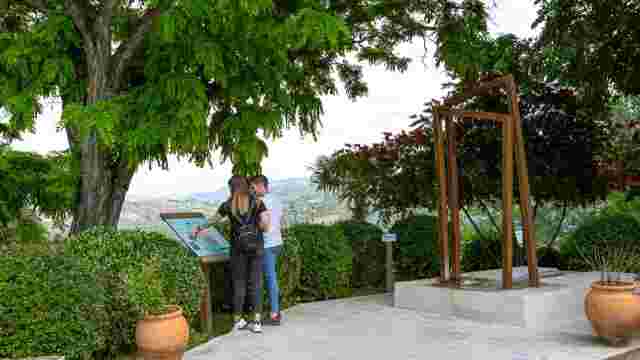
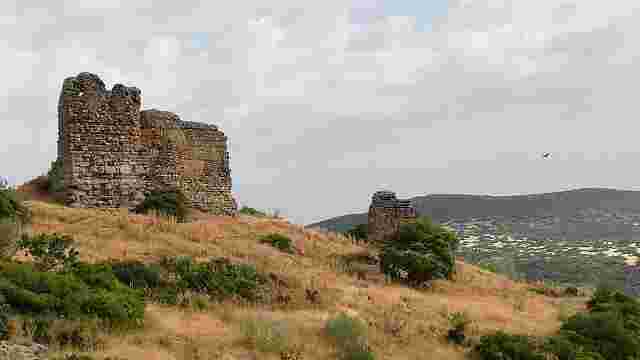
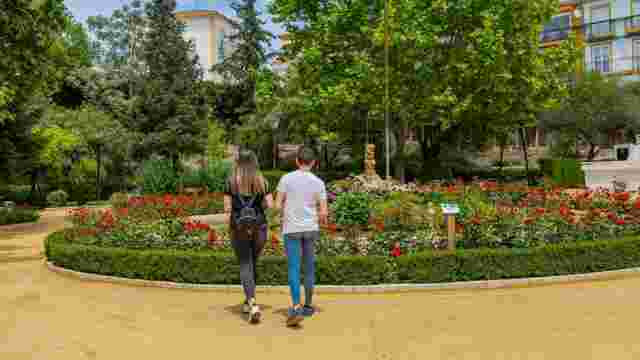
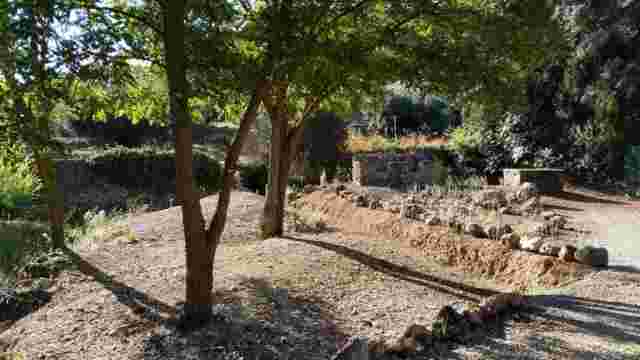
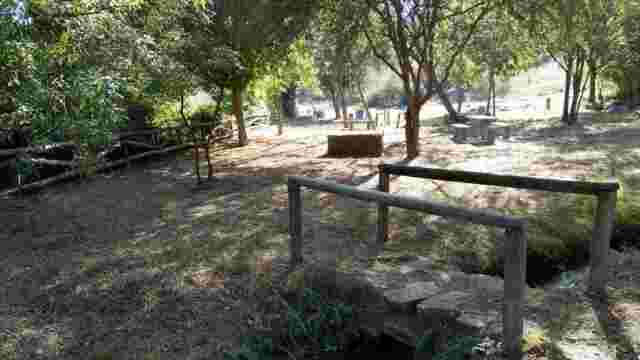
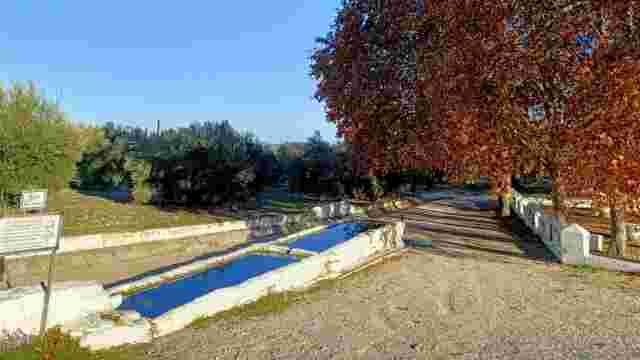
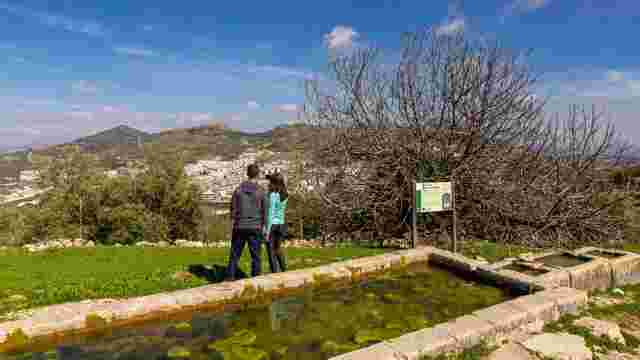
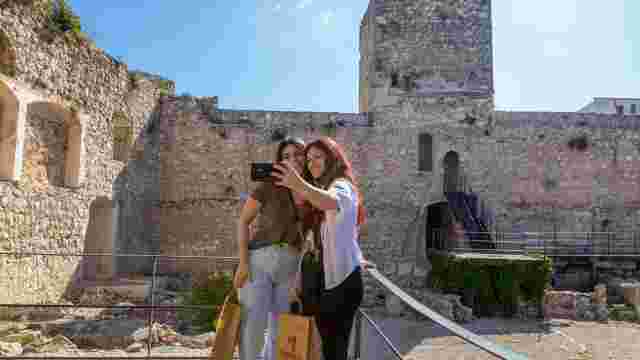
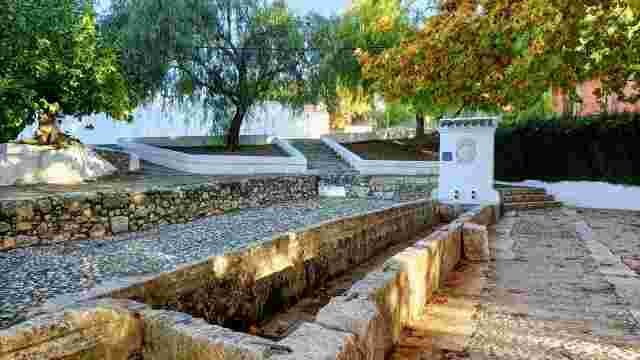
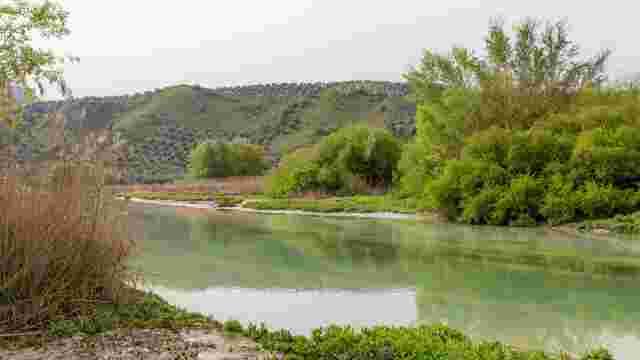
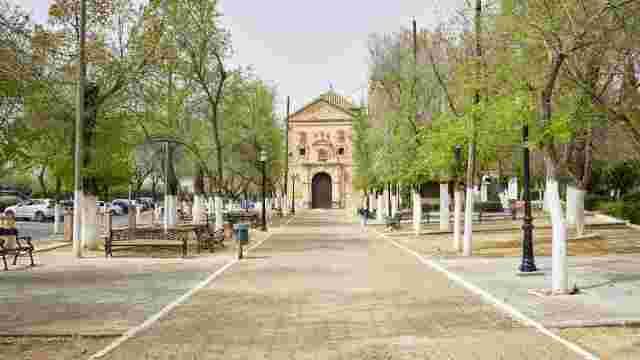
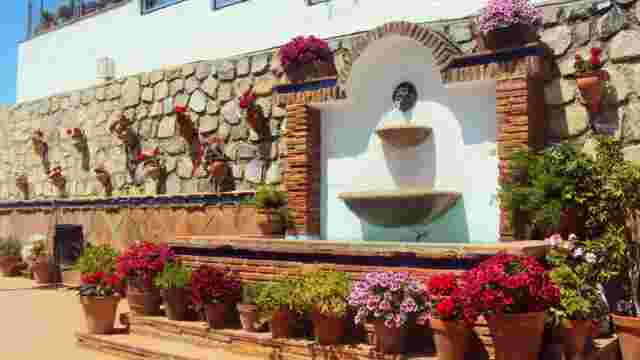
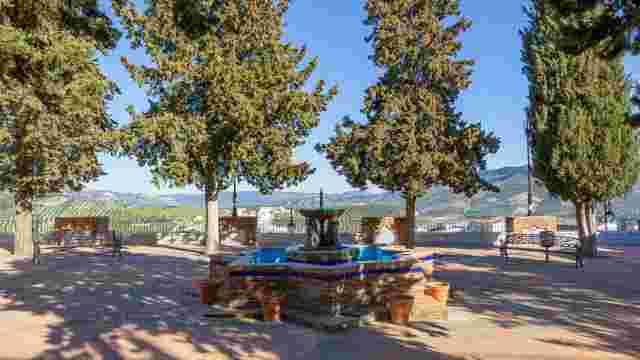
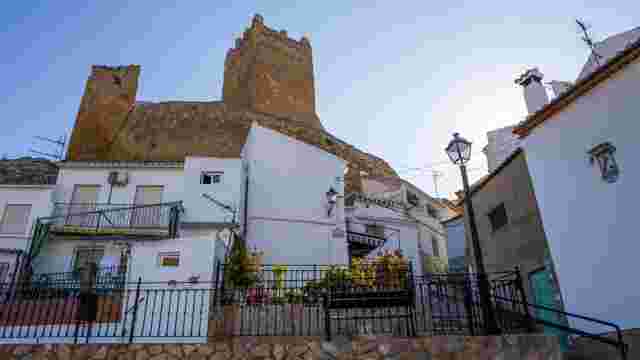
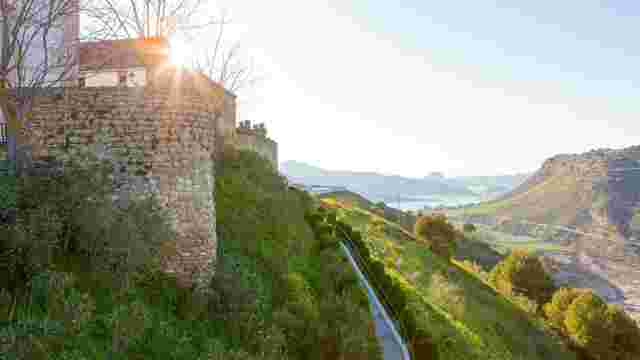
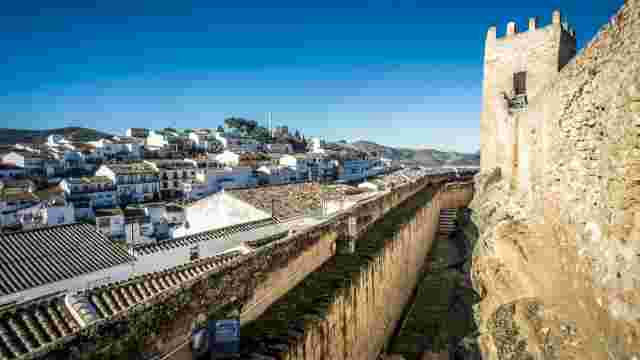
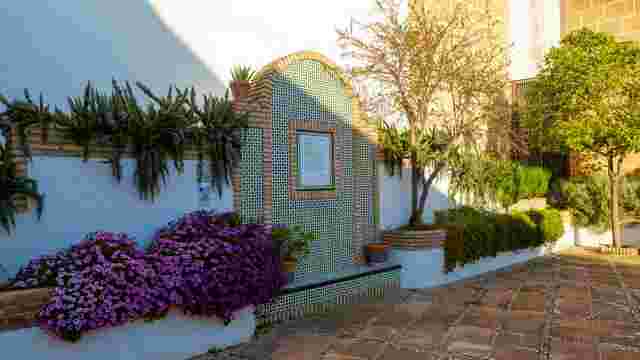
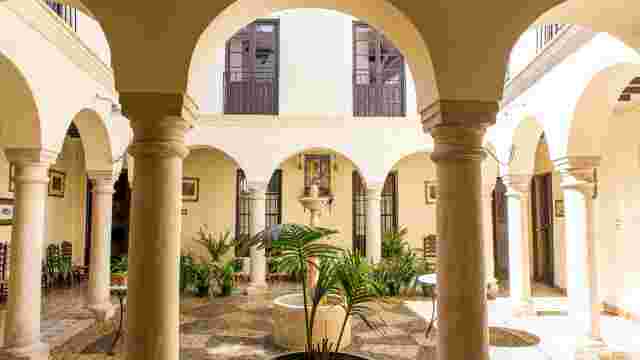
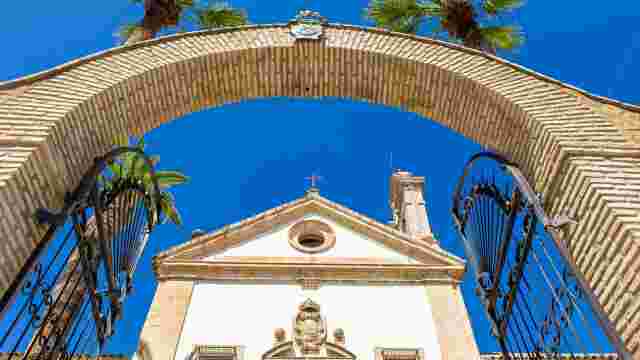
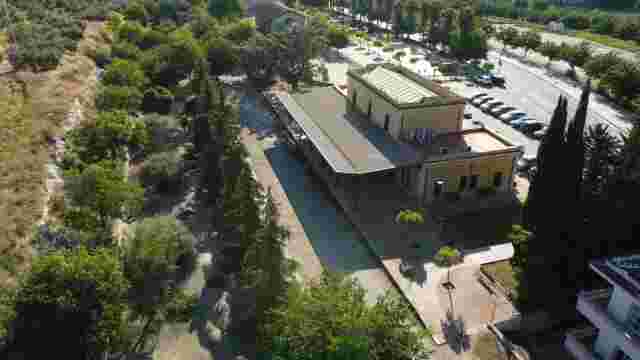
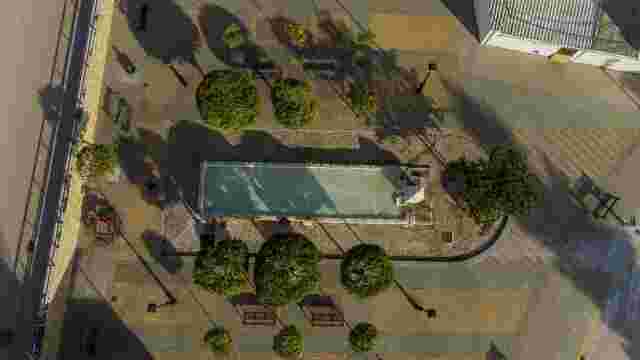
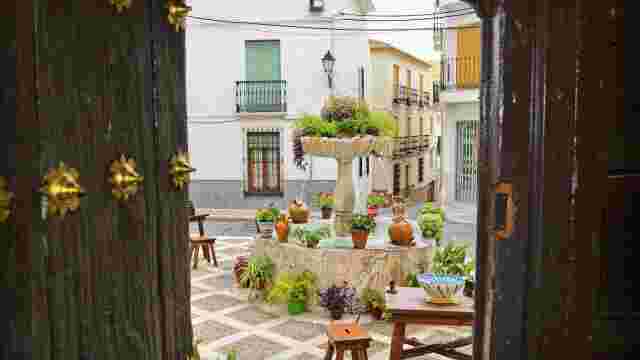
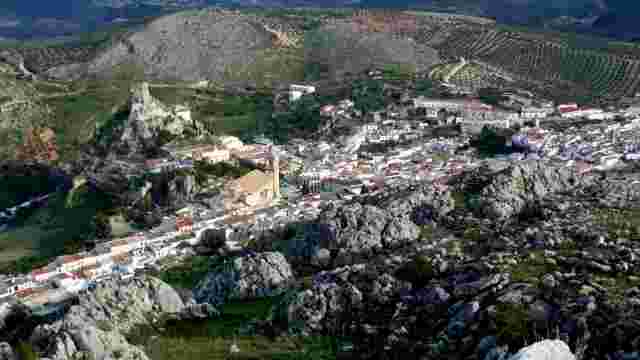
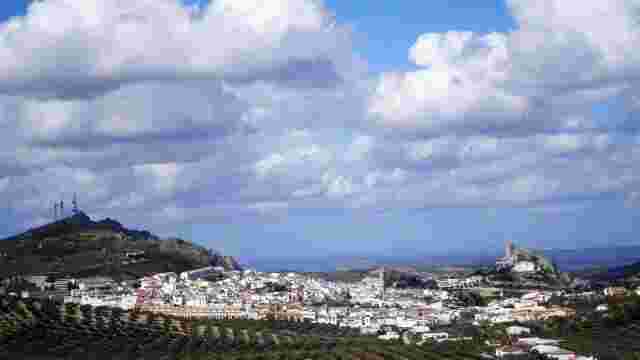
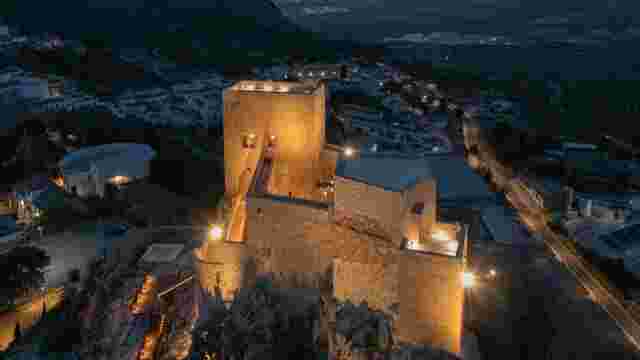
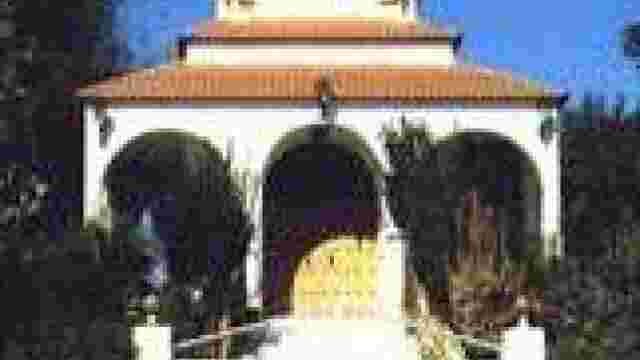
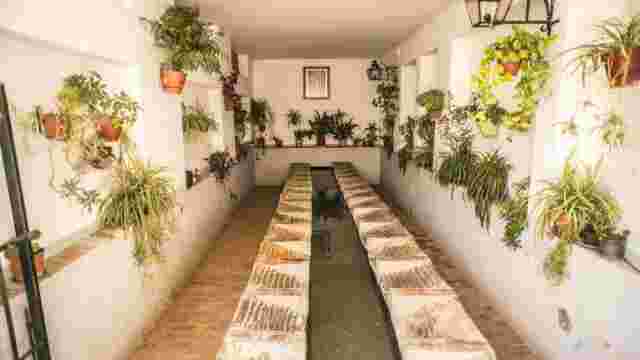
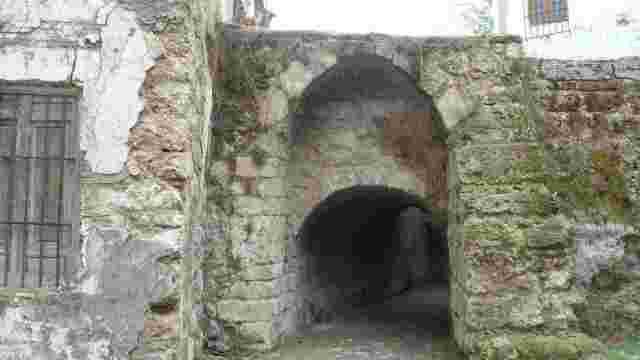
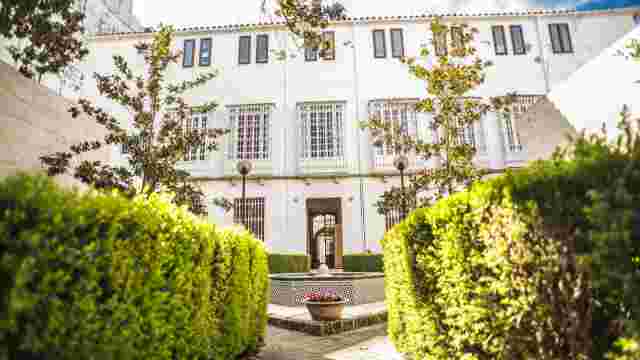
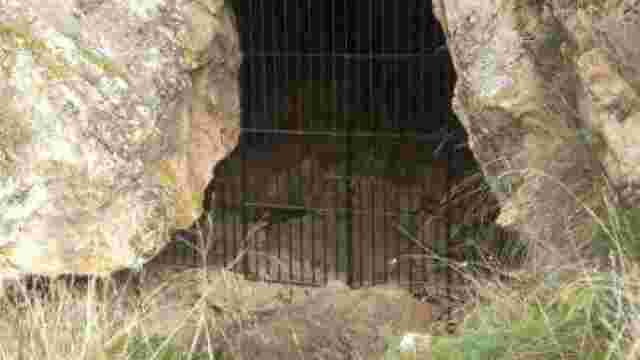
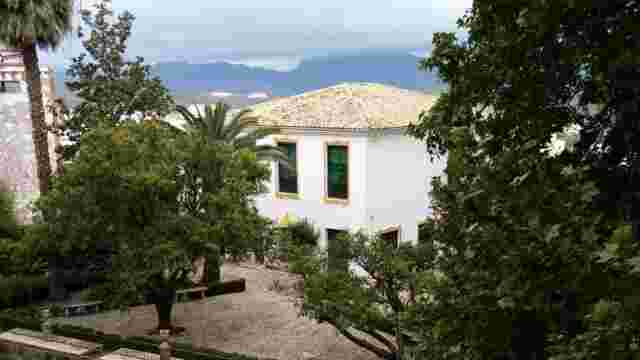
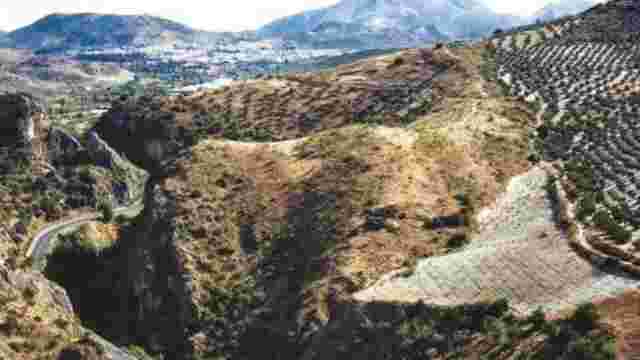
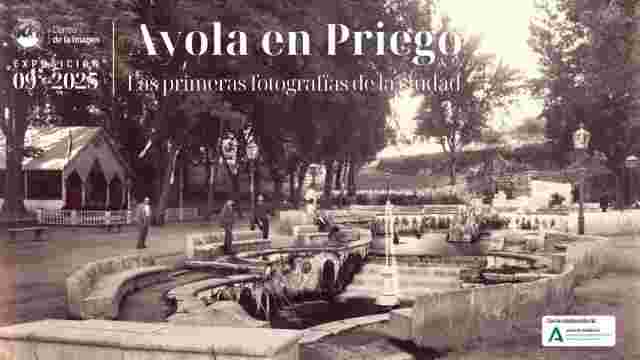
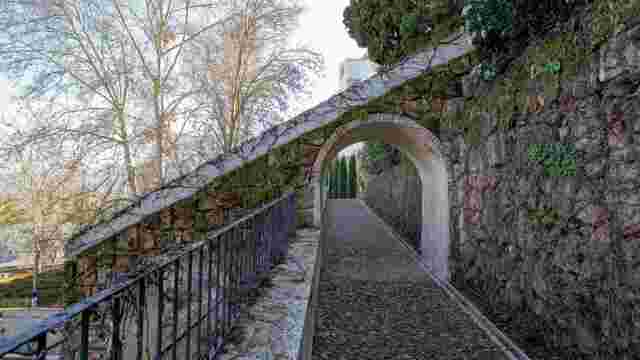
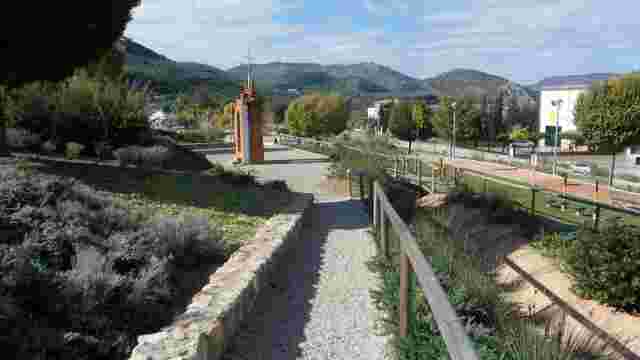
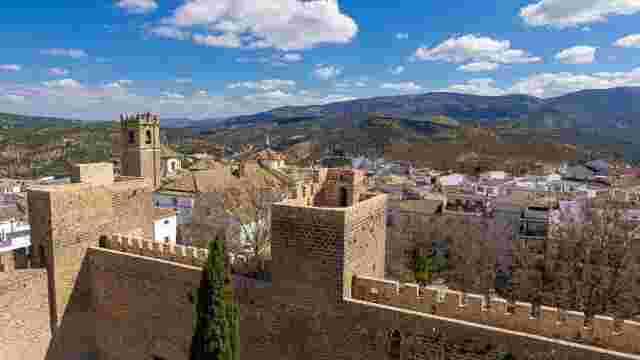
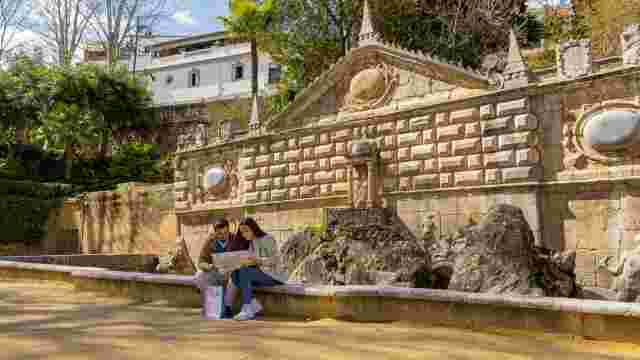
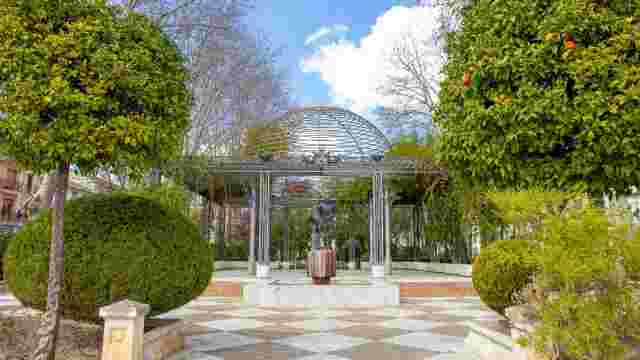
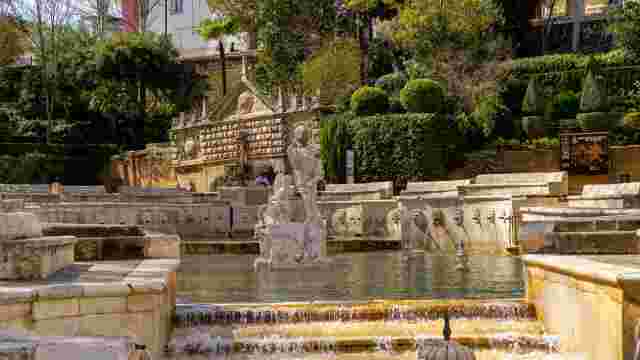
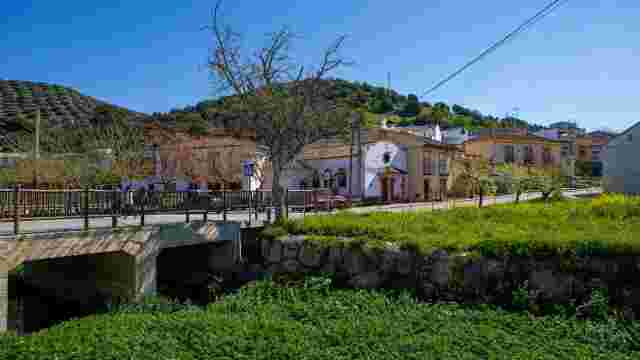
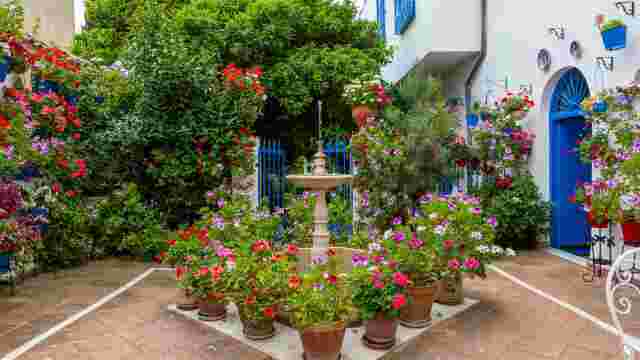
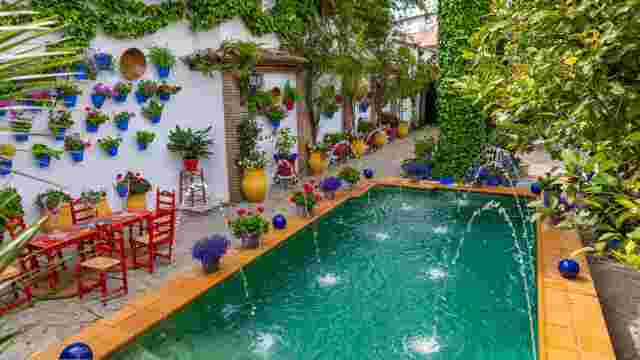
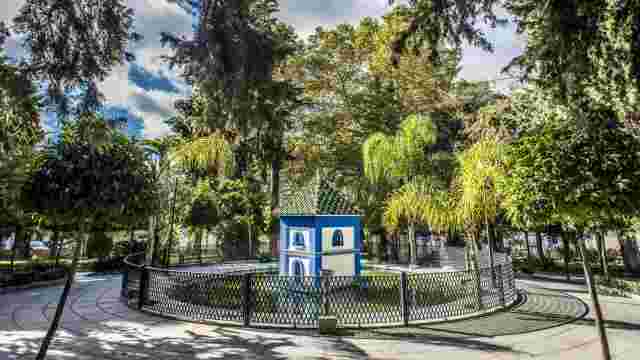
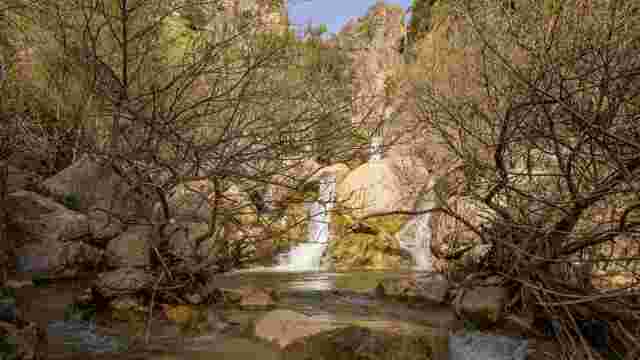
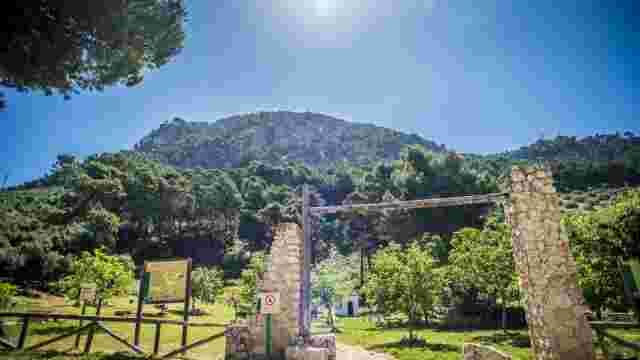
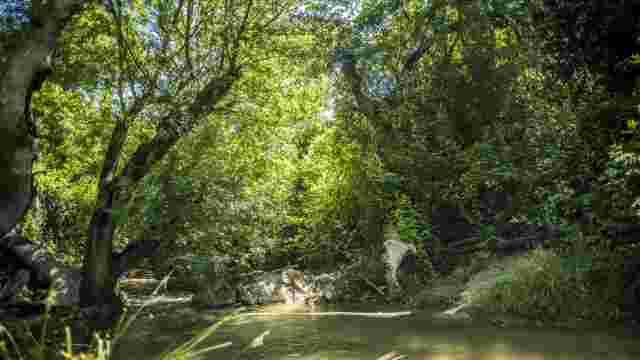
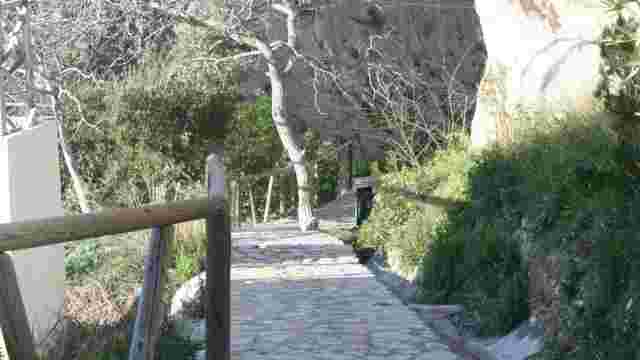
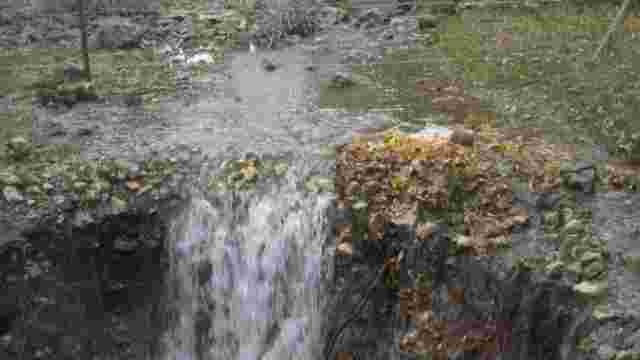
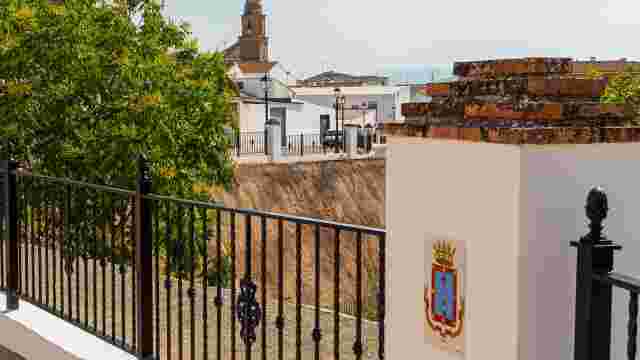
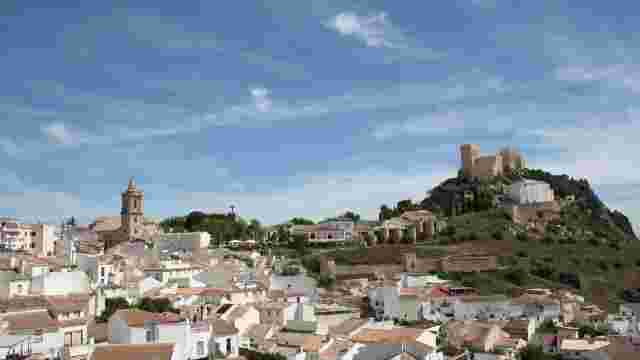
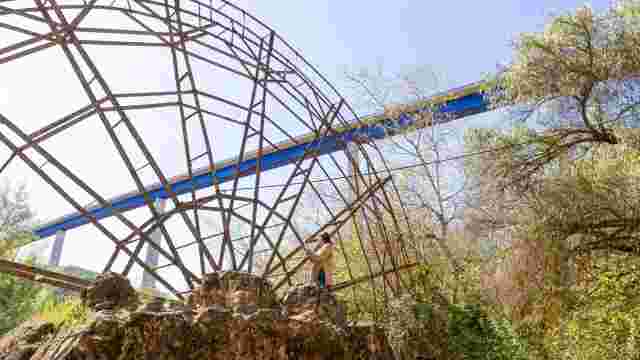
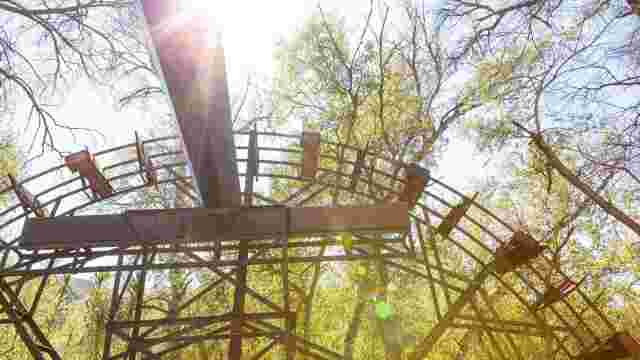
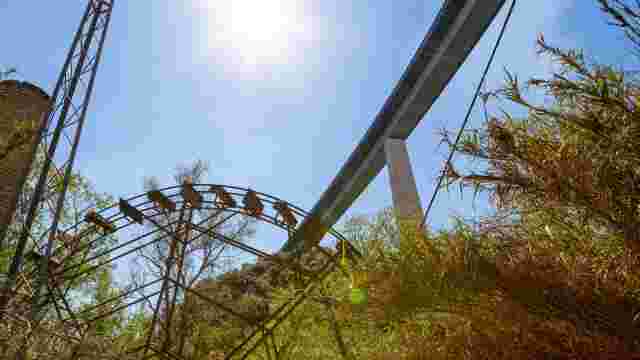
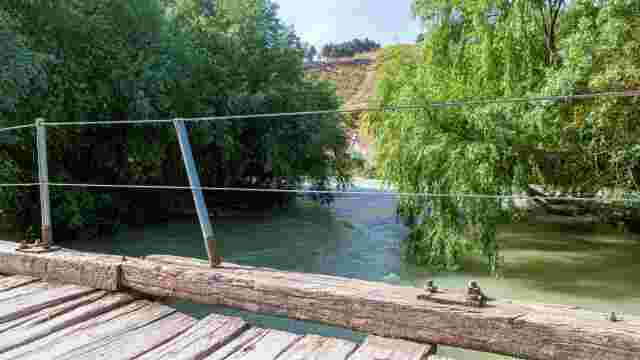
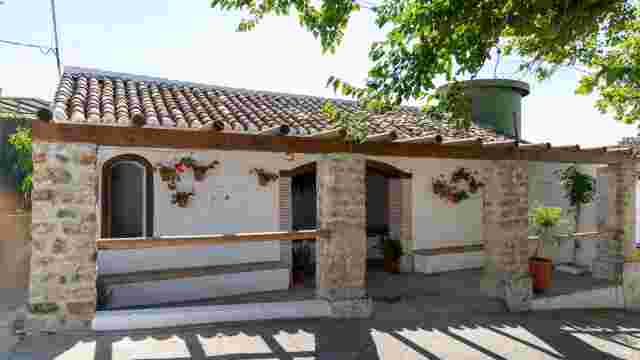
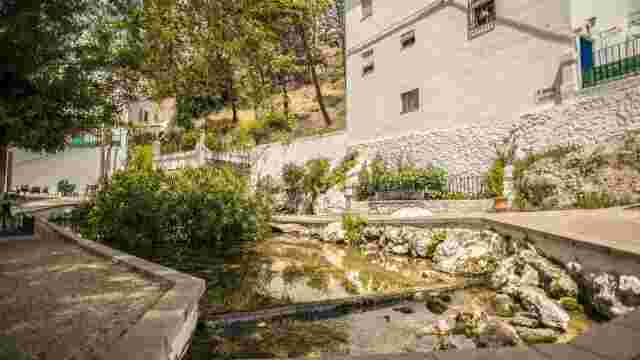
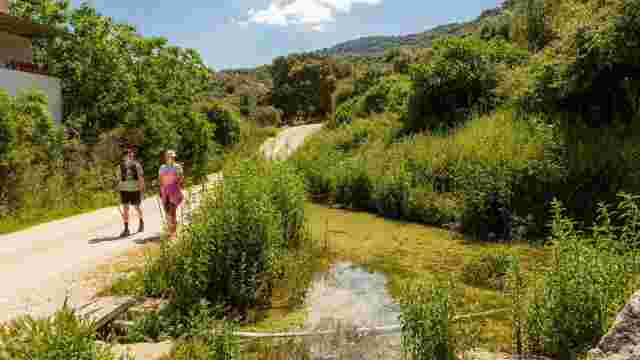
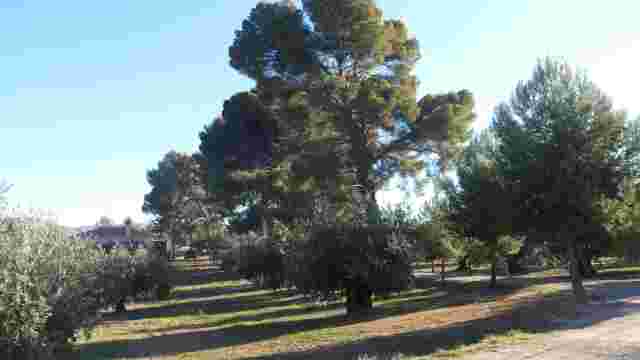
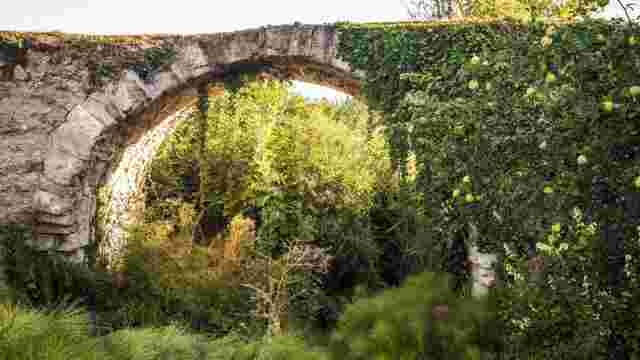
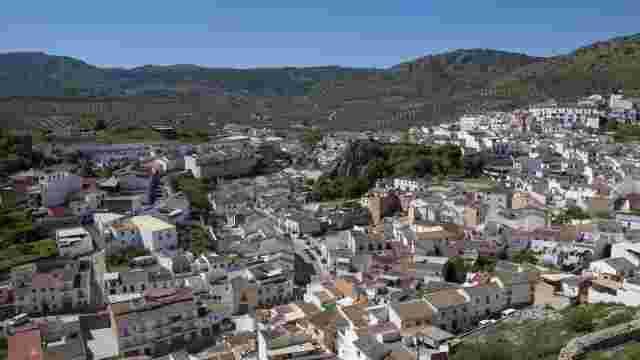
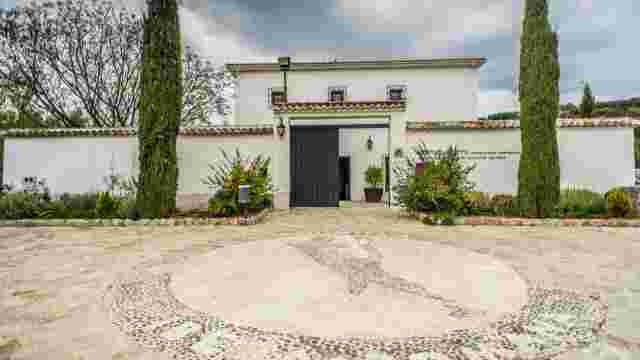
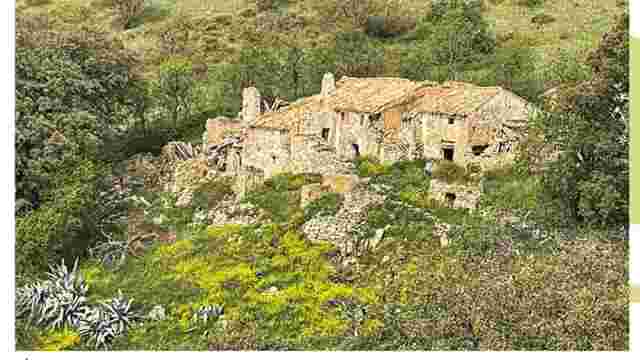
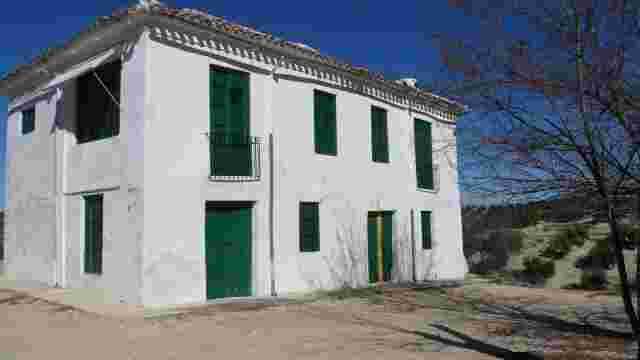
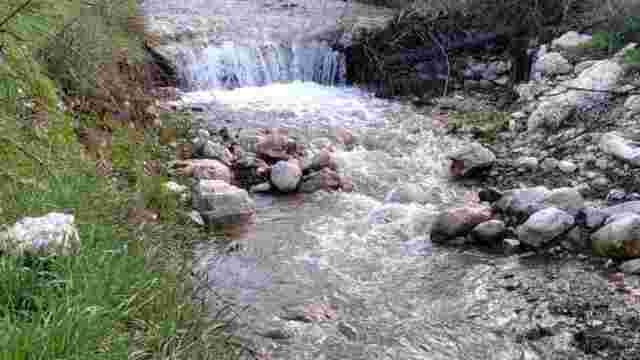
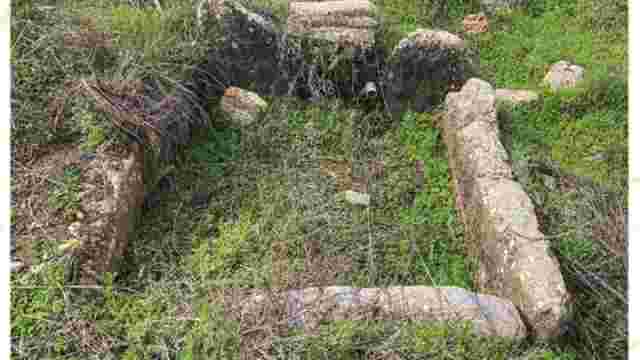
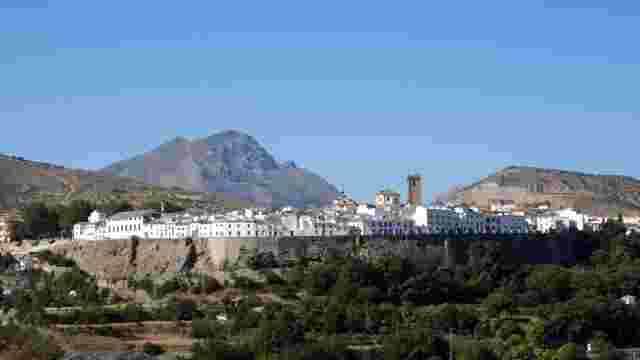
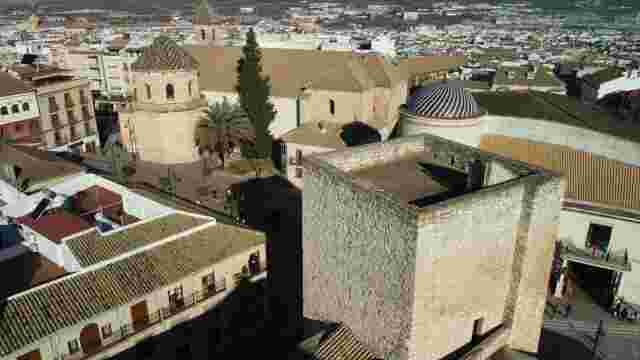
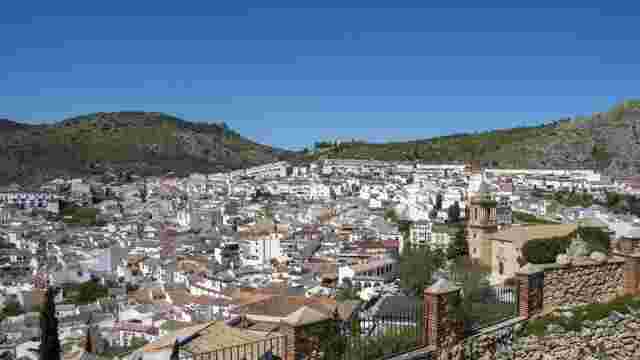
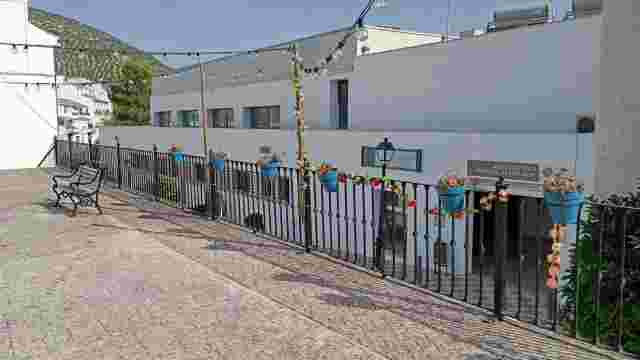
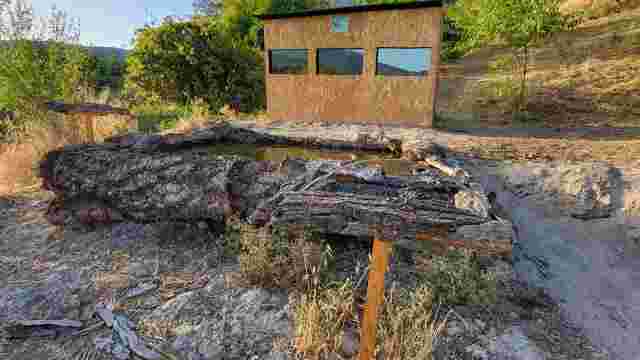
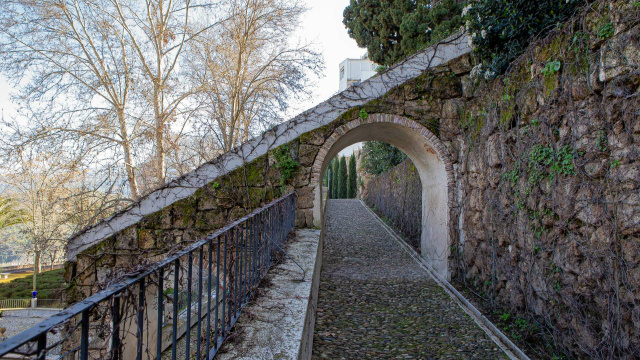
The so-called Recreo de Castilla is a garden situated at the foot of the Adarve ramparts, directly below Priego Castle, and whose existence has been documented since at least the mid-16th century. The first written reference to this site dates precisely to 1550 and appears in a deed of sale, under the name Huerta de las Infantas, situated beneath the Adarve ramparts of the town’s old gate. Around 1857, this orchard was acquired by Mr Antonio Castilla, who built a house there. In the following decades, he and his heirs (the Castilla Abril and Castilla Bermúdez Cañete families) transformed the site into a romantic garden featuring vegetation and water features. The garden and the pond, fed by water from the Fuente del Rey which once powered the five mills in the area, served as a place of recreation for the numerous members of the family, and on summer evenings, private gatherings and parties were held there. In 1948, a group of residents of Priego organised a series of concerts modelled on those held in the gardens of the Alhambra during the Granada Music Festival. Seeking a suitable venue for this event, they asked the then Mr Álvaro Castilla Abril to make the garden available to them. The first concert took place on the evening of 1 September 1948 and marked the origins of the current International Festival of Music, Theatre and Dance. The Festival was held there until 1957, and on the posters and programmes of the Festival during those years, the venue appeared under the name Huerto de las Infantas. Over the last fifty years it has been known as Recreo de Castilla, after the surname of its owners, although the original place name of Huerto or Huerta de las Infantas has also been retained. From 1970 onwards, it fell into disrepair until it became a veritable ruin. In 2003, an international ideas competition was launched to restore the site and turn it into a public garden or park. In 1996, the geographer Ángel Luis Vera Aranda wrote about this place: ‘Legends of secret passageways and hidden treasures intermingle with the reality of what many spaces in Priego could be (La Joya or El Adarve, to name but a few) if the relationship between travertine, water and vegetation – a formula that, to this day, has been largely forgotten by those who hold the power to make this town in the Subbética region an even more incomparable setting than it is today.