The Wetlands of Lucena
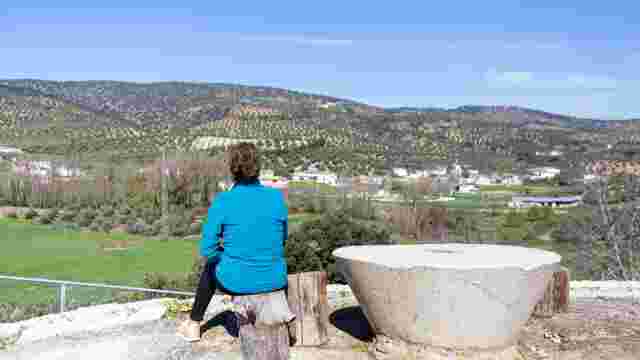
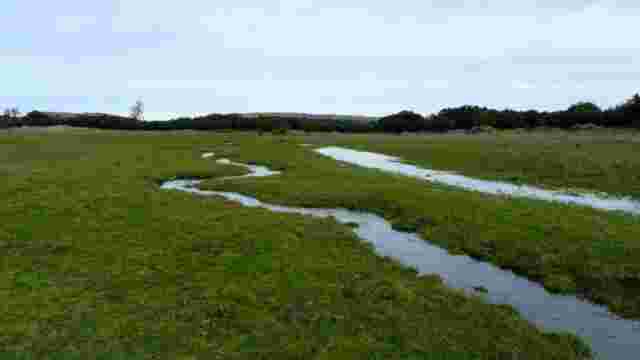
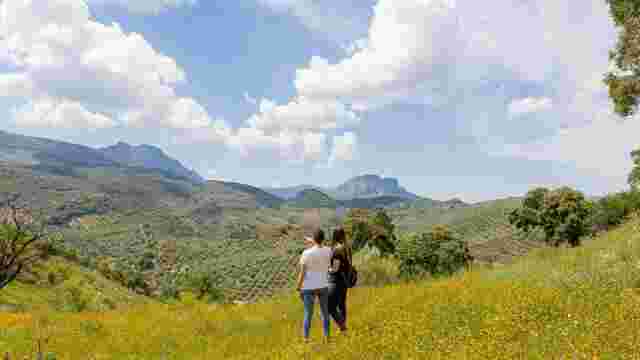
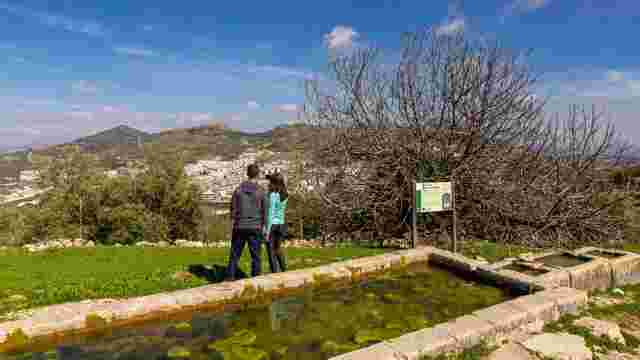
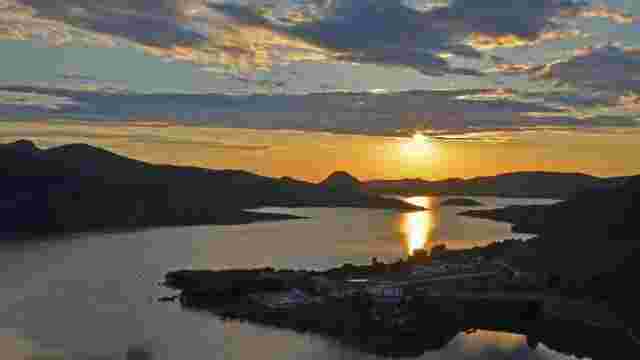
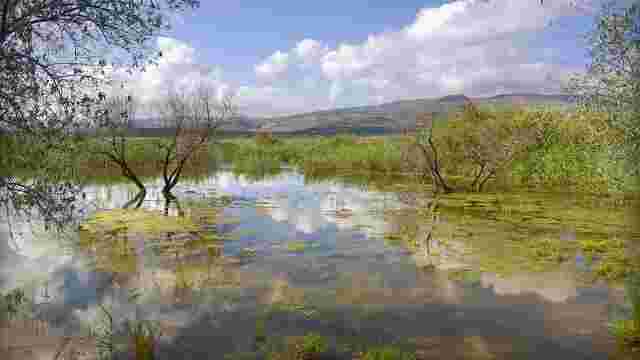
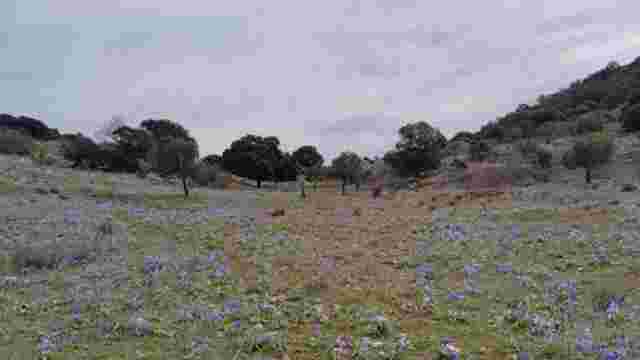
These lagoons were designated as Integral Reserves by the Andalusian Parliament in 1984, and in 1989, they were classified as Nature Reserves (Law 2/1989 of 18 July on the inventory of Protected Natural Areas). Furthermore, since 1990, the permanent water bodies have formed part of the Wetlands of International Importance under the Ramsar Convention, and are designated as a SPA (Special Protection Area for Birds) by the European Union. Within the municipality of Lucena, there are several integral reserves situated within the protected area known as the Southern Córdoba Lagoons, some of which possess significant ecological value as they remain wet for much of the year or year-round. This is also an area where enjoying nature is very much possible, as the conservation conditions, thanks to these lagoons, remain quite acceptable. We would therefore highlight:
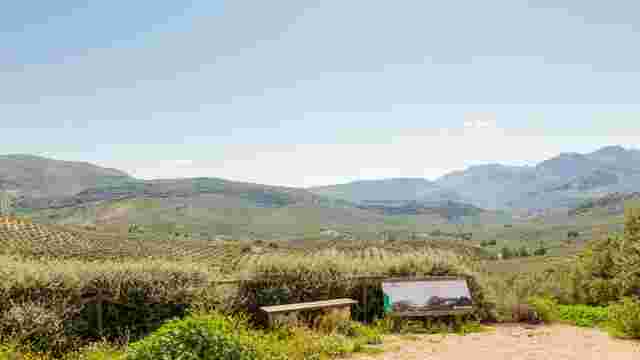
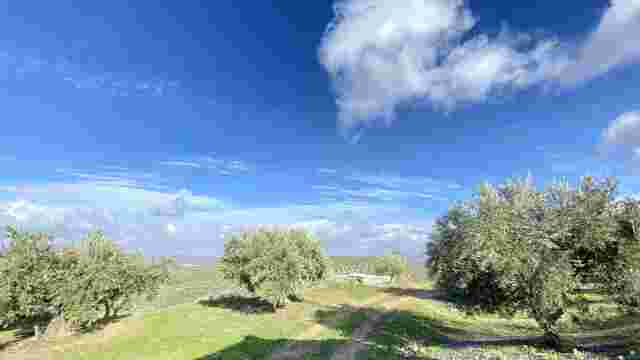
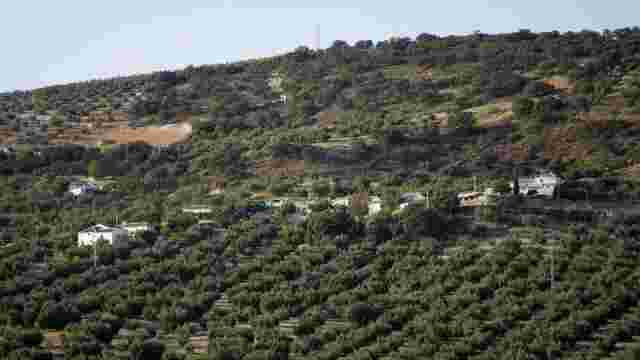
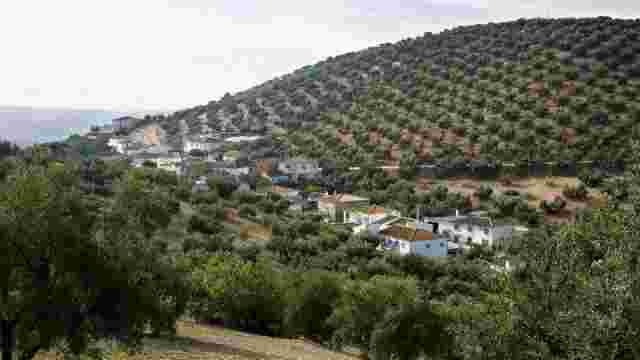
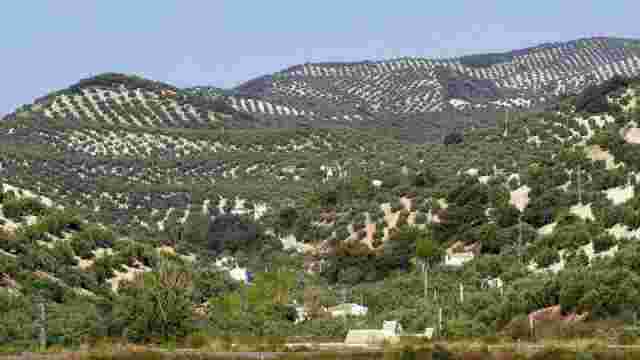
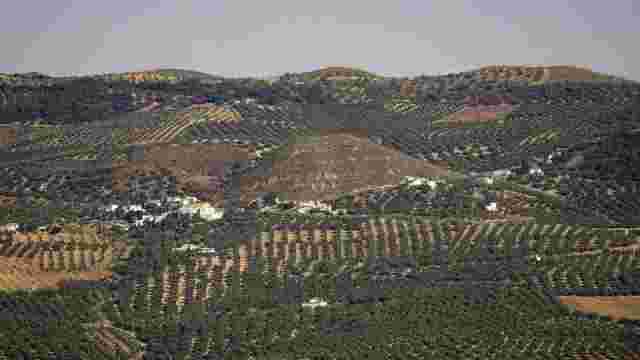
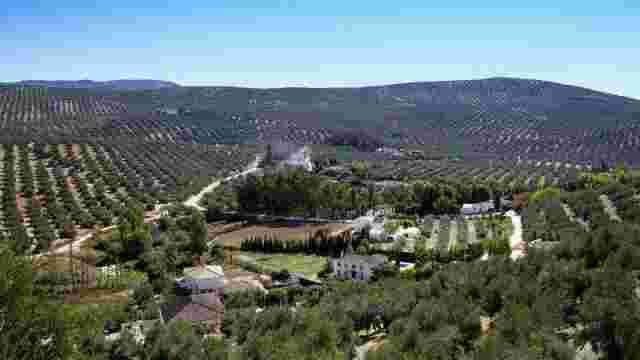
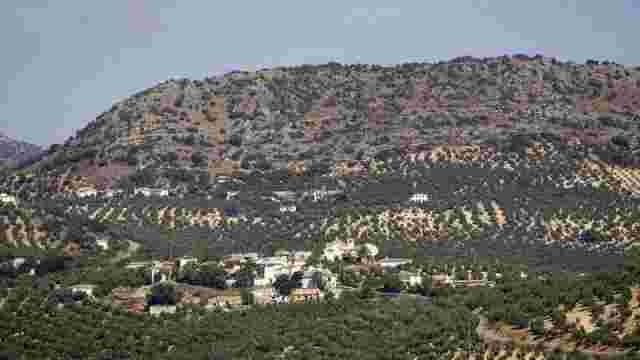
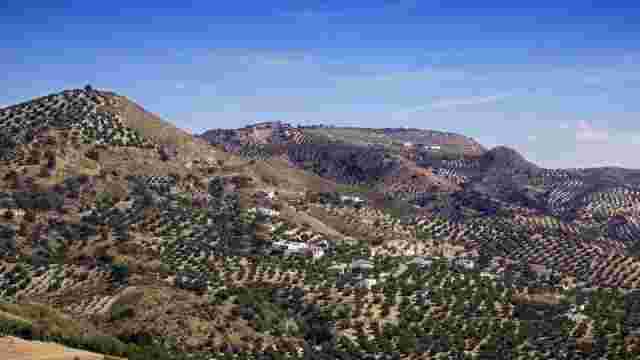
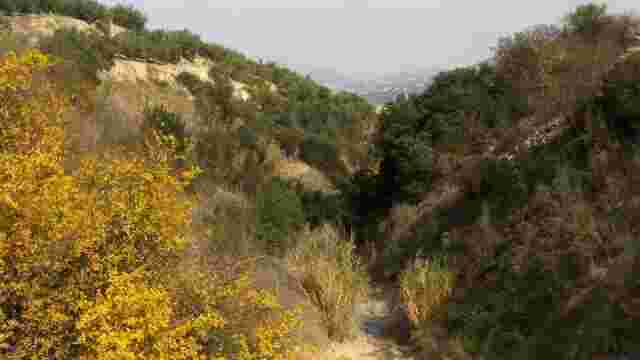
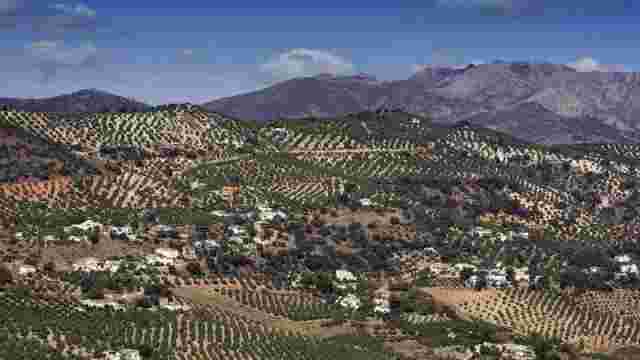
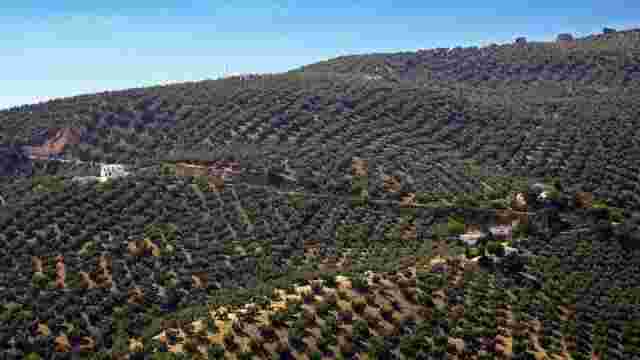
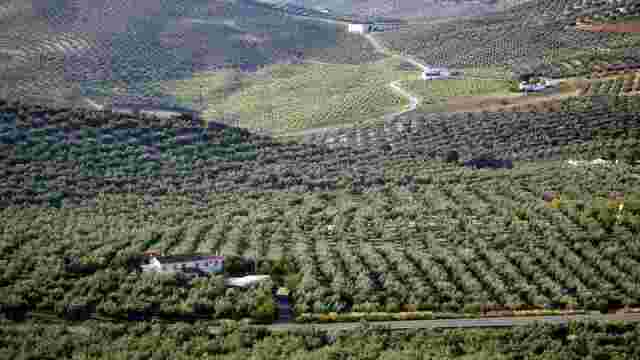
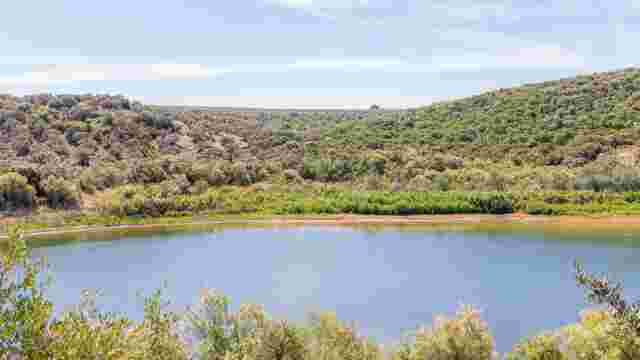
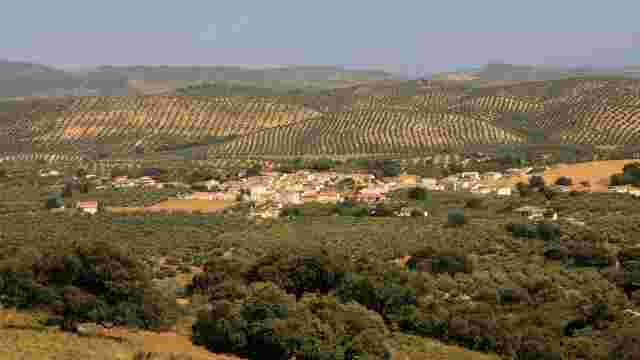
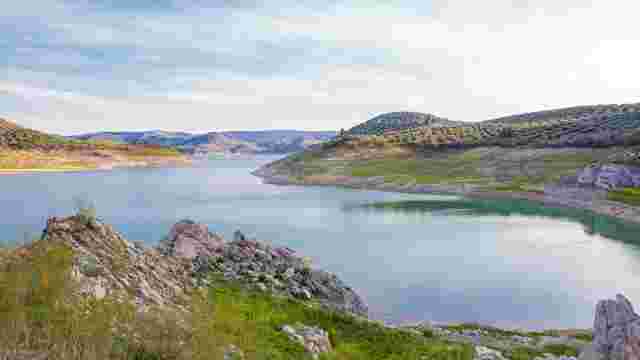
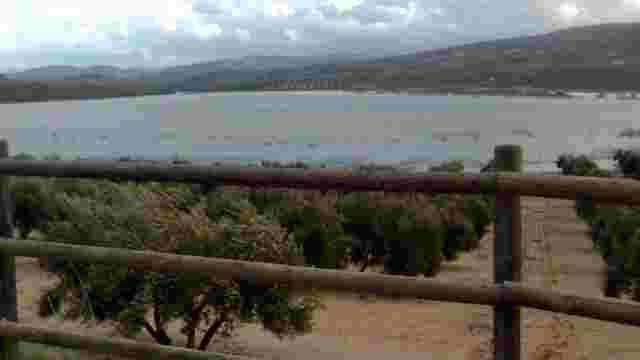
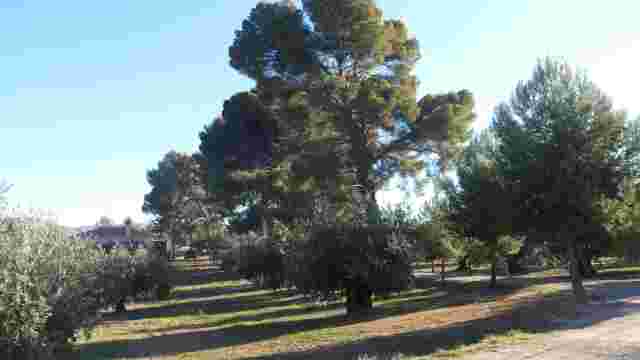
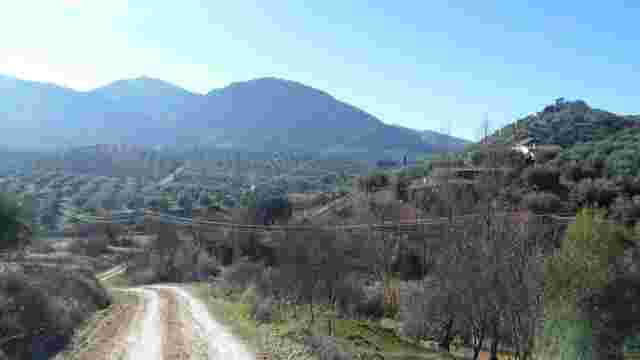
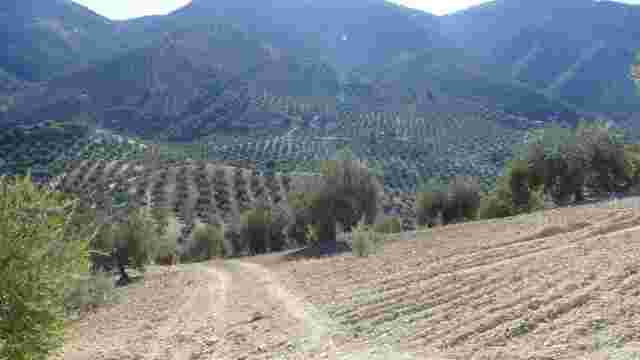
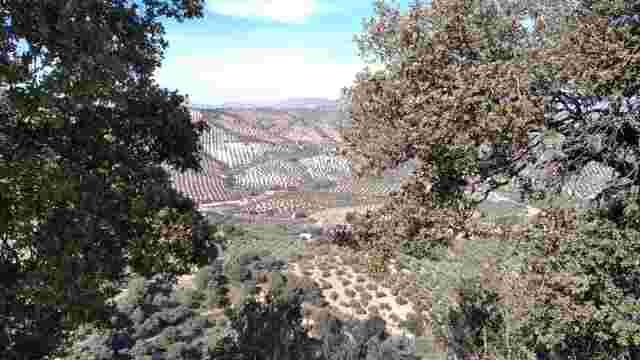
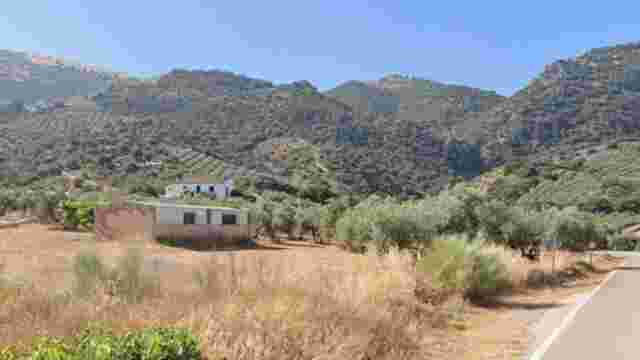
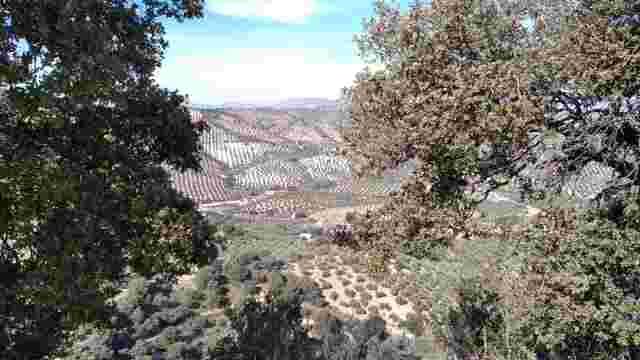
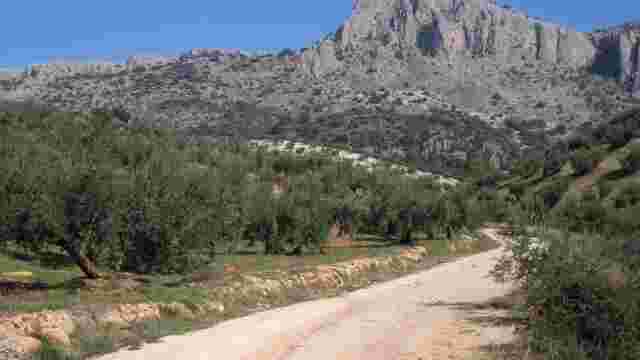
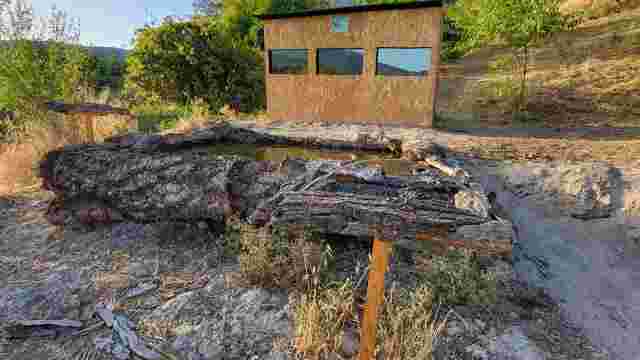
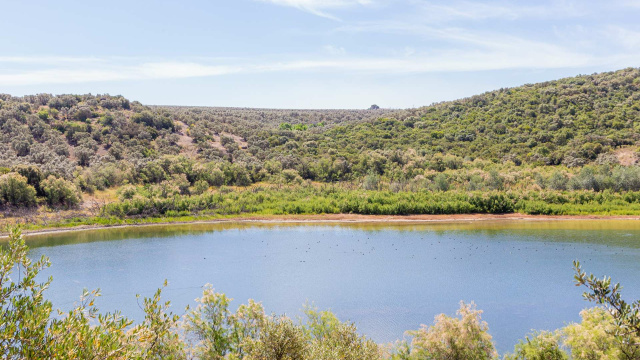
Laguna AmargaLocated in the municipality of Lucena and near the hamlet of Jauja, it has permanent, brackish waters, as they contain a high concentration of magnesium sulphate, which gives them a bitter taste and hence their name. Its wide perimeter zone, ranging from 2 to 9 metres in width, is enriched by the tamarisk, which provides shelter for a large number of small birds. Kidney-shaped, it has a maximum depth of 4 metres and covers an area of 13 hectares of Nature Reserve and 250 hectares of protected land. It boasts a rich underwater vegetation comprising coots, little grebes, mallards, red-crested pochards, tufted ducks, shovelers, and, of course, the white-headed duck and the black-headed duck, the latter two species breeding annually in its lush belt. The surrounding area is used for agriculture, mainly olive groves, with the exception of a zone where rocks outcrop and Mediterranean scrub grows.
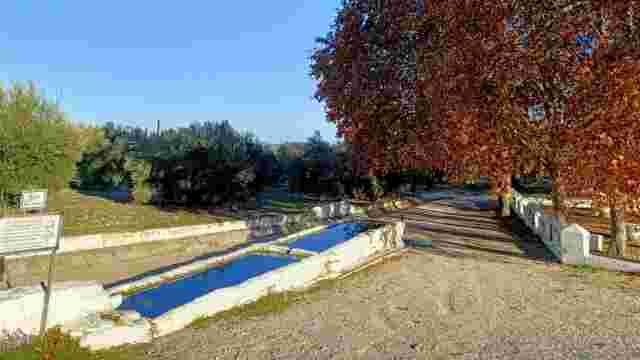
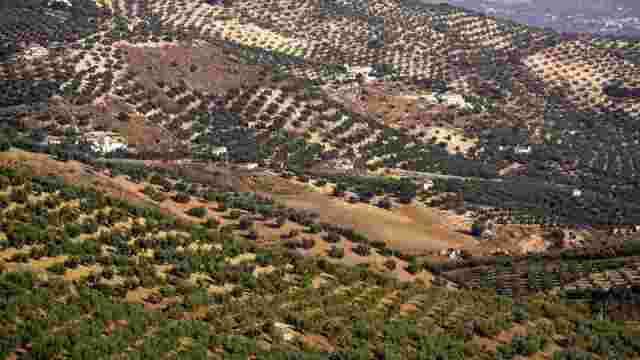
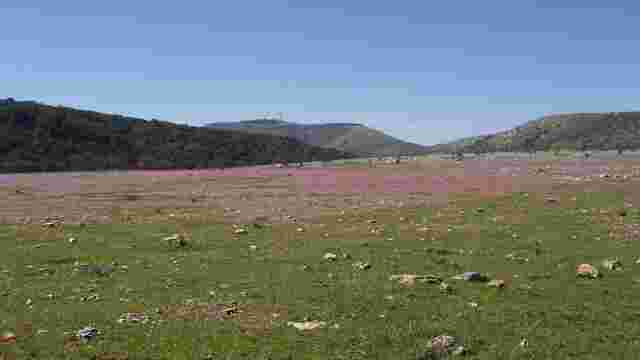
Laguna de los JaralesThis is a small lagoon of seasonal, brackish waters, situated in the municipality of Lucena, on Oligocene terrain, within a vast area of dryland farming, consisting mainly of olive trees, cereals and vineyards. Virtually circular in shape, it lacks any surrounding riparian zone, although its underwater vegetation is very significant. Covering an area of 5.46 hectares of Nature Reserve and 116 hectares of protected land, it has a maximum depth of 0.4 m. It is home to large numbers of ducks and waders during the winter. It is often used as a resting place by flocks of mallards. Laguna DulceLaguna Dulce was drained for 25 years for cereal cultivation, and has now been acquired by the authorities and restored, with the aim of returning it to as natural a state as possible. To this end, the drainage systems were removed and the banks were replanted. The spatial distribution of this lagoon and its neighbour, Laguna Amarga, is curious. Although situated less than 50 metres apart, the physical and chemical characteristics of their waters are very different, as their names suggest. One has bitter waters and the other fresh waters. One is seasonal and the other permanent. All this means that different species are found in each, increasing the overall diversity and complementing one another.
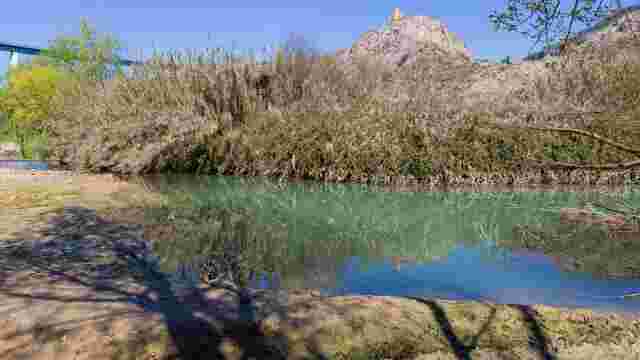
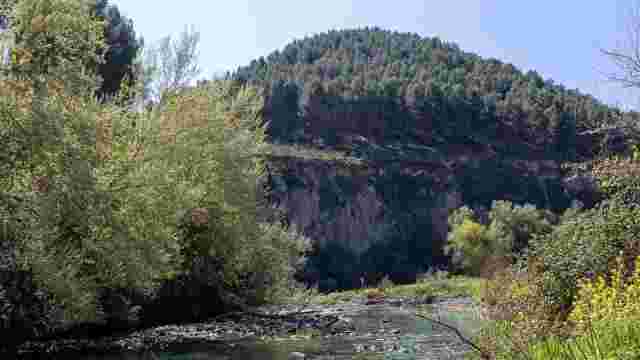
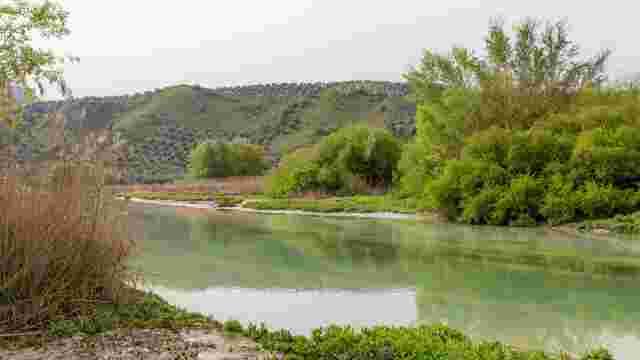
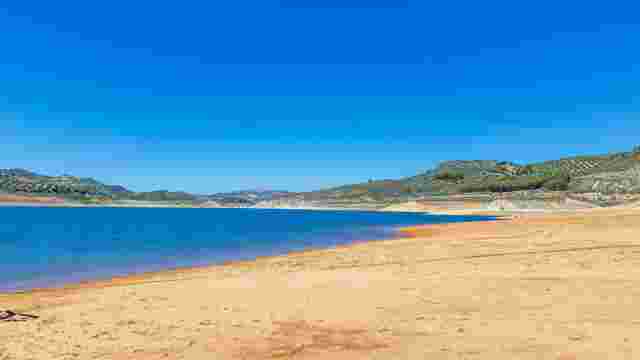
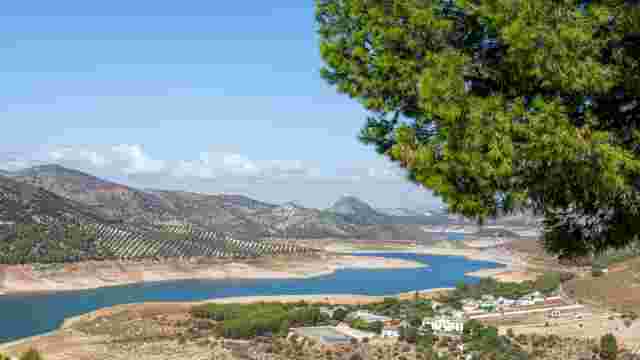
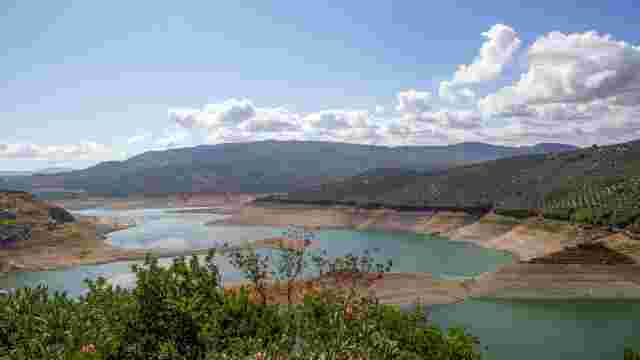
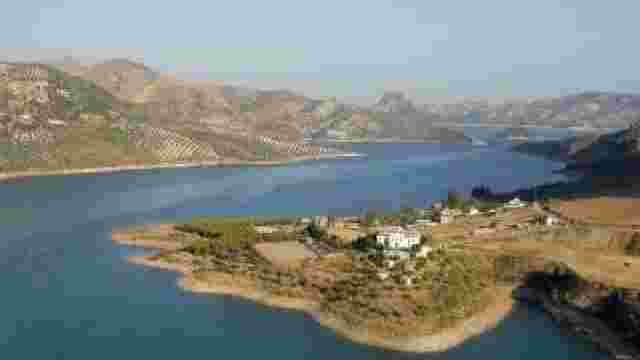
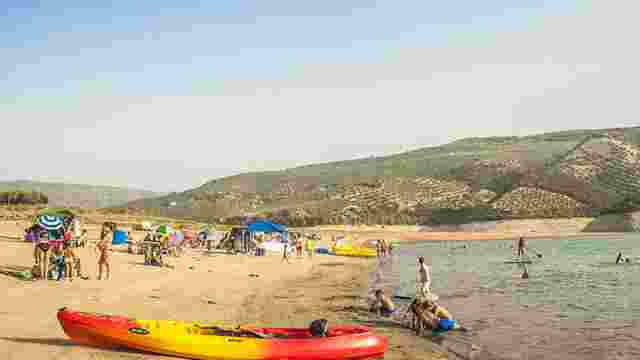
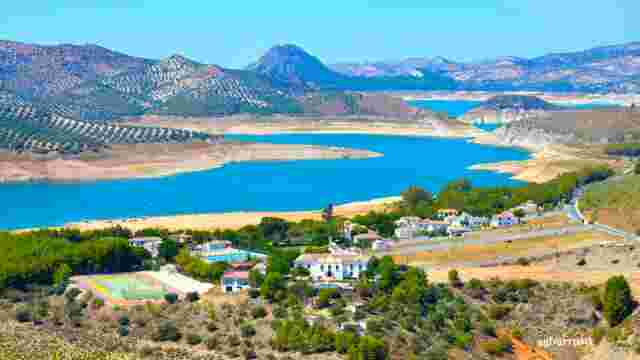
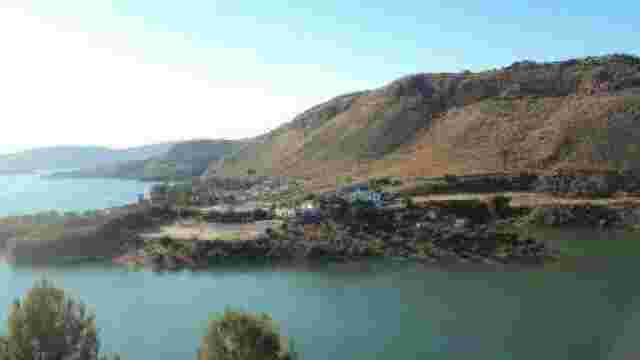
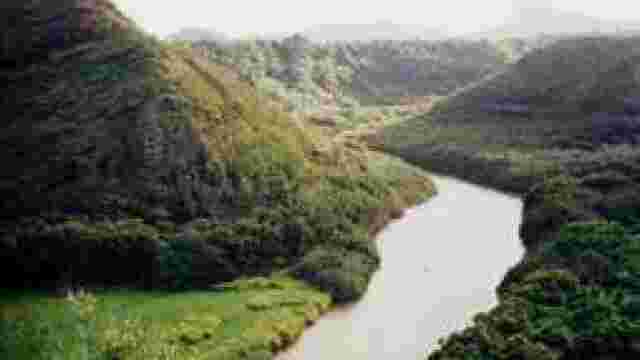
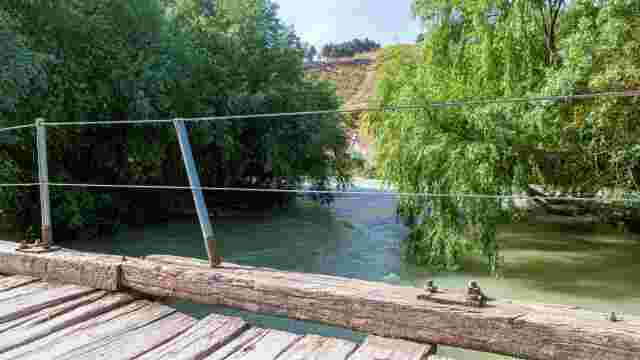
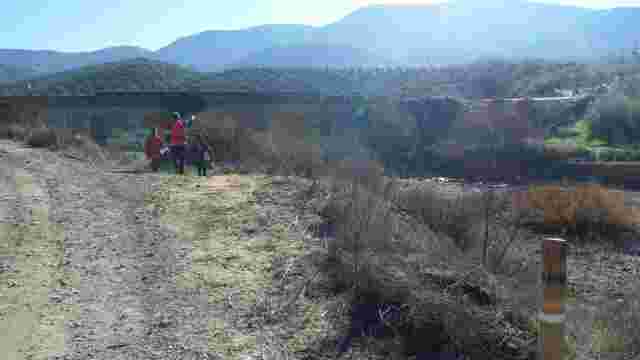
Malpasillo Reservoir Thisreservoir is situated south of Cordobilla, on the River Genil, in a rugged landscape, and sits on soil formed of gypsum-rich marl. The riparian vegetation is notable for its abundance of reeds, rushes and cattails. Malpasillo provides the ideal habitat for the great crested grebe, and the rare little grebe has also been recorded there. Among the most abundant waterfowl are the mallard, the red-crested pochard and the northern shoveler. Like the Cordobilla, the Malpasillo Reservoir Natural Area is situated in the south of the province of Córdoba and the north-eastern part of Seville. It covers an area of 512 hectares.