Cierzos and Cabreras
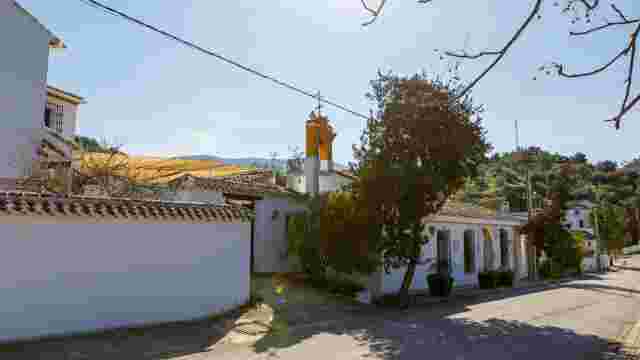
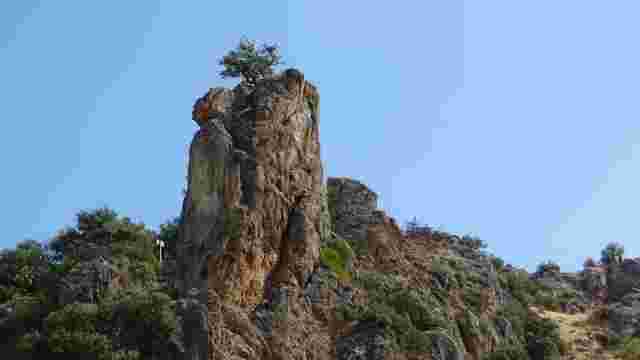
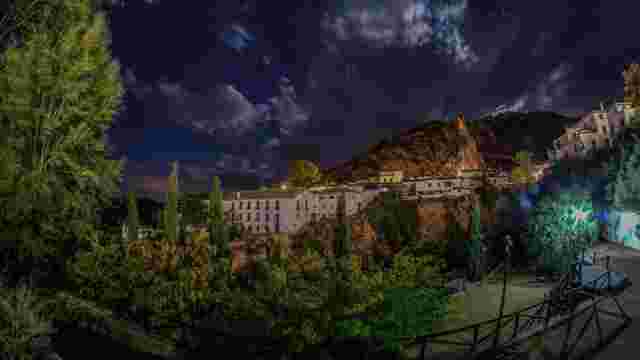
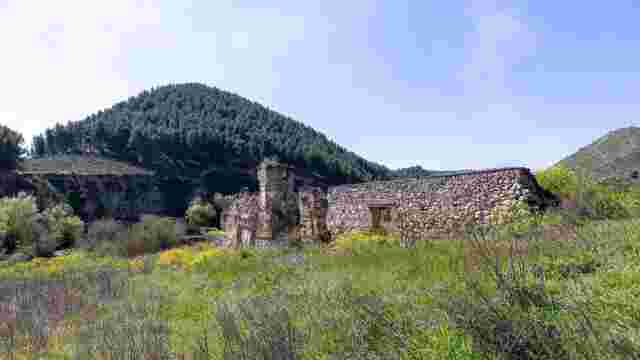
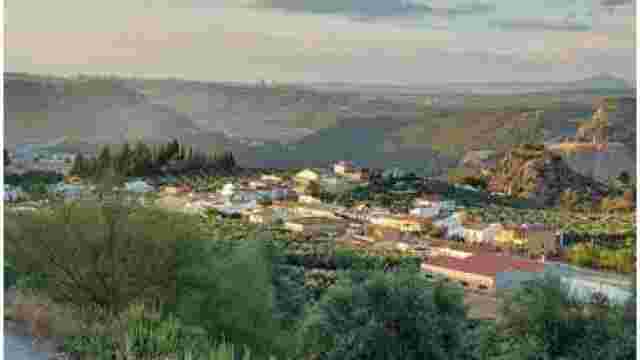
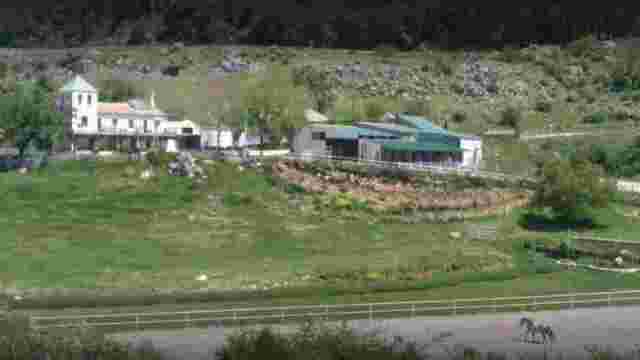
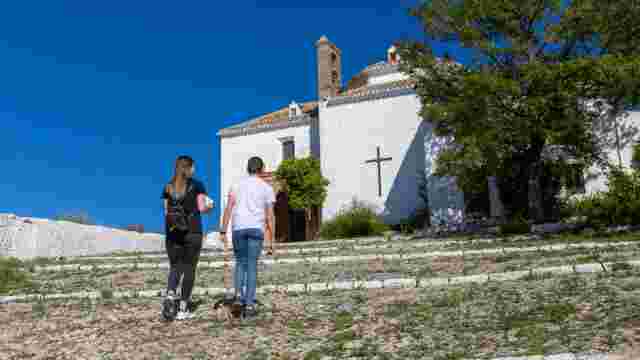
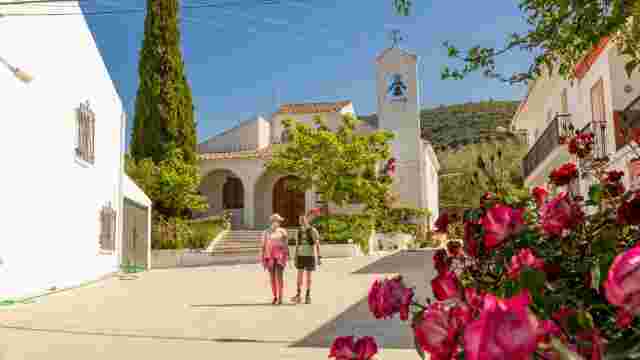
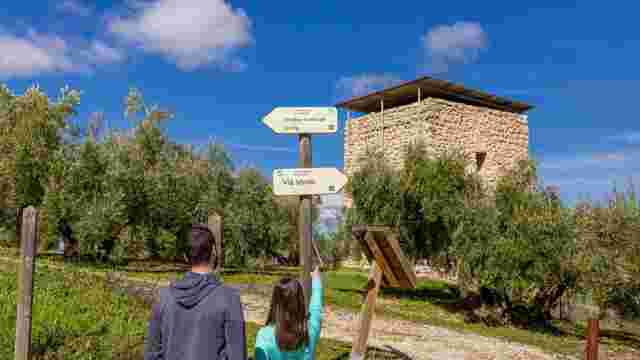
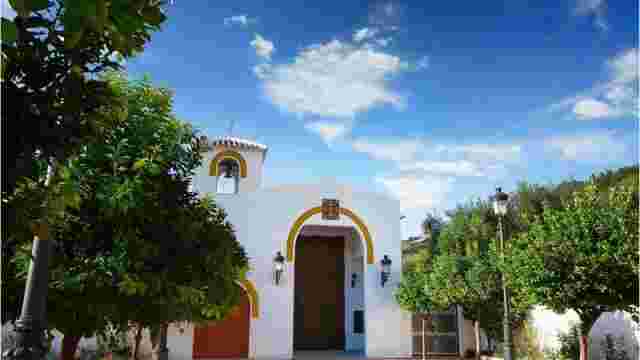
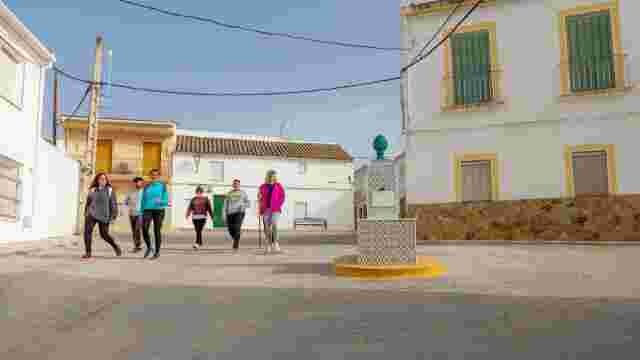
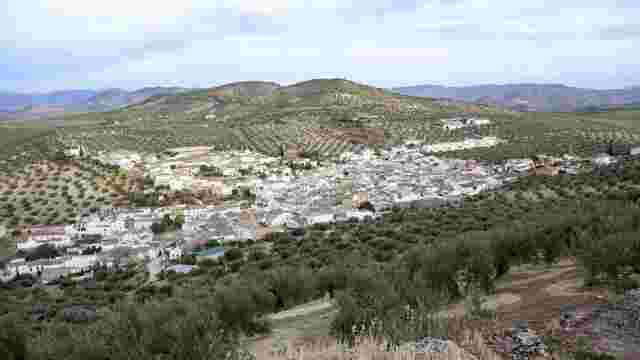
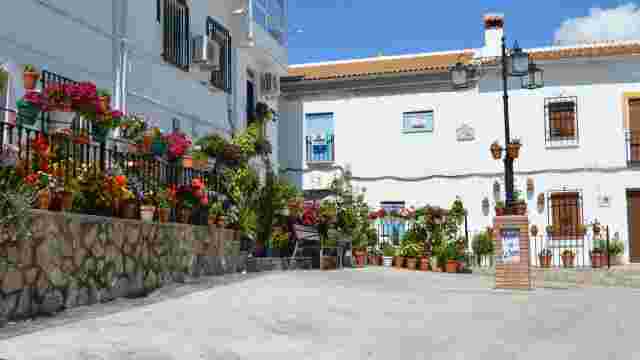
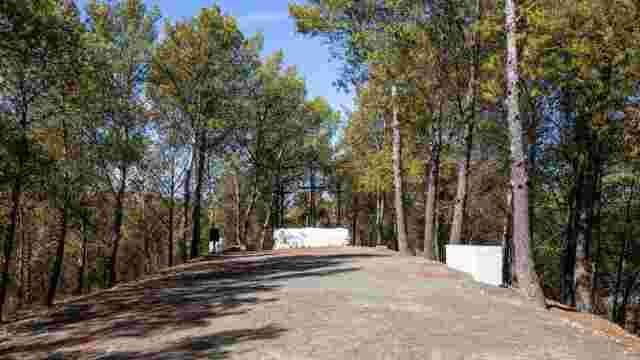
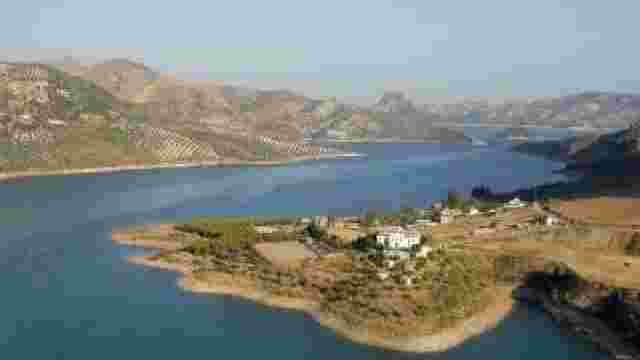
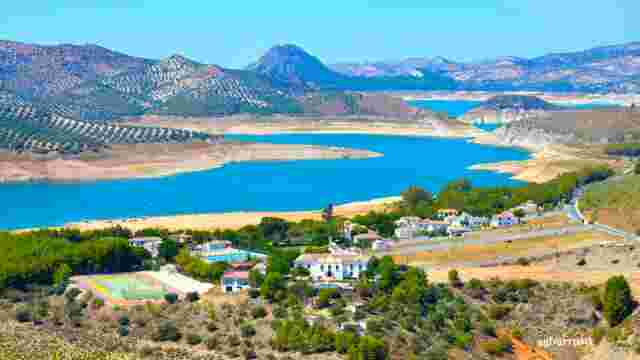
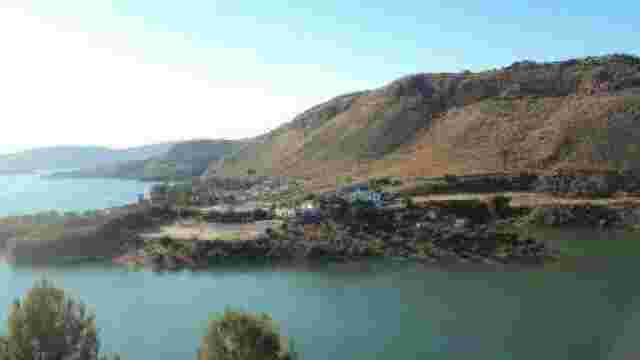
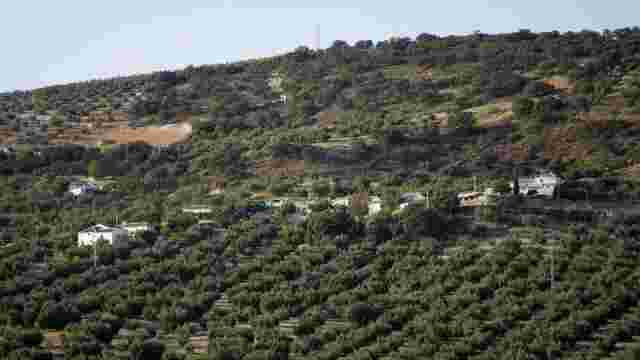
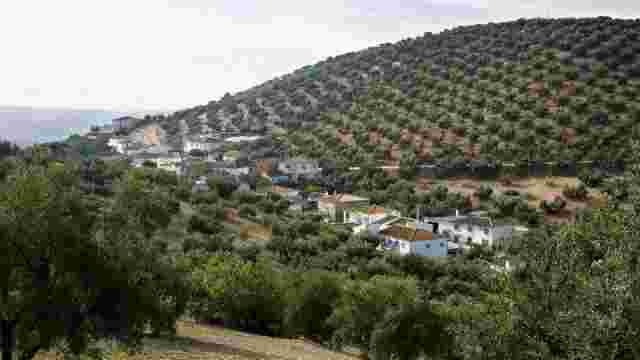
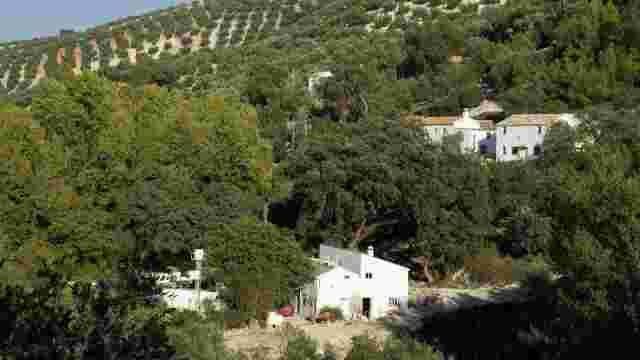
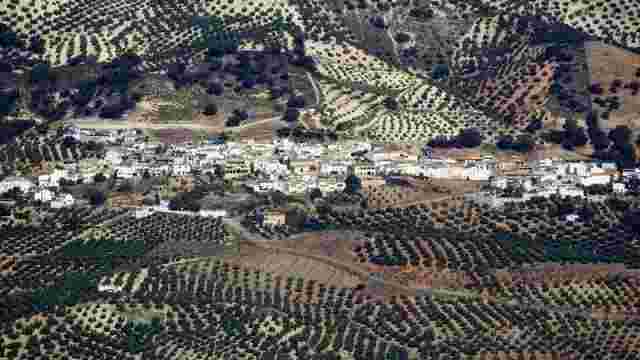
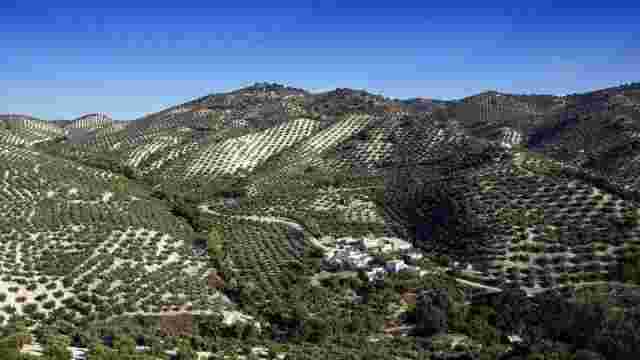
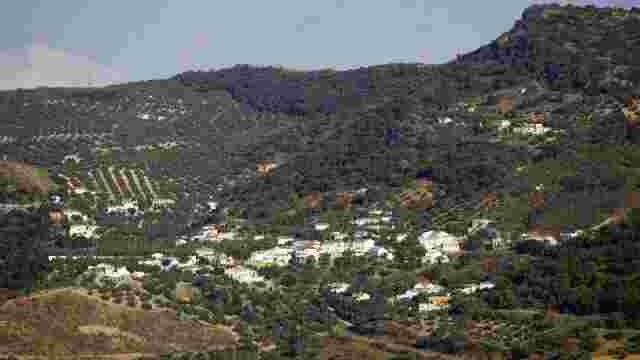
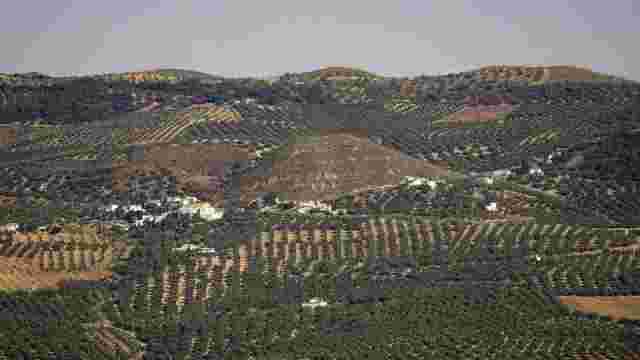
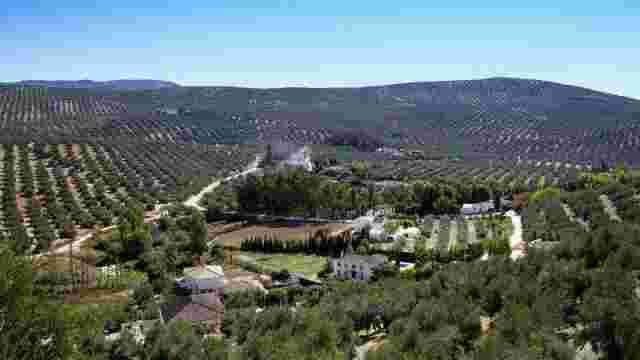
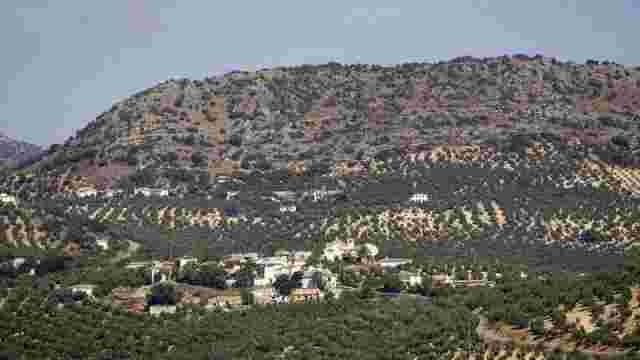
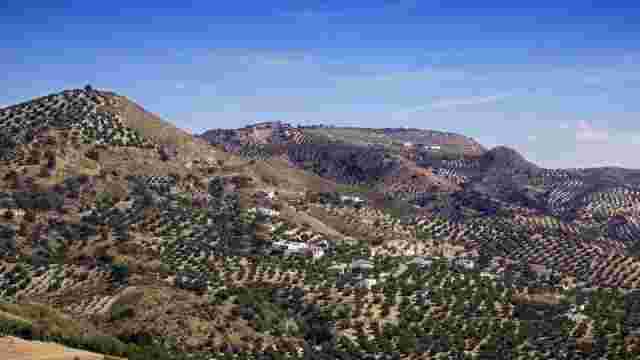
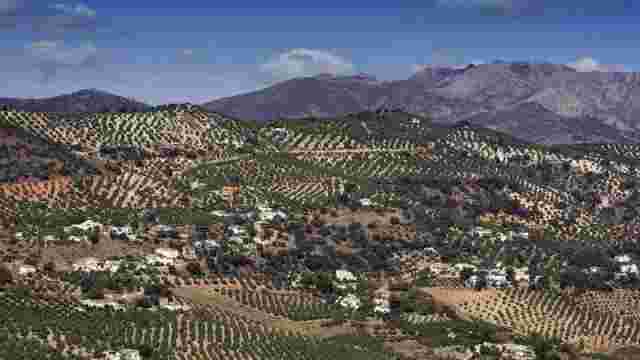
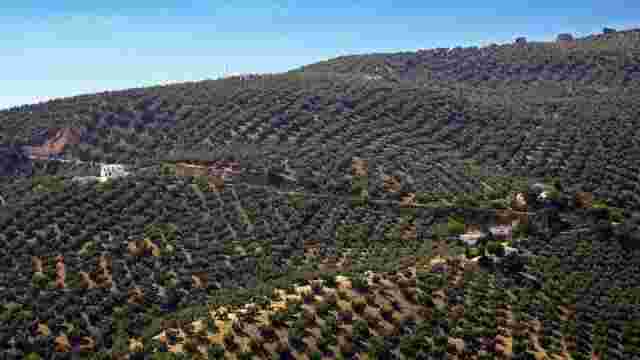
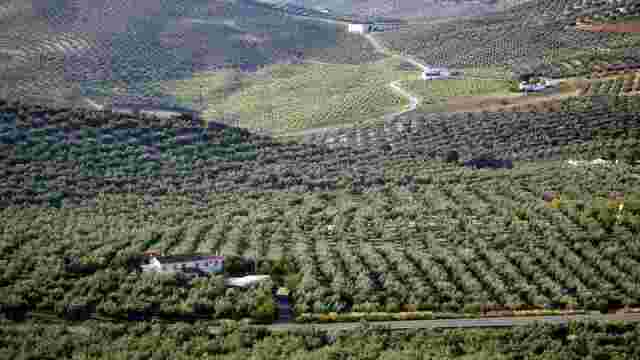
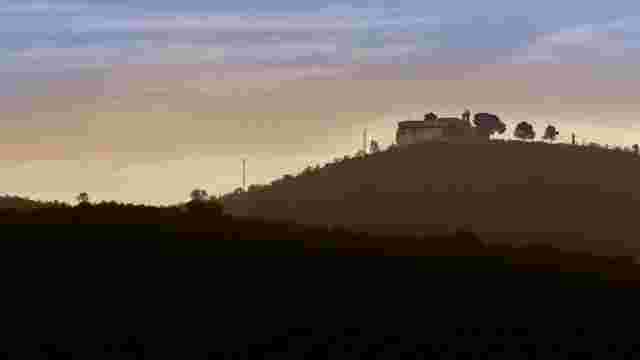
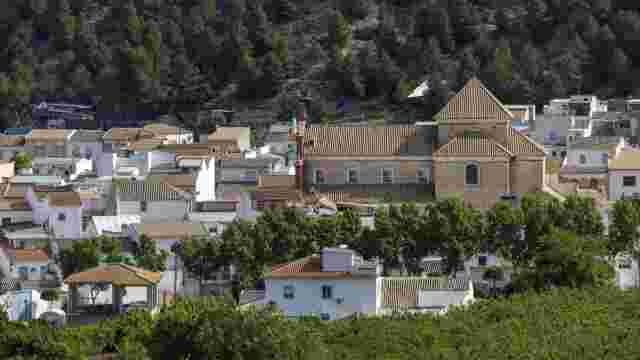
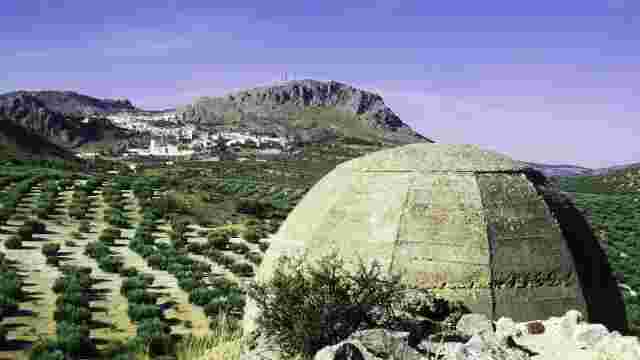
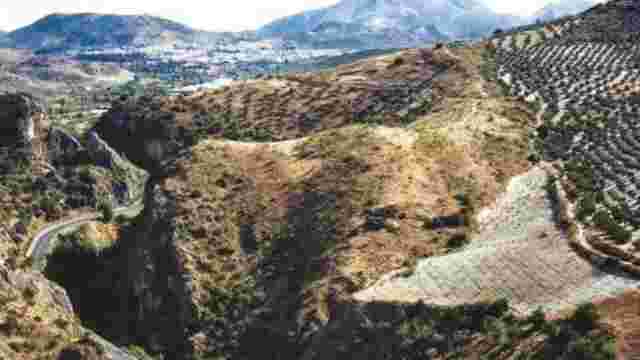
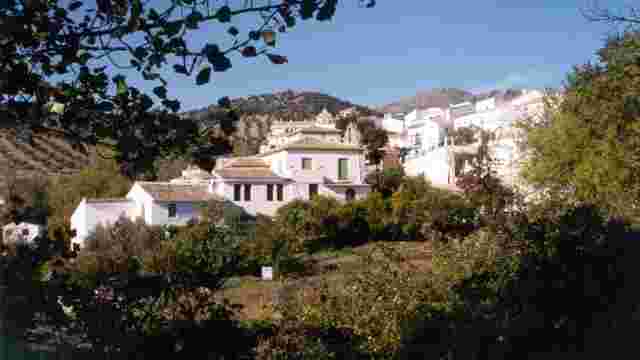
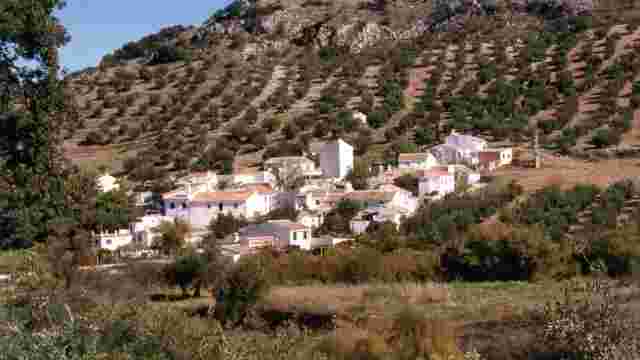
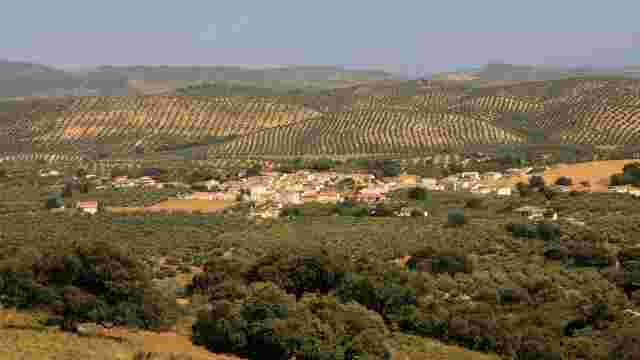
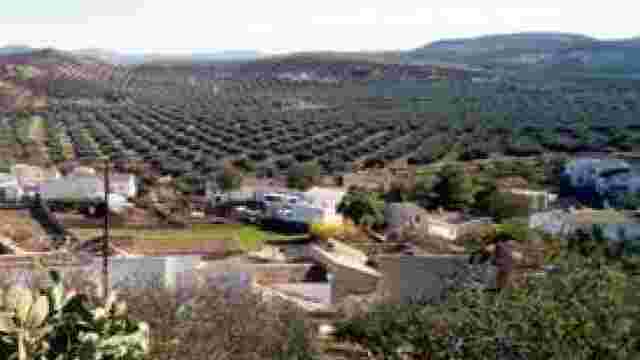
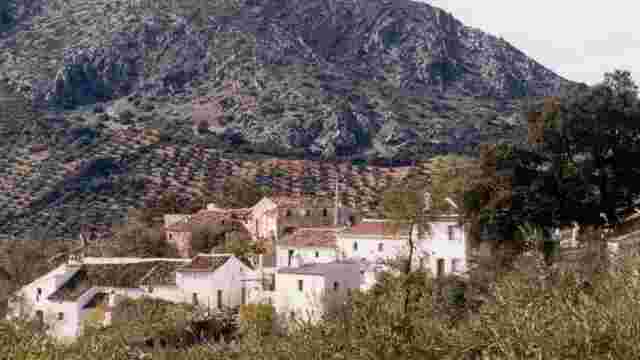
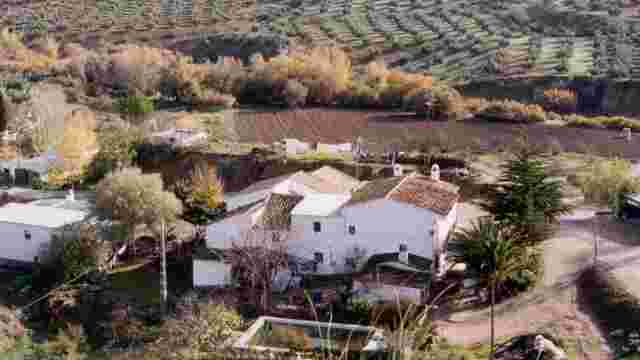
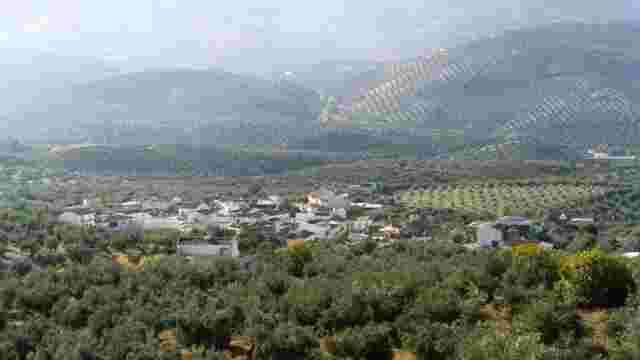
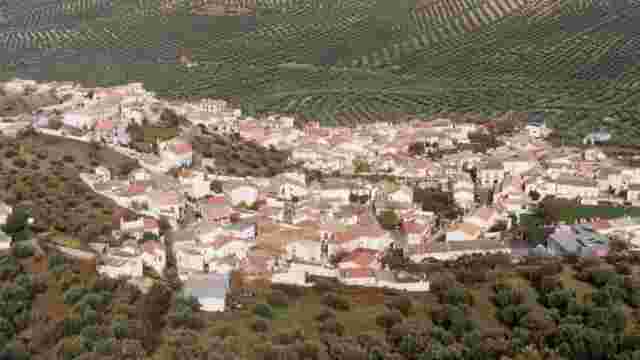
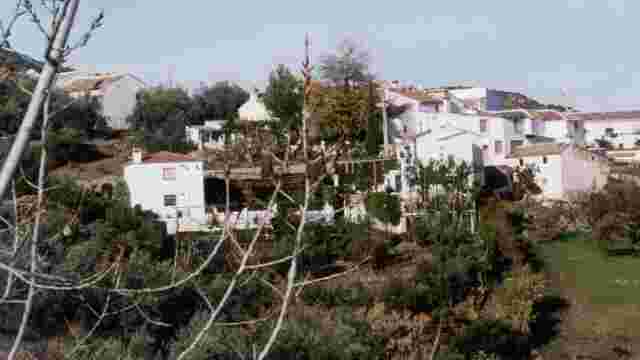
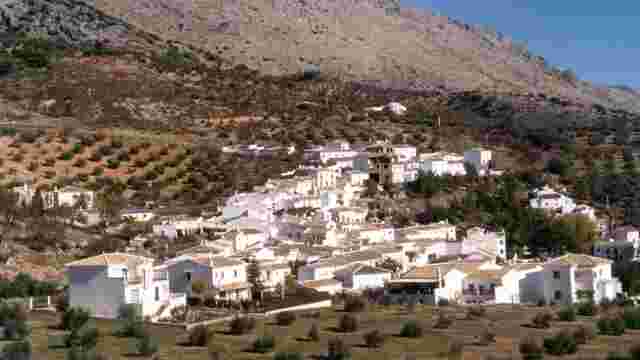
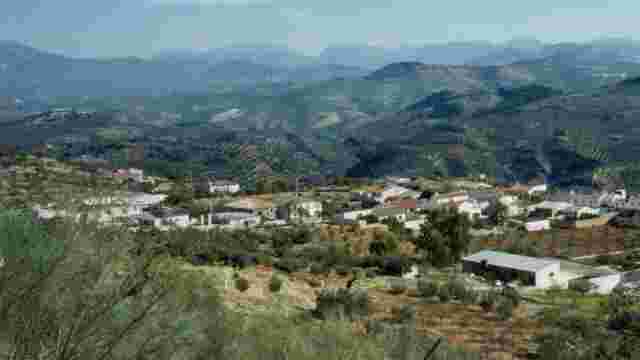
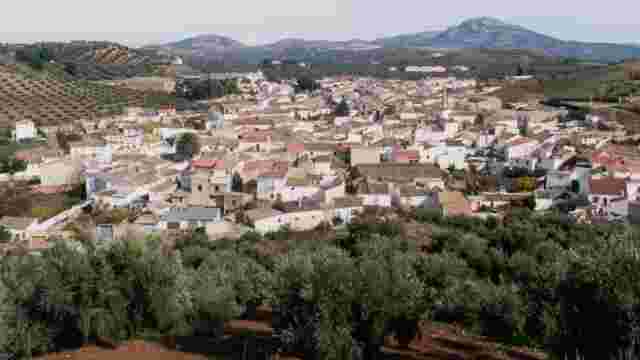
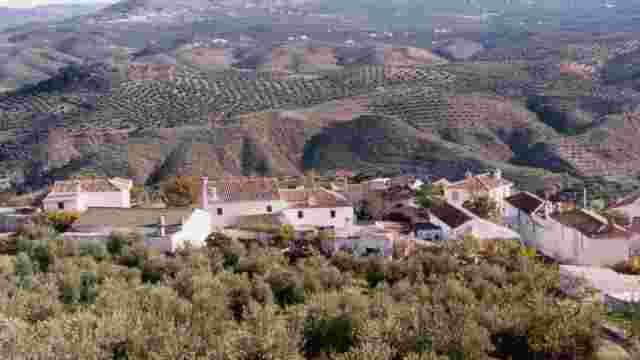
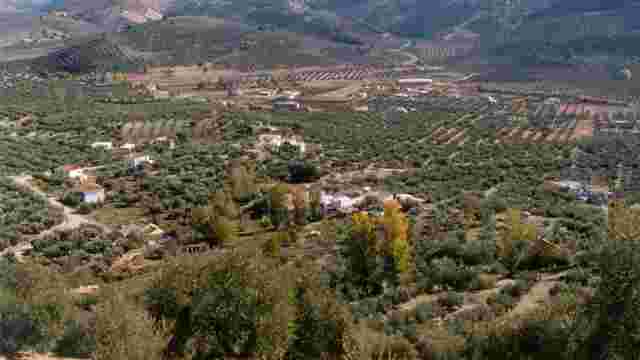
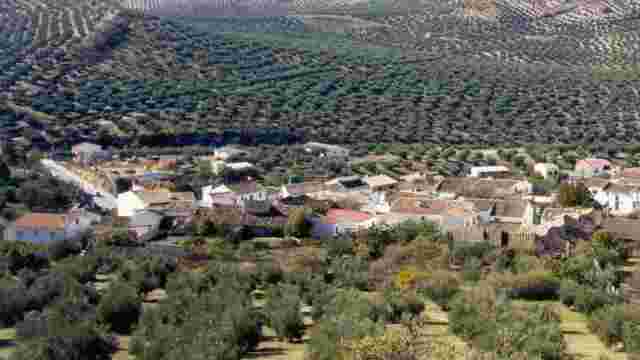
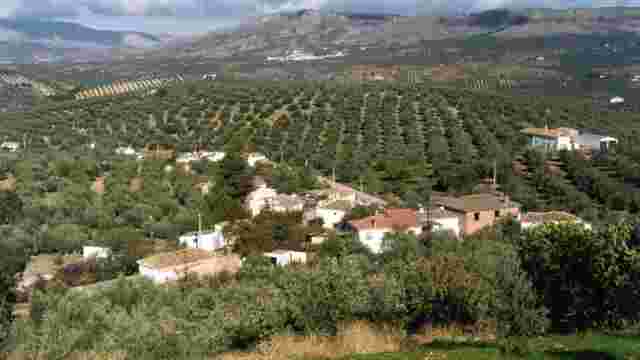
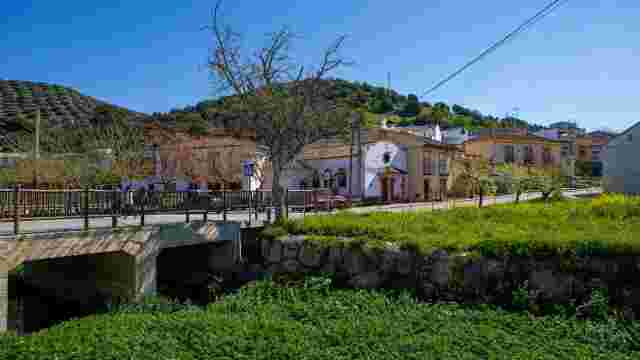
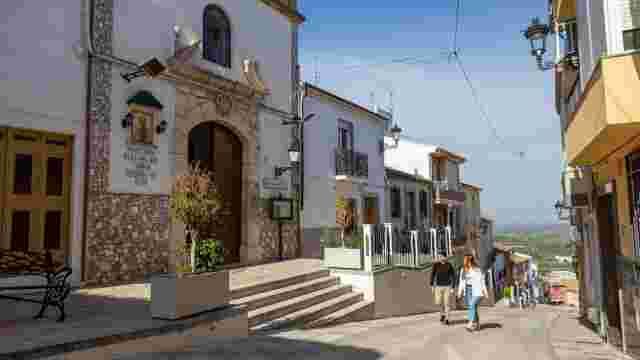
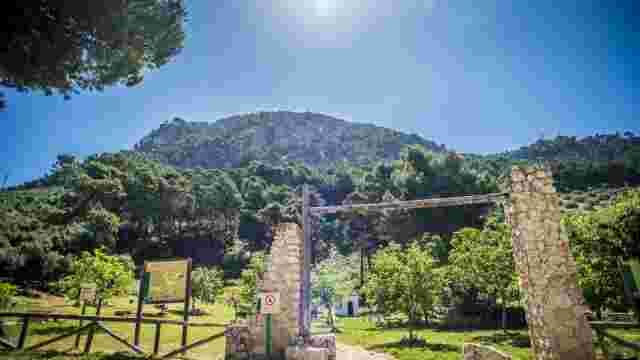
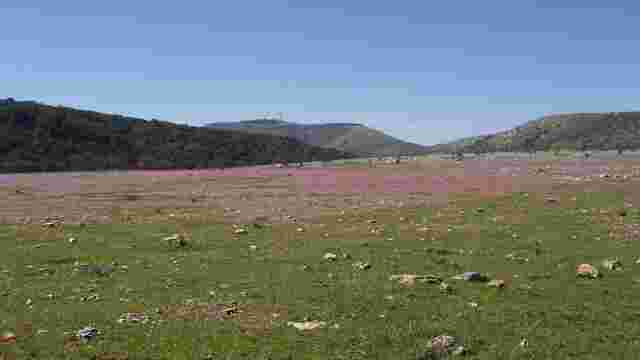
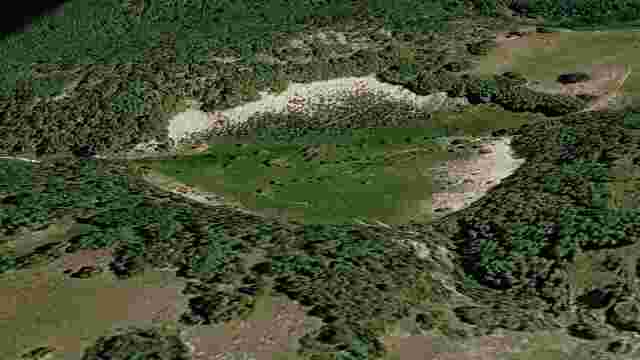
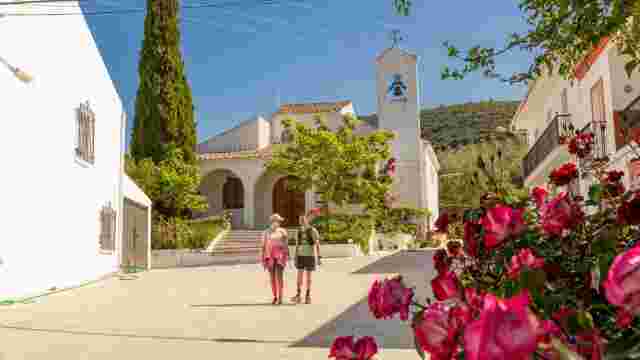
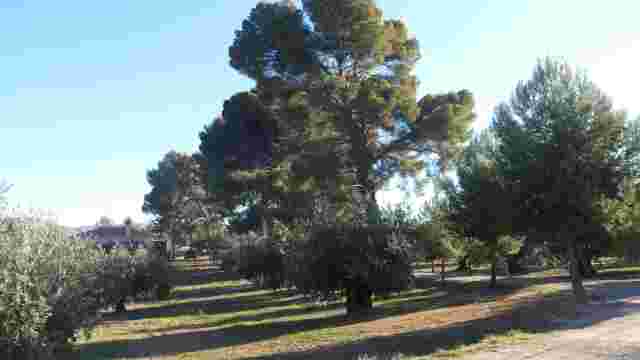
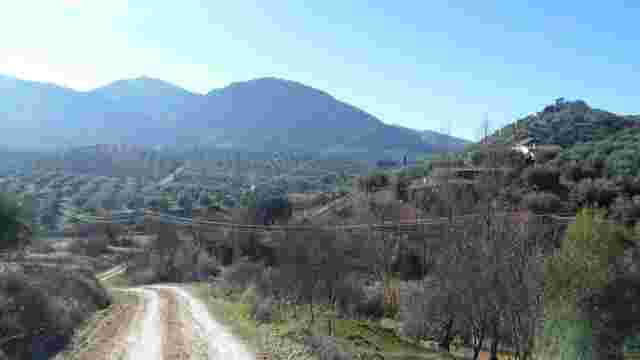
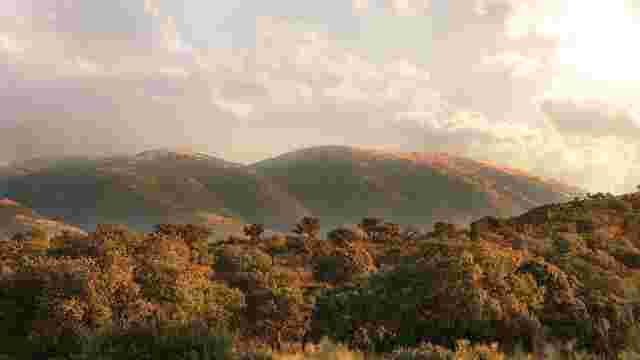
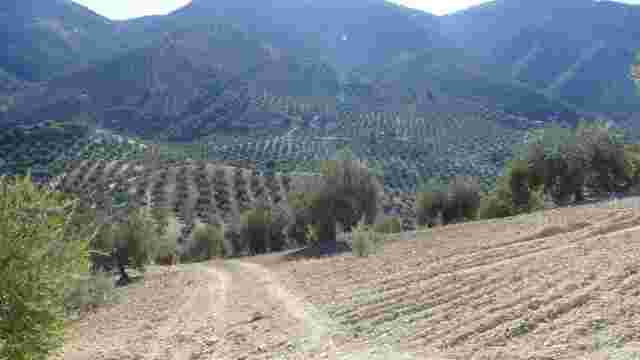
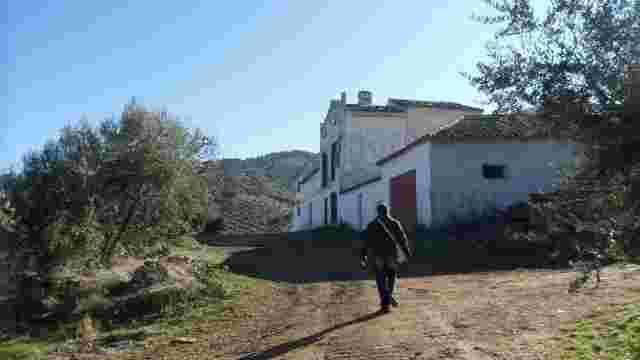
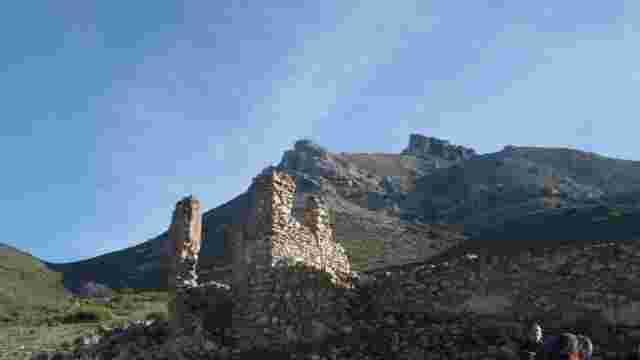
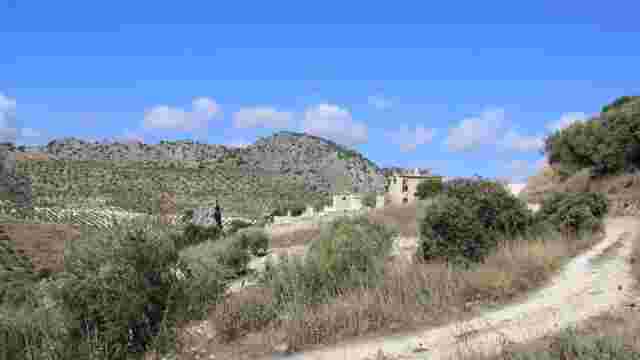
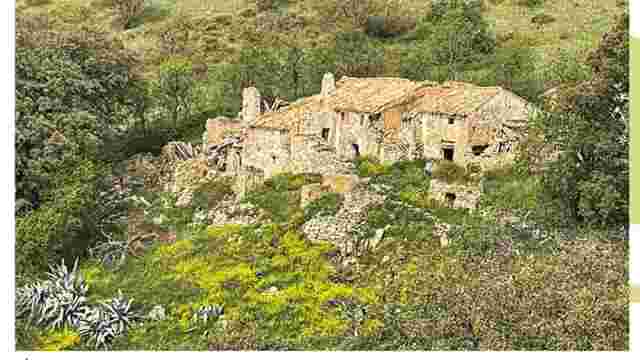
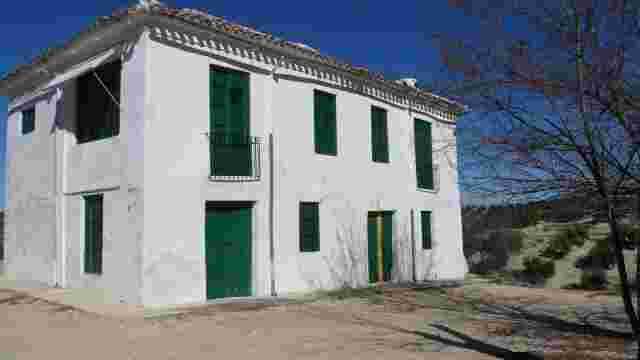
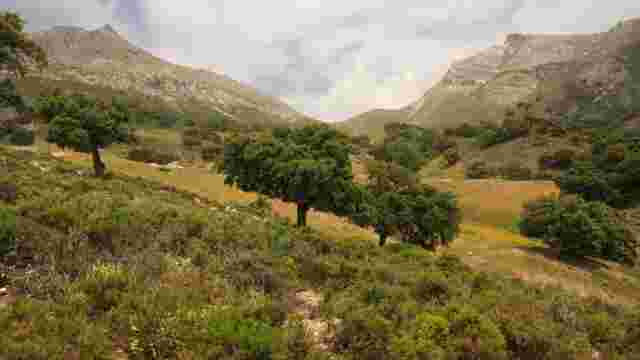
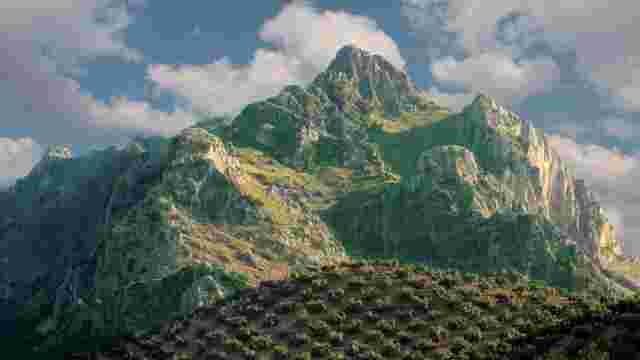
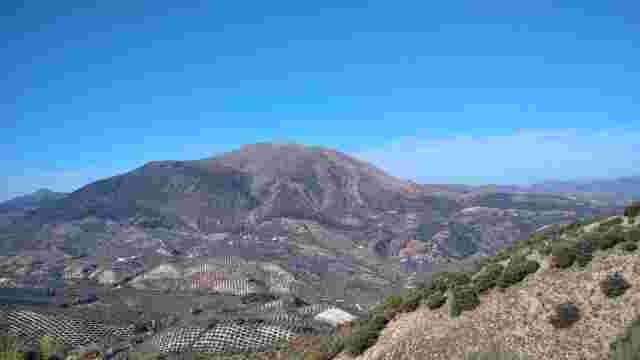
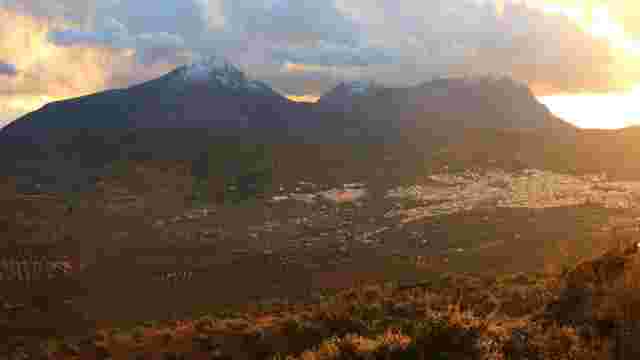
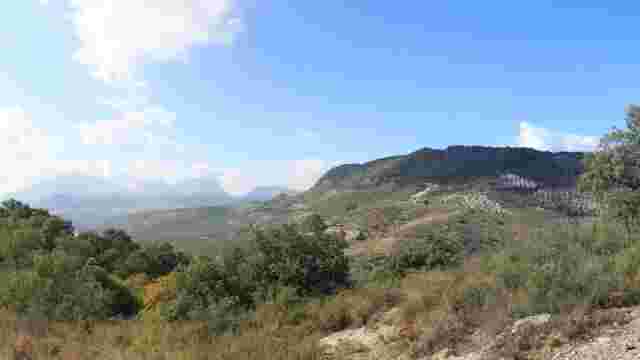
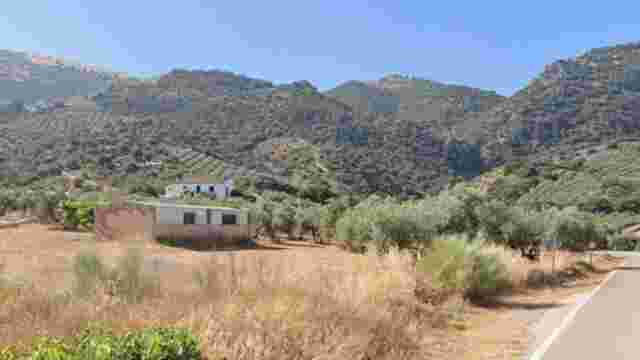
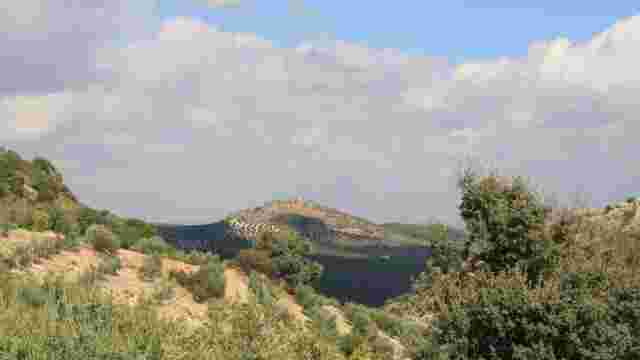
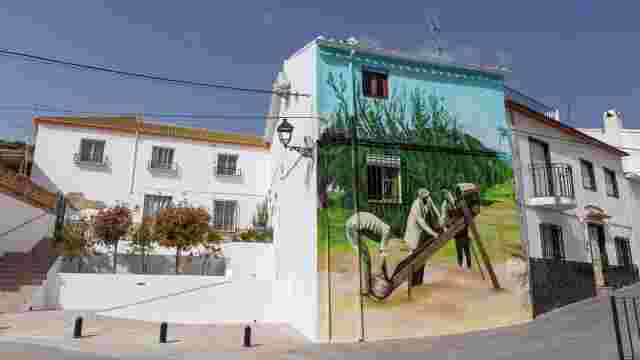
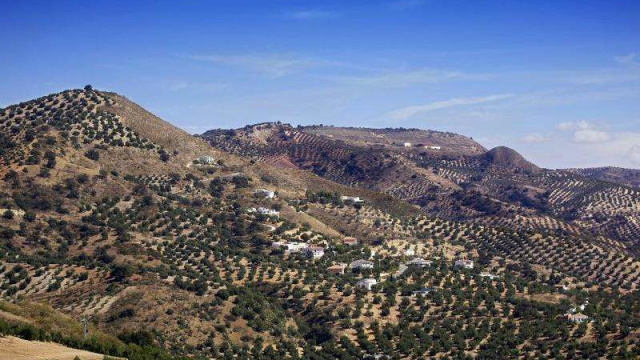
The hamlet of Los Cierzos y Las Cabreras is situated in the north-east of the municipal area, amidst a continuous succession of hills and knolls, dominated by the “Loma del Santísimo”. It borders the hamlet of Fuentes de Cesna, which belongs to the municipality of Algarinejo in Granada.
The origin of the name by which this village is known seems to refer to the north winds (Cierzos) and to the place being difficult to access for grazing (Cabreras).
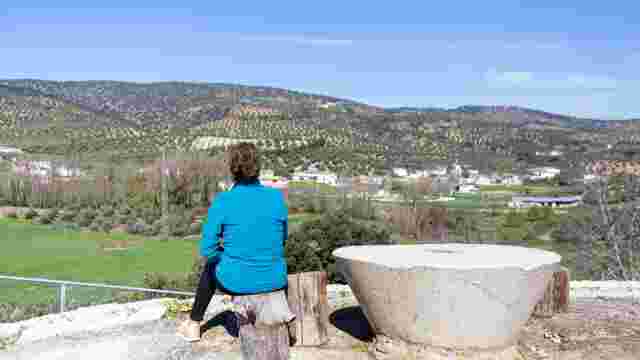
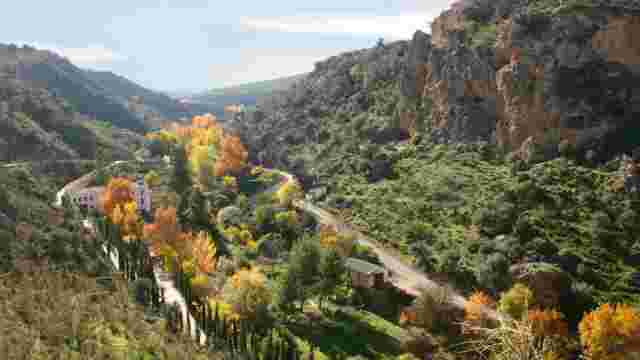
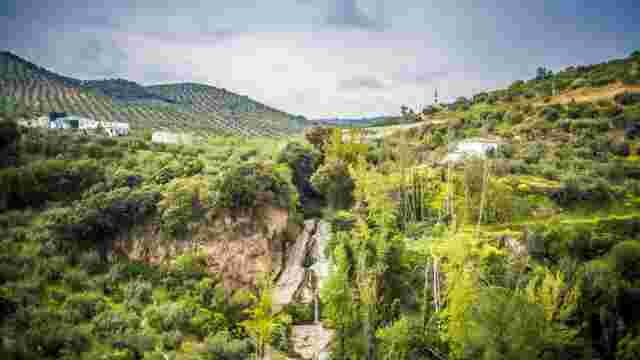
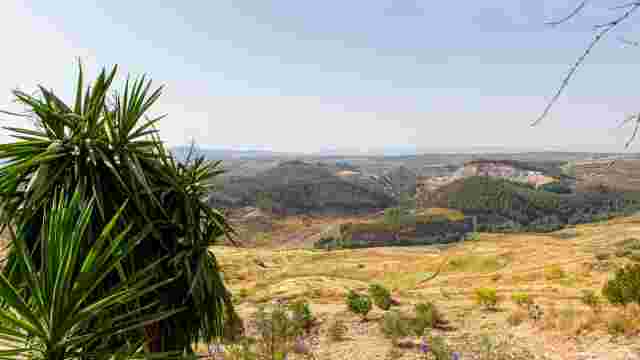
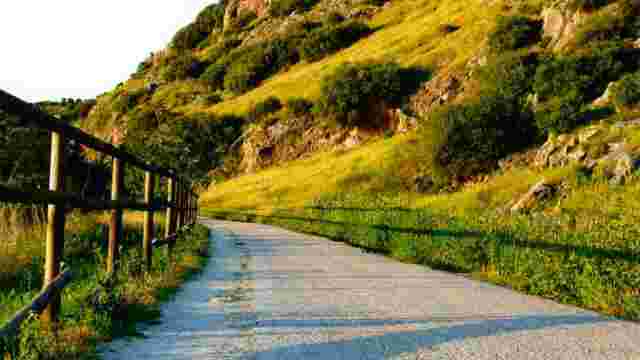
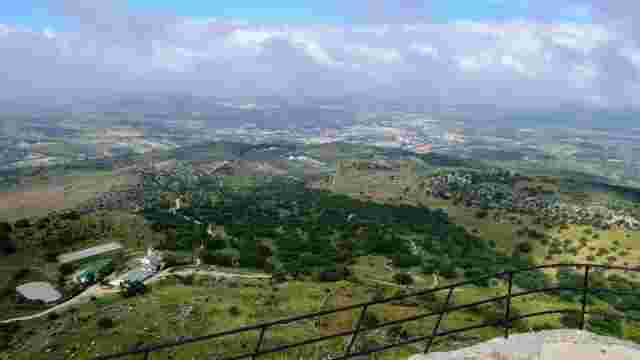
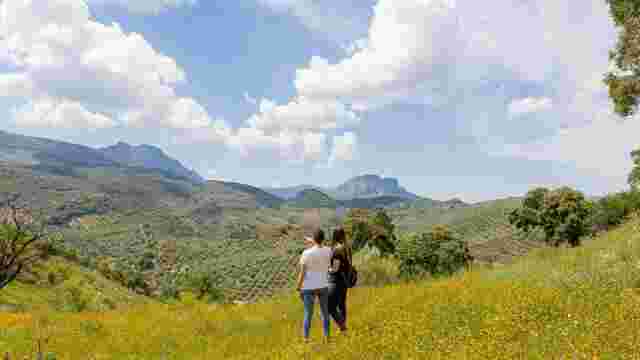
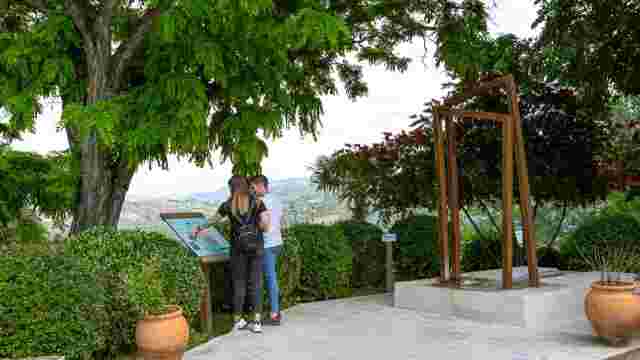
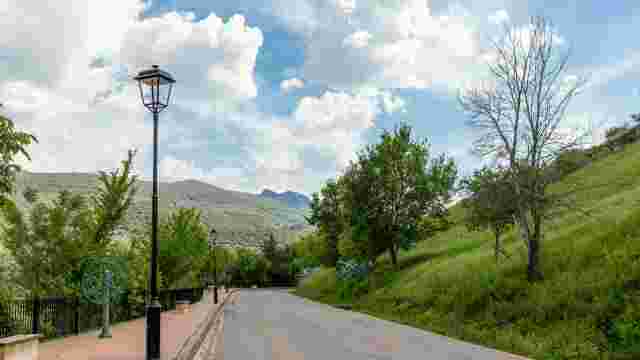
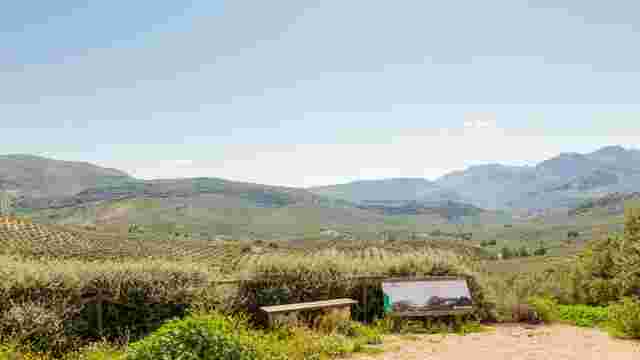
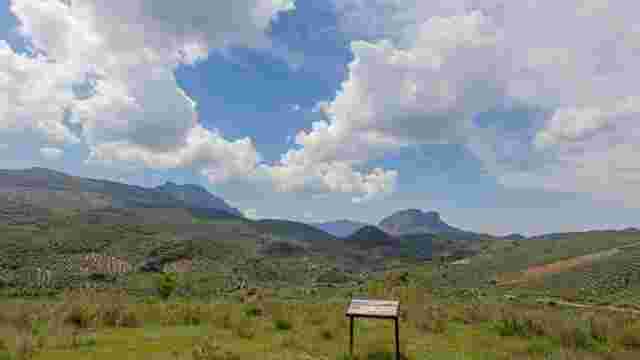
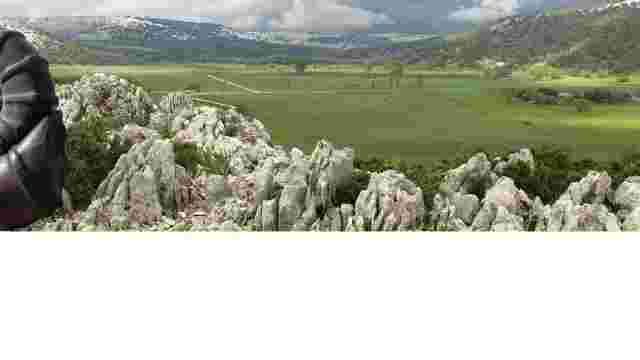
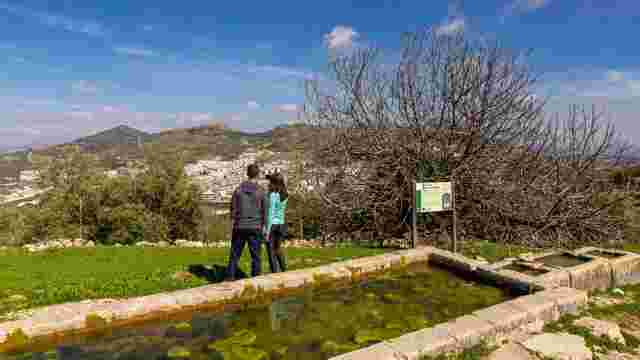
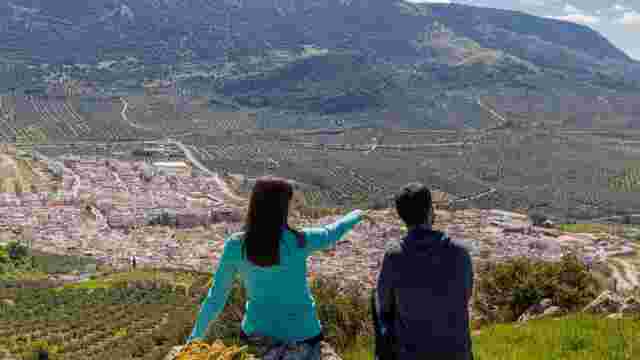
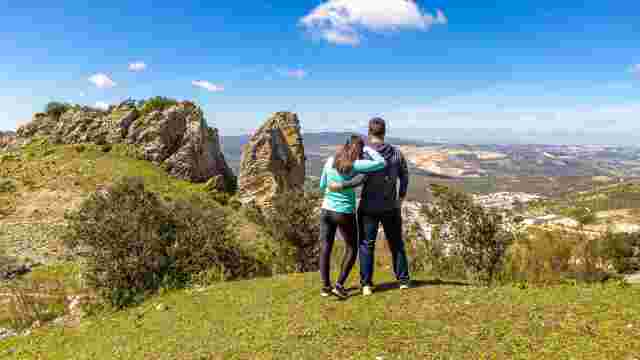
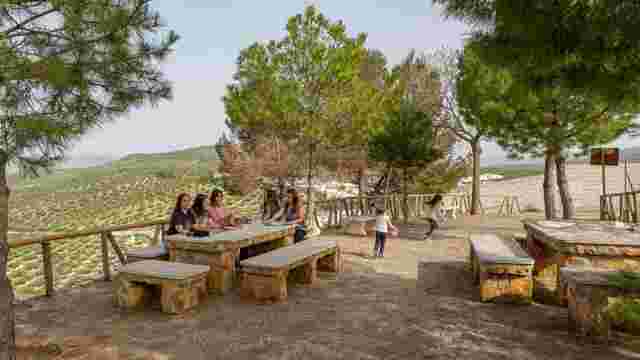
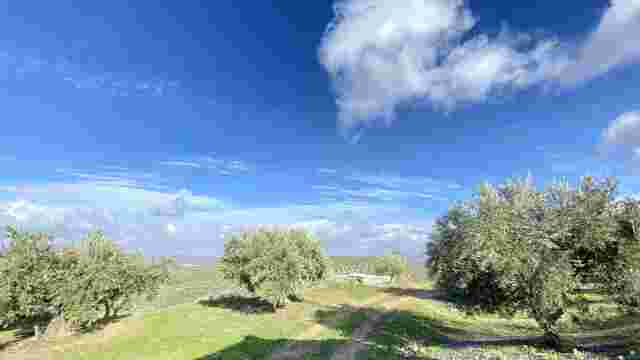
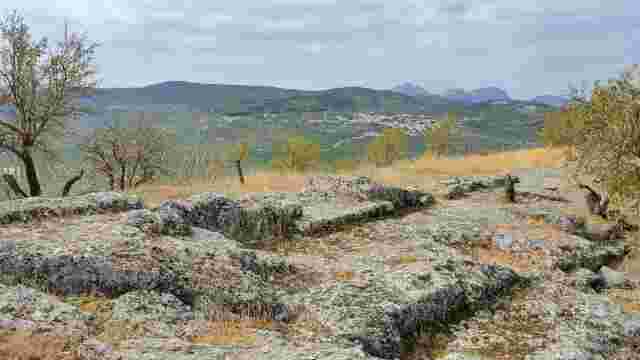
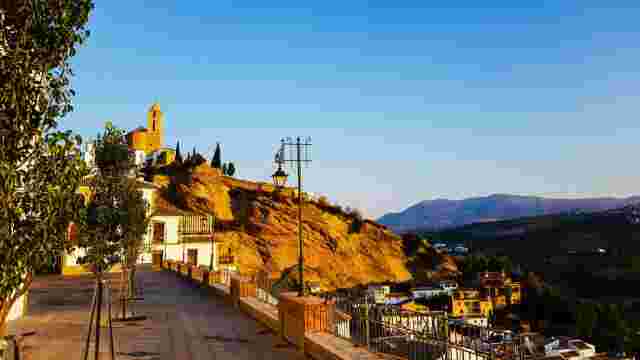
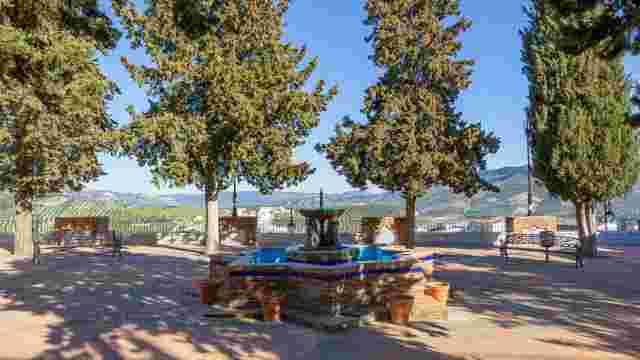
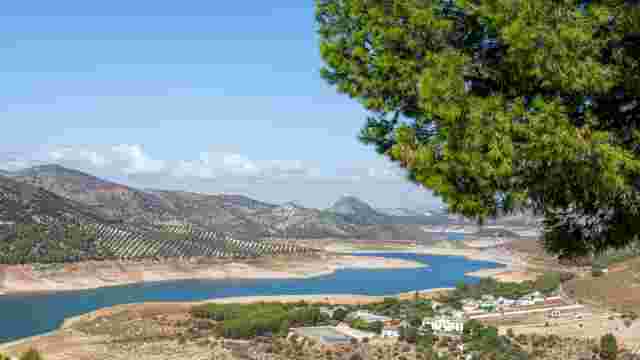
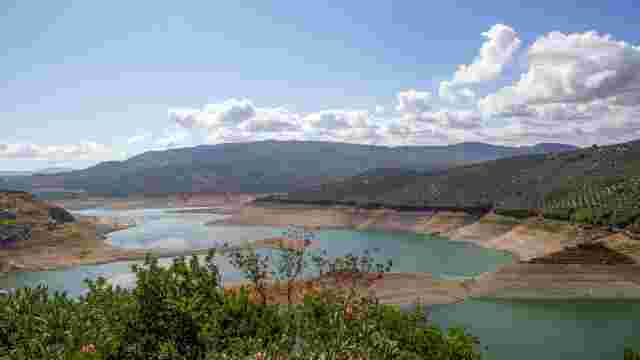
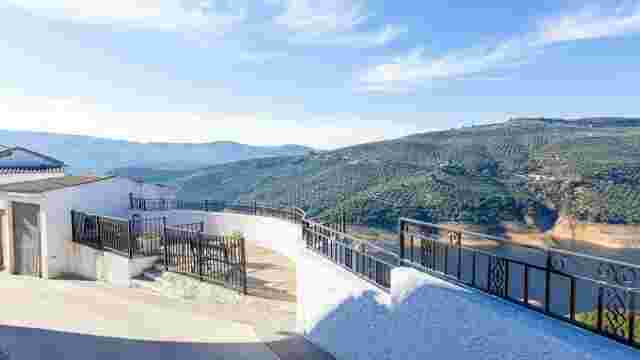
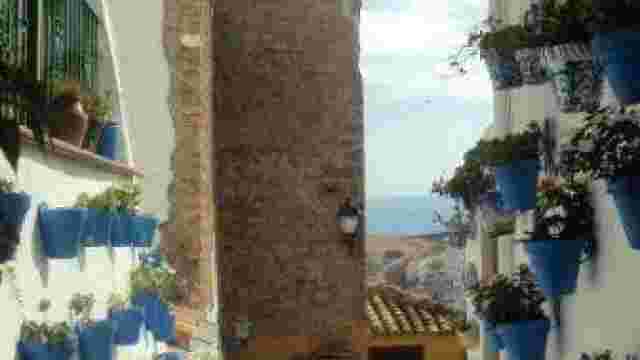
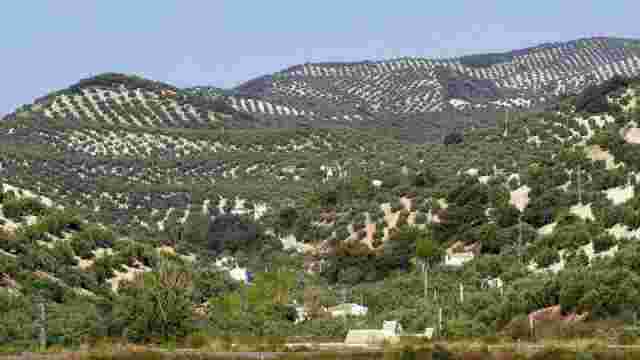
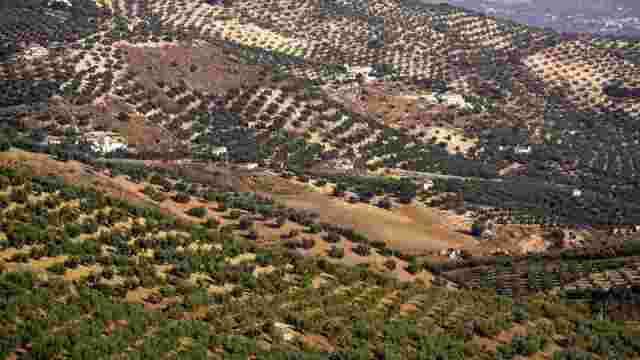
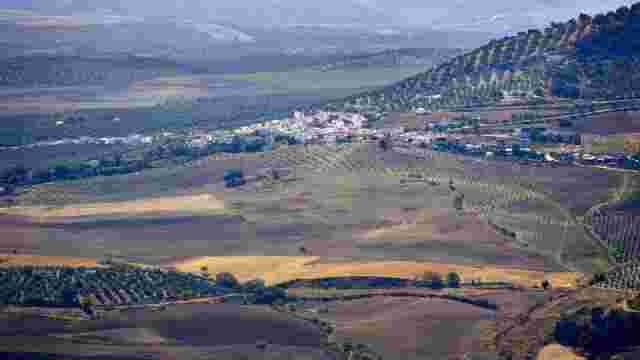
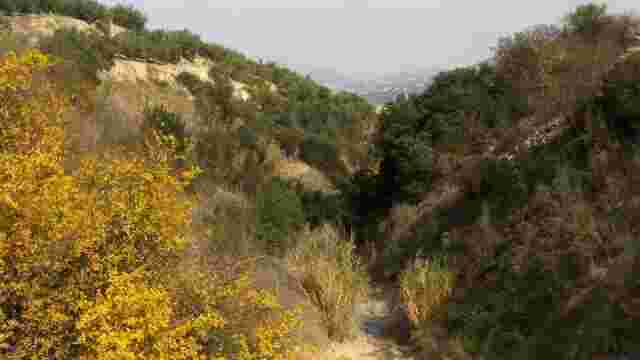
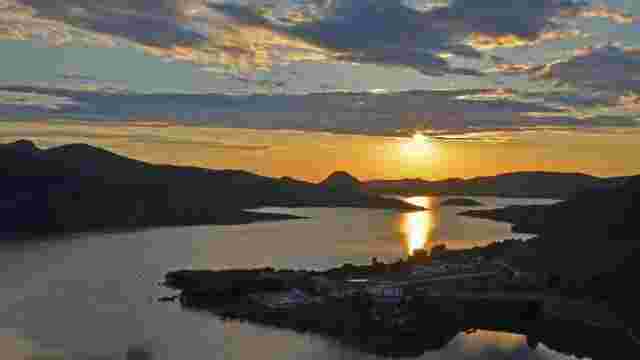
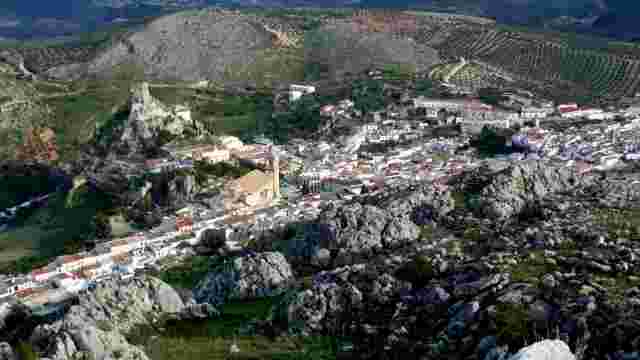
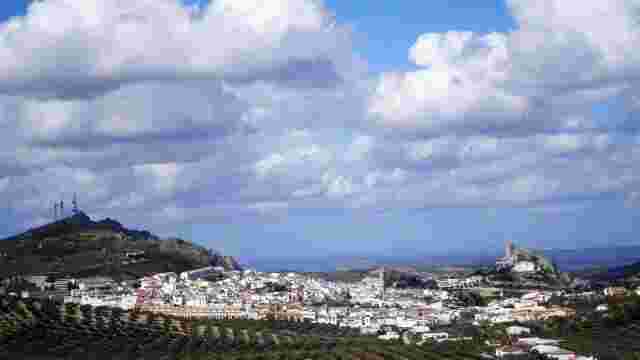
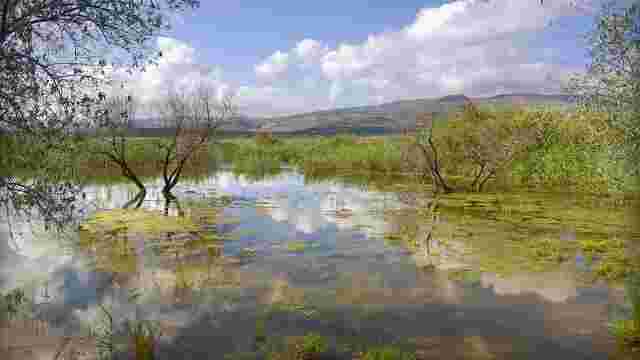
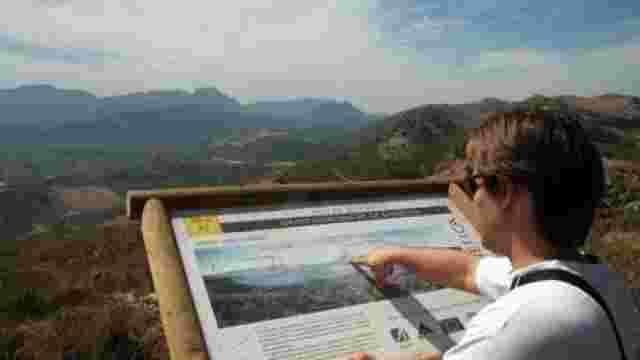
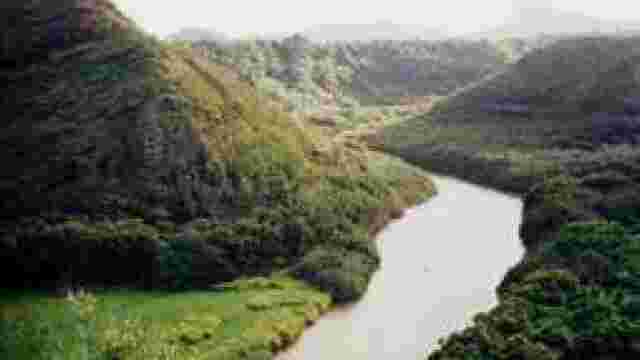
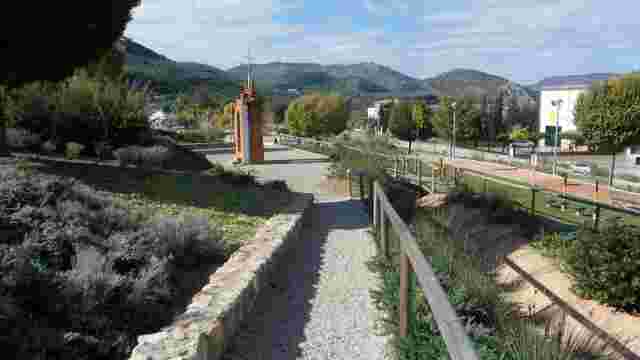
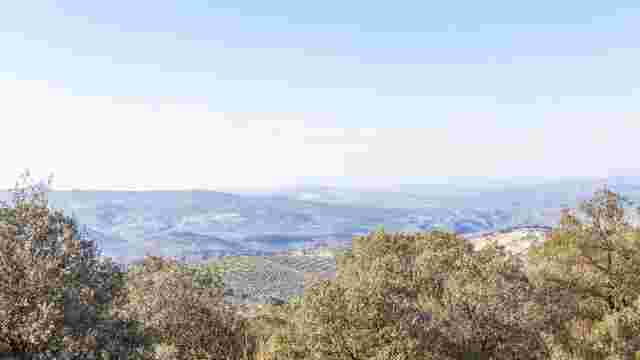
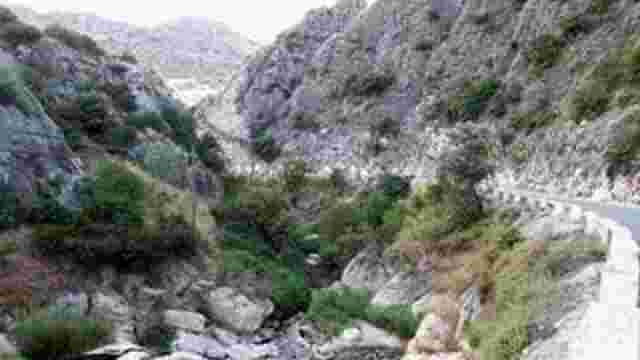
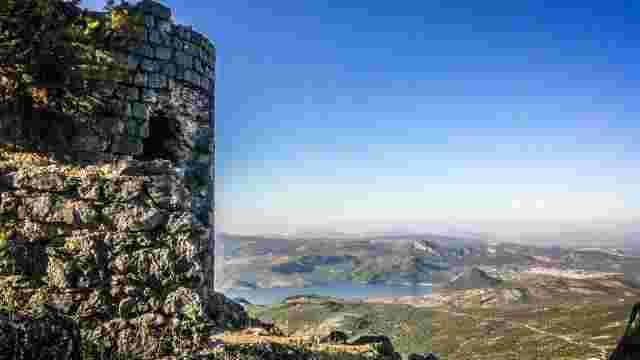
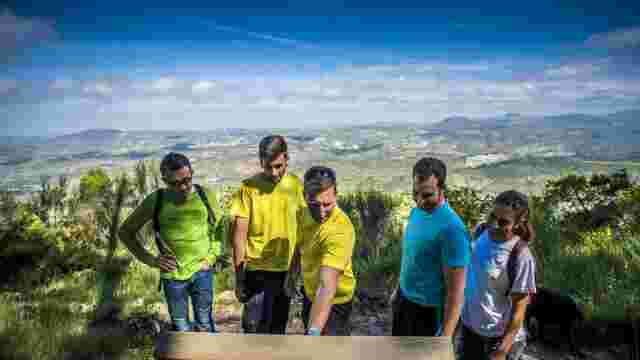
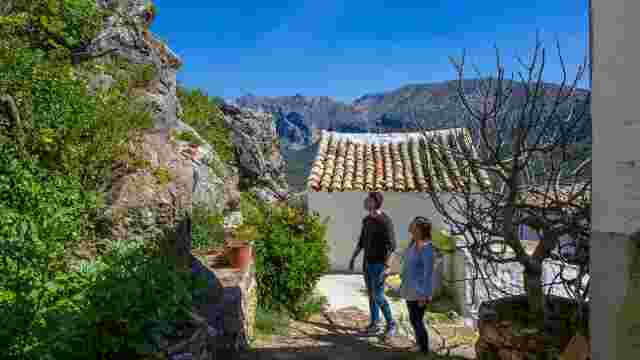
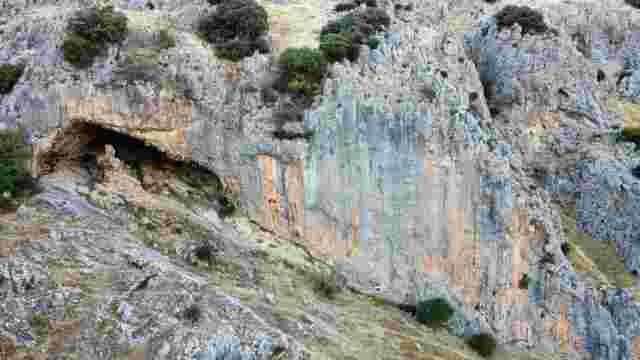
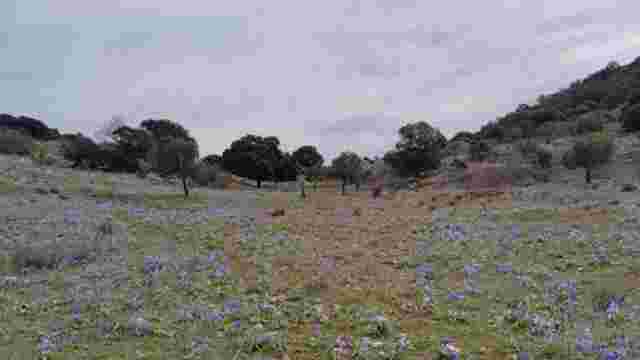
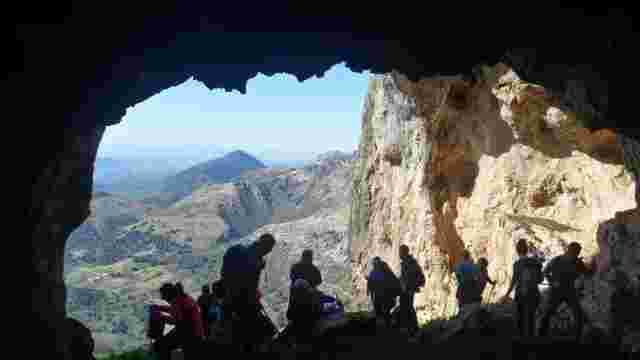
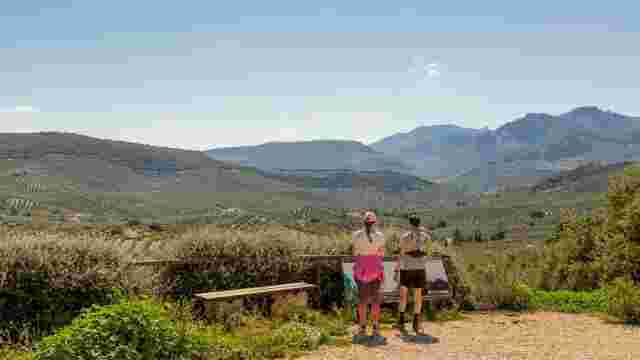
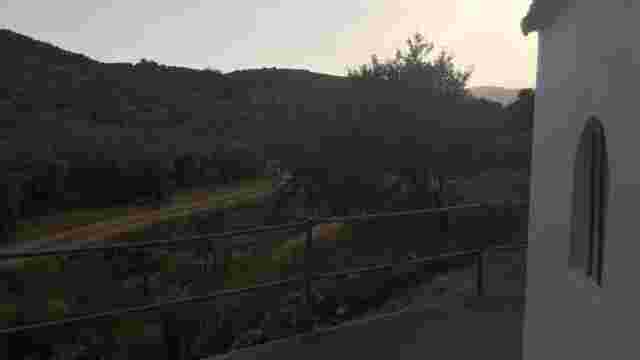
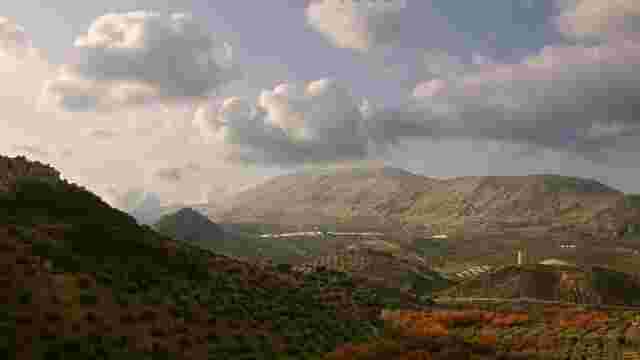
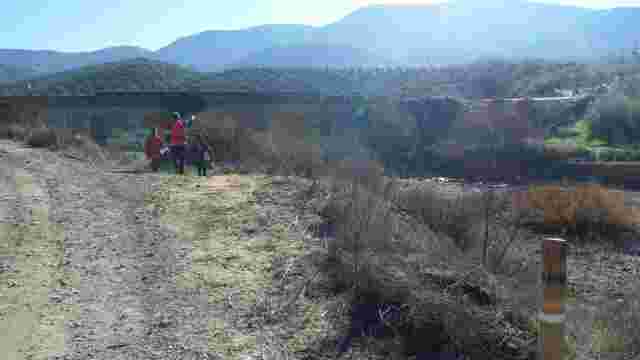
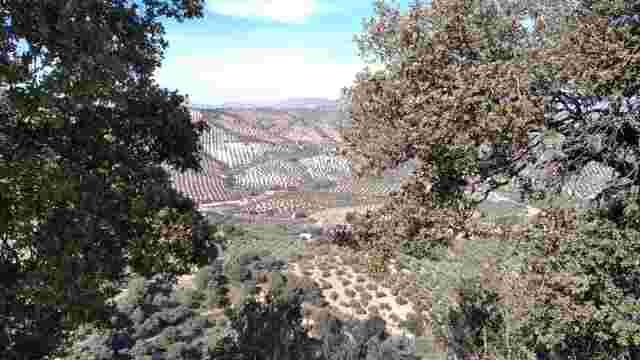
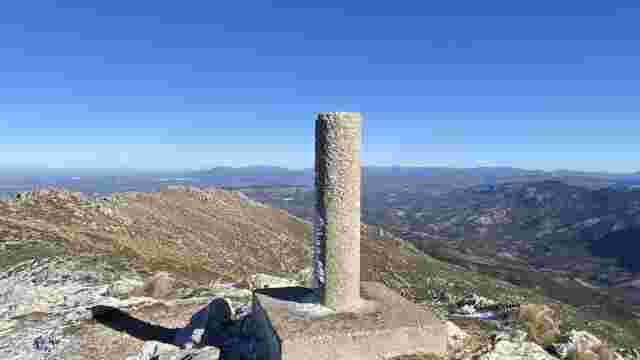
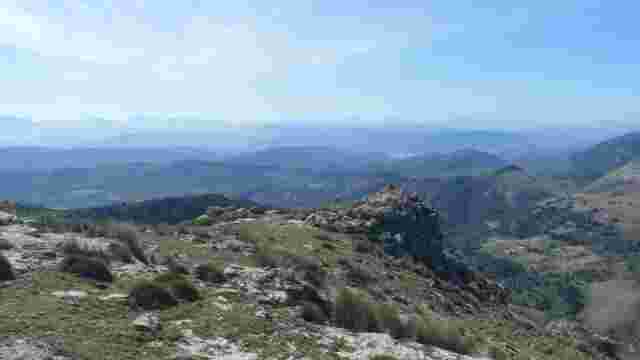
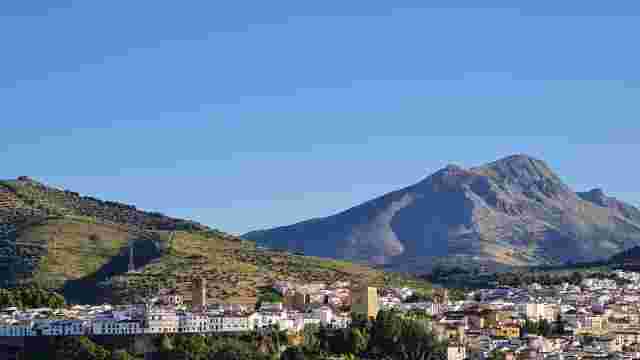
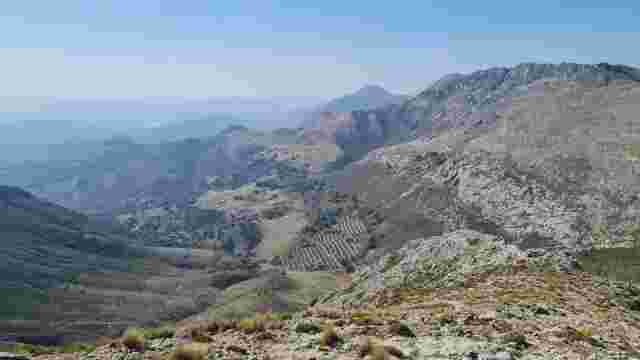
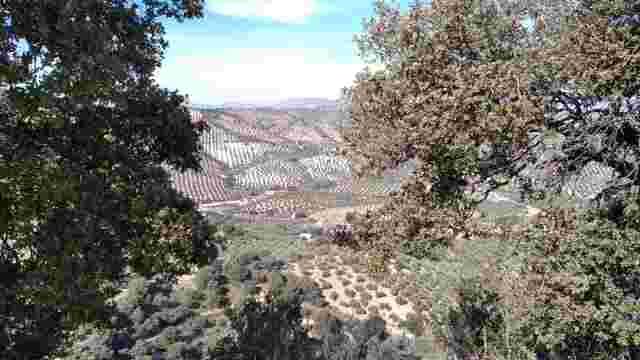
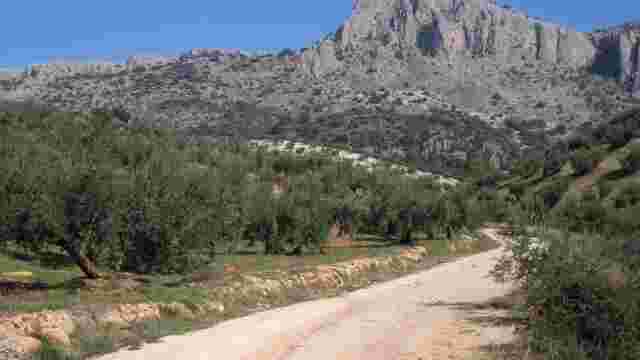
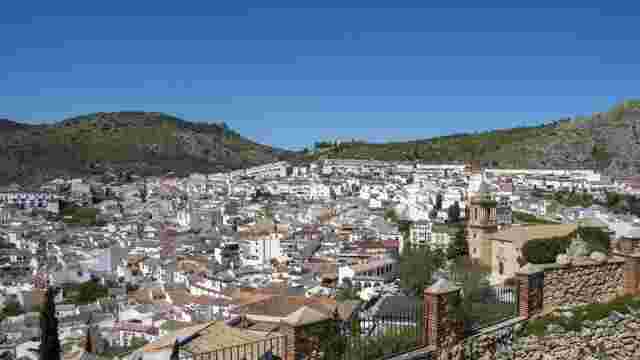
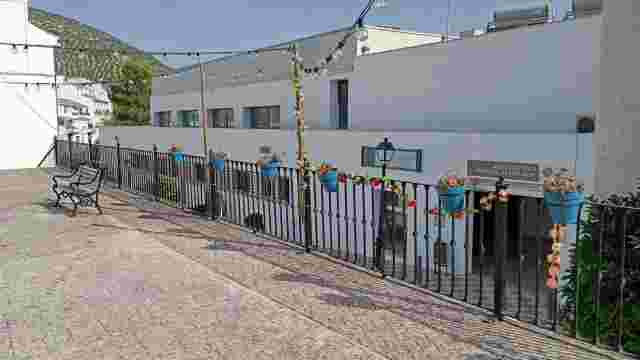
The location of these hills allows visitors to enjoy extraordinary views along their winding roads. The arrangement of the hills, upon which the scattered settlements of the village of Cierzos and Cabreras are situated, presents a succession of what might be called balconies and windows, from which one can contemplate the natural landscape of this mountain range.
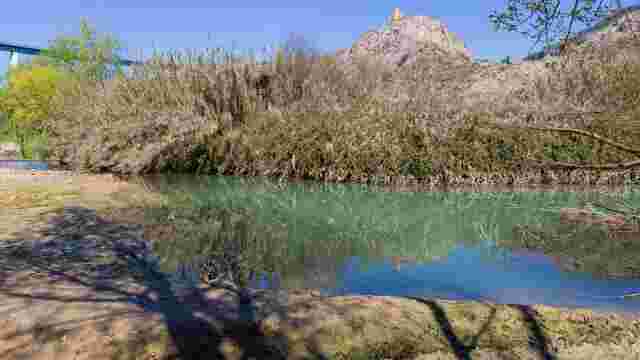
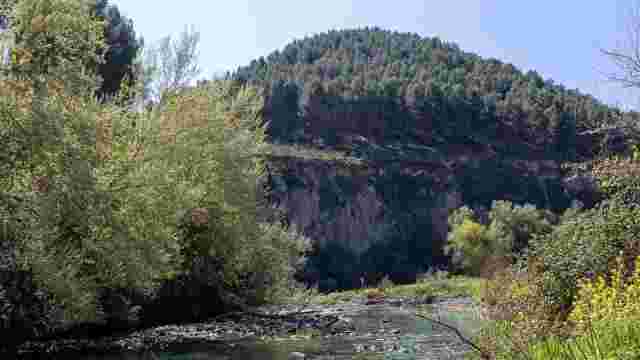
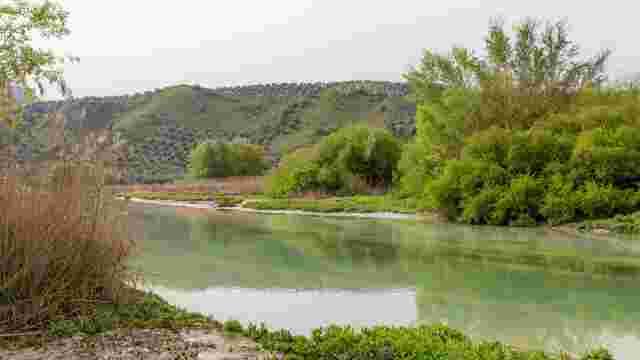
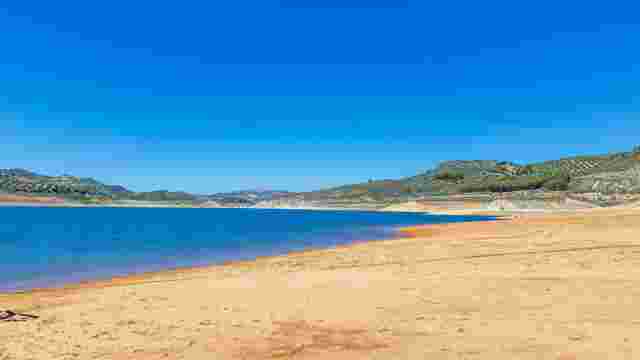
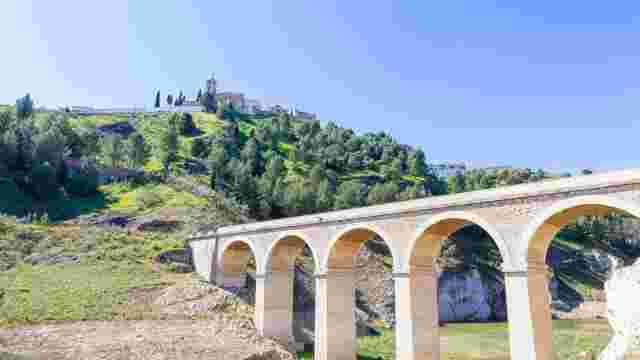
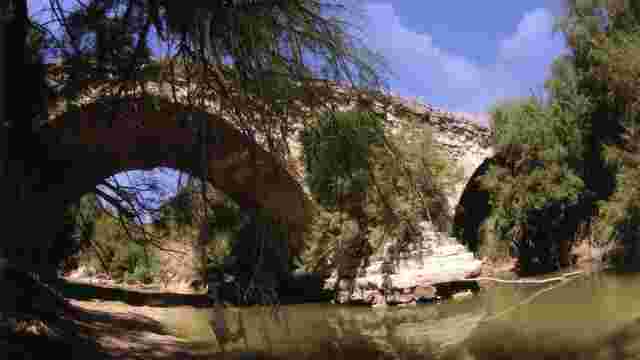
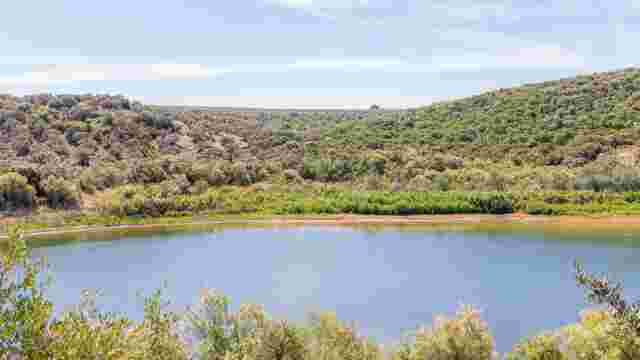
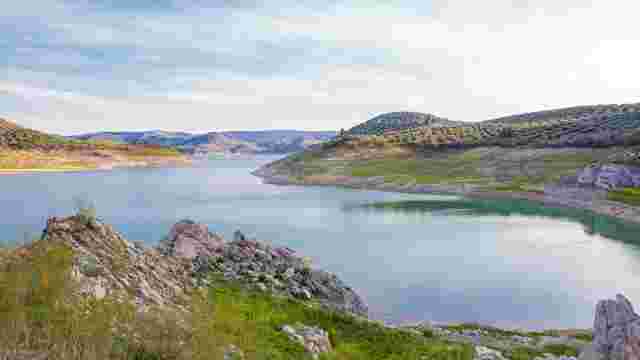
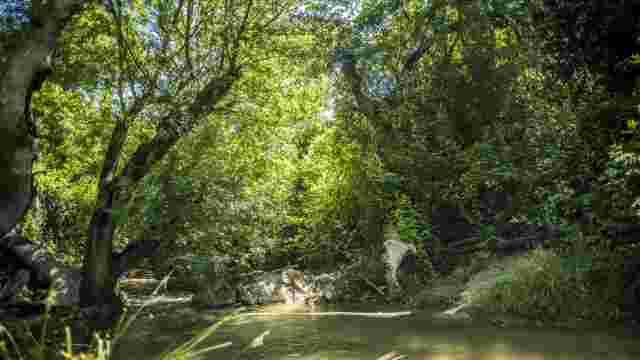
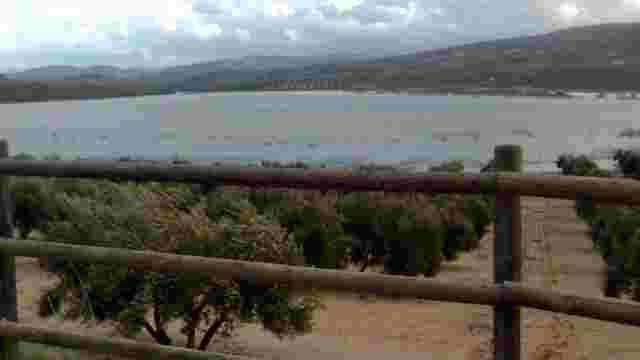
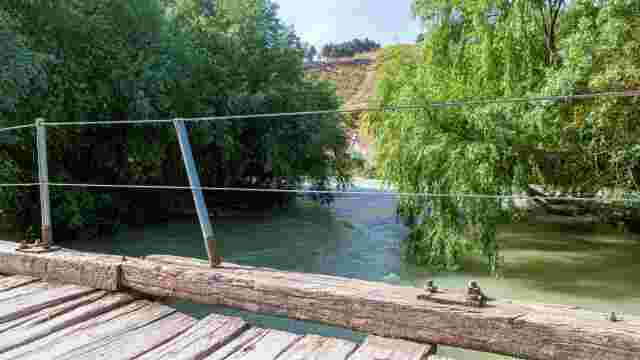
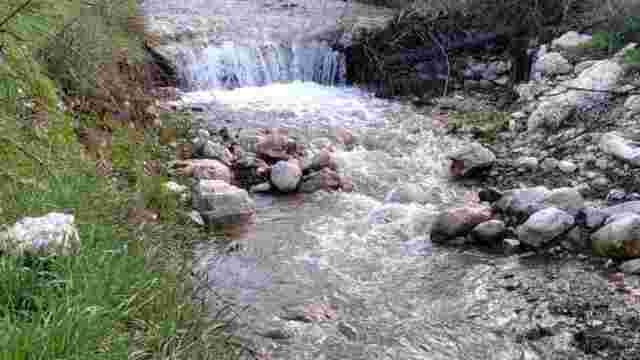
On one side, we can see how, at the foot of the steep slopes of these hills, the ‘La Saucedilla’ stream and the River Genil have carved their way through over the centuries, transforming their courses into reservoirs today; whilst villages and scattered settlements can be seen to the south of the municipal district of Iznájar.
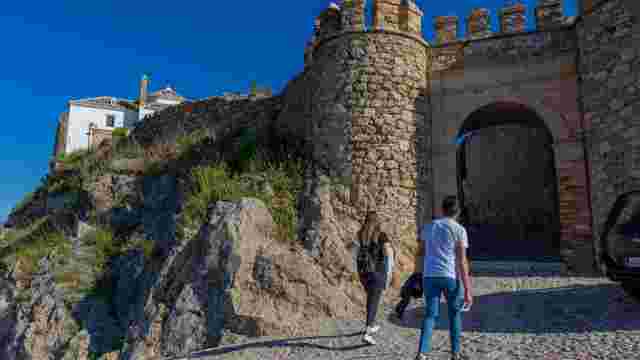
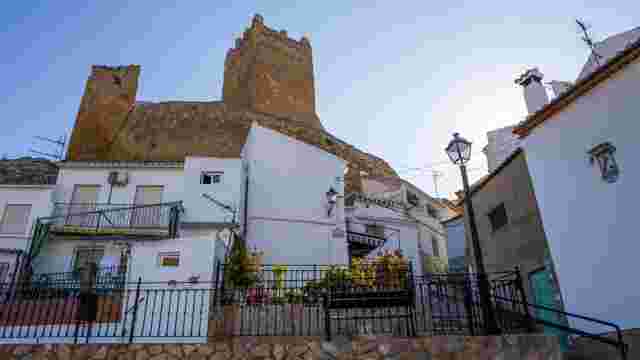
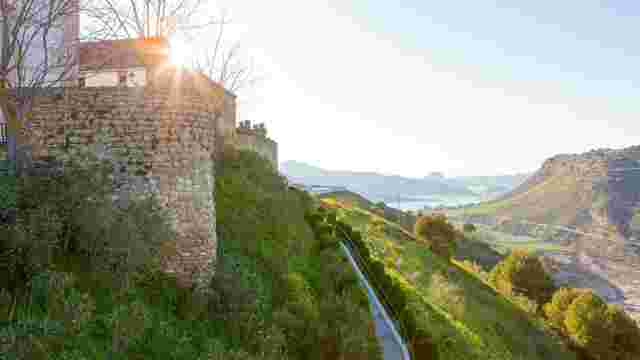
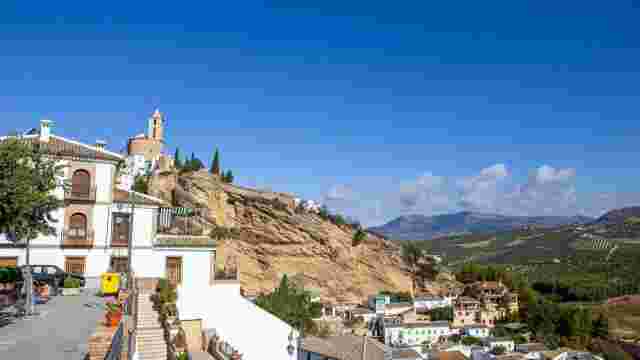
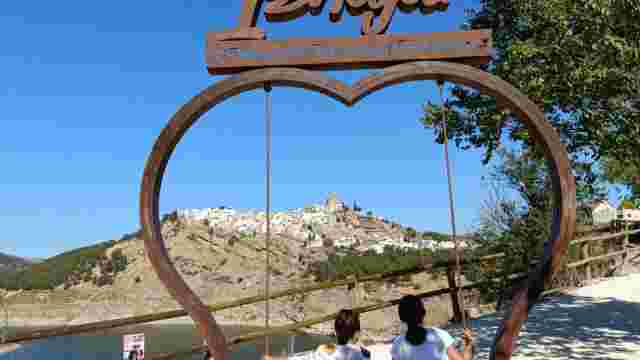
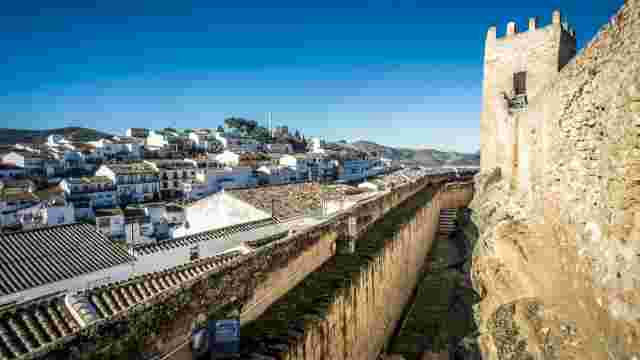
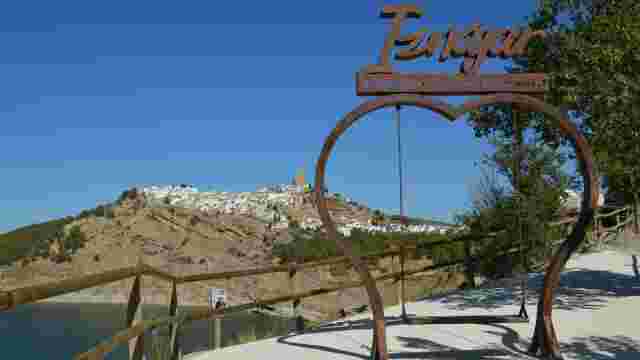
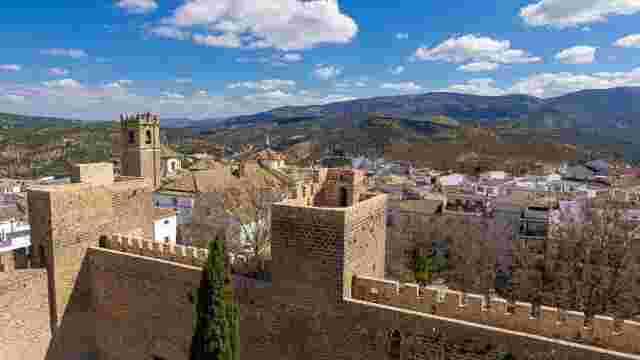
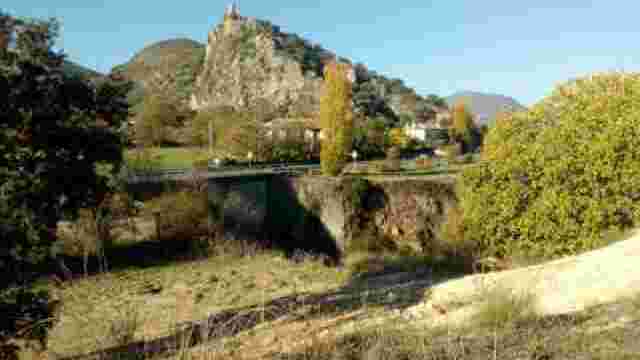
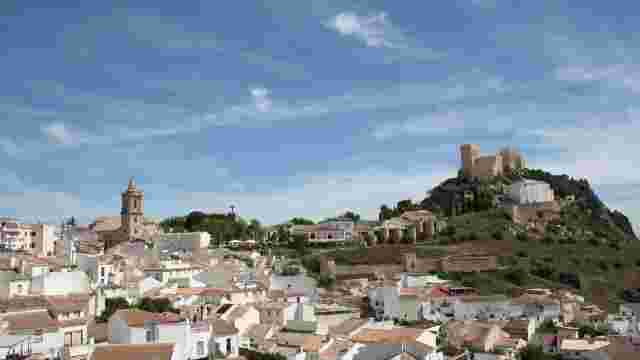
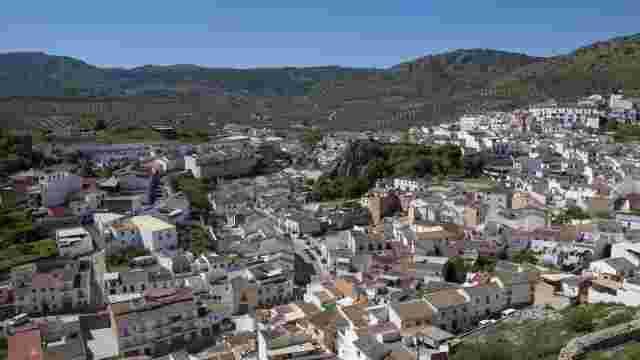
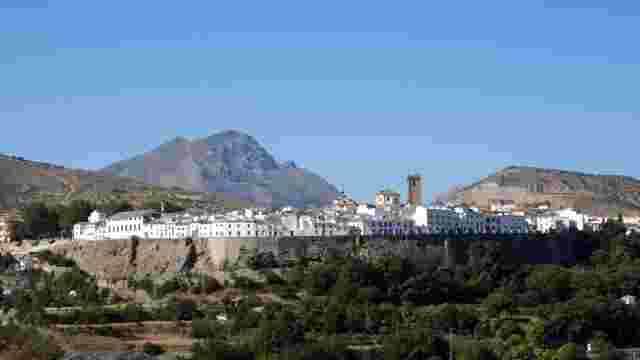
On the other side, the old Hins Ashar (Iznájar) appears, perched on a high sandstone hill, overlooking the Priego stream, with other villages and scattered settlements in the northern part of the municipality visible behind it.
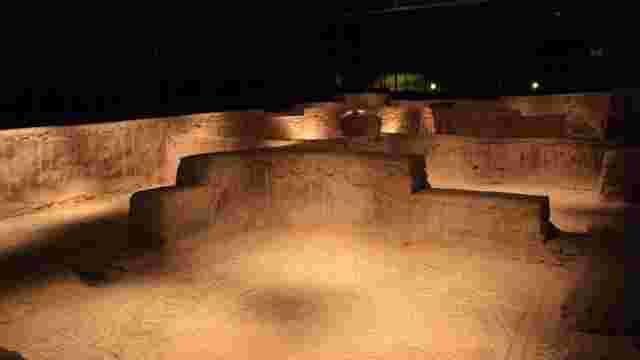
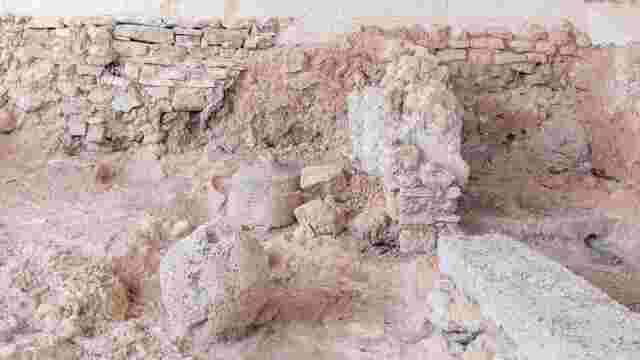
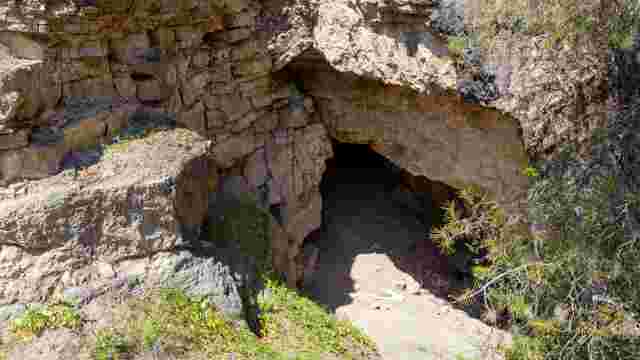
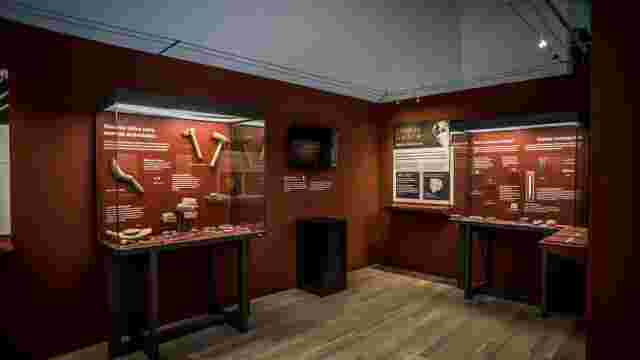
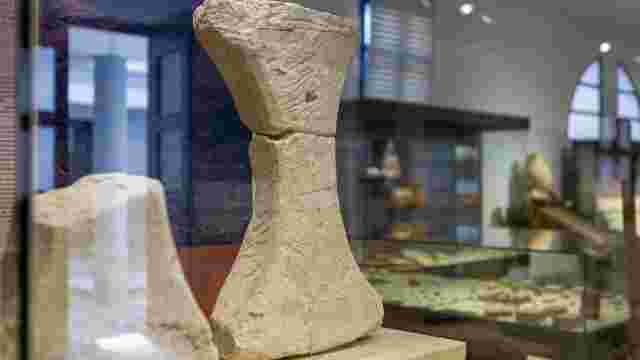
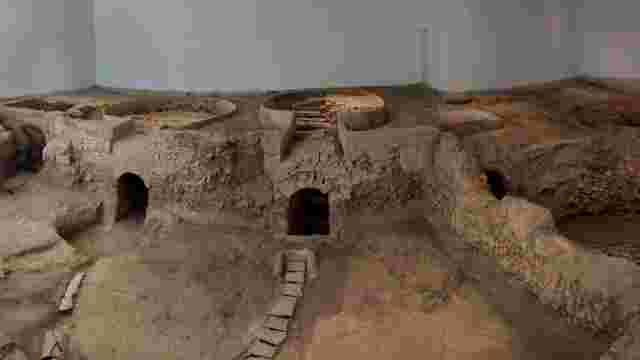
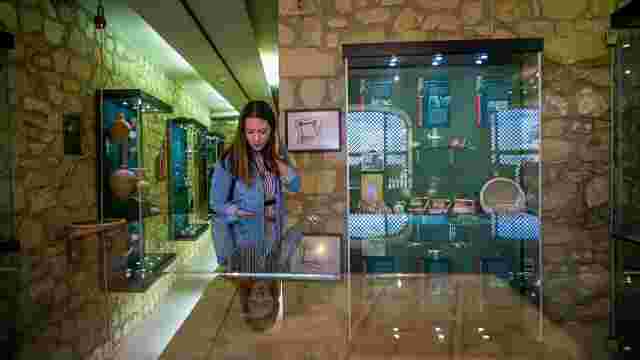
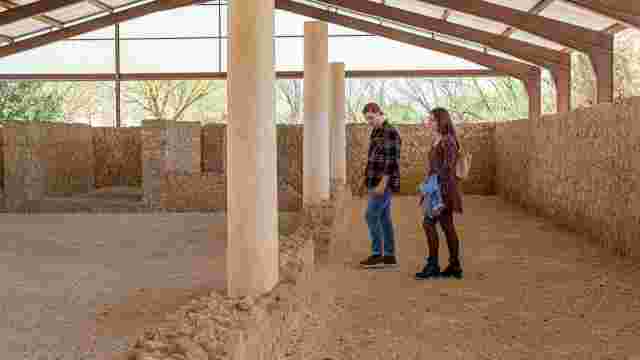
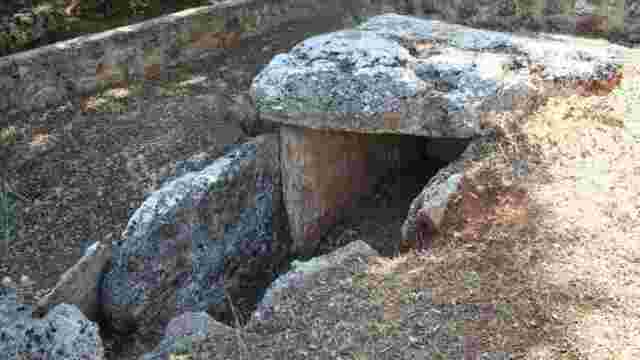
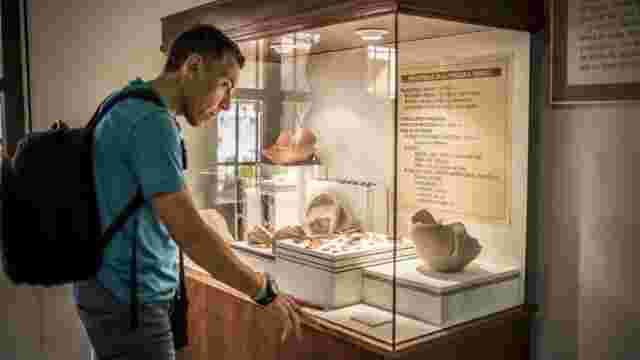
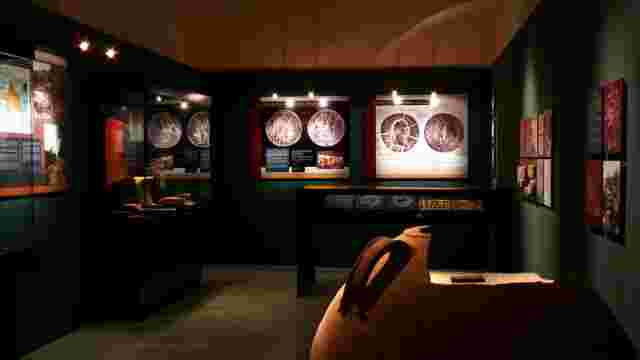
The earliest remains found in the area reveal an Iberian presence, with pottery featuring geometric decoration and fragments of amphorae.
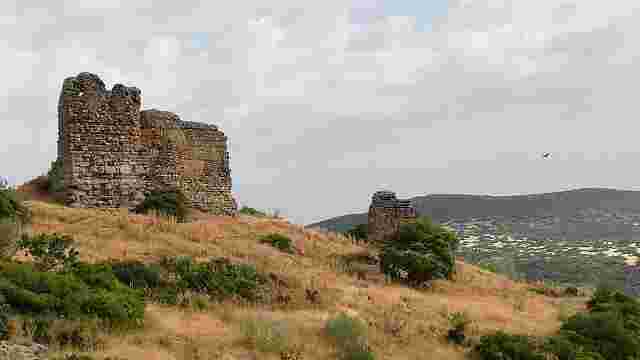
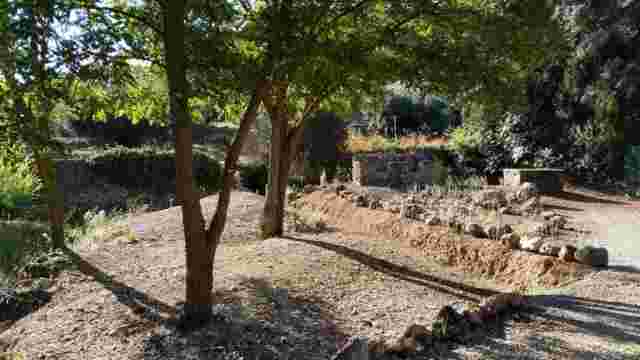
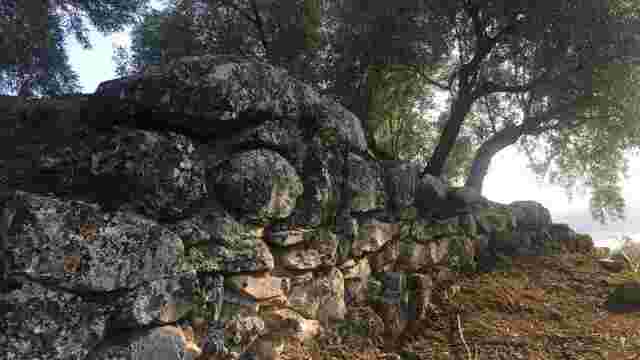
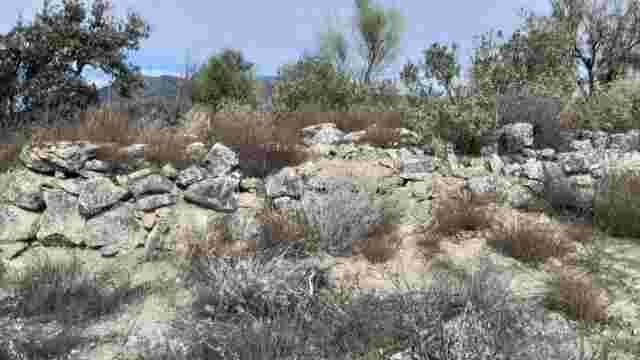
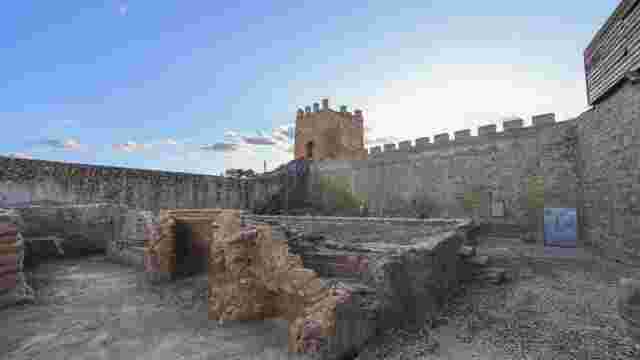
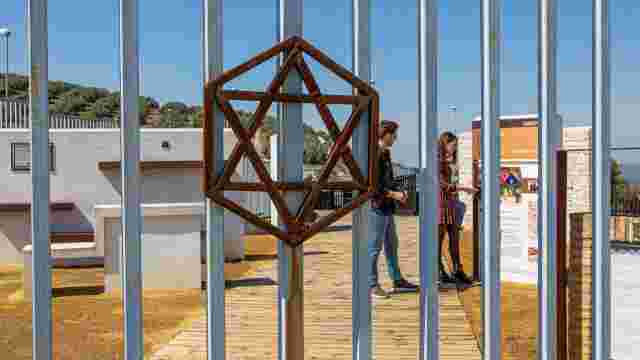
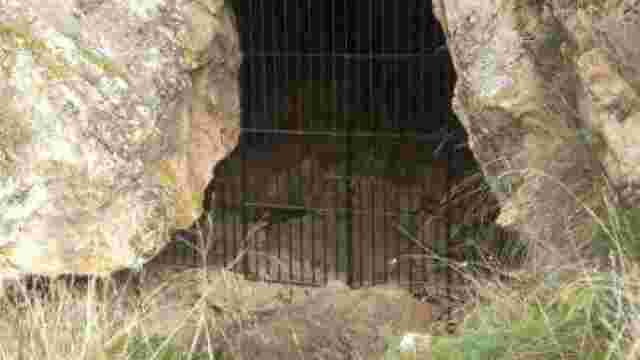
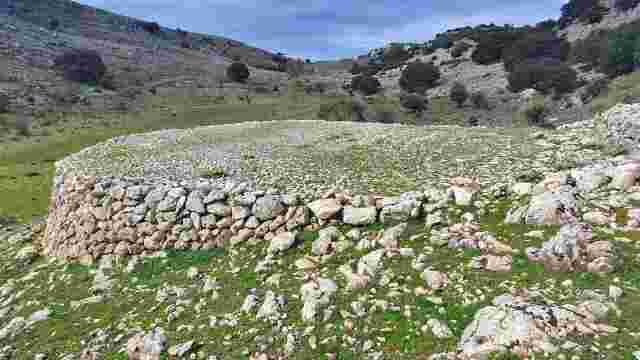
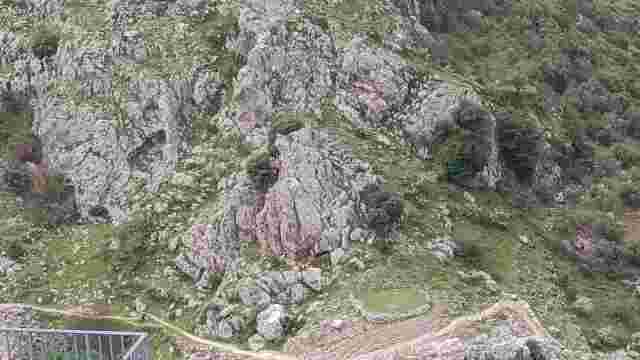
Of particular note is the “Cerro del Hachuelo”, which occupies a strategic position in the area, featuring an Iberian fortified enclosure where a wealth of archaeological remains have been discovered.
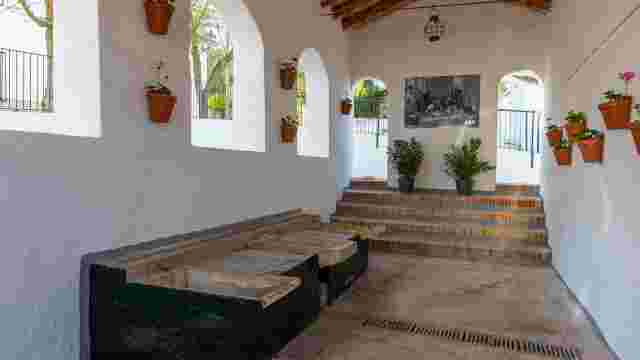
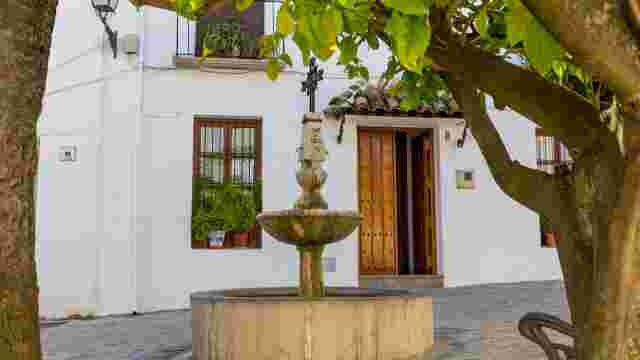
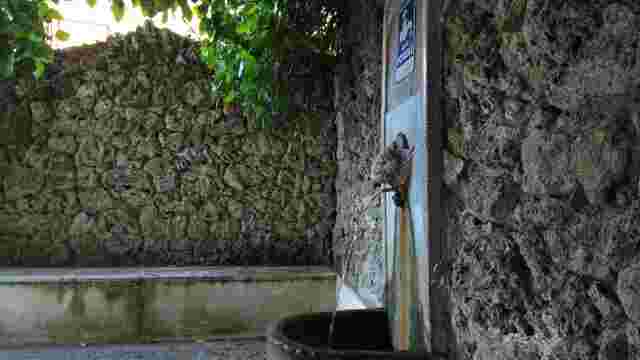
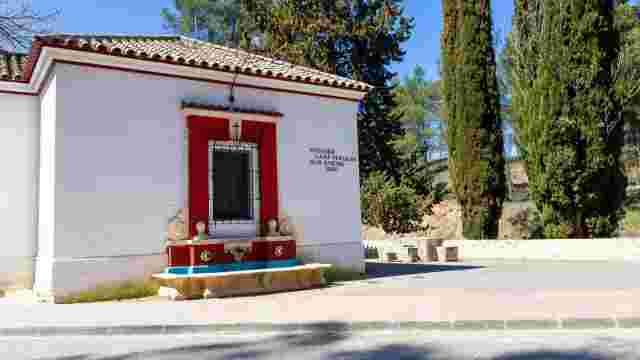
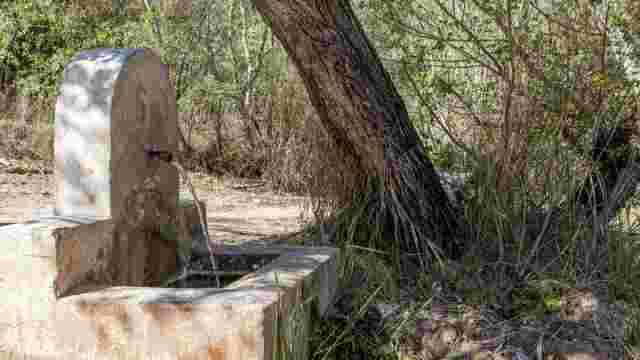
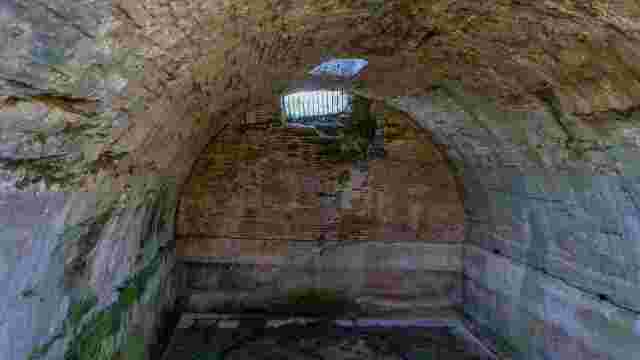
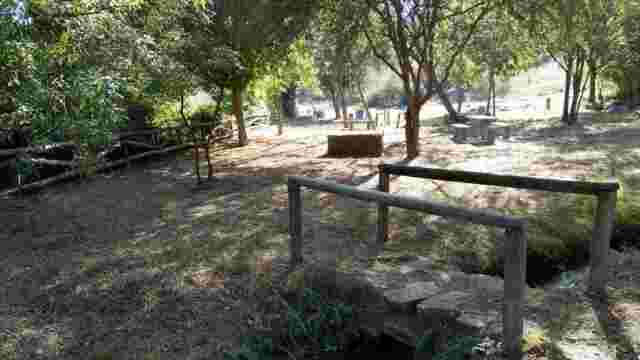
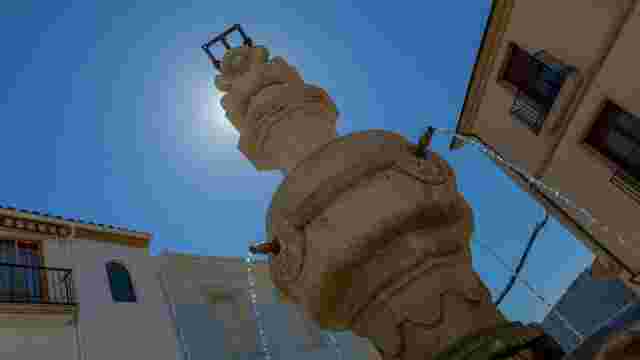
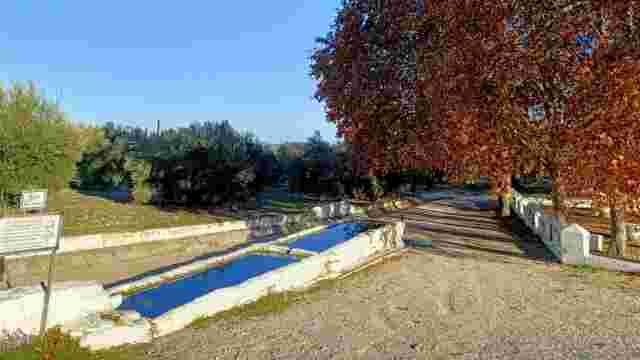
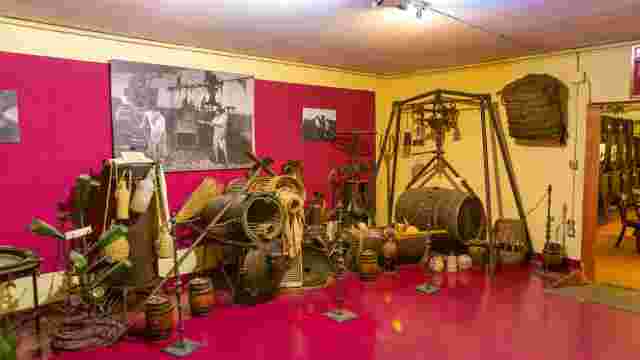
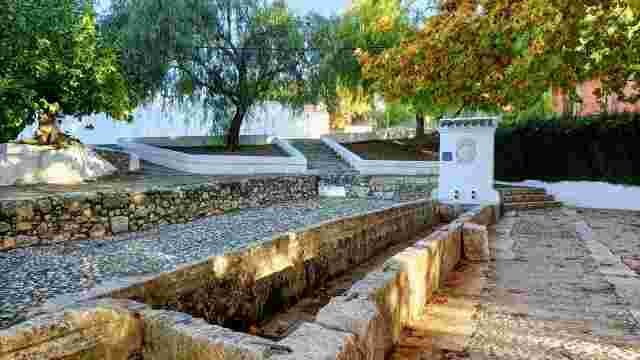
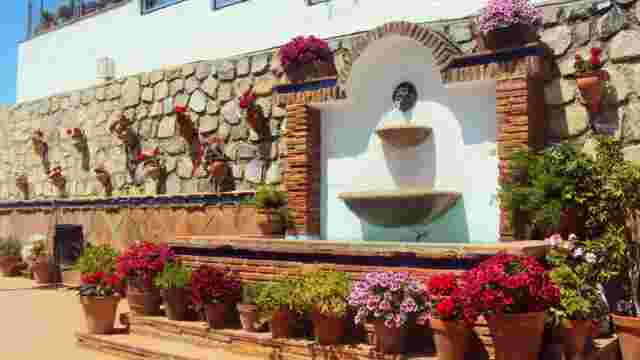
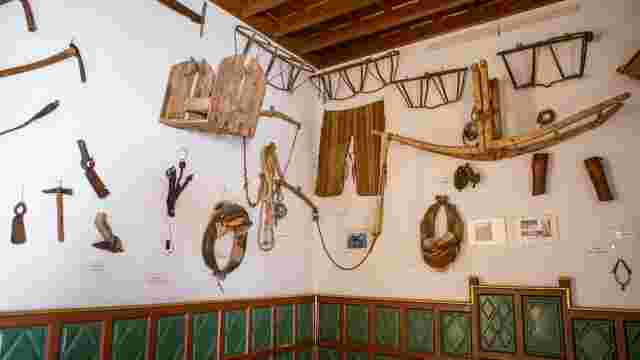
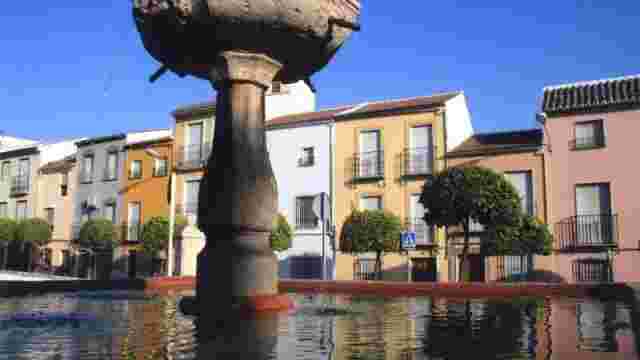
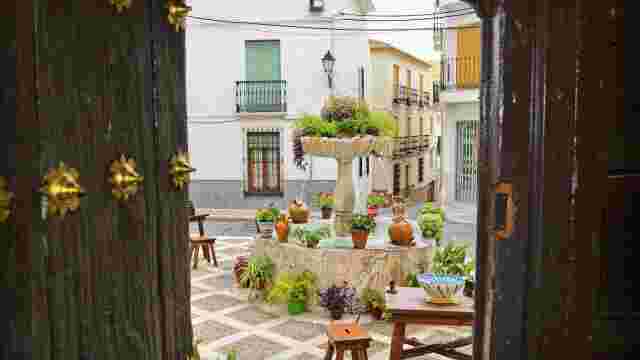
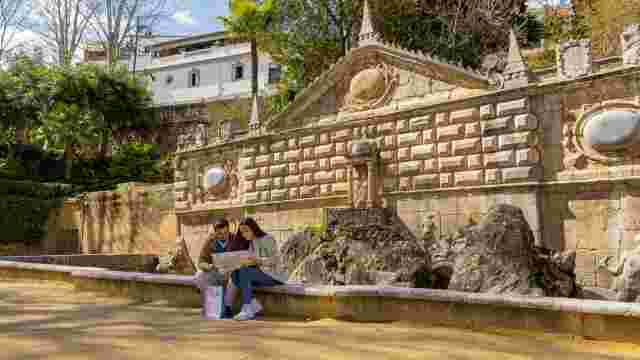
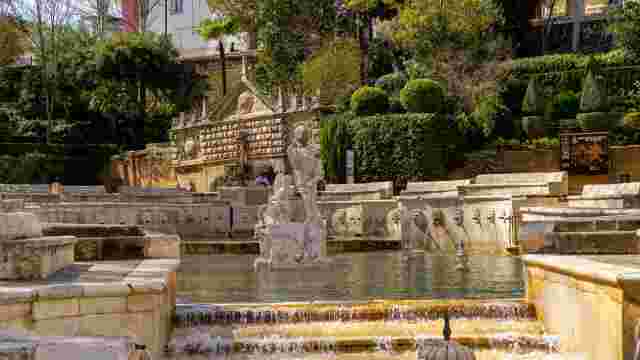
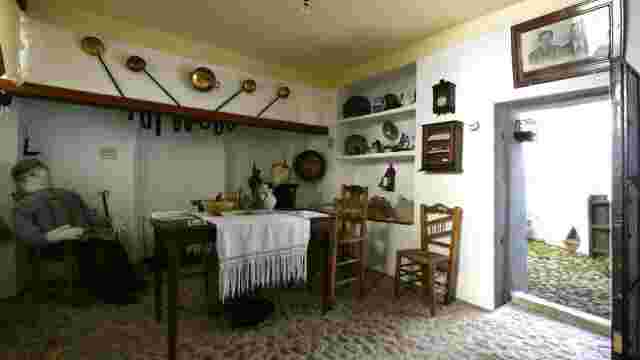
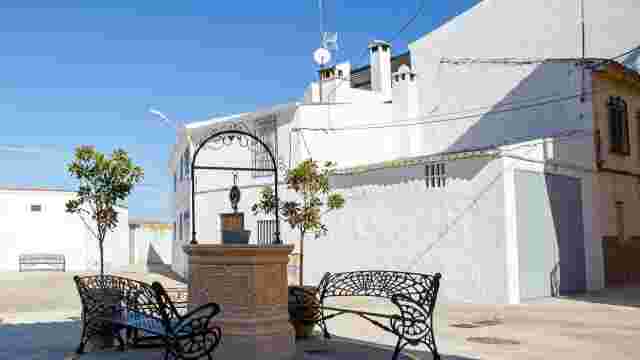
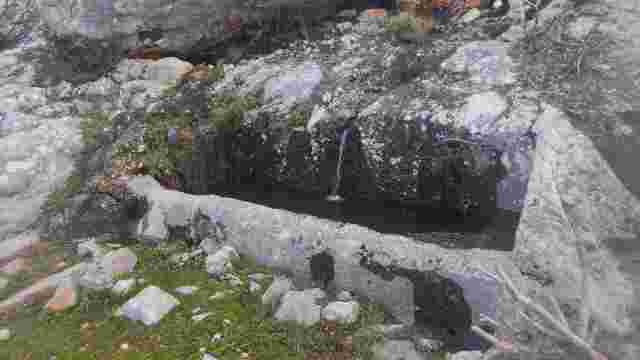
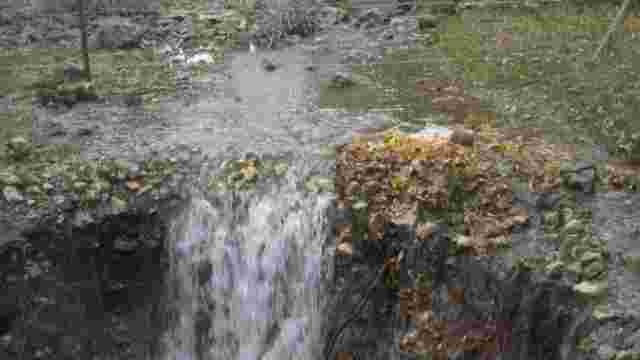
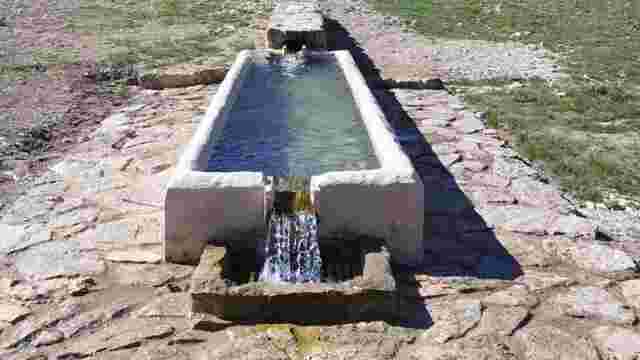
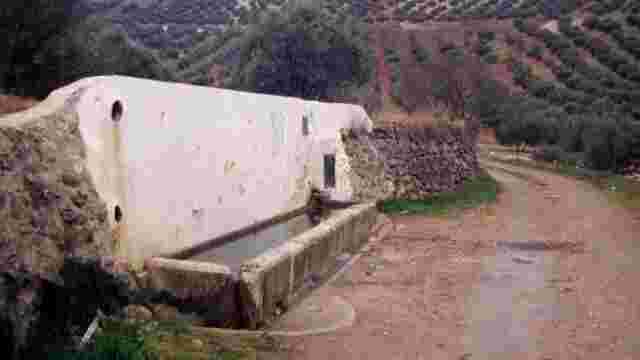
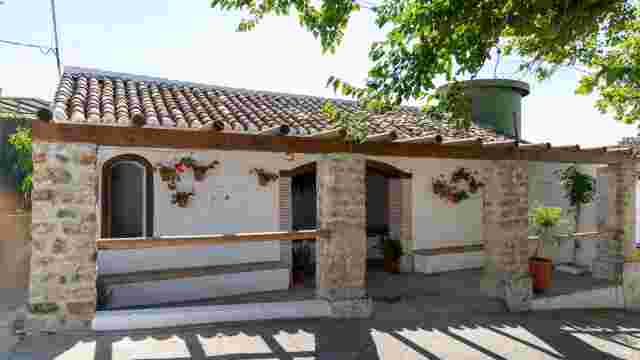
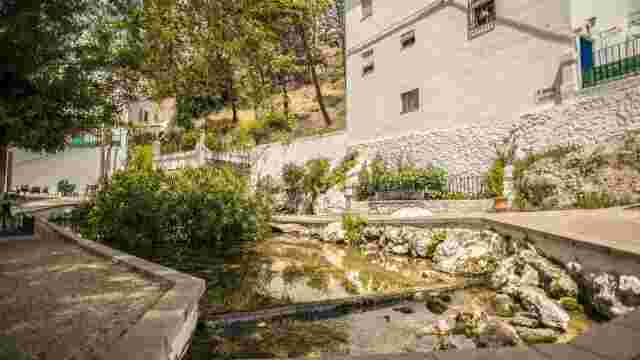
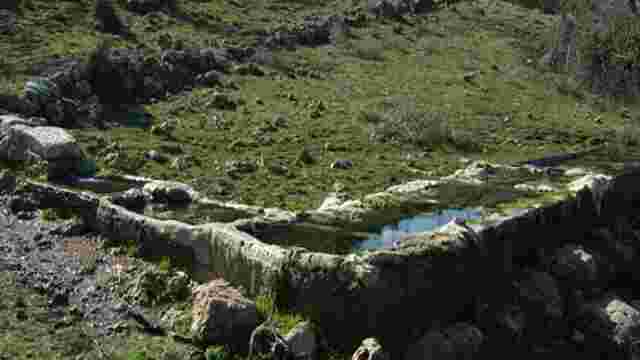
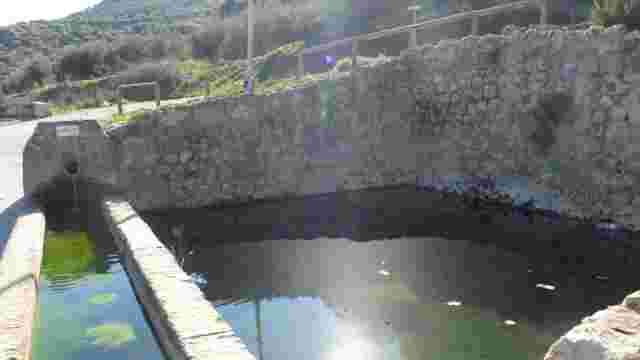
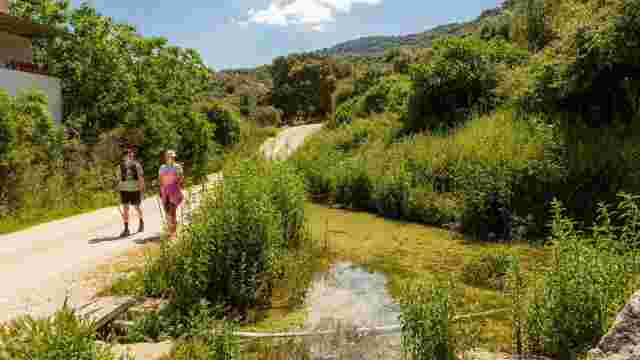
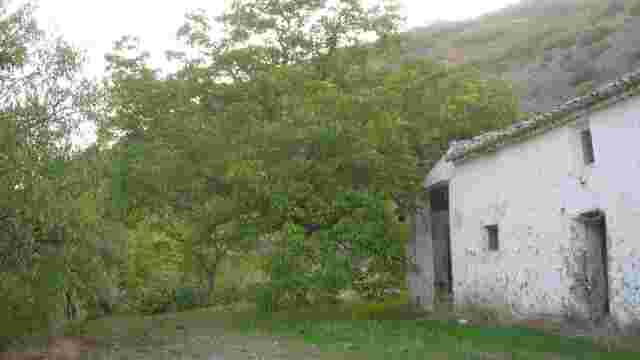
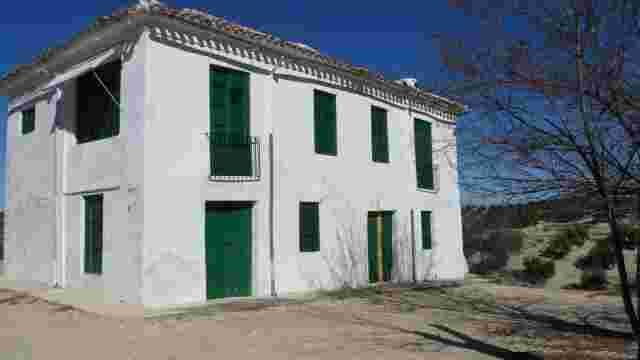
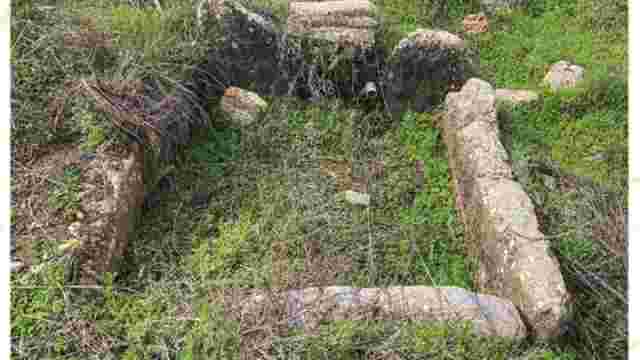
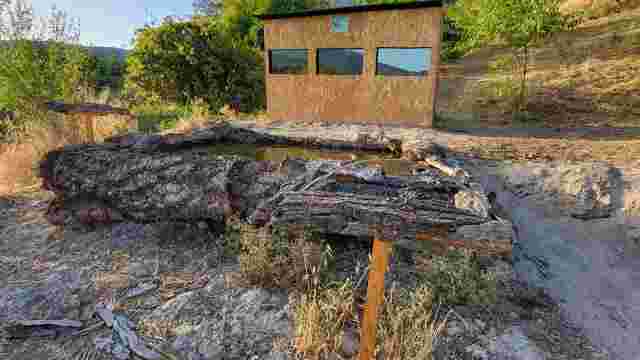
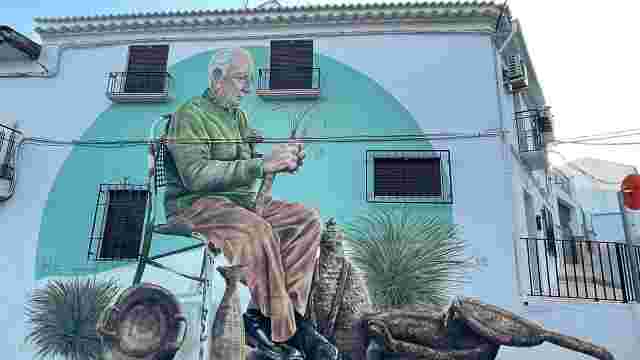
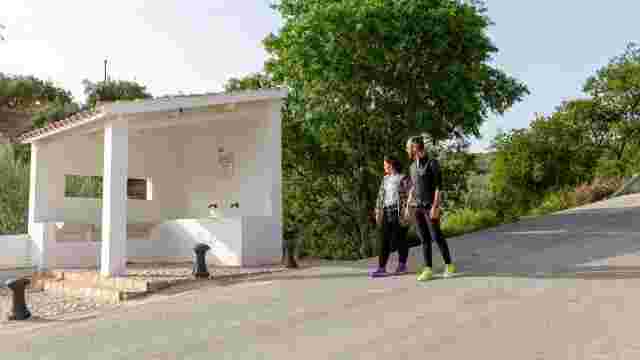
Among the elements of traditional architecture that still survive in the village are various fountains such as “La Godoya”, which were once used to fill jugs, pitchers and vessels for domestic use, and also as drinking troughs. These fountains evoke the way of life and the socio-cultural history of Iznájar and its villages, bearing witness to the importance of agricultural, livestock and social activities, from an ethnographic perspective, in the not-too-distant past.