Hernán Ruiz II Renaissance Bridge
6.5 m wide
Navigation clearance: 20 m
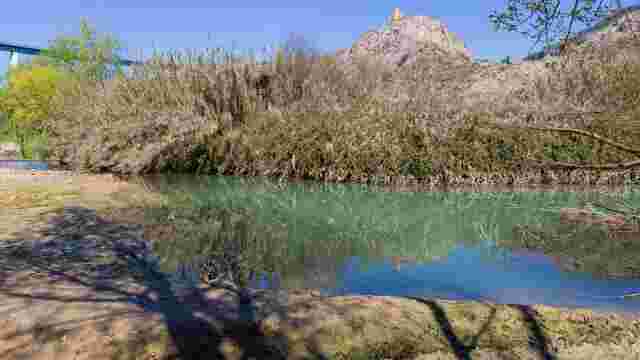
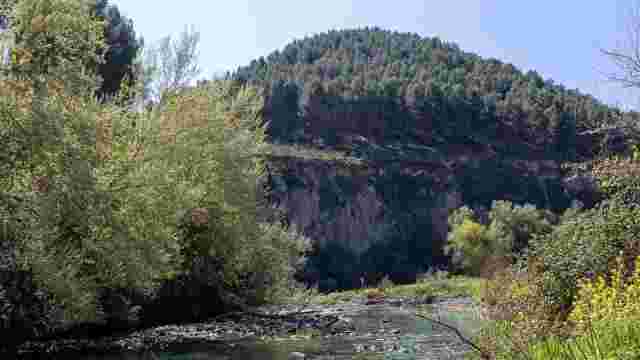
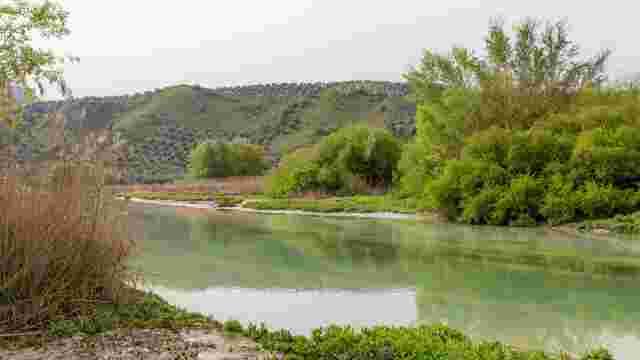
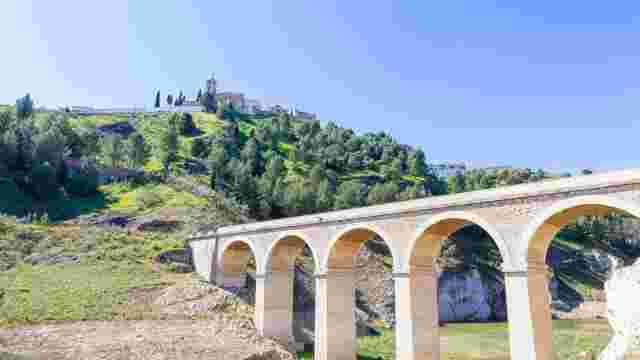
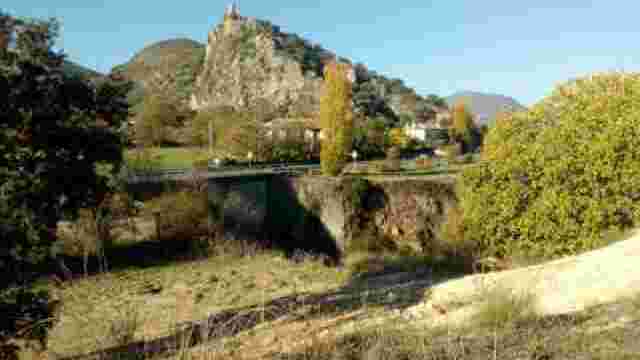
This is a 16th-century bridge spanning the Genil River, following the old road to Antequera. It is situated on an old section of the national road from Córdoba to Málaga (CN-331), between the municipalities of Benamejí and El Tejar.
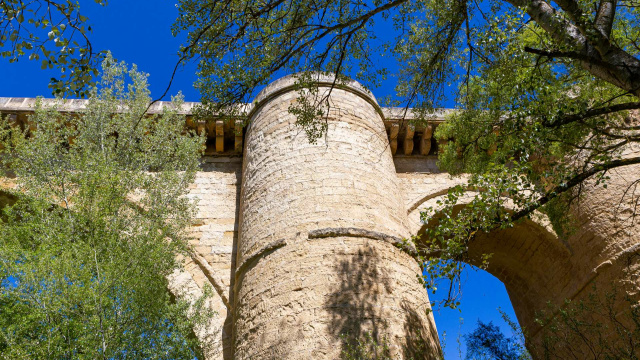
It is a project by the Renaissance architect Hernán Ruiz II; of all his engineering works, this is the only example of a new design executed entirely by him. Its most notable value lies in its engineering, which exemplifies the Renaissance canons of geometry, composition, proportions and near-ornamental simplicity.
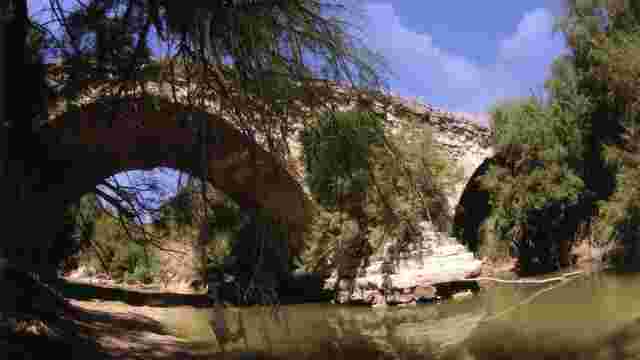
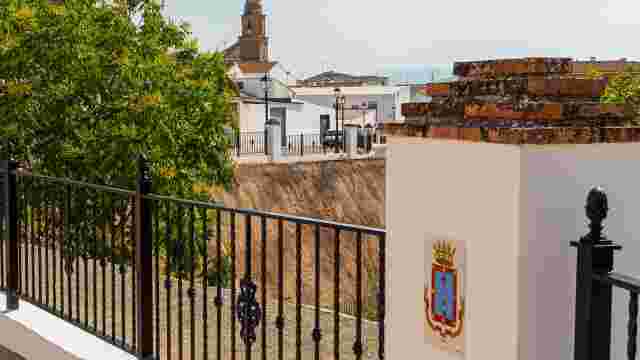
The River Genil flows beneath three arches of varying sizes spanning the central span of the bridge, its flow regulated upstream by the Iznajar Reservoir. Above this central span is the coat of arms of Don Diego de Bernuy, one of the oldest coats of arms in the town of Benamejí. Placed in the central panel, it is in a state of disrepair and awaiting restoration.
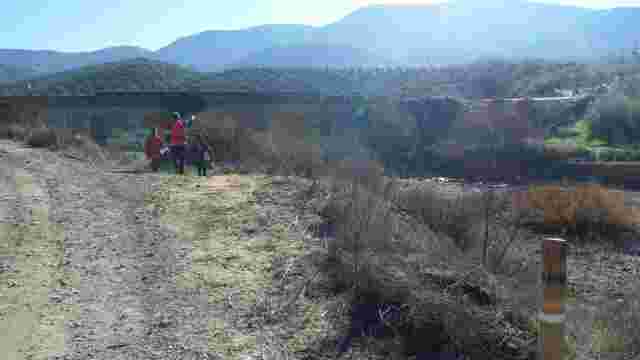
As a whole, it reveals itself as a design of medieval tradition, although with proportions that adhere to Renaissance concepts. The deck is situated some twenty metres above the river level, keeping the road alignment in this area practically horizontal, despite the depth of the riverbed.
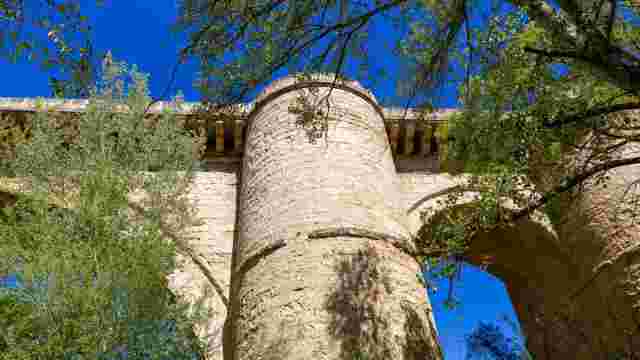
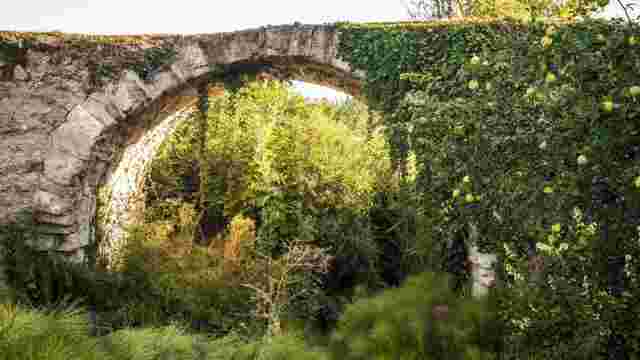
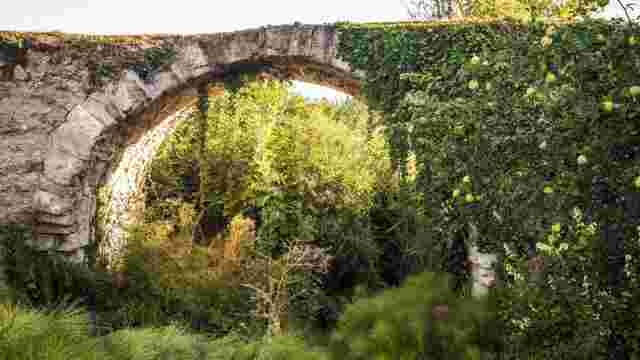
The side arches, between the abutments and piers, are semicircular and project over an impost line running along the supporting elements. They have a span of 88 dm and their keystones are slightly recessed. The central arch, with a span of 30 m, is also a semicircular arch, rising from water level and with a similarly recessed keystone. At a certain height, large mortises can be seen, which probably correspond to the anchors for the formwork used in its construction. The three arches are finished with a simple chamfered moulding.
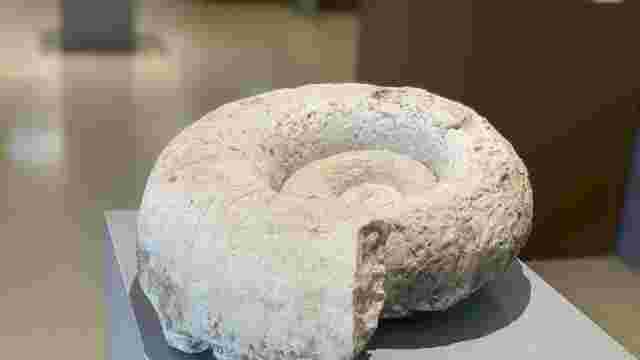
The bridge is built of regular, medium-sized ashlars, well-cut and of uniform colour, made of fossiliferous stone. The parapet, which lacks mouldings and has chamfered edges, runs along the perimeter of both sides of the carriageway. The carriageway widens over the abutments, creating a sort of protected viewing platform or landing.
It was declared a Site of Cultural Interest in 2001, as it was uncommon in the 16th century to build bridges of this scale and perfection.