Los Juncares
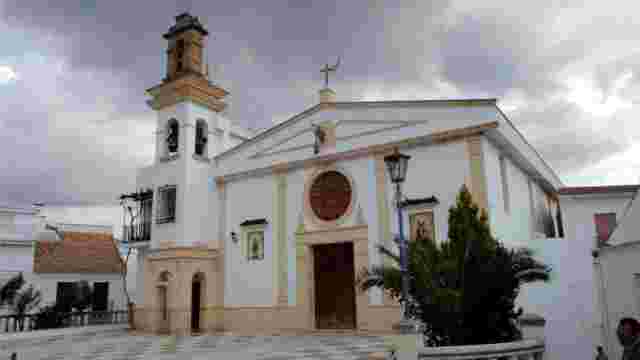
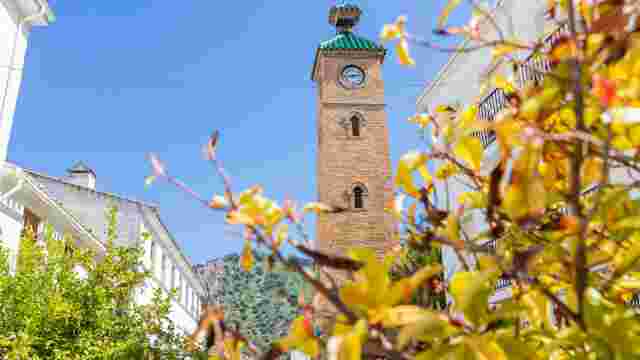
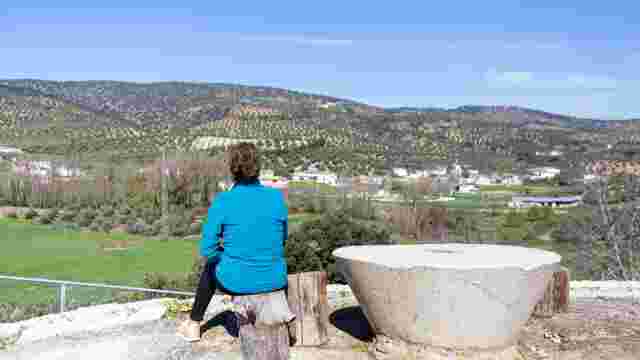
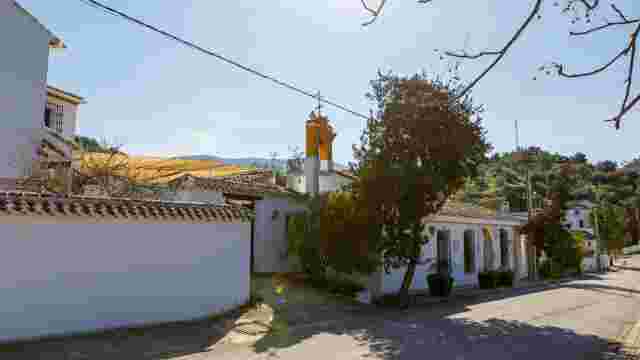
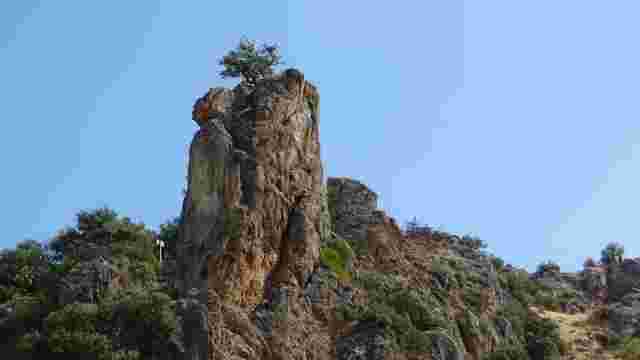
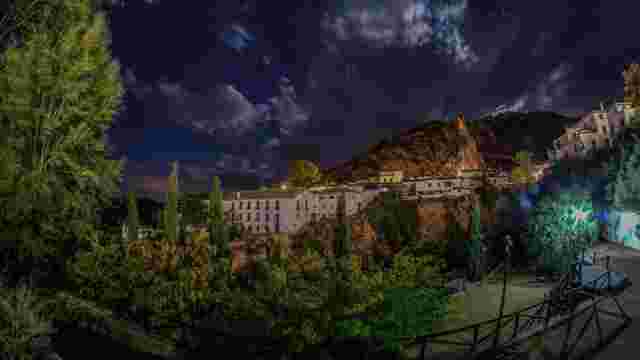
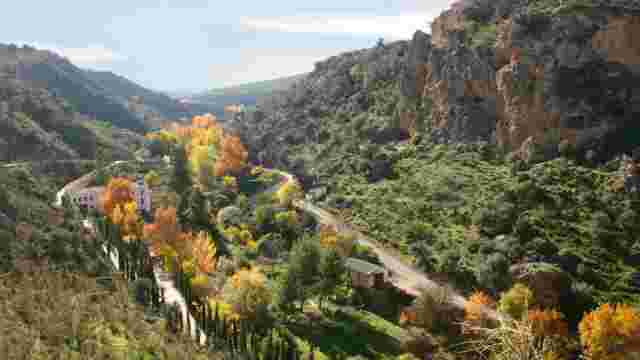
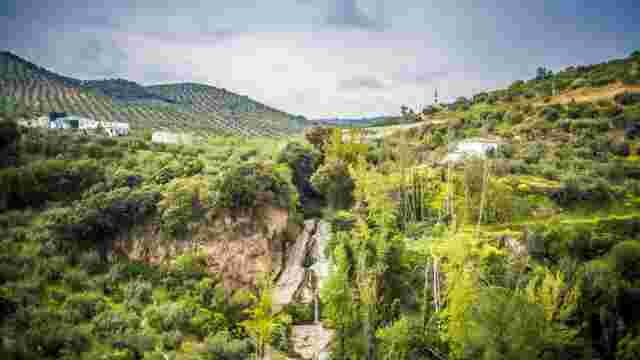
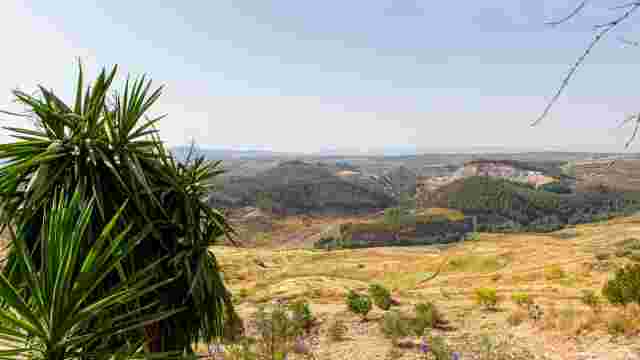
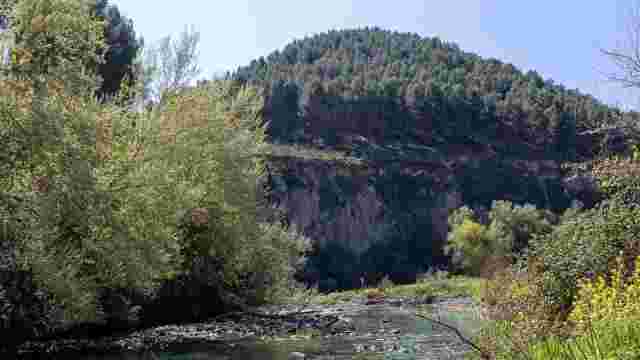
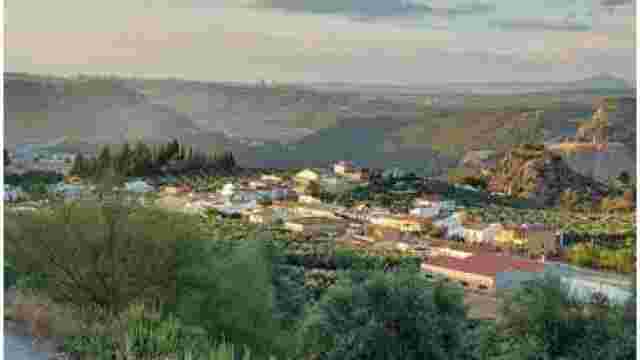
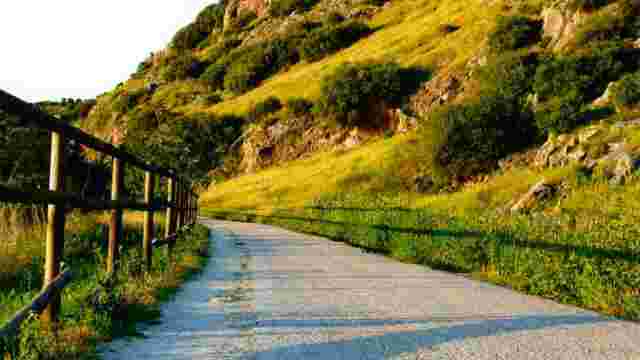
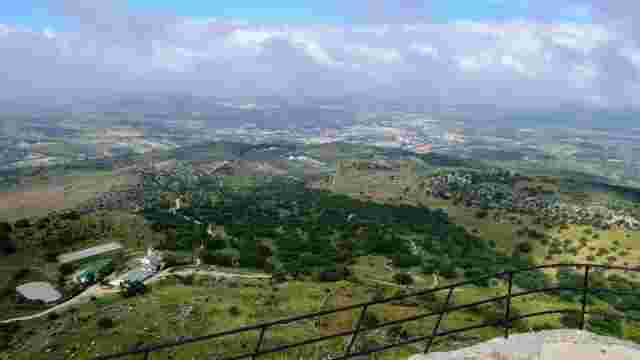
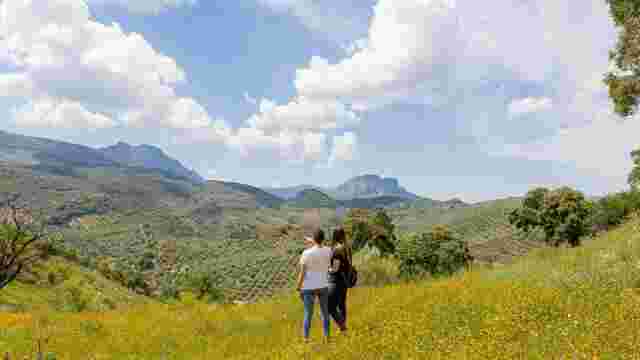
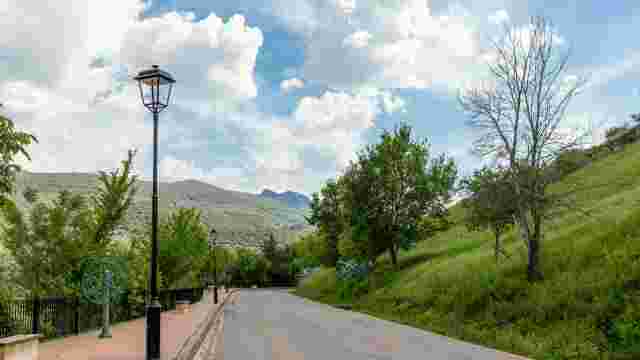
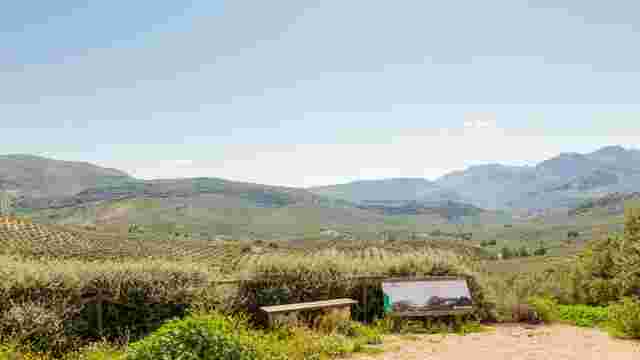
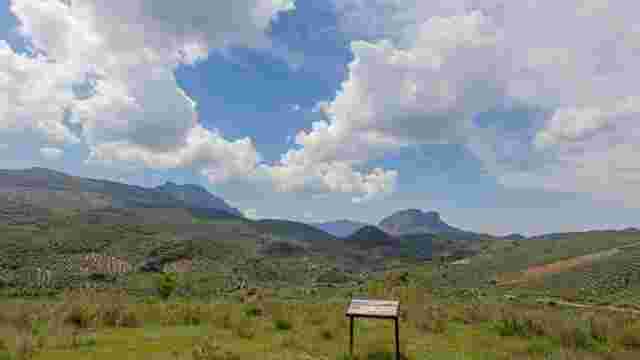
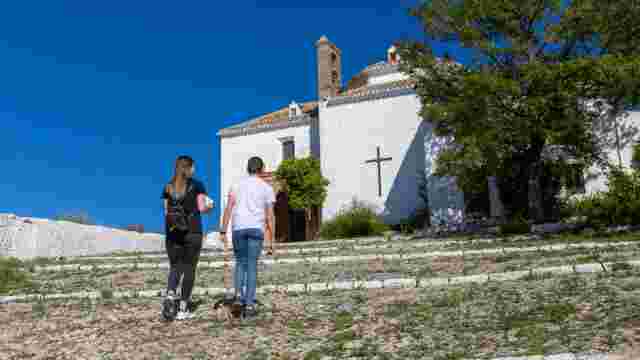
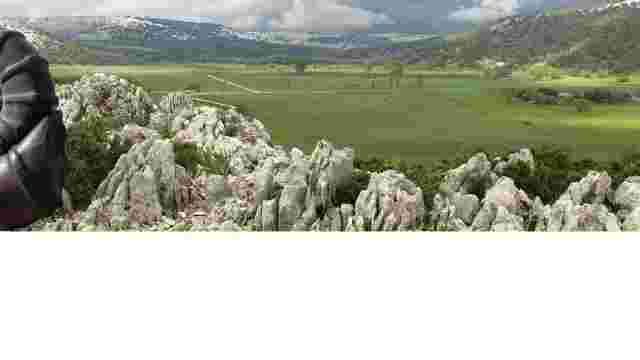
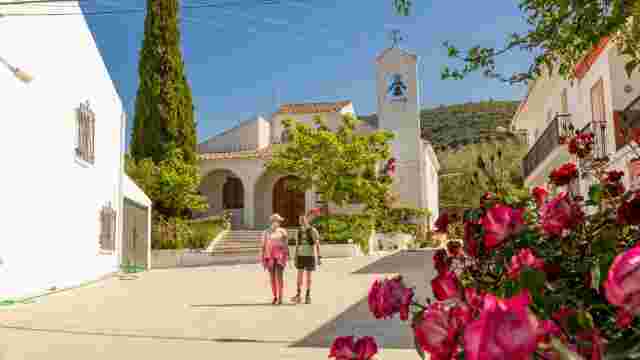
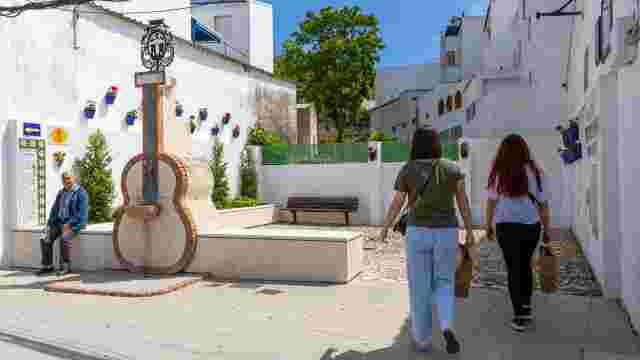
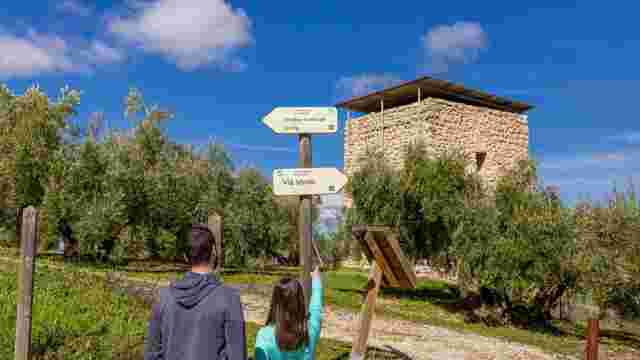
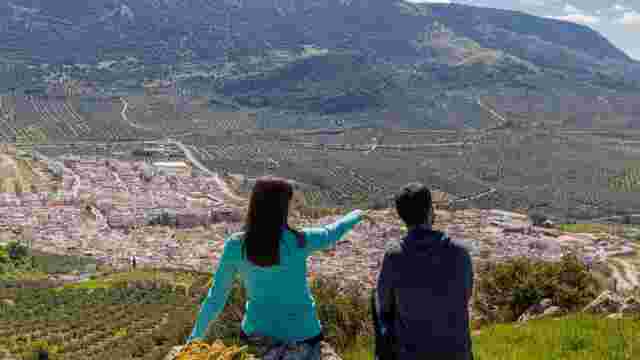
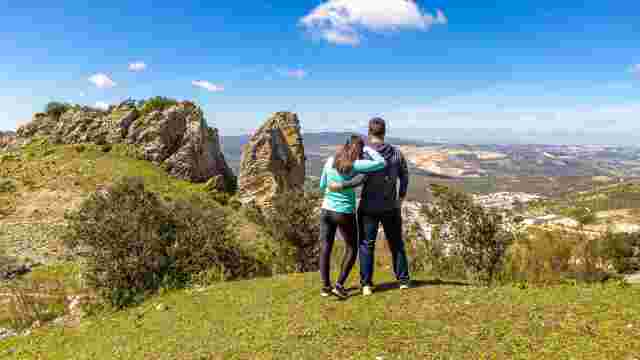
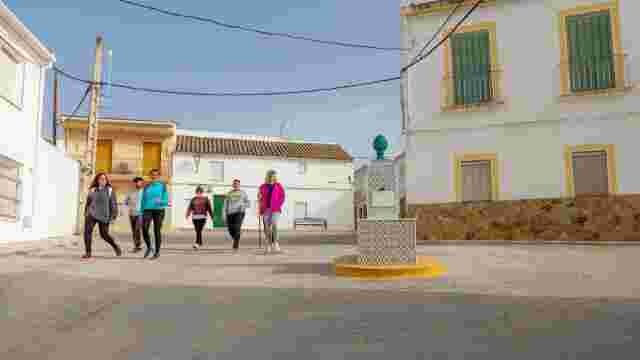
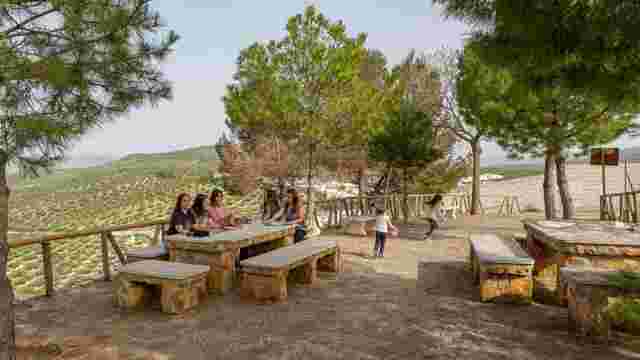
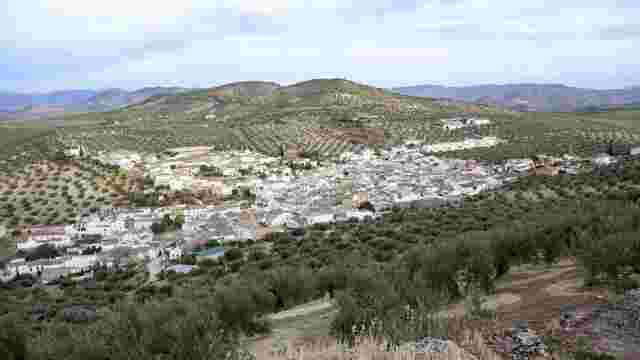
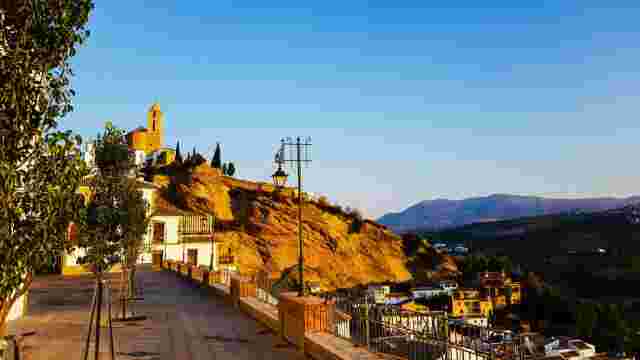
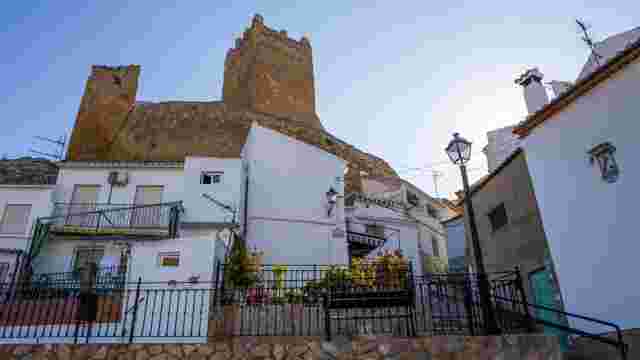
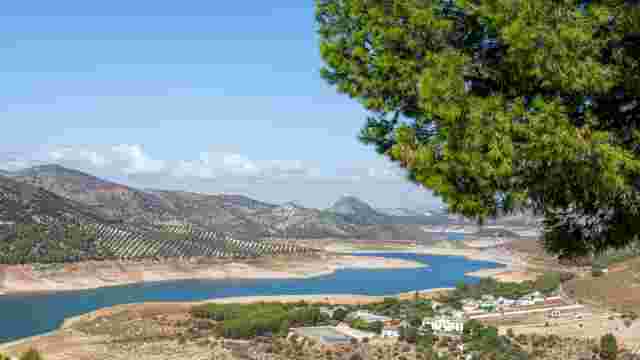
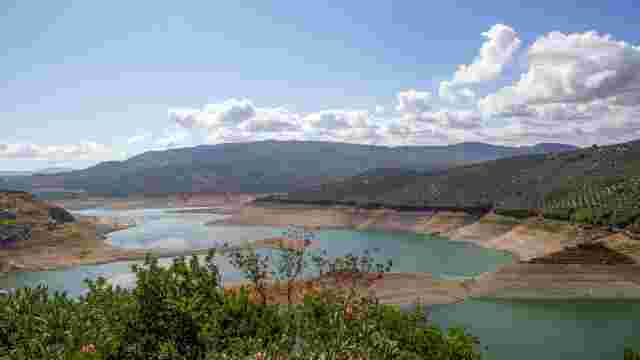
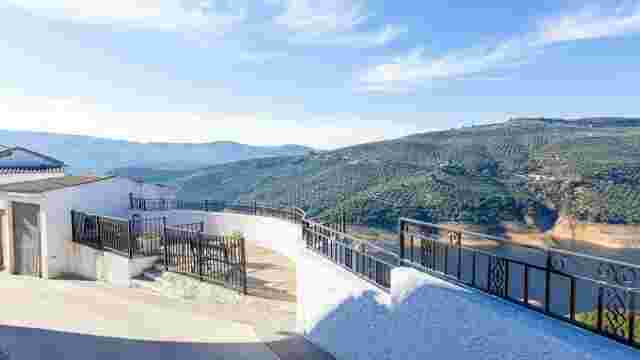
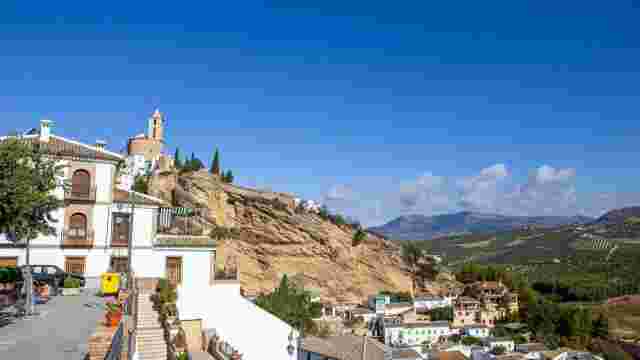
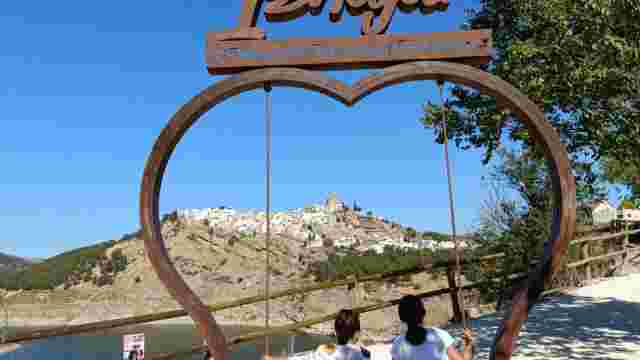
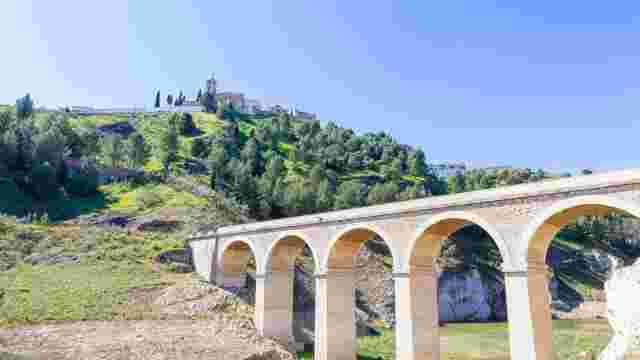
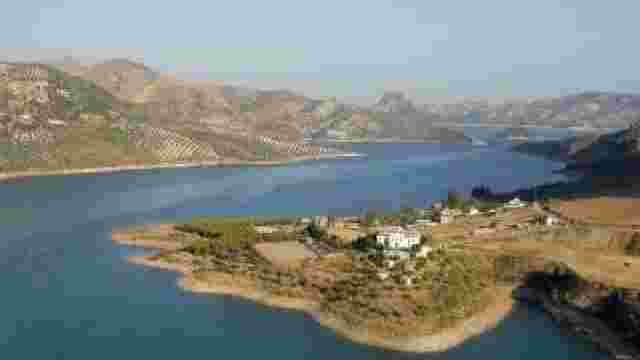
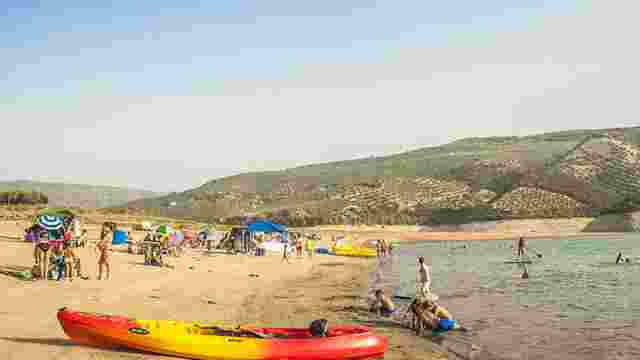
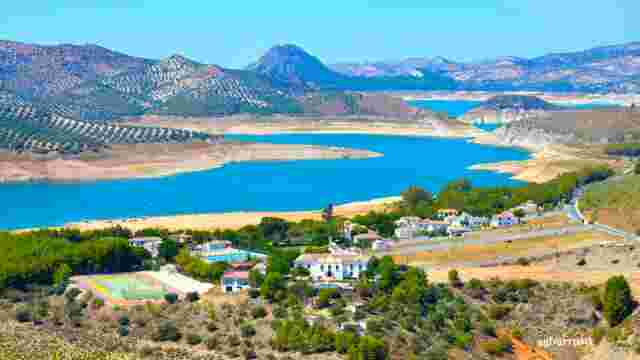
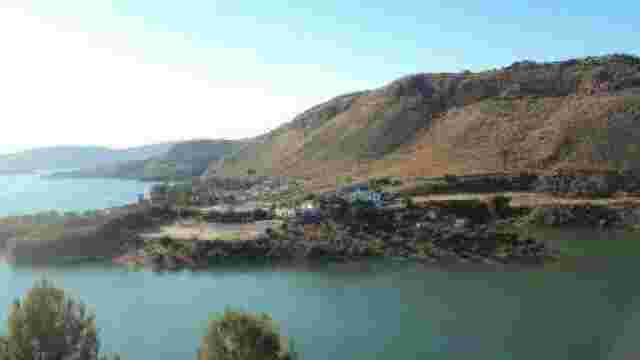
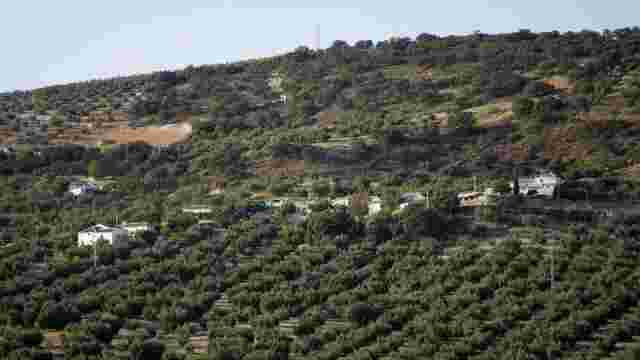
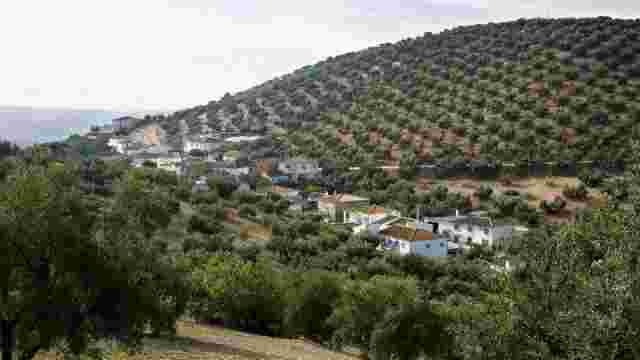
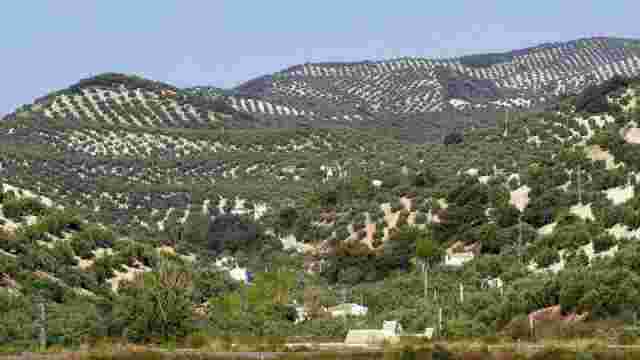
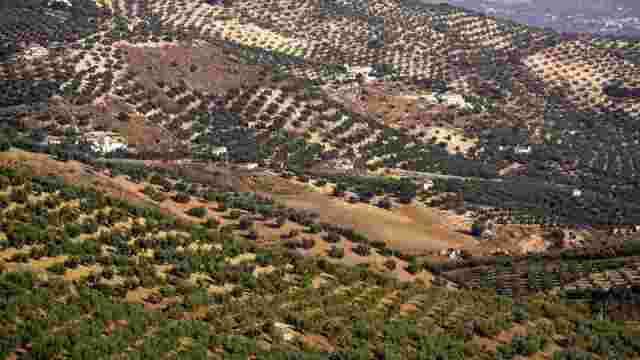
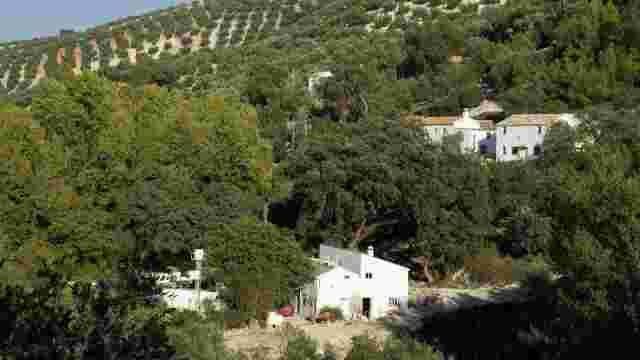
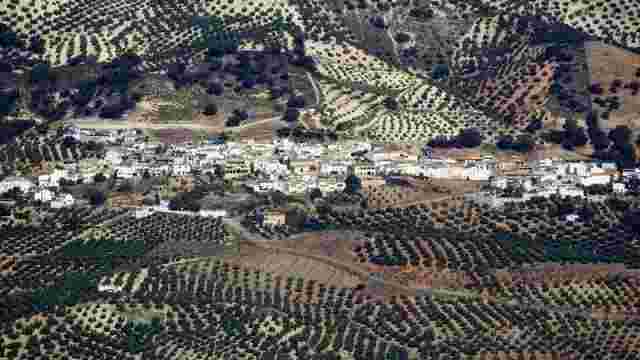
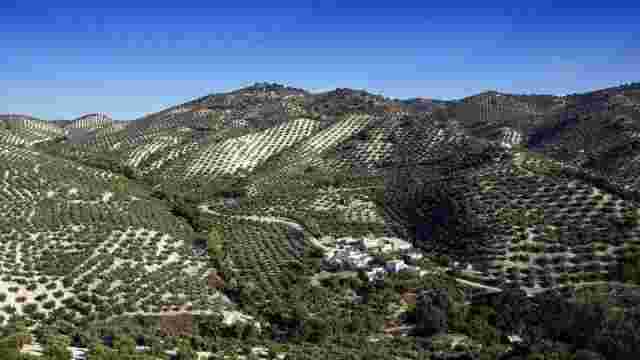
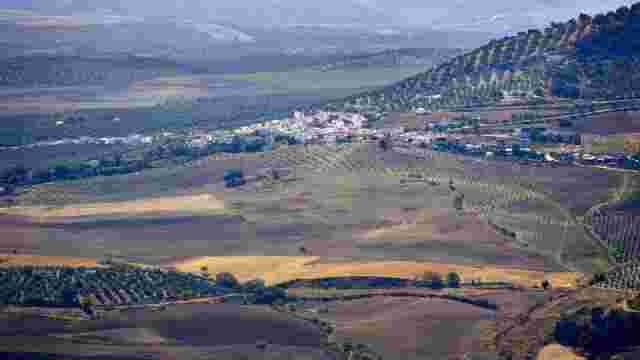
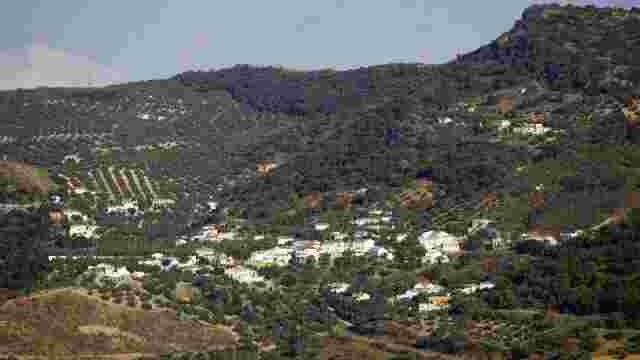
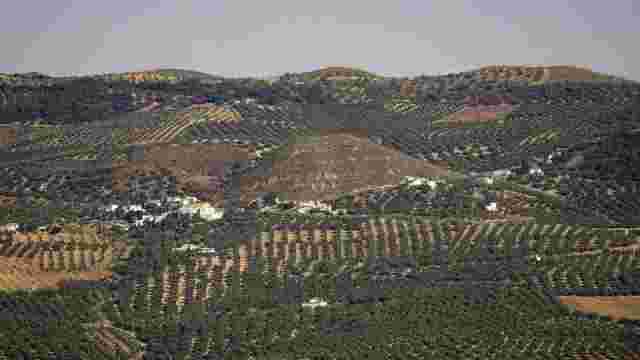
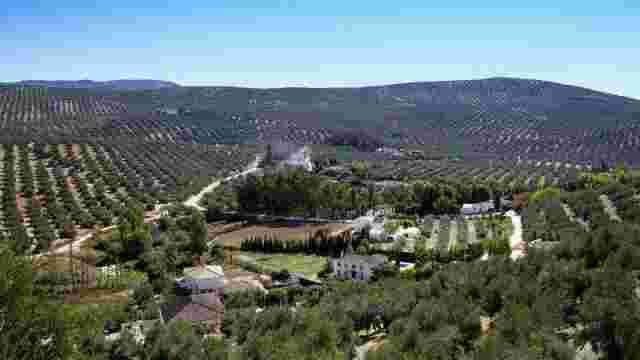
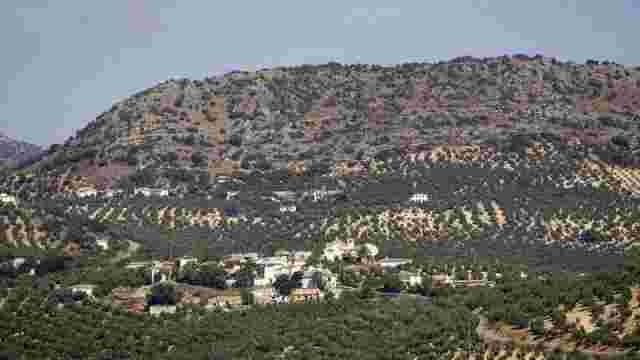
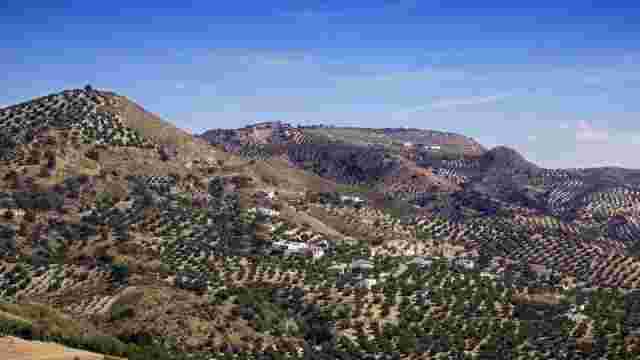
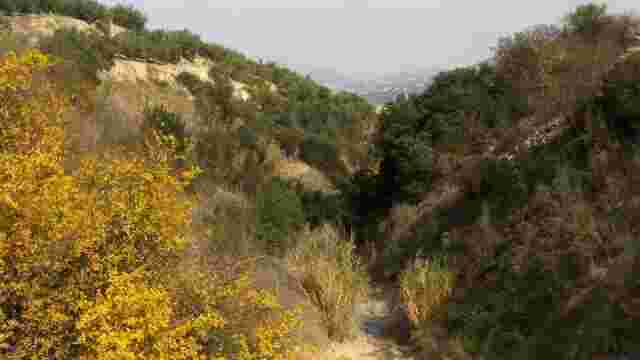
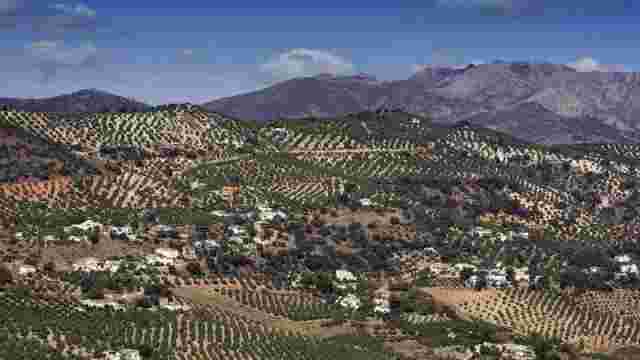
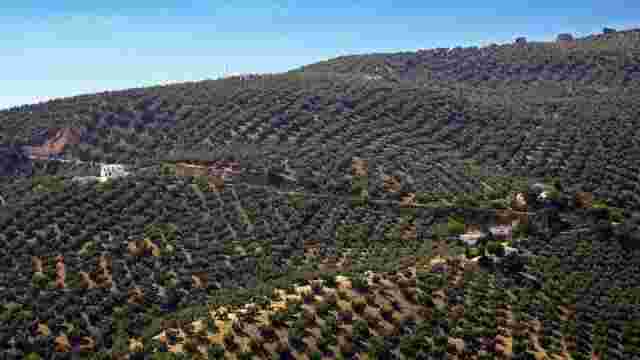
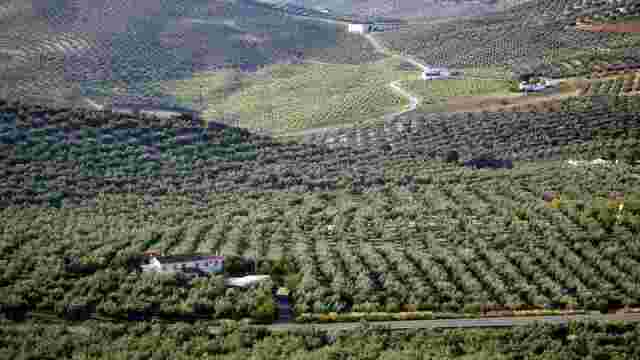
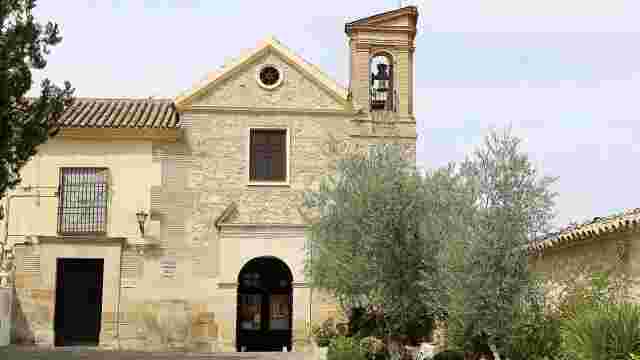
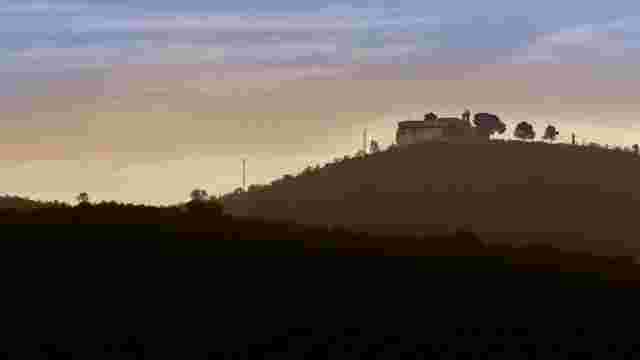
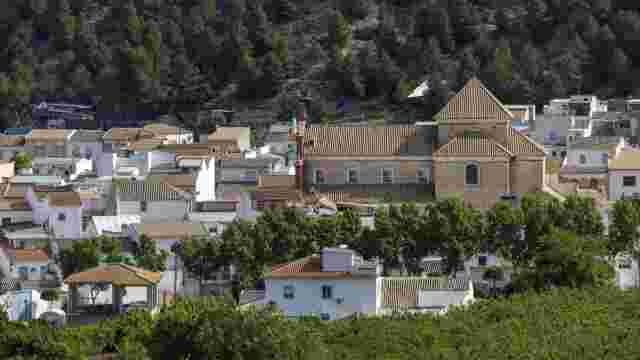
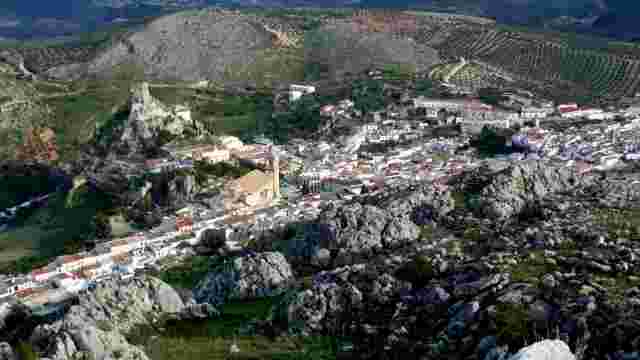
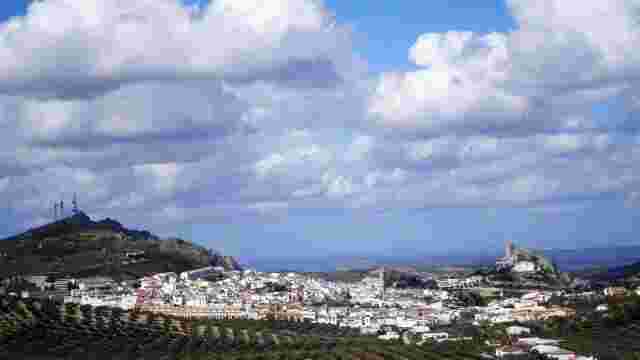
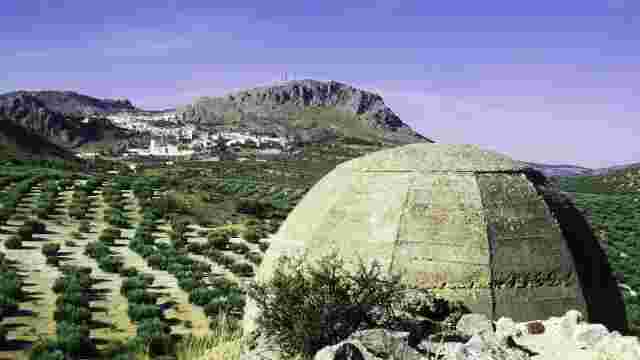
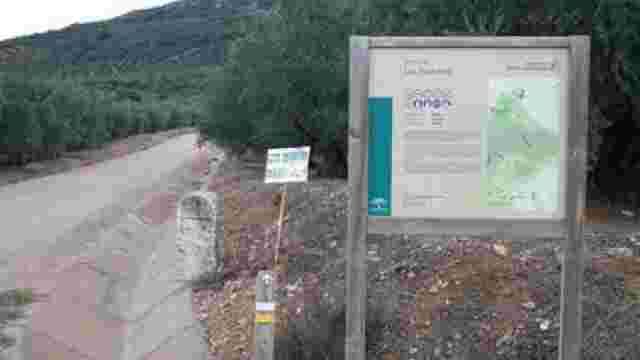
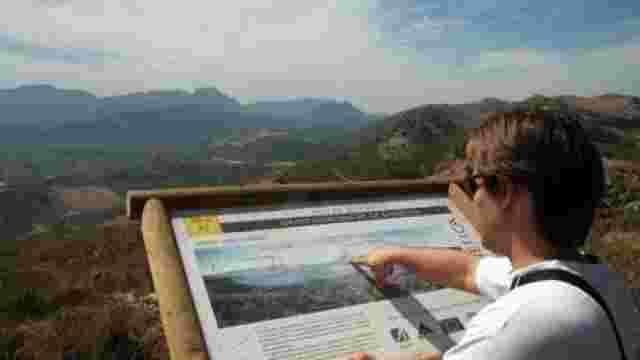
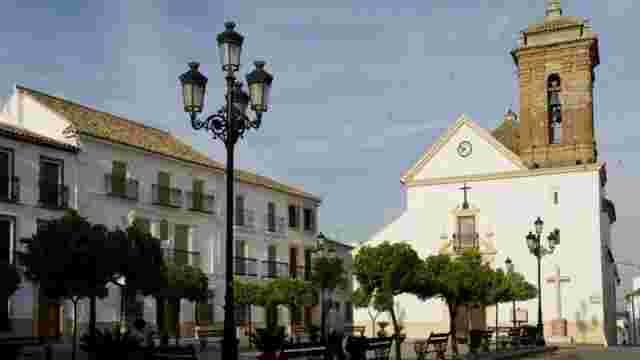
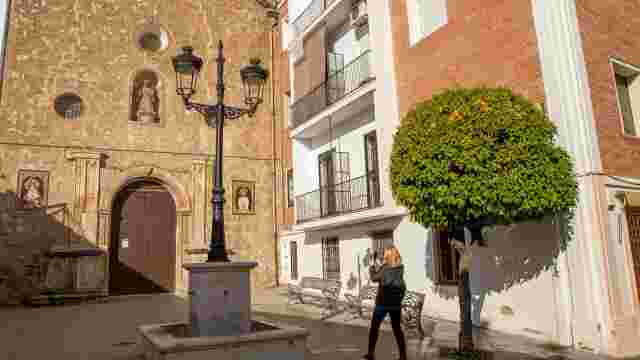
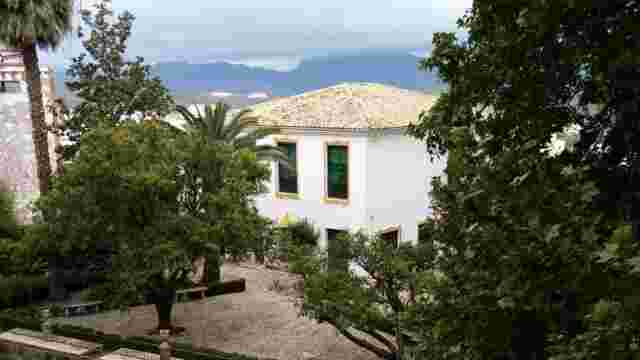
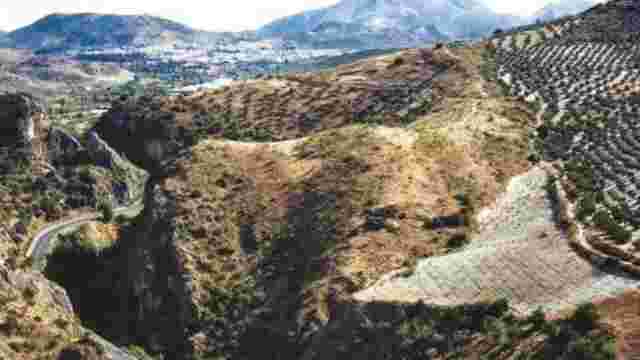
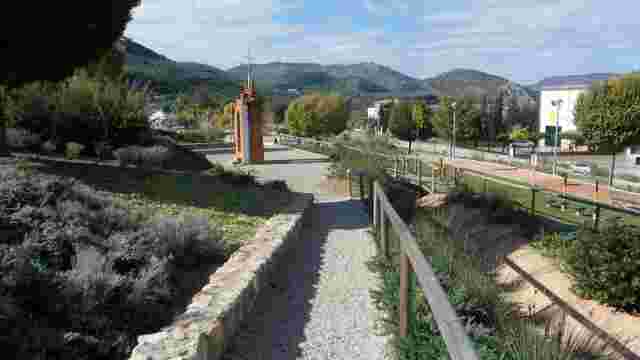
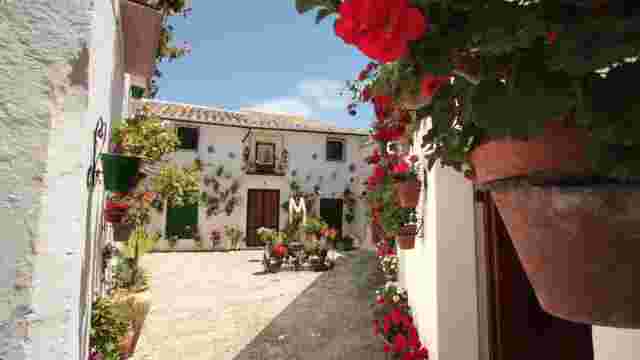
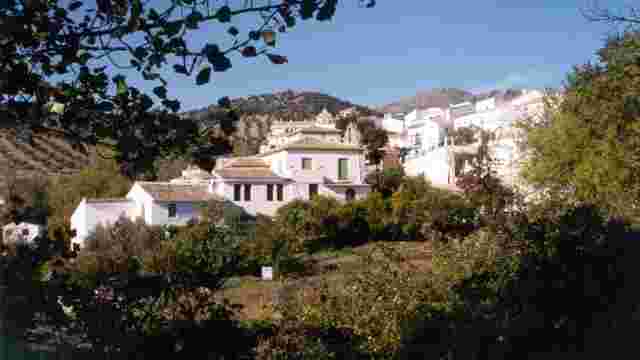
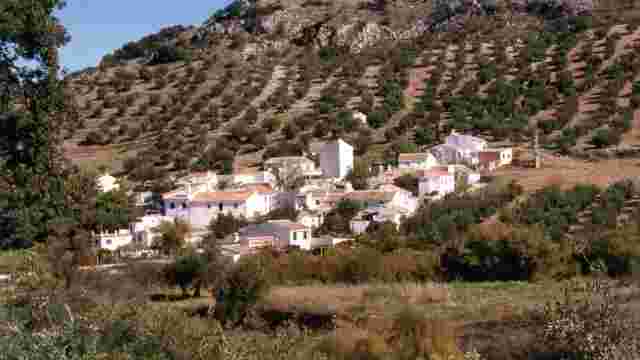
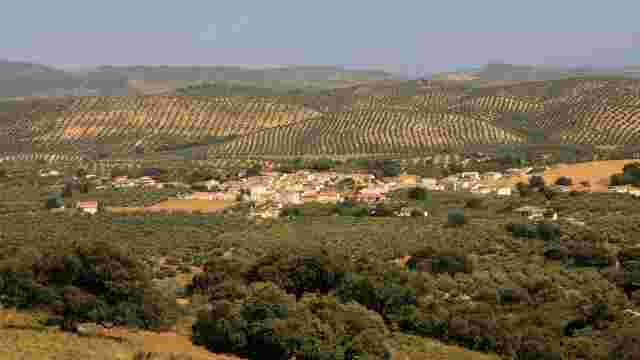
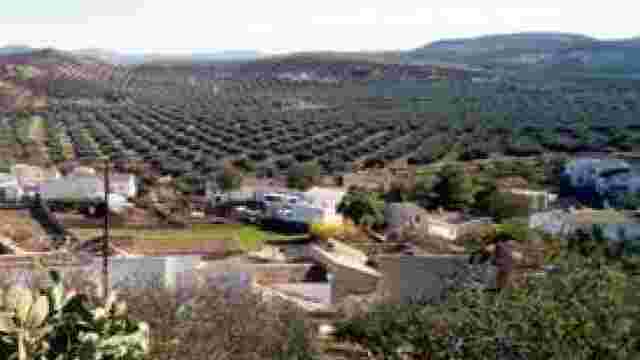
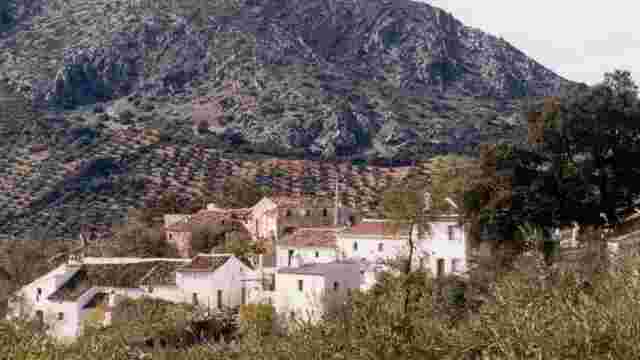
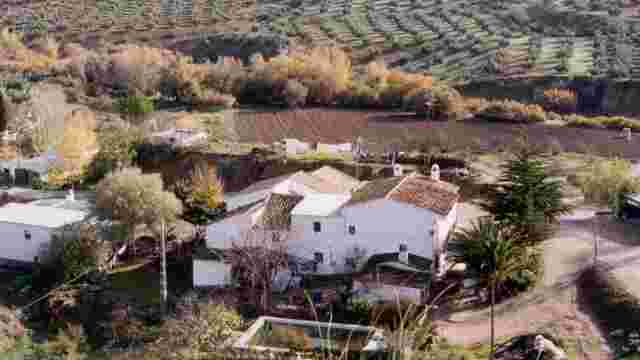
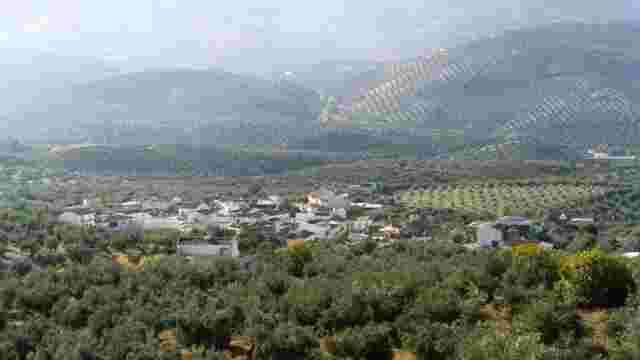
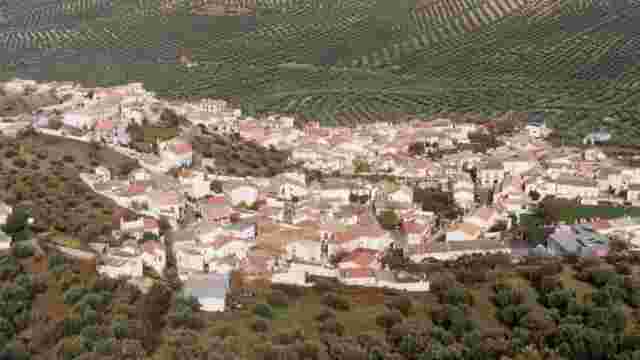
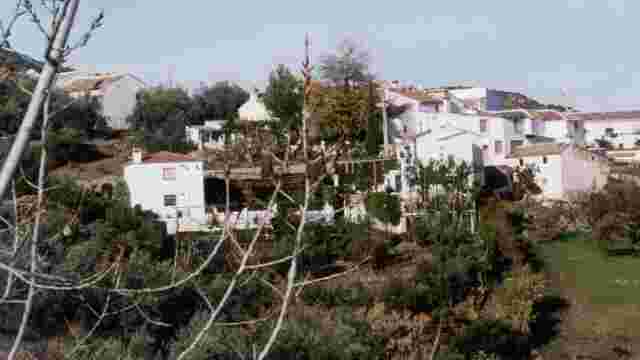
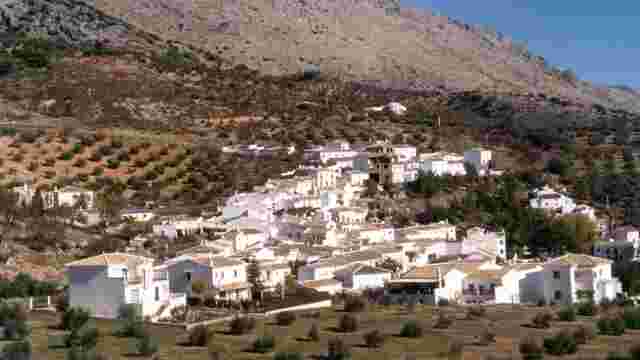
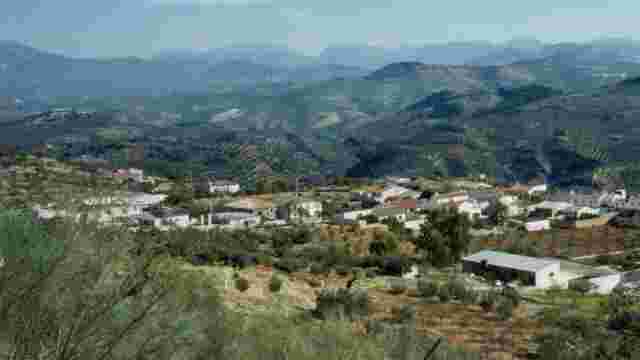
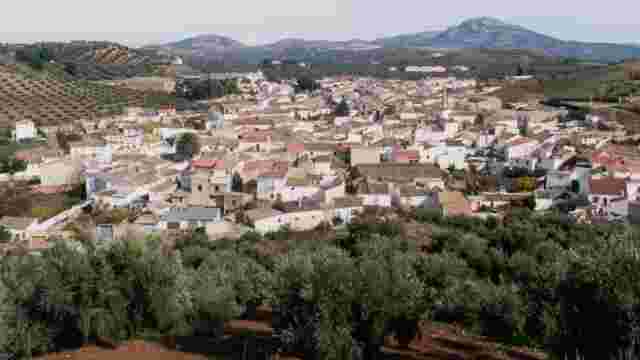
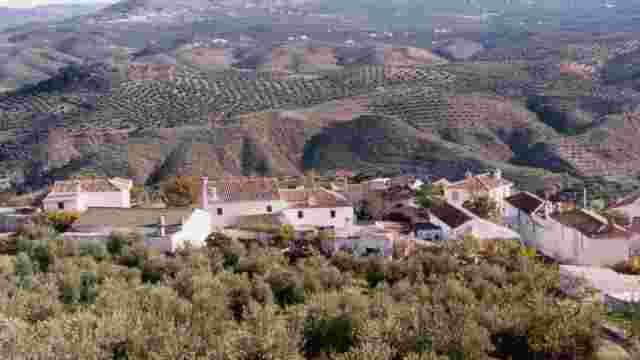
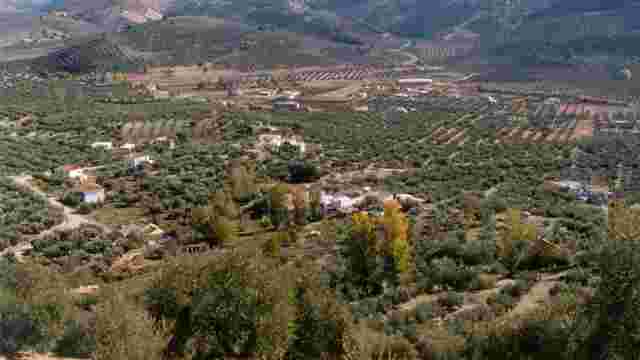
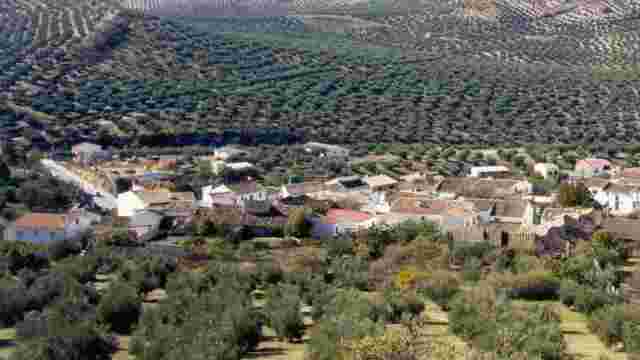
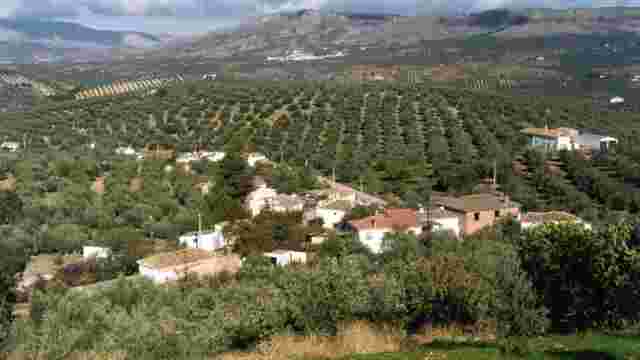
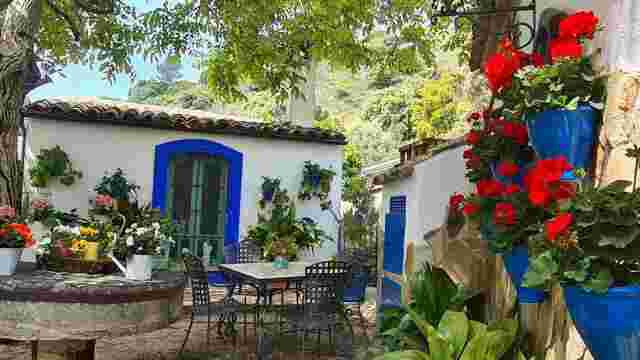
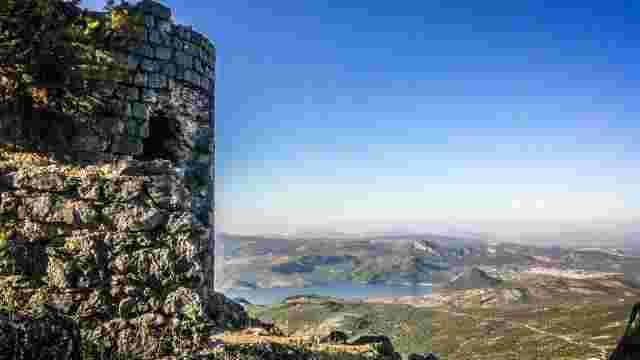
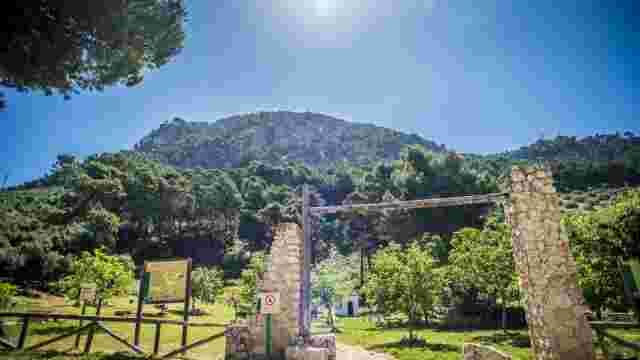
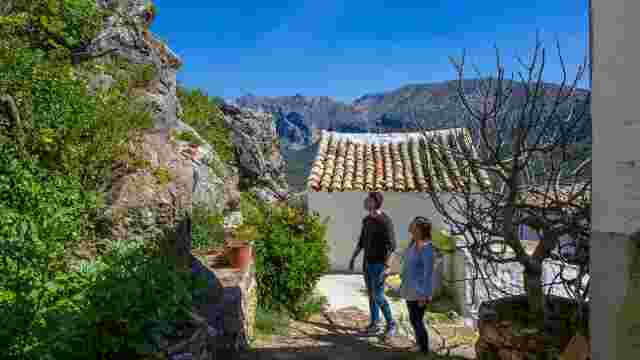
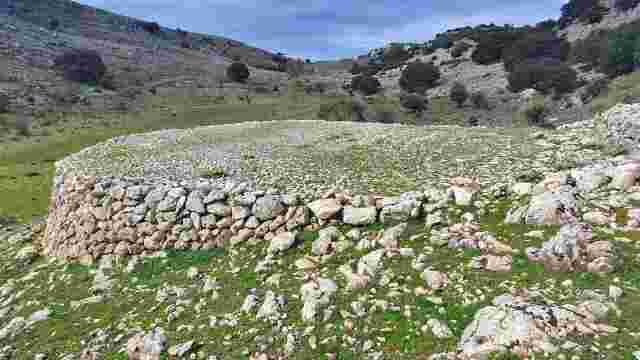
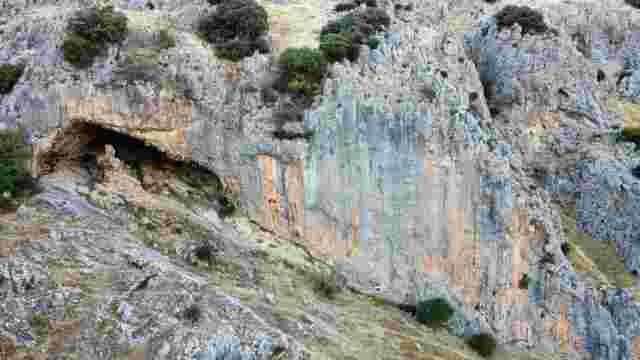
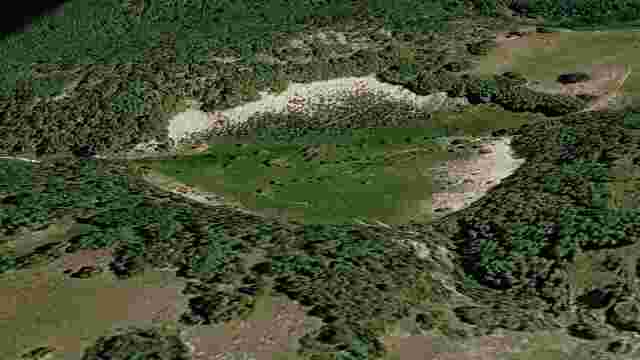
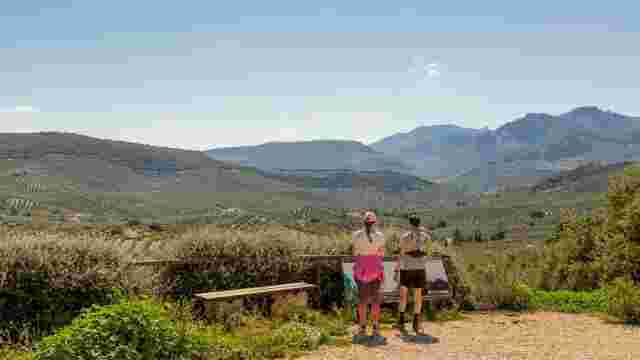
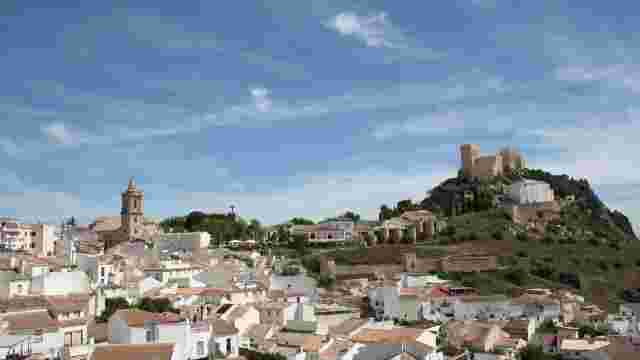
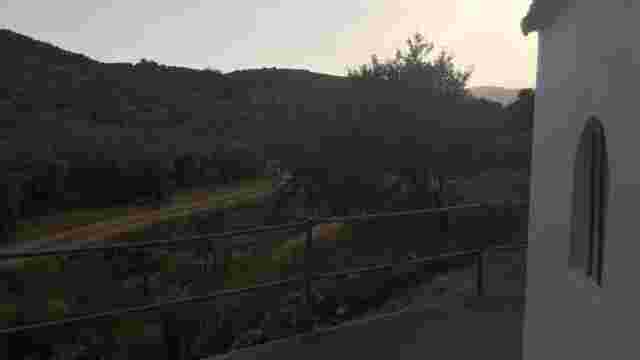
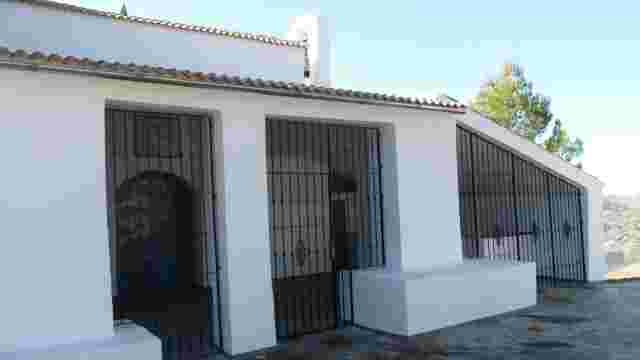
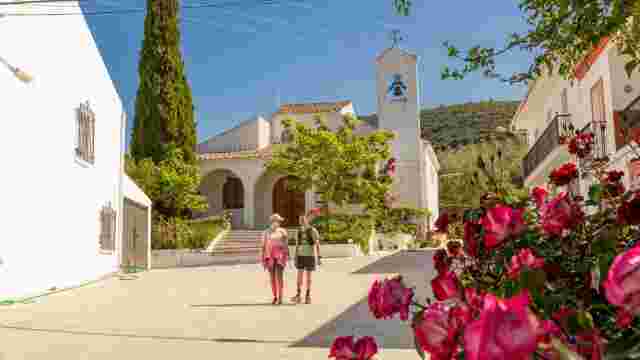
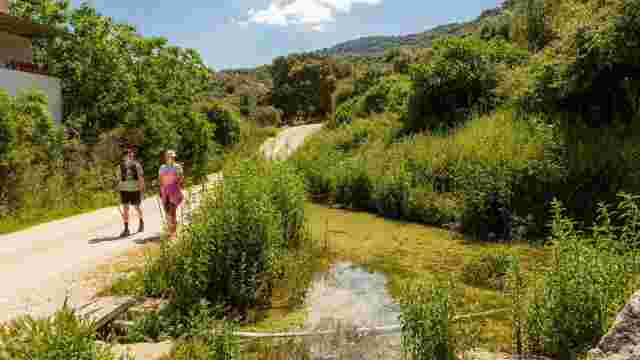
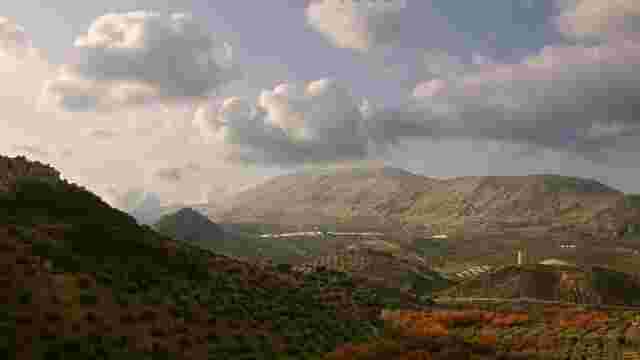
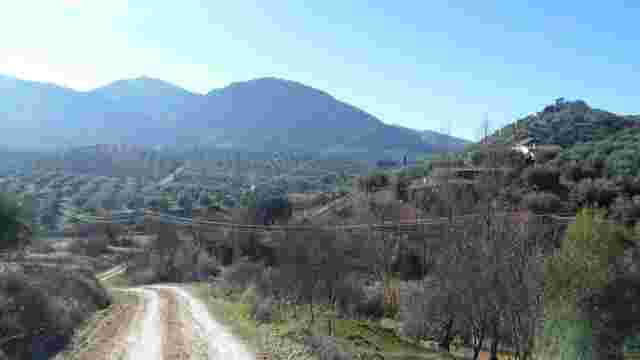
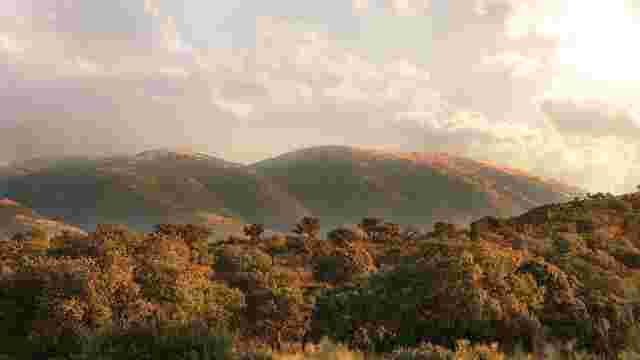
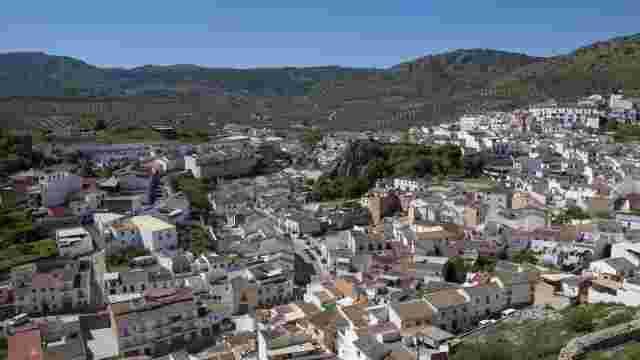
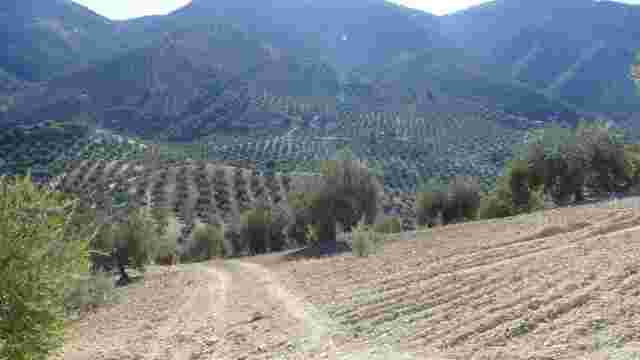
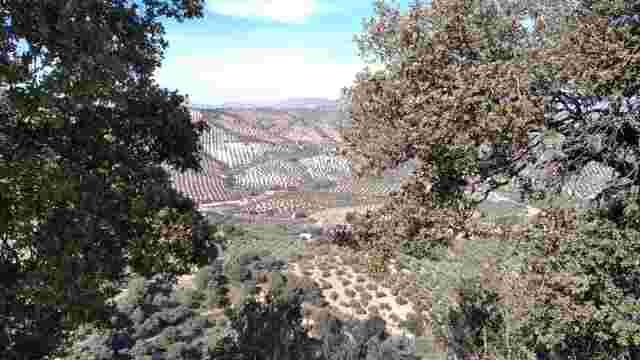
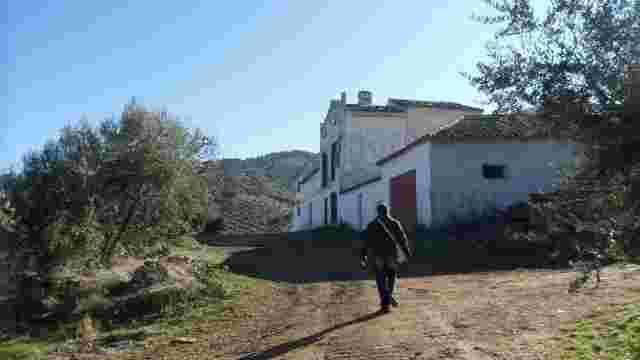
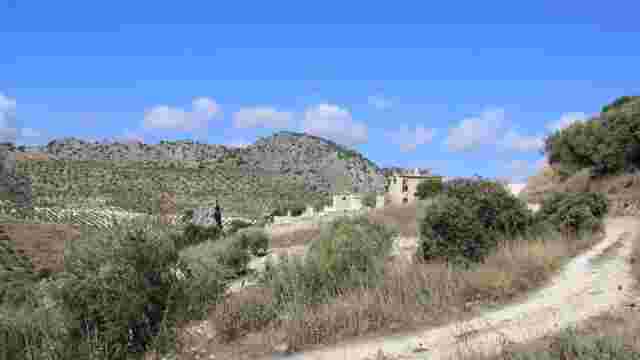
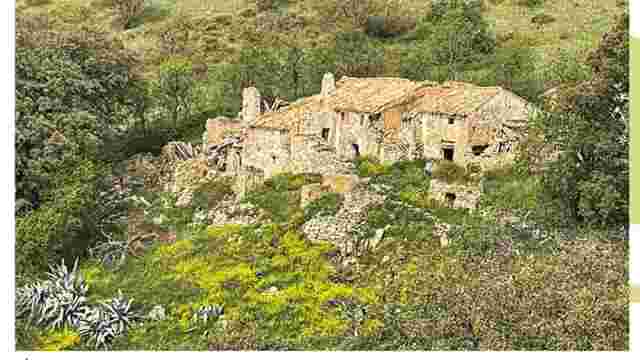
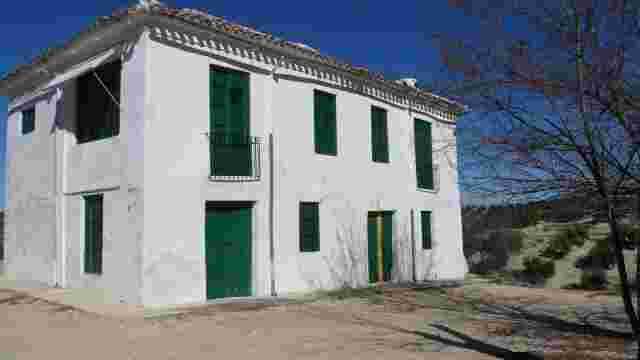
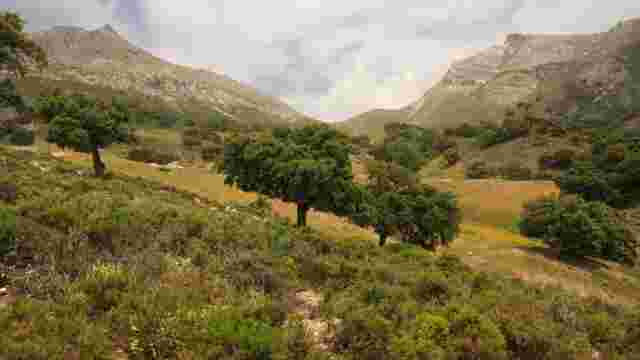
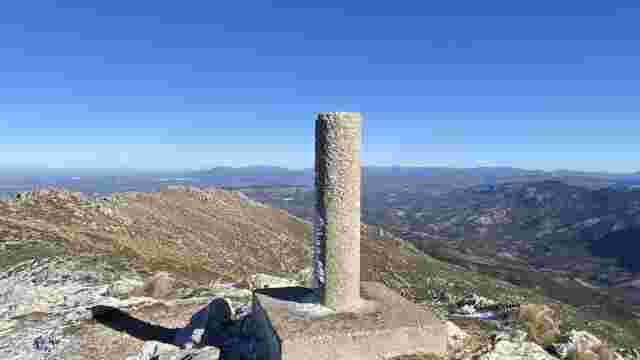
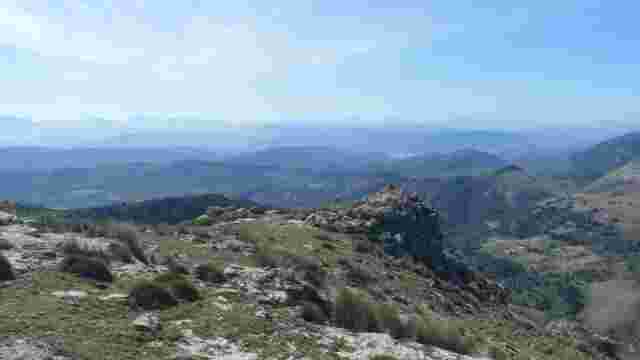
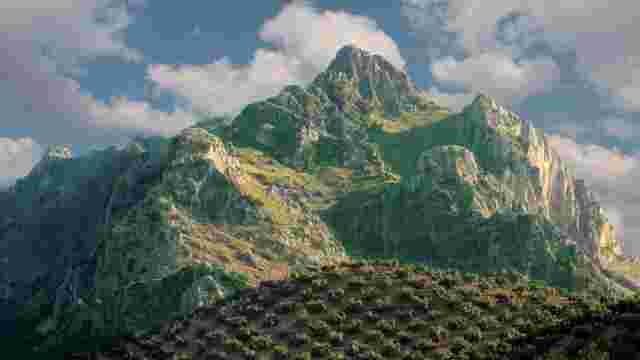
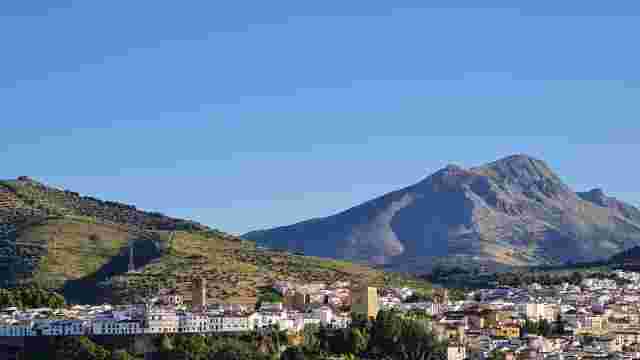
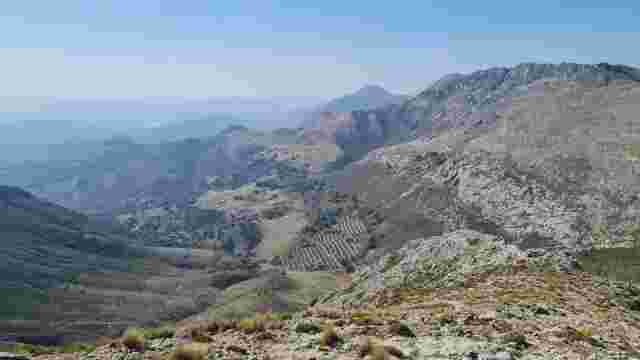
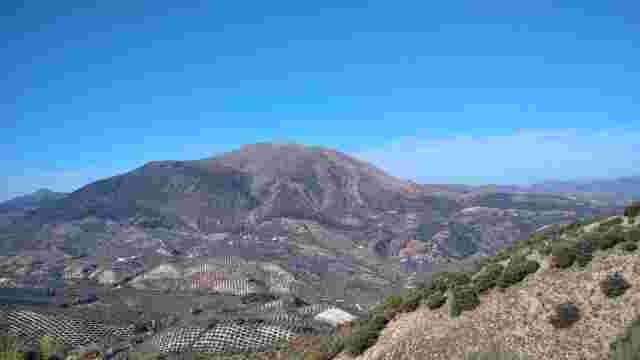
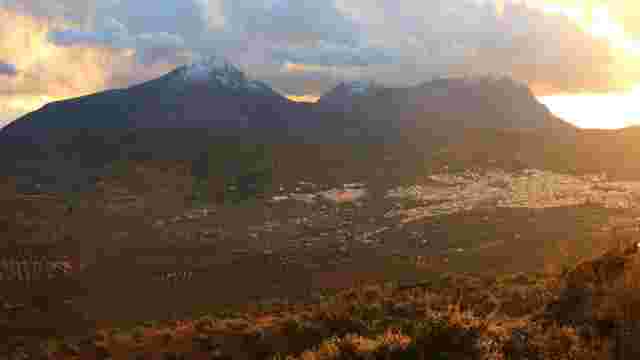
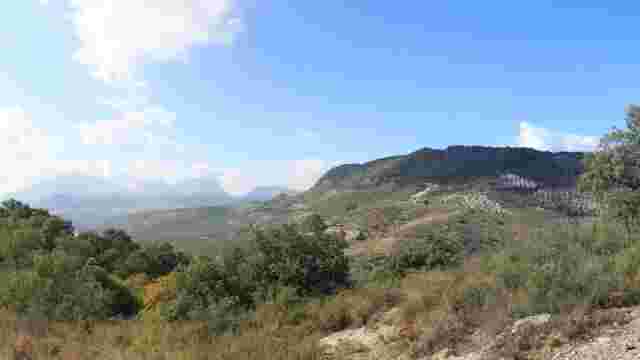
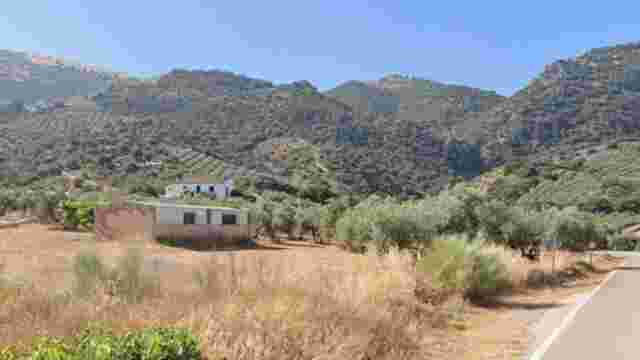
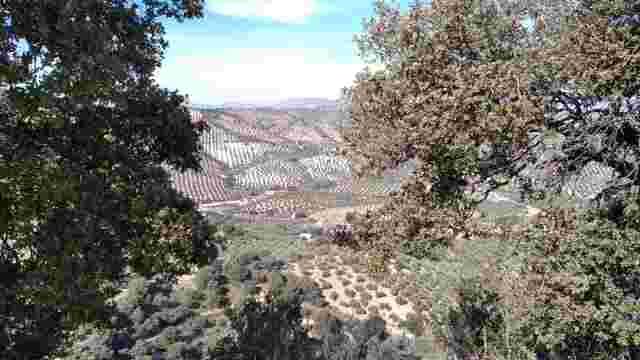
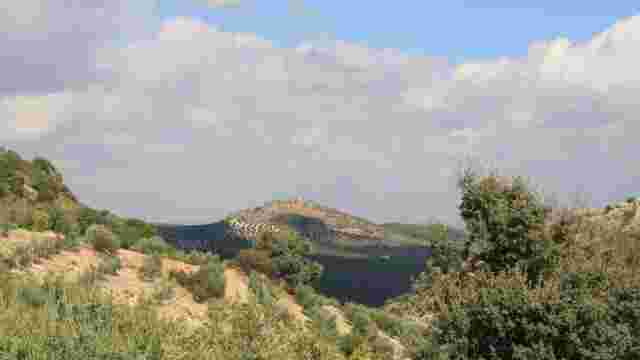
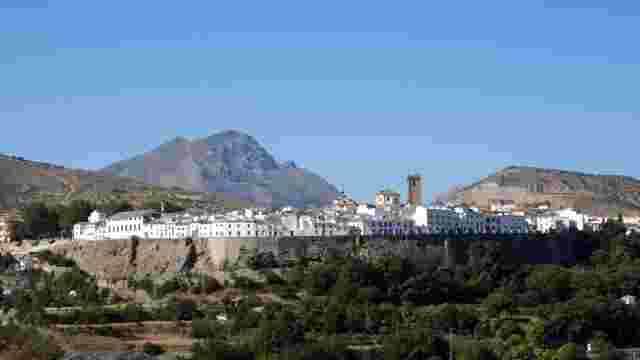
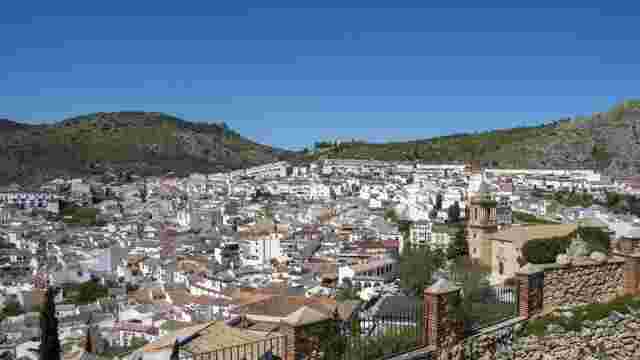
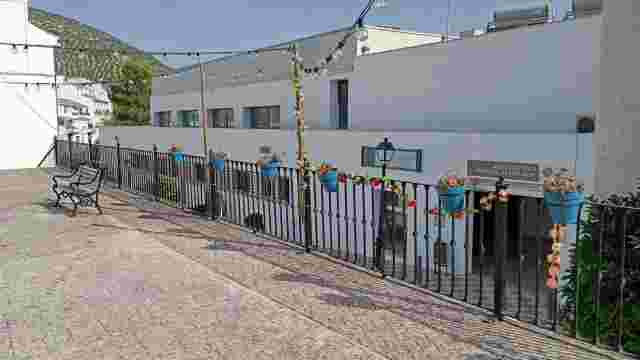
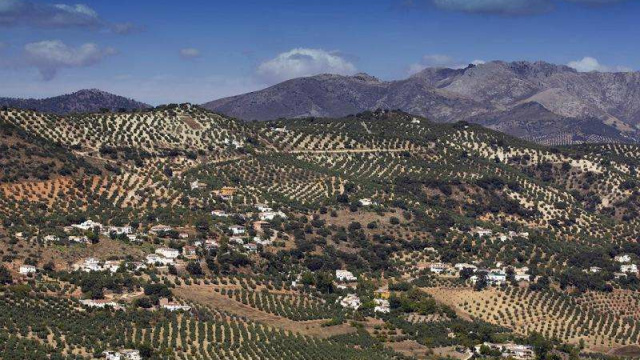
The village of Los Juncares consists of clusters of houses and many others scattered across the hillside of the Sierra de las Ventanas, to the north-east of the municipality of Iznájar.
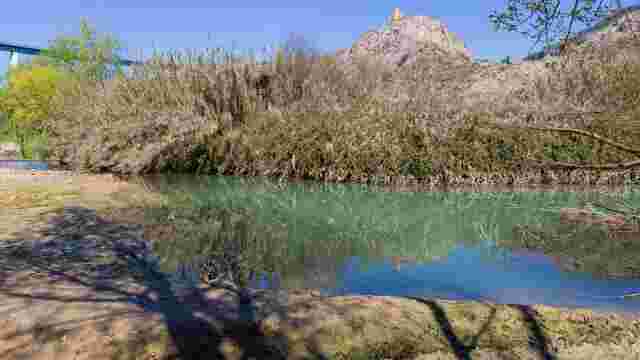
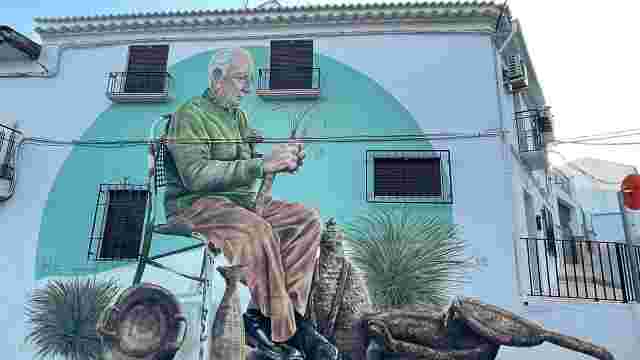
The village’s name derives from the reed plant, as it is a place where these plants abound, evolving from ‘juncales’ to ‘juncares’.
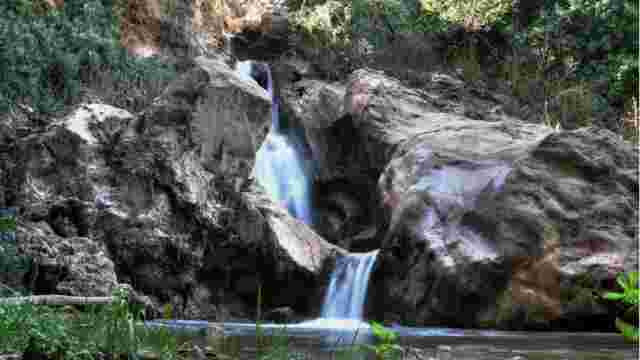
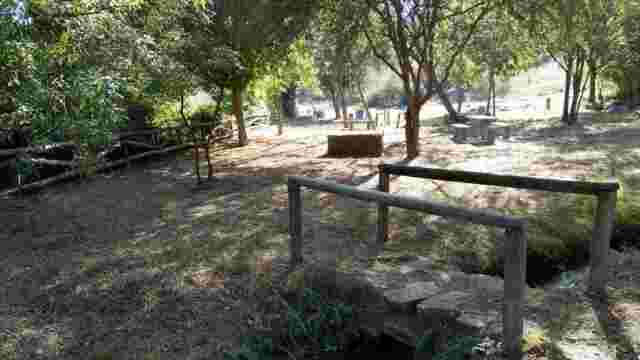
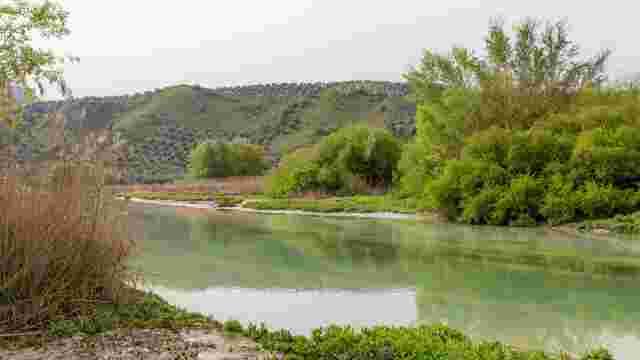
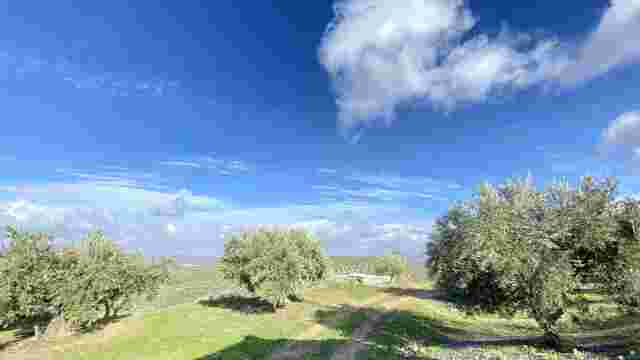
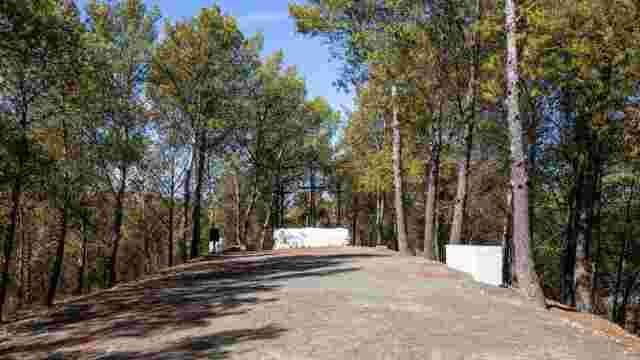
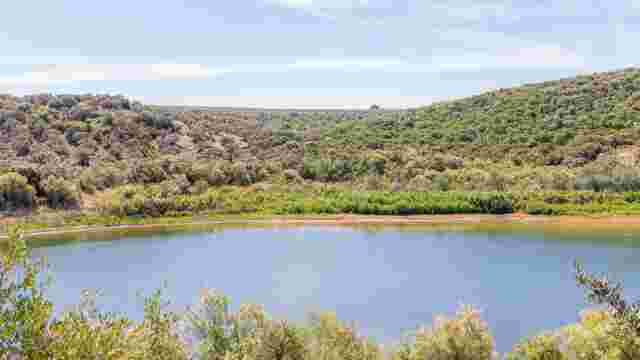
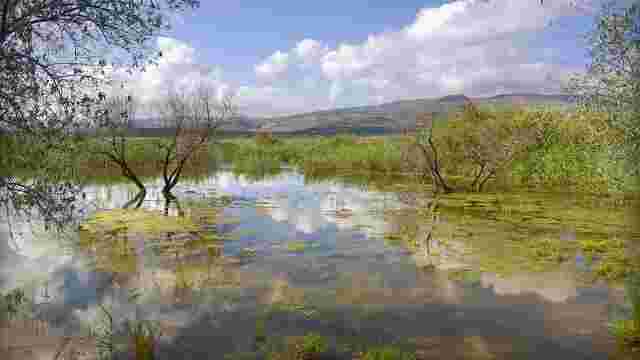
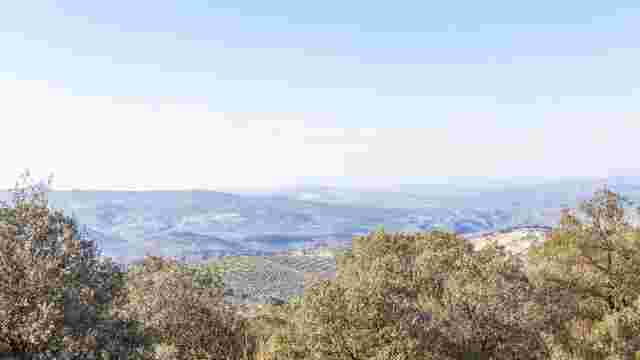
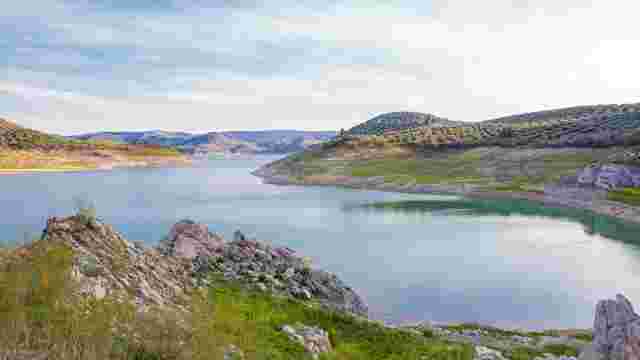
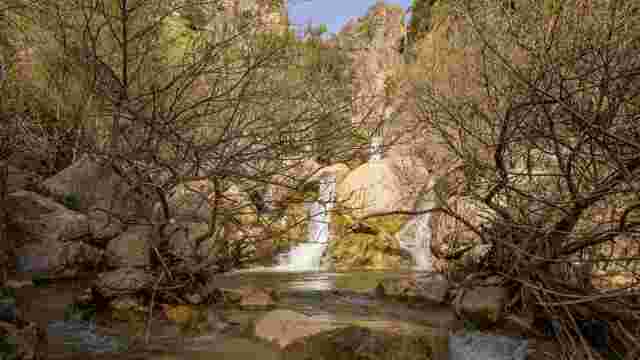
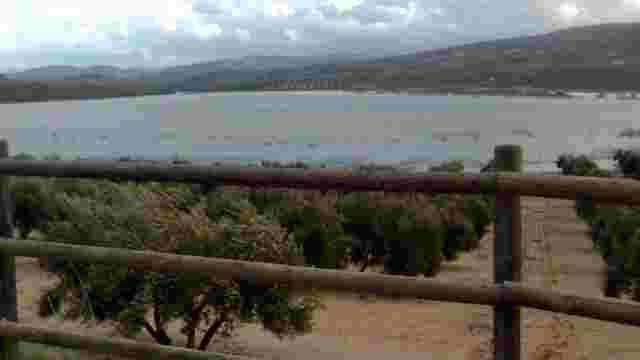
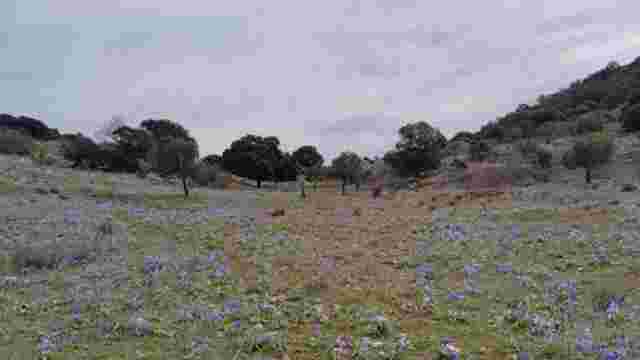
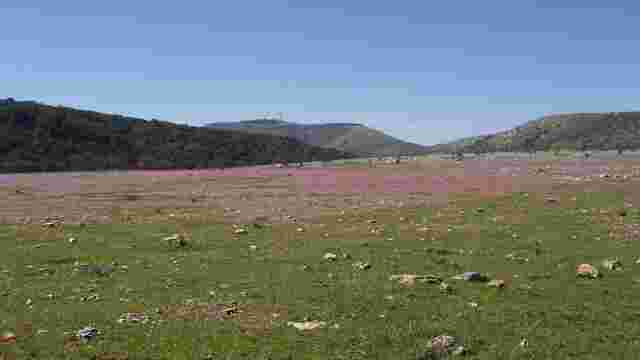
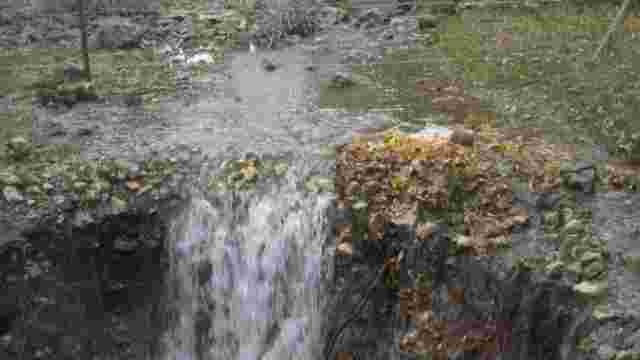
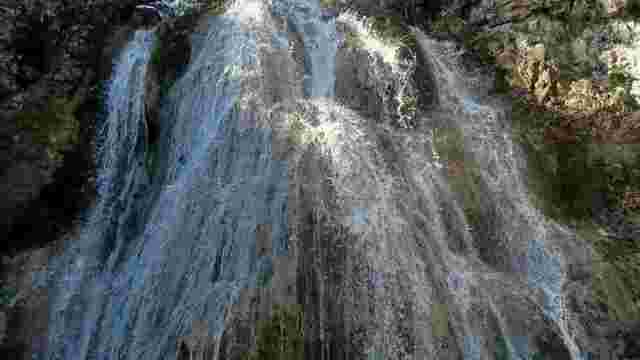
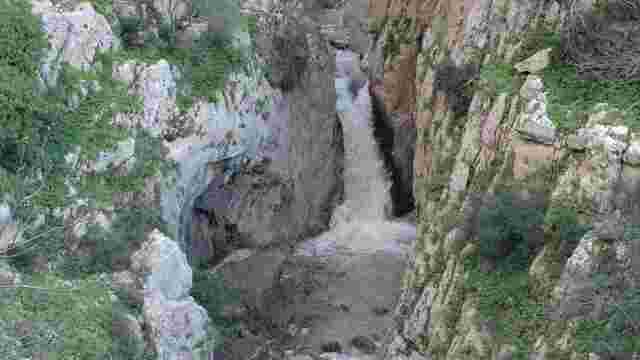
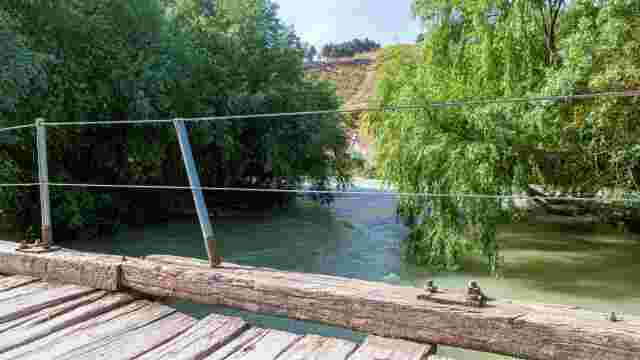
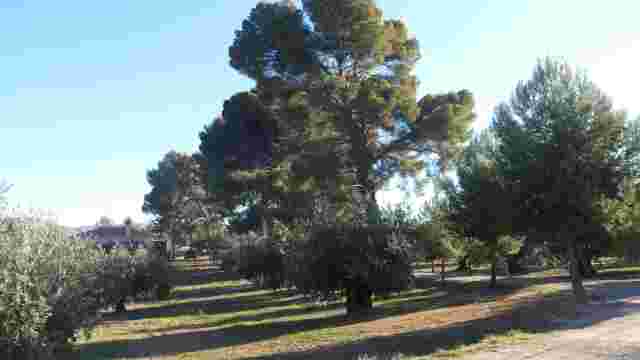
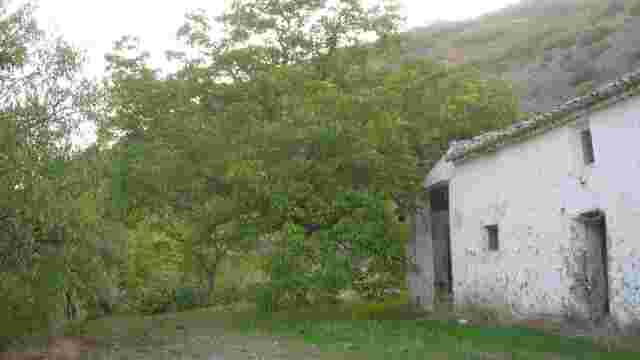
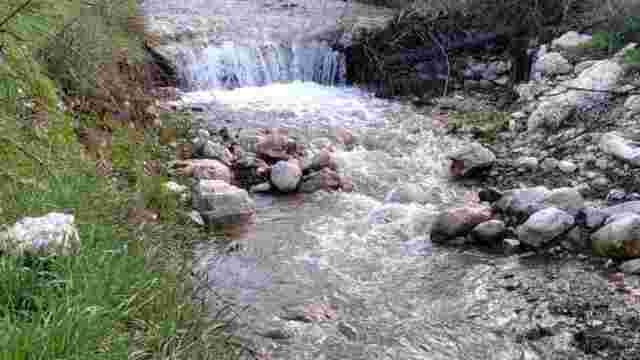
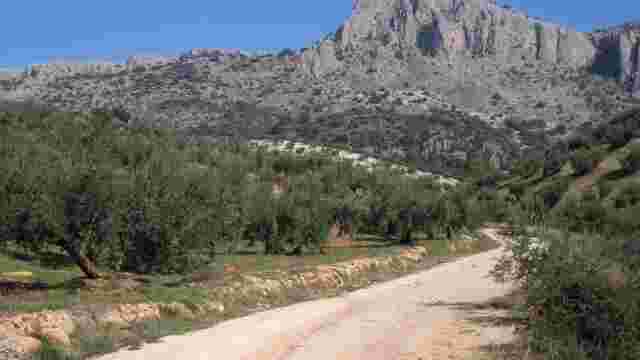
Throughout the extensive village, there are areas with an abundance of trees, typical of the Mediterranean forest, lowland woodland and holm oak groves. The abundance of water collected from the neighbouring mountain ranges also fosters a rich ecosystem, characterised by a diverse flora, including a wide variety of plants such as chickweed, plantain, psyllium, yellow and white irises, water lentils and water lilies, as well as poplars and reed beds.
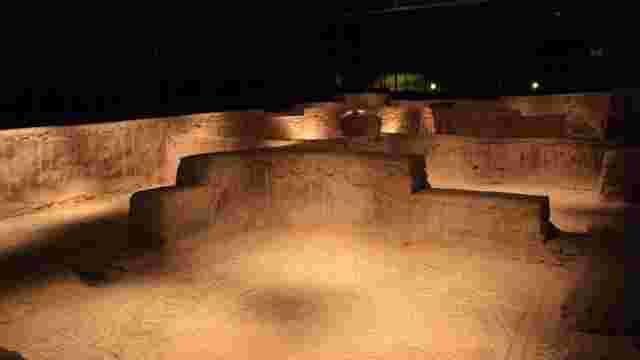
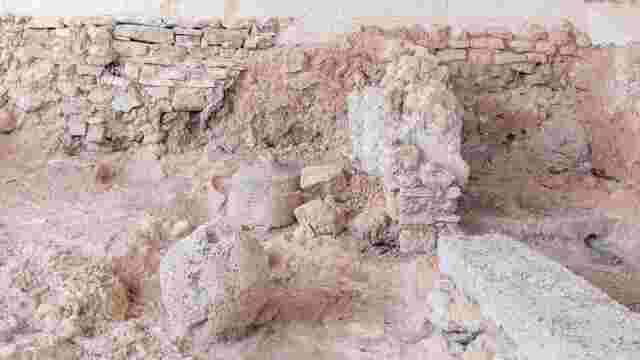
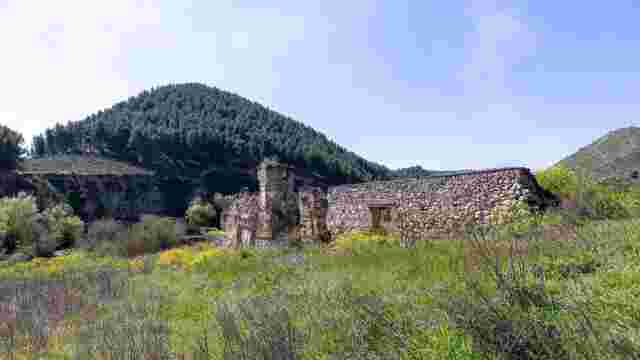
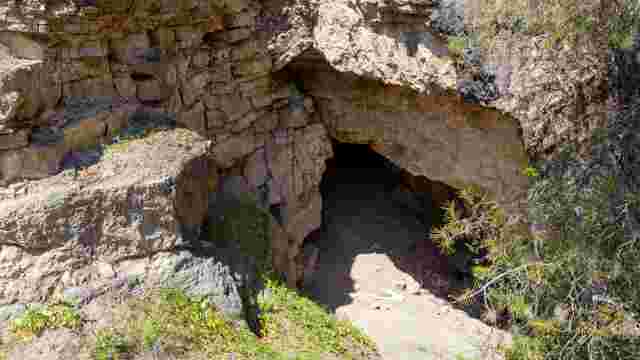
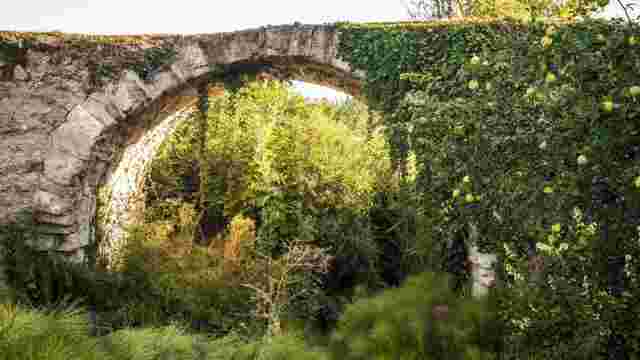
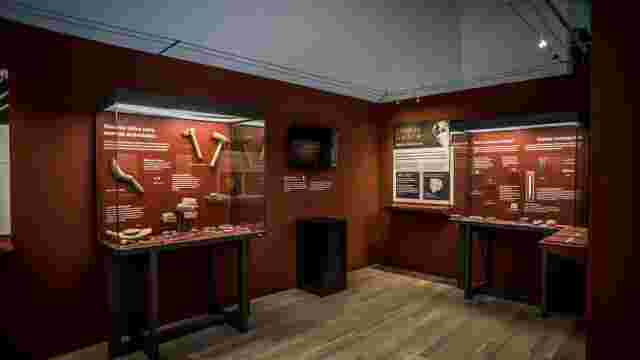
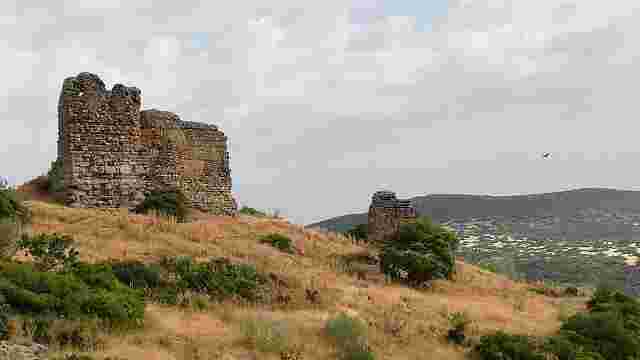
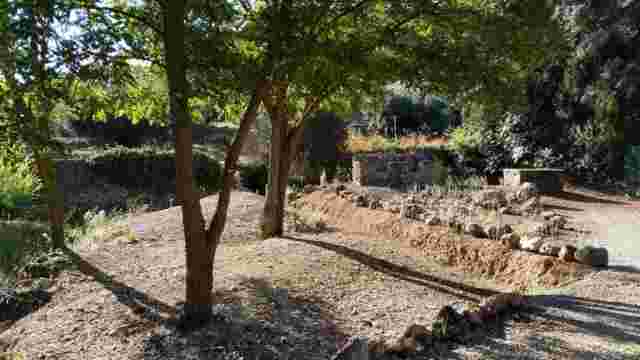
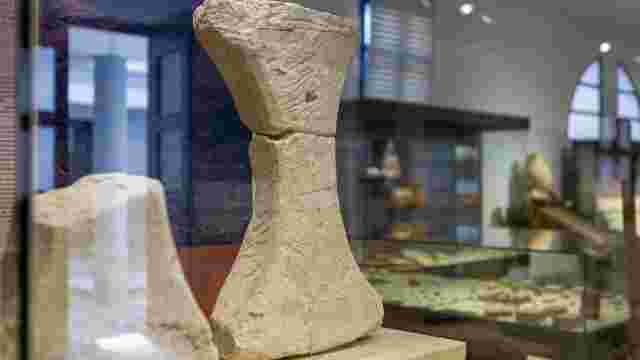
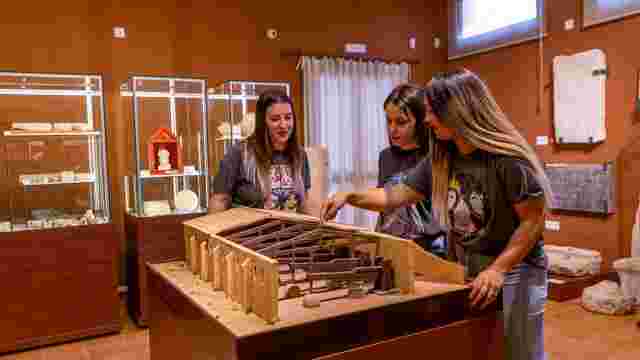
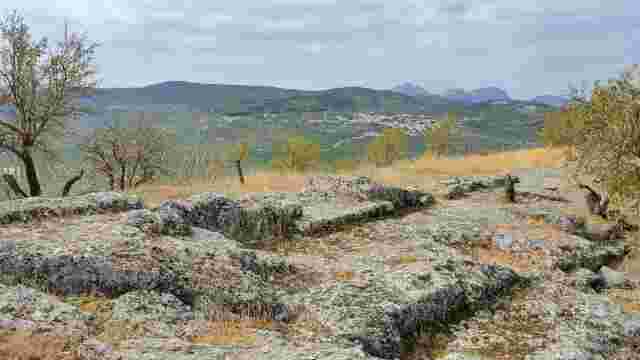
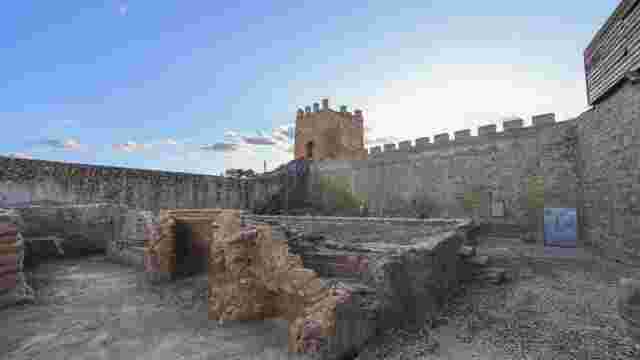
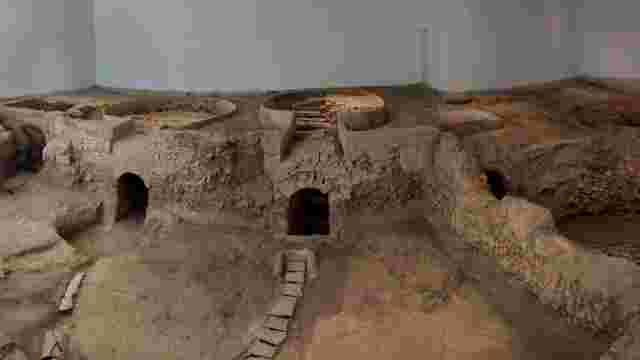
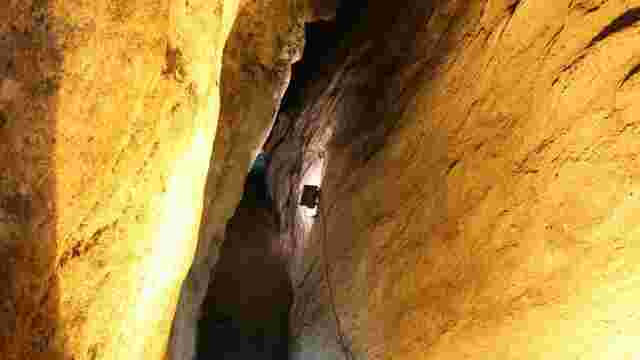
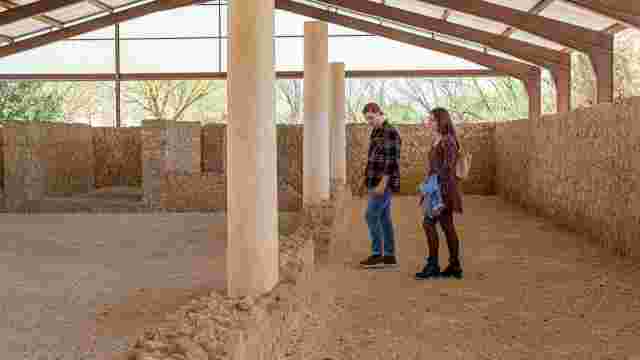
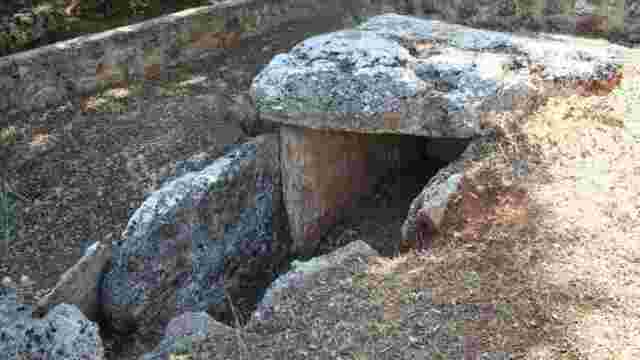
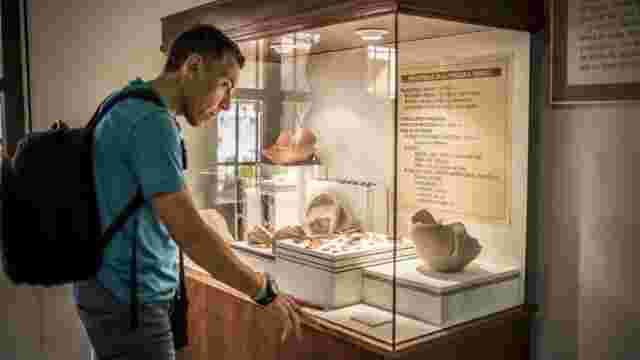
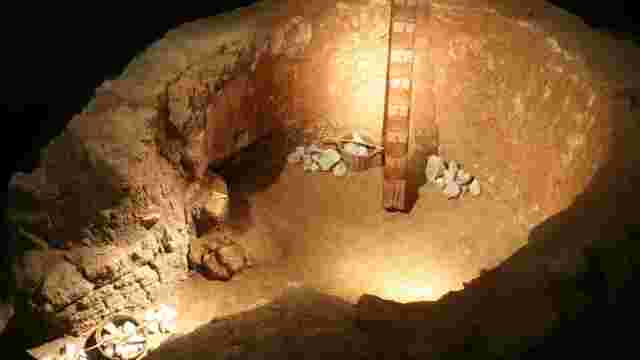
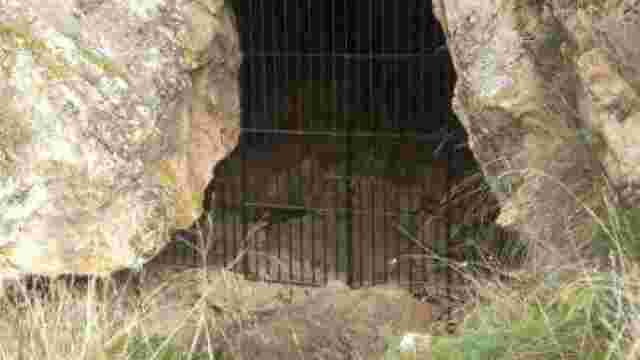
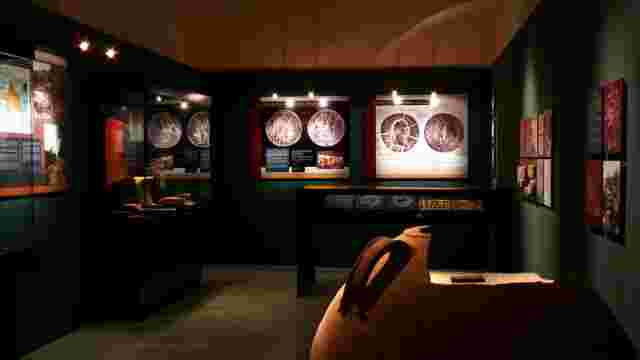
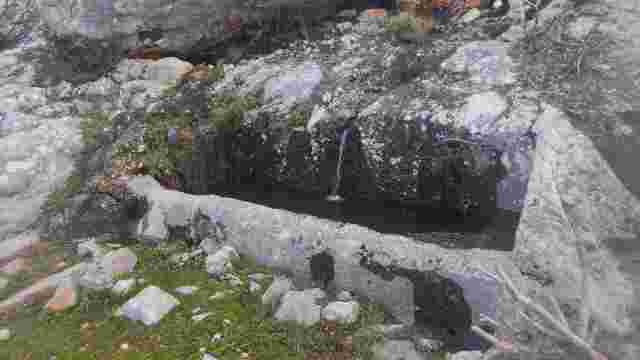
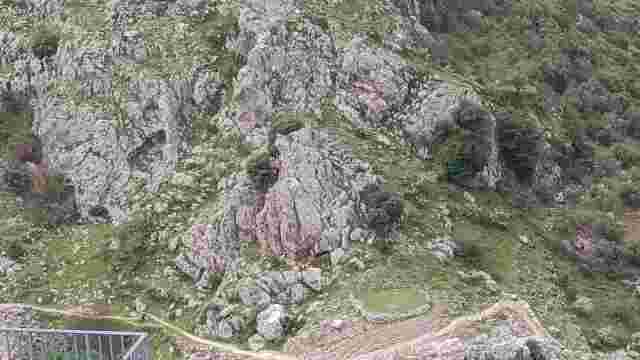
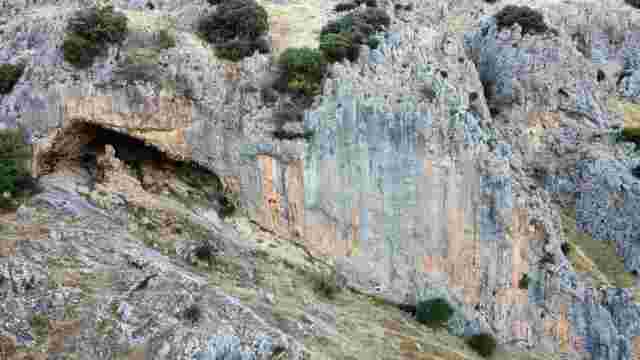
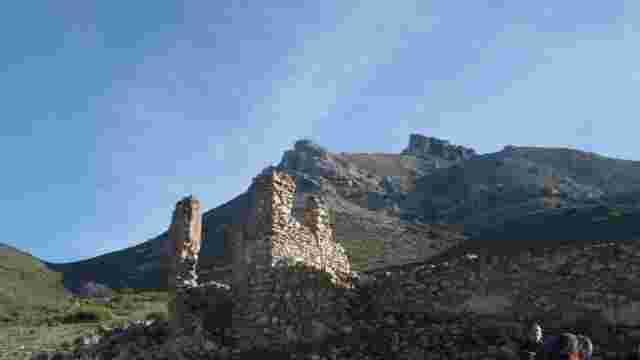
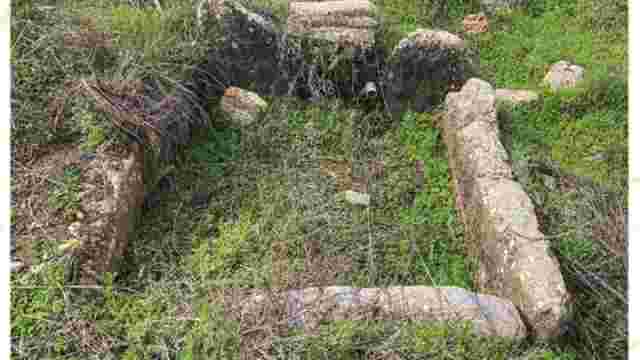
Archaeological remains from the Iberian and Roman periods have been found across this vast area, with sites featuring stone blocks or tombs carved into the rock, just as the inhabitants did in Iberian and Roman times.
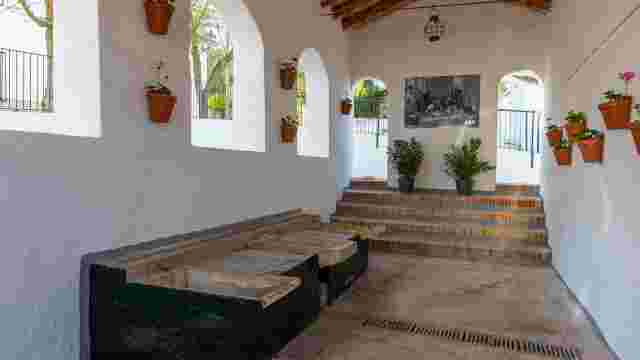
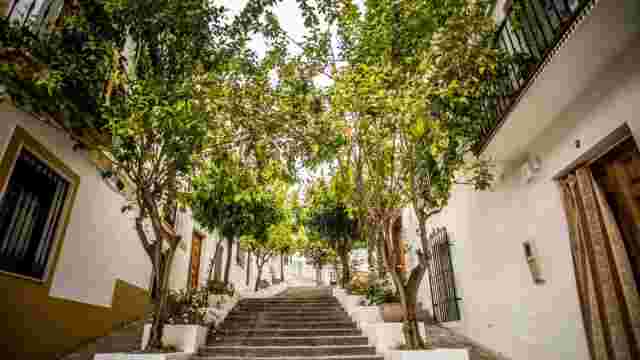
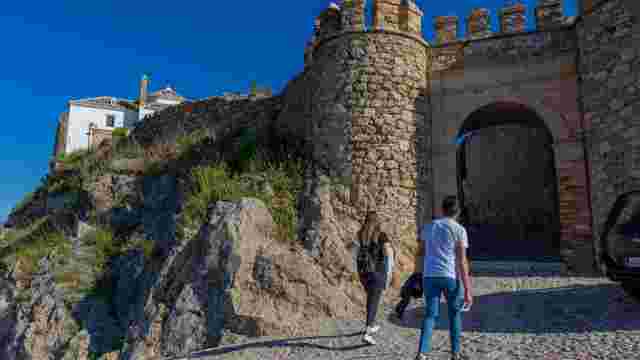
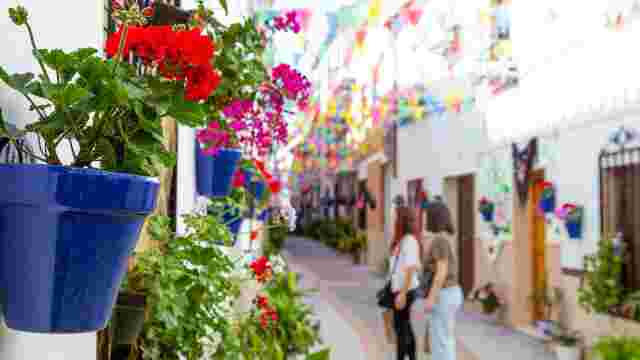
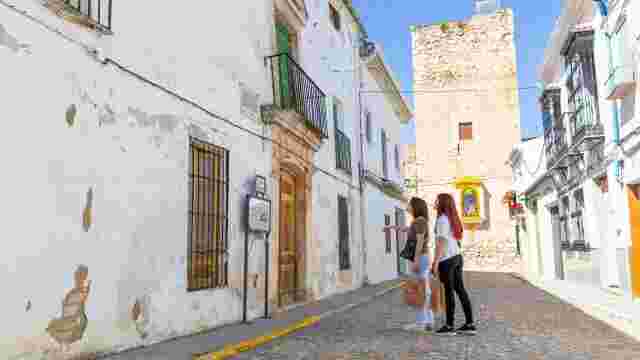
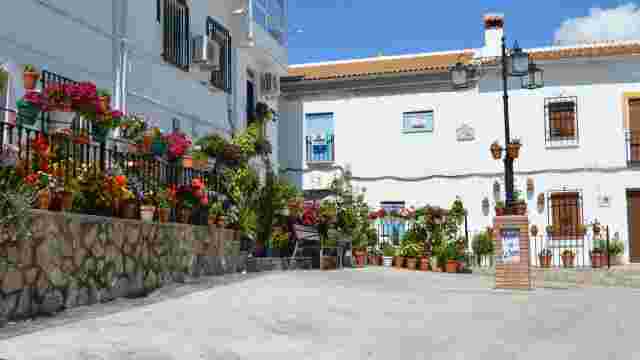
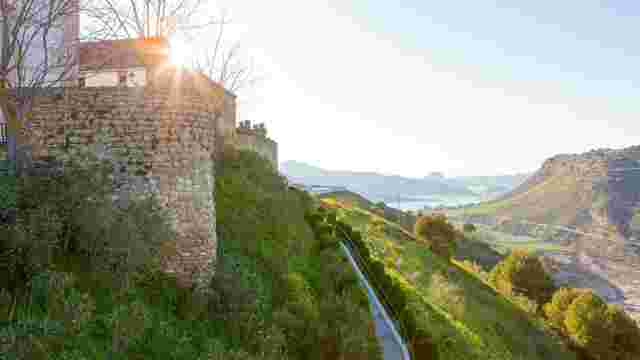
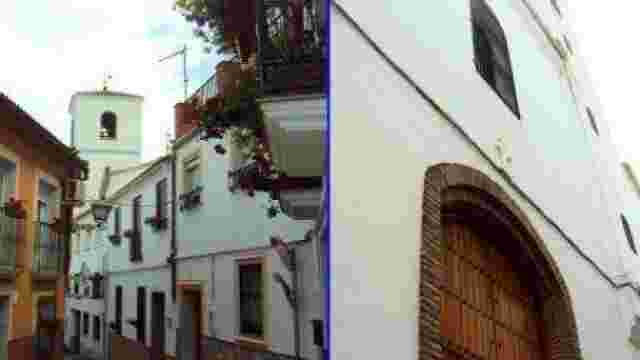
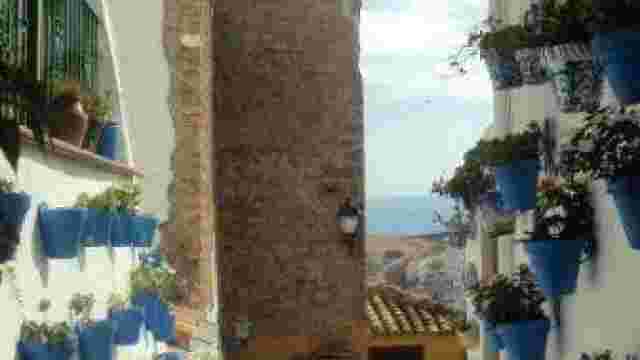
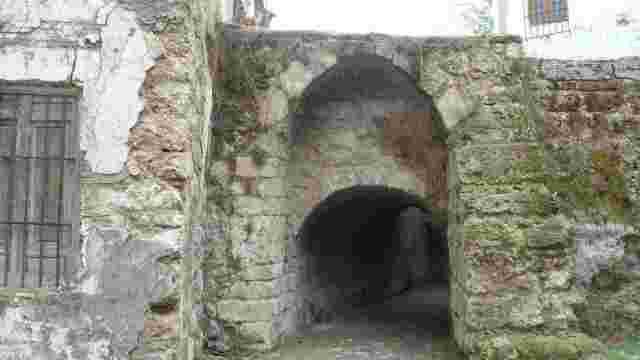
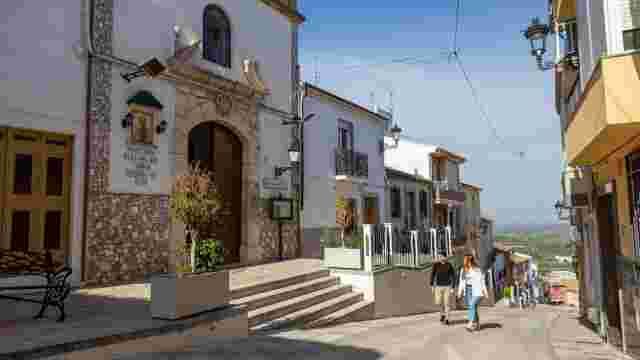
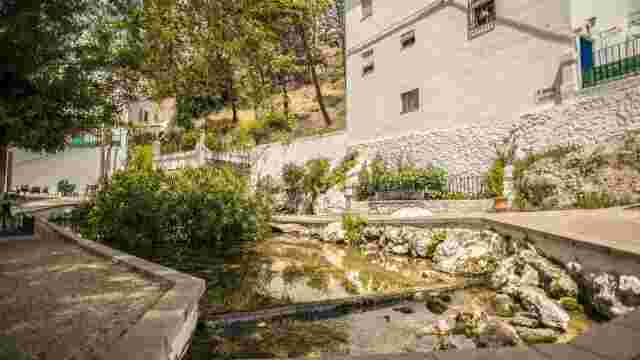
This village was also inhabited by the Arabs, as evidenced by the layout of the narrow, steep streets, centred around the wash house and the irrigation channel, as well as the arrangement and structure of the houses.
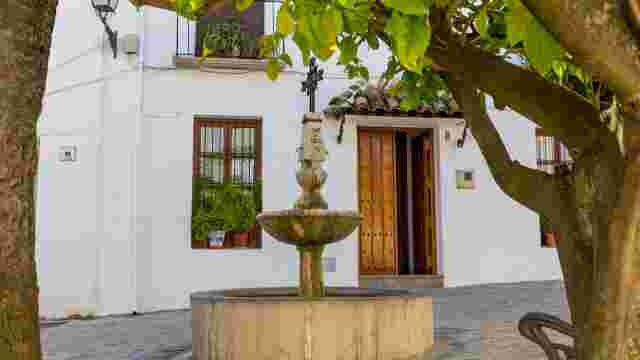
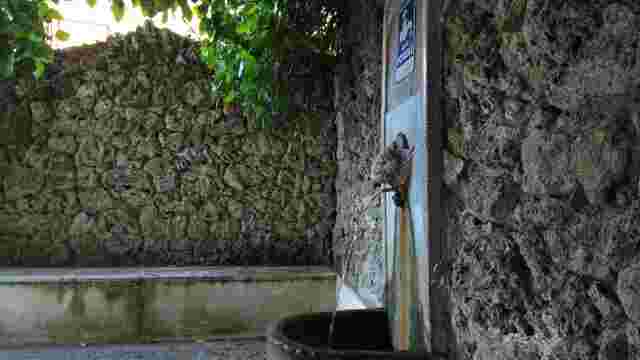
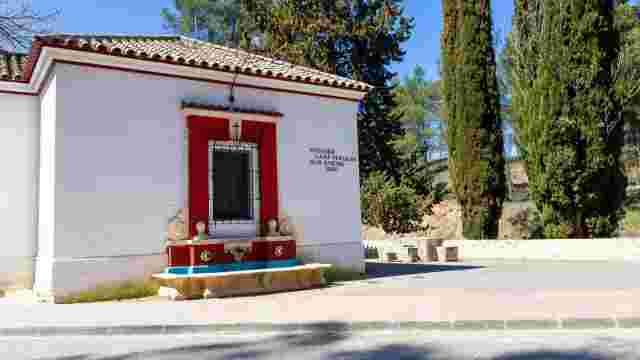
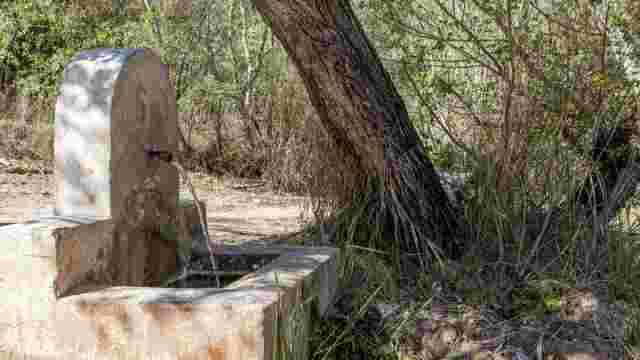
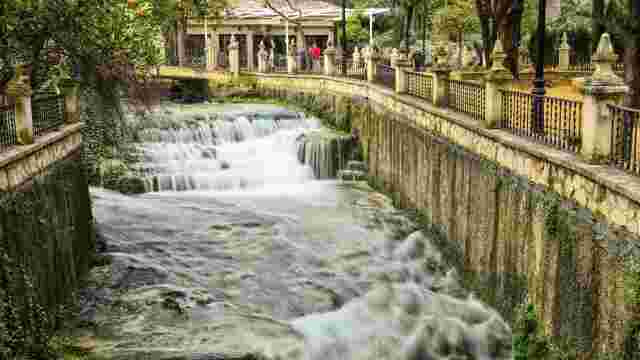
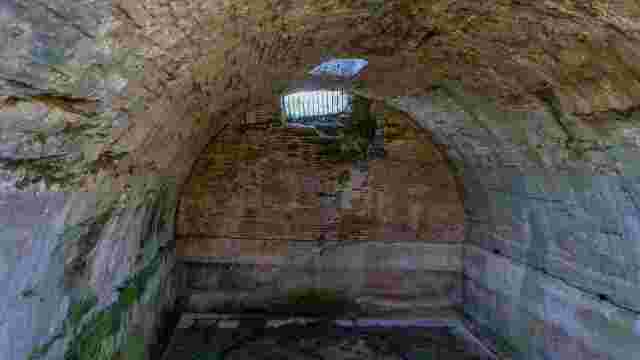
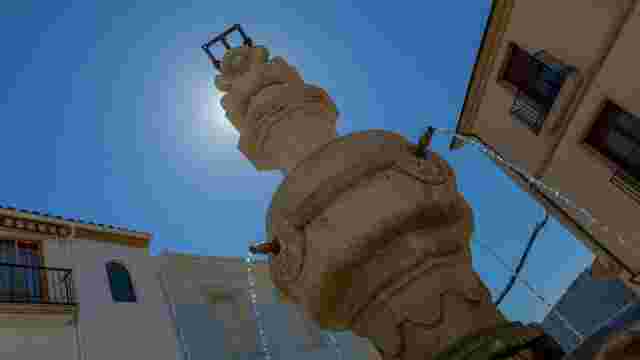
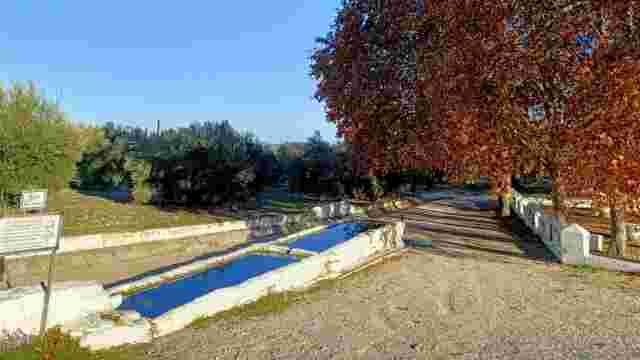
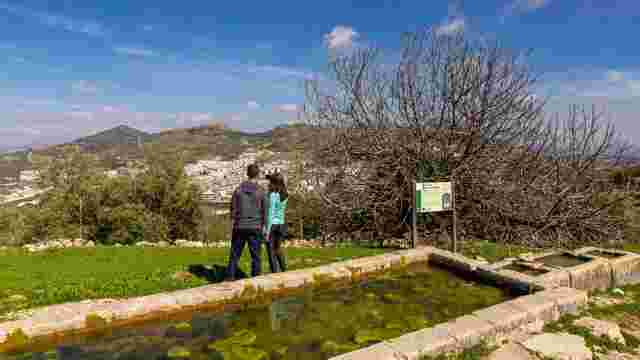
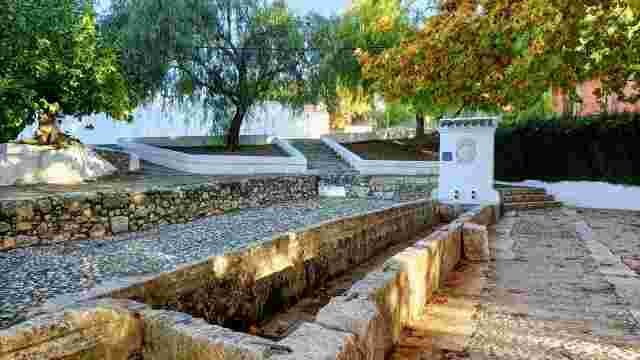
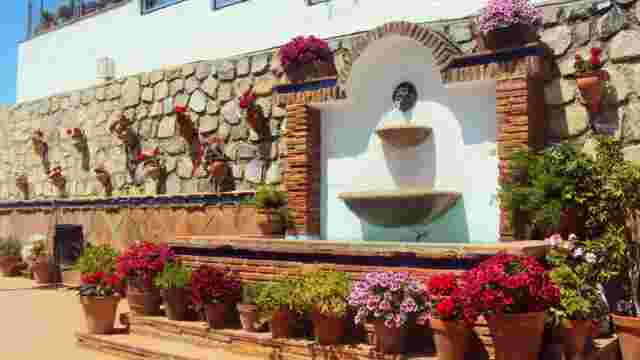
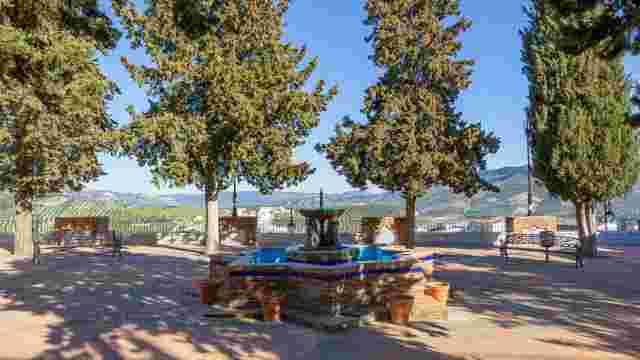
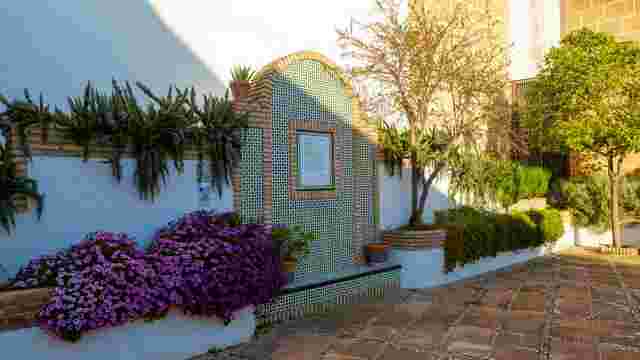
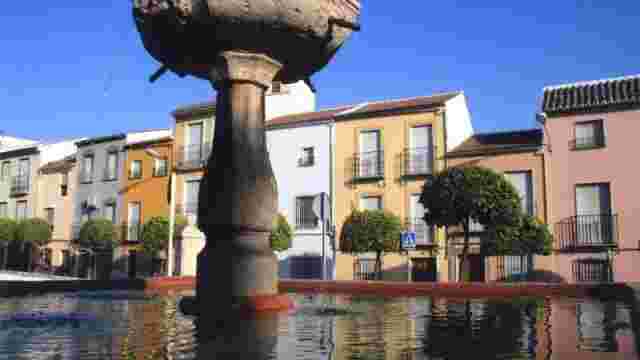
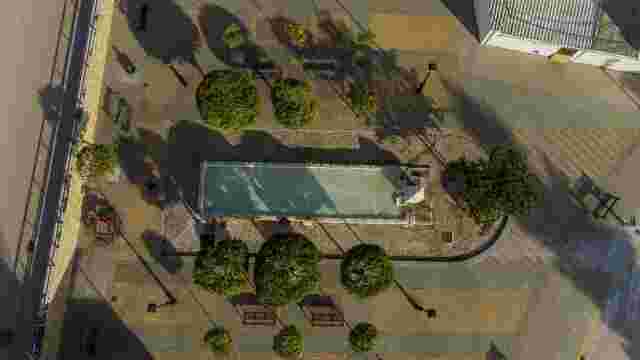
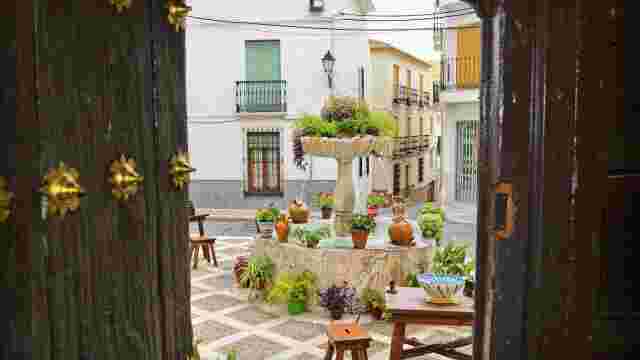
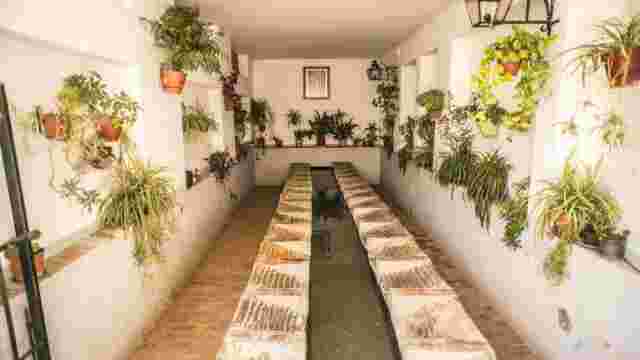
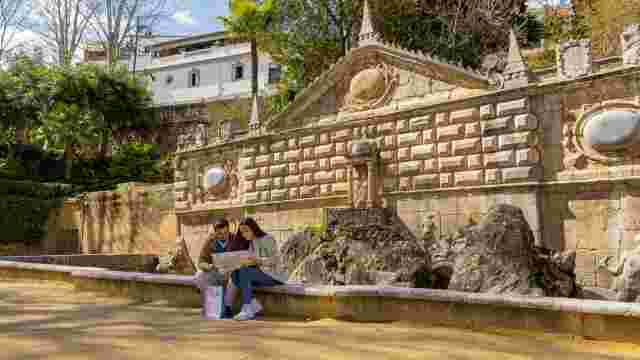
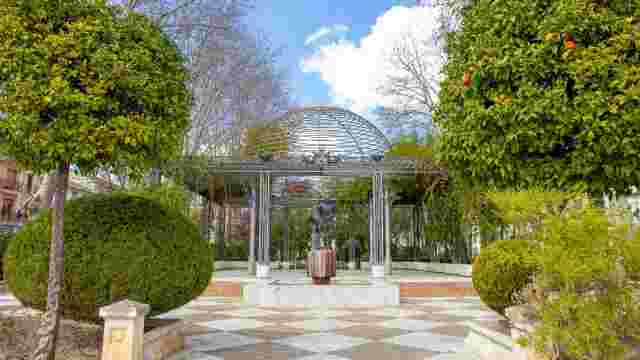
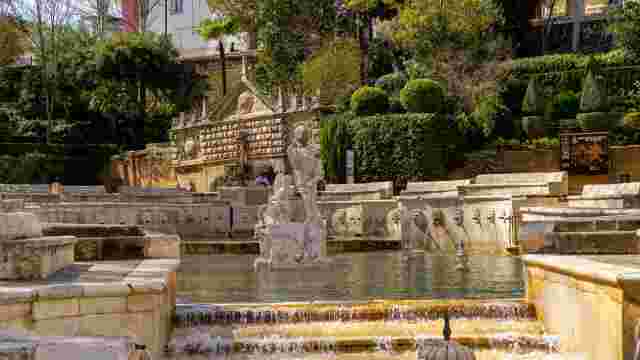
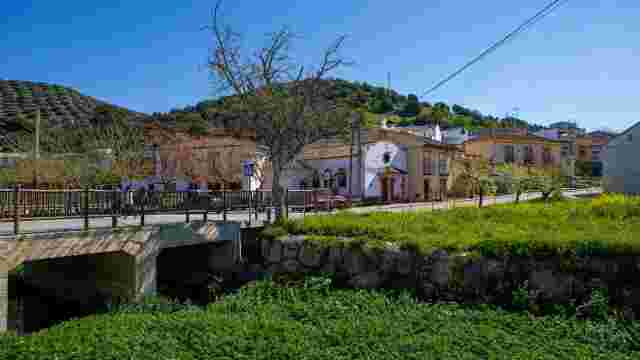
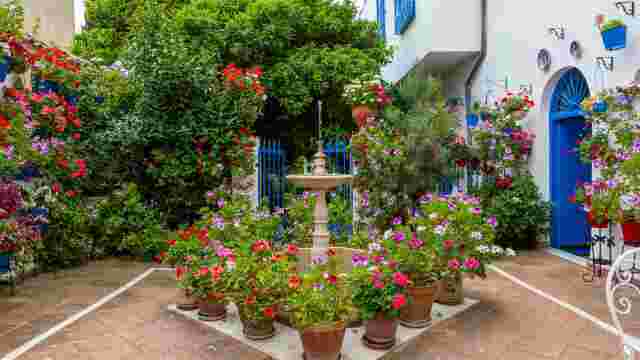
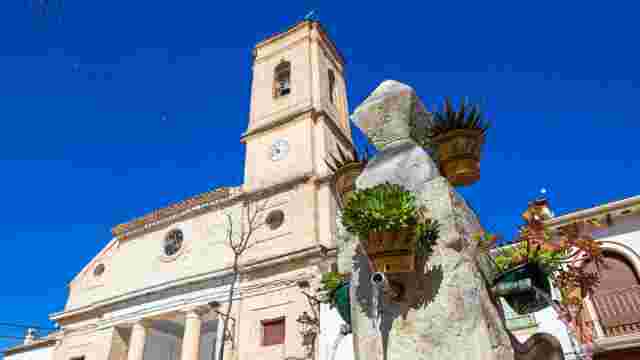
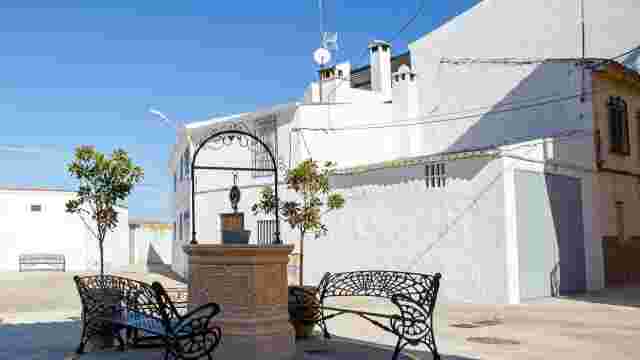
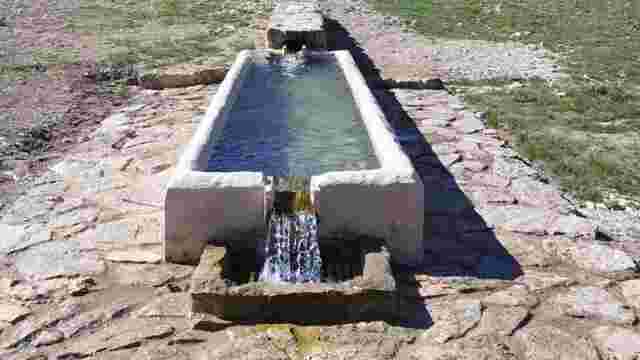
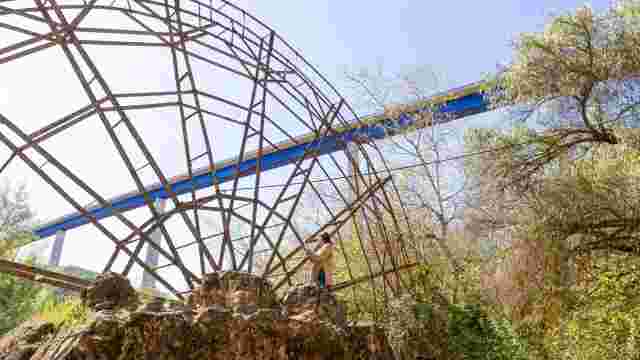
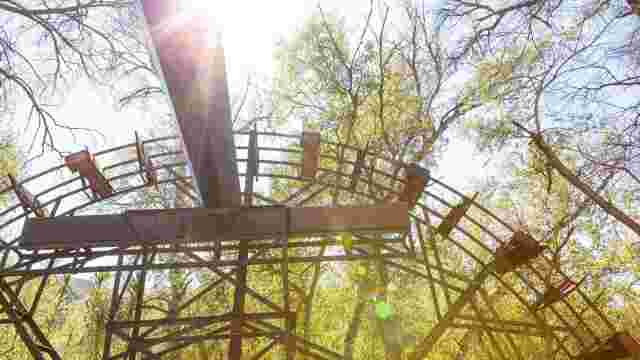
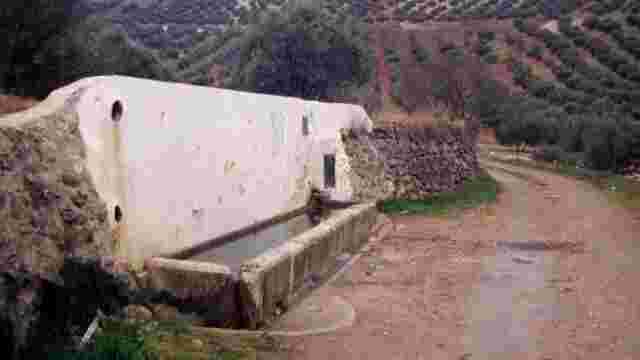
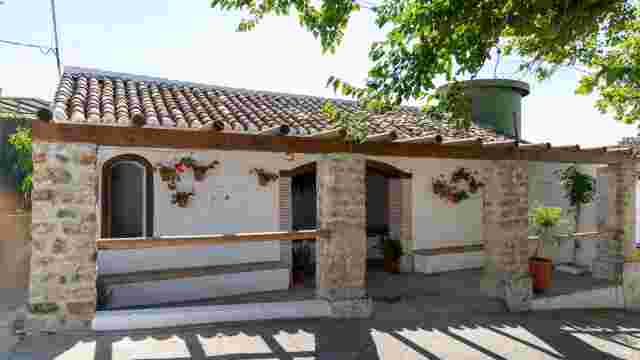
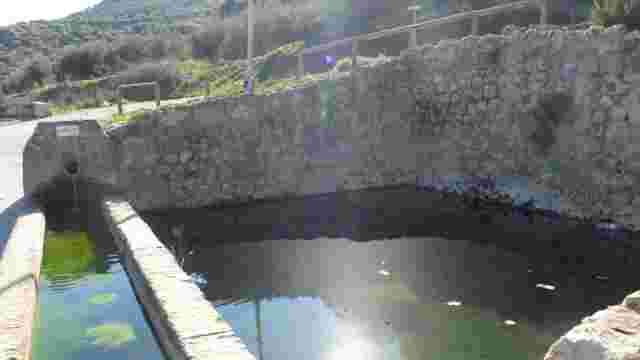
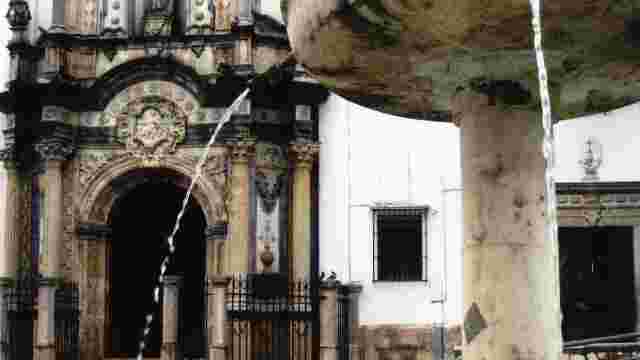
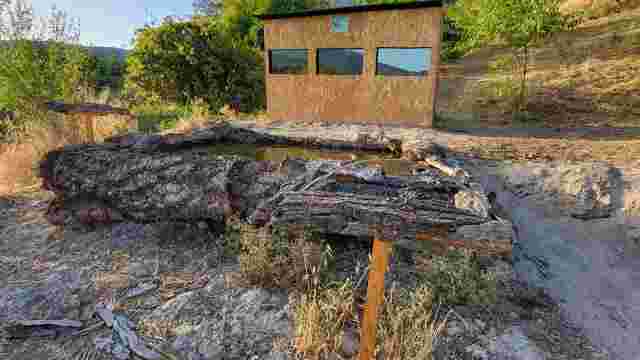
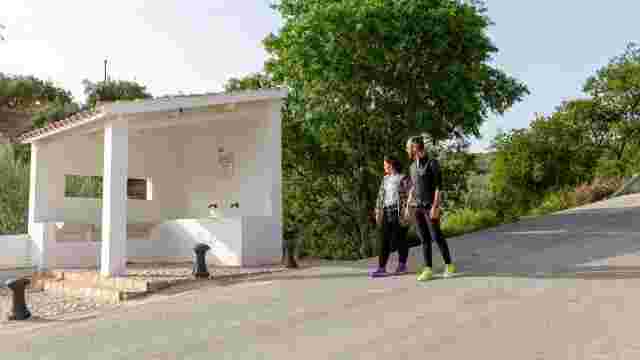
The most notable elements of traditional architecture are the fountains such as the ‘Fuente de Los Juncares’, the ‘Fuente de Chabanco’, and the public washhouse and irrigation channel. These features are still in use today, forming part of social customs that have not been abandoned by the village’s inhabitants. A pergola covers the Fuente de Los Juncares, as if to show the honour its inhabitants bestow upon it; for in Los Juncares, water is undoubtedly intimately linked to the village’s origins, and it is no coincidence that its abundance led the first settlers to establish themselves in the area.
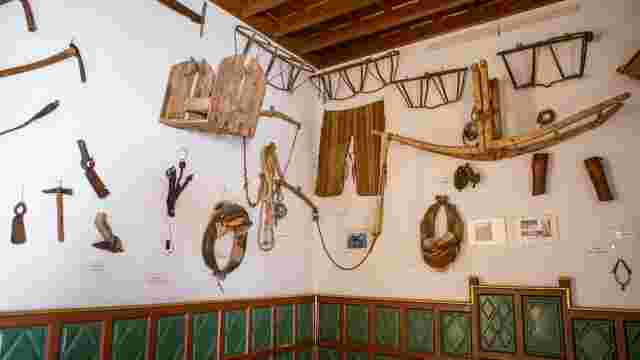
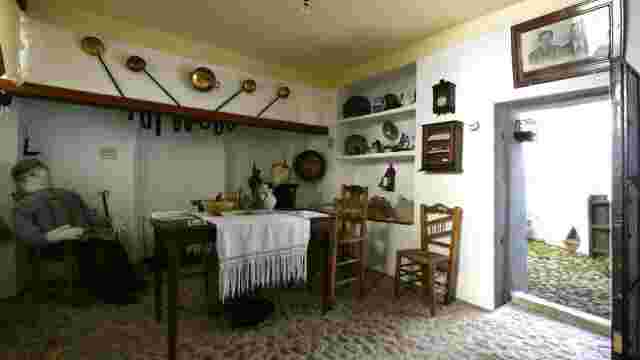
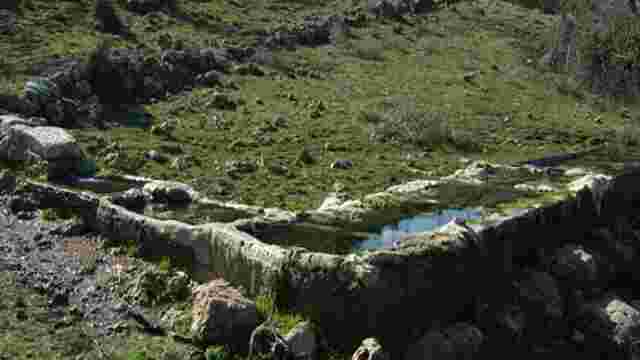
The wash house, the irrigation channel and the fountains of the village of Los Juncares evoke ways of life that are fading from our collective memory and bear witness to agricultural, livestock and social activities of great importance from an ethnographic perspective.
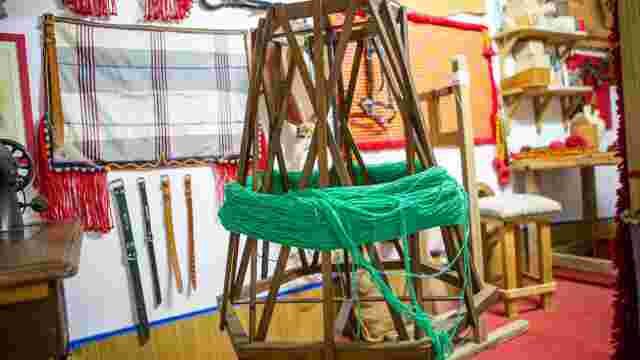
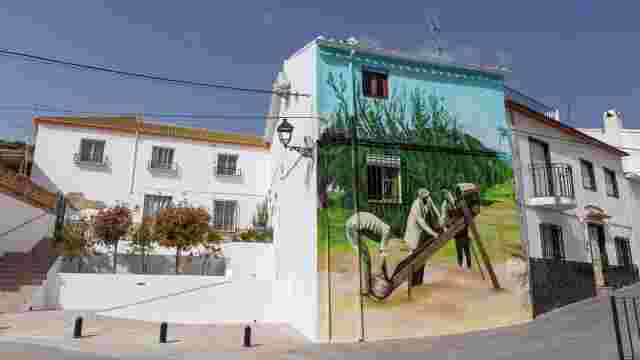
A deeply rooted custom, forming part of popular and traditional culture, is the so-called ‘pig slaughter’, a family and neighbourhood festival that takes place during the last month of the year, resulting in a wide variety of delicious dishes made from pork.
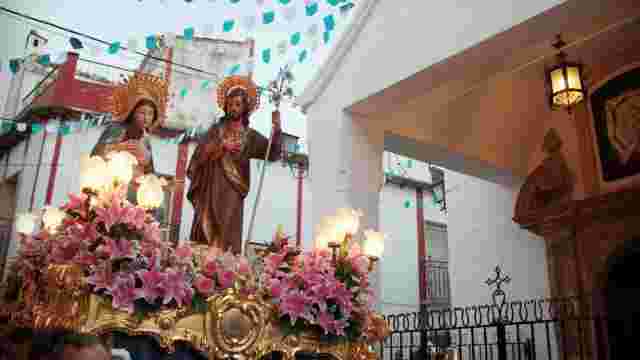
The village celebrates the ‘La Candelaria’ festivities every 3 February by lighting the traditional bonfires.