The Iznájar Reservoir
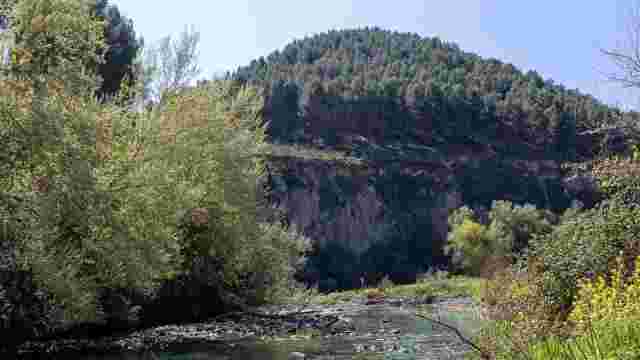
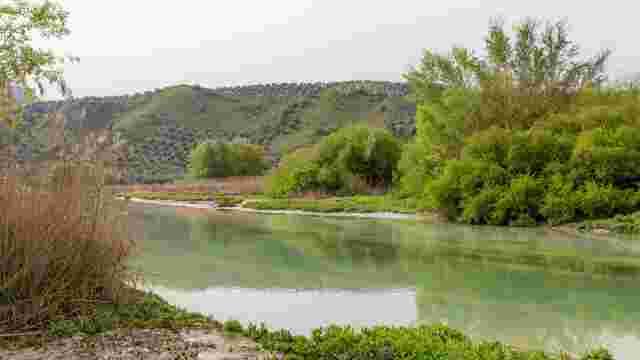
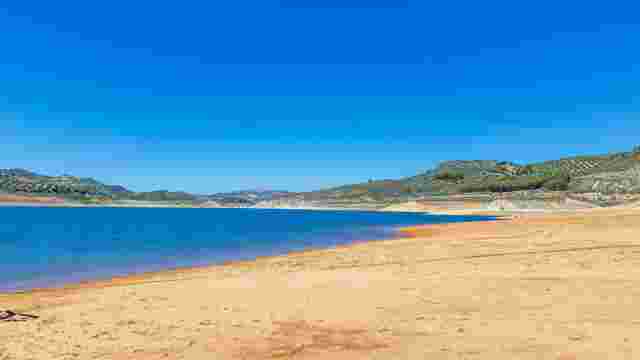
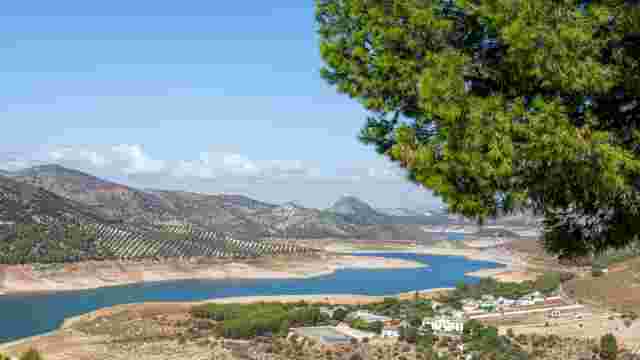
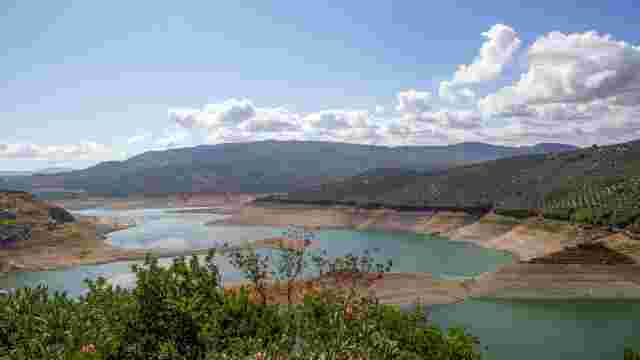
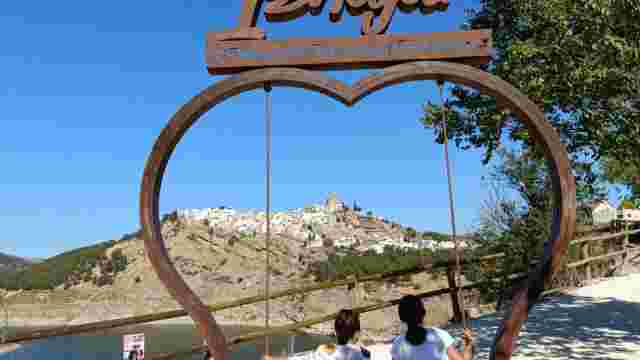
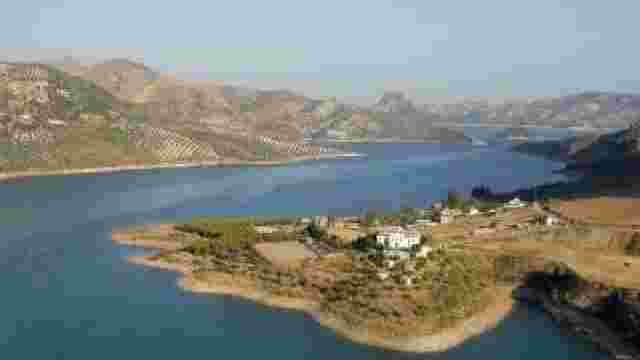
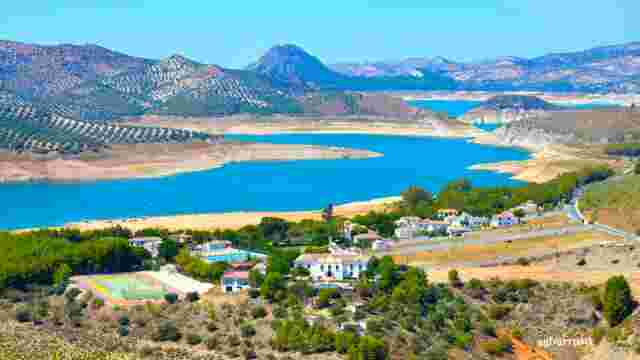
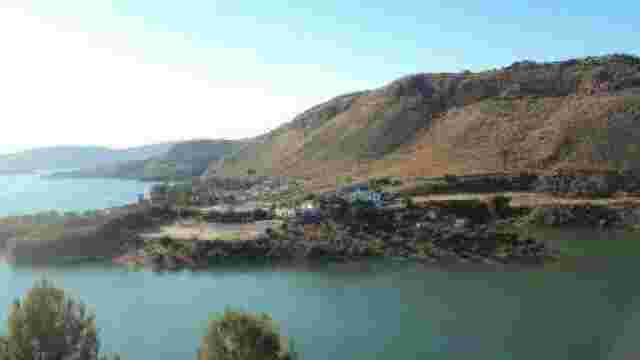
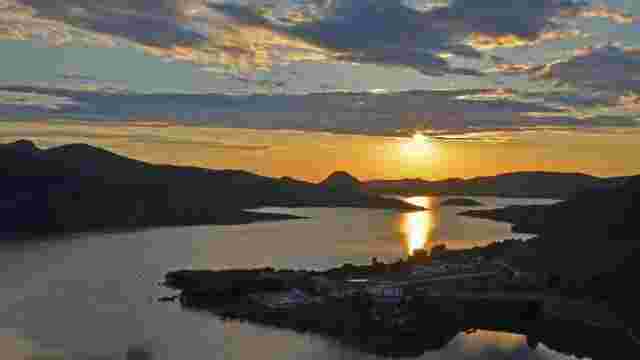
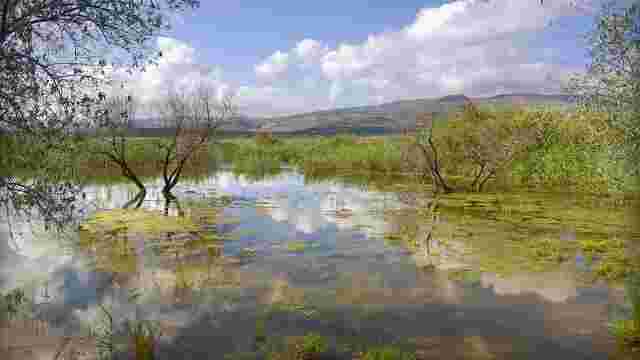
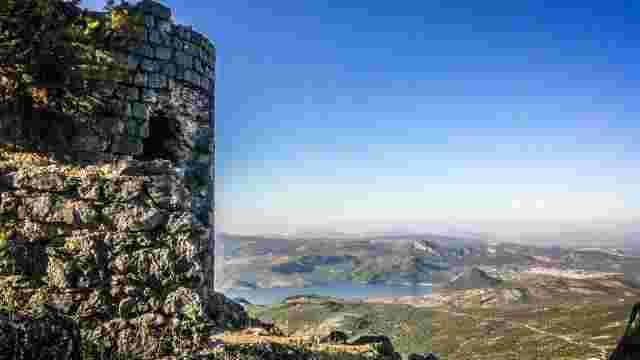
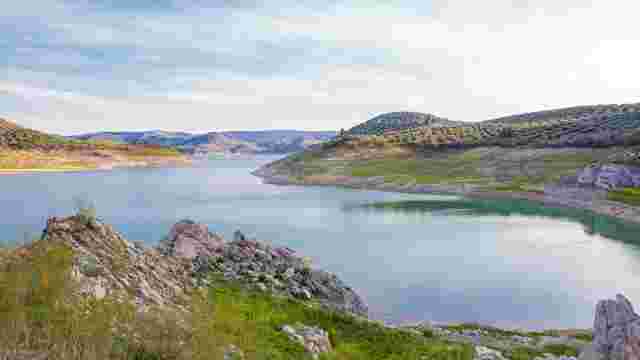
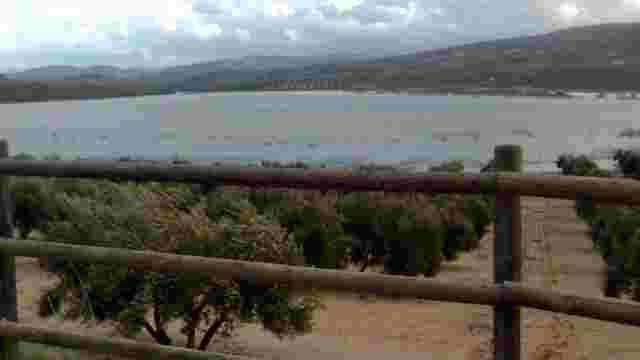
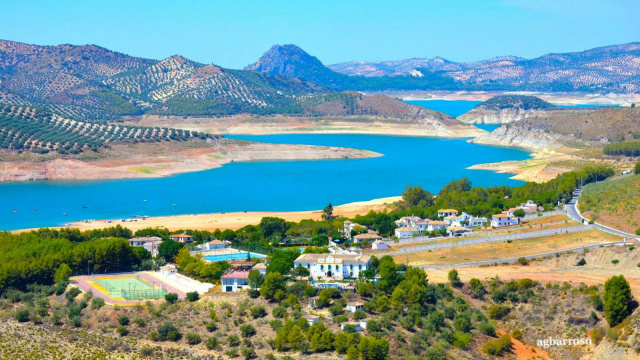
The Iznájar Reservoir, also known as the ‘Lake of Andalusia’, is situated in the middle reaches of the River Genil; it is the largest reservoir in Andalusia and the second largest in Spain.
Given its privileged location in the centre of Andalusia, the reservoir borders the provinces of Granada, Córdoba and Málaga, and together with the municipalities that make it up, covers an area of almost 1,000 square kilometres and more than 100 kilometres of shoreline.
Its proximity to the Costa del Sol and the reservoir’s central location mean it benefits from excellent road links, making it easily accessible from various points.
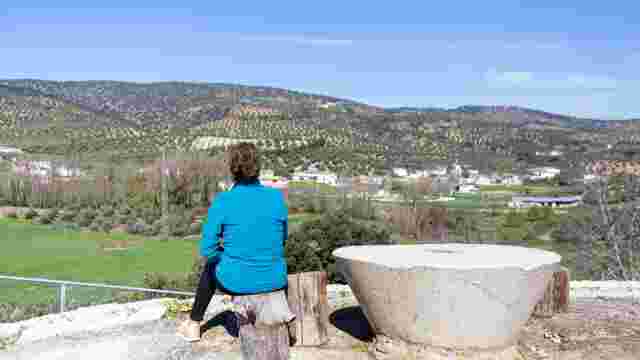
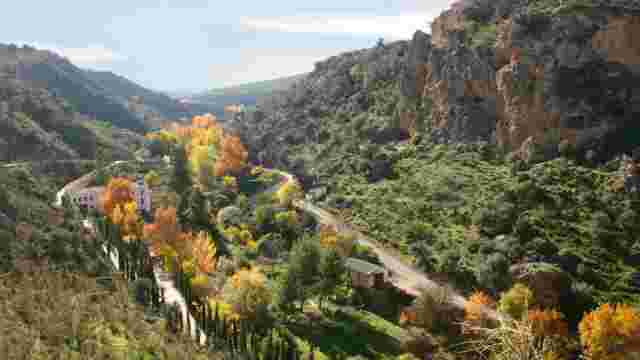
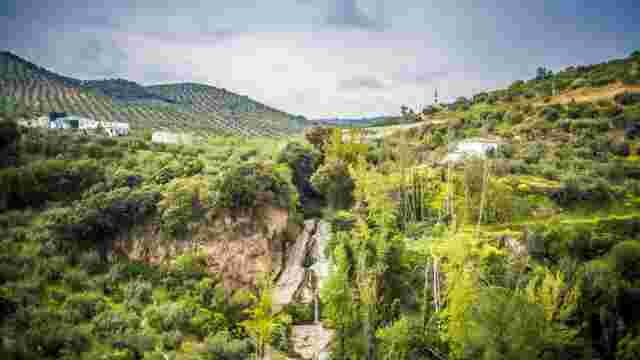
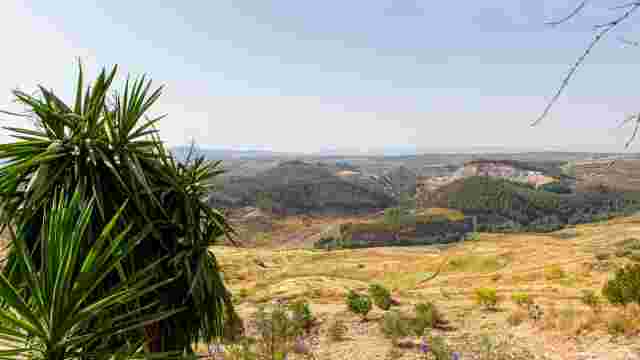
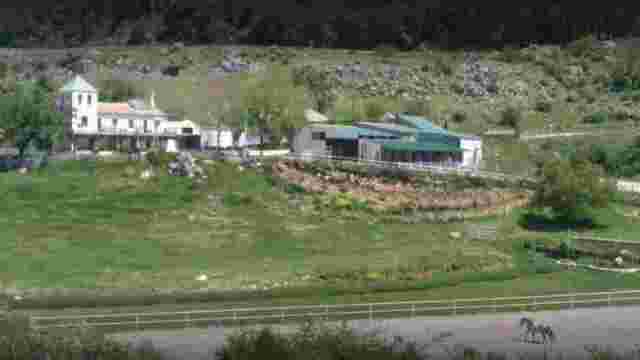
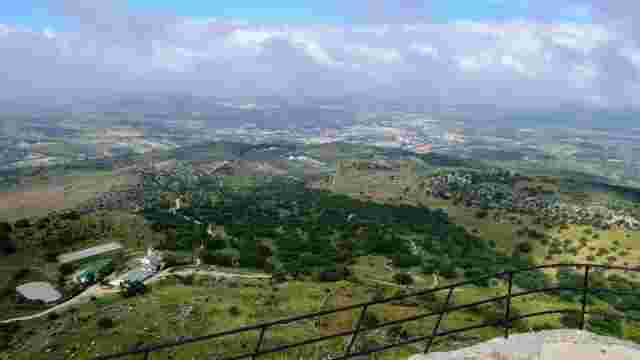
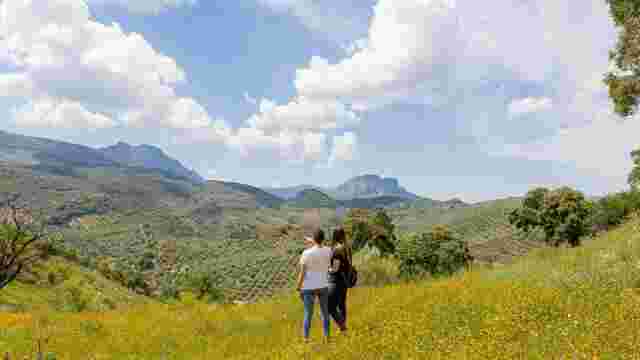
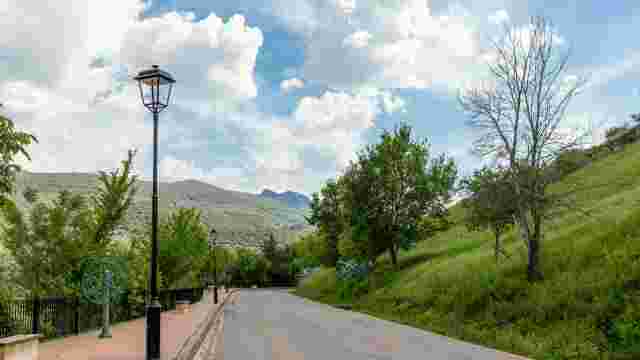
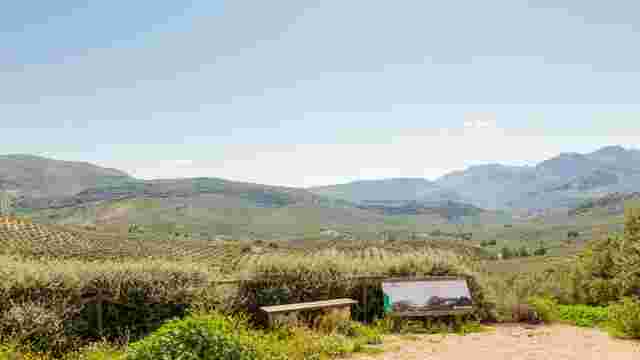
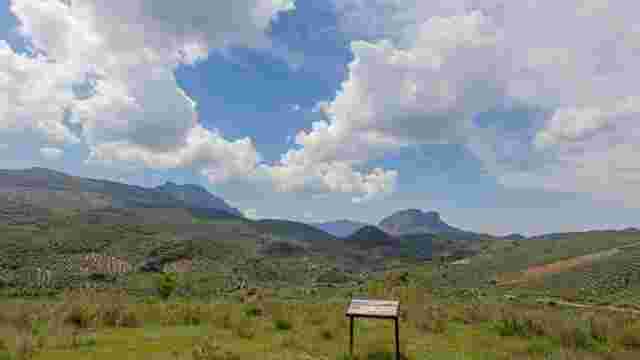
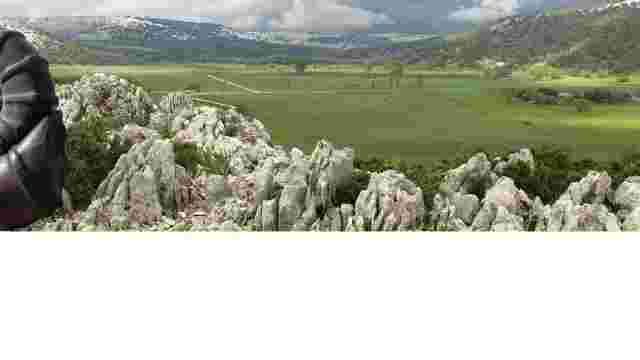
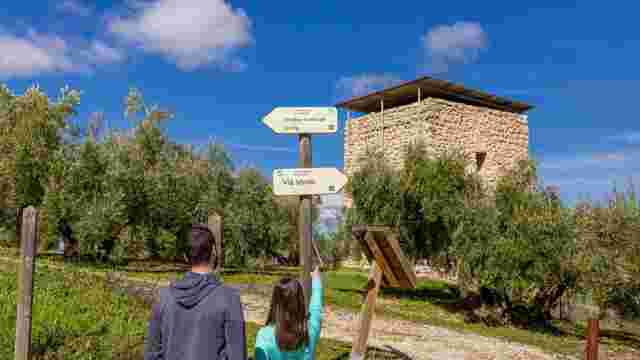
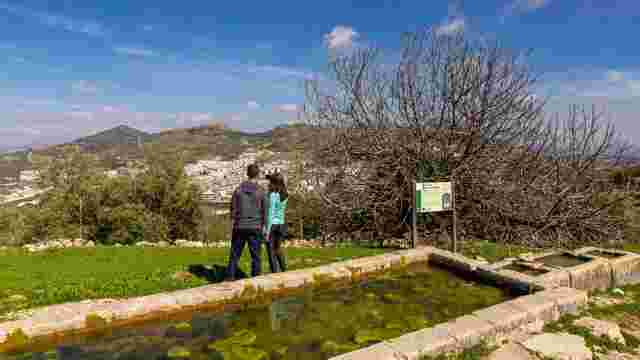
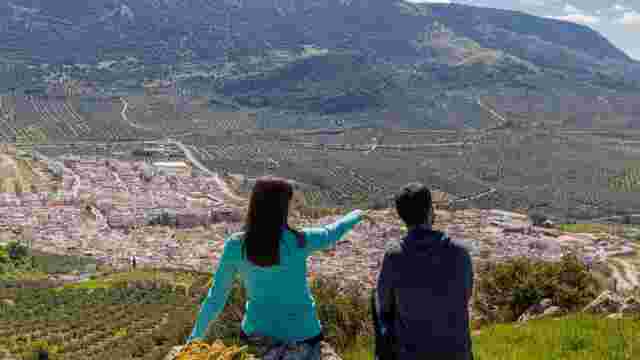
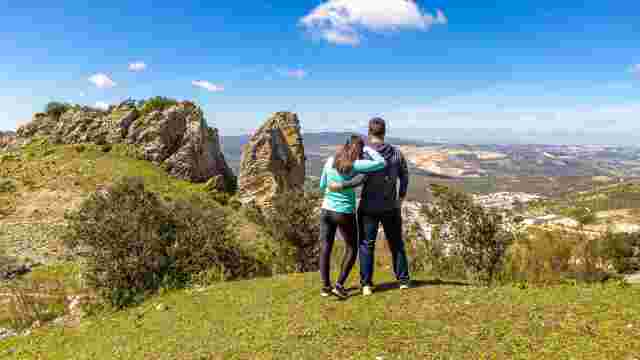
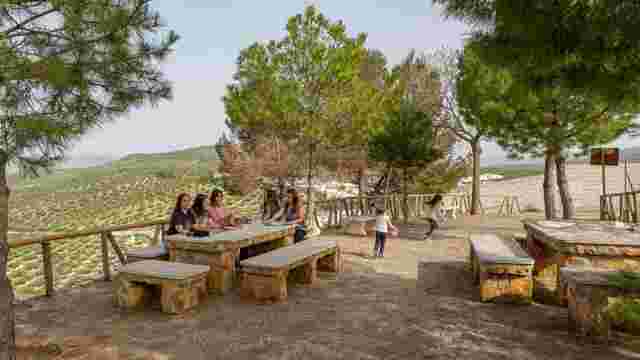
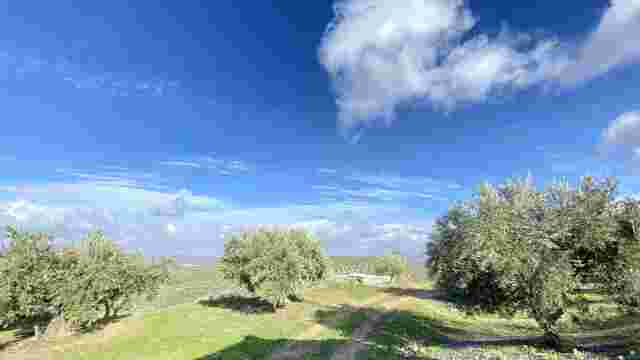
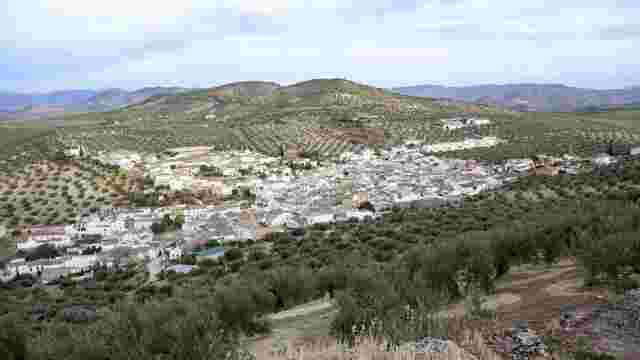
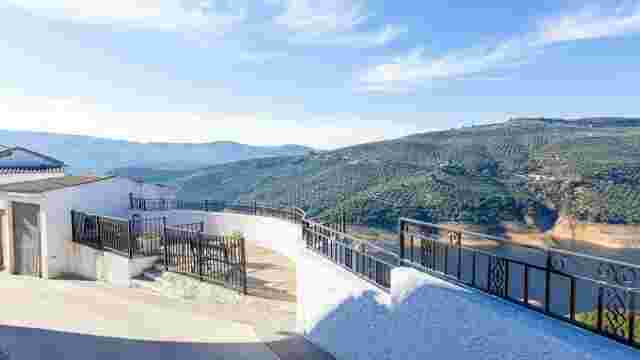
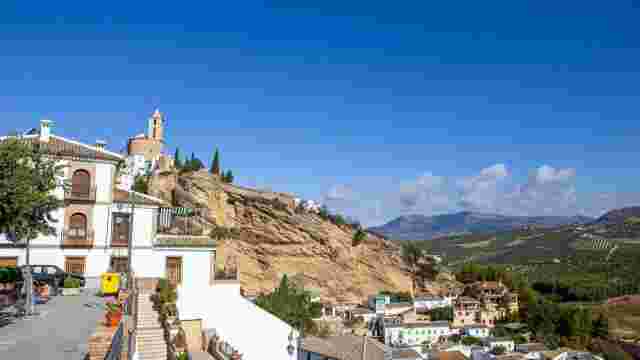
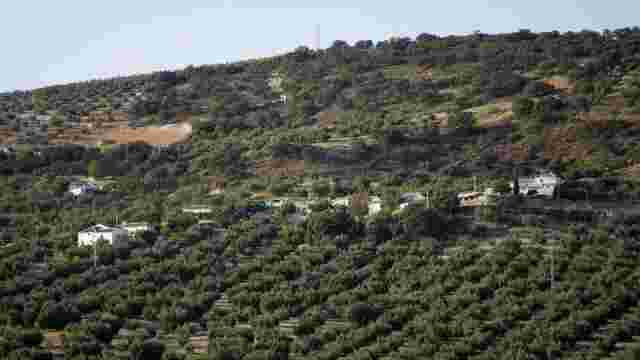
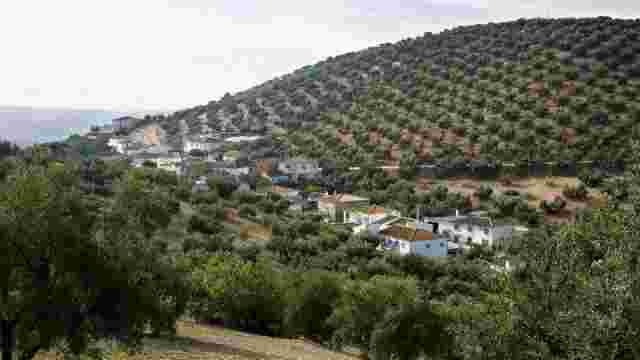
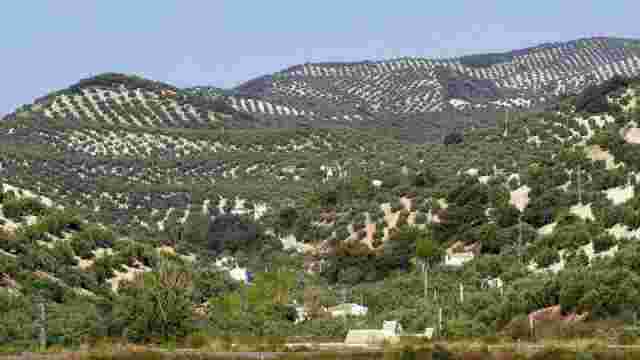
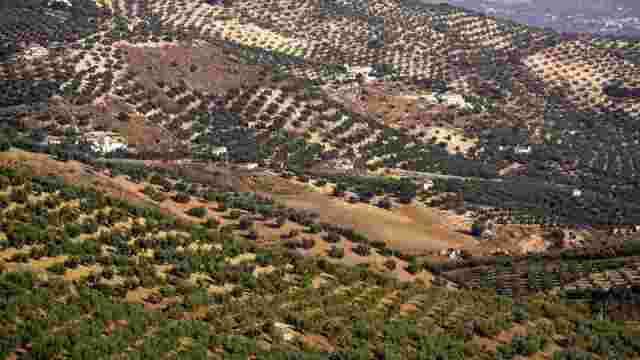
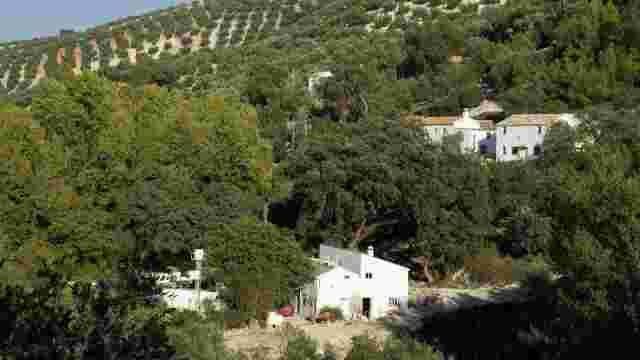
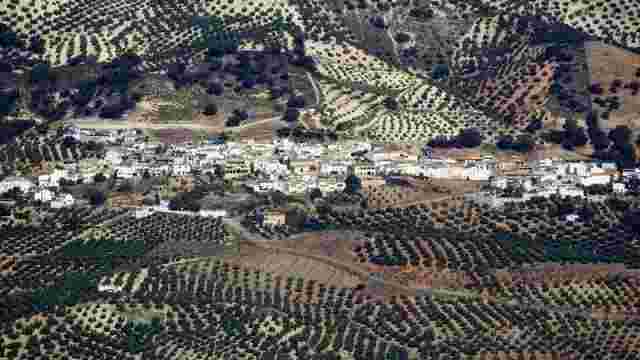
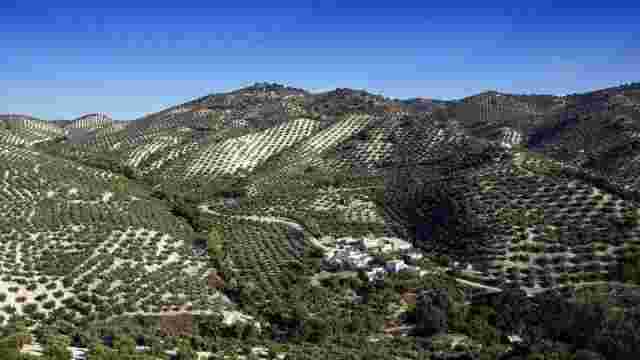
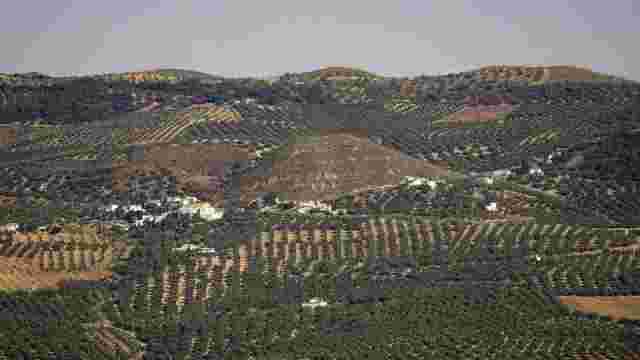
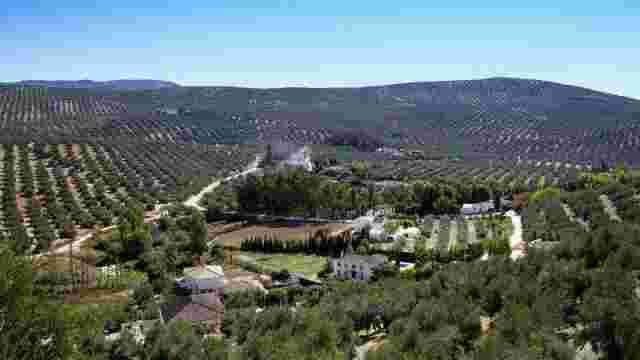
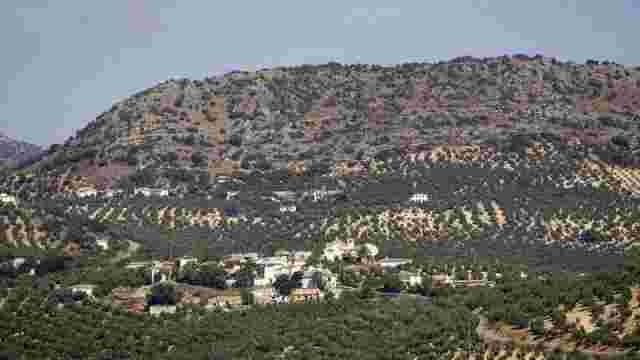
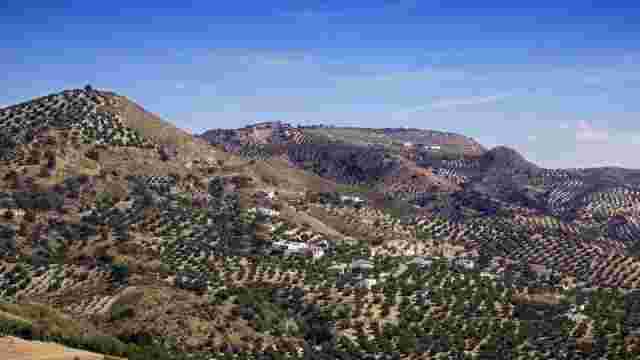
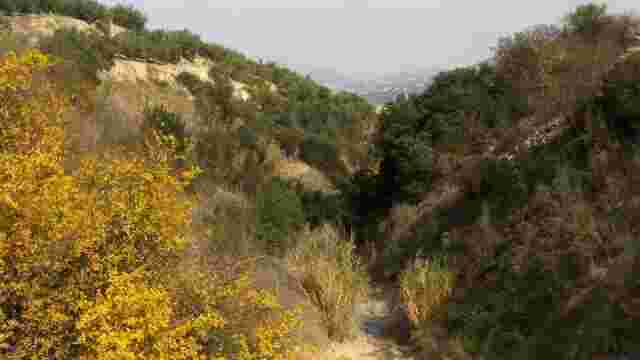
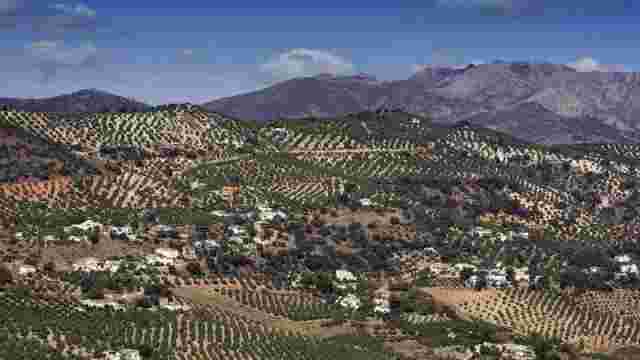
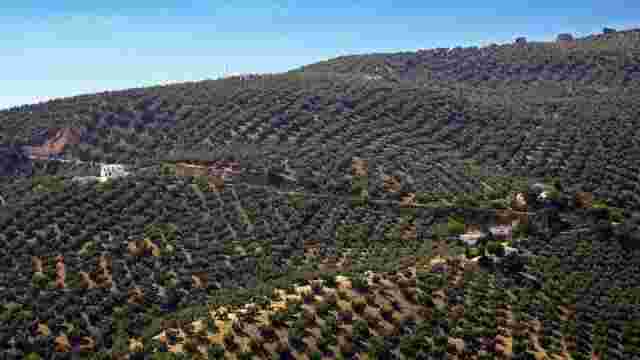
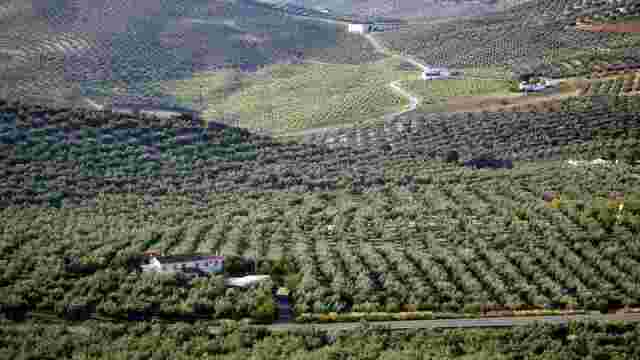
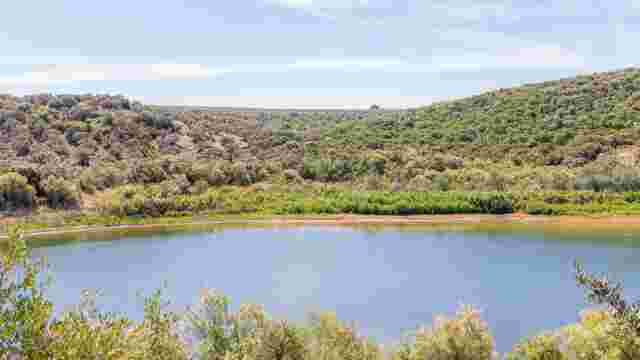
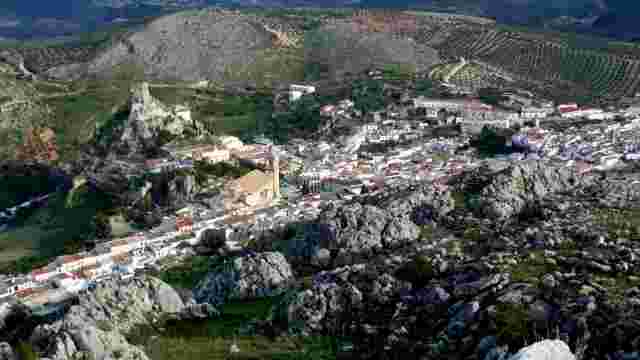
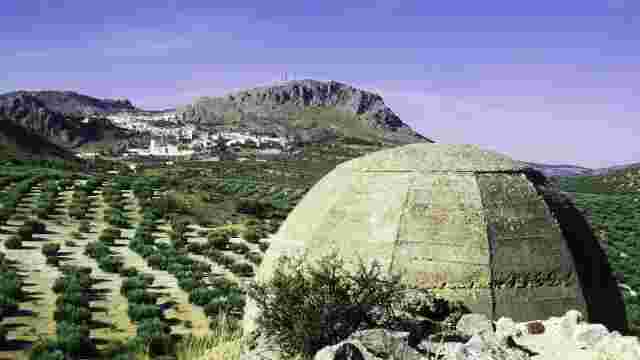
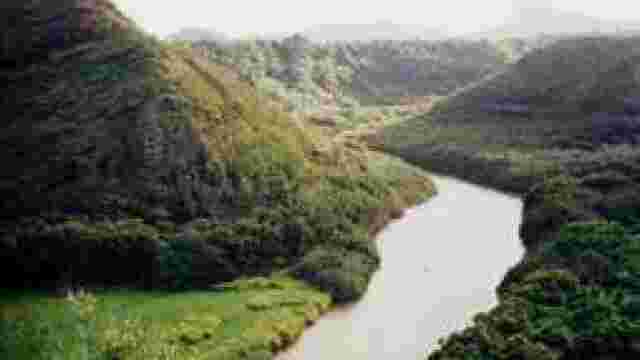
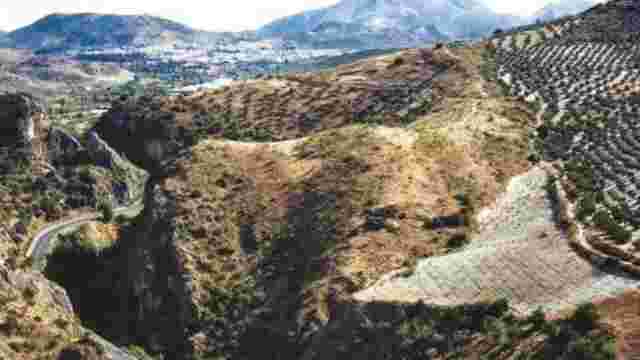
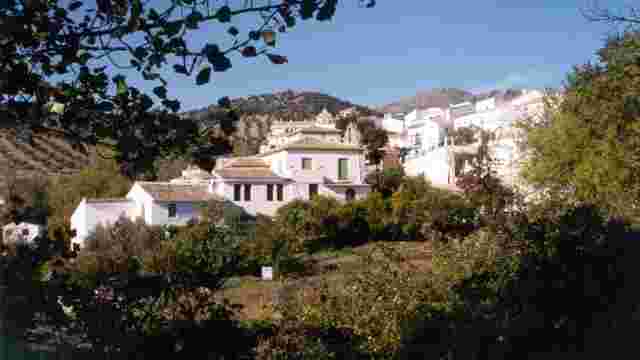
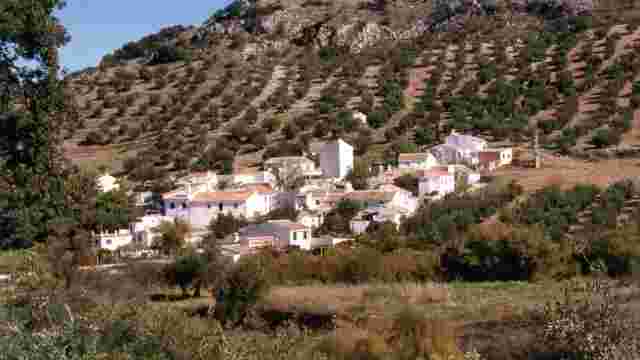
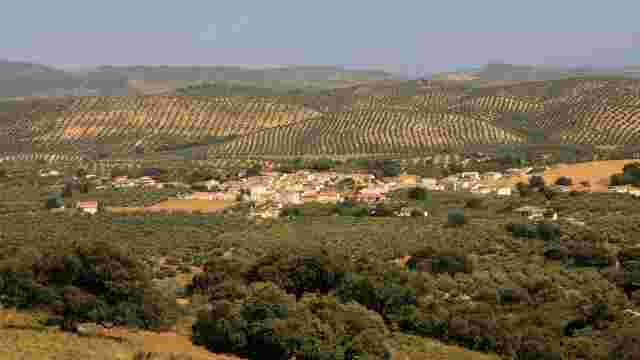
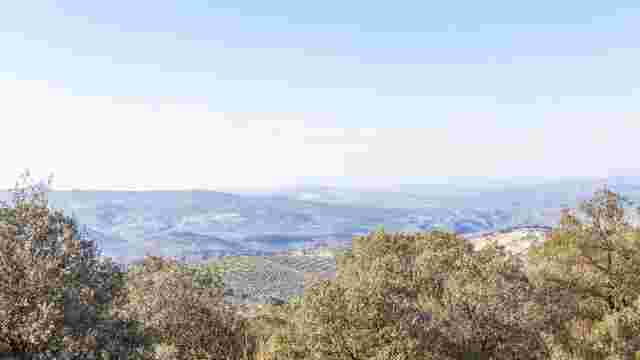
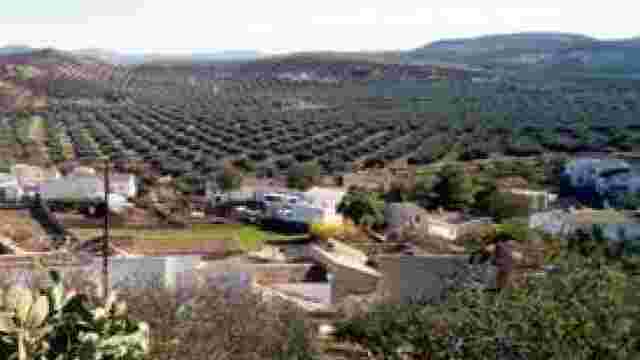
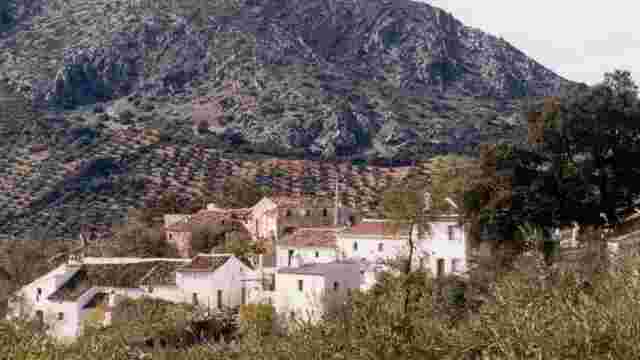
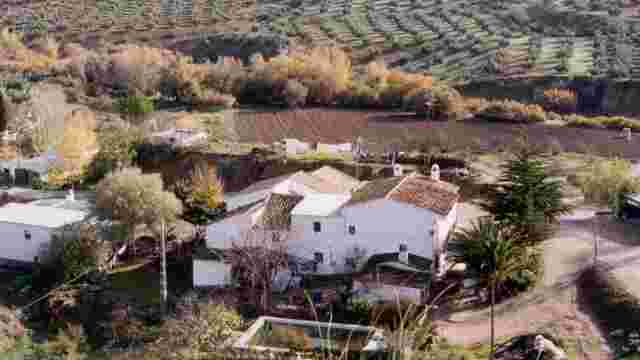
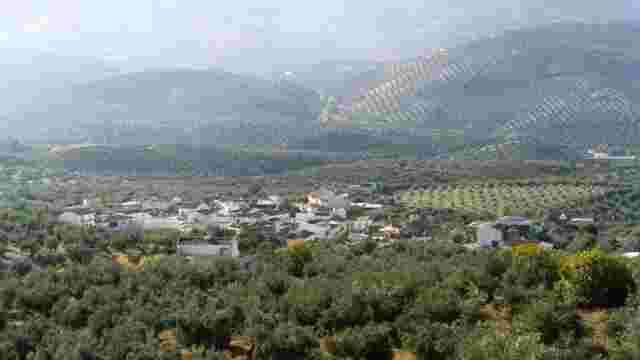
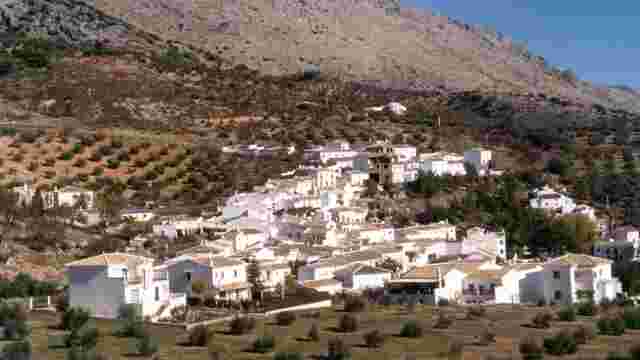
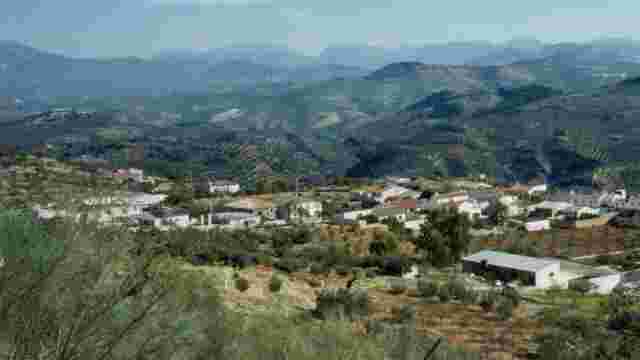
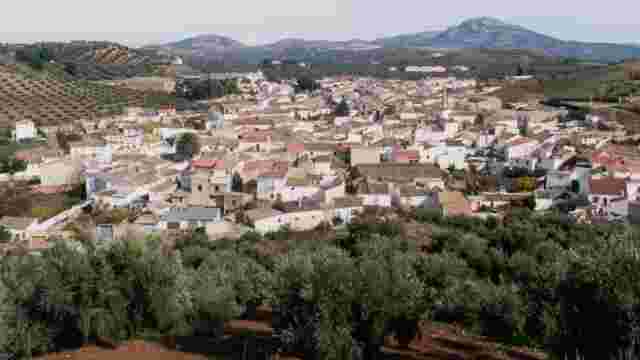
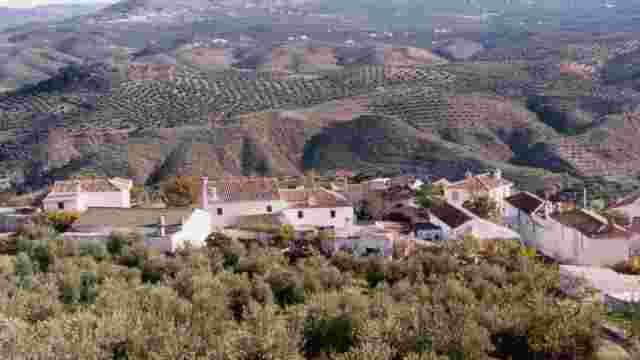
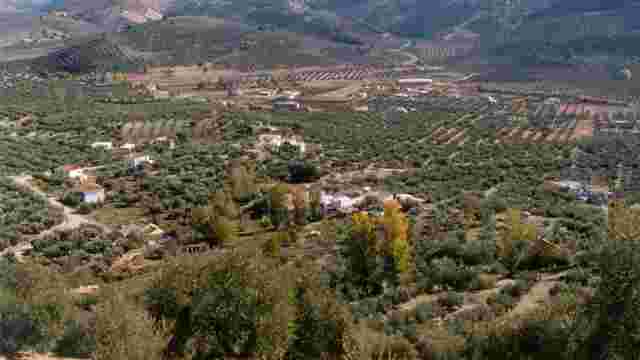
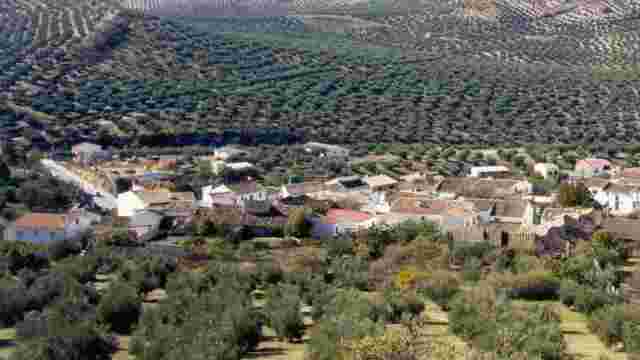
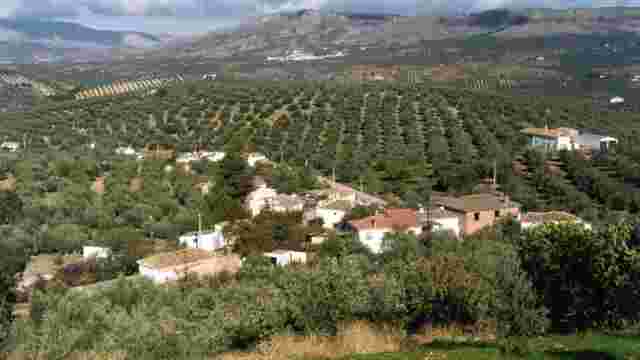
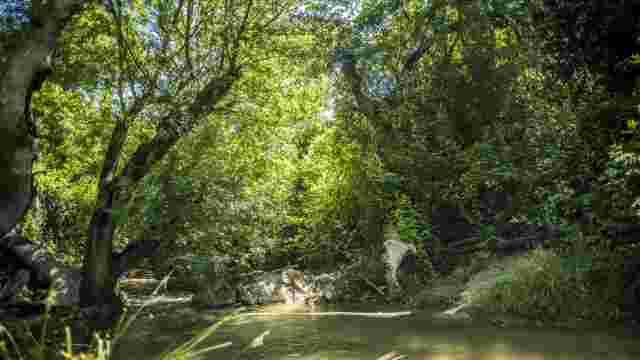
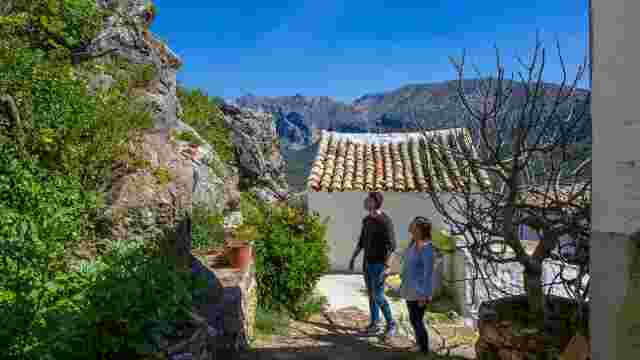
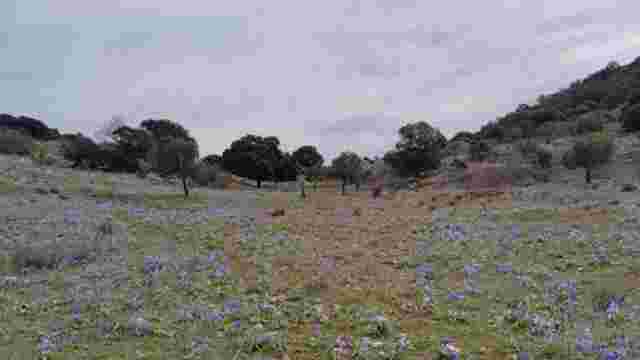
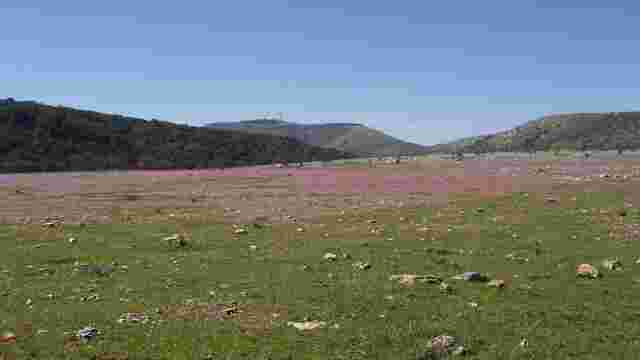
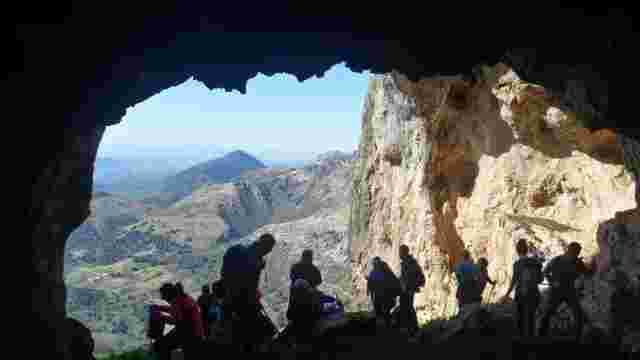
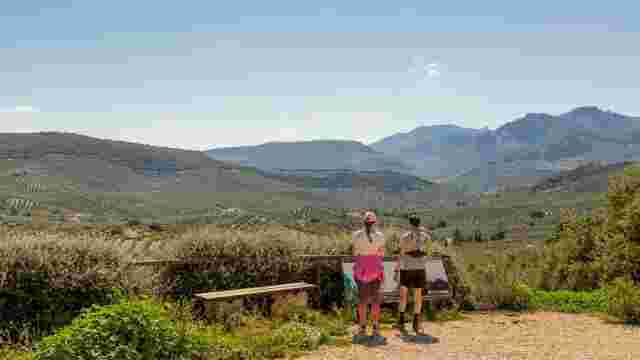
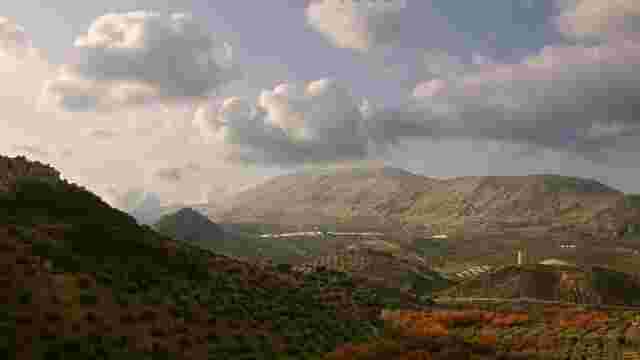
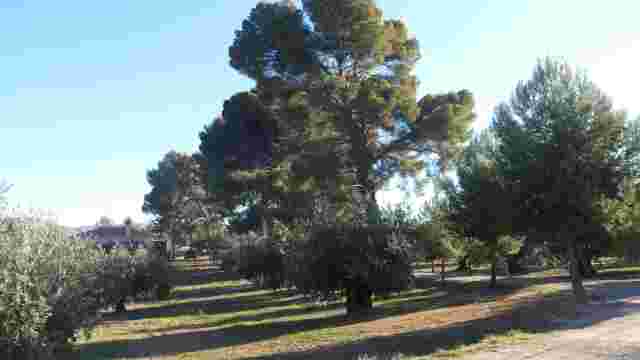
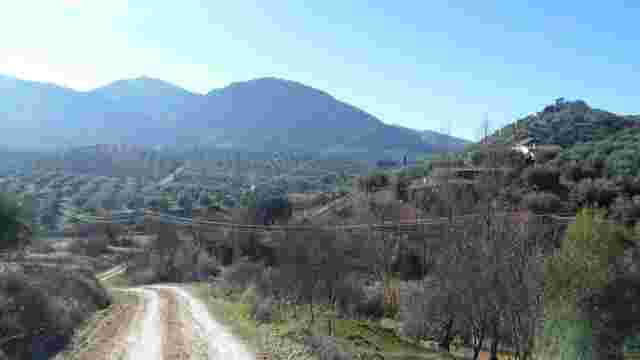
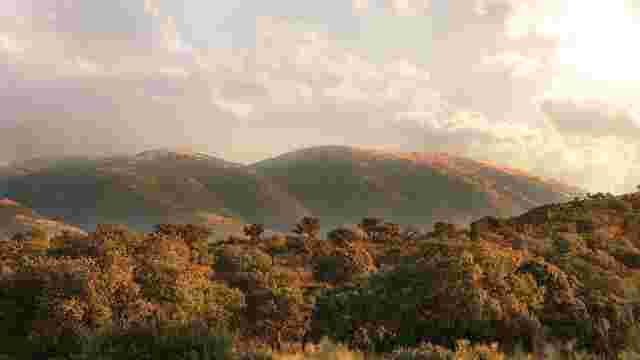
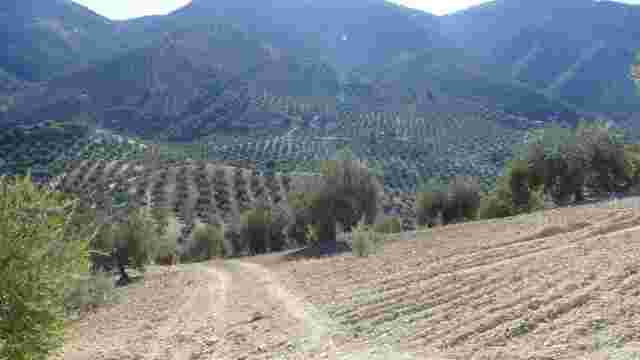
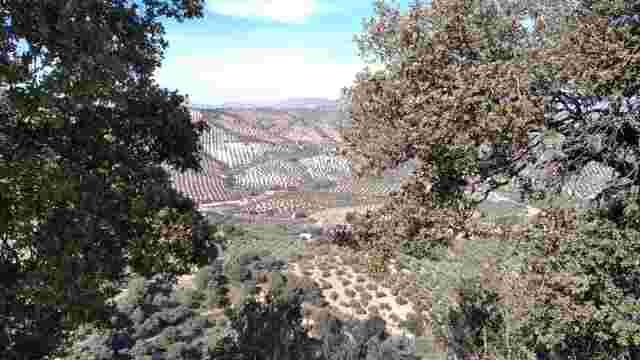
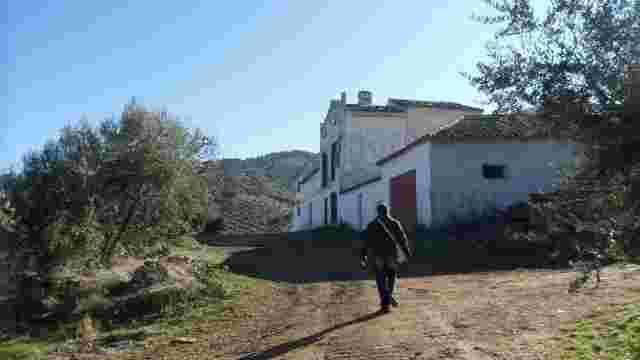
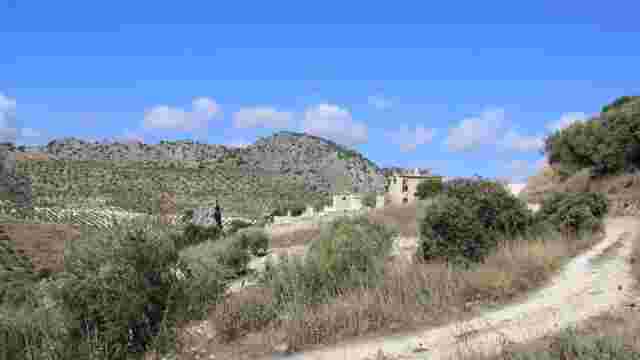
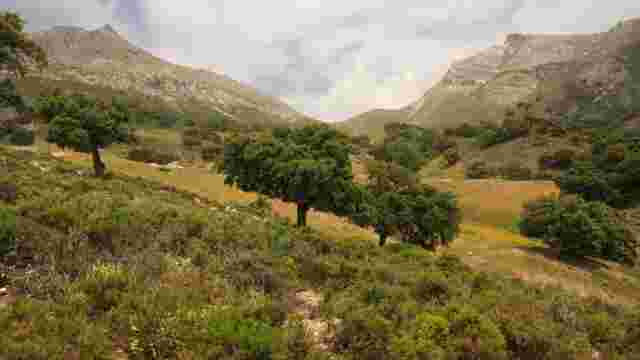
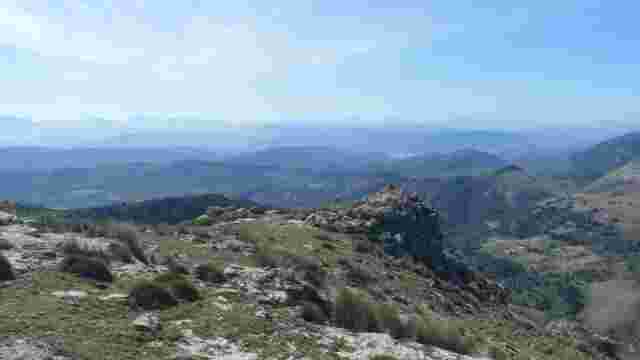
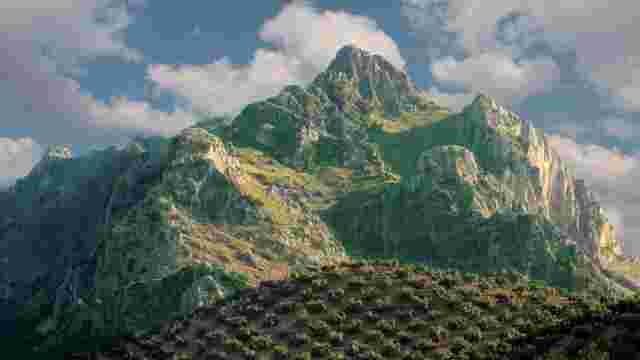
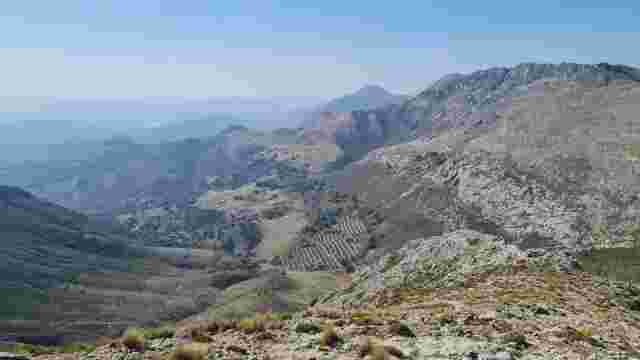
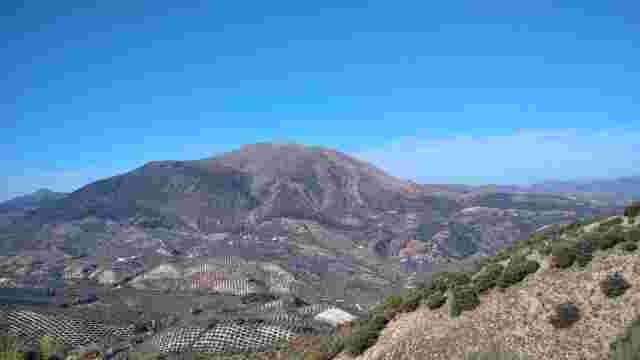
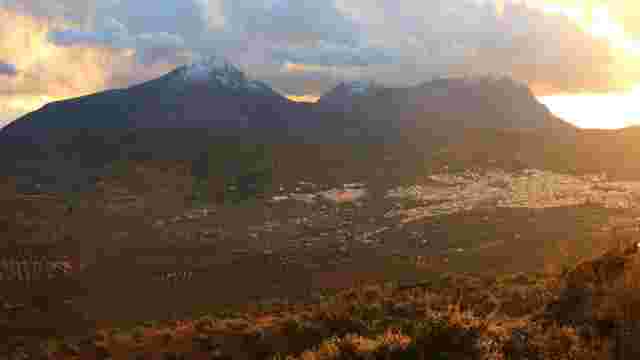
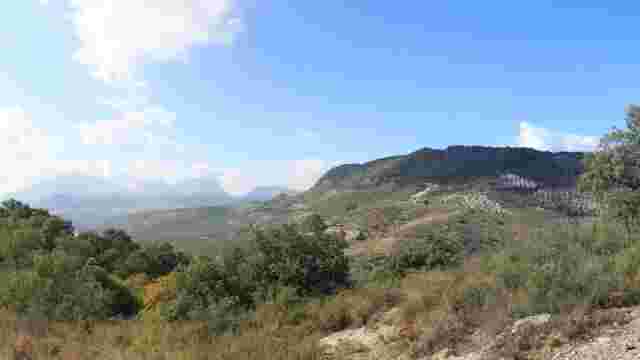
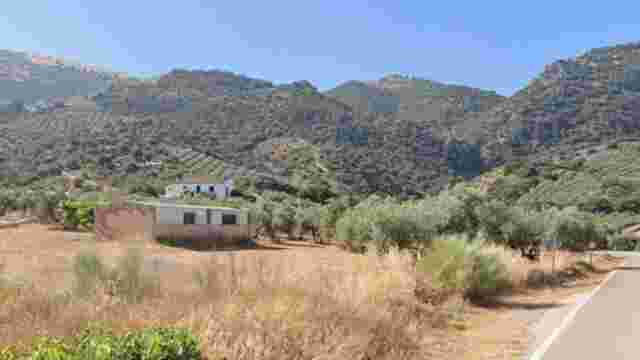
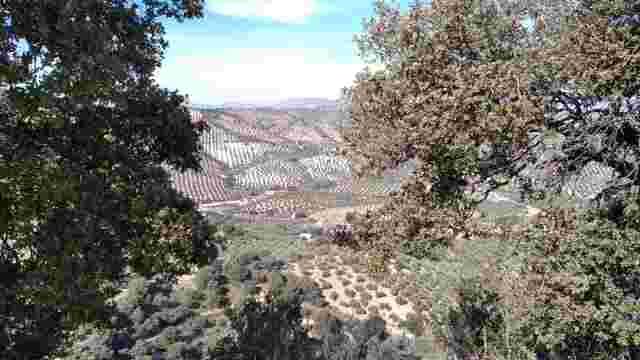
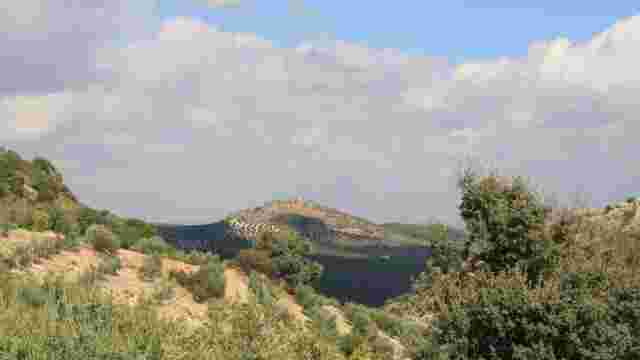
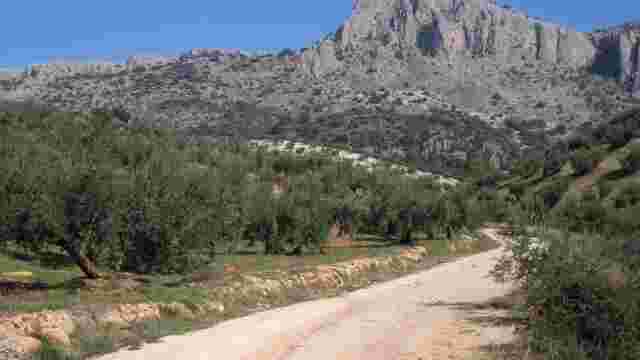
The lake boasts stunning landscapes that will leave visitors awestruck by their beauty, blending mountain ranges and water in a unique setting. Its land, dotted with olive groves, offers visitors not only beautiful views but also the chance to enjoy the region’s renowned products, such as olive oil, wines and aniseed-flavoured spirits.
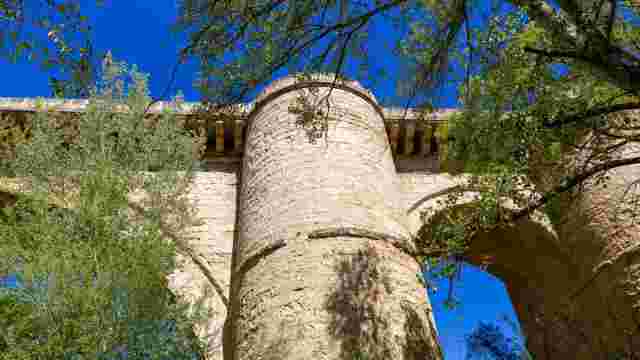
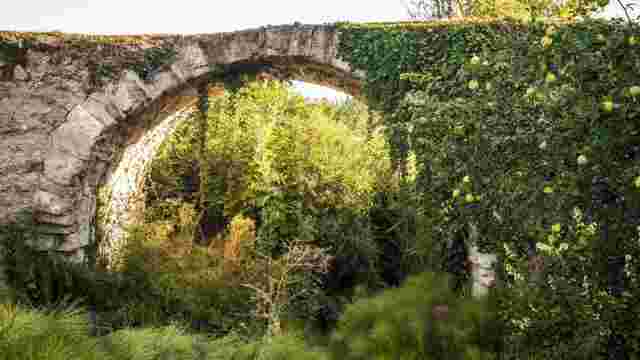
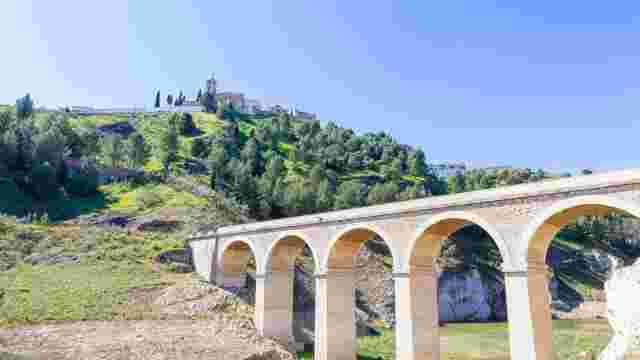
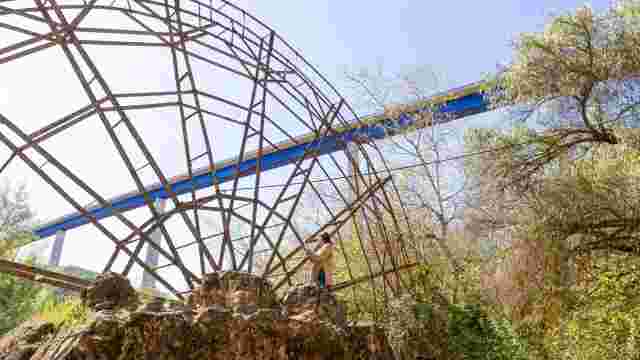
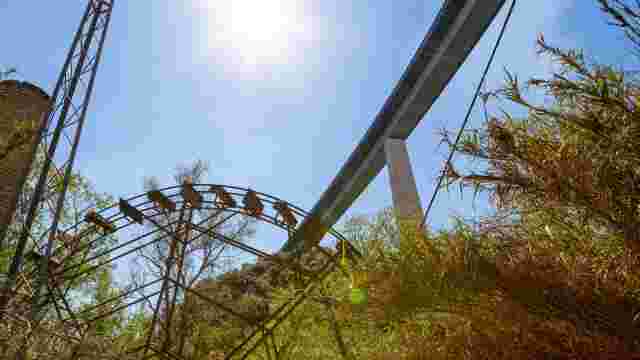
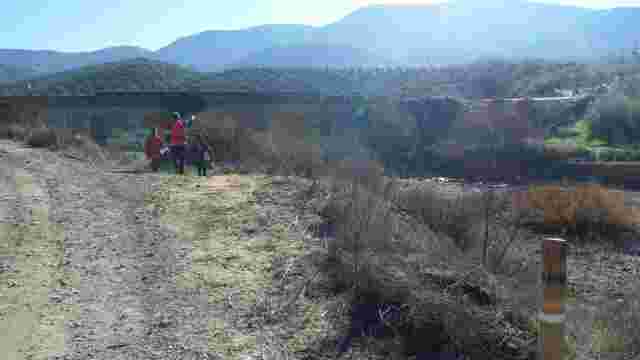
Opened on 3 June 1969, the reservoir belongs to the Guadalquivir River Basin Authority. It serves as a defence against flooding from the River Genil for Puente Genil, Écija and other riverside towns, and supplies water for domestic use to a population of around 200,000 people. It covered 3,000 hectares, of which 200 were irrigated, and left 150,000 olive trees submerged; the irrigable area created amounted to 65,000 hectares. One million four hundred thousand cubic metres of concrete were used in the construction of the dam, setting a record for such works in Spain. Two prestressed concrete viaducts were built to link the Lucena and Loja bypass, but the waters rose before the viaducts were completed, and for almost a year, the crossing from bank to bank was made using boats and pontoons (statistics from the Hydrographic Confederation show that more than 10,000 people and livestock were transported by boat and more than 9,000 vehicles were moved, highlighting the problem of isolation during that period).
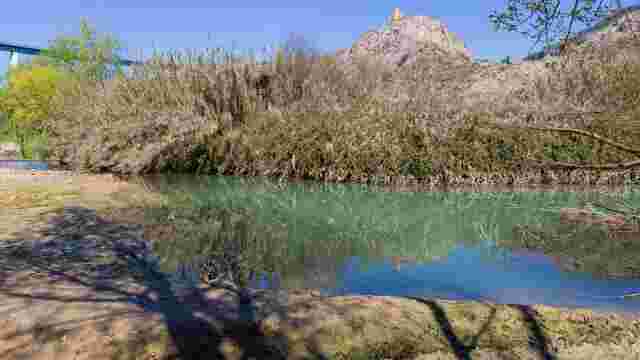
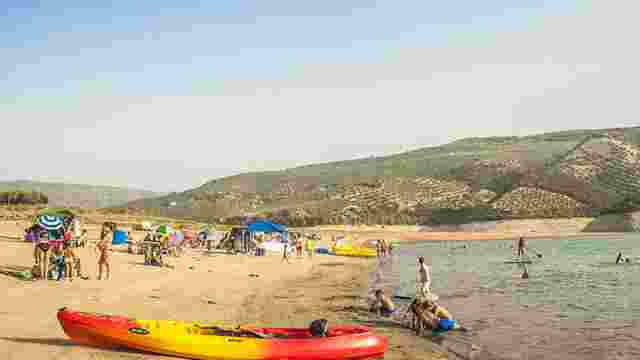
Thanks to the area’s superb topography, wide river beaches form along the lake’s shores, making it an ideal spot for various water sports such as paddle surfing, windsurfing, sailing and canoeing, as well as fishing and swimming in areas like the Valdearenas nature reserve.
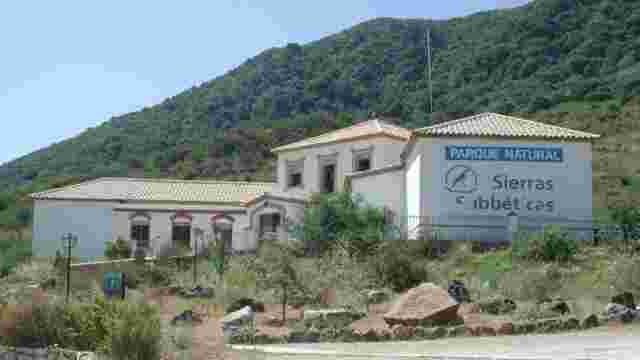
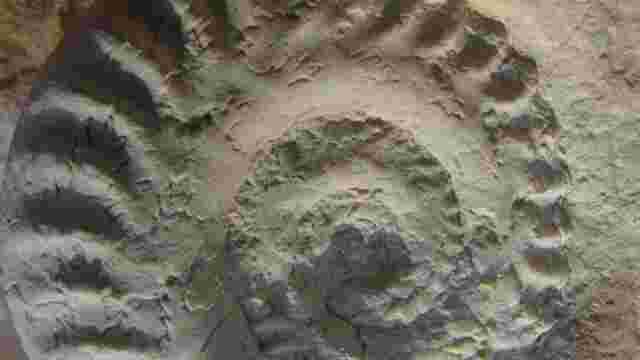
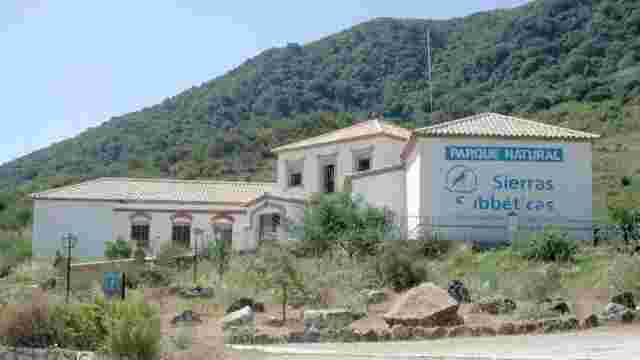
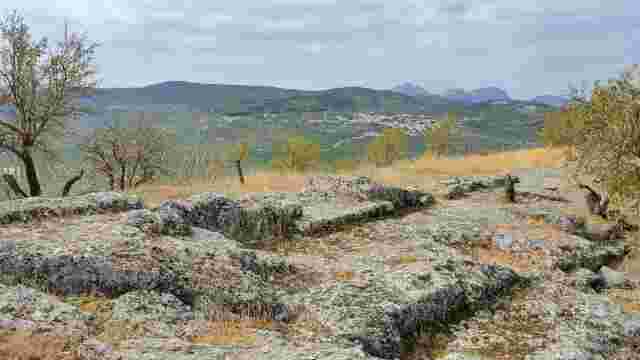
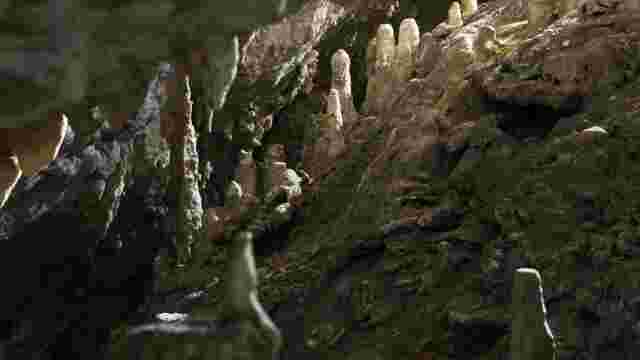
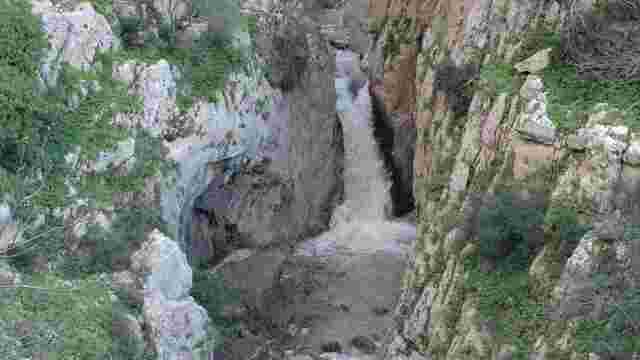
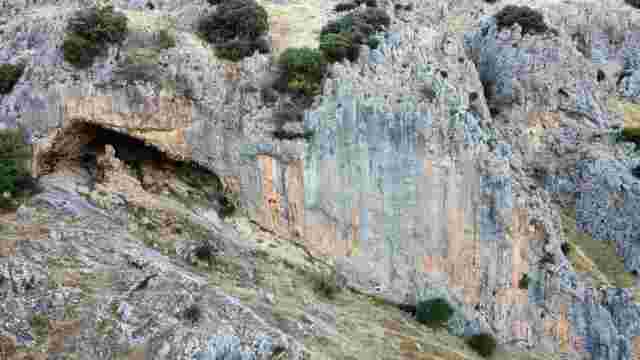
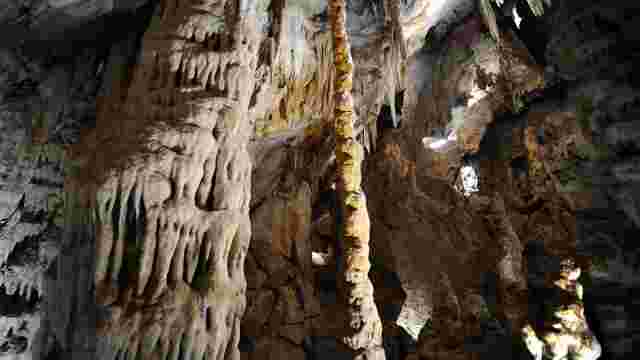
Lake Andalucía is situated very close to the Sierras Subbéticas Natural Park, an area which, in September 2016, became part of the Geoparks network, thanks to its unique geological heritage and the work being carried out to protect, promote and ensure the sustainable use of the area.
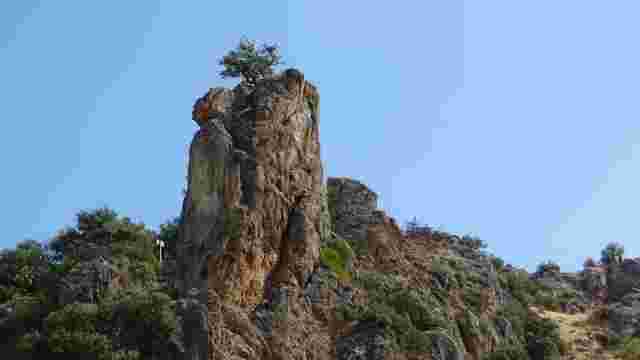
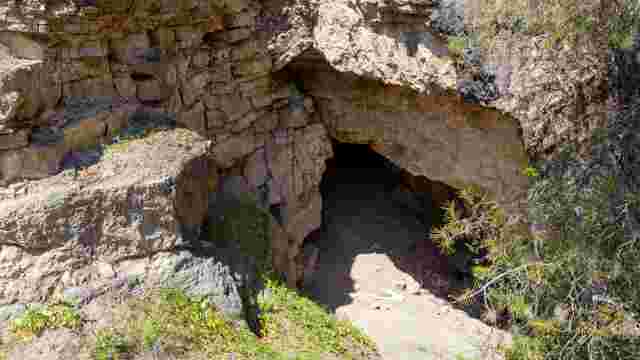
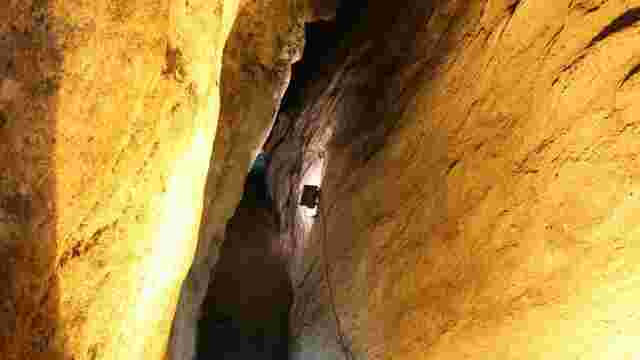
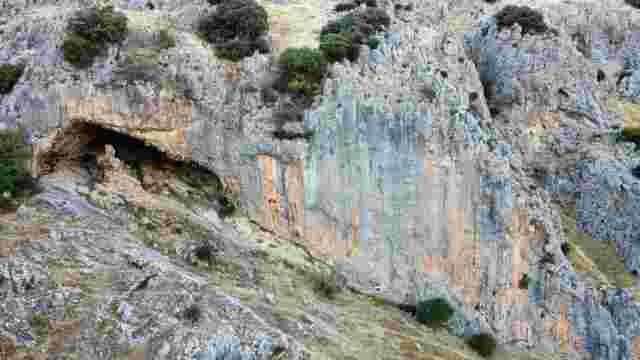
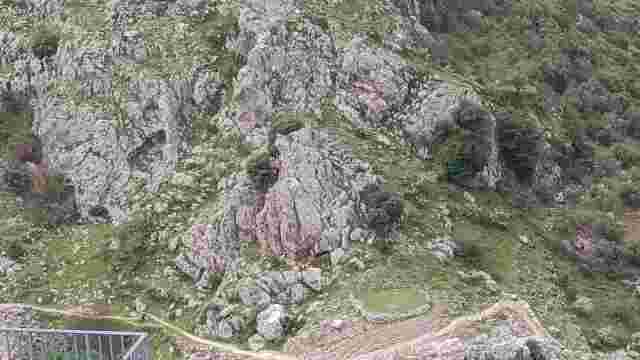
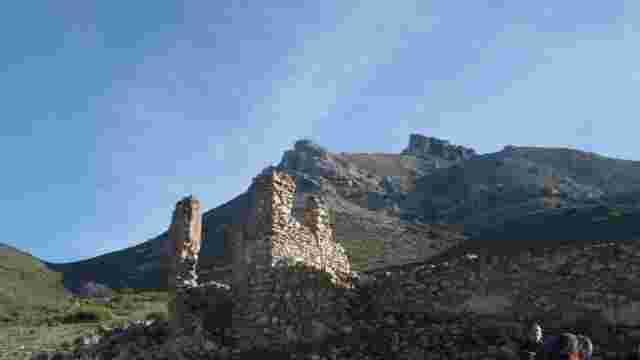
In the area surrounding the reservoir, a large quantity of rock formations of various ages from both the Mesozoic and Cenozoic eras are exposed. The rocks of the Subbética began to form in the Triassic period on a broad coastal plain that developed south of the Sierra Morena (around 230 million years ago).
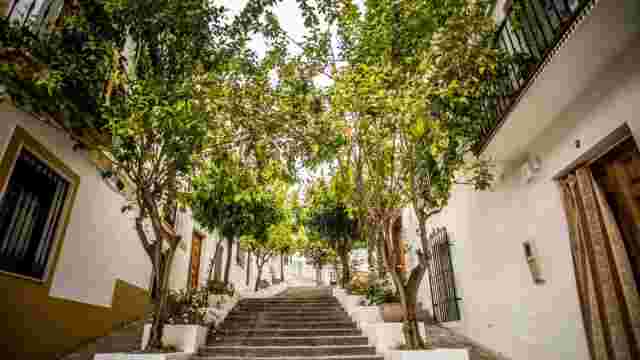
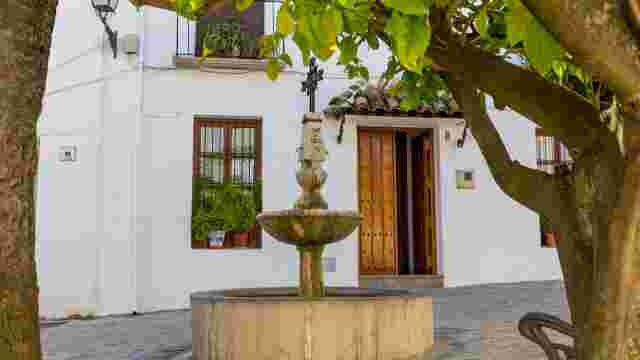
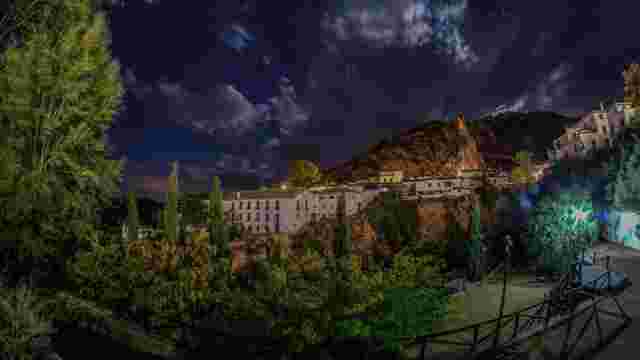
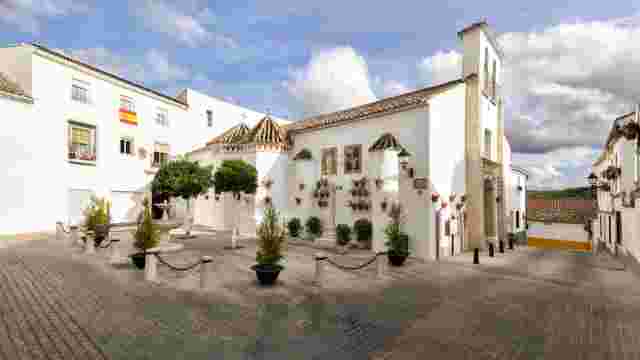
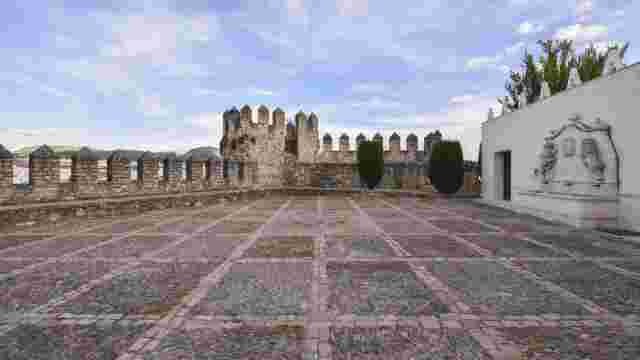
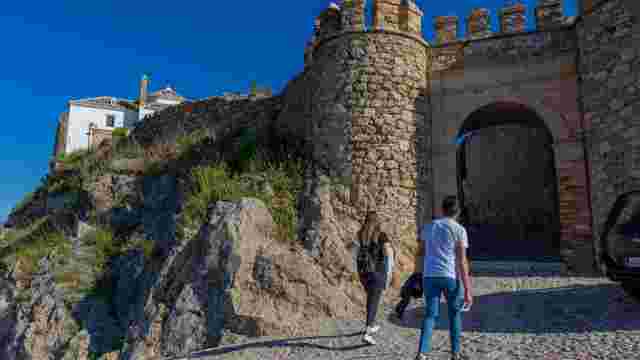
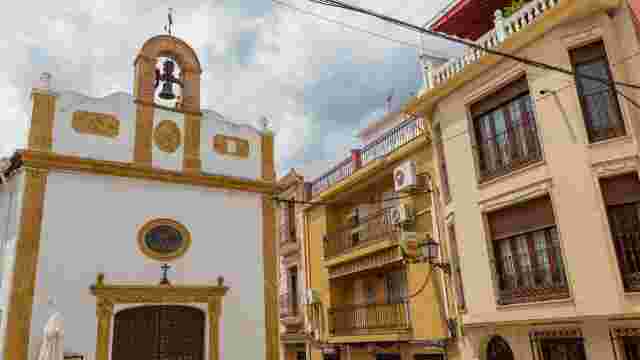
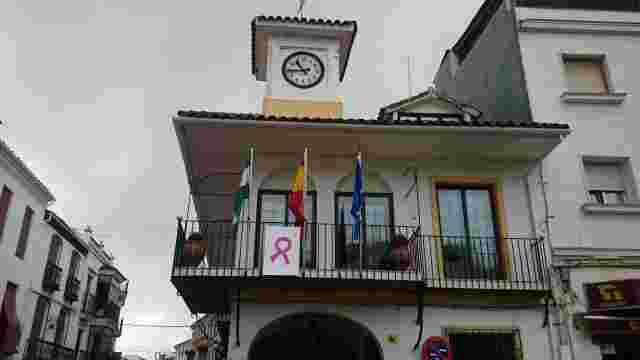
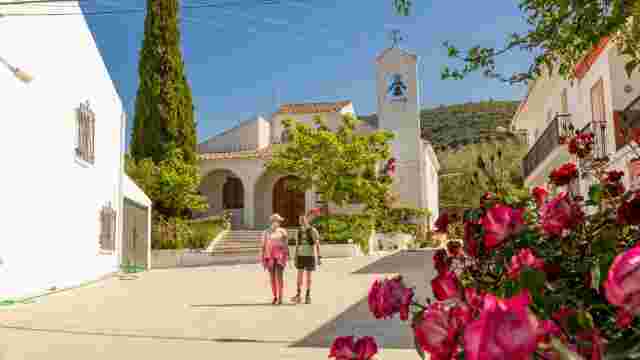
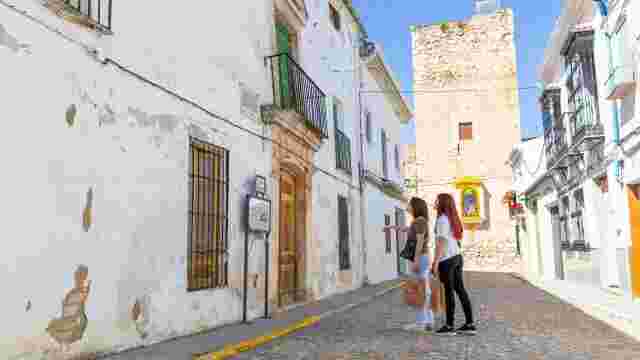
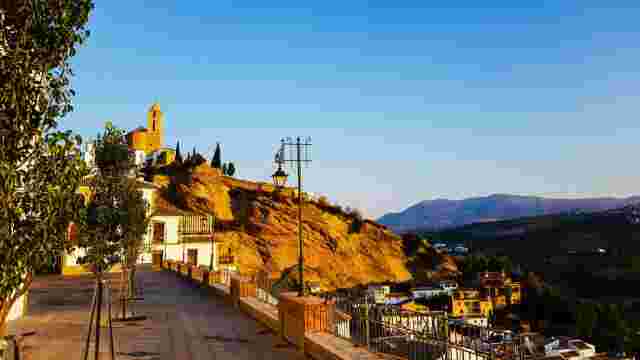
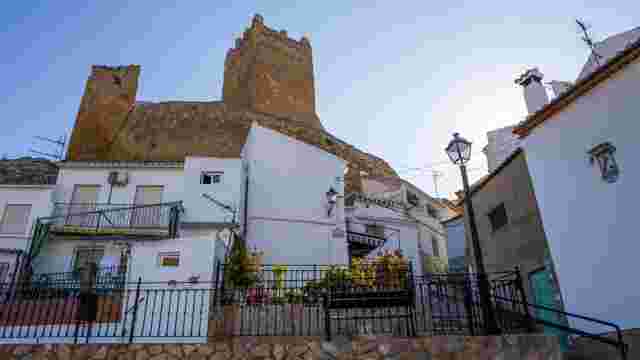
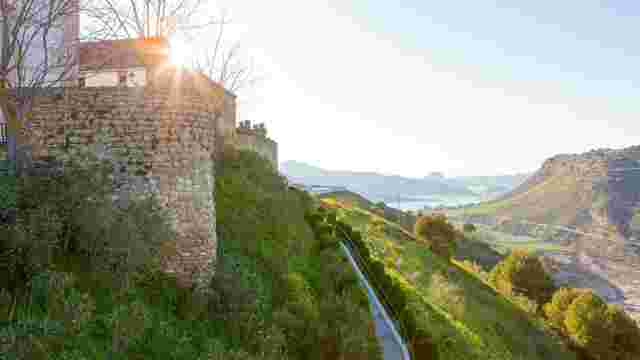
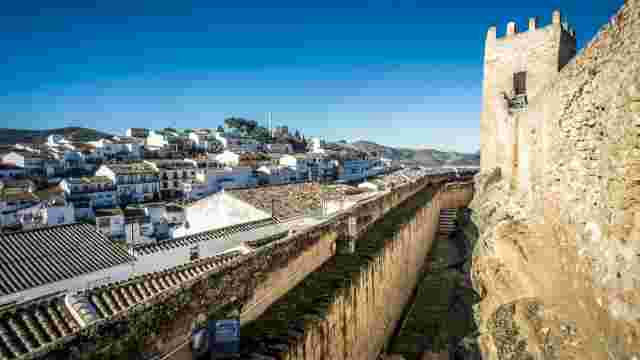
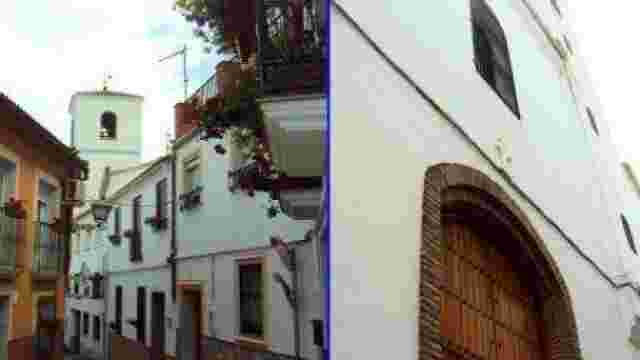
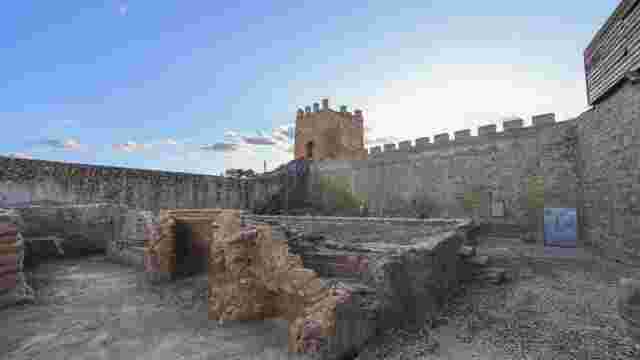
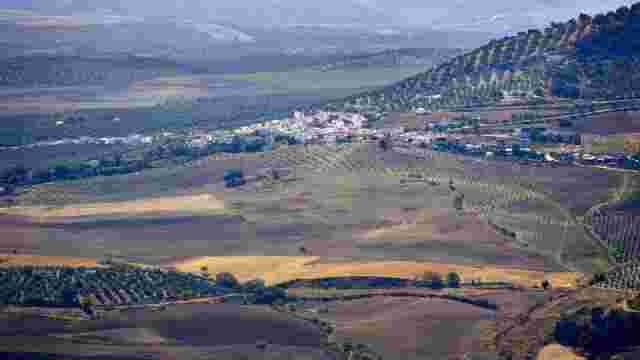
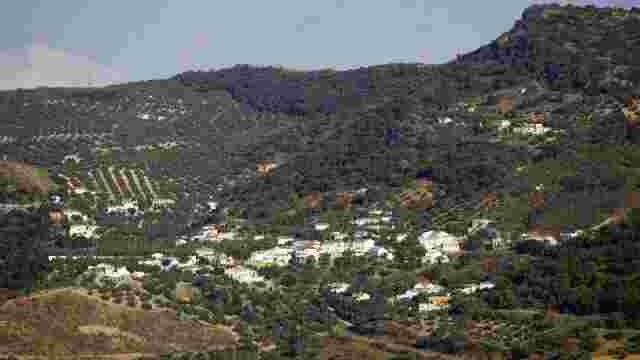
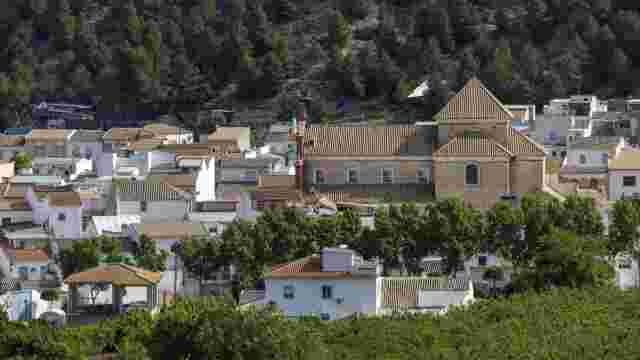
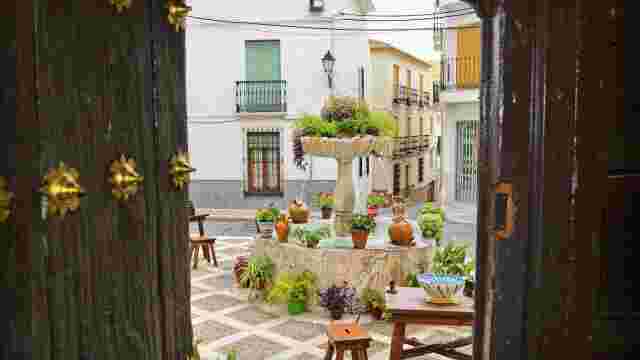
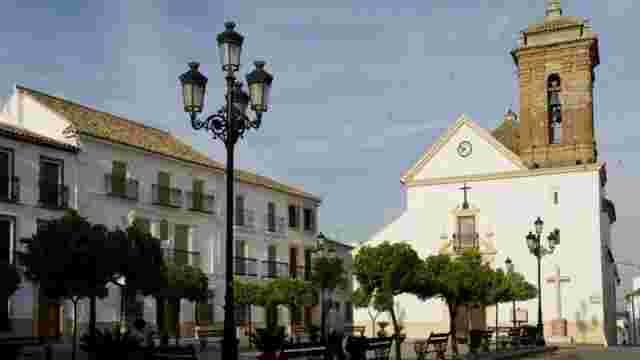
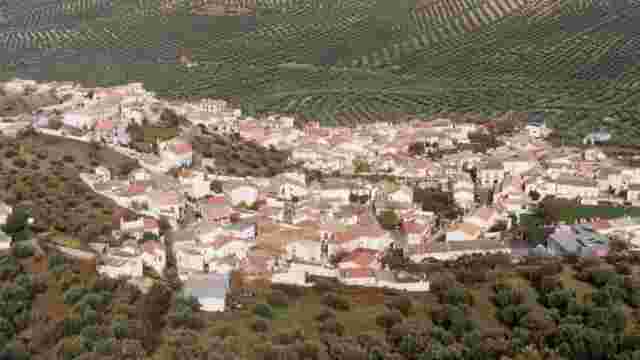
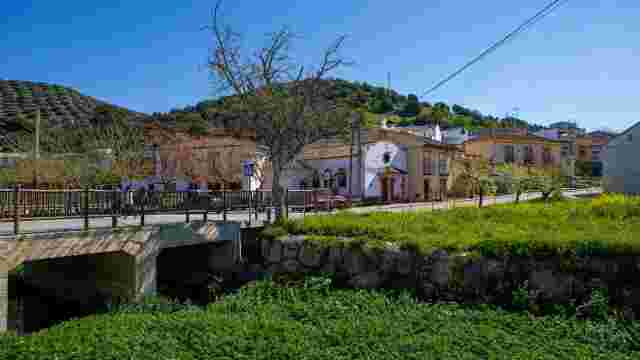
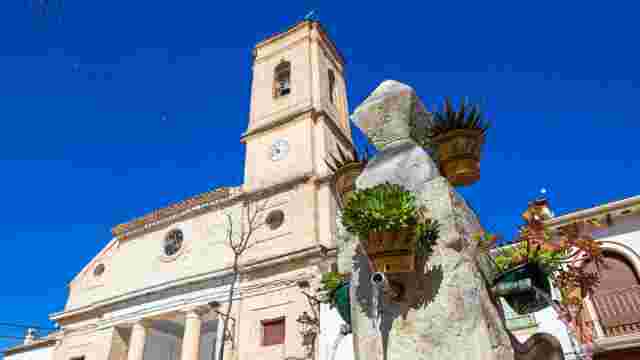
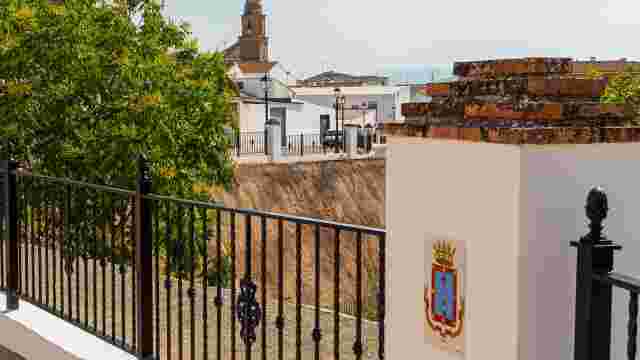
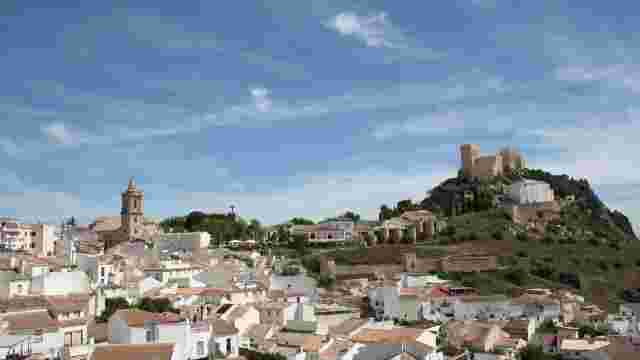
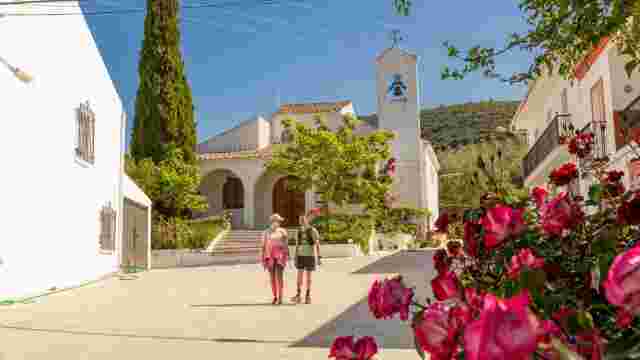
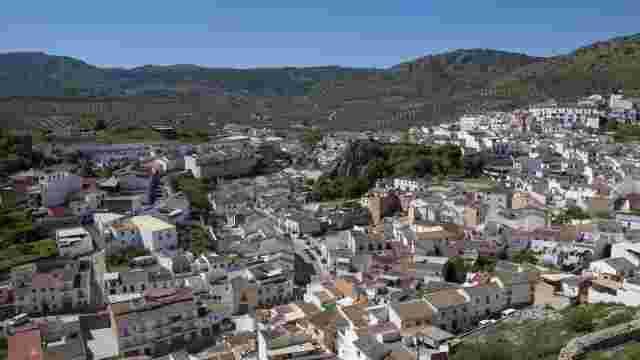
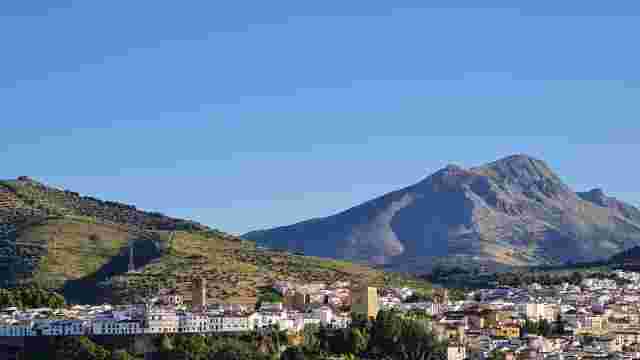
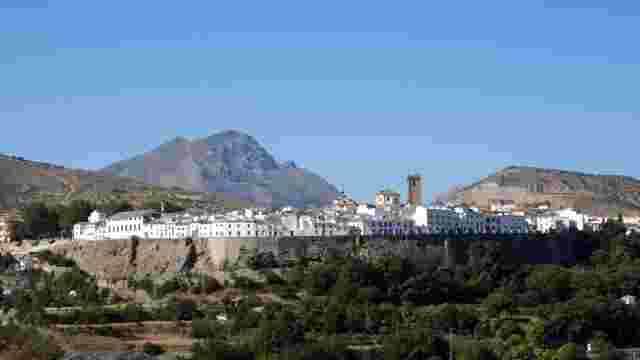
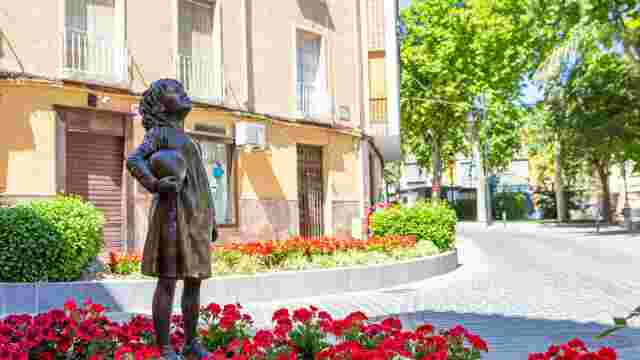
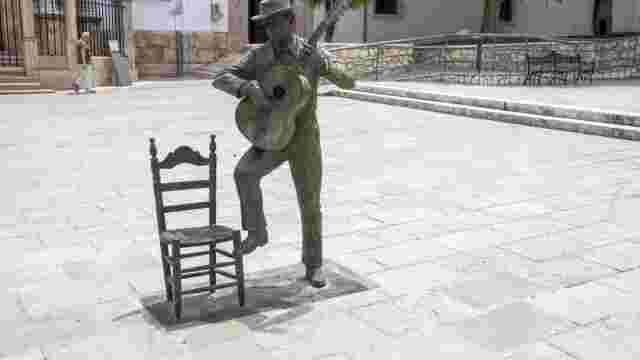
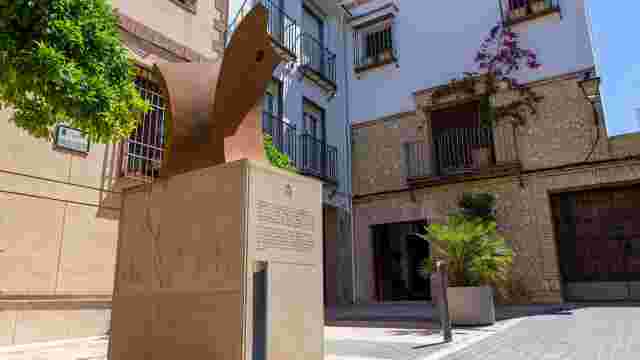
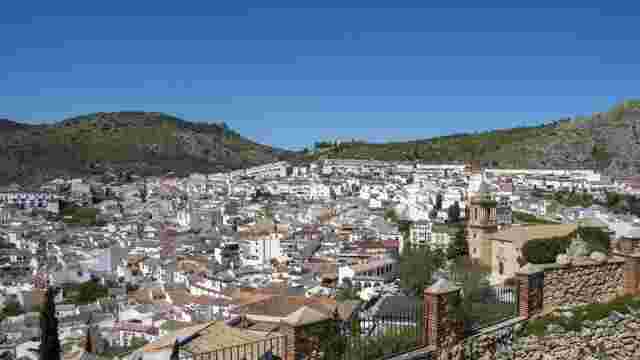
The municipalities that make up and border the reservoir have successfully capitalised on their location and geographical relationship with the lake to prosper and develop in a sustainable manner. These towns are: Loja, Algarinejo and Zagra in the province of Granada; Iznájar and Rute in the province of Córdoba; and Cuevas de San Marcos in the province of Málaga.