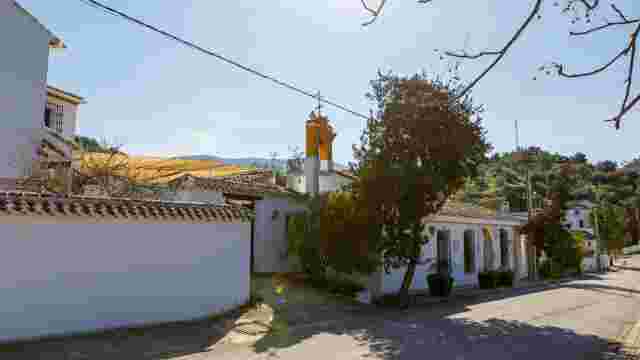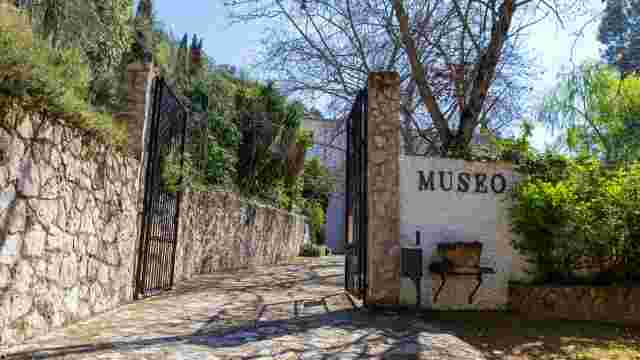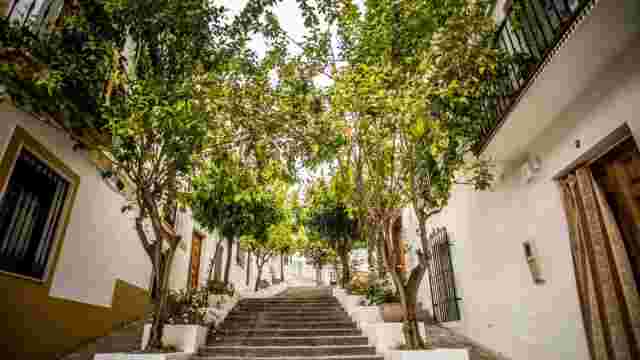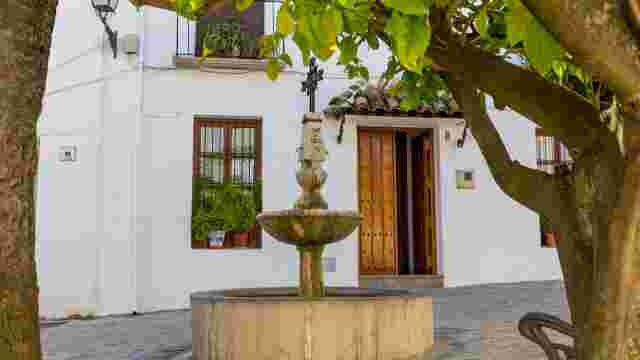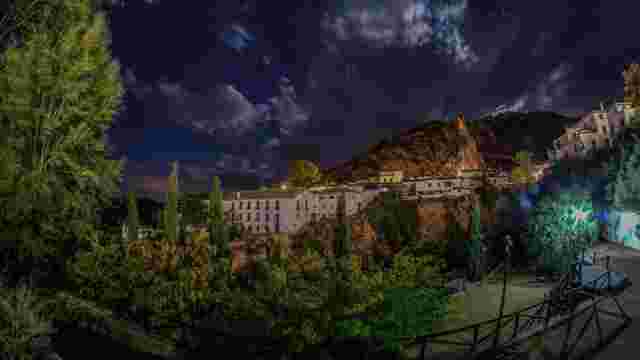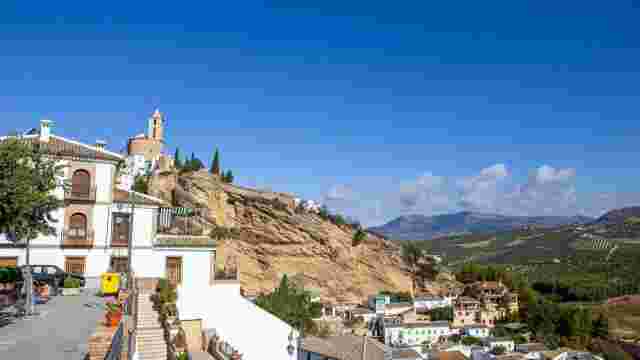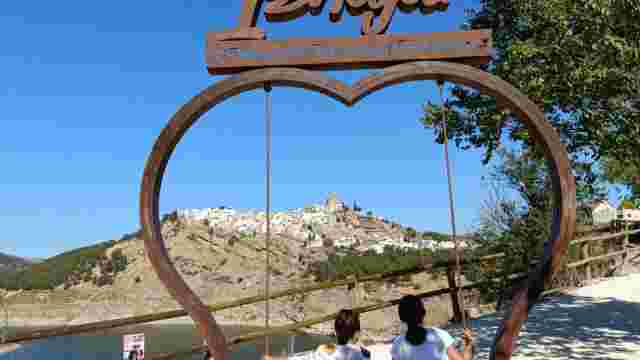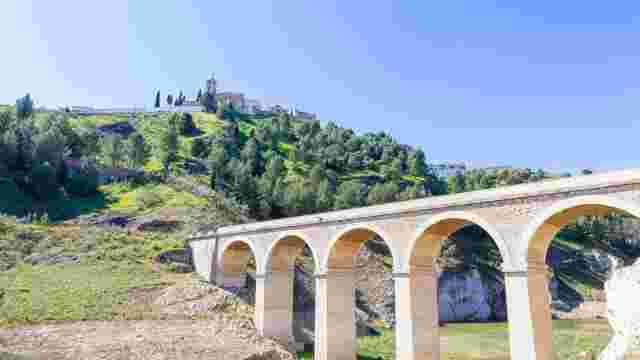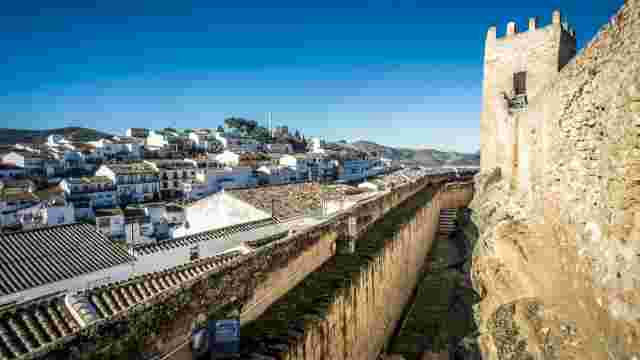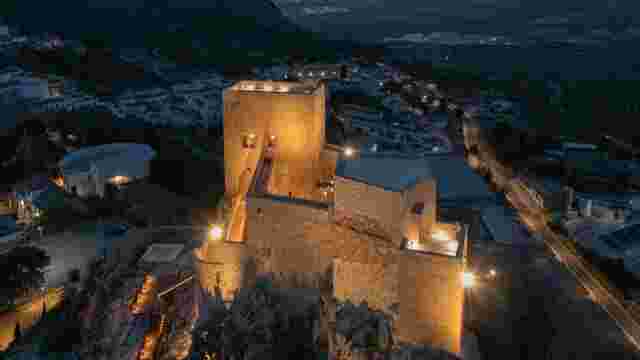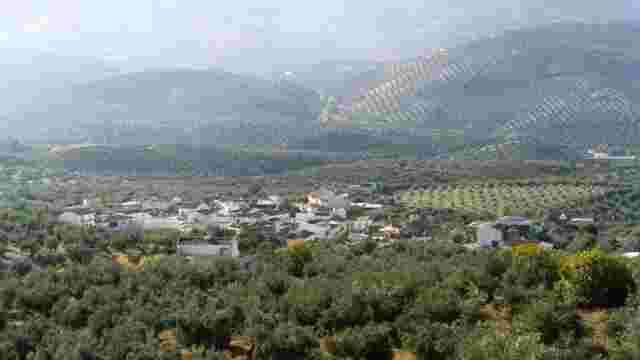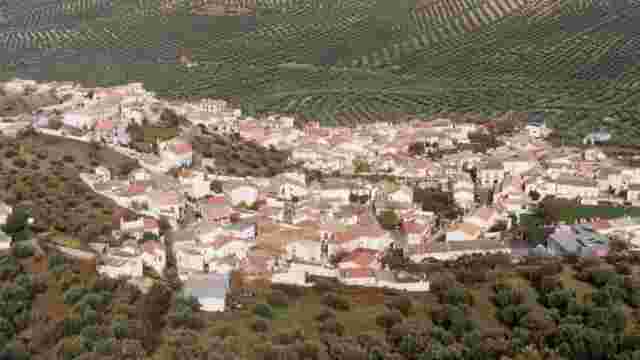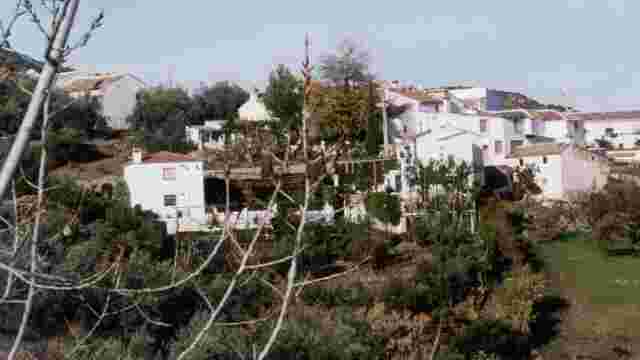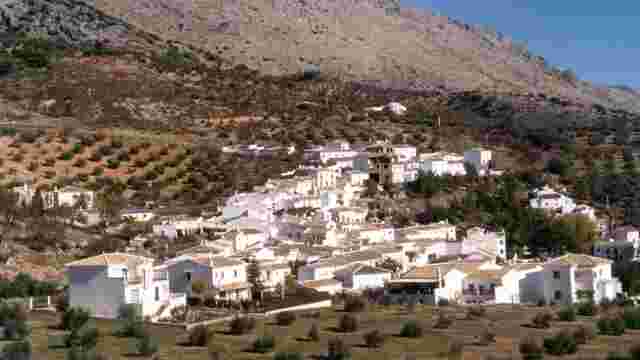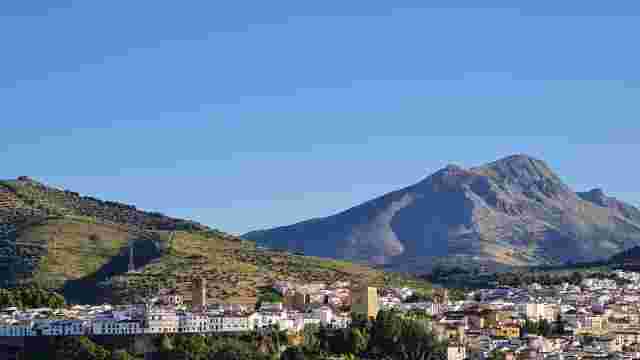
Zuheros Castle-Palace
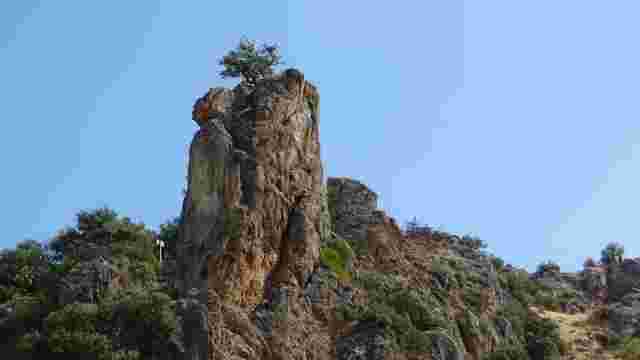
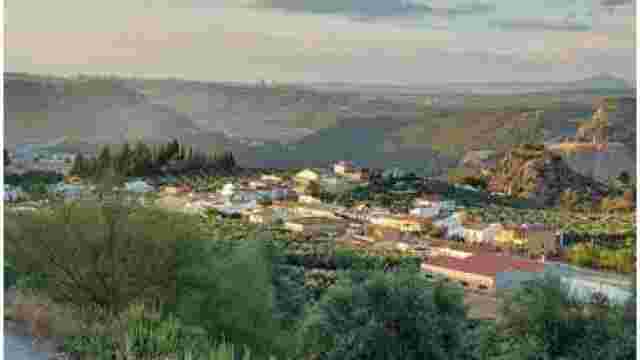
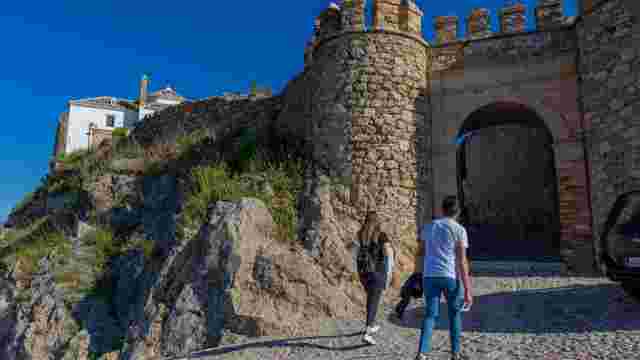
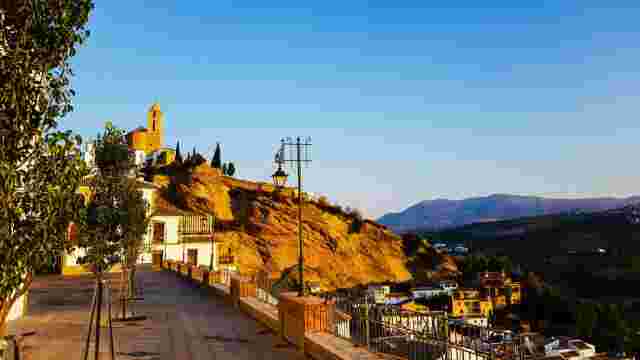
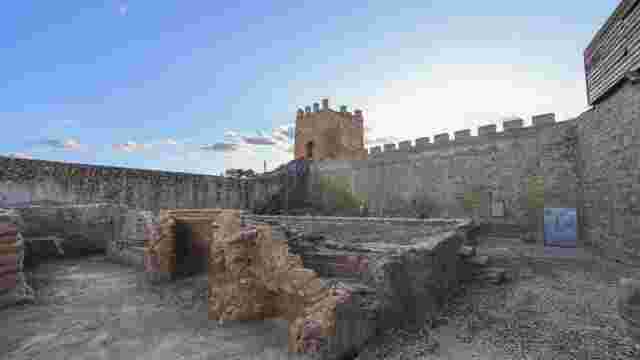
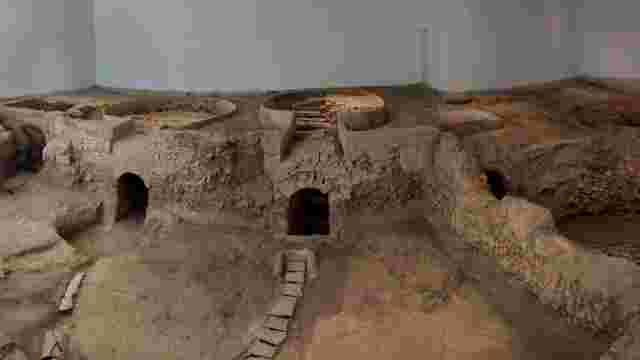
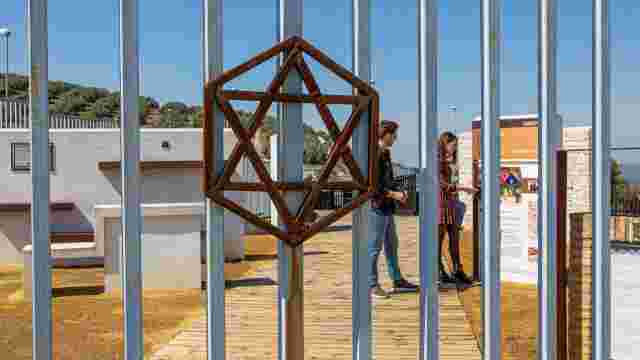
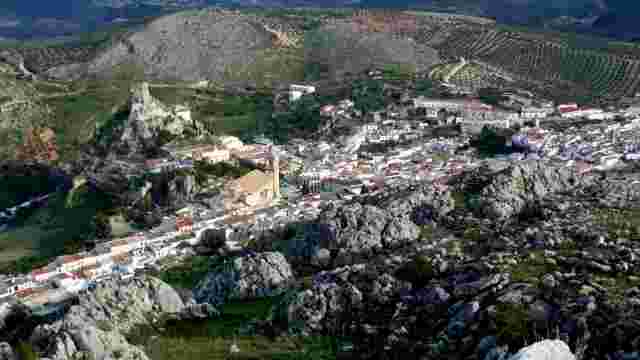
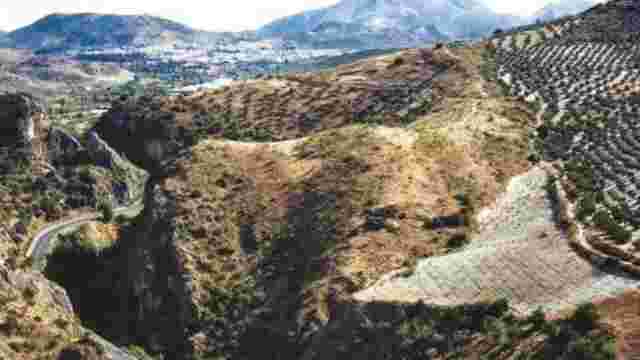
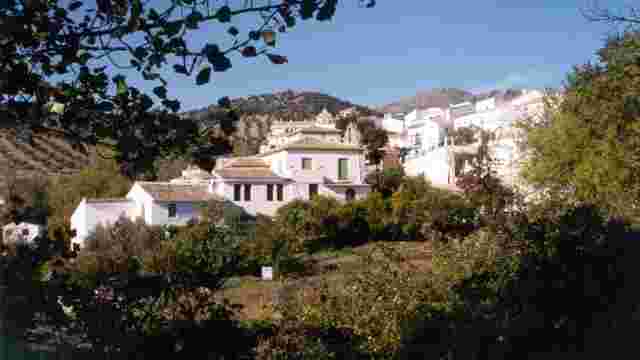
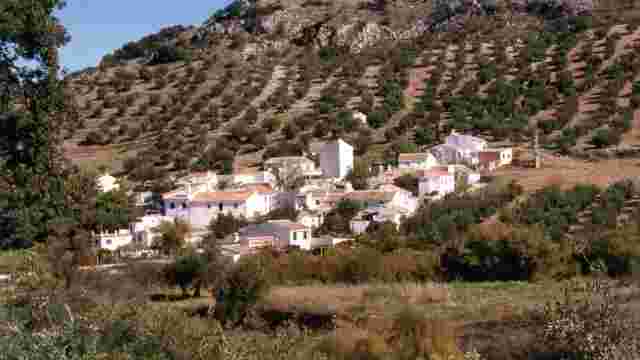
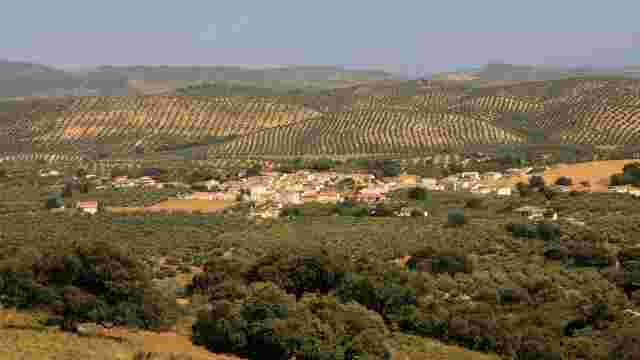
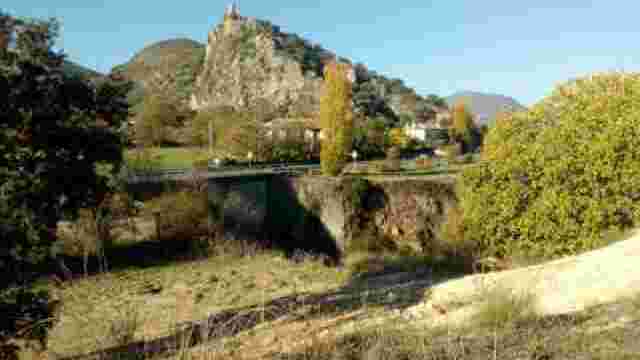
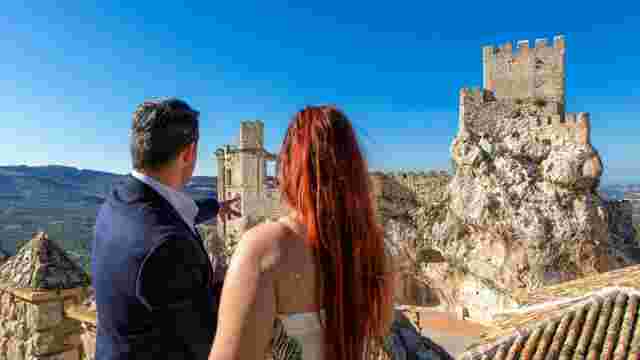
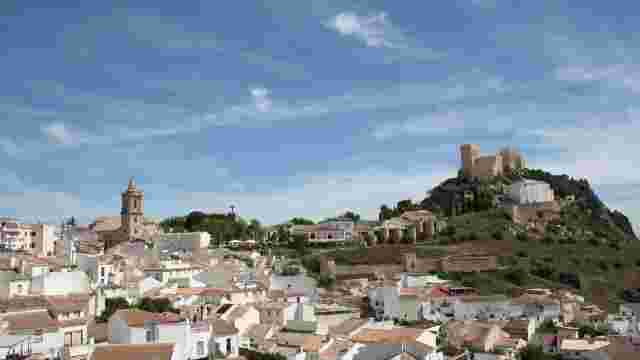
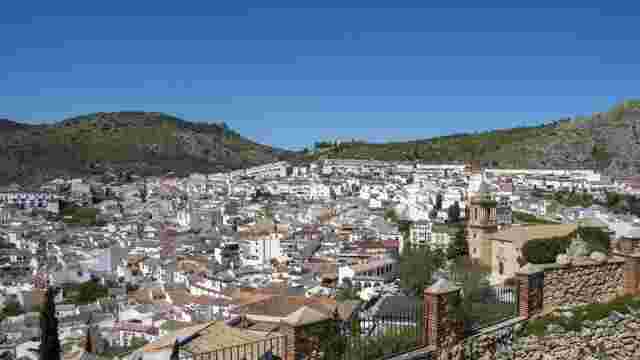
The castle’s origins date back to the 9th century, when a group of Muslims, the Banu-Himsi, settled in the vicinity of the town on a rocky outcrop they called ‘Sujayra’, a rural district within the province of Elvira; the Arabs intermingled with the local inhabitants, who converted to Islam. In the 10th century, Omar ibn Hafsún rebelled against Caliph Abdalá, gaining control of several Coras. It is thought that the Muslim population inhabiting Zuheros came under the rebels’ rule, as did the southern countryside and the rest of the Subbética region, until Caliph Abderramán III subdued them in the year 309 (921–922).
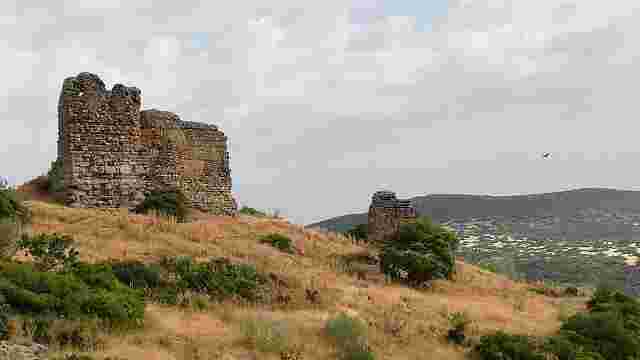
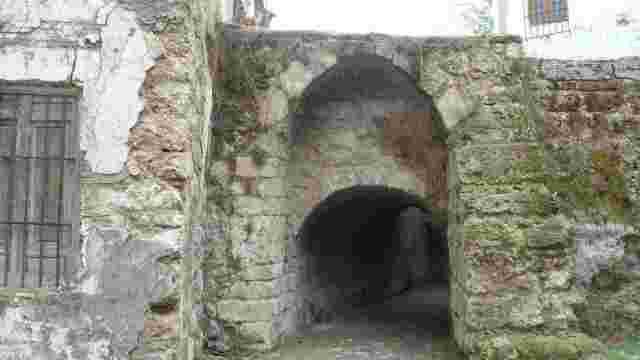
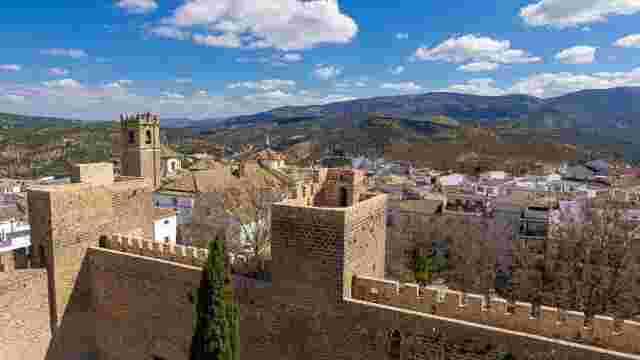
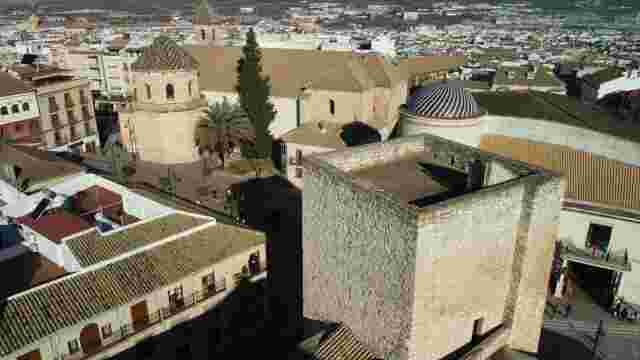
During the Caliphate of Córdoba, the castle of Zuheros stood within a small walled enclosure, comprising some 30 houses, a mosque and several towers; it belonged to the Cora of Elvira and formed part of one of the most important routes of this period, linking the Caliphate capital (Córdoba) with the Nasrid capital (Granada). Merchants travelled along it, but it was also a route for knowledge, science and the arts.
Zuheros was captured in the early 1240s by the troops of Ferdinand III the Saint, presumably on 14 May, the feast day of Saint Matthias.
The Mudejars living in the town were initially required to hand over only the castles; they were permitted to keep their homes, religion and lands. However, shortly after the conquest, the governor ordered them to hand these over for security reasons, whilst allowing the mosque to remain, permitting the construction of a suburb and a mosque outside the walls.
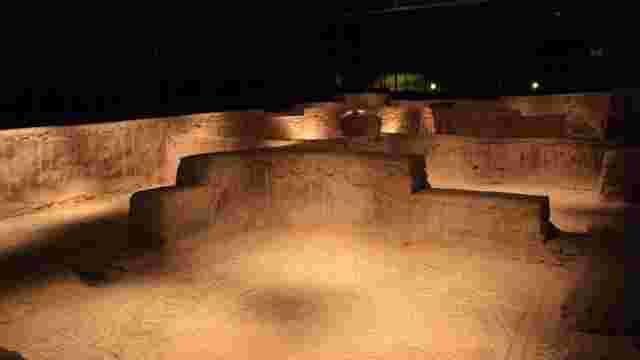
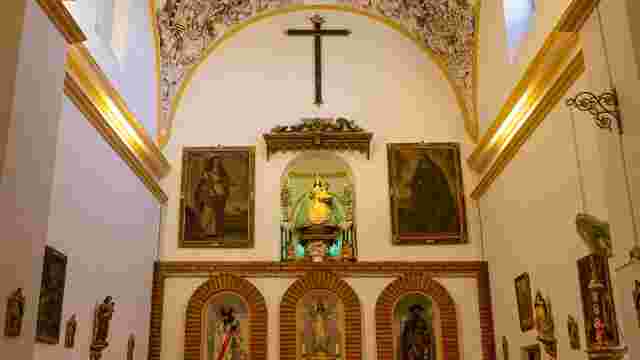
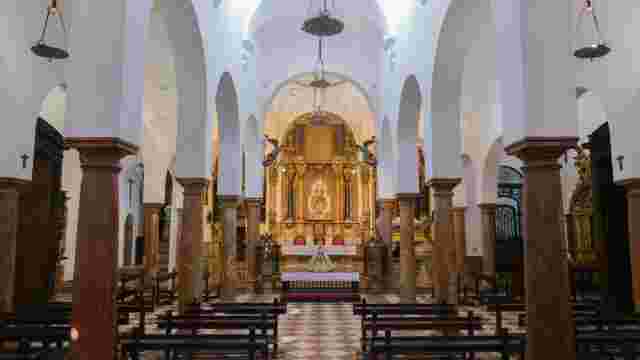
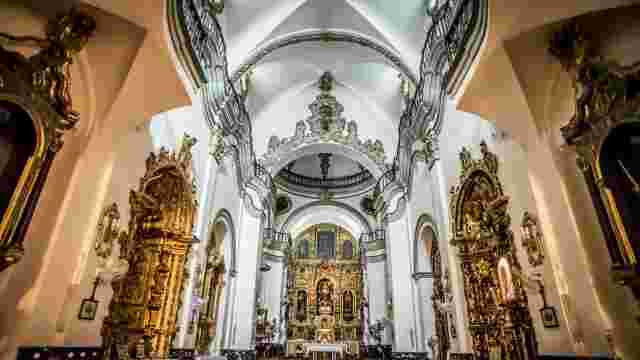
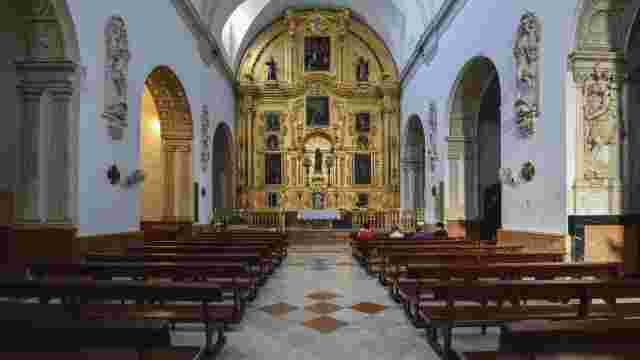
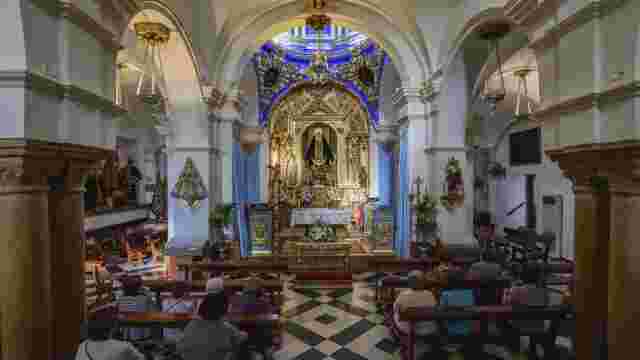
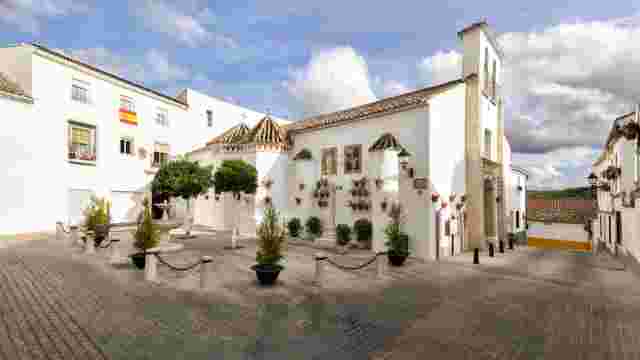
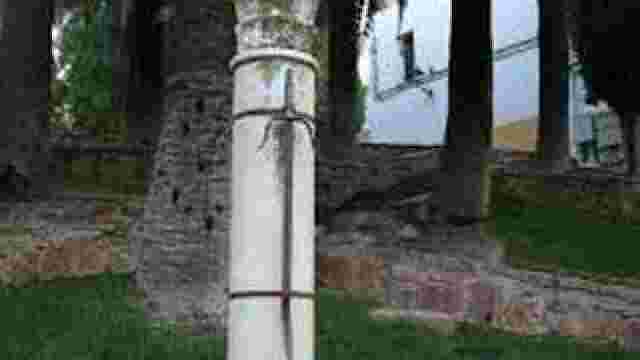
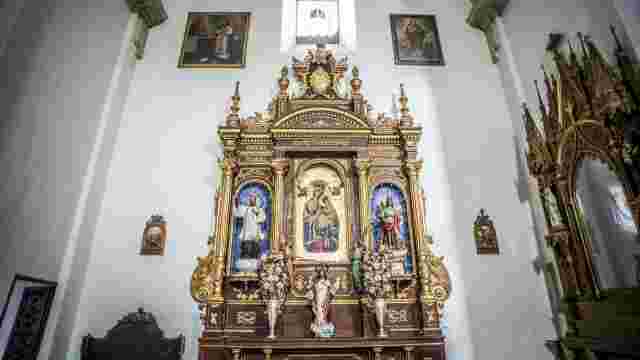
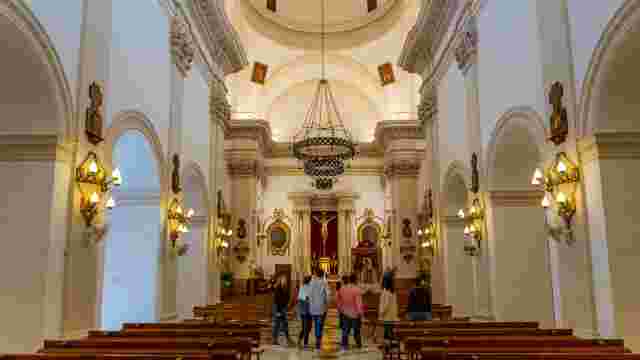
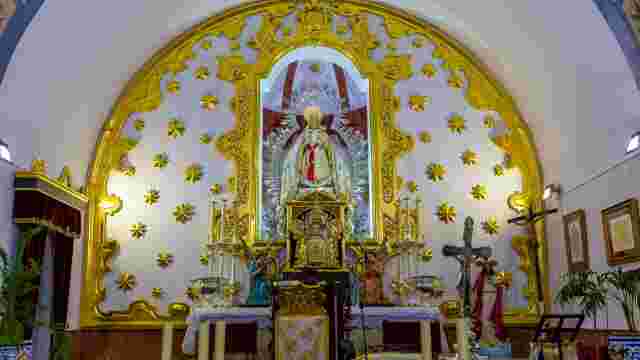
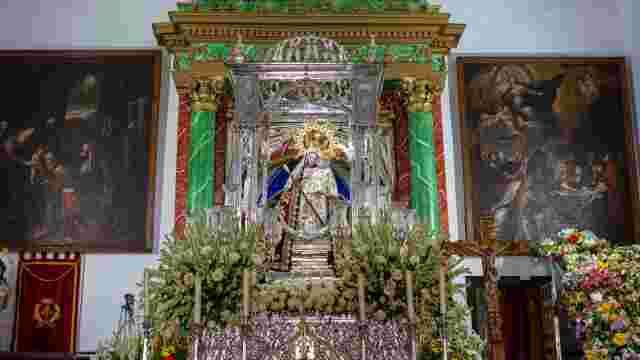
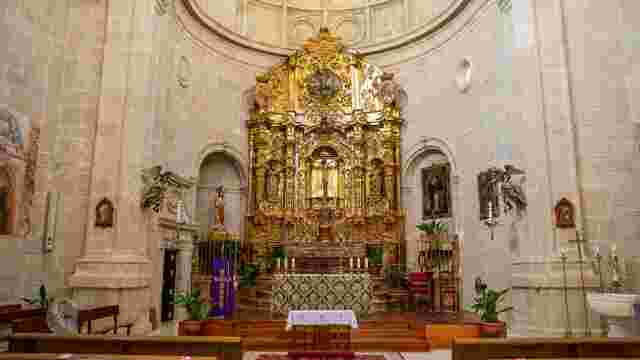
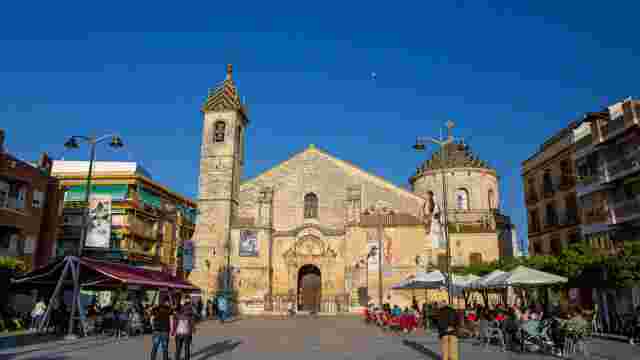
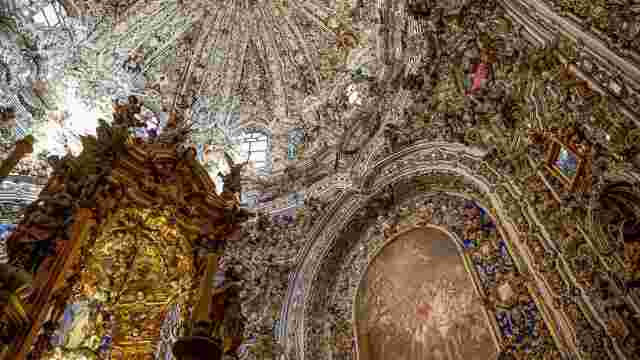
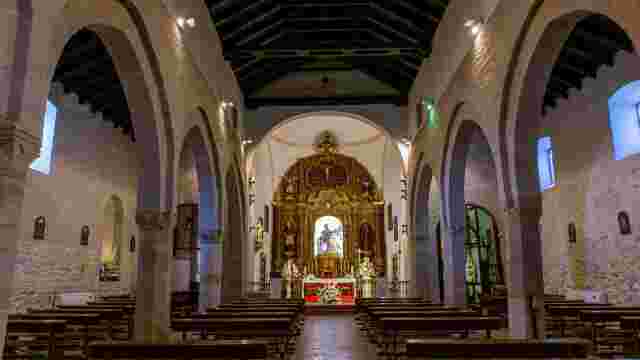
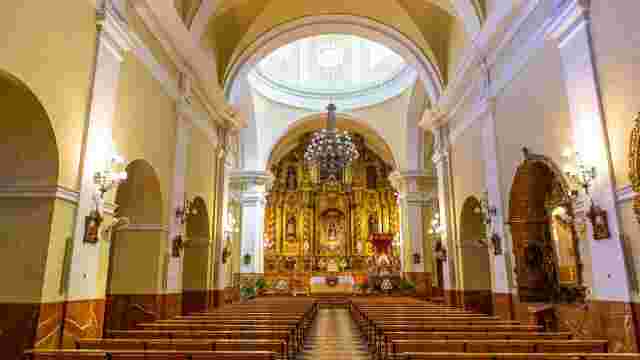
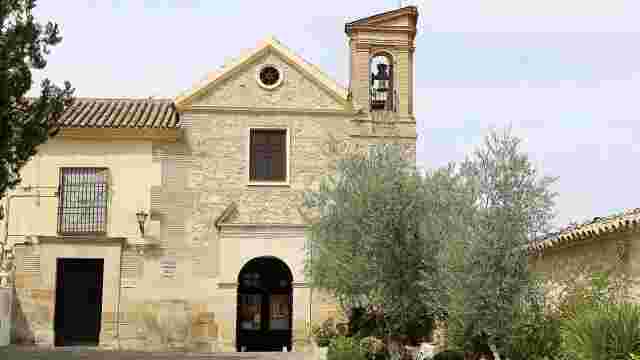
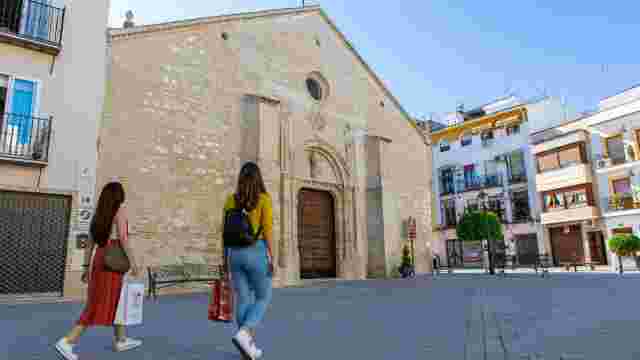
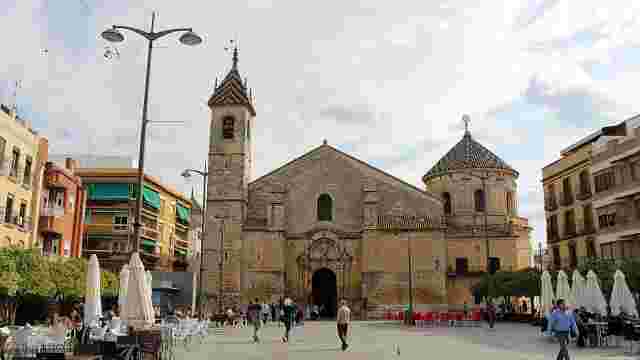
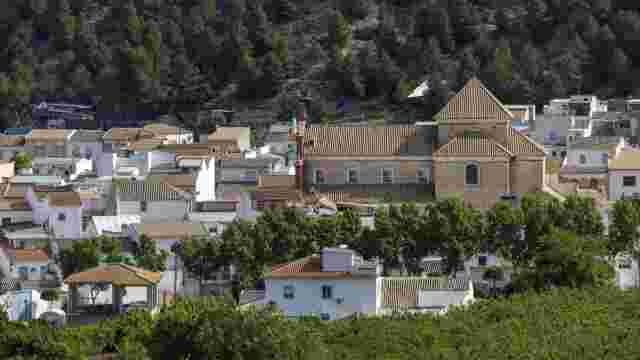
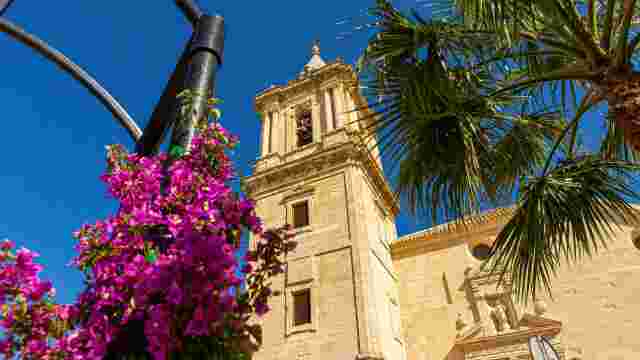
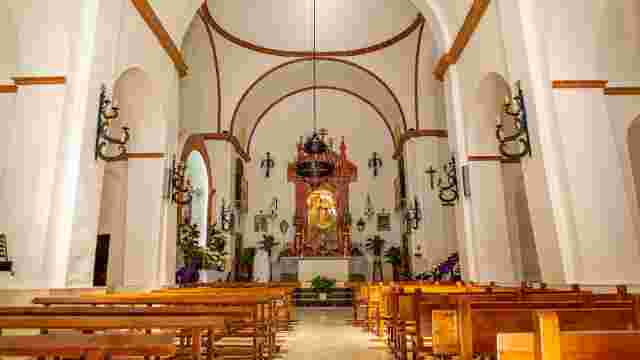
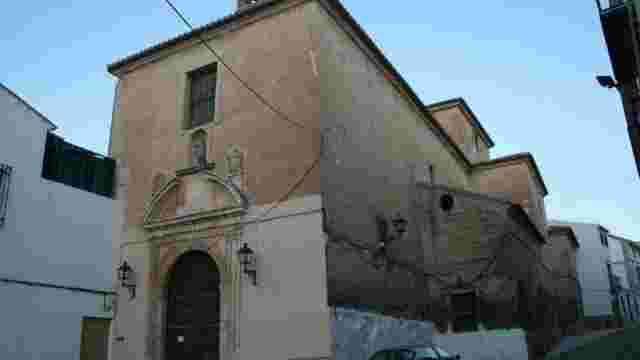
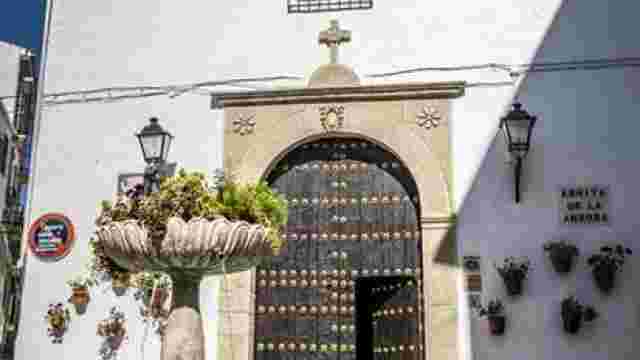
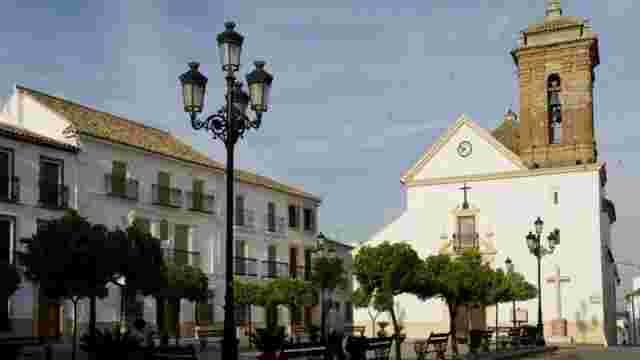
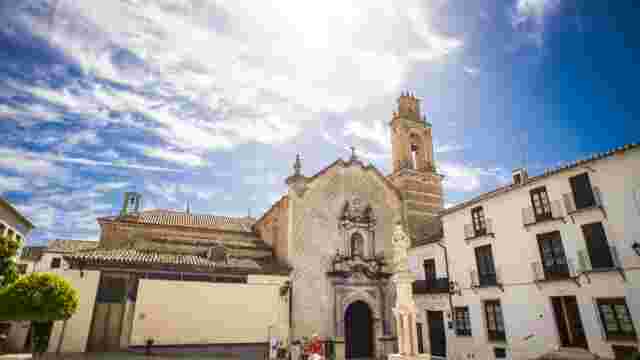
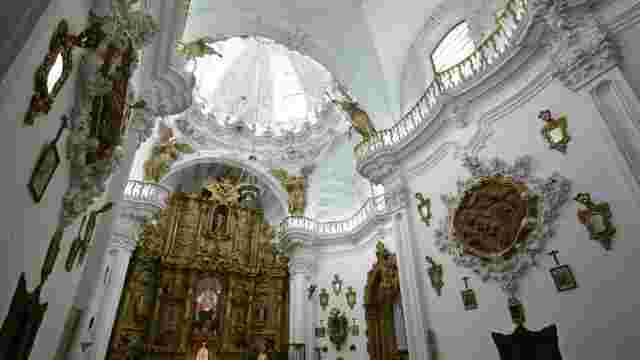
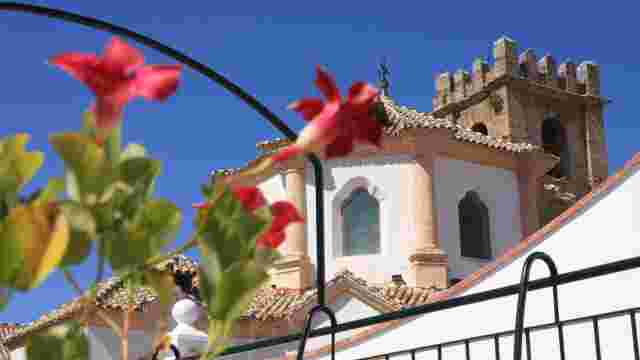
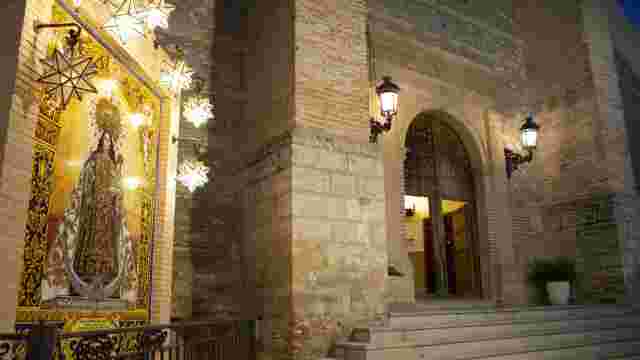
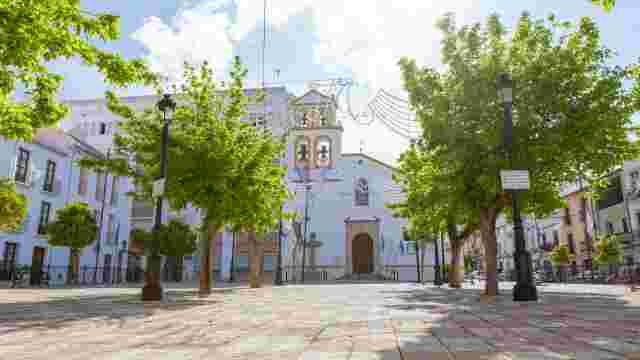
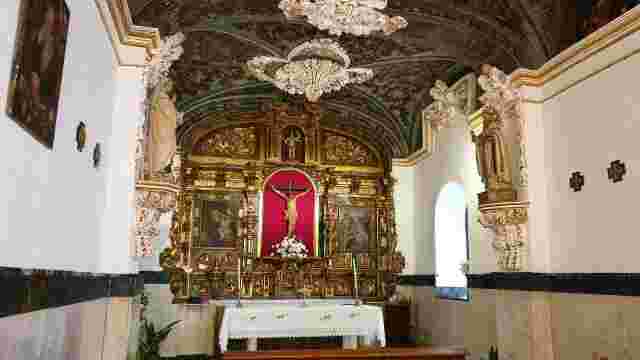
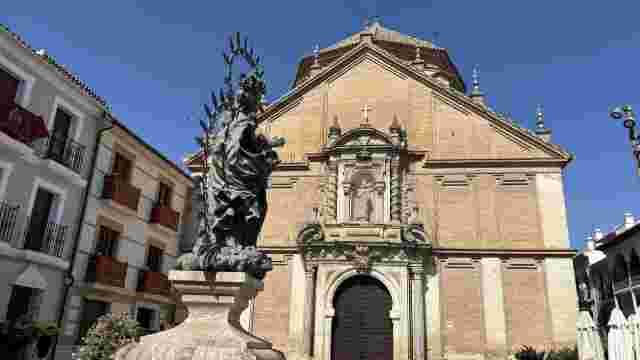
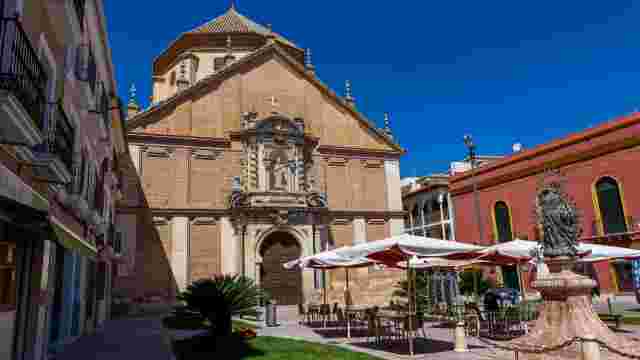
The mosque, which had been located within the walls, was converted—following some minor alterations—into a church with a single nave and a central column, and was consecrated to Saint Mary.
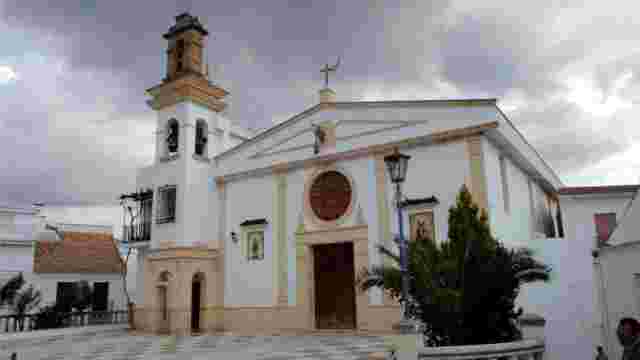
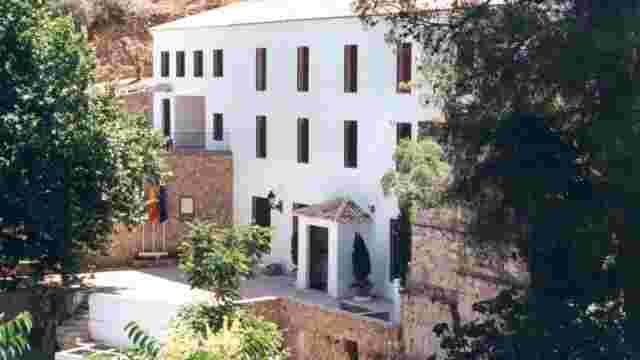
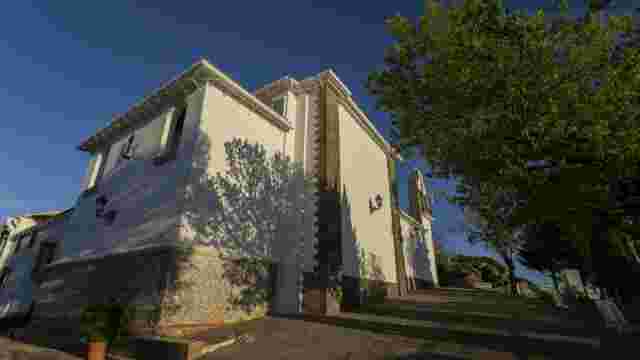
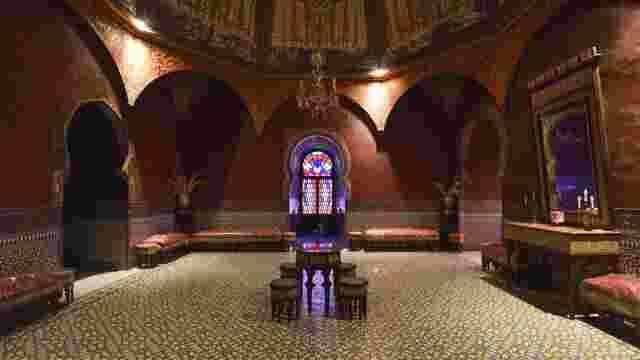
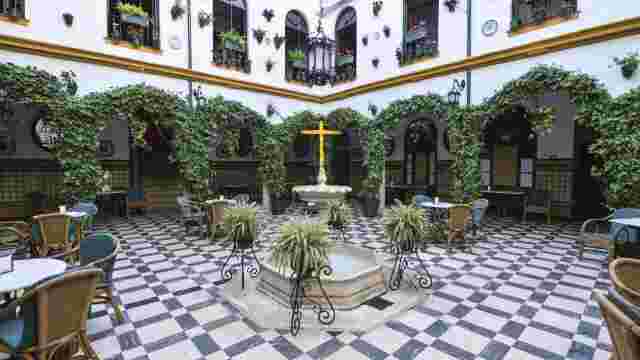
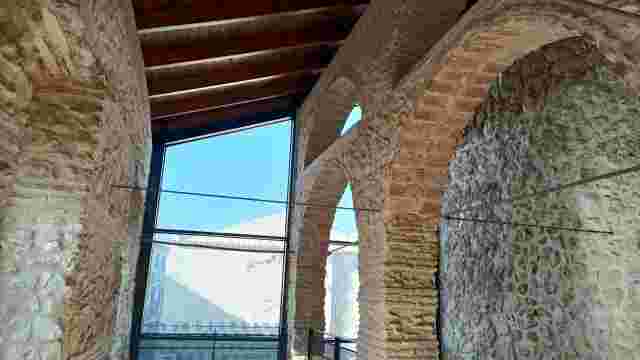
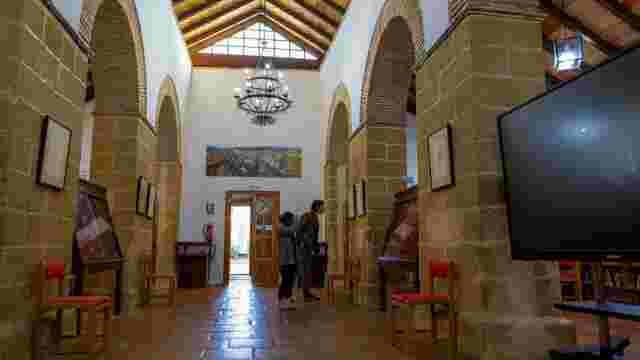
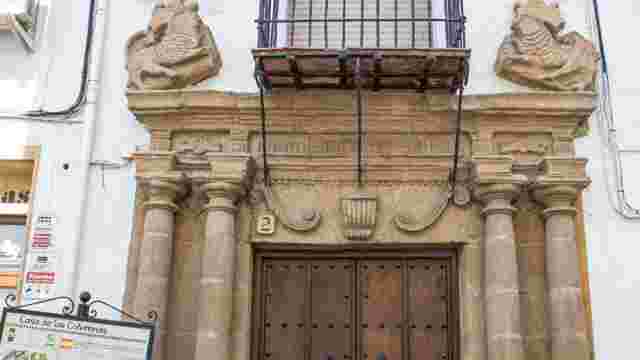
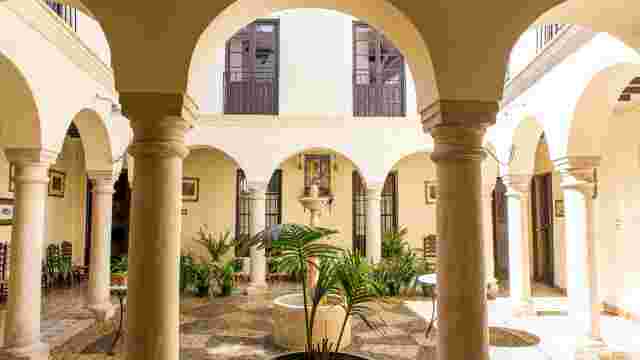
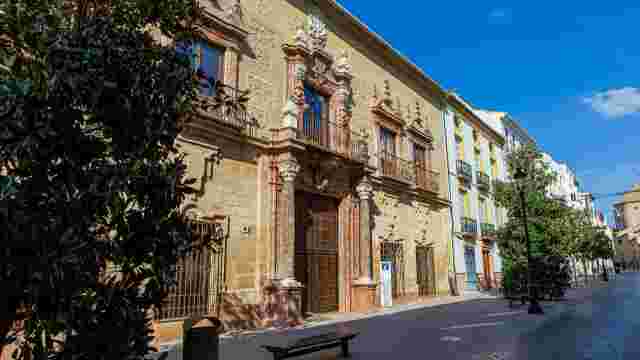
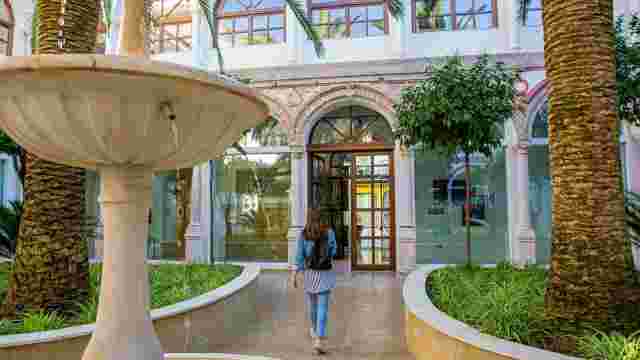
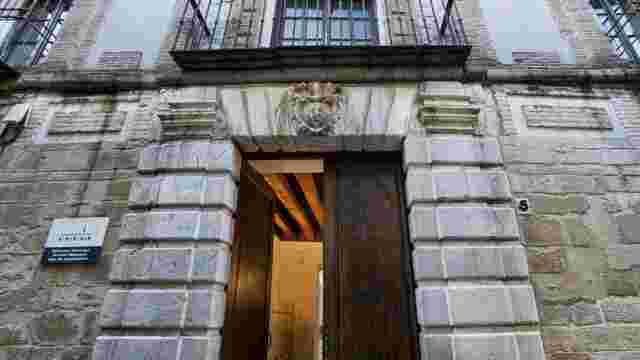
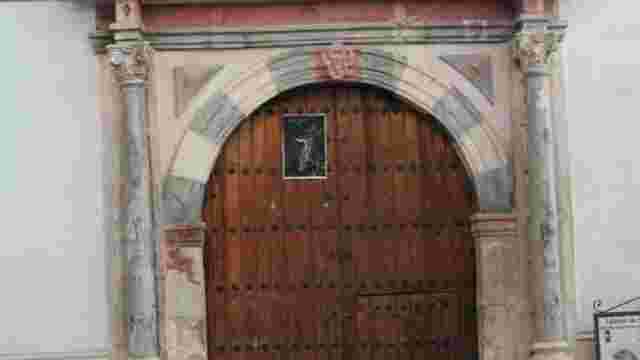
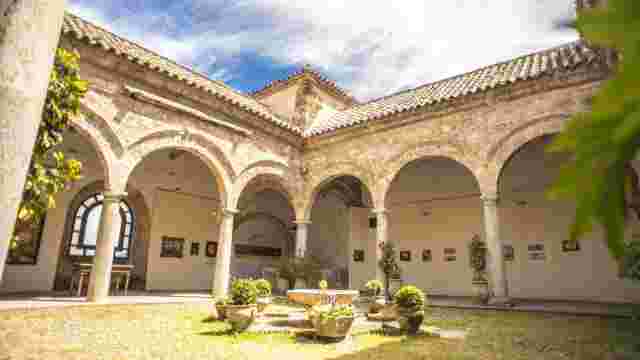
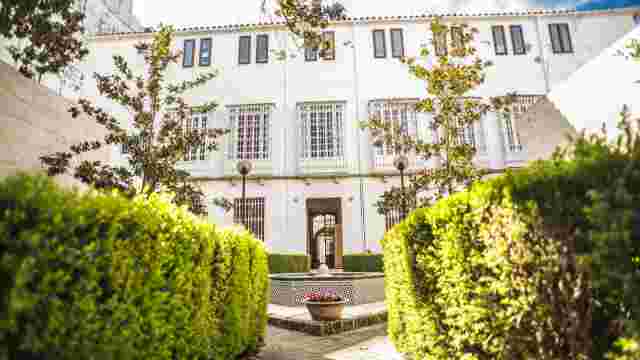
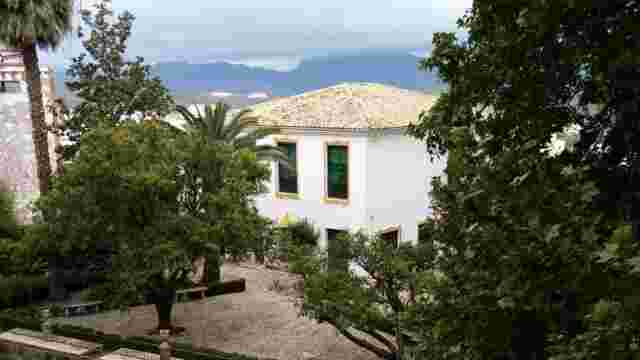
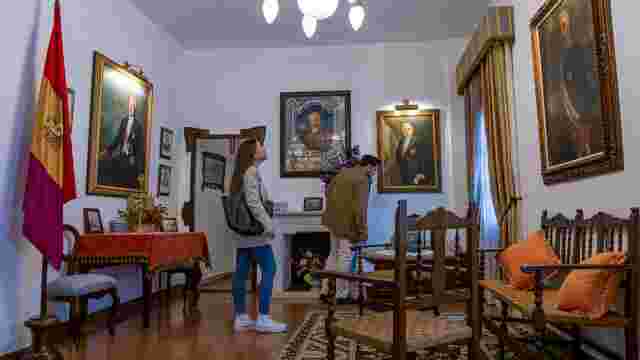
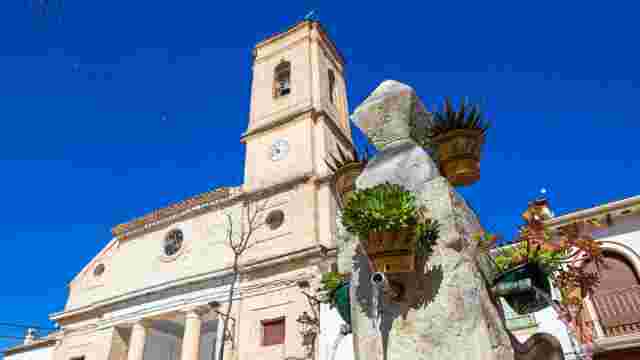
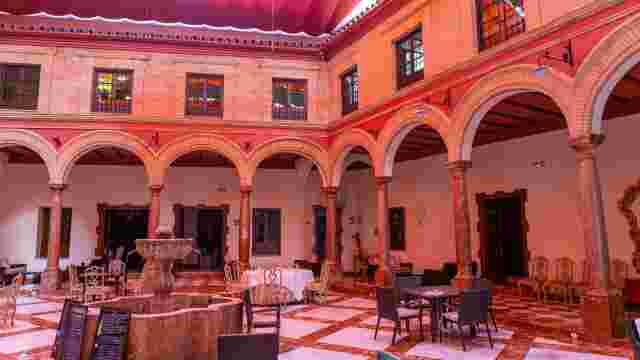
Towards the end of the 15th century, construction began on the Renaissance Palace whilst the lords of Zuheros were Don Alonso and Don Juan de Córdoba; it is believed that the palace was never completed. In the mid-16th century, work began on extending the parish church, with both constructions attributed to Hernán Ruiz IIII.
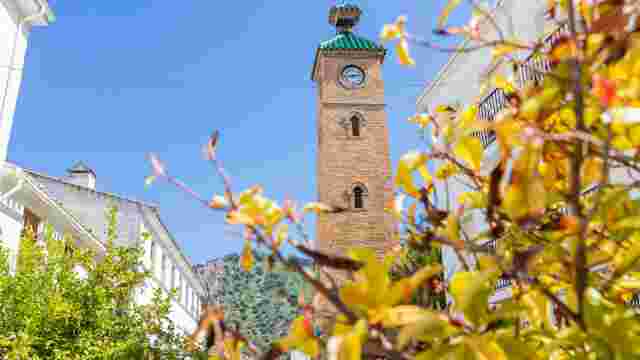
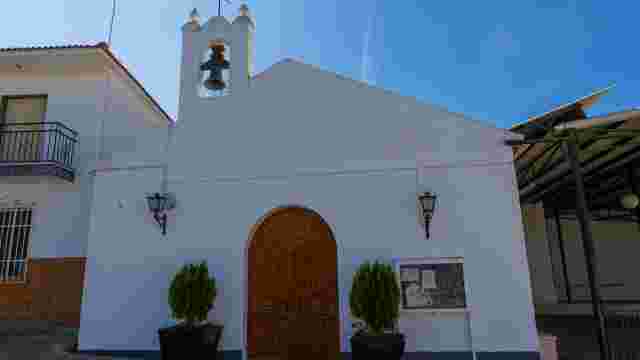
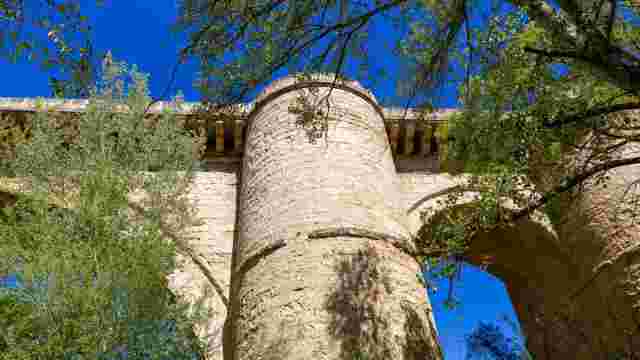
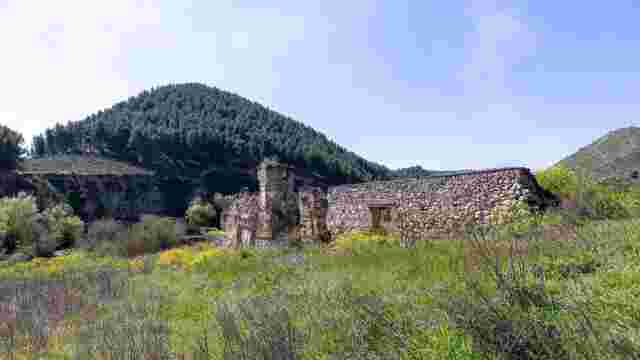
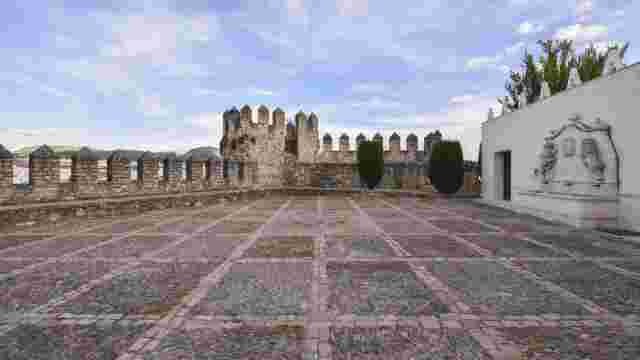
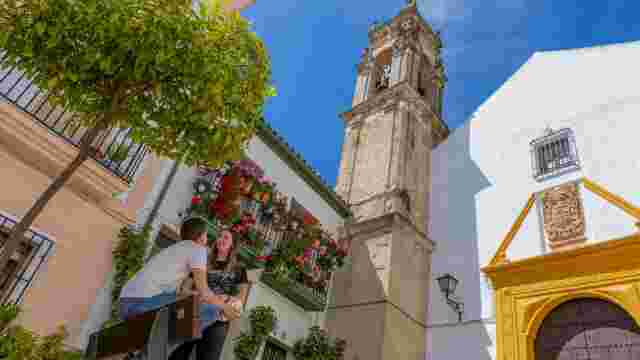
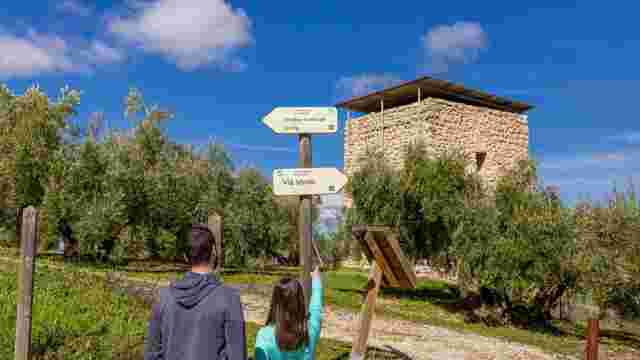
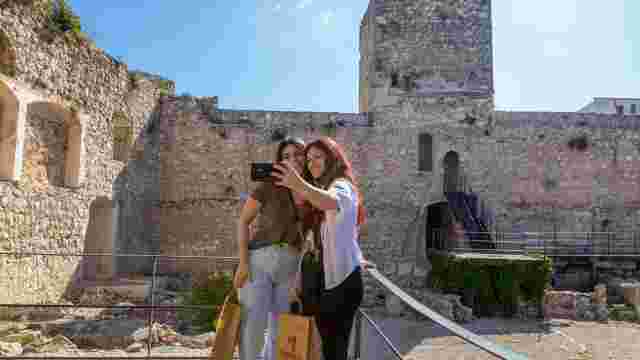
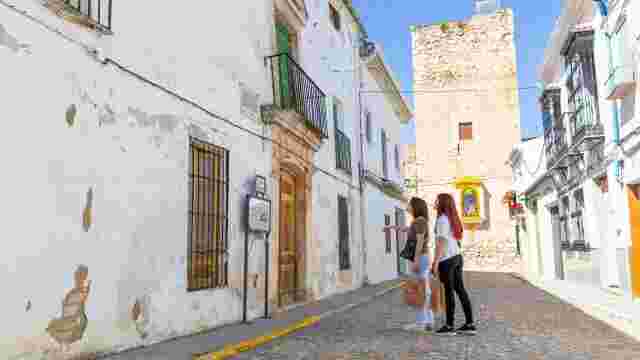
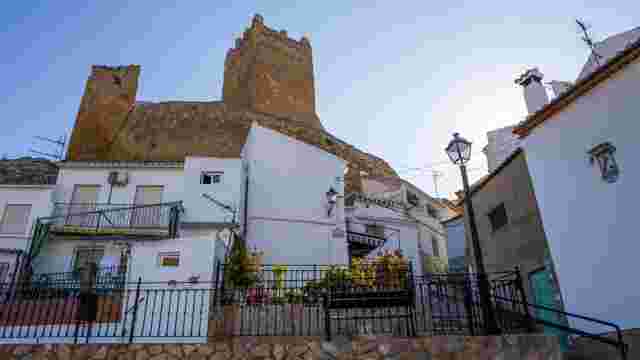
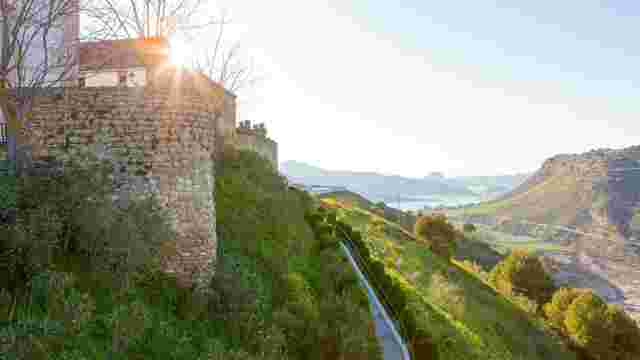
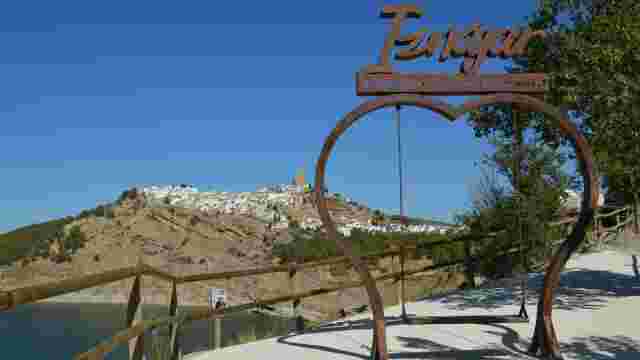
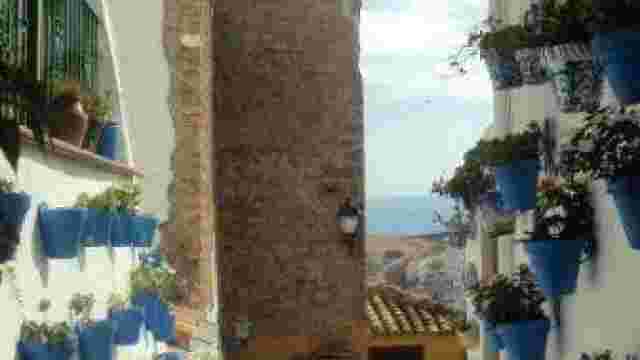
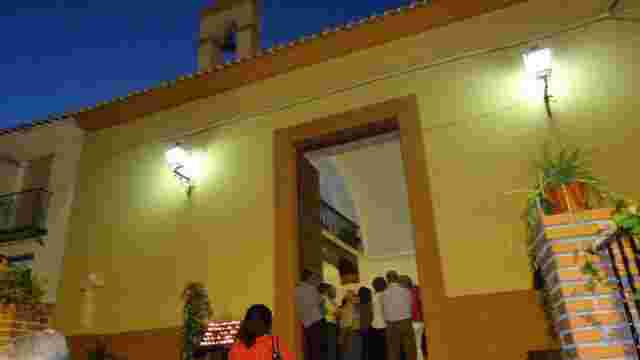
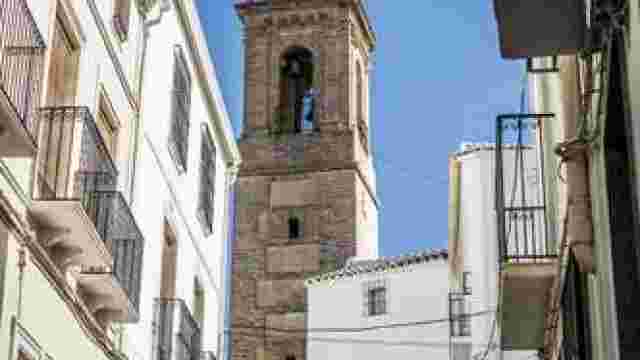
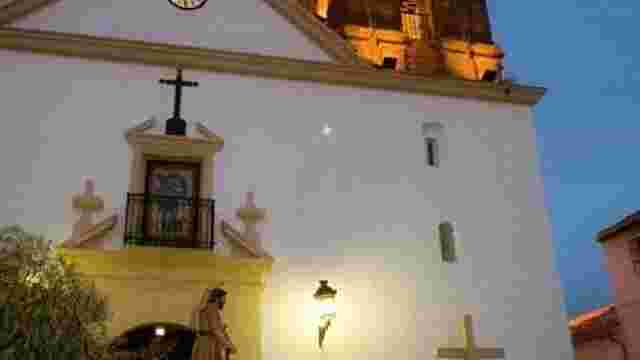
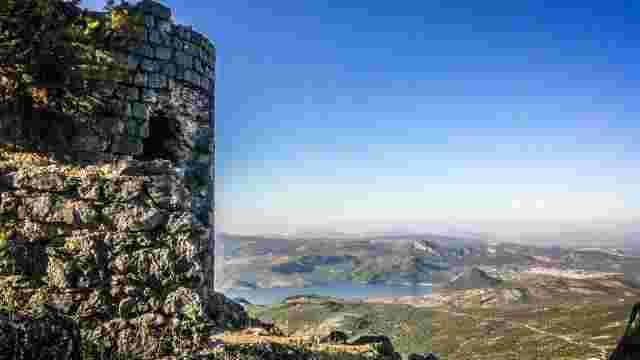
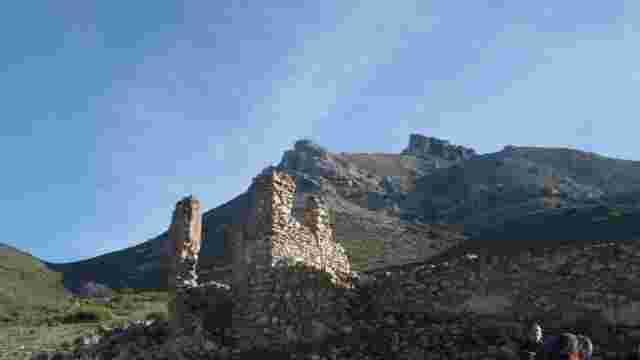
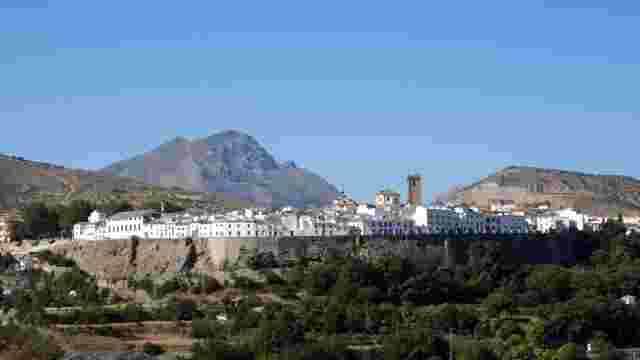
Over time, the castle, towers and palace fell into disuse, leaving everything in ruins. In 1760, a clock with a bell was installed in the castle tower; this was replaced in 1927 and remained in the tower until the 1960s, when it was dismantled and placed on the façade of the church. In 1964, the towers we see today were reconstructed.