Parish of the Immaculate Conception
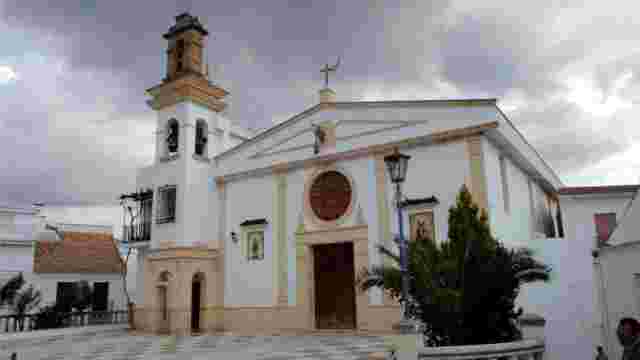
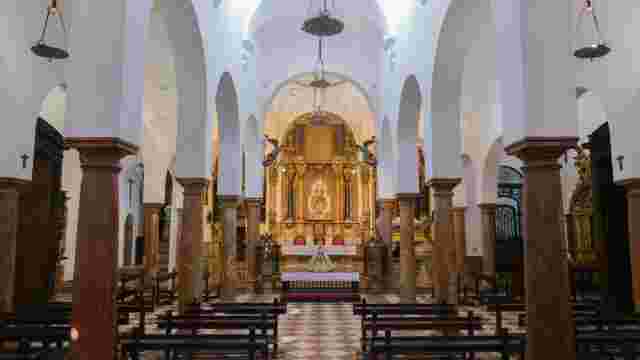
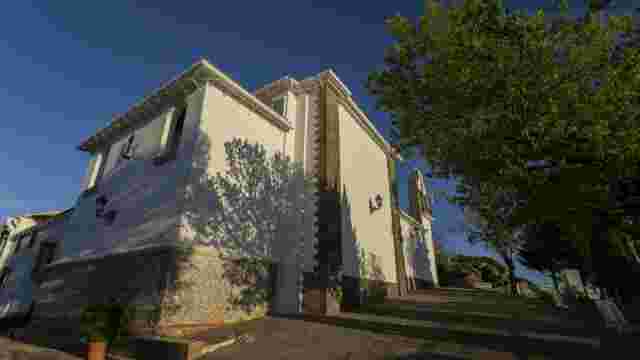
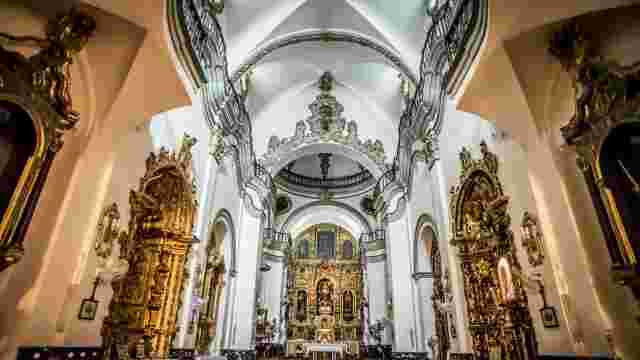
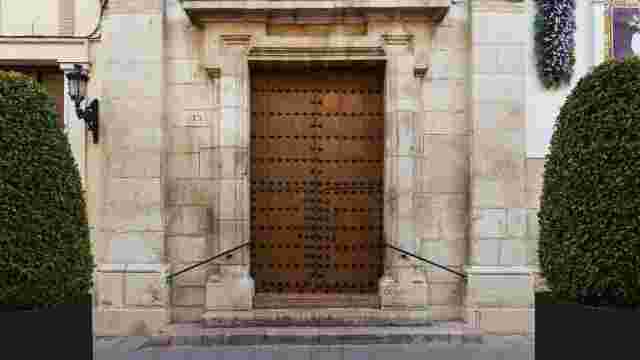
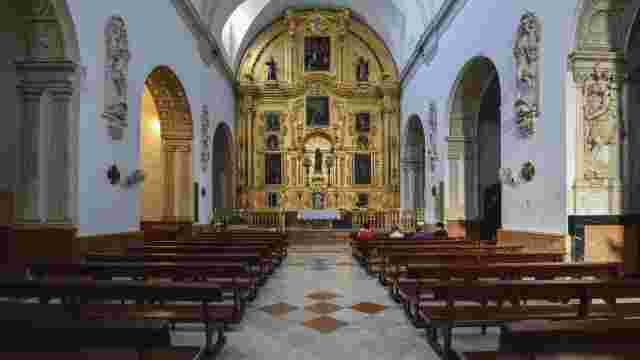
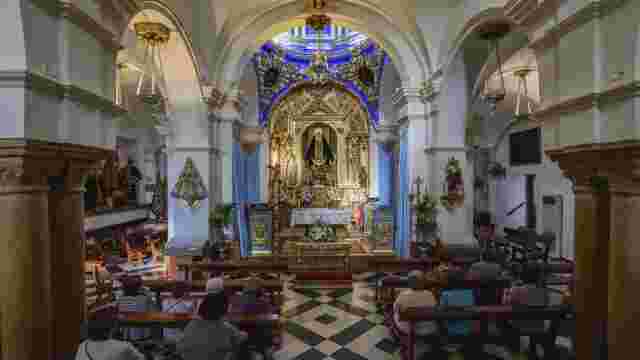
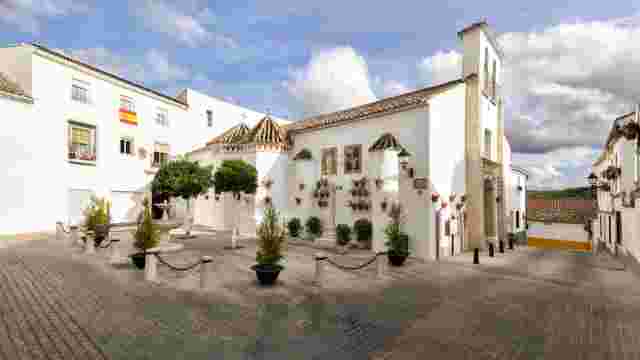
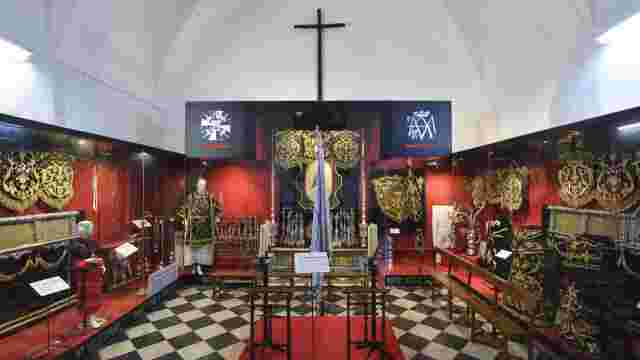
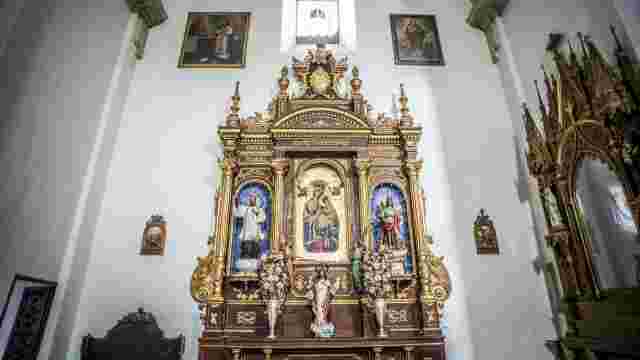
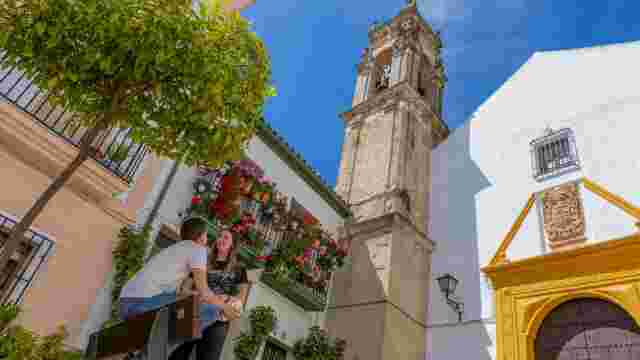
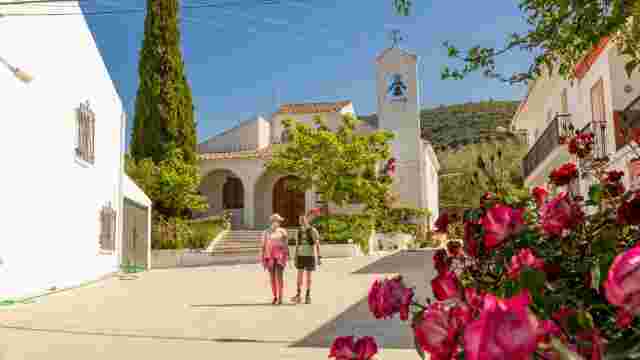
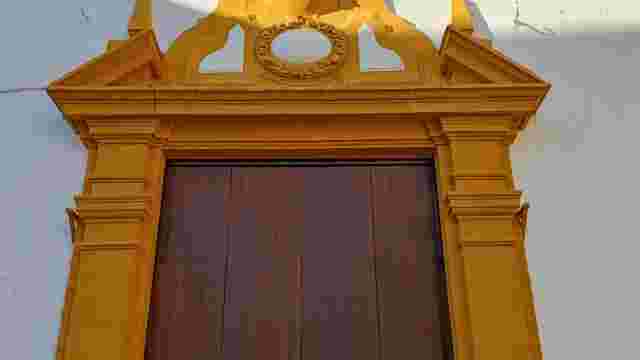
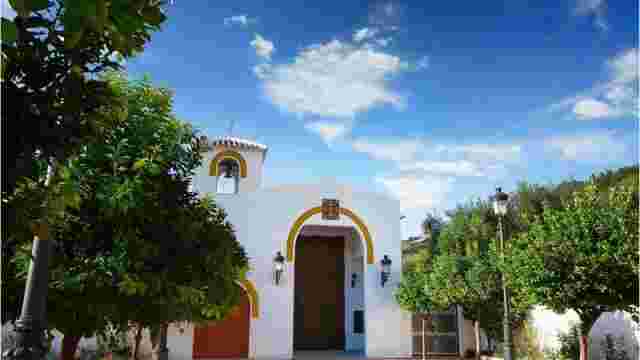
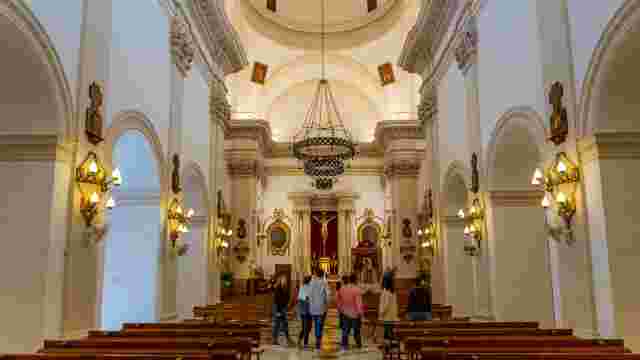
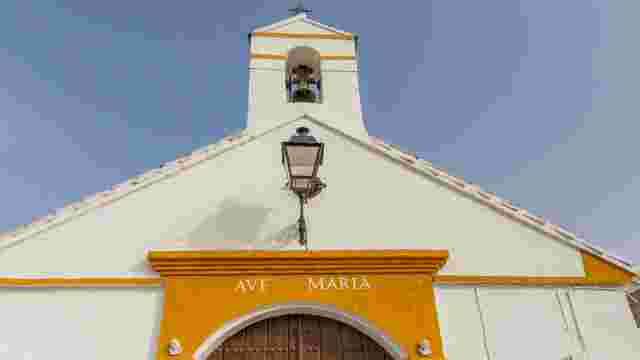
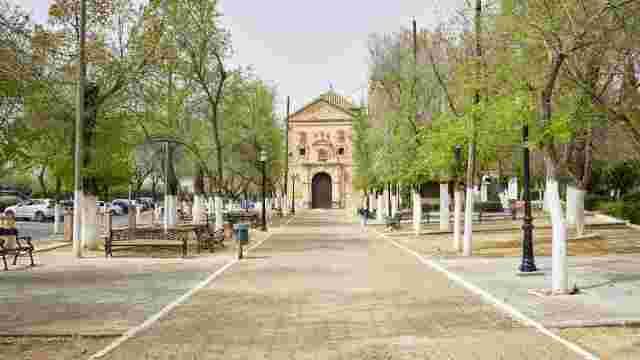
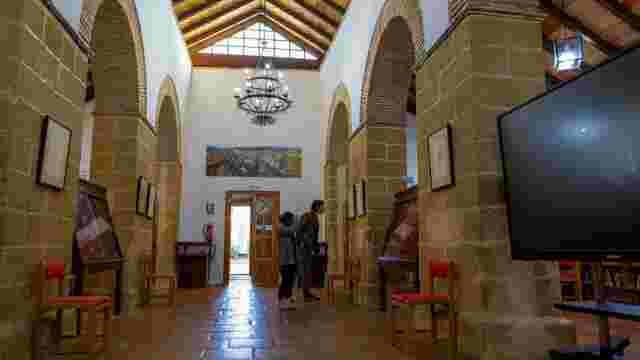
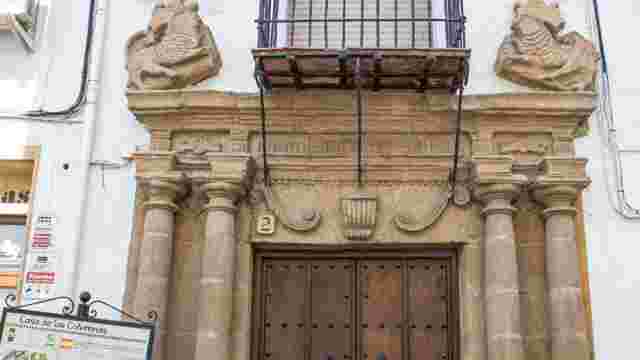
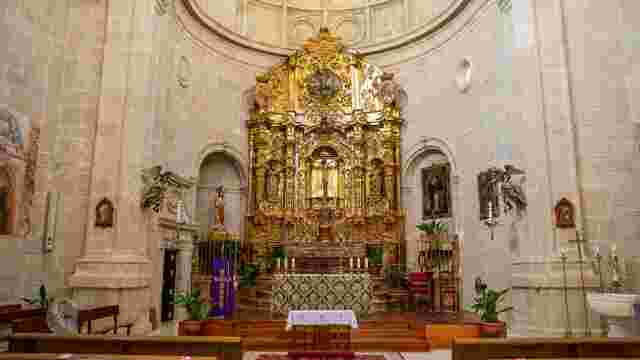
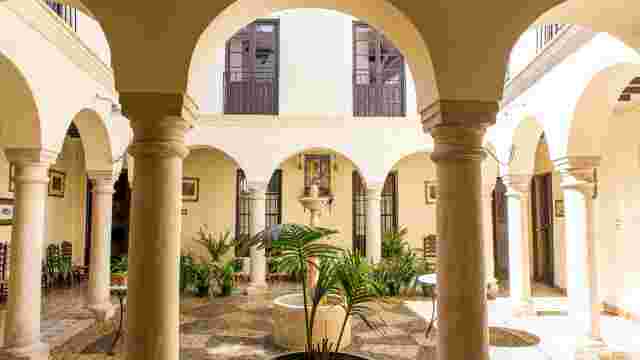
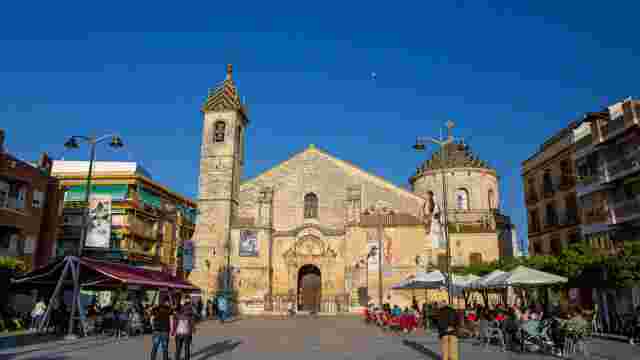
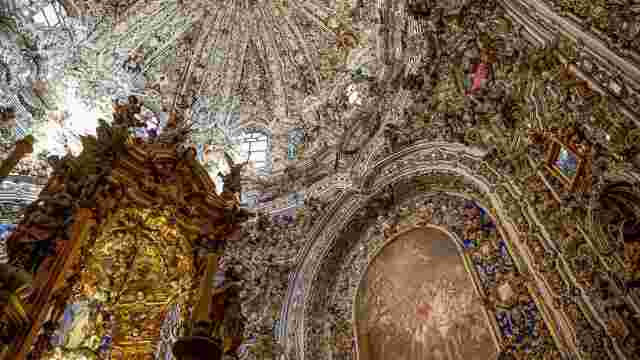
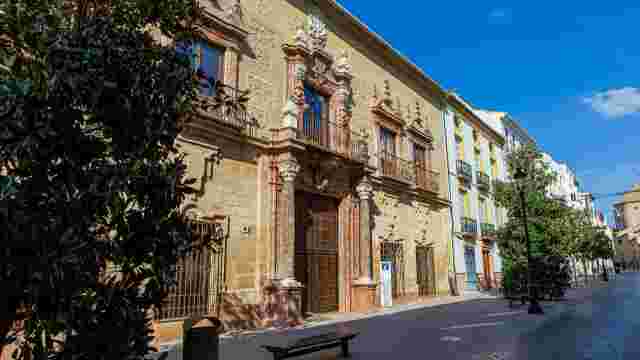
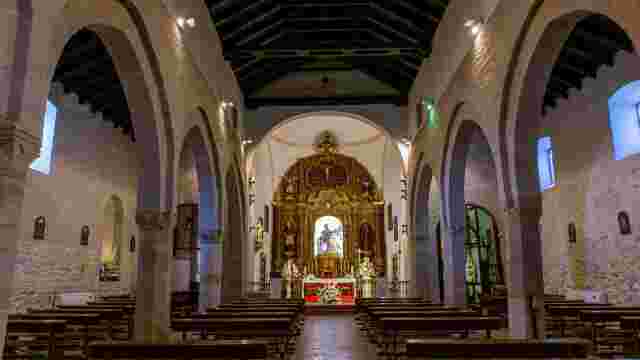
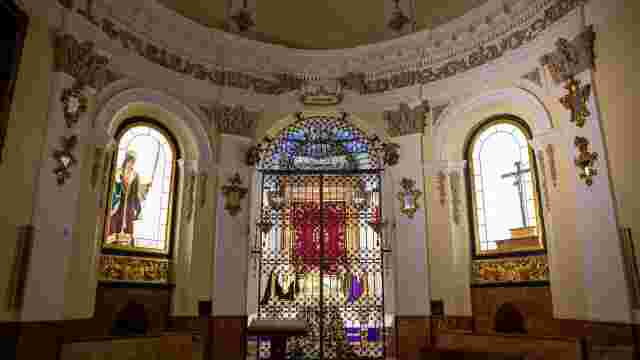
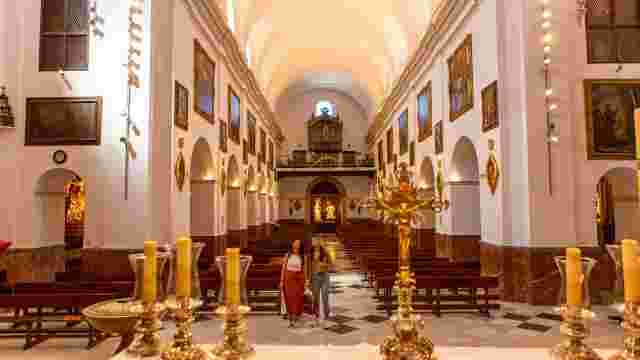
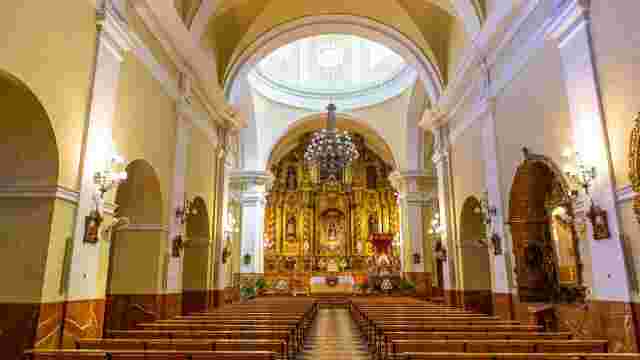
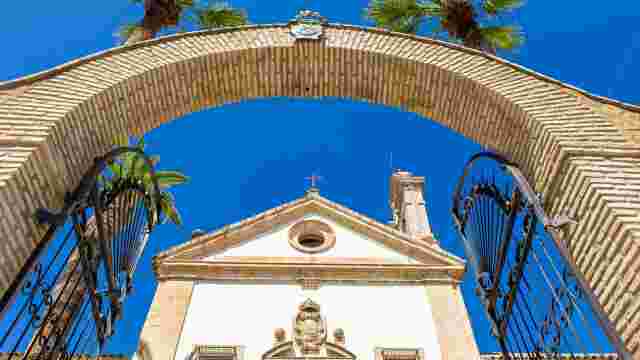
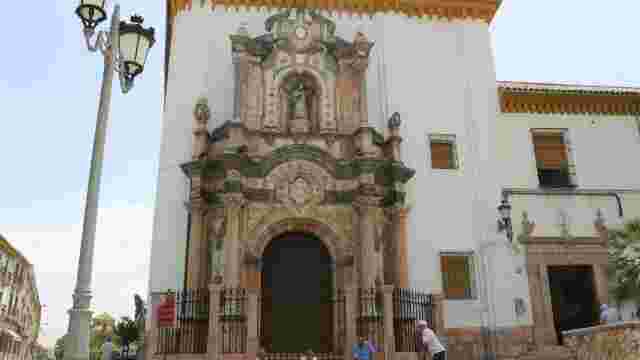
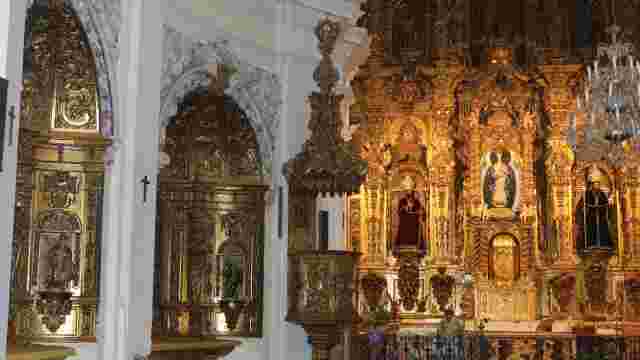
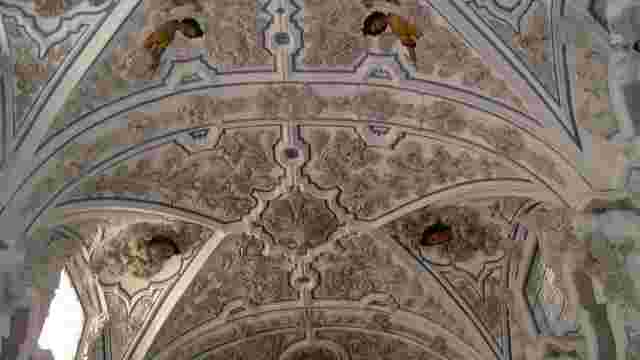
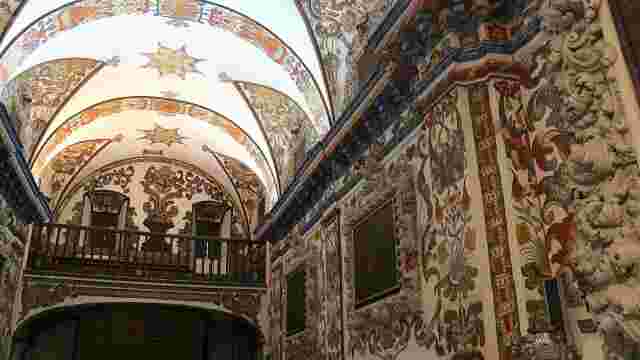
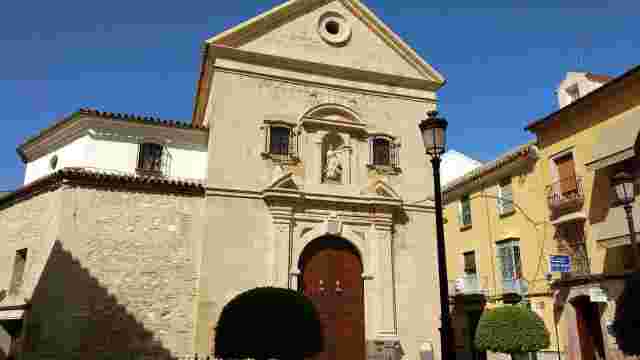
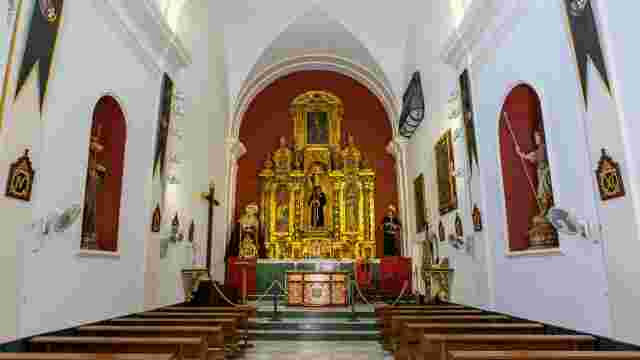
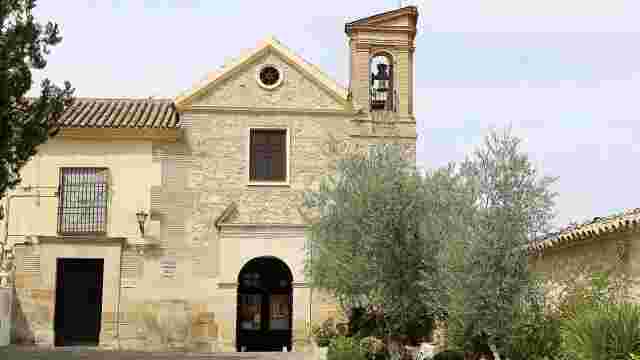
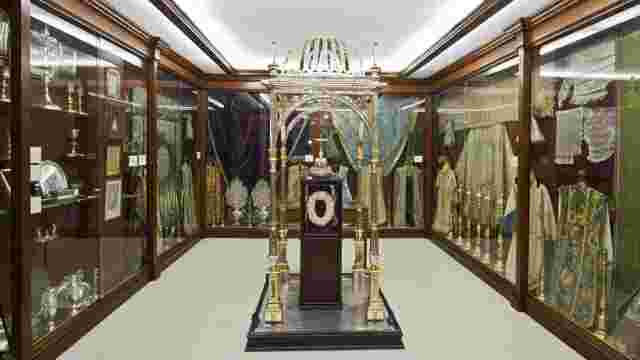
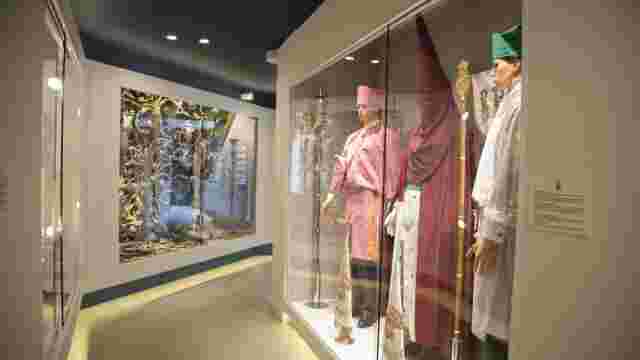
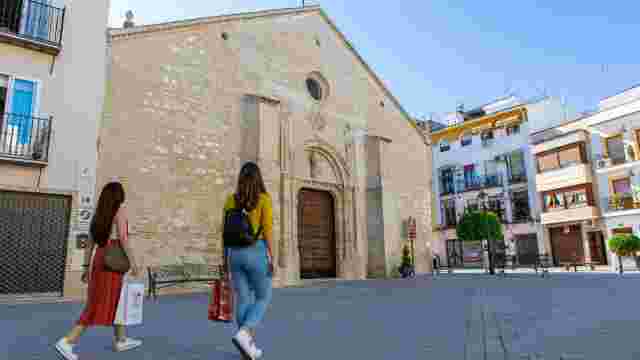
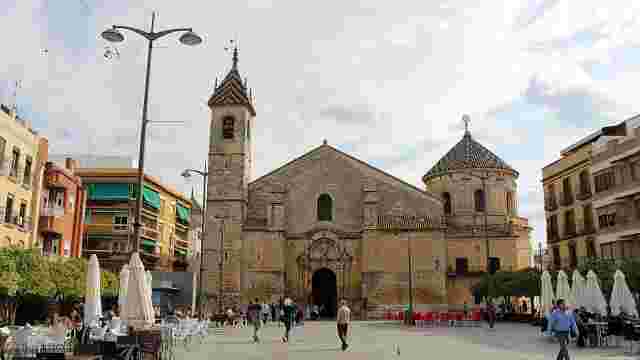
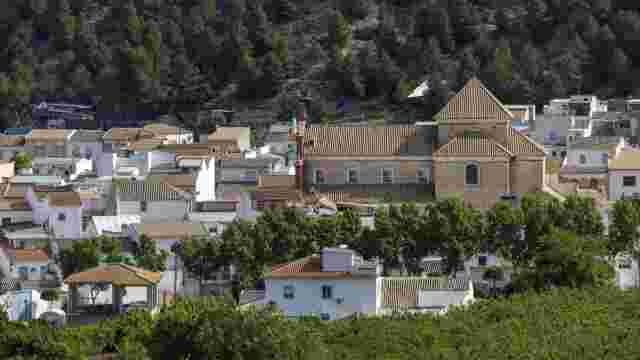
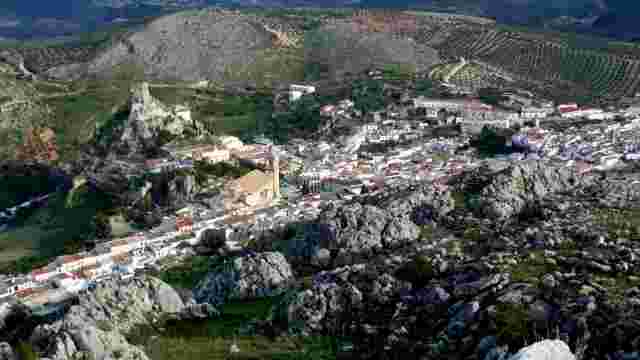
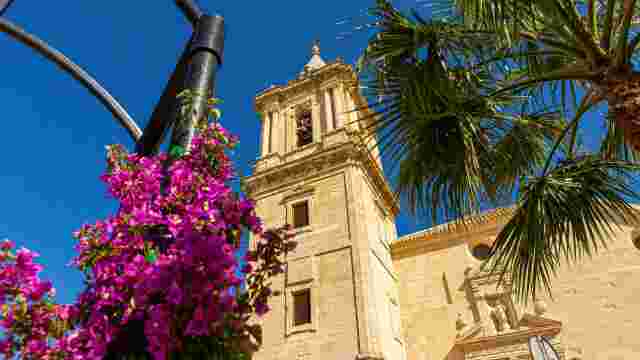
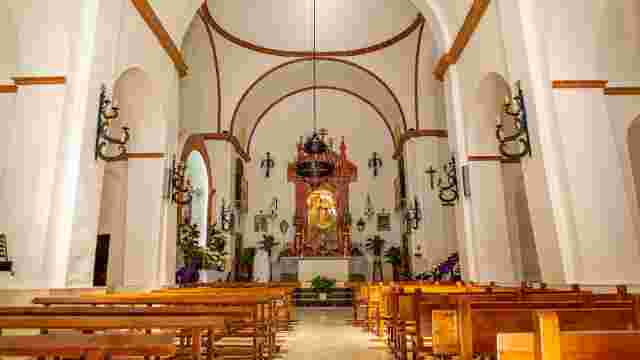
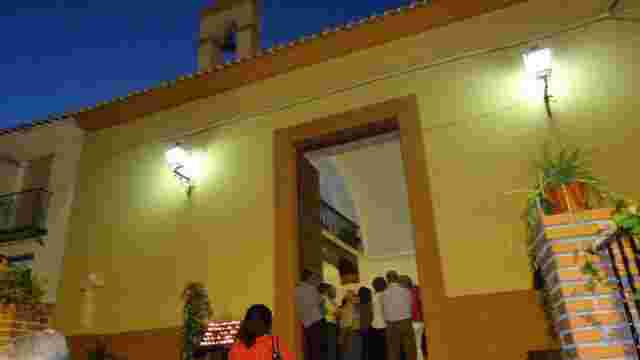
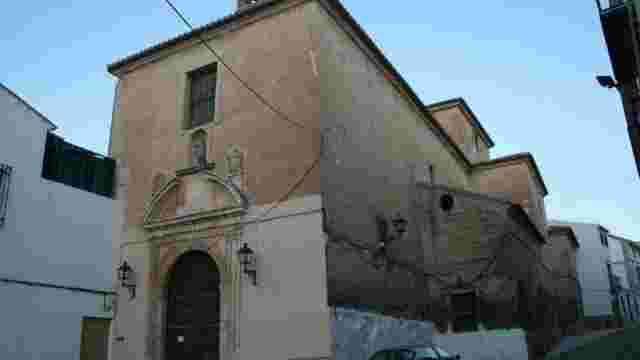
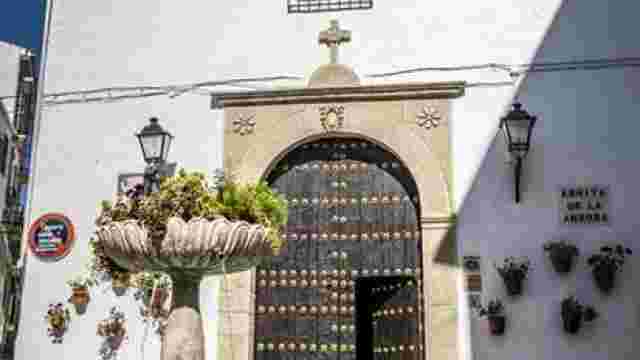
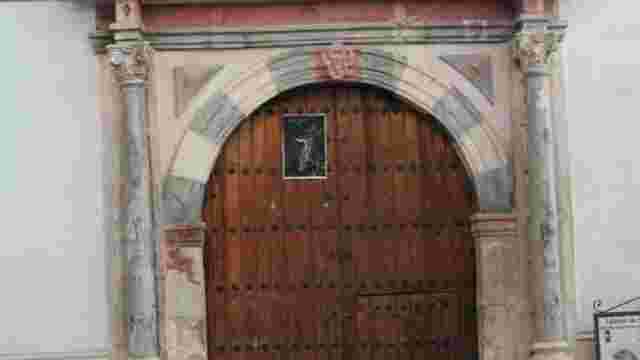
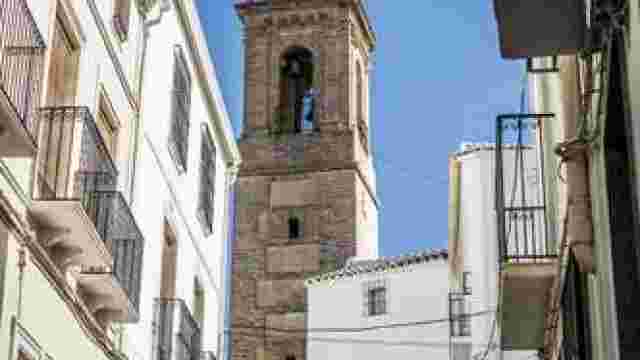
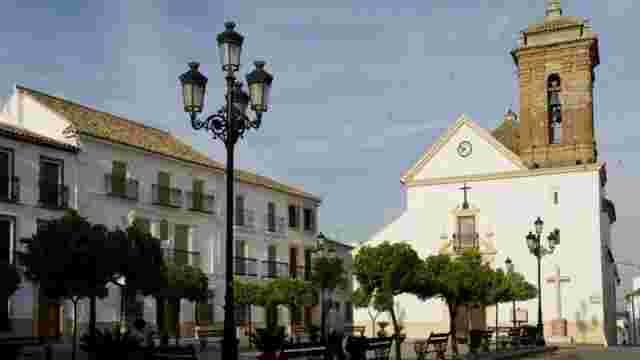
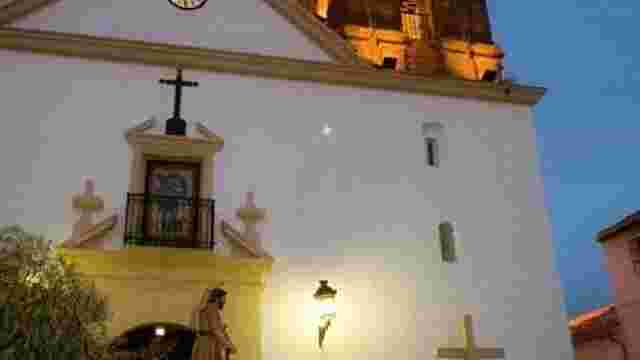
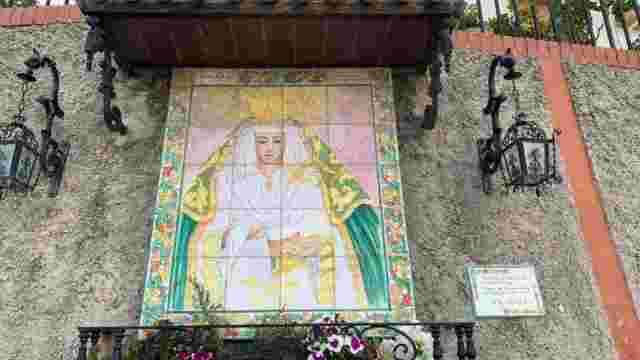
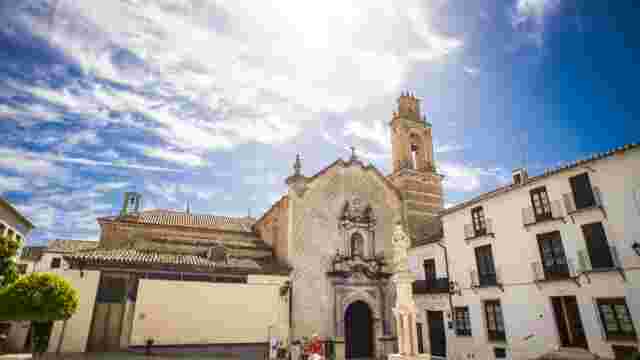
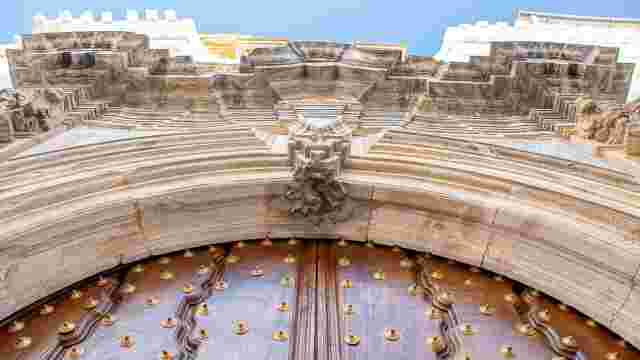
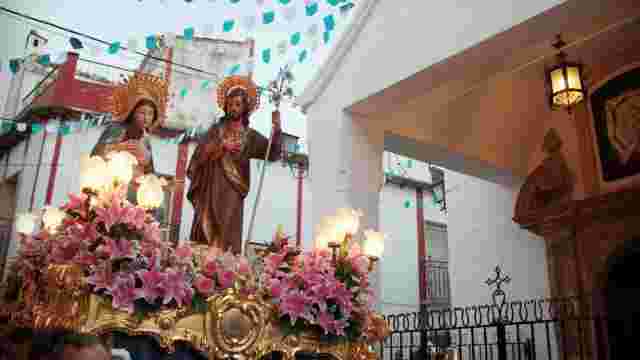
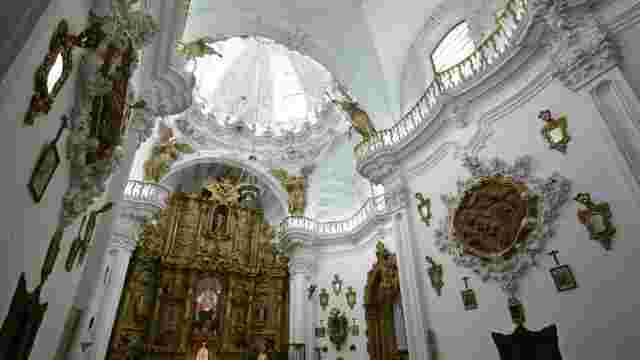
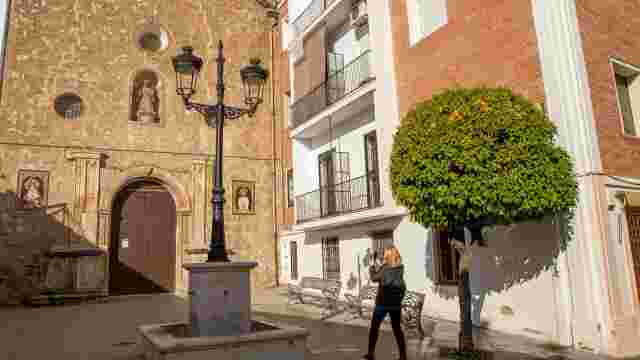
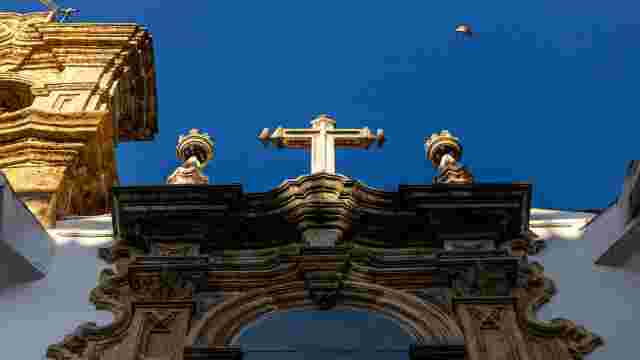
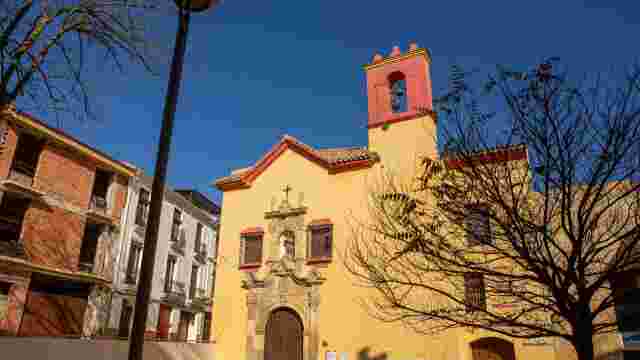
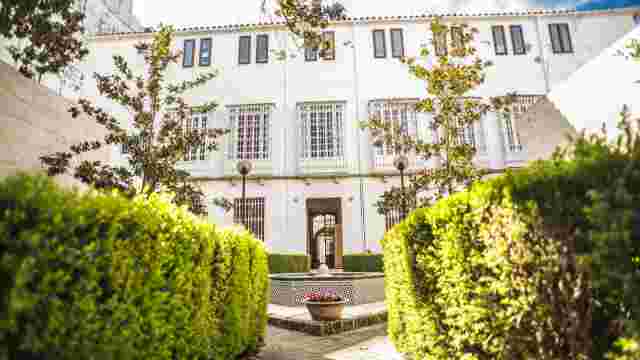
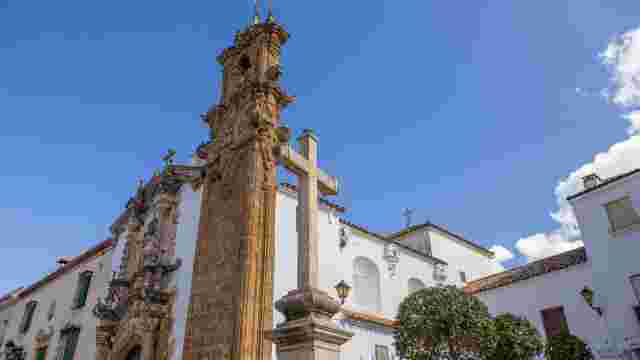
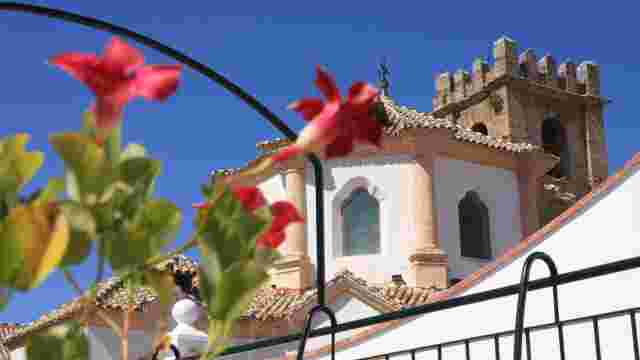
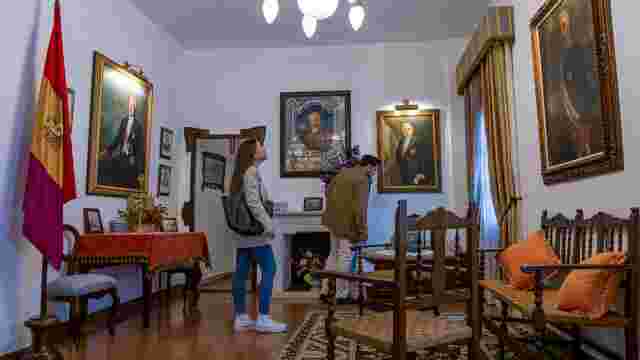
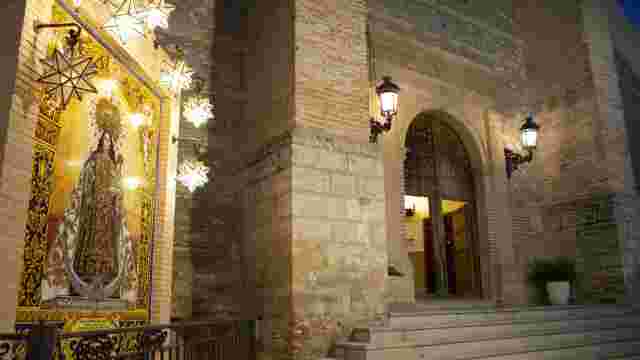
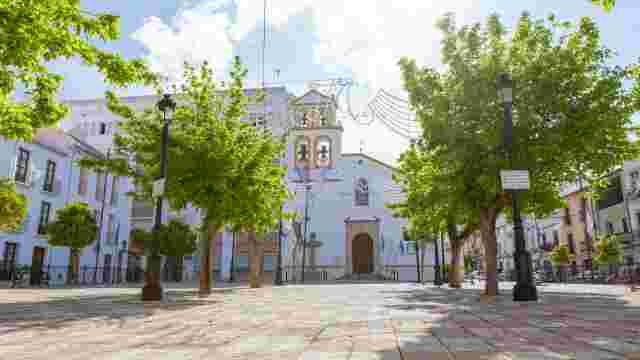
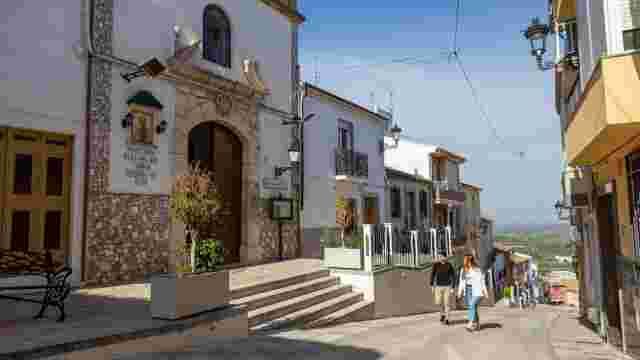
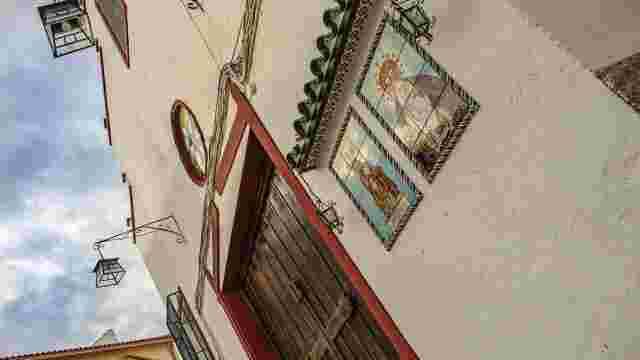
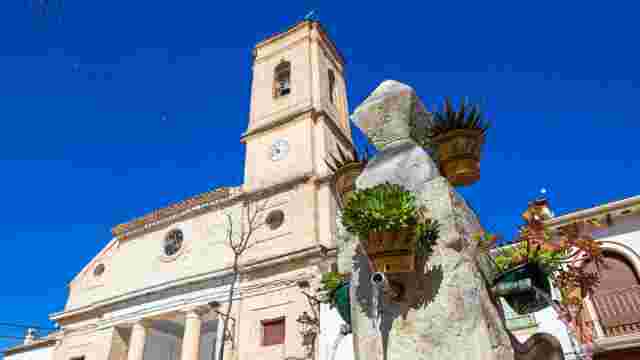
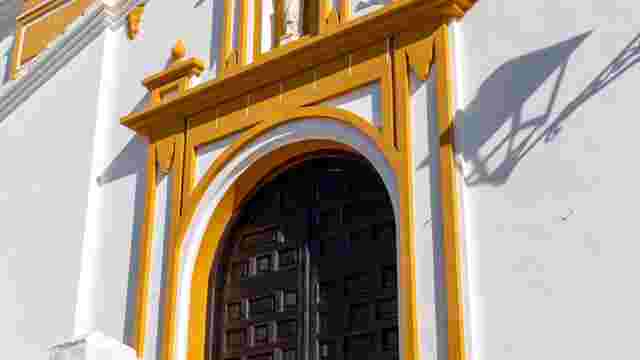
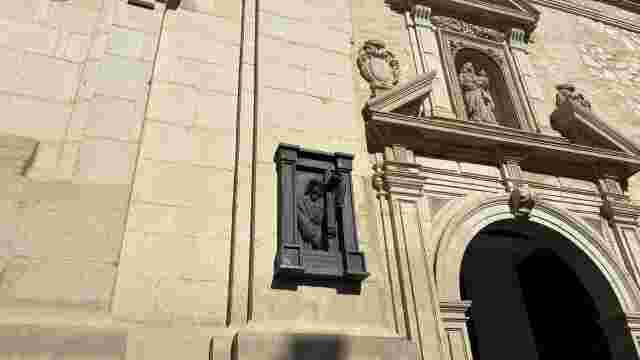
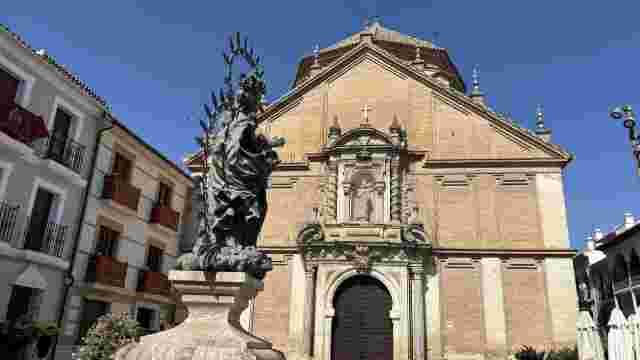
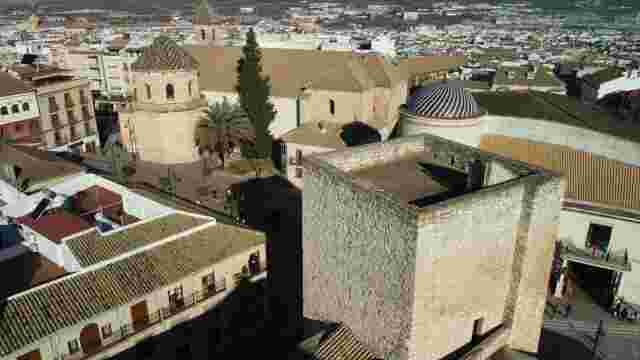
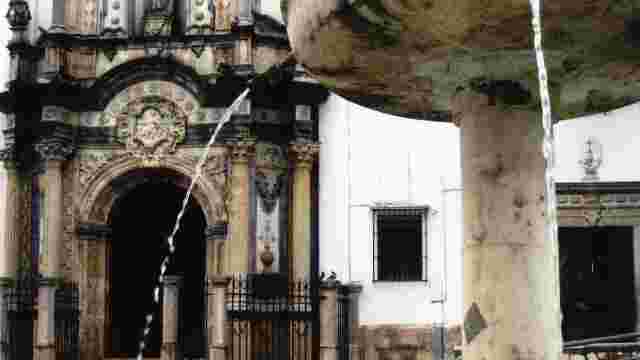
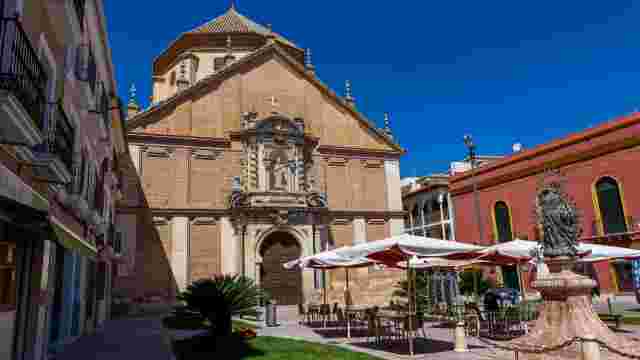
Commissioned by the first Marquis of Benamejí, Don Diego de Bernuy, it is one of the finest examples of the Cordoban Baroque style. Its façade, with its simple lines and neoclassical design, is crowned by a statue of Santa Fe; above the façade is a conch-shaped niche, which houses an image of the Immaculate Mary, to whom the church is dedicated. It has a nave with a Latin cross plan and side chapels, which house, to the right of the High Altar, the recently refurbished Antequera-style tabernacle, which holds the processional images for Benamejí’s Holy Week, many of which come from the former convent of the Discalced Carmelites that once stood in Benamejí, and, to the left of the altar, the entrance to the majestic sacristy, where the arches and ceiling mouldings are adorned with immaculate white, further highlighting the coats of arms of several of the Marquises of Benamejí, as well as housing a large collection of 17th- and 18th-century paintings.
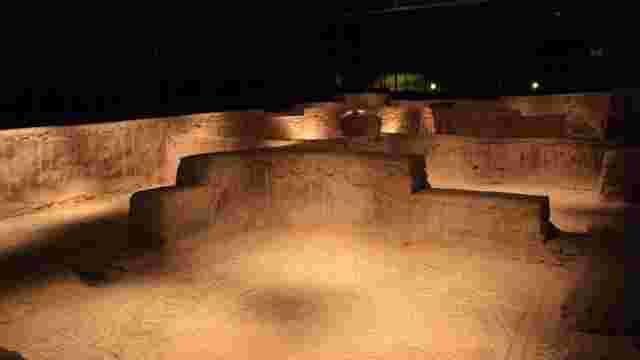
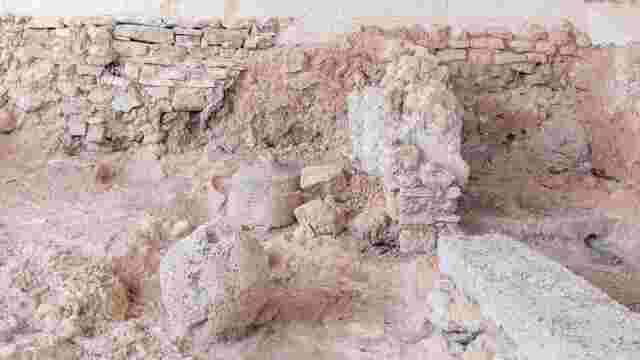
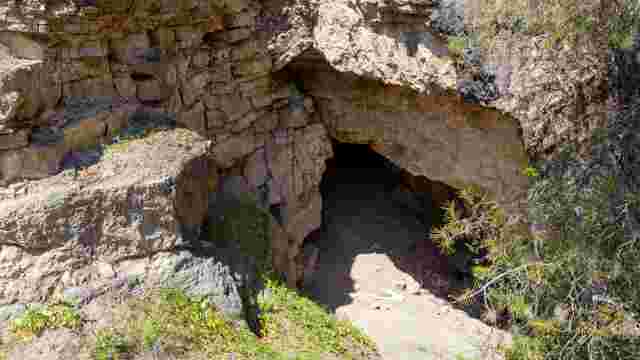
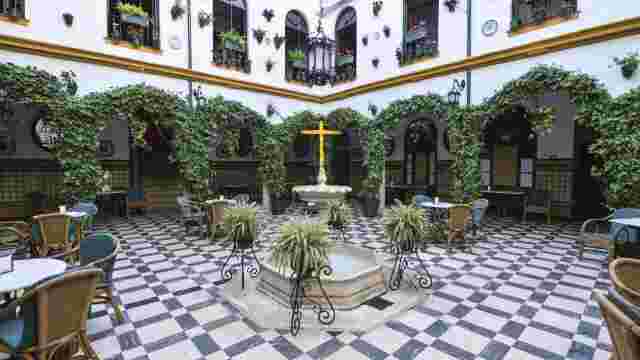
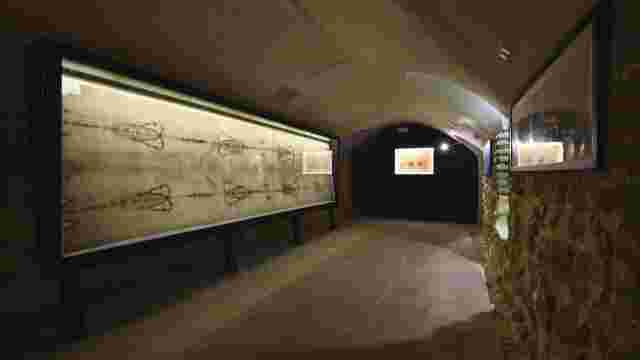
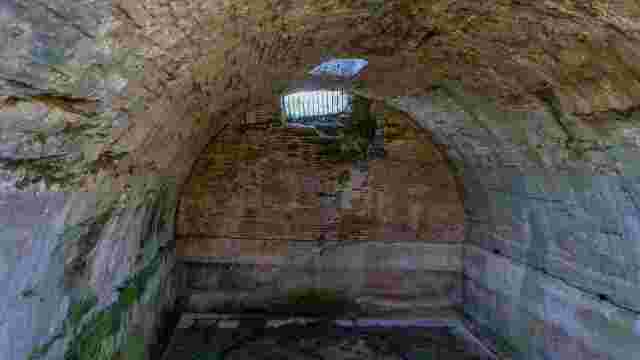
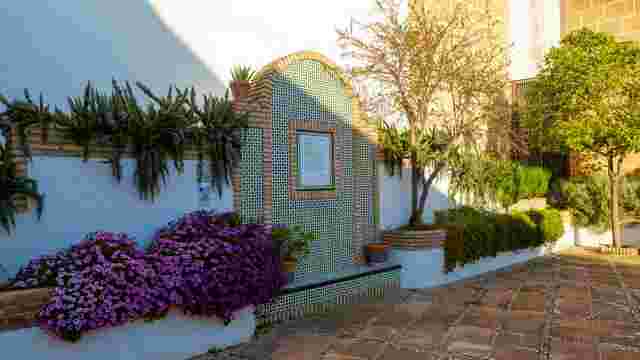
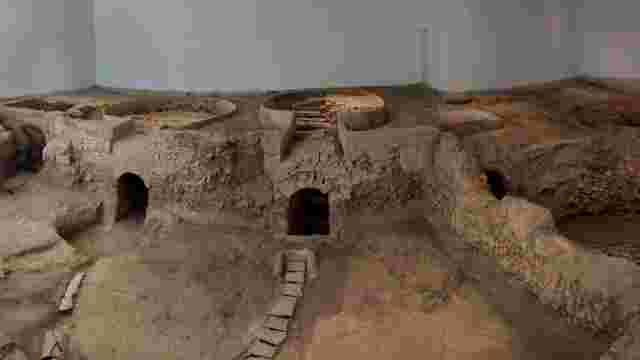
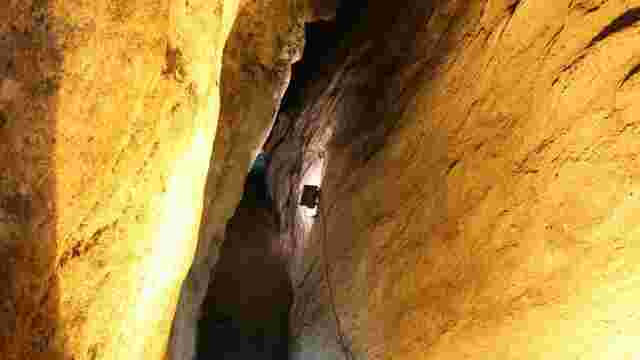
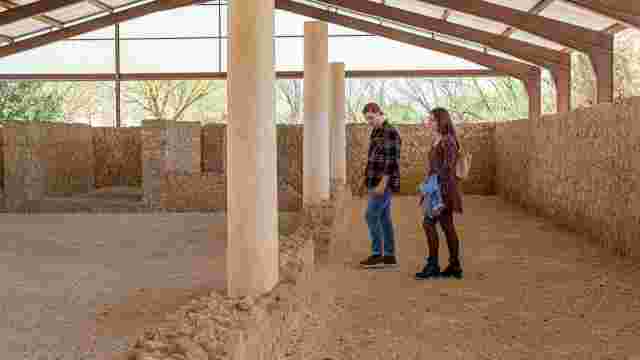
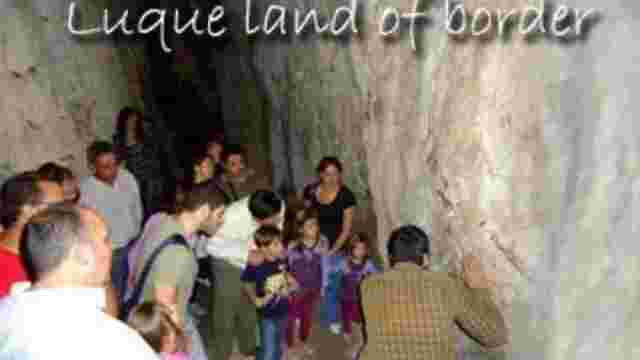
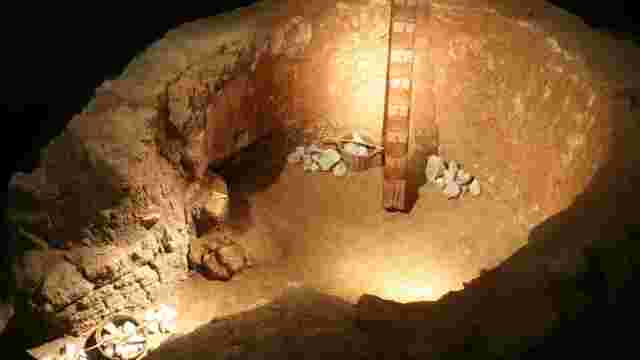
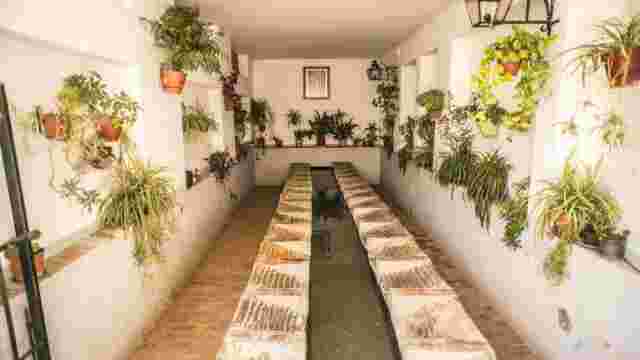
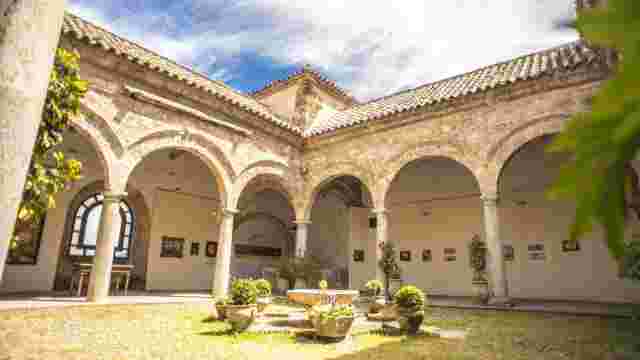
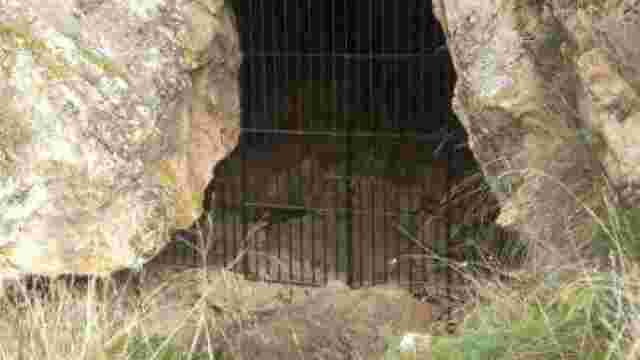
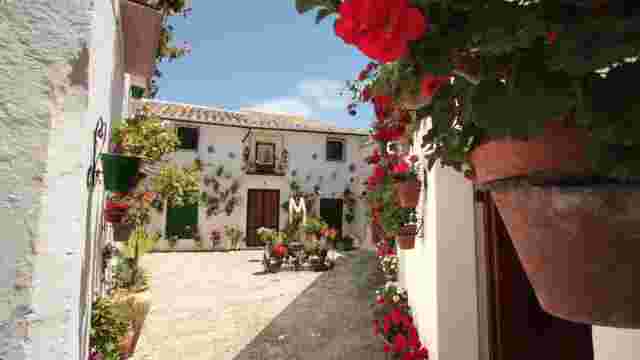
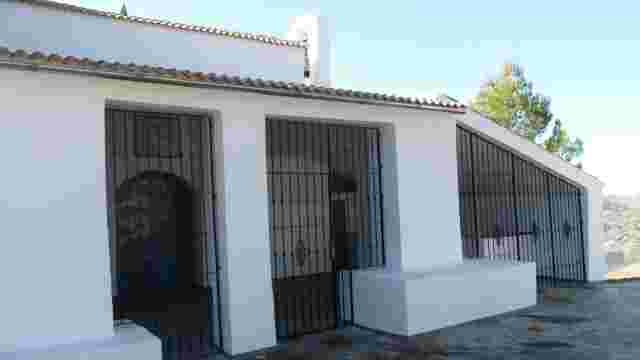
In the courtyard is the entrance to the parish’s catacombs, which are of great architectural value and are currently being restored for visitors to explore and enjoy.
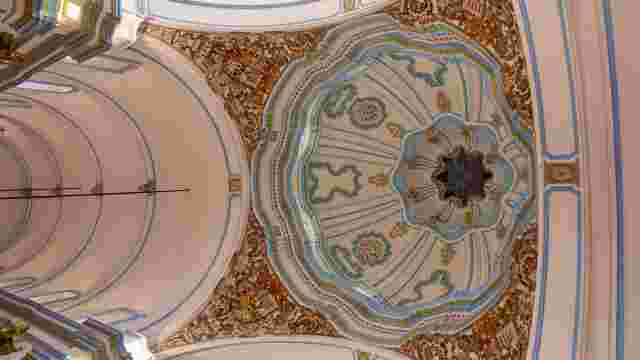
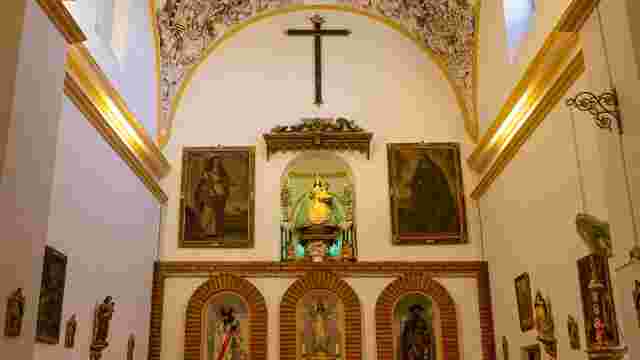
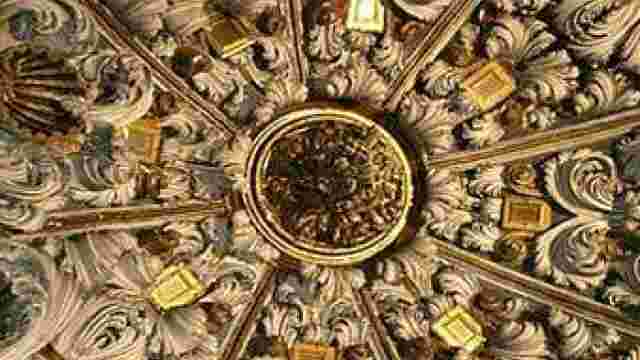
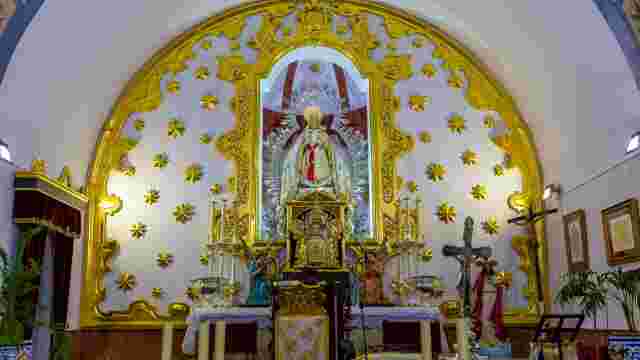
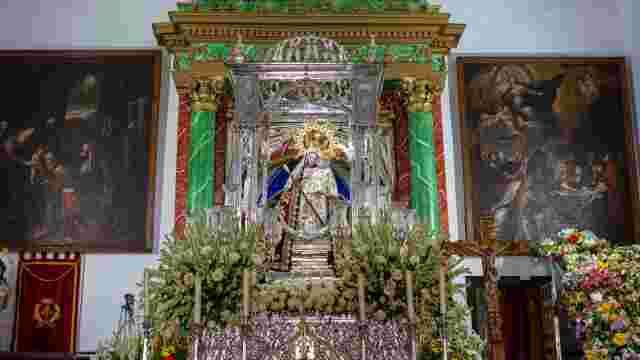
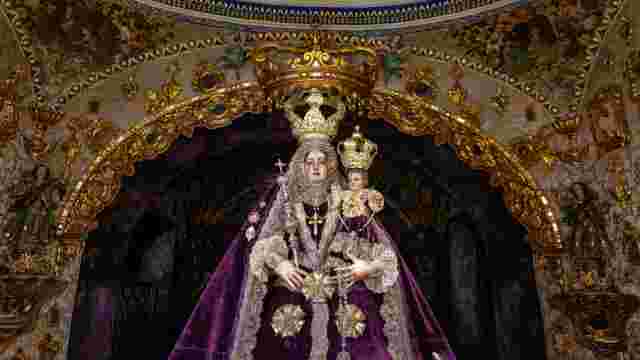
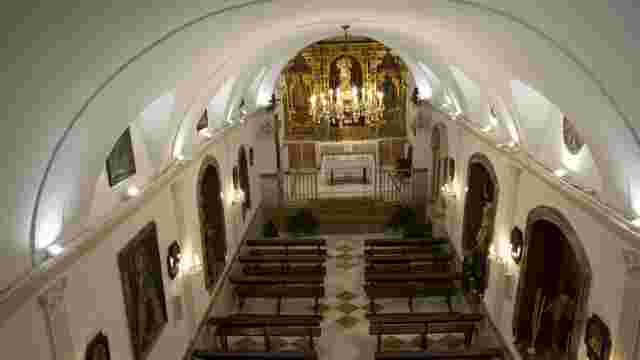
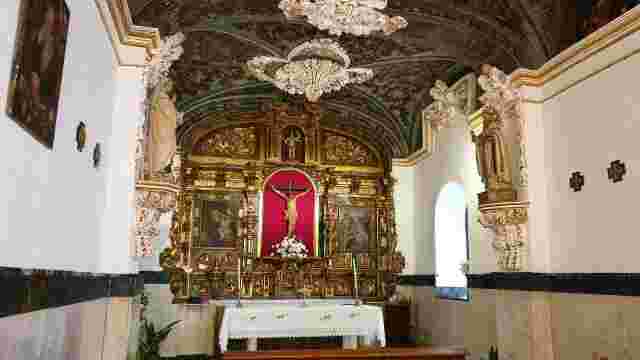
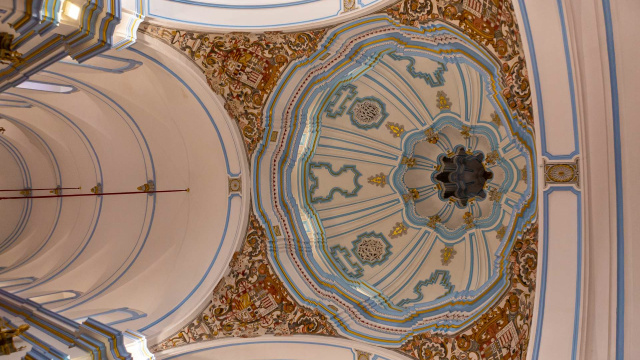
The High Altar features a carving of the Immaculate Conception, dated 1742, the work of the Lucena-born sculptor Pedro del Pozo. The church is notable for its distinctive dome, which rises from an undulating ring and divides into several arches, with the Bernuy coats of arms painted on the corners.
It features a majestic 18th-century organ and a choir loft situated above the entrance door, with a wrought-iron balustrade and the initials of the Marquises of Benamejí.
In the adjoining chapels there are further processional images of great artistic quality dating from the 18th to the 20th centuries, some of them sculptural groups from Olot; it also features a baptistery chapel with a baptismal font made of pink marble from the quarries of Cabra, a feature very typical of the buildings and works commissioned by the Marquisate of Benamejí.
Throughout the parish church, one finds urns containing the Infant Jesus, of great artistic quality; carvings that could be attributed to the Roldada school, such as a Divine Shepherdess, located here and recently restored. It also features an altar dedicated to Saint Teresa, of whom a relic is preserved in this church.
All these altars and many of the images in this parish originate from the former Convent of the Discalced Carmelite Friars that once stood in the town.