Jaramillo and Lorite
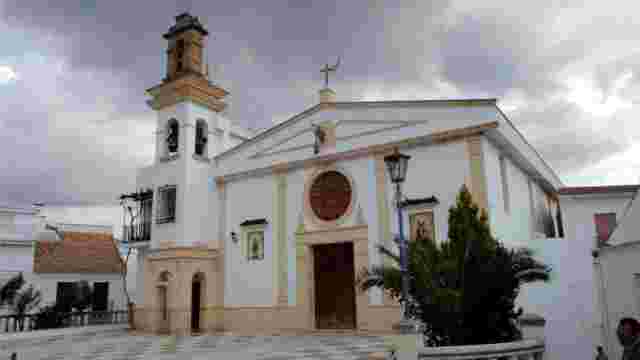
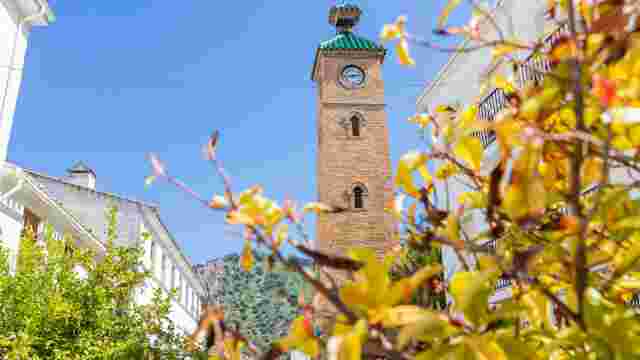
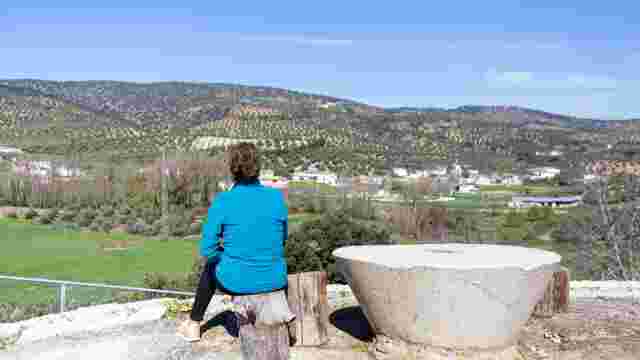
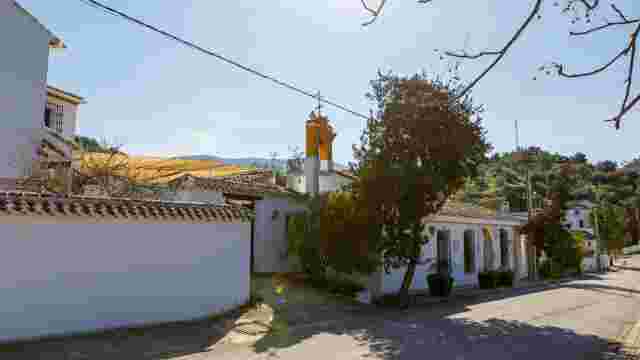
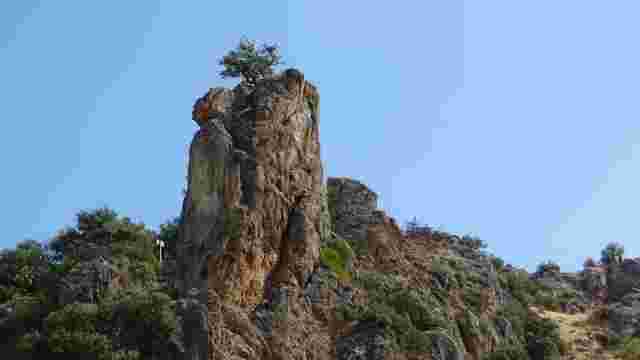
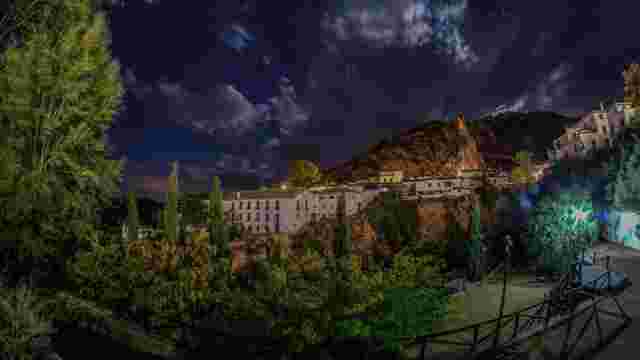
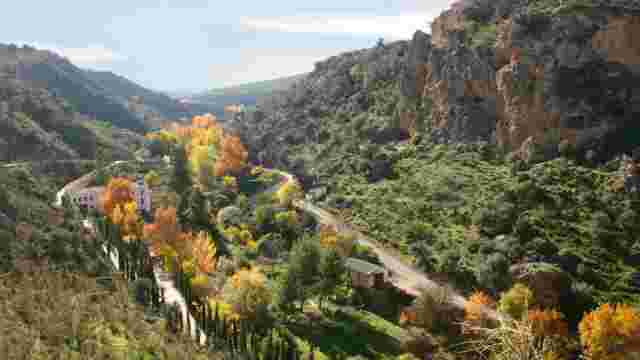
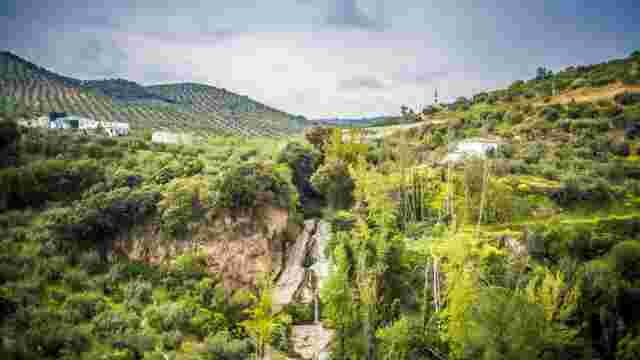
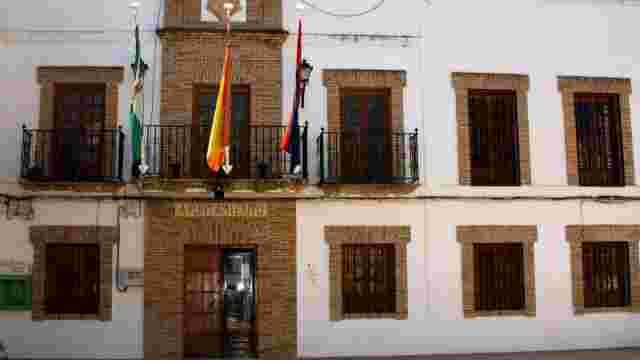
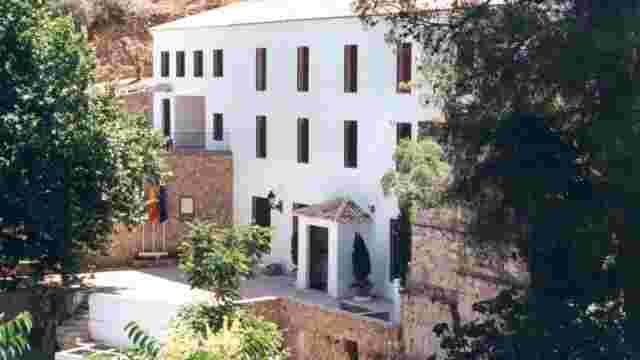
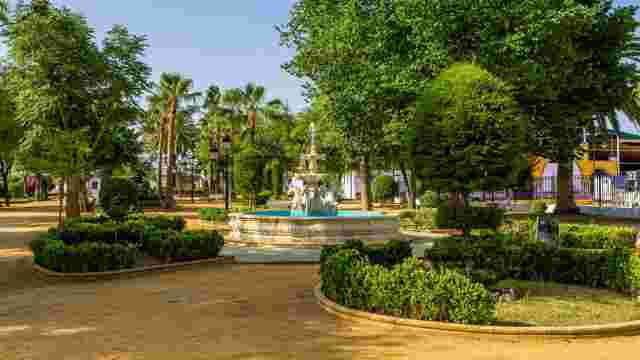
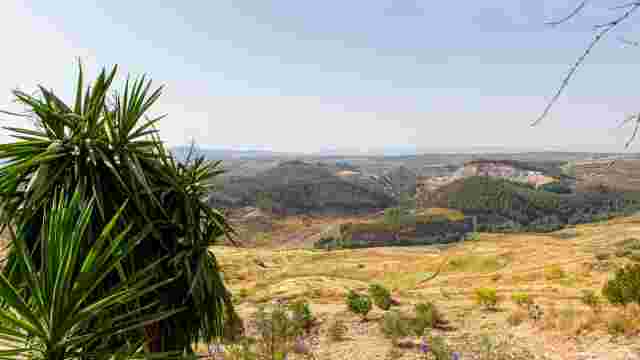
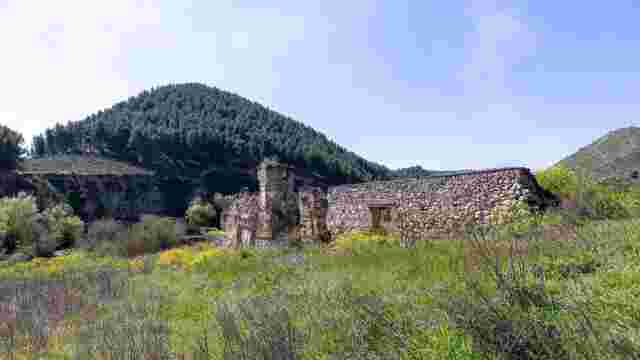
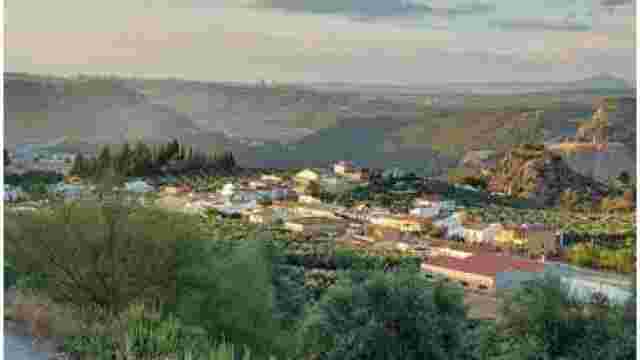
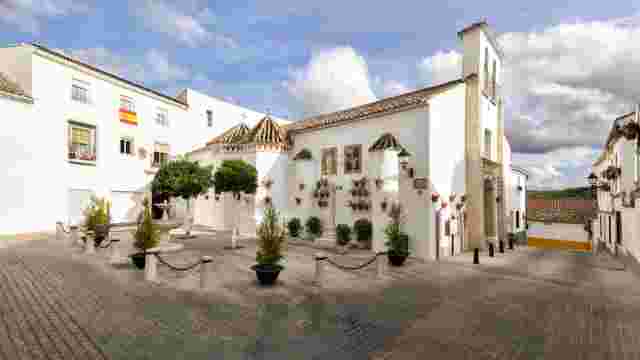
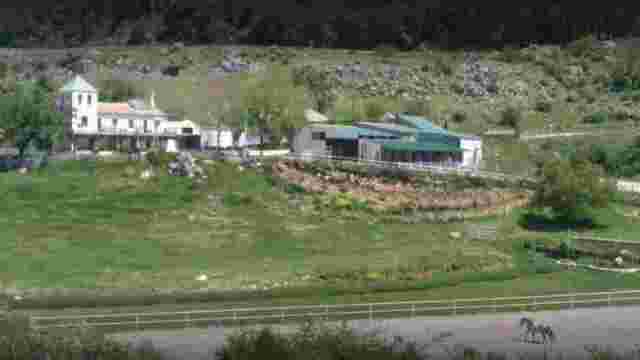
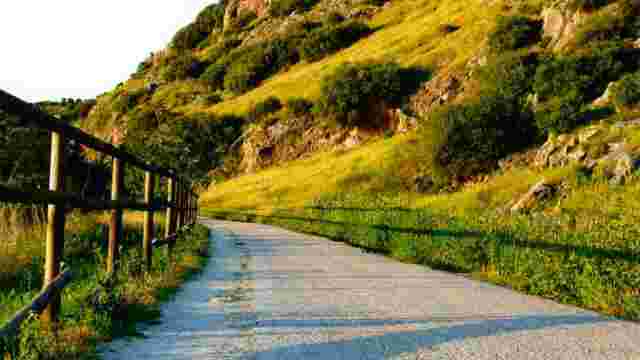
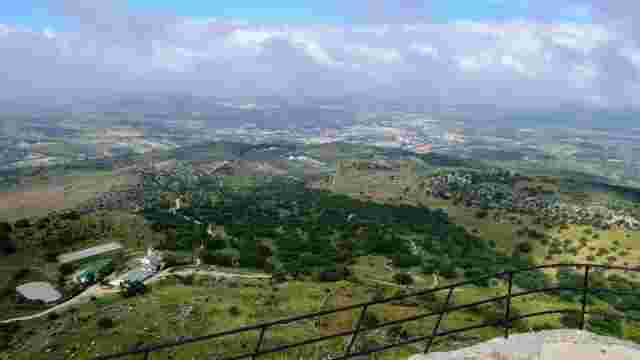
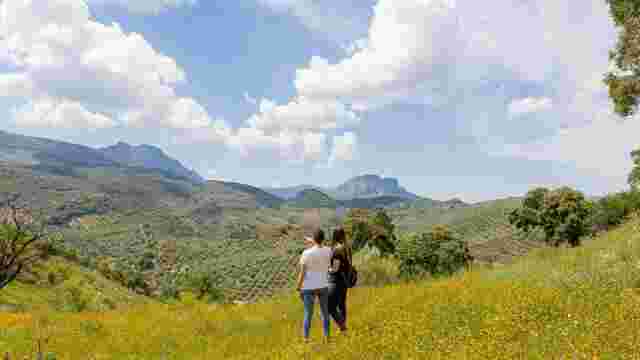
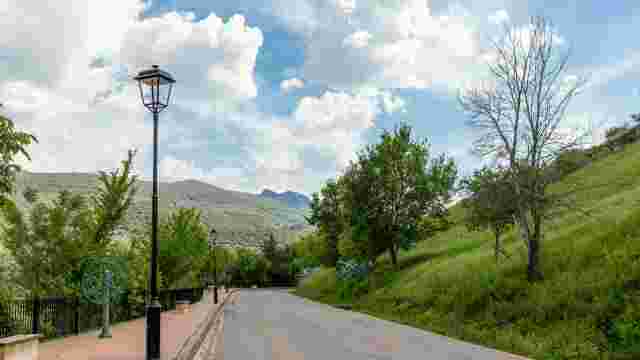
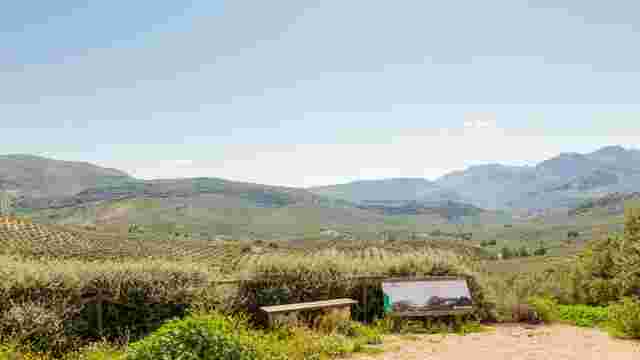
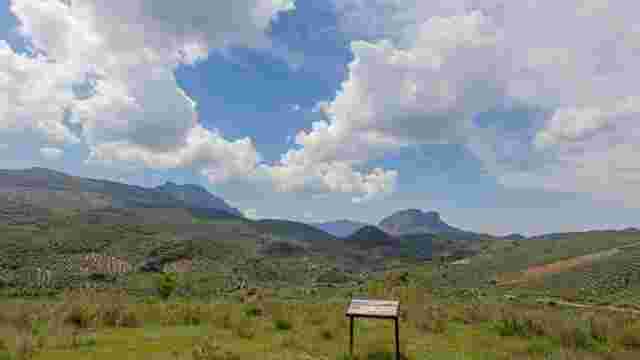
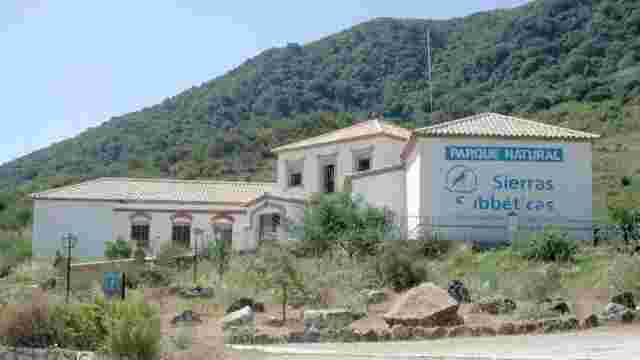
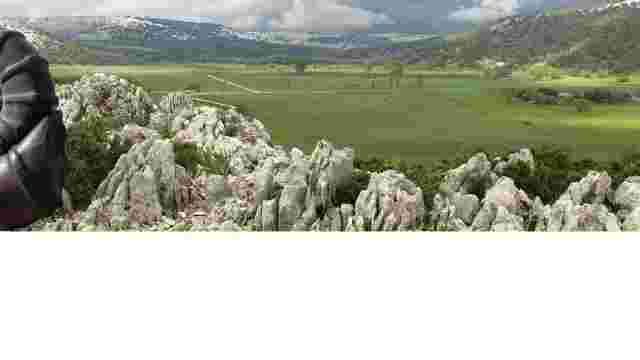
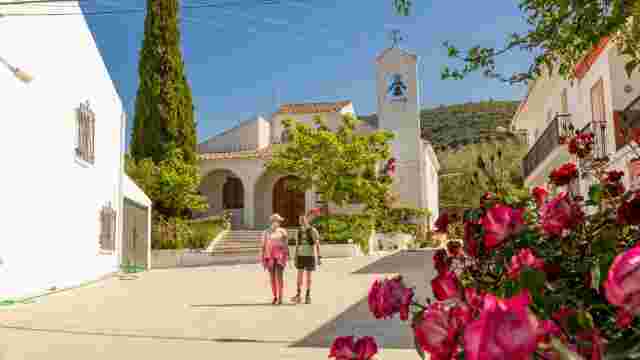
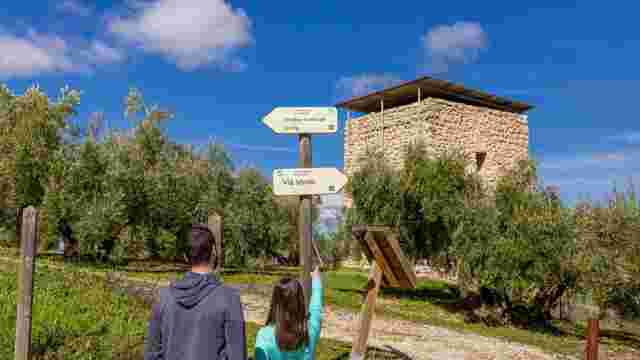
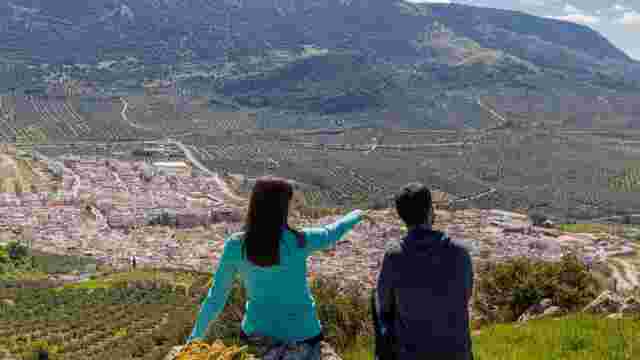
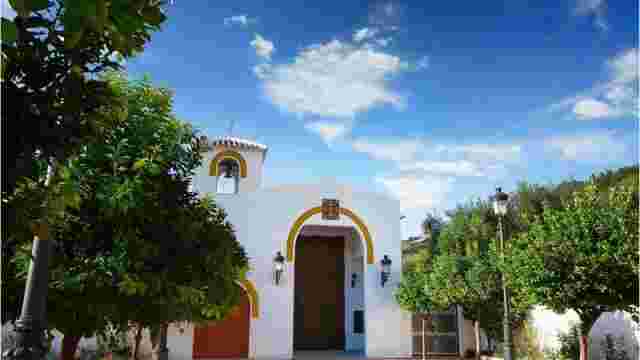
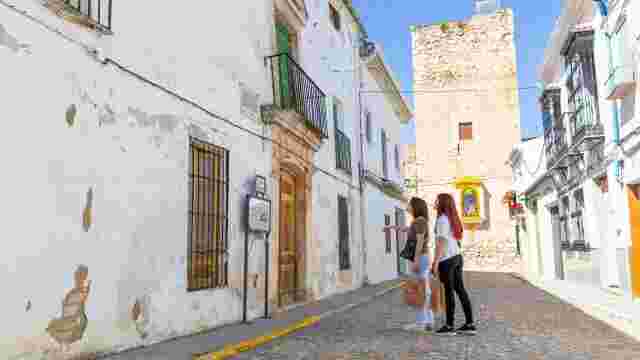
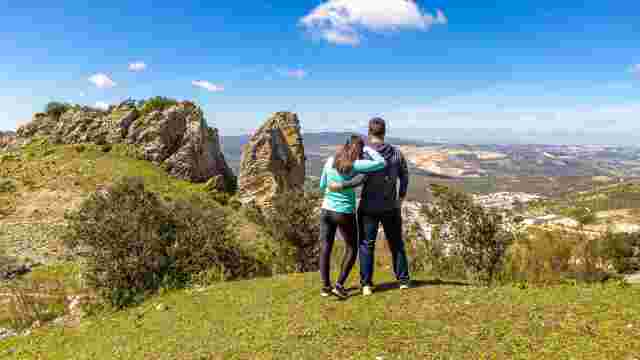
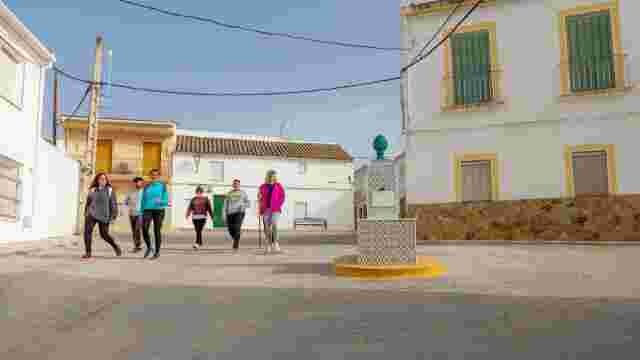
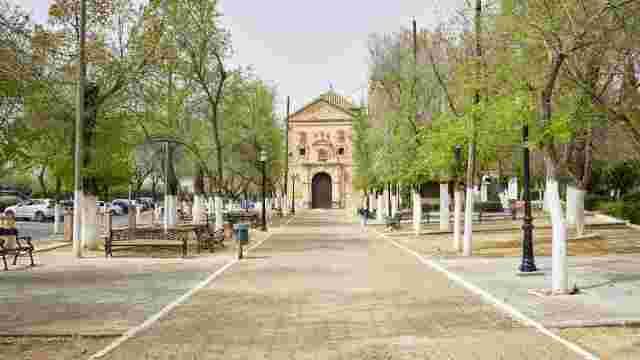
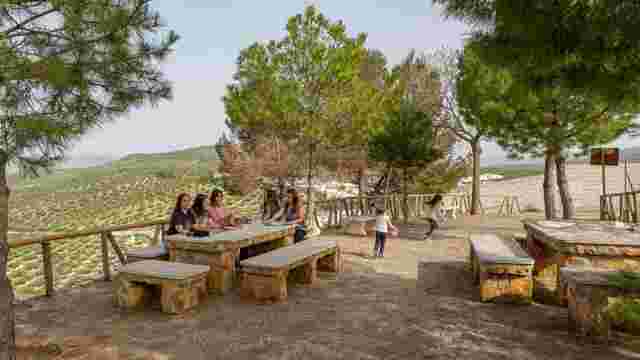
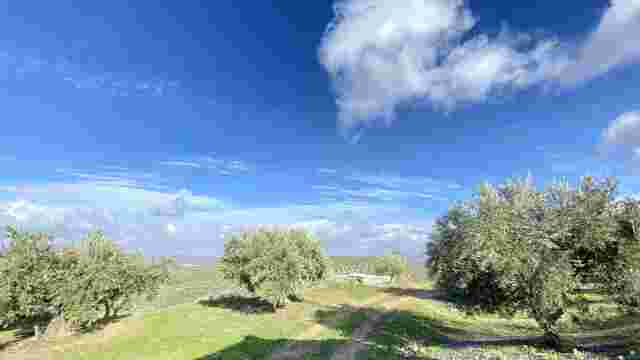
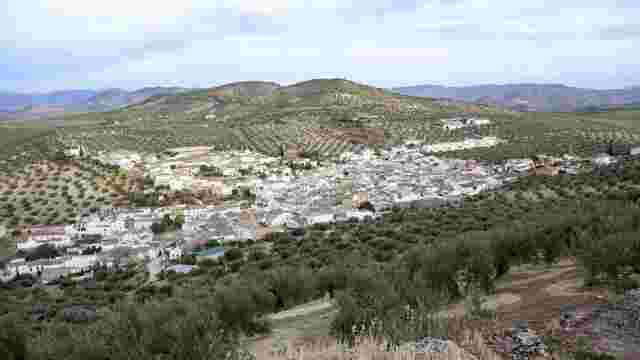
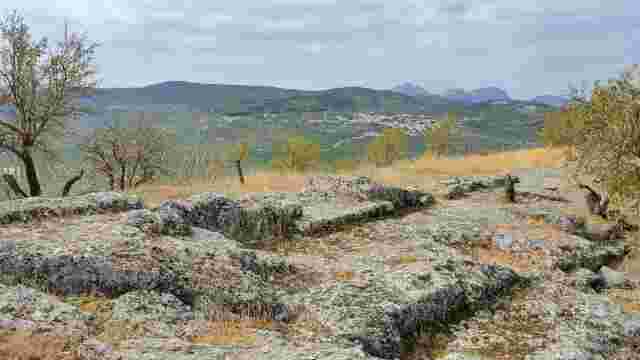
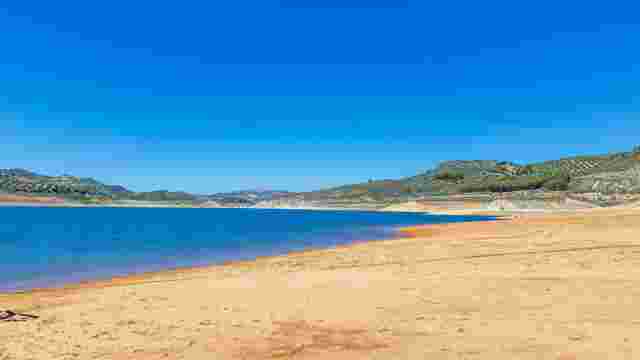
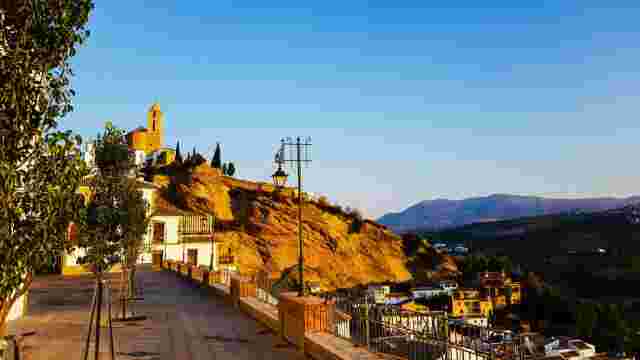
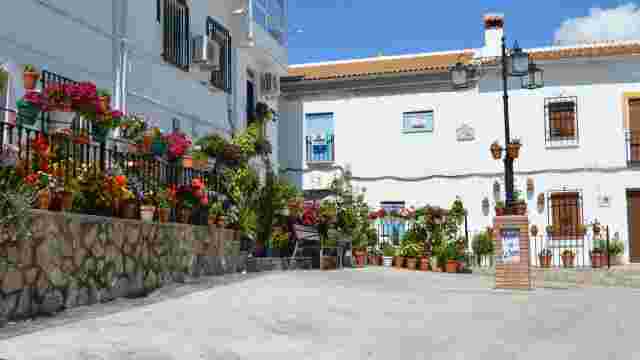
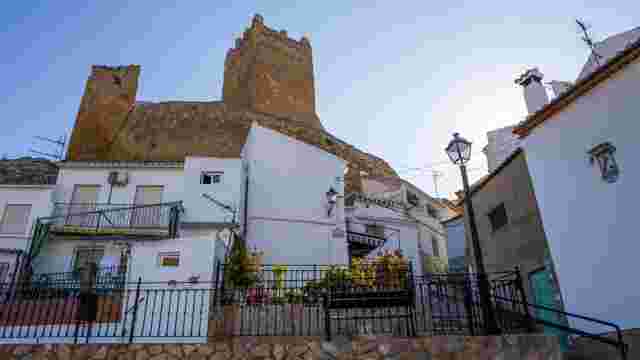
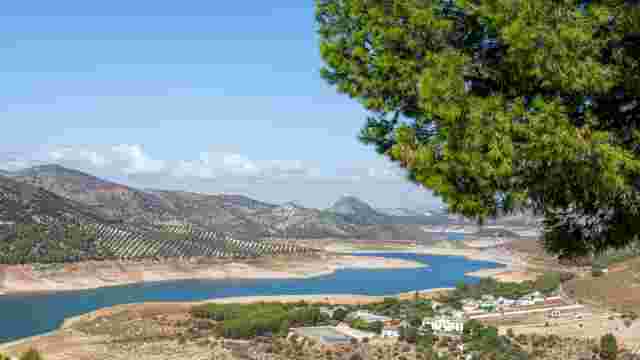
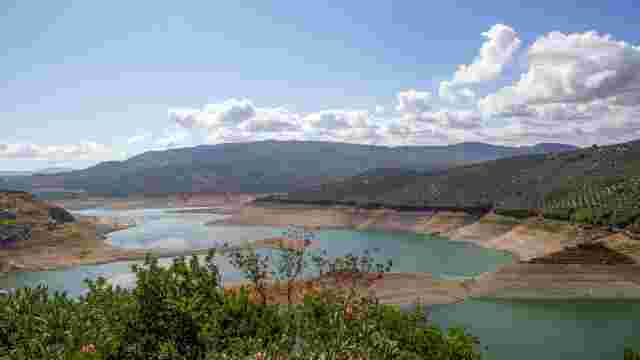
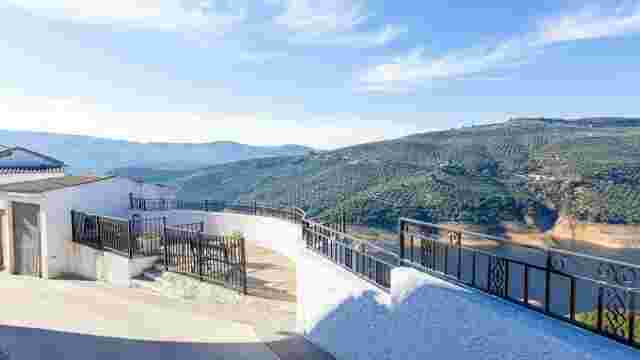
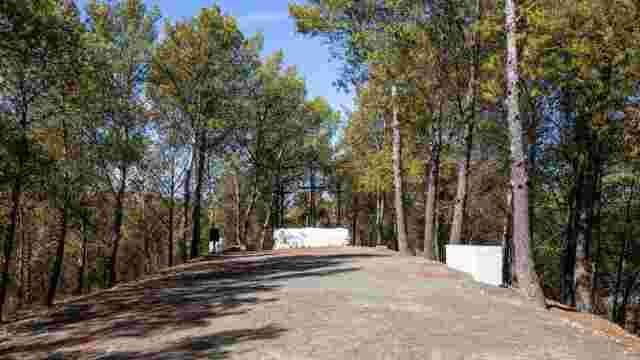
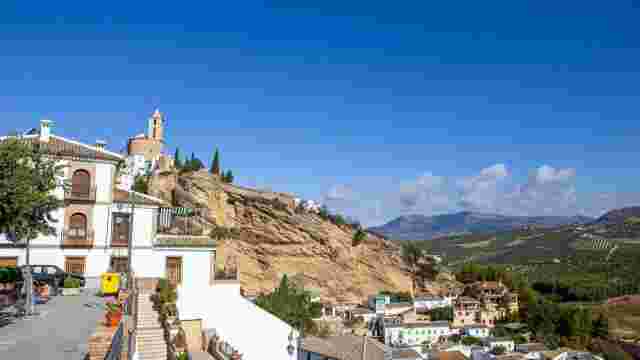
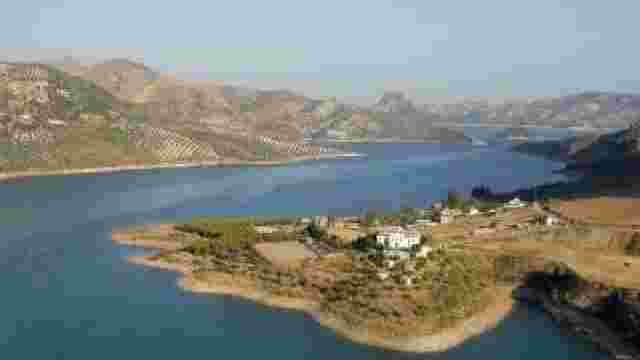
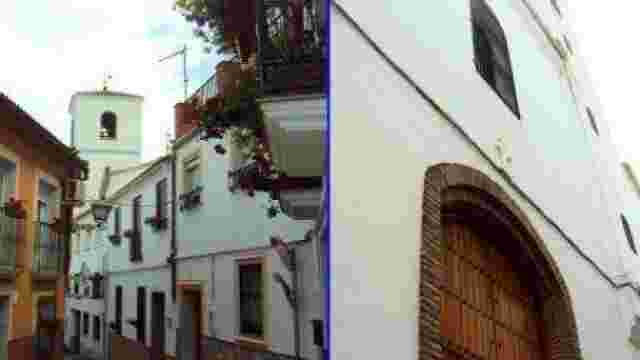
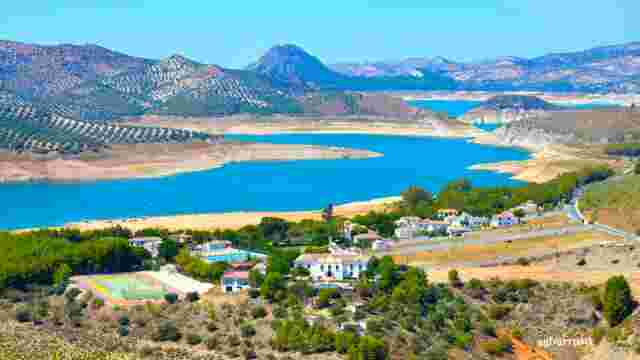
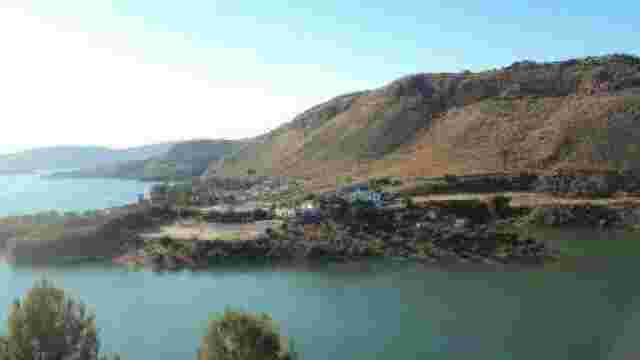
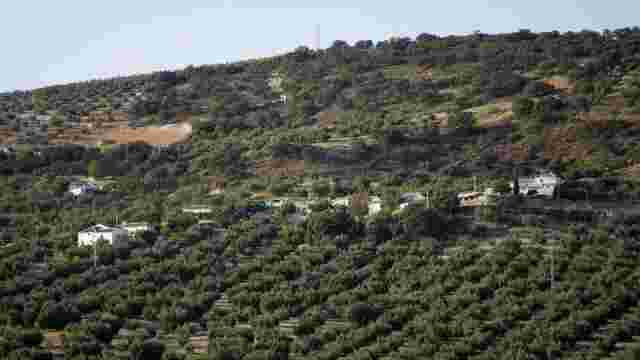
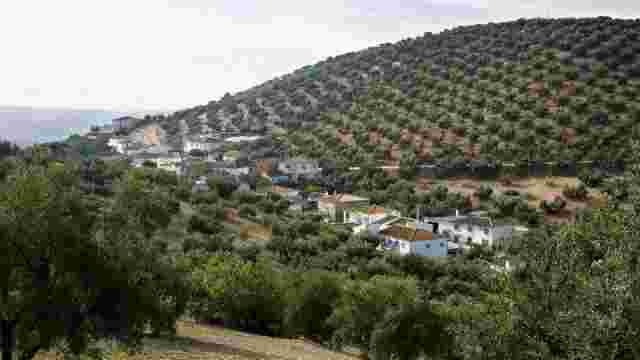
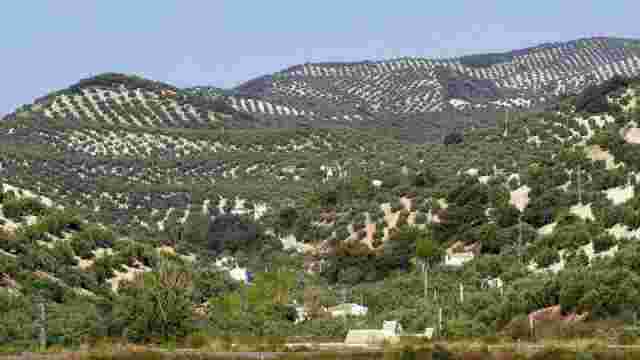
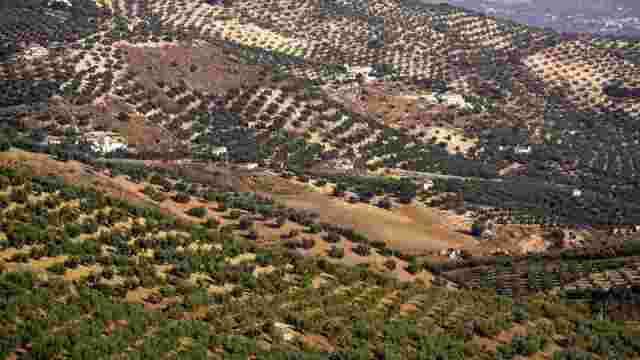
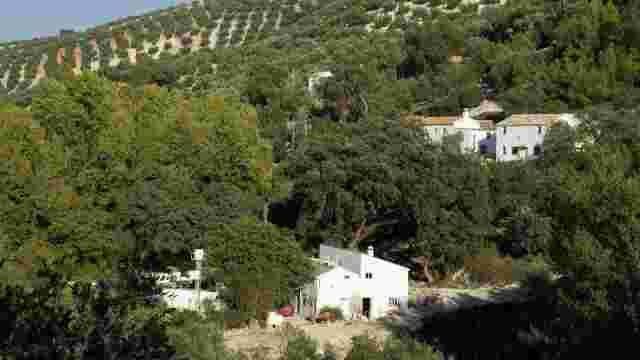
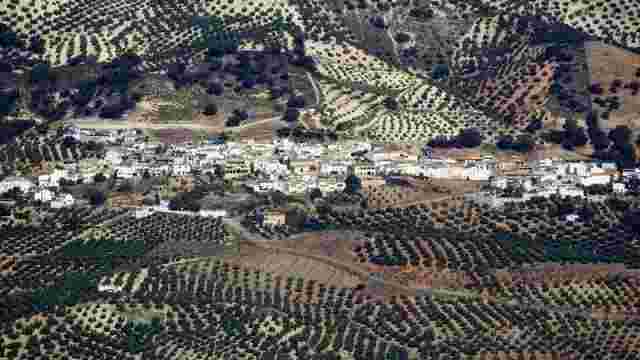
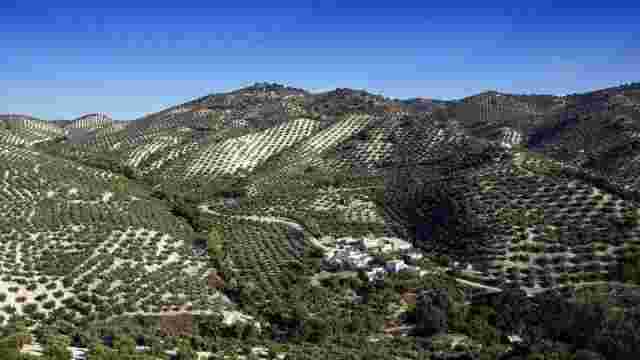
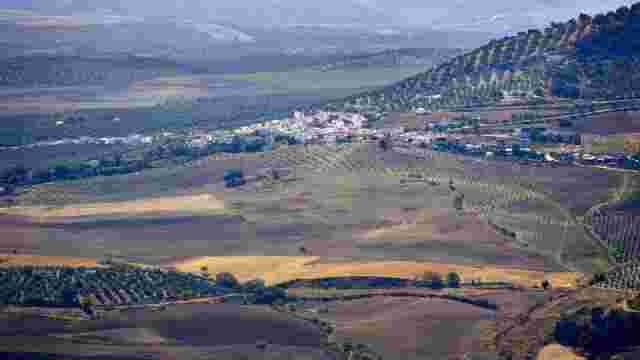
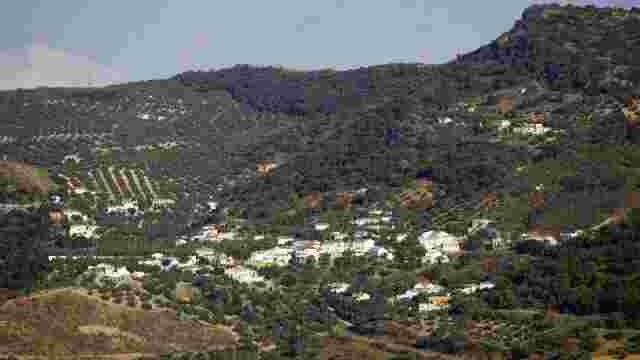
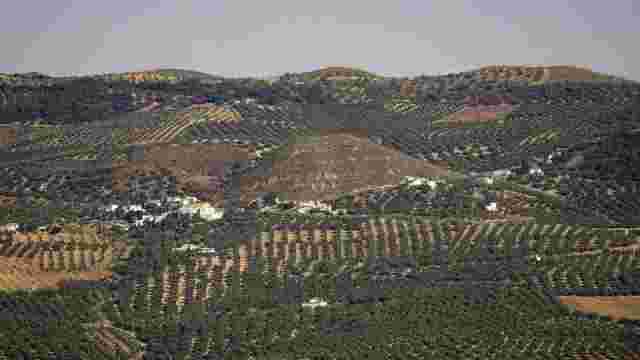
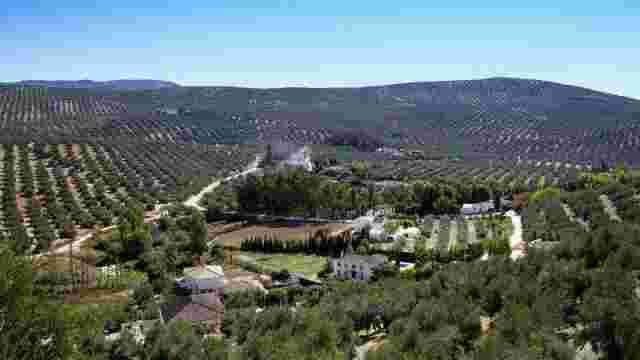
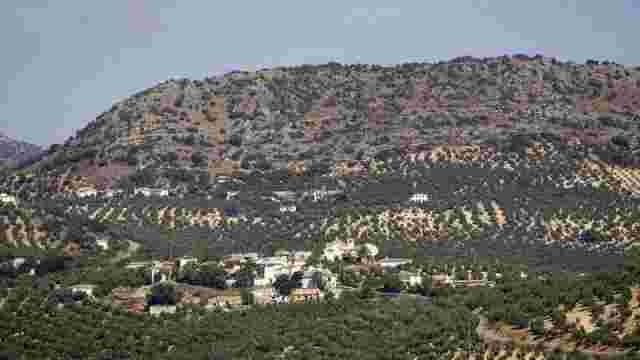
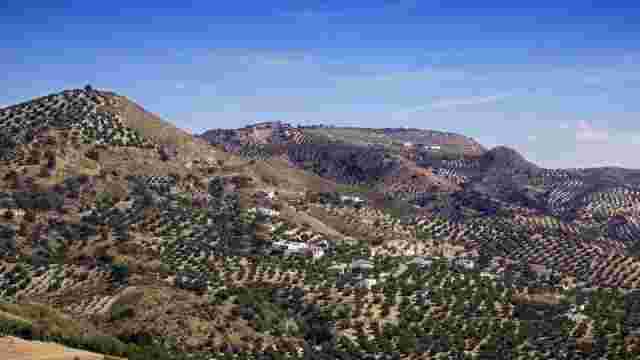
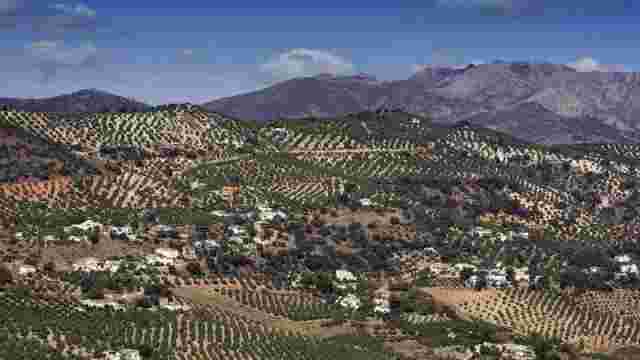
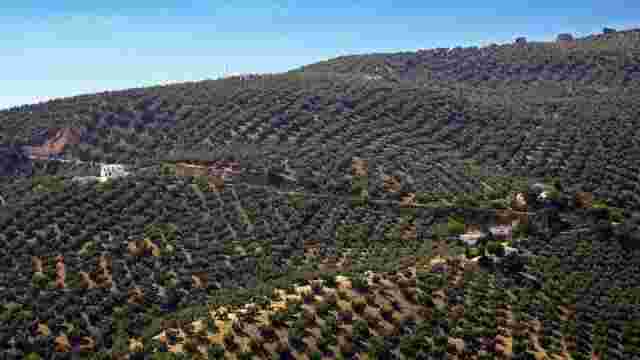
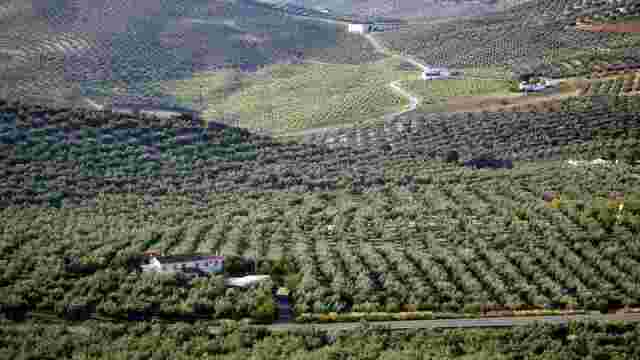
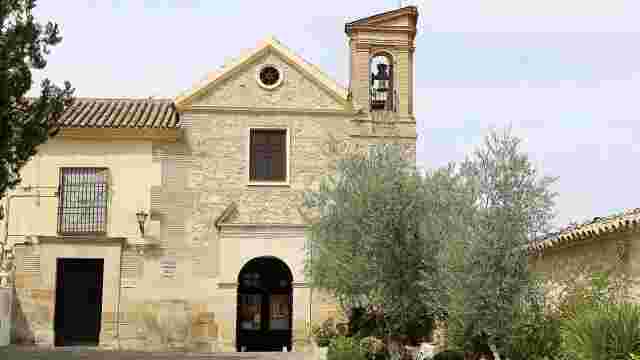
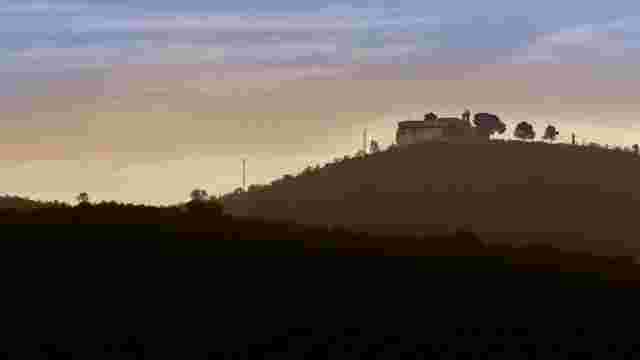
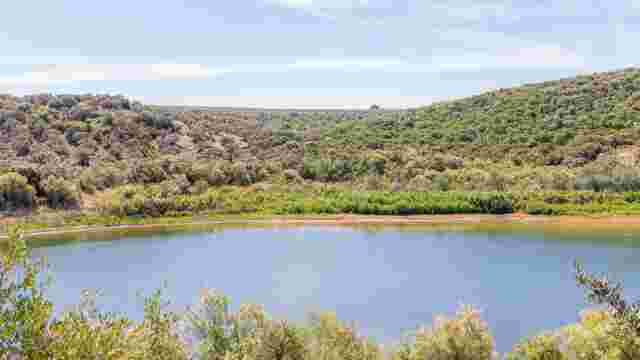
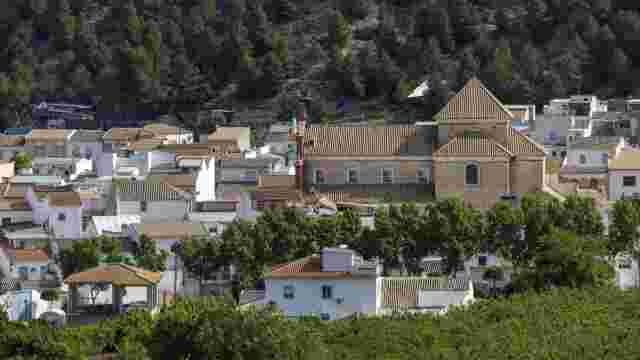
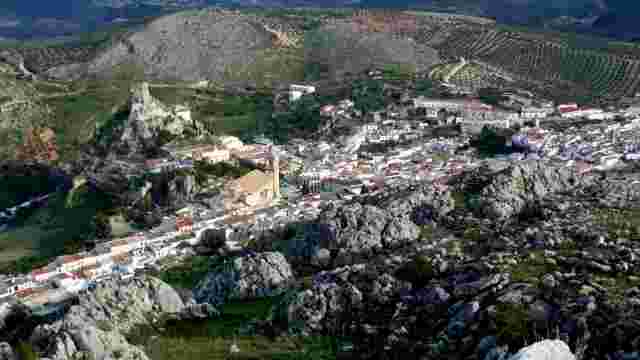
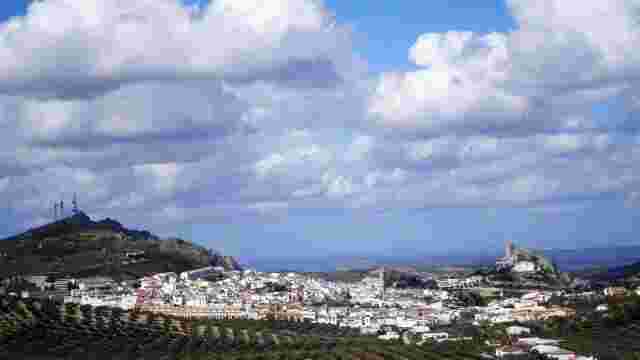
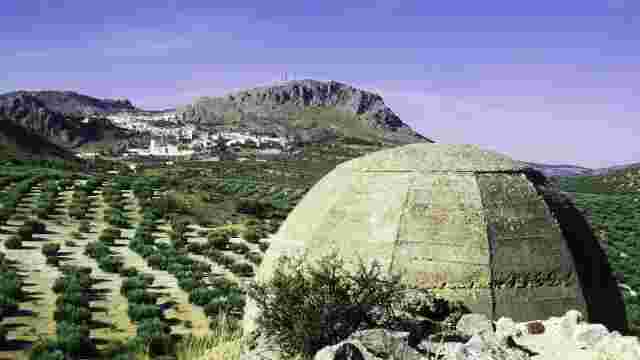
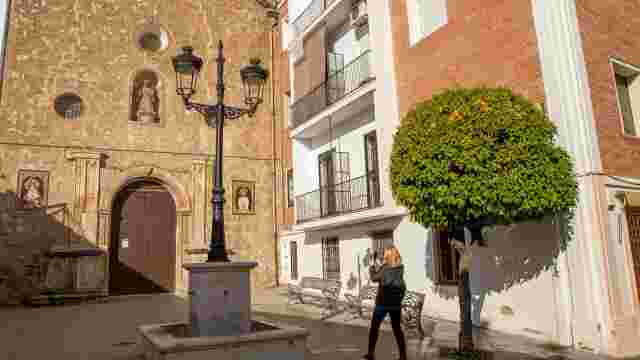
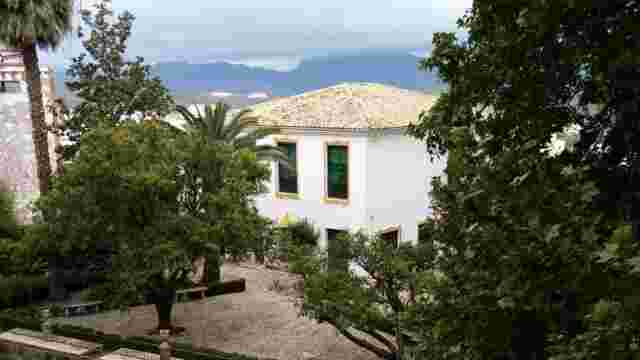
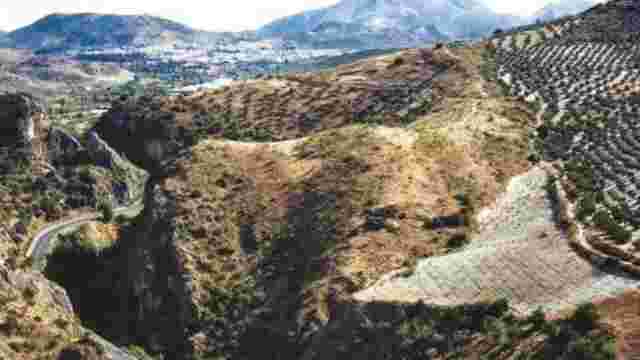
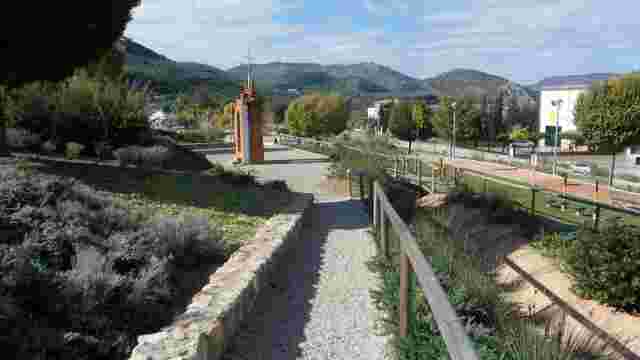
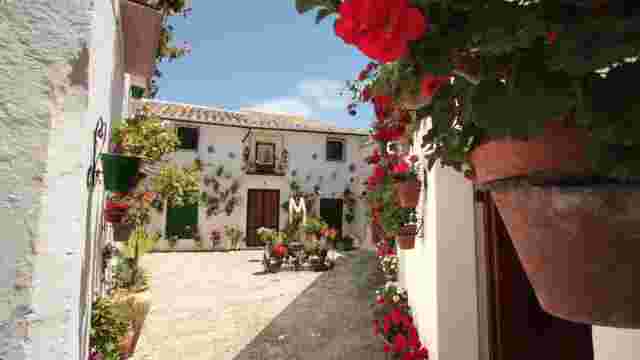
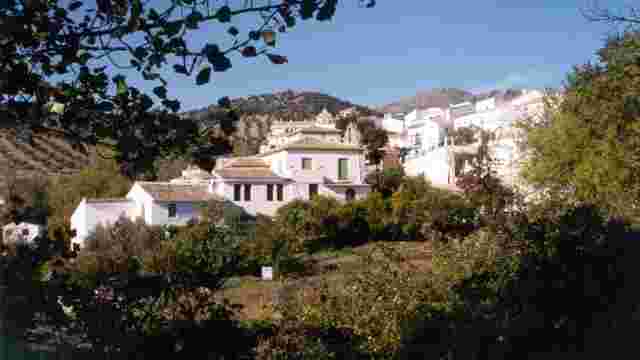
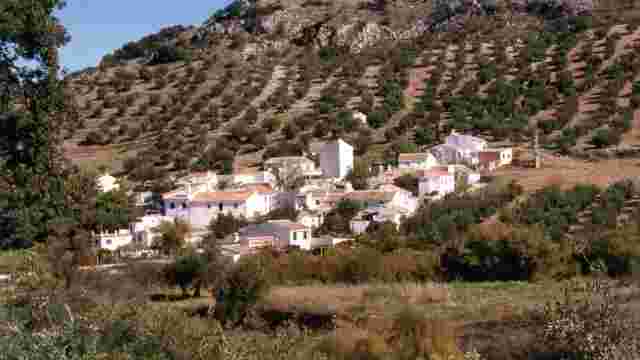
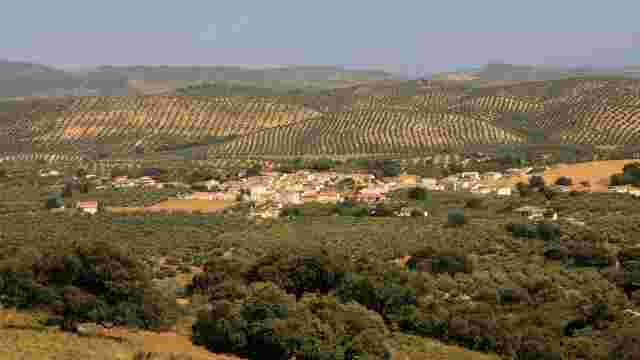
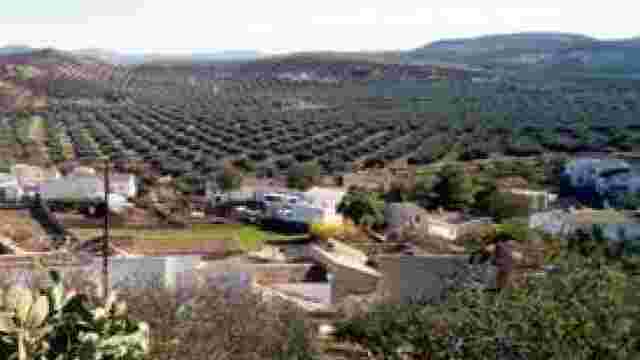
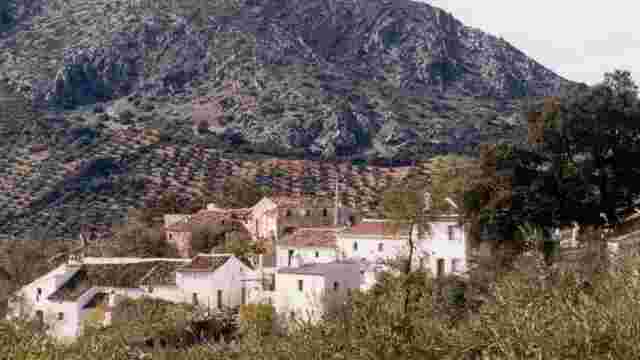
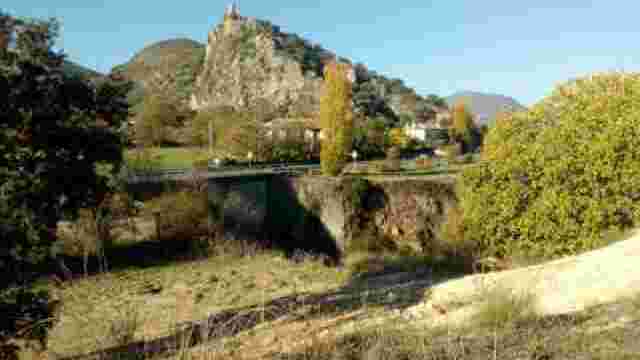
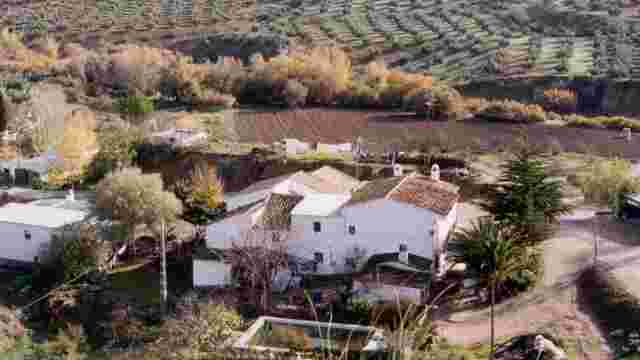
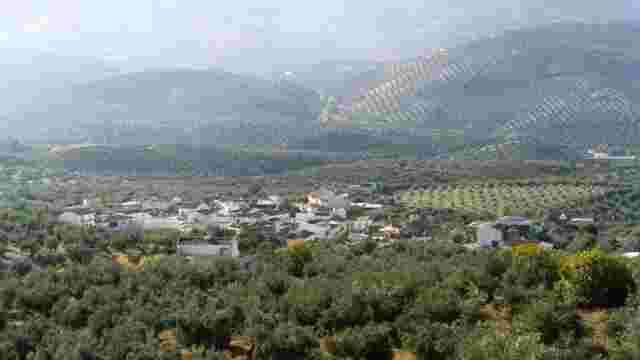
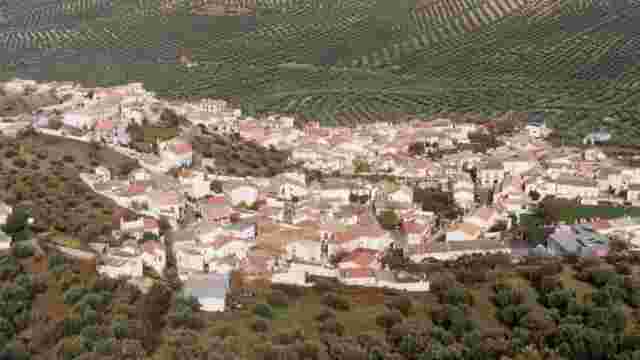
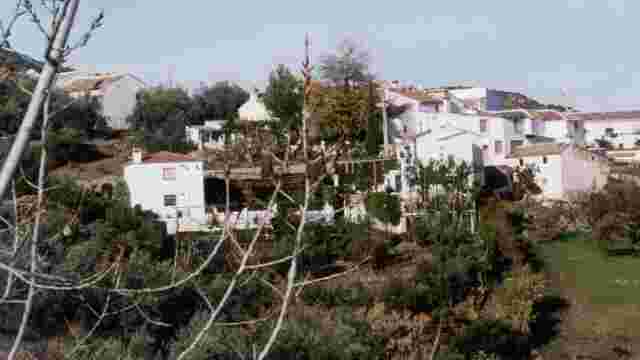
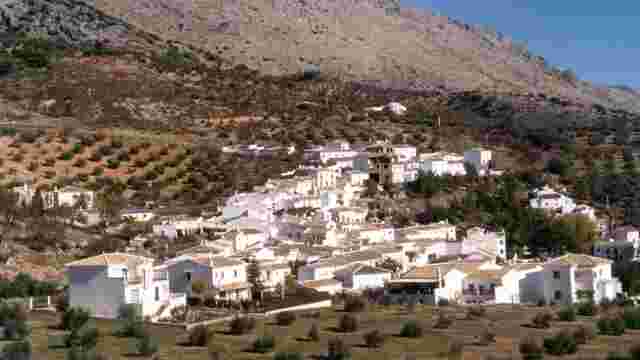
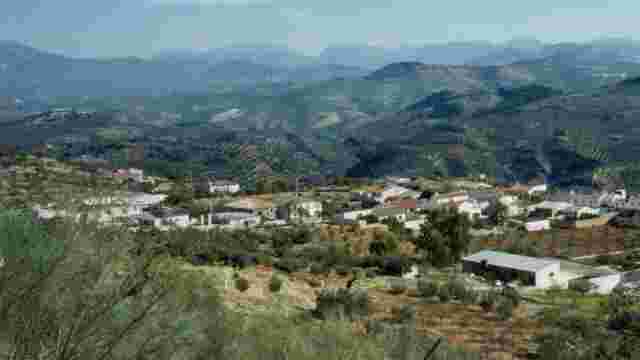
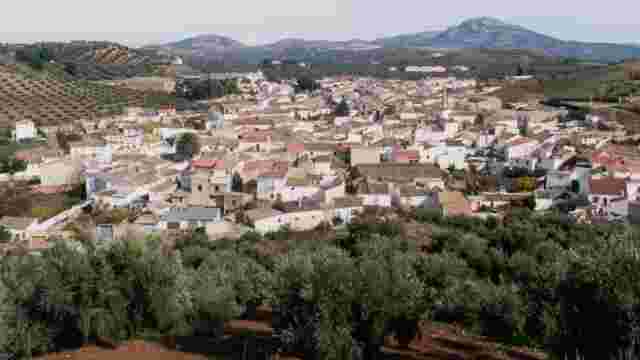
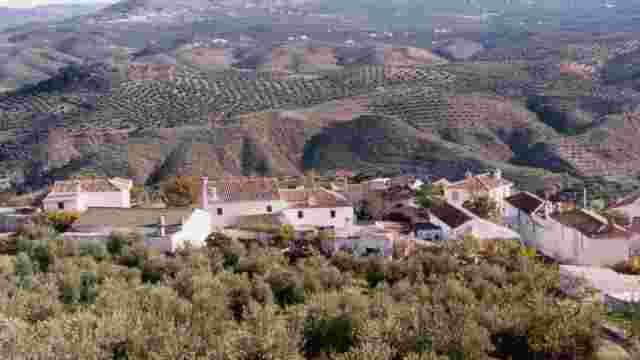
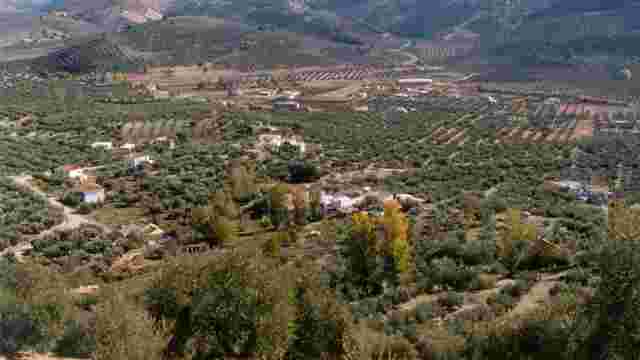
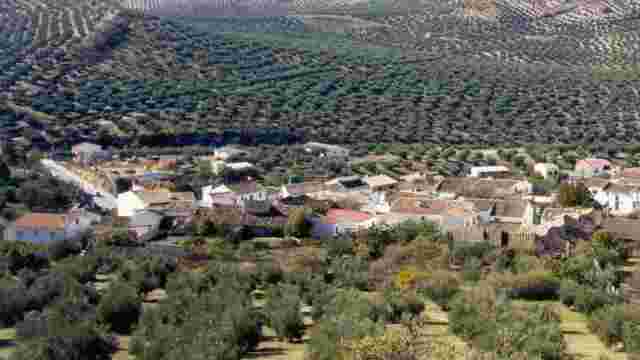
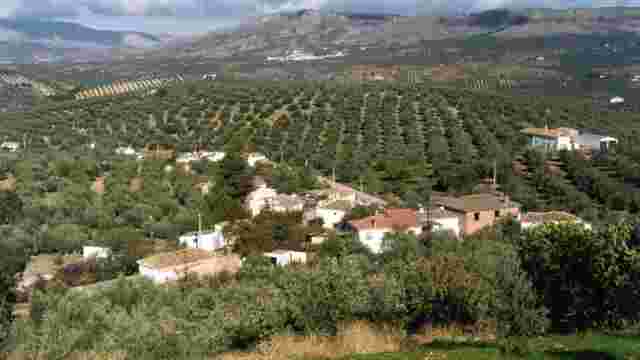
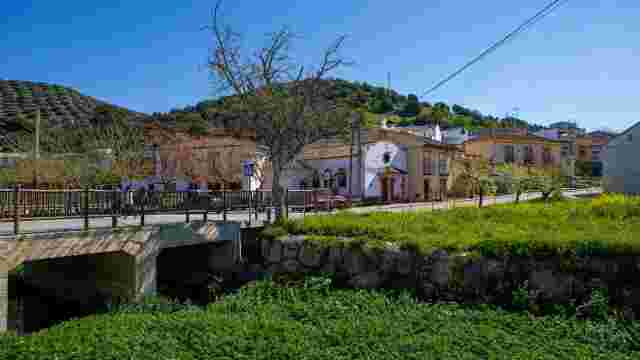
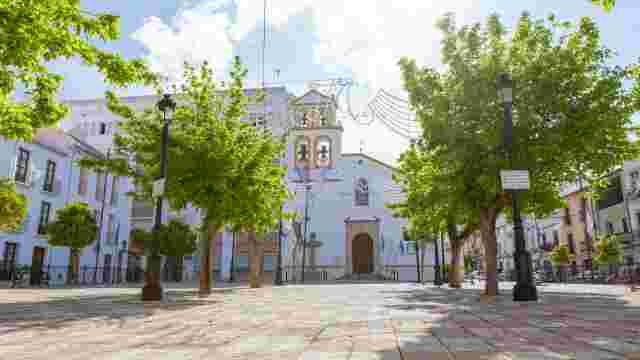
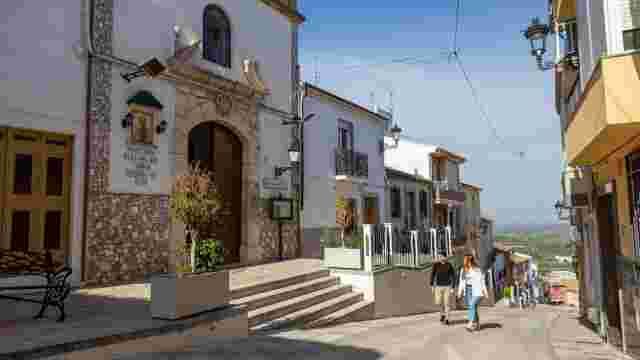
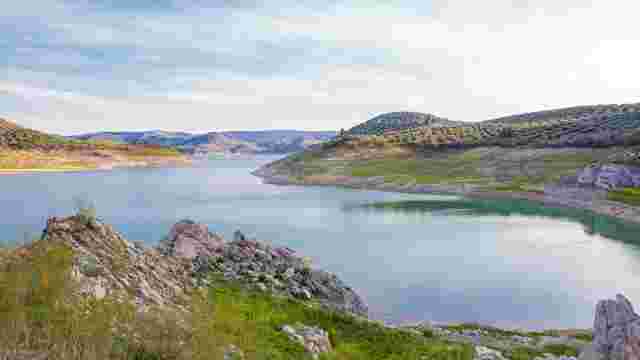
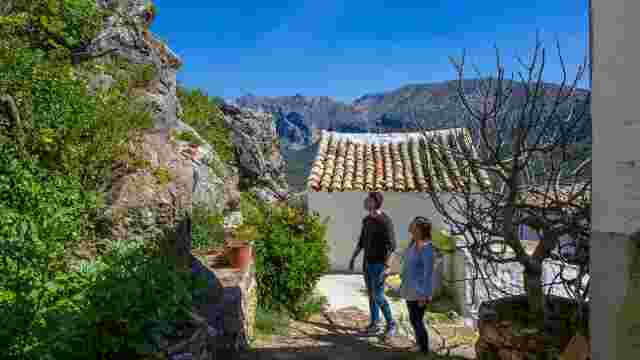
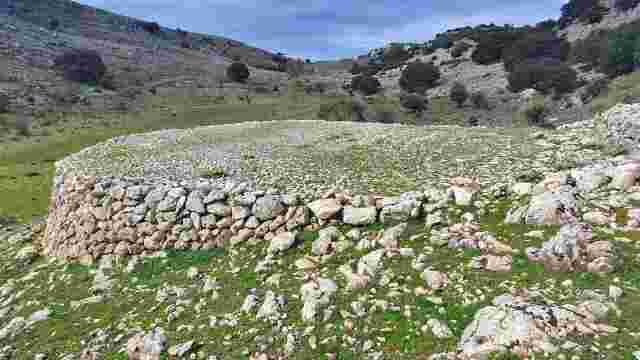
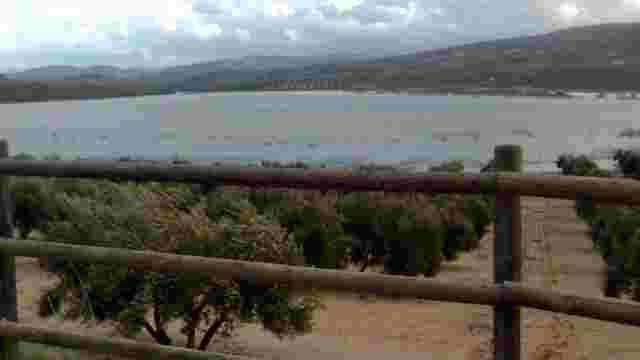
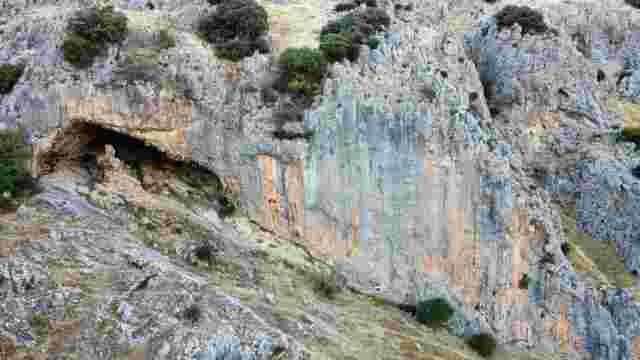
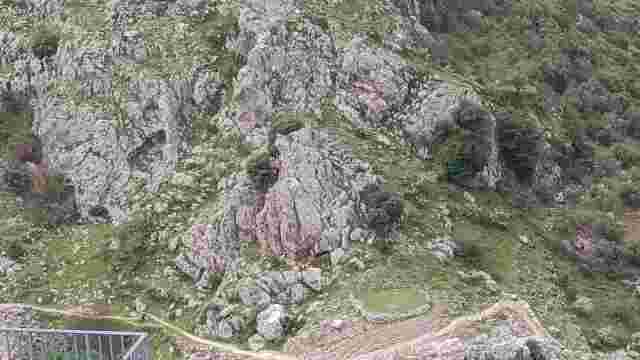
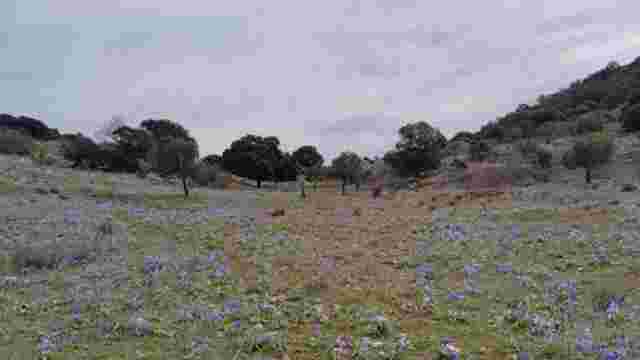
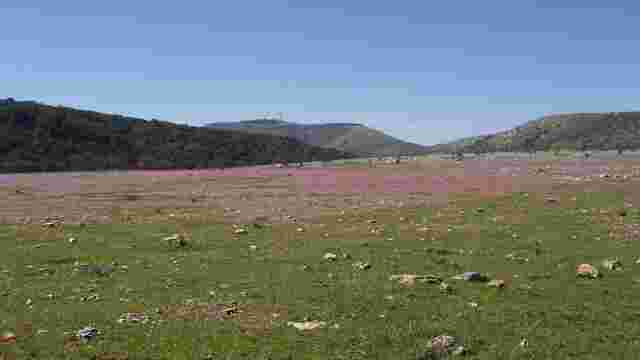
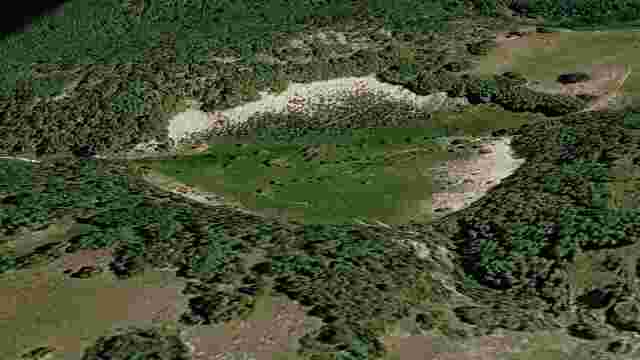
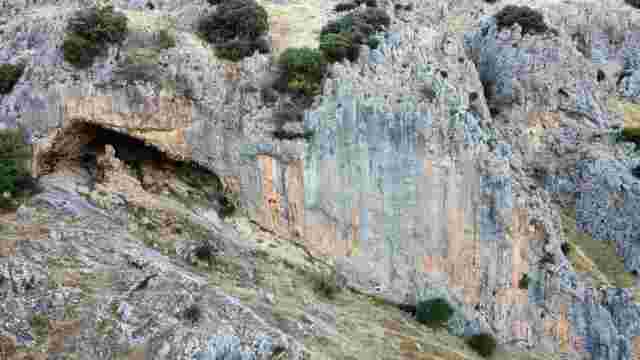
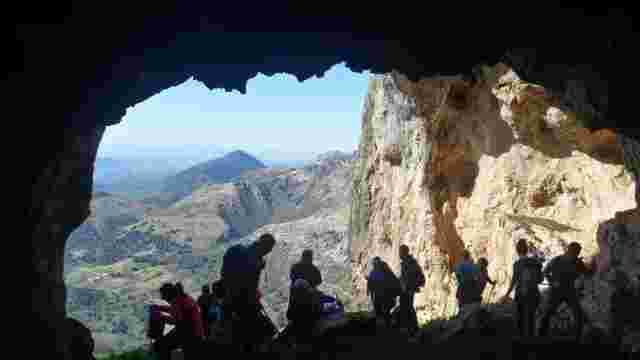
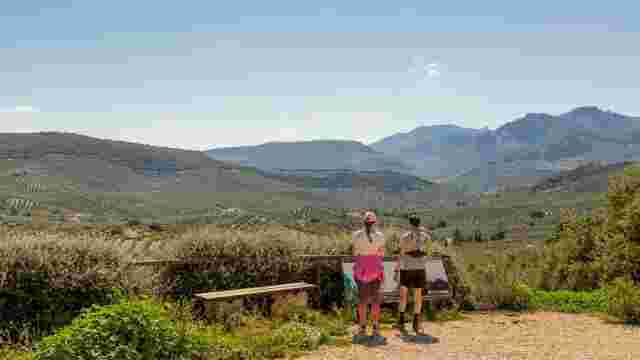
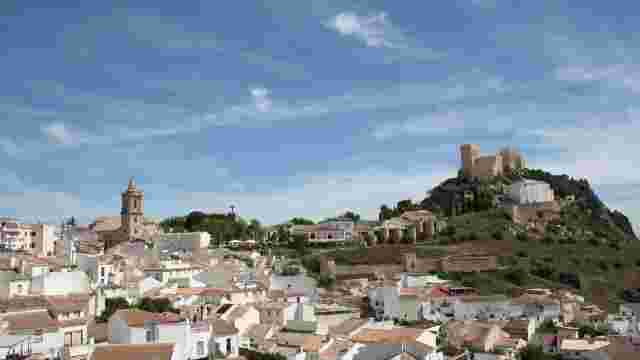
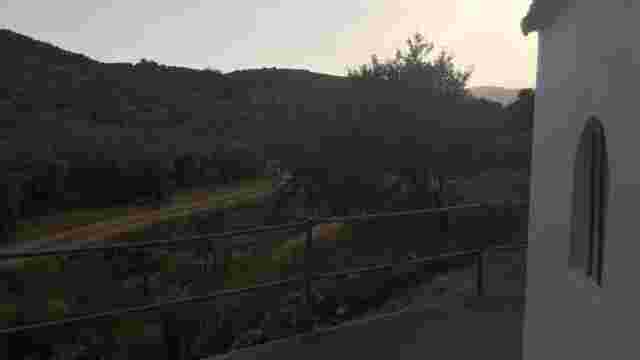
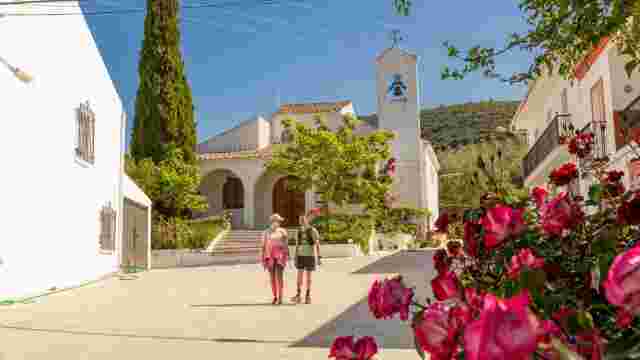
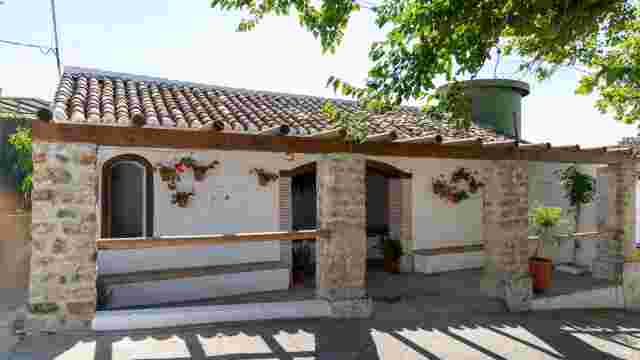
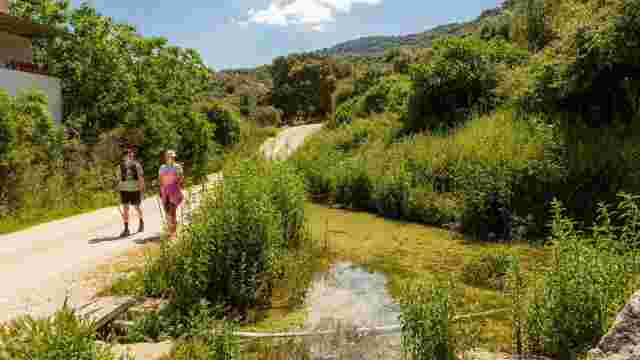
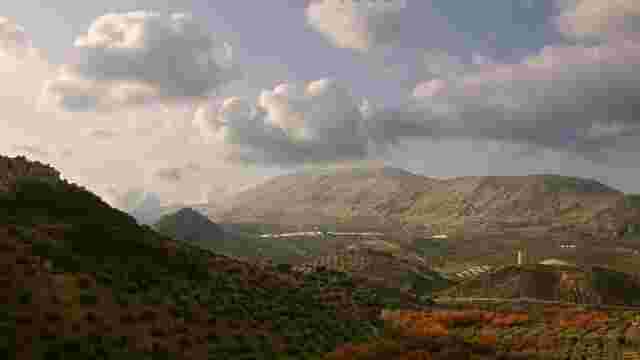
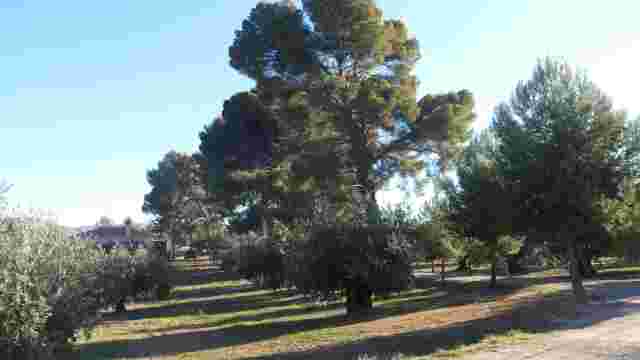
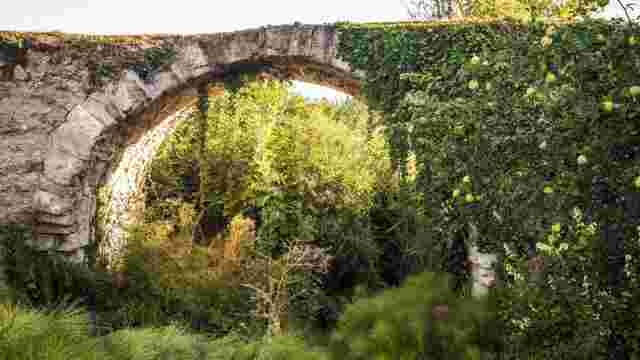
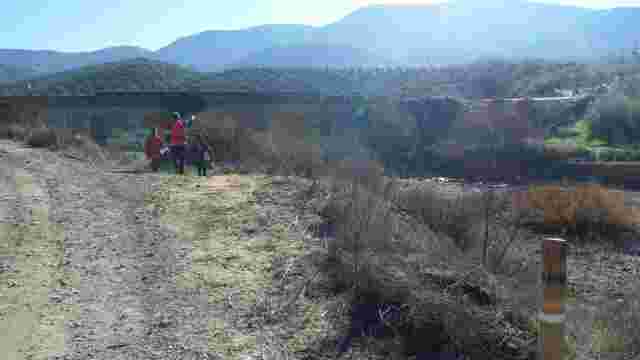
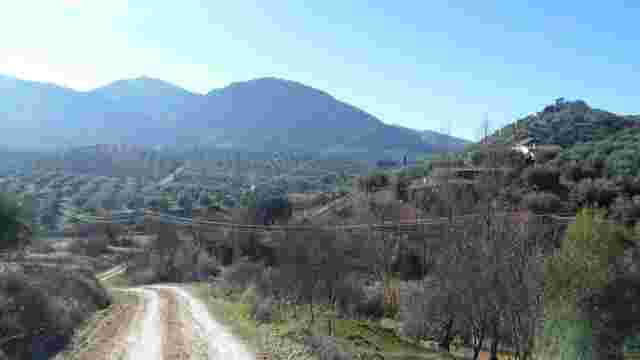
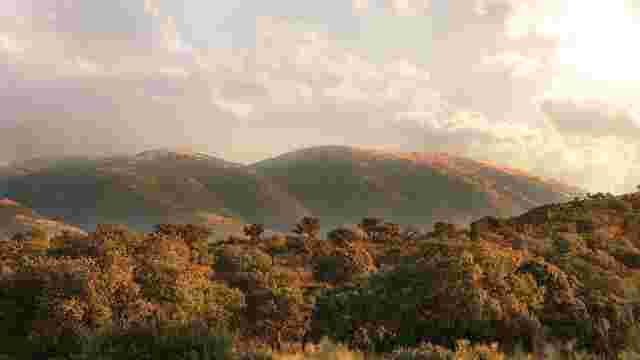
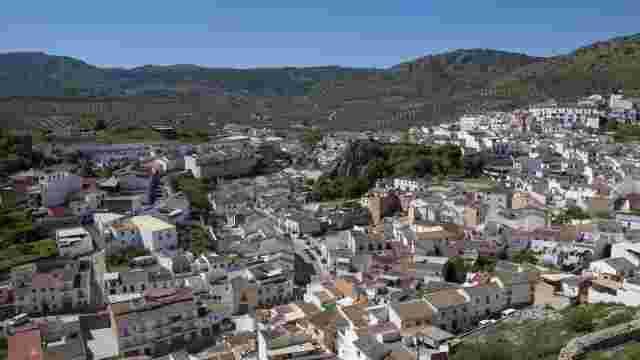
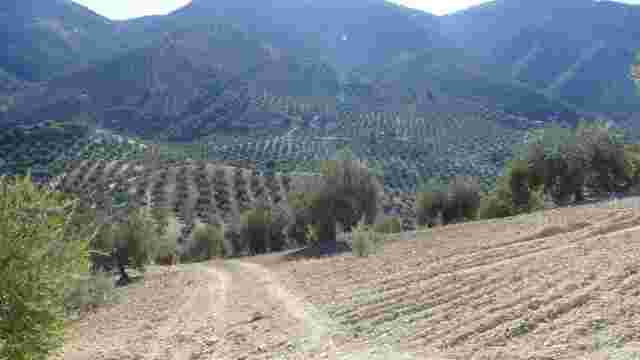
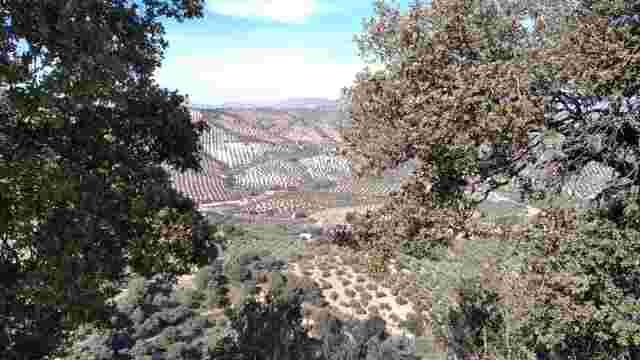
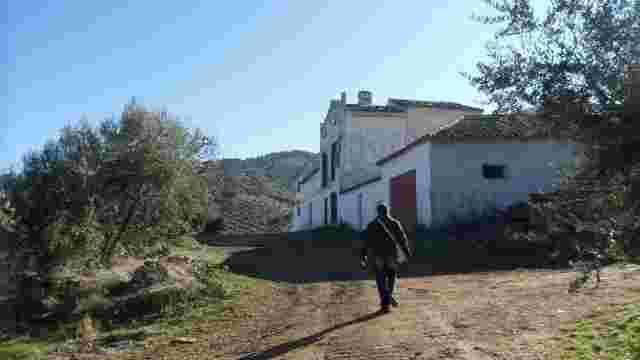
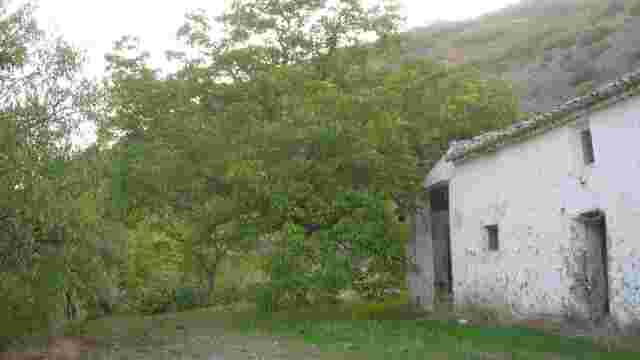
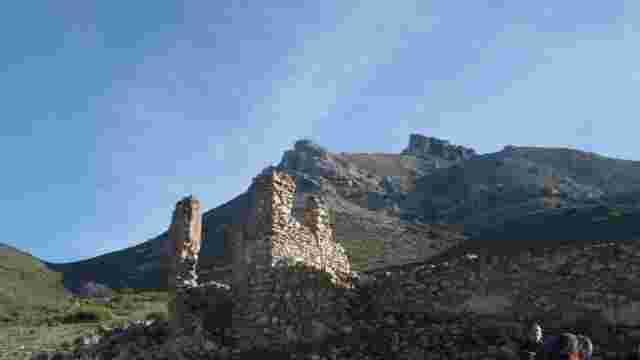
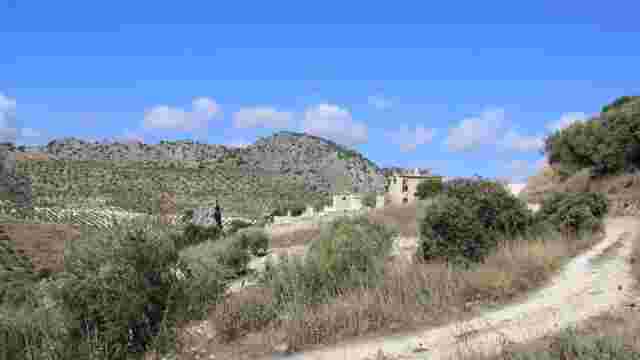
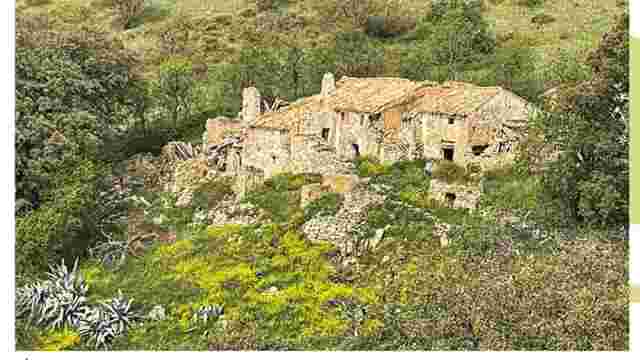
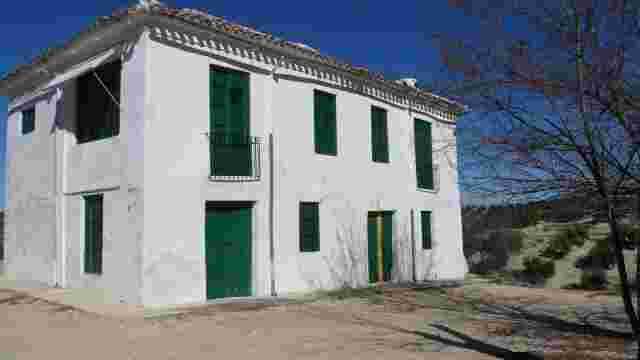
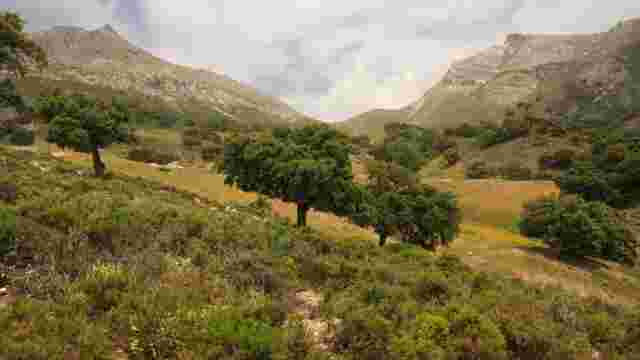
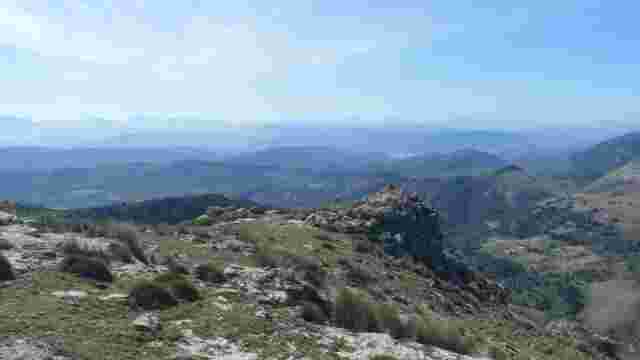
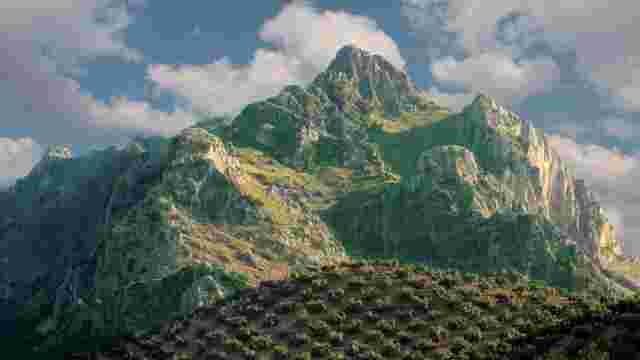
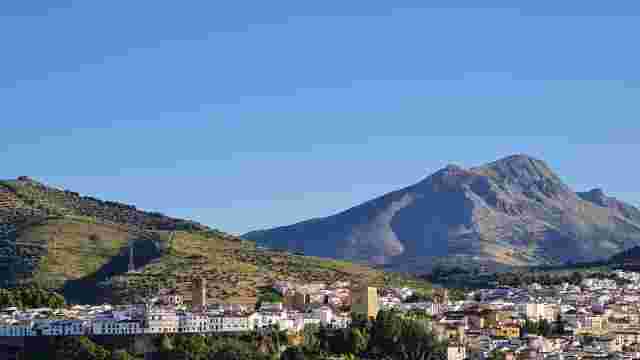
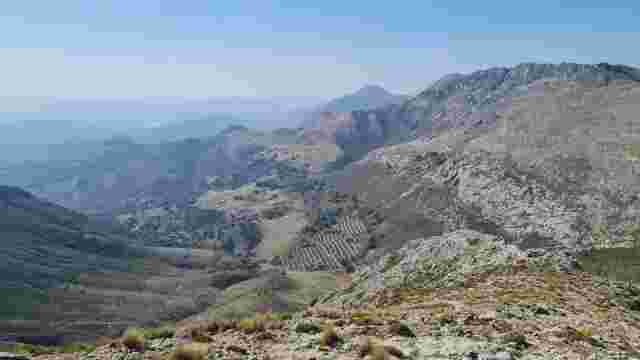
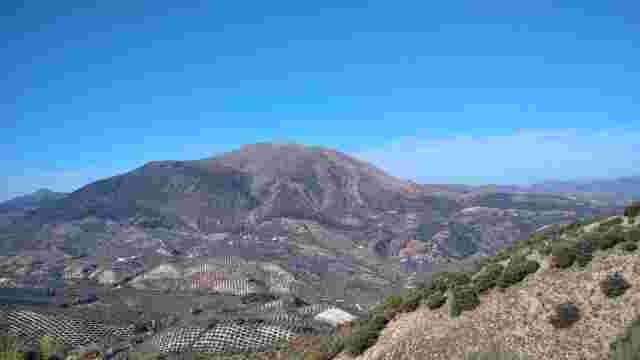
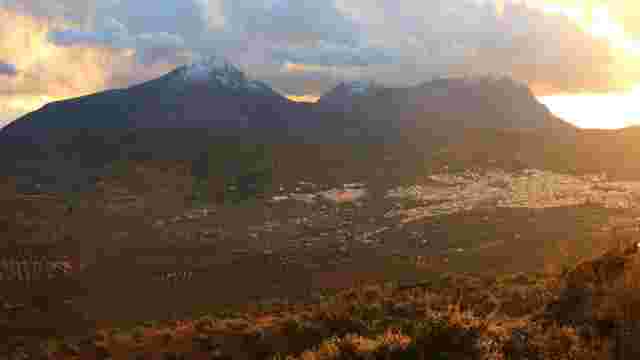
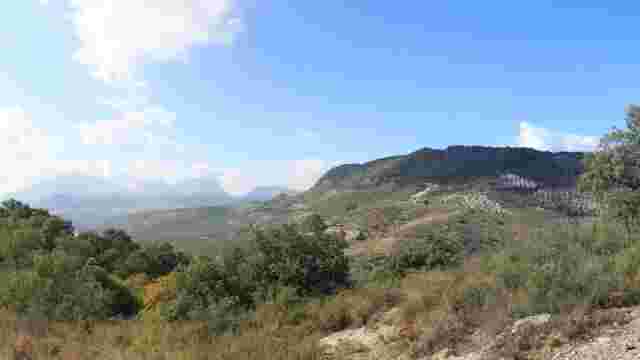
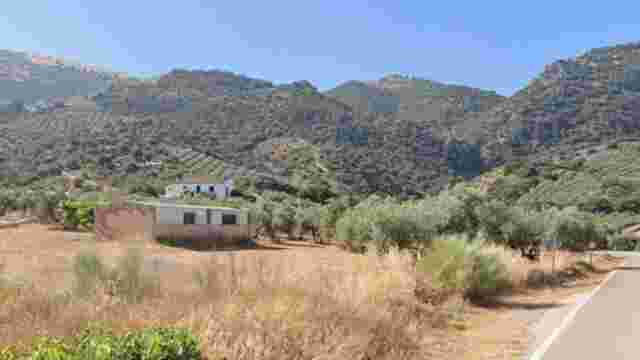
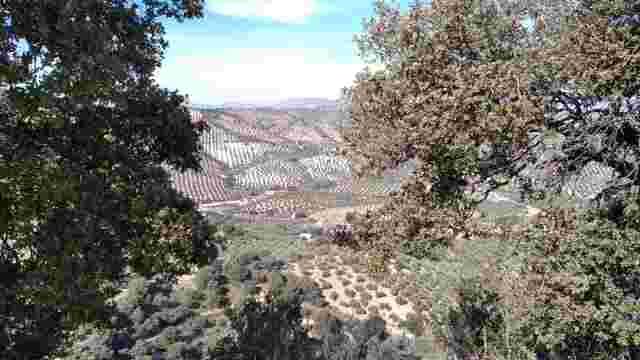
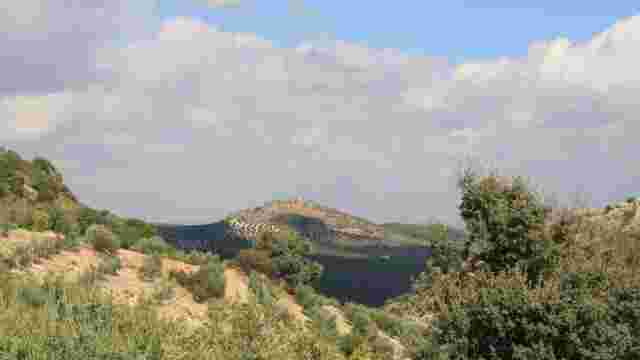
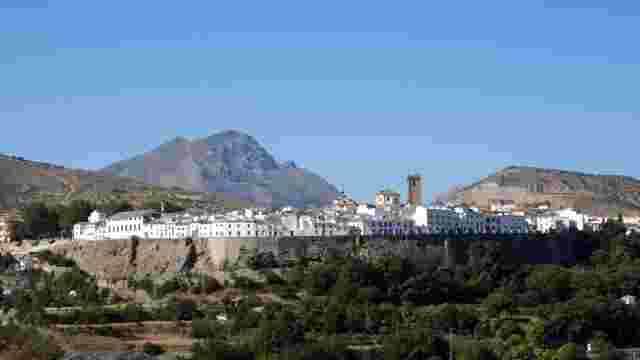
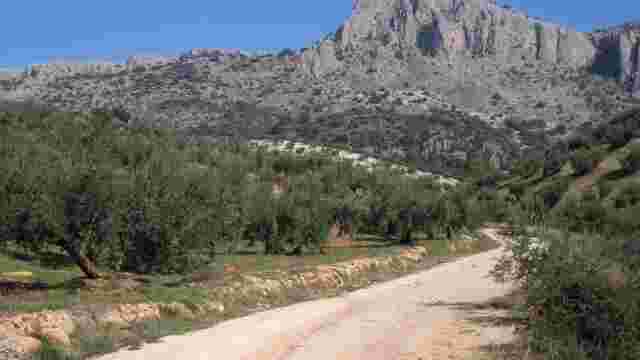
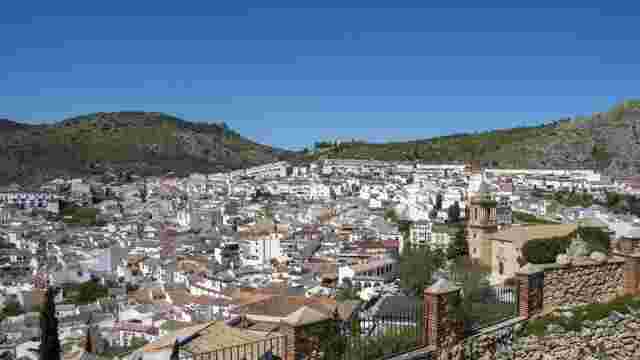
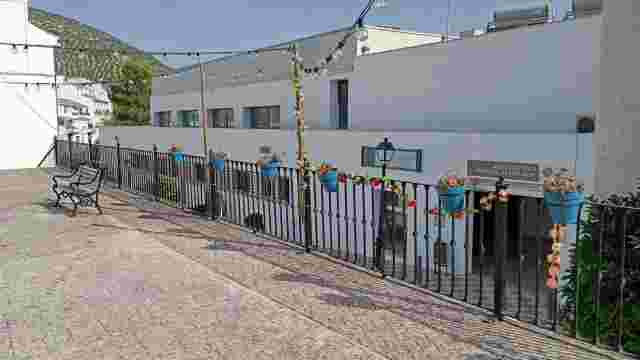
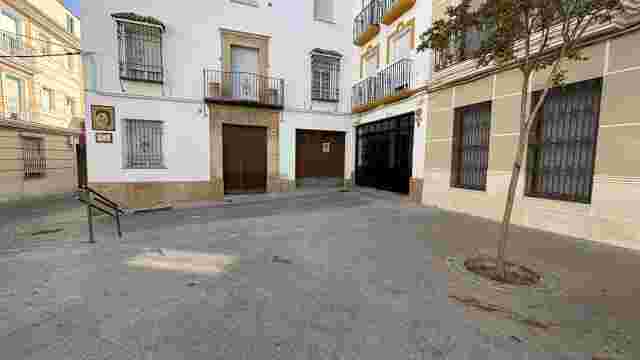
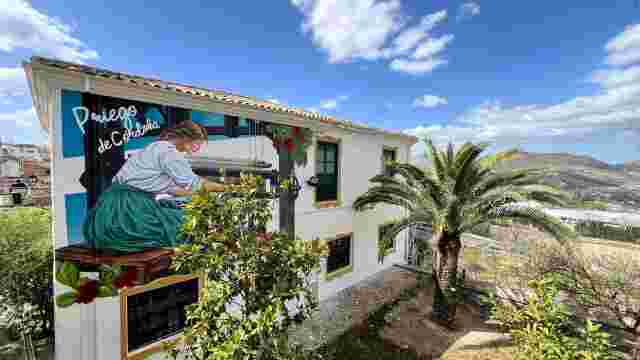
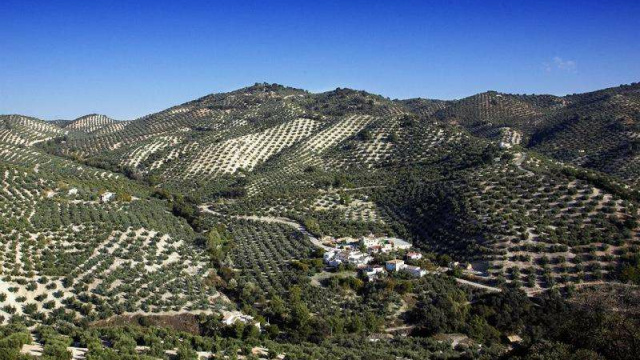
The village of El Jaramillo covers a vast area to the north of the municipality of Iznájar, where houses and farmhouses are scattered amongst olive groves across rugged terrain. A cluster of houses lies in the foothills of the Sierras Subbéticas, overlooking the Solerche and Hurtado streams, in an area known as Lorite.
The origin of the place name Jaramillo appears to derive from the name of the rockrose plant or the jaramago.
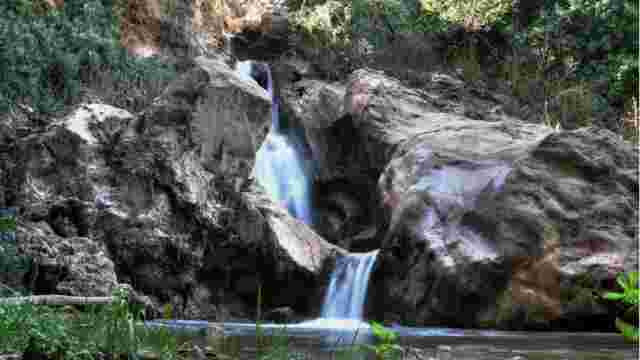
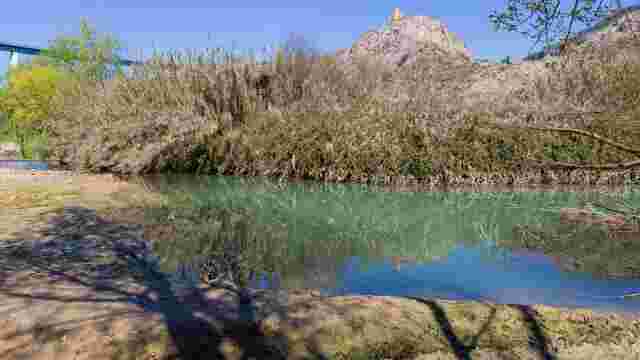
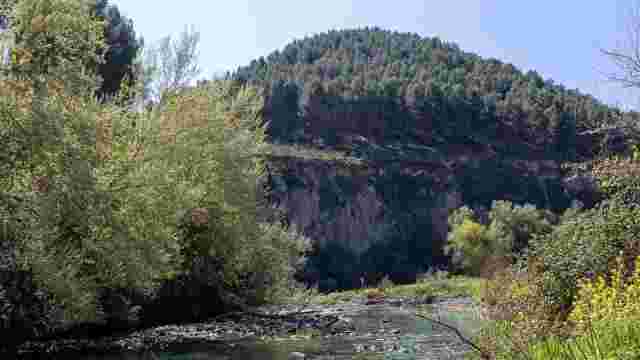
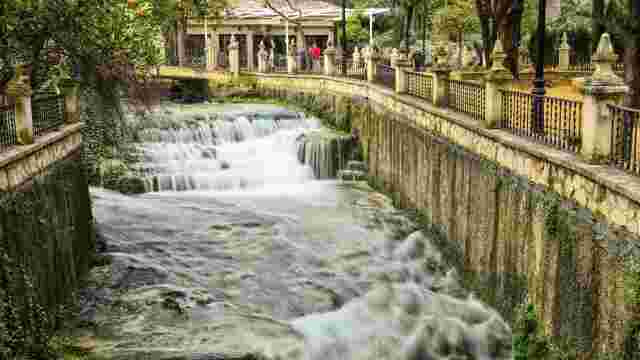
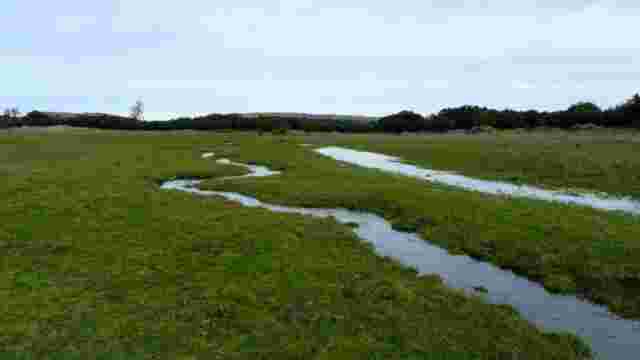
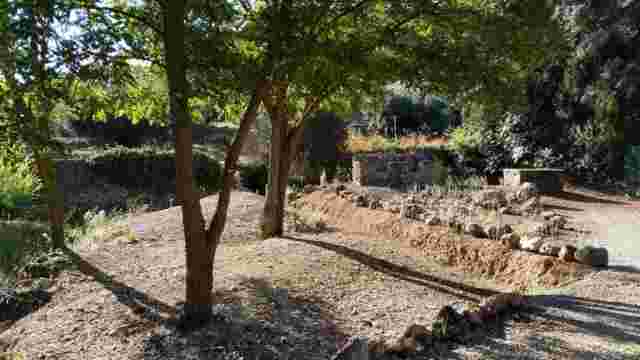
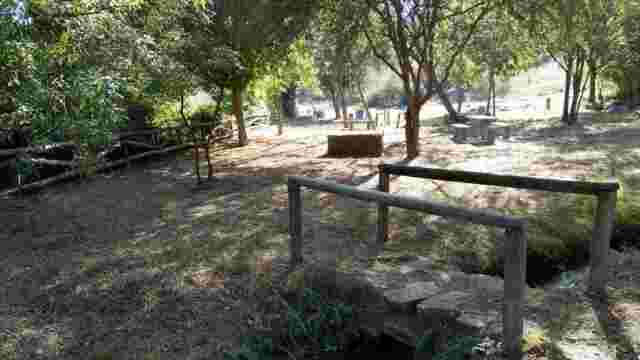
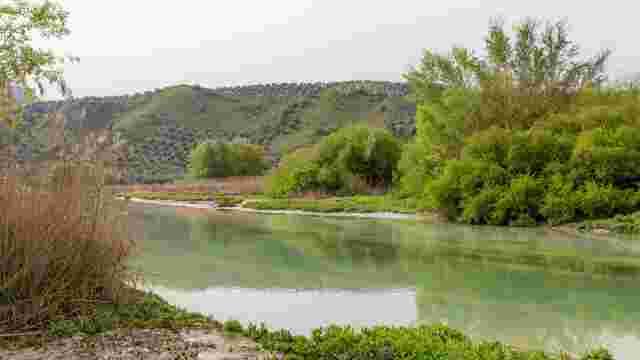
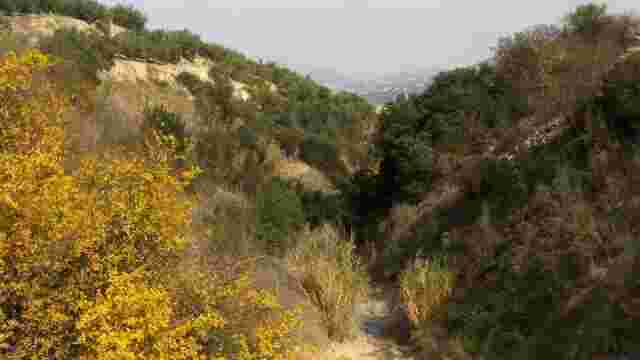
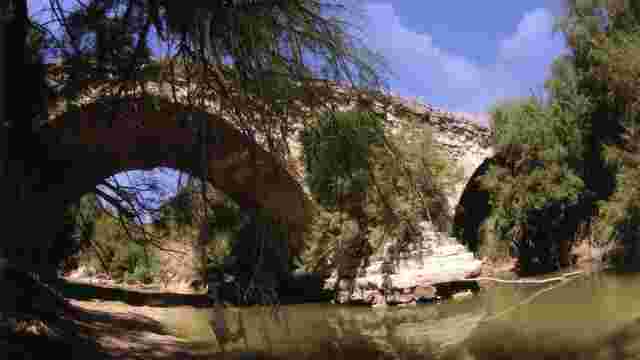
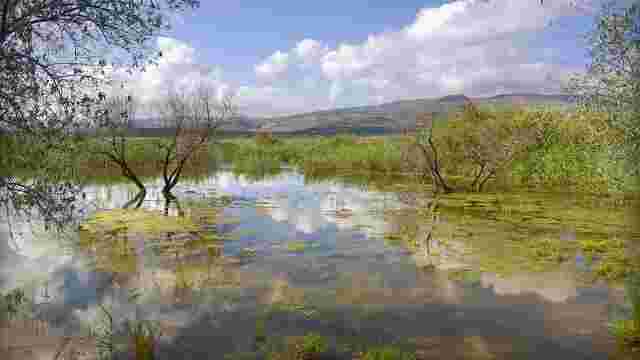
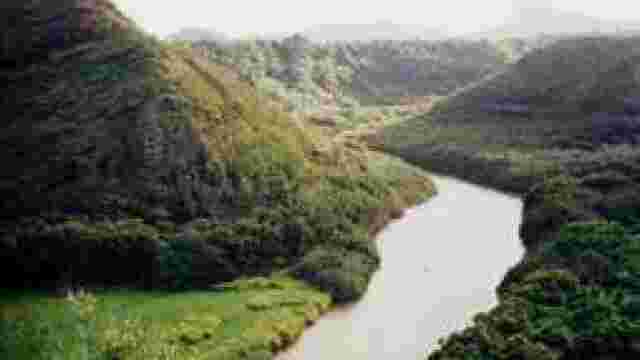
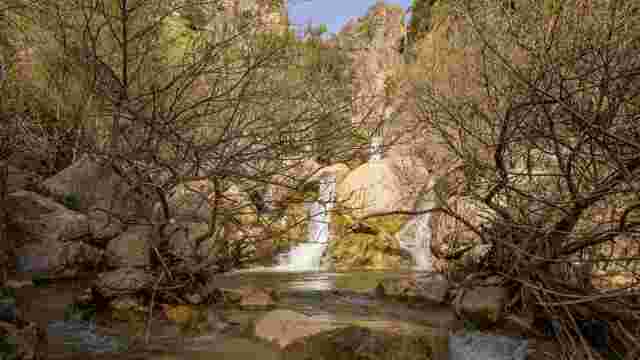
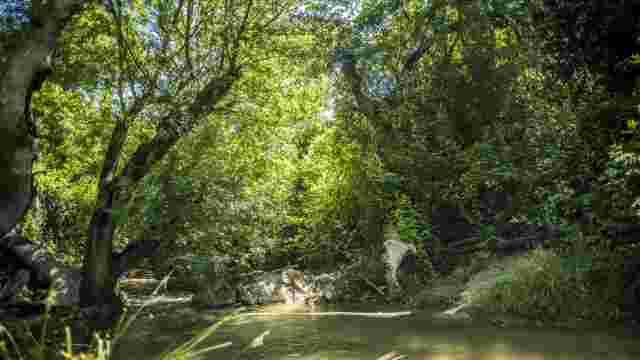
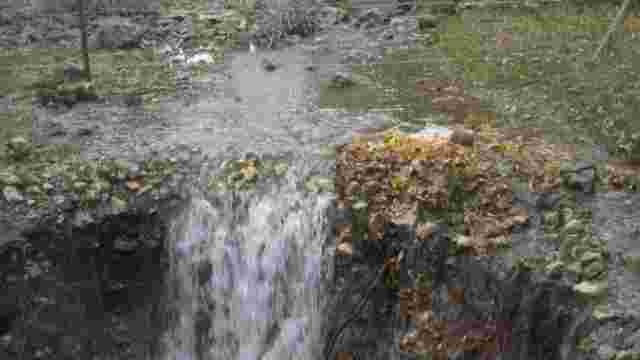
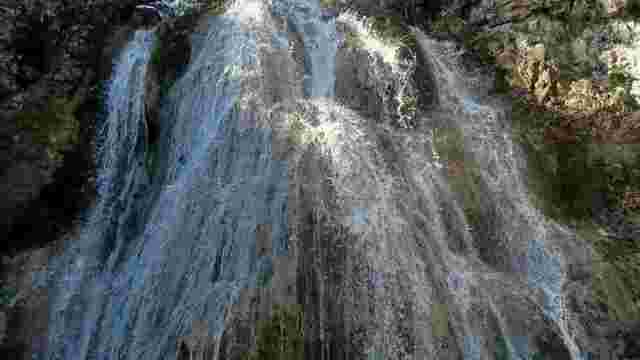
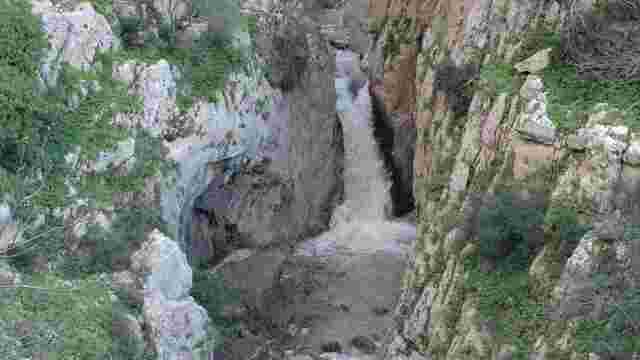
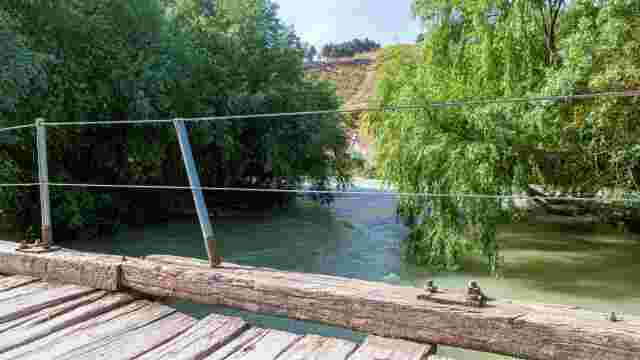
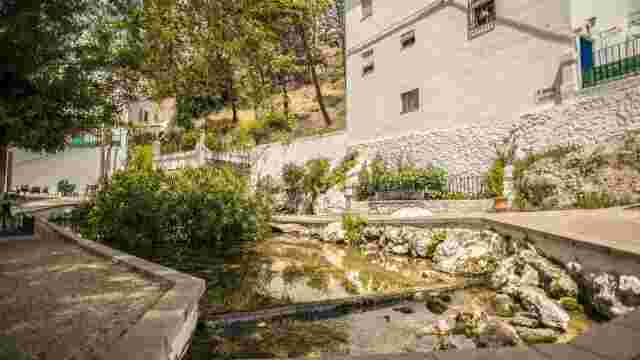
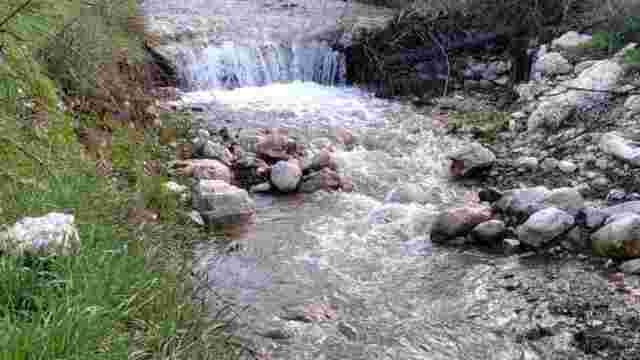
The Solerche stream flows through the village, which means that, just like in the other villages situated alongside stream beds, there is a rich ecosystem, characterised by a diverse flora, including a wide variety of plants such as dandelions, plantains, psyllium, yellow and white lilies, water lentils and water lilies, as well as poplars and reed beds.
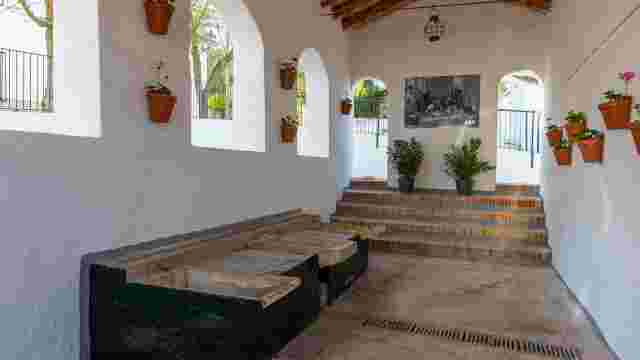
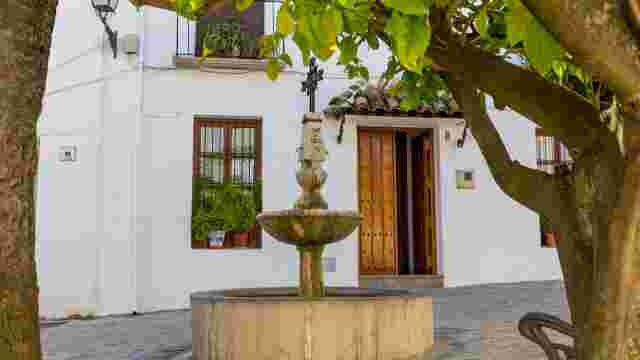
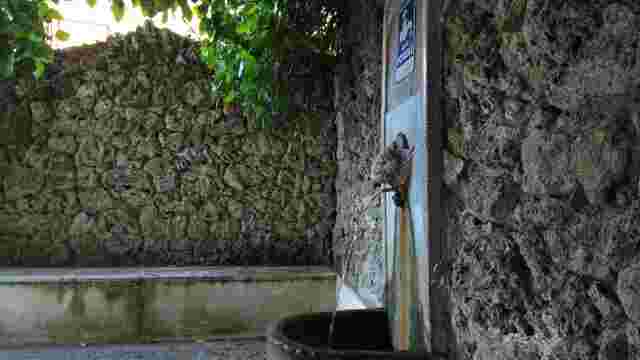
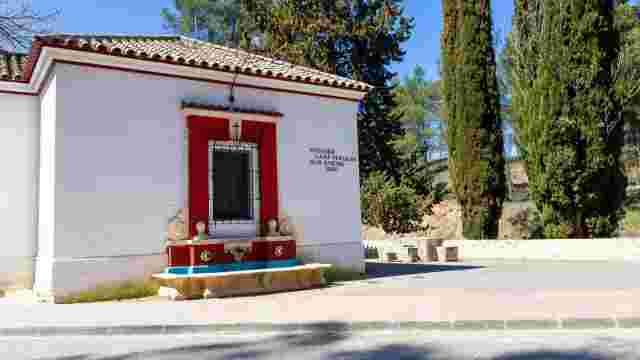
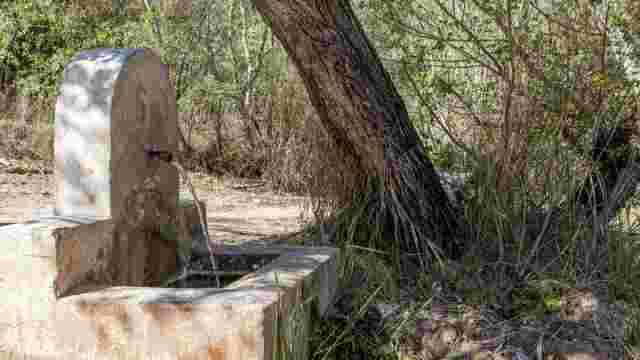
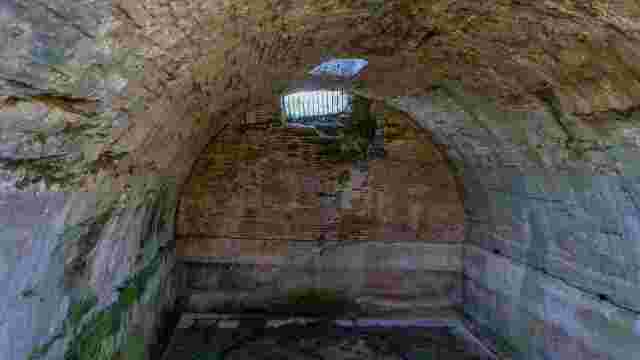
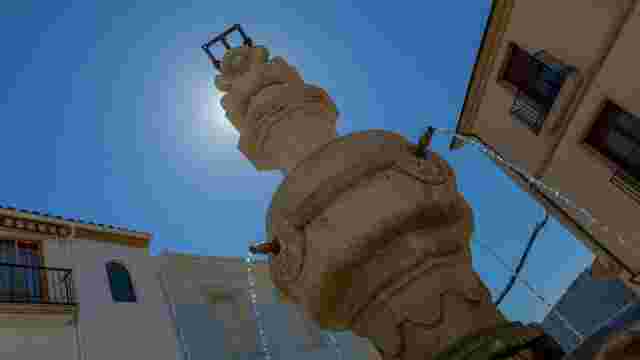
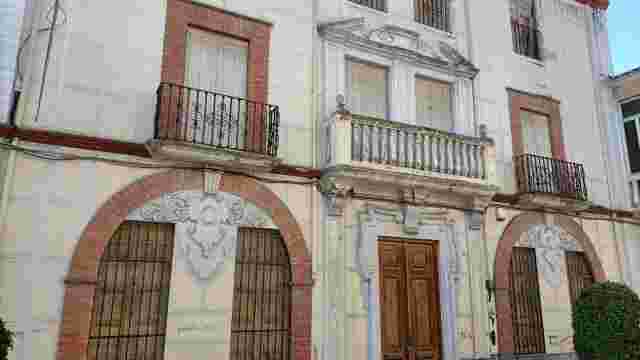
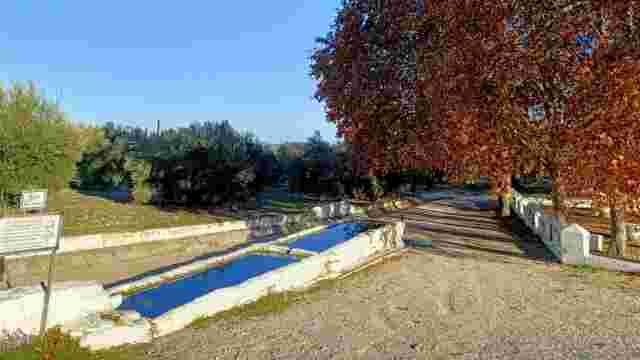
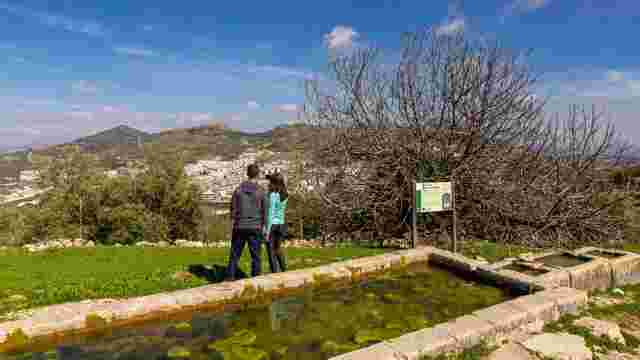
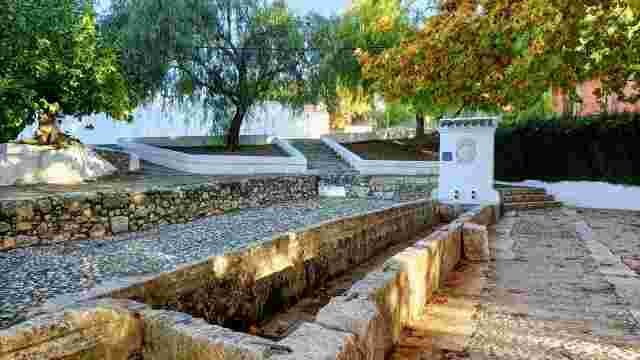
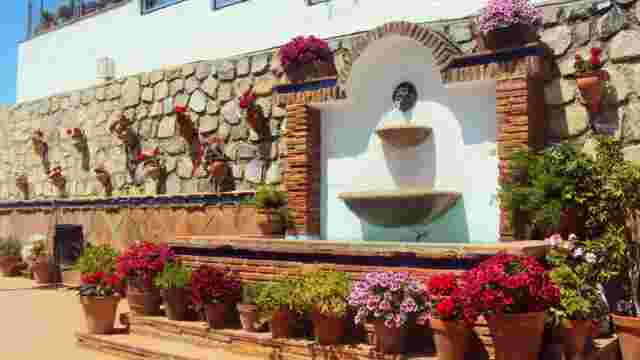
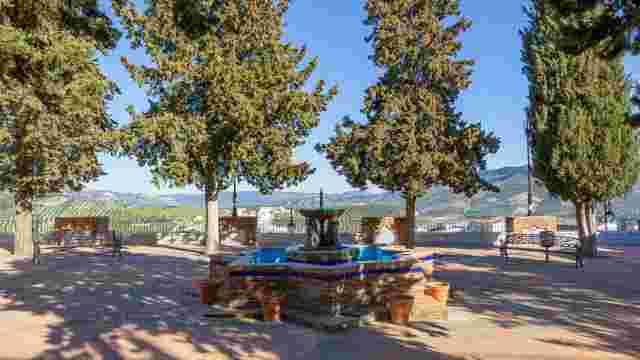
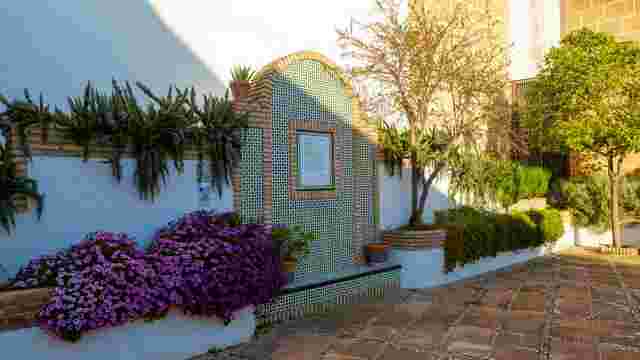
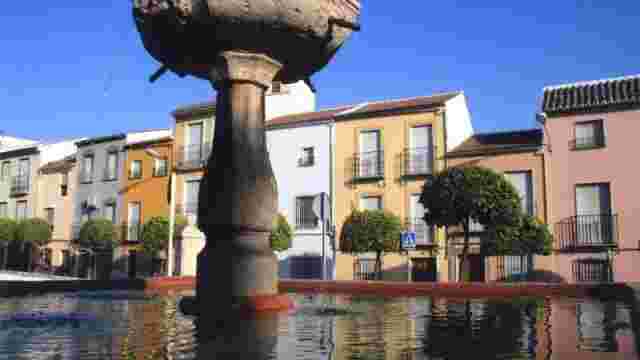
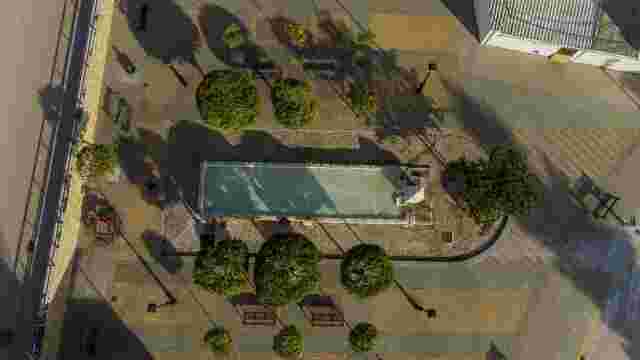
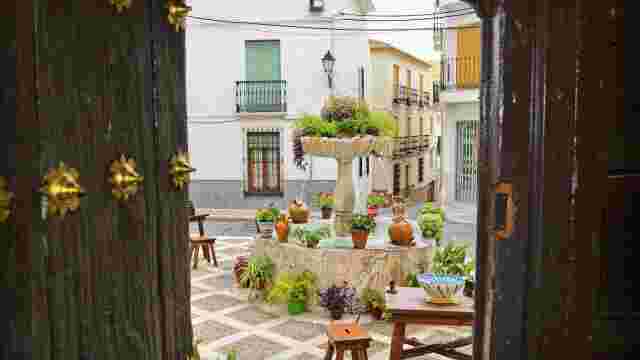
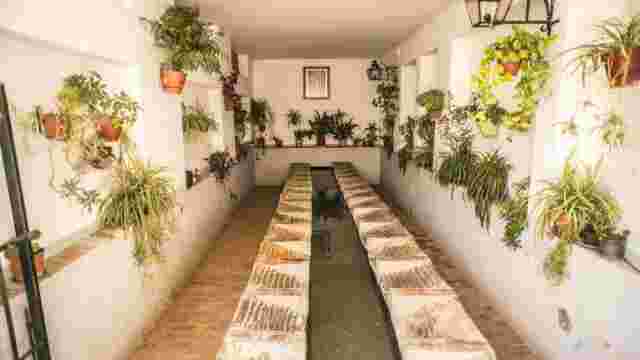
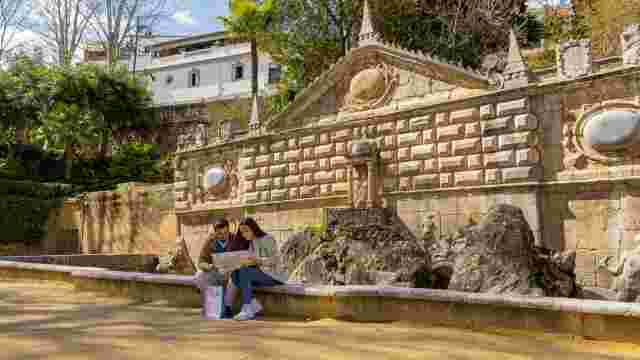
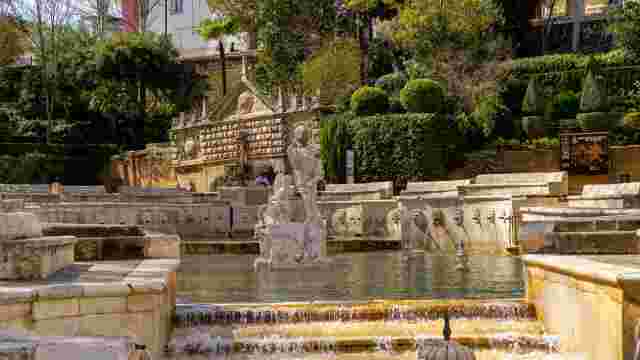
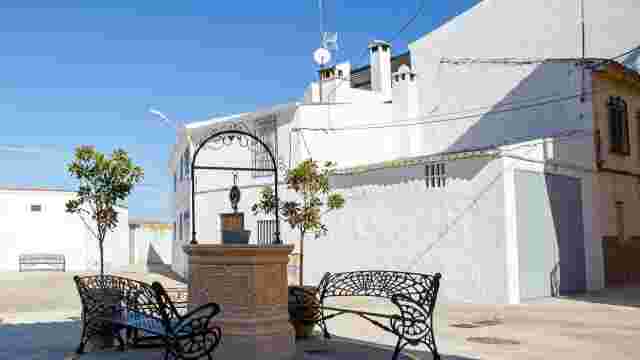
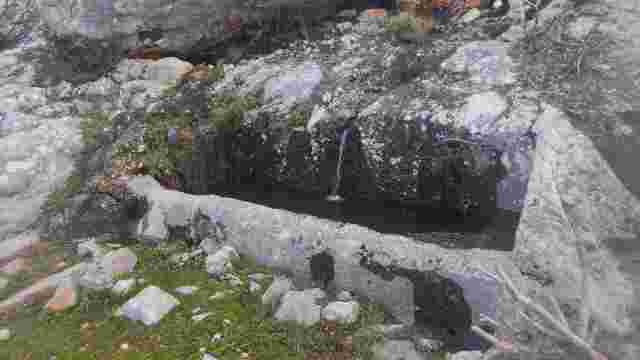
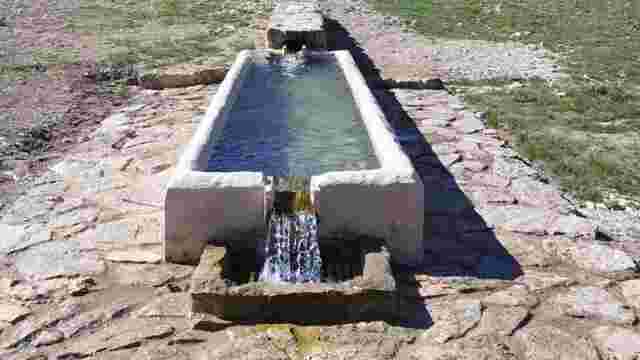
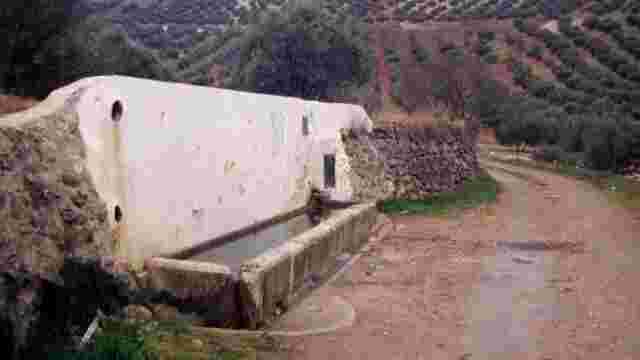
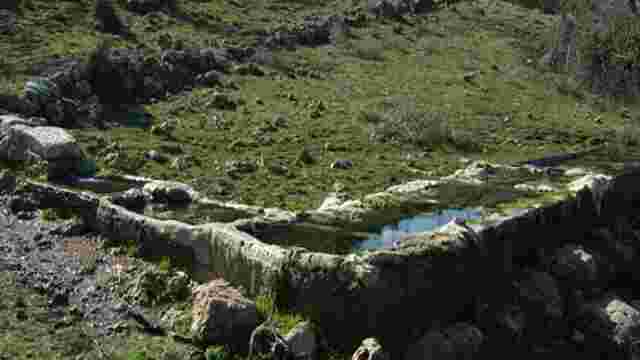
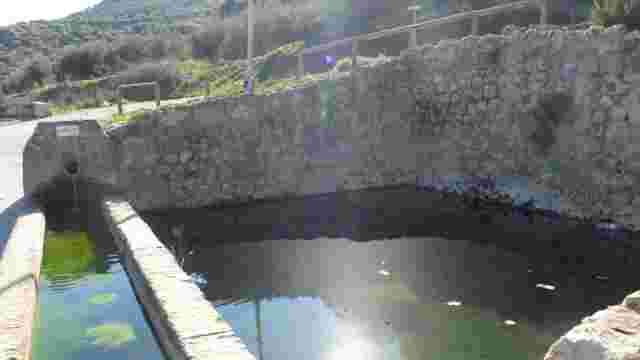
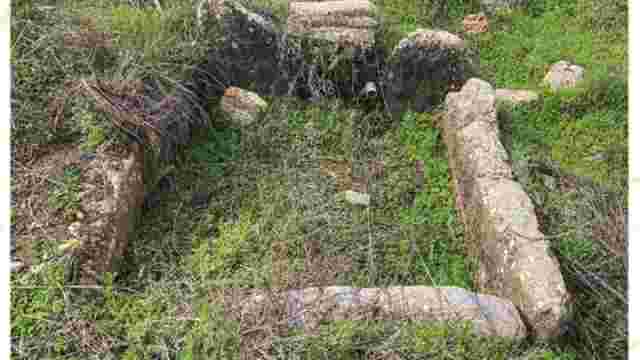
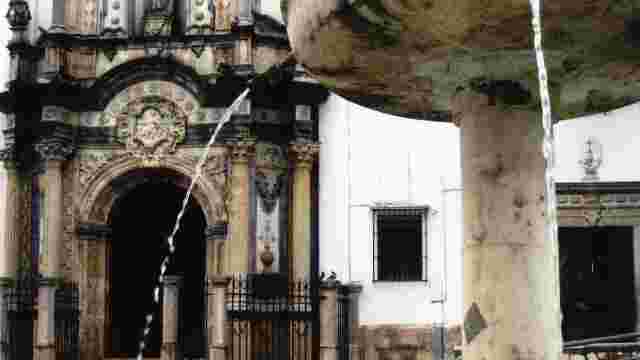
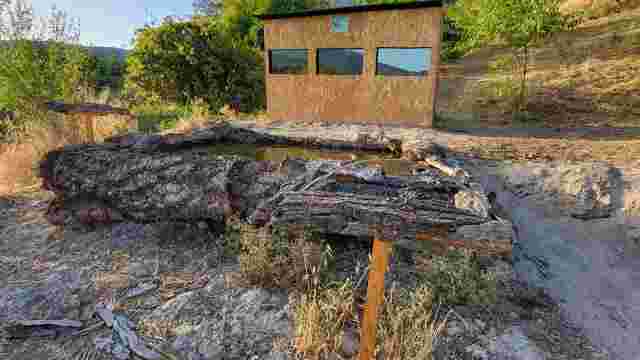
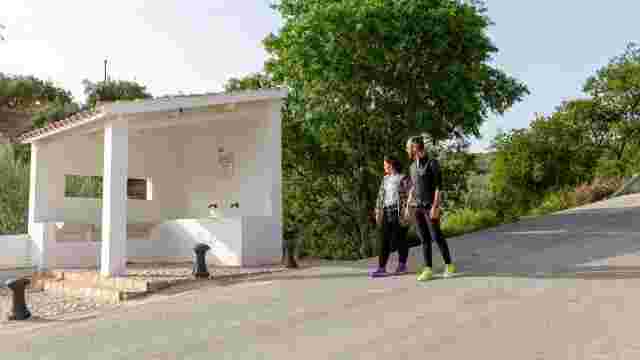
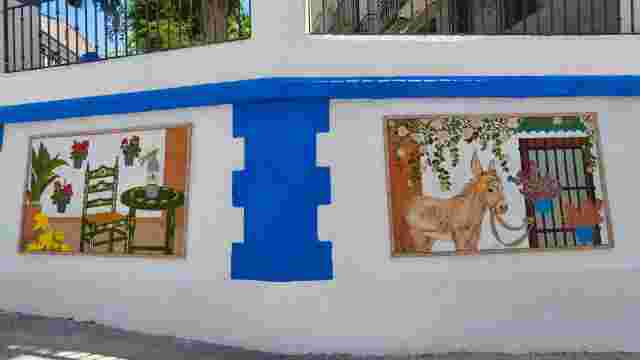
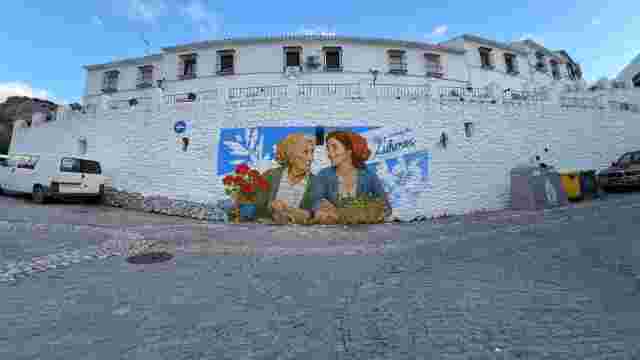
Among the most notable examples of traditional architecture in the village are various public fountains, such as the ‘Fuente de los Peñones’ and the ‘Fuente de los Simones’. Located in the lowest part of the village, taking advantage of the confluence of the Solerche and Hurtado streams in a setting of unique beauty, are the Lorite Fountain and Public Washhouse, which in days gone by were used by women who came to wash clothes and fill their jugs and pots for domestic use. These fountains and wash houses represent the way of life and the socio-cultural history of Iznájar and its hamlets, and show us what daily life was like for its inhabitants, clearly demonstrating, from an ethnographic perspective, the importance of agricultural, livestock and social activities carried out in the not-too-distant past.
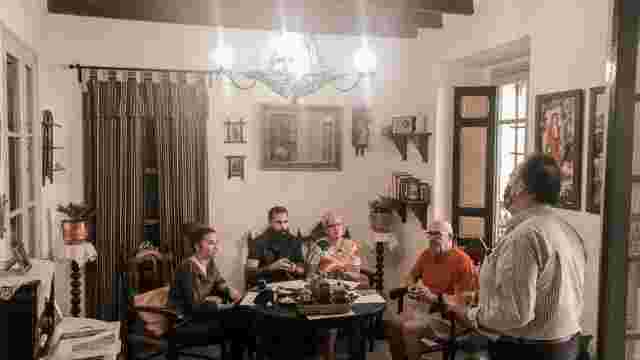
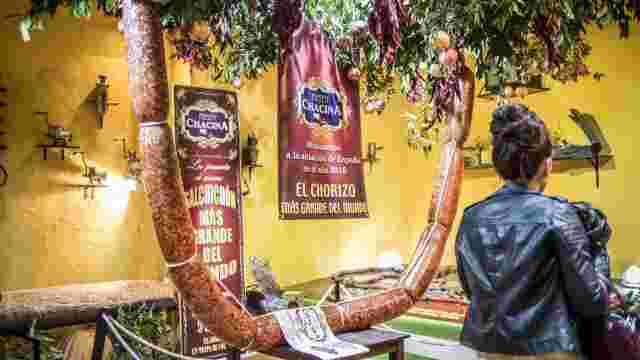
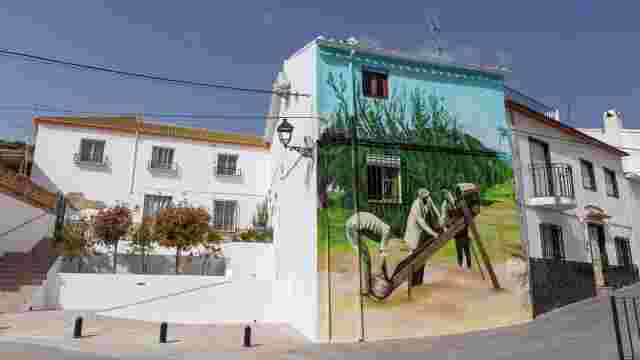
One cultural and traditional aspect that endures in the village is the ‘matanza’ (pig slaughter), a family and neighbourhood festival that takes place during the last month of the year.