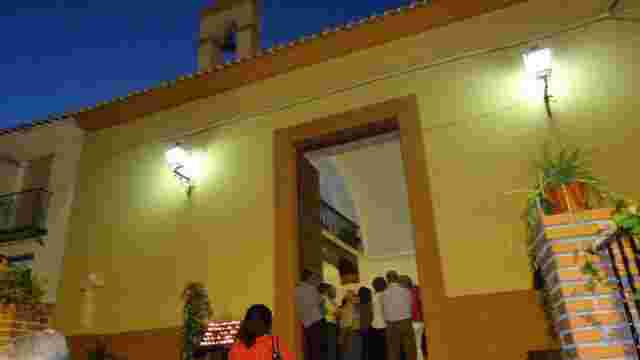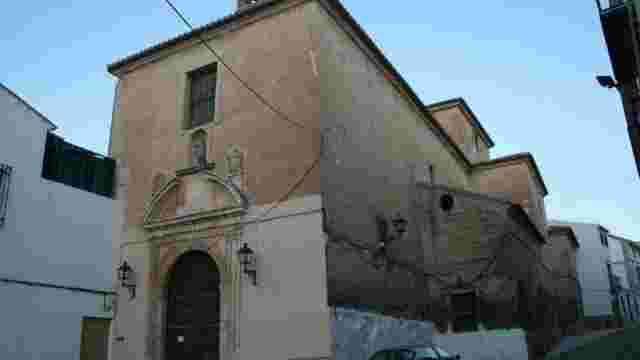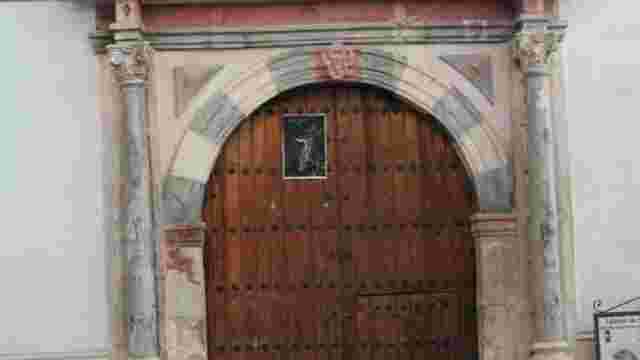
Shrine of Our Lady of Mercy
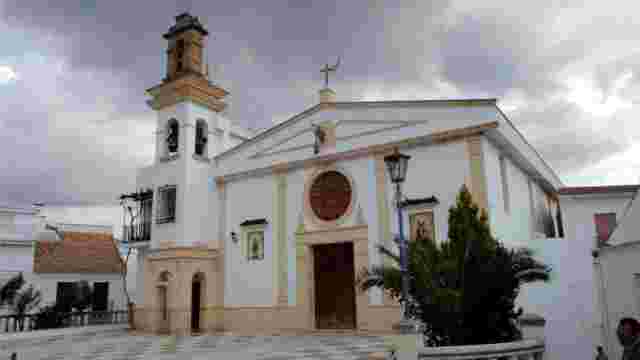
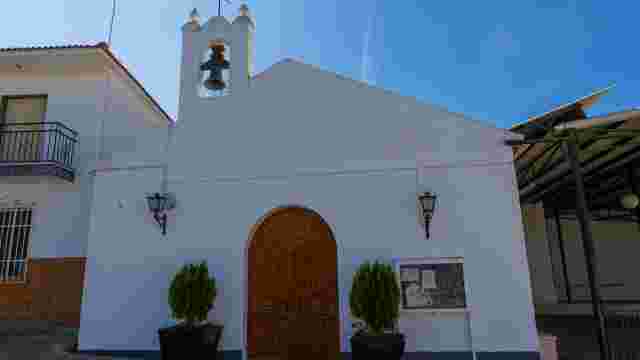
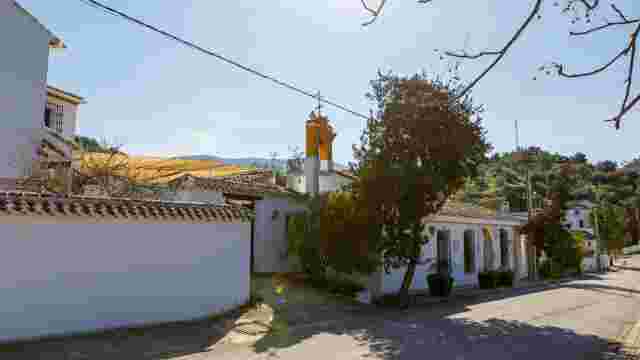
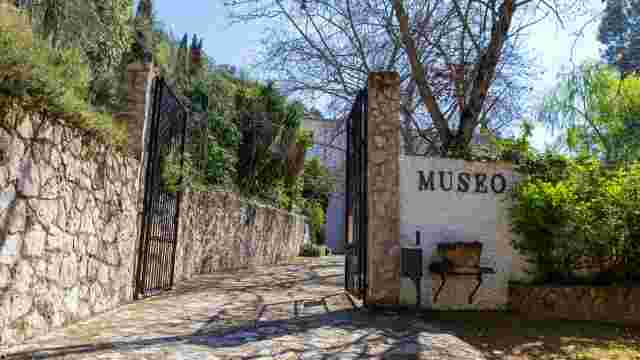
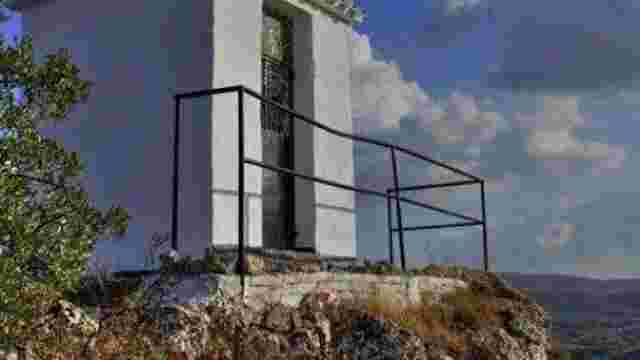
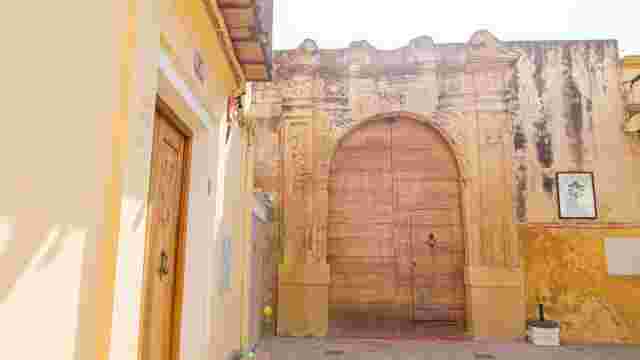
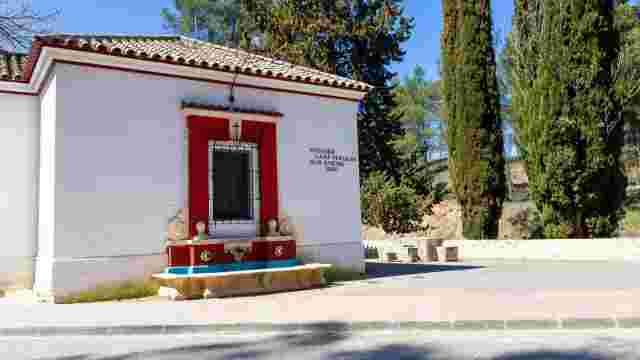
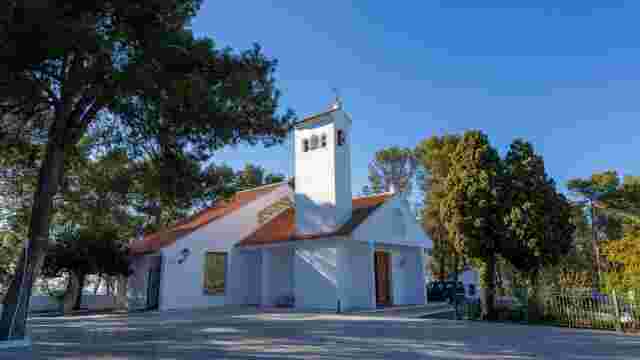
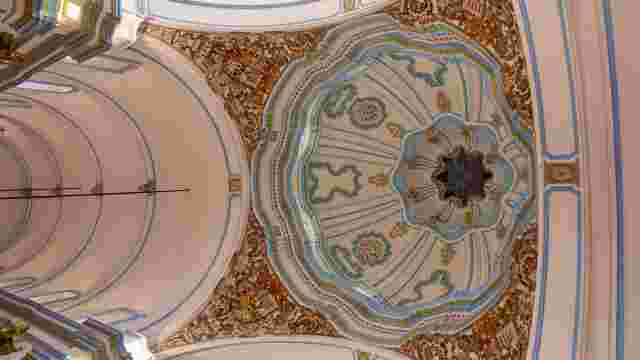
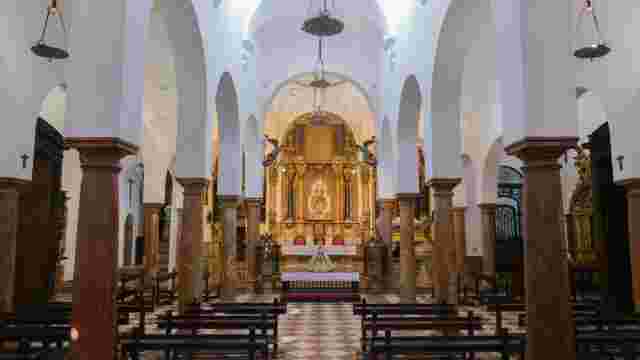
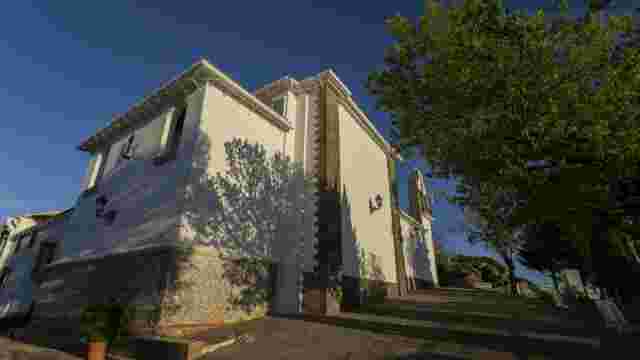
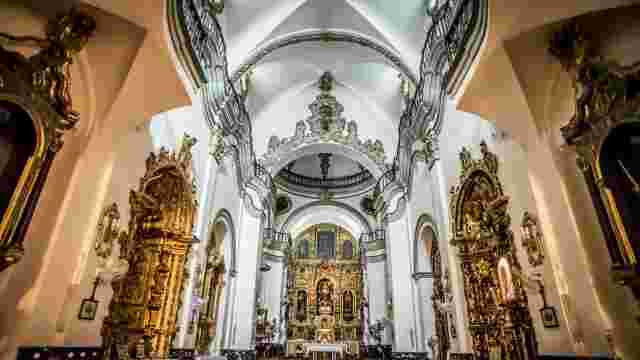
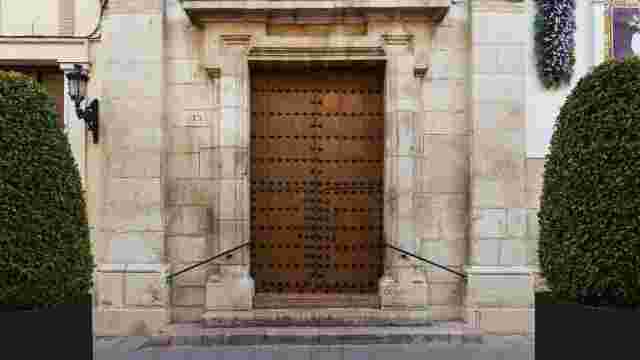
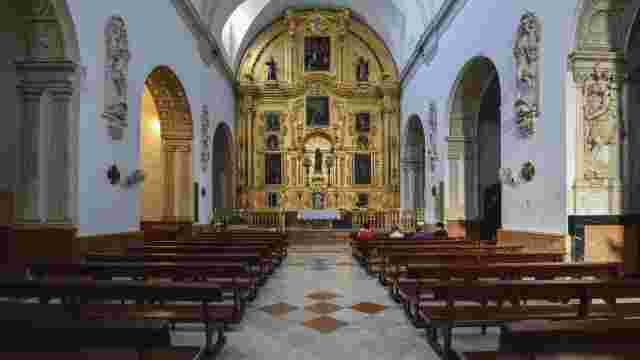
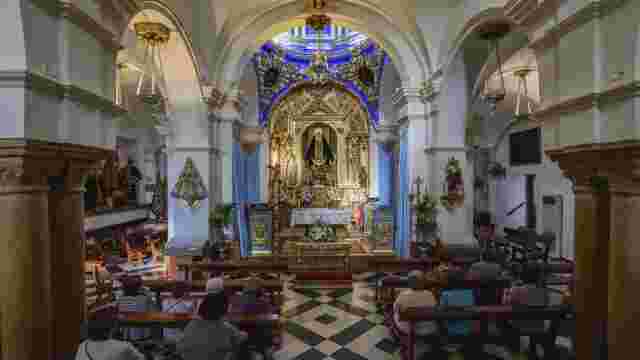
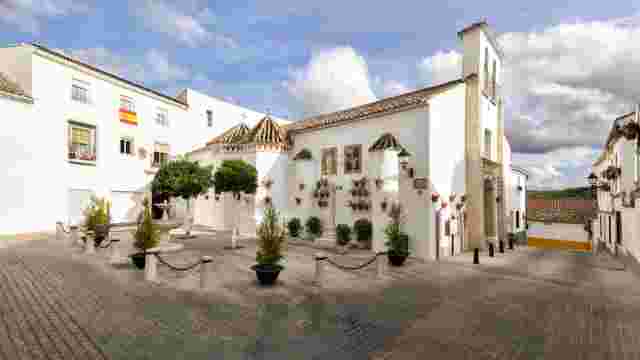
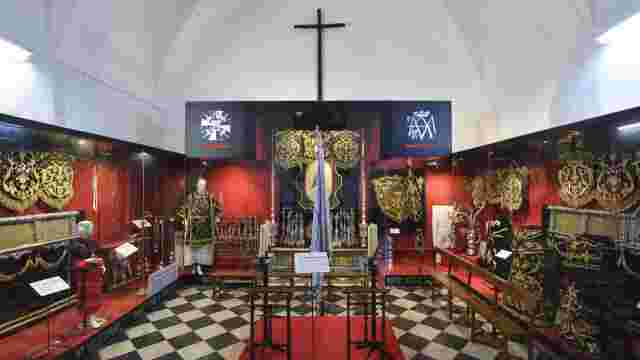
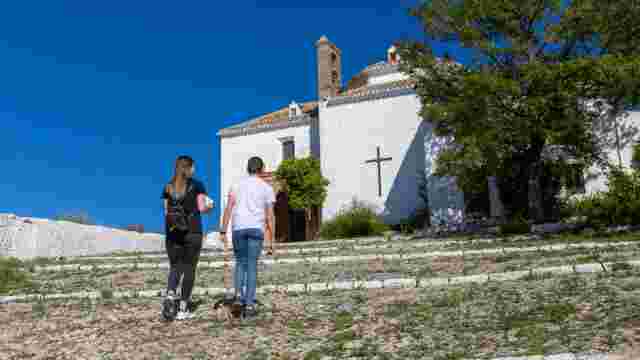
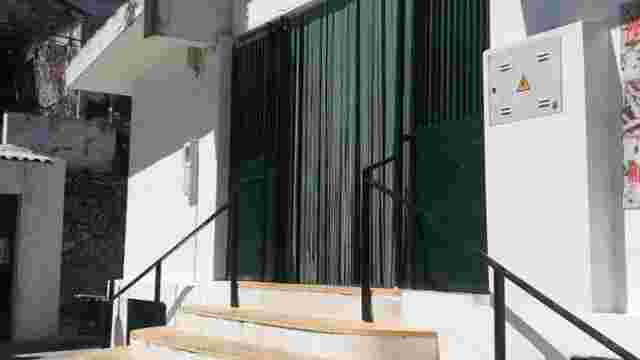
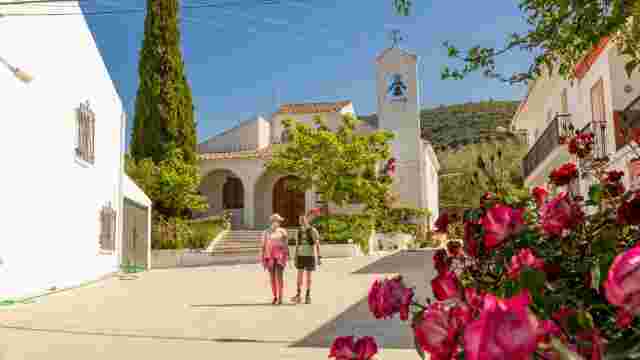
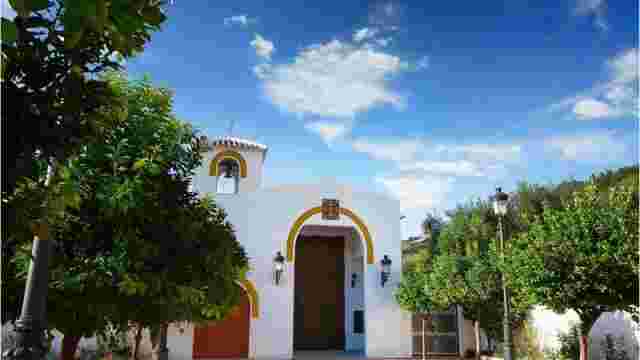
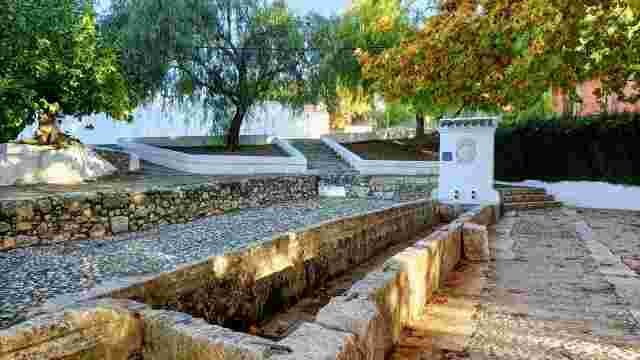
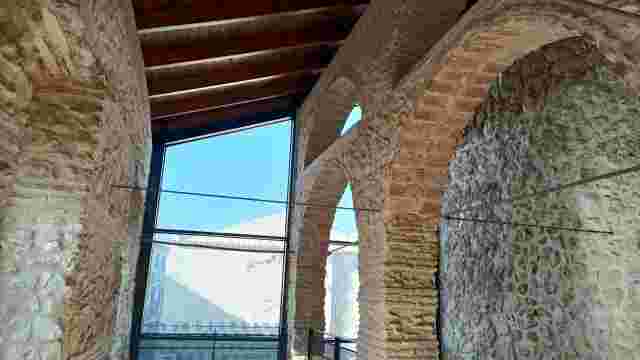
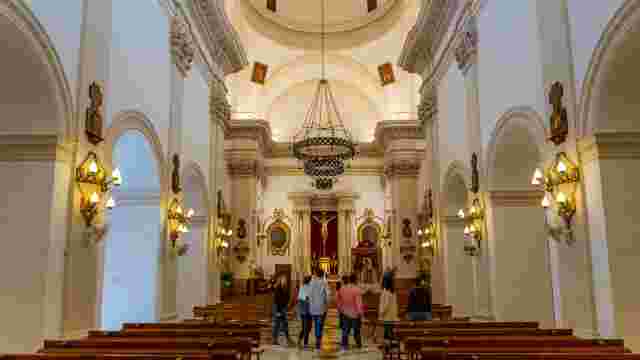
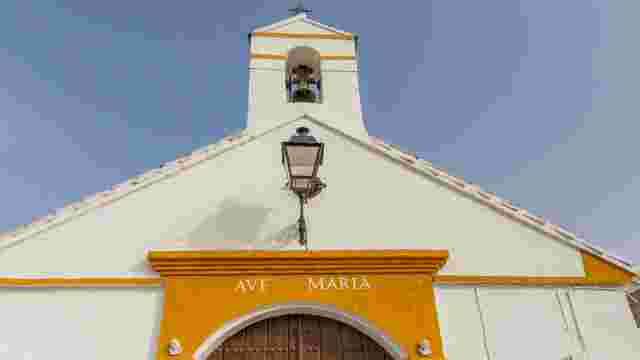
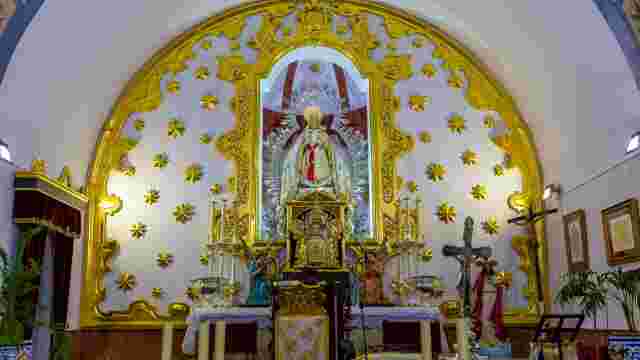
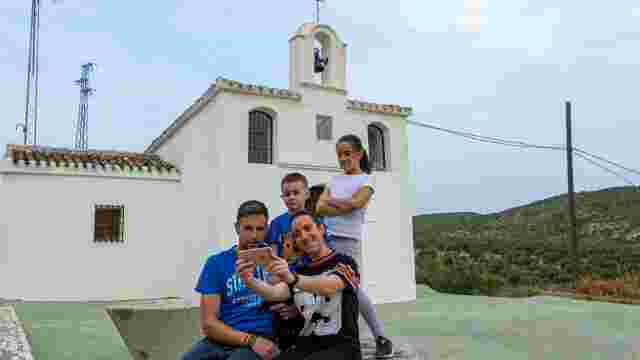
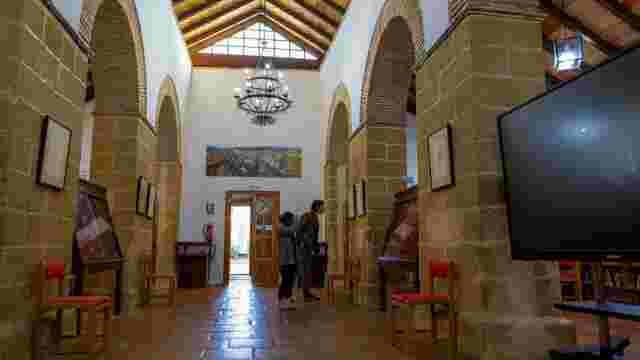
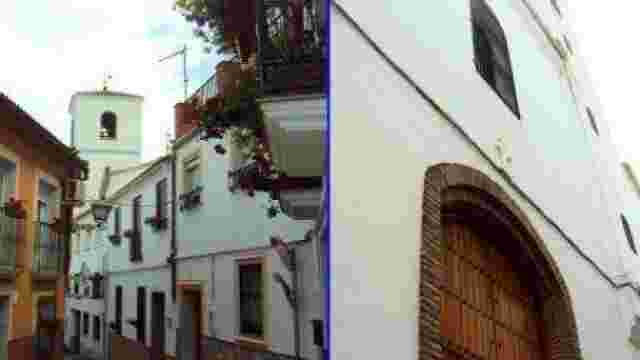
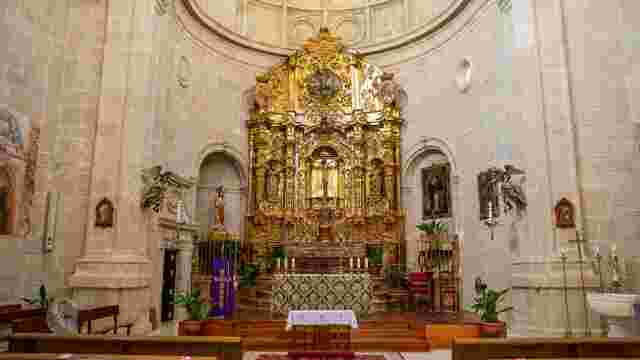
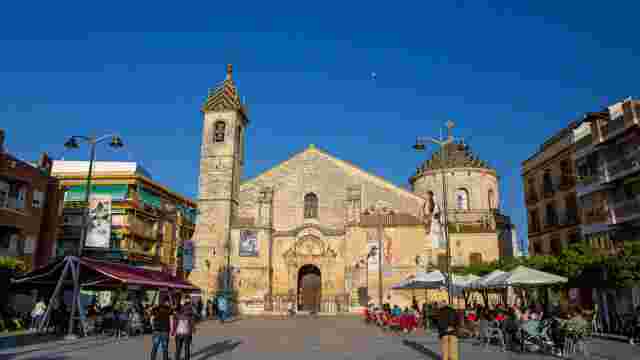
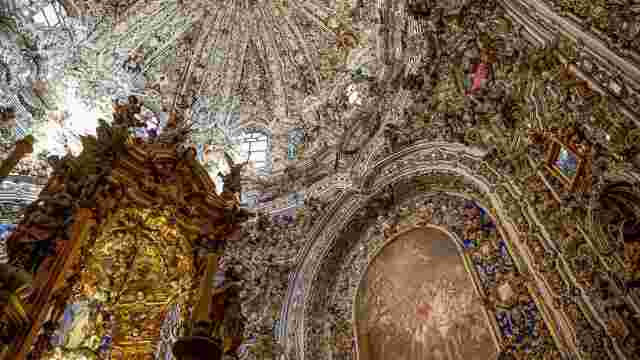
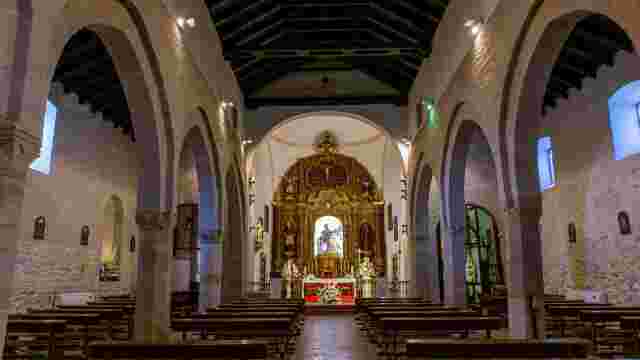
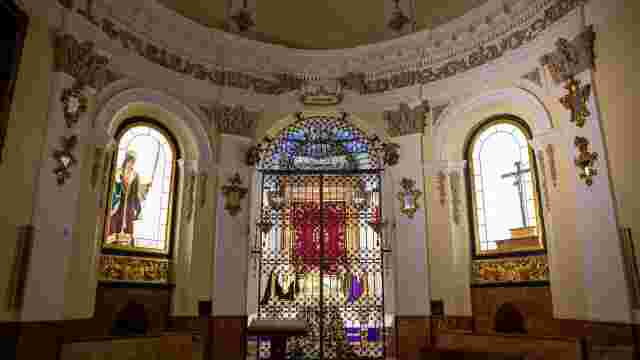
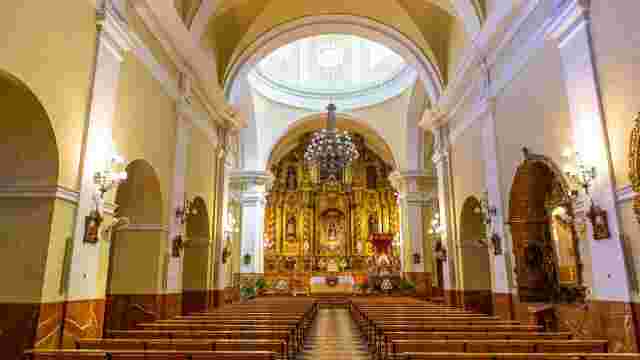
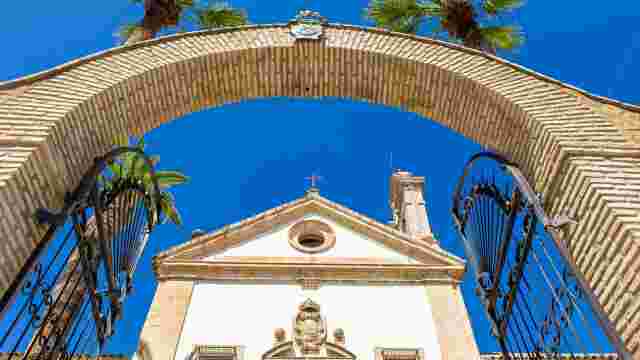
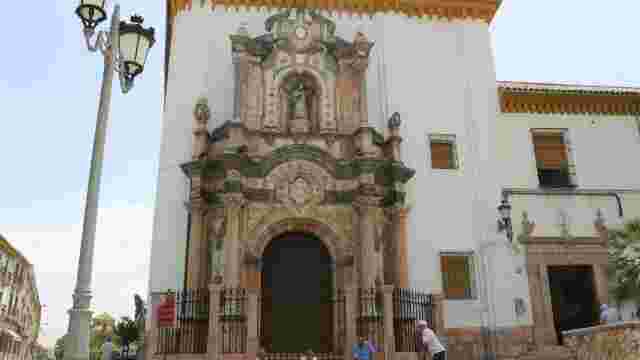
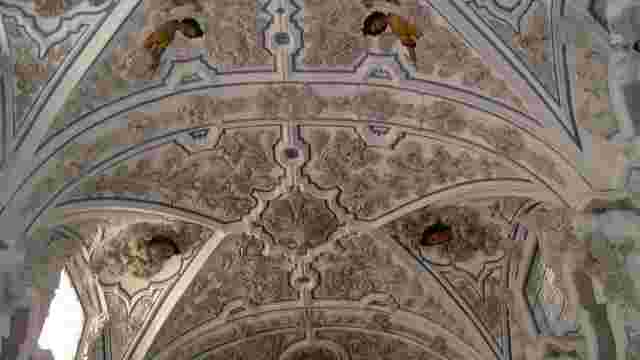
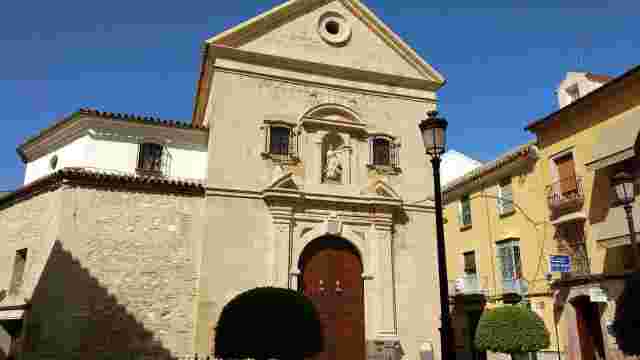
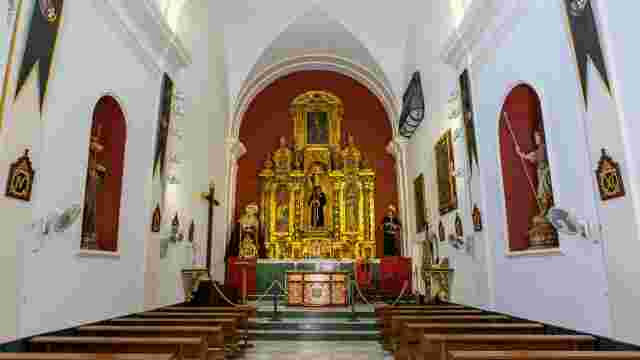
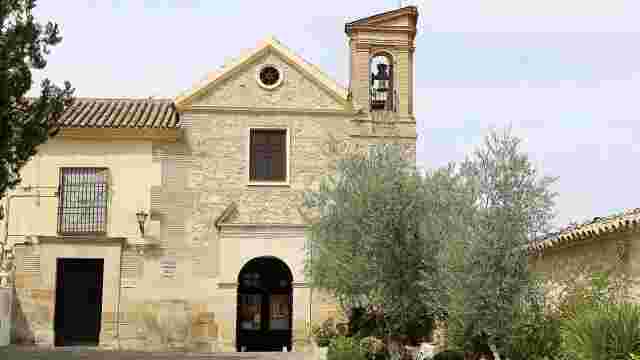
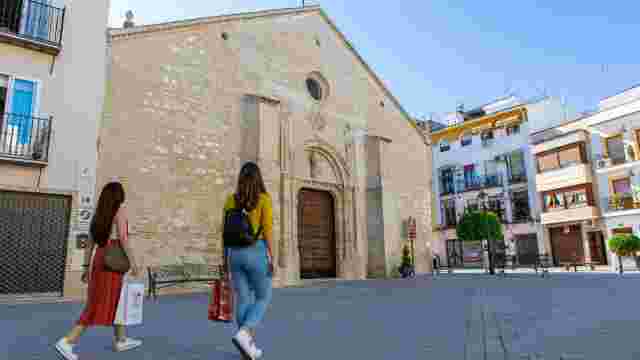
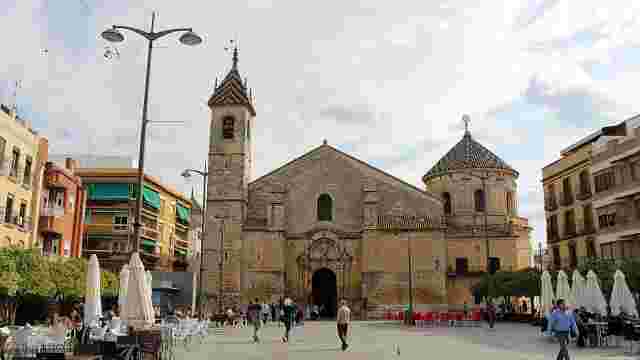
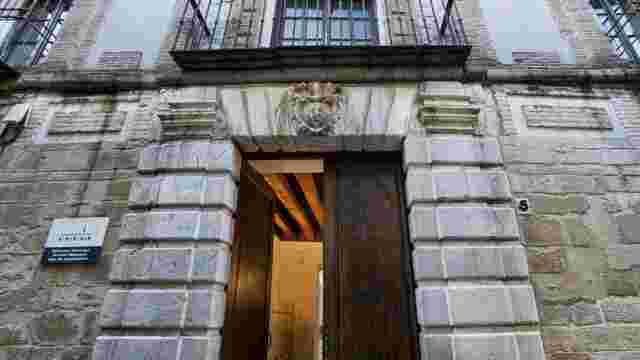
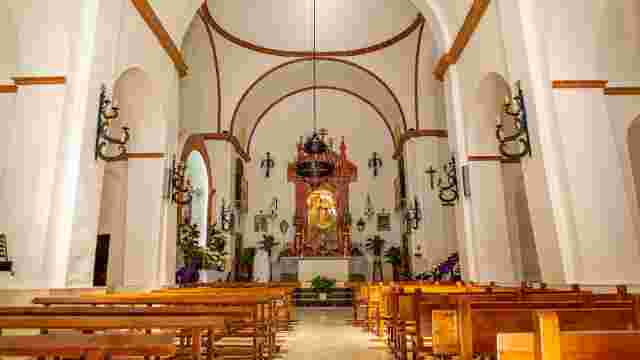
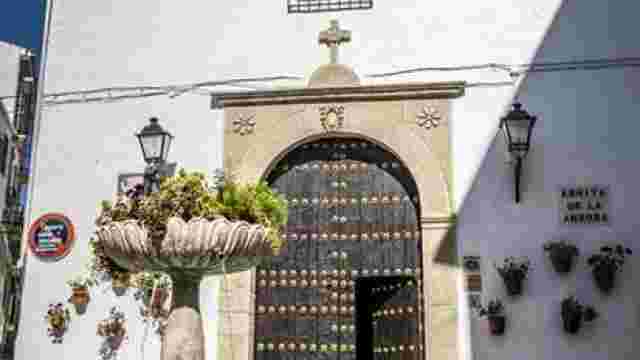
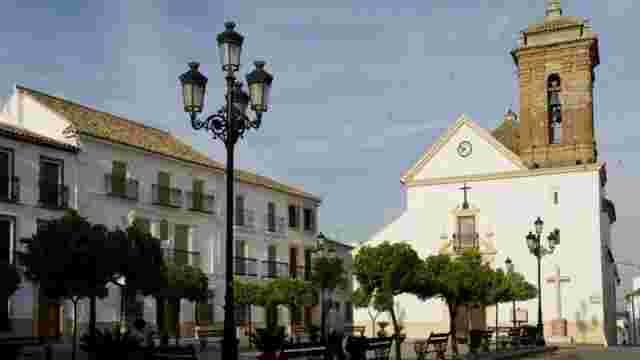
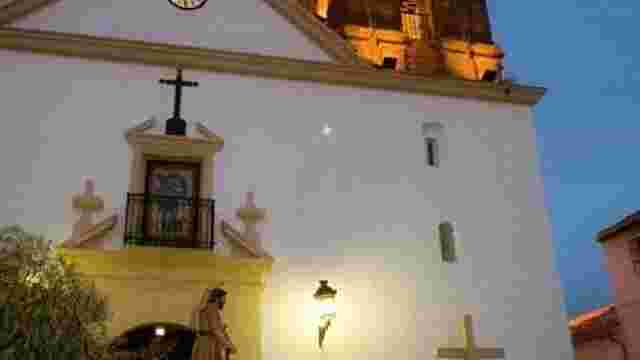
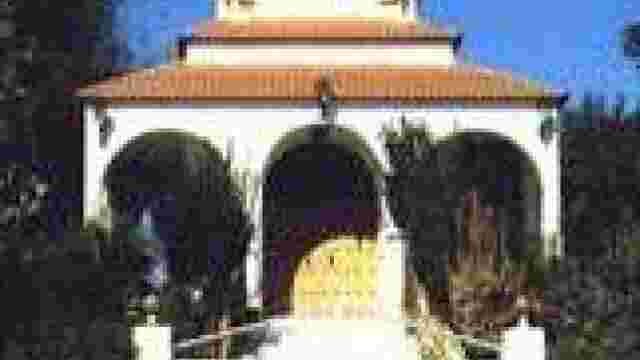
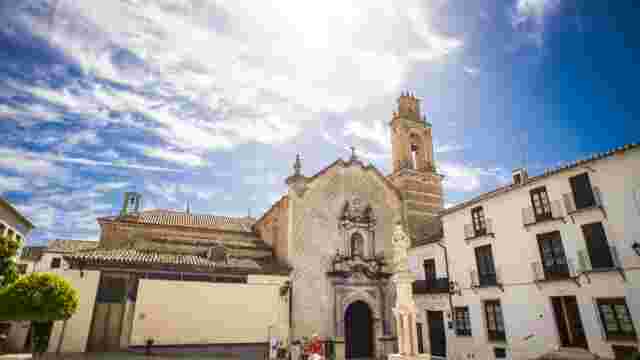
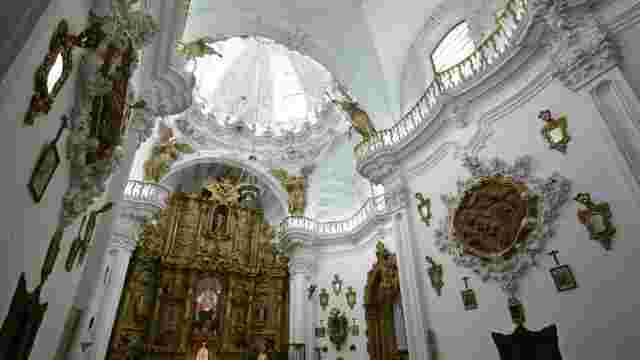
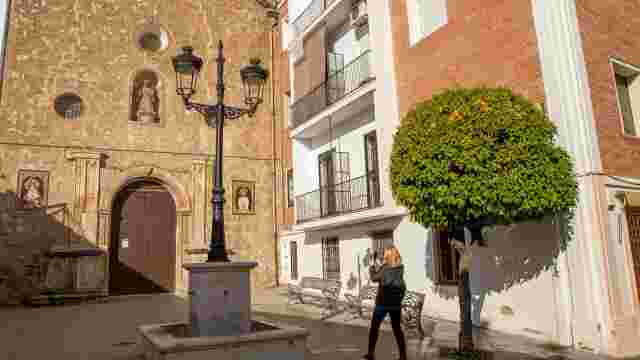
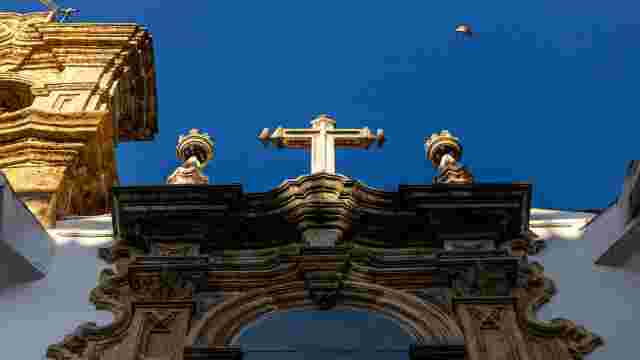
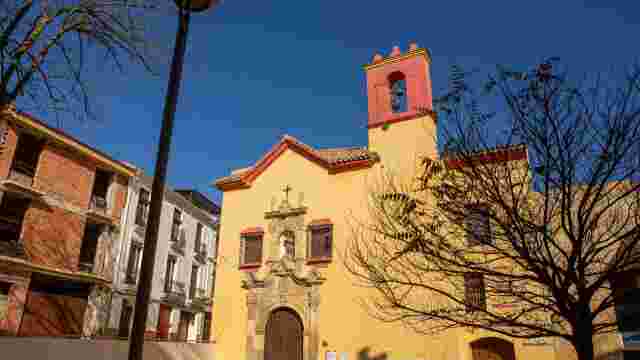
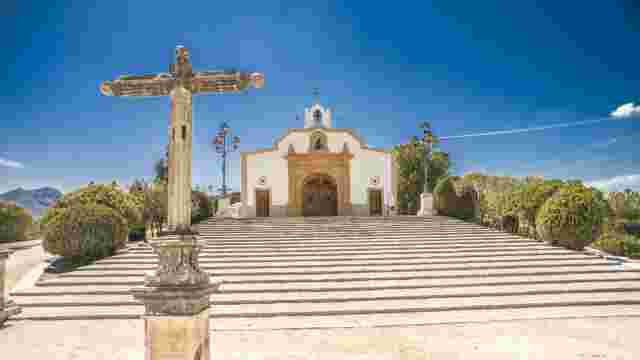
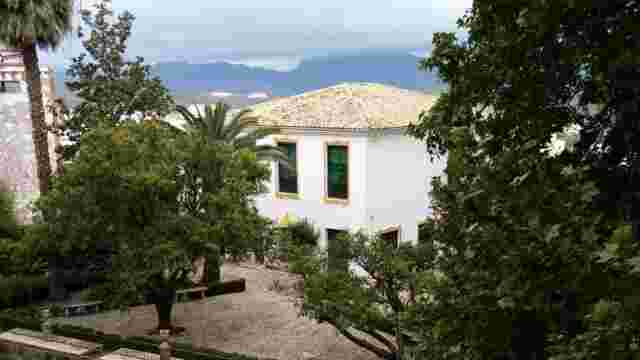
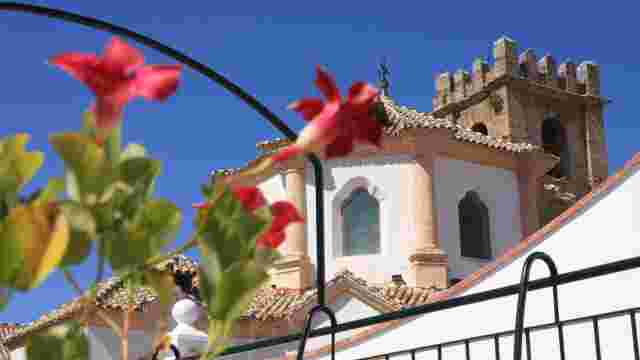
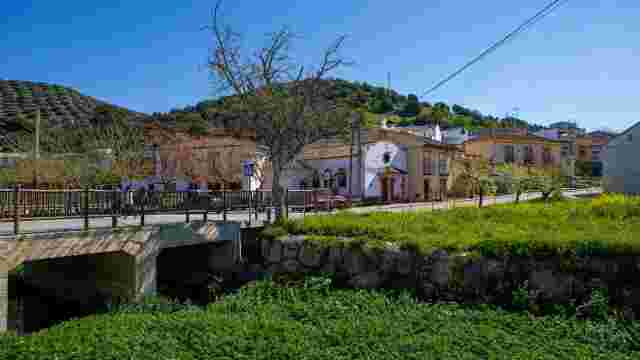
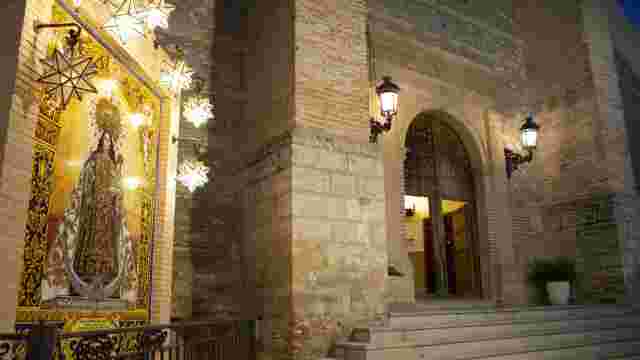
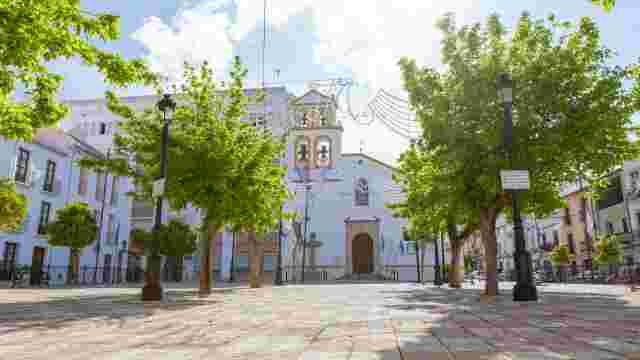
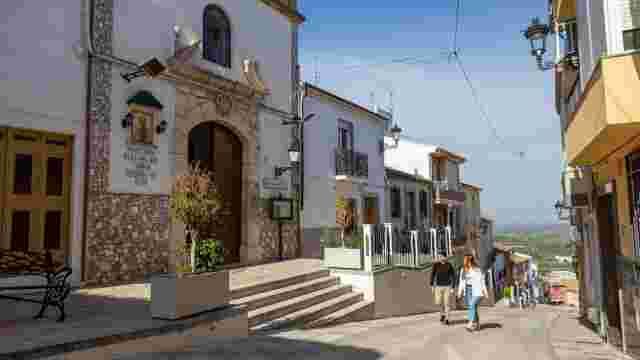
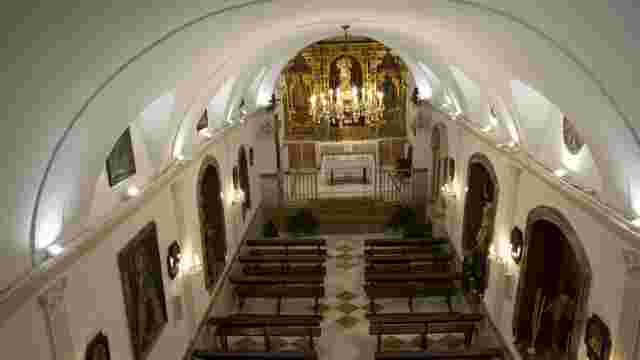
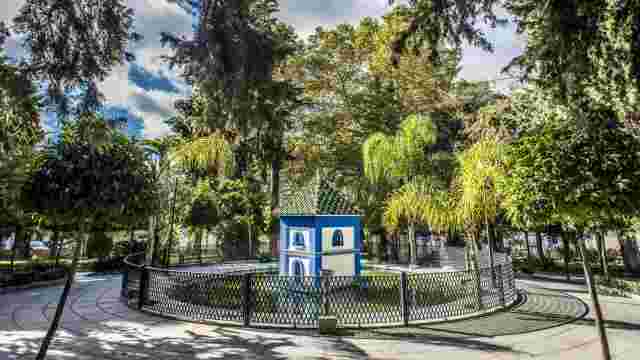
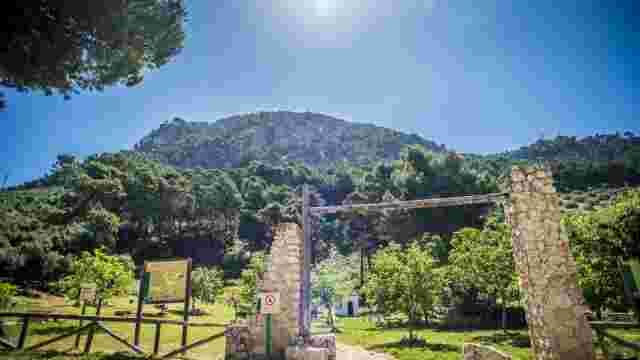
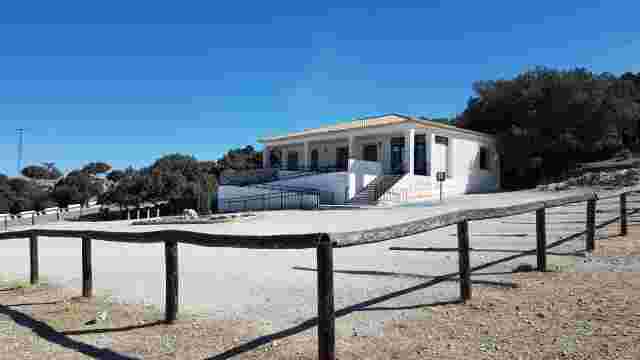
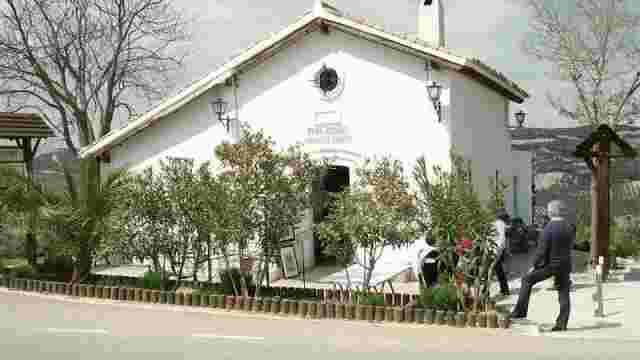
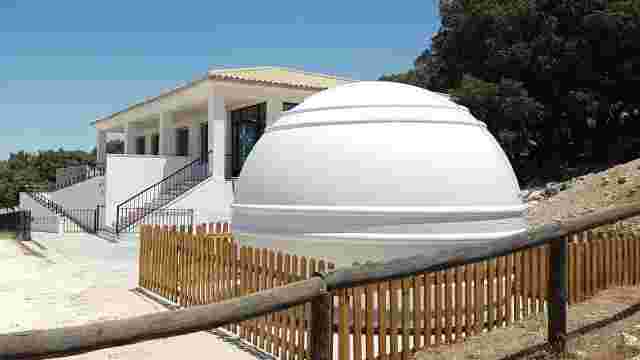
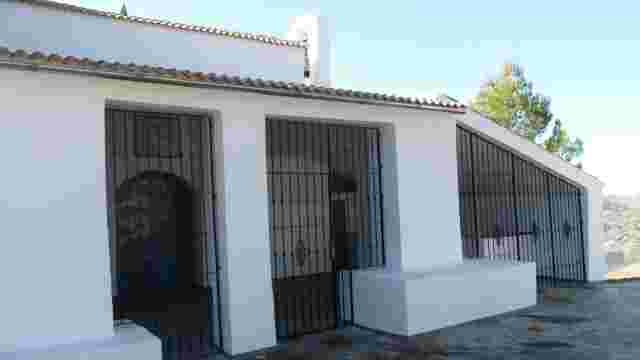
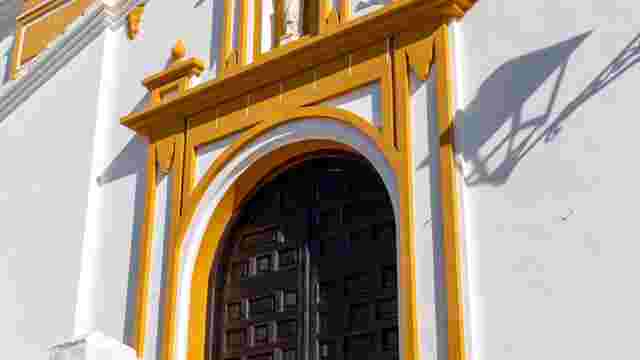
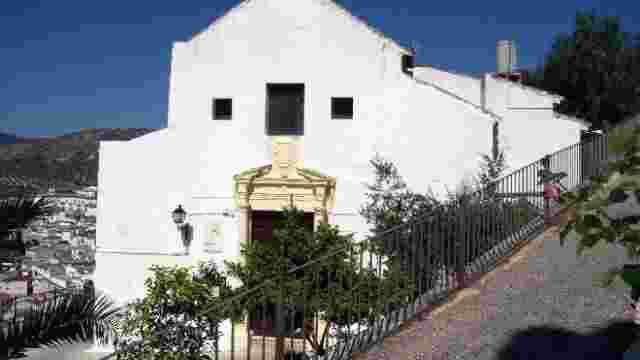
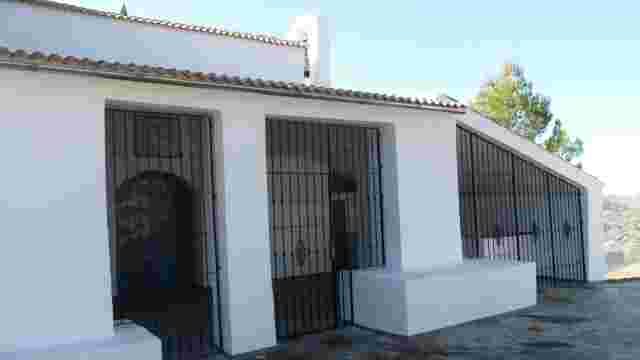
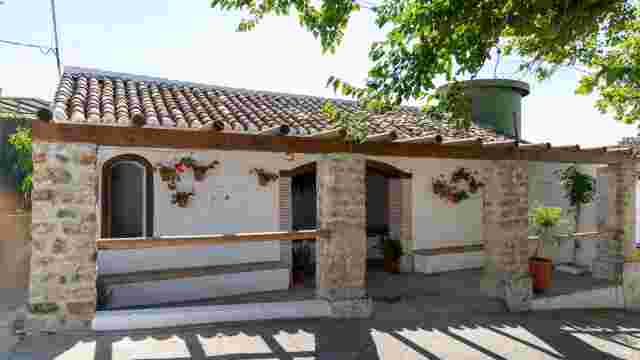
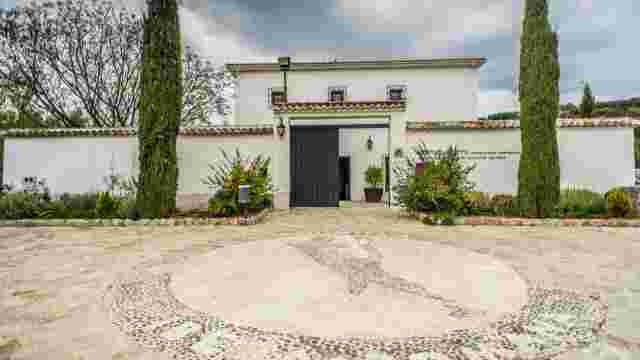
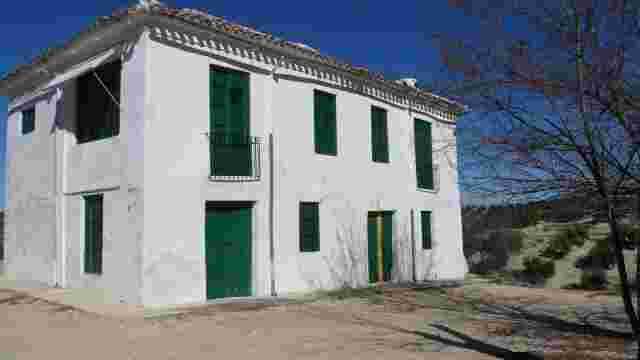
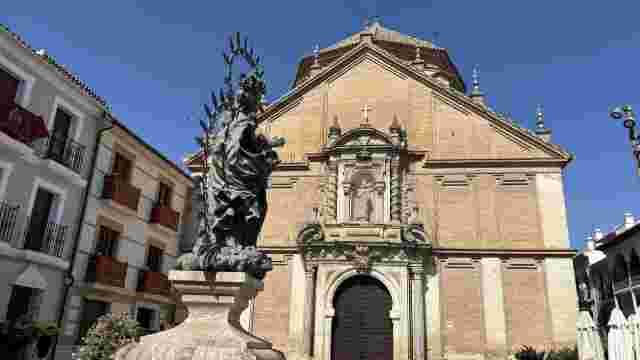
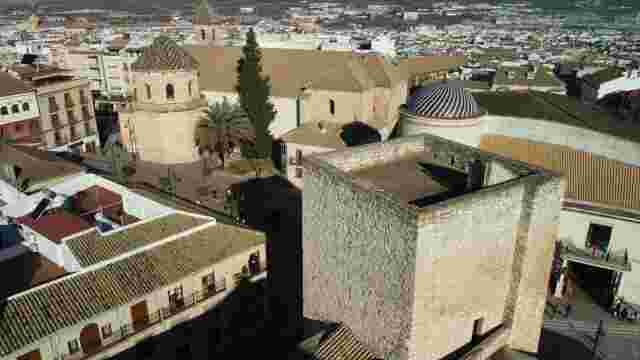
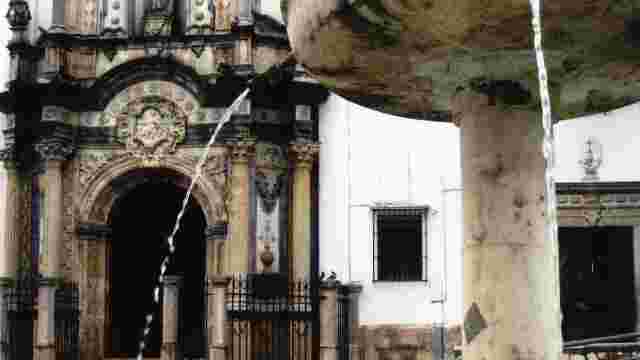
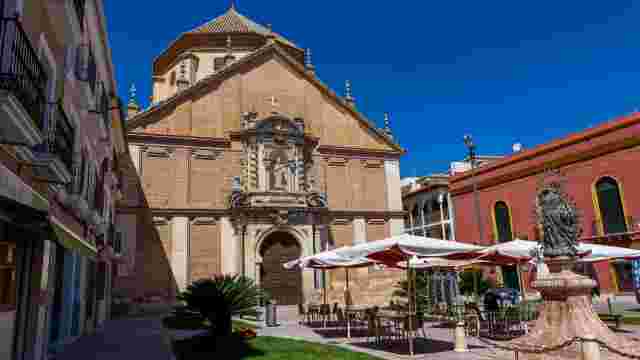
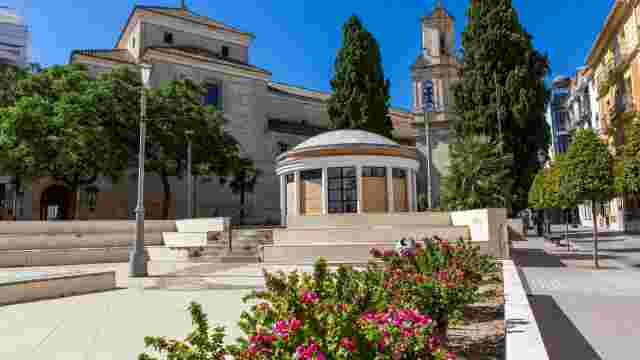
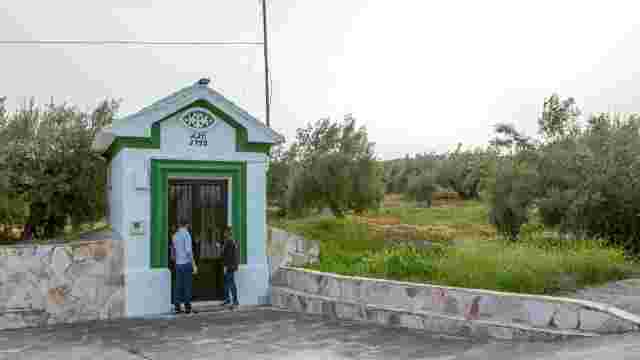
We find ourselves at the entrance to the Ermita de la Antigua, a 17th-century building comprising a large vaulted nave, at the end of which stands an 18th-century chapel, notable for its roof comprising nine sections with eight vaults and a small central dome, supported by four columns, which gives it a distinctive character amongst the province’s chapels, which are usually limited to simple square or octagonal enclosures.
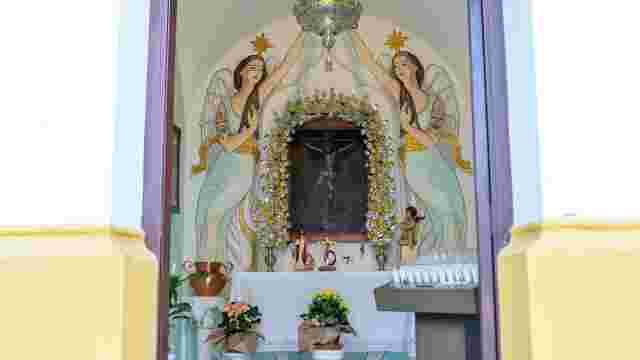
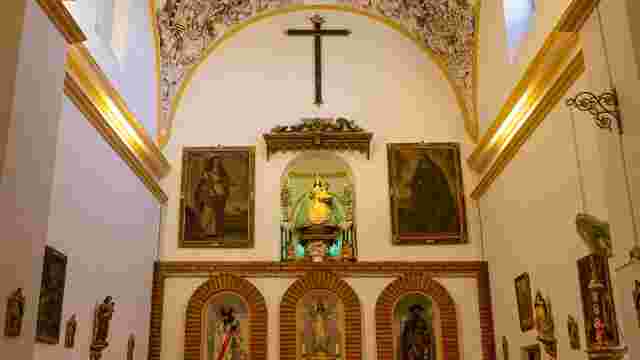
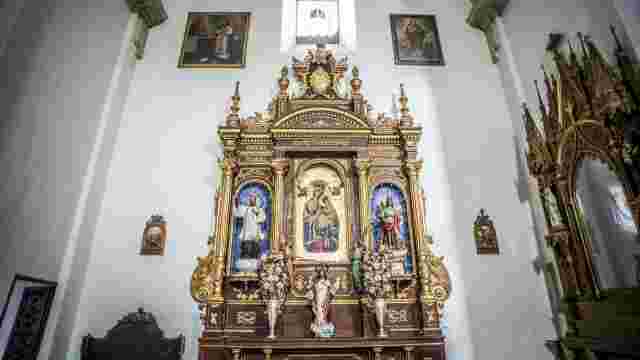
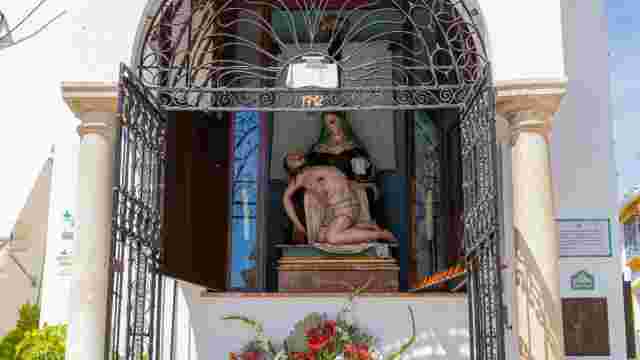
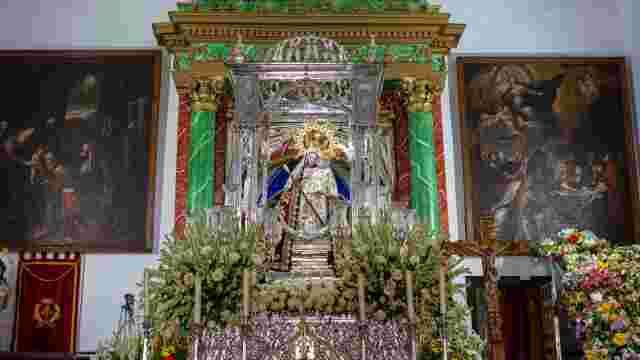
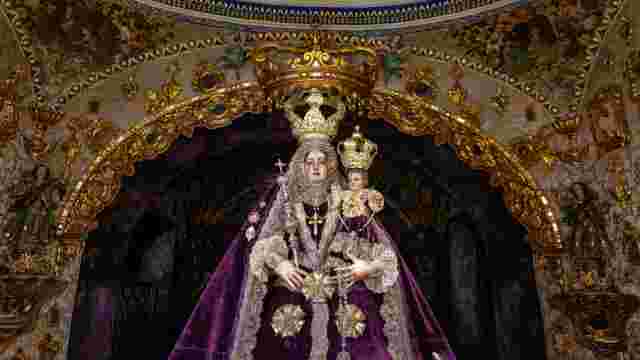
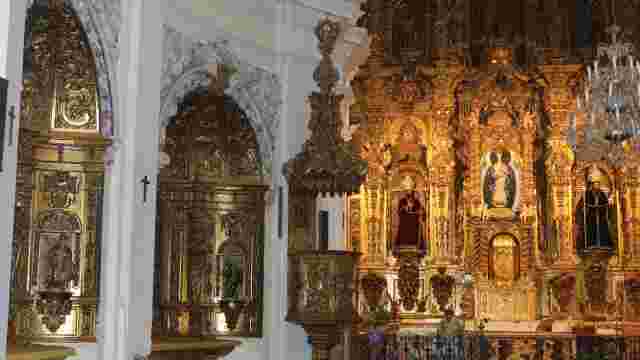
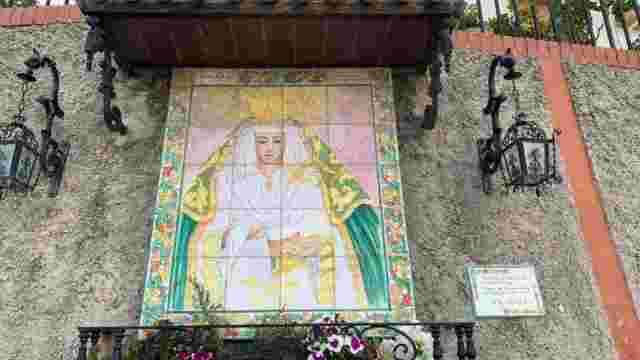
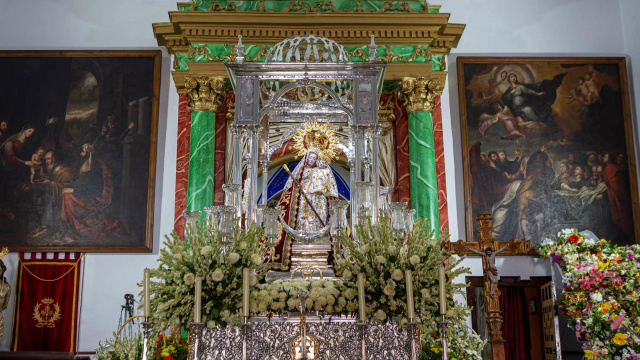
Inside stands the image of the Virgin of La Piedad, Patron Saint of Iznájar, a work in polychrome terracotta, aesthetically framed within the Flemish-Burgundian style similar to that of the anonymous artist behind the Fuensanta in the city of Córdoba.
The image is dated to the mid-15th century. The work bears a resemblance to those of Lorenzo de Mercader or Mercadante de Bretaña, who worked in Seville between 1453 and 1467. Its authorship must be attributed to an artist who was a follower of the aforementioned master during those years.
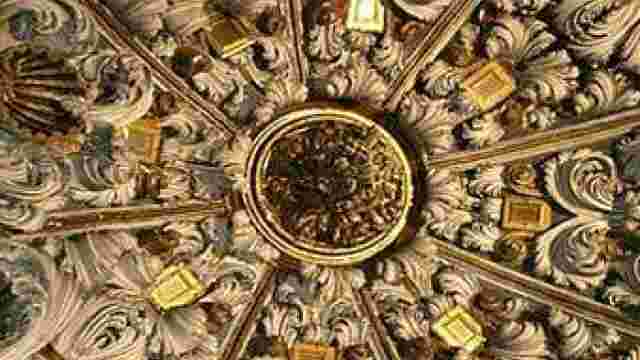
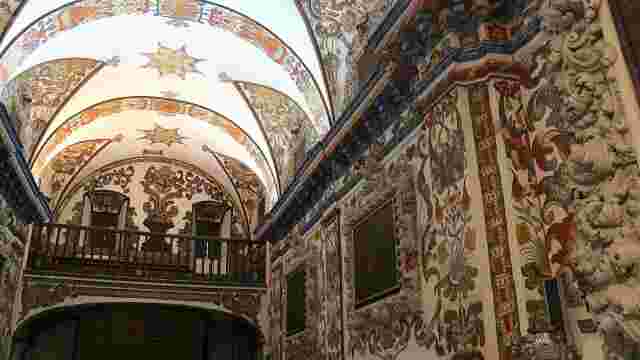
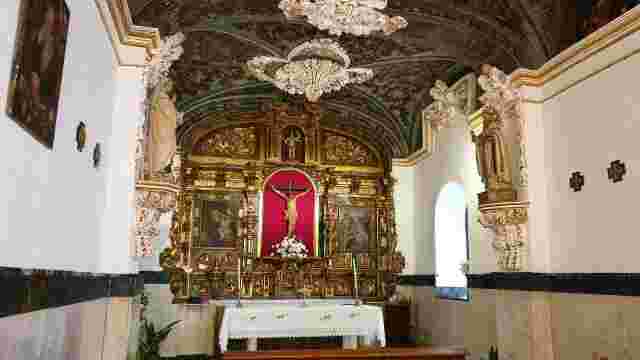
Inside the chapel, on the right-hand side, an arch leads to the chapel of Our Father Jesus Nazarene. It has a square plan and a groined vault with a leaf-motif rosette.
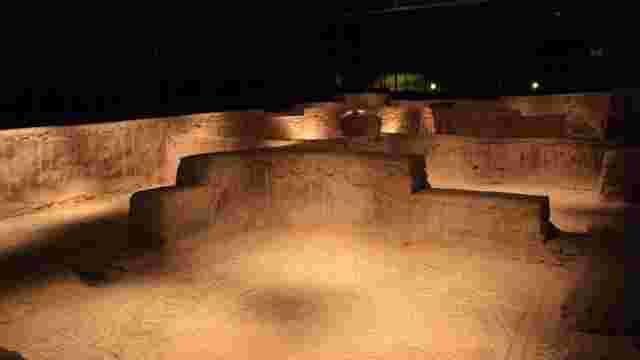
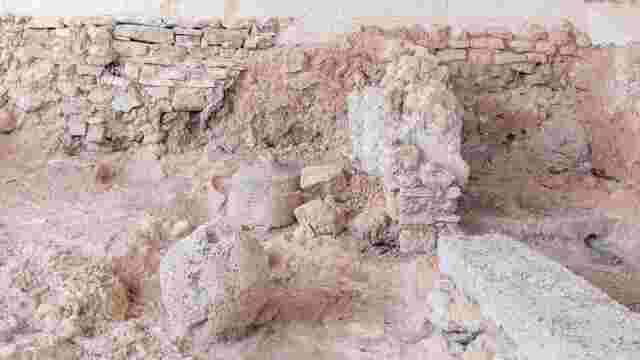
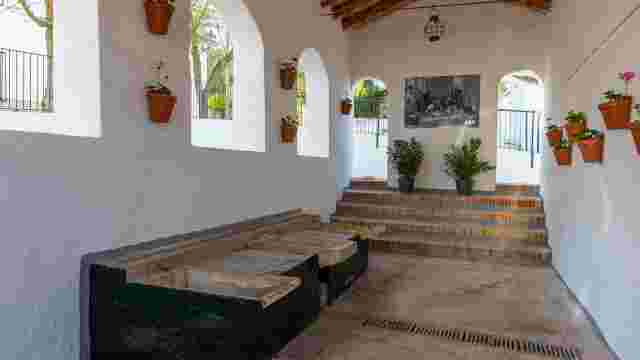
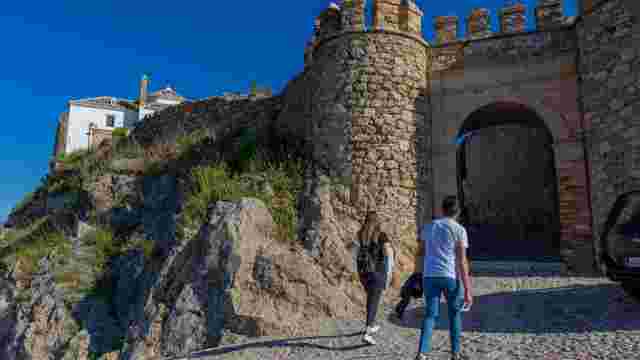
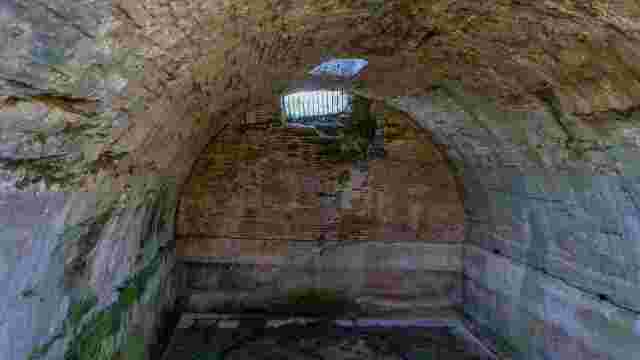
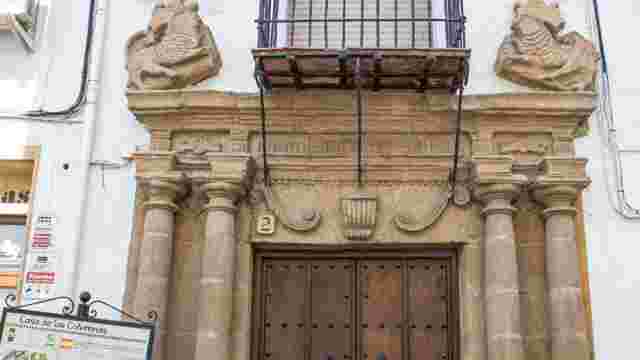
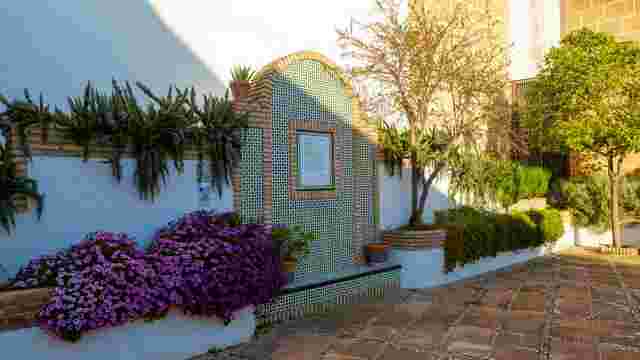
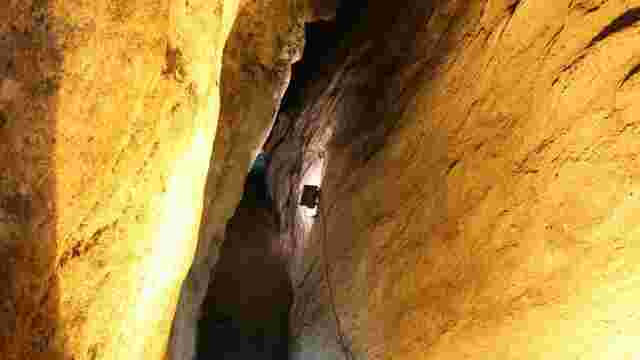
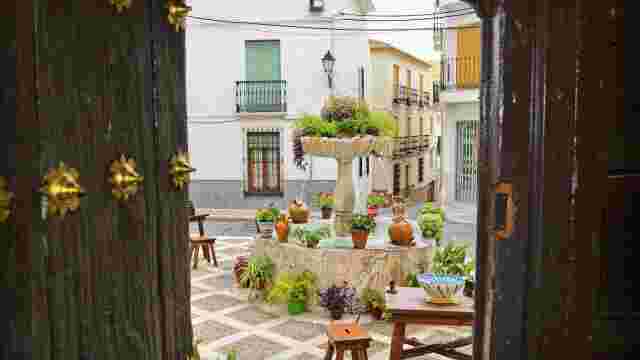
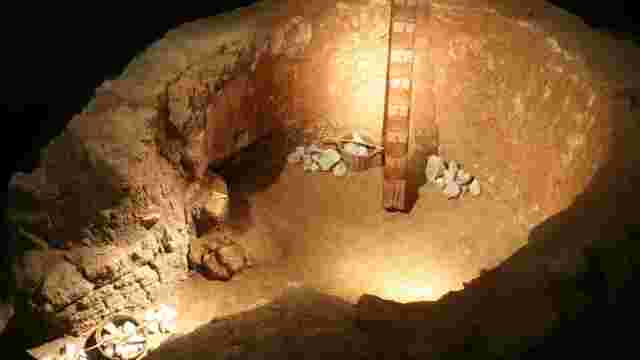
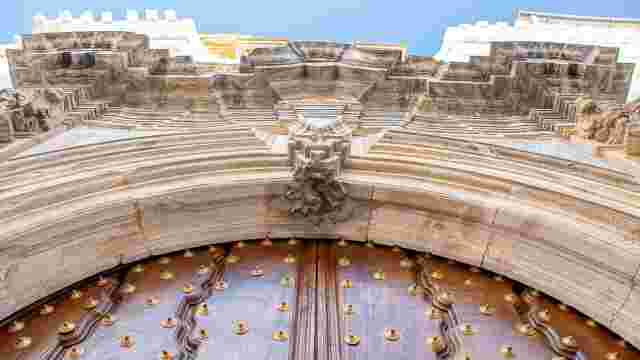
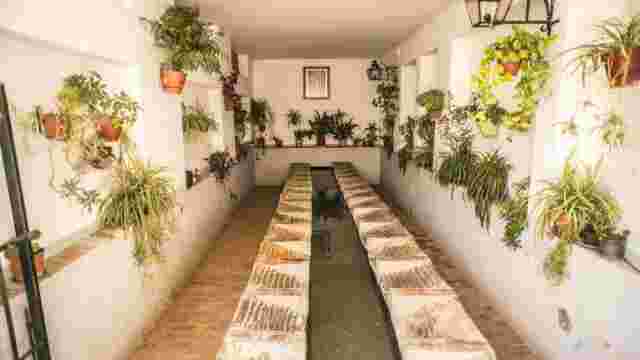
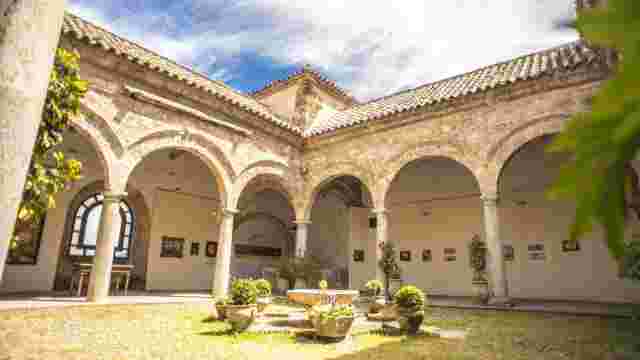
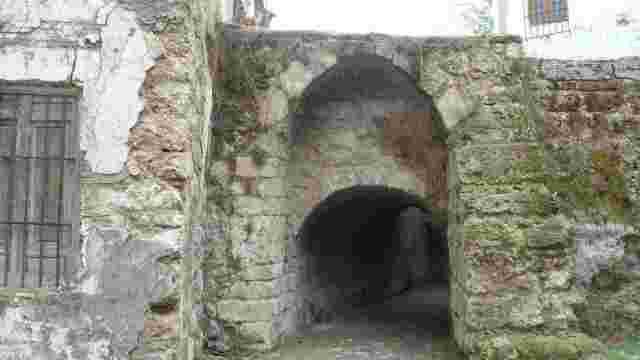
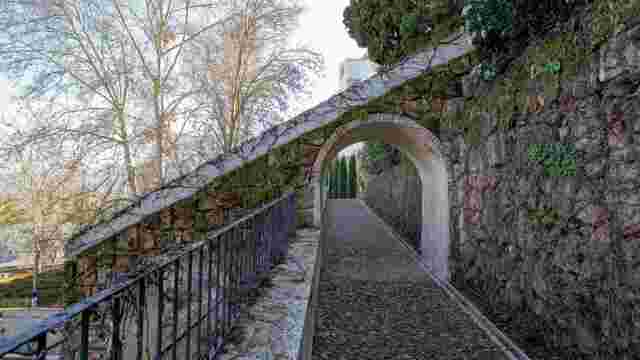
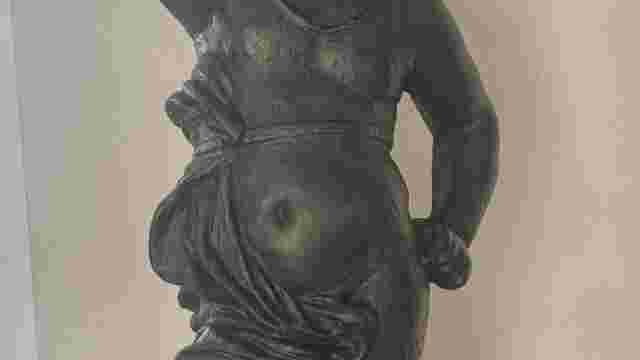
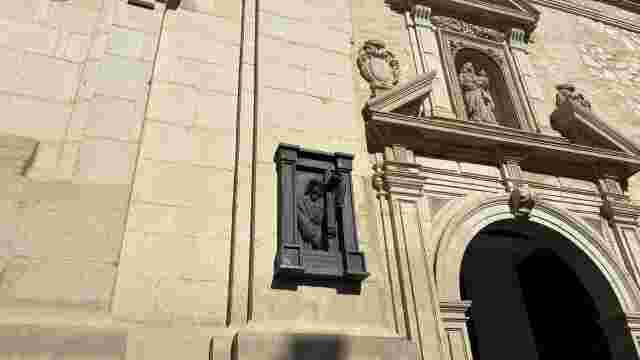
The chapel offers a view of a Renaissance altarpiece by Francisco Franco Roldán, which has been recently restored. This altarpiece serves as a prelude to the beautiful and intriguing Baroque niche where the Christ figure is enshrined. This niche is decorated with plaster motifs of flora and fauna, as well as symbols of martyrdom, and features a canvas at the back depicting a simple Pietà. Beneath this canvas is what is popularly known as the ‘Mascarón de la Antigua’, a grotesque plaster face representing the figure of Simon of Cyrene. It is worth noting that this is supported by a tunnel providing access to the courtyard of La Antigua from the street, beneath which there appears to be a cistern dating from that period.
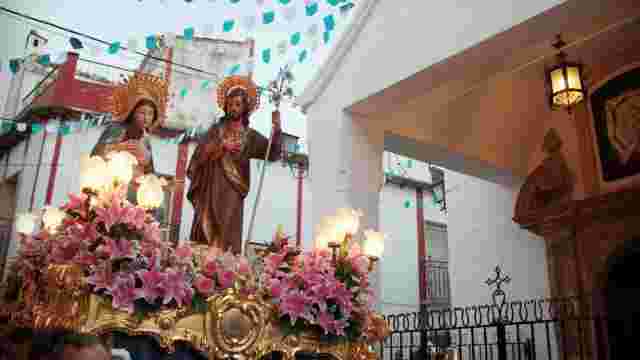
The carving of Jesús Nazareno dates from 1702 and is attributed to the Antequera sculptor Antonio del Castillo, following the artistic style of the Granada School. The popularity of the Calvario Procession on Good Friday morning has meant that this image is followed with particular fervour by the local population and is considered the Lord of Holy Week in Iznájar, receiving institutional recognition in 2017 to coincide with its extraordinary procession.
Free admission
Opening hours: Open daily:
- mornings from 11:00 to 13:00.
- afternoons from 18:00 to 20:00.
Contact: Brotherhood of Nuestra Señora de la Antigua y Piedad
Telephone: 957534554; website: www.virgendelapiedad.org