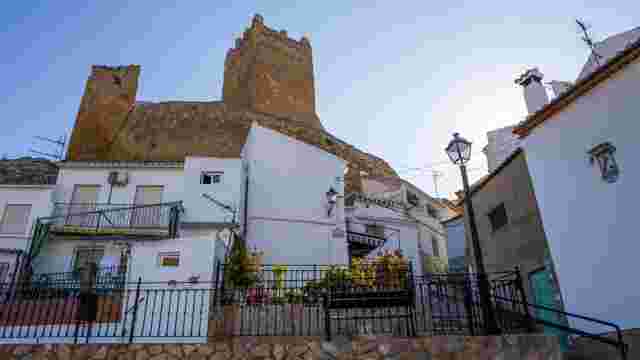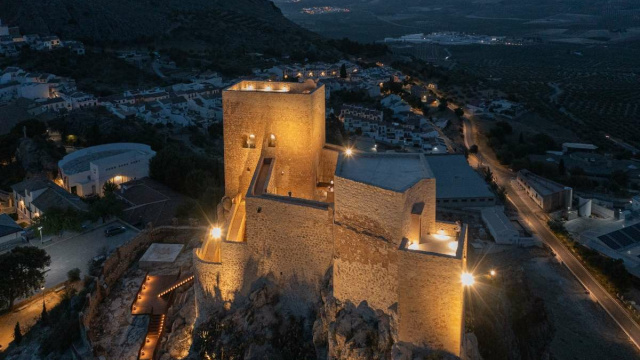
Luque Castle (Hisn Lukk)
OPENING HOURS........................................................................................
- Closed on Mondays and Tuesdays.
- Wednesday and Thursday from 12.00 pm to 2.00 pm
- Fridays from 12.00 pm to 2.00 pm and from 4.00 pm to 7.00 pm
- Saturdays, Sundays and public holidays from 10.00 am to 2.00 pm and from 4.00 pm to 7.00 pm
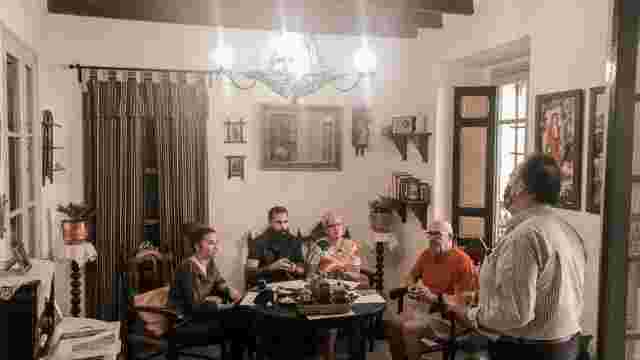
Guided tours can be ARRANGED on any day and at any time (for groups of at least 10 people).
PRICES..........................................................................................................
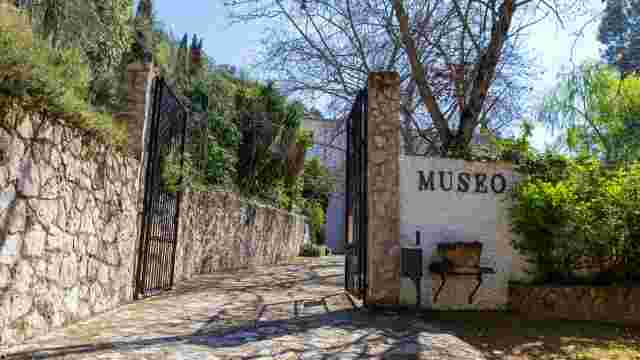
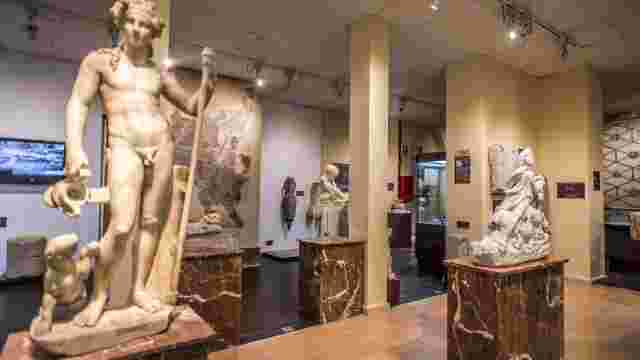
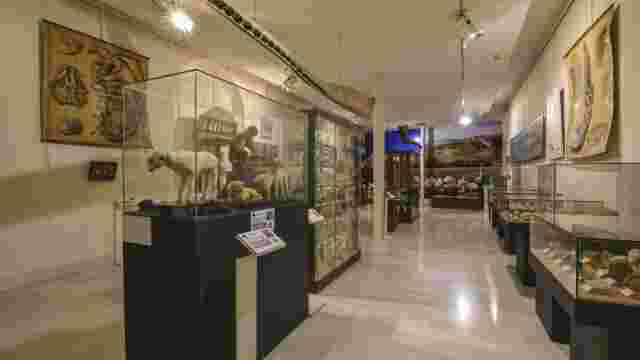
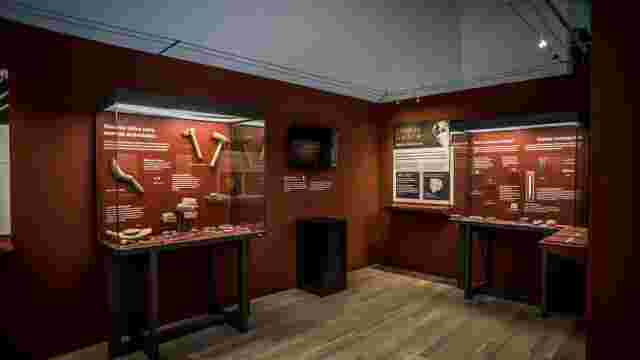
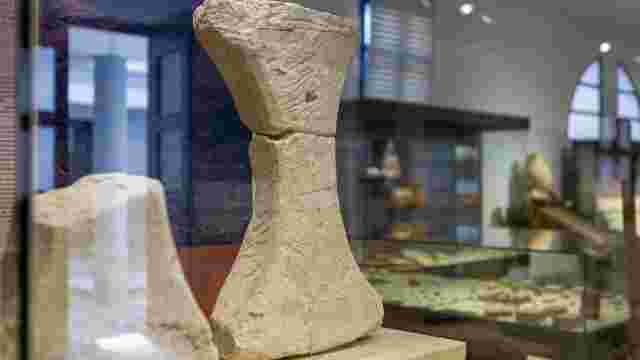
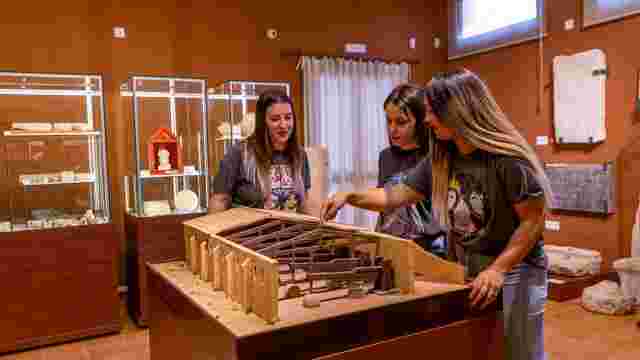
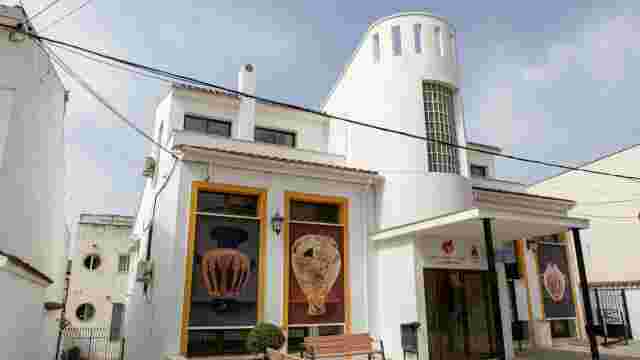
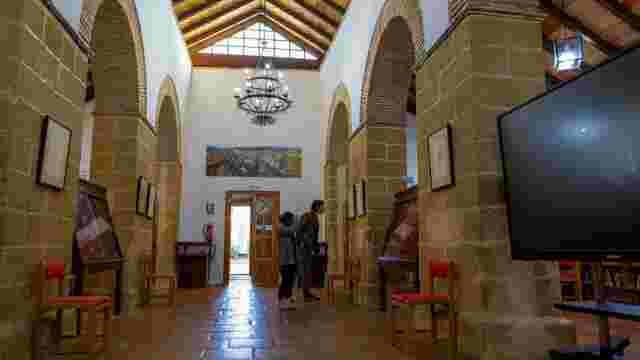
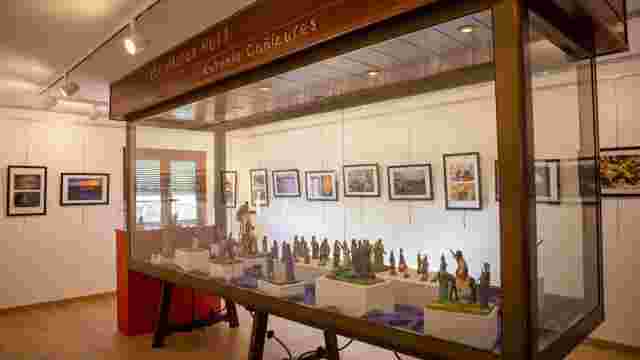
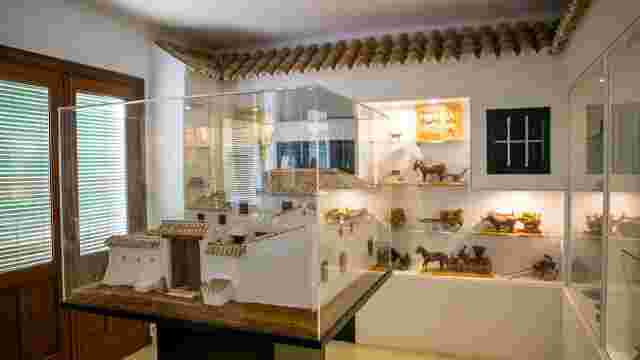
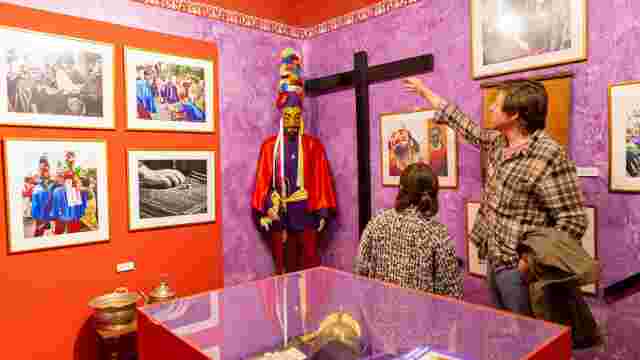
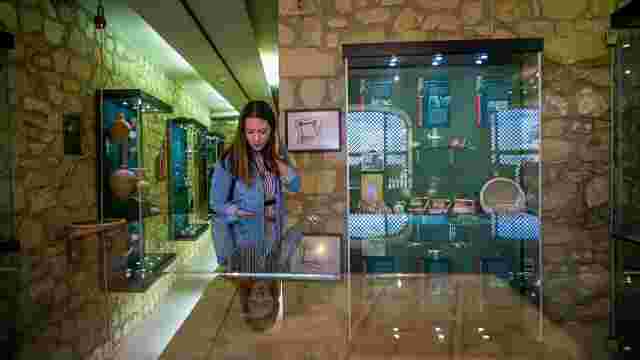
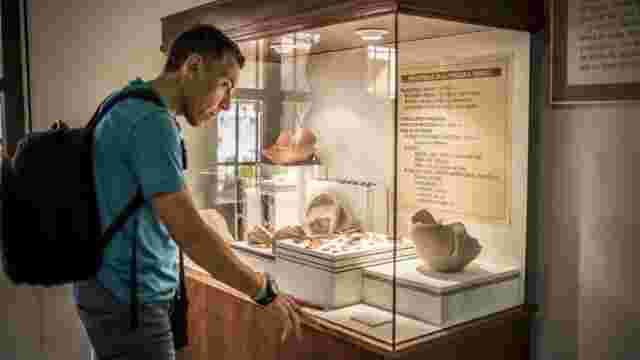
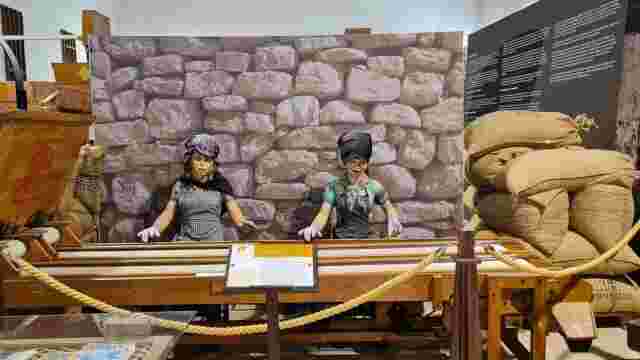
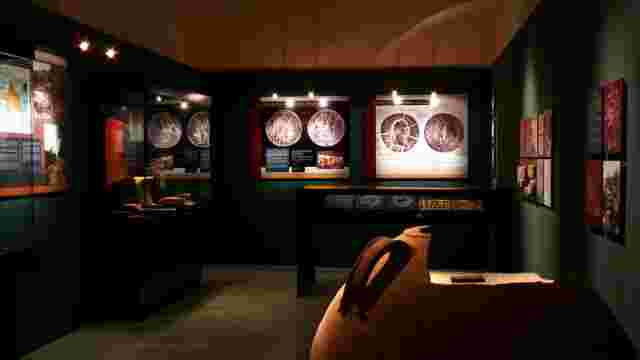
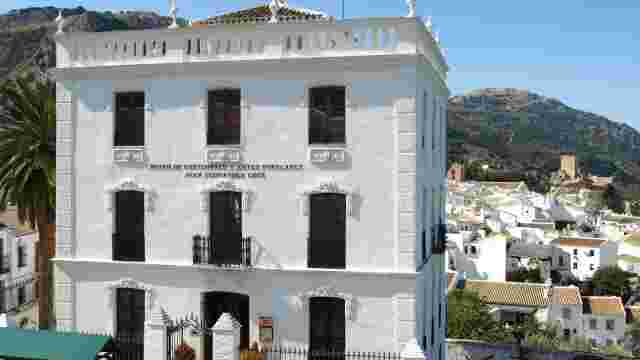
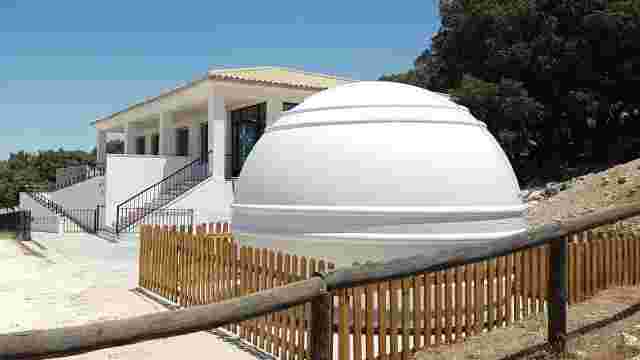
The price of admission to the castle is €4, which also grants access to the Luque Tierra de Fronteras Municipal Museum.
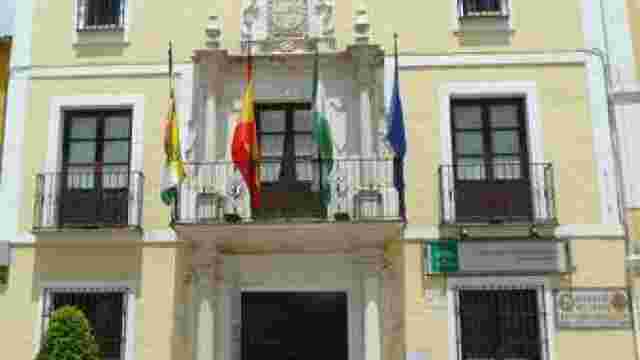
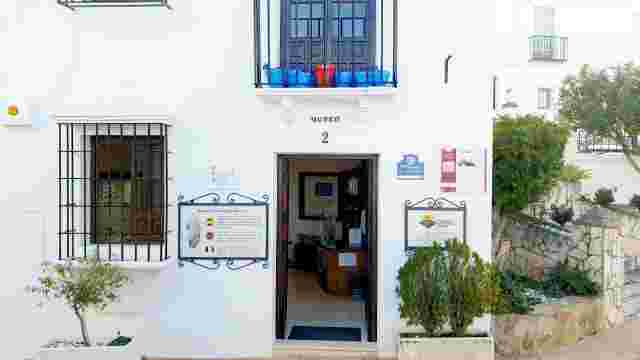
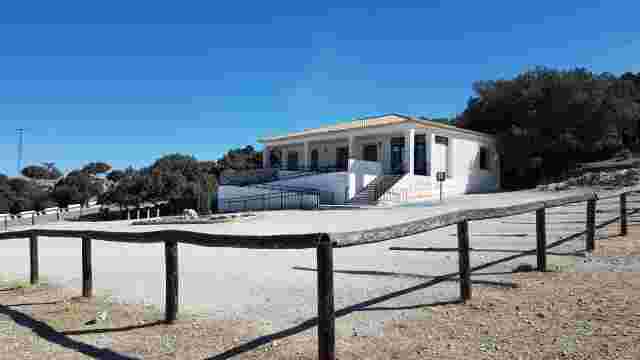
Tickets can be purchased at the Castle Ticket Office (Tourist Office 2) and at Tourist Office 1 (Museum).
On weekdays (NOT at weekends), there is a €1 discount for large families, youth card holders, pensioners and people with disabilities.
Payment must be made in cash.
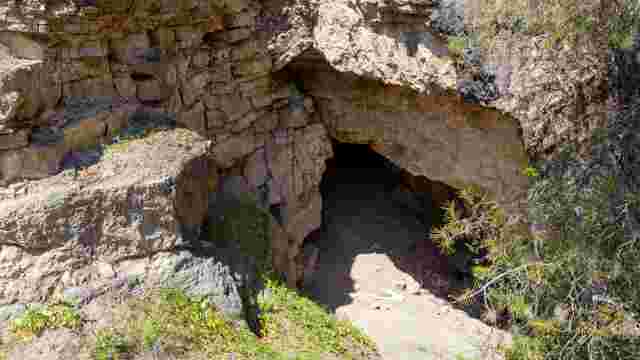
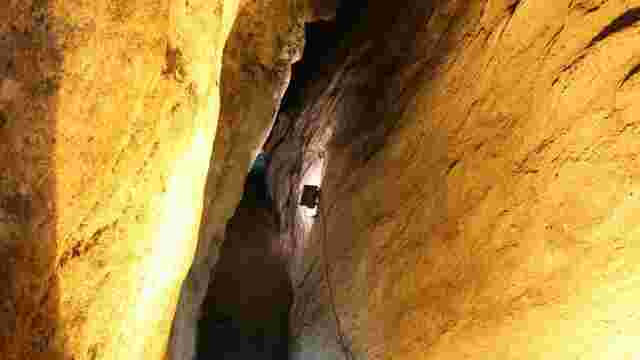
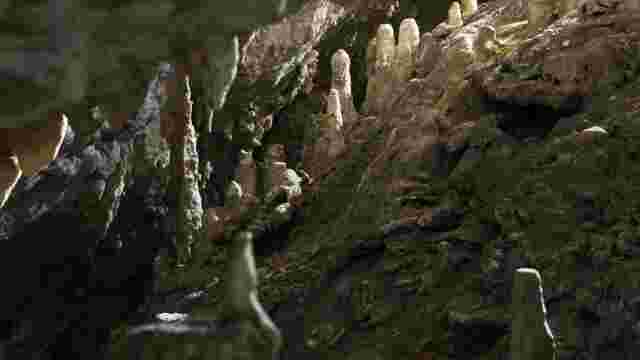
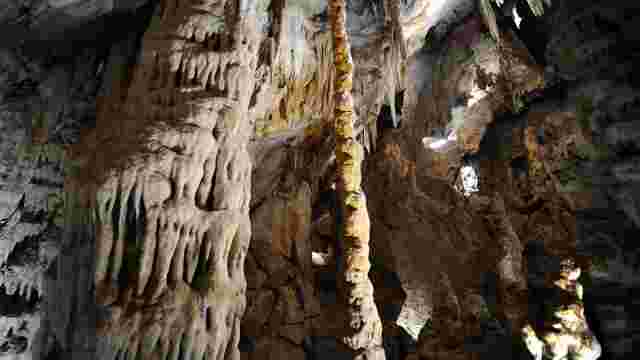
At weekends, there is a COMBINED ticket for €5, which grants entry to the castle, the municipal museum and the Cueva de la Encantada.
Guided tours can be arranged for groups of at least 10 people. Price: €6. (€6 is the price of the guided tour per person).
Children under 6 go free.
...............................................................................................................................
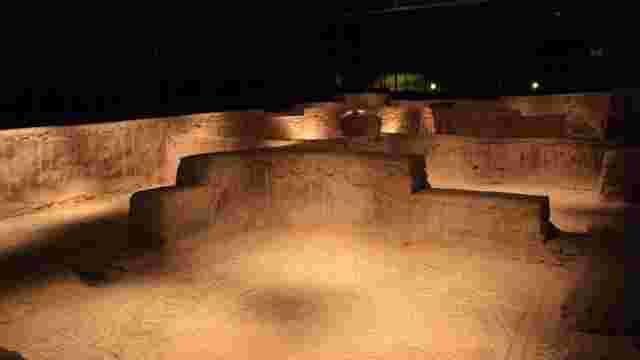
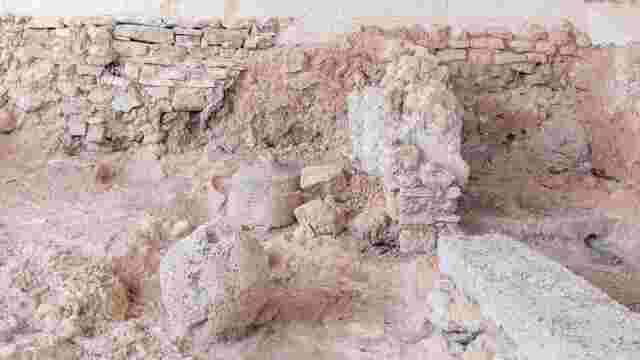
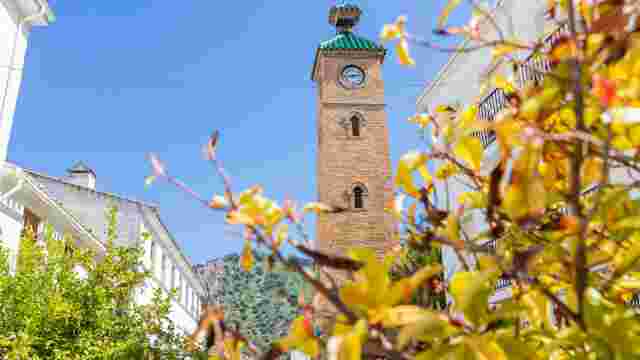
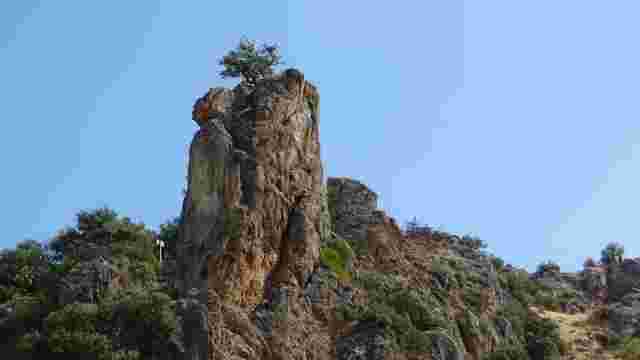
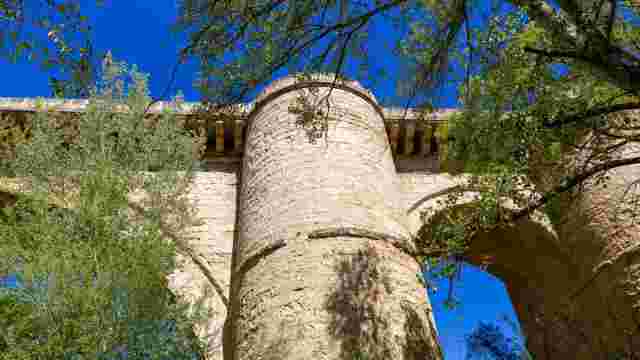
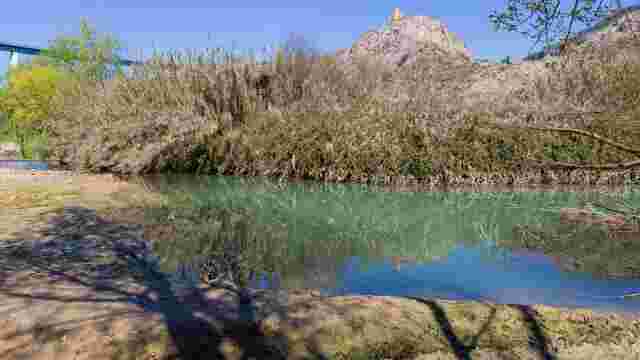
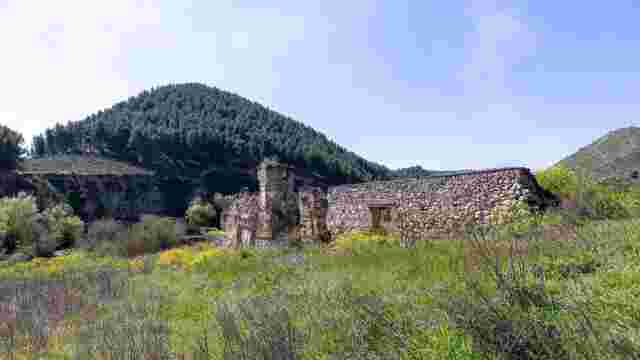
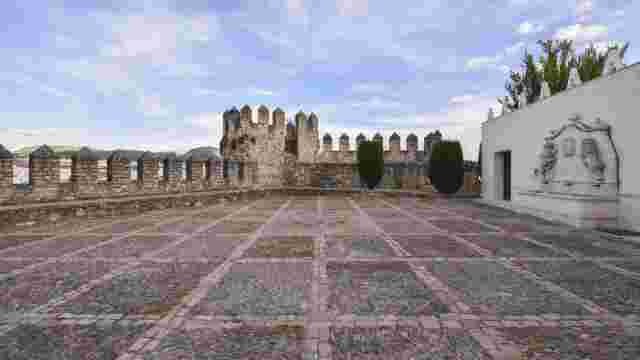
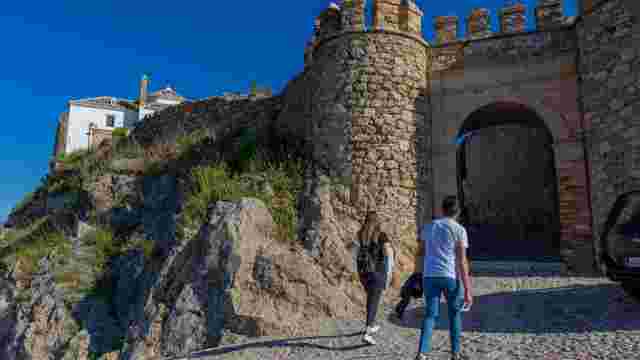
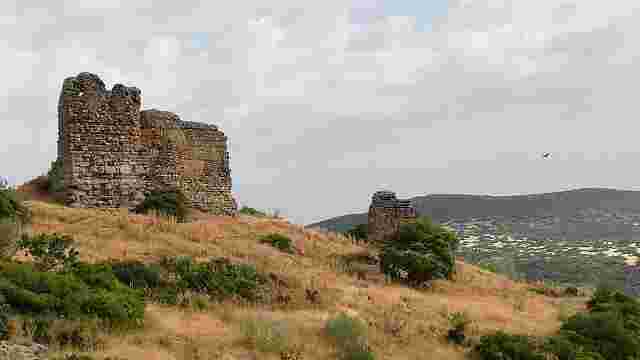
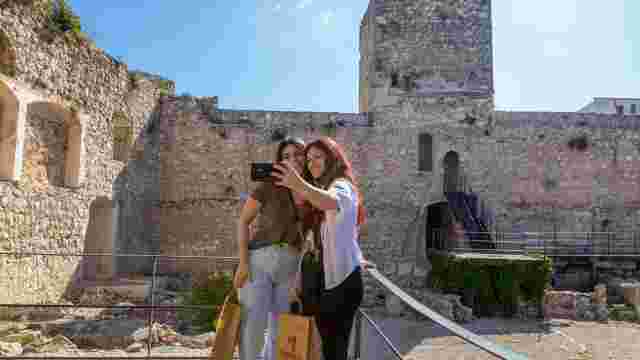
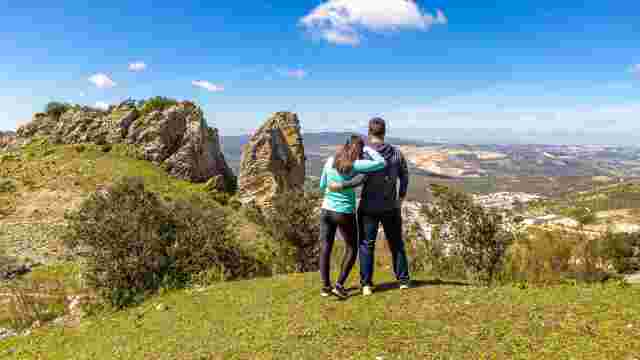
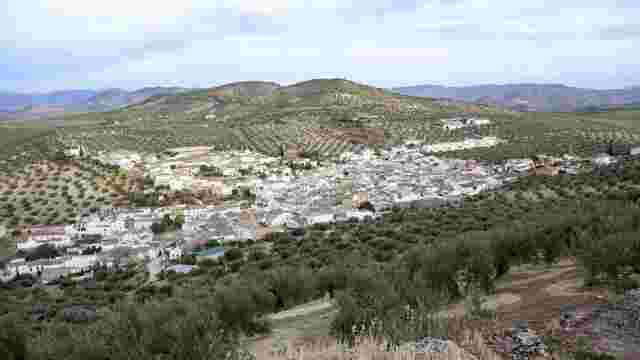
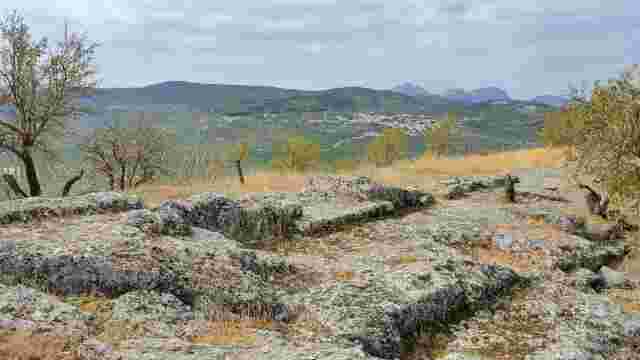
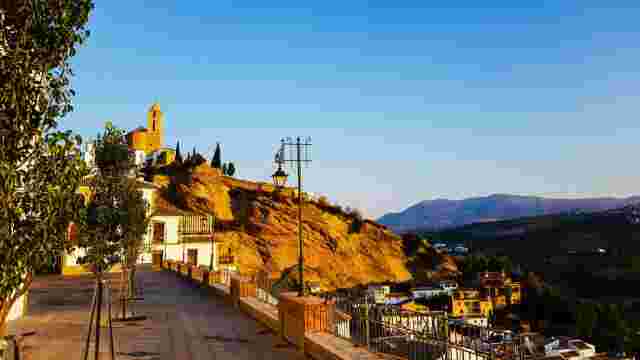
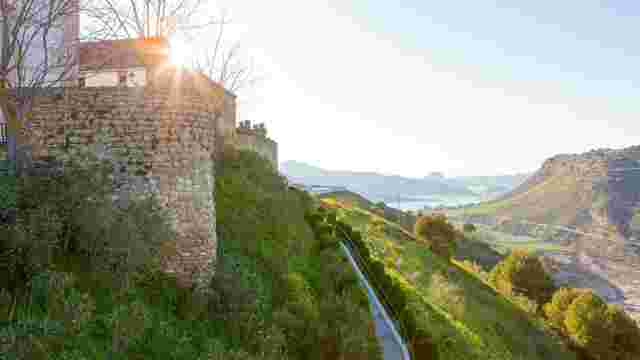
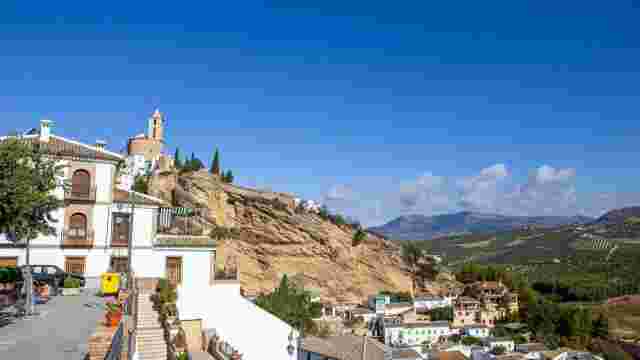
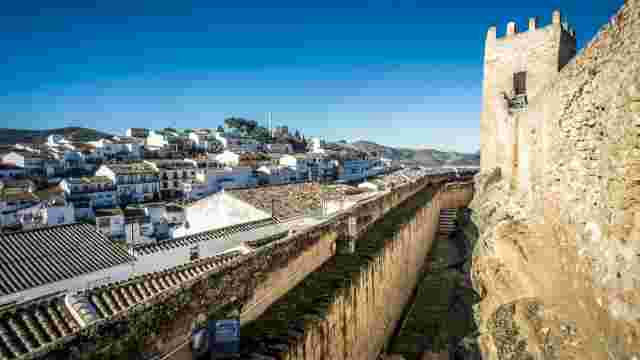
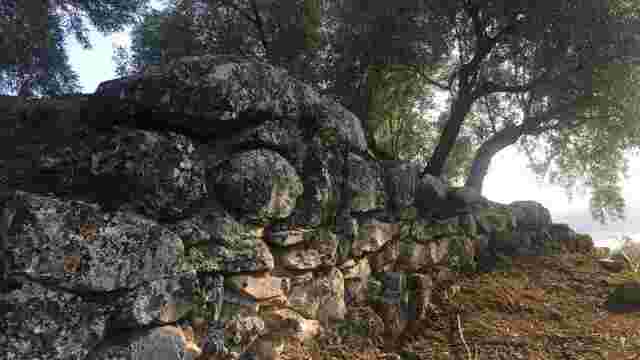
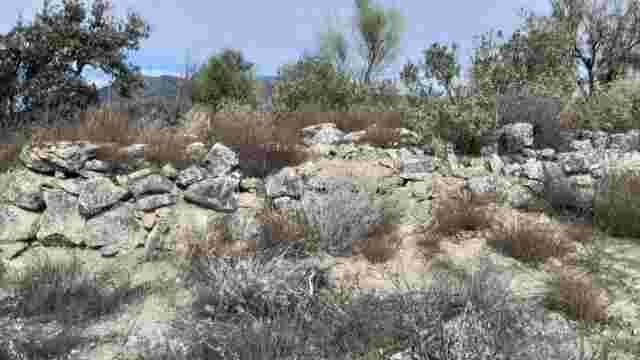
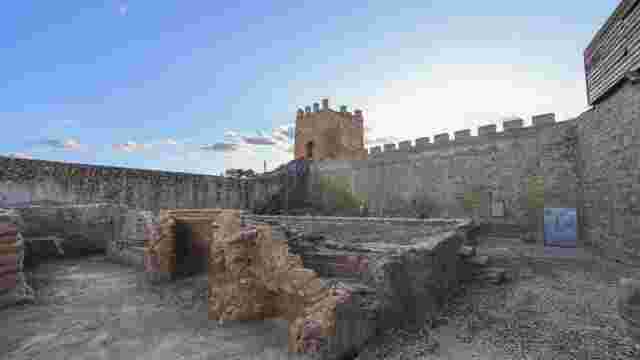
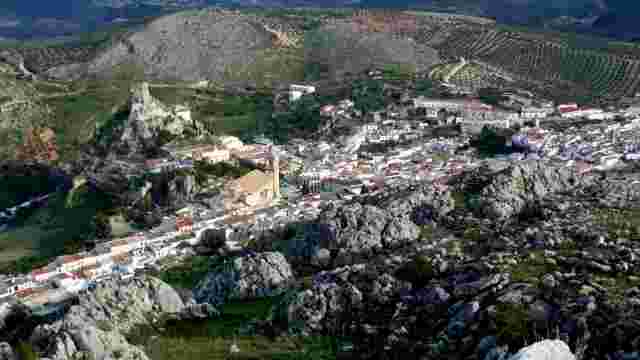
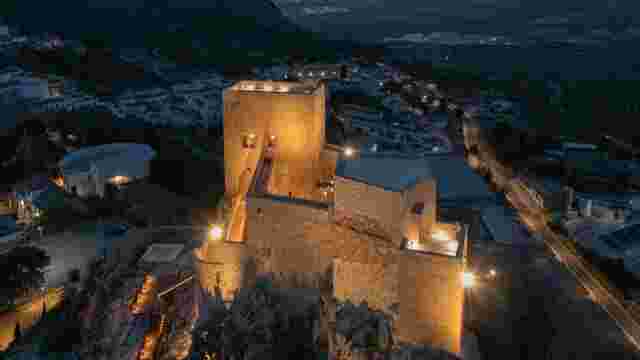
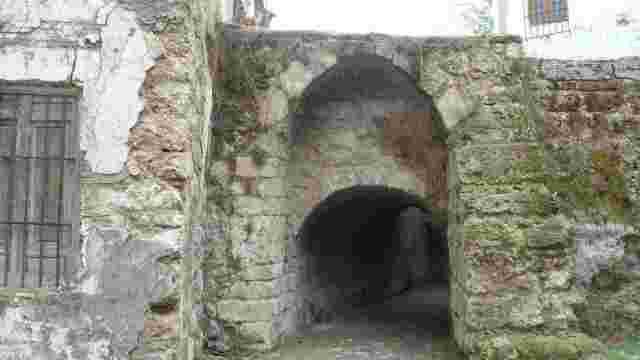
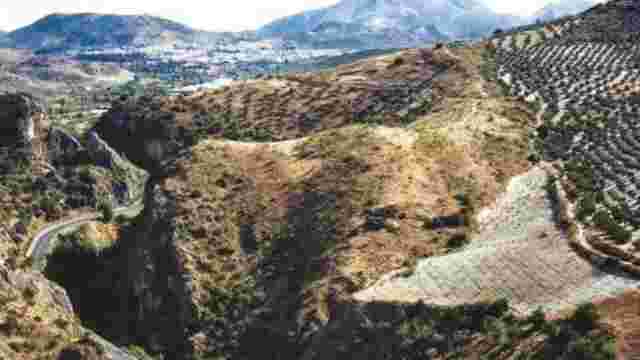
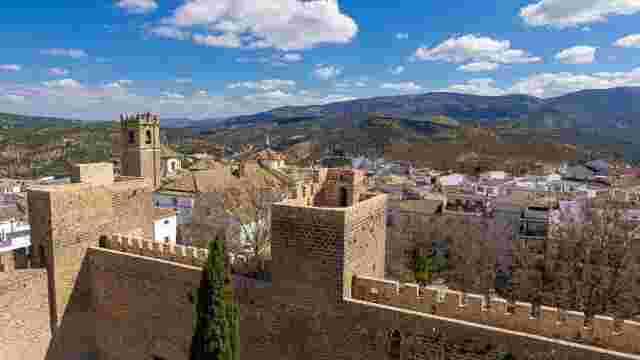
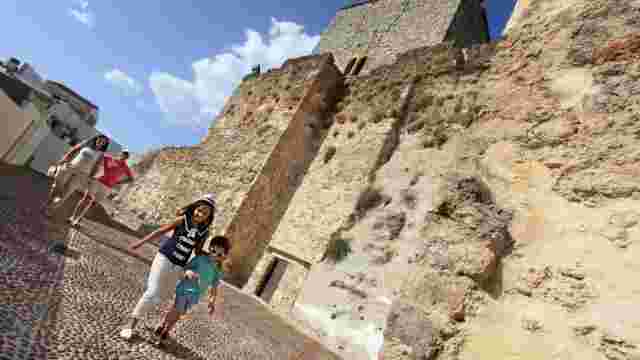
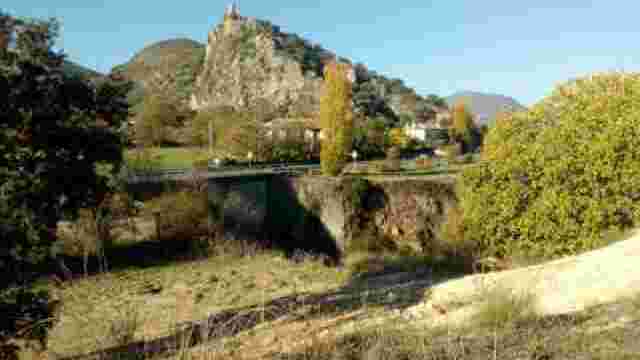
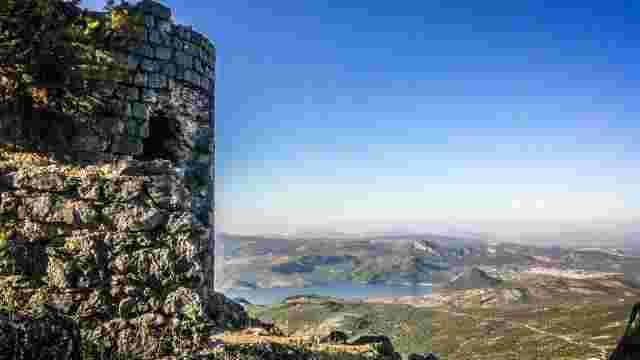
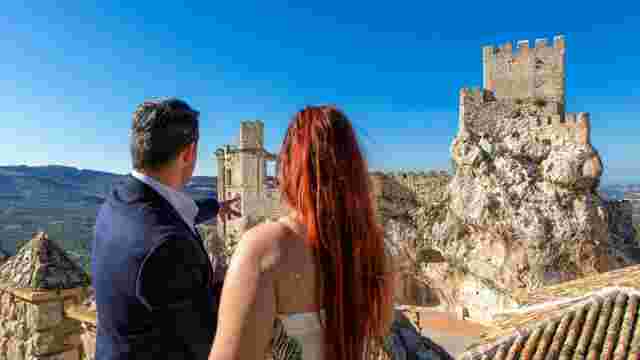
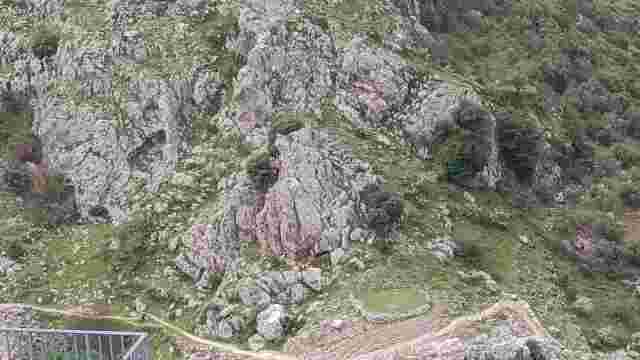
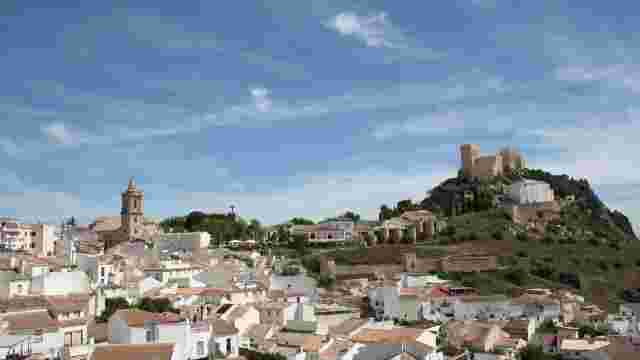
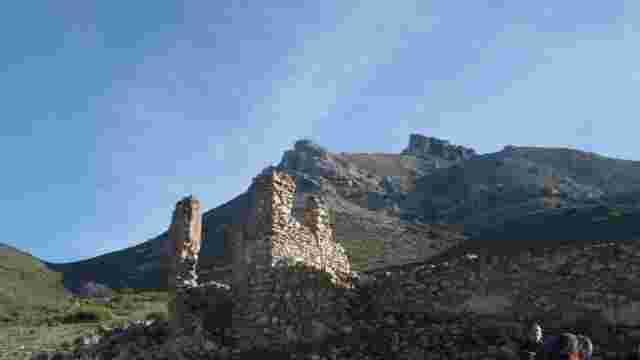
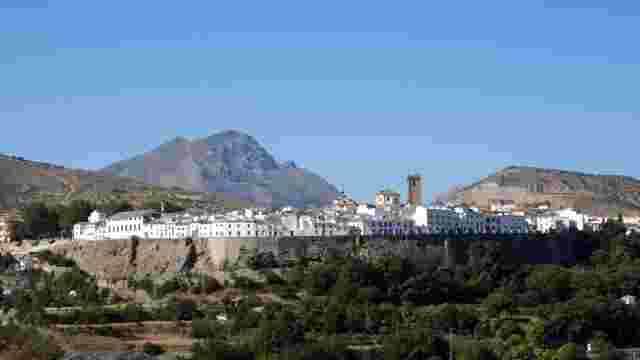
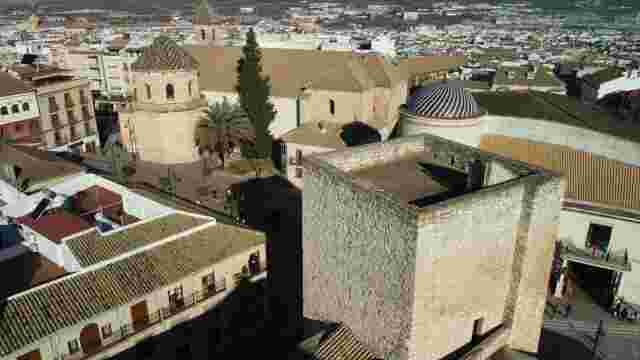
It appears to date back to the final years of the Umayyad Emirate (9th century) and is situated on the site of an ancient Roman fortress. Towards the end of the 9th century, it was conquered by the Muladi rebel Omar Ben Hafsun and his ally Ibn Mastana, who fortified it and made it the centre of their operations. It played an important role in the struggle between King Lobo of Murcia and the Almohads, as it was within its boundaries that the Battle of the River Lukk took place, marking the beginning of the decline of Mardanish, king of the Murcian Taifa. Ferdinand III the Saint conquered it in 1240 and turned it into a stronghold against the power of the crescent, as it remained in border territory for over a hundred years. The remains preserved today date mainly from the 13th century. A rock-cut castle, impregnable on three sides, consisting of two large towers and three sections of wall that defend access to the interior via a winding entrance and a gate that was once a drawbridge. Built of rubble masonry and small ashlars.